

Hometourist

Search History
Popular Searches
Dealer Login / Sign Up

Dalam pasaran SUV Malaysia, ramai pembeli semasa memilih kereta akan membandingkan Honda HR-V dan Hyundai Santa Fe. Kedua-dua kereta ini mempunyai harga dan kedudukan yang agak hampir, hari ini kita akan membuat perbandingan terperinci dari pelbagai aspek untuk membantu anda menjimatkan masa menyiapkan kerja rumah.
Harga OTR Honda HR-V di Malaysia ialah RM 115,900 - 143,900, terdapat 4 versi, termasuk 2026 e:HEV 1.5L RS (RM 143,900), 2026 1.5T V (RM 137,900), 2026 1.5T E (RM 130,900) dan lain-lain.
Harga OTR Hyundai Santa Fe di Malaysia ialah RM 225,000 - 270,000, terdapat 3 versi, termasuk 2025 2.5T DCT 4WD Calligraphy 6 Seats (RM 270,000), 2025 HEV 1.6T AT 2WD Prestige 7 Seats (RM 245,000), 2025 HEV 1.6T AT 2WD Prime 7 Seats (RM 225,000) dan lain-lain.
Dari segi harga, harga permulaan Honda HR-V memang lebih murah RM 109,100 berbanding Hyundai Santa Fe. Jika bajet anda terhad, versi permulaan Honda sudah cukup untuk keperluan harian. Tetapi perlu diingat, beberapa ribu yang murah itu, mungkin ada kompromi dari segi kelengkapan, ia bergantung pada keperluan anda.

Honda HR-V dilengkapi dengan 1.5L Turbo, kuasa kuda 140 hp. Penggunaan bahan api rasmi 7.0 L/100km.
Hyundai Santa Fe dilengkapi dengan 2.0L 4-cyl, kuasa kuda 170 hp. Penggunaan bahan api rasmi 8.0 L/100km.
Dari segi kuasa, 2.0L 4-cyl Hyundai Santa Fe mempunyai 30 kuasa kuda lebih daripada 1.5L Turbo Honda HR-V. Namun untuk memandu harian di bandar, kuasa kedua-dua kereta ini sudah mencukupi, anda tidak akan rasa kurang tenaga.

Panjang badan Honda HR-V 4500 mm, ruang bonet 450 L.
Panjang badan Hyundai Santa Fe 4400 mm, ruang bonet 400 L.
Dari segi ruang, badan Honda HR-V lebih panjang 100 mm berbanding Hyundai Santa Fe, ruang duduk di dalam akan agak lebih lapang, terutamanya ruang kaki di kerusi belakang. Jika anda kerap membawa keluarga atau perlu letak kereta bayi, badan yang lebih besar memang lebih praktikal.

Honda HR-V menggunakan cara pemanduan FWD.
Hyundai Santa Fe menggunakan cara pemanduan FWD.
Cara pemanduan kedua-dua kereta ini sama, iaitu FWD, pengalaman memandu harian tidak akan banyak berbeza.

Honda HR-V dan Hyundai Santa Fe adalah pilihan utama di pasaran Malaysia, sesuai untuk kegunaan keluarga dan perjalanan harian. Jika anda lebih mengutamakan reputasi jenama dan harga kereta terpakai, pertimbangkan dulu yang lebih mempunyai reputasi; jika anda lebih mementingkan nisbah harga dan kelengkapan, pilih model yang lebih lengkap. Pada akhirnya, disarankan untuk mencuba kedua-duanya secara memandu, pengalaman sendiri adalah yang paling penting.

Secara keseluruhannya, Honda HR-V dan Hyundai Santa Fe adalah model yang sangat baik di pasaran Malaysia. Memilih mana satu, kunci utama masih melihat keperluan dan bajet peribadi anda. Kami cadangkan anda membuat kajian, bandingkan harga dari beberapa kedai kereta, kemudian buat ujian memandu untuk keputusan akhir. Membeli kereta adalah perkara besar, meluangkan masa membuat kajian pasti tidak salah.


Di pasaran SUV di Malaysia, ramai pembeli yang membandingkan Honda HR-V dan Hyundai Santa Fe semasa memilih kereta. Kedua-dua kereta ini mempunyai harga dan kedudukan pasaran yang agak hampir, hari ini kita akan membuat perbandingan terperinci dari pelbagai aspek untuk membantu anda menjimatkan masa untuk membuat kajian.
Honda HR-V di Malaysia mempunyai harga OTR RM 115,900 - 143,900, mempunyai 4 varian, termasuk 2026 e:HEV 1.5L RS (RM 143,900), 2026 1.5T V (RM 137,900), 2026 1.5T E (RM 130,900) dan lain-lain.
Hyundai Santa Fe di Malaysia mempunyai harga OTR RM 225,000 - 270,000, mempunyai 3 varian, termasuk 2025 2.5T DCT 4WD Calligraphy 6 Seats (RM 270,000), 2025 HEV 1.6T AT 2WD Prestige 7 Seats (RM 245,000), 2025 HEV 1.6T AT 2WD Prime 7 Seats (RM 225,000) dan lain-lain.
Dilihat dari segi harga, harga permulaan Honda HR-V memang lebih murah RM 109,100 berbanding Hyundai Santa Fe. Jika bajet anda terhad, varian asas Honda sudah boleh memenuhi keperluan harian. Tetapi perlu diingat, beberapa ribu ringgit yang murah itu mungkin ada kompromi dari segi kelengkapan, bergantung pada keperluan anda.
Honda HR-V dilengkapi dengan Turbo 1.5L, kuasa 140 hp. Kadar penggunaan bahan api rasmi 7.0 L/100km.
Hyundai Santa Fe dilengkapi dengan 4-silinder 2.0L, kuasa 170 hp. Kadar penggunaan bahan api rasmi 8.0 L/100km.
Dari segi kuasa, enjin 4-silinder 2.0L Hyundai Santa Fe mempunyai 30 kuasa kuda lebih daripada Turbo 1.5L Honda HR-V. Namun, untuk memandu harian di bandar, kuasa kedua-dua kereta sudah mencukupi, tidak akan terasa kurang kuasa.
Penilaian keselamatan Honda HR-V ialah 5★ (ASEAN NCAP), sistem keselamatan aktif termasuk Honda SENSING (ACC, CMBS, LKAS, RDM).
Penilaian keselamatan Hyundai Santa Fe ialah TBD, sistem keselamatan aktif termasuk Basic.
Dari segi kelengkapan keselamatan, kedua-dua kereta telah mendapat penilaian yang baik. Namun, Honda SENSING (ACC, CMBS, LKAS, RDM) Honda HR-V dan Basic Hyundai Santa Fe mempunyai perbezaan dari segi fungsi. Jika anda lebih mengutamakan keselamatan aktif, boleh dibandingkan senarai fungsi kedua-duanya.
Panjang badan Honda HR-V 4500 mm, kapasiti trunk 450 L.
Panjang badan Hyundai Santa Fe 4400 mm, kapasiti trunk 400 L.
Dari segi ruang, badan kereta Honda HR-V lebih panjang 100 mm daripada Hyundai Santa Fe, ruang duduk di dalam akan sedikit lebih luas, terutamanya ruang kaki di belakang. Jika anda sering mengangkut keluarga atau perlu letak tandu bayi, badan kereta yang lebih besar memang lebih praktikal.
Honda HR-V dan Hyundai Santa Fe adalah pilihan utama di pasaran Malaysia, sesuai untuk kegunaan keluarga dan perjalanan harian. Jika anda lebih mengutamakan reputasi jenama dan harga kereta terpakai, boleh utamakan yang mempunyai reputasi lebih baik. Jika anda lebih mementingkan nilai berbanding harga dan kelengkapan, pilih yang mempunyai kelengkapan lebih banyak. Akhir sekali, disarankan untuk membuat ujian memandu kedua-duanya, pengalaman peribadi adalah paling penting.
Secara keseluruhan, Honda HR-V dan Hyundai Santa Fe adalah model kereta yang sangat baik di pasaran Malaysia. Memilih yang mana satu, penting untuk melihat keperluan dan bajet peribadi anda. Disarankan membuat kajian, bandingkan beberapa tawaran harga daripada agen-agen kereta yang berbeza, kemudian buat ujian memandu untuk keputusan akhir. Membeli kereta adalah perkara besar, meluangkan sedikit masa untuk membuat kajian tidak akan salah.

In Malaysia's SUV market, many buyers compare Honda HR-V and Chery Tiggo 7 PHEV when choosing a car. These two cars are quite close in price and positioning. Today, we will make a detailed comparison from multiple aspects to help you save time on research.
The OTR price of Honda HR-V in Malaysia is RM 115,900 - 143,900, with a total of 4 versions, including 2026 e:HEV 1.5L RS (RM 143,900), 2026 1.5T V (RM 137,900), 2026 1.5T E (RM 130,900), etc.
The OTR price of Chery Tiggo 7 PHEV in Malaysia is RM 129,750 - 129,750, with a total of 2 versions, including 2025 1.5T 90km CSH (RM 129,750), What charging methods does the Tiggo 7 PHEV support? Can it be charged using a home power socket? (RM 117,478), etc.
In terms of price, the starting price of Honda HR-V is indeed RM 13,850 cheaper than Chery Tiggo 7 PHEV. If your budget is limited, Honda's entry-level version can meet daily needs. However, note that the few thousand dollars cheaper might involve trade-offs in features, it depends on your specific requirements.
Honda HR-V's safety rating is 5★ (ASEAN NCAP), active safety systems include Honda SENSING (ACC, CMBS, LKAS, RDM).
Chery Tiggo 7 PHEV's safety rating is TBD, active safety systems include Basic.
In terms of safety features, both cars have received good ratings. However, there are some differences in functionality between Honda HR-V's Honda SENSING (ACC, CMBS, LKAS, RDM) and Chery Tiggo 7 PHEV's Basic. If you value active safety highly, you can compare the feature lists of both in detail.
Honda HR-V uses FWD drive mode.
Chery Tiggo 7 PHEV uses FWD drive mode.
Both cars have the same drive mode, both are FWD, and there won't be a big difference in daily driving feel.
Honda HR-V warranty is 5 years/unlimited mileage, service interval is every 10,000km or 6 months.
Chery Tiggo 7 PHEV warranty is 3 years/100,000km, service interval is every 10,000km or 6 months.

Honda HR-V and Chery Tiggo 7 PHEV are both mainstream choices in the Malaysia market, suitable for family use and daily commuting. If you value brand reputation and resale value more, you can prioritize the one with better reputation; if you care more about price-performance ratio and features, choose the one with richer configuration. In the end, it is recommended to test drive both, personal experience is the most important.

Overall, Honda HR-V and Chery Tiggo 7 PHEV are both very good models in the Malaysia market. Which one to choose depends on your personal needs and budget. It is recommended to do your homework, compare quotes from several car dealers, and then test drive to make a final decision. Buying a car is a big matter, spending some time doing homework will never be wrong.

喺馬來西亞嘅 SUV 市場,好多買家喺揀車嘅時候都會拎本田 HR-V 同奇瑞 Tiggo 9 嚟做比較。呢兩部車喺價位同定位上都幾相近,而家我哋就從多個方面做一个詳細嘅比較,幫你節省做功課嘅時間。
本田 HR-V 喺馬來西亞嘅 OTR 售價係 RM 115,900 - 143,900,一共有 4 個版本,包括 2026 e:HEV 1.5L RS(RM 143,900)、2026 1.5T V(RM 137,900)、2026 1.5T E(RM 130,900)等。
奇瑞 Tiggo 9 喺馬來西亞嘅 OTR 售價係 RM 166,800 - 179,800,一共有 1 個版本,包括 2026 2.0T Standard(RM 179,750)等。
從價錢嚟睇,本田 HR-V 嘅起頭價確實比奇瑞 Tiggo 9 平咗 RM 50,900。如果你預算有限,本田嘅入門版已經可以滿足日常需要。但都要留意,平嗰幾千蚊,可能喺配備上會有取舍,具體要睇你嘅需要。
本田 HR-V 搭載 1.5L Turbo,馬力 140 hp。官方油耗 7.0 L/100km。
奇瑞 Tiggo 9 搭載 2.0L 4-cyl,馬力 170 hp。官方油耗 8.0 L/100km。
動力方面,奇瑞 Tiggo 9 嘅 2.0L 4-cyl 比本田 HR-V 嘅 1.5L Turbo 多咗 30 匹馬力。不過日常喺市區開,兩部車嘅動力都夠用,唔會覺得唔夠力。
本田 HR-V 嘅安全評級係 5★ (ASEAN NCAP),主動安全系統包括 Honda SENSING (ACC, CMBS, LKAS, RDM)。
奇瑞 Tiggo 9 嘅安全評級係 TBD,主動安全系統包括 Basic。
安全配備方面,兩部車都攞到唔錯嘅評級。不過本田 HR-V 嘅 Honda SENSING (ACC, CMBS, LKAS, RDM) 同奇瑞 Tiggo 9 嘅 Basic 喺功能上有些差異,如果你比較睇重主動安全嘅話,可以仔細比較一下兩者嘅功能列表。
本田 HR-V 車身長 4500 mm,後廂 450 L。
奇瑞 Tiggo 9 車身長 4400 mm,後廂 400 L。
空間方面,本田 HR-V 嘅車身比奇瑞 Tiggo 9 長咗 100 mm,車內坐位空間會稍微寬鬆少少,尤其係後座腿部空間。如果你經常載家人或者需要放嬰兒車,大少少嘅車身確實更抵用。

本田 HR-V 採用 FWD 驅動方式。
奇瑞 Tiggo 9 採用 FWD 驅動方式。
兩部車嘅驅動方式一樣,都係 FWD,日常駕駛感受唔會有太大分別。

總體嚟講,本田 HR-V 同奇瑞 Tiggo 9 都係馬來西亞市場幾唔錯嘅車款。揀邊部,關鍵都要睇你嘅個人需要同預算。建議大家做足功課,多比較幾間車行嘅報價,再去試駕先做最後決定。買車係一件大事,花啲時間做功課絕對唔會錯。

喺馬來西亞嘅 SUV 市場,好多買家喺揀車嗰陣都會拎 Honda HR-V 同 Chery Tiggo 9 嚟做比較。
Honda HR-V 喺馬來西亞嘅 OTR 售價係 RM 115,900 - 143,900,一總共有 4 個版本,包括 2026 e:HEV 1.5L RS(RM 143,900)、2026 1.5T V(RM 137,900)、2026 1.5T E(RM 130,900) 等。
Chery Tiggo 9 喺馬來西亞嘅 OTR 售價係 RM 166,800 - 179,800,一總共有 1 個版本,包括 2026 2.0T Standard(RM 179,750) 等。
從價錢來看,Honda HR-V 嘅起步價確實比 Chery Tiggo 9 平咗 RM 50,900。如果你預算有限,Honda 嘅入門版已經可以滿足日常需求。但都要留意,平嗰幾千蚊,可能喺配備上有取舍,具體要看你嘅需求。
Honda HR-V 車身長 4500 mm,行李箱 450 L。
Chery Tiggo 9 車身長 4400 mm,行李箱 400 L。
空間方面,Honda HR-V 嘅車身比 Chery Tiggo 9 長咗 100 mm,車內乘坐空間會稍微寬鬆啲,尤其係後座腿部空間。如果你經常載家人或者需要放嬰兒車,大一點嘅車身確實更實用。
Honda HR-V 保養 5 年/無限里程,保養間隔 每 10,000km 或 6 個月。
Chery Tiggo 9 保養 3 年/100,000km,保養間隔 每 10,000km 或 6 個月。
Honda HR-V 同 Chery Tiggo 9 都係馬來西亞市場嘅主流選擇,適合家庭使用、日常通勤。如果你更睇重品牌口碑同二手價,可以優先考慮口碑更好嗰一款;如果你更在意性價比同配備,就揀配置更豐富嗰款。最終都係建議兩款都去試車,親身體驗先係最重要嘅。
總括嚟講,Honda HR-V 同 Chery Tiggo 9 都係馬來西亞市場幾唔錯嘅車款。揀邊一個,關鍵都係要睇你嘅個人需求同預算。建議大家做功課做好啲,多比較幾間車行嘅報價,先去試車先做最終決定。買車係件大事,花少少時間做功課絕對唔會錯。
In the Malaysian SUV market, many buyers compare Honda HR-V and Chery Tiggo 8 when choosing a car. These two cars are quite close in price and positioning. Today we will do a detailed comparison from multiple aspects to help you save time on research.
Honda HR-V OTR price in Malaysia is RM 115,900 - 143,900, with 4 versions in total, including 2026 e:HEV 1.5L RS (RM 143,900), 2026 1.5T V (RM 137,900), 2026 1.5T E (RM 130,900) etc.
Chery Tiggo 8 OTR price in Malaysia is RM 129,750 - 129,750, with 1 version in total, including 2026 1.6T Standard (RM 129,750) etc.
From a price perspective, the Honda HR-V's starting price is indeed RM 13,850 cheaper than the Chery Tiggo 8. If your budget is limited, Honda's entry-level version can already meet daily needs. But note that the few thousand difference might involve trade-offs in features, it depends on your specific needs.
Honda HR-V features a 1.5L Turbo engine, 140 hp. Official fuel consumption 7.0 L/100km.
Chery Tiggo 8 features a 1.5L Turbo engine, 140 hp. Official fuel consumption 7.0 L/100km.
Both cars use the same powertrain, so the driving feel is basically the same. Fuel consumption is also similar, so no need to worry too much about this point.
Honda HR-V safety rating is 5★ (ASEAN NCAP), active safety systems include Honda SENSING (ACC, CMBS, LKAS, RDM).
Chery Tiggo 8 safety rating is TBD, active safety systems include Basic.
Regarding safety features, both cars have received good ratings. However, there are some differences in functionality between Honda HR-V's Honda SENSING (ACC, CMBS, LKAS, RDM) and Chery Tiggo 8's Basic. If you value active safety, you can compare their feature lists in detail.
Honda HR-V warranty 5 Years/Unlimited Mileage, service interval every 10,000km or 6 Months.
Chery Tiggo 8 warranty 3 Years/100,000km, service interval every 10,000km or 6 Months.

In general, both Honda HR-V and Chery Tiggo 8 are very good models in the Malaysian market. Which one to choose depends on your personal needs and budget. It is recommended to do your research, compare quotes from several dealerships, and test drive before making a final decision. Buying a car is a big decision, spending time on research will never be wrong.

Dalam pasaran SUV Malaysia, ramai pembeli membandingkan Honda HR-V dan Chery Tiggo 8 semasa memilih kereta. Kedua-dua kereta ini mempunyai harga dan kedudukan pasaran yang agak hampir. Hari ini, kita akan membandingkan secara terperinci dari pelbagai aspek, membantu anda menjimatkan masa membuat kajian.
Harga OTR Honda HR-V di Malaysia ialah RM 115,900 - 143,900, terdapat 4 varian, antaranya 2026 e:HEV 1.5L RS (RM 143,900), 2026 1.5T V (RM 137,900), 2026 1.5T E (RM 130,900) dan lain-lain.
Harga OTR Chery Tiggo 8 di Malaysia ialah RM 129,750 - 129,750, terdapat 1 varian, antaranya 2026 1.6T Standard (RM 129,750) dan lain-lain.
Dari segi harga, harga permulaan Honda HR-V memang lebih murah RM 13,850 berbanding Chery Tiggo 8. Jika bajet anda terhad, versi permulaan Honda sudah dapat memenuhi keperluan harian. Namun, perlu diingat, beberapa ribu ringgit yang murah itu mungkin ada kompromi dari segi kelengkapan, bergantung pada keperluan anda.
Honda HR-V panjang kenderaan 4500 mm, ruang bagasi 450 L.
Chery Tiggo 8 panjang kenderaan 4400 mm, ruang bagasi 400 L.
Dari segi ruang, badan Honda HR-V 100 mm lebih panjang daripada Chery Tiggo 8, ruang duduk di dalam akan sedikit lebih lapang, terutamanya ruang kaki untuk tempat duduk belakang. Jika anda sering membawa keluarga atau perlu meletakkan kereta dorong bayi, badan yang lebih besar memang lebih praktikal.
Honda HR-V menggunakan kaedah pemacu FWD.
Chery Tiggo 8 menggunakan kaedah pemacu FWD.
Kaedah pemacu kedua-dua kereta sama, iaitu FWD, pengalaman memandu harian tidak akan banyak berbeza.
Honda HR-V dan Chery Tiggo 8 adalah pilihan utama pasaran Malaysia, sesuai untuk kegunaan keluarga, perjalanan harian. Jika anda lebih mementingkan reputasi jenama dan harga jual semula, pertimbangkan dahulu yang mempunyai reputasi lebih baik; jika anda lebih mengutamakan nilai untuk harga dan kelengkapan, pilih yang mempunyai konfigurasi lebih kaya. Pada akhirnya, disarankan untuk uji pemanduan kedua-dua model, pengalaman peribadi adalah yang paling penting.
Secara keseluruhan, Honda HR-V dan Chery Tiggo 8 adalah model kereta yang sangat baik di pasaran Malaysia. Memilih mana satu, penting bergantung pada keperluan dan bajet peribadi anda. Disarankan membuat kajian, bandingkan harga di beberapa kedai kereta, kemudian pergi uji pemanduan untuk membuat keputusan akhir. Membeli kereta adalah perkara penting, meluangkan masa membuat kajian tidak akan salah.

Di pasaran SUV Malaysia, ramai pembeli semasa memilih kereta akan membandingkan Honda HR-V dan Chery Tiggo 7 Pro. Kedua-dua kereta ini agak hampir dari segi harga dan posisi, hari ini kita akan buat perbandingan terperinci dari pelbagai aspek, membantu anda menjimatkan masa membuat kajian.
Harga OTR Honda HR-V di Malaysia ialah RM 115,900 - 143,900, terdapat 4 varian termasuk 2026 e:HEV 1.5L RS (RM 143,900), 2026 1.5T V (RM 137,900), 2026 1.5T E (RM 130,900) dan lain-lain.
Harga OTR Chery Tiggo 7 Pro di Malaysia ialah RM 123,750 - 123,750, terdapat 2 varian termasuk 1.6L Turbo Standard (RM 125,000), 1.6L Turbo Premium (RM 140,000) dan lain-lain.
Dari segi harga, harga permulaan Honda HR-V memang lebih murah RM 7,850 berbanding Chery Tiggo 7 Pro. Jika bajet anda terhad, versi entry Honda sudah boleh memenuhi keperluan harian. Namun, perbezaan beberapa ribu lebih murah itu, mungkin ada kompromi dari segi peralatan, bergantung kepada keperluan anda.
Honda HR-V ditenagakan oleh 1.5L Turbo, kuasa kuda 140 hp. Pengeluaran minyak rasmi 7.0 L/100km.
Chery Tiggo 7 Pro ditenagakan oleh 1.5L Turbo, kuasa kuda 140 hp. Pengeluaran minyak rasmi 7.0 L/100km.
Kedua-dua kereta menggunakan sistem enjin yang sama, rasa memandu pada umumnya tidak ada perbezaan. Dari segi pengeluaran minyak juga hampir sama, tidak perlu terlalu bimbang tentang ini.
Peringkat keselamatan Honda HR-V ialah 5★ (ASEAN NCAP), sistem keselamatan aktif termasuk Honda SENSING (ACC, CMBS, LKAS, RDM).
Peringkat keselamatan Chery Tiggo 7 Pro ialah TBD, sistem keselamatan aktif termasuk Basic.
Dari segi peralatan keselamatan, kedua-dua kereta mendapat peringkat yang baik. Namun Honda SENSING (ACC, CMBS, LKAS, RDM) Honda HR-V dan Basic Chery Tiggo 7 Pro mempunyai perbezaan dalam fungsi, jika anda lebih menitikberatkan keselamatan aktif, boleh bandingkan senarai fungsi kedua-duanya dengan teliti.
Honda HR-V waranti 5 tahun/jarak tanpa had, selang penyelenggaraan setiap 10,000km atau 6 bulan.
Chery Tiggo 7 Pro waranti 3 tahun/100,000km, selang penyelenggaraan setiap 10,000km atau 6 bulan.
Honda HR-V dan Chery Tiggo 7 Pro adalah pilihan utama di pasaran Malaysia, sesuai untuk penggunaan keluarga, perjalanan harian. Jika anda lebih mengutamakan reputasi jenama dan harga semula jualan, boleh terutamanya pilih model yang mempunyai reputasi baik; jika anda lebih menitikberatkan nilai dan fitur, pilih model yang mempunyai konfigurasi lebih kaya. Akhir sekali, dicadangkan untuk mencuba memandu kedua-dua model, pengalaman sendiri adalah yang paling penting.
Secara keseluruhan, Honda HR-V dan Chery Tiggo 7 Pro adalah model kereta yang cukup bagus di pasaran Malaysia. Memilih yang mana satu, kunci adalah melihat keperluan peribadi dan bajet anda. Kami cadangkan anda melakukan kajian terlebih dahulu, bandingkan beberapa kutipan harga kedai kereta, kemudian buat keputusan akhir selepas ujian memandu. Membeli kereta adalah perkara besar, meluangkan masa untuk kajian tidak akan salah.

喺馬來西亞嘅 SUV 市場,好多買家喺揀車嗰陣都會拿本田 HR-V 同奇瑞 Tiggo 8 Pro 嚟做比較。呢兩款車喺價位同定位上都好接近,而家我哋就從多個方面做一次詳細嘅比較,幫到你們省咗做功課嘅時間。
本田 HR-V 喺馬來西亞嘅 OTR 售價係 RM 115,900 - 143,900,一共有 4 個版本,包括 2026 e:HEV 1.5L RS(RM 143,900)、2026 1.5T V(RM 137,900)、2026 1.5T E(RM 130,900) 等。
奇瑞 Tiggo 8 Pro 喺馬來西亞嘅 OTR 售價係 RM 159,750 - 159,750,一共有 2 個版本,包括 1.6L Turbo Standard(RM 130,000)、1.6L Turbo Premium(RM 145,000) 等。
從價錢嚟睇,本田 HR-V 嘅起價真係比奇瑞 Tiggo 8 Pro 平咗 RM 43,850。如果你預算有限,本田嘅入門版已經可以滿足日常需要。但要留心,平嗰啲幾千蚊,可能喺配備上會有取捨,具體要看你嘅需求。
本田 HR-V 裝載 1.5L Turbo,馬力 140 hp。官方油耗 7.0 L/100km。
奇瑞 Tiggo 8 Pro 裝載 2.0L 4-cyl,馬力 170 hp。官方油耗 8.0 L/100km。
動力方面,奇瑞 Tiggo 8 Pro 嘅 2.0L 4-cyl 比本田 HR-V 嘅 1.5L Turbo 多咗 30 匹馬力。不過日常喺市區行,兩款車嘅動力都夠用,唔會覺得唔夠力。
本田 HR-V 嘅安全評級係 5★ (ASEAN NCAP),主動安全系統包括本田 SENSING (ACC, CMBS, LKAS, RDM)。
奇瑞 Tiggo 8 Pro 嘅安全評級係 TBD,主動安全系統包括 Basic。
安全配備方面,兩款車都拿到唔錯嘅評級。不過本田 HR-V 嘅本田 SENSING (ACC, CMBS, LKAS, RDM) 同奇瑞 Tiggo 8 Pro 嘅 Basic 喺功能上有少少分別,如果你比較重視主動安全嘅話,可以仔細比較一下兩者嘅功能列表。
本田 HR-V 保養 5 年/無限里程,保養間隔 每 10,000km 或 6 個月。
奇瑞 Tiggo 8 Pro 保養 3 年/100,000km,保養間隔 每 10,000km 或 6 個月。
本田 HR-V 同奇瑞 Tiggo 8 Pro 都係馬來西亞市場嘅主流選擇,適合家庭用、日常通勤。如果你更重視品牌口碑同二手價,可以優先考慮口碑更好嗰一款;如果你更在意性價比同配備,那就揀配置更豐富嗰款。最終都係建議兩款都去試駕,親自體驗先係最重要嘅。
總括嚟講,本田 HR-V 同奇瑞 Tiggo 8 Pro 都係馬來西亞市場幾唔錯嘅車型。揀邊一部,關鍵仲係要睇你嘅個人同預算。建議大家做好功課,多比較幾間車行嘅報價,先去試駕做最終決定。買車係件大事,花少少時間做功課絕對唔會錯。
在中国汽车“换道超车”之时,奇瑞新能源爆发式增长进入新常态。随着8月销量发布,奇瑞集团新能源迎来连续第5个月销量突破10万辆:集团8月销售新能源汽车120,909辆,同比增长69.8%,连续5个月批发量位居行业前三;1-8月,集团累计销售新能源汽车725,214辆,同比增长46.2%。

奇瑞新能源销量占世界份额5.5%
根据乘联分会负责人崔东树统计分析,2026年1-7月,奇瑞集团新能源销量的世界份额达到5.5%,位居全球车企集团前五。从4月的10.03万辆到8月的12.1万辆,奇瑞新能源的快速增长推动奇瑞在全球新能源市场地位的跃升。在全球新能源销量份额TOP5名单上,中国车企占据四席,展现了中国汽车在全球市场的品牌新形象。

新能源渗透率持续提升,欧洲新能源增长超3倍
8月,奇瑞集团销售汽车280,128辆,同比增长15.4%,其中出口196,984辆,同比增长52.1%,保持中国品牌汽车第一。
值得关注的是奇瑞规模增长背后新能源渗透率的提升:8月,奇瑞国内市场新能源渗透率再次突破60%,达到61.9%。这意味着,奇瑞在国内市场每卖出3辆汽车,就有2辆是新能源。新能源已经成为奇瑞国内市场绝对主力军。
新能源也成为奇瑞全球化的强力引擎。目前,中国每出口7辆新能源汽车,就有1辆来自奇瑞。8月,奇瑞集团新能源出口近7万辆,同比增长124.2%,占当月总出口的比重达到35.3%。

全球畅销车型JAECOO 7
欧洲市场的“含新量”更高。1-7月,奇瑞在欧洲24国销售汽车超20.8万辆,同比增长201%;其中新能源10.2万辆,同比增长332.5%。从欧洲销量结构看,新能源占比约50%,奇瑞新能源产品加快进入全球高法规市场,产品力得到全球最严苛市场的验证和认可。
爆款矩阵:从风云T7到JAECOO 7
奇瑞在全球市场形成覆盖不同市场、不同价位、不同品类的“爆款矩阵”,推动奇瑞新能源销量持续突破、行业地位稳固提升。
在国内,风云T7上市首日订单破2.3万,验证了“原生全球车”理念的市场爆发力;FREELANDER神行者首款量产车型神行者8开启预售,48小时订单突破1万辆,向高端新能源市场发起冲击;全新QQ3连续5个月销量过1万辆,A0级纯电明星产品地位稳固;智界V9累计交付已突破2万辆,刷新50万级新能源MPV最快交付纪录。

“原生全球车”风云T7
在海外,以新能源为特色的JAECOO 7、JAECOO 5、OMODA 5三款车型进入英国十大畅销车型榜单;JAECOO 5成为澳大利亚细分市场、印尼与泰国纯电市场销量冠军,iCAUR V23位居泰国、南非等地细分市场第一。

iCAUR V23
量质齐升:新能源收入占比升至41.4%
奇瑞新能源不仅有“量的增长”,更有“质的跃升”。奇瑞新能源正从规模扩张迈向价值增长的新阶段。2026年上半年,奇瑞汽车新能源业务收入达592.84亿元,同比增长63.8%,占总收入比重从25.6%提升至41.4%。
截至8月底,奇瑞全球累计销量突破2044万辆,海外累计销量超718万辆,这是新起点,而新能源正为这个新起点注入全新内涵。中国汽车“换道超车”的故事,奇瑞正在全球版图上持续书写。

In Malaysia's SUV market, many buyers compare Honda HR-V and Chery Tiggo Cross when choosing a car. These two models are quite close in price and positioning. Today, we will make a detailed comparison from multiple aspects to help you save time on research.
Honda HR-V's OTR price in Malaysia is RM 115,900 - 143,900, with a total of 4 versions, including 2026 e:HEV 1.5L RS (RM 143,900), 2026 1.5T V (RM 137,900), 2026 1.5T E (RM 130,900), etc.
Chery Tiggo Cross's OTR price in Malaysia is RM 88,750 - 99,750, with a total of 2 versions, including 2025 HEV 1.5L CSH (RM 99,750), 2025 1.5T Standard (RM 88,750), etc.
From a price perspective, Chery Tiggo Cross's starting price is RM 27,150 cheaper than Honda HR-V. To be honest, in this price range, the difference of a few thousand is actually not significant. The key lies in overall value for money and long-term usage costs.
Honda HR-V is equipped with 1.5L Turbo, 140 hp. Official fuel consumption 7.0 L/100km.
Chery Tiggo Cross is equipped with 1.5L 4-cyl, 105 hp. Official fuel consumption 6.0 L/100km.
In terms of power, Honda HR-V's 1.5L Turbo has 35 more horsepower than Chery Tiggo Cross's 1.5L 4-cyl, offering more confidence in mid-range acceleration, especially when overtaking on highways. However, Chery Tiggo Cross's fuel consumption might be friendlier, and the difference for daily city commuting won't be too significant.
Honda HR-V warranty 5 years/unlimited mileage, maintenance interval every 10,000km or 6 months.
Chery Tiggo Cross warranty 3 years/100,000km, maintenance interval every 10,000km or 6 months.
Honda HR-V and Chery Tiggo Cross are both mainstream choices in the Malaysian market, suitable for family use and daily commuting. If you value brand reputation and resale value more, you can prioritize the one with better reputation; if you care more about value for money and features, choose the one with richer configurations. Ultimately, it is recommended to test drive both, as personal experience is the most important.

Overall, Honda HR-V and Chery Tiggo Cross are both very good models in the Malaysian market. Which one to choose mainly depends on your personal needs and budget. It is recommended to do your research, compare quotes from multiple car dealers, and then test drive to make the final decision. Buying a car is a major matter, and spending time on research will never be wrong.

Dalam pasaran SUV Malaysia, ramai pembeli membandingkan Honda HR-V dan Chery Tiggo 7 Pro semasa memilih kereta. Kedua-dua kenderaan ini hampir sama dari segi harga dan kedudukan pasaran. Hari ini, kita akan buat perbandingan terperinci dari pelbagai aspek untuk membantu anda menjimatkan masa membuat kajian.
Harga OTR Honda HR-V di Malaysia ialah RM 115,900 - 143,900. Terdapat 4 varian, termasuk 2026 e:HEV 1.5L RS (RM 143,900), 2026 1.5T V (RM 137,900), 2026 1.5T E (RM 130,900) dan lain-lain.
Harga OTR Chery Tiggo 7 Pro di Malaysia ialah RM 123,750 - 123,750. Terdapat 2 varian, termasuk 1.6L Turbo Standard (RM 125,000), 1.6L Turbo Premium (RM 140,000) dan lain-lain.
Dari segi harga, harga permulaan Honda HR-V memang RM 7,850 lebih murah berbanding Chery Tiggo 7 Pro. Jika bajet anda terhad, versi permulaan Honda sudah boleh memenuhi keperluan harian. Namun, perlu diingat, perbezaan harga ribuan ringgit itu mungkin melibatkan kompromi dalam peralatan, bergantung pada keperluan anda.
Honda HR-V dilengkapi enjin 1.5L Turbo, kuasa 140 hp. Kehausan bahan api rasmi 7.0 L/100km.
Chery Tiggo 7 Pro dilengkapi enjin 1.5L Turbo, kuasa 140 hp. Kehausan bahan api rasmi 7.0 L/100km.
Kedua-dua kereta menggunakan sistem kuasa yang sama, pengalaman memandu sehari-hari hampir tiada perbezaan. Dari segi kecekapan bahan api juga serupa, tidak perlu terlalu bimbang tentang perkara ini.
Panjang badan Honda HR-V 4500 mm, kapasiti bagasi 450 L.
Panjang badan Chery Tiggo 7 Pro 4400 mm, kapasiti bagasi 400 L.
Dari segi ruang, badan Honda HR-V 100 mm lebih panjang daripada Chery Tiggo 7 Pro, ruang duduk dalam kenderaan sedikit lebih luas, terutamanya ruang kaki di baris belakang. Jika anda kerap membawa keluarga atau perlu meletakkan kereta bayi, badan yang sedikit lebih besar memang lebih praktikal.
Honda HR-V dan Chery Tiggo 7 Pro kedua-duanya merupakan pilihan utama di pasaran Malaysia, sesuai untuk kegunaan keluarga dan perjalanan harian. Jika anda lebih mengutamakan reputasi jenama dan harga jual semula, pertimbangkan dahulu yang mempunyai reputasi lebih baik; jika anda lebih memprioritaskan nisbah harga-kepada-ciri dan peralatan, pilihlah yang mempunyai kelengkapan lebih melimpah. Pada akhirnya, disarankan untuk memandu kedua-dua model tersebut, pengalaman peribadi adalah yang paling penting.
Secara keseluruhannya, Honda HR-V dan Chery Tiggo 7 Pro kedua-duanya adalah model kereta yang sangat baik di pasaran Malaysia. Memilih yang mana, utamanya bergantung pada keperluan dan bajet peribadi anda. Disarankan agar membuat kajian, membandingkan beberapa tawaran di kedai kereta yang berbeza, kemudian memandu untuk membuat keputusan akhir. Membeli kereta adalah perkara besar, meluangkan masa membuat kajian tidak akan salah.

Editor's Note: Leapmotor's monthly sales exceeded the 100,000-unit mark consecutively, with August year-on-year growth exceeding 80%. The growth rate ranked among the leading mainstream new energy vehicle companies, as scale growth and operating quality improved in tandem, showing a positive development momentum.
January-August Sales 560,000 Units, Year-on-Year Growth 70%
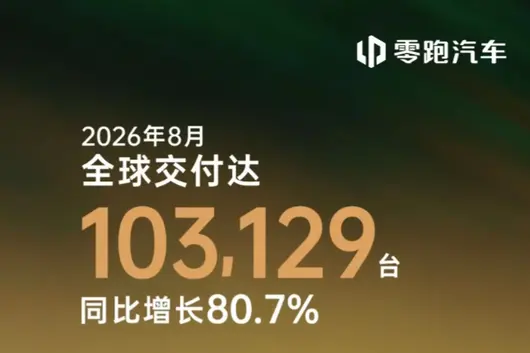
On September 1, Leapmotor released the new vehicle delivery data for August 2026. Data shows that Leapmotor's global delivery volume in August reached 103,129 units, an 80.7% year-on-year increase. Following the delivery of 101,267 units in July, Leapmotor exceeded the 100,000-unit monthly delivery threshold for the second consecutive month. Thus far, cumulative deliveries for Leapmotor from January to August 2026 reached 560,900 units, a 70.55% year-on-year increase, with the production and sales scale steadily stepping onto a new level.

Against the industry background of overall adjustment in the domestic new energy market, Leapmotor's high growth rate was particularly notable.
Data previously released by the China Passenger Car Association showed that from January to July 2026, retail sales of domestic new energy passenger vehicles declined by 14.1% year-on-year, with terminal sales for most mainstream brands showing a year-on-year decline.
Under the pressure on the overall industry market, Leapmotor continued to gain share in the mainstream 100,000-200,000 yuan new energy market, leveraging cost advantages from full-domain self-research and high cost-performance product positioning. Its market share steadily increased, making it one of the fastest-growing brands in the new energy market this year.
From a market structure perspective, the domestic market remains Leapmotor's core foundation. Sales of core models continued to rise in their respective segments, becoming the core support for sales growth. Specifically, the A10 exceeded 100,000 units in mass production off the line just 135 days after launch, ranking first in sales of Chinese brand SUVs for consecutive months; the D19, after launch, firmly held the sales champion title for large SUVs within the 400,000 yuan range, with market reputation continuing to improve.
At the same time, overseas markets also performed notably, with export sales achieving rapid year-on-year growth. Leapmotor's export volume reached 96,300 units in the first half of the year, up 372.6% year-on-year, exceeding the total export volume of the entire year of 2025. Channel layouts in key markets such as Europe, Southeast Asia, and the Middle East were gradually implemented, localized operations continued to deepen, and the contribution of globalized business to overall sales continued to rise.
Exceeding 100,000 units for two consecutive months marks that Leapmotor's full-system capabilities in R&D, production, supply chain, channels, etc., have stepped onto a new level, able to stably support a monthly sales scale of 100,000 units, laying a solid foundation for subsequent sustainable growth. From monthly sales of 50,000 units at the beginning of the year to exceeding 100,000 units mid-year, Leapmotor doubled its sales volume scale in less than a year, with a growth rate far exceeding the industry average.
Operating Quality Improvement, Net Profit 210 Million Yuan in First Half
Matching the rapid growth in sales volume, Leapmotor's operating quality is also improving simultaneously. According to Leapmotor Automobiles' 2026 Semi-Annual Performance Report, Leapmotor Automobiles achieved operating income of 38.11 billion yuan in the first half of the year, up 57.2% year-on-year; net profit attributable to parent company was 210 million yuan, significantly up from 30 million yuan in the same period of 2025, continuously achieving semi-annual profitability, showing a good development trend of "scale growth, efficiency improvement".
On the profitability level, Leapmotor Automobiles achieved gross profit of 4.45 billion yuan in the first half of the year, up 29.7% year-on-year; the overall gross margin was 11.7%, down 2.4 percentage points compared to the same period last year, affected by rising raw material prices and changes in vehicle product structure. However, it is worth noting that its profitability level showed a quarterly improvement trend, with gross margin in Q2 2026 increasing by 3.2 percentage points compared to Q1, as the effects of scale economies and cost reduction measures gradually became apparent.
The core driver of profitability improvement came from the cost reduction effects and scale economy release of the full-domain self-research model.

Leapmotor's self-developed Four-leaf Clover Central Integrated Electronic and Electrical Architecture achieved scaled application, effectively reducing overall vehicle R&D costs and component procurement costs; at the same time, the rapid increase in sales volume brought significant scale economies, further diluting fixed costs and R&D investments. On the expense side, company R&D investment was 2.32 billion yuan in the first half of the year, up 22.8% year-on-year, continuously invested in core areas such as intelligent driving and three-electric technologies; sales and administrative expenses grew synchronously, mainly used for channel expansion and brand building, with overall operational efficiency continuing to optimize.
Regarding cash flow, the net cash flow from operating activities generated by the company in the first half of the year was 2.17 billion yuan; as of the end of June 2026, total funds reserves including cash and cash equivalents, restricted cash, and financial assets reached 38.59 billion yuan. Financial conditions were ample, able to support subsequent product R&D, channel expansion, and global layout.
Dual-Wheel Drive of Products and Global Expansion, Annual Target Achievement 53%
The dual improvement of sales and performance is inseparable from the continuous promotion of Leapmotor's product matrix, technology layout, and global strategy.
In terms of products, Leapmotor has already formed four major product matrices: A, B, C, D, covering categories such as sedans, SUVs, MPVs. The price range covers the mainstream consumer interval of 60,000 to 300,000 yuan, and each series of models ranks at the top of its market segment. Core models are highly recognized by consumers due to the product label of "high configuration, affordable price". In terms of technology, Leapmotor adheres to the full-domain self-research route, independently mastering core components accounting for 65% of vehicle cost, has built 18 self-owned component factories, and has constructed a deep technological moat.
On September 16, Leapmotor will hold the 2026 Annual Technology Conference, launching the new generation World Model Assisted Driving System and the latest technological achievements in the three-electric field, continuously releasing innovation potential. At the same time, Leapmotor has achieved vehicle-level technology empowerment for partners such as FAW and Stellantis, supplying core components to more than a dozen domestic and international automakers. The "Whole Vehicle + Tier 1 Component Supply" dual-wheel drive business model continues to run successfully.

Currently, Leapmotor Automobiles' global pace continues to accelerate. Among them, the European market performance was particularly outstanding, with Italy's pure electric market share exceeding 25%, ranking first in sales continuously; German and UK markets also ranked among the top Chinese brands. At the same time, localized assembly projects in Malaysia, Spain, Brazil, and other places were steadily promoted, with operating capabilities continuing to improve.
In the second half of the year, Leapmotor Automobiles will also welcome a new round of product iterations, with multiple models receiving intelligent upgrades, further driving sales growth.
Overall, sales exceeding 100,000 units for two consecutive months validated the feasibility and market competitiveness of Leapmotor's full-domain self-research model. Subsequently, with the implementation of technological results and increased overseas market volume, Leapmotor is expected to achieve a dual improvement in scale and efficiency. Leapmotor Automobiles' 2026 sales target is 1.05 million units, 53% of which is already completed. While maintaining a 100,000-unit scale level, achieving the target is highly possible.

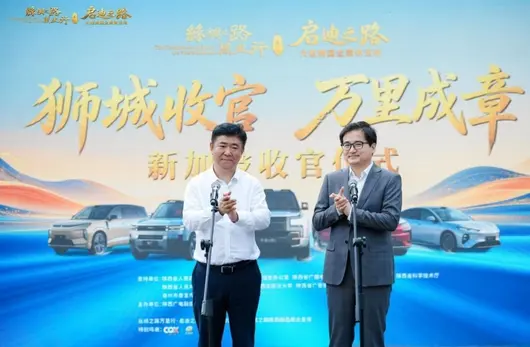
由西安一路行到新加坡,33 日、上萬公里,呢趟「絲路萬里行」終於圓滿完成咗。

呢次我都有幸參與其中鄭州—亳州—合肥呢一段,算係真正跟住車隊行咗一段。

一路行落嚟,比亞迪王朝、海洋、騰勢、方程豹、仰望組成嘅新能源車隊,喺長途、高速以及城市道路等不同場景裡完成咗真真切切嘅體驗,閃充同天神之眼輔助駕駛亦貫穿全程。

更有趣嘅係,終點新加坡亦係比亞迪表現好強嘅海外市場,截至今時 7 月已经连续 19 個月奪得當地乘用車全品牌銷量第一位。

由古代絲綢、瓷器、茶葉沿絲路遠行,到而家中國新能源汽車同新能源技術走向海外,絲路承載嘅「中國名片」亦喺度不斷變化。

絲路遠行綠能為伴,呢次走出嚟嘅唔止係車,亦係中國新能源技術同中國智造嘅一次跨國展示。

喺馬來西亞嘅 SUV 市場,好多買家揀車嘅時候都會將本田 HR-V 同豐田 Corolla Cross 嚟做比較。呢兩部車喺價位同定位上都幾接近,今日我哋就從多個方面做一個詳細嘅比較,幫你省返做功課嘅時間。
本田 HR-V 喺馬來西亞嘅 OTR 售價係 RM 115,900 - 143,900,一共有 4 個版本,包括 2026 e:HEV 1.5L RS(RM 143,900)、2026 1.5T V(RM 137,900)、2026 1.5T E(RM 130,900) 等。
豐田 Corolla Cross 喺馬來西亞嘅 OTR 售價係 RM 133,800 - 148,800,一共有 3 個版本,包括 2026 HEV 1.8L GR Sport(RM 148,800)、2026 HEV 1.8L Standard(RM 140,800)、2026 1.8L Standard(RM 133,800) 等。
從價錢睇,本田 HR-V 嘅起步價確實比豐田 Corolla Cross 平咗 RM 17,900。如果你預算有限,本田嘅入門版已經滿足日常需求。但都要注意,平嘅呢幾千蚊,可能喺配備上會有取舍,具體要看你嘅需求。
本田 HR-V 搭載 1.5L Turbo,馬力 140 hp。官方油耗 7.0 L/100km。
豐田 Corolla Cross 搭載 1.5L Turbo,馬力 140 hp。官方油耗 7.0 L/100km。
兩部車用緊同一套動力系統,日常開起嚟嘅感受基本無咩差別。油耗方面也差唔多,唔使太糾結呢一點。
本田 HR-V 採用 FWD 驅動方式。
豐田 Corolla Cross 採用 FWD 驅動方式。
兩部車嘅驅動方式一樣,都係 FWD,日常駕駛感受唔會有太大區別。
本田 HR-V 保養保證 5 年/無限制里程,保養間隔 每 10,000km 或 6 個月。
豐田 Corolla Cross 保養保證 5 年/無限制里程,保養間隔 每 10,000km 或 6 個月。
兩部車嘅保養保證條件一樣,呢方面唔使糾結。實際保養成本仲要看品牌嘅服務網絡同零件價格,建議去車友群問下真實車主嘅經驗。

本田 HR-V 同豐田 Corolla Cross 都係馬來西亞市場嘅主流選擇,適合家庭使用、日常通勤。如果你更睇重品牌口碑同二手價,可以優先考慮口碑更好嘅嗰一款;如果你更在意性價比同配備,就揀配備更豐富嘅嗰款。最終都係建議兩部都去試駕,親身試下先係最重要嘅。

總體嚟講,本田 HR-V 同豐田 Corolla Cross 都係馬來西亞市場好正嘅車型。揀邊部車,關鍵仲要看你嘅個人需求同預算。建議大家做好功課,多比較幾間車行嘅報價,再去試駕做最終決定。買車係件大事,花少少時間做功課絕對唔會錯。

In Malaysia's SUV market, many buyers compare the Honda HR-V and Toyota Yaris Cross when selecting a car. Both cars are quite close in price and positioning. Today, we will make a detailed comparison from multiple aspects to help you save time on research.
The Honda HR-V OTR price in Malaysia is RM 115,900 - 143,900, totaling 4 versions, including 2026 e:HEV 1.5L RS (RM 143,900), 2026 1.5T V (RM 137,900), 2026 1.5T E (RM 130,900), etc.
The Toyota Yaris Cross OTR price in Malaysia is RM 99,900 - 109,900, totaling 2 versions, including 2026 1.5L Standard (RM 99,900), 2026 HEV 1.5L Standard (RM 109,900), etc.
From a price perspective, the starting price of the Toyota Yaris Cross is RM 16,000 cheaper than the Honda HR-V. Honestly, at this price range, a difference of a few thousand is not actually significant; the key lies in overall cost-performance and long-term usage costs.
The Honda HR-V is equipped with a 1.5L Turbo, horsepower 140 hp. Official fuel consumption 7.0 L/100km.
The Toyota Yaris Cross is equipped with a 1.5L 4-cyl, horsepower 105 hp. Official fuel consumption 6.0 L/100km.
In terms of power, the Honda HR-V's 1.5L Turbo has 35 more horsepower than the Toyota Yaris Cross's 1.5L 4-cyl, providing more confidence in mid-range acceleration, especially when overtaking on highways. However, the Toyota Yaris Cross's fuel consumption might be more friendly; the difference in daily city commuting will not be too large.
The Honda HR-V safety rating is 5★ (ASEAN NCAP), active safety systems include Honda SENSING (ACC, CMBS, LKAS, RDM).
The Toyota Yaris Cross safety rating is 5★ (ASEAN NCAP), active safety systems include TSS.
Both cars have the same safety rating, safety features are quite comprehensive within this class. New car safety is not poor nowadays, no need to worry too much about this.
Honda HR-V body length 4500 mm, trunk 450 L.
Toyota Yaris Cross body length 4400 mm, trunk 400 L.
In terms of space, the Honda HR-V body is 100 mm longer than the Toyota Yaris Cross, the interior passenger space will be slightly more spacious, especially rear seat legroom. If you often carry family members or need to fit a stroller, a larger body is indeed more practical.

The Honda HR-V and Toyota Yaris Cross are both mainstream choices in the Malaysian market, suitable for family use and daily commuting. If you value brand reputation and resale price more, you can prioritize the one with better reputation; if you care more about cost-performance and features, then choose the model with richer configuration. Ultimately, it is still recommended to test drive both models, personal experience is the most important.

Overall, the Honda HR-V and Toyota Yaris Cross are both very good models in the Malaysian market. Which one to choose, the key still depends on your personal needs and budget. We suggest everyone do their homework, compare quotes from multiple dealerships, then go test drive to make the final decision. Buying a car is a major matter, spending some time doing homework will absolutely not be wrong.

In the Malaysian SUV market, many buyers compare Honda WR-V and Subaru Crosstrek when choosing a car. These two cars are closely matched in price and positioning. Today, we will make a detailed comparison from multiple aspects to help you save time on research.
Honda WR-V's OTR price in Malaysia is RM 89,900 - 107,900, with a total of 4 versions, including 2023 1.5L V (RM 99,900), 2023 1.5L E (RM 95,900), 2023 1.5L S (RM 89,900), etc.
Subaru Crosstrek's OTR price in Malaysia is RM 145,000 - 160,000, with a total of 1 version, including 2.0L e-Boxer (RM 150,000), etc.
Looking at the price, Honda WR-V's starting price is indeed RM 55,100 cheaper than Subaru Crosstrek. If your budget is limited, Honda's entry-level version is sufficient for daily needs. However, be aware that the price difference of a few thousand might involve trade-offs in features, depending on your specific requirements.

Honda WR-V's safety rating is 5★ (ASEAN NCAP), with active safety system including Honda SENSING.
Subaru Crosstrek's safety rating is 5★ (Euro NCAP), with active safety system including EyeSight.
Regarding safety features, both cars have received good ratings. However, Honda WR-V's Honda SENSING and Subaru Crosstrek's EyeSight have some functional differences. If you value active safety, you can compare their feature lists in detail.

Honda WR-V warranty is 5 years/unlimited mileage, maintenance interval every 10,000km or 6 months.
Subaru Crosstrek warranty is 3 years/100,000km, maintenance interval every 10,000km or 6 months.

Honda WR-V and Subaru Crosstrek are both mainstream choices in the Malaysian market, suitable for family use and daily commuting. If you value brand reputation and resale value more, you can prioritize the one with better reputation; if you care more about value for money and features, choose the one with richer configurations. Ultimately, it is recommended to test drive both, as personal experience is the most important.

Overall, Honda WR-V and Subaru Crosstrek are both very good models in the Malaysian market. Which one to choose mainly depends on your personal needs and budget. We suggest doing your research, comparing quotes from multiple dealerships, and then test driving to make the final decision. Buying a car is a big matter, spending time on research will never be wrong.


August 26, Dongfeng Automobile Co., Ltd. (hereinafter referred to as "Dongfeng Shares", Stock Code: 600006) officially released the 2026 Semi-Annual Report. During the reporting period, Dongfeng Shares firmly grasped the opportunities for green and intelligent transformation in the commercial vehicle industry, anchored on the development directions of new energy and internationalization, steadily improved operating quality, and delivered a mid-year report with steady improvement and positive trends.

The report shows that in the first half of 2026, Dongfeng Shares achieved operating revenue of 5.516 billion yuan, a year-on-year increase of 9.64%; achieved total profit of 169 million yuan, a significant year-on-year increase of 83.56%; net profit attributable to shareholders was 124 million yuan, a year-on-year increase of 27.83%, with significantly improved profitability levels. Under the complex situation of intensifying industry competition and changing demand structure, the company deepened value marketing, promoted cost reduction and efficiency improvement across the entire chain, continuously optimized product structure, and further highlighted the operating resilience of the company.
Regarding whole vehicle sales data, the company achieved sales of 69,000 vehicles, a year-on-year increase of 0.44%, outperforming the market. The growth momentum of domestic new energy business was bright, with new energy vehicle sales reaching 18,000 vehicles, a significant year-on-year increase of 99.2%, significantly outperforming industry growth speed, becoming the core engine driving company growth.

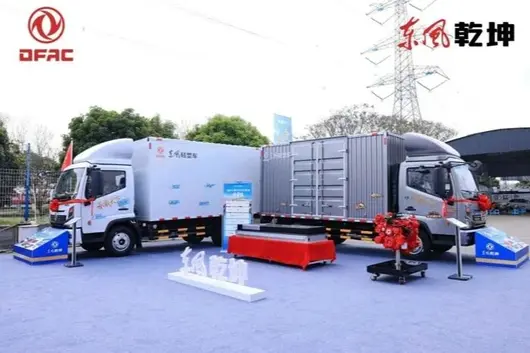
Among them, the VAN vehicle market performance was bright. In April this year, the VAN vehicle brand was integrated, and the Dongfeng Furuitong brand was launched. Products such as Dongfeng Furuitong V6, V8, and V10 quickly gained market recognition, order volume increased rapidly, and delivery volume in the first half of the year increased by 153.9% year-on-year; in the light truck sector, the pace of new energy transformation was accelerated. Dongfeng Qiankun K6E, Dongfeng Dolicard D6E Battery Swap Version and other new products were launched to the market in succession, precisely matching diverse niche scenarios such as urban distribution and cold chain. New energy light truck sales increased by 573.4% year-on-year; Dongfeng Tuya T9E, T5E, T7Pro and other products were launched in rapid succession, providing more valuable product choices for urban and rural distribution.

While the product layout is rapidly transforming from traditional fuel vehicles to new energy, Dongfeng Shares focused on key technologies such as pure electric vehicles, hydrogen fuel trucks, skateboard chassis, and intelligent driving, continuously invested R&D expenses of 213 million yuan, a year-on-year increase of 74.48%. In June this year, the Dongfeng OpenVAN unmanned logistics capacity brand was officially launched, and four L4-level unmanned logistics vehicles were released, receiving over 4,000 strategic orders on-site; autonomous driving logistics vehicles and intelligent sanitation vehicles have begun demonstration operations, accelerating the exploration of smart logistics commercialization implementation paths, and solidifying the foundation for long-term development with technical innovation.

The overseas export business achieved growth acceleration, with 13,000 whole vehicles exported in the first half of the year, a year-on-year increase of 81.4%. Relying on a mature product matrix, Dongfeng Light Vehicles continued to breakthrough in key markets such as Latin America and Southeast Asia. A single delivery in Malaysia reached 830 units; jointly donated Dongfeng Furuitong V10E to Cuba Latin American News Agency with Xinhua News Agency. The Latin American market simultaneously secured 108 vehicles, and the Dongfeng Furuitong brand's international reputation was quickly established. Dongfeng Light Vehicles continued to expand the overseas market landscape, and overseas brand reputation continued to improve. 
Meanwhile, Dongfeng Shares' engine business achieved significant growth in the first half of the year. Engine sales increased by 26% year-on-year, and engine business for generator sets increased significantly. As a core component business of Dongfeng Shares, the continuous strength of the engine sector not only verified Dongfeng Shares' technical accumulation in the powertrain field but also provided support for the market competitiveness of whole vehicle products.

The improvement in Dongfeng Shares' operating performance in the first half of the year is inseparable from the business achieving accelerated transformation and rapid promotion of new business layout. At the same time, it also relies on Dongfeng Shares' "Green Environmental Protection, Digital Integration, Flexible Manufacturing, Platform Sharing" intelligent manufacturing hard-core strength, laying a solid foundation for creating high-quality products and solidifying product reputation.
Facing the future, Dongfeng Shares will continue to focus on the five development directions of "New Quality Products, Marketing Capability, High-quality Operations, Ecosystem Integration, Value Creation and Sharing", accelerate the pace of new energy transformation, continuously optimize product structure, strengthen ecosystem construction, seize market transformation opportunities, and achieve high-quality development of company operations.

當前國內純電 SUV 市場,10 萬價位區間產品普遍存在兩個傾向,一類壓縮電池容量壓低入門價格,高配才給到長續航;另一類堆智能硬件,但基礎底盤、安全、電池配置縮水。如果市場上提供第三類車型,10 萬價位區間把續航、三電、基礎底盤統一拉到同一標準,能否引發市場關注度上升?

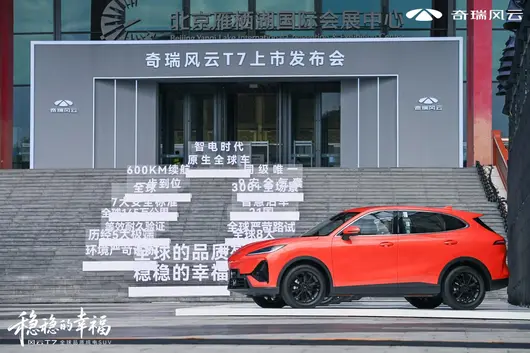
近日,奇瑞風雲 T7 正式上市。新車定位緊湊型家用純電 SUV,共推出 600km 悅享版、600km 舒享版、600km 智享版三款車型,官方指導價 9.79 萬 -11.89 萬元,限時搶先置換價 9.49 萬 -11.59 萬元。三款車型三電硬件完全一致,差價集中在舒適配置與智能駕駛硬件,這套定價與配置策略,直接打破了 10 萬級純電車型長期沿用的低配縮減電池、高配拉高續航的產品邏輯。

產品力解讀
風雲 T7 車身尺寸為 4570×1852×1694mm,軸距 2700mm,5 門 5 座佈局,整備質量 1780kg。后备箱常規容積 450L,後排座椅放倒後最大容積 1550L,車內設置 38 處儲物空間,後排腿部空間 911mm,後排地台純平。該車風阻係數 0.286Cd,提供熾焰橙、山煙紫、雲粉米、流光銀、青竹灰、墨石黑 6 種車漆,其中熾焰橙採用 Tri-coat 三層車漆工藝,共 8 層油漆。底盤採用前置前驅佈局,前麥弗遜獨立懸架、後多連桿獨立懸架,EPS 電子助力轉向,支援 ECO、NORMAL、SPORT 三種駕駛模式,前通風盤、後實心盤制動。

三電系統是風雲 T7 核心賣點,全系統一搭載 65.05kWh 磷酸鐵鋰犀牛電池,CLTC 工況續航 600km,百公里電耗 12.9kWh,30%-80% 直流快充時長 20 分鐘,支援 6.6kW 對外交流放電。電池採用液冷溫控,配備 PTC 預加熱與雙源寬溫域熱泵空調,高壓 PTC 為全系標配,-10℃環境下續航提升 30%,電池工作溫度區間覆蓋 -40℃至 60℃。電池防護採用 6D 鎖子甲 31 層結構,防護等級 IP68,完成 1008 小時鹽霧測試、1.5 倍國標火燒測試。動力端搭載 12 合 1 鯤鵬智能電驅,電機最大功率 178kW,峰值扭矩 275N·m,最高車速 180km/h。

安全方面,風雲 T7 整車開發對標 2026 版 E-NCAP 五星安全標準,整車功能安全等級達到 ASIL-D 級別。新車車身採用九橫五縱籠式磐石車身結構,整車鋼材裡 80% 為高強度鋼,18.84% 為熱成型鋼。車身搭載 Shotgun 防撞結構、雙框副車架以及電池包專用 Pack 防撞樑。氣囊配置分版本梯度搭載。悅享版配備前排氣囊、前排側氣囊、側氣簾;舒享版、智享版額外增加 48L 雙腔遠端氣囊與後排側氣囊,全車共計 9 氣囊。

該車電池採用 6D 鎖子甲 31 層防護結構,側邊抗擠壓載荷 200kN,達到國標 2 倍標準;防護等級 IP68,支援 500mm 涉水深度,防護能力達到國標 96 倍。電芯通過十針刺測試,可承受 50% 底部擠壓 +100% 浸水 +3 針針刺複合測試,不起火不爆炸,底部撞擊承受能力為 10 倍國標。電池內部配備納米隔熱牆,實現熱失控零擴散;碰撞觸發後 2 毫秒啟動高壓斷電,阻斷漏電風險。

主動安全硬件方面,該車搭載獵鷹 500 智駕系統,硬件包含 22 顆傳感器,3 顆毫米波雷達、7 個攝像頭、12 個超聲波雷達,支援 APA 自動泊車、RPA 遙控泊車、高速 NOA 領航輔助,可適配 300 餘種泊車場景,包括斷頭路泊車、跨樓層泊車、一鍵循跡倒車。

風雲 T7 座艙全系標配 8.8 英寸儀表、15.6 英寸 2.5K 中控屏、8 揚聲器索尼音響、無線手機映射、雙音區語音交互、手機 APP 遠程控制、4G 聯網、實時路況導航,前排 2 個 Type-C 接口,後排 1 個 Type-C 接口 +1 個 USB 接口。車機系統為靈犀智艙 2.0,後續 OTA 接入豆包大模型,兼容無線 CarPlay、HUAWEI HiCar、Carlink。
智艙芯片版本上,悅享版、舒享版採用高通 8155 芯片,智享版升級高通 8775 4nm 艙駕一體芯片,NPU 算力 72TOPS,支援 5G 聯網。內飾提供溫暖黑棕標配、極夜黑曜選裝兩種方案,座椅為雲感縫紉皮質,悅享版主駕 6 向電動調節;舒享版增加副駕 4 向電動調節、前排座椅加熱通風、50W 自散熱無線充電等;智享版在舒享版基礎上增加主駕 4 向電動腰托、多色音樂律動氛圍燈等。

此外,據企業介紹,作為奇瑞 1+7+N 全球研發體系下的原生全球車型,風雲 T7 同步面向泰國、南非等海外市場投放,開發階段適配全球 210 個國家和地區法規與使用環境。上市發布會現場同步啟動上市即交付,配套 9 項購車權益,同時啟動幸福共創計劃,收集家用用戶用車需求迭代產品。
市場分析
10 萬級純電賽道的競爭已經從單純比拼續航數字,轉向硬件公平性競爭。此前不少車型宣傳長續航,但入門版本電池大幅縮水,用戶想要完整續航必須提高預算。風雲 T7 全系統一 65.05kWh 電池、600kmCLTC 續航的模式,相當於直接把入門車型的基础門檻拉高。疊加熱泵空調、後多連桿懸架、最高 9 氣囊、全球車型驗證體系,這套硬件清單放在 10 萬價位具備競爭力。

家用純電用戶的核心訴求穩定,優先關注續航可靠性、充電速度、車內空間、被動安全,風雲 T7 瞄準的正是這部分務實需求,不做多餘硬件堆砌,把預算集中在高頻使用的基础功能上。10 萬級風雲 T7 核心競爭點就是續航平權和基礎硬件不縮水。
長期維度,風雲 T7 是奇瑞風雲家族在純電賽道的標準化產品。依托全球車型開發標準同步輸出海外,依靠規模化分攤研發和製造成本,維持 10 萬價位的硬件競爭力。10 萬純電市場的用戶決策門檻更低,參數透明度、配置公平性會影響銷量,風雲 T7 這套不縮水的基础硬件策略,會給同價位競品带来直接壓力。

寫在最後:
整體而言,風雲 T7 不是一款主打極致性能或者超前智能化的車型,而是一款瞄準普通家庭日常出行的標準化純電 SUV。它的核心價值,是在 10 萬價位給出統一的續航、底盤、安全底線,消除入門用戶的配置落差。在純電市場競爭日趨白熱化的階段,這種務實的產品定位,能夠覆蓋大量剛需家用用戶群體。

当前国内纯电SUV市场,10万价位区间产品普遍存在两个倾向,一类压缩电池容量压低入门价格,高配才给到长续航;另一类堆智能硬件,但基础底盘、安全、电池配置缩水。如果市场上提供第三类车型,10万价位区间把续航、三电、基础底盘统一拉到同一标准,能否引发市场关注度上升?
近日,奇瑞风云T7正式上市。新车定位紧凑型家用纯电SUV,共推出600km悦享版、600km舒享版、600km智享版三款车型,官方指导价9.79万-11.89万元,限时抢先置换价9.49万-11.59万元。三款车型三电硬件完全一致,差价集中在舒适配置与智能驾驶硬件,这套定价与配置策略,直接打破了10万级纯电车型长期沿用的低配缩减电池、高配拉高续航的产品逻辑。
产品力解读
风云T7车身尺寸为4570×1852×1694mm,轴距2700mm,5门5座布局,整备质量1780kg。后备箱常规容积450L,后排座椅放倒后最大容积1550L,车内设置38处储物空间,后排腿部空间911mm,后排地台纯平。该车风阻系数0.286Cd,提供炽焰橙、山烟紫、云粉米、流光银、青竹灰、墨石黑6种车漆,其中炽焰橙采用Tri-coat三层车漆工艺,共8层油漆。底盘采用前置前驱布局,前麦弗逊独立悬架、后多连杆独立悬架,EPS电子助力转向,支持ECO、NORMAL、SPORT三种驾驶模式,前通风盘、后实心盘制动。
三电系统是风云T7核心卖点,全系统一搭载65.05kWh磷酸铁锂犀牛电池,CLTC工况续航600km,百公里电耗12.9kWh,30%-80%直流快充时长20分钟,支持6.6kW对外交流放电。电池采用液冷温控,配备PTC预加热与双源宽温域热泵空调,高压PTC为全系标配,-10℃环境下续航提升30%,电池工作温度区间覆盖-40℃至60℃。电池防护采用6D锁子甲31层结构,防护等级IP68,完成1008小时盐雾测试、1.5倍国标火烧测试。动力端搭载12合1鲲鹏智能电驱,电机最大功率178kW,峰值扭矩275N·m,最高车速180km/h。
安全方面,风云T7整车开发对标2026版E-NCAP五星安全标准,整车功能安全等级达到ASIL-D级别。新车车身采用九横五纵笼式磐石车身结构,整车钢材里80%为高强度钢,18.84%为热成型钢。车身搭载Shotgun防撞结构、双框副车架以及电池包专用Pack防撞梁。气囊配置分版本梯度搭载。悦享版配备前排气囊、前排侧气囊、侧气帘;舒享版、智享版额外增加48L双腔远端气囊与后排侧气囊,全车共计9气囊。
该车电池采用6D锁子甲31层防护结构,侧边抗挤压载荷200kN,达到国标2倍标准;防护等级IP68,支持500mm涉水深度,防护能力达到国标96倍。电芯通过十针刺测试,可承受50%底部挤压+100%浸水+3针针刺复合测试,不起火不爆炸,底部撞击承受能力为10倍国标。电池内部配备纳米隔热墙,实现热失控零扩散;碰撞触发后2毫秒启动高压断电,阻断漏电风险。
主动安全硬件方面,该车搭载猎鹰500智驾系统,硬件包含22颗传感器,3颗毫米波雷达、7个摄像头、12个超声波雷达,支持APA自动泊车、RPA遥控泊车、高速NOA领航辅助,可适配300余种泊车场景,包含断头路泊车、跨楼层泊车、一键循迹倒车。
风云T7座舱全系标配8.8英寸仪表、15.6英寸2.5K中控屏、8扬声器索尼音响、无线手机映射、双音区语音交互、手机APP远程控制、4G联网、实时路况导航,前排2个Type-C接口,后排1个Type-C接口+1个USB接口。车机系统为灵犀智舱2.0,后续OTA接入豆包大模型,兼容无线CarPlay、HUAWEI HiCar、Carlink。
智舱芯片版本上,悦享版、舒享版使用高通8155芯片,智享版升级高通8775 4nm舱驾一体芯片,NPU算力72TOPS,支持5G联网。内饰提供温暖黑棕标配、极夜黑曜选装两种方案,座椅为云感绗缝皮质,悦享版主驾6向电动调节;舒享版增加副驾4向电动调节、前排座椅加热通风、50W自散热无线充电等;智享版在舒享版基础上增加主驾4向电动腰托、多色音乐律动氛围灯等。
此外,据企业介绍,作为奇瑞1+7+N全球研发体系下的原生全球车型,风云T7同步面向泰国、南非等海外市场投放,开发阶段适配全球210个国家和地区法规与使用环境。上市发布会现场同步启动上市即交付,配套9项购车权益,同时启动幸福共创计划,收集家用用户用车需求迭代产品。
市场分析
10万级纯电赛道的竞争已经从单纯拼续航数字,转向硬件公平性竞争。此前不少车型宣传长续航,但入门版本电池大幅缩水,用户想要完整续航必须提高预算。风云T7全系统一65.05kWh电池、600kmCLTC续航的模式,相当于直接把入门车型的基础门槛拉高。叠加热泵空调、后多连杆悬架、最高9气囊、全球车型验证体系,这套硬件清单放在10万价位具备竞争力。
家用纯电用户的核心诉求稳定,优先关注续航可靠性、充电速度、车内空间、被动安全,风云T7瞄准的正是这部分务实需求,不做多余硬件堆砌,把预算集中在高频使用的基础功能上。10万级风云T7核心竞争点就是续航平权和基础硬件不缩水。
长期维度,风云T7是奇瑞风云家族在纯电赛道的标准化产品。依托全球车型开发标准同步输出海外,依靠规模化分摊研发和制造成本,维持10万价位的硬件竞争力。10万纯电市场的用户决策门槛更低,参数透明度、配置公平性会直接影响销量,风云T7这套不缩水的基础硬件策略,会给同价位竞品带来直接压力。
写在最后:
整体来讲,风云T7不是一款主打极致性能或者超前智能化的车型,而是一款瞄准普通家庭日常出行的标准化纯电SUV。它的核心价值,是在10万价位给出统一的续航、底盘、安全底线,消除入门用户的配置落差。在纯电市场竞争日趋白热化的阶段,这种务实的产品定位,能够覆盖大量刚需家用用户群体。
© 2024 Bitauto.com. All Rights Reserved.
Bitauto (www.yiche.com and www.bitauto.com) is one of the most visited automotive websites in China. We provide detailed info on Chinese car brands available in your area. Please note that the information provided on this website is based on publicly available data and is for reference only. It may not be fully updated or accurate at all times.

Help us improve our website


