

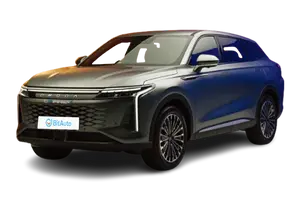
OMODA JAECOO C9 PHEV
RM 208,800
Last updated: 22 Nov 2026 · Malaysia Market
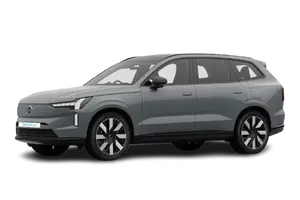
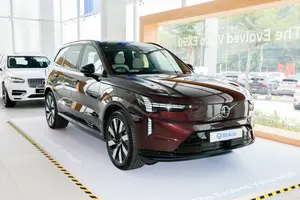
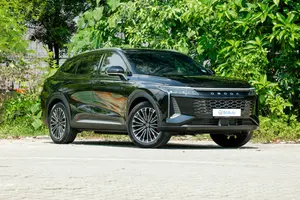
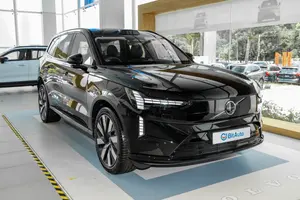
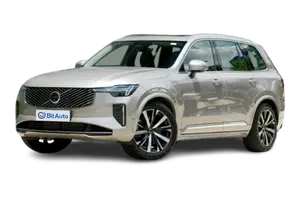
One is a plug-in hybrid, the other a pure electric — both can be charged, but only the hybrid carries a petrol engine for long runs. The C9 PHEV is the cheaper way in at RM 208,800, undercutting the EX90 by RM 220,138. The EX90 earns its premium on size, power and battery capacity.
The EX90 is pure electric; the C9 PHEV adds a petrol engine for distance. That engine is a 1.5-litre turbocharged engine. Battery capacity is 34.46 kWh versus 106 kWh.
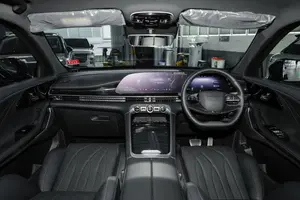
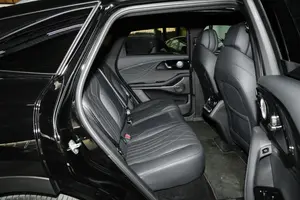
The EX90 is the longer car — 262 mm up at 5037 mm versus 4775 mm. The C9 PHEV has the much larger boot, 660 L against 324 L. The EX90 also leads on wheelbase, 2985 mm versus 2800 mm. The EX90 seats 7.
Monthly new car sales in Malaysia, with data for the past 6 or 12 months, or the full sales history since launch.
Loading sales data…
Data is based on vehicle registration and transaction records from Road Transport Department (JPJ), updated on the 10th of each month. It covers car sales by brand and model, as well as EV sales across Malaysia.
The C9 PHEV is the cheaper pick at RM 208,800 and also adds boot space. The EX90 has to justify its premium elsewhere.
The C9 PHEV starts at RM 208,800, the EX90 at RM 428,938 — about RM 220,138 in favour of the C9 PHEV.
The EX90 is more powerful — 671 hp against 143 hp.
The EX90 hits 100 km/h in 4.2 s versus 4.9 s.
The C9 PHEV has the larger boot at 660 L against 324 L.
The EX90 is longer, at 5037 mm against 4775 mm.
Both list ADAS including autonomous emergency braking, lane-keeping assist and adaptive cruise control.

© 2024 Bitauto.com. All Rights Reserved.
Bitauto (www.yiche.com and www.bitauto.com) is one of the most visited automotive websites in China. We provide detailed info on Chinese car brands available in your area. Please note that the information provided on this website is based on publicly available data and is for reference only. It may not be fully updated or accurate at all times.

Help us improve our website



 Zeekr 7X
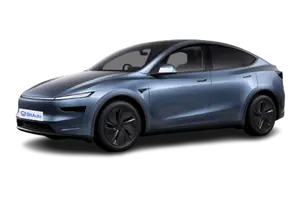 TESLA Model Y
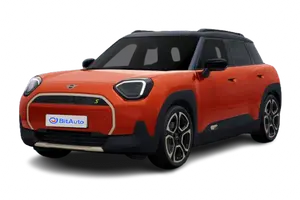 MINI Aceman
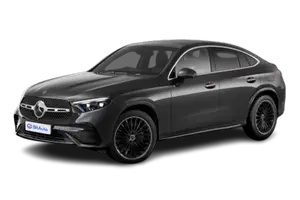 Mercedes-Benz GLC Coupé PHEV
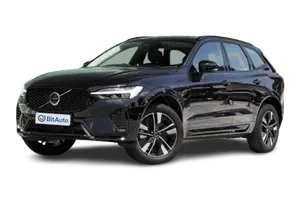 Volvo XC60 PHEV
 Volvo XC90 PHEV

