On 1 July 2026, Malaysia officially implemented new import regulations for electric vehicles (EVs).
Completely Built-Up (CBU) EVs must meet two criteria simultaneously: a CIF value of at least RM200,000, and an electric motor output of no less than 180 kW.
Mass-market models from Chinese brands, which previously relied on low-priced CBU imports to enter the Malaysian market, have been virtually locked out by this sweeping regulation.
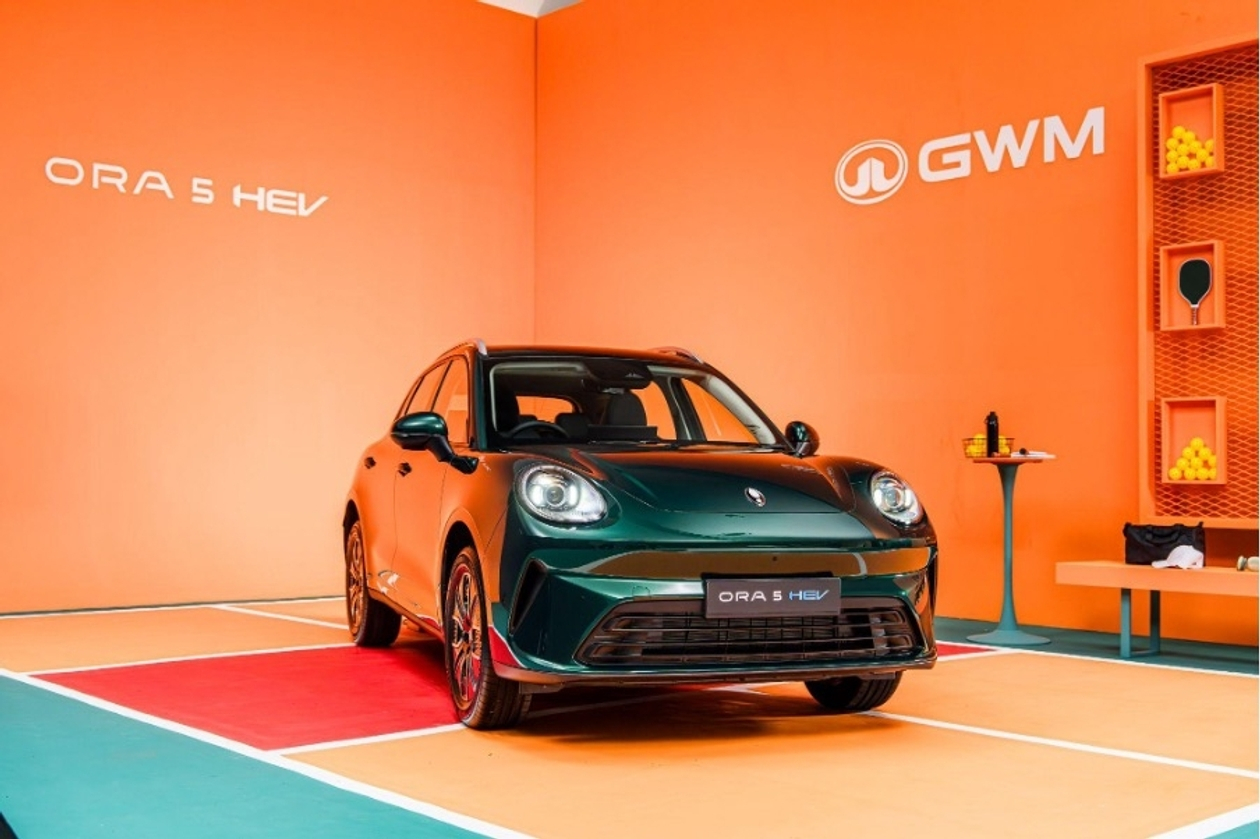
The real game-changer, however, is the CKD clause.
For new CKD projects approved after 1 September 2025, the minimum retail price of the vehicle must not be lower than RM100,000.
Additionally, at least 80% of the production volume must be designated for export, meaning domestic sales in Malaysia cannot exceed 20%.
Key manufacturing processes, including body welding, painting, and final assembly, must also be carried out entirely within Malaysia.
As a result, Chinese automakers have collectively shifted their focus towards CKD operations.
Over the past year, the aggressive CKD expansion by Chinese brands in Malaysia can only be described as a "beachhead landing."
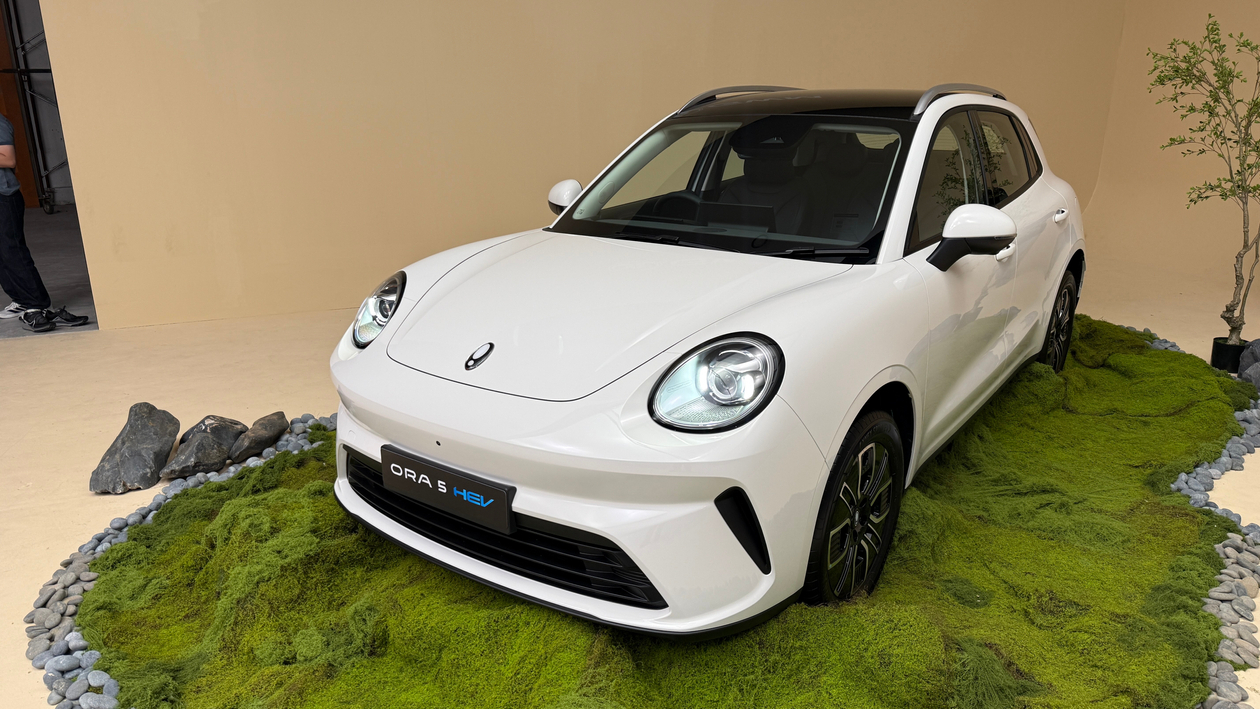
GWM was the first to hit the ground.
On 29 January 2026, GWM commenced CKD assembly of the WEY G9 at EPMB's Pegoh plant in Melaka, priced at RM269,800.
The model quickly racked up over 800 orders post-launch, making it Malaysia's first locally assembled luxury plug-in hybrid MPV.
SAIC MG followed closely behind.
In March 2026, the first locally assembled MG S5 EV rolled off the line at EPMB's second plant in Melaka.
The CKD version saw its output bumped from 170 PS to 205 PS, and torque increased from 250 Nm to 350 Nm. Offering a WLTP-rated range of 446 km, it is priced at RM117,528.
Monthly capacity stands at 120 to 180 units, with an expected annual output of 1,500 to 2,000 units for 2026.
Xpeng opened bookings in July.
On 15 July 2026, bookings officially opened for three variants, with pricing matching their CBU counterparts, starting from RM158,888 for the Standard Range RWD.
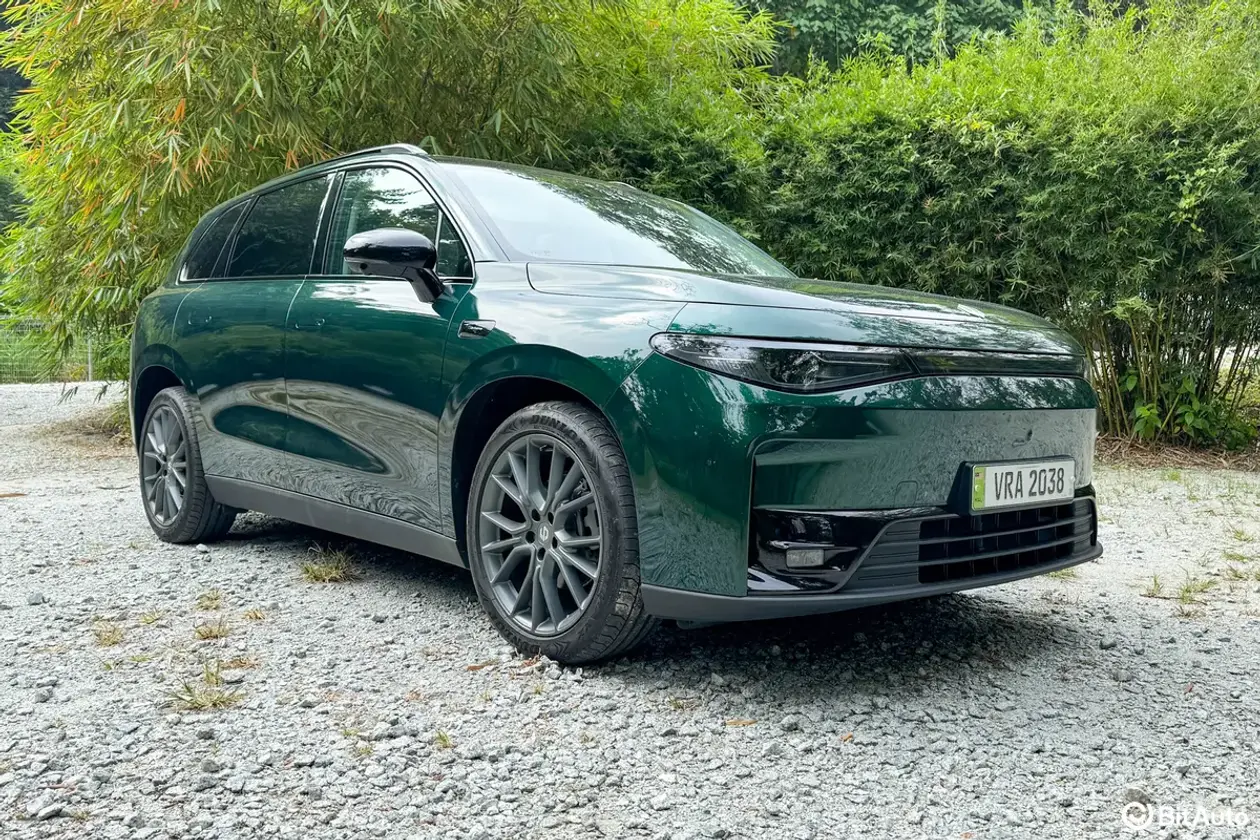
Leapmotor C10 assembly commenced at the Stellantis Kulim plant.
The CKD version is priced at RM129,000, which is RM4,000 higher than the CBU version's promotional price of RM125,000.
A higher-spec C10 Plus variant is also available at RM148,000. Since it utilises Stellantis' existing manufacturing facilities, Leapmotor's CKD project is exempt from the 80% export quota.
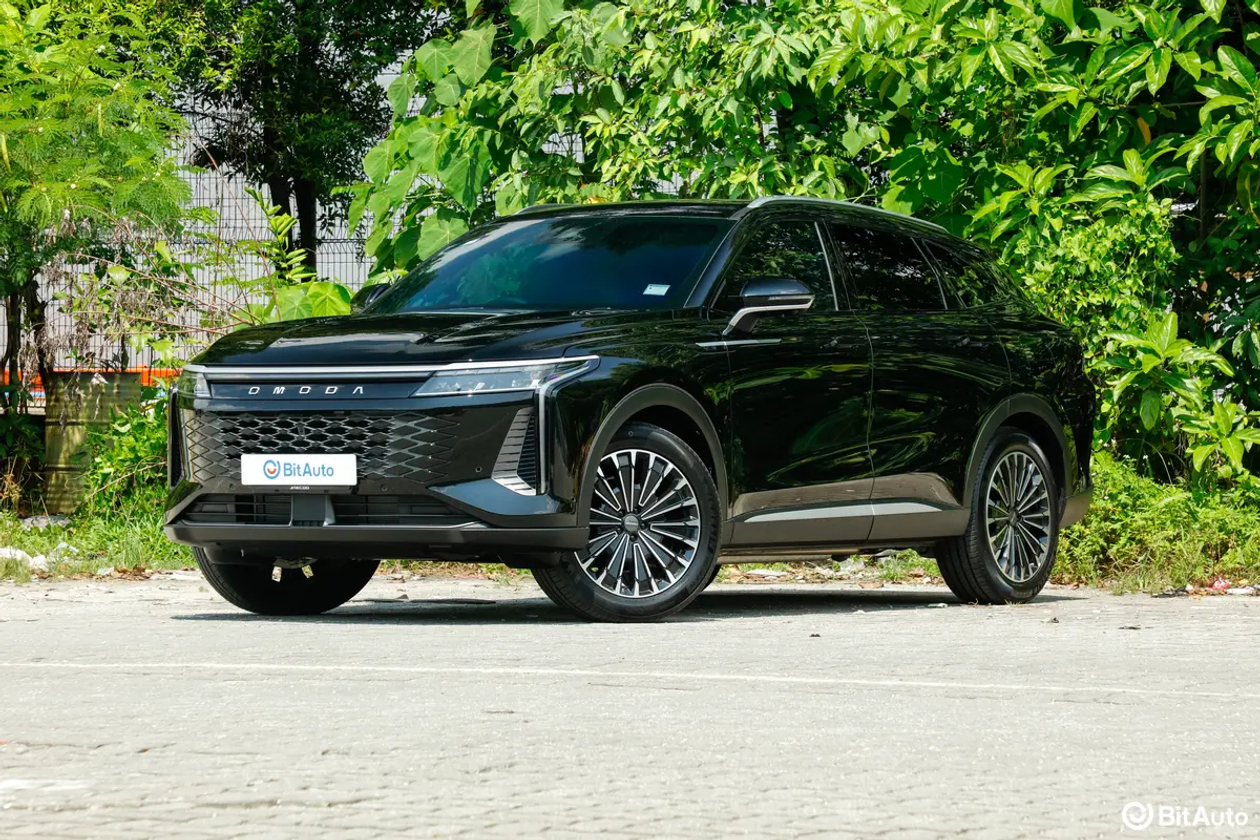
Chery is undertaking the CKD production of three brands—Omoda, Jaecoo, and iCaur—simultaneously at its Shah Alam plant. BAIC is conducting CKD production of the X55 and BJ40 at EPMB's Melaka plant, with mass production having commenced in January 2026.
The GAC GS3 Emzoom is already on sale in CKD form, assembled at the Segambut plant. Zeekr has confirmed that the 7X will be its first model to be locally assembled in Malaysia. Meanwhile, the Proton eMas 7 and eMas 5 have also progressed to the CKD stage.
Compared to pricing in the CBU era, some models have actually become more expensive after transitioning to CKD. For instance, the Leapmotor C10 went up from RM125,000 to RM129,000.
However, compared to compliant CBU EVs under the new regulations (which are expected to cost upwards of RM300,000 to RM360,000), CKD models can still be kept within the RM100,000 to RM200,000 bracket.
Local assembly also translates to better parts availability and lower maintenance costs.
This is the most lethal clause in the entire CKD policy.

Players utilising existing plants are the biggest winners. Leveraging Malaysia's existing manufacturing facilities rather than establishing new projects exempts them from the 80% export quota.
Stellantis' Kulim plant, EPMB's Melaka plant, and Chery's Shah Alam plant all qualify as "existing facilities." Consequently, brands like Leapmotor, Xpeng, MG, GWM, and Chery-affiliated marques are not bound by the export restriction.
Players building new plants face immense challenges. BYD's planned CKD factory project in Tanjung Malim, Perak, has hit a roadblock due to the 80% export clause.
The Ministry of Investment, Trade and Industry (MITI) clarified that domestic sales will be capped at 10,000 units annually, representing 20% of BYD's projected total capacity.
The logic behind the 80% export clause is simple: Malaysia welcomes foreign investment to set up assembly plants, but you cannot rely solely on the domestic market; you must transform Malaysia into an export hub.
Local assembly (CKD) is a "must-answer question" for Chinese brands in Malaysia. The policy has already drawn the battle lines: if you want to sell cars here, you must localise; if you want to localise, you must consider exporting.
Before the CKD duty exemption policy expires at the end of 2027, whoever can establish truly competitive localised production capacity and export capabilities in Malaysia will hold the upper hand in the next phase.
GWM has already proven that the "Made in Malaysia, Sold in ASEAN" model works; now it remains to be seen if other brands can follow suit.
For consumers, the CKD wave ensures that EVs will not become prohibitively expensive once CBU tax exemptions are lifted. EVs priced between RM100,000 and RM200,000 will remain accessible; the only difference is that buyers will be getting "assembled in Malaysia" units rather than fully imported ones.


Your go-to source for all things automotive in Malaysia. 🚗 Latest reviews, breaking news, launches & industry trends.
+ Follow This weekend is your chance to own a Volvo Selekt Certified Used Car, priced from just RM 148,000.
What are you waiting for?
#volvo 1 minute ago
This weekend is your chance to own a Volvo Selekt Certified Used Car, priced from just RM 148,000.
What are you waiting for?
#volvo 1 minute ago  We saw this accident this morning, and here’s a reminder to everyone: please drive safe. 2 days ago
  The G50 BMW 3 series is now here, adopting much of the i3's design elements.
So, where's the BMW M3?
#bmw #BMW3Series 4 days ago
The G50 BMW 3 series is now here, adopting much of the i3's design elements.
So, where's the BMW M3?
#bmw #BMW3Series 4 days ago Get the latest car news first!
Your go-to source for all things automotive in Malaysia. 🚗 Latest reviews, breaking news, launches & industry trends.
This weekend is your chance to own a Volvo Selekt Certified Used Car, priced from just RM 148,000.
What are you waiting for?
#volvo 1 minute ago We saw this accident this morning, and here’s a reminder to everyone: please drive safe. 2 days ago The G50 BMW 3 series is now here, adopting much of the i3's design elements.
So, where's the BMW M3?
#bmw #BMW3Series 4 days ago  ProtonGWMVolkswagenJAECOOVolvoPeroduaToyotaHondaTESLAMitsubishiMazdaJetourCheryBYDLexusBMWMercedes-BenziCAURZeekrIsuzuNissanLeapmotorPorscheFordOMODAMINIMGSuzukiXPengHyundaiWulingKiaSubaruDenzaGACLand RoverDongfengCAMAudiPeugeotFotonMAXUSsmartDaihatsuJACJMCMaseratiLotusAlfa RomeoRenaultGolden DragonKaiceneSeresLamborghiniFerrariJeepRolls-RoyceLepasAston MartinMcLarenChevroletBentleyFiatBAICForthingGeelyRoeweAeolusChanganARCFOXDeepalExeedHongqiVoyahJaguarKGMBuforiAcuraCadillacDodgeAbarthINEOSMHEROJMEVFreelander
© 2024 Bitauto.com. All Rights Reserved.
Bitauto (www.yiche.com and www.bitauto.com) is one of the most visited automotive websites in China. We provide detailed info on Chinese car brands available in your area. Please note that the information provided on this website is based on publicly available data and is for reference only. It may not be fully updated or accurate at all times.
Help us improve our website


