Download App
Follow Us
  • Facebook
  • YouTube
  • Instagram
  • TikTok
  • X
HomeCompareGWM Haval H7 PHEV vs Hyundai IONIQ 5

GWM Haval H7 PHEV vs Hyundai IONIQ 5: Price, Specs & Which to Buy

Last updated: 22 Nov 2026 · Malaysia Market
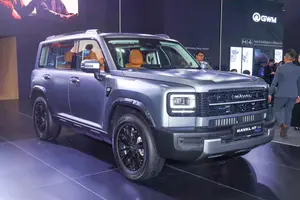
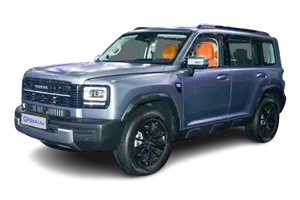
GWM Haval H7 PHEV
GWM Haval H7 PHEV
TBC
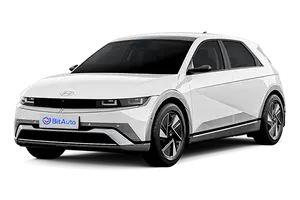
Hyundai IONIQ 5
Hyundai IONIQ 5
TBC

Key Differences

  • Engine + battery: Haval H7 PHEV 1.5L; IONIQ 5 58 kWh
  • 0–100 km/h: Haval H7 PHEV 6.2 s; IONIQ 5 8.5 s

Pros & Cons

GWM Haval H7 PHEV Hi4 1.5T 150km Standard (2026)

Pros

  • Competitive on price for what it offers

Hyundai IONIQ 5 384km RWD Lite (2026)

Pros

  • Competitive on price for what it offers

Find the Right Car

Choose the Haval H7 PHEV if you want...

  • a 6.2 s 0-100 km/h time
  • a 1.5-litre engine

Choose the IONIQ 5 if you want...

  • near-zero fuel cost on home charging
  • 527 L of boot space
  • a 8.5 s 0-100 km/h time

Which car suits your lifestyle best?

  • Long-distance drivers: Haval H7 PHEV — refuels anywhere with no charging stops

Price & Ownership Costs

ParameterGWM Haval H7 PHEVHyundai IONIQ 5
Price TBCTBC
Body Type / Seats SUV5 door SUV · 5 seats
Assembly CKDCBU
Annual Road Tax RM 120RM 120

Energy & Consumption

ParameterGWM Haval H7 PHEVHyundai IONIQ 5
Fuel Type PHEVBEV
Max Range (Full Tank/Charge) 150 km · CLTC384 km · WLTP

The IONIQ 5 is pure electric; the Haval H7 PHEV adds a petrol engine for distance. That engine is a 1.5-litre turbocharged engine.

Power & Performance

ParameterGWM Haval H7 PHEVHyundai IONIQ 5
Motor -Rear
Drivetrain -RWD
Transmission DHTFixed Gear Ratio

Dimensions

ParameterGWM Haval H7 PHEVHyundai IONIQ 5
Length -4,635 mm
Width -1,890 mm
Height -1,605 mm
Wheelbase -3,000 mm
Boot Capacity -527-1587 L

Comfort & Technology

Haval H7 PHEV

IONIQ 5

  • 12.3" central touchscreen + 12.3" digital cluster
  • Dual-zone automatic climate control
  • Wireless phone charging
  • Power-folding door mirrors

Key Specs Compared

ParameterGWM Haval H7 PHEVHyundai IONIQ 5
Overview
Body Type SUV5 door SUV
Seats -5 seats
Assembly CKDCBU
Performance
Motor -Rear
0–100 km/h 6.2 s ✓8.5 s
Top Speed -185 km/h
Drivetrain -RWD
Transmission DHTFixed Gear Ratio
Battery & Charging
Battery Type -Li-ion battery
Battery Capacity -58 kWh
Electric Range 150 km · CLTC384 km · WLTP
AC Charging Time -5 h
DC Charging Time -18 min
Dimensions
Length -4,635 mm
Width -1,890 mm
Height -1,605 mm
Wheelbase -3,000 mm
Boot Capacity -527-1587 L

Image Gallery

FAQs

Which is quicker from 0 to 100 km/h?

The Haval H7 PHEV hits 100 km/h in 6.2 s versus 8.5 s.

Feedback