Boxy SUVs are gaining massive traction in Malaysia. While the Jetour T2 has enjoyed a strong market reception since its launch over a year ago, GWM is now shaking things up with the arrival of the Haval H7 Hi4 PHEV.
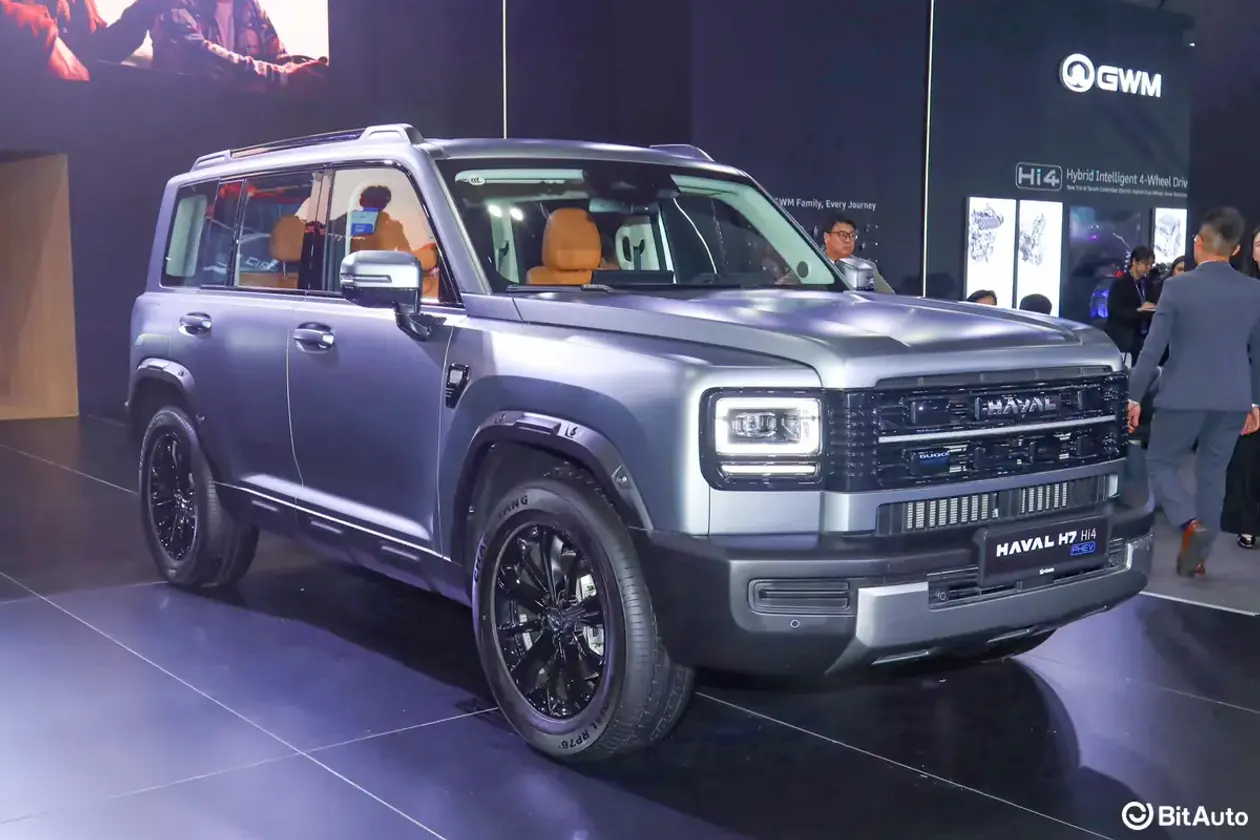
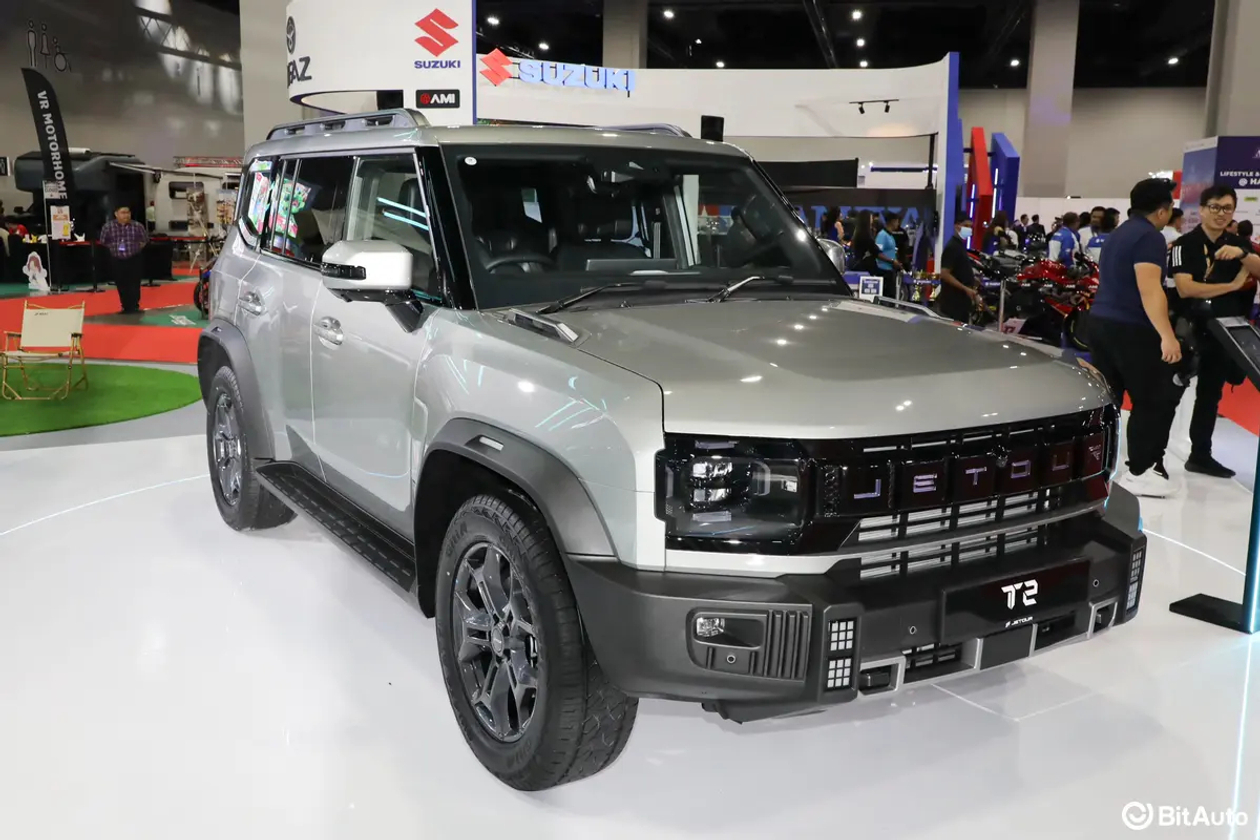
The Haval H7 Hi4 was officially confirmed for local CKD assembly during GATE 2026 in late August. While GWM Malaysia has yet to announce official pricing, market estimates point to a price tag below RM160,000.
For context, the standard Jetour T2 is currently priced at RM156,800. With highly overlapping price points, both boast that trendy boxy silhouette and four-wheel drive. However, their powertrains set them worlds apart—one offers plug-in charging capabilities, while the other relies purely on petrol.
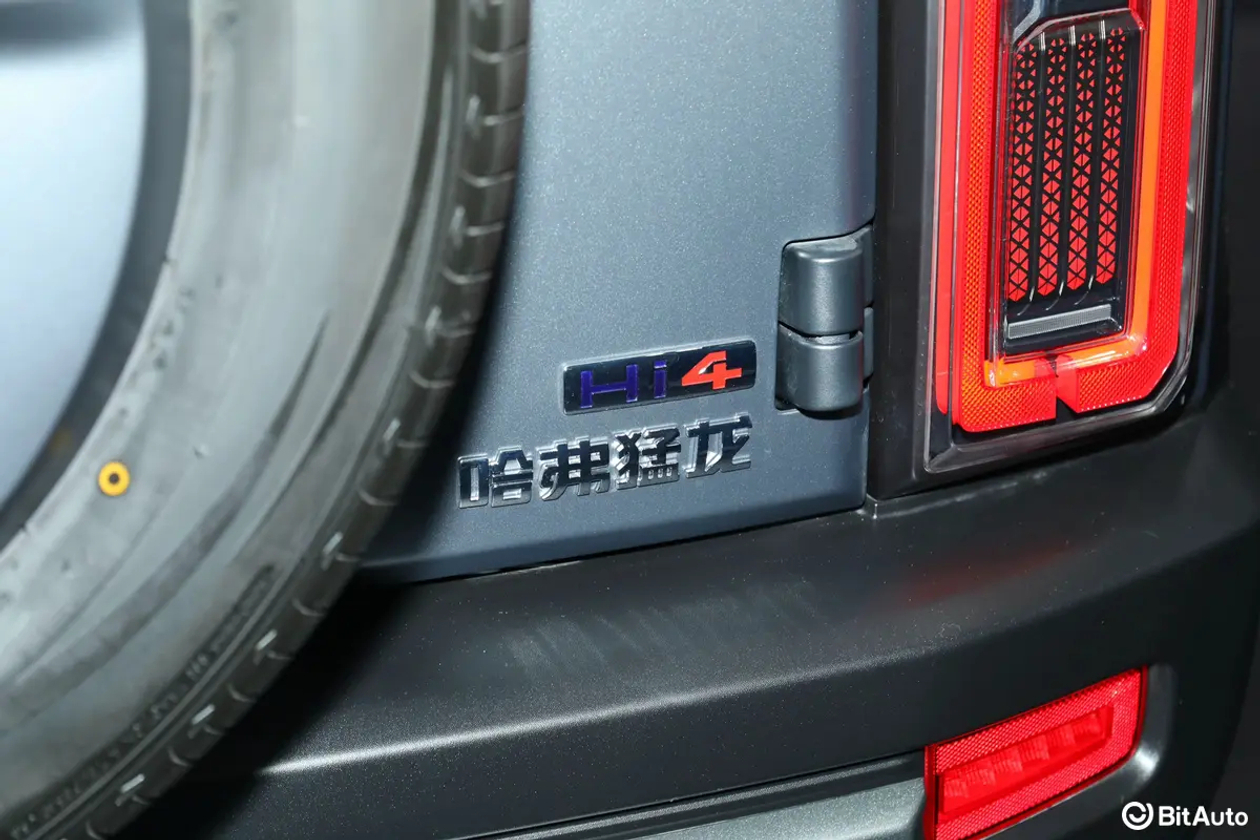
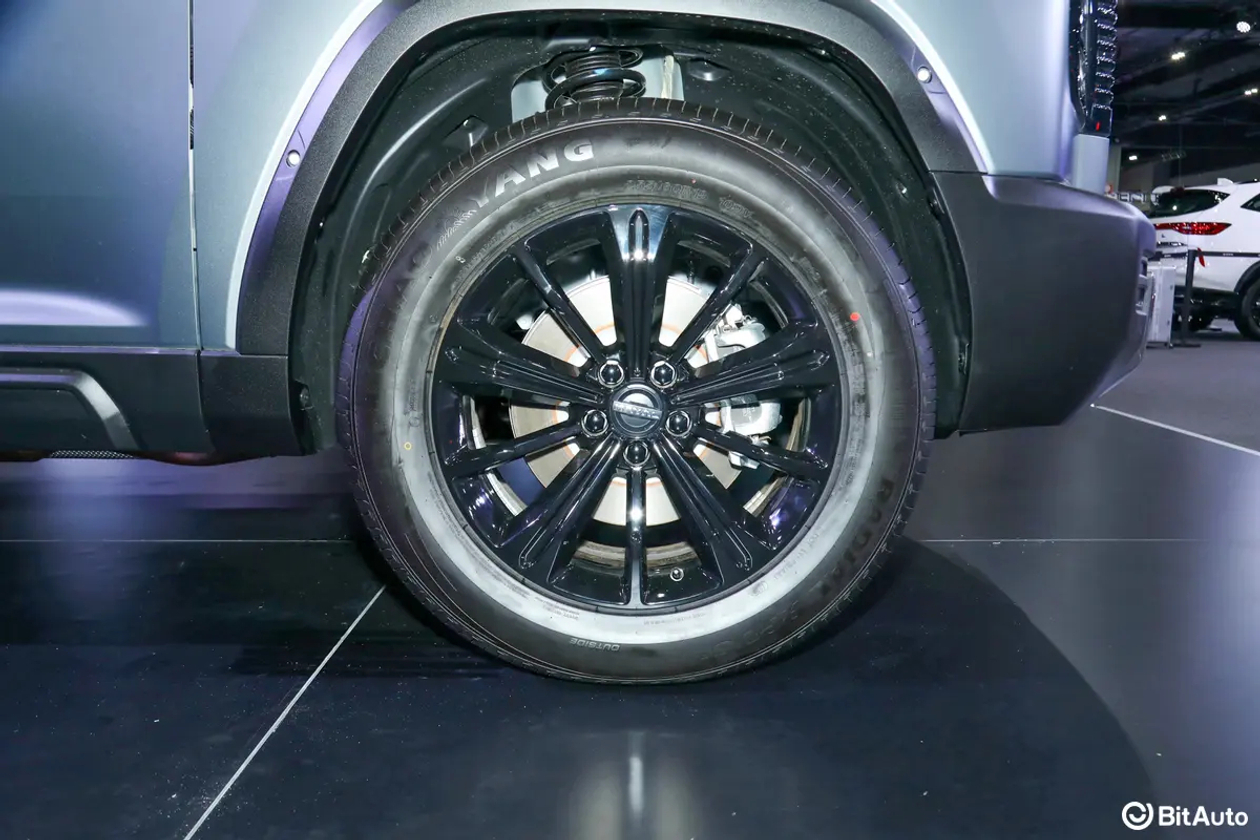
The Haval H7 Hi4 utilizes a sophisticated plug-in hybrid setup. A 1.5-litre turbocharged four-cylinder petrol engine is paired with a front electric motor generating 109 PS and 170 Nm, while a beefier rear motor pumps out 204 PS and 350 Nm.
Combined, the system delivers a whopping 370 PS and approximately 750 Nm of torque, enabling a 0-100 km/h sprint time of just 6.2 seconds.
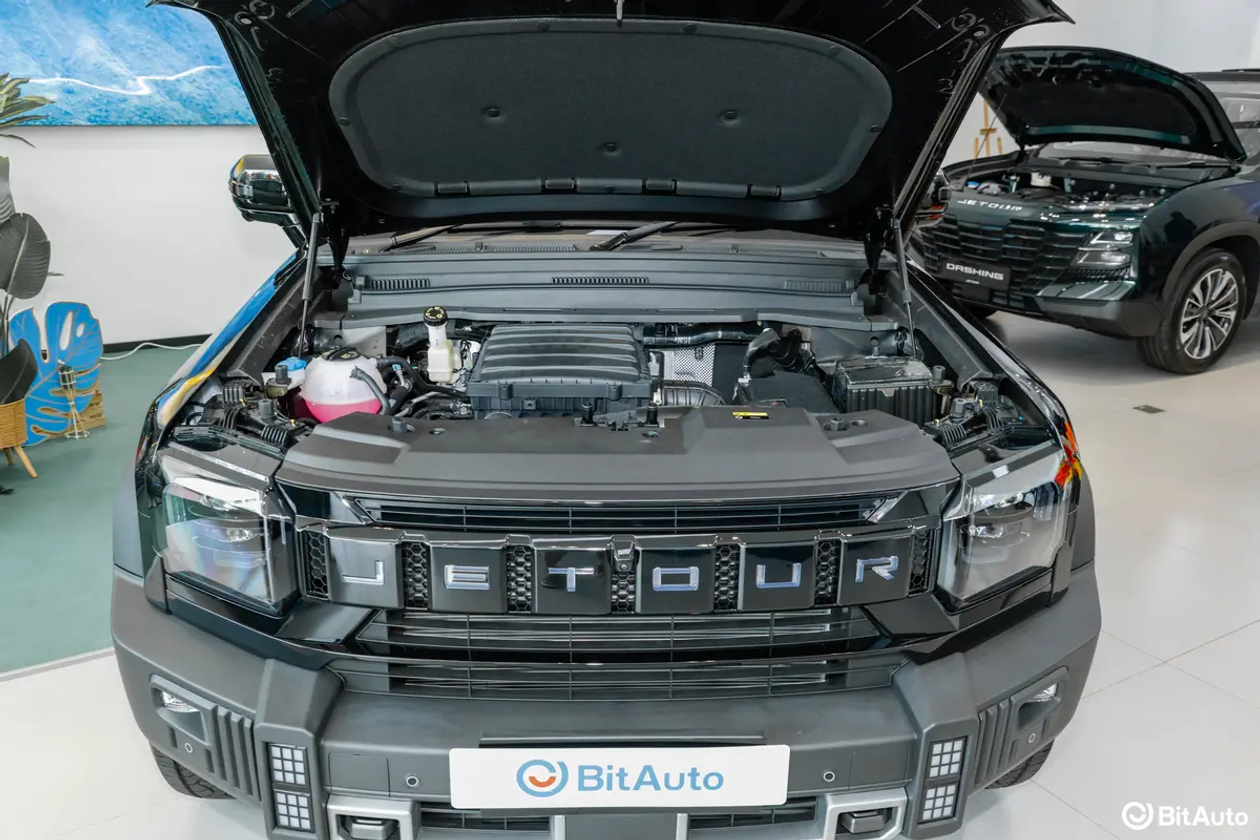
The Jetour T2 keeps things traditional with a 2.0-litre turbocharged four-cylinder engine producing 245 PS and 375 Nm, mated to a seven-speed dual-clutch transmission (DCT). With 245 PS pulling a kerb weight of nearly 1.9 tonnes, its in-gear acceleration feels noticeably more relaxed compared to the punchy Haval H7.
The deficit stands at 125 PS and 375 Nm—roughly equivalent to the entire power output of a Perodua Myvi.
This is the most fundamental difference between the two cars.
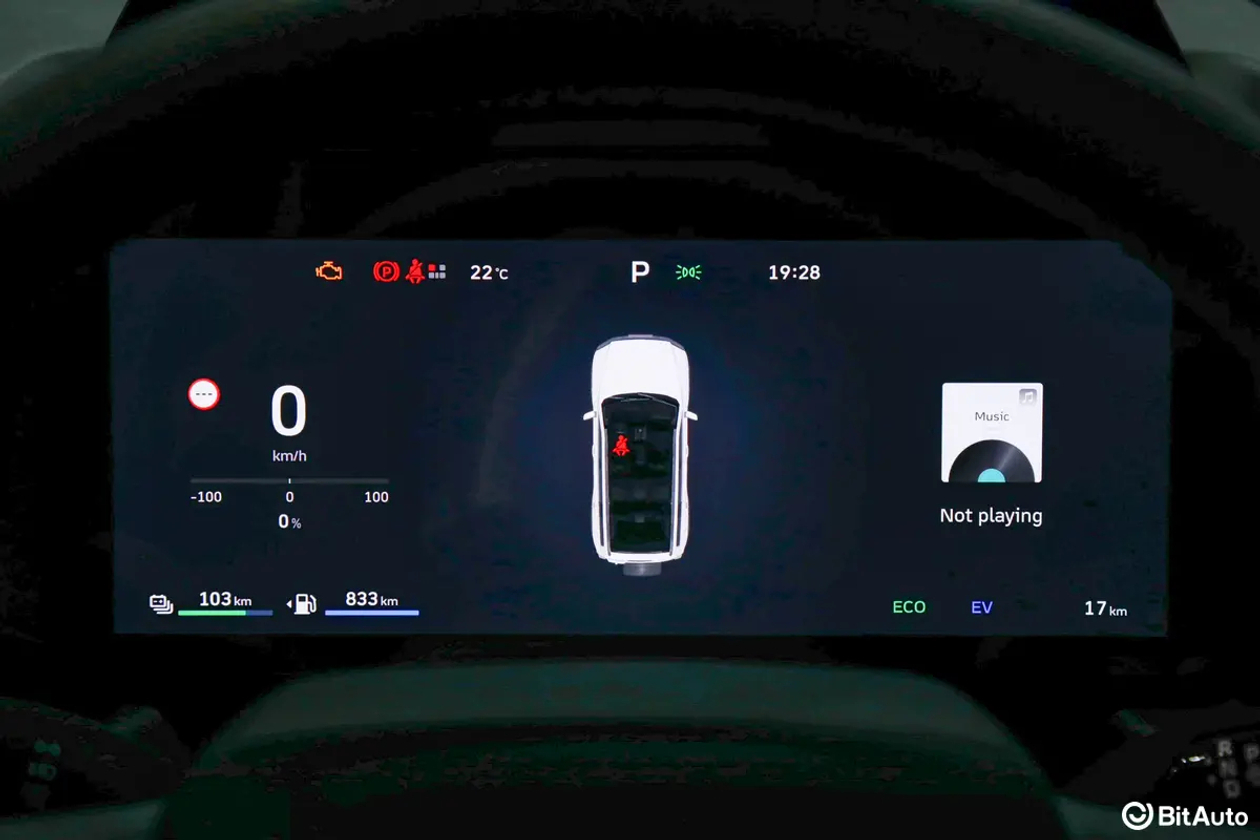
Fitted with a 27.54 kWh LFP battery, the H7 boasts a WLTP-rated pure electric range of 115 km.
For those with a home wallbox charger and a daily commute of around 50 km, the H7 can essentially function as an EV without sipping a single drop of petrol. For interstate road trips, its combined range exceeds 1,000 km, putting any range anxiety to rest.
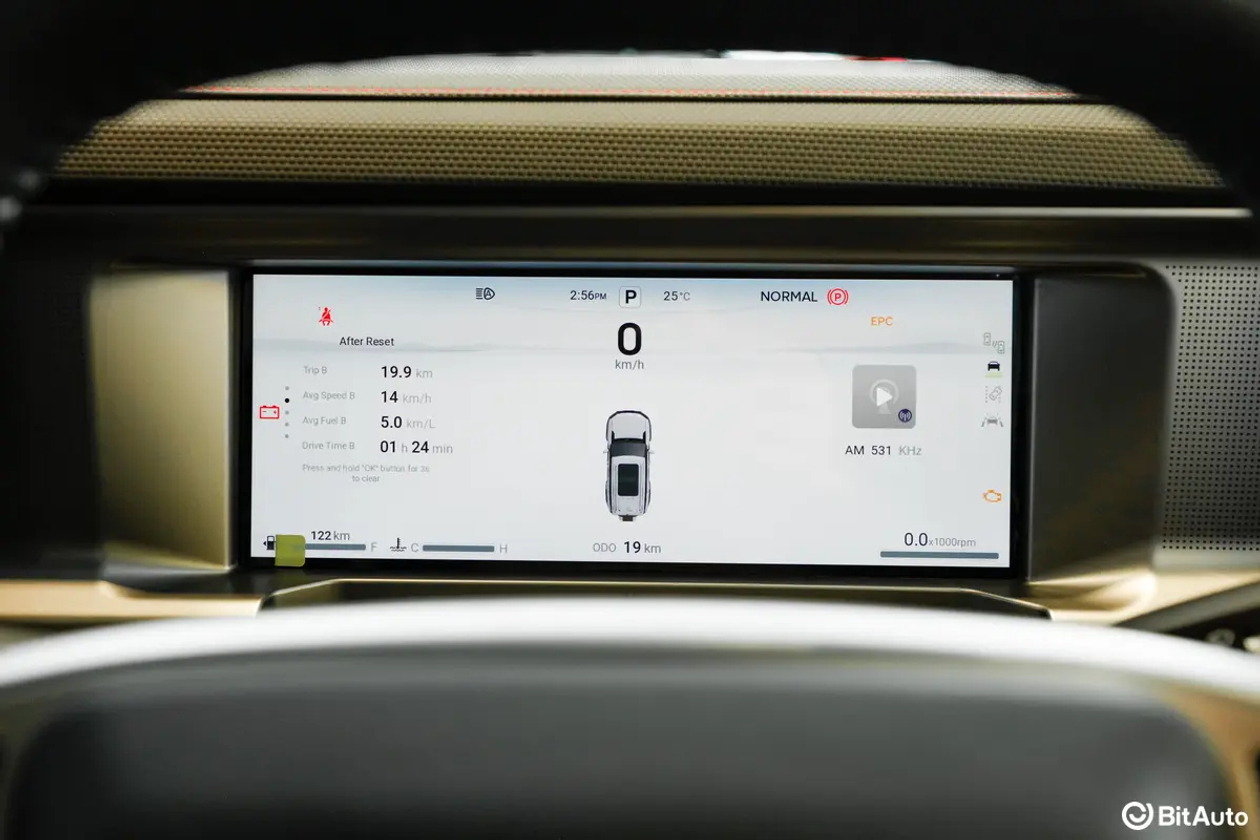
In contrast, the Jetour T2 is a traditional ICE vehicle with its 2.0-litre turbo engine likely returning real-world fuel consumption figures between 9 to 11 L/100km. Based on an annual mileage of 20,000 km and RON 95 at RM1.99/L, the annual fuel bill would hover between RM3,600 and RM4,400.
While the H7 offers much lower running costs if plugged in regularly, its complex hybrid setup introduces more moving parts. The T2 may be thirstier, but its simpler mechanical layout could translate to more straightforward and affordable long-term maintenance.
Both cars have a monocoque body construction rather than a body-on-frame setup for hardcore off-roading, but their off-road capabilities are decent.
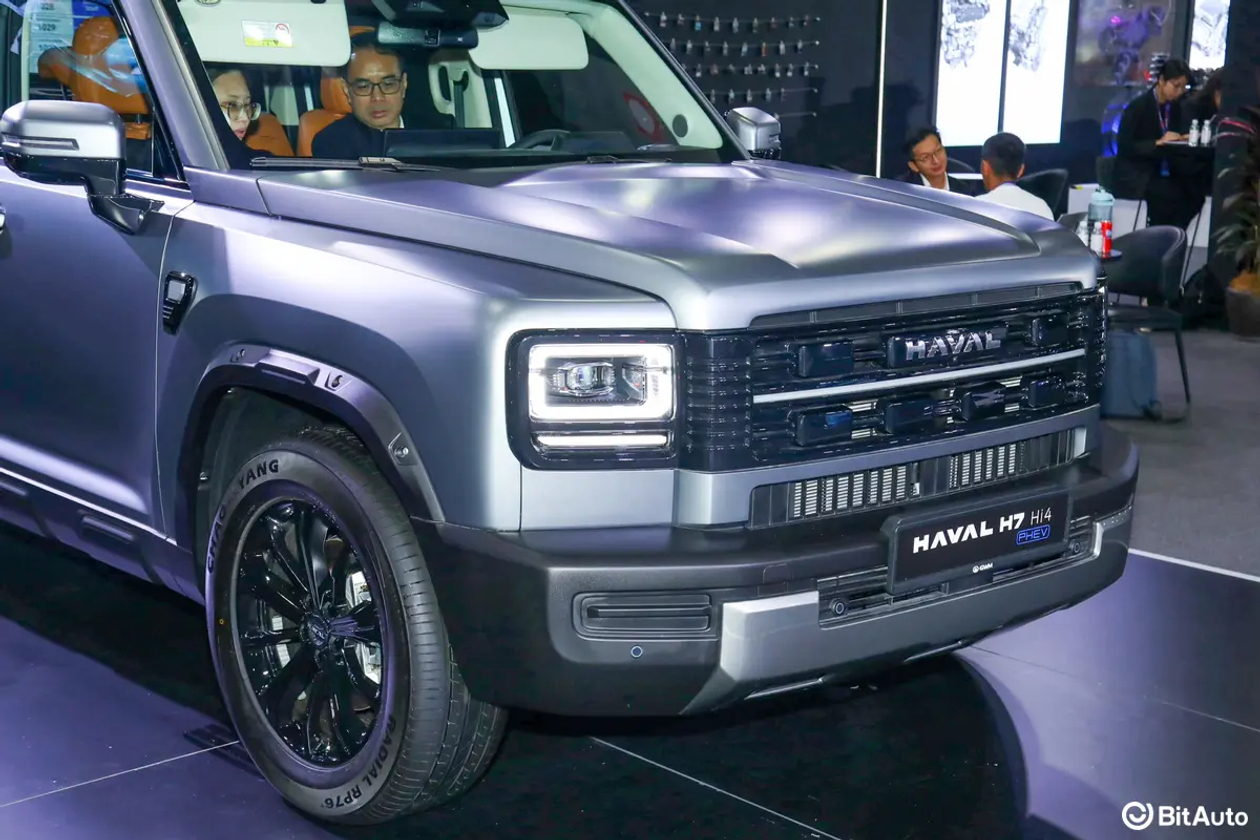
On paper, the H7 features an approach angle of 25 degrees, a departure angle of 32 degrees, a breakover angle of 20.1 degrees, and a maximum wading depth of 580 mm, alongside an electronically controlled rear differential lock.
The T2 edges it out slightly with a 28-degree approach angle, a 30-degree departure angle, 220 mm of ground clearance, and a superior wading depth of 700 mm, also paired with a rear diff-lock.
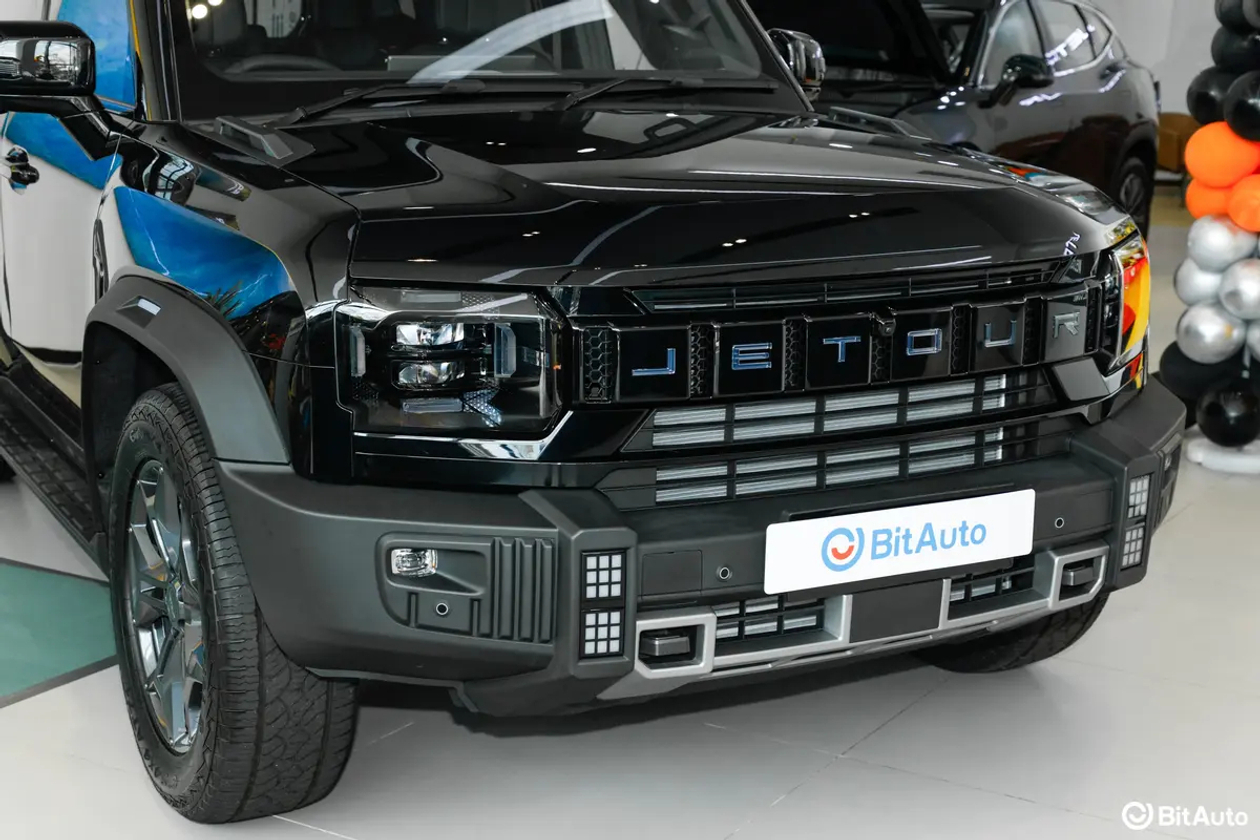
With an extra 120 mm of wading depth and a 3-degree steeper approach angle, the T2 holds the upper hand. While the difference might seem minor, that extra clearance and wading capacity could prove invaluable when tackling unpaved trails or navigating flash floods during the monsoon season.
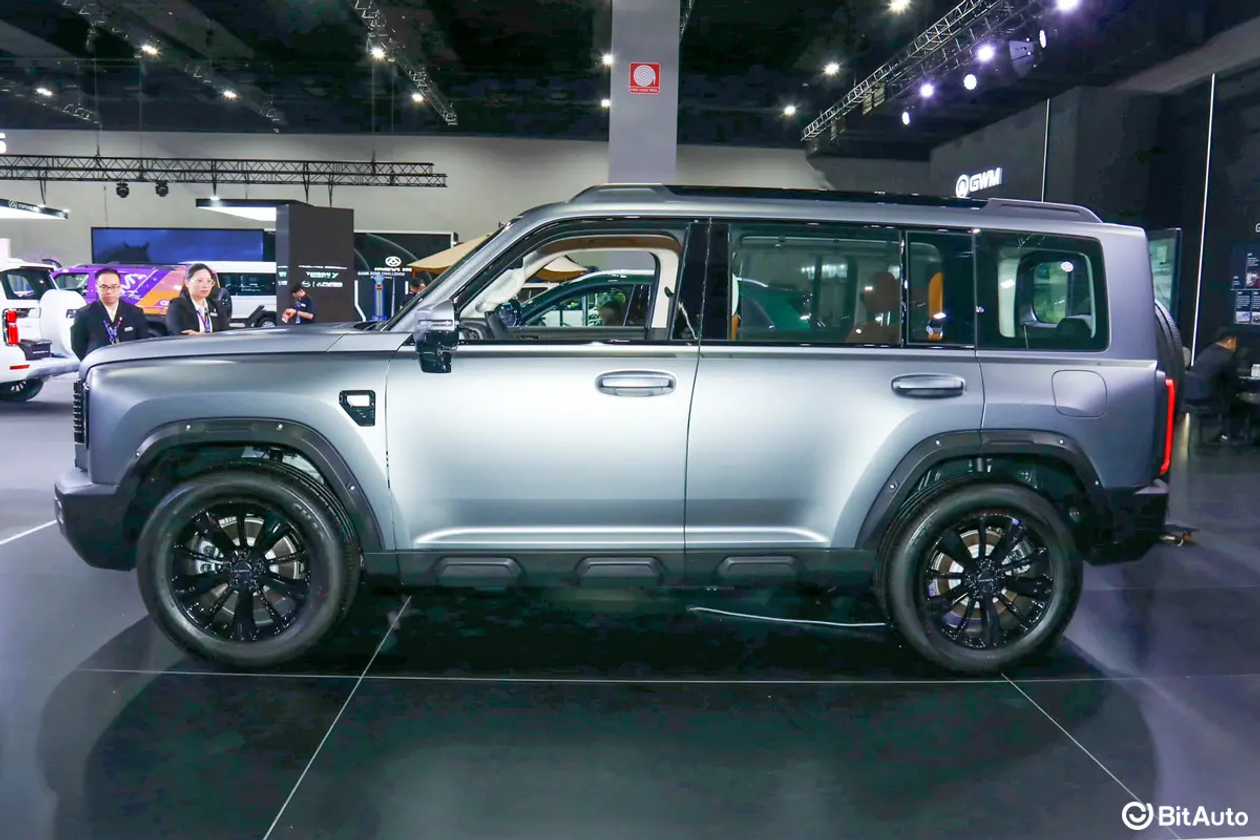
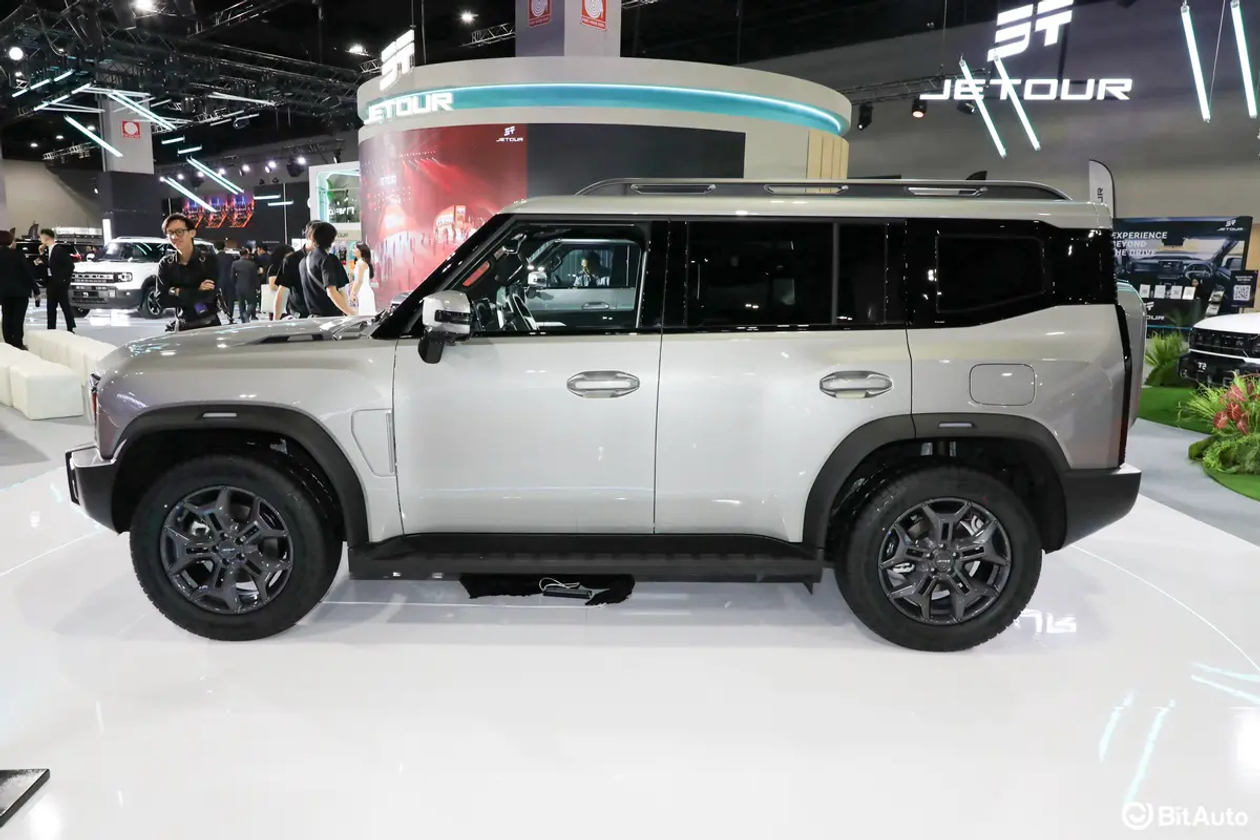
The Haval H7 measures 4,800 mm long, 1,950 mm wide, and 1,843 mm tall, with a 2,738 mm wheelbase. The Jetour T2 comes in at 4,785 mm long, 2,006 mm wide, and 1,870 mm tall, riding on a longer 2,800 mm wheelbase.
This makes the H7 15 mm longer, but 56 mm narrower and 27 mm lower than the T2, with a wheelbase that is 62 mm shorter.
The Jetour's longer wheelbase should theoretically translate to superior rear legroom. In terms of cargo space, the T2 offers a 580-litre boot that expands to 1,494 litres with the rear seats folded. Official boot capacity figures for the H7 have yet to be revealed.
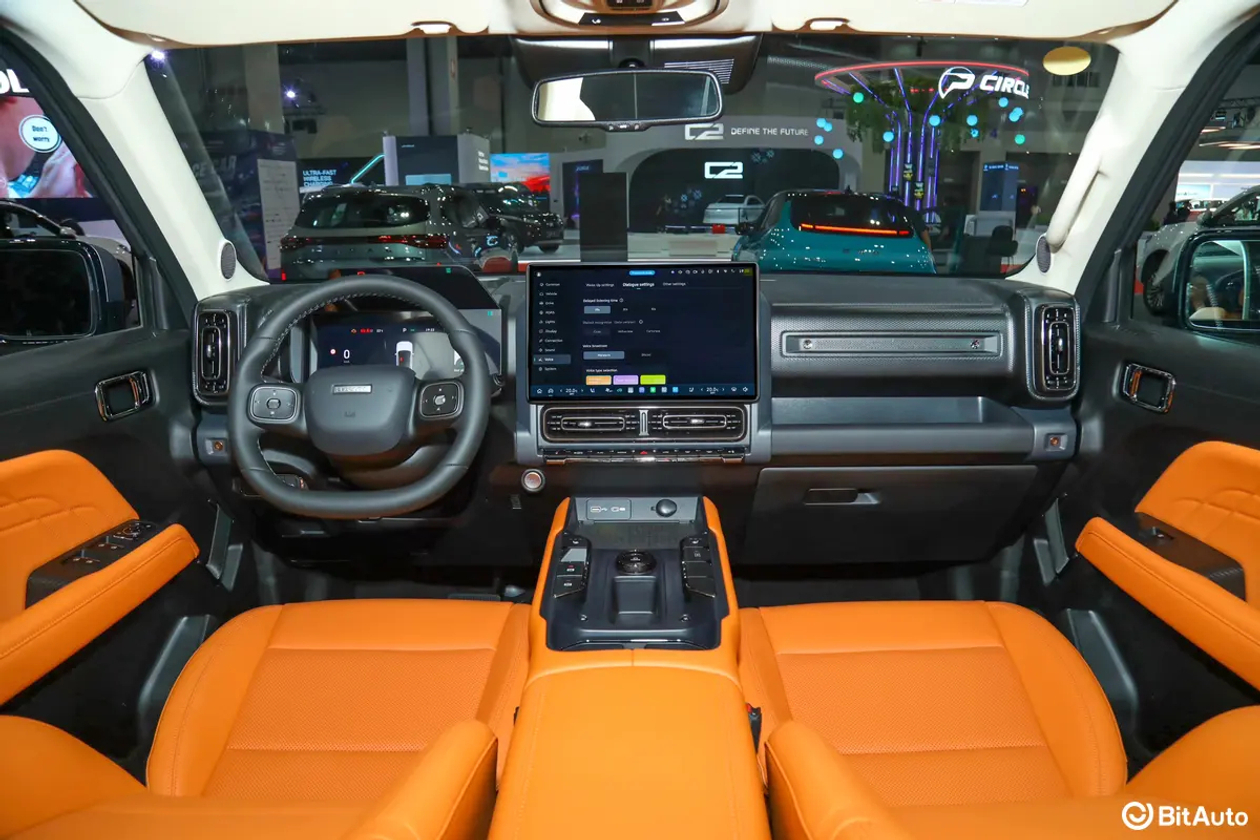
Inside, the H7 features a 12.3-inch digital instrument cluster and a 15.6-inch infotainment touchscreen powered by GWM's Coffee OS. Handily, physical buttons for the climate control are retained. A head-up display, panoramic sunroof, and ventilated front seats are also part of the package.
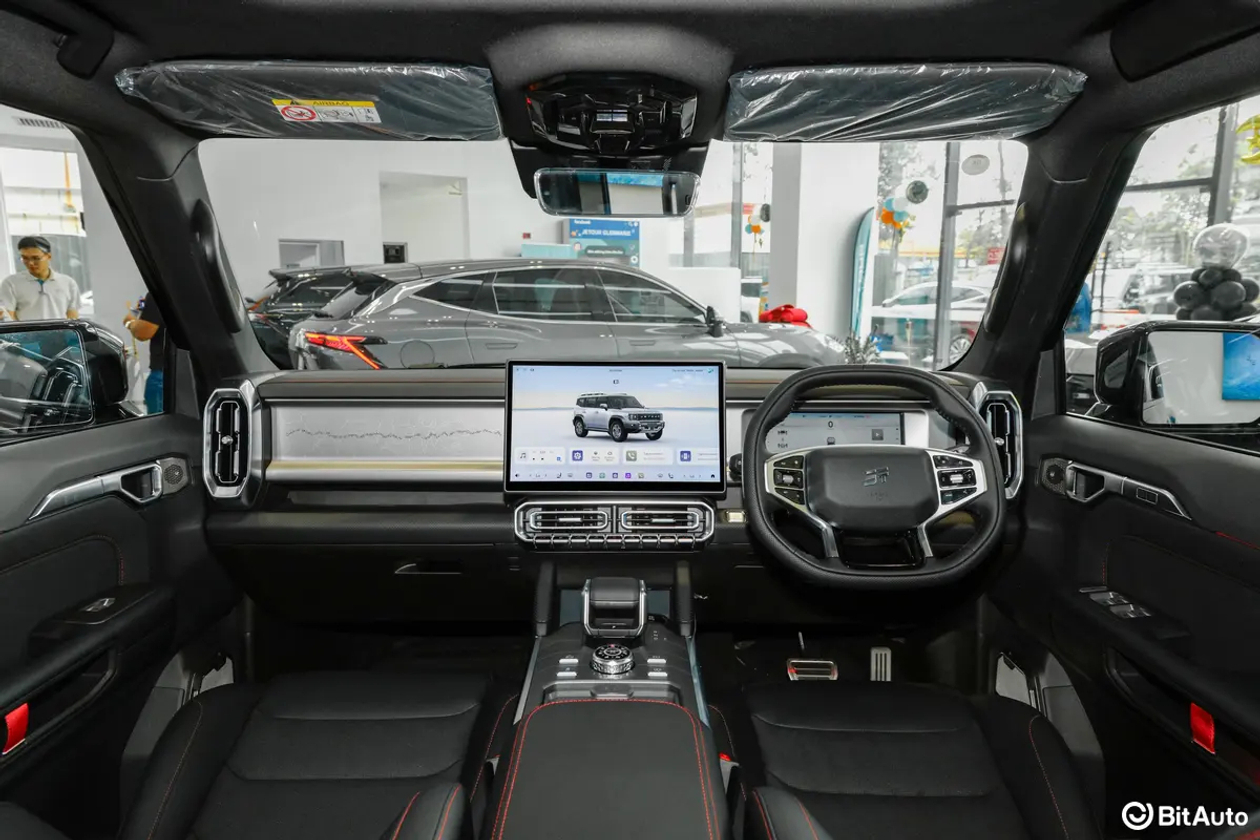
Similarly, the T2 gets a 15.6-inch central screen with wireless Apple CarPlay and Android Auto connectivity. Other highlights include a 12-speaker Sony premium audio system, a 50W wireless charger, ventilated front seats, and a panoramic sunroof.
On the safety front, the T2 comes standard with six airbags and a Level 2 ADAS suite, boasting a 5-star ASEAN NCAP rating.
Ultimately, both SUVs are generously equipped with very little separating them in terms of creature comforts.
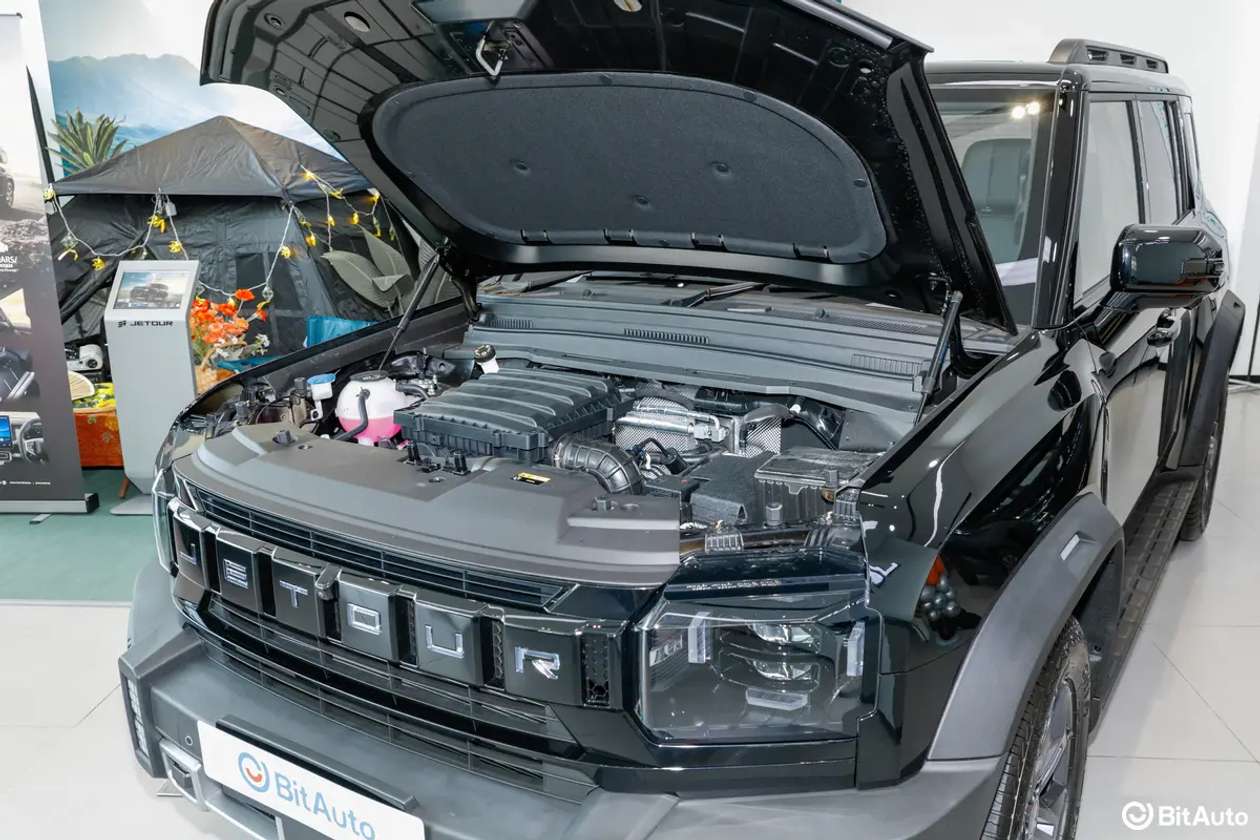
Jetour offers a 7-year/150,000 km vehicle warranty, backed by an unprecedented 10-year/1,000,000 km engine warranty. This level of engine coverage is virtually unmatched in the Malaysian automotive landscape.
GWM has yet to reveal the H7's local warranty package, but based on their current line-up, a 6-year/150,000 km vehicle warranty is highly likely.
Question 1: Do you have access to home charging?
If yes, the H7's 115 km EV range will drastically slash your monthly fuel bill. If not, the benefits of owning a plug-in hybrid diminish, making the T2's traditional ICE setup a more hassle-free choice.
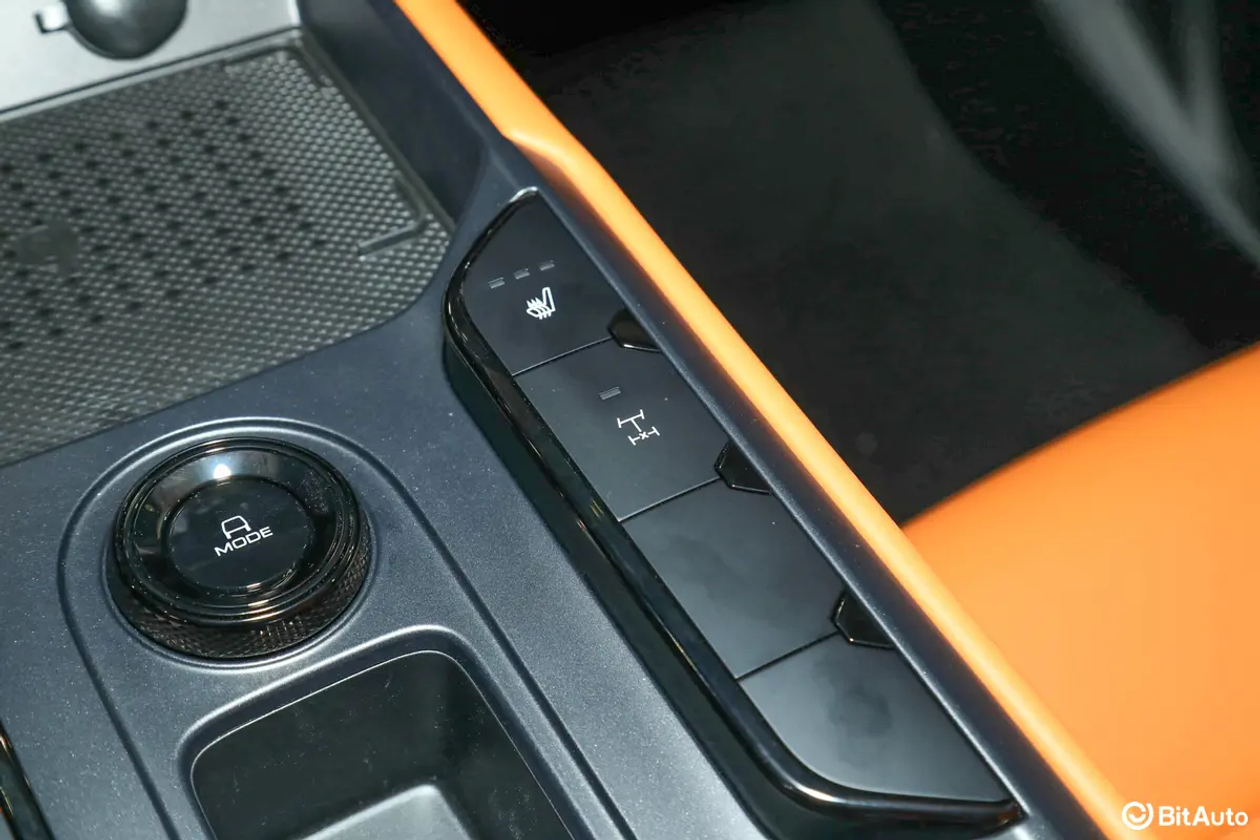
Question 2: Do you frequently go off the beaten track?
For light off-roading, the Haval H7 is more than capable. However, if your routes regularly involve wading through floodwaters, steep climbs, or muddy trails, the Jetour T2's extra 120 mm of wading depth and 3-degree approach angle advantage will offer far greater peace of mind.
The H7 shines when it comes to outright performance and fuel efficiency. Offering 370 PS, a brisk 6.2-second century sprint, and the ability to commute fuel-free for up to 115 km, it is hard to beat at the RM160,000 mark.
On the flip side, the T2 excels in rugged capability and peace of mind, boasting superior wading depth, a longer wheelbase, and an incredible engine warranty. These two boxy SUVs cater to entirely different priorities.


Your go-to source for all things automotive in Malaysia. 🚗 Latest reviews, breaking news, launches & industry trends.
+ Follow Kereta Rally Karamjit Singh & Proton Wira Schumacher Ada Sini! | HME Asia 2026
Hujung minggu dah tiba dan anda mencari sesuatu untuk cuci mata? Jemput datang ke Heritage Motor Exchange Asia 2026 yang berlangsung di Dewal Merdeka, World Trade Centre (WTC) Kuala Lumpur!
Berbeza dengan pameran biasa, acara ini memberi tumpuan khas kepada kenderaan-kenderaan warisan dan klasik yang menggamit memori. Antara daya tarikan utama yang dipamerkan termasuk:
🏎️ Kereta Rally Legenda: Kereta rally ikonik yang pernah dipandu oleh pemandu legenda negara, Karamjit Singh!
🏎️ Proton Wira Schumacher: Model Proton Wira penuh sejarah yang pernah dipandu oleh pelumba F1 legenda, Michael Schumacher!
🚘 Kereta Klasik & Mewah: Mercedes-Benz W111 Cabriolet (1960-an), Rolls-Royce Silver Cloud, Jaguar E-Type, dan pelbagai lagi model berprestasi tinggi.
Membawa tema "When Passion Meets Acquisition", pameran ini menghimpunkan lebih 50 buah kereta daripada pelbagai era. Ia turut memperkenalkan sistem penilaian Concours 100 mata serta kemudahan urusan pemeriksaan, insurans, dan cukai jalan bersama agensi seperti Puspakom dan JPJ di lokasi.
📅 Tarikh: 23 – 25 Oktober 2026
📍 Lokasi: Dewan Merdeka, WTC Kuala Lumpur
Tonton video ini sampai habis untuk lihat sendiri kehebatan jentera-jentera klasik ini! Jangan lupa untuk Like, Comment, dan Subscribe ke saluran BitAuto!
#HeritageMotorExchange #HMEAsia2026 #BitAuto #WTCKL #KeretaKlasik 1 minute ago
Kereta Rally Karamjit Singh & Proton Wira Schumacher Ada Sini! | HME Asia 2026
Hujung minggu dah tiba dan anda mencari sesuatu untuk cuci mata? Jemput datang ke Heritage Motor Exchange Asia 2026 yang berlangsung di Dewal Merdeka, World Trade Centre (WTC) Kuala Lumpur!
Berbeza dengan pameran biasa, acara ini memberi tumpuan khas kepada kenderaan-kenderaan warisan dan klasik yang menggamit memori. Antara daya tarikan utama yang dipamerkan termasuk:
🏎️ Kereta Rally Legenda: Kereta rally ikonik yang pernah dipandu oleh pemandu legenda negara, Karamjit Singh!
🏎️ Proton Wira Schumacher: Model Proton Wira penuh sejarah yang pernah dipandu oleh pelumba F1 legenda, Michael Schumacher!
🚘 Kereta Klasik & Mewah: Mercedes-Benz W111 Cabriolet (1960-an), Rolls-Royce Silver Cloud, Jaguar E-Type, dan pelbagai lagi model berprestasi tinggi.
Membawa tema "When Passion Meets Acquisition", pameran ini menghimpunkan lebih 50 buah kereta daripada pelbagai era. Ia turut memperkenalkan sistem penilaian Concours 100 mata serta kemudahan urusan pemeriksaan, insurans, dan cukai jalan bersama agensi seperti Puspakom dan JPJ di lokasi.
📅 Tarikh: 23 – 25 Oktober 2026
📍 Lokasi: Dewan Merdeka, WTC Kuala Lumpur
Tonton video ini sampai habis untuk lihat sendiri kehebatan jentera-jentera klasik ini! Jangan lupa untuk Like, Comment, dan Subscribe ke saluran BitAuto!
#HeritageMotorExchange #HMEAsia2026 #BitAuto #WTCKL #KeretaKlasik 1 minute ago  Rare cars, legendary icons and automotive dreams come alive at Heritage Motor Exchange Asia!
#HMEA #HeritageMotorExchangeAsia #ClassicCars #Supercars #CarCulture #MalaysiaCars 1 hour ago
Rare cars, legendary icons and automotive dreams come alive at Heritage Motor Exchange Asia!
#HMEA #HeritageMotorExchangeAsia #ClassicCars #Supercars #CarCulture #MalaysiaCars 1 hour ago  Waze could be banned?
IT seems like the Malaysian government may look into banning Waze, but only when local alternatives are ready. 3 hours ago
Waze could be banned?
IT seems like the Malaysian government may look into banning Waze, but only when local alternatives are ready. 3 hours ago Get the latest car news first!
Your go-to source for all things automotive in Malaysia. 🚗 Latest reviews, breaking news, launches & industry trends.
Kereta Rally Karamjit Singh & Proton Wira Schumacher Ada Sini! | HME Asia 2026
Hujung minggu dah tiba dan anda mencari sesuatu untuk cuci mata? Jemput datang ke Heritage Motor Exchange Asia 2026 yang berlangsung di Dewal Merdeka, World Trade Centre (WTC) Kuala Lumpur!
Berbeza dengan pameran biasa, acara ini memberi tumpuan khas kepada kenderaan-kenderaan warisan dan klasik yang menggamit memori. Antara daya tarikan utama yang dipamerkan termasuk:
🏎️ Kereta Rally Legenda: Kereta rally ikonik yang pernah dipandu oleh pemandu legenda negara, Karamjit Singh!
🏎️ Proton Wira Schumacher: Model Proton Wira penuh sejarah yang pernah dipandu oleh pelumba F1 legenda, Michael Schumacher!
🚘 Kereta Klasik & Mewah: Mercedes-Benz W111 Cabriolet (1960-an), Rolls-Royce Silver Cloud, Jaguar E-Type, dan pelbagai lagi model berprestasi tinggi.
Membawa tema "When Passion Meets Acquisition", pameran ini menghimpunkan lebih 50 buah kereta daripada pelbagai era. Ia turut memperkenalkan sistem penilaian Concours 100 mata serta kemudahan urusan pemeriksaan, insurans, dan cukai jalan bersama agensi seperti Puspakom dan JPJ di lokasi.
📅 Tarikh: 23 – 25 Oktober 2026
📍 Lokasi: Dewan Merdeka, WTC Kuala Lumpur
Tonton video ini sampai habis untuk lihat sendiri kehebatan jentera-jentera klasik ini! Jangan lupa untuk Like, Comment, dan Subscribe ke saluran BitAuto!
#HeritageMotorExchange #HMEAsia2026 #BitAuto #WTCKL #KeretaKlasik 1 minute ago Rare cars, legendary icons and automotive dreams come alive at Heritage Motor Exchange Asia!
#HMEA #HeritageMotorExchangeAsia #ClassicCars #Supercars #CarCulture #MalaysiaCars 1 hour ago Waze could be banned?
IT seems like the Malaysian government may look into banning Waze, but only when local alternatives are ready. 3 hours ago 
© 2024 Bitauto.com. All Rights Reserved.
Bitauto (www.yiche.com and www.bitauto.com) is one of the most visited automotive websites in China. We provide detailed info on Chinese car brands available in your area. Please note that the information provided on this website is based on publicly available data and is for reference only. It may not be fully updated or accurate at all times.

Help us improve our website


