Another year has passed and so comes another edition of the Kuala Lumpur International Mobility Show (KLIMS). Going by its new, broader scope as a mobility show, this is technically only its second edition, but KLIMS itself has been around since 1977.
Back then, the focus was initially set on cars and bikes, with KLIMS being Malaysia’s first-ever international motor show. Eventually it grew beyond the scope of just showing what’s on sale today (these days, MARii’s Malaysia Autoshow fills this gap), and this annual affair became a branding event where manufacturers put out previews and concepts too.
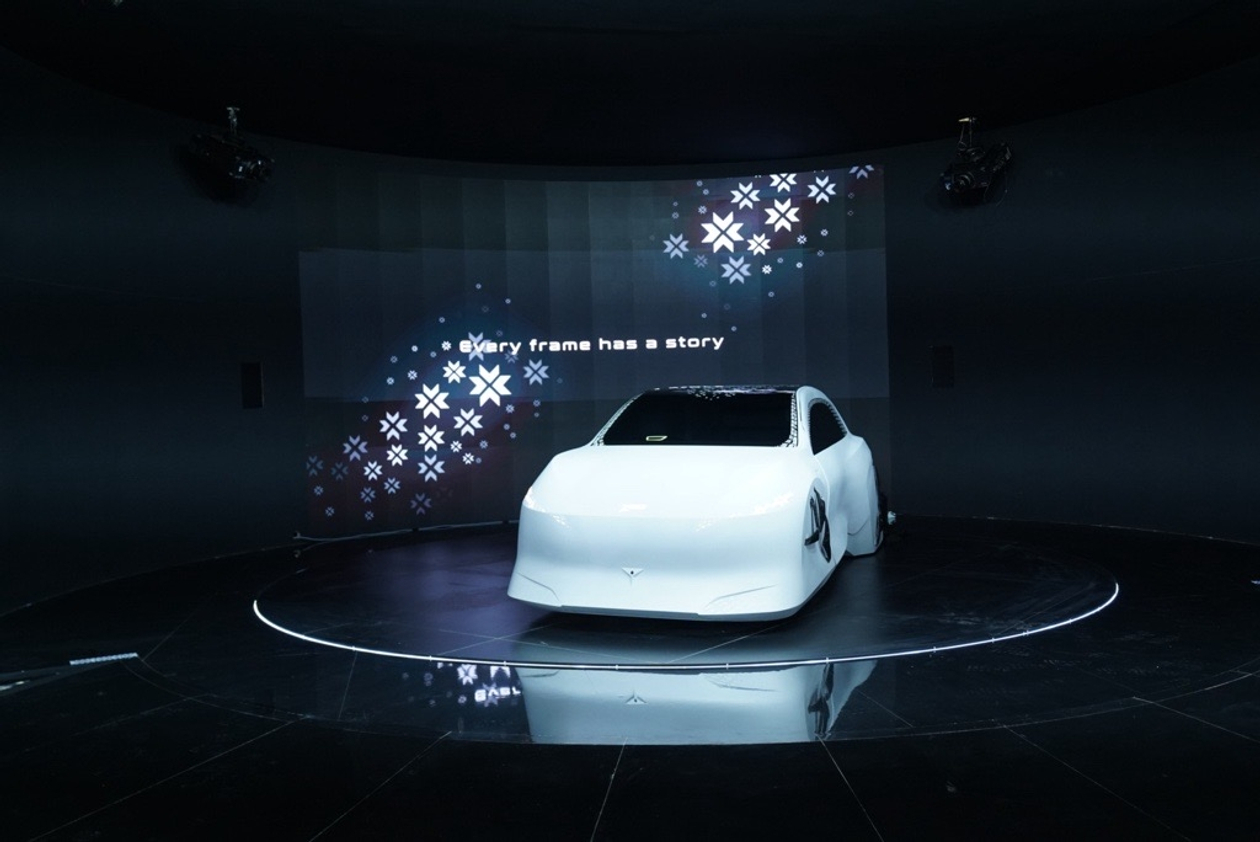
Perodua C2 Concept.
But more than just trying to put wheels on the ground today, such shows also give a macro view of what the motoring tides are in any given country. KLIMS this year gave a hint of the trends that are soon to shape Malaysian roads - and more pertinently, its winners and losers.
Hybrids take the fore
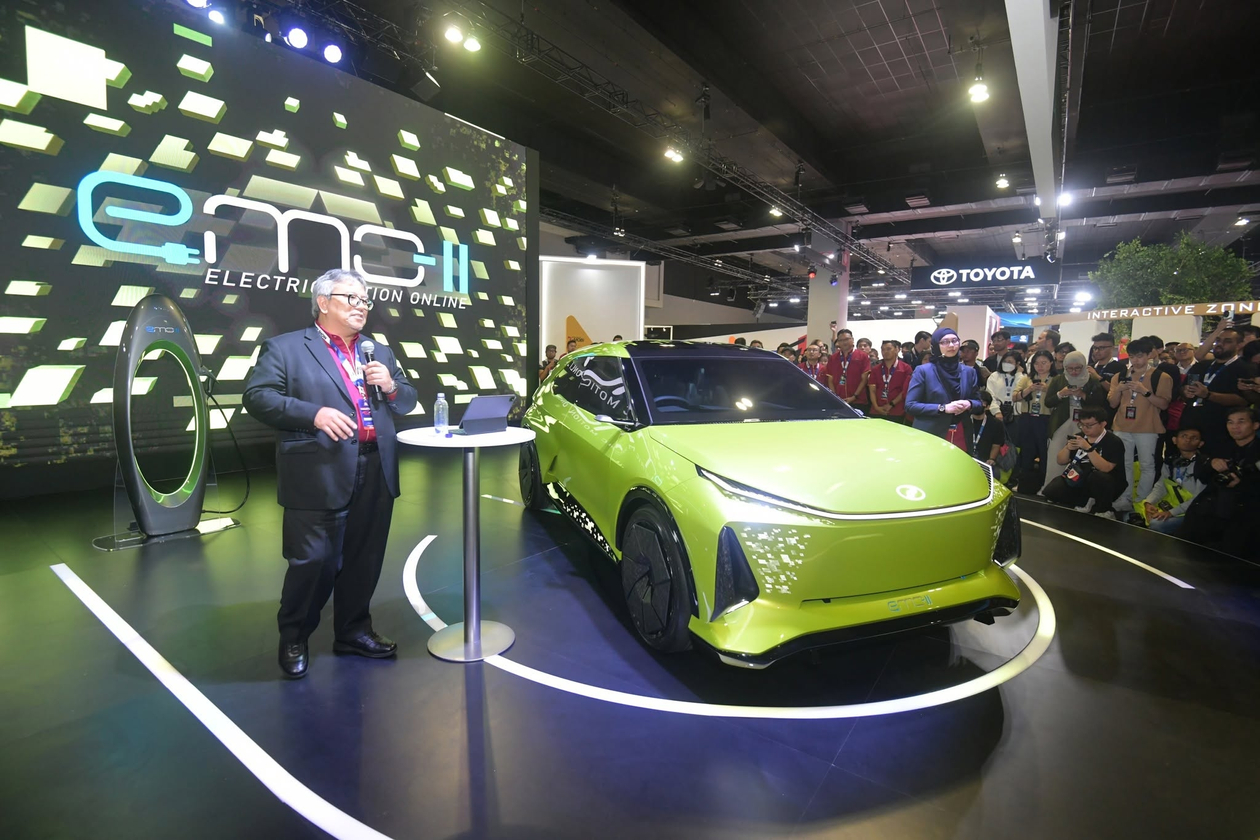
Perodua e-MO II at KLIMS 2024. This then spawned the QV-E.
Just two years ago, the spotlight shone on EVs. It was mandated for government officials to use them, and it was in the same year that we saw Perodua’s homegrown effort (e-MO II) roll out on its own power for the first time, as well as the Proton e.Mas 7 in camo.
In fact, 11 of the key products shown that year were EVs.
This year, the script has flipped quite a bit with hybrids taking the mainstay. Almost every booth had hybrid offerings - and we’re also including mild-hybrids - hinting that while EVs have their place, the strategy of sticking to one powertrain wasn’t going to cut it anymore.
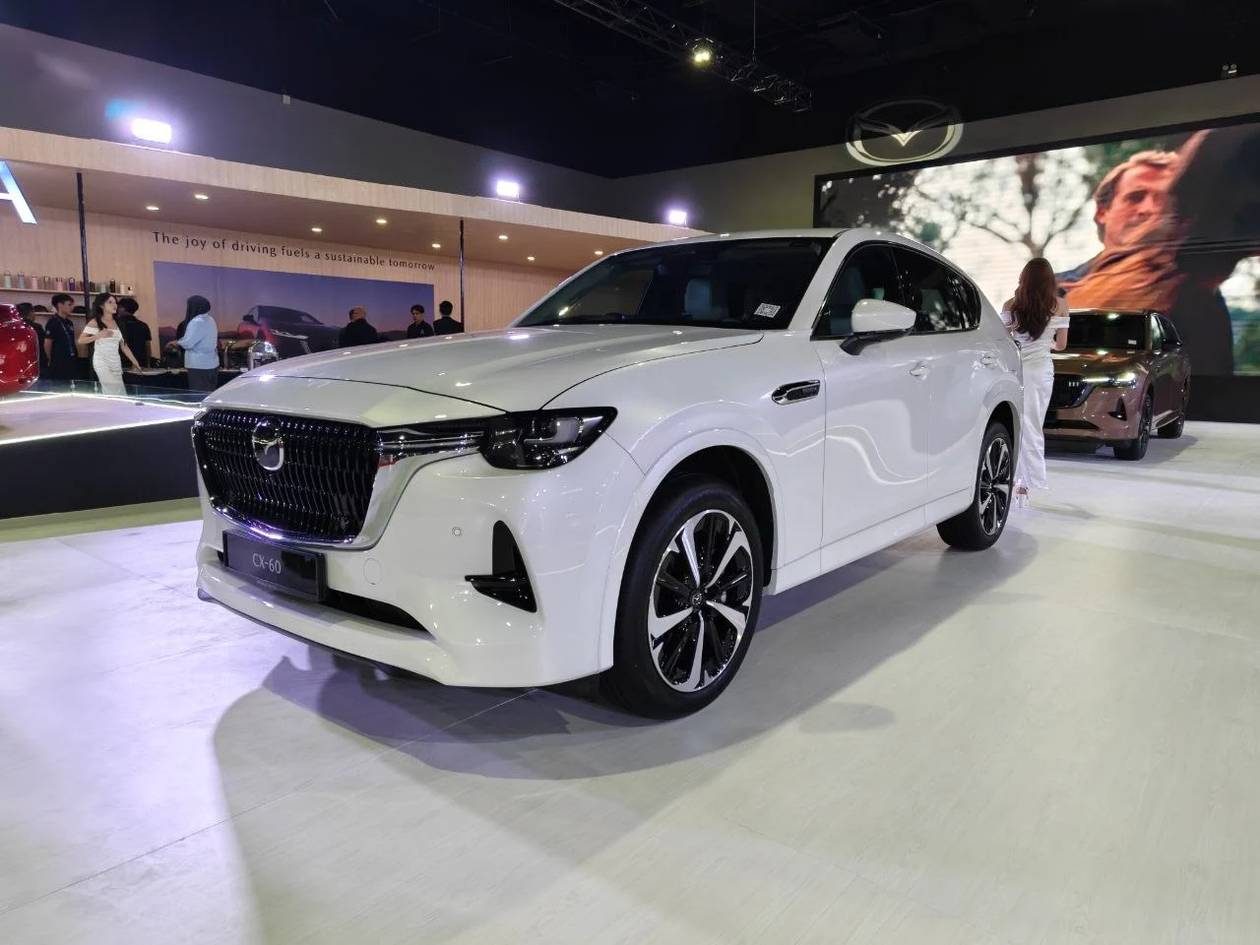
Mazda had their new mild-hybrid CX-60 3.3 out, Nissan’s new-gen X-Trail is a standard e-Power offering, and you can’t leave out stalwarts Toyota and Honda who showcased their range too.
More to the point however is the strong hybrid support from Chinese brands. Zeekr, long popularised as a flagship EV brand, pulled crowds with the plug-in hybrid (PHEV) 9X. So did MG, which also had a diverse range populated by hybrids.
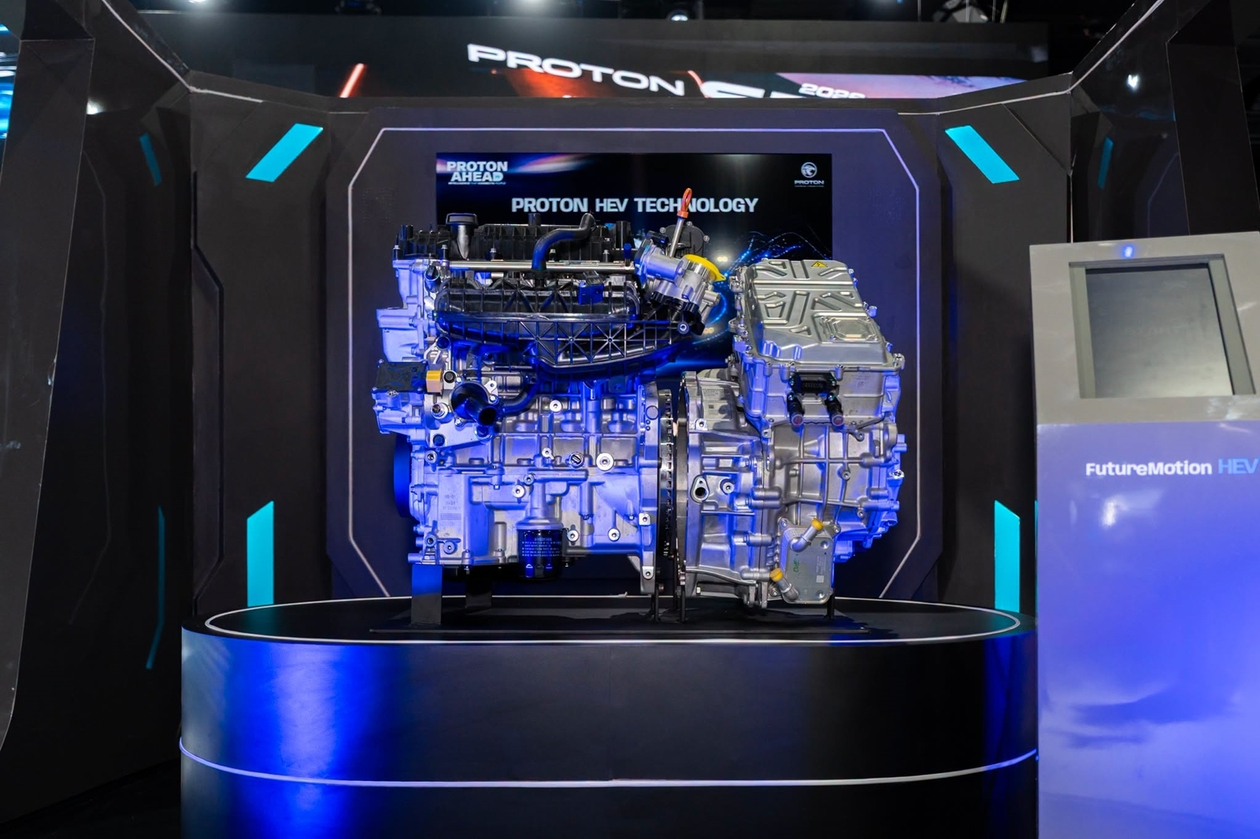
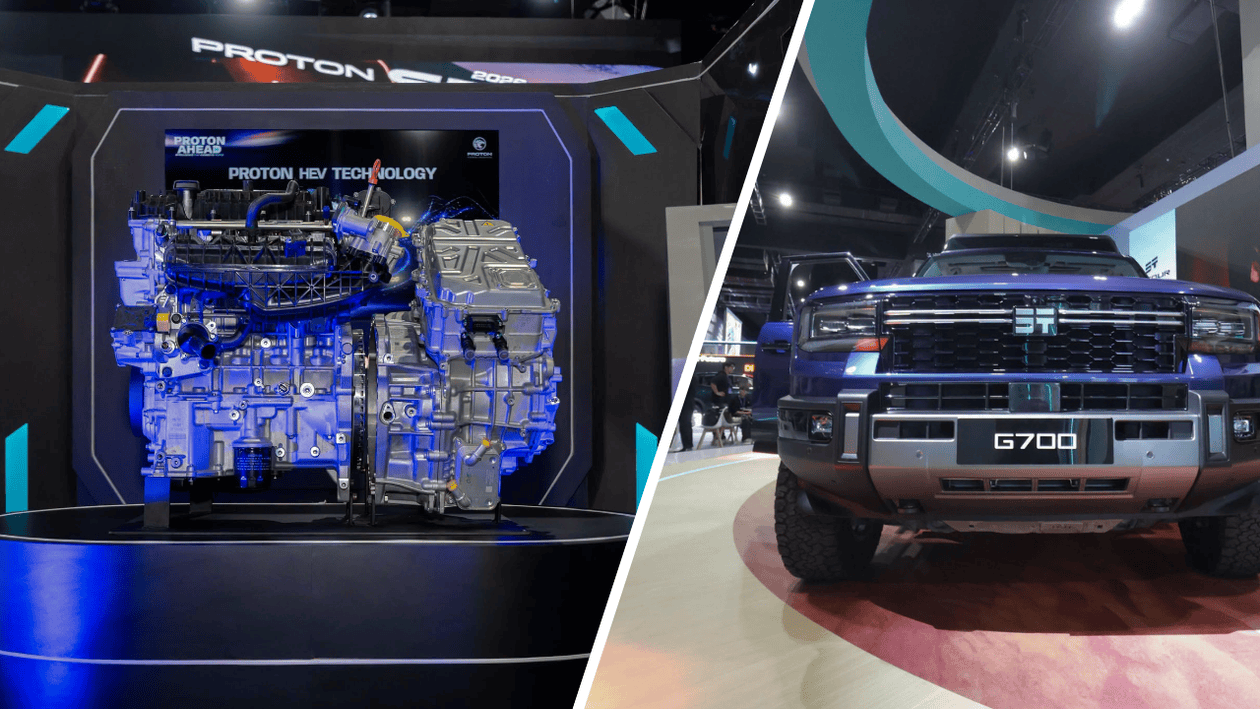
Brands with strong Chinese backing are also benefitting from this, as Proton also showcased their new FutureMotion HEV. The 1.5-litre system is adapted from what Geely has in its home market, already driving the Preface.
Considering the steady growth of EVs locally in recent times, some might call this to be backtracking - but the reasons are more strategic than sentimental. MITI’s new rules on imported EVs is a spanner in the works for some of these brands, and introducing hybrids is a way to skirt around that issue.
Boxy SUVs gain attention, and brands are paying attention
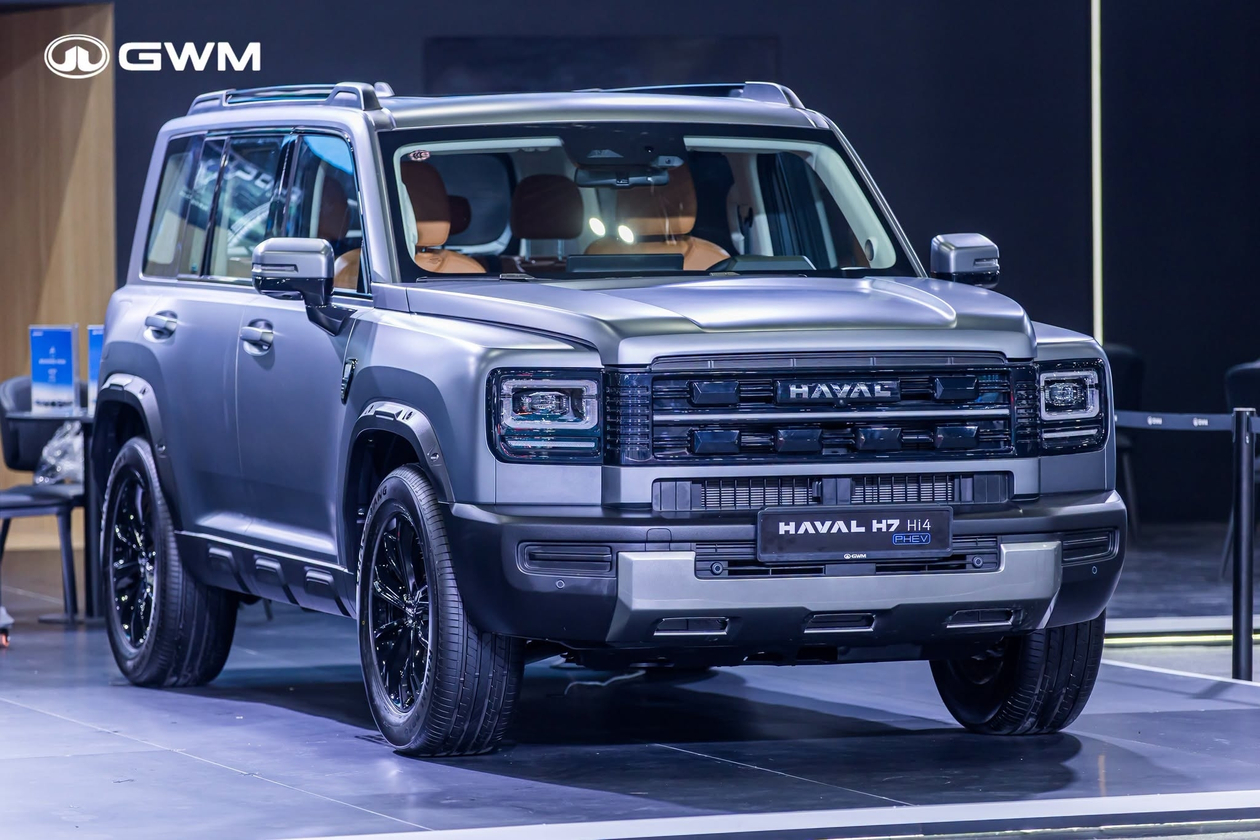
Beyond propulsion mechanics, the SUV remains the undisputed layout of choice. However, a distinct sub-trend has crystallised: the proliferation of angular, boxy silhouettes.
Great Wall Motor (GWM), an early mover in this space with the Tank 300, capitalised on strong local momentum by introducing its hybrid variant and previewed the burlier H7. But where GWM got the ball rolling, Jetour is the one running away with the sales figures - over 7,000 people have booked the T2.
Aiming to strike that core segment of the market (but with more money to spend), they’ve also showcased the barrel-chested, 904 PS G700. Could we see another half-million Ringgit Chinese SUV? Denza has done it, so other brands are definitely not going to sit by the sidelines…
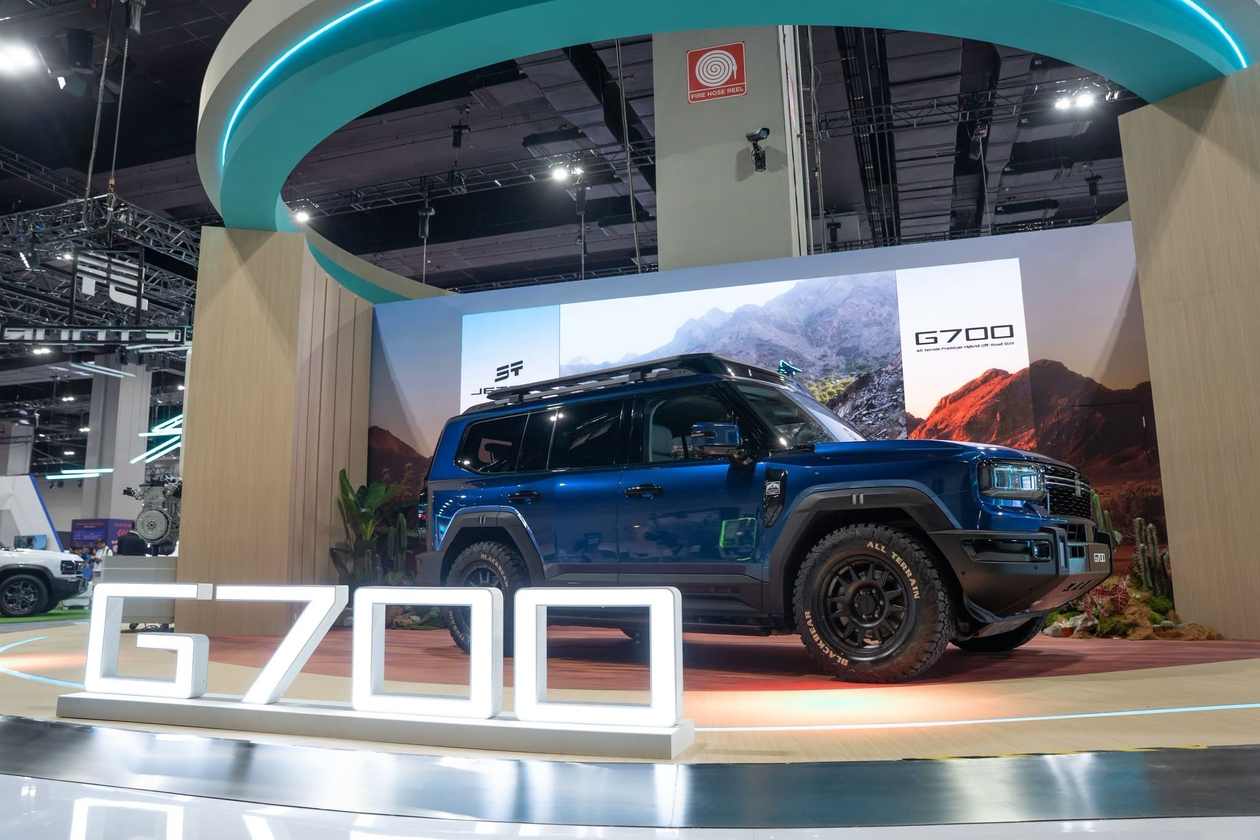
The commercial appeal of these vehicles relies on a highly effective psychological lever. For decades, the imposing, upright aesthetic was restricted to premium legacy icons like the Mercedes-Benz G-Class or Land Rover Defender.
Chinese manufacturing has effectively democratised this design language. By pairing aggressive, utilitarian styling with high ground clearance and superior spatial efficiency over lifestyle coupe-SUVs, these brands have captured a highly lucrative market segment.
On the show floor, public reaction revealed a clear evolution in consumer behavior. The initial novelty of Chinese off-road styling has matured into genuine purchasing intent, driven by competitive packaging and advanced driver-assistance systems (ADAS).
The Korean Renaissance: Strategy Correcting History
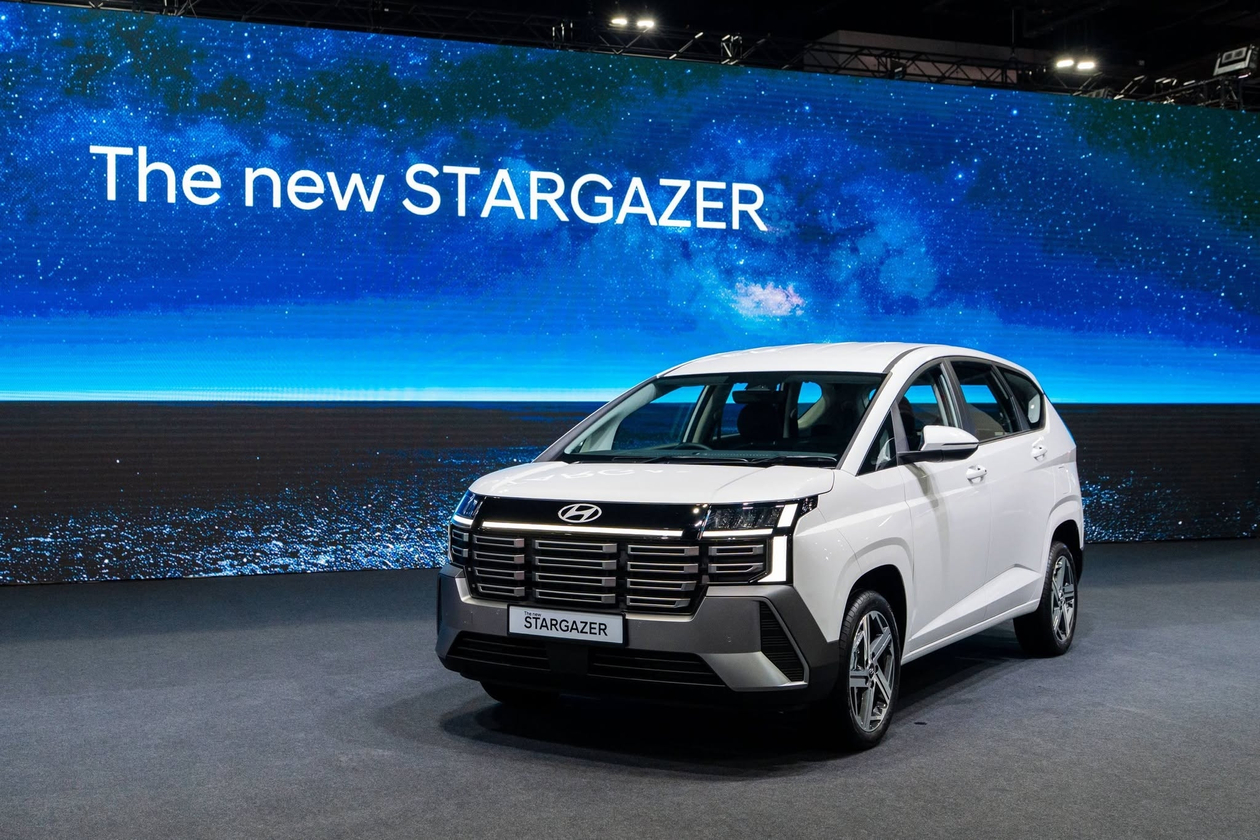
The return of South Korean automakers is one of the most interesting storylines at this year's show. Historically, Kia and Hyundai have had a rollercoaster ride in Malaysia.
JPJ data shows their sales peaked way back in 2004 before crashing. They had small recoveries in 2010 and 2014, but they never truly bounced back. The problem wasn't the cars—it was bad pricing and positioning.
As global strategies changed, cheap Korean alternatives to Japanese cars vanished. For a long time, you couldn't buy a new Korean car for under RM 100k. Nobody was buying a RM 260k Kia Niro, which left the big, expensive Carnival MPV to do all the heavy lifting.
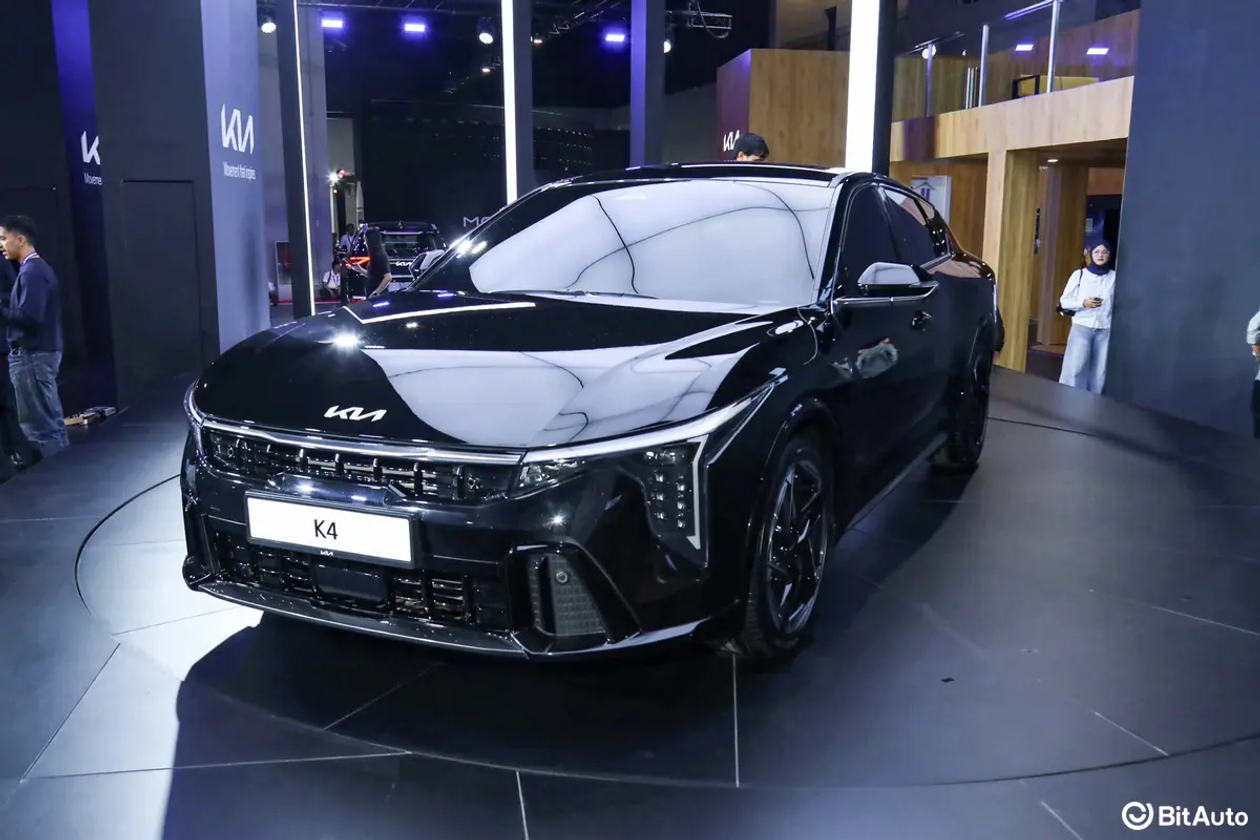
Now, corporate headquarters in Seoul seem to finally understand the Malaysian market:
Conclusion
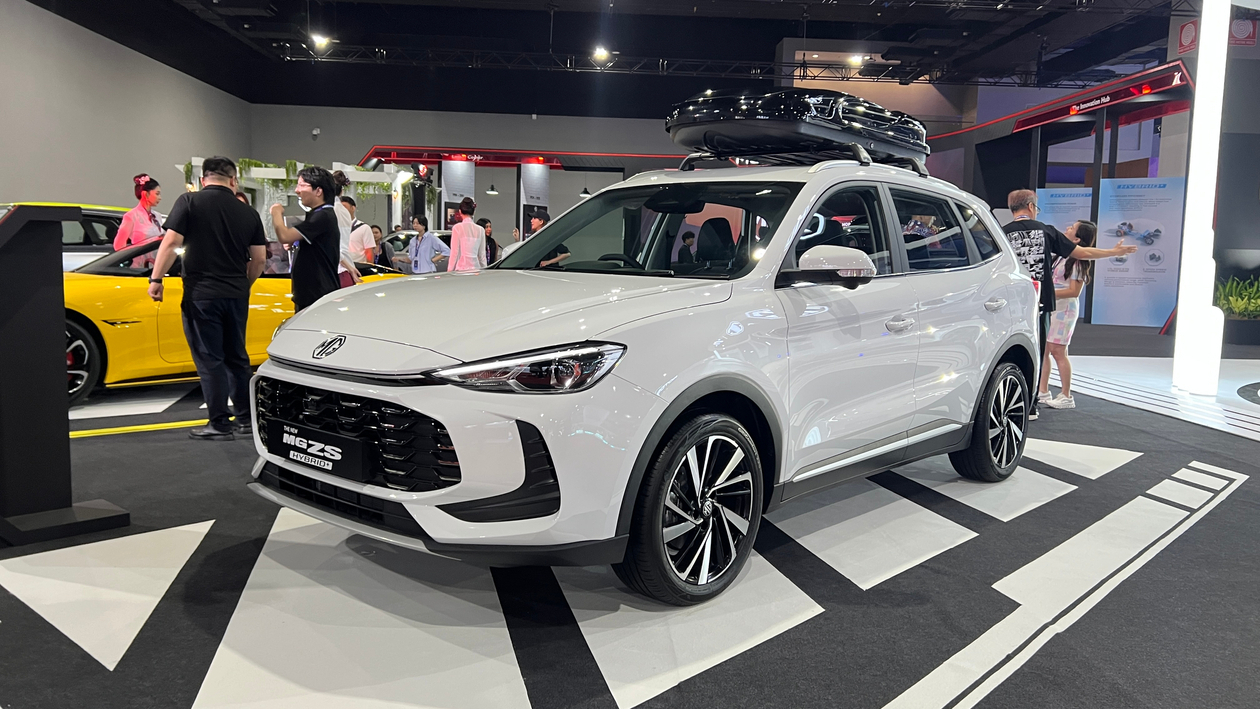
KLIMS 2026 made one thing clear: hype has its place, but practicality wins out in the end. While concepts like the Perodua C2 are great to look at, the real focus was on what people can actually buy right now.
The pivot to hybrids proves that Malaysia isn't ready for a pure EV transition just yet - and that’s OK, one solution for all was never the right mindset anyway.
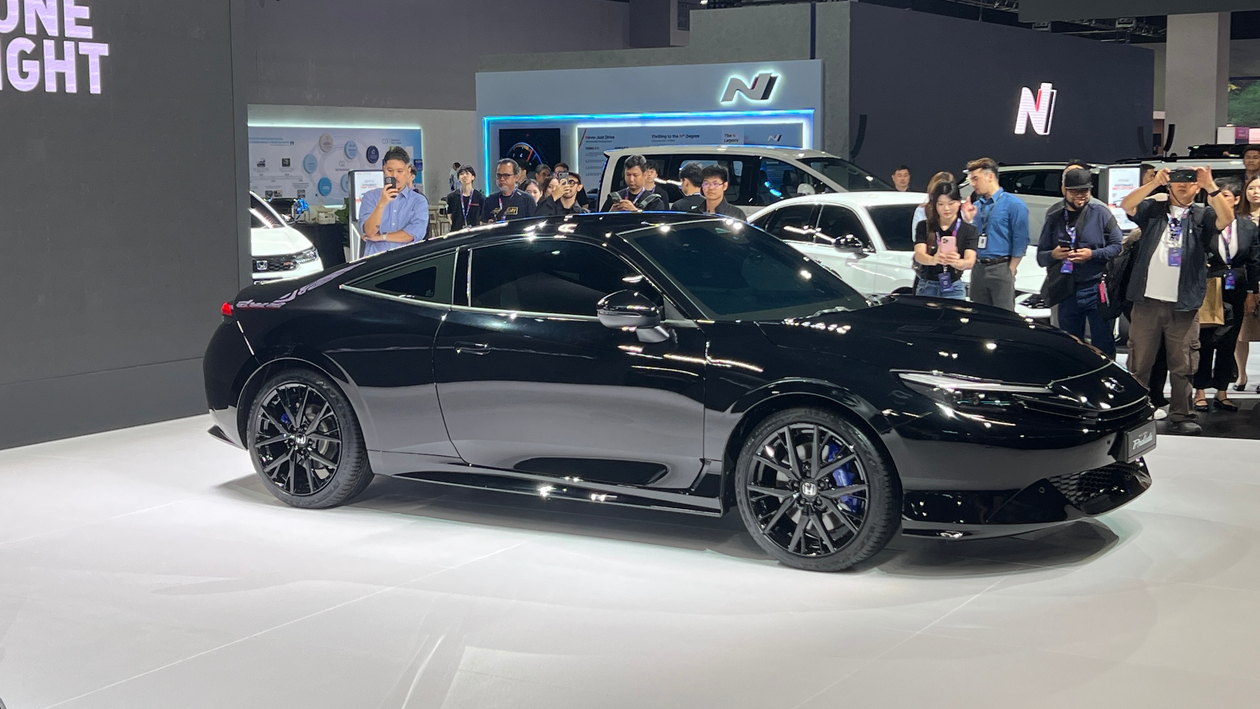
Meanwhile, the explosion of affordable, boxy SUVs gives buyers the premium, rugged styling they want without the brutal price tag. Combined with a fiercely competitive, price-corrected Korean comeback, the long-standing mixture of our market is about to get disrupted.
For the everyday Malaysian car buyer, this three-way battle is a massive win. Brands can no longer coast on loyalty alone; they have to fight for your hard-earned ringgit with better features, sharper pricing, and reliable aftersales support.
 ProtonGWMVolkswagenJAECOOVolvoPeroduaToyotaHondaBYDJetourMazdaMitsubishiCheryTESLALexusMercedes-BenzBMWZeekriCAURNissanIsuzuLeapmotorFordPorscheMGOMODAMINISuzukiWulingSubaruLand RoverGACDongfengXPengHyundaiKiaDenzaAudiFotonCAMsmartPeugeotDaihatsuJMCJACLotusMAXUSAlfa RomeoMaseratiRenaultGolden DragonKaiceneSeresLamborghiniFerrariJeepBentleyRolls-RoyceChevroletJaguarMcLarenAston MartinDodgeAbarthBAICForthingGeelyRoeweAeolusChanganARCFOXDeepalExeedHongqiVoyahKGMBuforiAcuraCadillacFiatINEOSLepasMHEROJMEVFreelander
© 2024 Bitauto.com. All Rights Reserved.
Bitauto (www.yiche.com and www.bitauto.com) is one of the most visited automotive websites in China. We provide detailed info on Chinese car brands available in your area. Please note that the information provided on this website is based on publicly available data and is for reference only. It may not be fully updated or accurate at all times.


