If you have been keeping an eye on compact EVs lately, the name Honda Super N might already be on your radar. Far from a far-fetched concept, this retro electric hot hatch is a production reality that is already on sale in the UK.
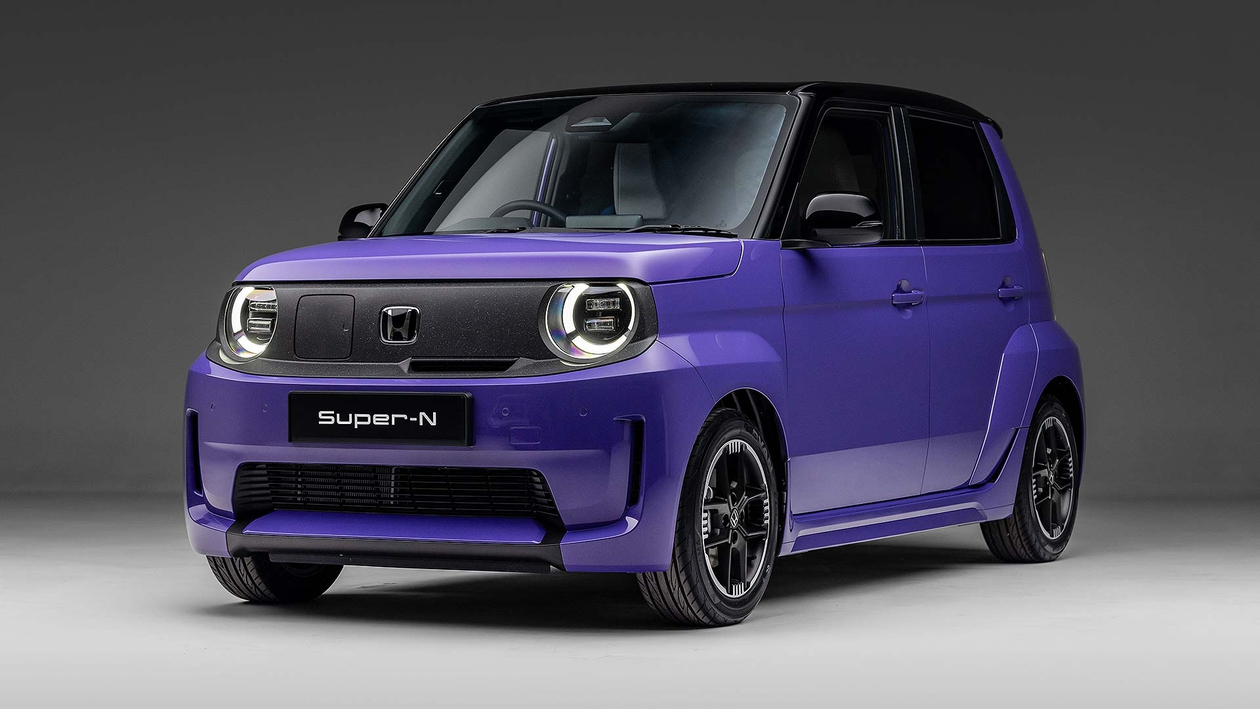
The Super N first surfaced under the "Super-One" moniker in Honda's 2026 product roadmap. As early as late 2025, test mules were spotted undergoing road trials on Malaysian roads. In early 2026, Honda Malaysia officially announced plans to launch six new models within the year, with the Super-One widely believed to be one of them. Discussions about the car have not stopped since.
What is the story behind this car, and is it worth the wait?
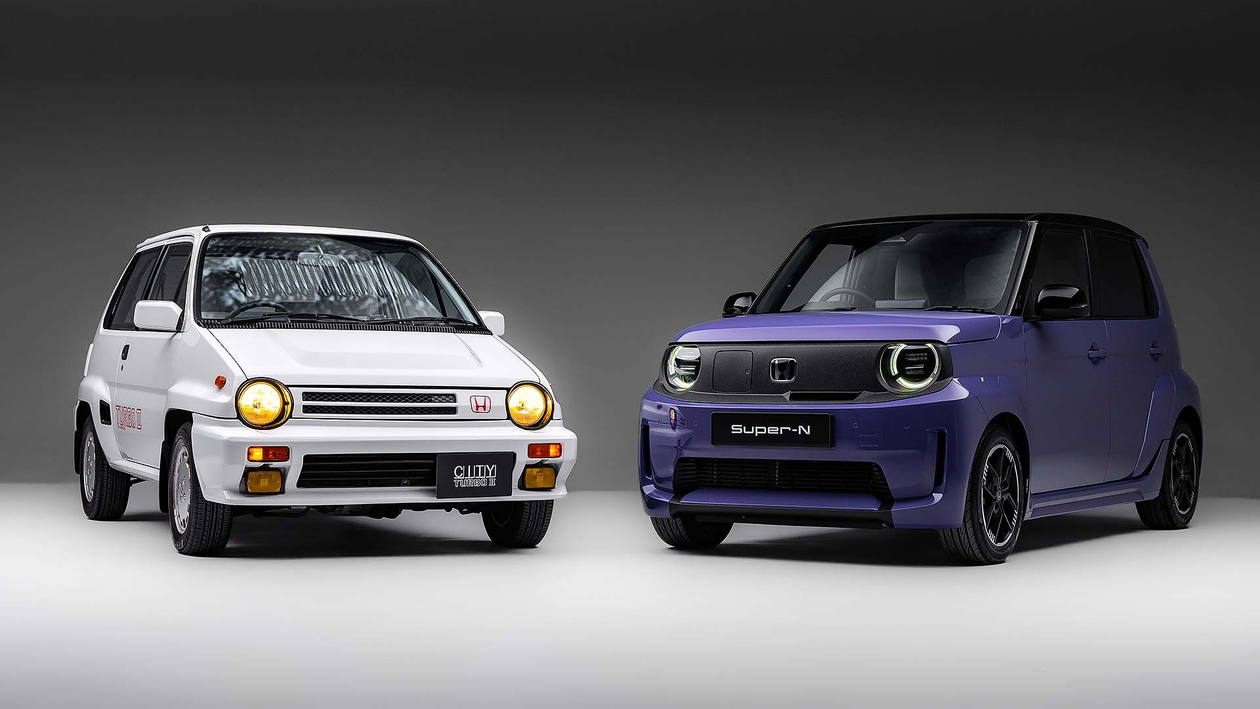
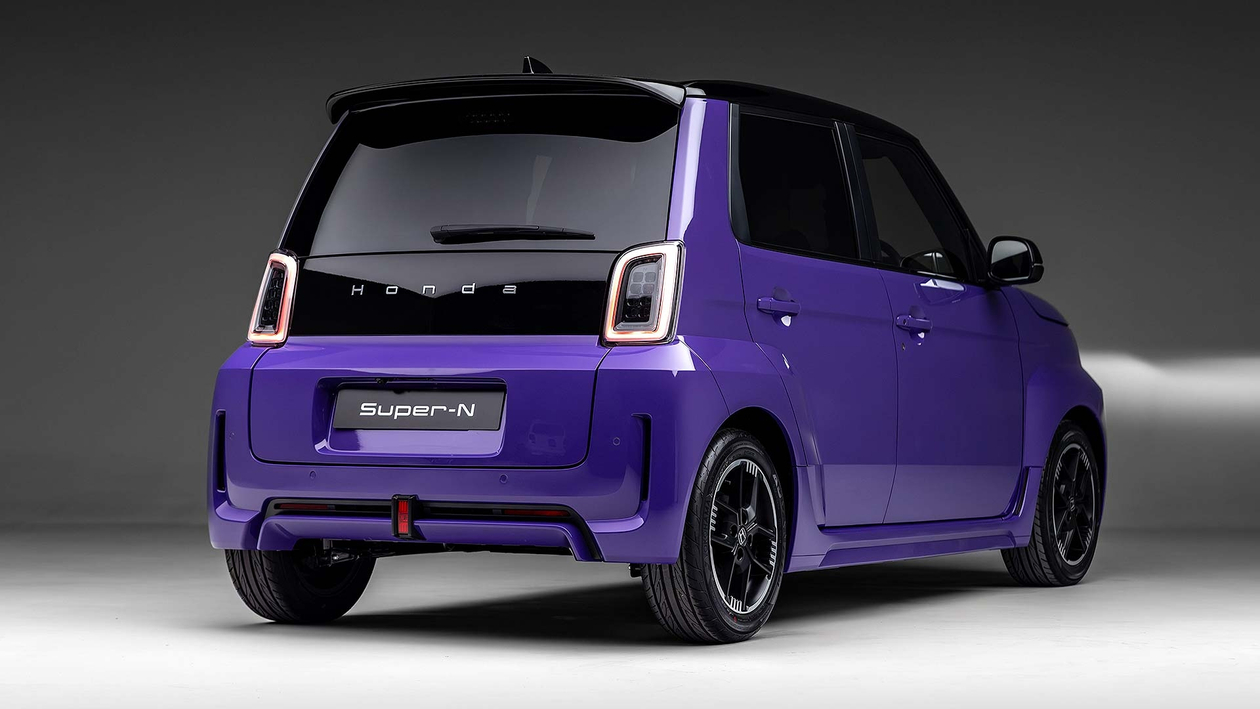
The exterior design of the Super N is heavily inspired by the iconic 1980s Honda City Turbo II.
The front end features retro round headlights paired with a closed-off grille, while the lower bumper flares out to the sides to create a muscular, widebody visual effect. The side profile is fitted with 15-inch eight-spoke alloy wheels housed under slightly flared wheel arches. The rear gets rectangular taillights, completing a unique styling package that blends retro aesthetics with modern touches.
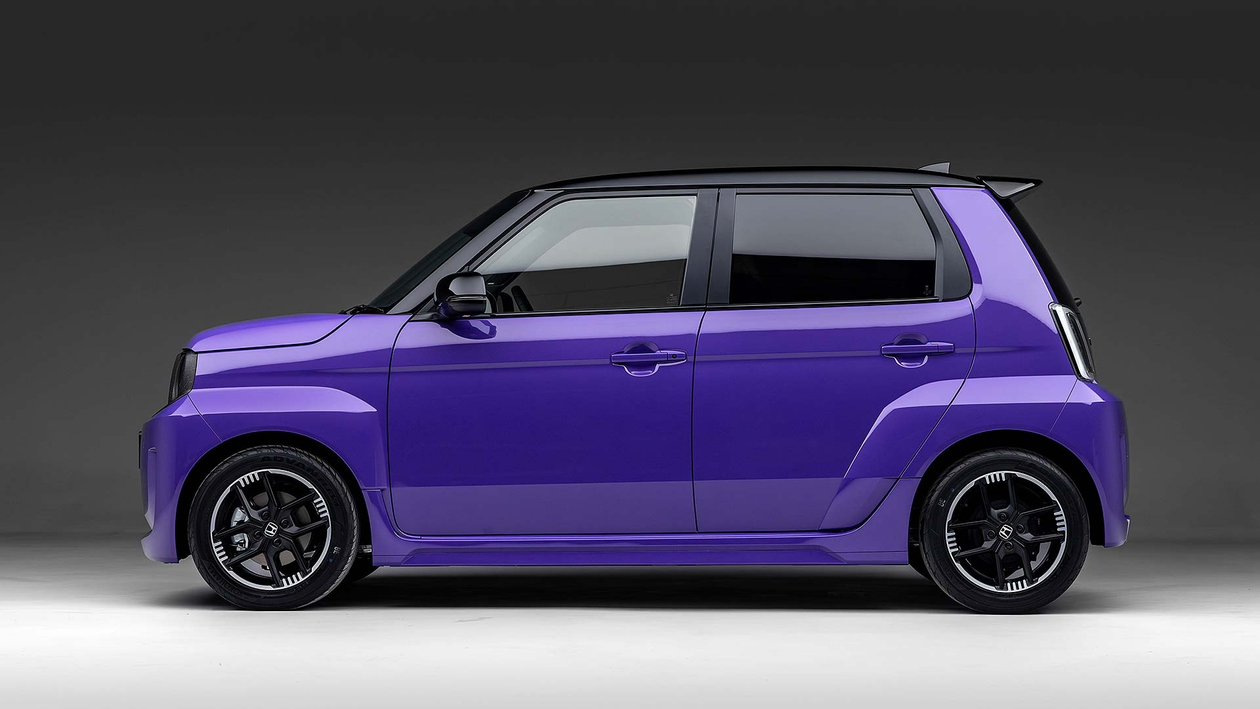
In terms of dimensions, figures vary slightly depending on the market. The UK-spec version measures 3,599 mm in length and 1,573 mm in width, whereas the Japanese spec is more compact at 3,395 mm long and 1,475 mm wide. Regardless of the market specification, it is still shorter than the Fiat 500e. With a kerb weight of just 1,090 kg, it is a true lightweight in the EV segment.
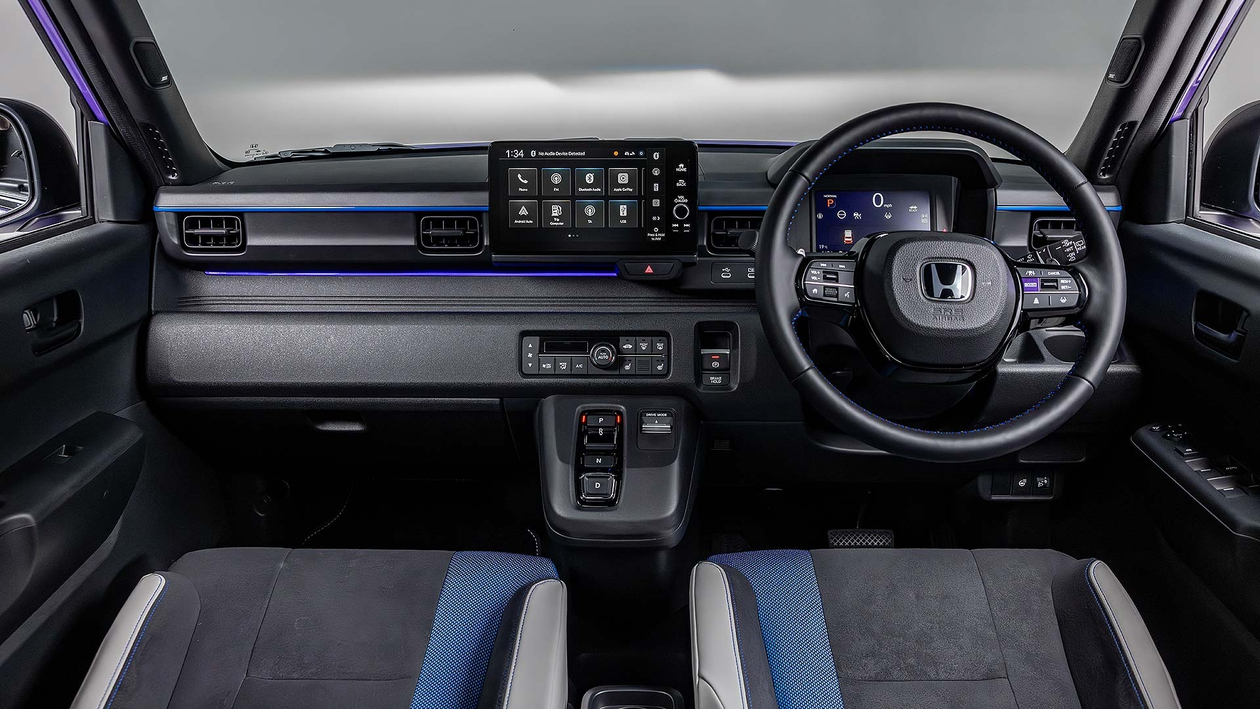
Inside, the Super N comes equipped with a 9-inch touchscreen (supporting wireless Apple CarPlay and Android Auto) and a 7-inch digital instrument cluster (with a simulated tachometer). The audio setup features a Bose 8-speaker system (including a boot-mounted subwoofer).
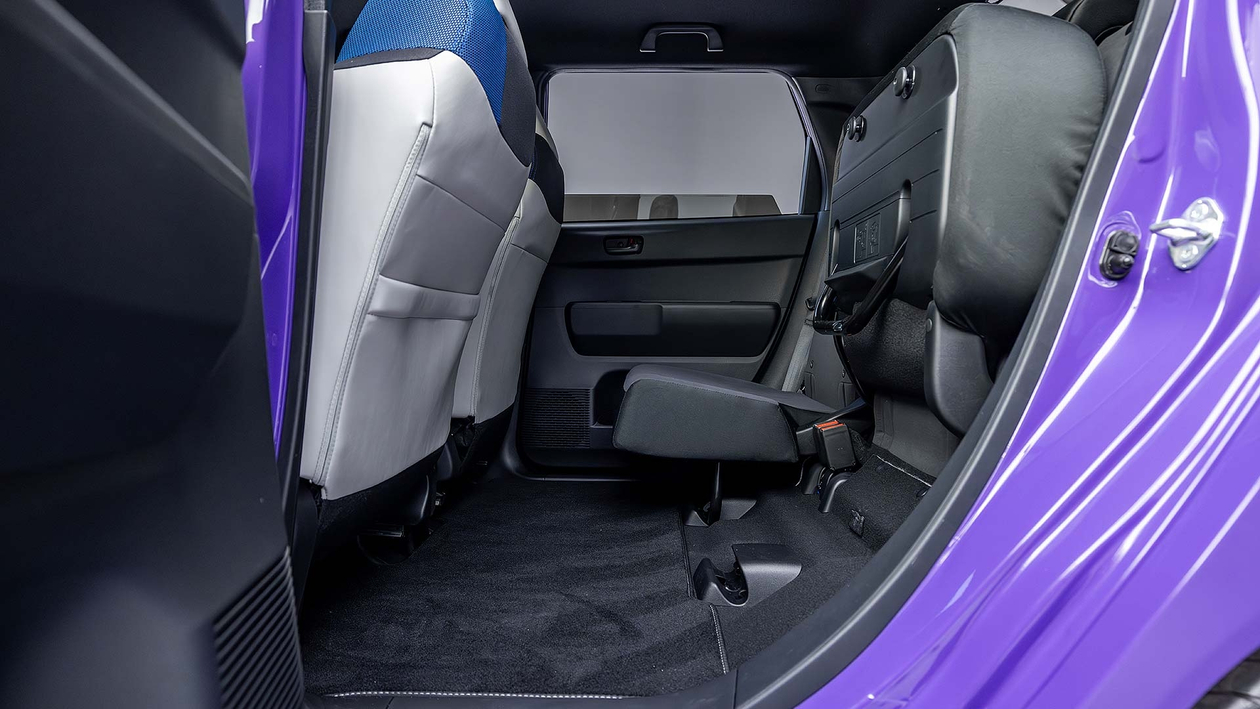
Despite its tiny footprint, the Super N can still comfortably accommodate four adults. Boot space stands at 162 litres, which expands to a generous 967 litres with the rear seats folded flat.
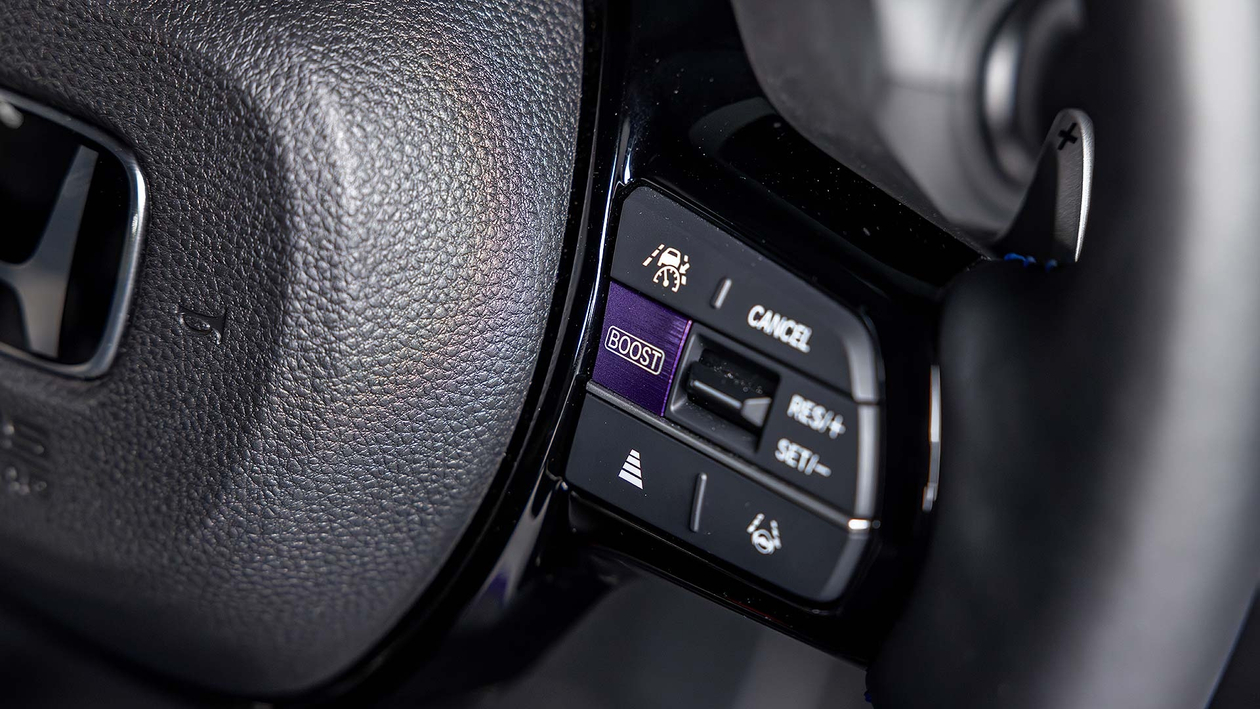
The Super N is powered by a front-mounted single electric motor driving the front wheels. Its character shifts dramatically between standard and Boost modes:
| Mode | Power | Output | 0-100 km/h |
|---|---|---|---|
| Standard | 47 kW | 64 PS | 14.5 seconds |
| Boost Mode | 70 kW | 95 PS | 10.0 seconds |
In standard Mode, the motor outputs 47 kW (64 PS). However, pressing the Boost Mode button on the steering wheel instantly bumps output to 70 kW (95 PS), slashing the 0-100 km/h sprint time from 14.5 seconds to 10.0 seconds.
The Super N also features a simulated 7-speed transmission and Active Sound Control to mimic the engine note and shift points of an ICE vehicle under acceleration. Honda's goal is to inject some traditional driving engagement into the EV experience.
As for the chassis, the setup comprises front MacPherson Struts and a rear Torsion Beam – a standard and proven layout for A-segment compacts.
Juice is supplied by a 29.6 kWh lithium-ion battery, with range figures depending on driving conditions:
WLTP combined range: 206 km
Urban range: Up to 320 km
On the charging front, it supports 50 kW DC fast charging, which can top up the battery from 20% to 80% in 30 minutes. Charging via a 6 kW AC wallbox takes approximately 4.5 hours for a full charge.
It is worth noting that a WLTP combined range of 206 km positions the Super N firmly as a city commuter or short-distance runabout. If you frequently do interstate drives or long-distance highway cruising, range anxiety could be a limiting factor.
Safety-wise, the Super N comes equipped with the full suite of Honda SENSING driver assistance systems, which includes Autonomous Emergency Braking (AEB), Adaptive Cruise Control (ACC) with Stop & Go, Lane Keeping Assist System (LKAS), and the LaneWatch blind-spot camera system, among other features.
Launch Timeline
Honda Malaysia has confirmed it will introduce six new models in 2026, and the Super-One (i.e. Super N) is widely believed to be on that list. Pre-orders opened in Japan on 16 April 2026, while the model officially went on sale in the UK in July 2026.
However, the biggest wild card here is not timing, but policy.
The RM 250,000 price floor for CBU EVs
In early 2026, the Malaysian government enforced a minimum RM 250,000 price floor for brand-new CBU (completely built-up) electric vehicles. Under this ruling, the on-the-road (OTR) price of any newly introduced imported CBU EV cannot be priced below RM 250,000.
The issue is that the Super N starts at just £18,995 (approx. RM 93,000) in the UK. Even after accounting for shipping costs, import duties, and dealer margins, its final price tag would still fall far short of the RM 250,000 threshold.
In other words, the Super-One's local launch remains unconfirmed.
The only way forward: CKD local assembly
However, there is a glimmer of hope. A test mule of the Super-One was recently spotted running on Malacca trade plates – and Malacca is home to Honda Malaysia's Pegoh assembly plant. This suggests that Honda might be exploring the feasibility of local CKD assembly to bypass the CBU price floor restriction.
If the Super N is assembled locally via the CKD route, it would not only dodge the RM 250,000 barrier but also allow Honda to price it competitively in the local market.
Speculation regarding the local pricing of the Super N is currently varied:
UK Price: from £18,995 (approx. RM 93,000)
Indonesia Price: approx. RM 65,000
Local unofficial predicted price: approx. RM 75,000
If the Super N is imported as a CBU unit, restricted by the RM 250,000 minimum price floor, it would be virtually impossible to price the car logically for our market. However, if Honda goes down the CKD local assembly route, the EV could retail between RM 80,000 and RM 100,000, making it a highly compelling offering in the A-segment electric vehicle market.
Who is the Super N for? Urban commuters seeking a fun drive, enthusiasts with a penchant for retro aesthetics, and families looking for a stylish second runabout.
Who should adopt a wait-and-see approach? Those who frequently travel long distances interstate, buyers who demand extensive driving range, and larger families requiring more cabin and cargo space.
The Super N's arrival in Malaysia depends less on Honda's willingness to sell it, and more on whether local policy allows it. The RM 250,000 CBU EV price floor is a massive hurdle. The only real hope lies in CKD local assembly, which will demand significant time and investment.
If you have your eye on this retro EV, it is best to keep a close watch on Honda Malaysia's official announcements regarding local assembly plans.

Your go-to source for all things automotive in Malaysia. 🚗 Latest reviews, breaking news, launches & industry trends.
+ Follow This weekend is your chance to own a Volvo Selekt Certified Used Car, priced from just RM 148,000.
What are you waiting for?
#volvo 1 minute ago
This weekend is your chance to own a Volvo Selekt Certified Used Car, priced from just RM 148,000.
What are you waiting for?
#volvo 1 minute ago  We saw this accident this morning, and here’s a reminder to everyone: please drive safe. 2 days ago
  The G50 BMW 3 series is now here, adopting much of the i3's design elements.
So, where's the BMW M3?
#bmw #BMW3Series 4 days ago
The G50 BMW 3 series is now here, adopting much of the i3's design elements.
So, where's the BMW M3?
#bmw #BMW3Series 4 days ago Get the latest car news first!
Your go-to source for all things automotive in Malaysia. 🚗 Latest reviews, breaking news, launches & industry trends.
This weekend is your chance to own a Volvo Selekt Certified Used Car, priced from just RM 148,000.
What are you waiting for?
#volvo 1 minute ago We saw this accident this morning, and here’s a reminder to everyone: please drive safe. 2 days ago The G50 BMW 3 series is now here, adopting much of the i3's design elements.
So, where's the BMW M3?
#bmw #BMW3Series 4 days ago  ProtonGWMVolkswagenJAECOOVolvoPeroduaToyotaHondaTESLAMitsubishiMazdaJetourCheryBYDLexusBMWMercedes-BenziCAURZeekrIsuzuNissanLeapmotorPorscheFordOMODAMINIMGSuzukiXPengHyundaiWulingKiaSubaruDenzaGACLand RoverDongfengCAMAudiPeugeotFotonMAXUSsmartDaihatsuJACJMCMaseratiLotusAlfa RomeoRenaultGolden DragonKaiceneSeresLamborghiniFerrariJeepRolls-RoyceLepasAston MartinMcLarenChevroletBentleyFiatBAICForthingGeelyRoeweAeolusChanganARCFOXDeepalExeedHongqiVoyahJaguarKGMBuforiAcuraCadillacDodgeAbarthINEOSMHEROJMEVFreelander
© 2024 Bitauto.com. All Rights Reserved.
Bitauto (www.yiche.com and www.bitauto.com) is one of the most visited automotive websites in China. We provide detailed info on Chinese car brands available in your area. Please note that the information provided on this website is based on publicly available data and is for reference only. It may not be fully updated or accurate at all times.
Help us improve our website


