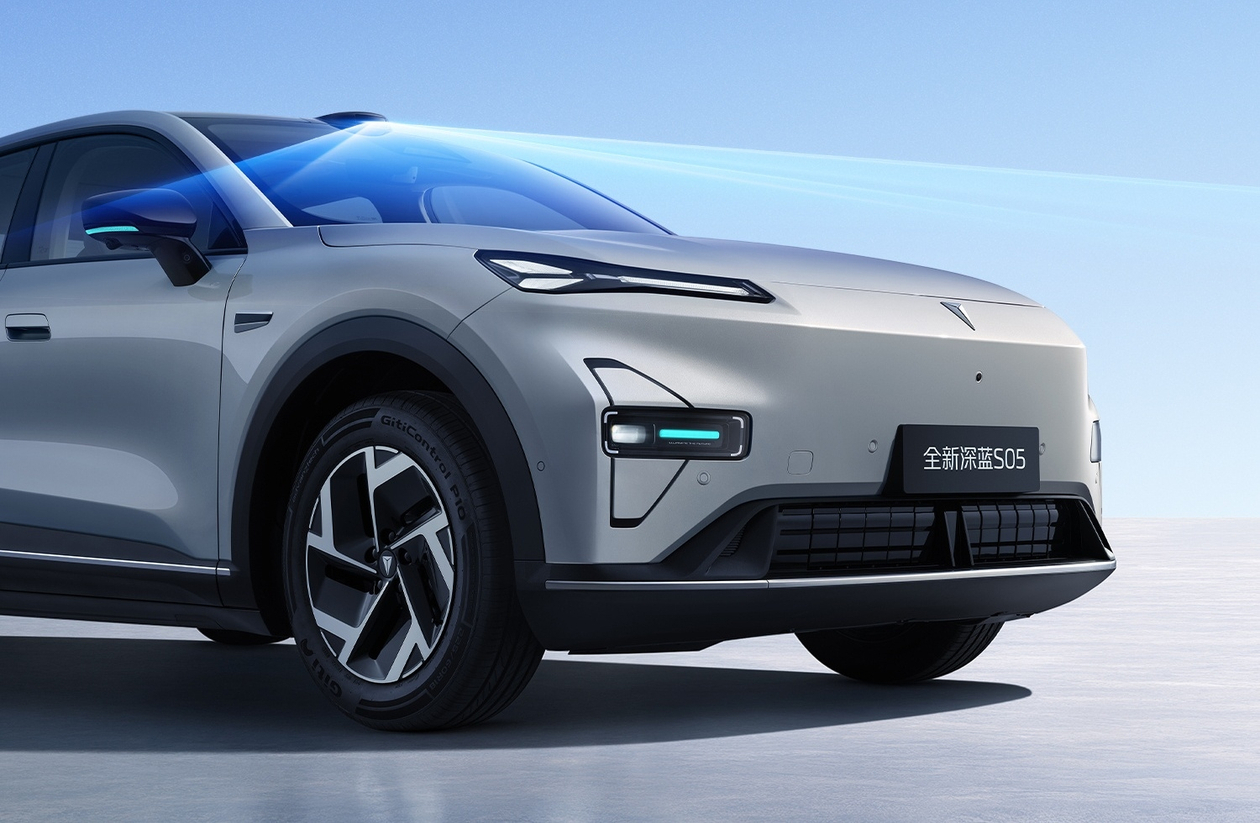
China's Ministry of Industry and Information Technology (MIIT) has reportedly ordered automakers to stop fitting new passenger vehicles with blue external indicator lights used to signal that advanced driver assistance systems (ADAS) are active.
Commonly referred to within the industry as the "little blue light", the feature has become increasingly common on Chinese new energy vehicles over the past few years. However, according to documents circulating within the industry, the regulator has instructed manufacturers to immediately cease installing the lights as they do not comply with the country's existing vehicle lighting regulations.
According to CNEVPOST, the directive came into effect on 27 July 2026 and applies to all newly certified passenger vehicle models. MIIT is also said to be studying how vehicles already on the road equipped with the lights will be handled, although no official announcement has been made at the time of writing.
Speaking to Chinese media outlet Yicai, Geely Auto confirmed that it is aware of the directive and will fully comply with the latest regulatory requirements.
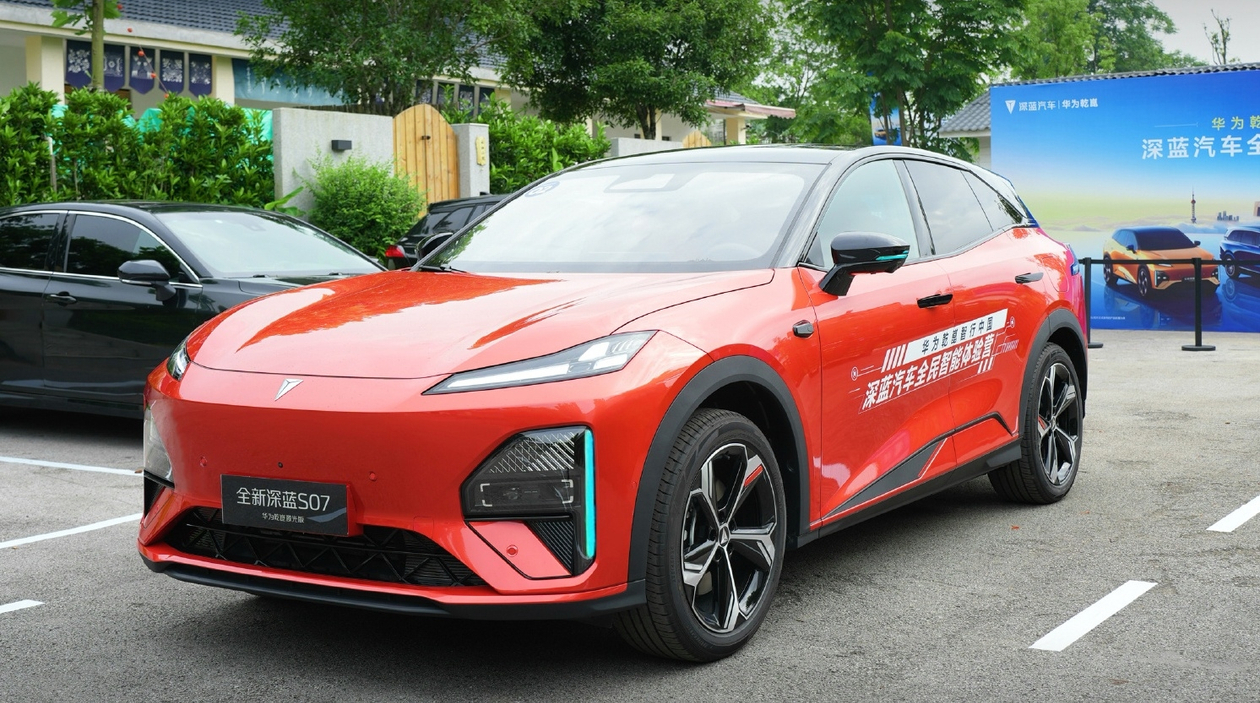
The decision stems from China's GB 4785-2019 vehicle lighting standard, which came into force in July 2020. The regulation only permits white, yellow, red and amber for exterior vehicle lighting, with blue not recognised as an approved colour for light-signalling devices and remains in a gray area.
Officially known as the Automated Driving System (ADS) Marker Lamp, the blue indicator was first introduced by Li Auto on the Li L9 in 2022 before being widely adopted by other Chinese automakers, including Nio, Xpeng, BYD, and Xiaomi.
The purpose of the light was to inform other road users that the vehicle's driver assistance system was actively assisting the driver. However, because no unified national standard existed governing its implementation, manufacturers adopted different mounting positions, brightness levels and shades of blue.
The inconsistency has led to growing criticism, particularly regarding glare and visibility. On some vehicles, the lights are positioned at eye level for drivers behind, making them distracting during night driving or poor weather conditions.
The latest move is part of China's broader effort to standardise intelligent vehicle design and improve road safety. In recent years, regulators have also tightened oversight on several emerging automotive design trends, including hidden door handles, single-pedal driving modes, touchscreen-based gear selectors and unconventional steering wheel designs, as authorities seek to balance innovation with usability and safety.
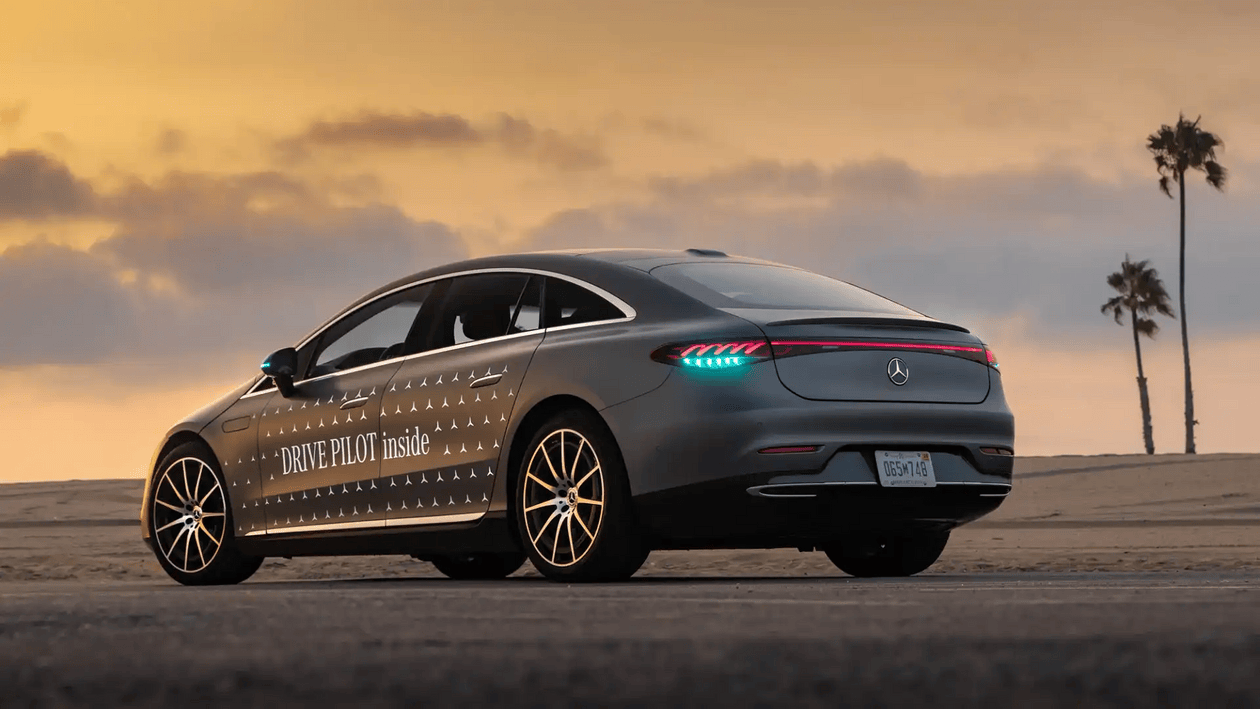
That being said, it remains to be seen how other markets react to this news. Thus far, over in North America, only Nevada and California have approved these blue lights.
Closer to home, ASEAN NCAP recently partnered up with China's CAERI to launch the Intelligent Vehicle Advanced Safety Assessement (IVASA), aimed at assessing intelligent driving and autonomous vehicle technologies, including Level 2 (L2) and Level 2+ (L2+) driver assistance systems.
Read Also: ASEAN NCAP launches IVASA programme to evaluate intelligent driving systems in Southeast Asia

Your go-to source for all things automotive in Malaysia. 🚗 Latest reviews, breaking news, launches & industry trends.
+ Follow This weekend is your chance to own a Volvo Selekt Certified Used Car, priced from just RM 148,000.
What are you waiting for?
#volvo 1 minute ago
This weekend is your chance to own a Volvo Selekt Certified Used Car, priced from just RM 148,000.
What are you waiting for?
#volvo 1 minute ago  We saw this accident this morning, and here’s a reminder to everyone: please drive safe. 2 days ago
  The G50 BMW 3 series is now here, adopting much of the i3's design elements.
So, where's the BMW M3?
#bmw #BMW3Series 4 days ago
The G50 BMW 3 series is now here, adopting much of the i3's design elements.
So, where's the BMW M3?
#bmw #BMW3Series 4 days ago Get the latest car news first!
Your go-to source for all things automotive in Malaysia. 🚗 Latest reviews, breaking news, launches & industry trends.
This weekend is your chance to own a Volvo Selekt Certified Used Car, priced from just RM 148,000.
What are you waiting for?
#volvo 1 minute ago We saw this accident this morning, and here’s a reminder to everyone: please drive safe. 2 days ago The G50 BMW 3 series is now here, adopting much of the i3's design elements.
So, where's the BMW M3?
#bmw #BMW3Series 4 days ago  ProtonGWMVolkswagenJAECOOVolvoPeroduaToyotaHondaTESLAMitsubishiMazdaJetourCheryBYDLexusBMWMercedes-BenziCAURZeekrIsuzuNissanLeapmotorPorscheFordOMODAMINIMGSuzukiXPengHyundaiWulingKiaSubaruDenzaGACLand RoverDongfengCAMAudiPeugeotFotonMAXUSsmartDaihatsuJACJMCMaseratiLotusAlfa RomeoRenaultGolden DragonKaiceneSeresLamborghiniFerrariJeepRolls-RoyceLepasAston MartinMcLarenChevroletBentleyFiatBAICForthingGeelyRoeweAeolusChanganARCFOXDeepalExeedHongqiVoyahJaguarKGMBuforiAcuraCadillacDodgeAbarthINEOSMHEROJMEVFreelander
© 2024 Bitauto.com. All Rights Reserved.
Bitauto (www.yiche.com and www.bitauto.com) is one of the most visited automotive websites in China. We provide detailed info on Chinese car brands available in your area. Please note that the information provided on this website is based on publicly available data and is for reference only. It may not be fully updated or accurate at all times.
Help us improve our website


