There is a reason Toyota cars have long had a reputation for being dependable. It is not just about the engines, the parts or the way they are put together. Much of it comes down to a simple Japanese idea: Kaizen (かいぜん).
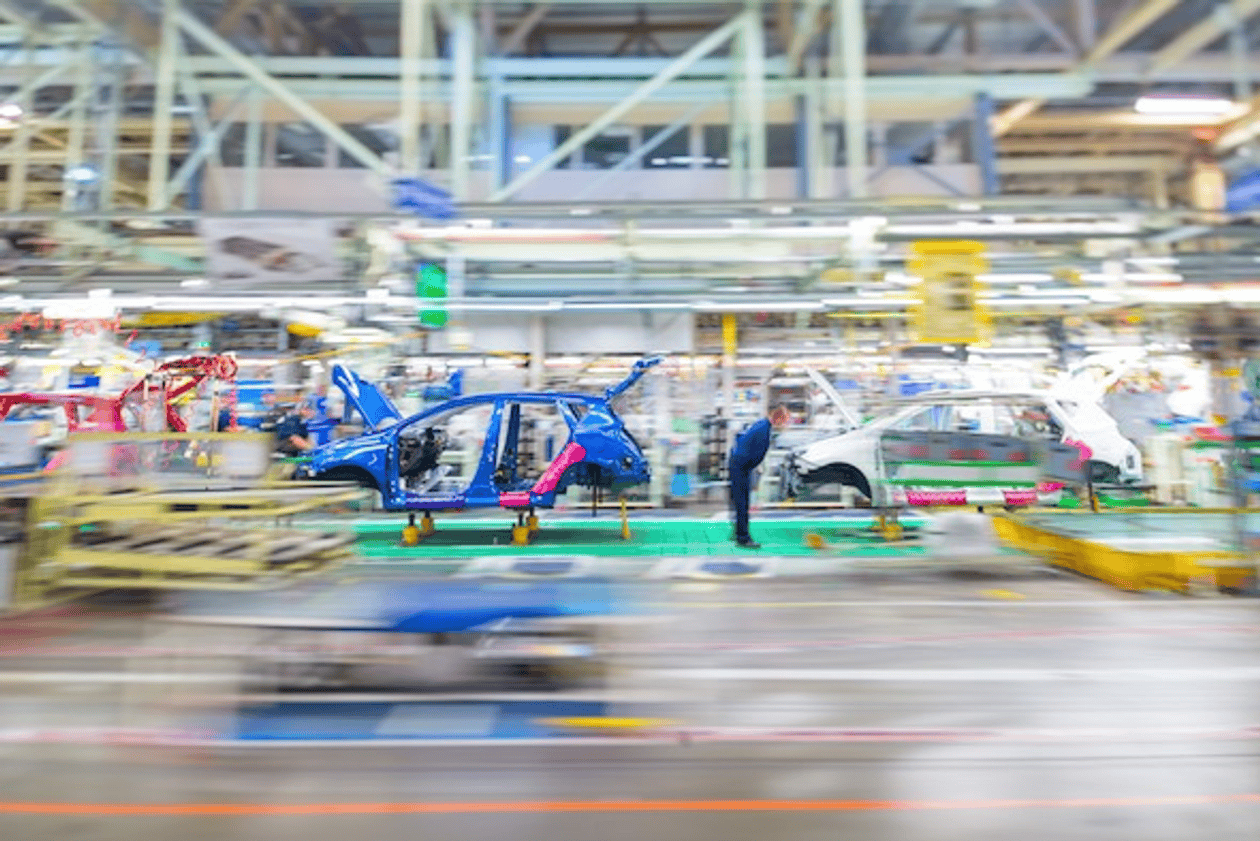
The word means "improvement", but at Toyota it has never been about waiting for the next big idea or a complete rethink of how things are done. The thinking is much simpler: if something can be made better, make it better — even if the change is tiny.
That might mean changing a production process, removing an unnecessary step or making a small adjustment to a car. Do that often enough, and the small things start to add up.
The story starts with Sakichi Toyoda and a loom, where the simple idea of stopping when something went wrong would eventually become part of the Toyota Production System (TPS).
From the factory floor to manufacturing, engineering and, eventually, the cars themselves, that same thinking still lives on today — sometimes in places most drivers would never notice.
Toyota Production System is not simply a set of rules for keeping machines and production lines running. At its heart is a fairly simple idea: make the work easier for people.
The goal is to cut out waste, keep production moving and get vehicles to customers as quickly as possible without compromising on quality or cost.
TPS is used across Toyota's manufacturing and service operations, with Kaizen providing the constant push to look for something that can be done a little better.
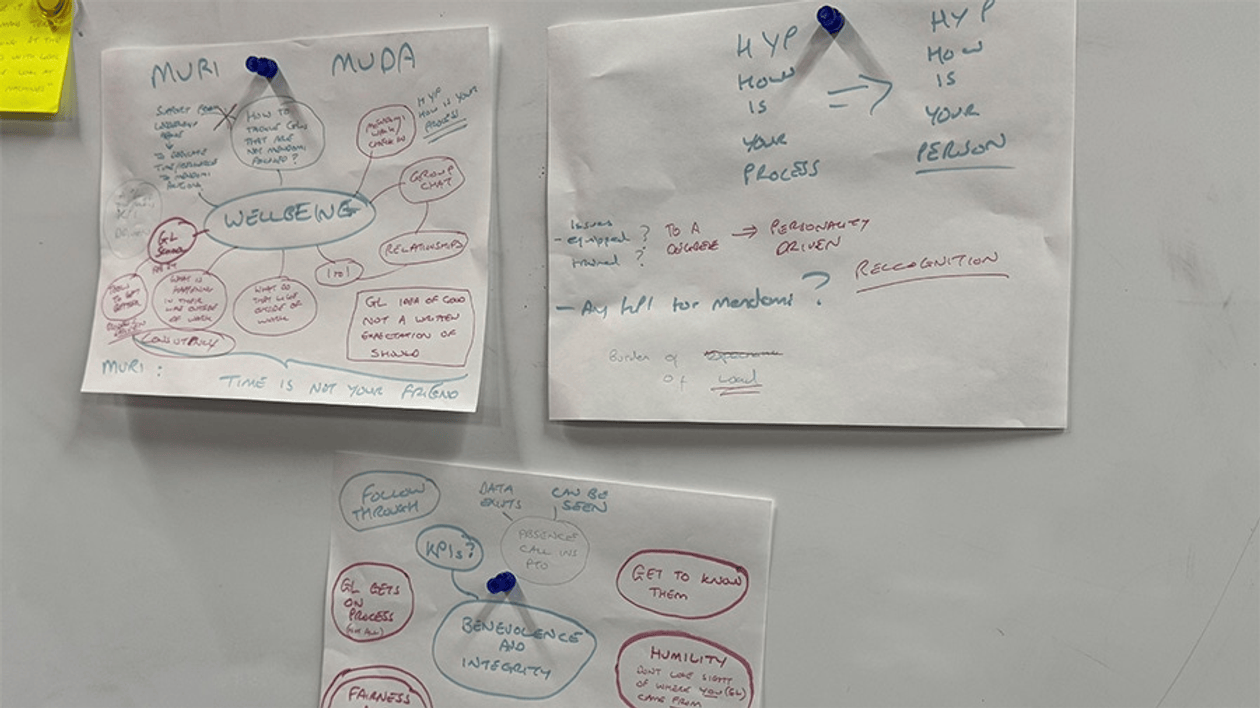
Toyota also has three words for the problems that get in the way:
Muda (waste): Anything that uses time, effort or resources without adding value.
Mura (unevenness): An inconsistent workload or a process that does not flow as smoothly as it should.
Muri (overburden): Asking people or machines to do more than they reasonably can.
The idea is straightforward: keep finding these problems, fix them and then look for the next one.
That ongoing process of Kaizen is what allows Toyota to keep its production lines efficient, flexible and consistent without simply asking its people to work harder.
The Toyota Production System rests on two ideas that work together: Jidoka and Just-in-Time.
One is about what happens when something goes wrong. The other is about making sure the right thing is there when it is needed.
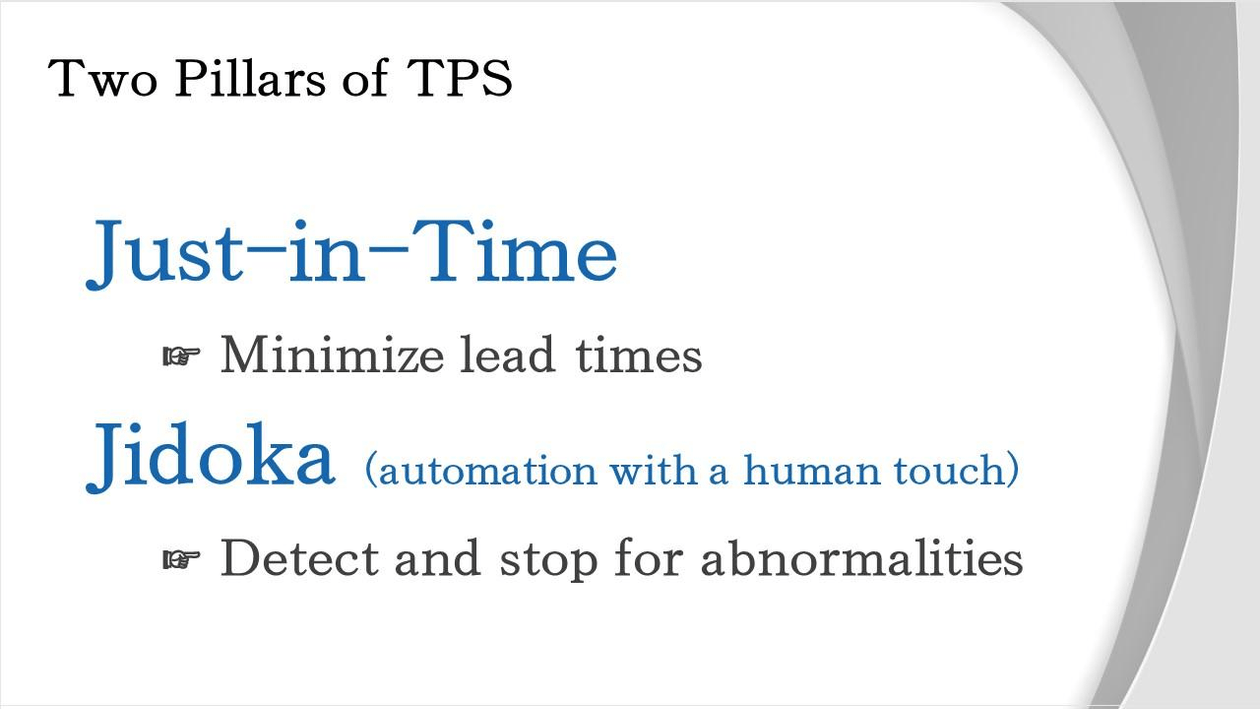
Jidoka is sometimes translated as "automation with a human touch".
The word is deliberately written differently from the usual Japanese word for automation (自動化→自働化), reflecting the idea that machines should not only run by themselves. They should be able to recognise a problem and stop, so that people can deal with it.
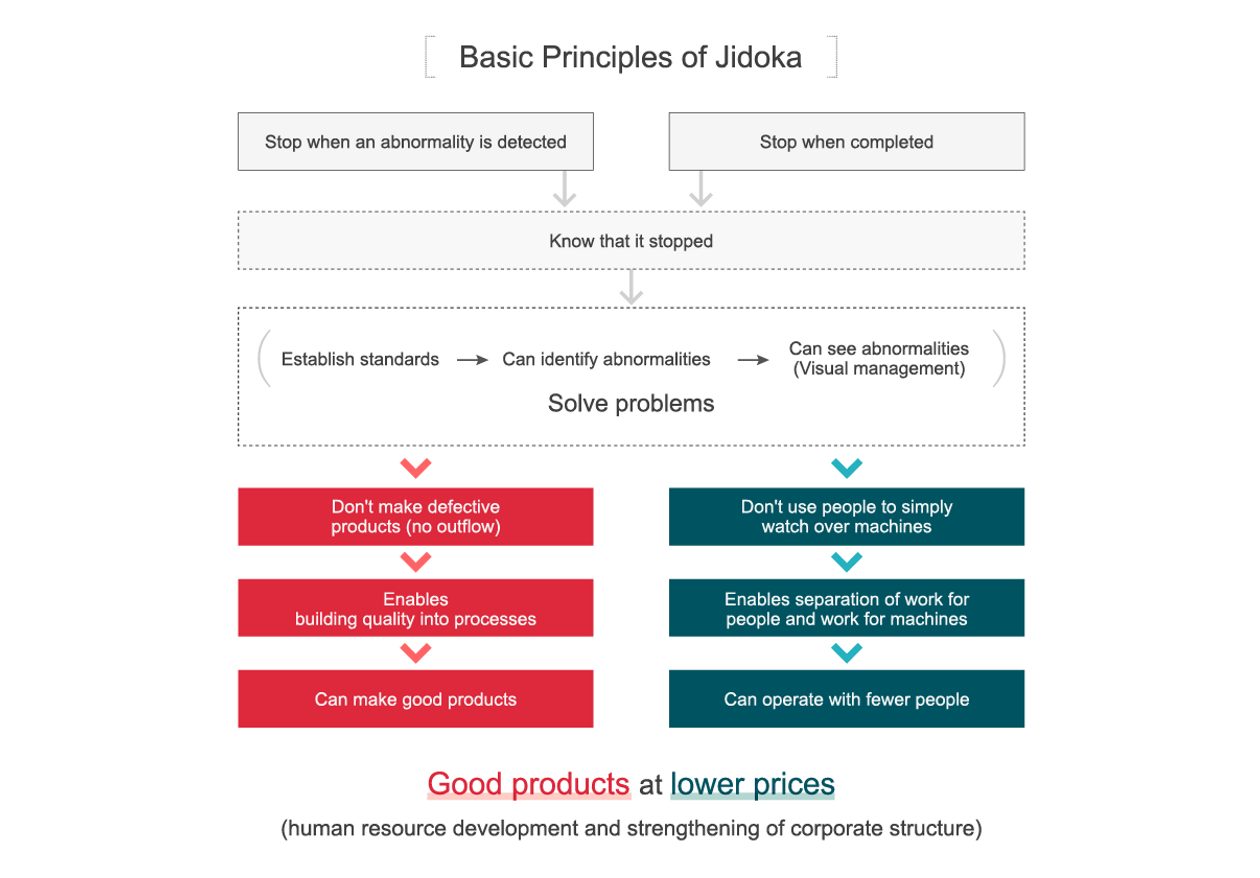
On a Toyota production line, that might mean a machine detecting a fault, a quality issue being spotted or a worker pulling the Stop Cord. The important part is what happens next: the problem is stopped at the source instead of being allowed to move further down the line.
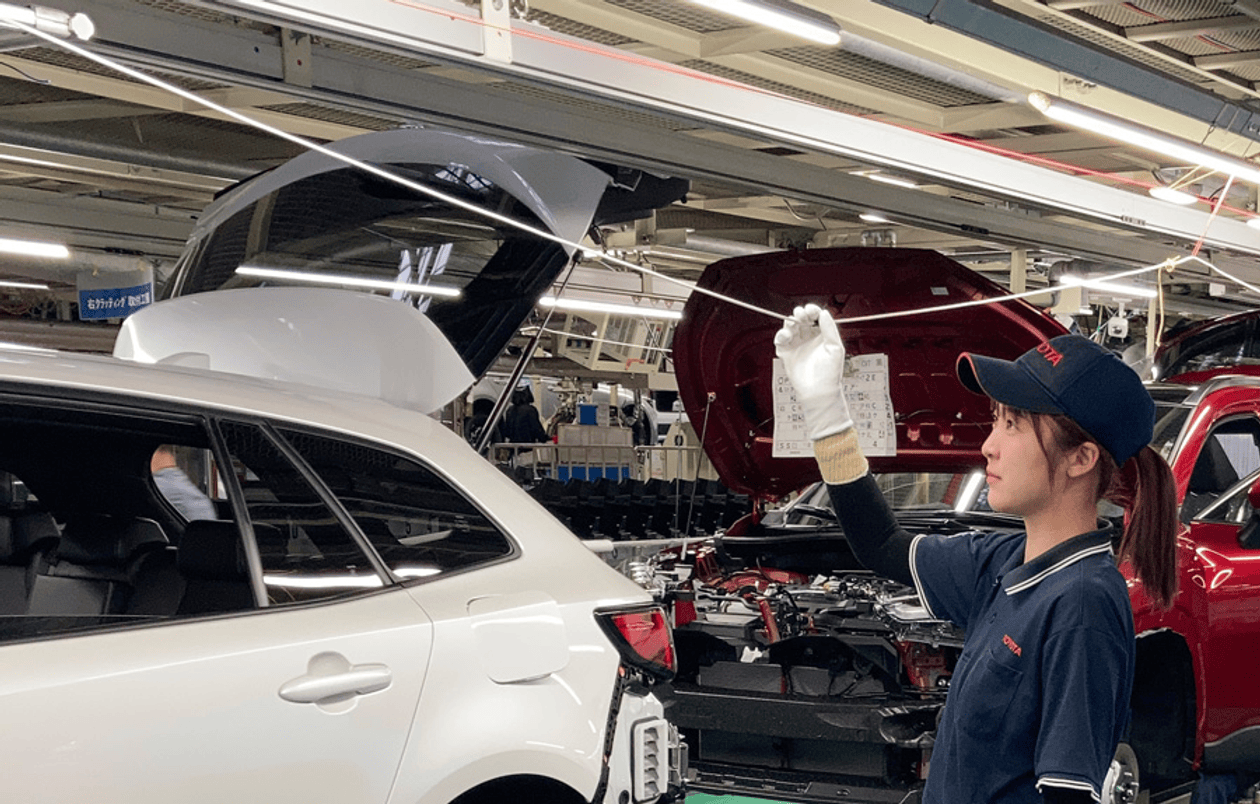
That also explains why Jidoka is not simply about building smarter machines. Toyota's approach is to first understand the work properly by doing it by hand.
Engineers and skilled workers repeatedly refine the process through Kaizen, removing unnecessary steps and working out where things can go wrong. Only once the process is well understood can those steps be built into a machine.
As Toyota puts it, "It doesn't matter how much machines, robots, or IT excel; they can't evolve any further on their own. Only humans can implement kaizen for the sake of evolution."
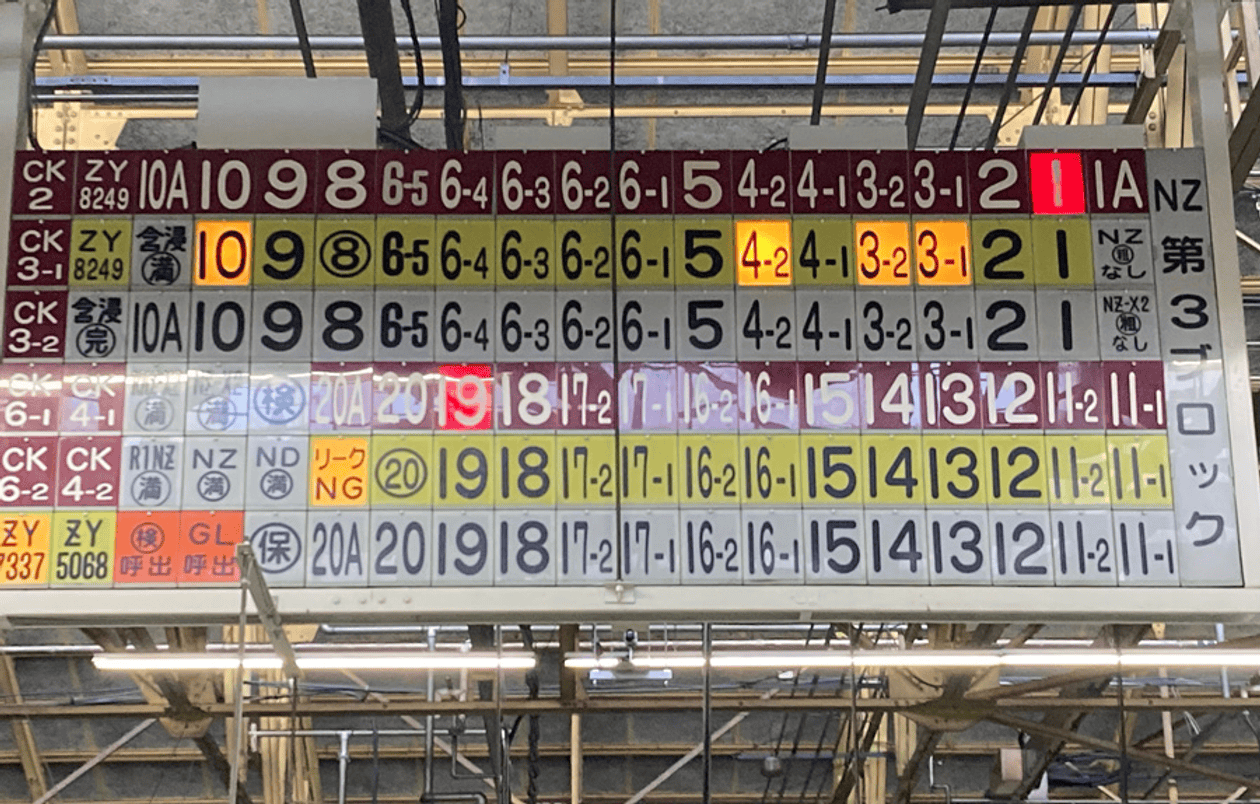
When something does go wrong, the Andon system alerts the team. Instead of having someone stand beside every machine all day, workers can focus on other tasks and step in when their attention is actually needed.
The other half of the system is Just-in-Time, or JIT.
A modern car contains tens of thousands of parts, many of which come from suppliers outside Toyota. Keeping all of those parts moving in the right sequence is a huge logistical challenge. Too many parts sitting around means wasted space and money; too few can bring a production line to a halt.
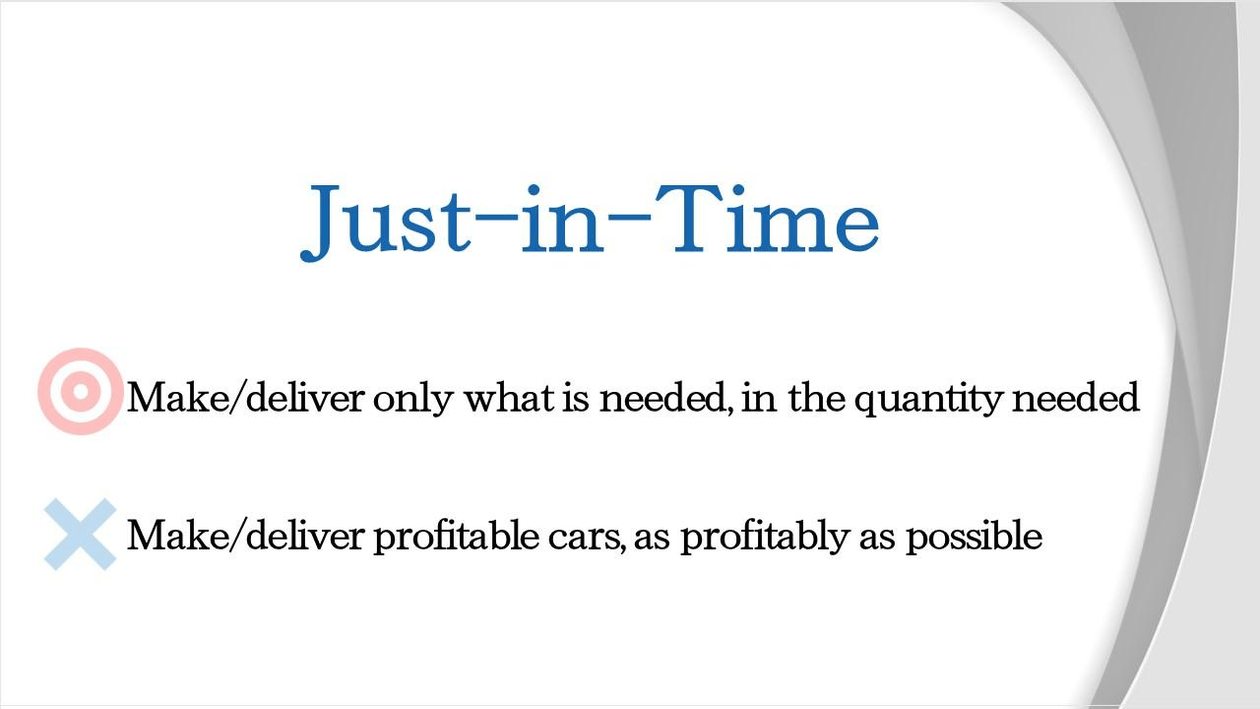
JIT is built around a rule: make what is needed, when it is needed, in the quantity that is needed. To make that work, Toyota's production system follows three basic principles:
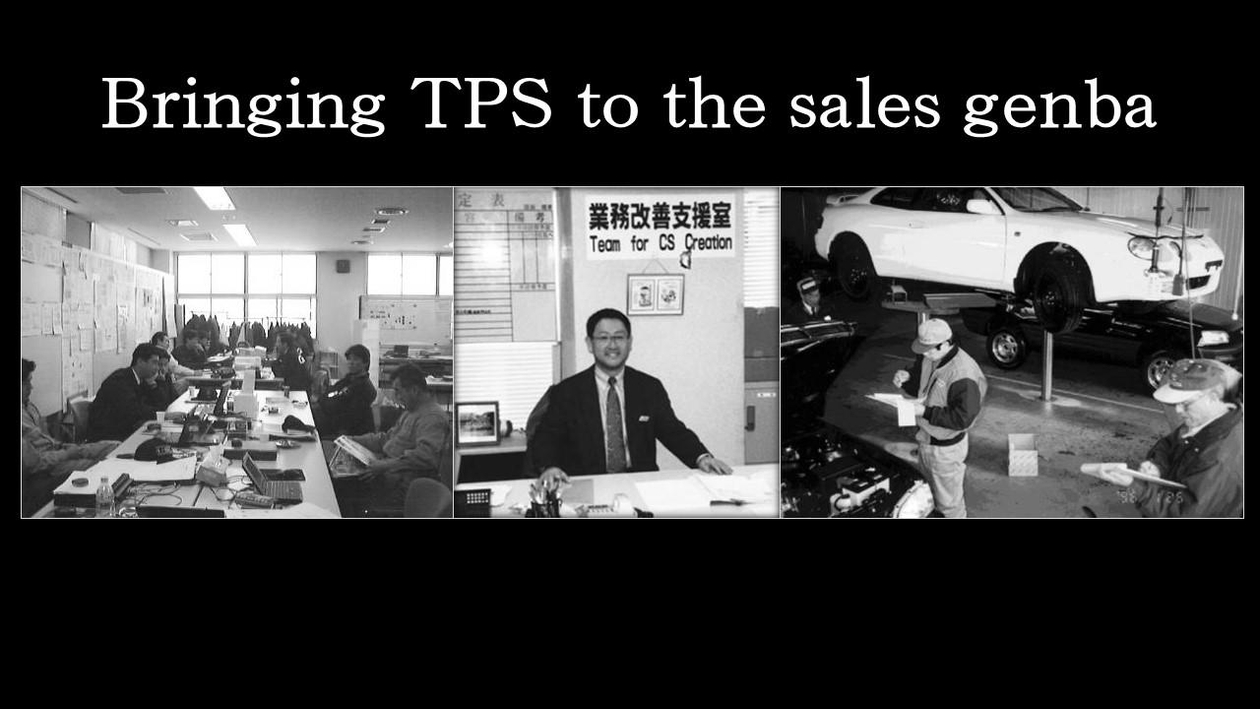
That means production follows the actual pace of demand, rather than simply building as much as possible and storing the rest. Parts are kept moving between processes in small quantities, with the next stage taking what it needs and the previous stage replenishing it.
The result is a production system designed to keep inventory and waiting to a minimum. Instead of making cars and hoping they will sell, Toyota's production is closely tied to what customers actually need.
And that is where Jidoka and Just-in-Time come together: one stops problems from moving forward; the other stops unnecessary work from piling up.
The roots of the Toyota Production System go back well before Toyota became a carmaker. They can be traced to Sakichi Toyoda and his automatic loom.
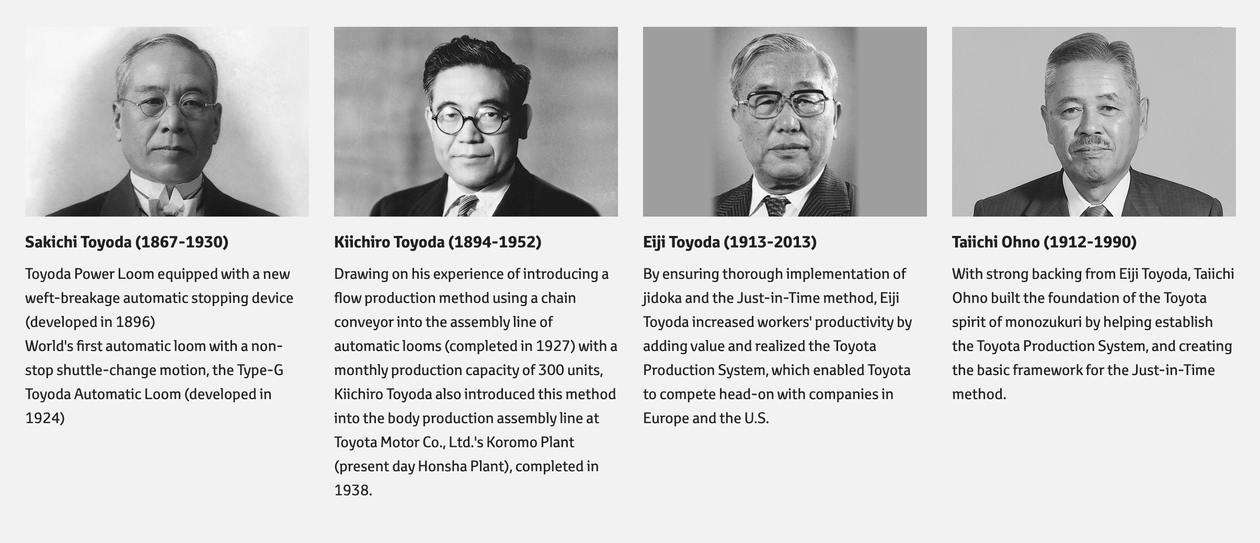
One of Sakichi's early inventions was the Toyoda Wooden Hand Loom. At the time, operating a loom required both hands to control the warp and weft threads. His invention allowed his mother to operate it with just one hand, while also improving quality and productivity.
His later automatic looms could detect a broken thread and stop on their own, freeing workers from having to constantly watch the machine and preventing defective work from moving further down the process.
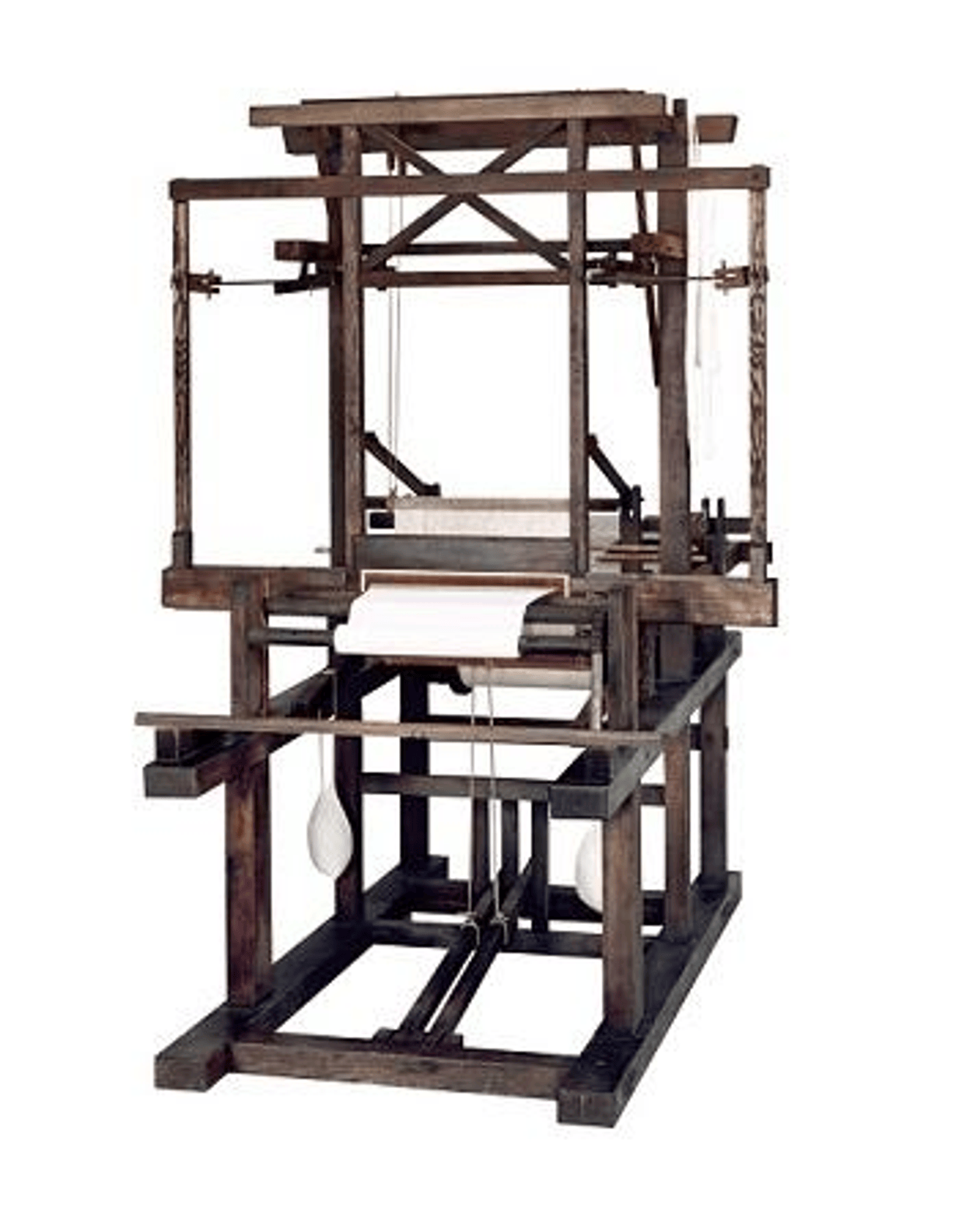
Photo: Sakichi's first invention, the Toyoda wooden hand loom
Sakichi's son, Kiichiro Toyoda, faced a very different challenge when he began building cars.
As Kiichiro put it, "A complete car cannot be built if even one part is missing. Coordinating this is no small task. However, without this control, we could have a mountain of parts and still not be able to build a car. No amount of money will suffice if we don't think of a unique way to organize these tens of thousands of parts."
That way of thinking helped shape the production philosophy that Toyota would eventually become known for. And almost a century later, the same attention to detail can still be found in Toyota's cars.
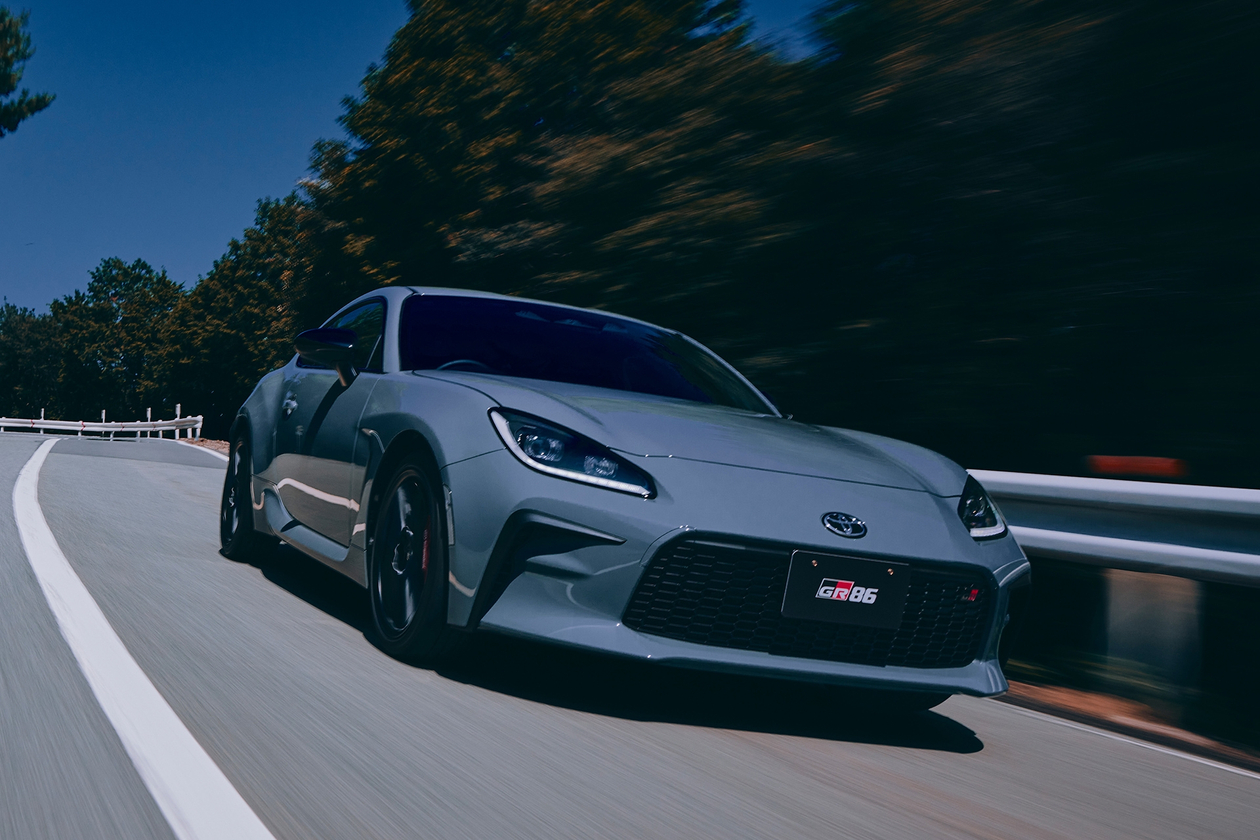
The latest 2026 Toyota GR86, which has just made its debut in Japan, is a good example.
Read Also: 2026 Toyota GR86 for Japan: No more power, just more GR, from RM 76,000
Rather than chasing bigger numbers or giving the car a wholesale redesign, Toyota has focused on the sort of small changes that are easy to overlook on a specification sheet but noticeable from behind the wheel.
For the six-speed manual version, Toyota's engineers and test drivers increased the chamfer on the shift mechanism between fourth and fifth gears by just 0.5 mm after repeated testing.
It sounds almost absurdly small, but the change helps make shifts smoother, particularly when downshifting under hard braking before a corner.
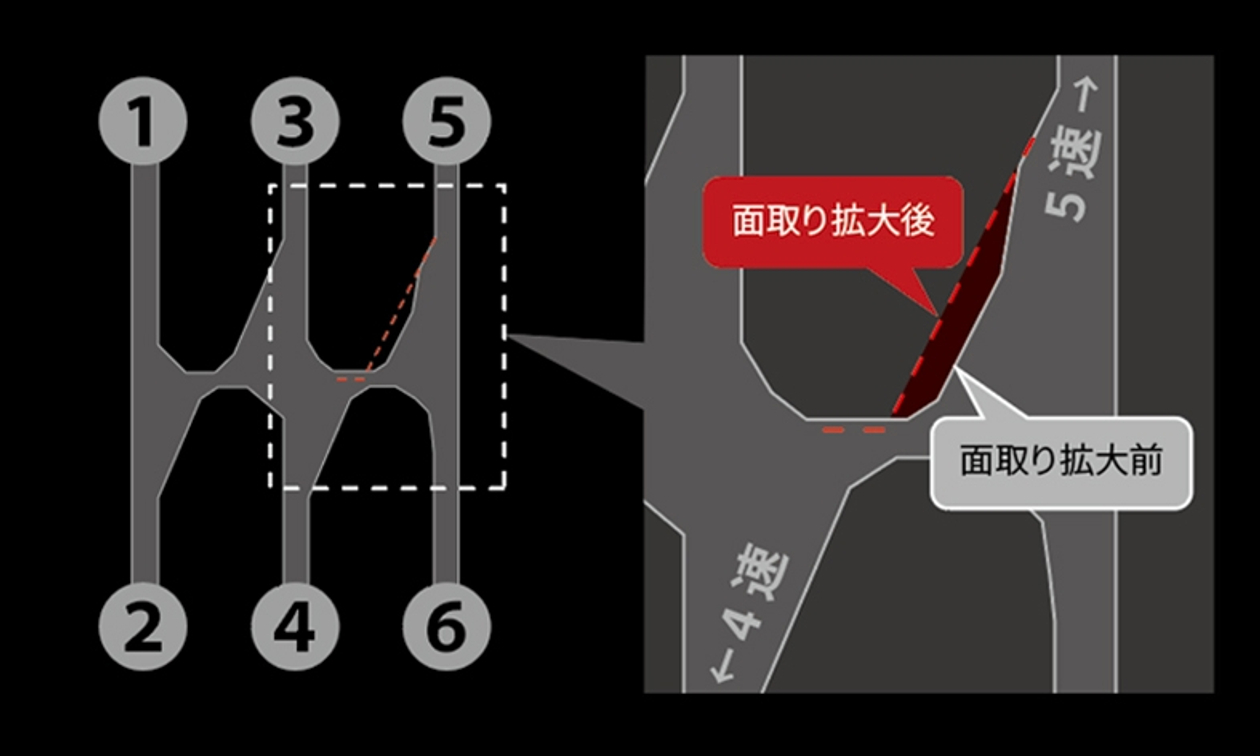
The same approach can be seen in the GR86's electronic power steering and throttle control. Experience gained from competing in Super Taikyu endurance racing has been fed back into the car's development, with engineers fine-tuning the systems to make the GR86 more predictable and responsive, particularly when cornering at speed or on wet roads.
That is Kaizen in a modern sports car: not a dramatic reinvention, but a willingness to keep looking for the next small thing that can be made better.
From a broken thread on Sakichi Toyoda's loom to the rhythm of a modern production line, and from an idea developed by Toyota's founders to the 0.5 mm adjustment in the latest GR86, Kaizen has come a long way.
What began as a way of improving production has become part of how Toyota builds, develops and improves its cars.
The automotive industry is moving faster than ever, but Toyota has rarely been interested in chasing every new trend. Instead, it has stuck with the same basic approach: find what can be done better, fix it, and then look for the next thing.
That mindset runs through everything from Jidoka and Just-in-Time to the smallest details of a car. None of these ideas came from one big breakthrough. They were built up over time, through countless small changes that may seem insignificant on their own.
And perhaps that is what makes Kaizen so difficult to replicate.

Your go-to source for all things automotive in Malaysia. 🚗 Latest reviews, breaking news, launches & industry trends.
+ Follow This weekend is your chance to own a Volvo Selekt Certified Used Car, priced from just RM 148,000.
What are you waiting for?
#volvo 1 minute ago
This weekend is your chance to own a Volvo Selekt Certified Used Car, priced from just RM 148,000.
What are you waiting for?
#volvo 1 minute ago  We saw this accident this morning, and here’s a reminder to everyone: please drive safe. 2 days ago
  The G50 BMW 3 series is now here, adopting much of the i3's design elements.
So, where's the BMW M3?
#bmw #BMW3Series 4 days ago
The G50 BMW 3 series is now here, adopting much of the i3's design elements.
So, where's the BMW M3?
#bmw #BMW3Series 4 days ago Get the latest car news first!
Your go-to source for all things automotive in Malaysia. 🚗 Latest reviews, breaking news, launches & industry trends.
This weekend is your chance to own a Volvo Selekt Certified Used Car, priced from just RM 148,000.
What are you waiting for?
#volvo 1 minute ago We saw this accident this morning, and here’s a reminder to everyone: please drive safe. 2 days ago The G50 BMW 3 series is now here, adopting much of the i3's design elements.
So, where's the BMW M3?
#bmw #BMW3Series 4 days ago  ProtonGWMVolkswagenJAECOOVolvoPeroduaToyotaHondaTESLAMitsubishiMazdaJetourCheryBYDLexusBMWMercedes-BenziCAURZeekrIsuzuNissanLeapmotorPorscheFordOMODAMINIMGSuzukiXPengHyundaiWulingKiaSubaruDenzaGACLand RoverDongfengCAMAudiPeugeotFotonMAXUSsmartDaihatsuJACJMCMaseratiLotusAlfa RomeoRenaultGolden DragonKaiceneSeresLamborghiniFerrariJeepRolls-RoyceLepasAston MartinMcLarenChevroletBentleyFiatBAICForthingGeelyRoeweAeolusChanganARCFOXDeepalExeedHongqiVoyahJaguarKGMBuforiAcuraCadillacDodgeAbarthINEOSMHEROJMEVFreelander
© 2024 Bitauto.com. All Rights Reserved.
Bitauto (www.yiche.com and www.bitauto.com) is one of the most visited automotive websites in China. We provide detailed info on Chinese car brands available in your area. Please note that the information provided on this website is based on publicly available data and is for reference only. It may not be fully updated or accurate at all times.
Help us improve our website


