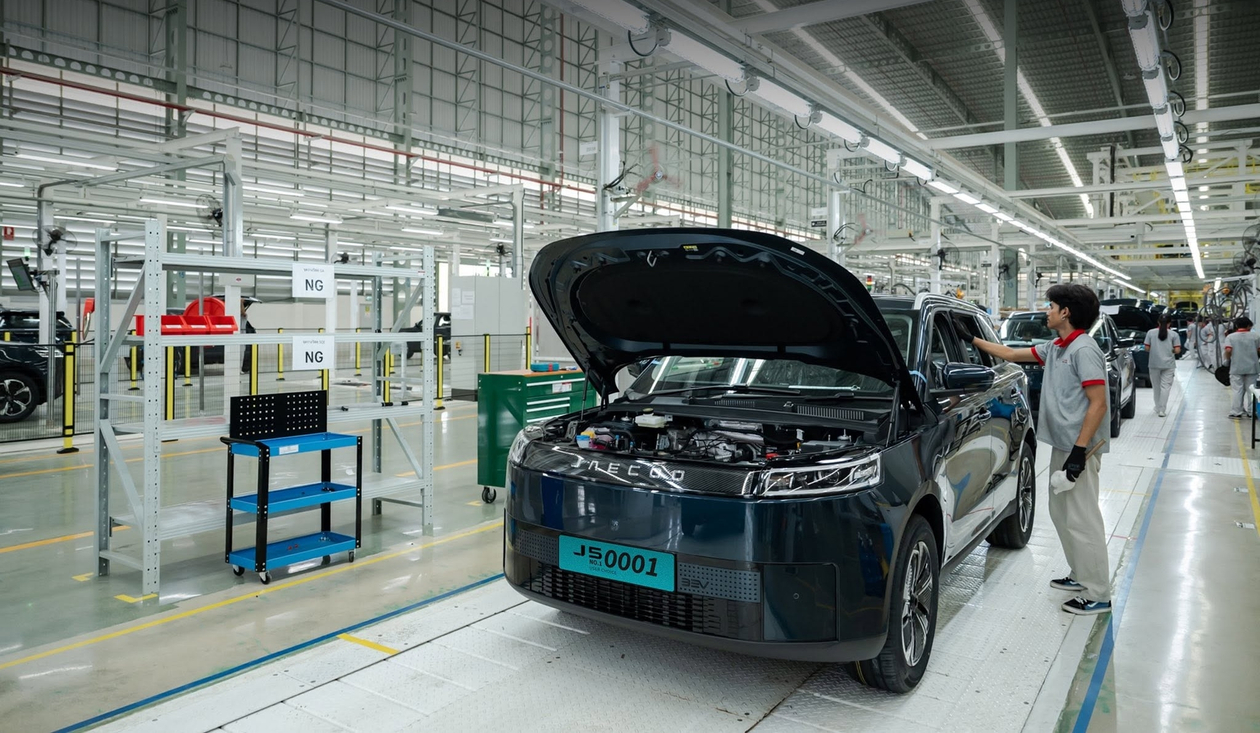
Thailand's Ministry of Finance is preparing a new package of measures to support the country's electric vehicle (EV) industry, as the government looks to strengthen domestic demand while maintaining Thailand's position as a regional automotive production hub.
The proposed measures come amid growing pressure on Thailand's automotive industry, with the government seeking to encourage EV adoption while ensuring manufacturers continue investing in local production and supply chains.
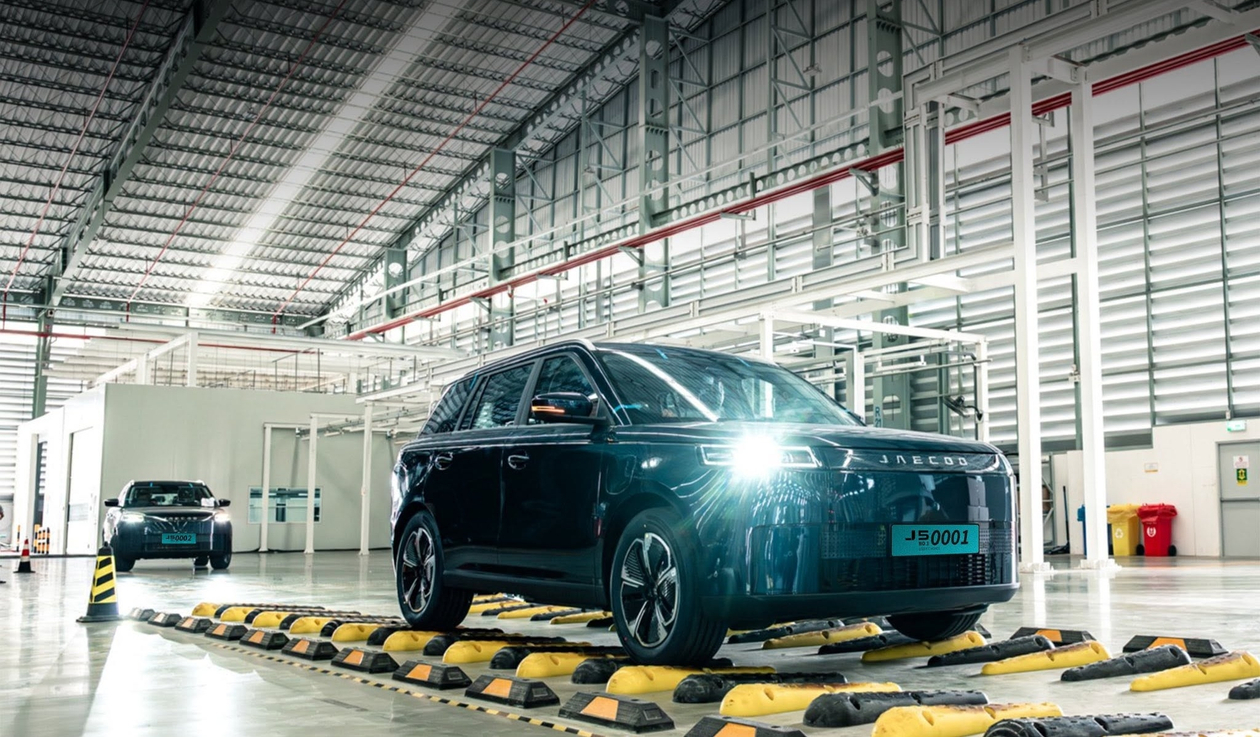
One of the proposals under consideration involves financial support for replacing older vehicles with EVs. The programme could cover up to 80,000 ageing vehicles, with the government considering a combination of subsidies, low-interest financing and tax incentives to encourage consumers to make the switch.
The plan is estimated to require around 24 billion baht (approximately RM2.9 billion) in funding. Officials are also considering whether the programme should eventually be expanded beyond vehicle replacement to cover EV purchases more broadly.
Thailand's latest EV policy push is not solely focused on increasing sales. The government is also looking to strengthen the country's domestic EV manufacturing ecosystem.
Proposed measures are expected to favour EVs manufactured in Thailand, while encouraging greater use of locally sourced components and materials.
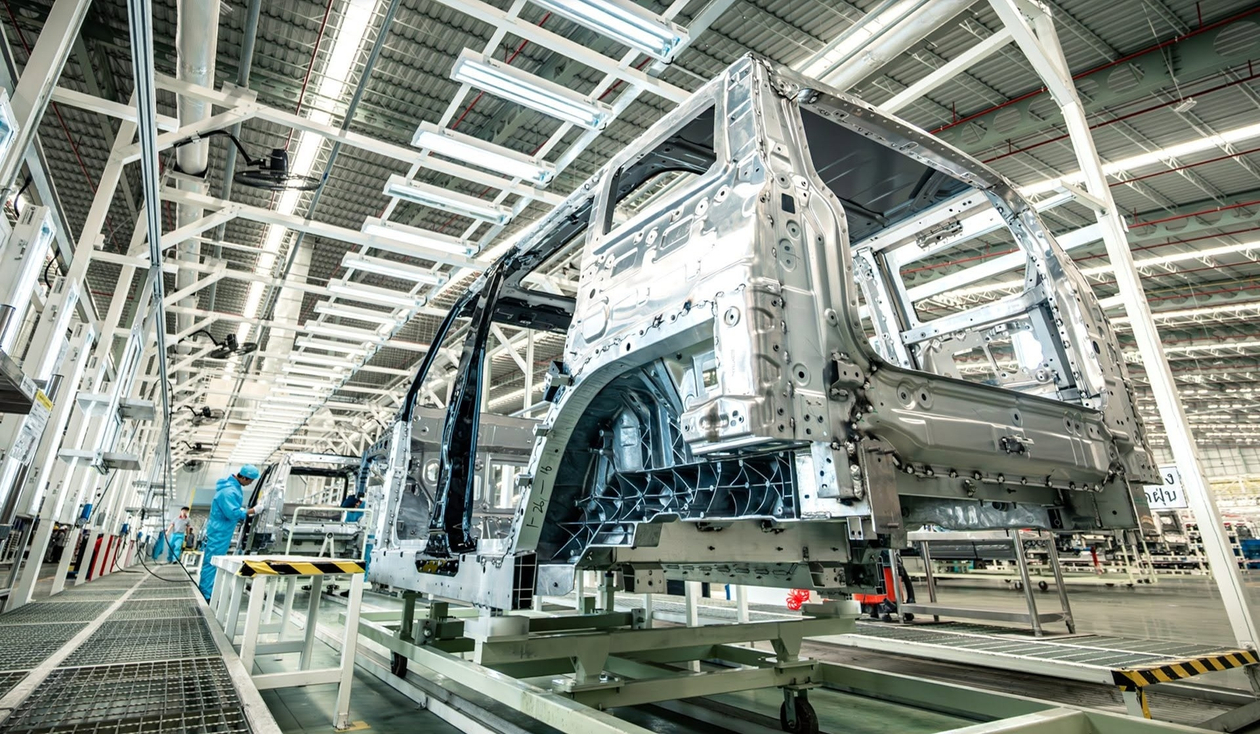
This follows Thailand's wider strategy of positioning itself as a regional EV production hub, with authorities increasingly seeking to balance incentives for consumers with requirements that manufacturers contribute to the local supply chain.
Thailand's Finance Ministry has also announced plans to reduce excise tax rates for carmakers that establish production facilities in the country, with the measure intended to encourage greater use of locally produced parts and raw materials.
Another proposal being explored is financial support for converting existing petrol and diesel vehicles to electric power.
The proposed nationwide conversion programme would represent a significant expansion of Thailand's EV policy, moving beyond incentives for the purchase of new EVs to also support the electrification of vehicles already on the road.
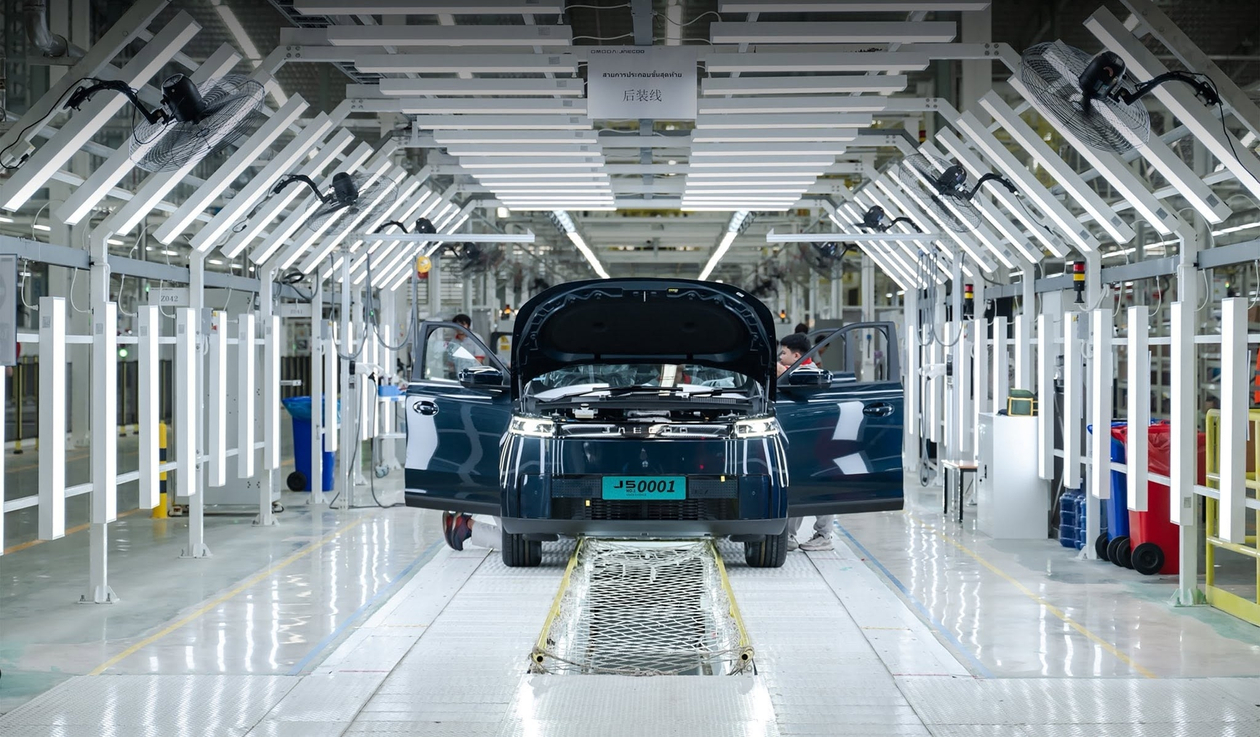
At the same time, Thailand's Board of Investment (BOI) has indicated that the government is reviewing its EV incentive framework to provide manufacturers with greater flexibility, particularly in areas such as exports and integrated local supply chains.
The latest measures remain proposals rather than a confirmed nationwide incentive programme, with the details and final implementation framework still subject to government approval.
If implemented, the new package could give Thailand's EV market another boost while simultaneously pushing manufacturers towards greater localisation and strengthening the country's position as Southeast Asia's automotive manufacturing hub.

Your go-to source for all things automotive in Malaysia. 🚗 Latest reviews, breaking news, launches & industry trends.
+ Follow This weekend is your chance to own a Volvo Selekt Certified Used Car, priced from just RM 148,000.
What are you waiting for?
#volvo 1 minute ago
This weekend is your chance to own a Volvo Selekt Certified Used Car, priced from just RM 148,000.
What are you waiting for?
#volvo 1 minute ago  We saw this accident this morning, and here’s a reminder to everyone: please drive safe. 2 days ago
  The G50 BMW 3 series is now here, adopting much of the i3's design elements.
So, where's the BMW M3?
#bmw #BMW3Series 4 days ago
The G50 BMW 3 series is now here, adopting much of the i3's design elements.
So, where's the BMW M3?
#bmw #BMW3Series 4 days ago Get the latest car news first!
Your go-to source for all things automotive in Malaysia. 🚗 Latest reviews, breaking news, launches & industry trends.
This weekend is your chance to own a Volvo Selekt Certified Used Car, priced from just RM 148,000.
What are you waiting for?
#volvo 1 minute ago We saw this accident this morning, and here’s a reminder to everyone: please drive safe. 2 days ago The G50 BMW 3 series is now here, adopting much of the i3's design elements.
So, where's the BMW M3?
#bmw #BMW3Series 4 days ago  ProtonGWMVolkswagenJAECOOVolvoPeroduaToyotaHondaTESLAMitsubishiMazdaJetourCheryBYDLexusBMWMercedes-BenziCAURZeekrIsuzuNissanLeapmotorPorscheFordOMODAMINIMGSuzukiXPengHyundaiWulingKiaSubaruDenzaGACLand RoverDongfengCAMAudiPeugeotFotonMAXUSsmartDaihatsuJACJMCMaseratiLotusAlfa RomeoRenaultGolden DragonKaiceneSeresLamborghiniFerrariJeepRolls-RoyceLepasAston MartinMcLarenChevroletBentleyFiatBAICForthingGeelyRoeweAeolusChanganARCFOXDeepalExeedHongqiVoyahJaguarKGMBuforiAcuraCadillacDodgeAbarthINEOSMHEROJMEVFreelander
© 2024 Bitauto.com. All Rights Reserved.
Bitauto (www.yiche.com and www.bitauto.com) is one of the most visited automotive websites in China. We provide detailed info on Chinese car brands available in your area. Please note that the information provided on this website is based on publicly available data and is for reference only. It may not be fully updated or accurate at all times.
Help us improve our website


