
Search History
Popular Searches
English
Dealer Login / Sign Up
Last year, BMW's all-new Neue Klasse era officially kicked off with the iX3, and the highly anticipated model that global automotive fans have been waiting for has finally made its debut – the 2026 BMW i3 carrying the NA0 codename. As the second model in the Neue Klasse family, it represents a leapfrog breakthrough in BMW's electrification technology, officially ushering the brand into an entirely new era of pure electric mobility. As the first-ever all-electric BMW 3 Series, the new model debuts as the BMW i3 50 xDrive, completely transforming the brand's "soul" sports sedan into a new era of pure electric mobility. It retains the core sporting DNA of the 3 Series while packing the brand's most cutting-edge electric technologies, solidifying its status as the second mass-produced benchmark model built on the Neue Klasse platform.
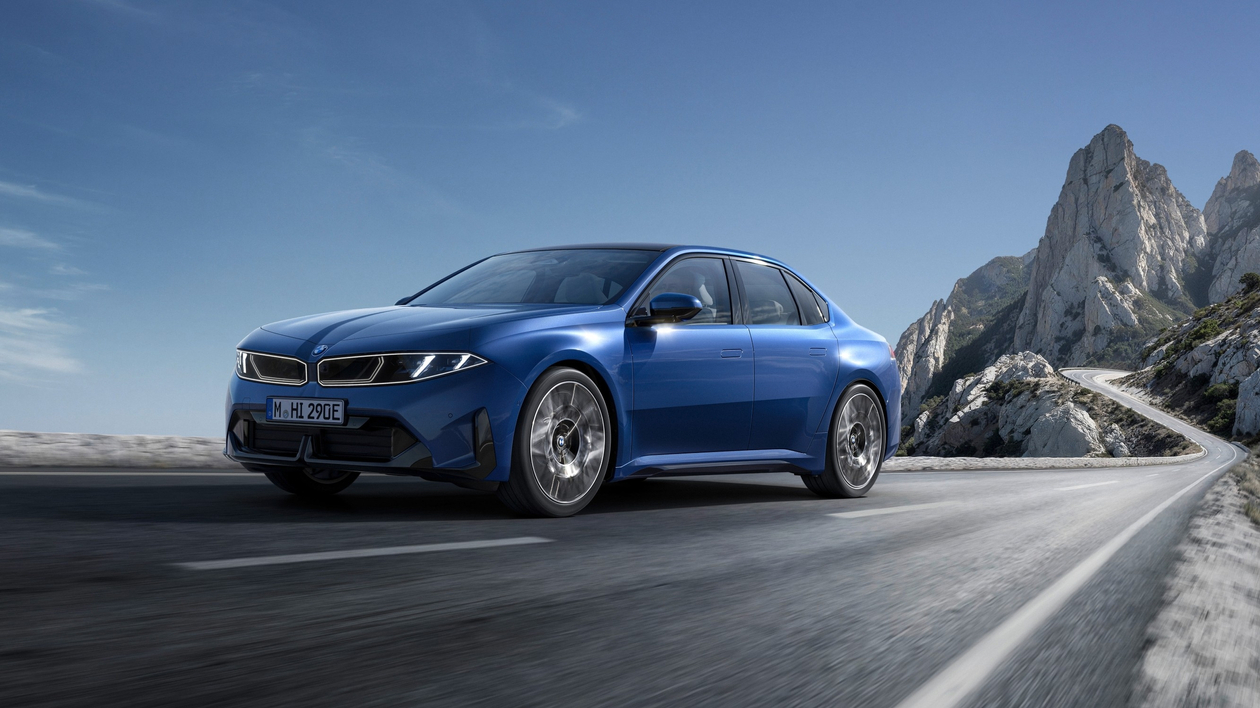
It is critical to clarify that this all-new i3 is in no way a successor to BMW's early small urban electric vehicle. Instead, it is a midsize luxury pure electric sedan engineered exclusively on the Neue Klasse electric platform, sharing core architecture with the iX3 and featuring a standard 800V high-voltage electrical system that delivers an all-around upgrade in performance, charging efficiency and driving range. The vehicle’s exterior and interior have been fully redesigned, moving away from BMW’s overly complex design language of recent years and reinterpreting BMW’s iconic sedan design cues with a fresh, minimalist aesthetic. It also debuts the sixth-generation BMW eDrive powertrain technology, the all-new BMW Panoramic iDrive system and the brand’s core driving dynamics control system, offering a revolutionary driving and riding experience.
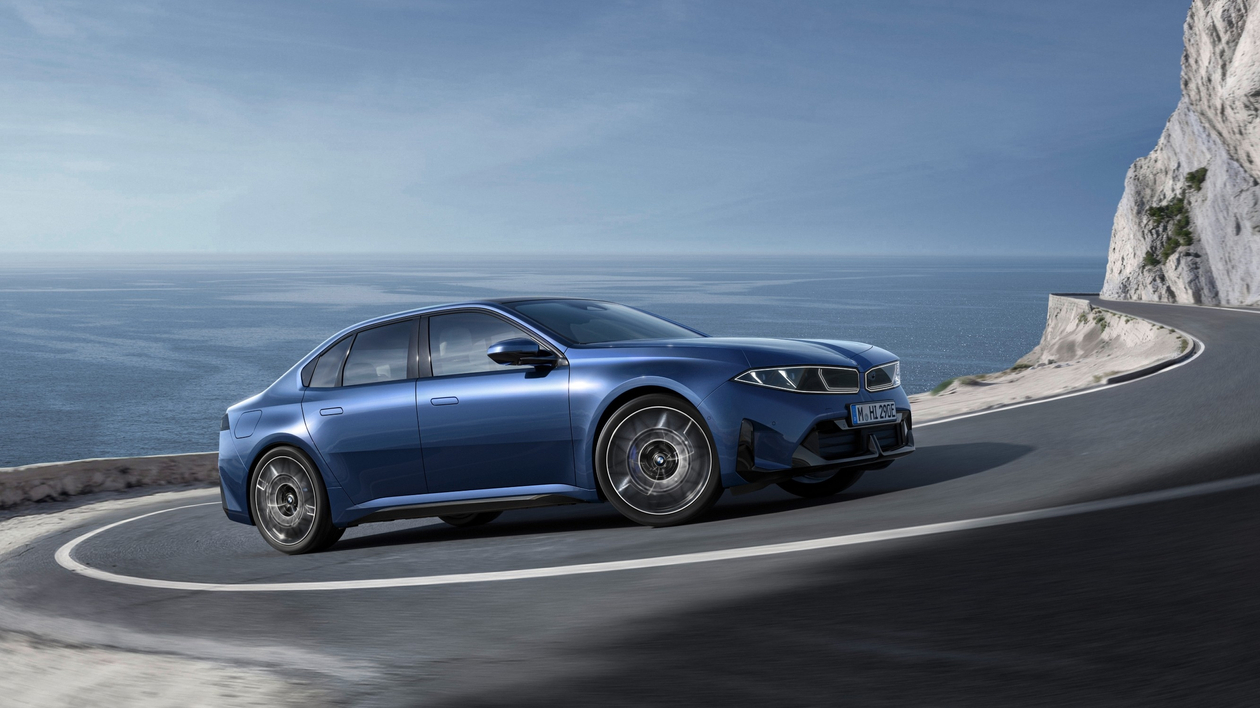
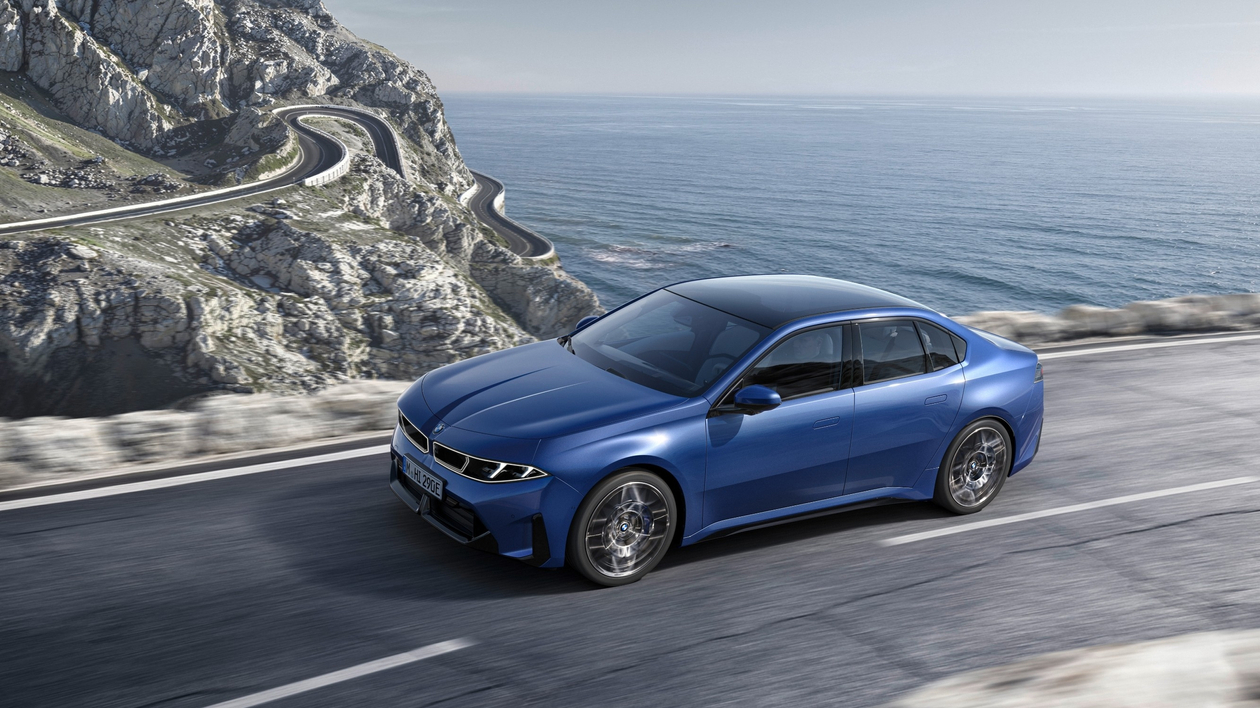
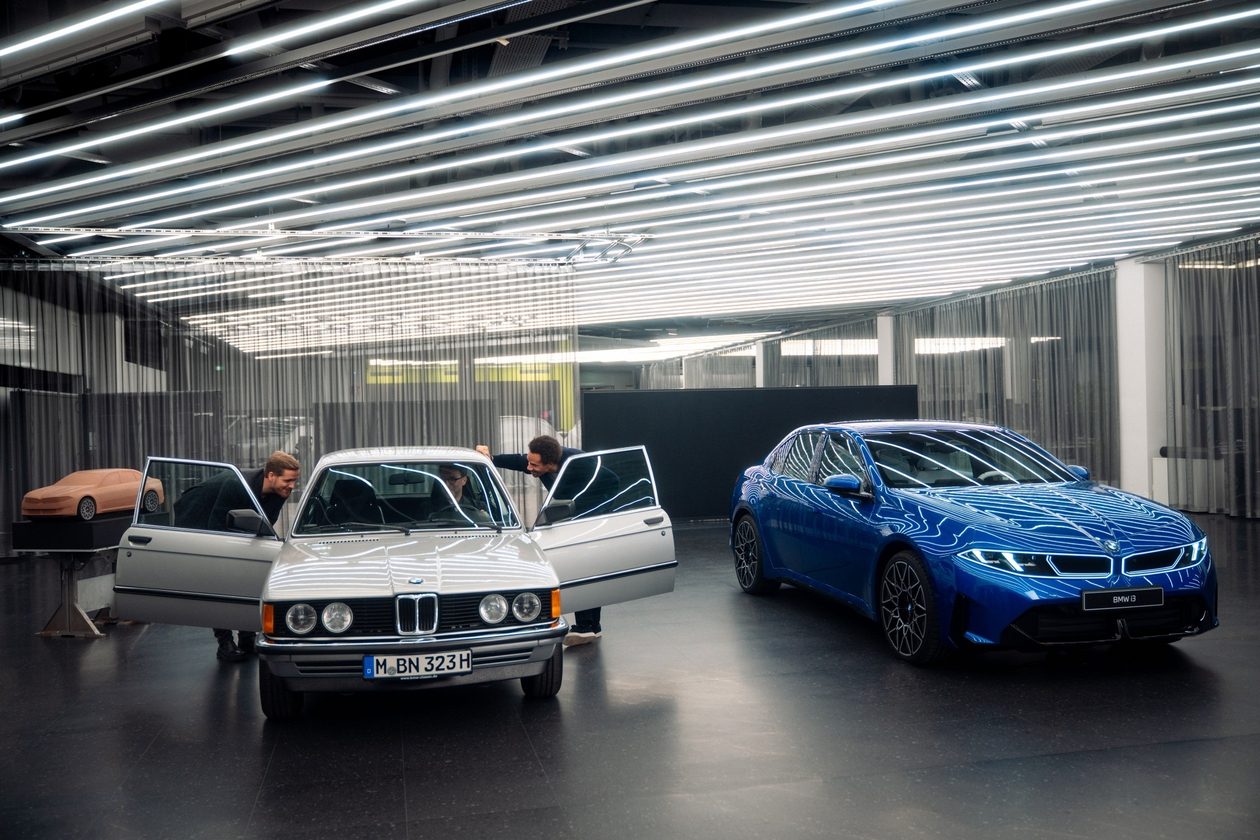
As a flagship example of BMW’s new design language, the all-new BMW i3 is instantly recognisable as a true 3 Series, boasting a confident, dynamic and intelligent character that perfectly upholds the brand’s signature sporty proportions. It adopts a more squared-off, stately silhouette that pays homage to classic BMW sedans, with a poised yet sharp presence that stands apart from the amorphous, overly streamlined electric sedans currently on the market. Key design hallmarks are immediately apparent: a long wheelbase, a rearward-sloping cabin and short front and rear overhangs, striking an ideal balance between practical interior space and sporty coupe-like stance, while aligning with modern automotive design trends.
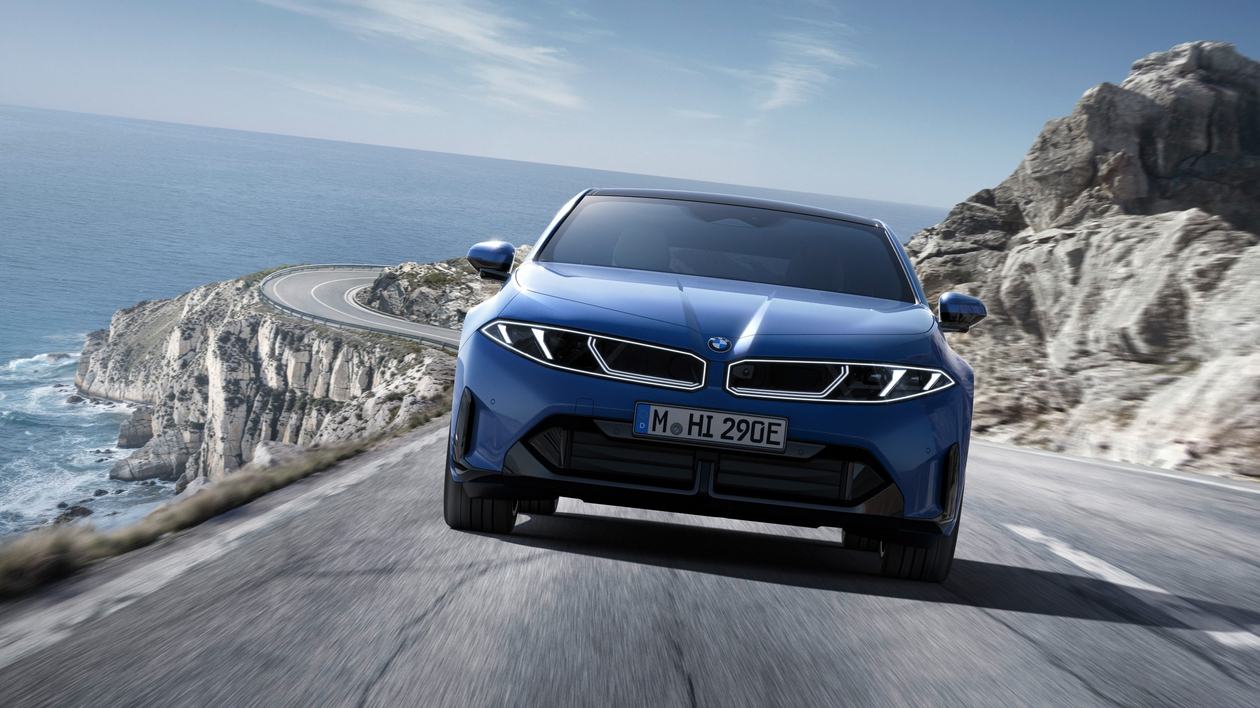
At the front, the new i3 carries over the iX3’s "shark nose" fascia, flanked by wide gloss black trim panels that taper towards the outer edges, integrating quad LED headlight units and diagonal slash-style daytime running lights for exceptional road presence. In contrast to the iX3’s narrow vertical grille inserts, the i3 features integrated light guides within the central trim panels that recreate BMW’s iconic double kidney grille silhouette, illuminating to create a futuristic light signature that honours brand heritage while fitting its electric identity.
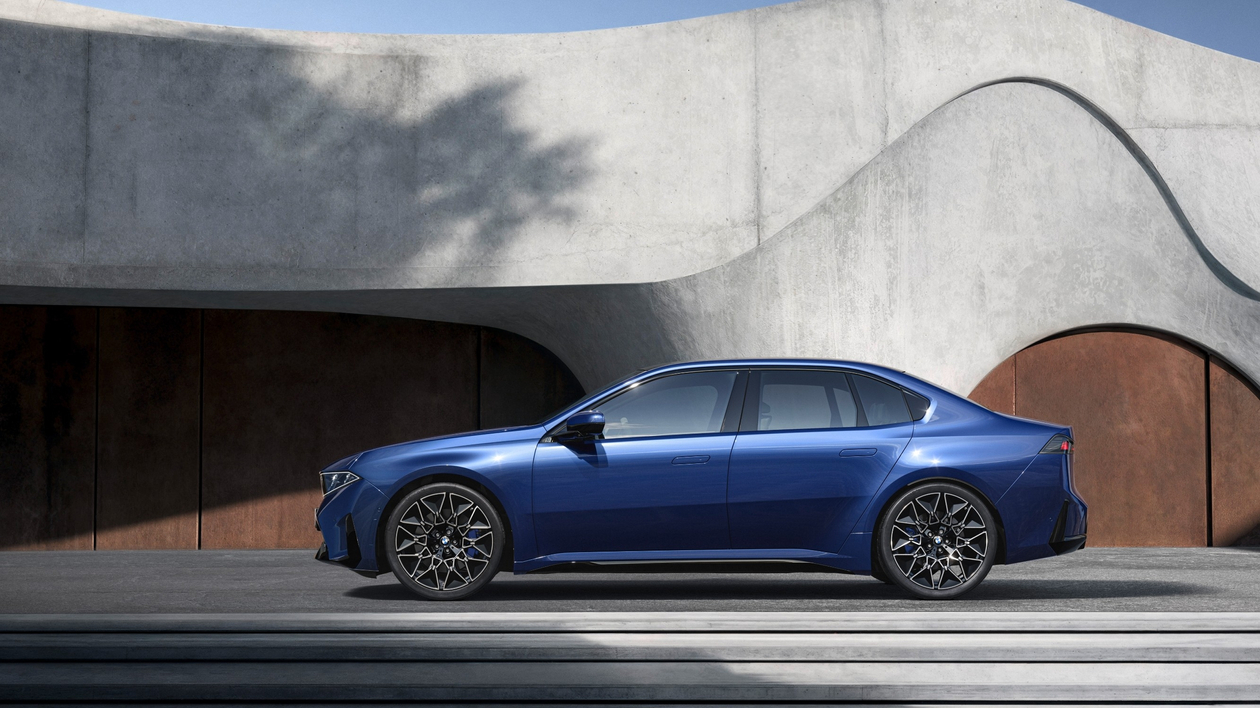
The side profile features clean, uncluttered lines, with a flat bonnet interrupted only by a central recess housing BMW's roundel badge. Slightly flared wheel arches add a muscular, broad-shouldered stance, building anticipation for a future high-performance M variant, while a low character line running along the body sides visually lowers the car’s centre of gravity to enhance its sporty appeal. The 3 Series’ legendary Hofmeister kink makes a return in its most traditional form, finished in black plastic to prevent sharp edges from making contact when the doors are opened, boosting everyday practicality. For the first time in the 3 Series lineup, the model is fitted with flush, electric pop-out door handles that optimise aerodynamic efficiency while elevating the vehicle’s premium and futuristic finish.
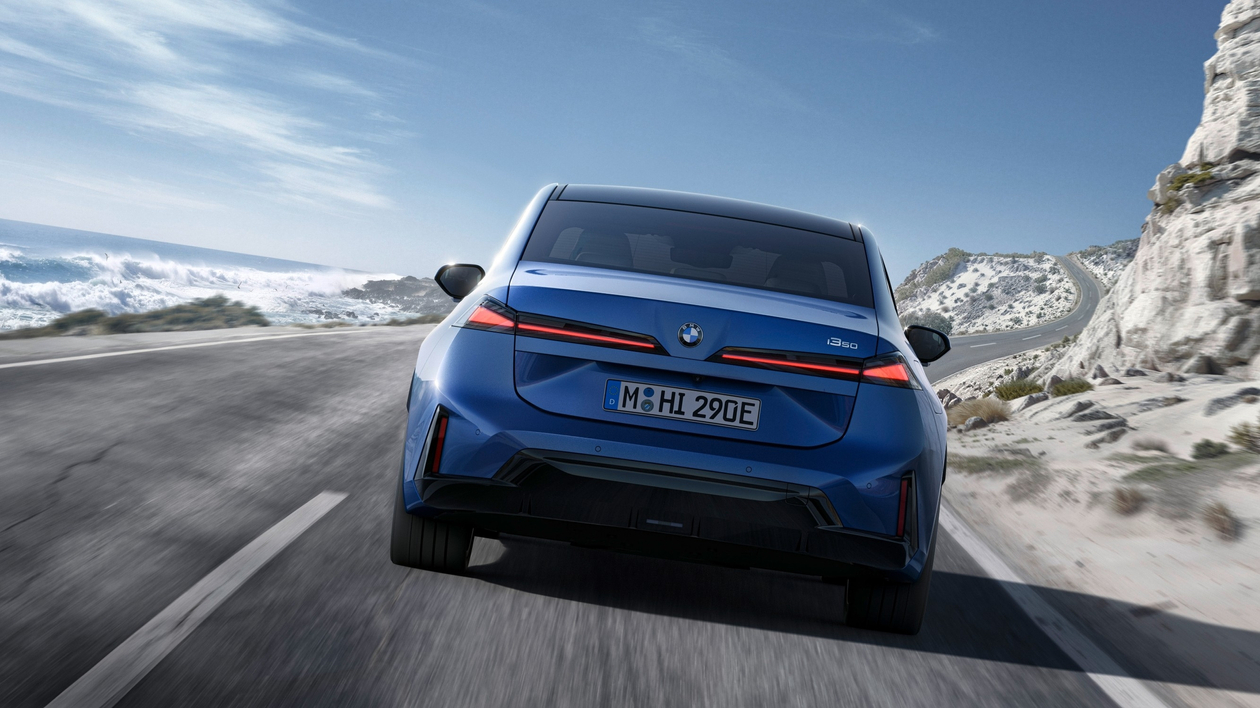
The rear end is equally distinctive, with slim, wide horizontally oriented L-shaped taillights that emphasise precise craftsmanship and advanced technology, paired with crisp, layered lines for a refined look. The i3 offers wheel options up to a substantial 21 inches, specifically the Style 1067 M Aerodynamic wheels, alongside an exclusive new M Le Castellet Blue exterior paint finish that amplifies its sporty character and gives customers a unique visual choice.
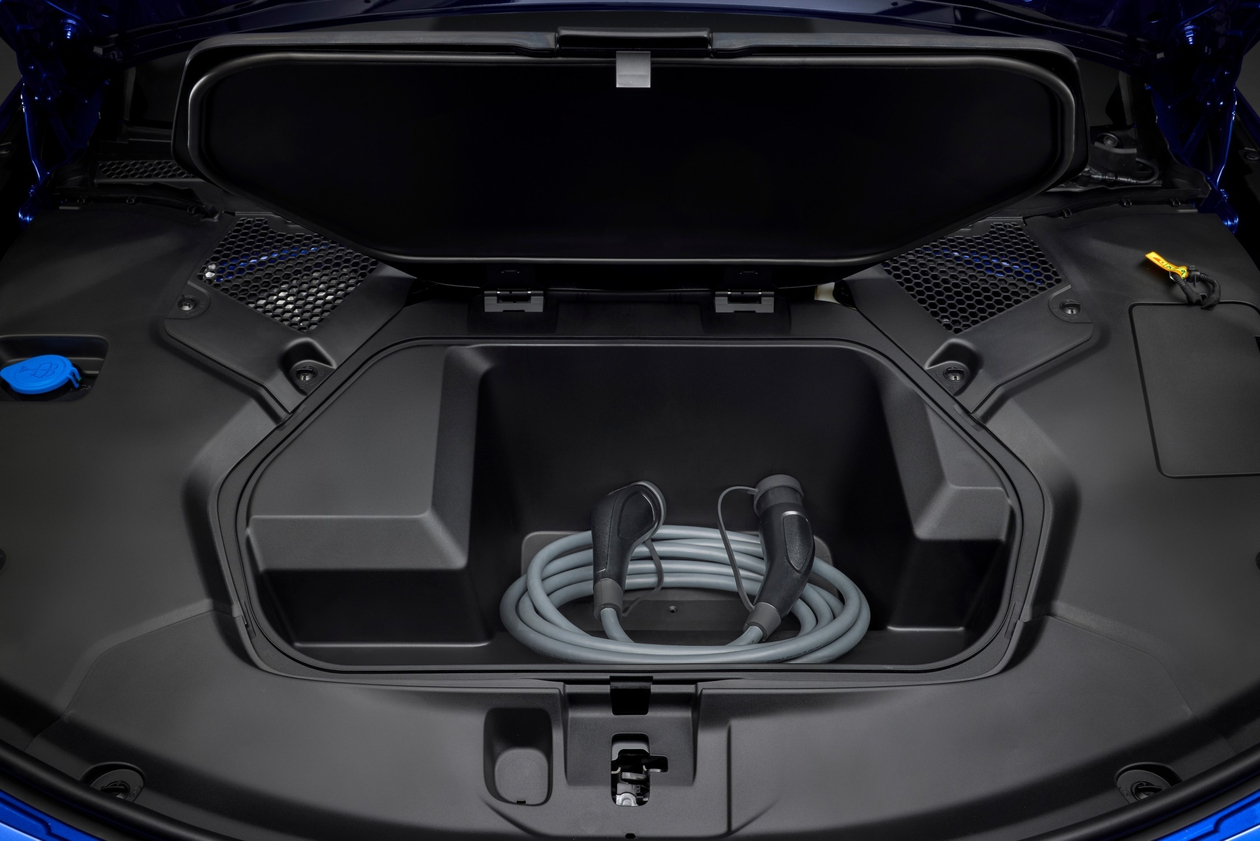
Thanks to the dedicated electric platform layout, the new i3 features a shorter bonnet – with no need to accommodate a longitudinal combustion engine, and a front trunk (frunk) added for extra storage – giving it a more compact visual footprint, despite its larger actual dimensions compared to the current G20 petrol-powered 3 Series. Official measurements are 4,760mm in length, 1,865mm in width and 1,480mm in height, making it 47mm longer, 38mm wider and 40mm taller than its petrol predecessor. Its wheelbase stretches to 2,897mm, a 46mm increase, with rear legroom notably expanded to eliminate the tight rear cabin space of the current 3 Series, better catering to family users and daily commuting needs.
The i3’s cabin is designed entirely around electric mobility, prioritising open, airy interior space that maximises the benefits of the dedicated EV platform, while retaining BMW’s driver-centric sports cockpit philosophy. The interior layout is largely identical to the iX3, with a fully revamped central interaction system anchored by the all-new BMW Panoramic iDrive. This system not only creates a modern, welcoming cabin atmosphere but also elevates BMW’s iconic driver-focused design to new heights, doing away with a traditional instrument cluster entirely to usher in a new era of intelligent in-car interaction.
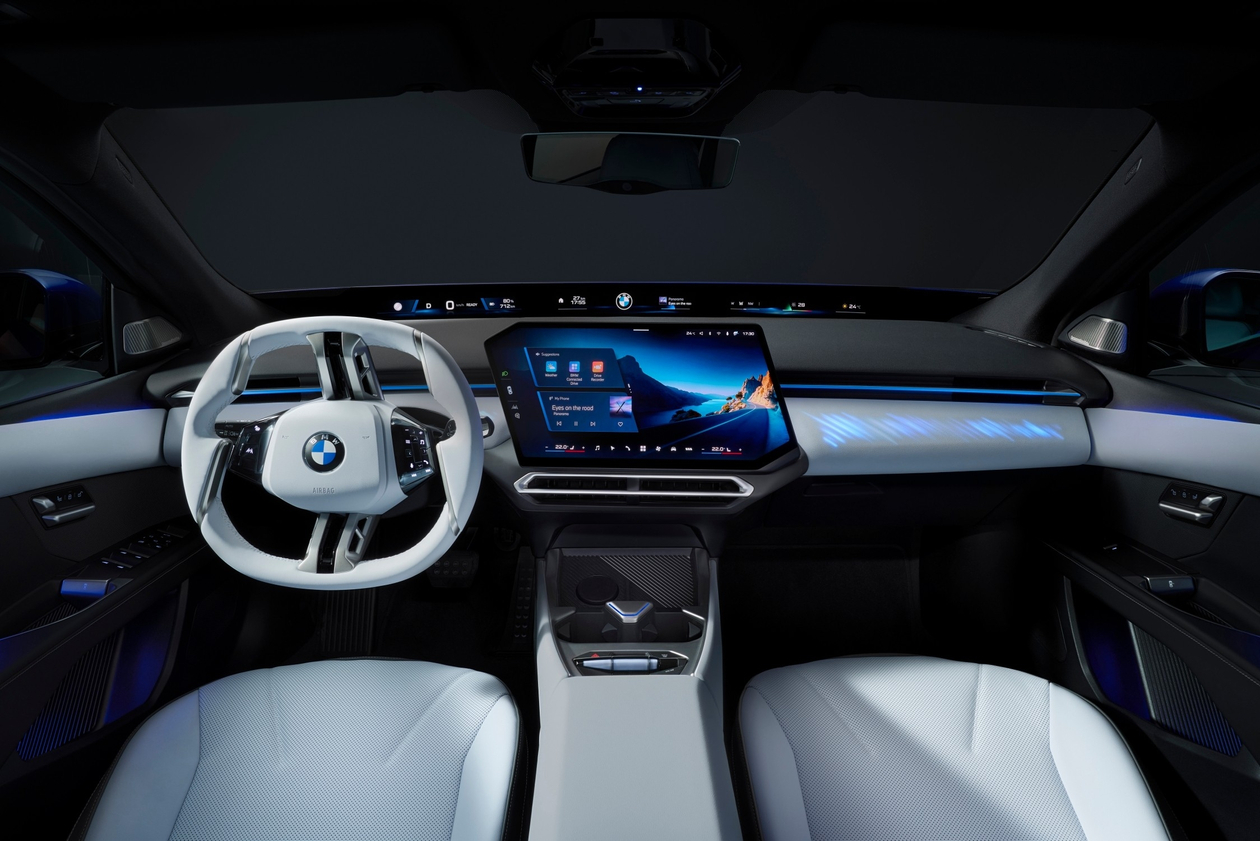
The cabin’s standout feature is the full-width Panoramic Vision projection display, spanning from the left A-pillar to the right A-pillar with fully customisable content that replaces the conventional gauge cluster entirely. It is paired with a 17.9-inch free-form parallelogram infotainment touchscreen featuring matrix backlighting for sharp, clear visuals and seamless operation. The steering wheel retains capacitive touch controls, with two variants available: a standard version and an M Sport performance variant. The standard wheel features spokes at both the 12 and 6 o’clock positions for a unique layout, while a 3D head-up display is offered as an optional extra to further enhance driving convenience.
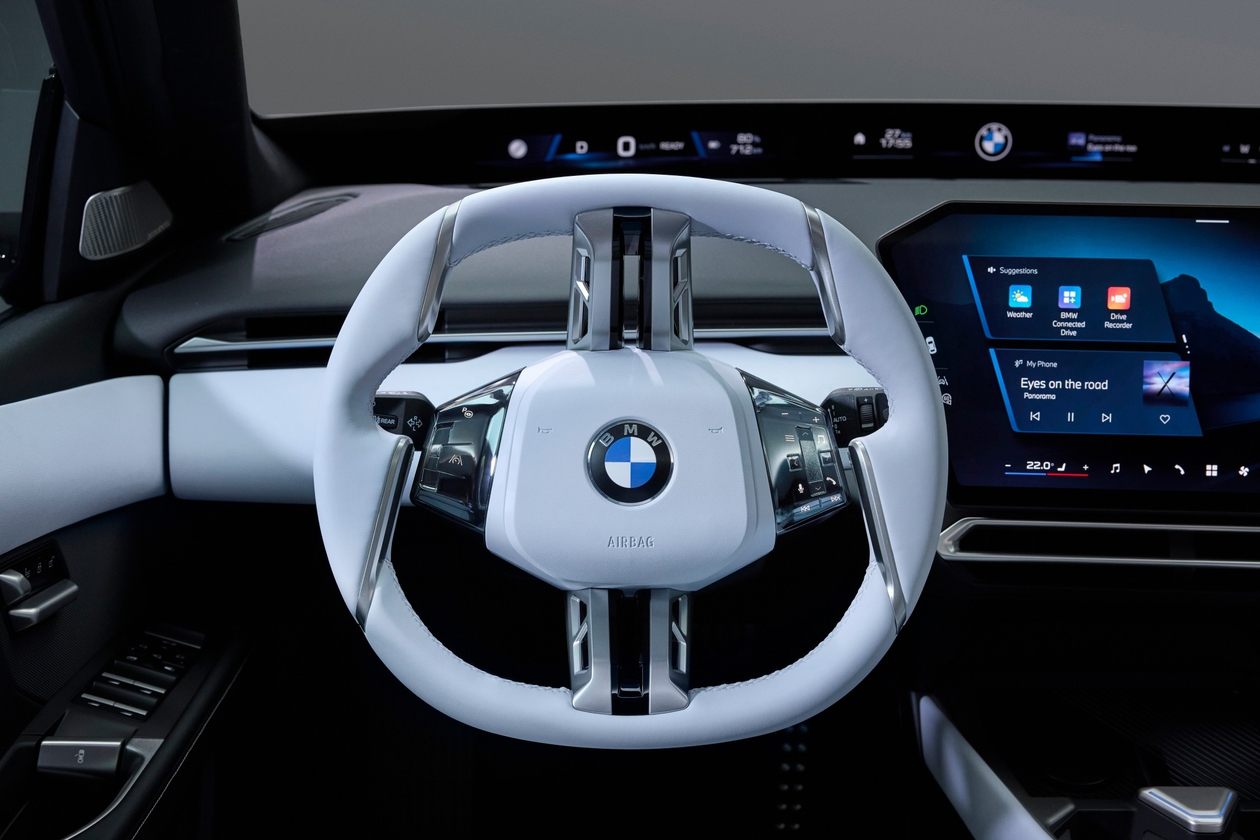
On the intelligent interaction front, the upgraded "Hey BMW" Intelligent Personal Assistant includes Amazon Alexa+ generative AI functionality, enabling more intuitive, responsive voice control to manage a wide range of in-car functions. The BMW Symbiotic Drive system also debuts alongside it, redefining the driving assistance experience for a new era, balancing hands-free convenience with genuine driver engagement. One minor ergonomic trade-off is that climate vent adjustments are fully integrated into the touchscreen with no physical buttons, requiring a short adjustment period for drivers used to traditional manual controls.
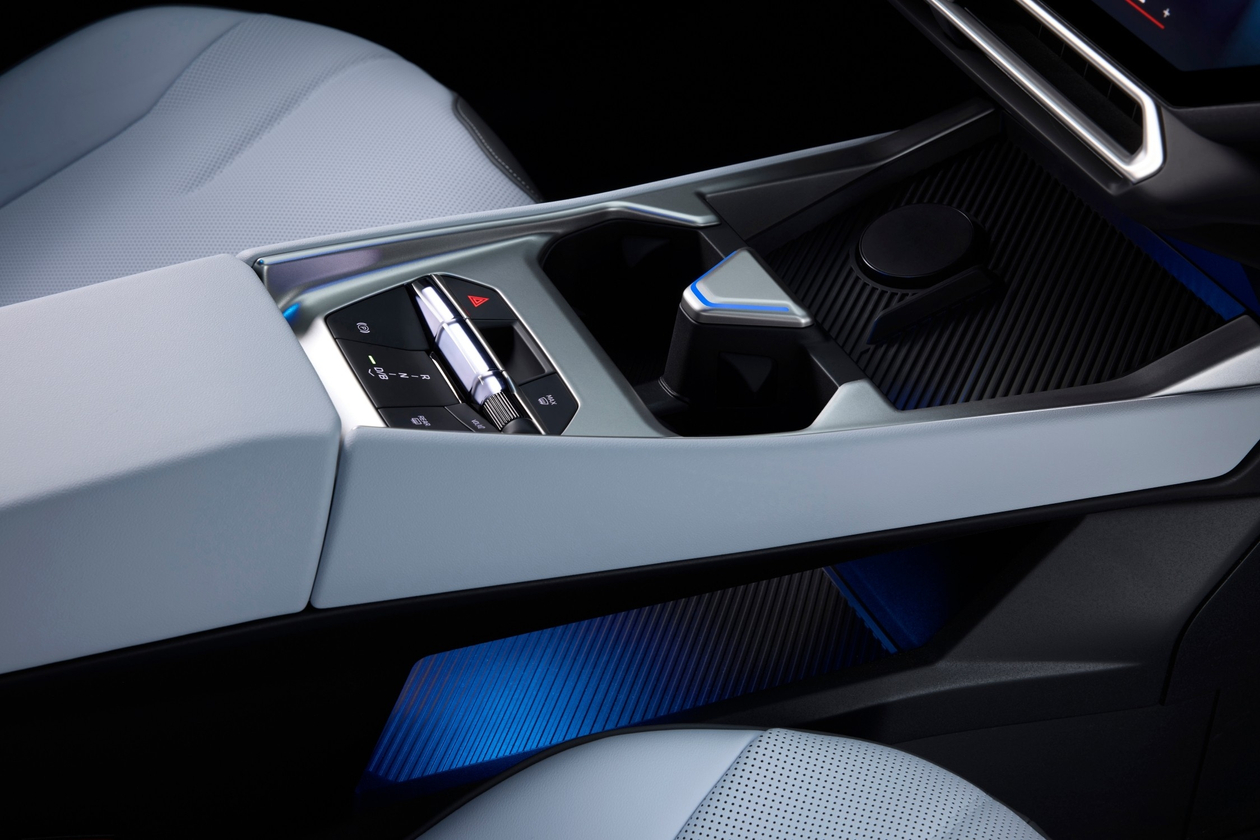
For comfort features, the i3 marks the debut of a Qi2 wireless charging pad, built on Apple’s MagSafe technology for precise magnetic alignment and faster charging speeds. An optional panoramic glass roof is available with heat-insulating coating, though it lacks an electric sunshade – a slight practicality drawback for Malaysia’s year-round hot climate. Seat options include standard, multi-function and heavily bolstered M Sport power-adjustable seats, with four coordinated interior trim and upholstery packages: Essential with Econeer recycled fabric, Contemporary and BMW M Design with Veganza faux leather, and BMW Individual with premium Merino genuine leather, catering to diverse customer preferences and luxury demands.
The powertrain is the star of the new i3, equipped with BMW’s sixth-generation eDrive high-efficiency electric technology. Launching exclusively as the i3 50 xDrive, it features a dual-motor all-wheel drive setup with one motor on each axle, delivering a combined system output of 345kW (469hp) and peak torque of 645Nm. Power delivery is smooth and linear, balancing blistering acceleration with stable high-speed performance. Paired with the core driving dynamics system, this all-electric 3 Series retains BMW’s signature driving pleasure, staying true to the 3 Series’ legendary sporting genes.
The range performance sets a new benchmark in the midsize luxury EV segment, with a WLTP-certified range of up to 900km – nearly 100km more than the iX3 on the same platform, thanks to its sleeker aerodynamic profile and more efficient powertrain tuning, eliminating long-distance range anxiety entirely. The sixth-generation eDrive technology is the foundation of this exceptional range, incorporating high-efficiency electric motors, 800V architecture and high-voltage batteries with new cylindrical lithium-ion cells. This end-to-end cell-to-pack design boosts battery energy density significantly while enabling a flatter battery pack that preserves interior and storage space, with no compromise to cabin room. While BMW has not released official battery capacity figures, it is expected to carry the same 108.7kWh net (116kWh gross) NMC cylindrical battery pack as the iX3, offering a 20% increase in volumetric energy density over the fifth-generation prismatic cells, improving both range and service life.
Leveraging its 800V high-voltage platform, the i3 supports DC fast charging at up to 400kW, drastically cutting down charging times. Official testing per ISO 12906 standards and WLTP cycle confirms that just 10 minutes of DC fast charging adds up to 400km of range, matching the convenience of refuelling a petrol car for daily commutes and solving the longstanding pain point of slow EV charging. While 400kW ultra-fast charging stations remain limited in Malaysia, the i3 comes standard with a DC-DC converter that enables compatibility with 400V charging stations, including Tesla Superchargers, ensuring seamless use with existing local charging infrastructure.
For AC charging, a 22kW on-board charger is available as an option to support home and public AC charging. The vehicle also features bidirectional charging capability, covering three key functions: Vehicle-to-Load (V2L, with the optional AC Charging Professional package), Vehicle-to-Home (V2H) and Vehicle-to-Grid (V2G). This allows external power supply for outdoor camping and emergency use, as well as home energy storage and grid integration, vastly expanding the vehicle’s practical functionality beyond daily driving.
Sporty performance and driving pleasure have always been embedded in the BMW 3 Series’ DNA, and the new i3 sets a new dynamic benchmark for the electric era, unlocking the full performance potential of electric power for precise handling, effortless control and composed ride quality. At its core lies the BMW Heart of Joy driving control system, a high-performance driving computer that operates ten times faster than previous systems, serving as the brains behind the i3’s exceptional driving dynamics. Working alongside three other high-performance supercomputers, it forms the backbone of the Neue Klasse platform’s all-new software and electronic architecture, precisely coordinating power delivery, braking, steering and energy recovery for linear, responsive control in every driving scenario.
The chassis features MacPherson strut front suspension and a five-link rear axle, fitted as standard with stroke-selective passive dampers and reinforced high-preload anti-roll bar bushings for a balanced mix of handling stability and ride comfort. For the first time on a Neue Klasse model, dual-motor AWD variants can be equipped with optional adaptive M Sport dampers to further elevate dynamic performance. The i3 also introduces an exclusive "soft stop" function, using the electric motors to bring the vehicle to a smooth, jolt-free stop without brake noise for enhanced daily comfort. Its high-efficiency regenerative braking system handles nearly all regular braking scenarios, with mechanical friction brakes only engaging during spirited driving or emergency stops, optimising energy efficiency without sacrificing stopping power.
The new i3 comes standard with Driving Assistant Plus, enabling Level 2 semi-autonomous driving with features including curve speed reduction, full-speed adaptive cruise control and lane keeping assist for stress-free long-distance motorway commutes. Built around the BMW Symbiotic Drive philosophy, the assistance system allows drivers to intervene with steering, throttle and light braking inputs at any time – the system will neither fight against driver inputs nor disengage entirely, unlike many competing autonomous systems. This creates a more natural, driver-aligned experience that prioritises safety, convenience and genuine driving engagement.
The all-new BMW i3 (NA0) will be built at the BMW Group’s Munich plant, home to the brand’s global headquarters. Located in Milbertshofen, northern Munich, the plant has over a century of history producing premium automobiles. Over the past four years, it has undergone extensive modernisation, including a brand-new body shop and a state-of-the-art vehicle assembly hall with integrated logistics space, with final expansion works now in their closing stages. Series production of the BMW i3 will commence in August 2026, with first customer deliveries scheduled for autumn of the same year. Within one year, the plant will complete its full transition to producing only pure electric vehicles of this new model range, becoming a core production hub for BMW’s electrification strategy.
The i3 will launch in the European market in the second half of 2026, followed by the Touring wagon variant and the heavily revised G50 petrol-powered 3 Series with matching exterior design. As the first sedan on the Neue Klasse platform, it will compete directly with rivals including the Tesla Model 3 and Mercedes-Benz EQE, reshaping the global midsize luxury electric sedan market.
For the Malaysian market, the i3’s 900km WLTP range is perfectly suited to local long-distance travel needs, while its 400kW fast charging capability aligns with future upgrades to the country’s public charging network. Its classic three-box sedan shape also aligns closely with local consumer aesthetic preferences. Can this fully reinvented all-electric 3 Series carry forward the legacy of its petrol-powered predecessors?

Your go-to source for all things automotive in Malaysia. 🚗 Latest reviews, breaking news, launches & industry trends.
+ Follow We drove 10,000 km just to meet you!
And yes, this is your opportunity to get up close and personal with the not-sold-in-Malaysia Yangwang U8 and Xiaomi SU7! 1 minute ago
We drove 10,000 km just to meet you!
And yes, this is your opportunity to get up close and personal with the not-sold-in-Malaysia Yangwang U8 and Xiaomi SU7! 1 minute ago  Jetour terlalu besar untuk berkelana? Bagaimana pula dengan harganya?
Mula diperkenalkan semasa KLIMS 2026, Jetour T2 i-DM sudah pun menerima lebih 2,000 tempahan. Mengapa rakyat Malaysia begituMula diperkenalkan semasa KLIMS 2026, Jetour T2 i-DM sudah pun menerima lebih 2,000 tempahan. Mengapa rakyat Malaysia begitu#sarongmusicrun2026 meminati SUV ini?
#jetour #jetourt2 #harimalaysia #sarongmusicrun2026 10 hours ago
Jetour terlalu besar untuk berkelana? Bagaimana pula dengan harganya?
Mula diperkenalkan semasa KLIMS 2026, Jetour T2 i-DM sudah pun menerima lebih 2,000 tempahan. Mengapa rakyat Malaysia begituMula diperkenalkan semasa KLIMS 2026, Jetour T2 i-DM sudah pun menerima lebih 2,000 tempahan. Mengapa rakyat Malaysia begitu#sarongmusicrun2026 meminati SUV ini?
#jetour #jetourt2 #harimalaysia #sarongmusicrun2026 10 hours ago  Bersempena dengan Hari Malaysia, banyak pengedar atau penjual kereta daripada pelbagai jenama menawarkan pelbagai promosi dan rebat menarik.
Perodua juga tidak ketinggalan dengan rebat hebat bagi beberapa model terpilihnya.
#perodua #PeroduaQVE 20 hours ago
Bersempena dengan Hari Malaysia, banyak pengedar atau penjual kereta daripada pelbagai jenama menawarkan pelbagai promosi dan rebat menarik.
Perodua juga tidak ketinggalan dengan rebat hebat bagi beberapa model terpilihnya.
#perodua #PeroduaQVE 20 hours ago Get the latest car news first!
Your go-to source for all things automotive in Malaysia. 🚗 Latest reviews, breaking news, launches & industry trends.
We drove 10,000 km just to meet you!
And yes, this is your opportunity to get up close and personal with the not-sold-in-Malaysia Yangwang U8 and Xiaomi SU7! 1 minute ago Jetour terlalu besar untuk berkelana? Bagaimana pula dengan harganya?
Mula diperkenalkan semasa KLIMS 2026, Jetour T2 i-DM sudah pun menerima lebih 2,000 tempahan. Mengapa rakyat Malaysia begituMula diperkenalkan semasa KLIMS 2026, Jetour T2 i-DM sudah pun menerima lebih 2,000 tempahan. Mengapa rakyat Malaysia begitu#sarongmusicrun2026 meminati SUV ini?
#jetour #jetourt2 #harimalaysia #sarongmusicrun2026 10 hours ago Bersempena dengan Hari Malaysia, banyak pengedar atau penjual kereta daripada pelbagai jenama menawarkan pelbagai promosi dan rebat menarik.
Perodua juga tidak ketinggalan dengan rebat hebat bagi beberapa model terpilihnya.
#perodua #PeroduaQVE 20 hours ago  ProtonGWMVolkswagenJAECOOVolvoPeroduaToyotaHondaTESLAMitsubishiMazdaJetourCheryBYDLexusBMWMercedes-BenziCAURZeekrIsuzuNissanLeapmotorPorscheFordOMODAMINIMGSuzukiXPengHyundaiWulingKiaSubaruDenzaGACLand RoverDongfengCAMAudiPeugeotFotonMAXUSsmartDaihatsuJACJMCMaseratiLotusAlfa RomeoRenaultGolden DragonKaiceneSeresLamborghiniFerrariJeepRolls-RoyceLepasAston MartinMcLarenChevroletBentleyFiatBAICForthingGeelyRoeweAeolusChanganARCFOXDeepalExeedHongqiVoyahJaguarKGMBuforiAcuraCadillacDodgeAbarthINEOSMHEROJMEVFreelander
 © 2024 Bitauto.com. All Rights Reserved.
Bitauto (www.yiche.com and www.bitauto.com) is one of the most visited automotive websites in China. We provide detailed info on Chinese car brands available in your area. Please note that the information provided on this website is based on publicly available data and is for reference only. It may not be fully updated or accurate at all times.
Help us improve our website


