The volume seller for the Chery Tiggo Cross is the Turbo variant, retailing at RM88,800. Malaysia's very own national carmaker, Proton, fields a direct rival in the blockbuster X50, with its mainstream Executive variant going for RM89,800—just RM1,000 dearer. Picking between the two is already quite a head-scratcher.
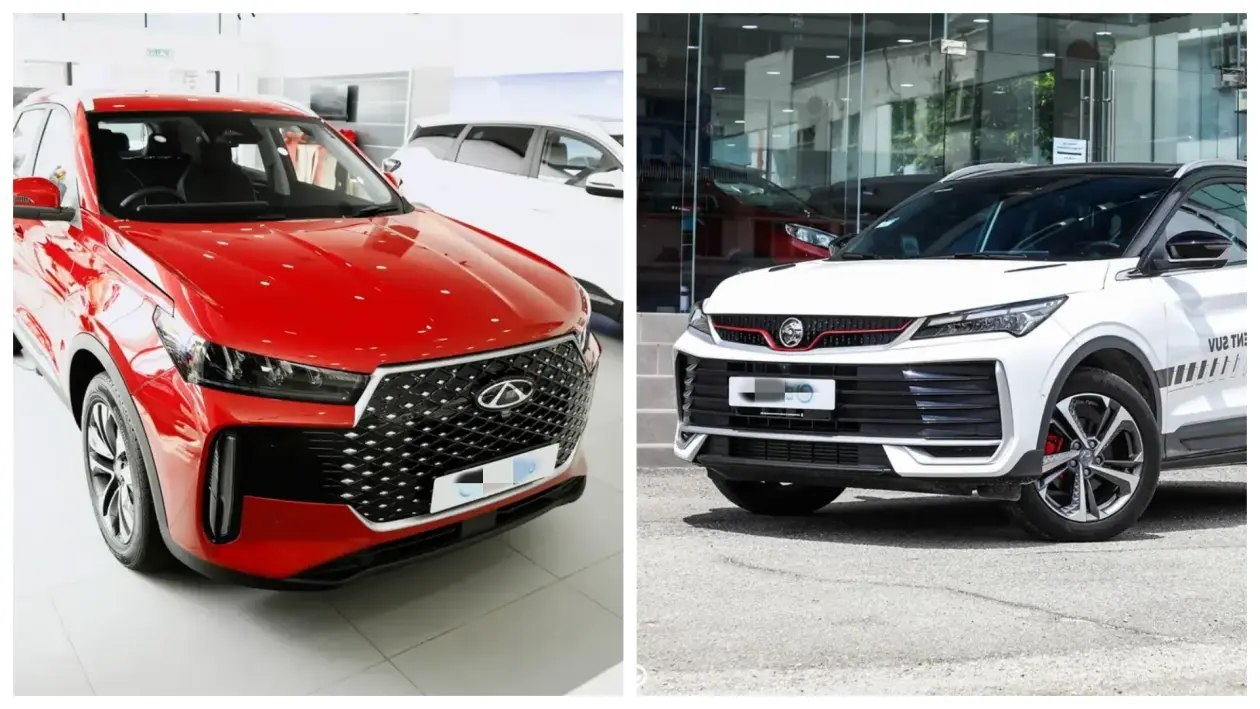
As buyers, the burning question naturally is: which one should you put your money on? You can hardly just close your eyes and toss a coin, can you? If you find yourself caught in two minds, read on.
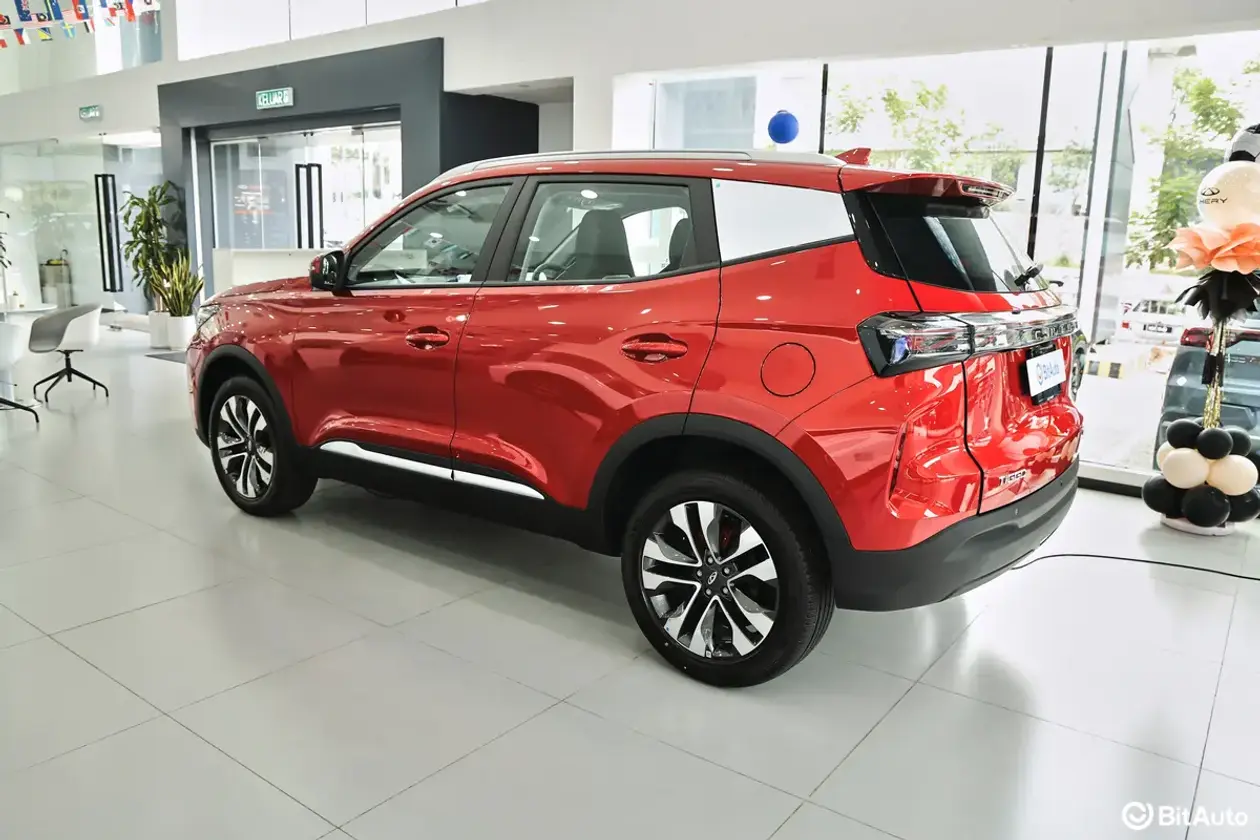
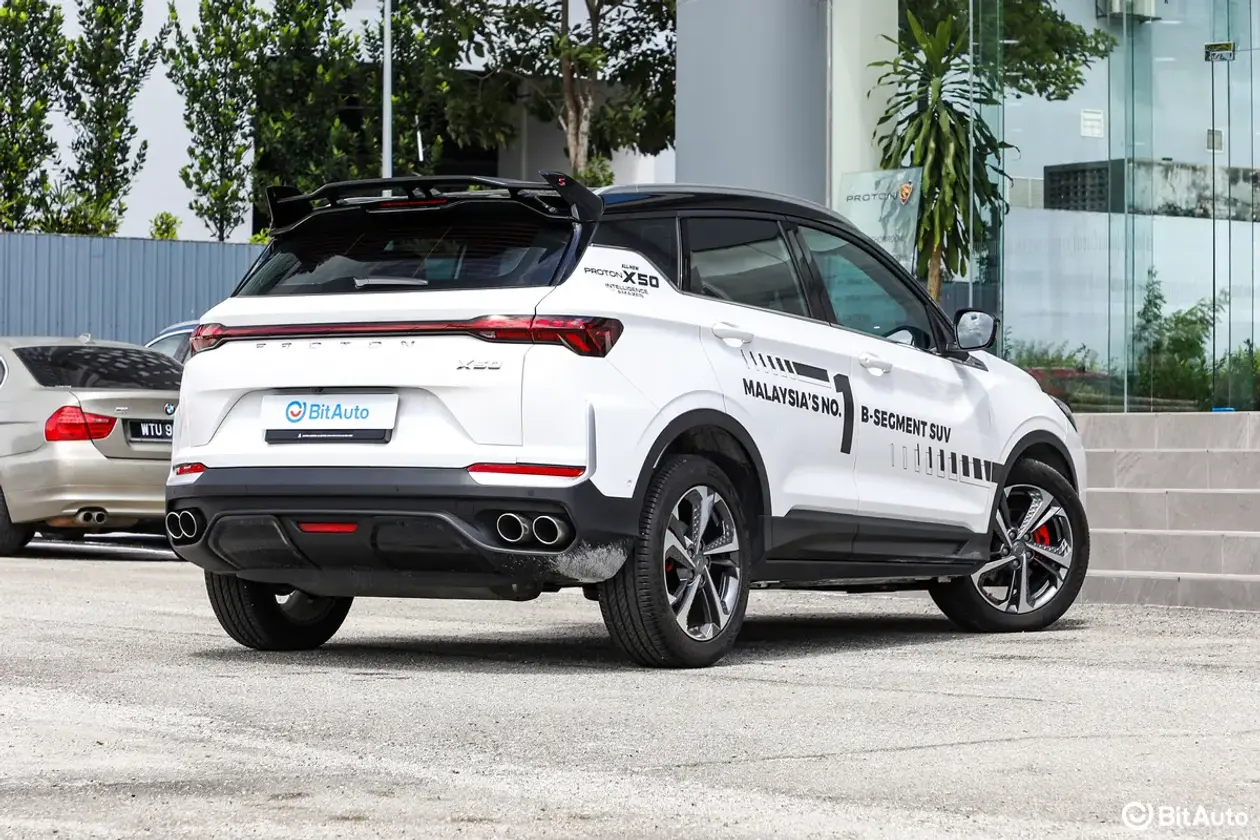
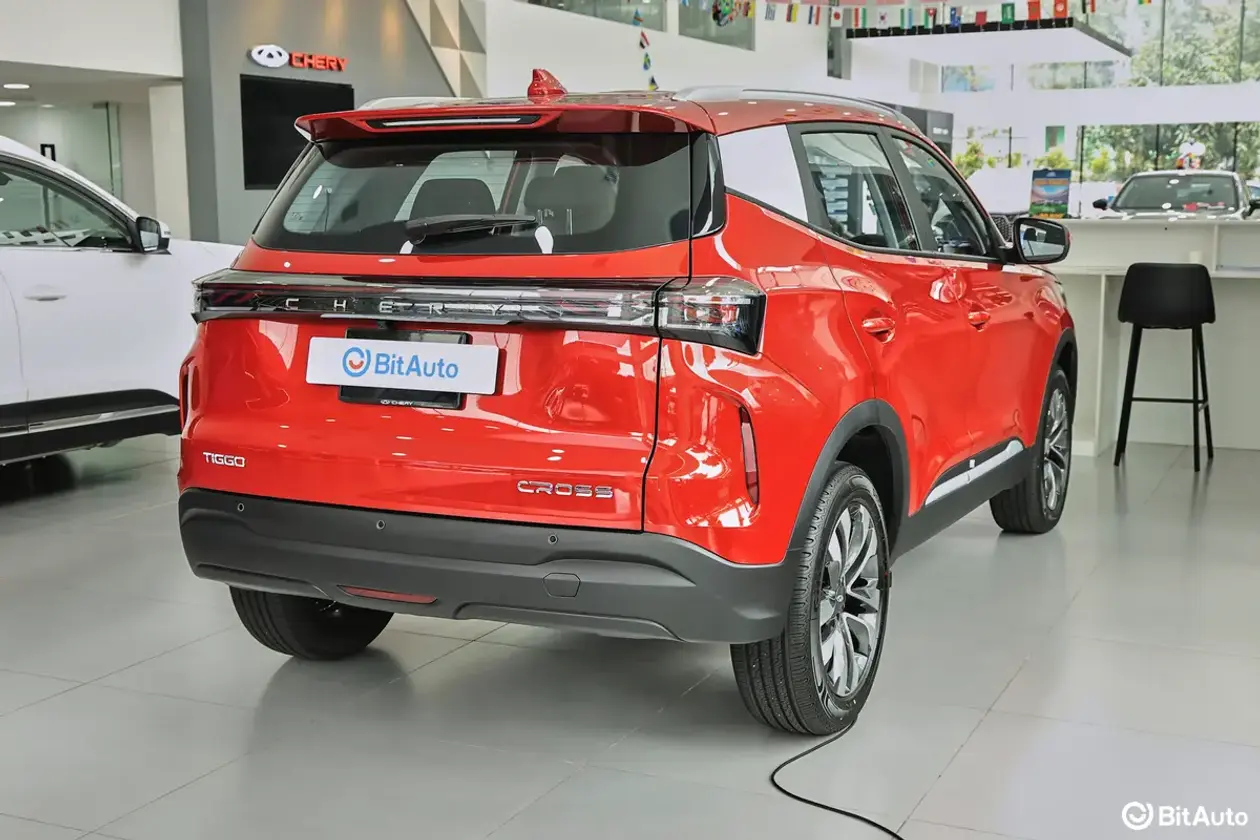
Looks are subjective, so I will not dwell too much on design taste, but their proportions are starkly different. The Tiggo Cross is 62 mm shorter than the X50 yet 35 mm wider, with its wheels pushed further out to the four corners for a noticeably sportier stance.
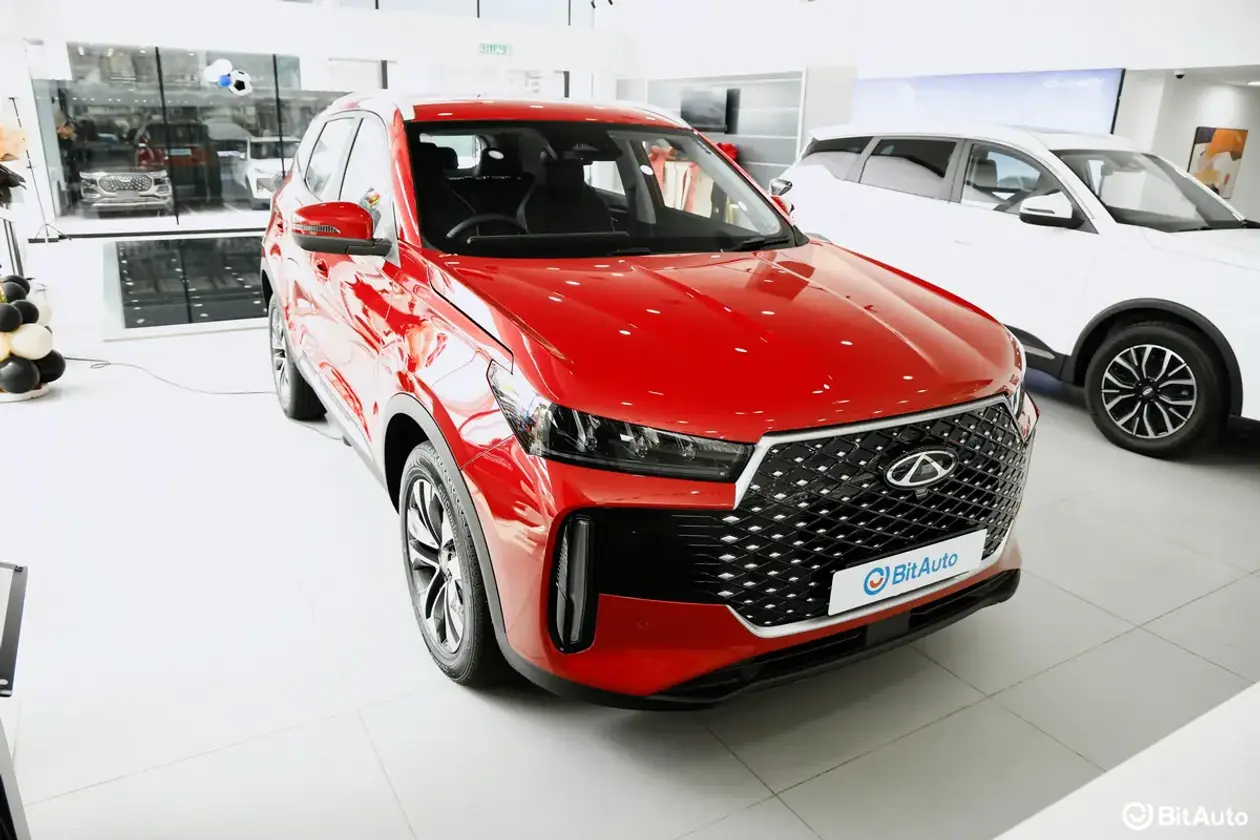
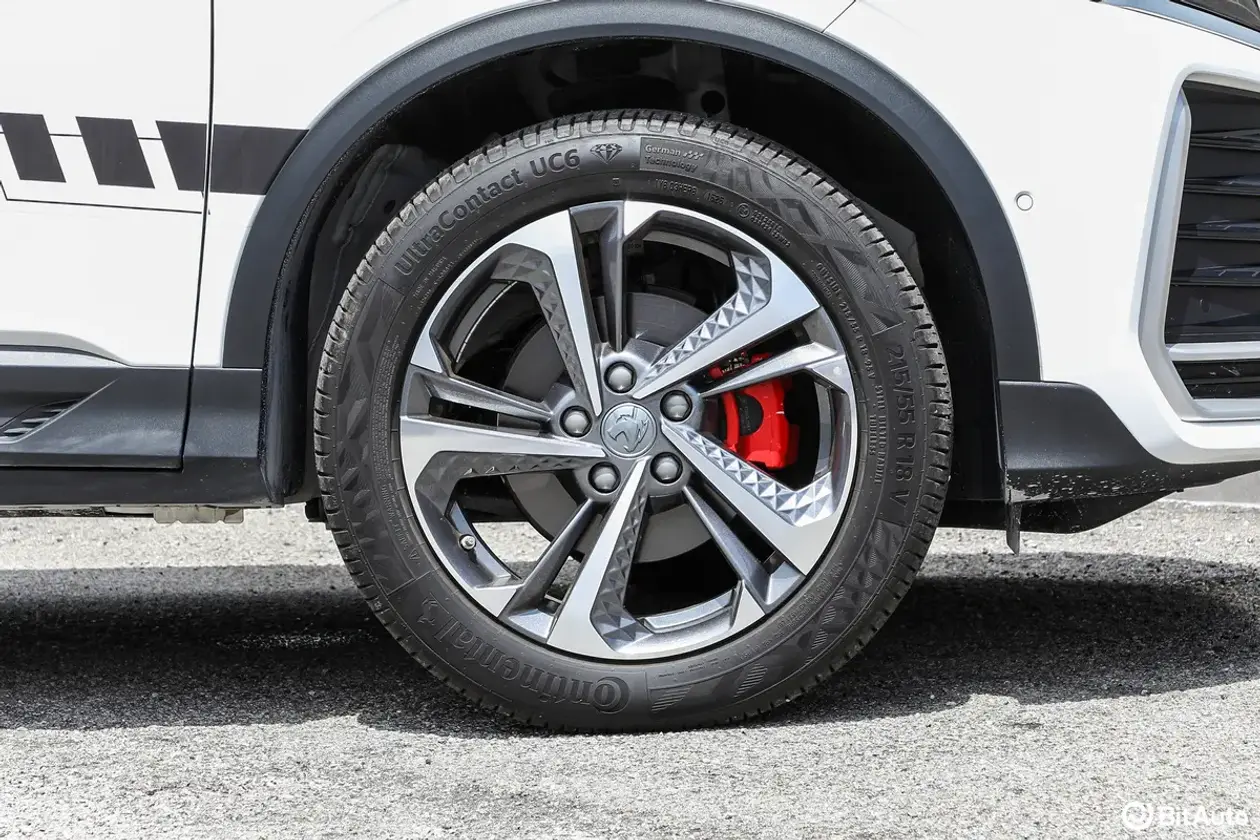
Chery has also gone the extra mile to dress up the Tiggo Cross. The Turbo variant compared here packs 18-inch alloy wheels, LED headlamps, red brake calipers, roof rails, and a rear spoiler that may not offer much functional downforce, but certainly looks the part. When it comes to sheer visual flair and feel-good factor, the Tiggo Cross turns it up to eleven.
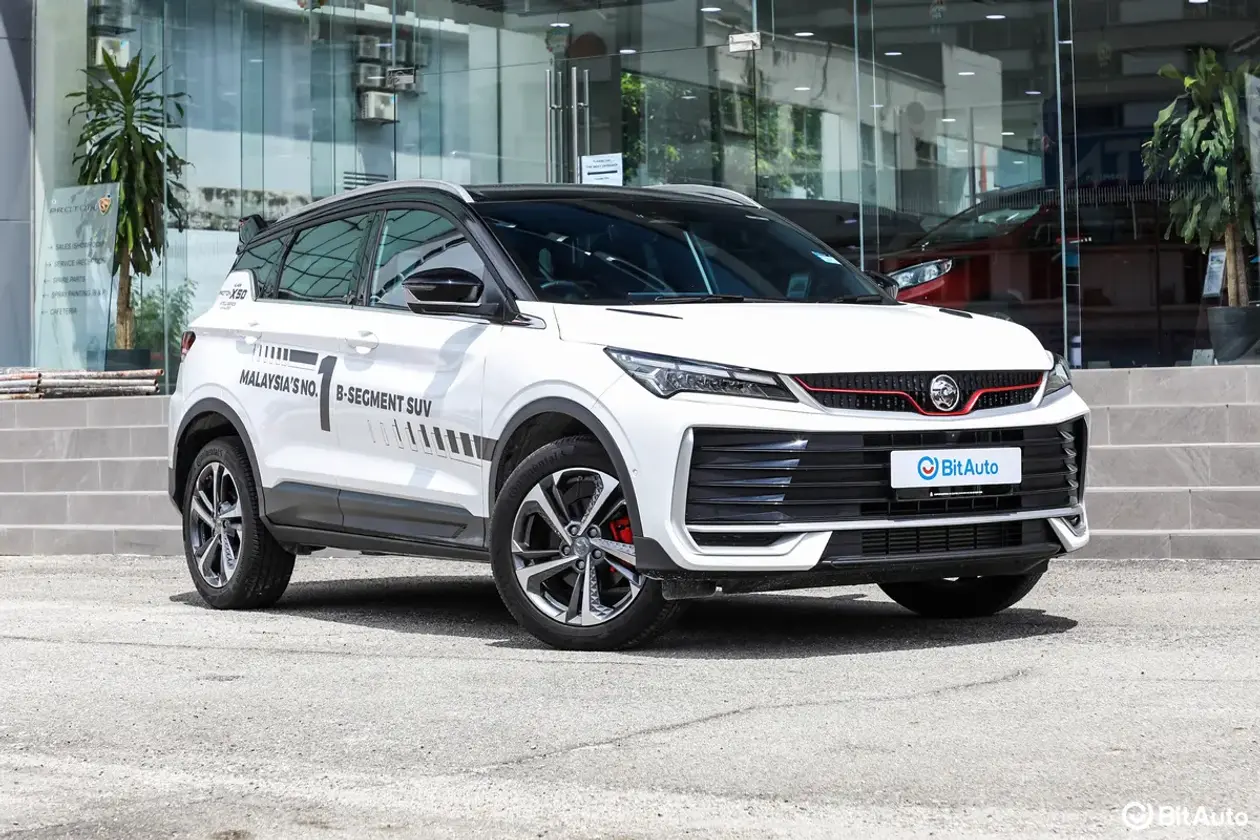
By comparison, the X50 cuts a more conventional SUV silhouette. The Executive grade settles for 17-inch alloys alongside full-LED front and rear lighting. That said, thanks to its longer body and lower visual centre of gravity, it still carries a distinct athletic vibe of its own.
So on the styling front, if you are judging purely by which one looks more overtly sporty, the Tiggo Cross takes the cake.
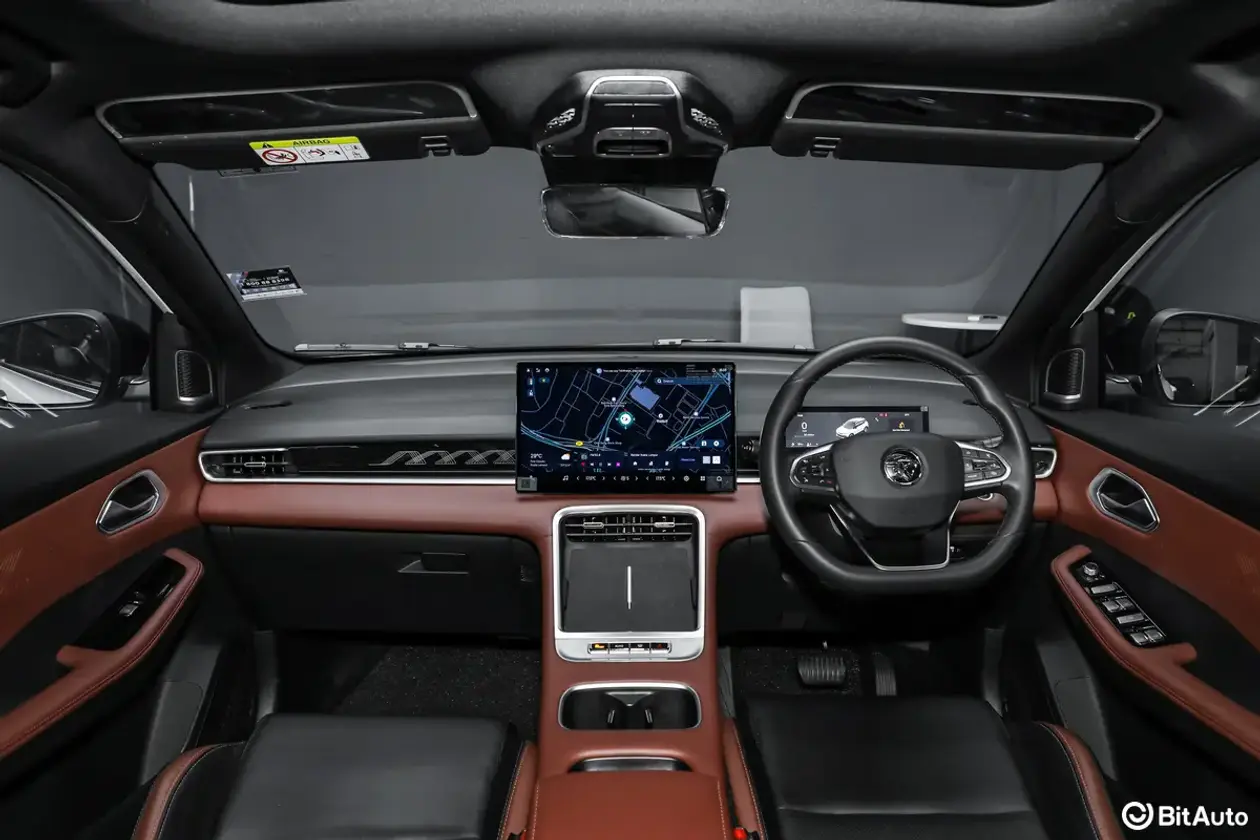
Starting with the X50, you get a 14.6-inch infotainment touchscreen, an 8.88-inch digital instrument cluster, and wireless Apple CarPlay/Android Auto fitted as standard across the range. Dual-zone automatic climate control, an electronic parking brake, automatic headlights, and auto wipers are also standard kit throughout.
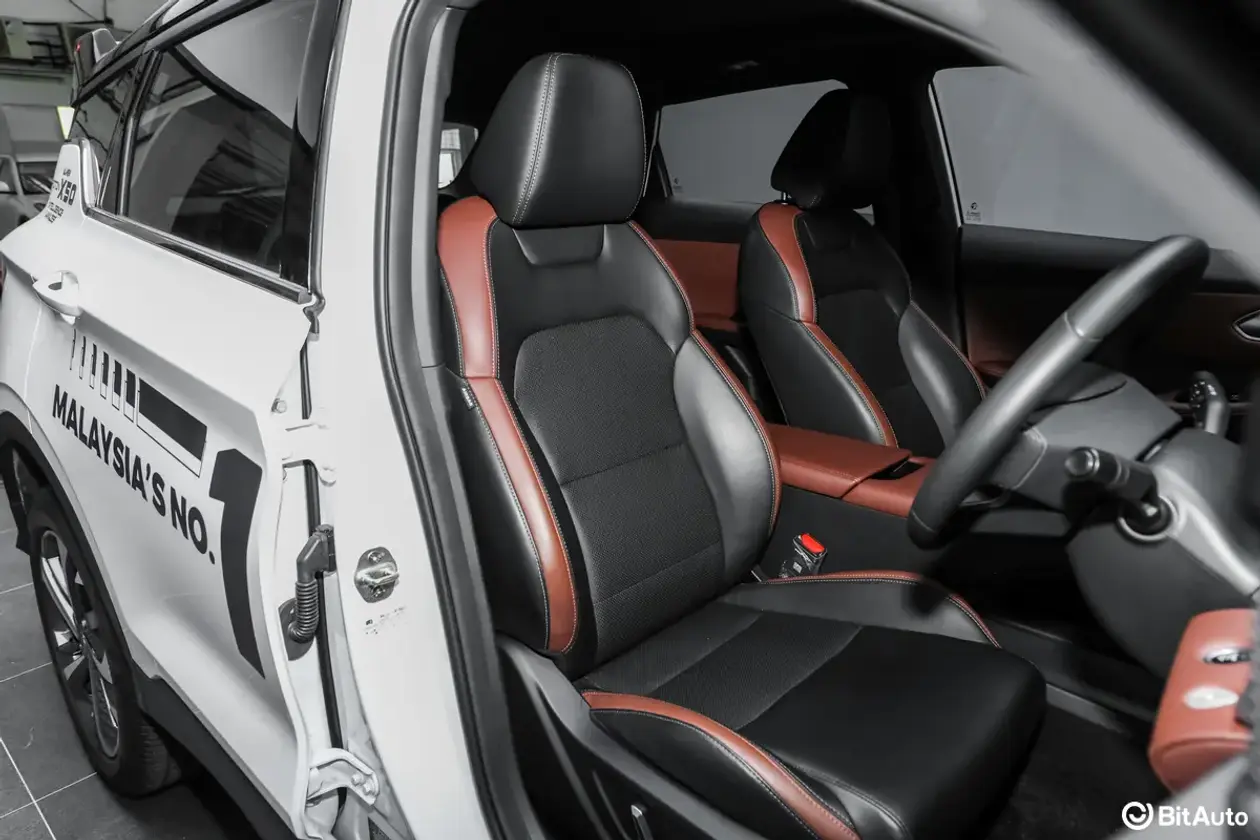
That said, as one of the lower-tier trims, the X50 Executive does miss out on several creature comforts. The seats are purely manual, and there is no wireless smartphone charging pad, panoramic sunroof, or interior ambient lighting.
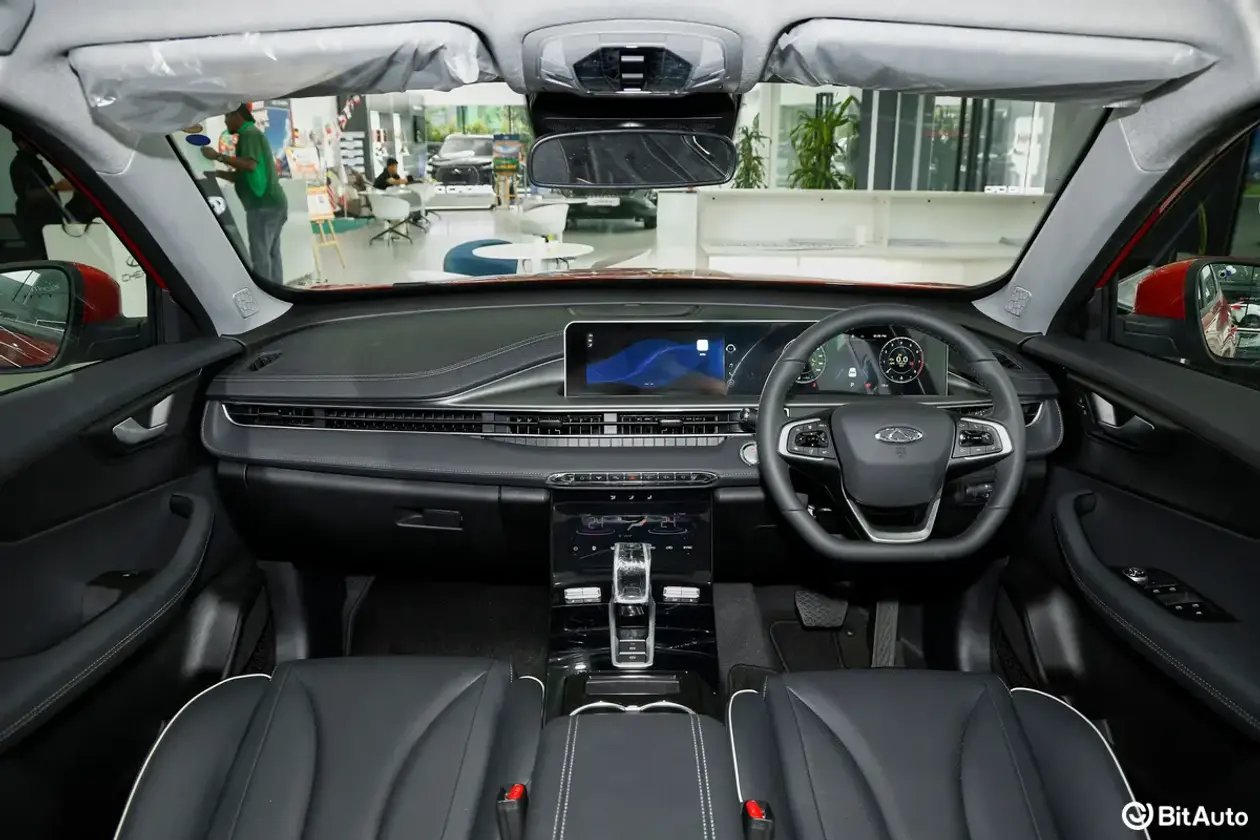
Over in the Tiggo Cross, the dashboard features dual 10.25-inch integrated screens, with wireless Apple CarPlay/Android Auto and dual-zone climate control standard across the board as well. Over the X50, it claws back points with a six-way powered driver's seat, a 15W wireless charging pad, and ambient lighting.
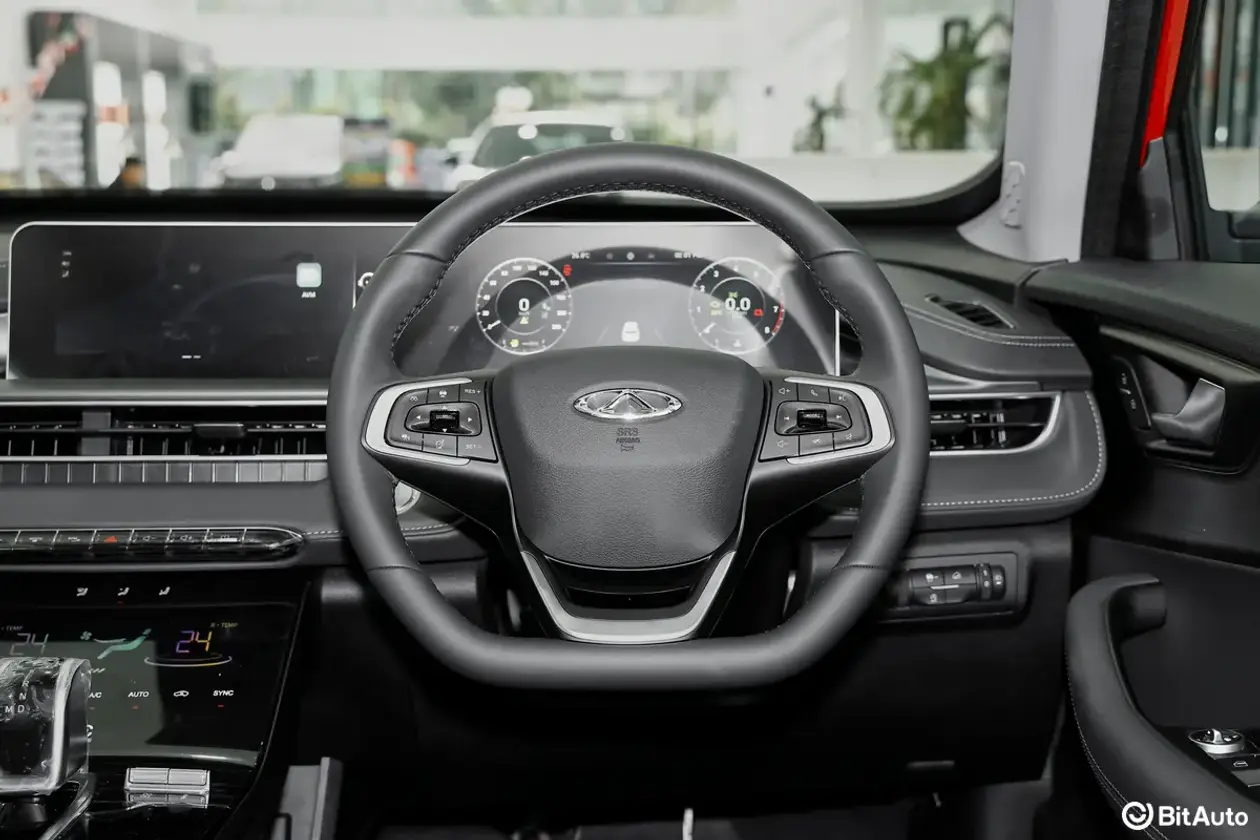
Both cabins are reasonably matched, but the Tiggo Cross edges ahead thanks to its powered driver's seat and wireless charger. Sure, the X50 boasts a significantly larger centre touchscreen, but day to day, most drivers will appreciate electric seat adjustment far more than extra screen real estate.
Having bagged both the styling and equipment rounds, can the X50 stage a comeback in terms of roominess? Let's start with the hard numbers—wheelbase: the Tiggo Cross measures in at 2,610 mm against the X50's 2,600 mm. On paper, Chery takes the lead again, but in reality, can you truly tell a 10 mm (1 cm) difference apart?
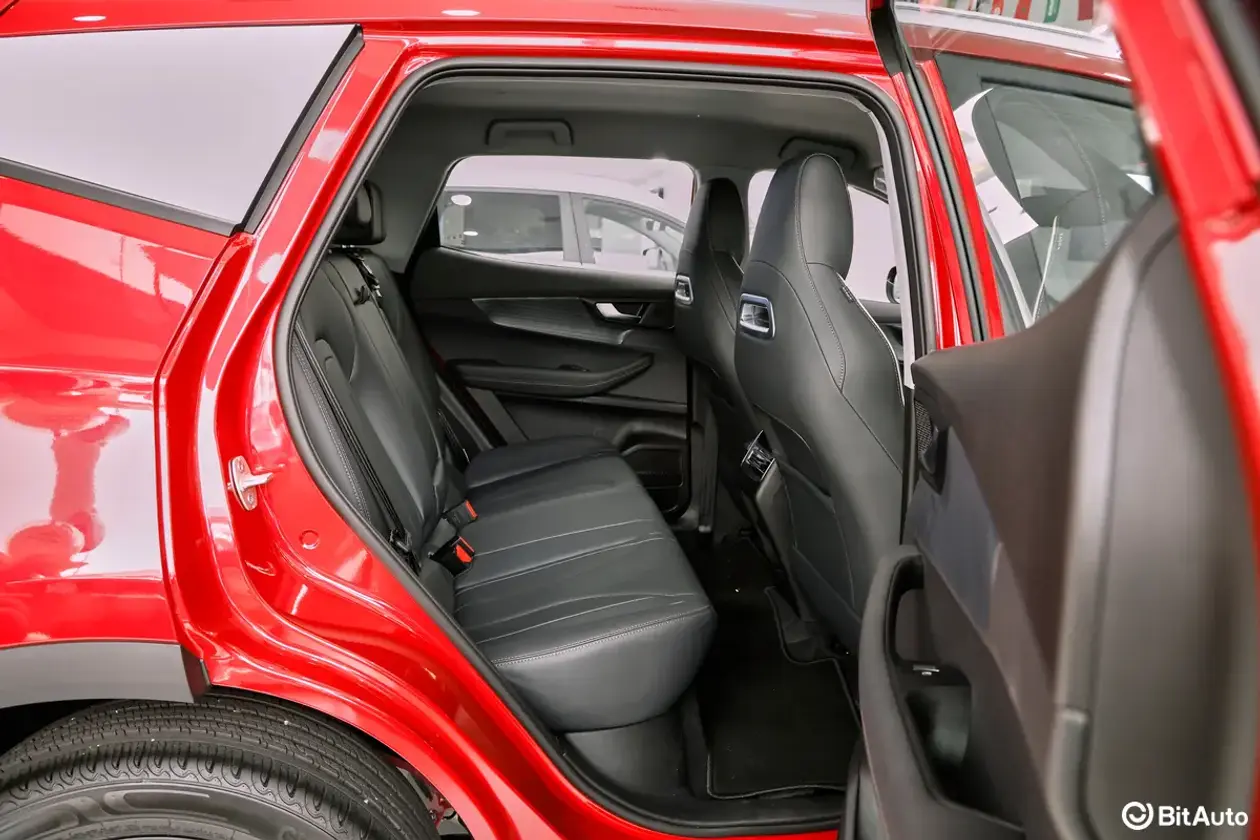
Practical space is about far more than just wheelbase figures; storage and everyday usability matter. In the Tiggo Cross, you get rear air vents and twin USB ports as standard, 60:40 split-folding rear seats, and outer rear ISOFIX child seat anchors. The Turbo variant offers a 380-litre boot and a 51-litre fuel tank.
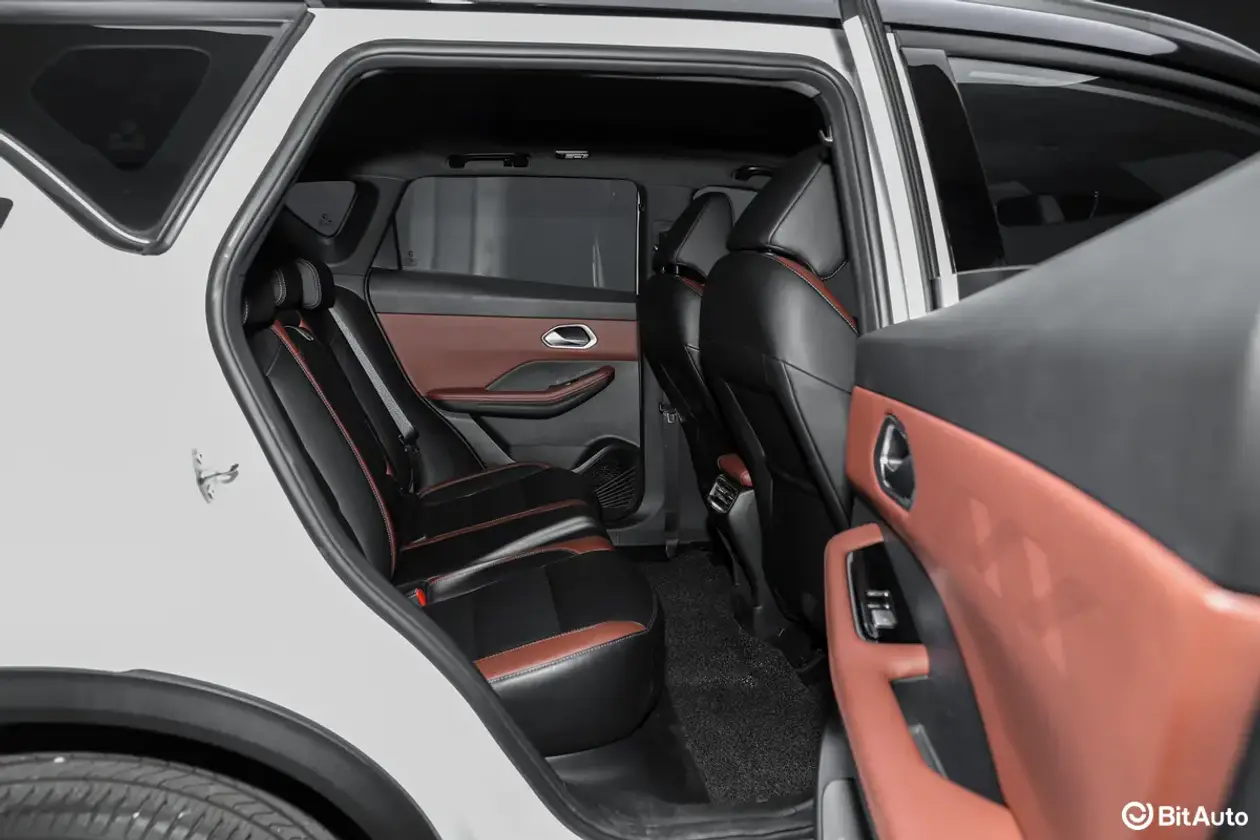
Turning to the X50, rear air vents are likewise standard issue. However, boot space drops to 330 litres, and the fuel tank holds just 45 litres. What's more, our comparison Executive variant omits a rear centre armrest.
Safe to say, the Tiggo Cross claims another clean win here.
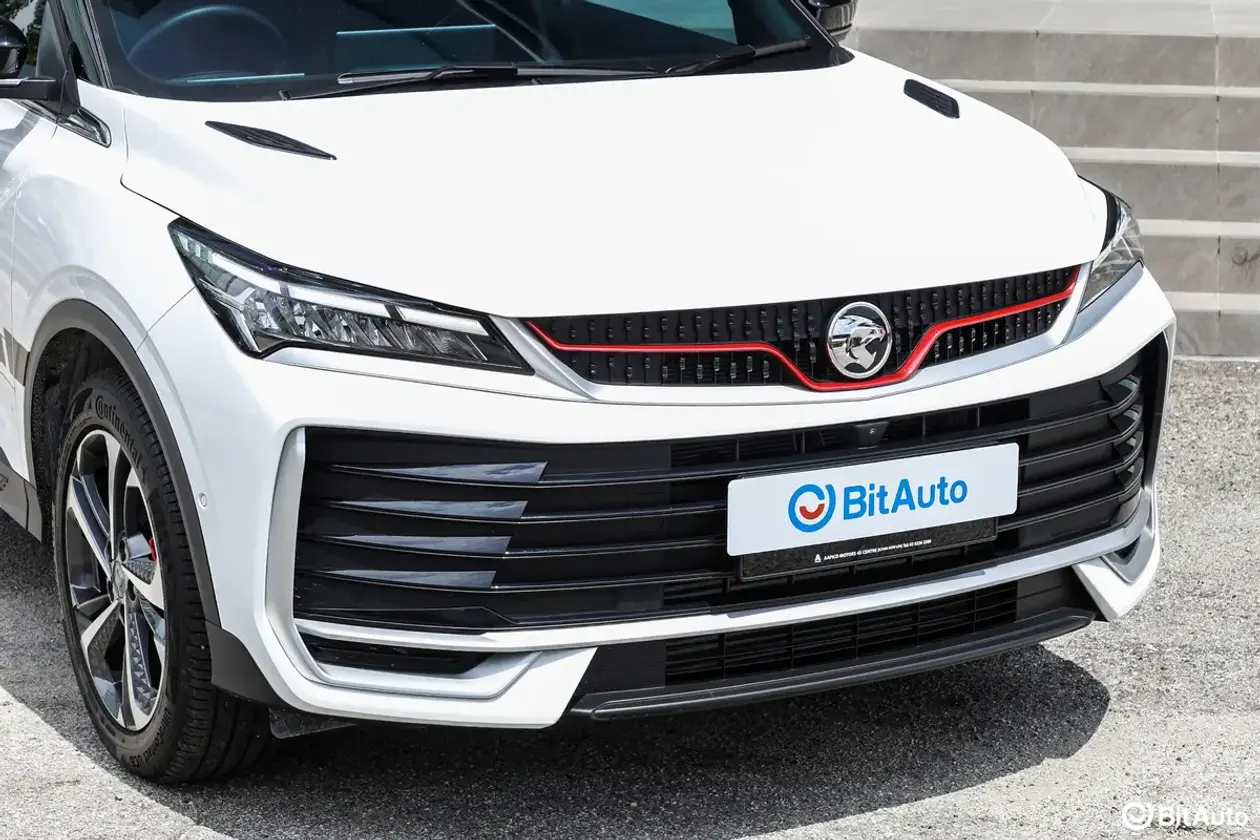
And here is where the X50 stages its emphatic counterattack! If the Tiggo Cross swept the board in styling, equipment, and packaging, performance under the bonnet is strictly Proton territory.
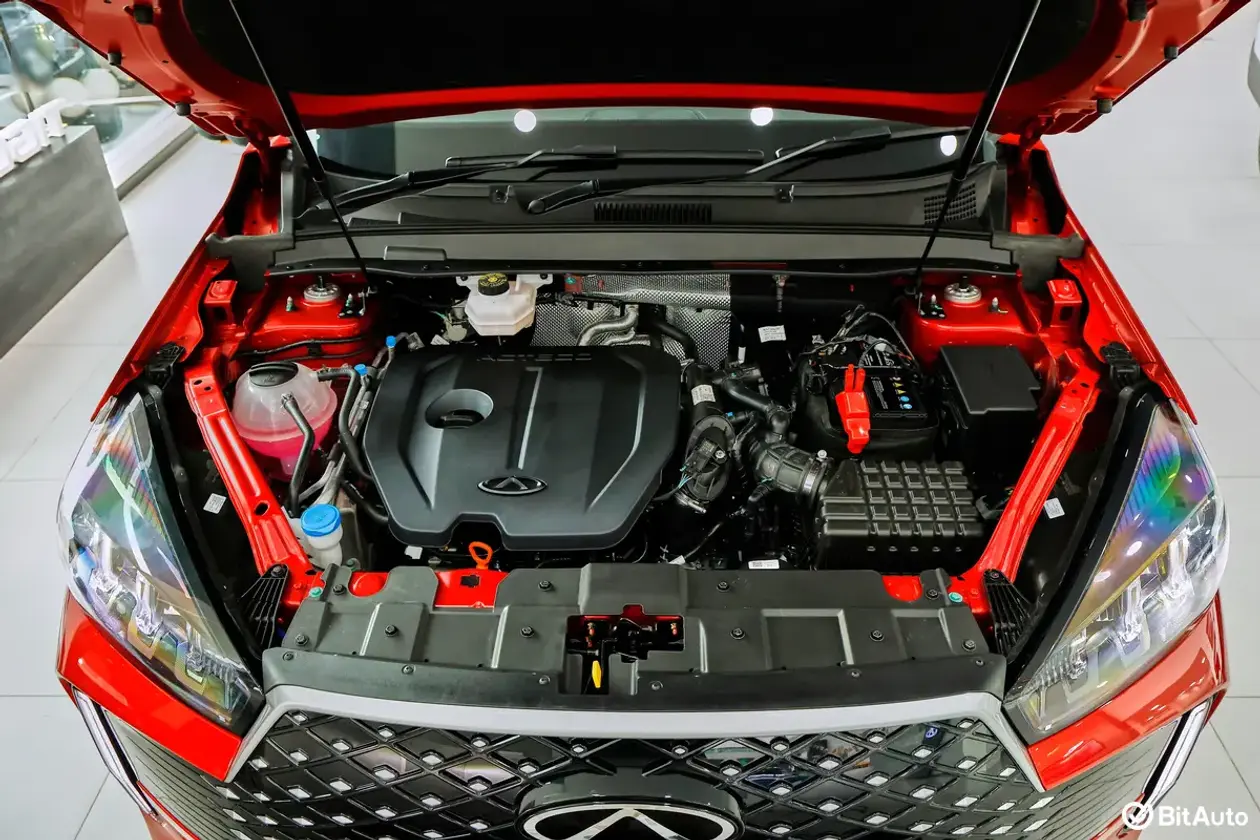
The Tiggo Cross 1.5 Turbo runs a 1.5-litre turbocharged engine pushing out 147 PS and 210 Nm of torque, paired with a six-speed wet dual-clutch transmission (6DCT), with peak torque arriving from 1,750 rpm. Output in the ballpark of 150 PS is neither blistering nor sluggish—it is par for the course for an SUV in this segment.
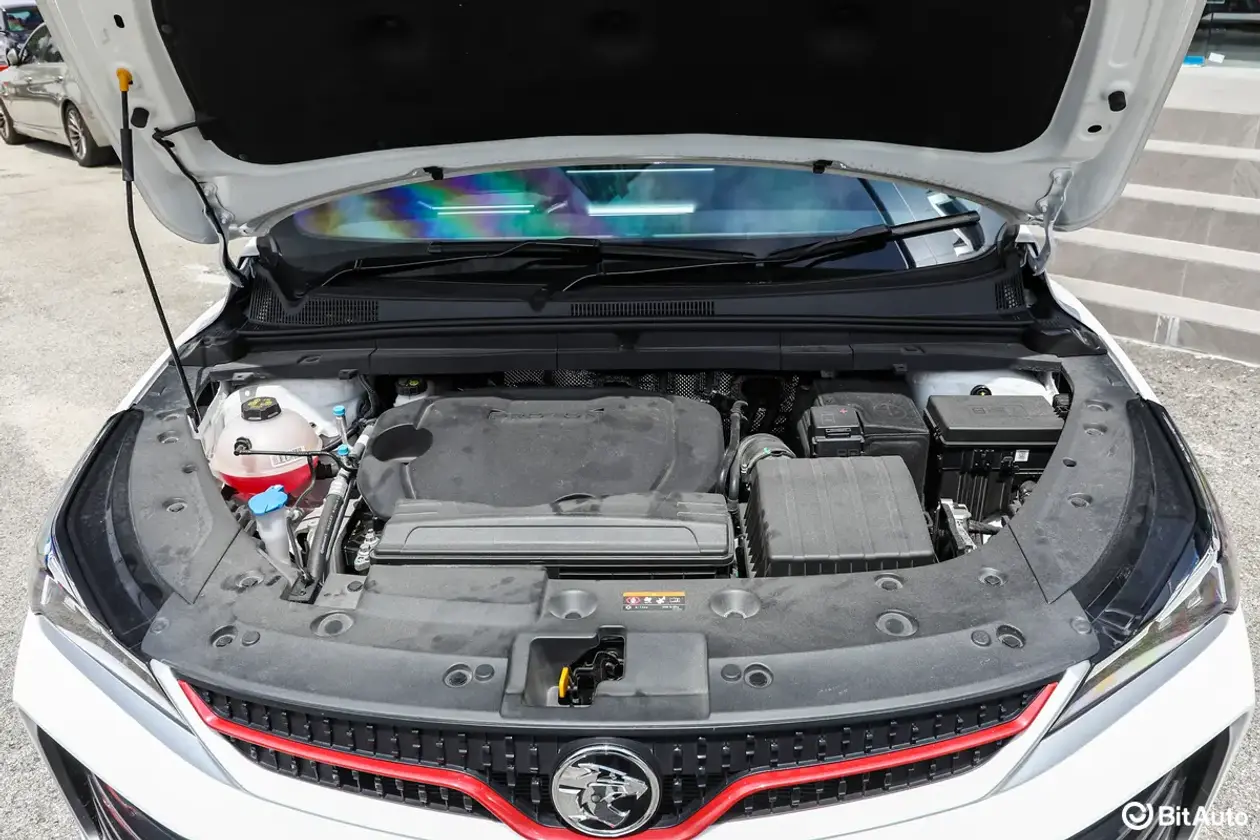
The X50, on the other hand, is a completely different beast! While it also packs a 1.5-litre turbo mill, it churns out an impressive 178 PS and a hefty 290 Nm of torque through a seven-speed dual-clutch transmission (7DCT), completing the 0-100 km/h sprint in just 7.6 seconds.
Crucially, that punchy performance doesn't come at the expense of fuel economy; real-world mixed media testing returned around 7.4 L/100 km. In short, that is the engineering prowess of Geely's high-thermal-efficiency powerplant at work.
When it comes to sheer performance and driveability, the X50 wins hands down.
Let's start with what both cars share: six airbags, Adaptive Cruise Control (ACC), Lane Departure Warning, Blind Spot Monitoring, and Rear Cross Traffic Alert. Both check these boxes.
However, the Tiggo Cross packs several crucial driver assistance features missing on the X50 Executive: Autonomous Emergency Braking (AEB), Forward Collision Warning, and Lane Keep Assist.
On the X50, you have to step up to the Premium variant to unlock these three features, and they are genuinely vital, life-saving systems when push comes to shove. Their absence on the Executive grade is sorely felt. It also misses out on Auto High Beam, which proves immensely handy during late-night trunk road or highway cruises.
On the flip side, the X50 carries an official five-star ASEAN NCAP crash safety rating, whereas local crash test results for the Tiggo Cross have yet to be published. Still, the fact remains: omitting AEB and Forward Collision Warning puts the X50 Executive at a distinct, undeniable disadvantage.
As such, in the active and passive safety department, the nod goes once more to the Tiggo Cross.
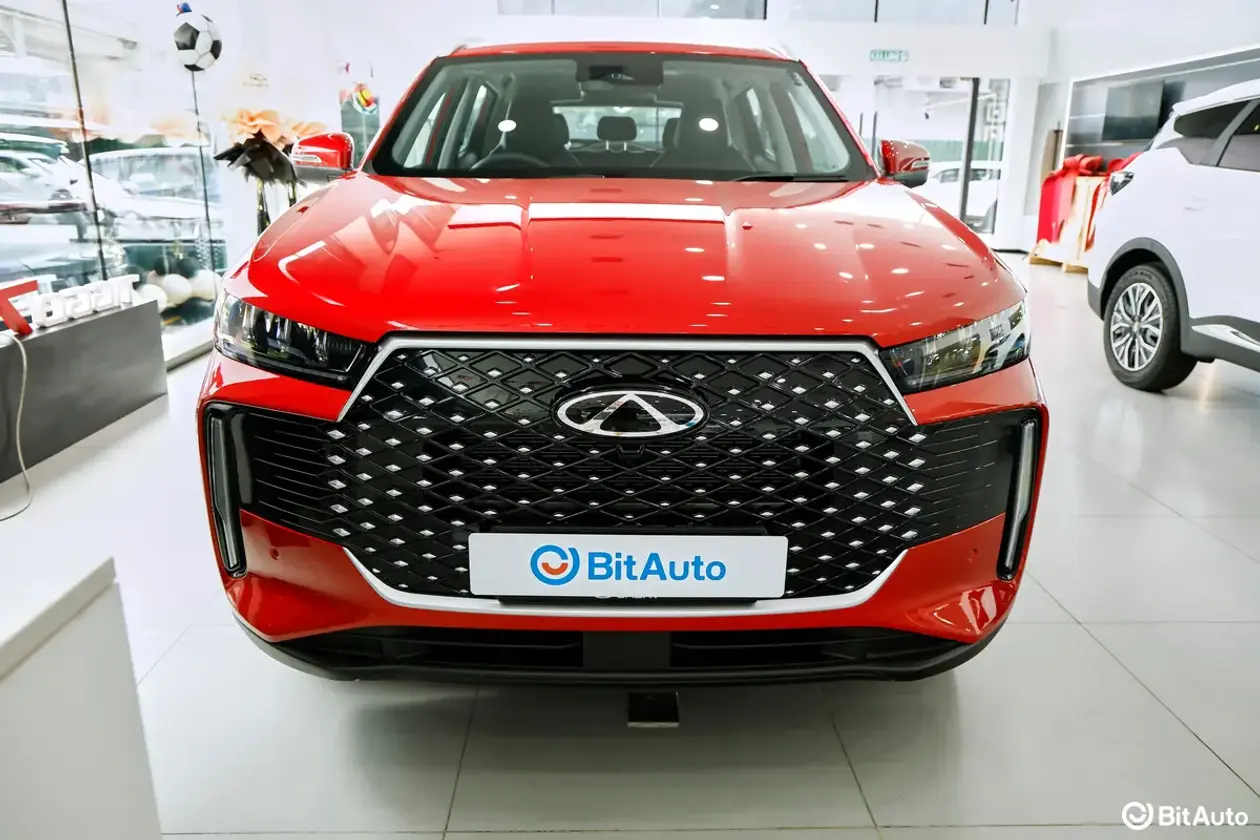
It is plain to see that the Tiggo Cross commands a substantial lead across this matchup. Apart from conceding defeat in pure performance to the punchier X50, it chalks up a victory in virtually every other criteria. Factor in the reality that the X50 is RM1,000 dearer, and the verdict practically writes itself.
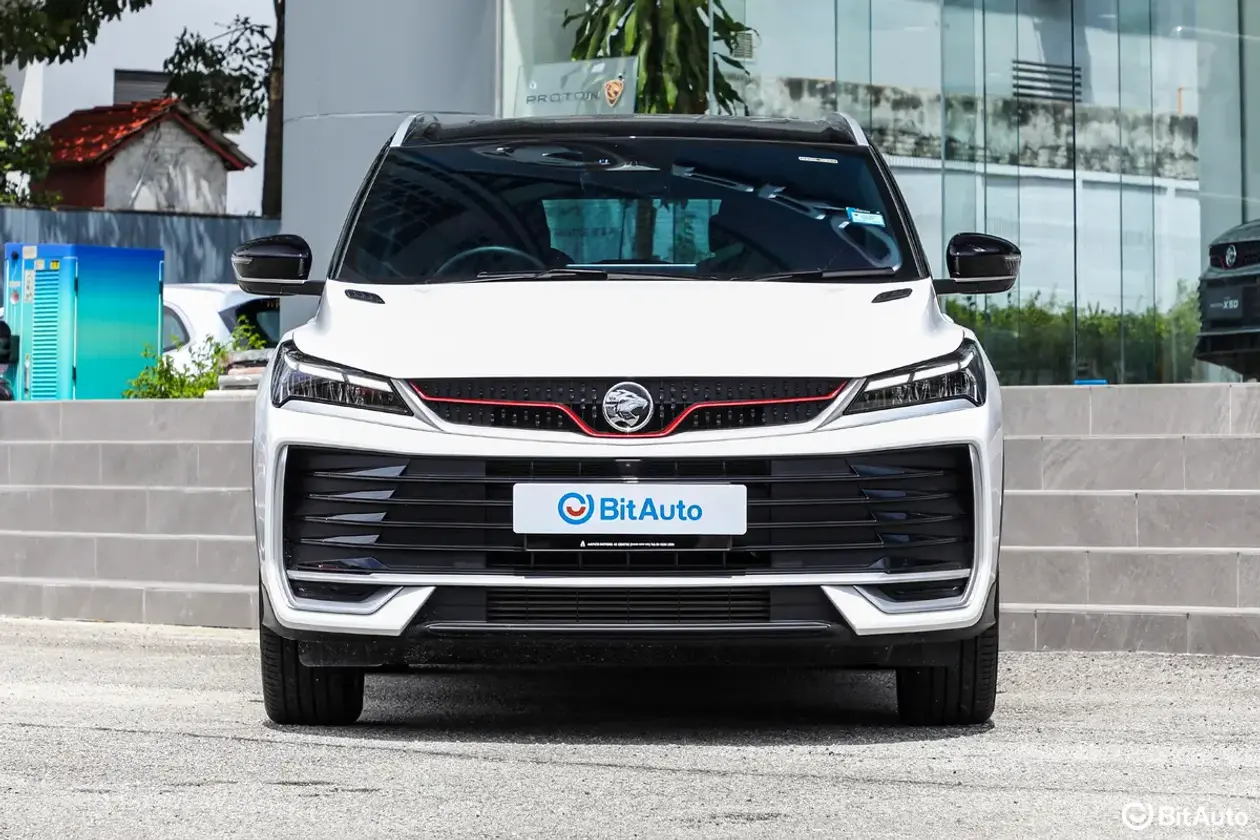
Hold on, though—the X50 holds an ace up its sleeve that the Tiggo Cross simply cannot replicate: aftersales support. As Malaysia's national carmaker, Proton possesses a nationwide service and dealership network that Chery is still working hard to match. In practical terms, should anything go awry, getting an X50 sorted at a nearby authorised service centre is far more convenient.
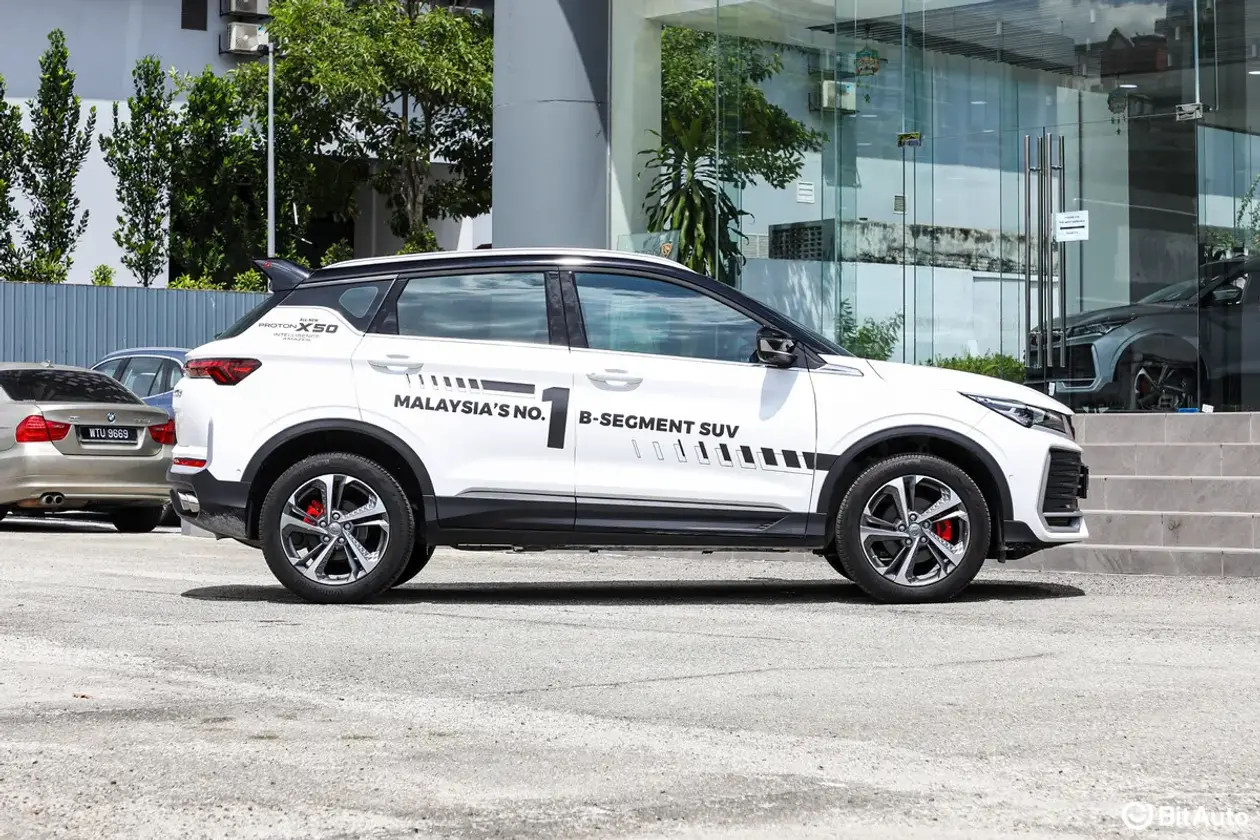
So, the final takeaway boils down to this: on pure product substance and spec-sheet value, the Tiggo Cross holds an unmistakable edge. But once long-term ownership peace of mind and aftersales reach enter the equation, the X50 offers an intrinsic advantage that Chery has yet to overcome.
Leave your number, an advisor will contact you


Your go-to source for all things automotive in Malaysia. 🚗 Latest reviews, breaking news, launches & industry trends.
+ Follow Meanwhile, the new CR-V All-Round Honor Edition is set to debut in China tomorrow. 1 minute ago
 Some planes take off at 290 kmh. This is nearly double that...wow!
#byd #y#YangwangU9 1 minute ago
 BYD has brought its latest top-tier luxury car to Dubai.
Packing a 5.6m length, coach doors, and quad-motor e⁴ tech, this ultra-luxury Chinese EV flagship is estimated at over RM 1.22 million.
#BYD #Yangwang #ALTIOR #EV #LuxuryCar 1 minute ago
Get the latest car news first!
Your go-to source for all things automotive in Malaysia. 🚗 Latest reviews, breaking news, launches & industry trends.
Meanwhile, the new CR-V All-Round Honor Edition is set to debut in China tomorrow. 1 minute ago Some planes take off at 290 kmh. This is nearly double that...wow!
#byd #y#YangwangU9 1 minute ago BYD has brought its latest top-tier luxury car to Dubai.
Packing a 5.6m length, coach doors, and quad-motor e⁴ tech, this ultra-luxury Chinese EV flagship is estimated at over RM 1.22 million.
#BYD #Yangwang #ALTIOR #EV #LuxuryCar 1 minute ago 
© 2024 Bitauto.com. All Rights Reserved.
Bitauto (www.yiche.com and www.bitauto.com) is one of the most visited automotive websites in China. We provide detailed info on Chinese car brands available in your area. Please note that the information provided on this website is based on publicly available data and is for reference only. It may not be fully updated or accurate at all times.

Help us improve our website


