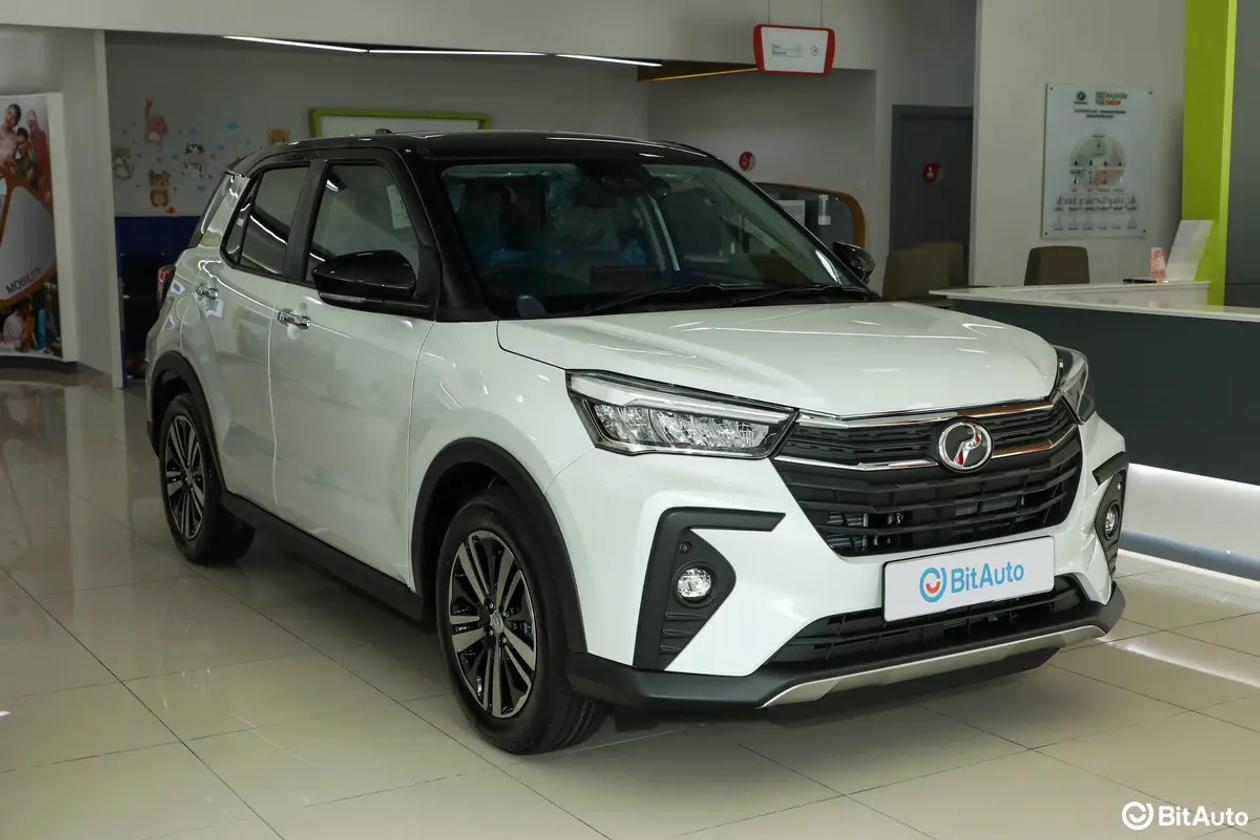
In the Malaysian SUV market around the RM80,000 mark, the Perodua Ativa is a household name.
Priced from RM62,500 with a 1.0-litre three-cylinder turbo engine, it is fuel-efficient, easy to maintain, and effortless to park. Having been on the market for years, it remains one of the most popular choices in this price bracket.
But come 2025, a new contender entered the ring: the Chery Tiggo Cross. Officially priced at RM88,800, it was offered at a promotional price of RM80,800 during its anniversary campaign.
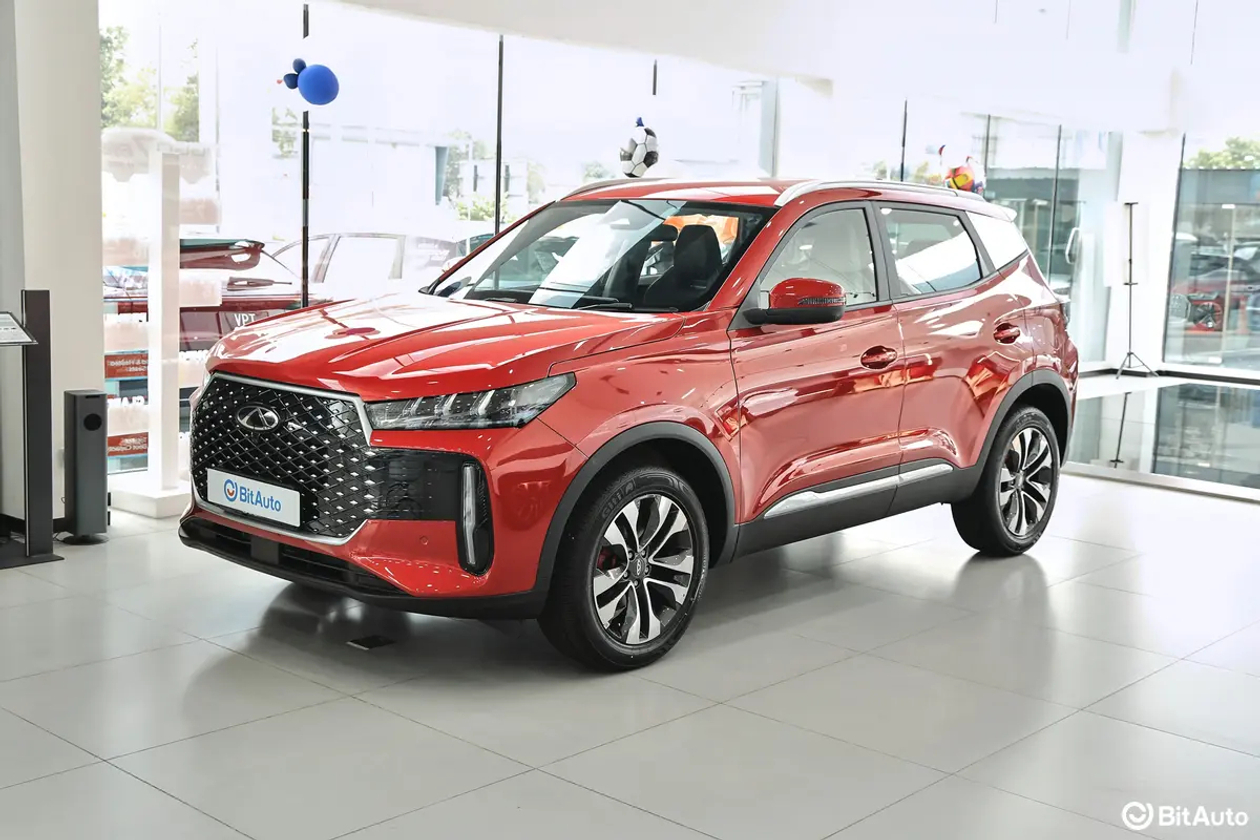
At its narrowest, the price gap between the two is just over RM10,000. On one hand, you have a tried-and-tested compact SUV from our national carmaker; on the other, a larger, turbocharged SUV from a Chinese brand.
So, what does that extra cash actually buy you?
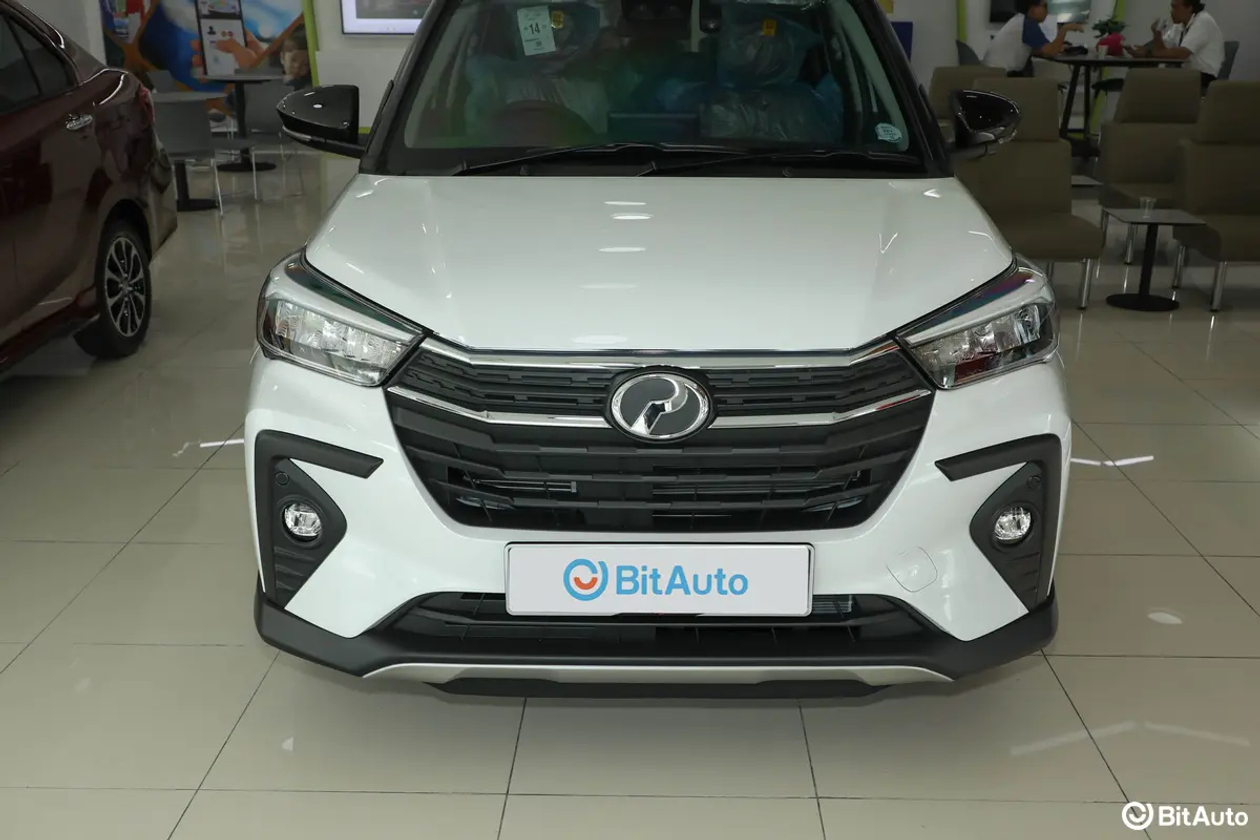
The Perodua Ativa is offered in three variants: the entry-level 1.0 X CVT at RM62,500, the mid-spec 1.0 H CVT at RM67,300, and the range-topping 1.0 AV CVT at RM72,600.
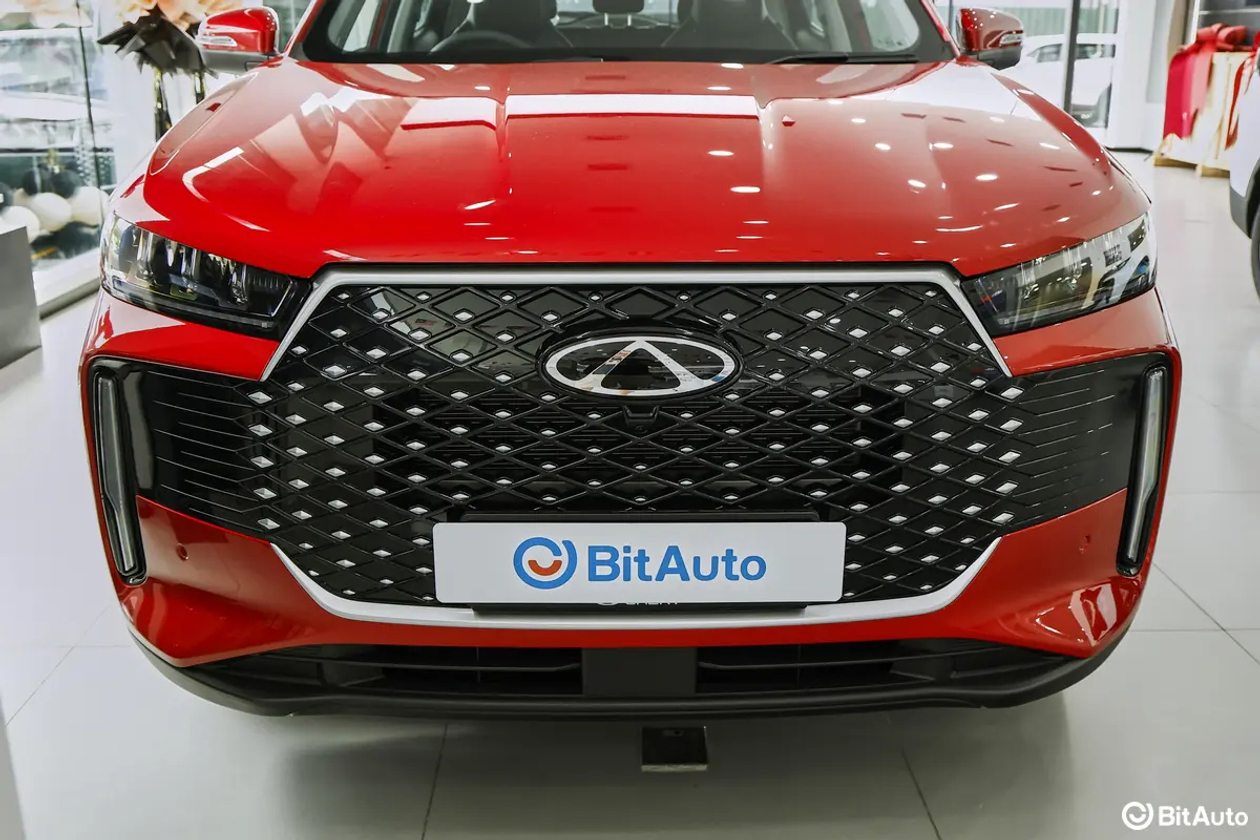
The Chery Tiggo Cross comes in a sole variant, officially retailing at RM88,800 (with a promo price of RM80,800).
How the price gap shapes up depends entirely on which Ativa variant you pit it against.
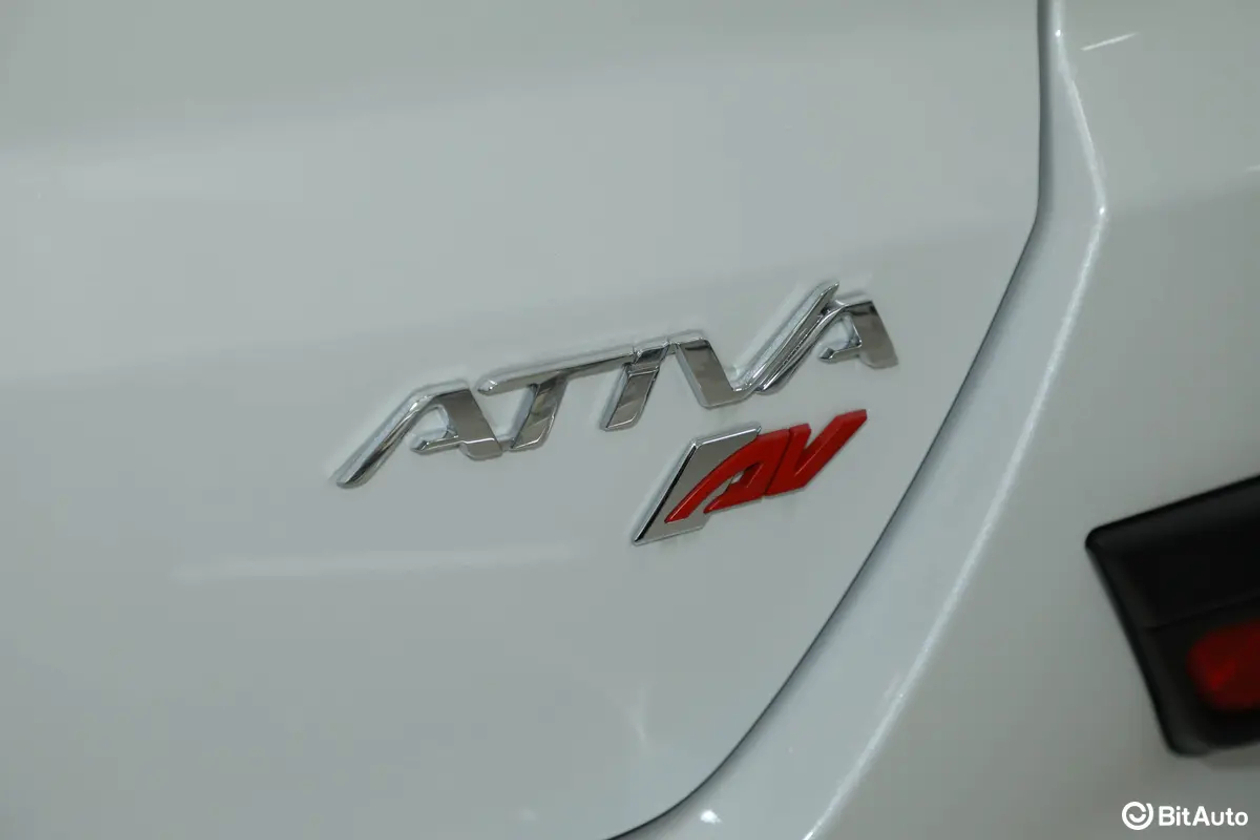
Compare the baseline Ativa X to the Tiggo Cross at its promo price, and the difference is RM18,300. Stack the top-spec Ativa AV against the Tiggo Cross at standard retail price, and the gap is RM16,200. Go with the mid-spec Ativa H versus the promo-priced Tiggo Cross, and you're looking at a difference of RM13,500.
To put it simply, the price difference hovers between RM13,000 and RM18,000, depending on your chosen Ativa variant and whether Chery is running a promotion.
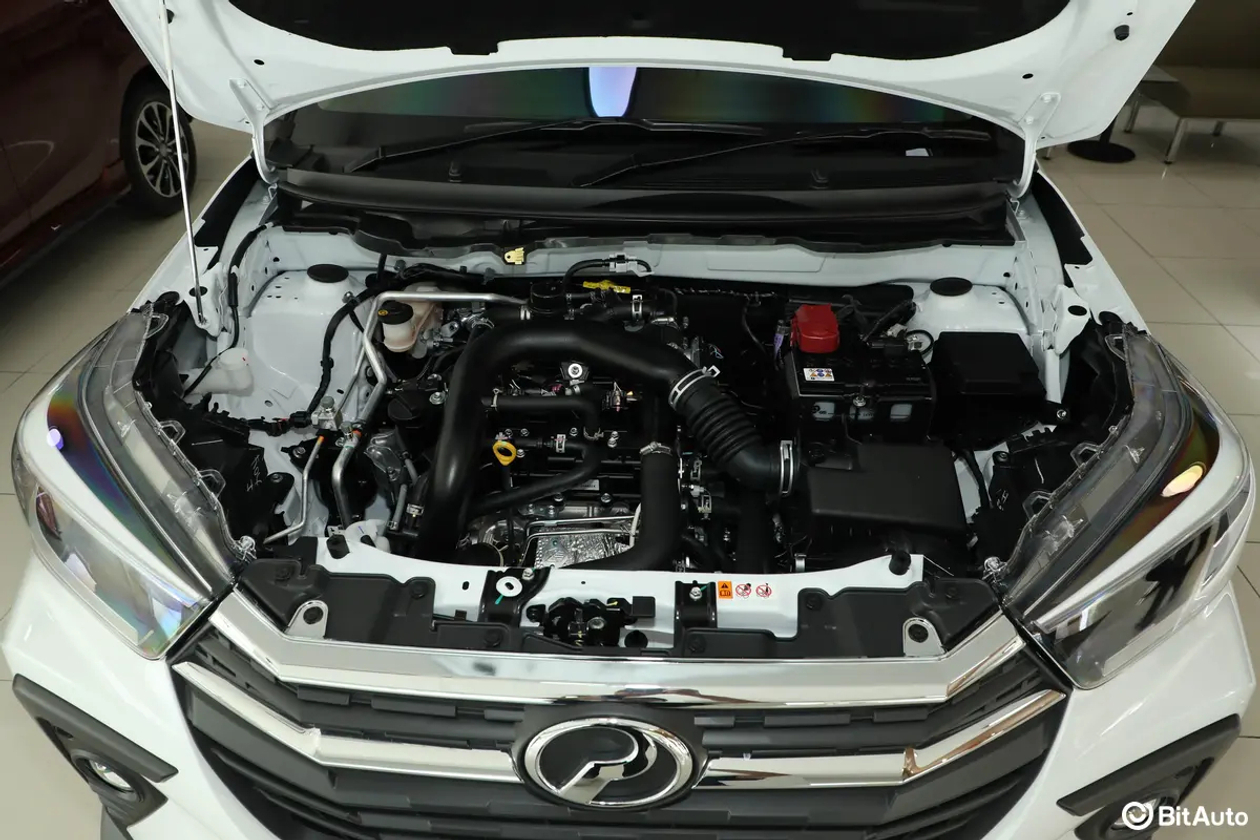
The Ativa features a 1.0-litre three-cylinder turbo engine (1KR-VET) producing 98 PS and 140 Nm of torque, paired with a D-CVT driving the front wheels.
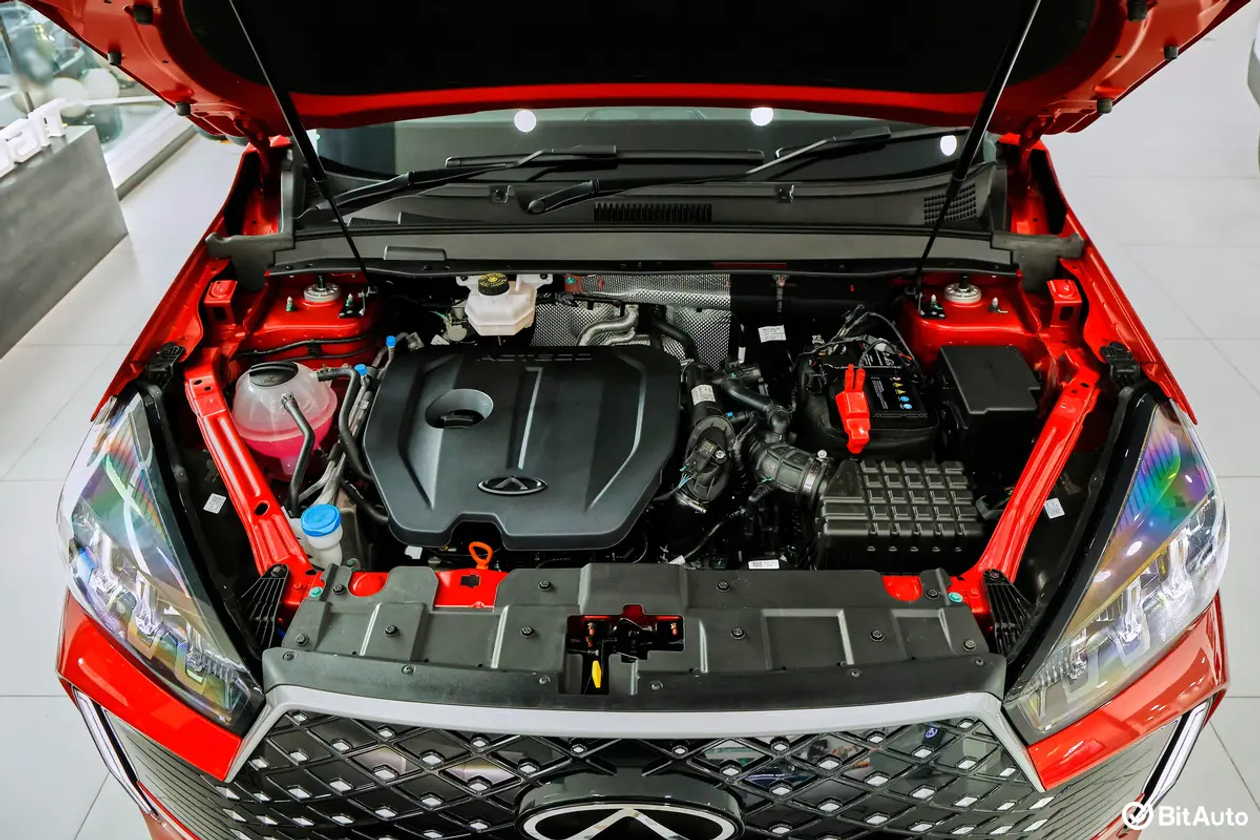
The Tiggo Cross gets a 1.5-litre four-cylinder turbo unit pushing 147 PS and 210 Nm of torque, mated to a six-speed wet dual-clutch transmission (DCT) sending power to the front wheels.
That translates to an extra 49 PS and 70 Nm of torque in favour of the Chery.
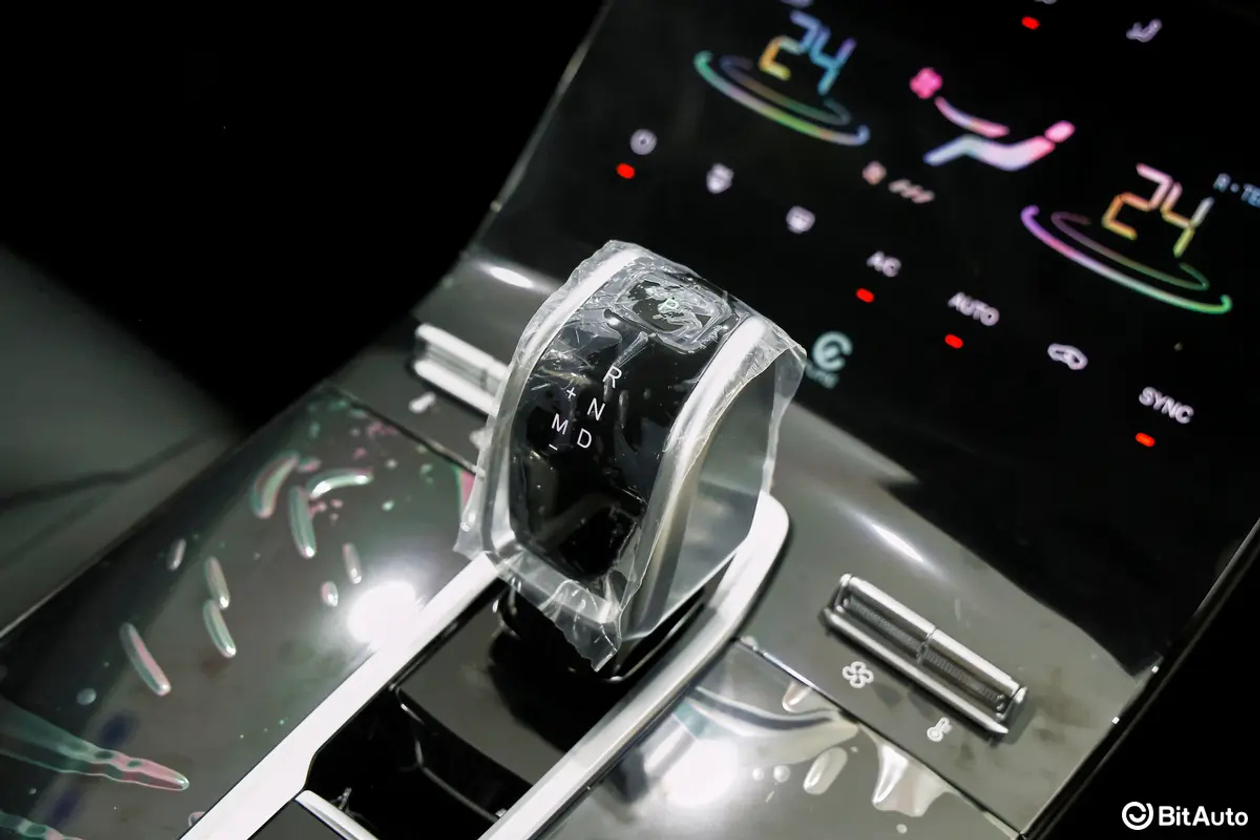
What does this mean in the real world?
Load four adults and climb up Genting Highlands, and the Ativa's engine roar will let you know it's working hard. In the Tiggo Cross, the engine remains more composed.
The Ativa's 98 PS is perfectly fine for urban commuting—zippy, agile, and easy to park. However, when overtaking on the PLUS Highway, you will need to plan ahead and allow for a longer runway.
With 147 PS and 210 Nm, the Tiggo Cross dispatches highway overtaking with ease, requiring no pre-acceleration.
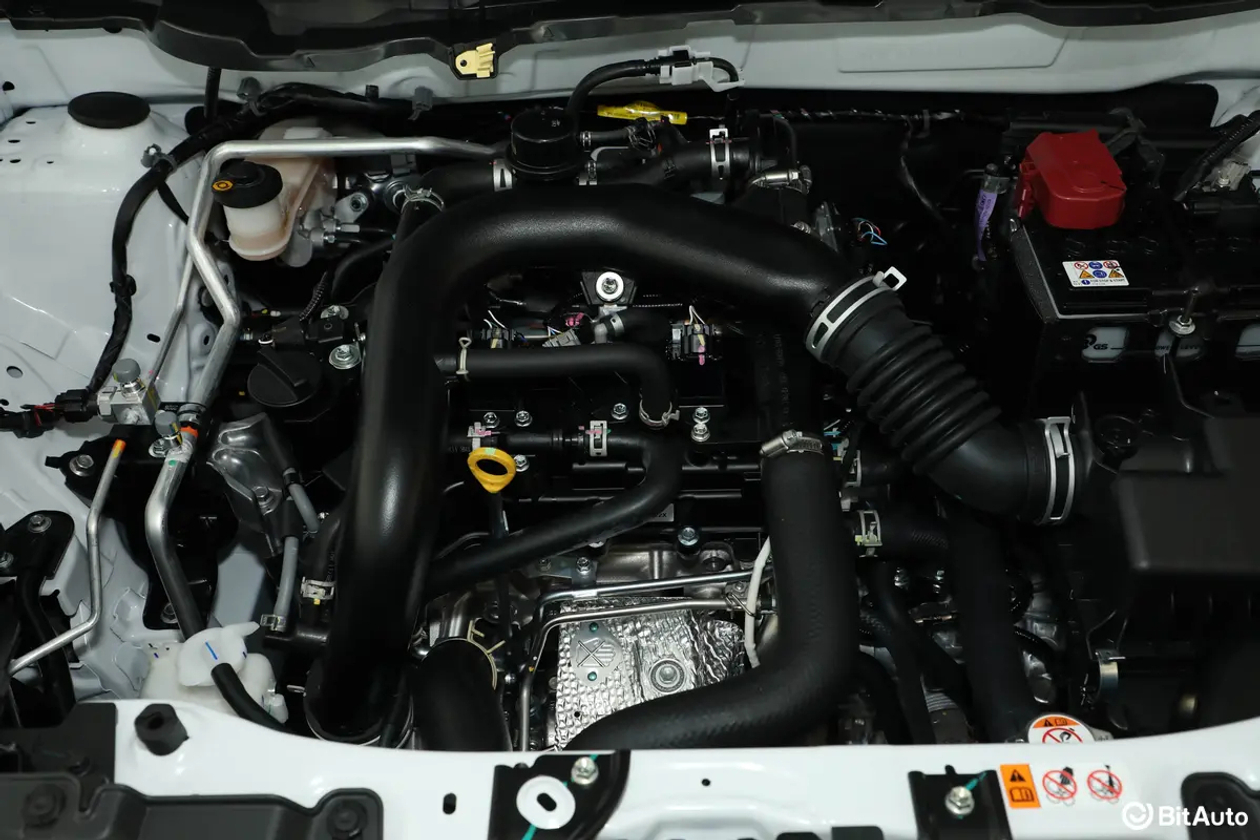
The difference between a three-pot and a four-pot isn't just on paper. The Ativa's three-cylinder exhibits a slight vibration at idle—inherent to its layout. While Perodua has done a commendable job refinement-wise, you can't defy physics.
The Tiggo Cross's four-cylinder is naturally smoother, offering a quieter cabin where the engine barely makes its presence felt.
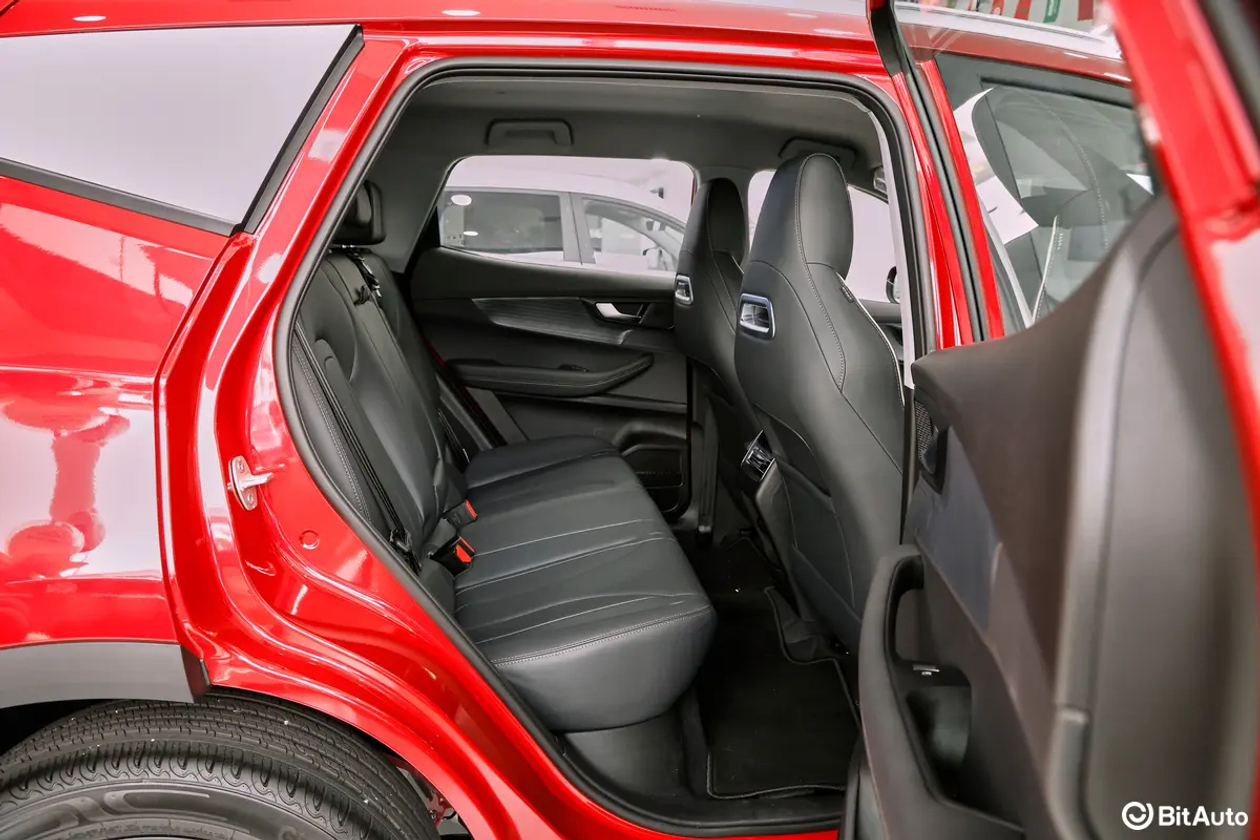
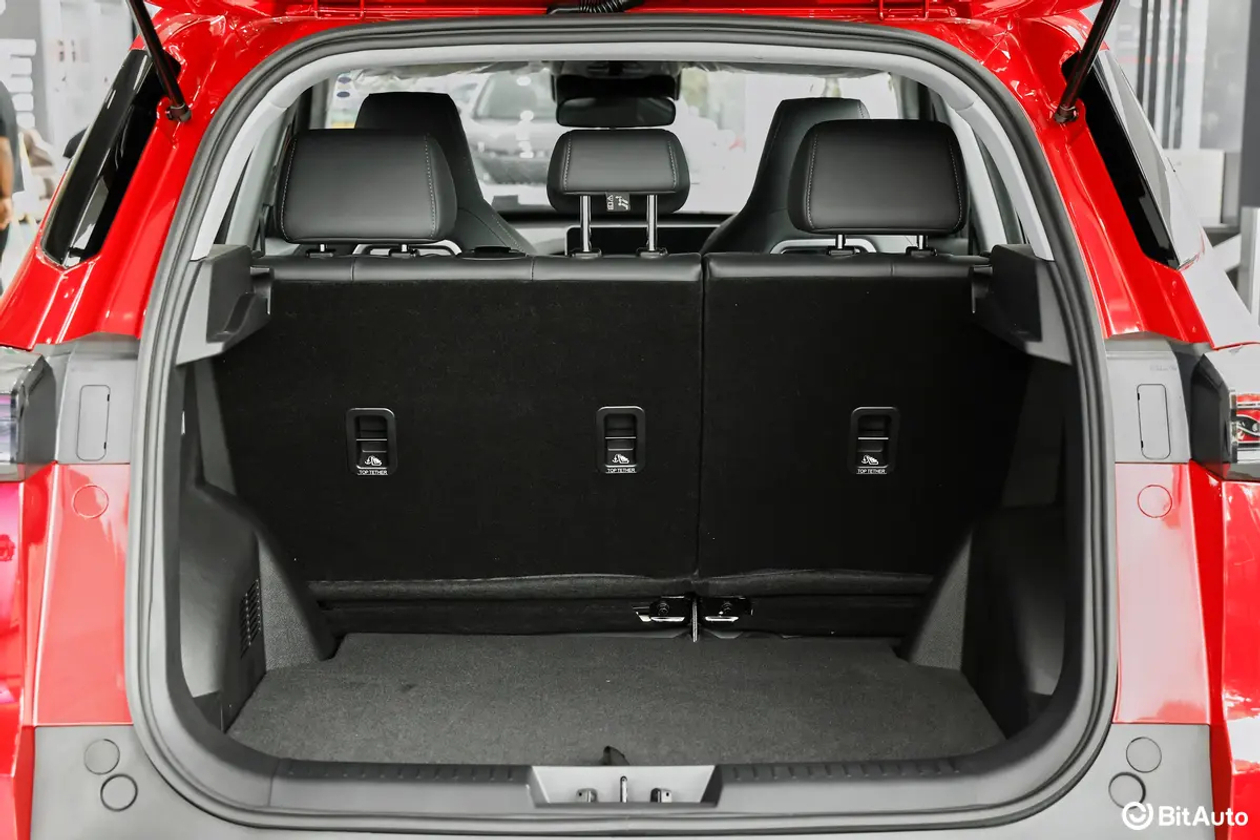
The Tiggo Cross measures 4,318 mm long, 1,830 mm wide, and 1,670 mm tall, with a 2,610 mm wheelbase. Boot space is rated at 380 litres.
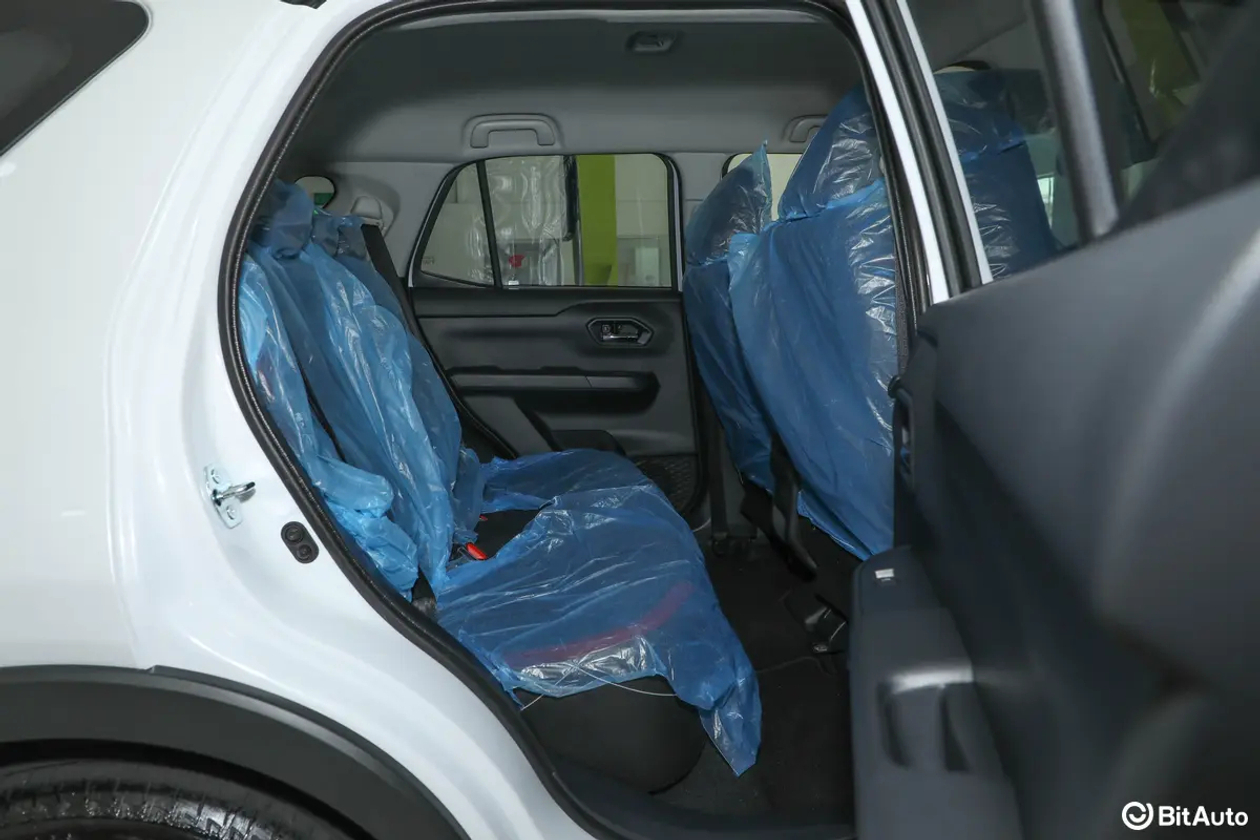
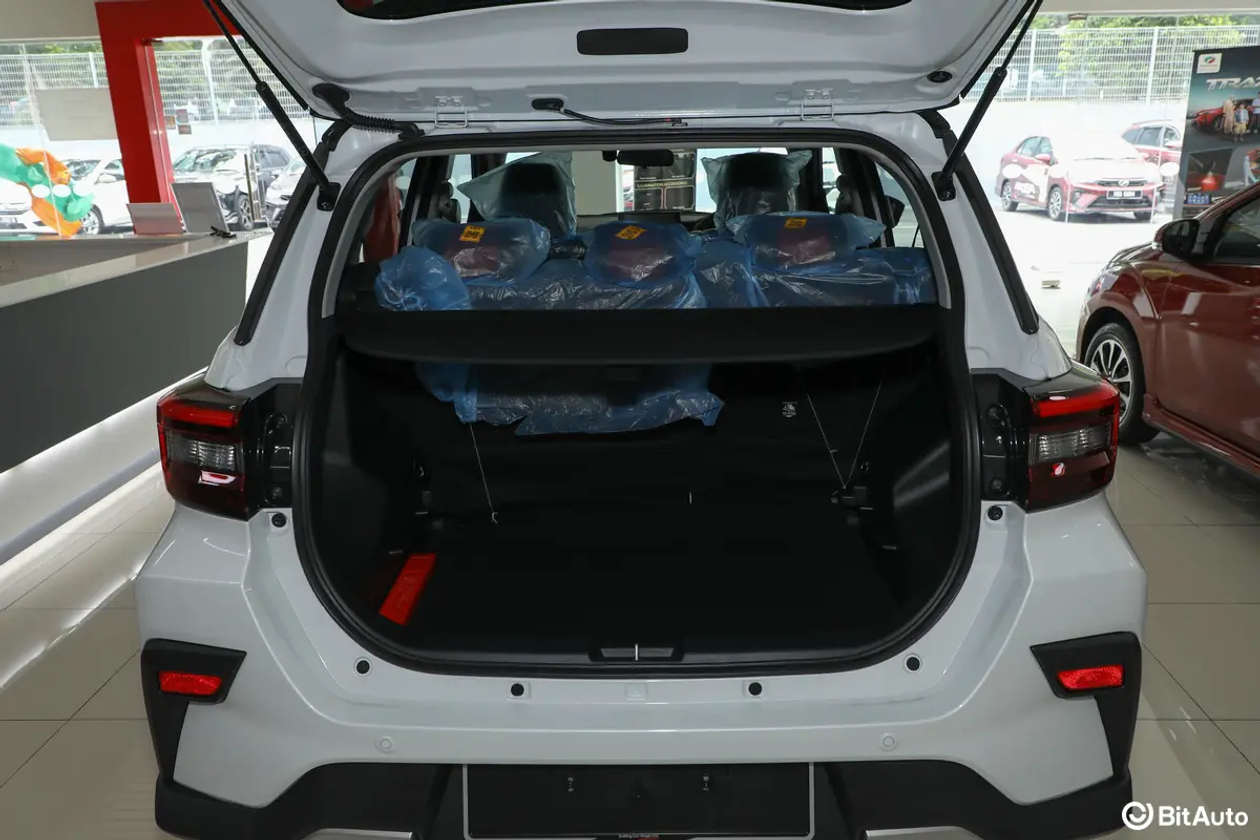
The Ativa is smaller in every dimension, with a slightly smaller boot at 369 litres.
An 11-litre difference in boot space might sound negligible. However, the Tiggo Cross's wider body track means that three adults can sit abreast in the rear without rubbing shoulders. If you frequently travel with a full load, this cabin width makes a massive difference.
Put simply, the Tiggo Cross is a proper compact SUV. The Ativa is a compact crossover—great for tight parking spaces, but snug in terms of rear cabin room.
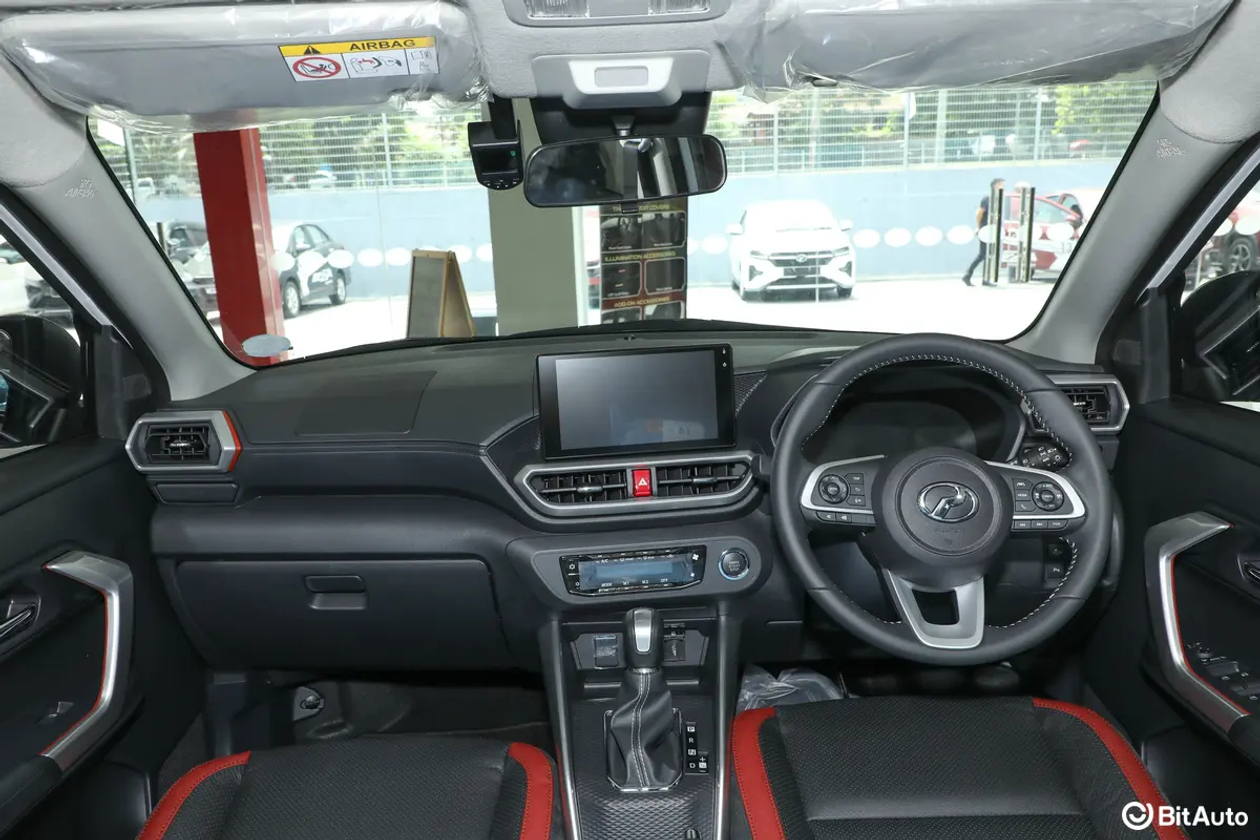
The Ativa gets six airbags as standard. While higher variants feature Perodua's ASA 3.0 (Advanced Safety Assist), the full ADAS suite is reserved for the range-topper. The infotainment screen and audio system are decent, but basic by today's standards.
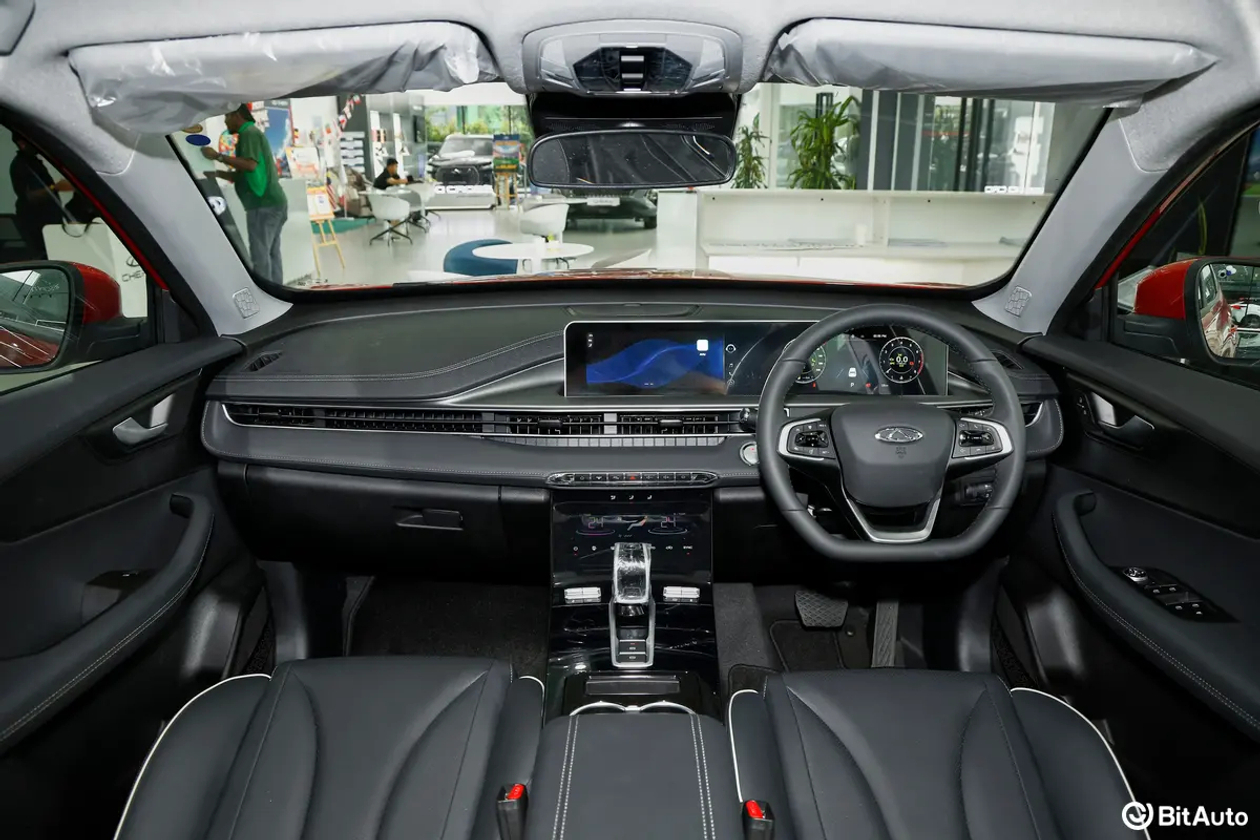
In contrast, the Tiggo Cross is impressively specced for the price.
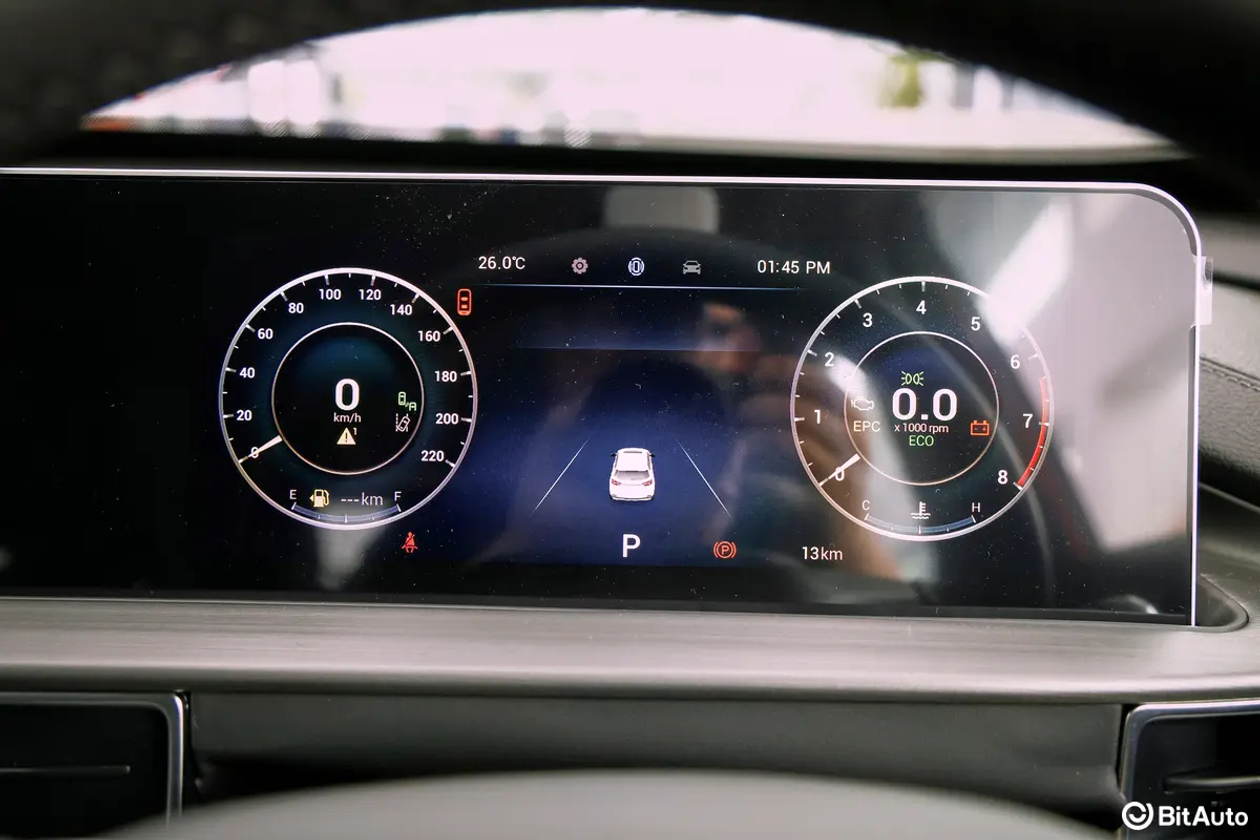
You get dual 10.25-inch screens (digital instrument cluster and infotainment), wireless Apple CarPlay and Android Auto, a 540-degree camera system (360-degree view with underfloor view), plus front and rear parking sensors.
There's also a comprehensive ADAS suite including Adaptive Cruise Control, Blind Spot Detection, Rear Cross Traffic Alert, Lane Departure Prevention, and Autonomous Emergency Braking, alongside six airbags.
Step into the Tiggo Cross, and it instantly feels a generation ahead of the Ativa. It's not that the Ativa is bad, but its design is purely pragmatic. The Tiggo Cross targets buyers with a tech-heavy spec list, which is typical of Chinese carmakers at this price point.
The Ativa claims an official fuel consumption of 5.3L/100km, whereas the Tiggo Cross is rated at 6.3L/100km. That is an extra litre of petrol per 100km.
Assuming an annual mileage of 20,000 km, the Tiggo Cross will use an extra 200 litres of fuel annually. At the current RON 95 rate of RM1.99 per litre, that's an extra RM400 a year—roughly the cost of a decent Japanese dinner.
For road tax, the Ativa's 1.0-litre displacement costs just RM20 a year, while the Tiggo Cross's 1.5-litre engine incurs RM120 annually. The difference is RM100, or about the price of two Starbucks coffees.
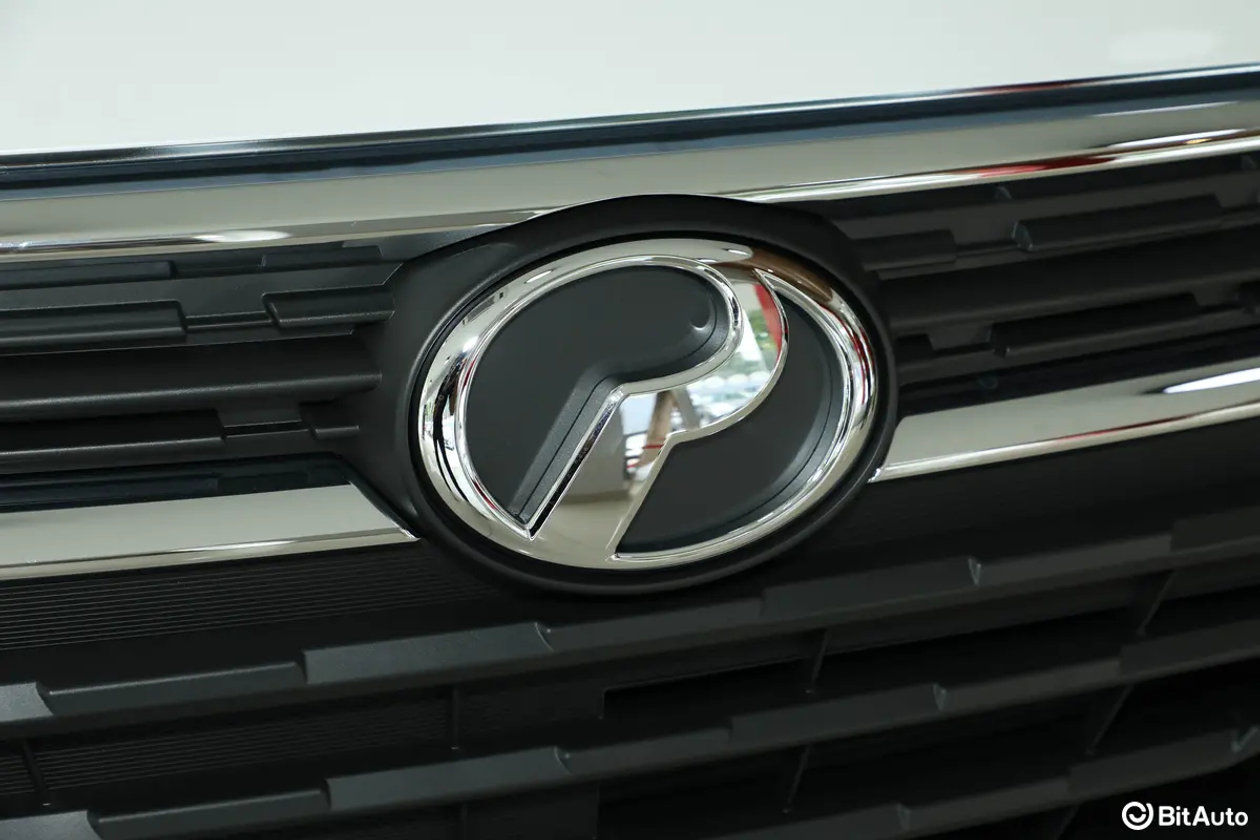
Maintenance-wise, Perodua's service network covers almost every corner of Malaysia with affordable, transparent pricing. Chery is expanding its service network rapidly, but it still has to match Perodua's sheer footprint.
While the locally assembled (CKD) Tiggo Cross should have better parts availability than fully imported (CBU) models, Perodua's aftersales dominance is hard to beat.
This is the most unavoidable issue for the Tiggo Cross.
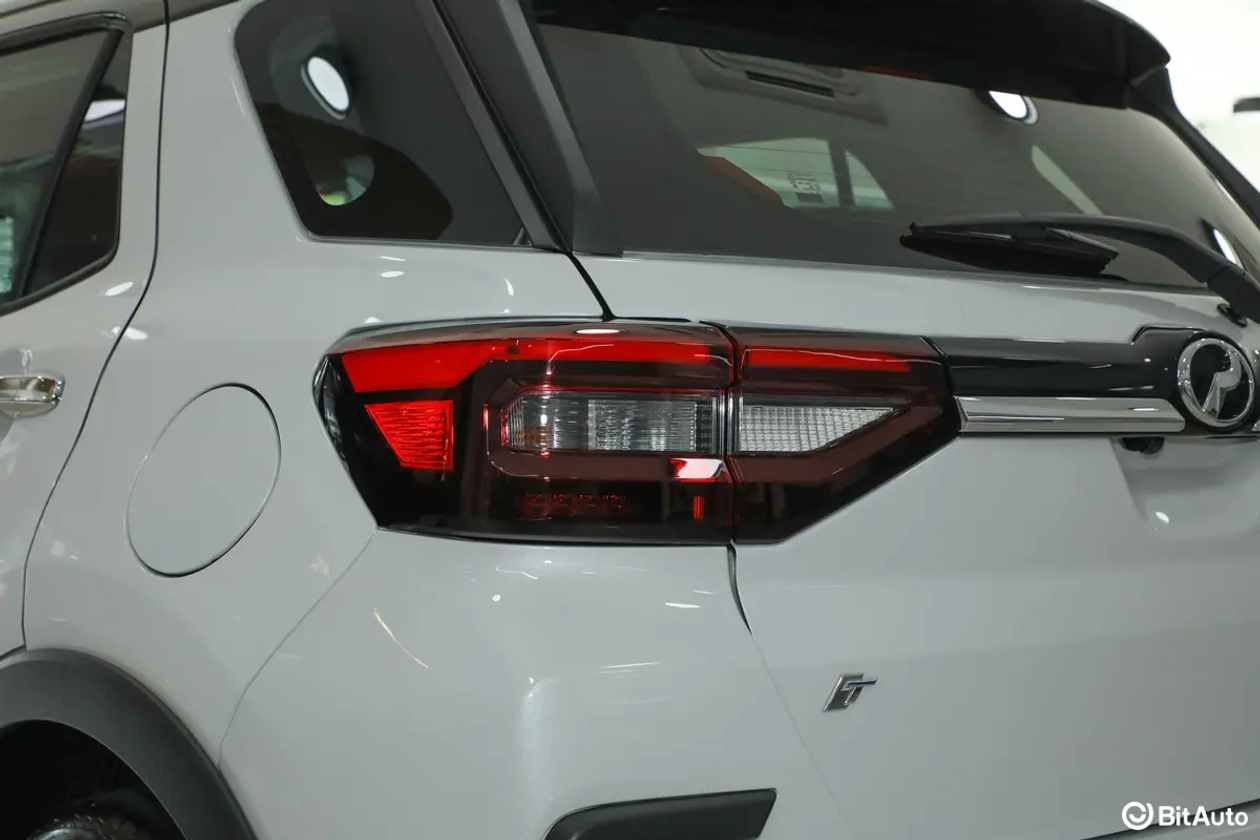
With Perodua's long-established brand equity in Malaysia, the Ativa enjoys excellent resale value backed by solid market data. A three-year-old Ativa retains its value exceptionally well, ranking at the top tier of its segment.
For Chery, the resale value of the Tiggo Cross remains a wildcard. With the model still relatively new, it hasn't hit the used car market in significant numbers yet, making its three-year depreciation rate an unknown.
Historically, Chinese brands in Malaysia have struggled to match the residual values of Japanese or established national makes. Whether Chery can buck this trend remains to be seen.
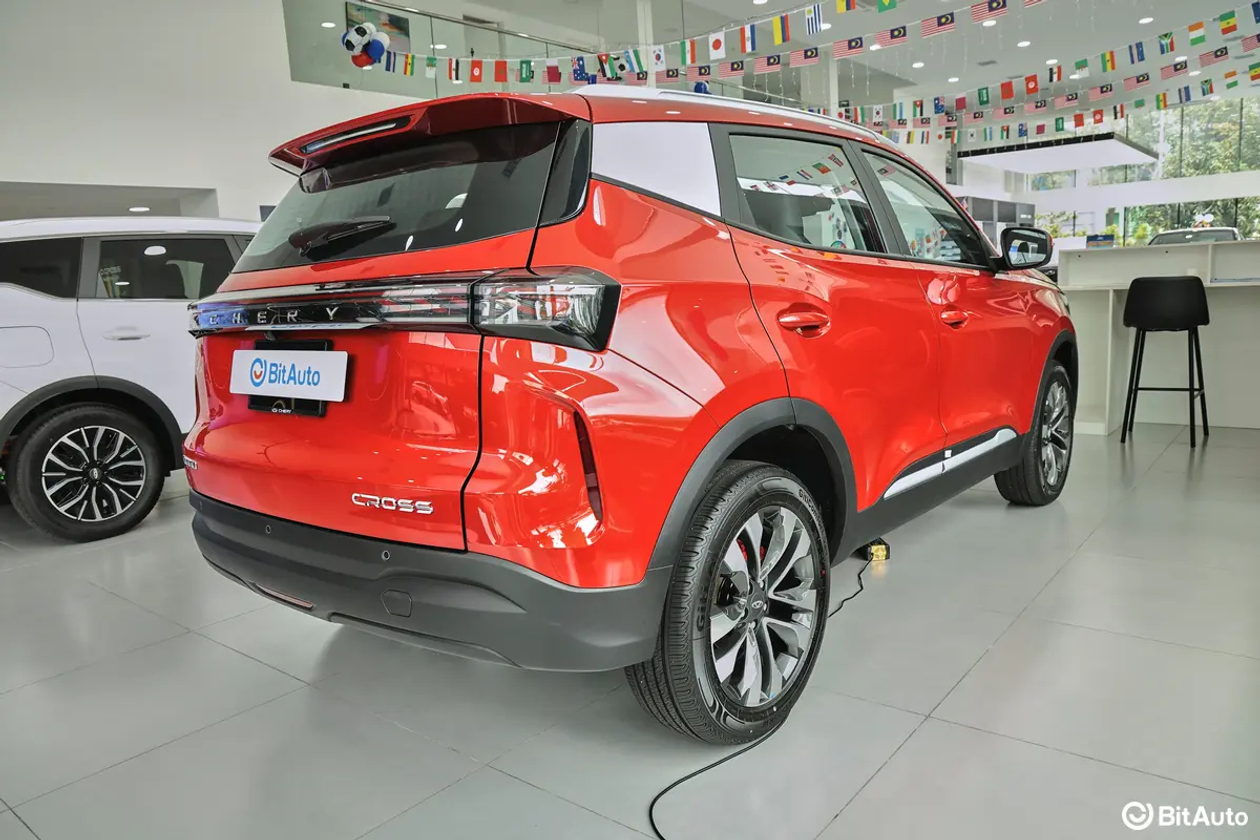
However, the Tiggo Cross offers a larger footprint, stronger performance, and a far richer equipment list. While these features might not entirely translate into cash at resale, they elevate your daily driving experience throughout your ownership.
First: How long do you plan to keep the car?
If you plan to upgrade in three years, the Ativa's strong resale value will save you money by mitigating depreciation. However, if you plan to keep the car for five years or more, depreciation becomes less of a factor, and the daily benefits of the Tiggo Cross's extra space and power will shine through.
Second: How many passengers do you regularly carry?
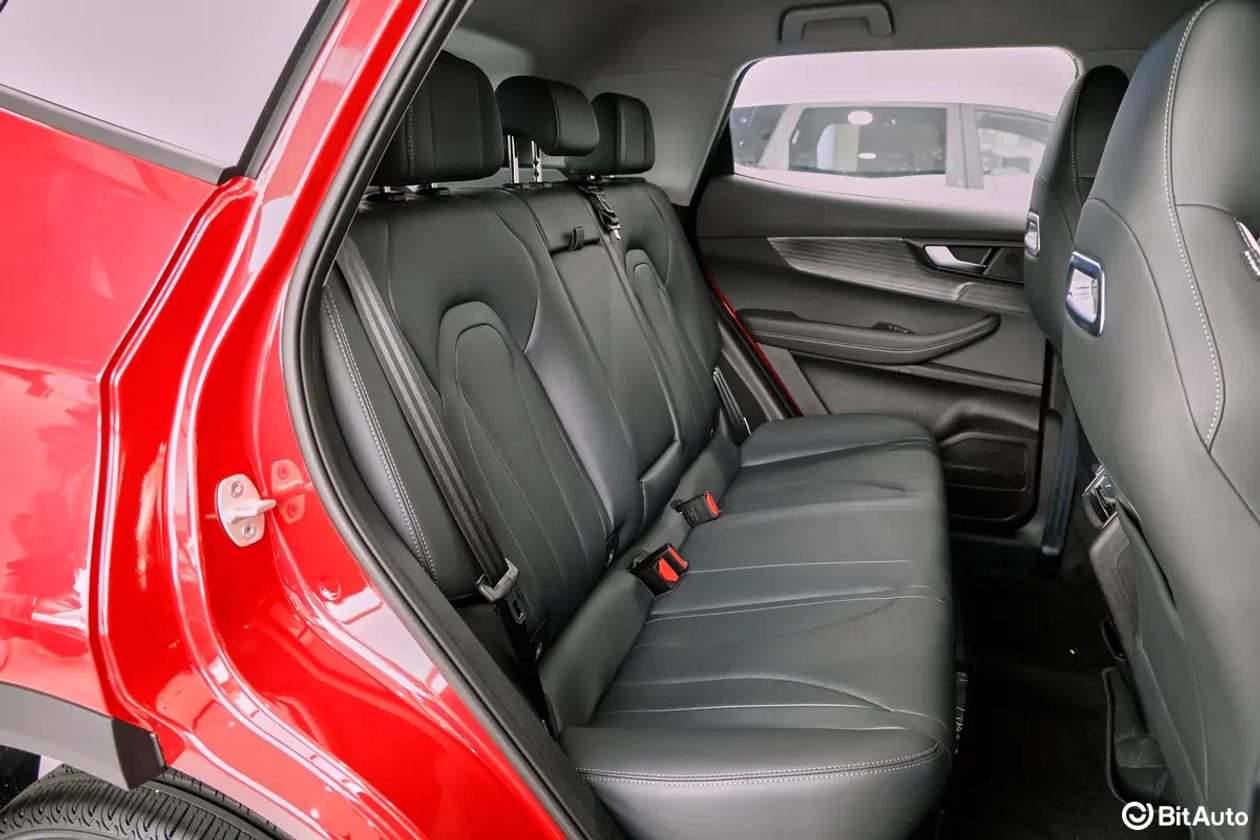
If you're solo commuting most of the time, the Ativa is more than enough, and you can keep the saved cash for other expenses. But if you frequently travel with family or do long-distance interstate drives, the Tiggo Cross's superior space and highway power will make every journey far more comfortable.
Both models make a strong case for themselves. The Ativa is the sensible choice for fuel efficiency, low running costs, and strong resale value. The Tiggo Cross targets buyers looking for space, performance, and tech. It's not a question of which is better, but which one fits your lifestyle.


Your go-to source for all things automotive in Malaysia. 🚗 Latest reviews, breaking news, launches & industry trends.
+ Follow No surprises to as which EV topped the sales charts for September.
That said, it appears that customers prefer the iCaur 03 over the V23? 1 minute ago
No surprises to as which EV topped the sales charts for September.
That said, it appears that customers prefer the iCaur 03 over the V23? 1 minute ago  The Proton Saga has once again inched ahead of the Perodua Bezza in September, becoming the best-selling model for that month.
Could the Bezza topple the Saga for October, or will the Saga continue its reign? 10 hours ago
The Proton Saga has once again inched ahead of the Perodua Bezza in September, becoming the best-selling model for that month.
Could the Bezza topple the Saga for October, or will the Saga continue its reign? 10 hours ago  If the AMA02 Proton Saga Cross / X30 looked like this, would you buy one?
Theottle rendered this and we think it looks amazing! 11 hours ago
If the AMA02 Proton Saga Cross / X30 looked like this, would you buy one?
Theottle rendered this and we think it looks amazing! 11 hours ago Get the latest car news first!
Your go-to source for all things automotive in Malaysia. 🚗 Latest reviews, breaking news, launches & industry trends.
No surprises to as which EV topped the sales charts for September.
That said, it appears that customers prefer the iCaur 03 over the V23? 1 minute ago The Proton Saga has once again inched ahead of the Perodua Bezza in September, becoming the best-selling model for that month.
Could the Bezza topple the Saga for October, or will the Saga continue its reign? 10 hours ago If the AMA02 Proton Saga Cross / X30 looked like this, would you buy one?
Theottle rendered this and we think it looks amazing! 11 hours ago 
© 2024 Bitauto.com. All Rights Reserved.
Bitauto (www.yiche.com and www.bitauto.com) is one of the most visited automotive websites in China. We provide detailed info on Chinese car brands available in your area. Please note that the information provided on this website is based on publicly available data and is for reference only. It may not be fully updated or accurate at all times.

Help us improve our website


