
Search History
Popular Searches
English
Dealer Login / Sign Up
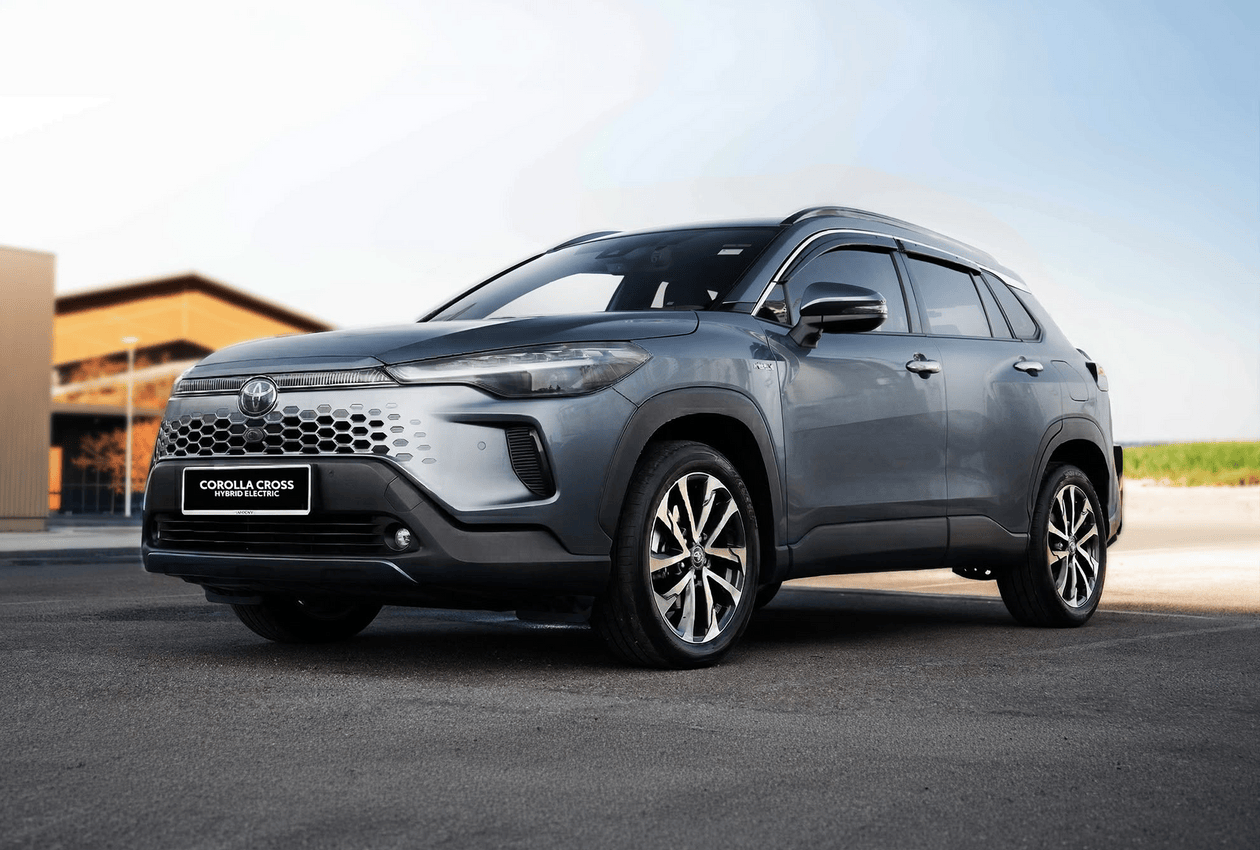
Mention the word “hybrid” and one of the first questions Malaysian buyers tend to ask is: how much will the battery cost when it eventually fails?
It is an understandable concern, but it also treats every electrified vehicle as though it works like an EV. A Toyota Hybrid Electric Vehicle (HEV) uses its battery very differently. It does not need to travel 100 km on electricity alone, nor must it store enough energy for an entire day’s driving.
Instead, the battery acts more like a compact energy buffer. It captures electricity that would otherwise be lost during braking, releases it to motivate the vehicle away from a standstill and assists the petrol engine whenever doing so improves efficiency.
In this context, having a small battery is not necessarily a disadvantage. In fact, it forms a large part of the Toyota hybrid appeal.
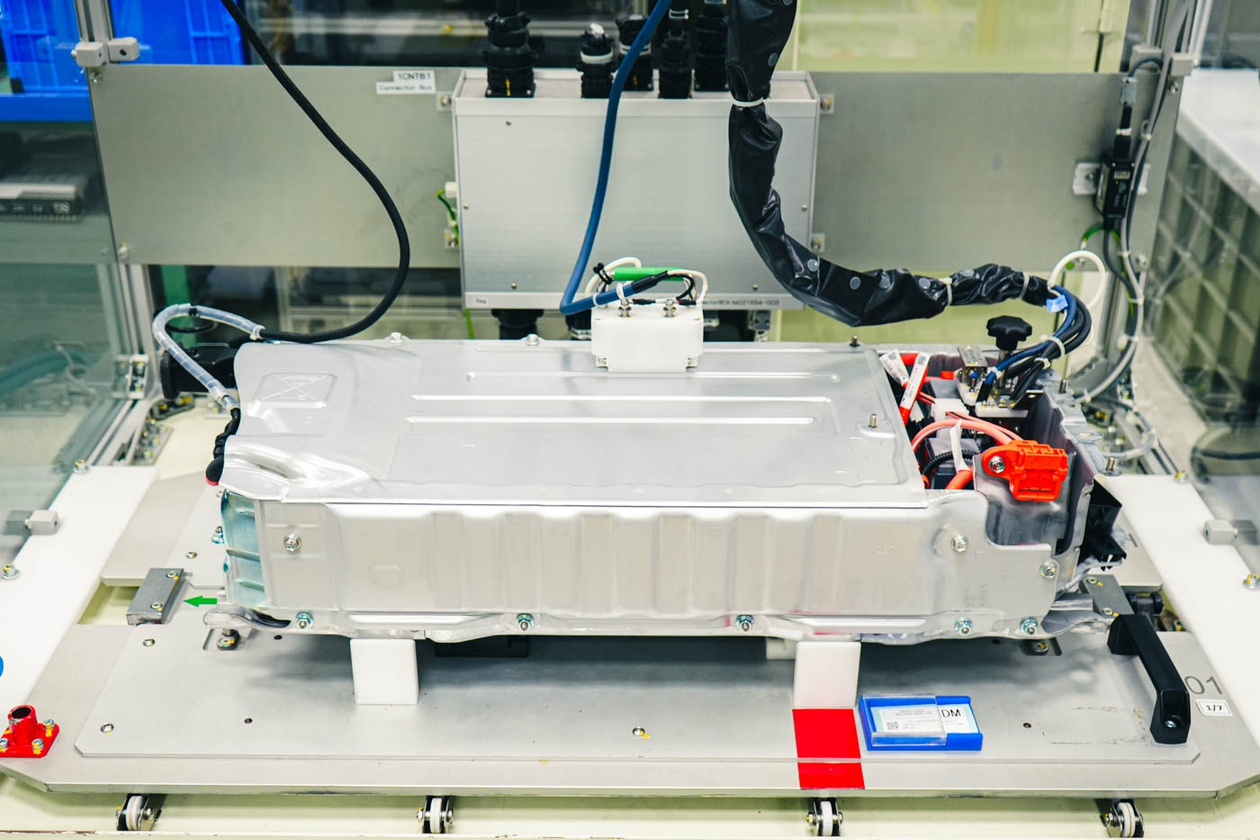
Take the Toyota Corolla Cross Hybrid as an example. Its nickel-metal hydride (NiMH) battery is rated at 201.6 volts and 6.5 Ahr . Multiply the two figures and it works out to approximately 1.31 kWh, of nominal energy capacity.
That is tiny compared with the 40 to 80 kWh batteries commonly fitted to fully electric vehicles (EVs). More importantly, it is only around 1.6% to 3.3% of their capacity.
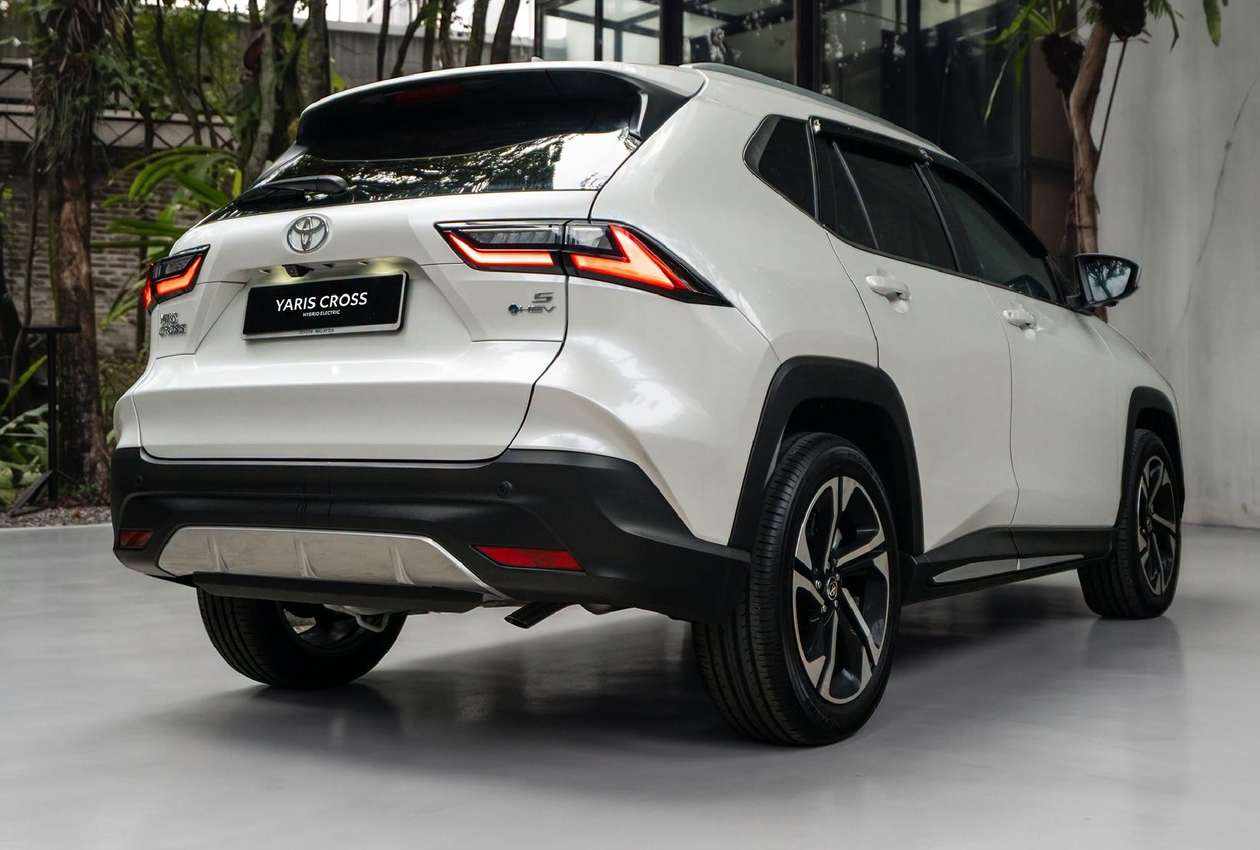
The newer Toyota Yaris Cross Hybrid goes smaller still, using a 0.76 kWh lithium-ion battery. Despite having a smaller battery than the Corolla Cross Hybrid, its petrol engine and electric motor still produce a combined 111 PS. That is because an HEV’s performance is not determined by battery capacity alone.
For comparison, the Honda HR-V e:HEV uses a lithium-ion battery of approximately 1.1 kWh. Honda’s system works differently because its 131 PS traction motor performs most of the driving, while the engine frequently functions as a generator before connecting directly to the wheels under suitable cruising conditions.
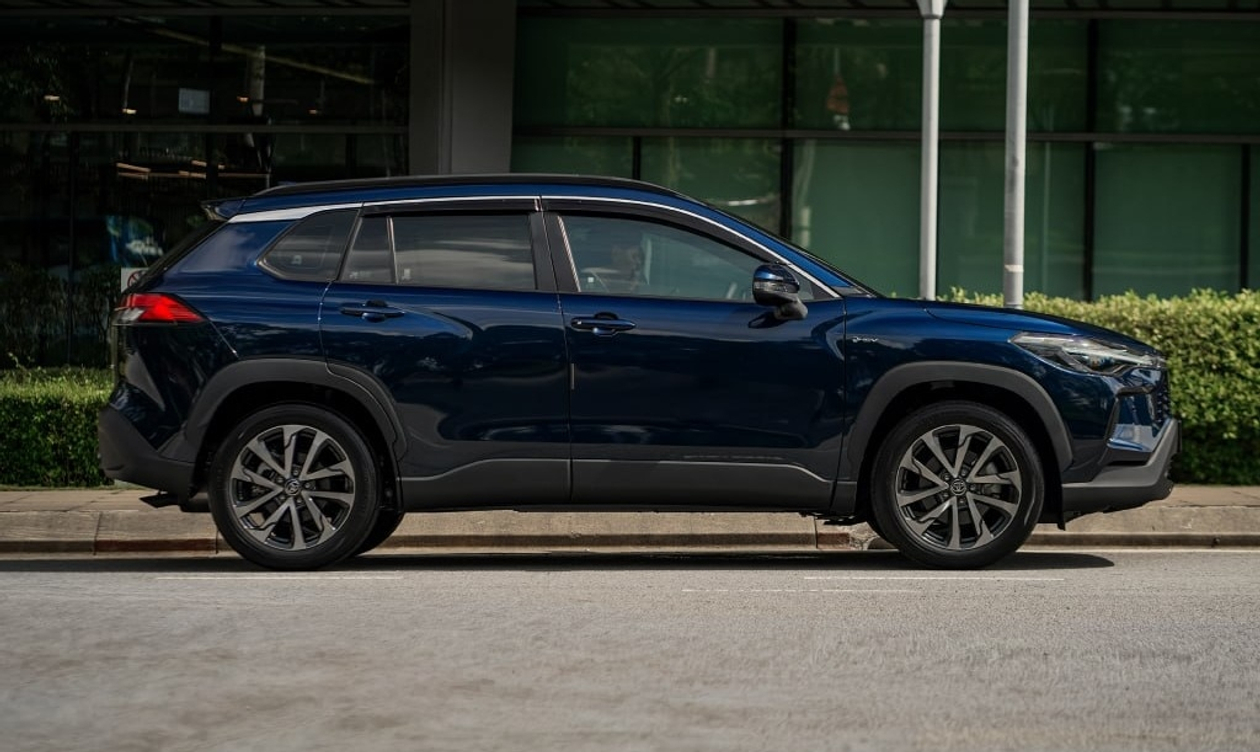
So, are Toyota’s HEV batteries always the smallest? Not quite. Battery sizes vary according to the vehicle and generation, and the Corolla Cross pack is nominally larger than the HR-V’s.
A more accurate observation is that Toyota generally uses only as much battery as its hybrid system requires. Its priority is not long-distance EV driving, but frequent and rapid energy recovery and deployment.
An HEV battery experiences a very busy life. In urban traffic, it may be recharged under braking, discharged when the vehicle moves off and then repeat the cycle many times within a single journey.
Toyota protects the battery by avoiding the extremes of its capacity. Its hybrid control system generally keeps the battery pack within a partial state-of-charge (SoC) window instead of repeatedly charging it to 100% or draining it to zero.
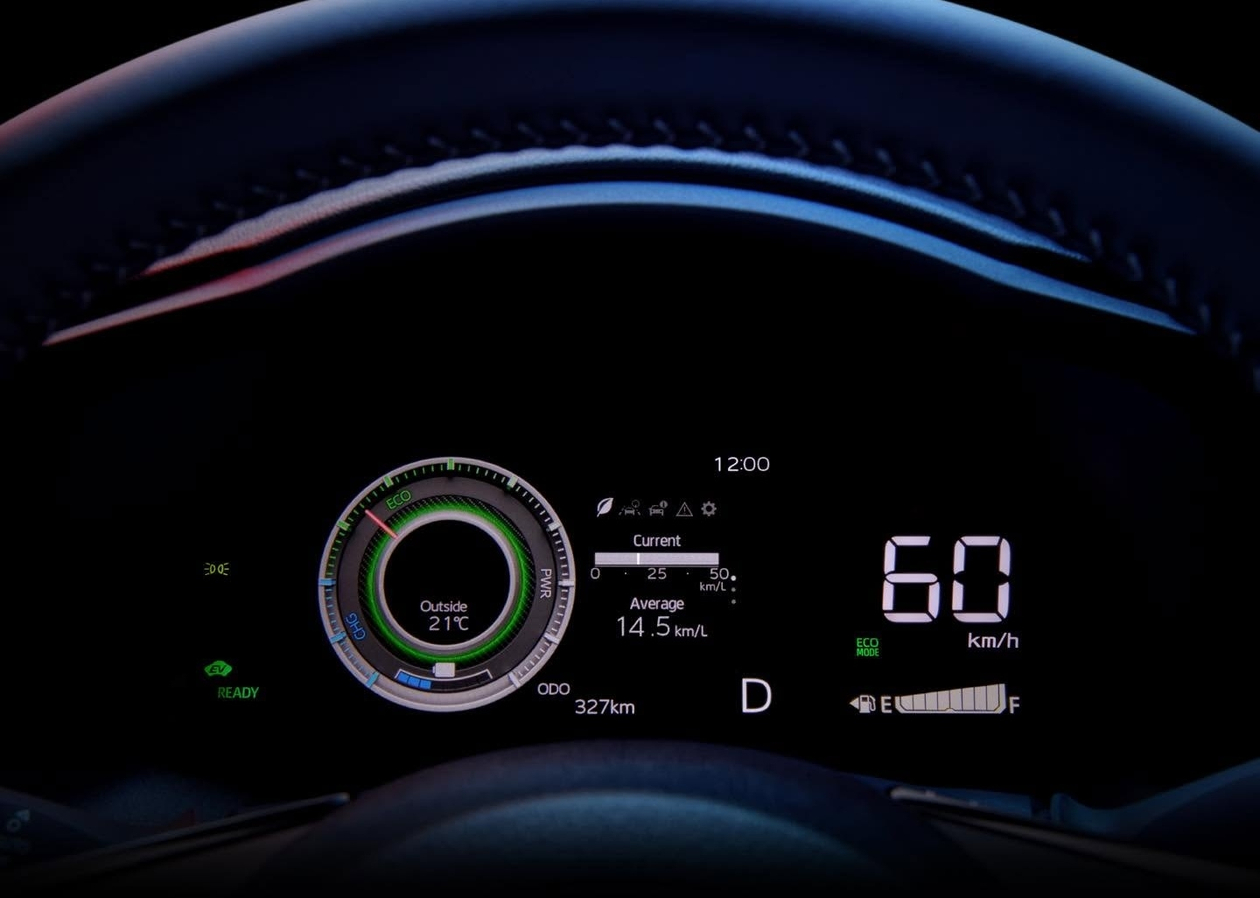
Toyota has described that the battery’s operating range for its hybrids isn’t from charging to full to discharging to empty; typically within the mid-way point, as it would put the least amount of wear on its cell. That said, the actual usable amount varies according to temperature, battery condition and the system’s control strategy.
This restricted operating window reduces stress on the cells while preserving enough empty capacity to accept regenerated energy. It also explains why the battery gauge in a Toyota hybrid does not behave like one in an EV. The car is managing the battery for you, so there is no need to chase a full charge. Likewise, seeing the gauge fall during slow traffic does not mean that the battery is being dangerously depleted.
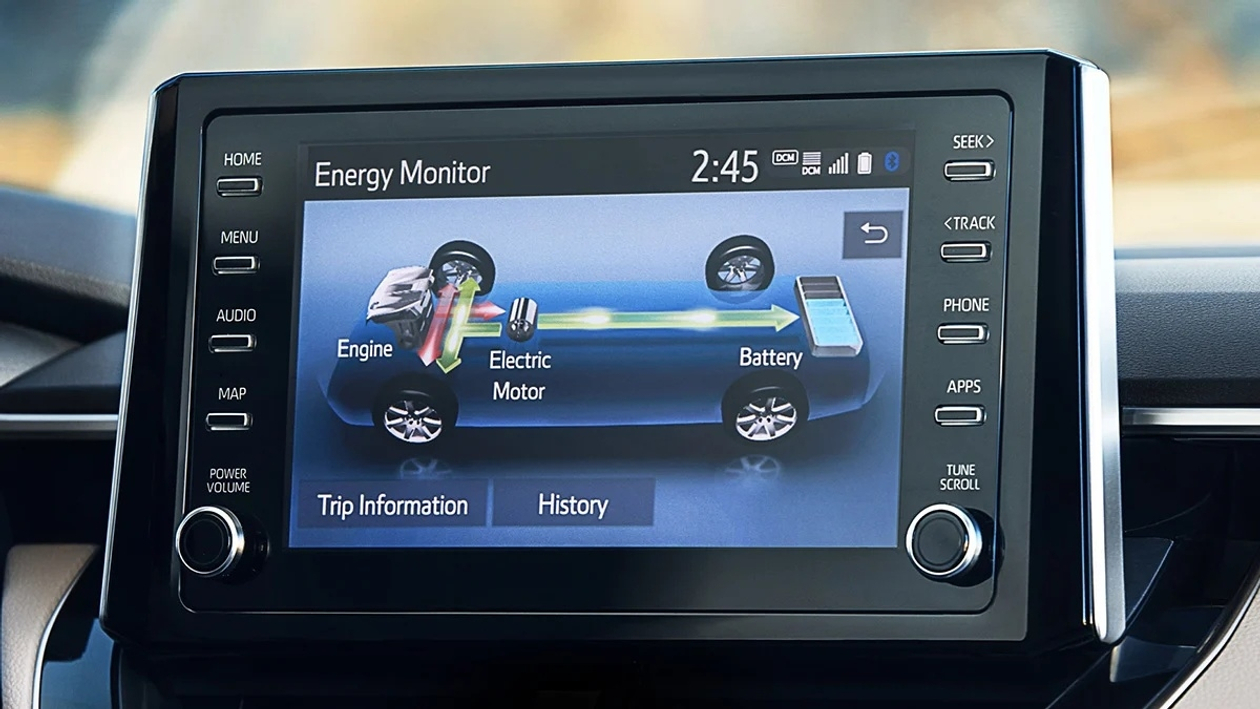
Once the charge level falls, the petrol engine and generator replenish it. When the driver brakes or lifts off the accelerator, the traction motor can reverse its role and recover some of the vehicle’s kinetic energy.
Therefore, the battery does not need to be especially large. It only needs sufficient capacity and power to keep this energy exchange flowing.
A smaller pack also brings several practical benefits. It weighs less, costs less to manufacture and requires fewer raw materials than a larger battery pack. It is also easier to package beneath the rear seats, as Toyota has done with the Corolla Cross Hybrid, allowing the hybrid SUV to retain the same 440-litre luggage capacity as its petrol sibling.
The Corolla Cross Hybrid’s use of NiMH chemistry may appear old-fashioned next to newer lithium-ion batteries, but that does not automatically make it inferior.
Lithium-ion offers greater energy density, allowing engineers to store more energy in a lighter and smaller package. That is useful where packaging, electric performance and vehicle weight are priorities. Hence, Toyota itself uses lithium-ion batteries in models such as the Yaris Cross Hybrid.
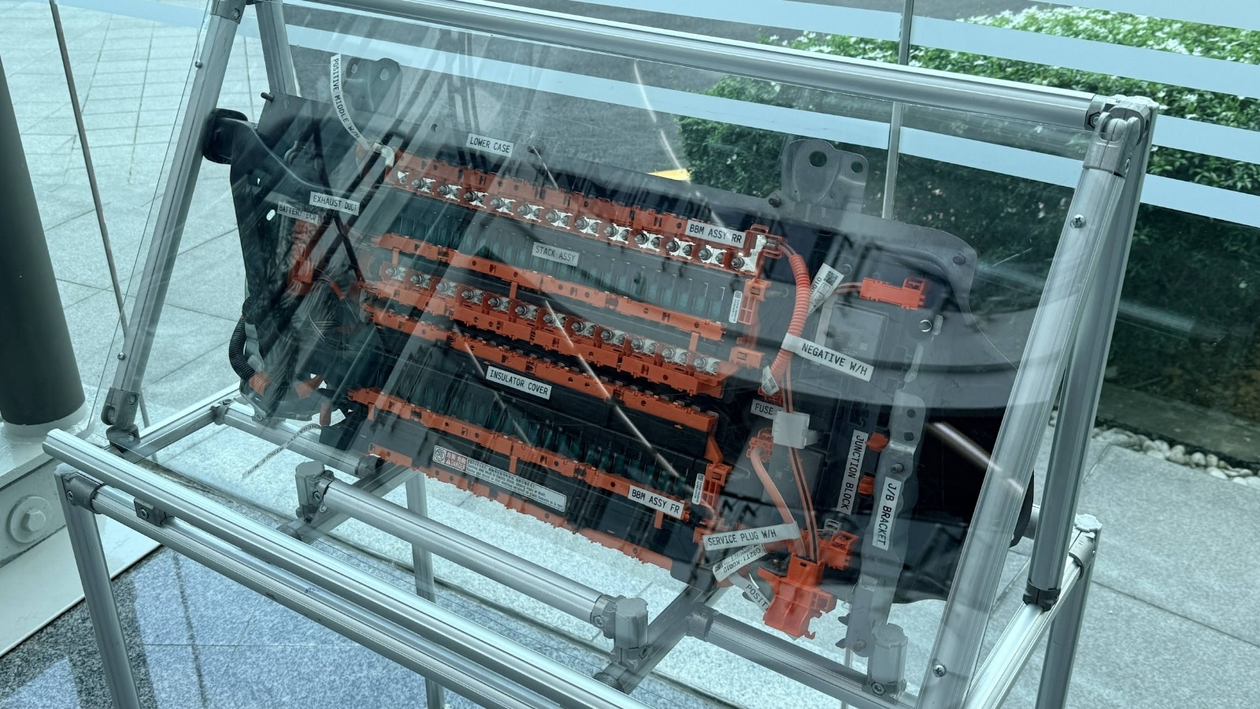
NiMH is less energy-dense, but it has a long-established durability record, tolerates frequent shallow charge-discharge cycles better and is relatively predictable under varied operating conditions. Those are useful qualities for a conventional hybrid that cycles its battery repeatedly rather than attempting to maximise electric-only range.
Toyota therefore is not committed exclusively to one chemistry. The company selects NiMH or lithium-ion according to the requirements, packaging and cost targets of each vehicle.
The other major piece of the reliability equation is Toyota’s electronically controlled continuously variable transmission, or e-CVT.
Despite the name, it should not be confused with the belt-and-pulley CVT fitted to many conventional petrol cars. Toyota’s hybrid transaxle uses two motor-generators and a mechanical power-split device based around planetary gears. By controlling the speed of the motor-generators, the system varies the relationship between engine speed and road speed without using conventional stepped ratios.
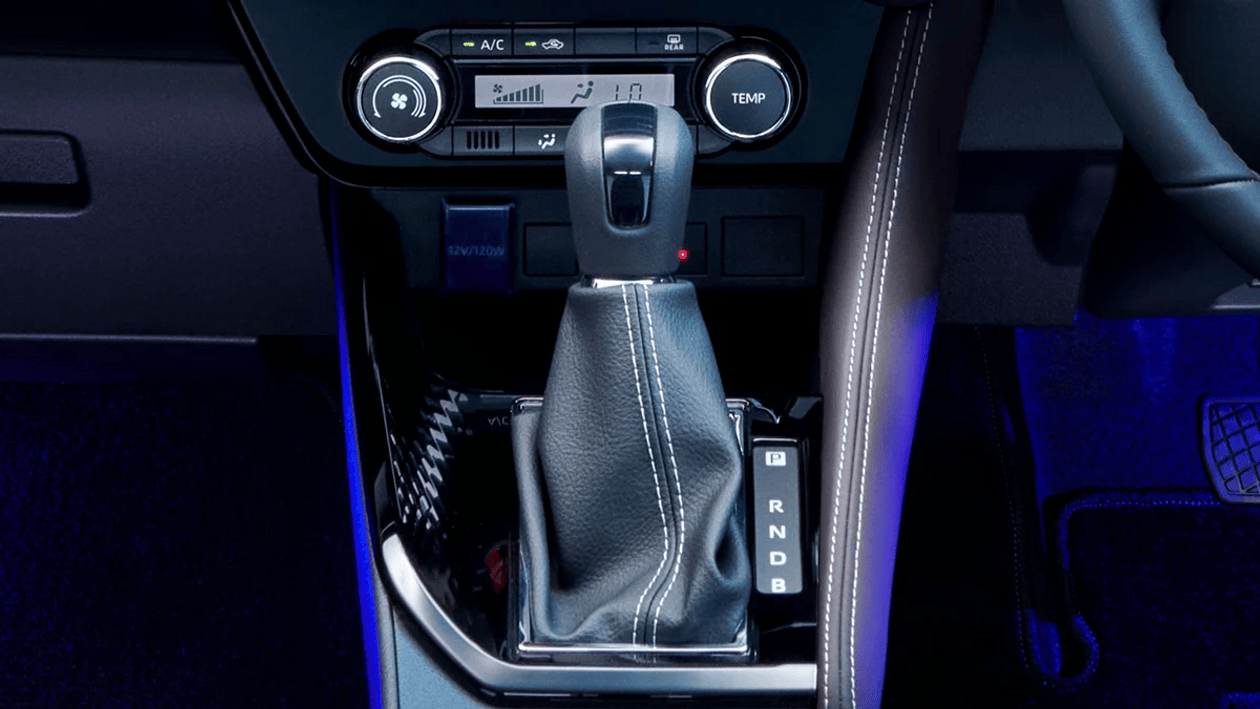
Toyota describes it as a “hybrid” transaxle. There is no conventional CVT belt shuttling between pulleys, while the power-split layout does not require the multiple forward ratios and clutch packs found in stepped automatic transmissions.
The software may be doing plenty of thinking, but the mechanical device it controls is relatively straightforward. That basic architecture has also had plenty of time to mature: the first production Toyota Prius went on sale in Japan in 1997, giving the company close to three decades of real-world hybrid experience.
Not necessarily.
The petrol engine still requires familiar items such as engine oil, filters, spark plugs and coolant. The hybrid system also adds an inverter cooling circuit, a high-voltage battery and associated electronics.
However, there is no scheduled replacement interval for the Corolla Cross Hybrid’s traction battery. Under its Malaysian maintenance schedule, the hybrid’s e-CVT ATF fluid is due at 80,000 km, its iridium spark plugs at 100,000 km, engine coolant at 160,000 km and inverter coolant only at 240,000 km.
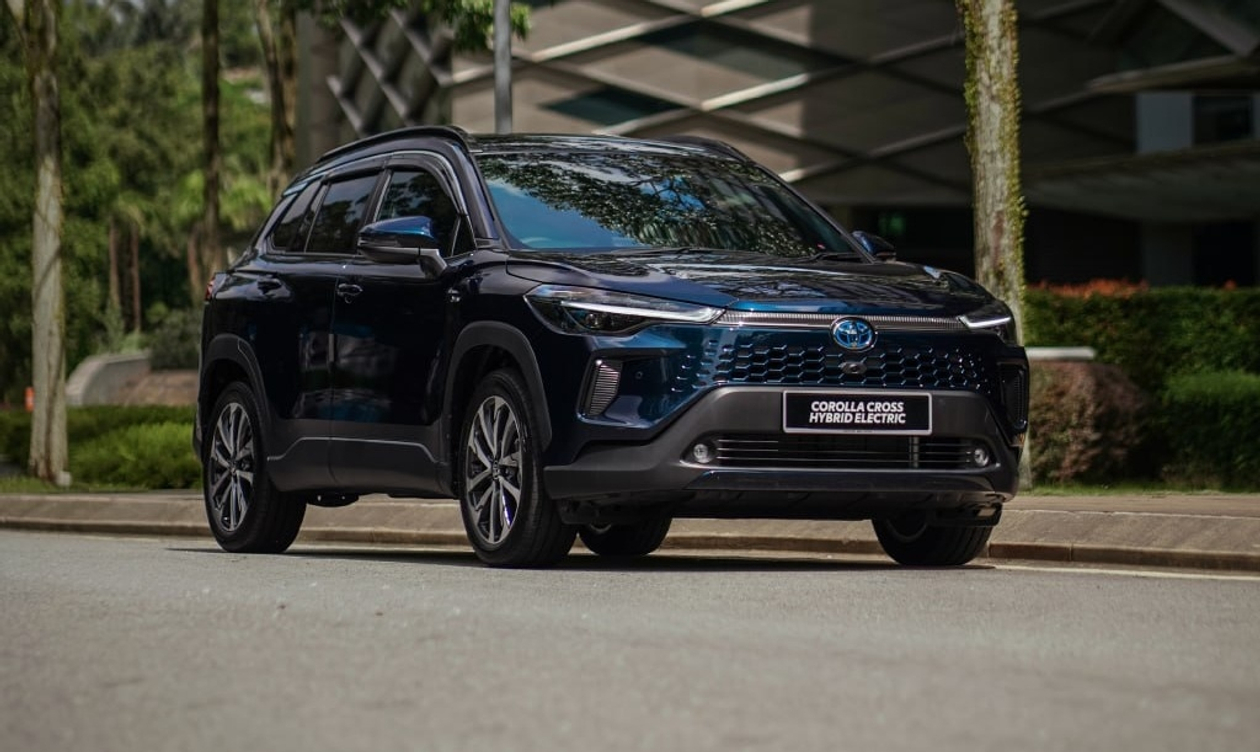
Its scheduled service prices are also broadly similar to those of the petrol Corolla Cross. Based on the official maintenance schedule, a regular Basic service costs RM 258 for either version. The 40,000 km major service costs RM 688 for the hybrid, which is RM 30 more than the RM 658 quoted for the petrol model.
Regenerative braking can also reduce the workload placed on the conventional brake pads and discs, particularly in city driving, although their actual lifespan will still depend on driving conditions and habits.
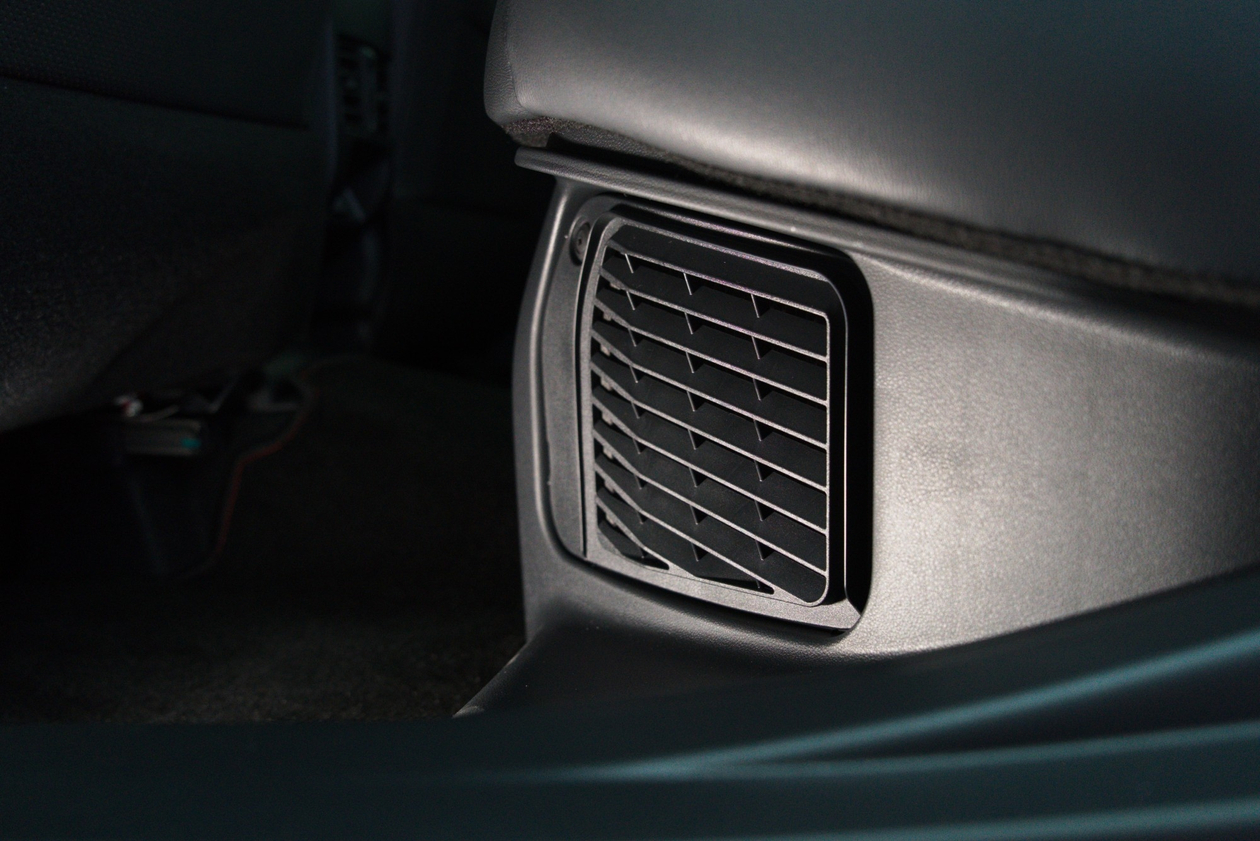
Owners should nevertheless keep the hybrid battery’s cooling intake clear. Dust, pet hair or luggage blocking the intake can restrict airflow and raise the battery’s operating temperature. This is a simple item, but an important one in Malaysia’s hot and humid conditions.
More importantly, the Malaysian Corolla Cross Hybrid carries an eight-year, unlimited-mileage warranty for its hybrid battery, inverter and power-management control unit, with an optional two-year extension bringing the total coverage to ten years.
Cambodia is useful as supporting evidence, but it should not carry the whole reliability argument. Before the Covid-19 pandemic, the country’s annual vehicle market was estimated at around 90,000 units including parallel imports, of which more than 15,000 were used Toyota Priuses. That meant the Prius alone represented more than one in six vehicles entering the market, despite Toyota not officially selling hybrids there at the time.
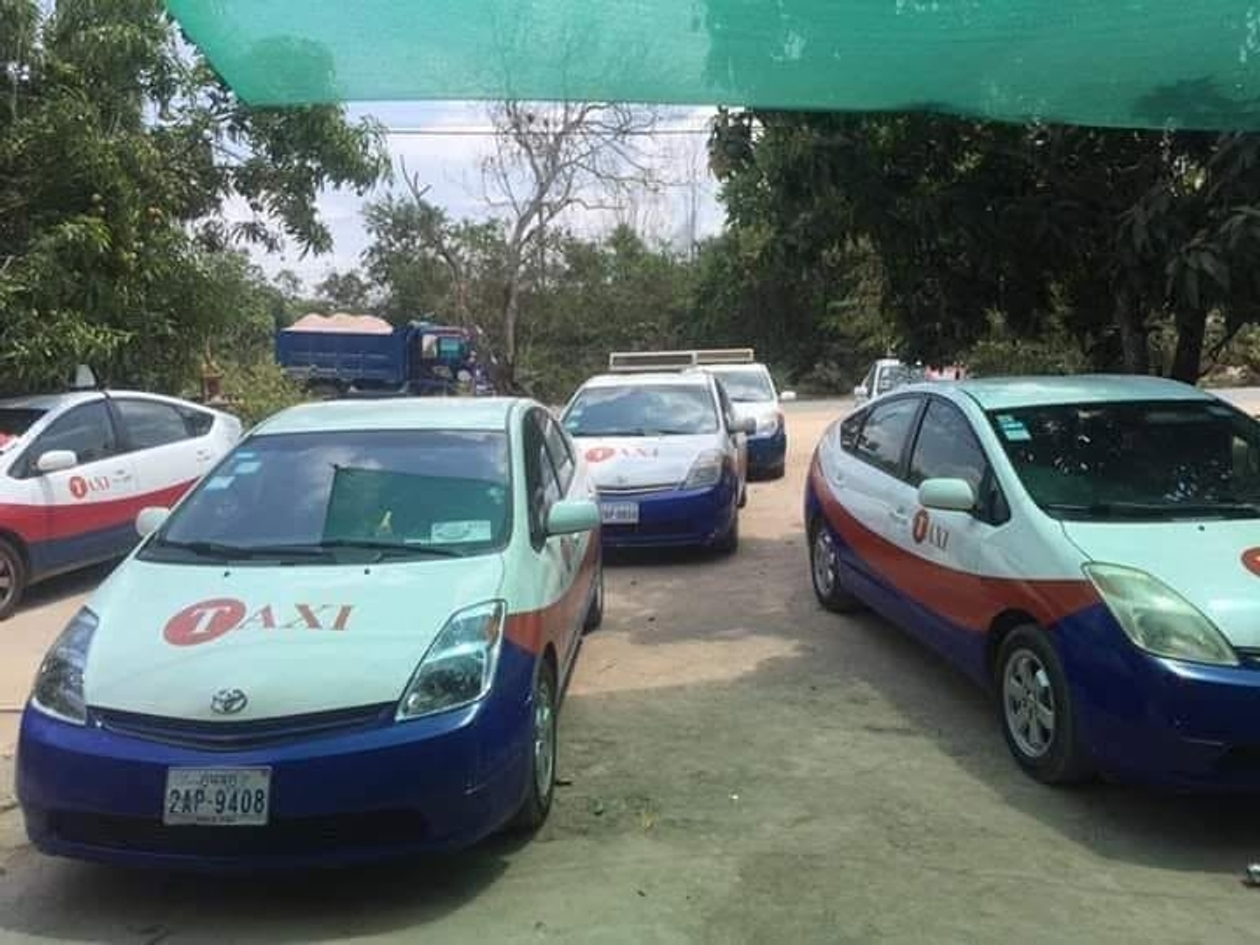
The cars were attractive to taxi operators because they combined low fuel consumption with the ability to remain economically serviceable. Taxi Rouge, for example, began operations in 2014 with 12 second-generation Priuses, many already more than ten years old. As their numbers grew, Phnom Penh also developed an independent repair ecosystem for battery diagnostics, module balancing, inverter work and used parts.
This is not a controlled field-quality study, and it does not mean hybrid batteries never fail. The histories of parallel-imported cars vary, while Cambodia’s heat, rough roads and intensive taxi use make direct comparisons difficult. What the Phnom Penh example does show is that thousands of ageing Priuses remained useful for long enough to sustain both operator demand and a specialist repair trade. It supports Toyota’s broader reliability case; it does not replace the technical history, Malaysian warranty or published ownership costs.

High-mileage cases are well documented, although not specifically among Singapore taxis. Toyota UK reported a second-generation Prius that had covered nearly 700,000 km with its original hybrid battery, while Prius taxis have also been deployed extensively in Singapore’s high-mileage commercial fleets.
Toyota’s small hybrid battery should not be judged by how far it can propel the car without petrol. That was never its primary purpose.
Its job is to catch energy, return it a few moments later and repeat the process thousands of times with minimal involvement from the driver. Toyota combines that carefully managed battery with an e-CVT that is electronically clever but mechanically straightforward.
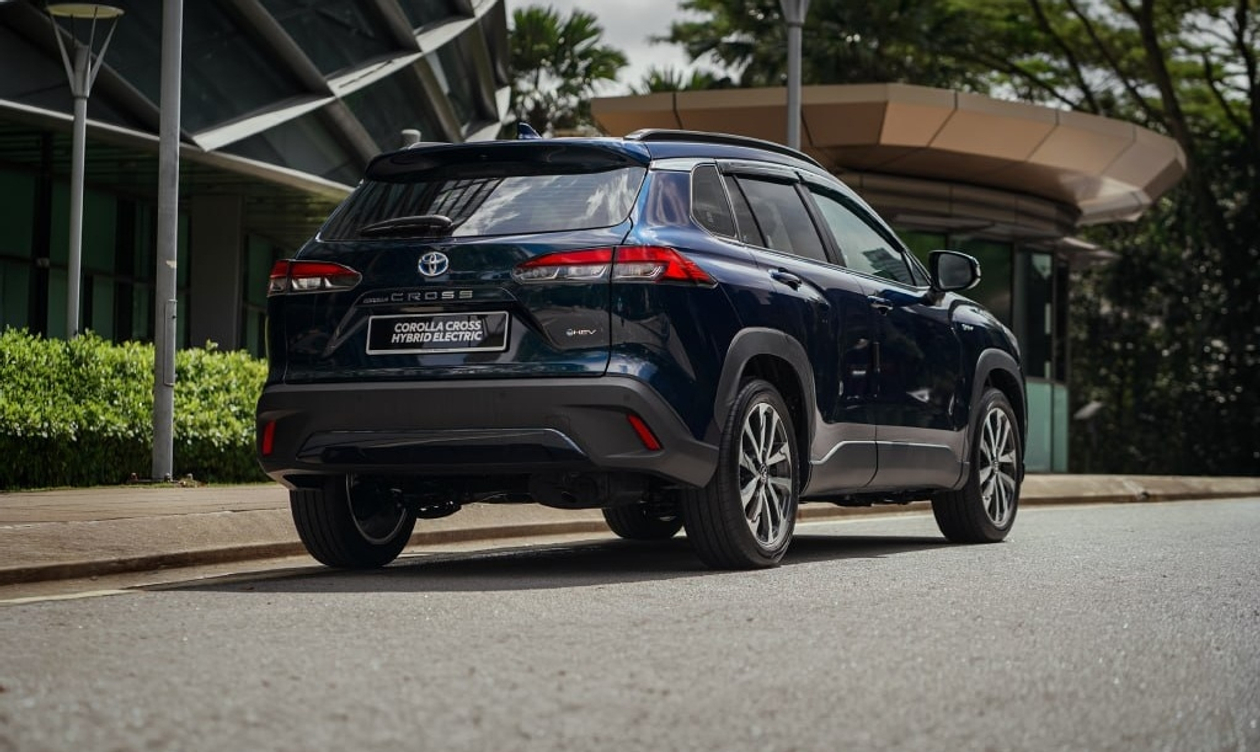
Honda’s e:HEV system provides a more motor-led driving character, while different battery chemistries and capacities bring their own advantages. Toyota’s counterpoint is less dramatic: a compact battery, a proven power-split transaxle and an ownership routine that is remarkably close to that of an ordinary petrol car.
For buyers still worried that a hybrid automatically brings a large battery and an equally large maintenance bill, nearly three decades of Toyota hybrids – plus thousands of hard-working Priuses in Phnom Penh – suggest otherwise.

Your go-to source for all things automotive in Malaysia. 🚗 Latest reviews, breaking news, launches & industry trends.
+ Follow Almost 30 years in the making, Toyota has refined their hybrid offering.
And it's properly proven. 1 minute ago
 Mazda working with Toyota to create a new sports car? If it looks like this, sign us up...
#mazda #supra #toyota 1 minute ago
 For those in the Cheras/Balakong area can check out the new Denza showroom!
Existing owners can also send their cars here for servicing.
#BYD #Denza 1 minute ago
Get the latest car news first!
Your go-to source for all things automotive in Malaysia. 🚗 Latest reviews, breaking news, launches & industry trends.
Almost 30 years in the making, Toyota has refined their hybrid offering.
And it's properly proven. 1 minute ago Mazda working with Toyota to create a new sports car? If it looks like this, sign us up...
#mazda #supra #toyota 1 minute ago For those in the Cheras/Balakong area can check out the new Denza showroom!
Existing owners can also send their cars here for servicing.
#BYD #Denza 1 minute ago © 2024 Bitauto.com. All Rights Reserved.
Bitauto (www.yiche.com and www.bitauto.com) is one of the most visited automotive websites in China. We provide detailed info on Chinese car brands available in your area. Please note that the information provided on this website is based on publicly available data and is for reference only. It may not be fully updated or accurate at all times.

Help us improve our website


