In 2011, Ford registered 7,188 vehicle sales in Malaysia—a stellar 145% jump over the preceding year and its strongest performance since 1997. The sole catalyst behind this surge was a compact car launched just months earlier in October: the Ford Fiesta. In its very first full calendar year, it chalked up 4,297 units, single-handedly accounting for nearly 60% of Ford's total annual volume.
Context is key: back then, the B-segment was an undisputed stronghold of the Japanese pair. Mention a compact sedan, and what immediately sprang to mind was either a Toyota Vios or a Honda City. Continental makes, meanwhile, were notoriously stereotyped as “pricey, headache to maintain, and horrific on depreciation.” Local perception of compact European runabouts barely extended beyond the VW Beetle and the MINI—neither of which was remotely within reach for fresh grads or young working adults.
Right into this fray stepped a compact car of genuine European breeding. Armed with razor-sharp styling, a segment-first dual-clutch transmission, and an entry price tag under RM70,000, it forcefully barged its way into Japanese-dominated territory.
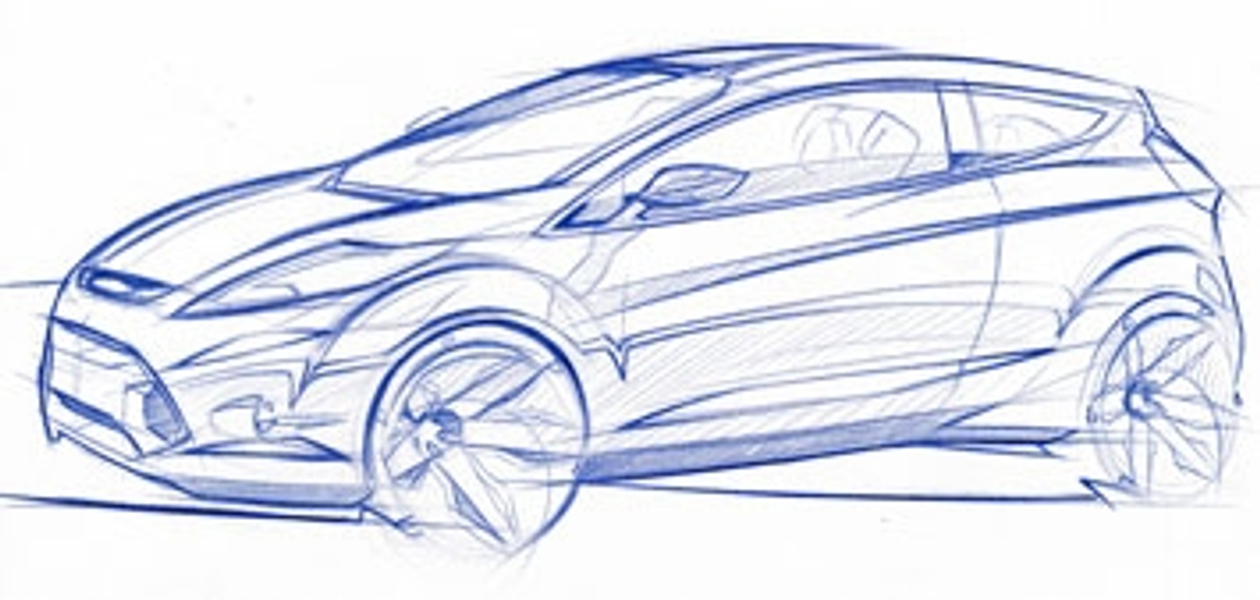
Indeed, for just RM70,000, you were no longer bound to a dull, cookie-cutter Japanese City or Vios. Instead, you could drive away in a stylish, cutting-edge European supermini. To style-conscious young buyers, the proposition was simply irresistible.
This is the tale of that very Ford Fiesta—a car that made young Malaysians realise “hey, I can actually afford a Conti,” yet ultimately led many owners through a bitter love-hate ordeal with its dual-clutch gearbox, paying hefty repair tuition fees along the way.
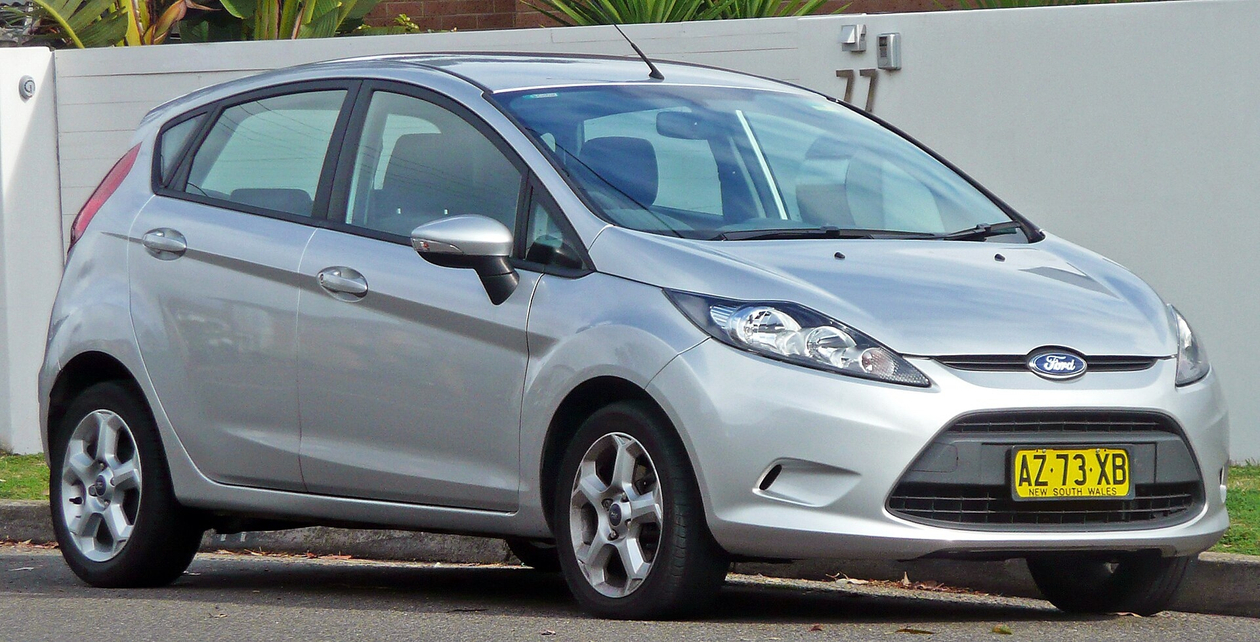
While Fiesta translates to “party” or “festival” in Spanish, the backdrop of its birth was anything but celebratory.
During the 1970s, OPEC's crude oil production cuts sparked a worldwide oil shock, instantly turning thirsty, large-displacement American sedans into gas-guzzling liabilities. Ford promptly initiated Project Bobcat with an uncompromising brief: engineer a front-wheel-drive supermini to rival the Fiat 127, which was then sweeping Europe by storm.
In mid-1976, the Mk1 Fiesta debuted. While several senior Ford executives favoured the Bravo moniker, the final call rested with chairman Henry Ford II. He selected Fiesta as a salute to its maiden production facility in Valencia, Spain—though only after securing trademark clearance from Oldsmobile first.
Spanning seven generations across 47 illustrious years, the nameplate went on to rack up over 22,000,000 sales globally.
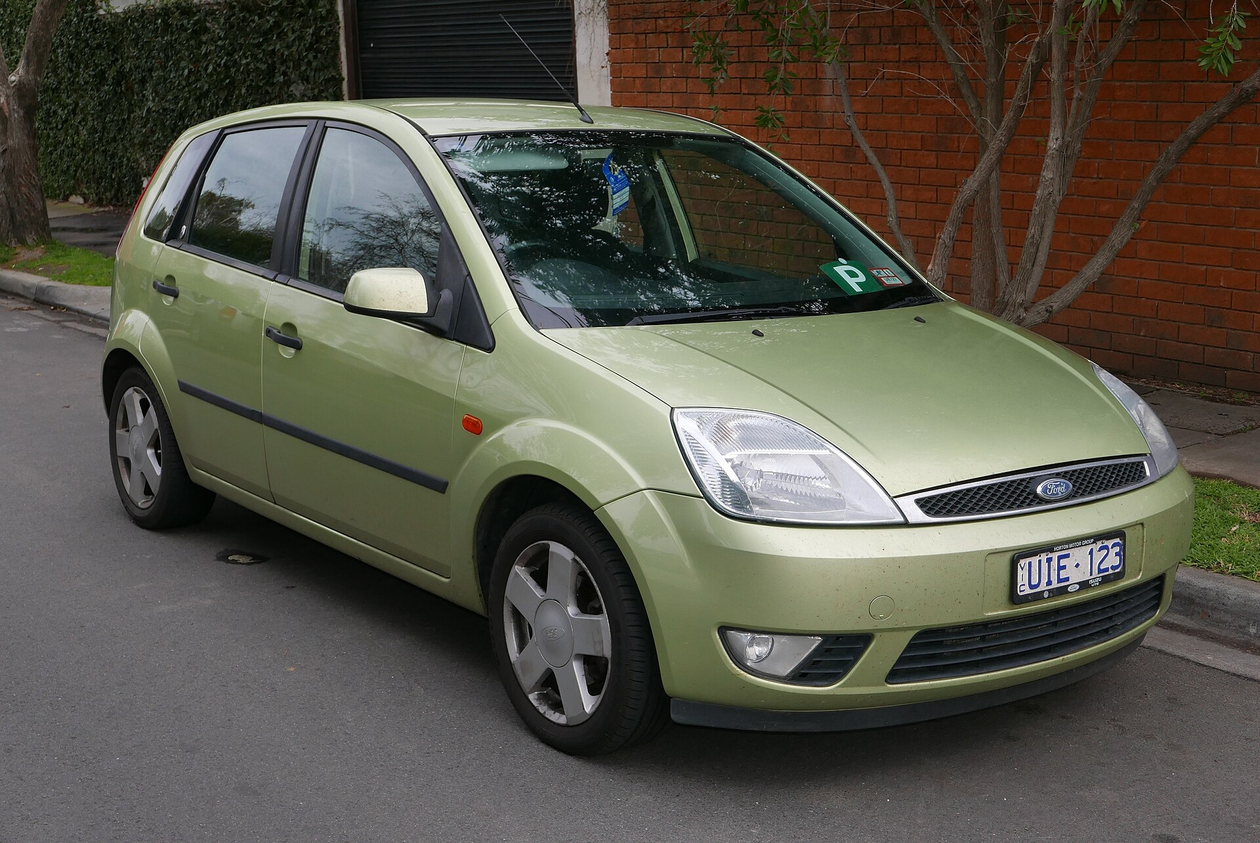
The Mk5 Ford Fiesta, which had a brief sales stint in Malaysia
The generation that landed on our shores was the 2008 iteration (officially Mk7 in Europe, though local petrolheads and portals often refer to it as Mk6). Its athletic silhouette first broke cover at the 2007 Frankfurt Motor Show as the Verve concept. Executed under the “One Ford” initiative, this European-developed global product championed the Kinetic Design philosophy: piercing headlamps and an assertive, rising beltline that gave it a stance of purposeful motion even at a standstill.
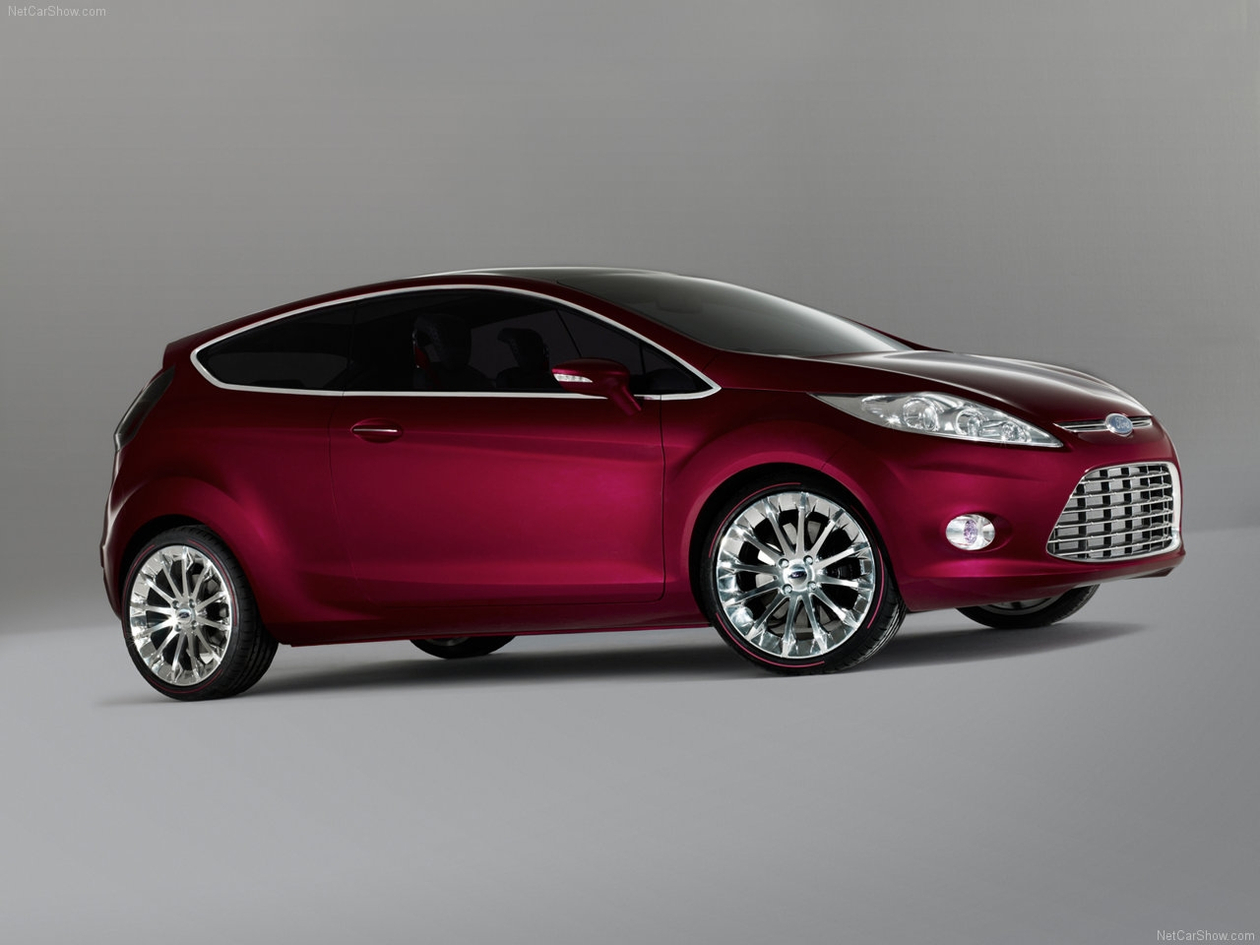
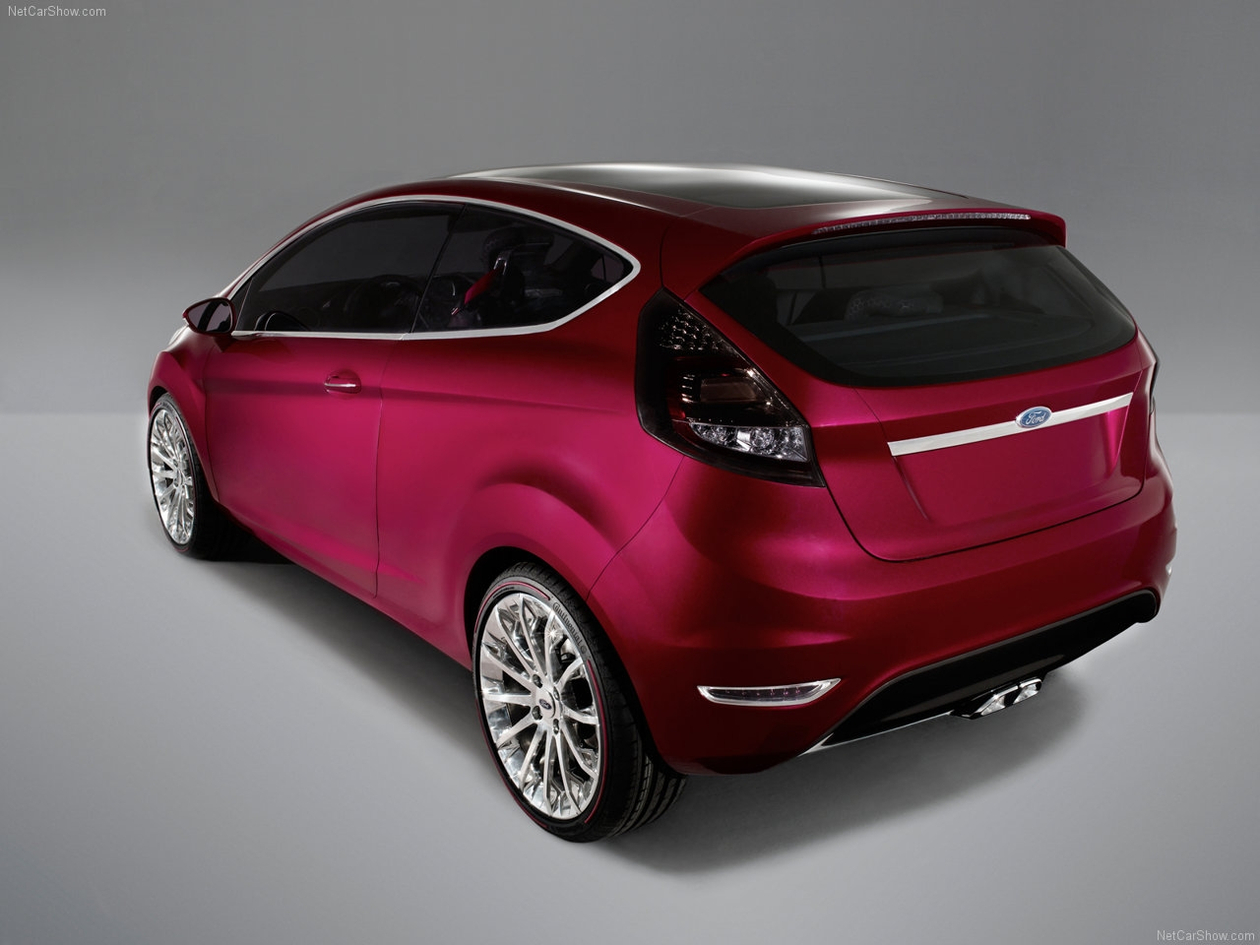
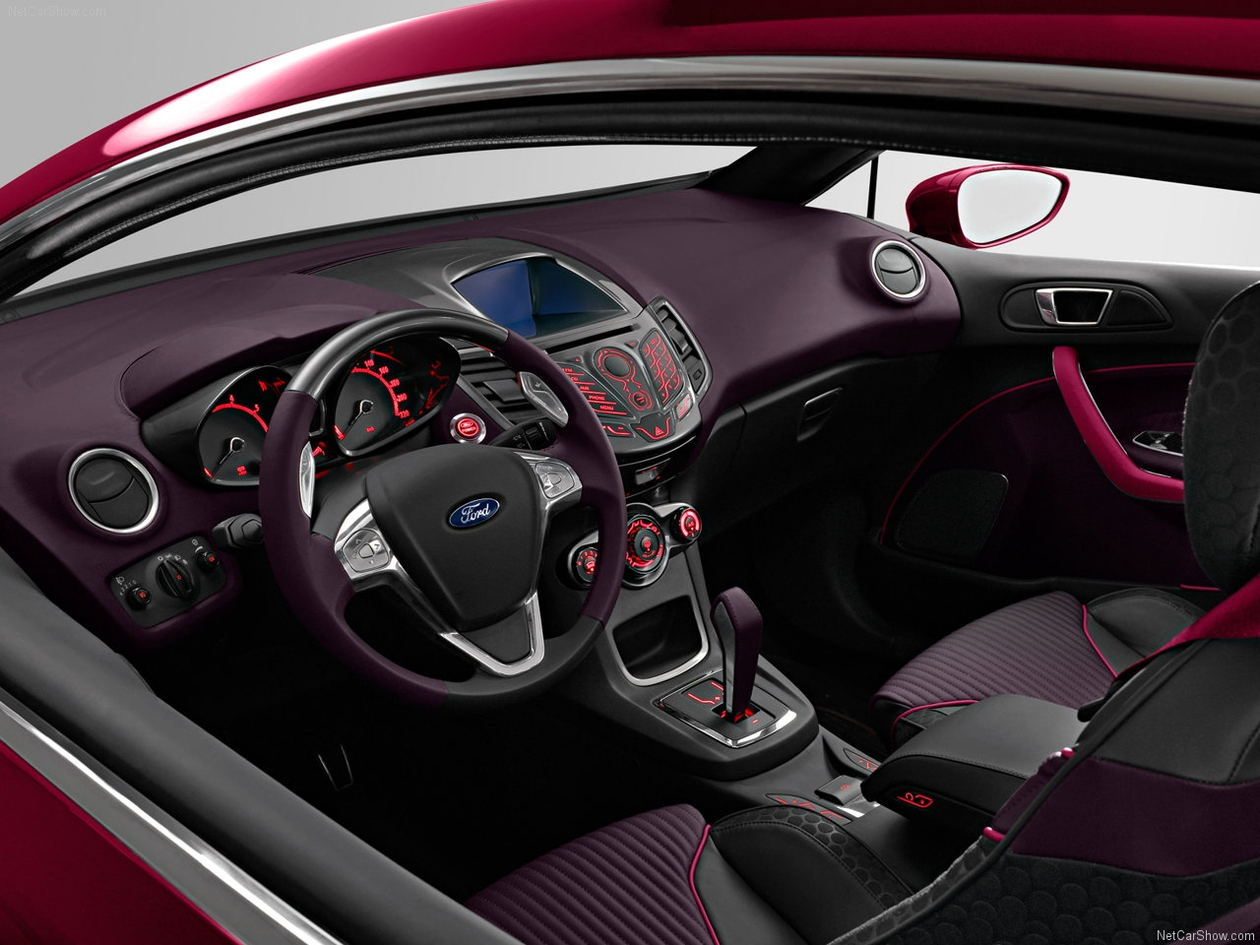
Make no mistake: while Ford is an all-American badge, the Fiesta was steeped in bona fide European dynamics and heritage—the very same driving DNA shared by the likes of MINI and the VW Beetle.
The reception? From 2009 onwards, the Fiesta enjoyed an unbroken reign as the UK's best-selling passenger car for consecutive years. To British motorists, it was the definitive people's car—a cultural equivalent to our Perodua Myvi.
On the evening of 20 October 2010, Sime Darby Auto ConneXion (SDAC) staged the Fiesta's official launch at The Opera in Sunway Pyramid. Built at Ford's Rayong assembly plant in Thailand, the CKD range was rolled out in three distinct variants.
The base 1.4 LX hatchback, driven by a 96PS/128Nm 1.4-litre Duratec lump paired with a 5-speed manual, was stickered at RM69,888. The 1.6 LX sedan and 1.6 Sport hatchback variants stepped up to a 120PS/152Nm 1.6-litre Ti-VCT powerplant, asking RM78,888 and RM82,888 respectively. All figures were on-the-road (OTR) with insurance, undercutting their pre-launch indicative prices across the board. The local motoring fraternity lauded it unreservedly—after all, here was an American badge with European chassis engineering at Japanese pricing.
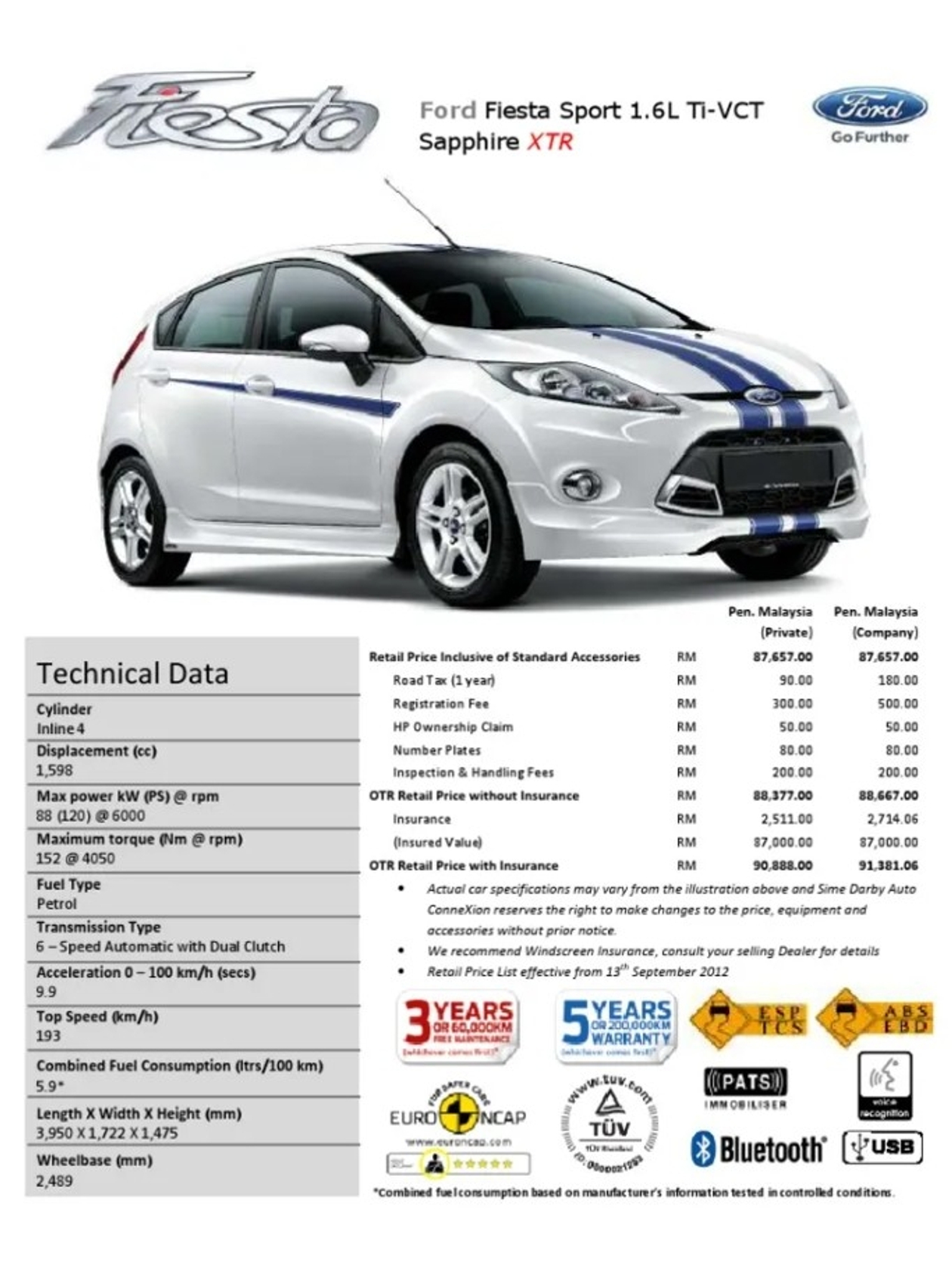
The real standout, however, was its 6-speed PowerShift dual-clutch transmission (DCT). At a time when dual-clutch hardware was the exclusive reserve of European stables like Volkswagen's DSG, offering it as standard on both 1.6 variants blew the segment wide open. The 1.6 Sport also came generously specced: ESP, Hill Launch Assist, Bluetooth-enabled audio with voice control, power-folding wing mirrors, and 16-inch alloy wheels were all standard fare.
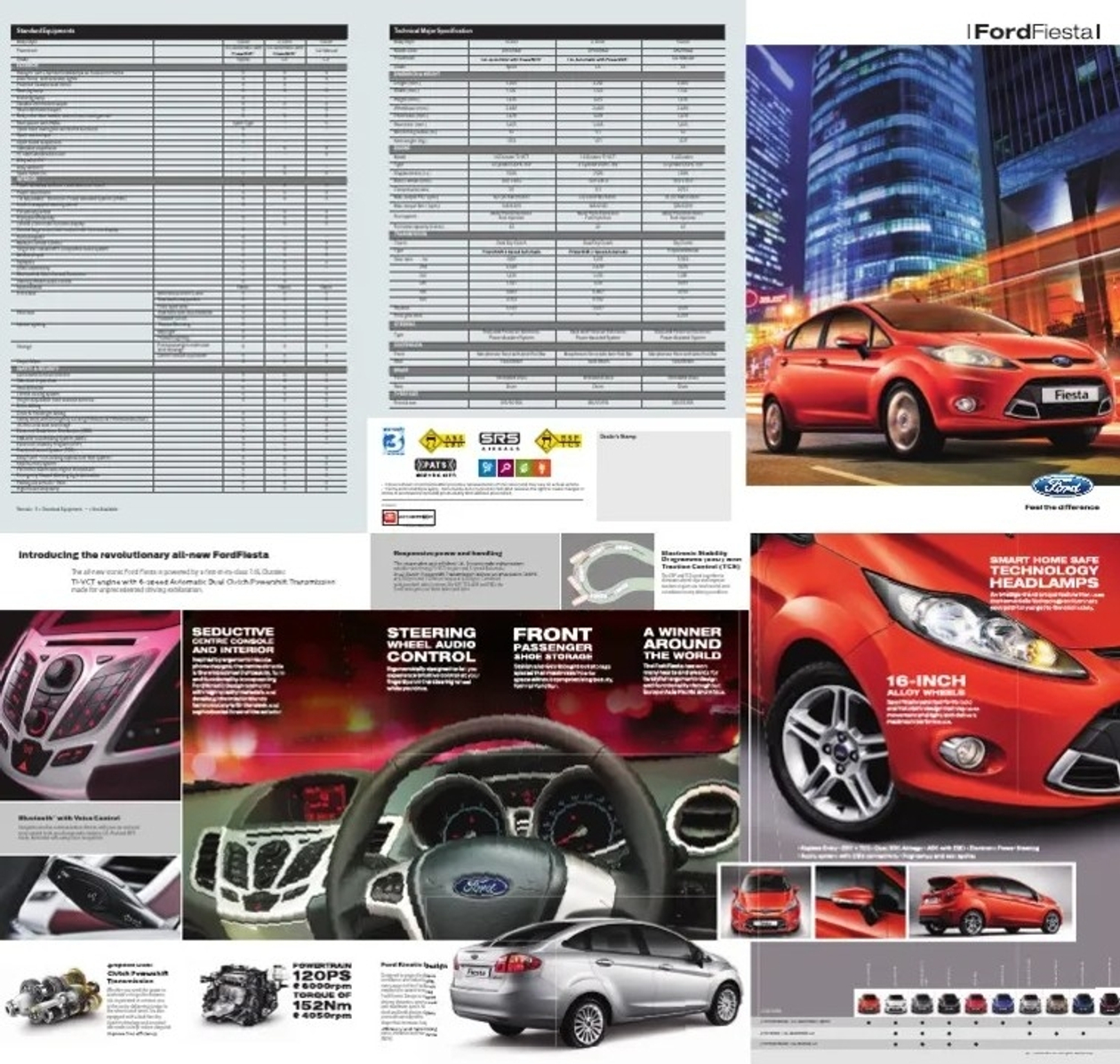
Online forum banter naturally pitted it head-to-head with the Toyota Vios, Honda City, and the home-grown Proton Inspira. The commercial verdict was emphatic: according to JPJ registration data, 4,213 Fiestas were registered in 2011, peaking in August with 559 units in a single month. It went down as the Fiesta's finest sales year in Malaysia, with Cool White being the crowd favourite.
In September 2013, the facelifted Fiesta made landfall, sporting an Aston Martin-inspired trapezoidal grille and adopting a revised 1.5-litre Ti-VCT unit, with the 1.5 Sport hatchback and Titanium sedan commanding a starting price of RM86,988.
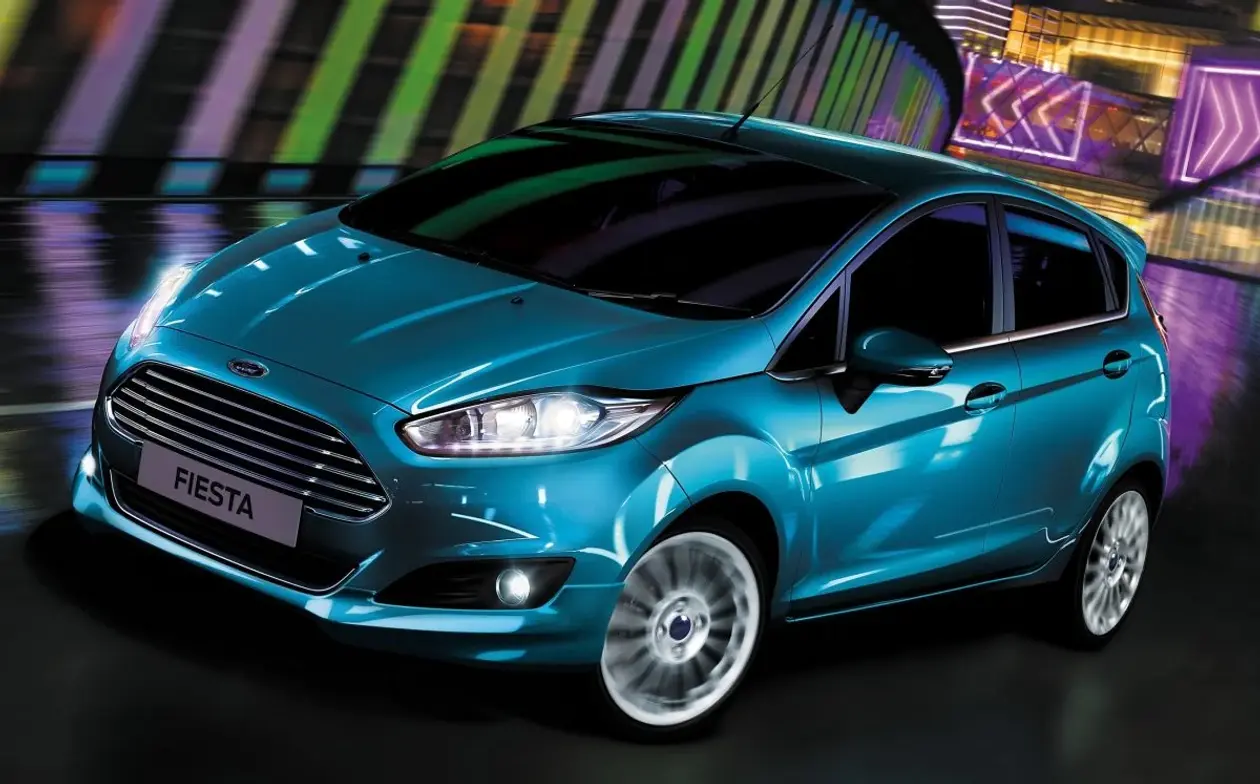
If 2011 was the commercial zenith, the years from 2014 onwards cemented the Fiesta's legendary status within the local car enthusiast fraternity.
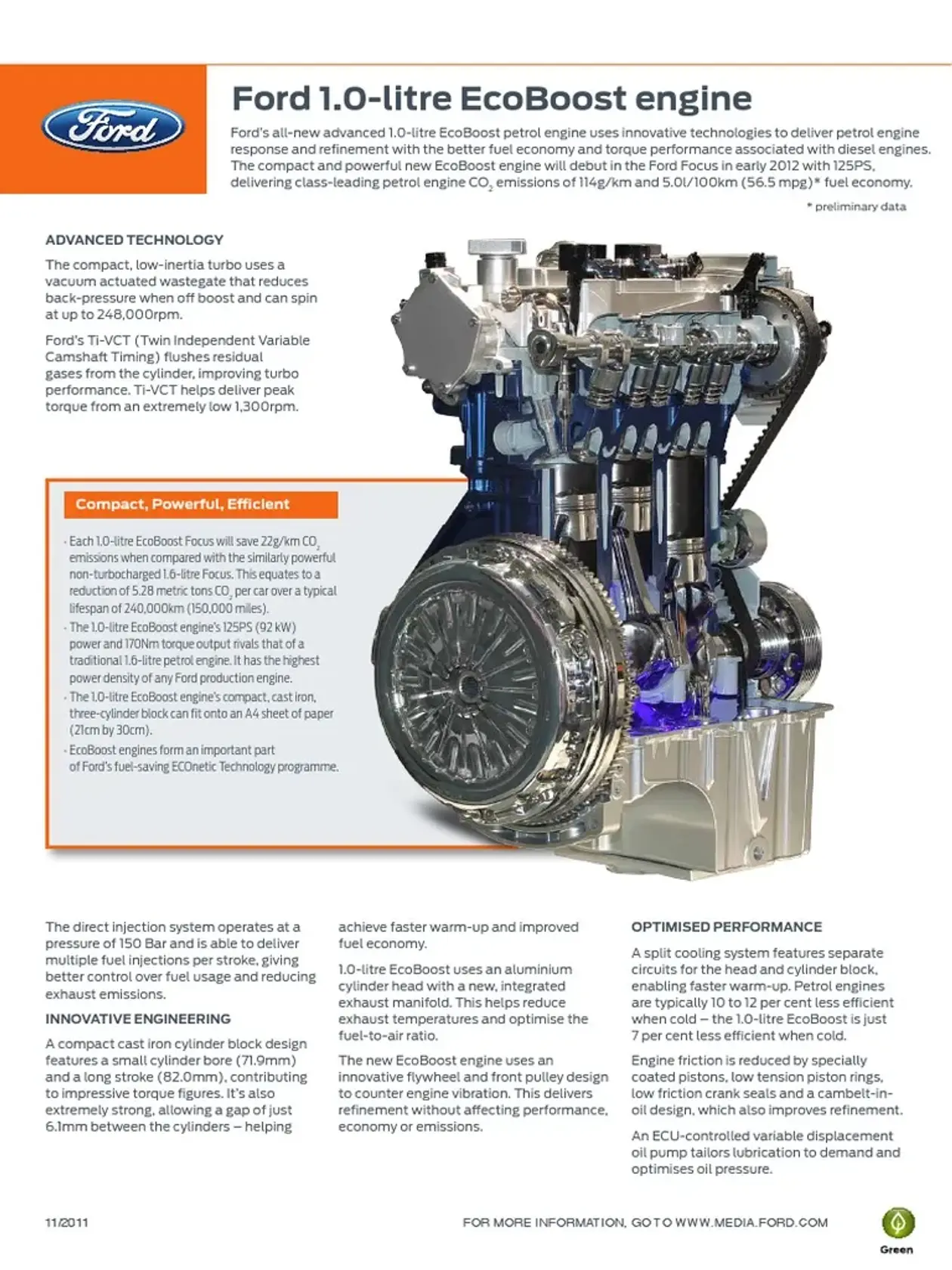
May 2014 witnessed SDAC unleashing the Fiesta 1.0 EcoBoost. Dropping a tiny 998cc three-cylinder turbo mill into a B-segment hatch initially drew smirks, but the figures silenced sceptics: 125PS and 170Nm of torque outgunned the outgoing 1.6 naturally aspirated unit. Having clinched the International Engine of the Year crown back-to-back in 2012 and 2013, the powerplant was famously marketed as having an engine block “smaller than a sheet of A4 paper.”
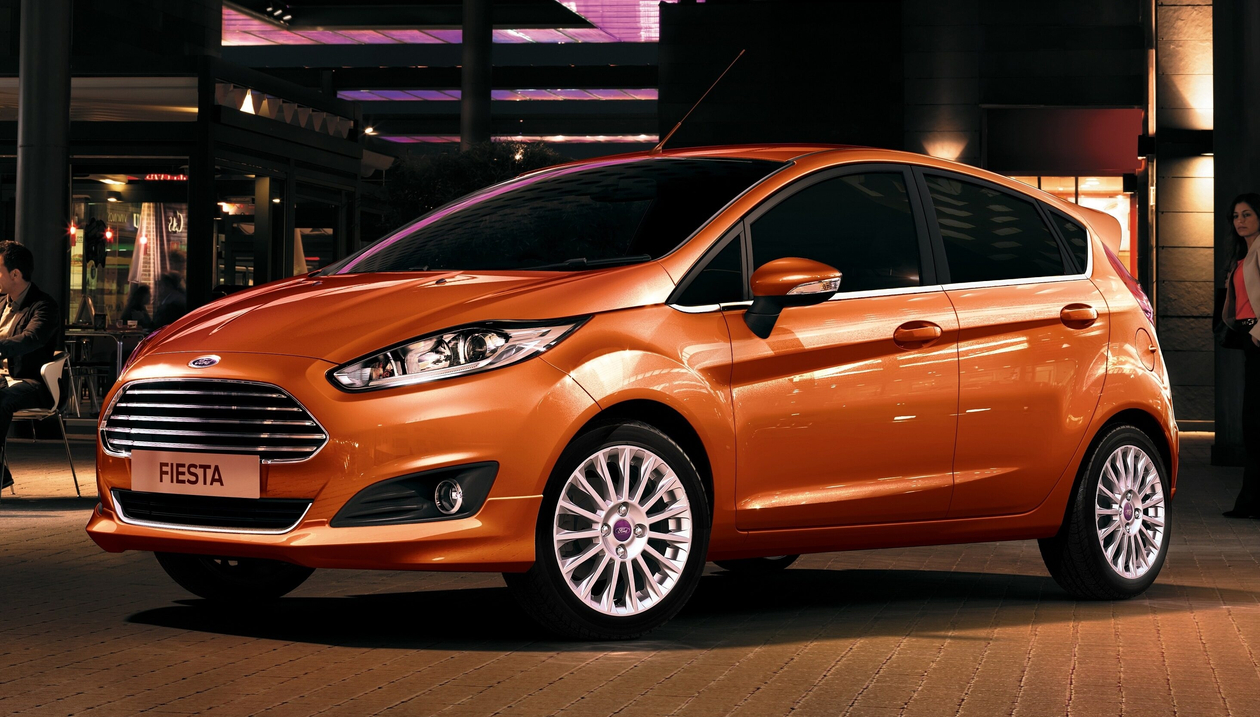
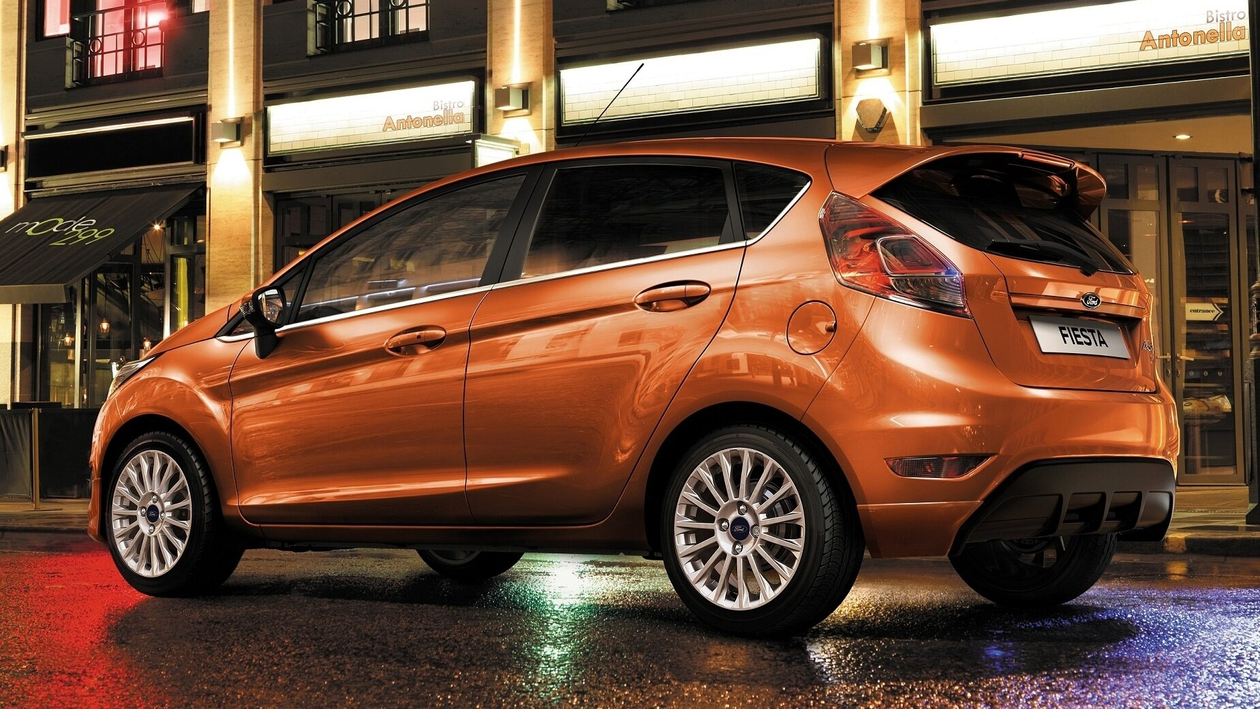
Offered exclusively as the Sport+ hatchback, the car featured a Thai-assembled shell housing an imported powerplant from Ford's Craiova facility in Romania, retailing at roughly RM96,500 OTR with insurance. It came packed to the gills with a full styling kit, DRLs, seven airbags, and a comprehensive 5-year/200,000 km warranty package.
Come November that same year, the holy grail arrived: the Fiesta ST. Fully imported (CBU) from Cologne, Germany, this three-door hot hatch packed a punchy 1.6-litre turbocharged unit dishing out 182PS and 240Nm (temporarily rising to 290Nm on overboost), dispatching the century sprint in just 6.9 seconds. Crucially, it was purist-spec only: a proper 6-speed manual, Recaro bucket seats upfront, red brake calipers, and a retail sticker of RM149,888.
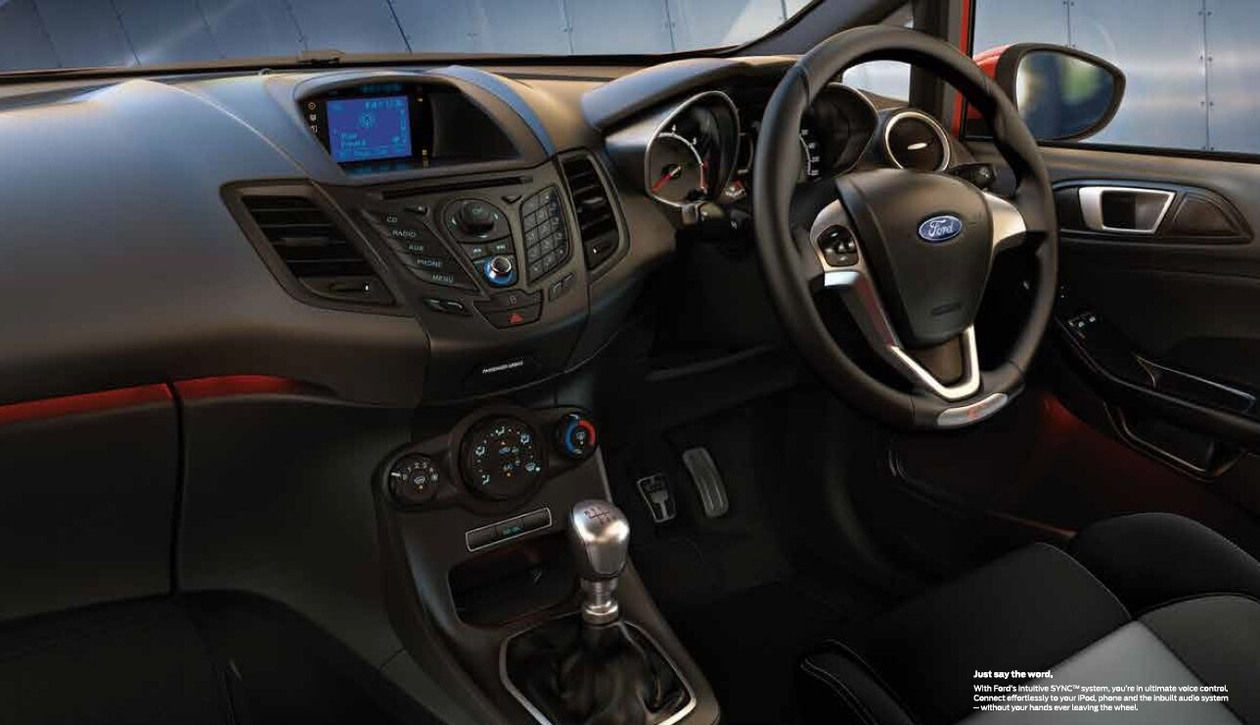
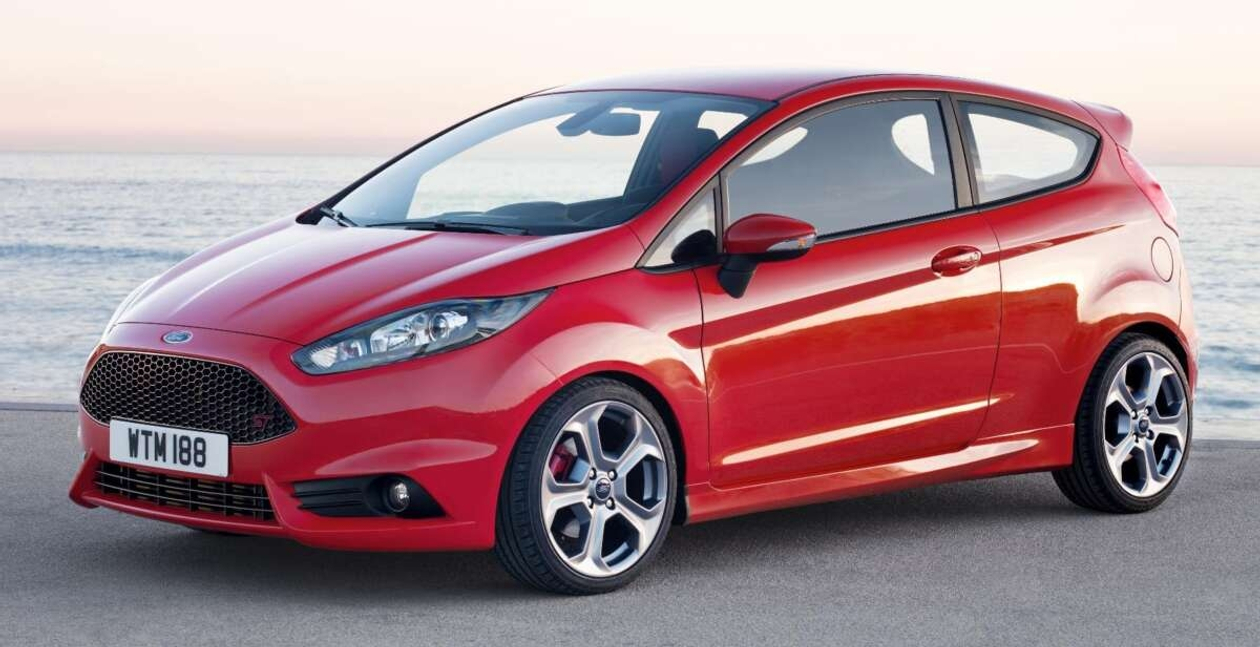
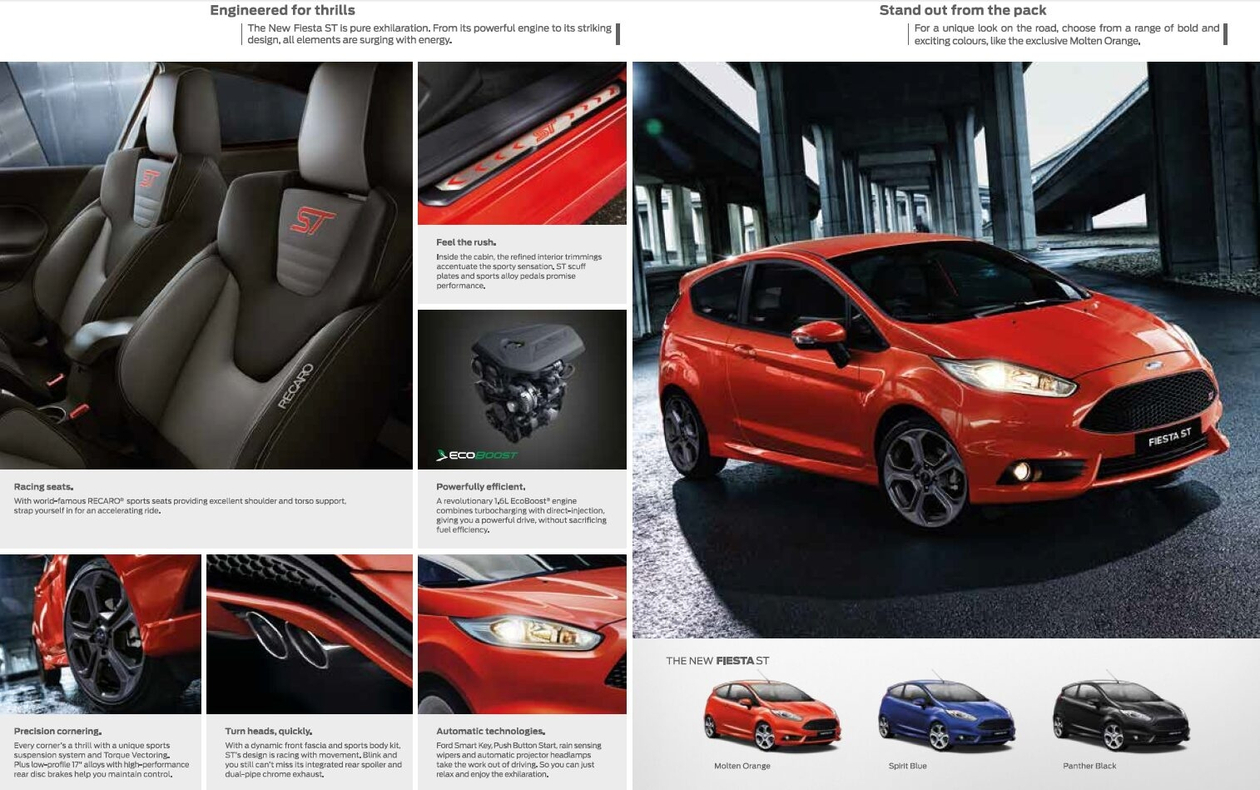
Pricewise, it sat neatly between the Peugeot 208 GTi (RM139,888) and the Renault Clio RS 200 EDC (RM172,888). For local petrolheads, having a trio of European hot hatches duking it out concurrently was an unrepeatable golden era. Veteran automotive show TopGear even ran a benchmark shootout pitting the three pocket rockets against each other. Looking back from 2026, the iconic TopGear trio have moved behind the scenes, and the French-British-American hot hatch breed in Malaysia has left no heirs: Peugeot never offered a 208 GTi successor (209?), Renault axed the RS treatment on the Clio, and the Mk8 Fiesta ST never made it to our shores.
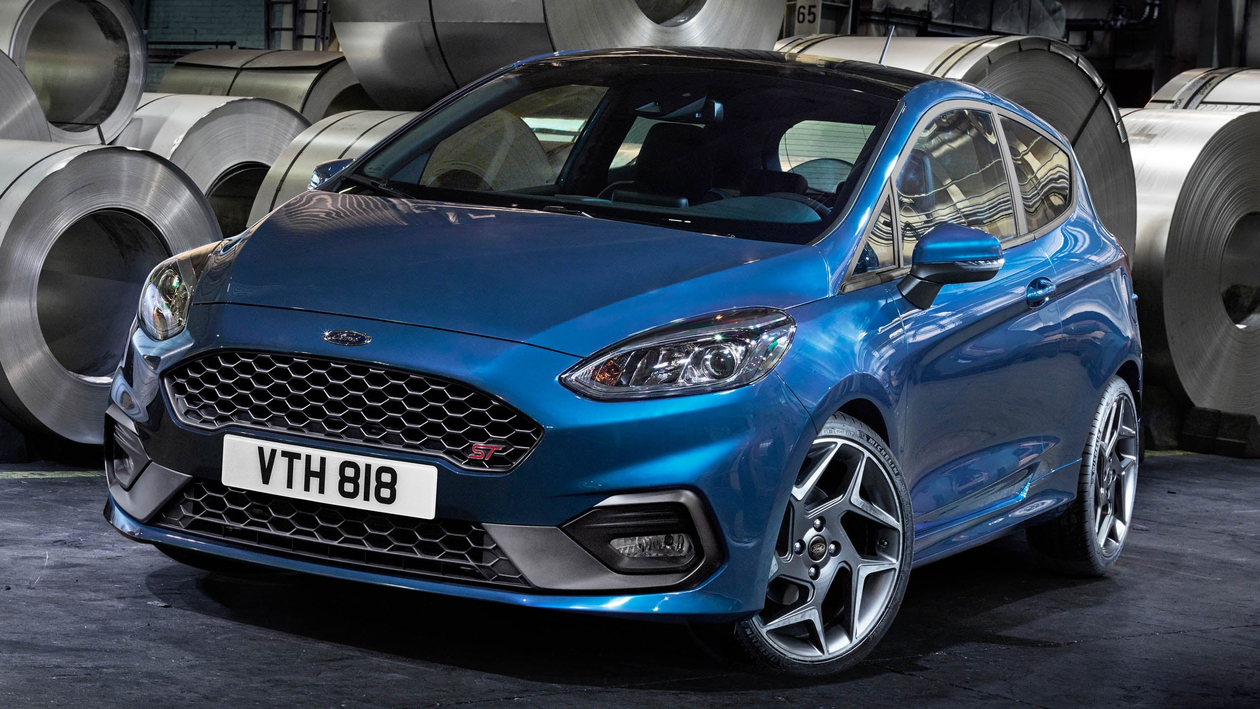
The Mk8 Ford Fiesta ST that bypassed Malaysia entirely
The party was short-lived. In April 2017, SDAC restructured Ford's Malaysian portfolio, quietly pulling the plug on the Fiesta ST. Within a few short years, the showroom floor shrank to just the Ford Ranger and Ford Everest—everything else was ruthlessly rationalised out of the brochure.
Any retrospective on the Fiesta is incomplete without addressing the PowerShift dual-clutch transmission. The very technological USP that set it apart at launch eventually became its fatal flaw.
Designated the DPS6 (Getrag 6DCT250), the dry dual-clutch setup employed in the Fiesta and Focus was engineered to be cost-effective, lightweight, and compact. However, dry clutches lack the thermal tolerance and slip endurance of wet-clutch units. Inevitably, owners worldwide began reporting an identical litany of gremlins: low-speed shuddering, jerky shifts, delayed take-off, and alarming forward surges during deceleration.
In the United States, the fallout reached the courts. A massive class action suit representing nearly 2,000,000 owners of 2011–2016 Fiestas and 2012–2016 Focuses alleged that Ford knowingly distributed defective gearboxes while deflecting blame onto customer driving habits. In 2020, Ford agreed to a settlement that could surpass USD 100,000,000. Subsequent investigative pieces exposed that internal engineers had flagged the transmission's inherent flaws prior to commercial rollout.
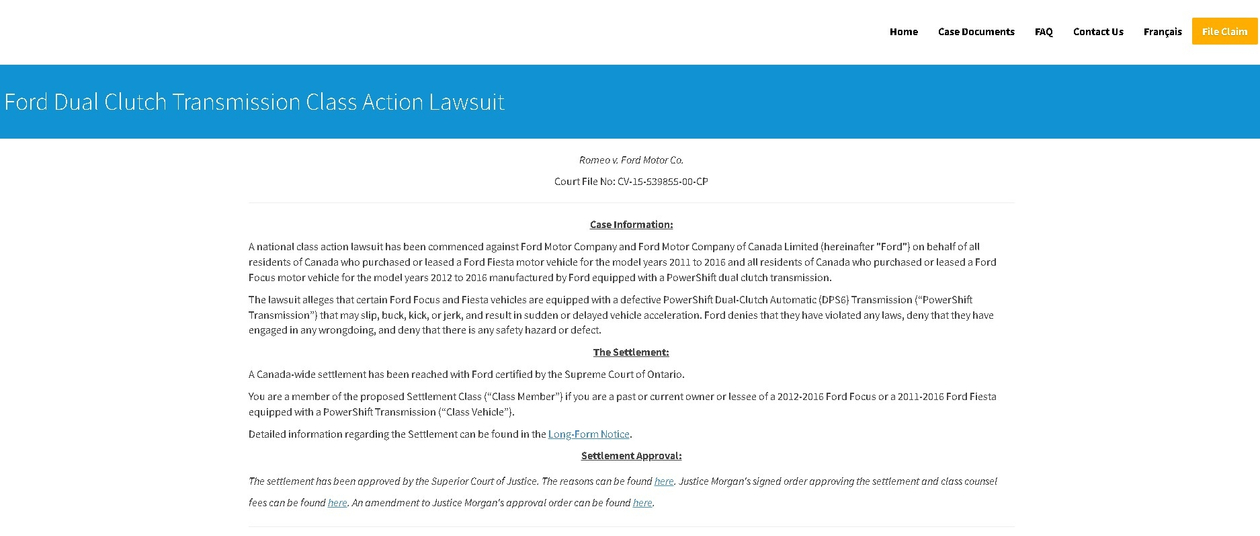
US Consumer Class Action Litigation Portal against Ford
In Malaysia, user experiences were mixed. Around 2015, Lowyat forum threads were awash with complaints regarding low-speed judder on the Fiesta 1.6: while some claimed completely trouble-free runs, others lamented being brushed off by service centres with the standard “it's normal operating characteristic” line. Forum members also noted that SDAC extended the clutch warranty to 5 years for units purchased after September 2012. Still, for prospective used-car buyers, the notorious phrase “DCT will shudder” was enough to send them running.
What followed was a slow fade into oblivion. JPJ data reveals that the final brand-new Fiesta in Malaysia was registered in November 2020, with zero registrations recorded since. From 2003 through to the end of its run, a total of 16,067 Fiestas were officially registered locally.
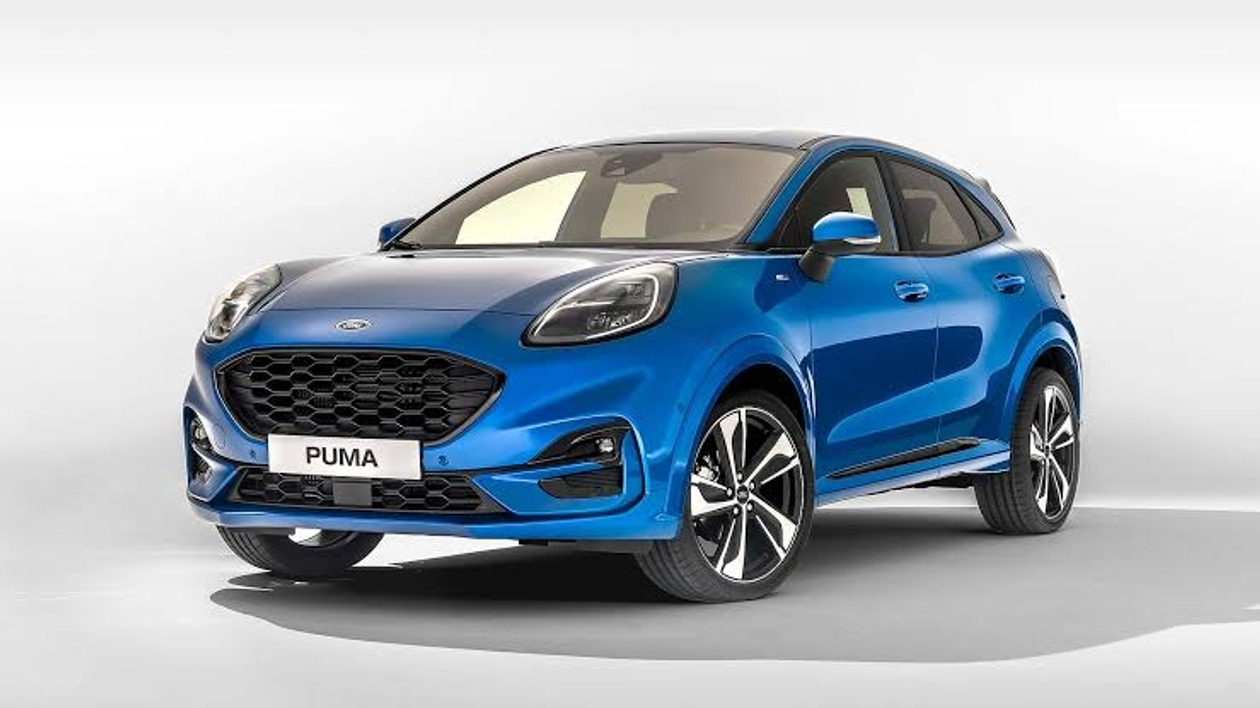
Globally, Ford assembled the final Fiesta at its Cologne facility in July 2023, refitting the lines to manufacture electric SUVs. A storied 47-year lineage quietly drew to a close, effectively succeeded by a taller, bulkier B-segment crossover: the Ford Puma.
As of November 2026, approximately 78 Fiesta units are listed on Mudah.my, spanning the 2010 to 2015 model years. A quick sampling reveals asking prices largely floating between RM4,000 and RM19,800, settling around a median of RM8,900.
In essence, a car that commanded RM70,000 to RM80,000 brand-new now trades at barely 10% of its original invoice. For driving purists seeking European chassis dynamics on a shoestring budget, it represents an absurdly low barrier to entry—provided one thoroughly verifies the health of that dry-clutch gearbox before transferring any cash.
The Ford Fiesta remains a textbook automotive case study of soaring highs and crushing lows: it single-handedly propelled Ford to historic sales records in Malaysia, and blessed driving enthusiasts with characterful three-pot turbos and a purist manual hot hatch. Yet, in tragic irony, it was undone by the very transmission that initially set it apart.
This explains why, barely 15 years later, the Fiesta's presence on our roads is almost non-existent. Many owners likely threw in the towel over prohibitive gearbox maintenance and sent them to the scrap yard, while others offloaded their units early to cut losses following the DCT debacle.
On the flip side, the Ford Fiesta ST has attained bona fide modern-classic cult status among track-day kakis. Clean examples on the used market are unicorn-rare, commanding firm asking prices in the RM50,000 to RM60,000 bracket when one occasionally surfaces.
A decade ago, sharp-handling European superminis were the toast of urban Malaysia. Who would have guessed that this entire enthusiast movement would be eclipsed so swiftly by white-goods EVs and Chinese-badged SUVs?

Your go-to source for all things automotive in Malaysia. 🚗 Latest reviews, breaking news, launches & industry trends.
+ Follow Can you really get a luxury Chinese off-roader for RM 140k? Here's what makes it so attractive. 1 minute ago
 BYD Australia COO: 95% of parts reach dealers within 24 hours as aftersales network expands.
How would you rate BYD’s aftersales service and parts availability here? Share your honest review or servicing experience with us in the comments!
#BYDMalaysia #EV #Aftersales #CarMaintenance #MalaysianDrivers 1 minute ago
 Toyota Alphard and Vellfire finally getting some Japanese competition?
Nissan has confirmed the all-new Elgrand e-Power for Thailand this December!
It gets a 1.5-litre turbo e-POWER system, electric all-wheel drive, luxury captain's chairs and a 22-speaker Bose sound system.
Malaysia isn't confirmed yet, but would you choose this over an Alphard if Nissan brought it here?
#nissan #elgrand 1 minute ago
Get the latest car news first!
Your go-to source for all things automotive in Malaysia. 🚗 Latest reviews, breaking news, launches & industry trends.
Can you really get a luxury Chinese off-roader for RM 140k? Here's what makes it so attractive. 1 minute ago BYD Australia COO: 95% of parts reach dealers within 24 hours as aftersales network expands.
How would you rate BYD’s aftersales service and parts availability here? Share your honest review or servicing experience with us in the comments!
#BYDMalaysia #EV #Aftersales #CarMaintenance #MalaysianDrivers 1 minute ago Toyota Alphard and Vellfire finally getting some Japanese competition?
Nissan has confirmed the all-new Elgrand e-Power for Thailand this December!
It gets a 1.5-litre turbo e-POWER system, electric all-wheel drive, luxury captain's chairs and a 22-speaker Bose sound system.
Malaysia isn't confirmed yet, but would you choose this over an Alphard if Nissan brought it here?
#nissan #elgrand 1 minute ago 
© 2024 Bitauto.com. All Rights Reserved.
Bitauto (www.yiche.com and www.bitauto.com) is one of the most visited automotive websites in China. We provide detailed info on Chinese car brands available in your area. Please note that the information provided on this website is based on publicly available data and is for reference only. It may not be fully updated or accurate at all times.

Help us improve our website


