Ever since Proton and Perodua burst onto the scene in 1983 and 1993 respectively, the Malaysian automotive landscape became a hotbed of protectionism.
As an ordinary buyer, choices were scarce. You could opt for a rebadged Mitsubishi or Daihatsu built with national backing and wearing a local emblem—the ubiquitous Saga and Kancil we all grew up with. Alternatively, you could bite the bullet and cough up nearly RM100,000 for a Toyota or Honda. As for the German big three—Mercedes-Benz, BMW, and Audi? Back in the 80s and 90s, those were strictly reserved for high-flying corporate bosses and banking elites.
So, when exactly did Korean makes enter the Malaysian fray?
Contrary to popular belief, Korean carmakers are not late bloomers; in fact, the opposite is true. Hyundai Motor was established way back in 1967 and unveiled Korea’s first proprietary passenger car, the Pony, in 1976. Kia went even further back, rolling out the Brisa powered by its own engine in 1974. Both marques precede Proton, which was founded in 1983.
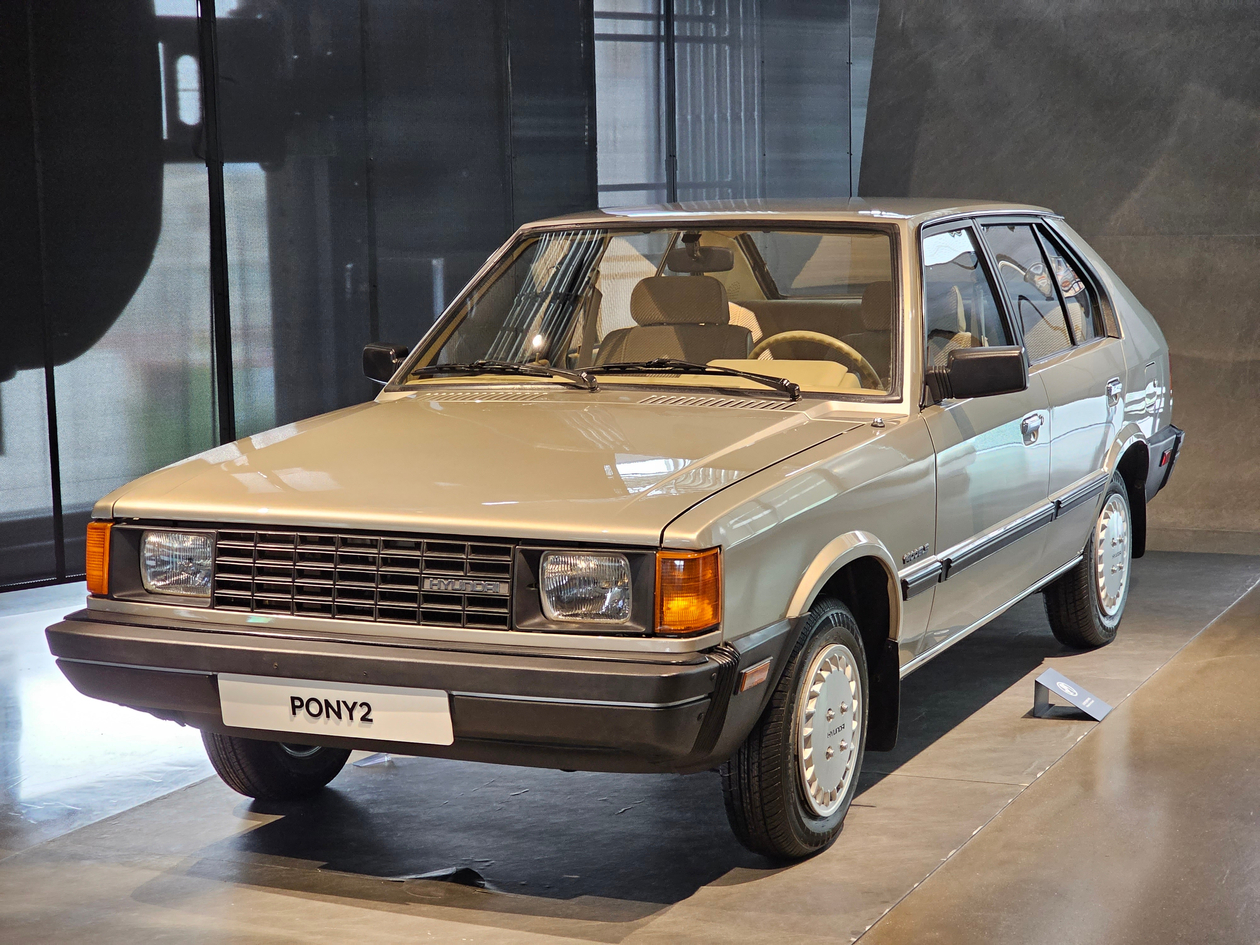
Hyundai Pony
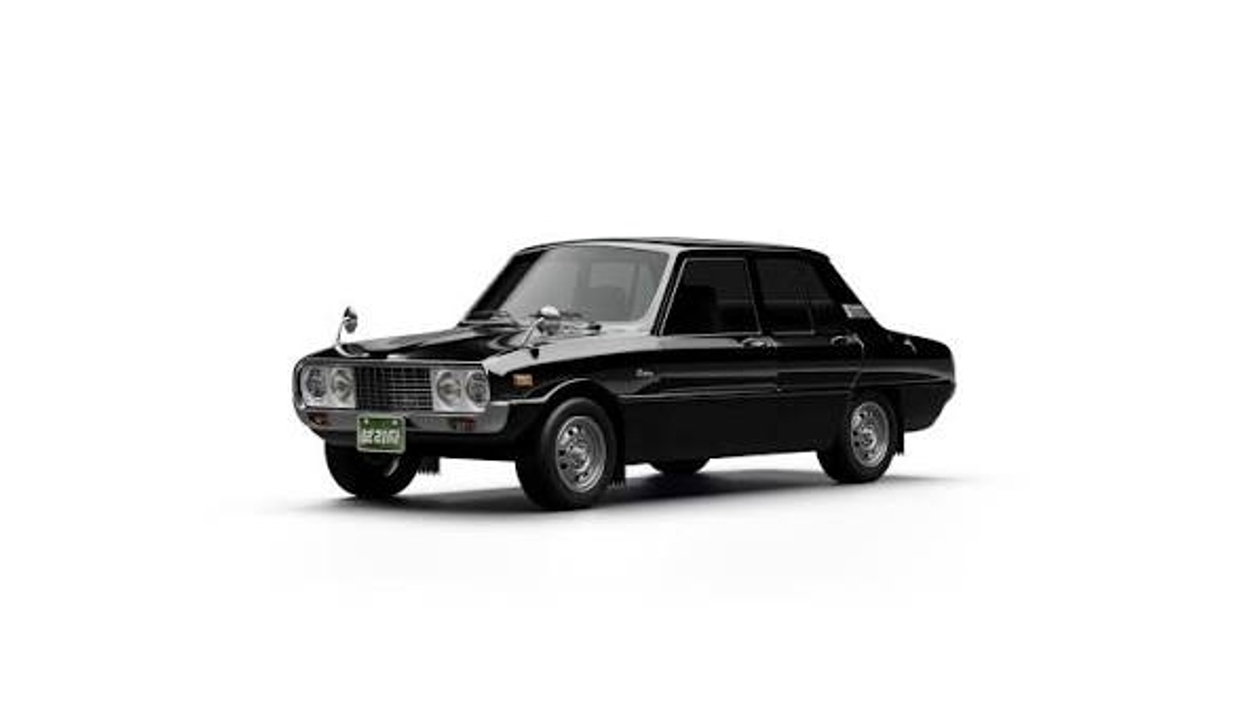
Kia Brisa
Curiously enough, their beginnings mirrored Proton’s journey almost to the tee. The Pony borrowed its platform and running gear from the Mitsubishi Lancer, with its sheet metal sculpted by Italy's Italdesign. Kia’s Pride, on the other hand, was conceived through a tie-up with Ford and Mazda. Yet the Koreans wasted no time forging their own identity: by 1991, Kia unveiled its first wholly in-house creations, the Sephia and Sportage; by 1994, the Hyundai Accent featured a proprietary powertrain, chassis, and design. Proton, meanwhile, was still pushing the Mitsubishi-derived Wira.
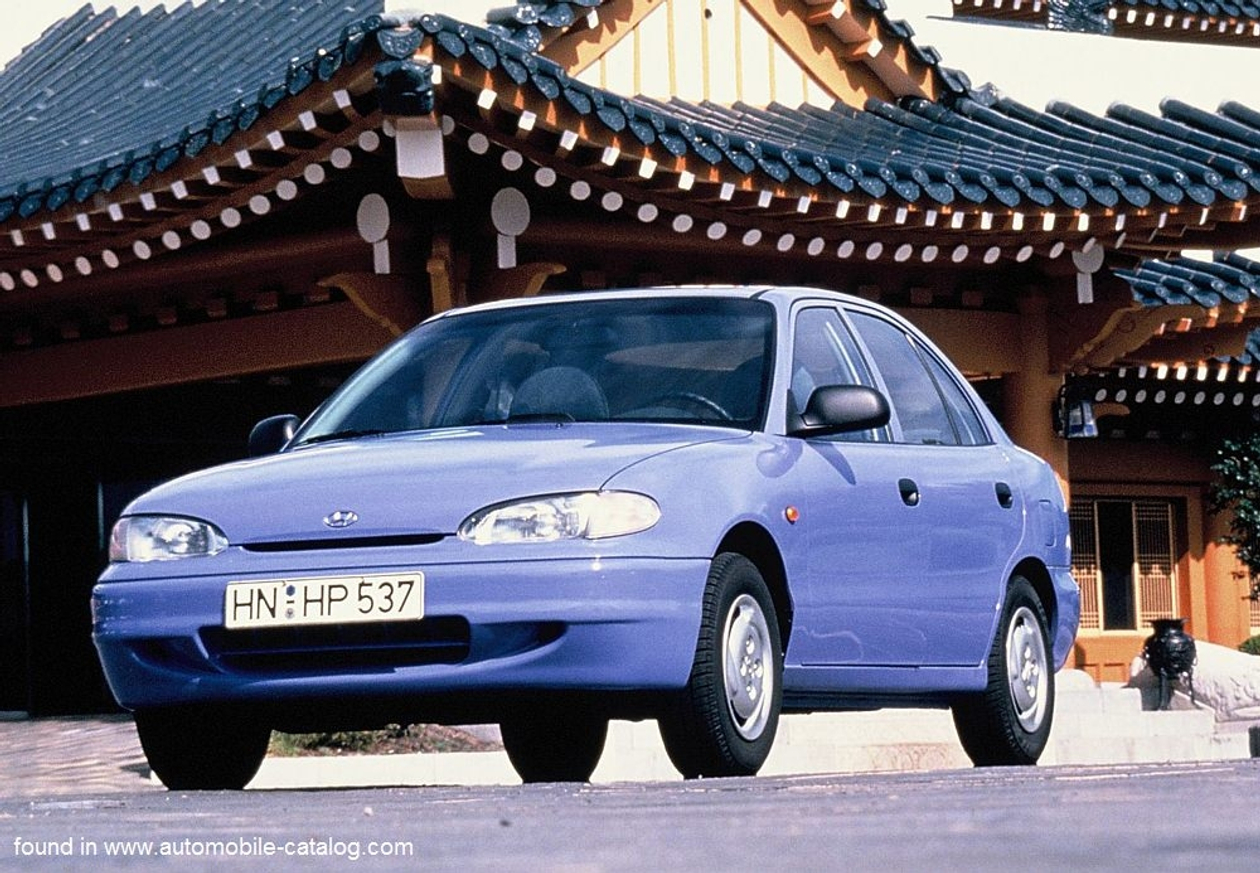
1994 Hyundai Accent
Korean cars officially landed on our shores during the 1990s. Hyundai gained a foothold via a modest outfit named Hyumal, followed by the commissioning of the Inokom assembly plant in Kulim, Kedah in 1993. Over at Kia, the Sephia was introduced locally as the Spectra, assembled locally between 2001 and 2010. Back then, Korean sedans sold purely on unmatched value for money.
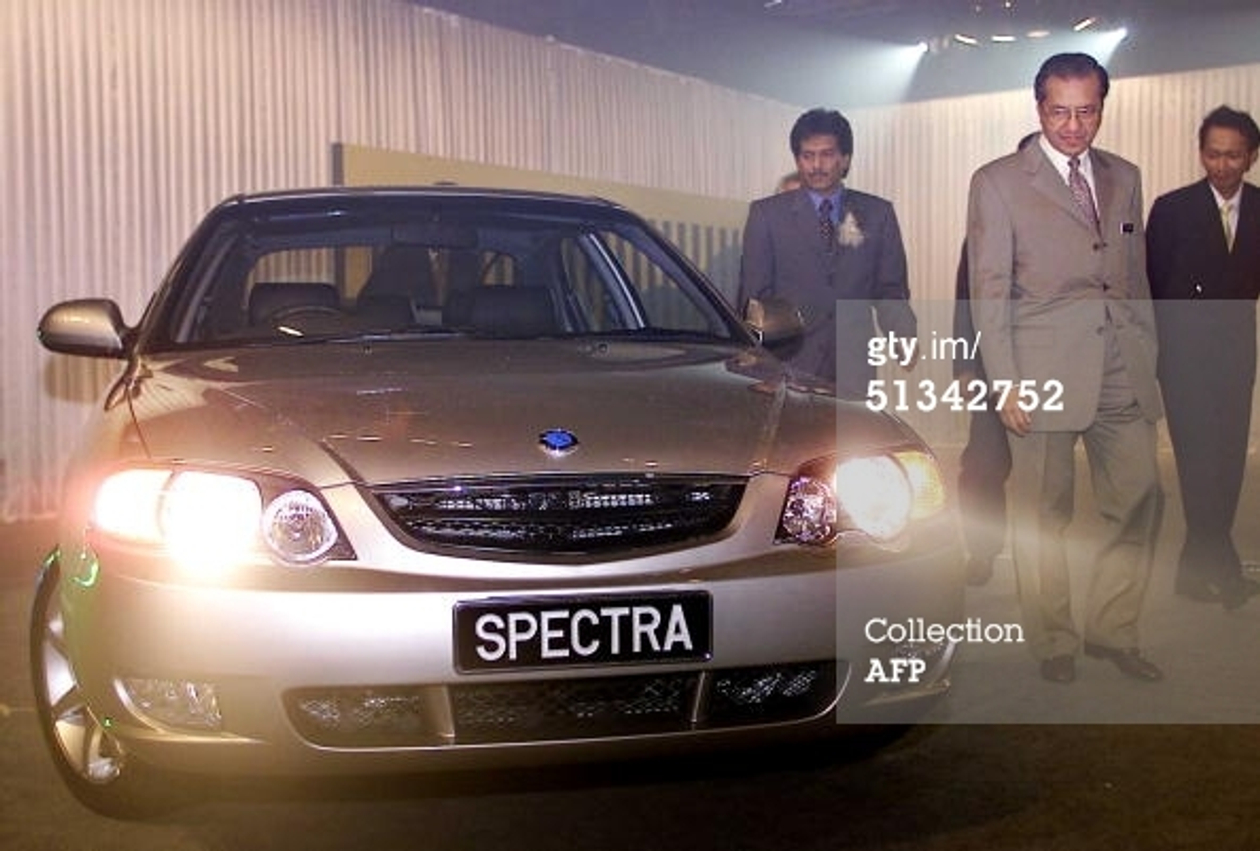
Former Prime Minister Tun Dr Mahathir Mohamad officiating the launch of the SPECTRA
The formula was straightforward: offer C-segment specifications at B-segment money. If that sounds familiar, it is because Chinese carmakers are executing the exact same playbook today, albeit with a modern twist.
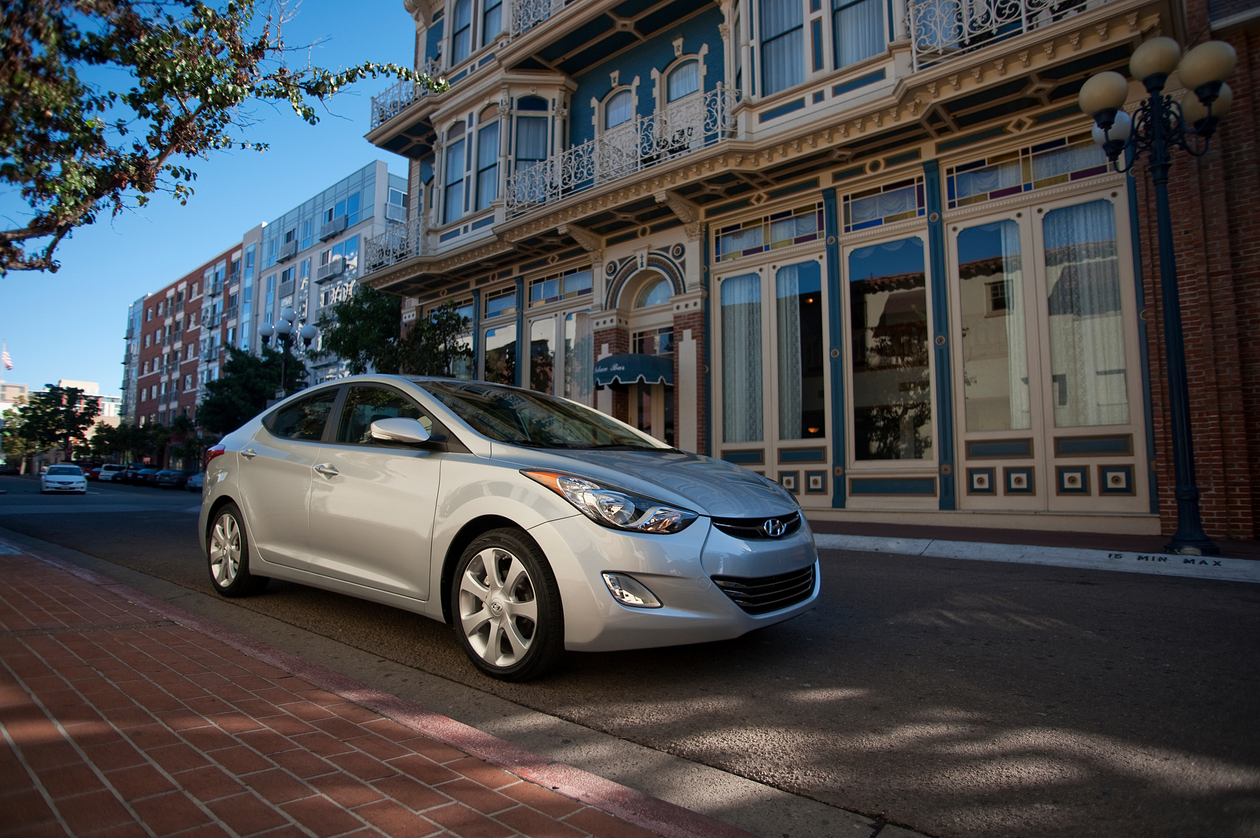
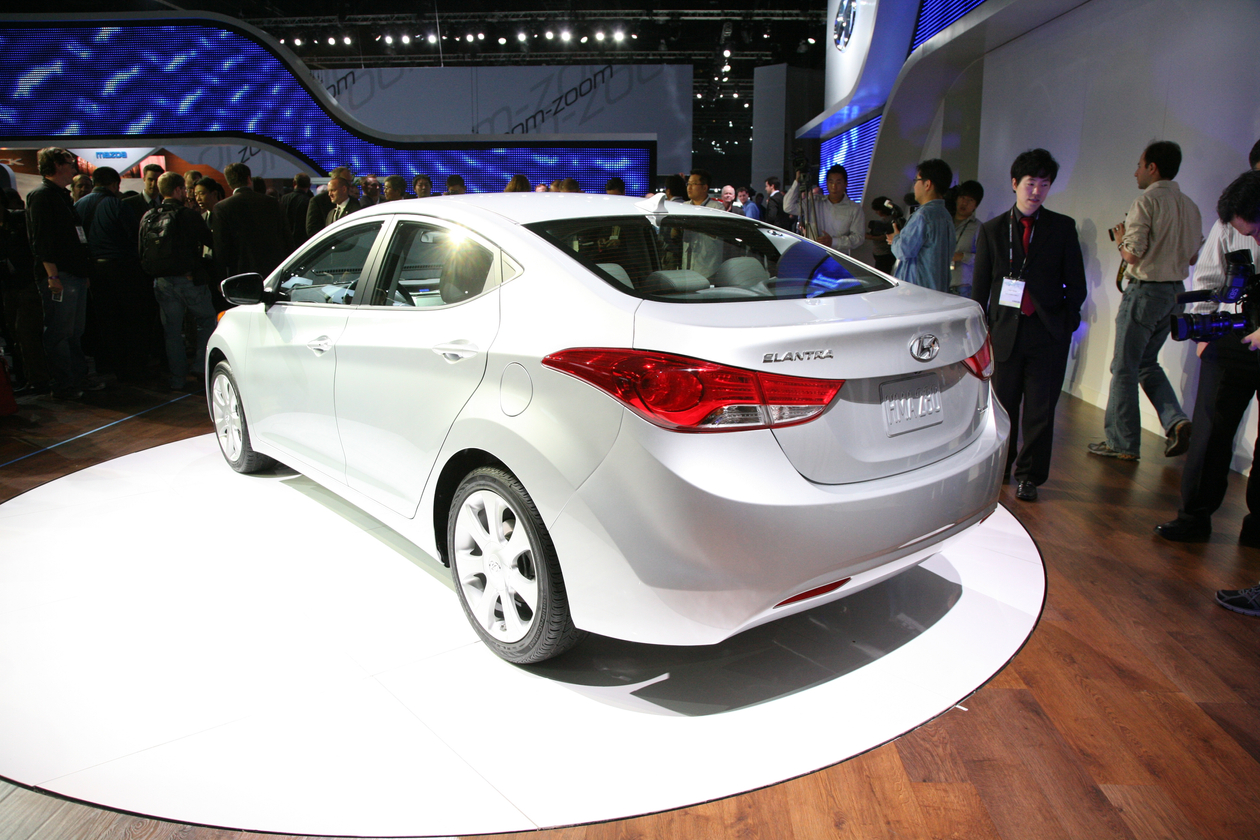
This brings us to the hero of our story: a Korean contender that offered Vios-rivalling prices with Civic-class kit and styling—the 5th-generation Hyundai Elantra (MD), affectionately known to locals as the Inokom Elantra.
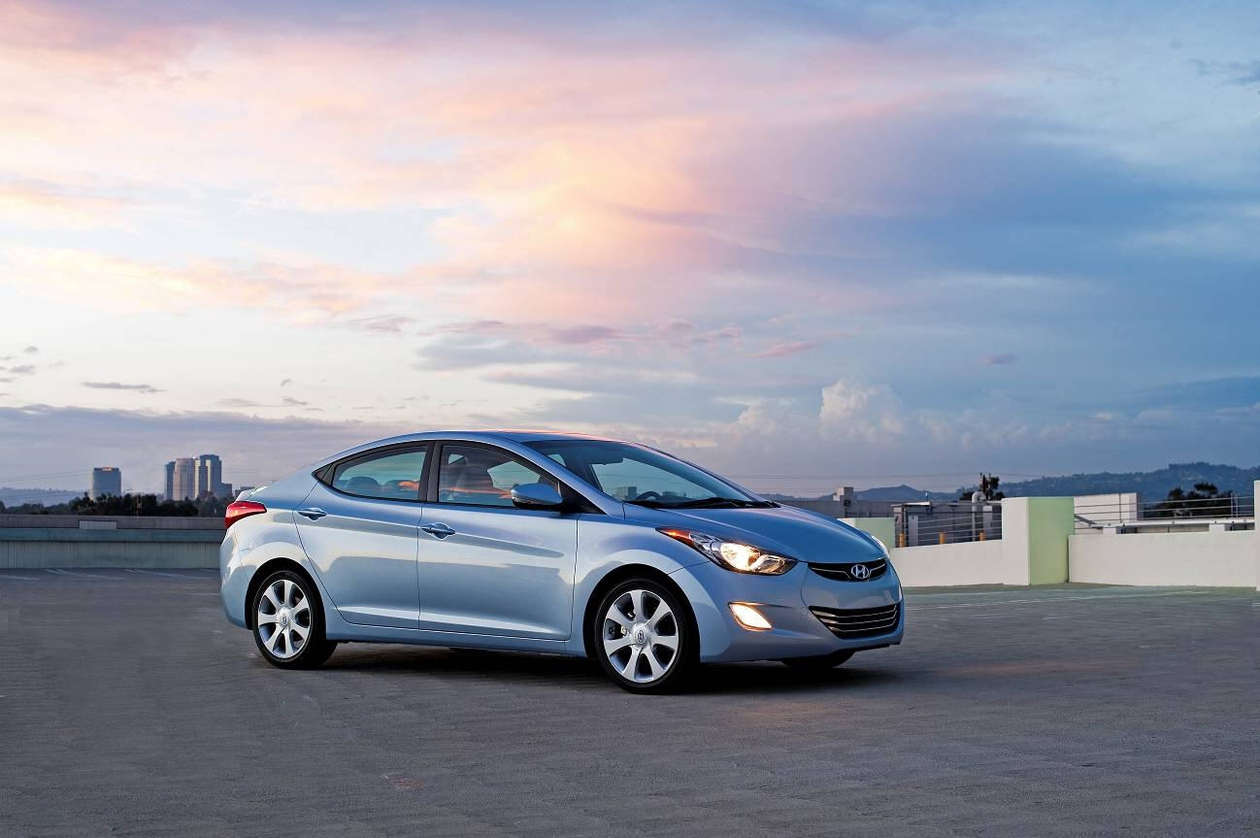
As luck would have it, the Hallyu (Korean Wave) was sweeping across the region at full tilt. TVXQ, Super Junior, BIGBANG, Wonder Girls, and Girls' Generation dominated the airwaves, while K-dramas captured prime-time television slots across Malaysia. By 2012, PSY’s "Gangnam Style" exploded into a worldwide craze.
The wind was blowing in their favour. Right on cue, Hyundai rolled out its groundbreaking "Fluidic Sculpture" design philosophy, breathing dynamic flow into an otherwise boxy, conservative automotive landscape.
First, a quick nod to the Elantra badge. Inaugurated in 1990 and known domestically in South Korea as the Avante, the nameplate breached the 10-million sales milestone by 2014. Worldwide, barely a dozen badges have ever matched this feat, joining the ranks of the Corolla, Golf, Civic, and Focus.
The 5th-gen Elantra (codenamed MD) was penned by Hyundai's North American Design Centre in Irvine, California. Embodying Hyundai’s then-fresh "Fluidic Sculpture" ethos, its curves were inspired by wind sweeping over solid forms, giving the car a sense of perpetual motion even when parked.
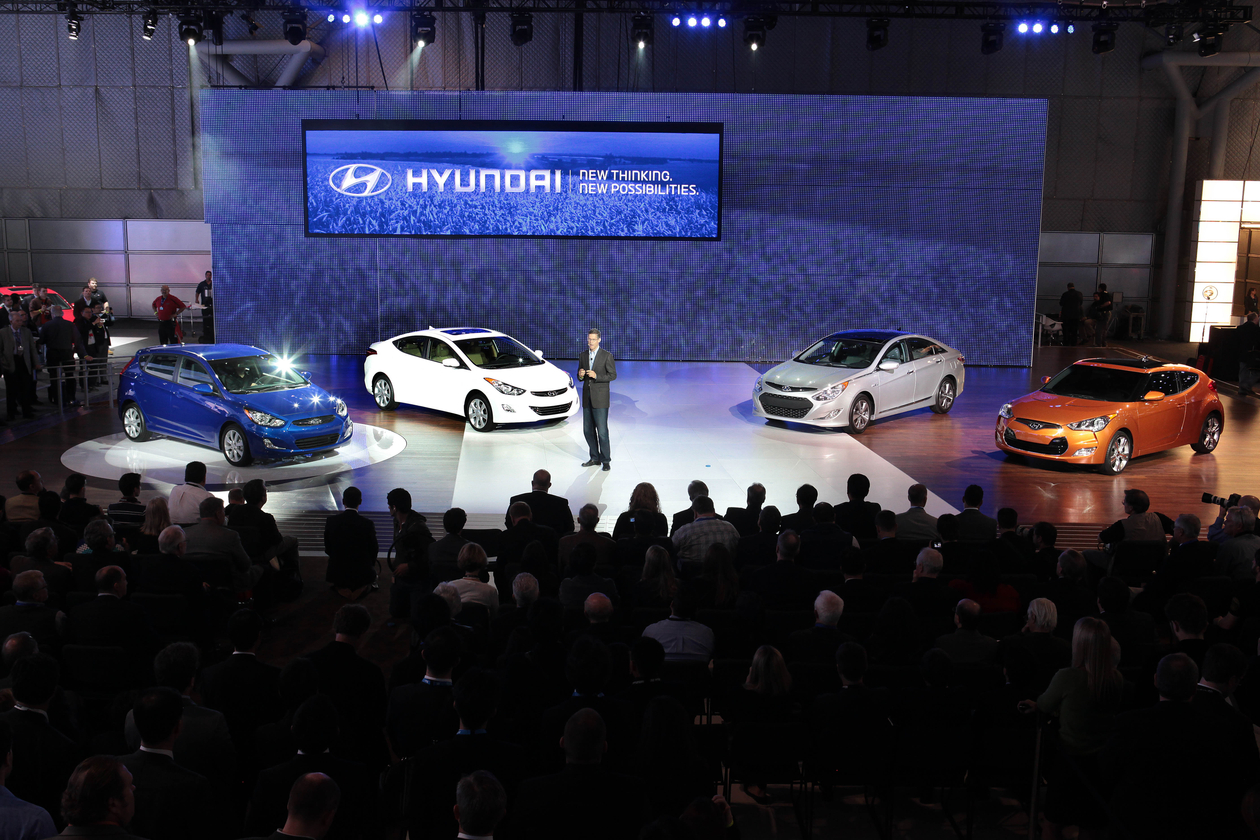
Interestingly, sister brand Kia was charting a drastically contrasting course. Having poached former Audi design maestro Peter Schreyer in 2006, Kia pioneered its signature "Tiger Nose" radiator grille, yielding lookers like the Forte and Optima. Schreyer noted that Kia pursued an "architectural" styling route, whereas Hyundai leaned into a "sculptural" vibe, deliberately ensuring visual distinction between the corporate siblings.
Hence, credit given to Schreyer for the MD Elantra is merely an urban legend. Schreyer only took the reins of overall group design in late 2012 upon stepping up as group president, eventually overseeing Hyundai's styling from early 2013 onwards.
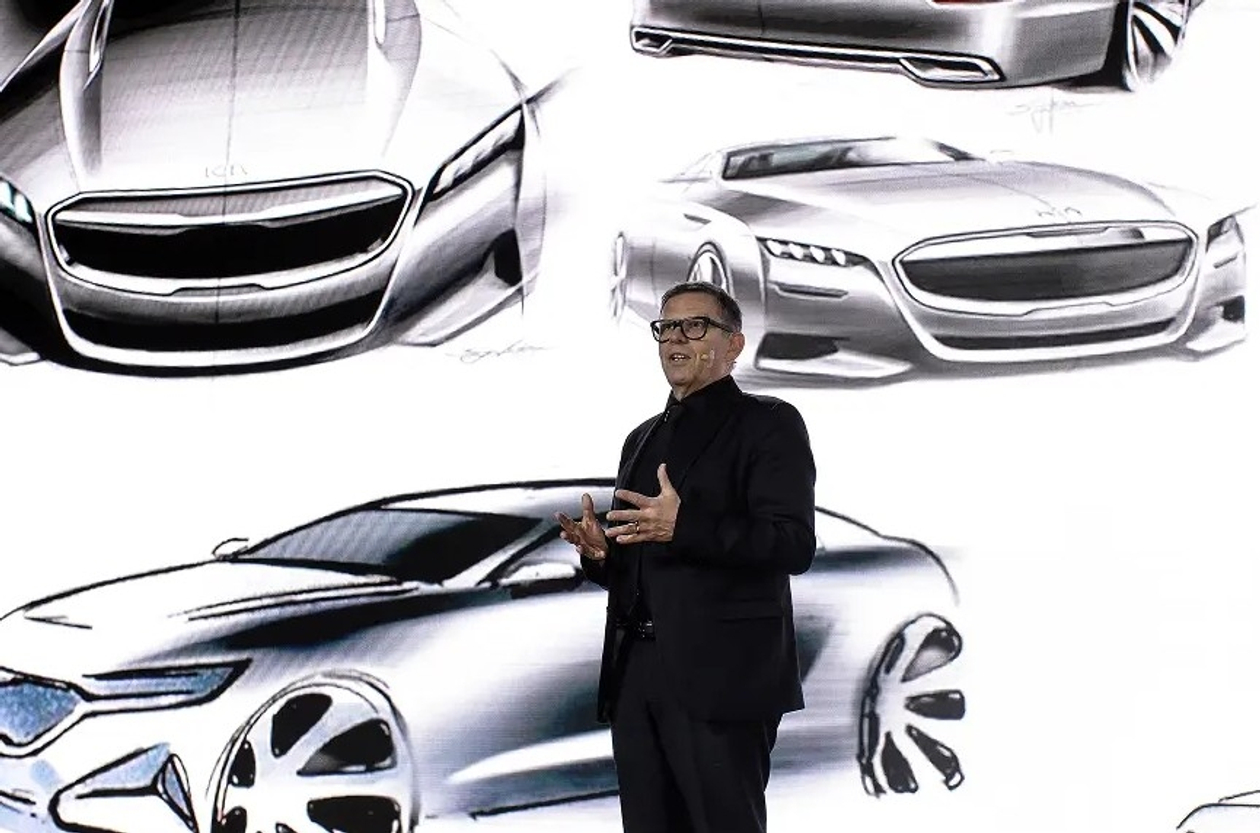
Peter Schreyer, Chief Design Officer of Kia/Hyundai
The payoff? The sculpted Elantra clinched the coveted 2012 North American Car of the Year accolade. For a Korean badge once derided as a budget bargain-bin choice, it was a massive vindication.
In late March 2012, Hyundai-Sime Darby Motors officially introduced the 5th-generation Elantra, hitting showrooms on 6 April. As a locally assembled (CKD) model, it wore the Inokom insignia on its bootlid rather than the Hyundai Flying 'H'.
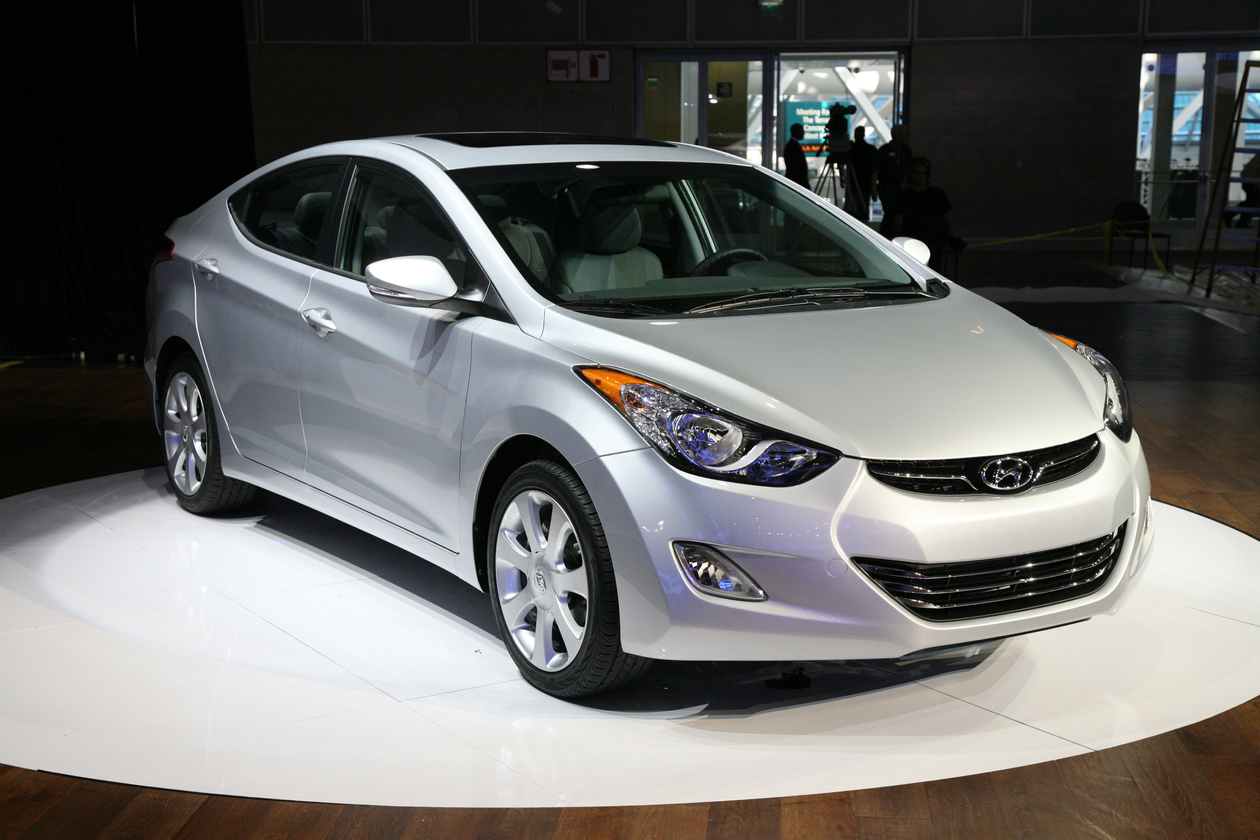
For the uninitiated, Inokom is a contract assembler established in 1992 in Kulim, Kedah, responsible for rolling out nameplates like the Inokom Atos, Matrix, Getz, and i10. Sime Darby took a controlling 51% stake in 2004, making the Inokom emblem the defining hallmark of its CKD status.
Four variants were offered at launch. Three 1.6 variants utilised the 1.6-litre Gamma unit good for 130PS and 157Nm: the 6-speed manual Standard retailed at RM86,888, the 6-speed automatic Standard went for RM91,888, and the High Spec commanded RM96,888. Crowning the lineup was the 1.8 AT Premium, motivated by a 1.8-litre Nu engine pushing 150PS and 178Nm, tagged at RM111,888. All figures quoted were on-the-road (OTR) inclusive of insurance.
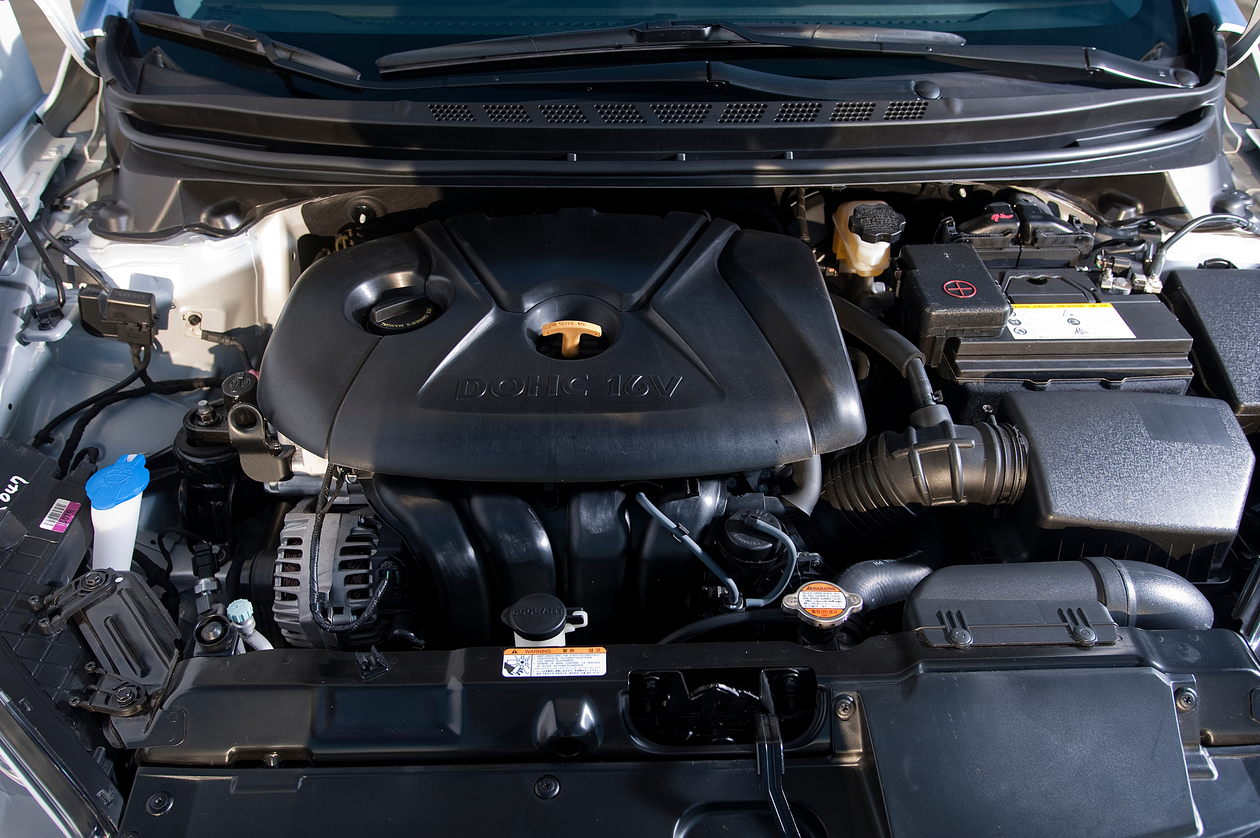
Stack it against the competition, and the value proposition was crystal clear. In 2012, an entry-level Honda Civic 1.8S already cost RM115,980, whereas the new-generation Toyota Vios that arrived the following year commanded between RM73,200 and RM93,200. The Elantra 1.6 variants directly overlapped with high-spec Vios pricing, while the flagship 1.8 Premium undercut even the baseline Civic.
By 2012 benchmarks, the equipment list was remarkably generous: auto headlamps, front fog lamps, dual airbags, and ABS came standard across the range, with automatic variants gaining keyless entry and push-start ignition. The 1.8 Premium took things up a notch with a sunroof, 10-way power-adjustable driver's seat, cruise control, rain-sensing wipers, and touchscreen navigation paired with a reverse camera. Even the three-pedal manual variant received a full 6-speed cog box.
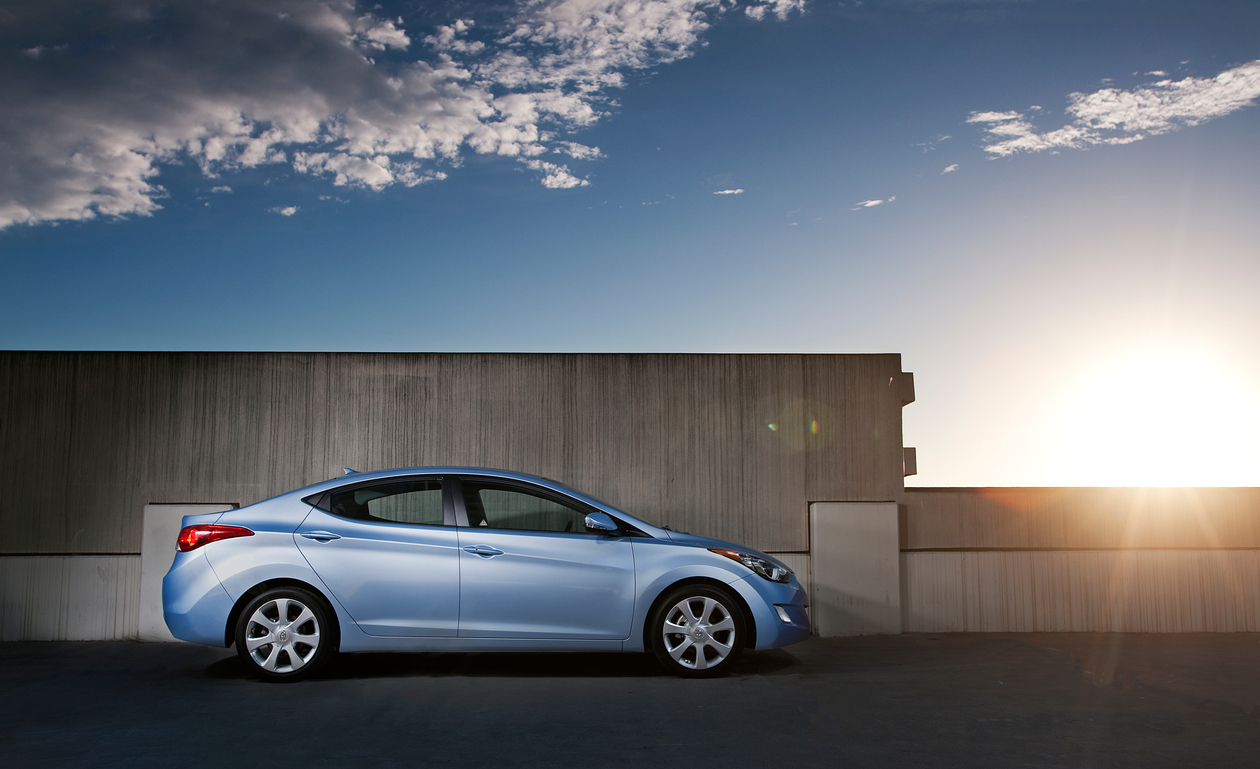
At the time, car forums heavily cross-shopped the Elantra against the Kia Forte, Mazda 3, and Honda Civic, with occasional mentions of the Toyota Altis and Proton Inspira. While netizens lauded its sleek looks and extensive kit, two recurring gripes stood out: price points could have been keener, and many remained skeptical of the unfamiliar Inokom badge.
On 5 March 2015, the facelifted model arrived with an overall length stretched by 20mm, refreshed front and rear bumpers, plus ABS, ESC, VSM, and hill-start assist standardised across the range. Prices ranged between RM86,328 and RM115,616 (OTR without insurance), underpinned by an extensive 5-year/300,000 km warranty.
Remarkably, the Kulim-built Elantra was even exported across the border to Thailand. Leveraging ASEAN Free Trade Area (AFTA) duty perks, our Malaysian-assembled "Elantra Sport" undercut the equivalent South Korean CBU import in the Thai market by a tidy margin.
JPJ registration data reveals that 11,575 units of the Inokom Elantra were registered locally from June 2004 onwards. Its sales zenith came in 2013 with 4,710 units registered—coinciding with the 5th-gen MD’s first full calendar year in the market.
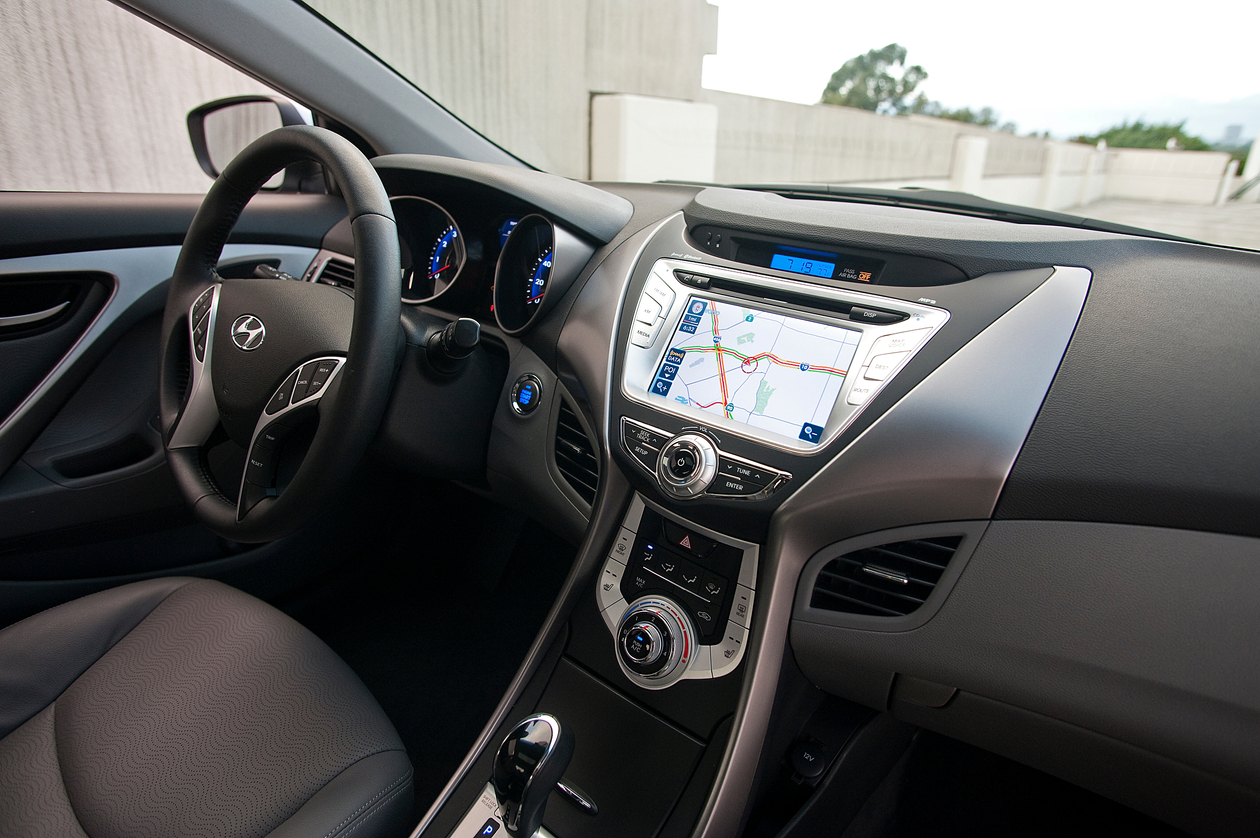
In our view, the Elantra’s winning formula boiled down to striking styling and unbeatable spec-for-spec value. When the Civic and Altis were still playing it safe with uninspired designs, the Fluidic Sculpture contours turned heads everywhere. You could dismiss Korean makes, but you certainly couldn't call it plain. On an RM90,000 budget, the Elantra delivered keyless entry, push-start ignition, and leather upholstery, with the 1.8 variant chucking in a sunroof and reverse camera. For many buyers, this was their first taste of continental-grade luxuries at an accessible price point.
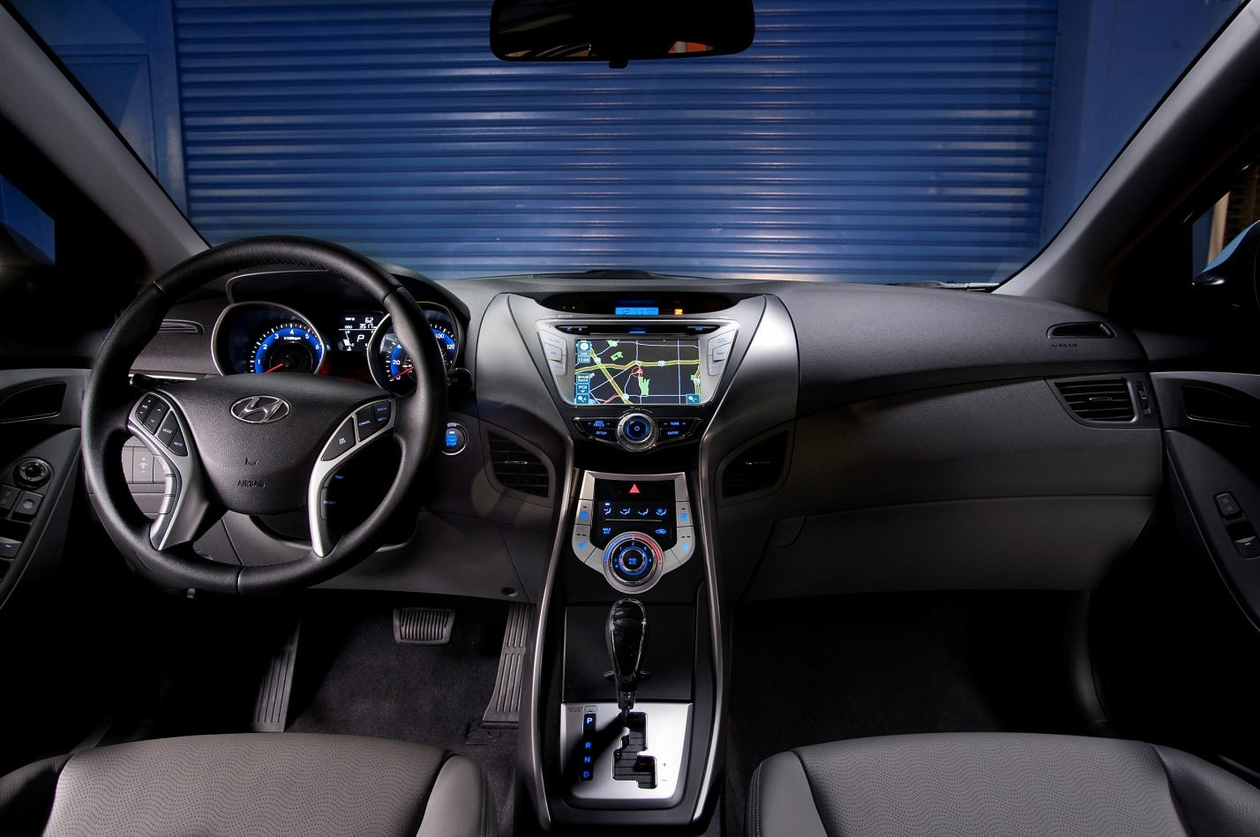
Riding the K-Wave momentum, the "Made in Korea" moniker swiftly shed its bargain-basement reputation, becoming an emblem of modern chic.
Subsequent Elantras: Raising the Game, Yet Losing the Crowd
Following the MD, the Elantra lived through another two generations on our shores.
In June 2017, the 6th-gen Elantra (AD) landed, fielding a 2.0-litre naturally aspirated engine alongside a punchy 1.6-litre Turbo across three variants, starting from around RM116,000.
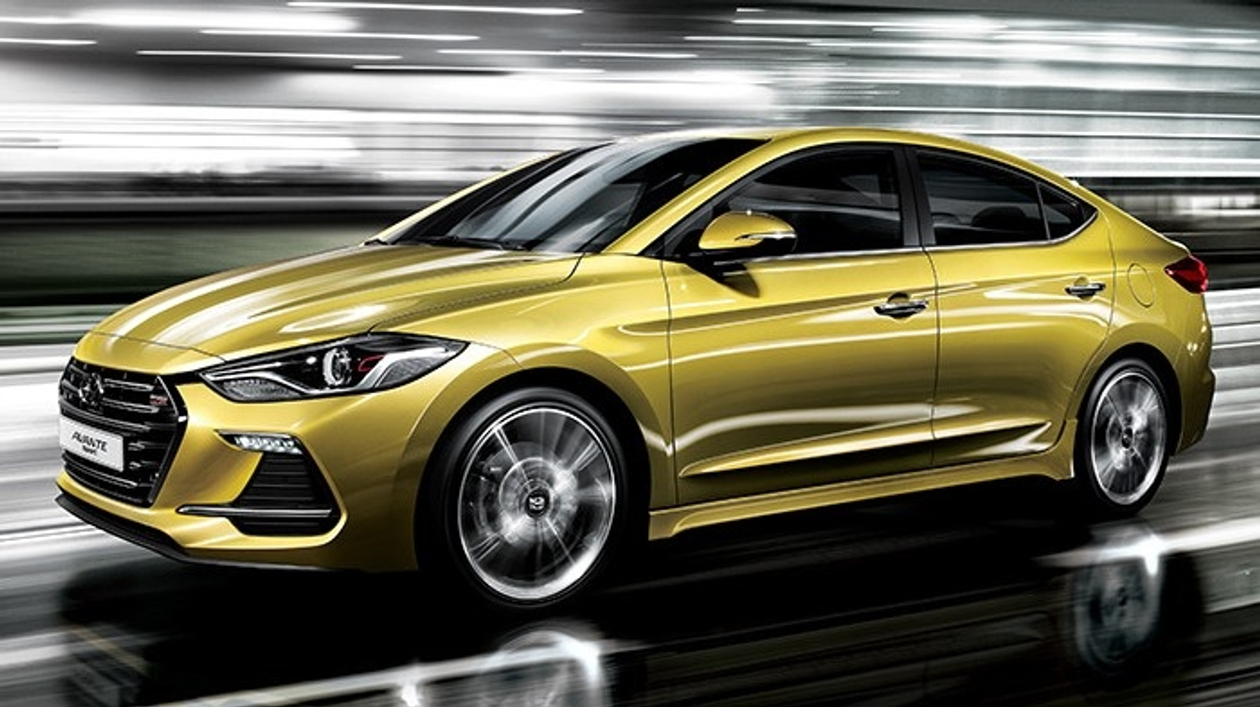
By late 2020, the razor-sharp 7th-gen Elantra (CN7) landed locally, streamlined into two variants by 2021 with prices soaring from RM139,888 to RM158,888. From the MD’s accessible sub-RM87,000 entry point to the CN7 knocking on the RM140,000 door, the nameplate gradually alienated its core value-seeking audience.
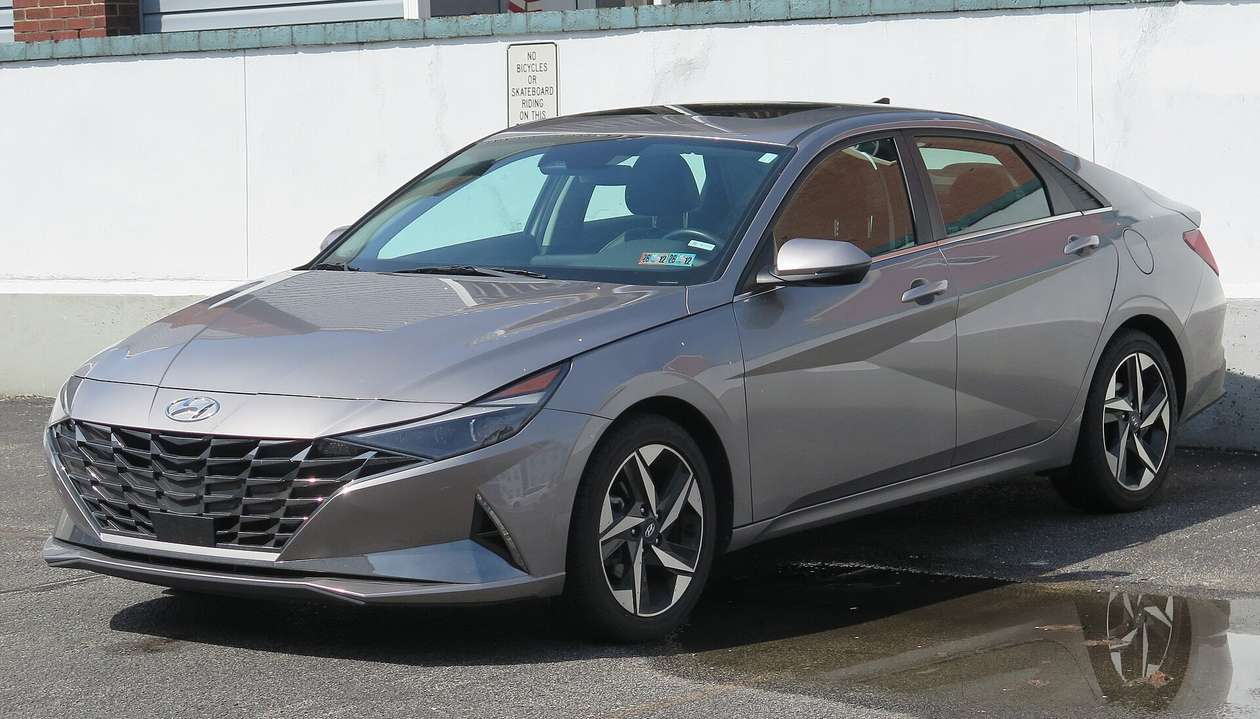
Simultaneously, the unrelenting SUV boom cannibalised traditional C-segment sedans. By 2023, WapCar listed the Elantra among six nameplates exiting the Malaysian market, bowing out alongside the Exora, Accord, BR-V, Sonata, and Passat. JPJ records confirm that no new Hyundai Elantra has been registered since December 2023.
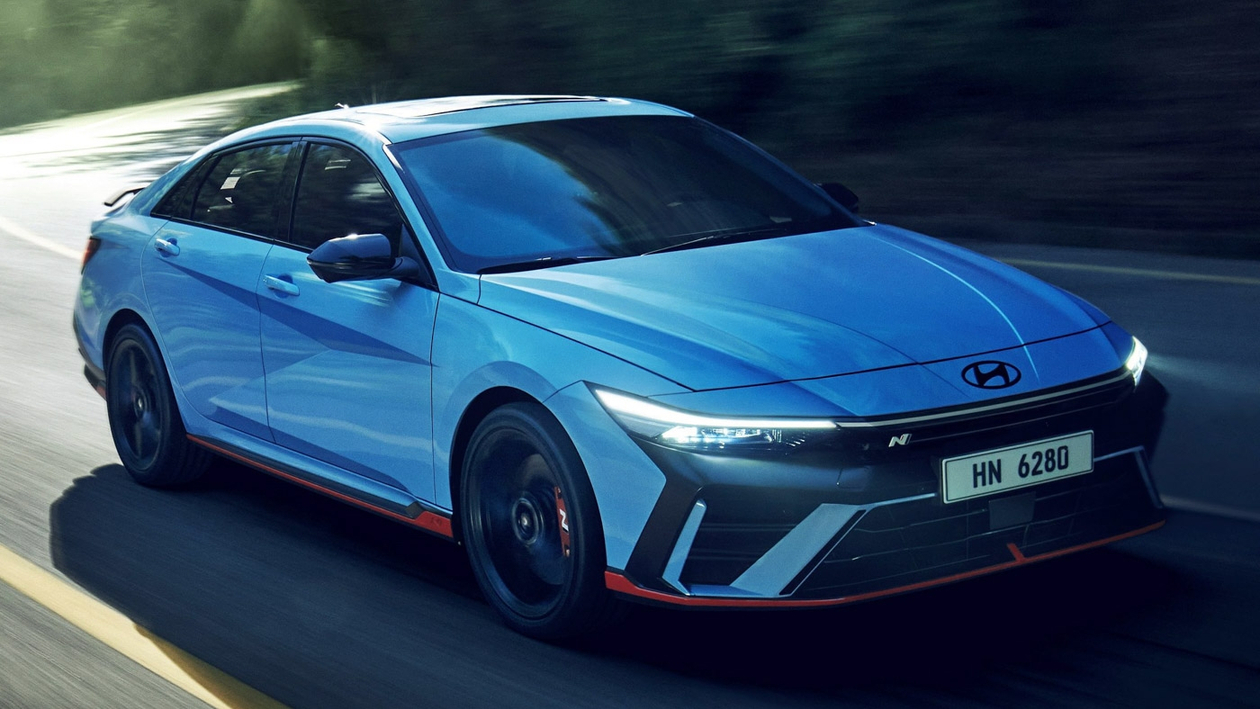
Adding salt to the wound, Thailand received the blistering 280PS Elantra N hot saloon right as the nameplate bowed out of Malaysia, carrying a price tag that notably undercuts the Honda Civic Type R.
It is a bitter pill to swallow. The year 2013, which saw the Inokom Elantra fly out of showrooms, coincided with Hyundai’s absolute peak in Malaysia: that year, the brand shifted 12,217 units locally, commercial Inokom lorries included. Fast forward to 2023, that annual tally shrivelled to a dismal 1,513 units.
A major Achilles' heel was resale value. Take 2015 models for instance: five years on, an Elantra 1.8 Premium retained barely 43% of its original value, compared to 49% for a Civic and 54% for an Altis. Distributor Hyundai-Sime Darby Motors maintained that used-car dealers were artificially squeezing prices, even offering an RM5,000 trade-in loyalty incentive. But once the kopitiam chatter branded Korean cars as value depreciators, the stigma stuck.
Creeping price tags inflicted even greater damage. As noted earlier, the Elantra transitioned from an accessible sub-RM87,000 proposition in the MD era to a lofty RM158,888 for the CN7. The compelling pitch of "more equipment for the same money" evaporated as its retail price aligned squarely with stalwarts like Toyota and Honda. At identical price points, buyers predictably gravitated back to the tried-and-tested Japanese residuals.
On a broader strategic front, Hyundai Motor Company seemed detached from our market. Distributorship shuffled hands from Oriental Holdings to Hyumal and eventually Hyundai-Sime Darby Motors. The principal retained merely a 15% minority stake in the Inokom assembly plant, with CKD operations dwindling over time. In 2021, Hyundai relocated its Asia-Pacific regional hub from Malaysia to Jakarta; the Malaysian Investment Development Authority (MIDA) candidly acknowledged that waning domestic demand for Hyundai vehicles contributed significantly to the shift.
The final blow came from evolving consumer palates. The SUV craze didn't just sideline the Elantra; it dismantled the golden era of the C-segment sedan market entirely.
By 2025, Hyundai stepped in directly by setting up Hyundai Motor Malaysia to oversee operations. Wiping the slate clean, the brand streamlined its catalogue strictly around the Santa Fe, Tucson, and Staria, drawing the curtain on legacy nameplates. That golden era when Inokom Elantras lined our streets was officially consigned to the history books.
As of November 2026, roughly 35 units of the Inokom Elantra are listed on Mudah, with asking prices hovering between RM9,800 and RM19,800, yielding a median figure around RM14,888.
In short, cars that commanded RM87,000 to RM112,000 brand-new have retained a mere 10% to 20% of their original showroom price tags.
The Inokom Elantra remains a generational benchmark: it persuaded everyday Malaysians to seriously embrace Korean metal for the first time, scooped the North American Car of the Year crown, and even supported an export programme to Thailand. Yet amidst today's crossover-heavy landscape, it—along with the entire C-segment sedan fraternity—has been quietly ushered off the stage.
While we might still spin vintage Super Junior and BIGBANG tracks, or catch the latest hits from aespa and A20lite, that golden era of Korean motoring has slipped into the annals of history, never to return.

Your go-to source for all things automotive in Malaysia. 🚗 Latest reviews, breaking news, launches & industry trends.
+ Follow History made! The BYD Yangwang U9X hits an official 503.17 km/h, becoming the first production car to break the 500 km/h barrier.
Full story 👇
#BYD #YangwangU9X #Hypercar #EV #SpeedRecord 1 minute ago
 BMW has just revealed its Guangzhou Auto Show 2026 lineup, confirming the official market launch dates for the ground-breaking Neue Klasse iX3 and Neue Klasse i3! 1 minute ago
 Meanwhile, the new CR-V All-Round Honor Edition is set to debut in China tomorrow. 1 minute ago
Get the latest car news first!
Your go-to source for all things automotive in Malaysia. 🚗 Latest reviews, breaking news, launches & industry trends.
History made! The BYD Yangwang U9X hits an official 503.17 km/h, becoming the first production car to break the 500 km/h barrier.
Full story 👇
#BYD #YangwangU9X #Hypercar #EV #SpeedRecord 1 minute ago BMW has just revealed its Guangzhou Auto Show 2026 lineup, confirming the official market launch dates for the ground-breaking Neue Klasse iX3 and Neue Klasse i3! 1 minute ago Meanwhile, the new CR-V All-Round Honor Edition is set to debut in China tomorrow. 1 minute ago 
© 2024 Bitauto.com. All Rights Reserved.
Bitauto (www.yiche.com and www.bitauto.com) is one of the most visited automotive websites in China. We provide detailed info on Chinese car brands available in your area. Please note that the information provided on this website is based on publicly available data and is for reference only. It may not be fully updated or accurate at all times.

Help us improve our website


