When commercial pick-up truck buyers shop for a workhorse, their priorities are clear: rear cargo bed capacity, whether it will leave them stranded en route to the worksite, and how much residual value it retains after five years. Infotainment screen size ranks dead last.
However, airbag count in a double-cab pick-up is no trivial matter. Whether you are ferrying site workers or family members in the rear, having side curtain airbags to cushion their heads during a T-bone collision is a world apart from debating touchscreen dimensions.
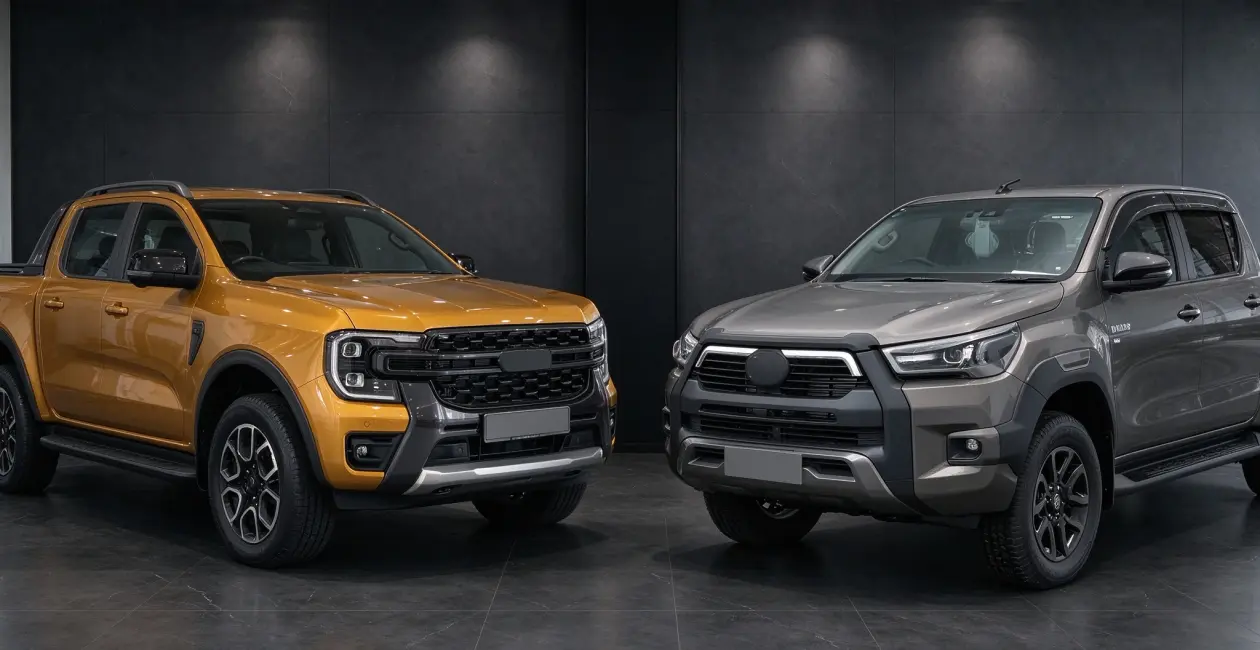
The Ford Ranger 2.0L XL retails at RM127,888, whereas the Toyota Hilux Double Cab 2.4E AT 4×4 is priced at RM119,880. The Hilux is RM8,008 cheaper, but it settles for just three airbags.
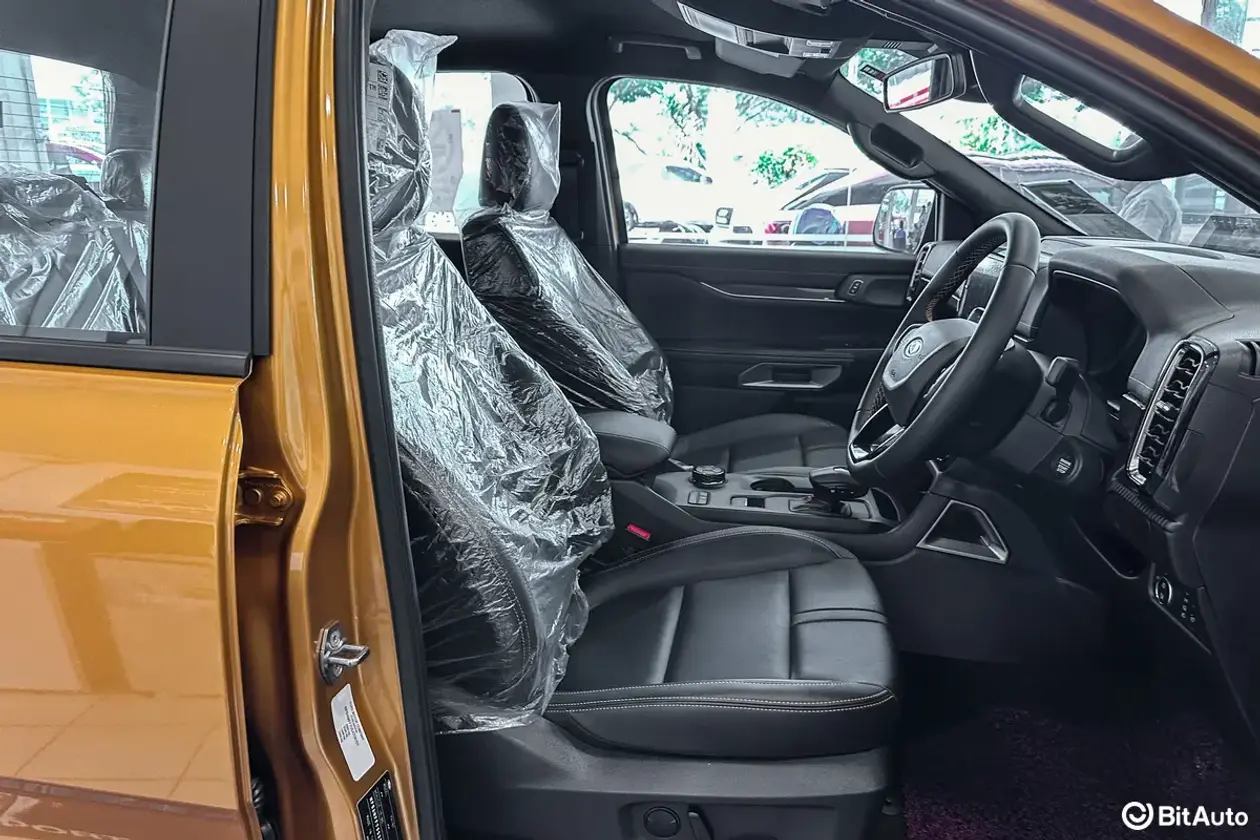
The Ranger commands an RM8,000 premium, but packs six airbags, a 10-speed automatic gearbox, and a 12-inch touchscreen into a commercial-spec truck. Pitched head-to-head, choosing between these arch-rivals ultimately boils down to your operational duty cycle.
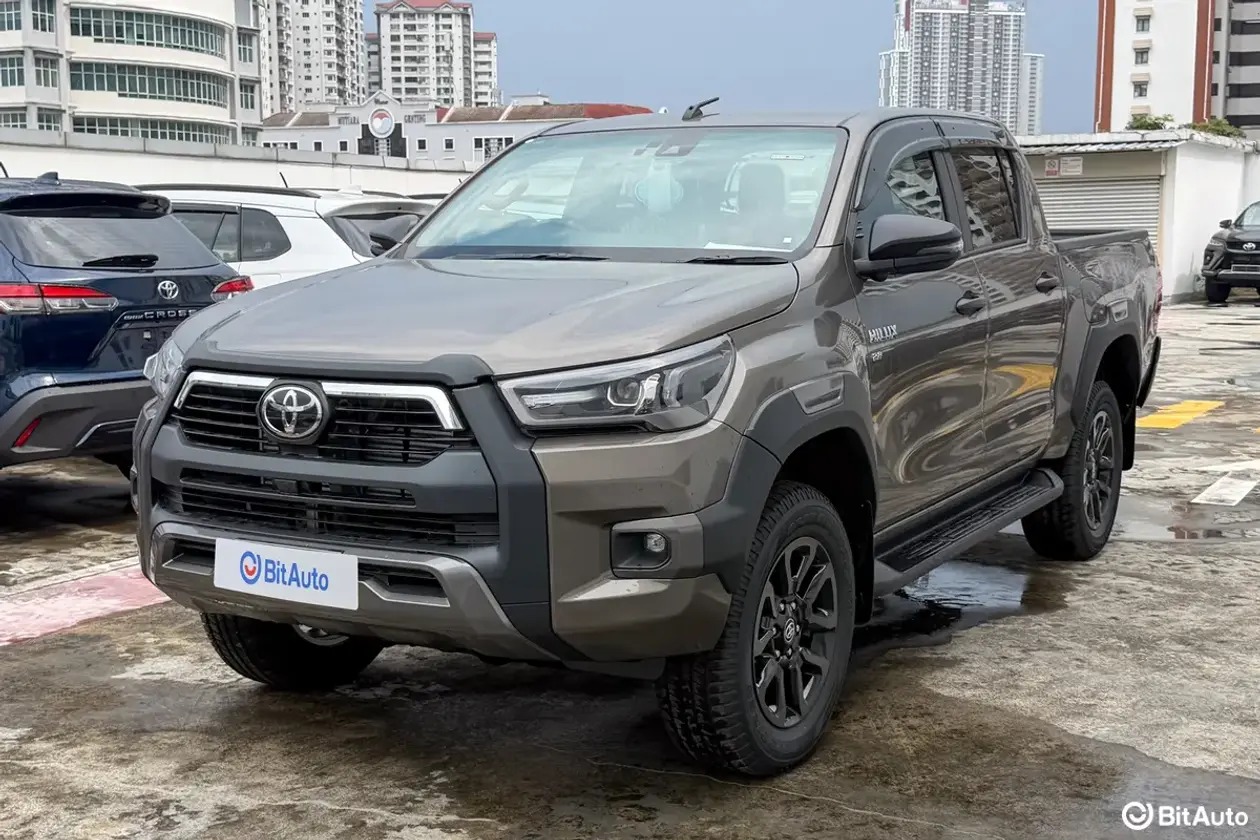
The Hilux 2.4E comes equipped with three airbags: driver, front passenger, and driver's knee. There are no front side airbags, nor front and rear curtain airbags. For a double-cab pick-up truck that regularly shuttles between rough construction sites and long-distance highway hauls with a full cabin, three airbags mean occupants lack crucial torso and head protection during a severe side impact.
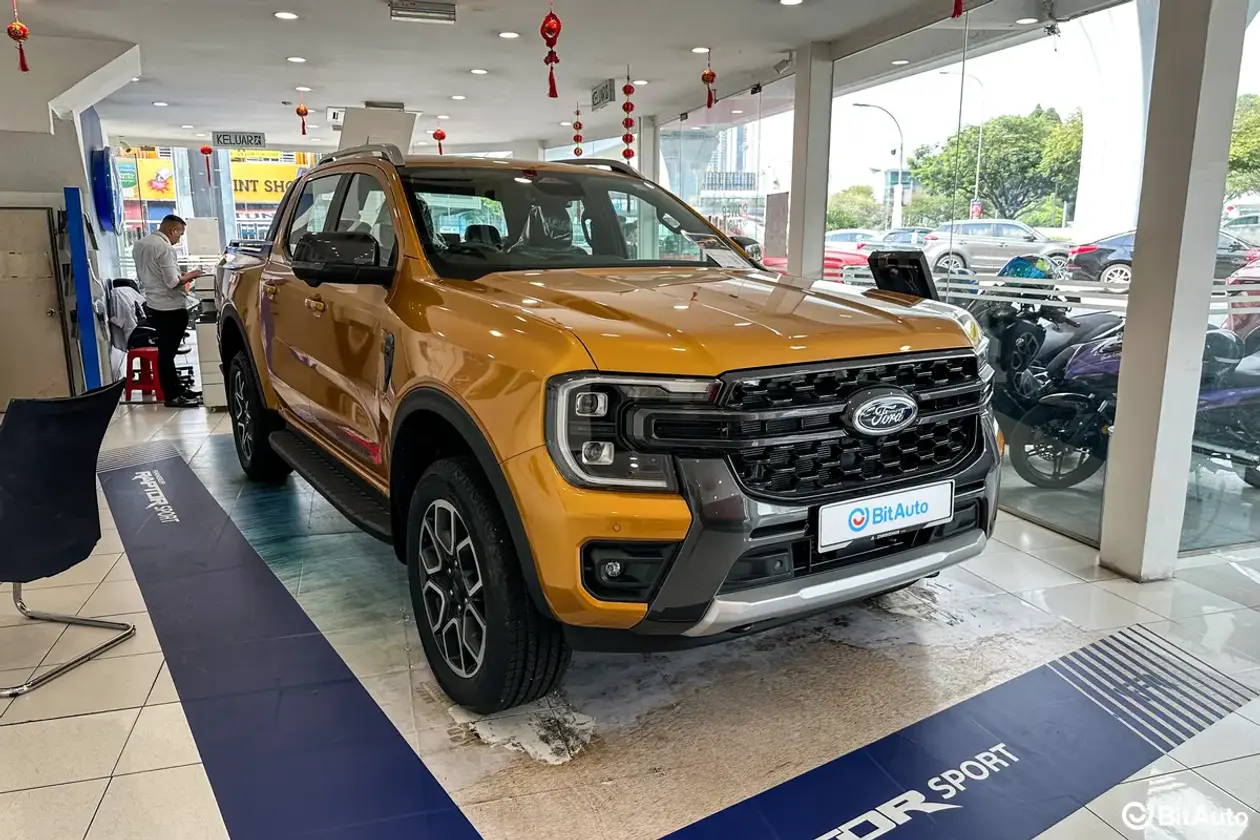
The Ranger XL, on the other hand, provides six airbags as standard, including front side and full-length curtain airbags. In that RM8,008 price delta, jumping from three to six airbags is the most tangible safety upgrade—and the hardest to brush aside with arguments of "bulletproof reliability" or "strong resale value".
If you routinely carry passengers, this safety deficit warrants serious consideration. If you drive solo most of the time, three airbags may suffice as a bare minimum, but the safety disparity remains indisputable.
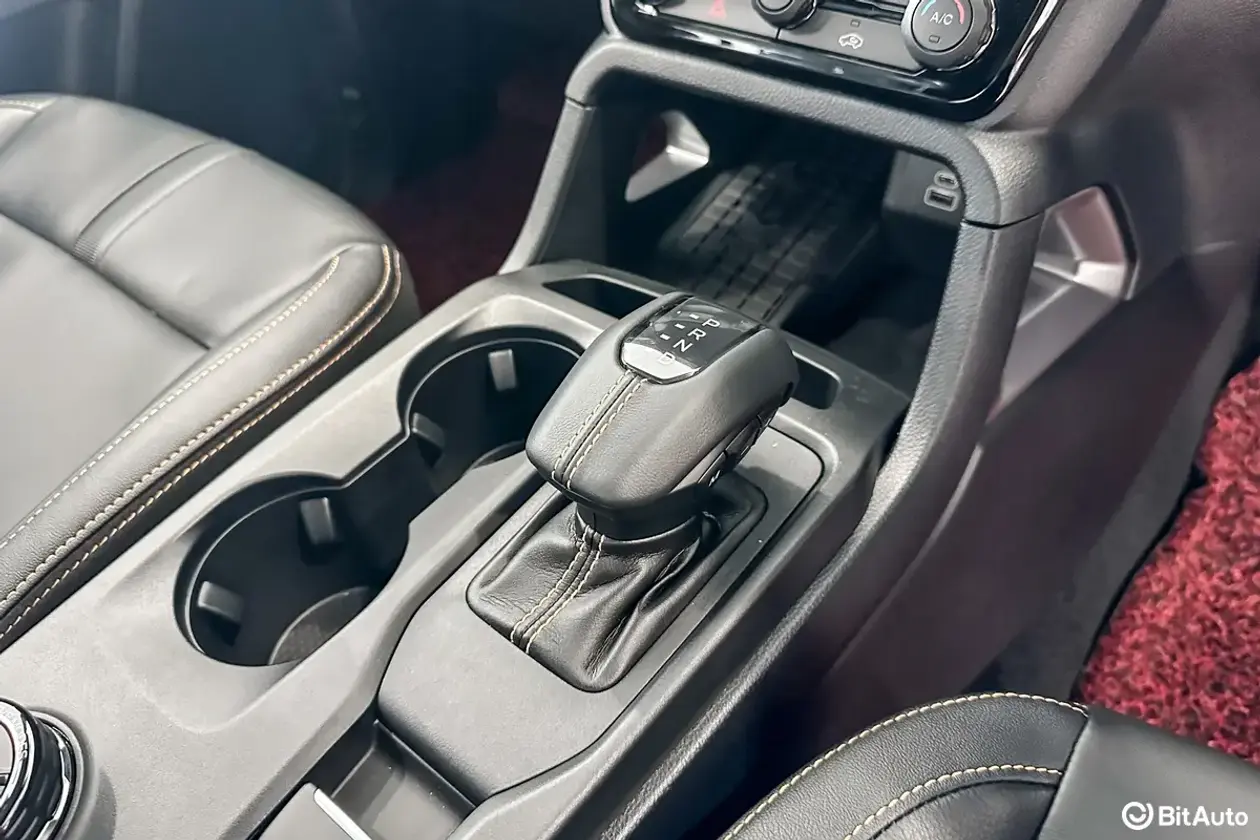
Under the bonnet, the Ranger XL's 2.0-litre single-turbo diesel mill develops 170 PS (approx. 168 hp) and 405 N·m, mated to a 10-speed automatic—a fresh transmission introduced in the July 2026 update to replace the outgoing 6-speed unit. The Hilux 2.4E employs the venerable 2GD-FTV engine delivering 150 PS (approx. 148 hp) and 400 N·m, paired with a 6-speed automatic.
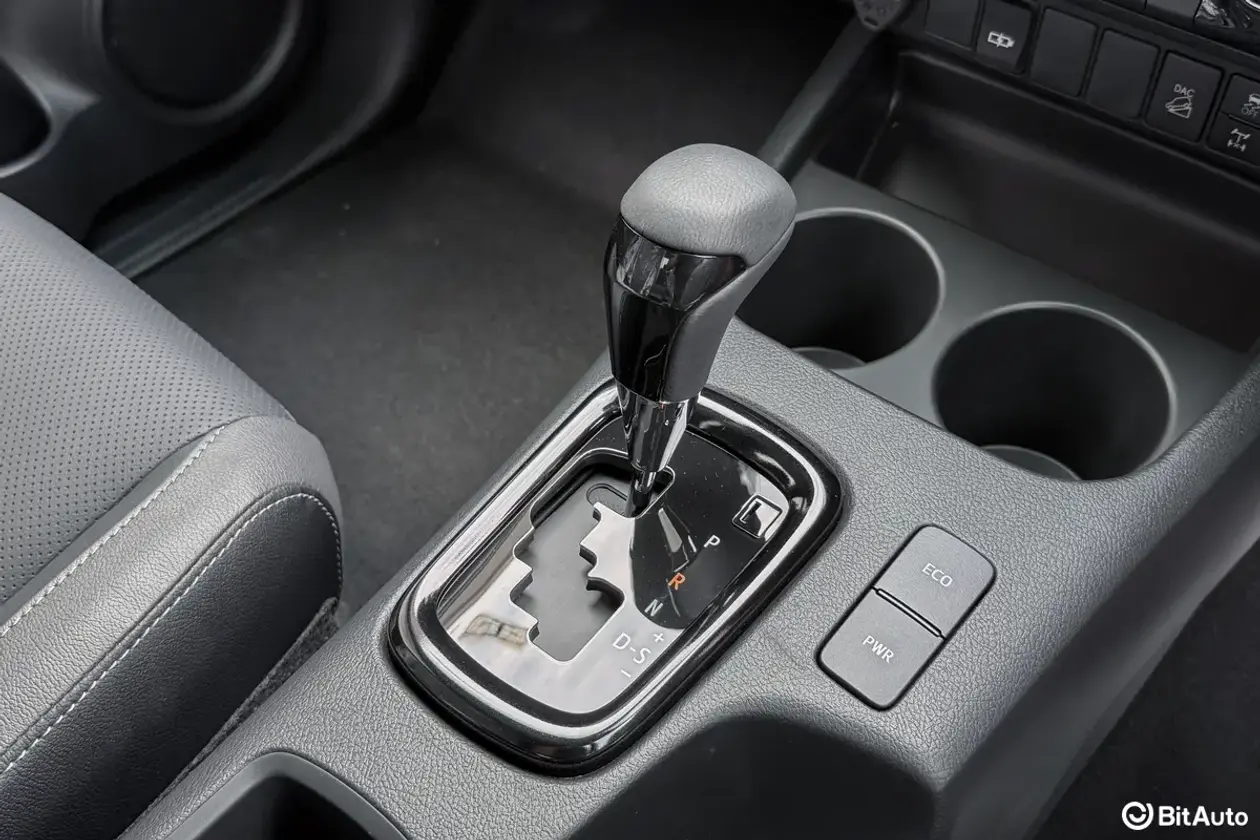
With an output gap of just 20 PS and 5 N·m, they appear neck-and-neck on paper. Yet, the real-world difference between a 10-speed and a 6-speed gearbox goes far beyond output figures. The 10-speed features closer gear ratios that keep engine revs substantially lower when cruising at 110 km/h, translating to lower cabin noise and better fuel economy on interstate runs.
The Hilux's 6-speed automatic counters with proven mechanical maturity. Mated to the 2GD-FTV for years, its shifting is dependable and smooth enough, though it undeniably lacks a modern edge.
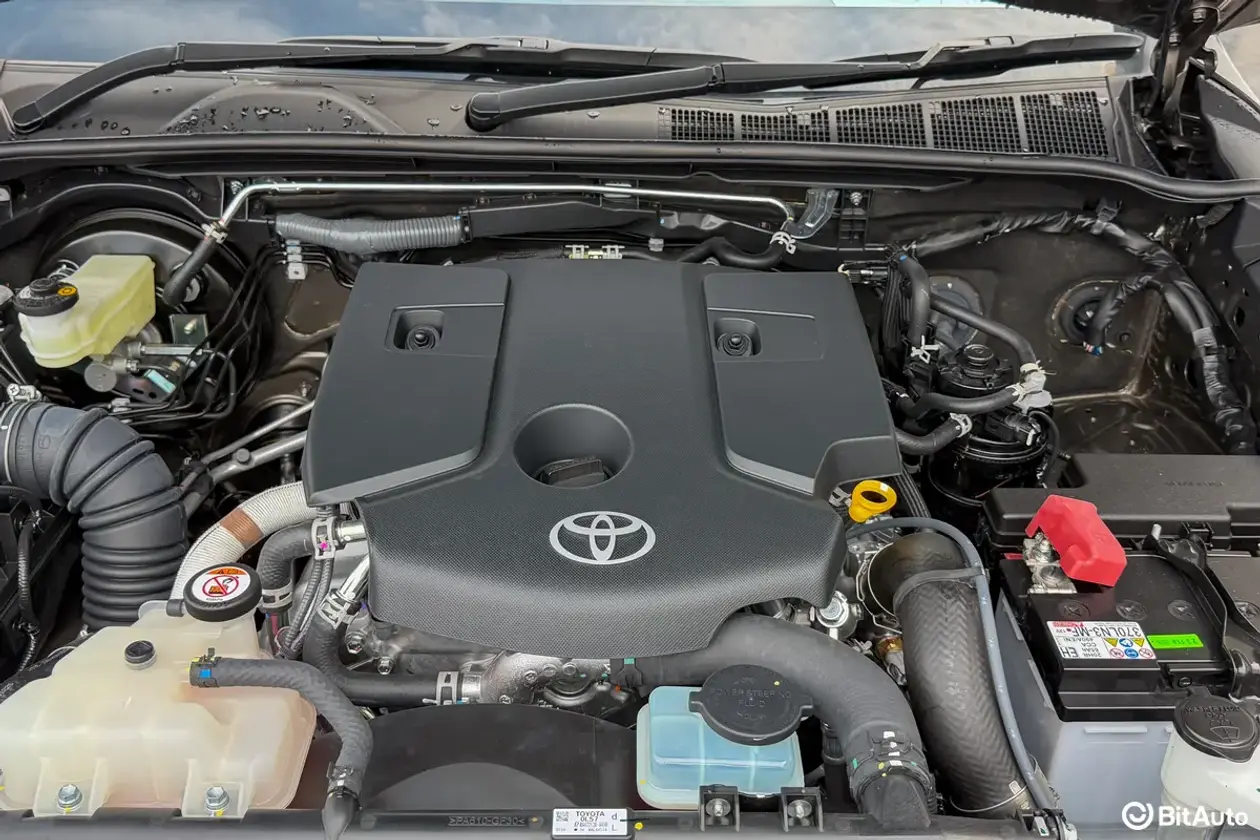
The Hilux's crowning asset is not its gearbox, but the bulletproof 2GD-FTV engine underneath. In the commercial pick-up segment, an indestructible reputation is Toyota's most valuable currency. The Ranger offers newer, more sophisticated running gear, but the Hilux's time-tested reliability is something the Ford cannot match overnight.
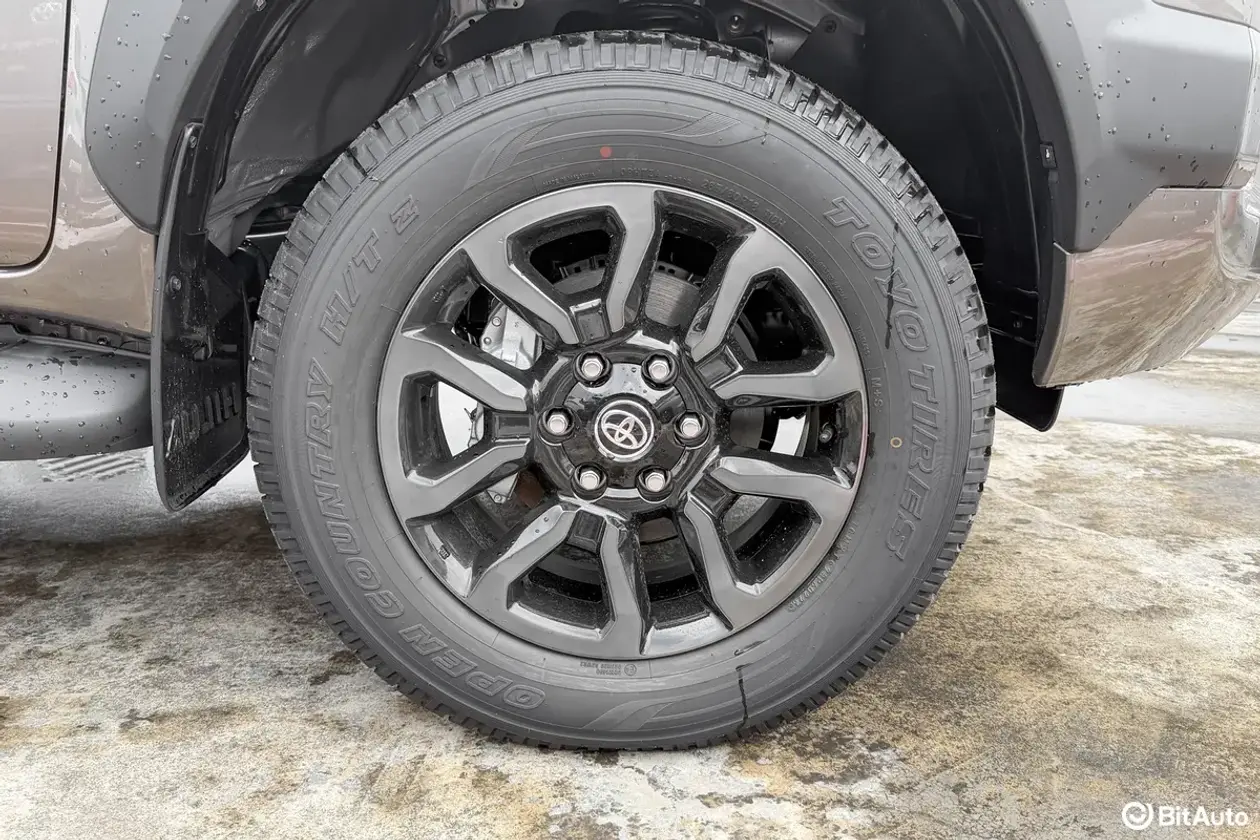
The Hilux 2.4E boasts a generous 286 mm of ground clearance, against the Ranger XL's 230 mm—a 56 mm advantage. It may look like a modest figure on a brochure, but across construction sites, oil palm plantations, monsoon floodwaters, and broken road shoulders, that 56 mm dictates whether you drive straight through or stop to inspect the terrain first.
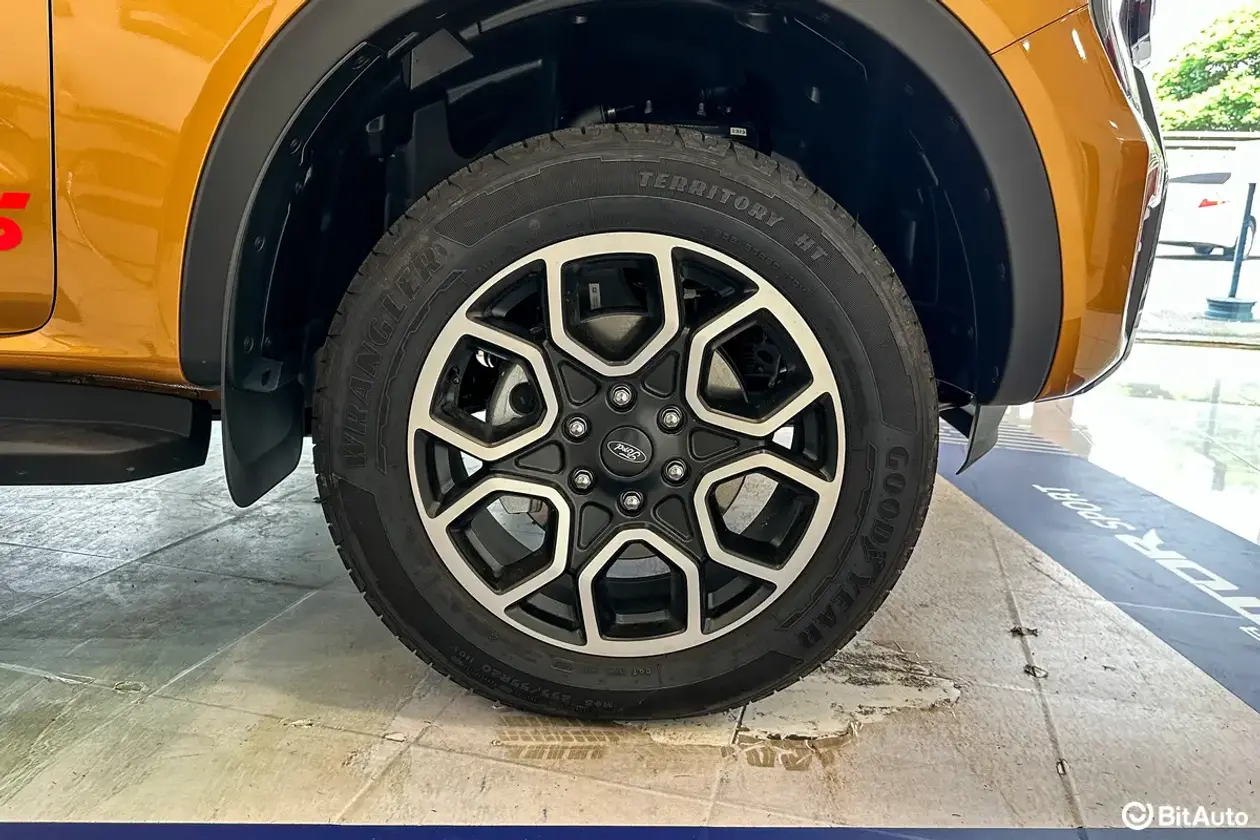
The Hilux's commanding ride height, coupled with its rugged ladder-frame chassis and rear leaf spring setup, offers physical peace of mind under heavy loads and over challenging terrain. By contrast, the Ranger features a lower centre of gravity, giving it superior on-road stability and a more planted feel when cruising unladen on the highway. Off the beaten track, however, the Hilux holds the upper hand.
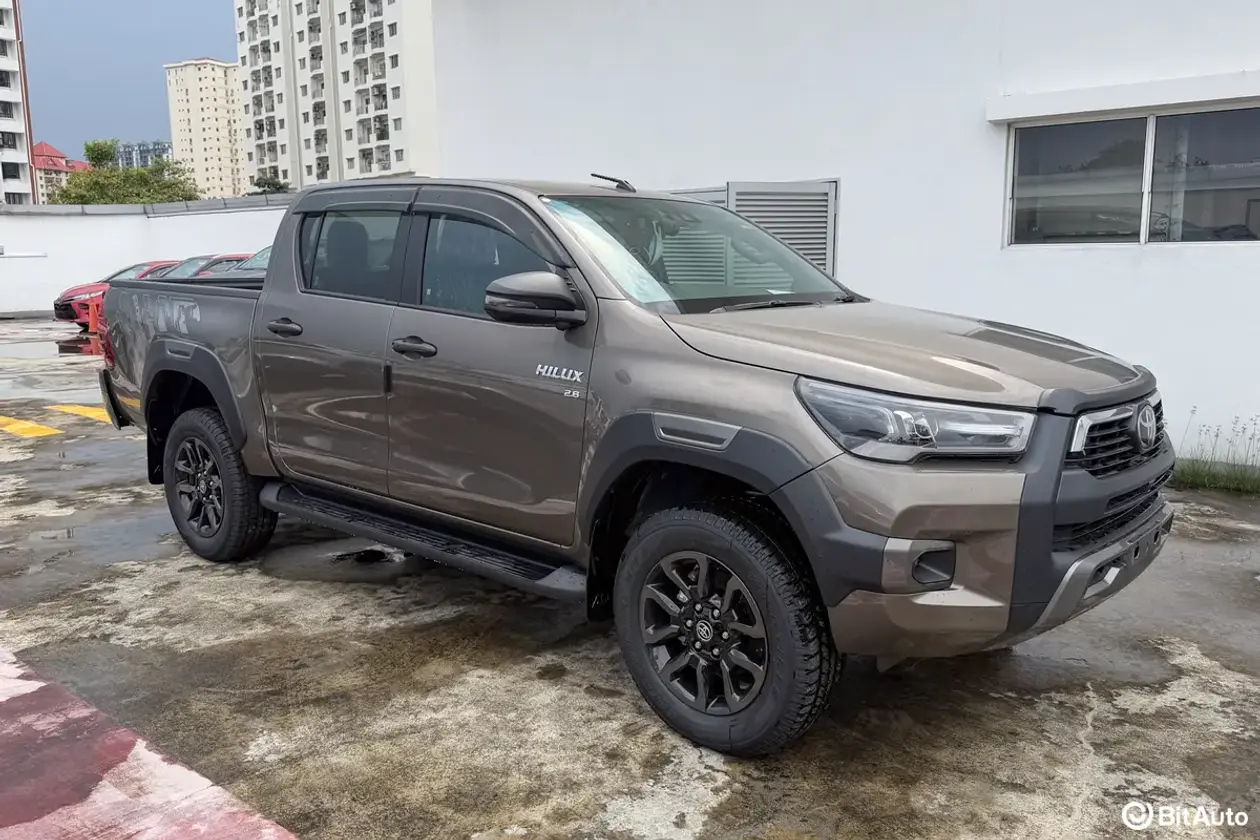
What sets the Hilux apart in this comparison is not its equipment list, but its sheer mechanical resilience. The 2GD-FTV workhorse has served the commercial segment for years across quarries, timber tracks, plantations, and interstate hauls. It has endured low-grade diesel, skipped service intervals, and chronic overloading, yet major breakdown rates remain frustratingly low for its rivals.
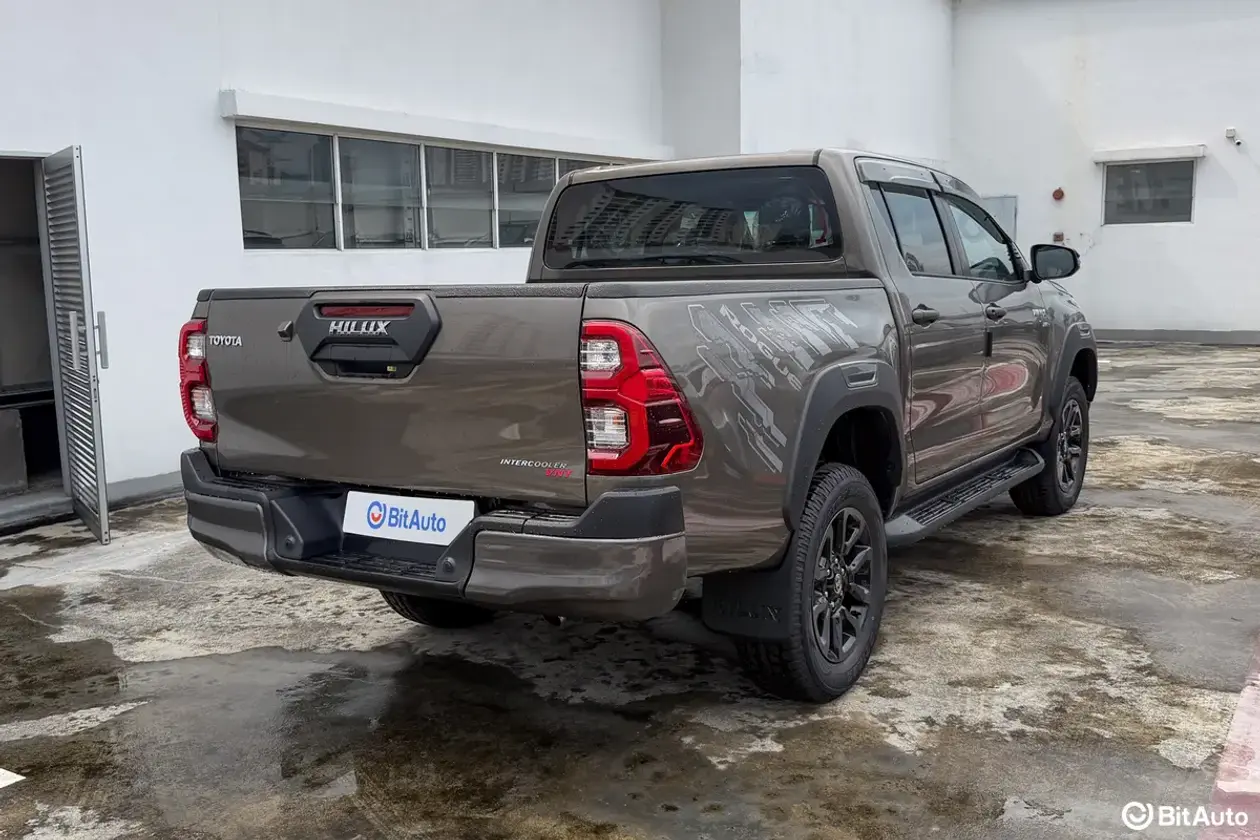
Toyota's spare parts network in Malaysia is peerless. Even independent workshops in remote towns can source Hilux wear-and-tear parts in their sleep, guaranteeing minimal downtime and wallet-friendly repair bills.
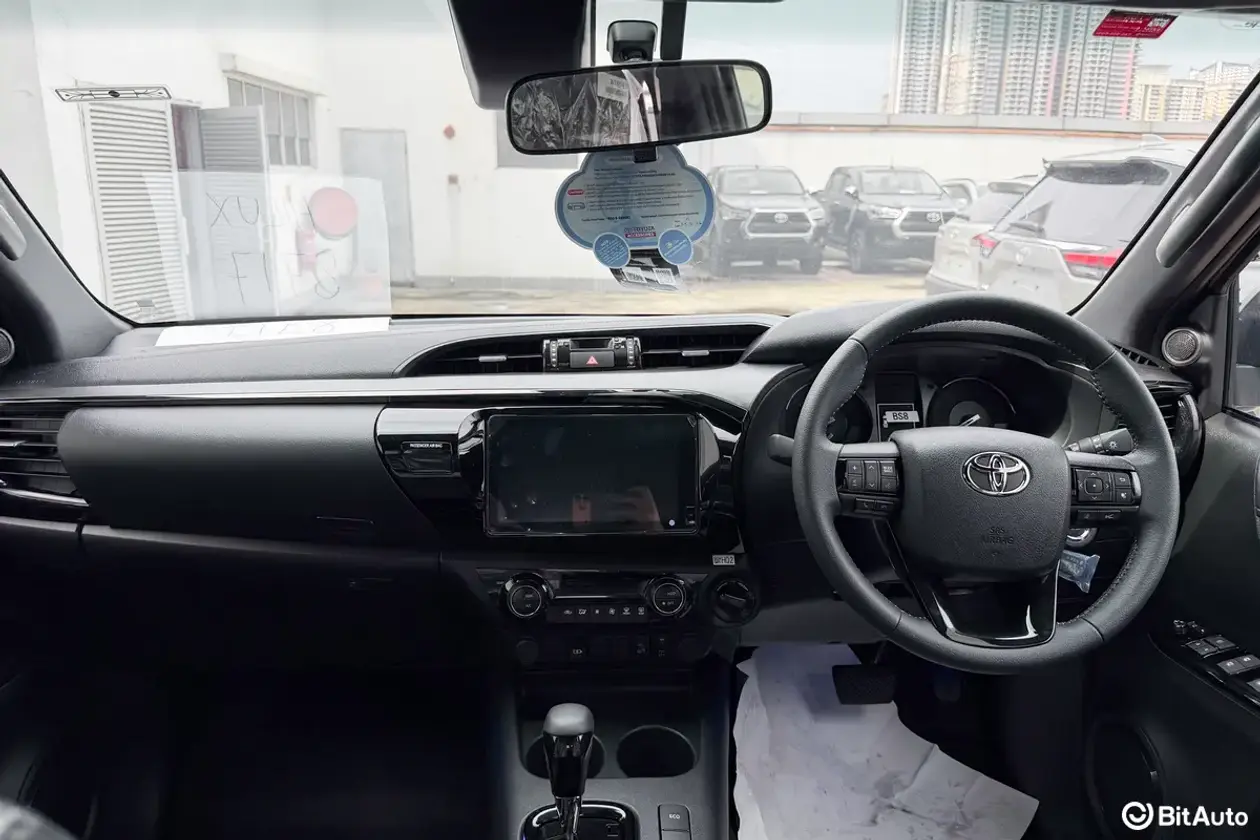
This reliability transcends simple marketing claims.
It means starting up at 5:00 AM for the site without worrying that yesterday's overloaded runs took a toll; it means tackling monsoon mud tracks without fearing an electronic sensor glitch; and it means that five years down the road, commercial operators and private buyers alike will queue up to take it off your hands.
Top Gear's legendary torture test on the classic Hilux remains enduring proof of just how rugged this Toyota truly is.
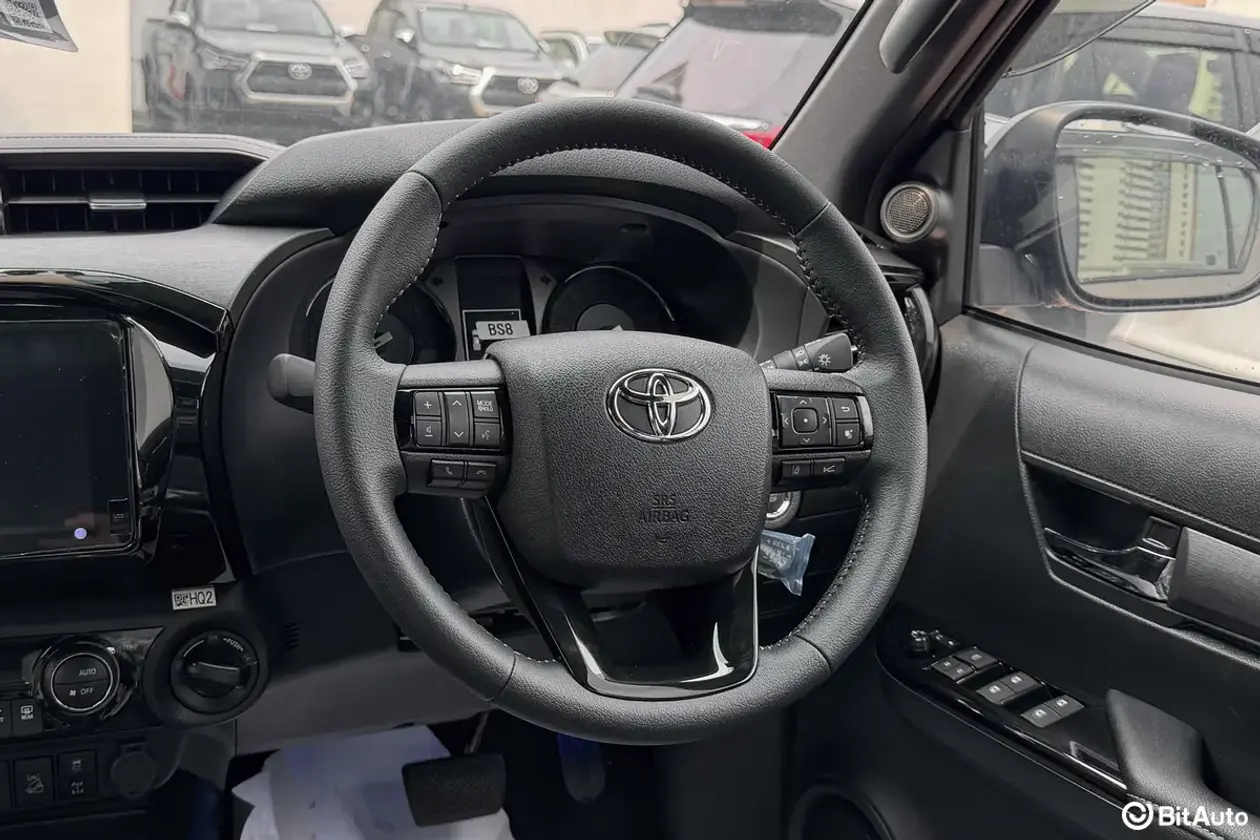
The Hilux commands a three-year residual value of around 80.4%, underpinned by this bulletproof reputation in the used car market. The Ranger holds its own at 77.7%—respectable, but in the commercial truck segment, the Hilux's depreciation curve and resale liquidity remain the gold standard.
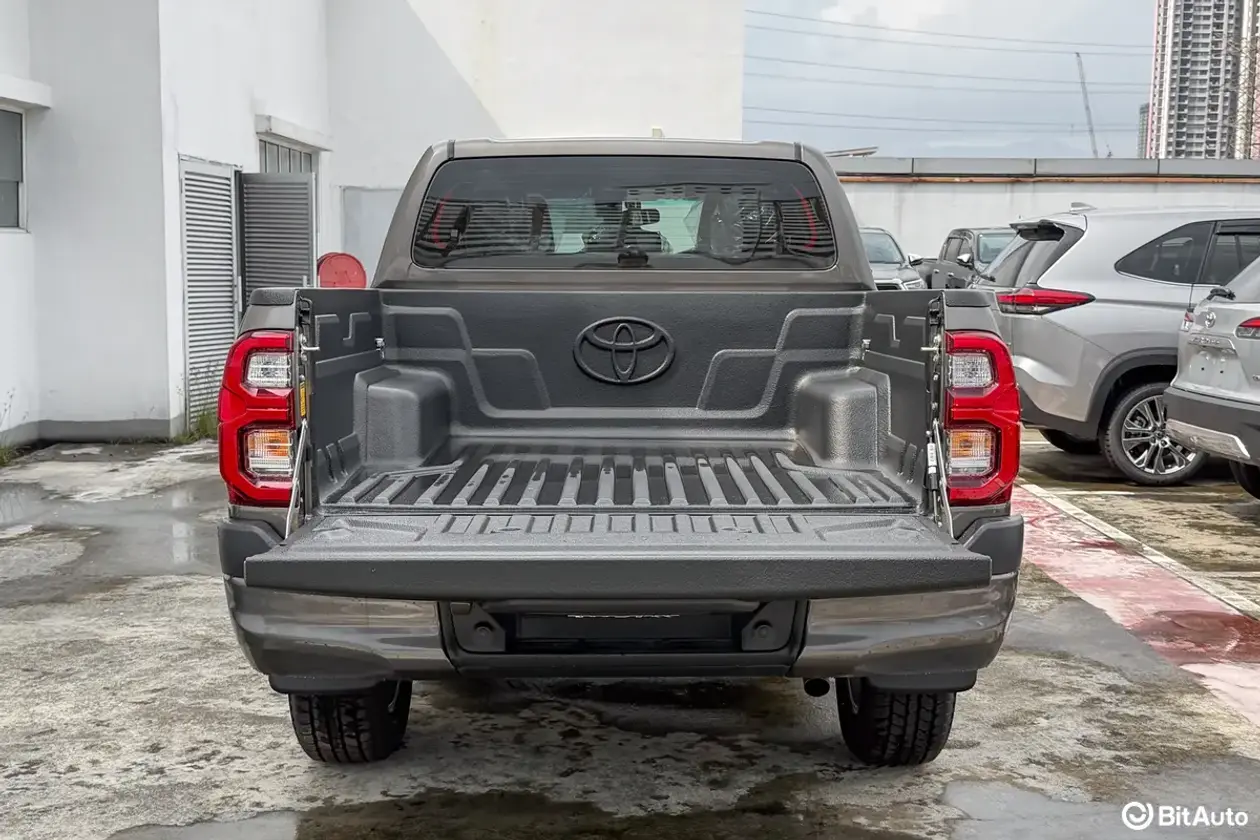
That initial RM8,008 price premium will be partially recouped by the Hilux's stronger residual value come resale time. If you plan to upgrade within three to five years, the Hilux's strong market demand and quick turnaround are undeniable advantages over the Ranger.
Conversely, if you intend to keep the truck for over seven years, depreciation matters less, and the Ranger's 10-speed gearbox, six airbags, and 12-inch infotainment screen will enhance your daily drive over the long haul.
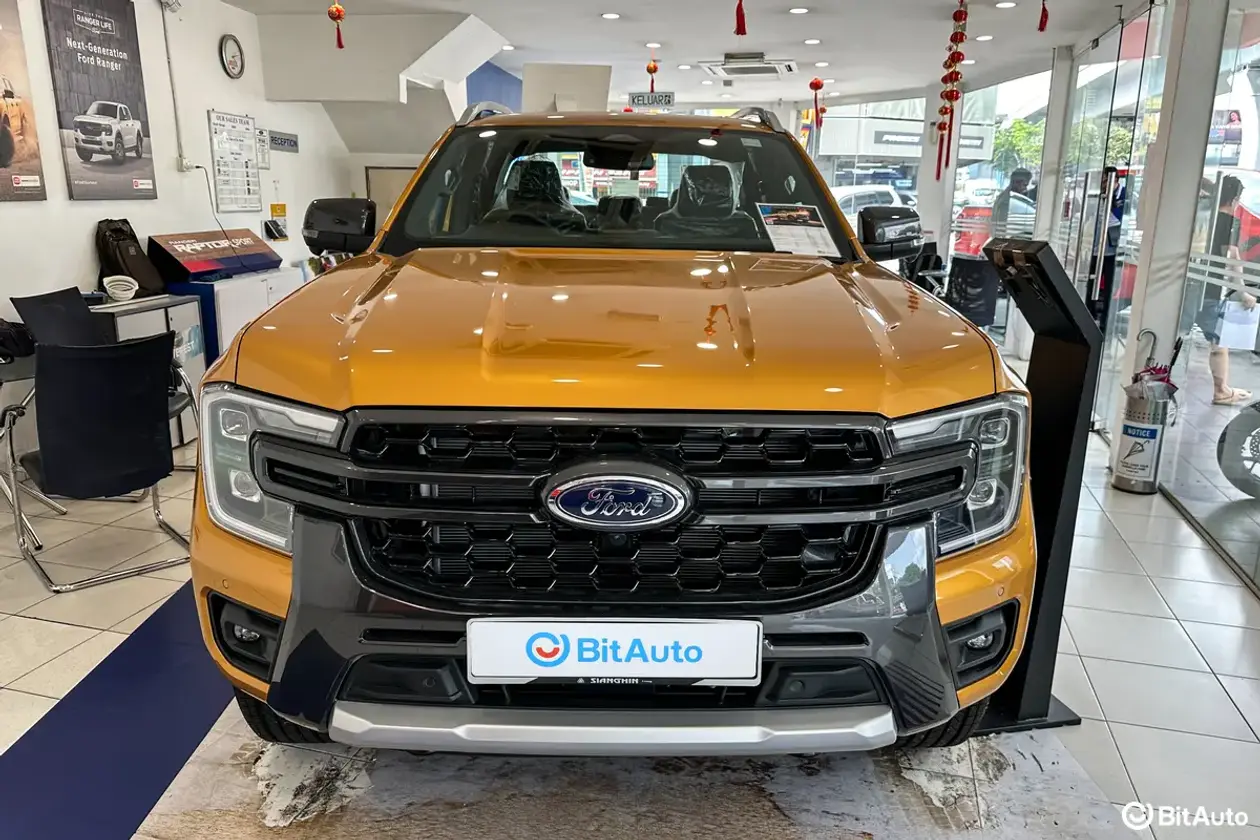
Thanks to its 2.0-litre displacement, the Ranger XL incurs an annual road tax of just RM438.40 in Peninsular Malaysia. The Hilux 2.4E's 2,393 cc engine attracts an annual road tax of RM754.40. That is an annual saving of RM316, or roughly RM1,580 over five years.
While not a game-changer in overall running costs, it is an operational saving you will appreciate on every annual road tax renewal. The Ranger may cost RM8,008 more upfront, but its road tax claws some of that cash back every year.
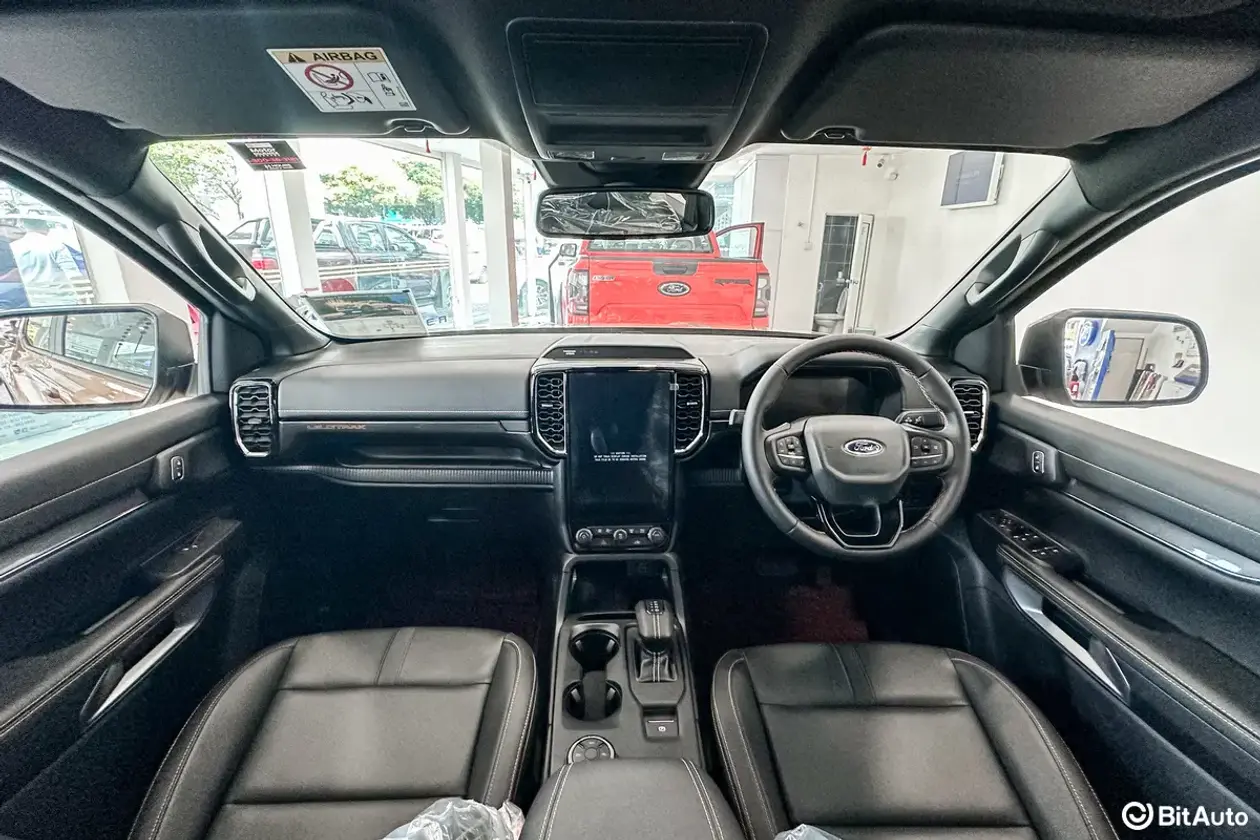
The Ford Ranger 2.0L XL's proposition is simple: for RM127,888, it injects modern safety and passenger-car cabin refinement into a commercial workhorse. Six airbags, a 10-speed automatic, and a 12-inch touchscreen with wireless Apple CarPlay might not matter on a muddy job site, but they elevate the baseline comfort and safety when hauling passengers, driving long distances, or spending long hours behind the wheel.
Its shortcomings are weaker residual values compared to the Hilux, 56 mm less ground clearance, and an engine that has yet to build the generational legend of Toyota's 2GD-FTV.
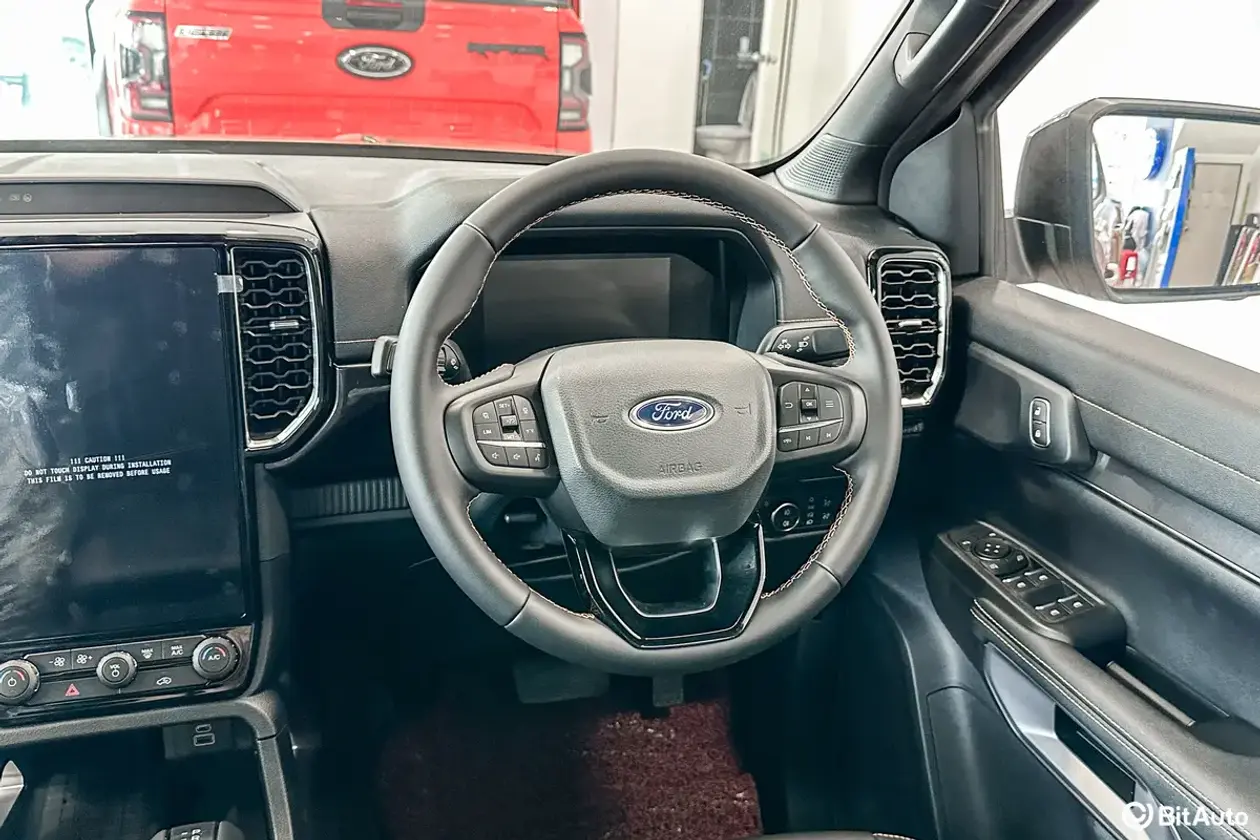
The Toyota Hilux 2.4E's philosophy is equally straightforward: for RM119,880, it nails the core fundamentals of a commercial truck—an unbreakable engine, ubiquitous parts availability, effortless rough-road capability, and rock-solid resale value. Its 286 mm ground clearance and Toyota's extensive support network remain priceless assets on estates and construction sites.
Its drawbacks are a meagre three airbags, an ageing 6-speed gearbox, and an utilitarian cabin devoid of modern tech. For a double-cab pick-up frequently carrying passengers, no amount of mechanical toughness can make up for the lack of curtain airbags.
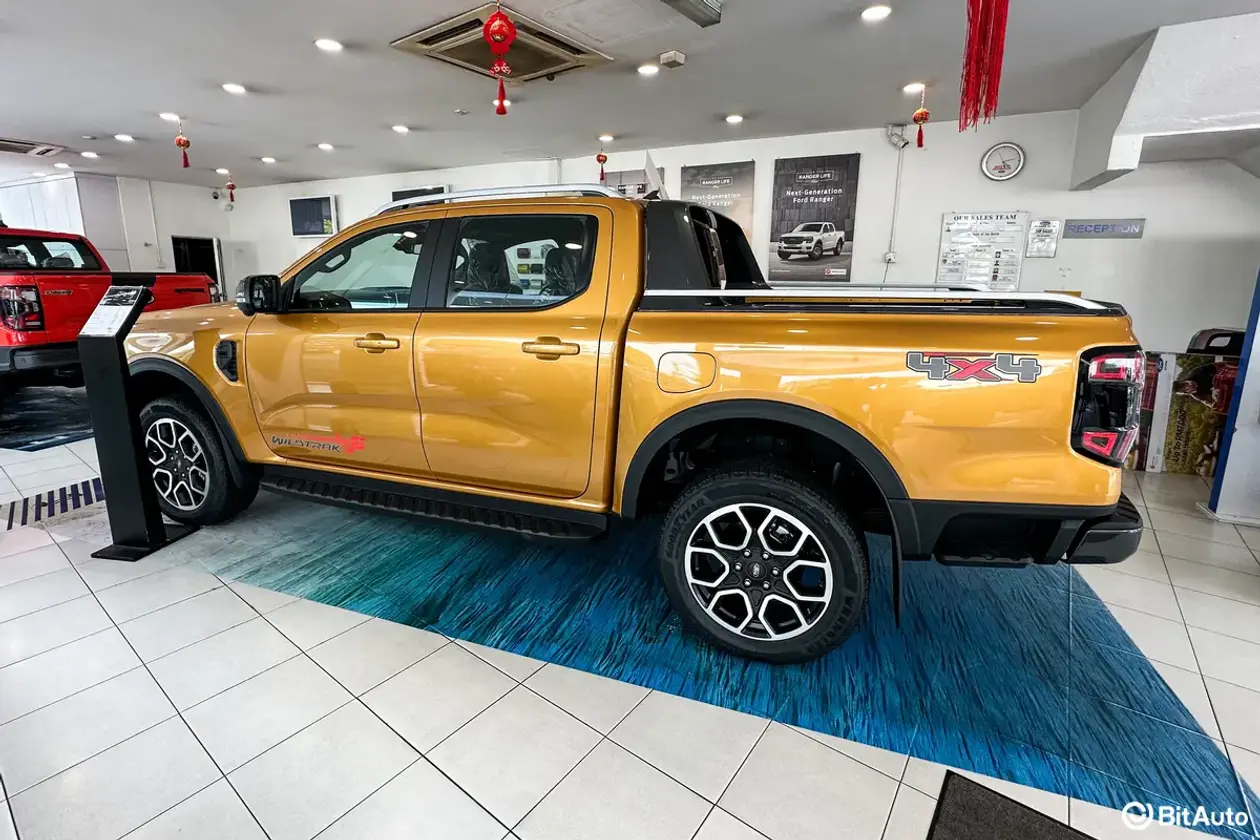
Separated by RM8,008, these two trucks draw a sharp line between safety tech and mechanical pedigree. If you carry people often and value occupant protection alongside on-road refinement, the Ranger justifies every sen of its premium.
If your truck is purely a business tool, you can live with three airbags, and you want top-dollar trade-in value down the road, the Hilux at RM119,880 saves you upfront capital while offering the unrivaled market appeal of its bulletproof reputation.
| Specification | Ford Ranger 2.0L XL | Toyota Hilux Double Cab 2.4E AT 4×4 |
|---|---|---|
| Price (OTR without insurance, Peninsular Malaysia) | RM127,888 | RM119,880 |
| Price Difference | RM8,008 | |
| Engine | 2.0-litre 4-cylinder single-turbo diesel | 2.4-litre 4-cylinder turbo diesel (2GD-FTV) |
| Max Power | 168 hp (170 PS) | 148 hp (150 PS) |
| Max Torque | 405 N·m | 400 N·m |
| Transmission | 10-speed automatic | 6-speed automatic |
| Drivetrain | Part-time 4WD | Part-time 4WD with rear differential lock |
| Airbags | 6 (Driver, front passenger, front side, curtain) | 3 (Driver, front passenger, driver's knee) |
| Infotainment Display | 12-inch touchscreen | None |
| Wireless Apple CarPlay / Android Auto | Standard | None |
| Ground Clearance | 230 mm | 286 mm |
| Road Tax (Peninsular Malaysia, Annual) | RM438.40 | RM754.40 |
| Warranty | 5 years / 160,000 km | 5 years / 150,000 km |
| Assembly | CBU (Thailand) | CKD |


Your go-to source for all things automotive in Malaysia. 🚗 Latest reviews, breaking news, launches & industry trends.
+ Follow If and when this updated Toyota Yaris arrives here, could it steal the non-national B-segment crown back?
#Toyota #toyotayaris 1 minute ago
 Want better peace-of-mind for your EV?
Well, Autoguard APAC has signed an MoU with PERIKLINDO as Indonesia's EV ownership warranty provider. Malaysia when? 1 minute ago
 Would you trust a car with no steering wheel and pedals to drive you around? Tesla says you might #tesla #cybercab #teslamalaysia 12 hours ago
Get the latest car news first!
Your go-to source for all things automotive in Malaysia. 🚗 Latest reviews, breaking news, launches & industry trends.
If and when this updated Toyota Yaris arrives here, could it steal the non-national B-segment crown back?
#Toyota #toyotayaris 1 minute ago Want better peace-of-mind for your EV?
Well, Autoguard APAC has signed an MoU with PERIKLINDO as Indonesia's EV ownership warranty provider. Malaysia when? 1 minute ago Would you trust a car with no steering wheel and pedals to drive you around? Tesla says you might #tesla #cybercab #teslamalaysia 12 hours ago 
© 2024 Bitauto.com. All Rights Reserved.
Bitauto (www.yiche.com and www.bitauto.com) is one of the most visited automotive websites in China. We provide detailed info on Chinese car brands available in your area. Please note that the information provided on this website is based on publicly available data and is for reference only. It may not be fully updated or accurate at all times.

Help us improve our website


