The price difference between the Vios and Almera is just RM712. In the grand scheme of car buying, seven hundred-odd Ringgit is practically loose change for your insurance premium, or petrol money to fill up your first full tank on delivery day.
With one running a 1.5-litre naturally aspirated four-cylinder and the other a 999 cc three-cylinder turbo, the contrast in engine specifications is vastly greater than the price gap.
The spec sheets of the Vios 1.5G and Almera 1.0 Turbo VLT also reveal differing priorities. Nissan equips the range-topping Almera VLT with Blind Spot Warning and a 360-degree Around View Monitor, whilst Toyota fits the Vios 1.5G with the Toyota Safety Sense suite as standard, bringing all-speed adaptive cruise control and lane tracing assist.

That seven hundred Ringgit difference will not crown an outright winner; what it buys you instead is a distinct powertrain character and an equipment list that demands closer inspection.
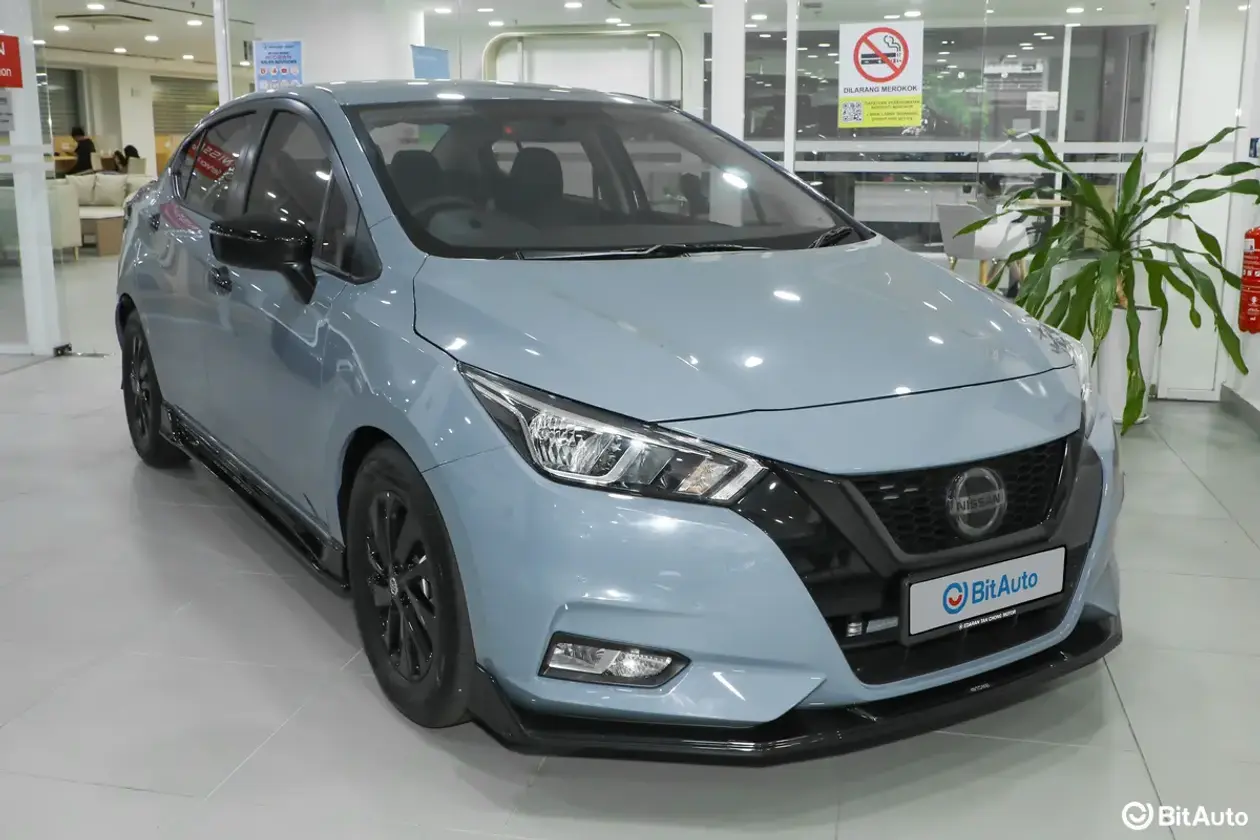
The Almera's 1.0-litre three-cylinder turbocharged engine pushes out 99 hp and 152 N·m, with the entire 152 N·m on tap early from 2,600 rpm all the way through 4,000 rpm. This torque spread is immensely practical for urban commuting.
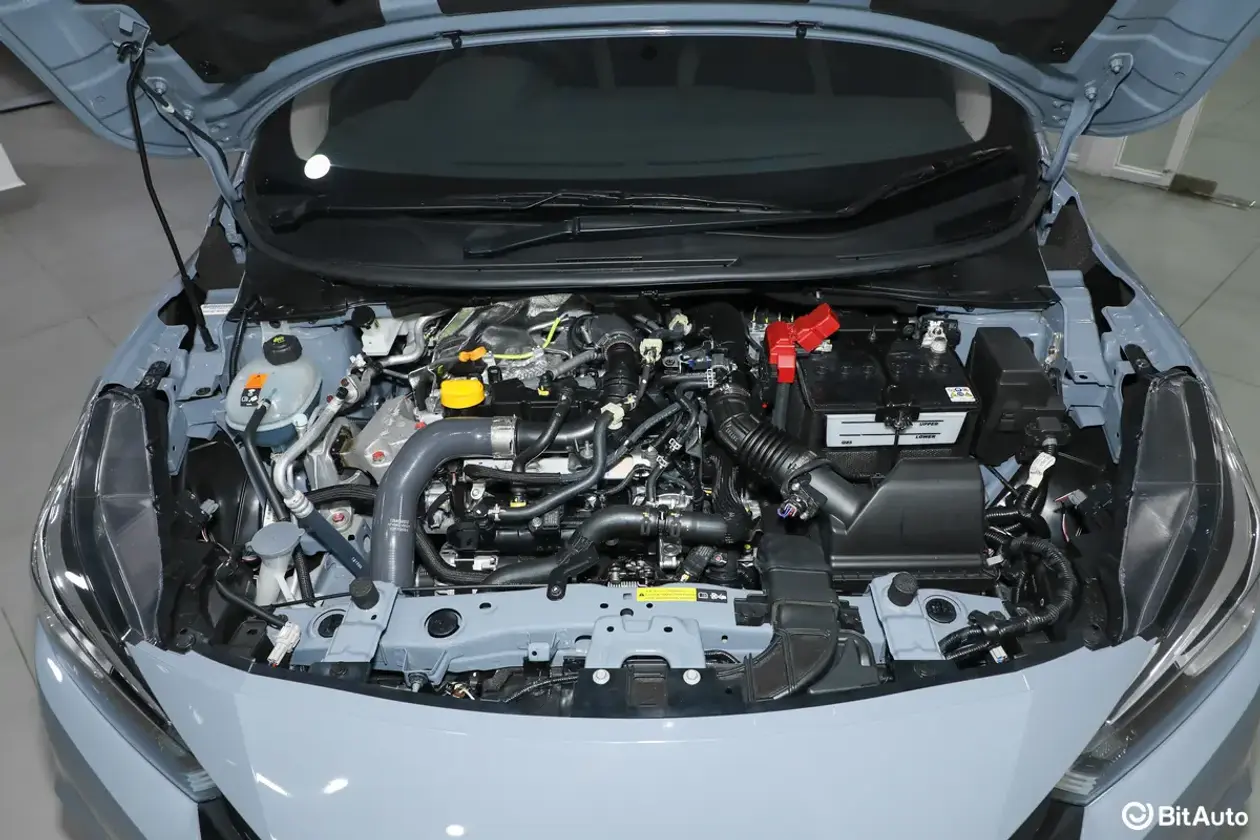
Pulling away from rest, keeping pace with traffic, or rolling on from 40 km/h to 60 km/h requires minimal throttle input before the turbo boost surges in. The Xtronic CVT meters out power seamlessly; in stop-and-go traffic, the Almera feels remarkably effortless and nimble.
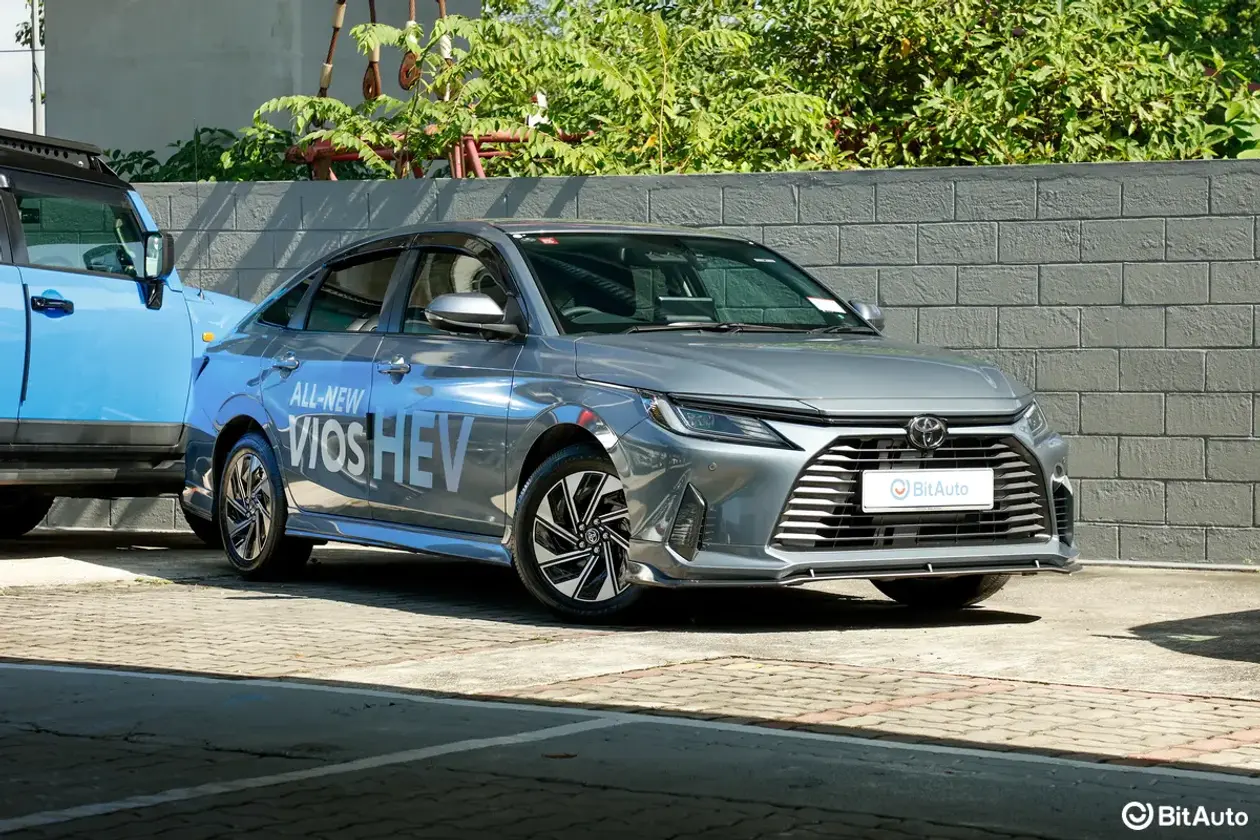
On the other hand, the Vios's 1.5-litre four-cylinder naturally aspirated unit delivers 104 hp and 138 N·m, with peak torque only arriving much later at 4,200 rpm. In town, moving off and trailing traffic at lower speeds requires building up higher engine revs than in the Almera before the CVT serves up sufficient drive.
However, those few extra horses take on a very different demeanour on the highway. Squeezing the throttle from 100 km/h to 120 km/h, the Vios rewards with a smoother, tighter engine note and a more composed spread of high-end power than the Almera; the characteristic granular harshness of a three-cylinder turbo spinning at high revs is a physical trait that sound insulation can never fully mask.
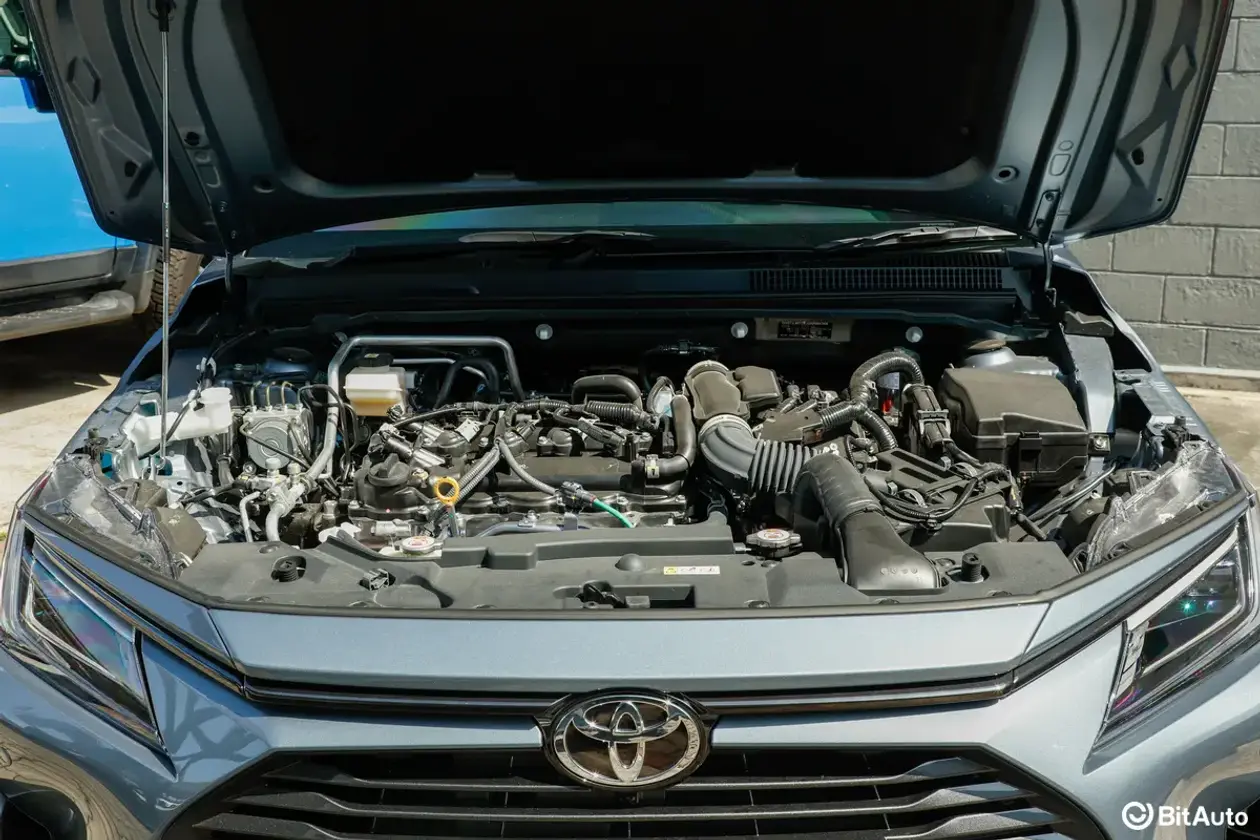
The distinct characteristics of these two cars cater to two different driving environments. If you mostly commute within the city dealing with daily stop-and-go crawls, the Almera's 152 N·m is far punchier and immediate; if you spend lots of time on the North-South Expressway covering interstate miles, the Vios's naturally aspirated four-pot offers greater refinement, composure, and mechanical quietness.
Independent 0-100 km/h acceleration tests yield varying results: the Vios clocks in at around the 12-second mark, while the Almera registers between 10.5 and just over 12 seconds. The performance gap on paper is marginal, but the real divergence lies in how immediate the low-end shove feels off the line in town versus how composed the high-speed overtakes feel on the highway.
There is a widespread misconception online suggesting that only the Almera VLT variant gets six airbags, while the VL and VLP make do with just two. What is the actual breakdown?
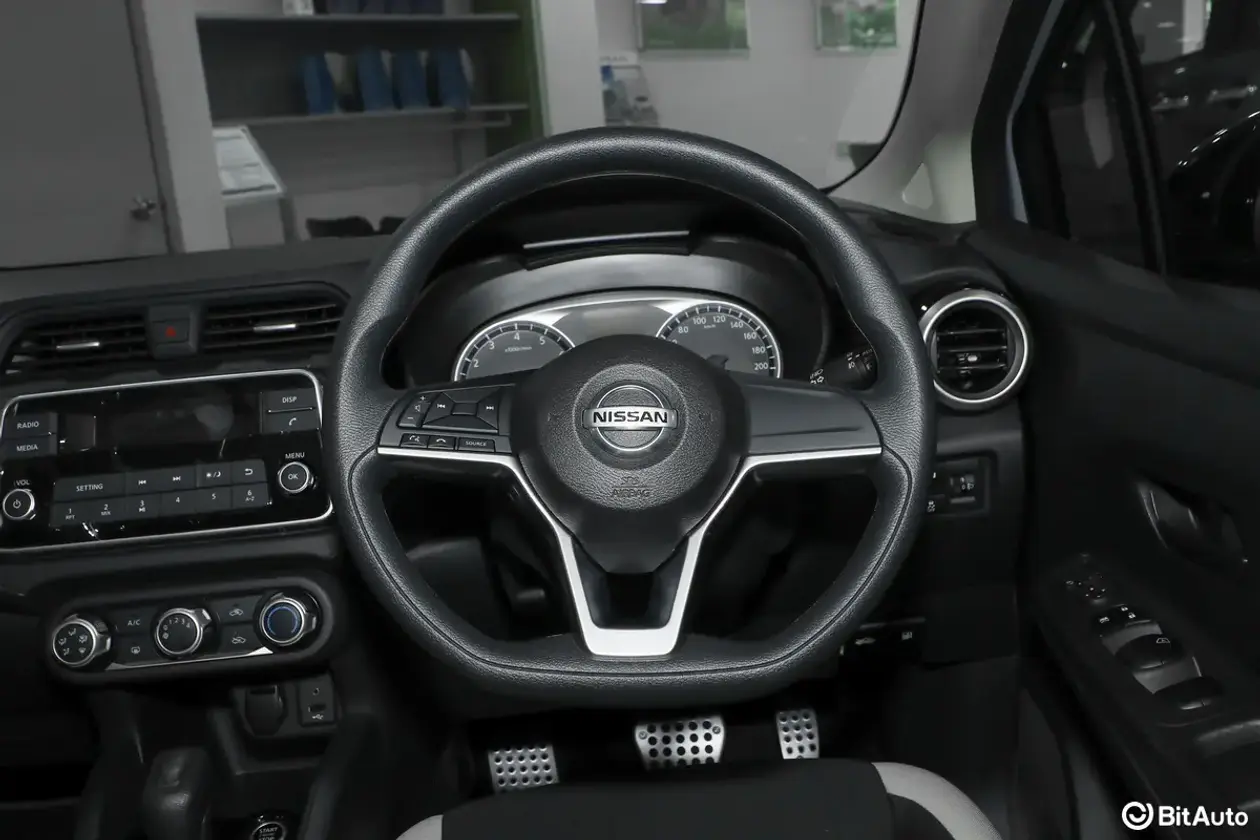
While the base VL is indeed limited to two airbags, the mid-spec VLP already packs six airbags—including front side and front/rear curtain airbags—from RM89,888.
The VLT carries the exact same six-airbag setup as the VLP; that extra premium goes towards other equipment: Blind Spot Monitoring, LED headlamps, passive cruise control, and the 360-degree camera with Moving Object Detection.
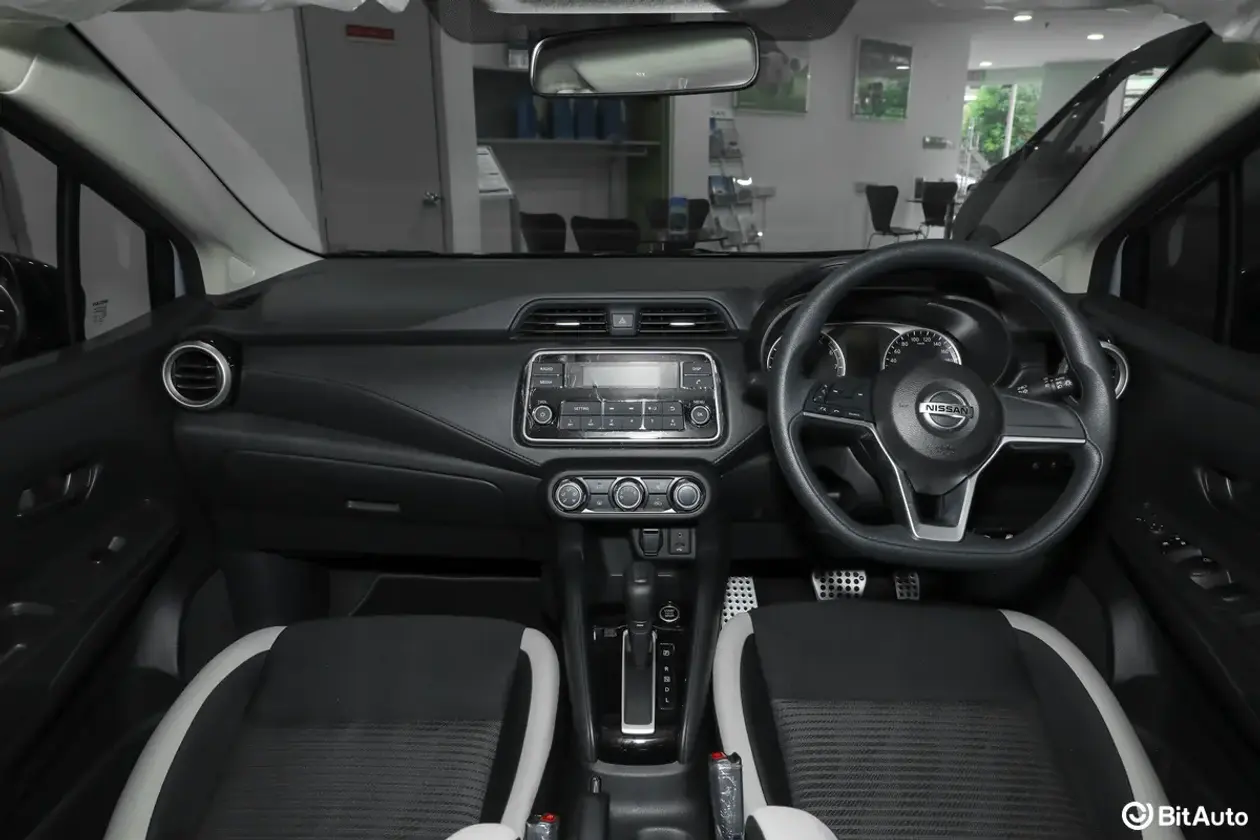
As such, if you are looking at the Almera solely for its airbag count, the mid-spec VLP already meets the six-airbag baseline without having to stretch your budget to the VLT. The RM6,000 premium for the VLT pays for convenience items and extra driving aids.
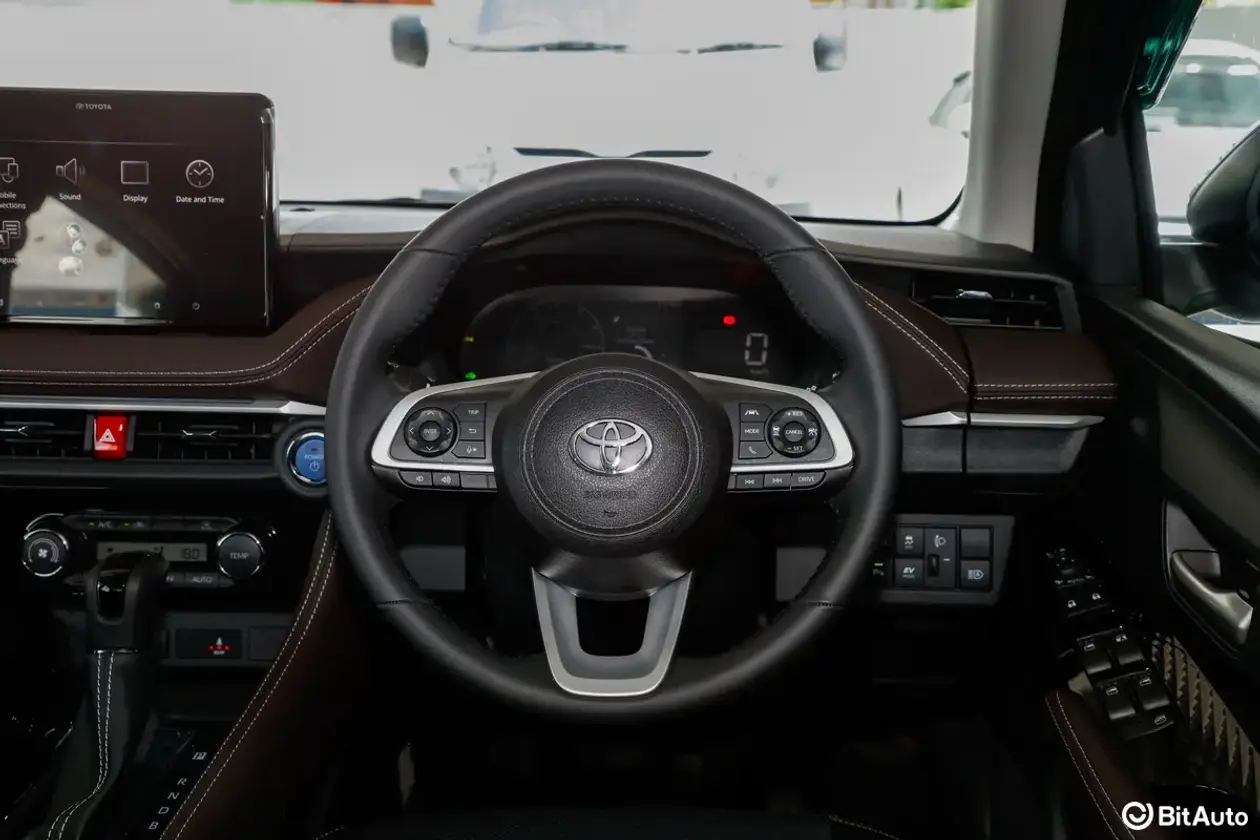
Over at the Vios 1.5G, six airbags and the Toyota Safety Sense (TSS) suite are fitted as standard. TSS packs Autonomous Emergency Braking, Lane Departure Warning, Lane Departure Prevention, Lane Keeping Assist, Auto High Beam, All-Speed Adaptive Cruise Control, Front Departure Alert, and Pedal Misoperation Control.
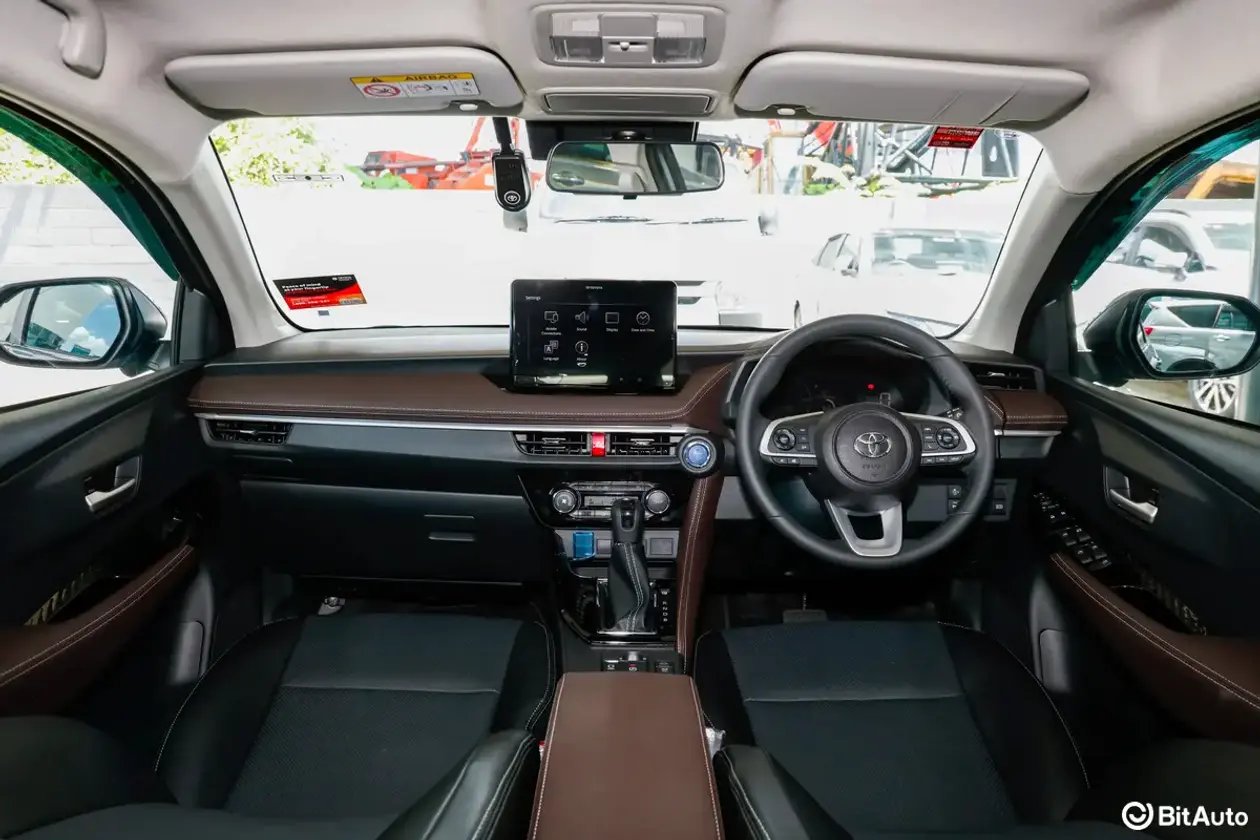
Blind Spot Monitor, Rear Cross Traffic Alert, and a 3D Panoramic View Monitor also make the list.
Both cars tick every box for passive safety essentials, but the Vios offers a more comprehensive active safety suite at this price point. While the Almera VLT claws back points with its 360-degree camera and blind spot monitoring, it misses out on adaptive cruise control, settling for standard passive cruise control instead.
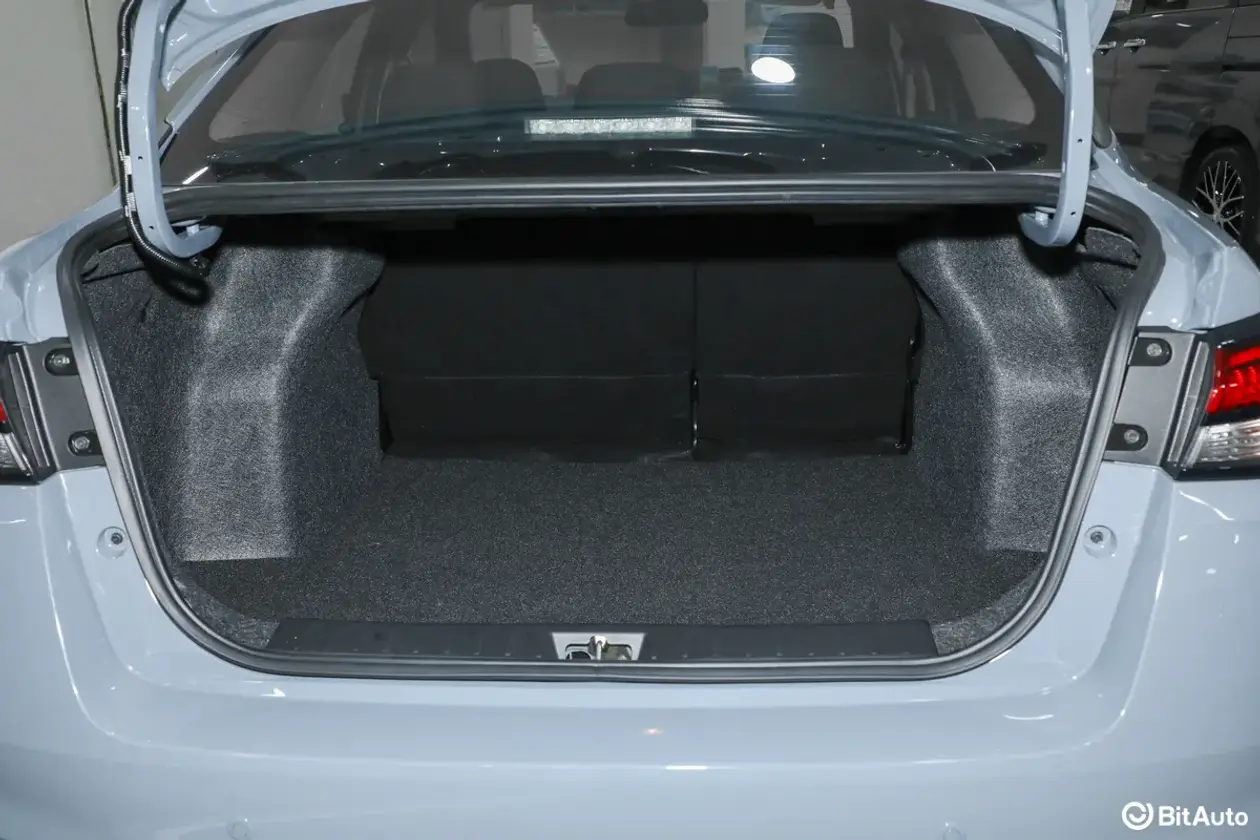
The Almera offers 482 litres of boot capacity versus the Vios's 475 litres, a 7-litre deficit. In daily usage, 7 litres is equivalent to a small backpack; both boots easily swallow three cabin trolleys plus a few soft duffels, and a folded baby stroller slides in without fuss.
Almera
The Almera boasts a lower and wider boot aperture, saving your back when loading heavy luggage—giving it a slight edge in practical ergonomics over the Vios.
Vios
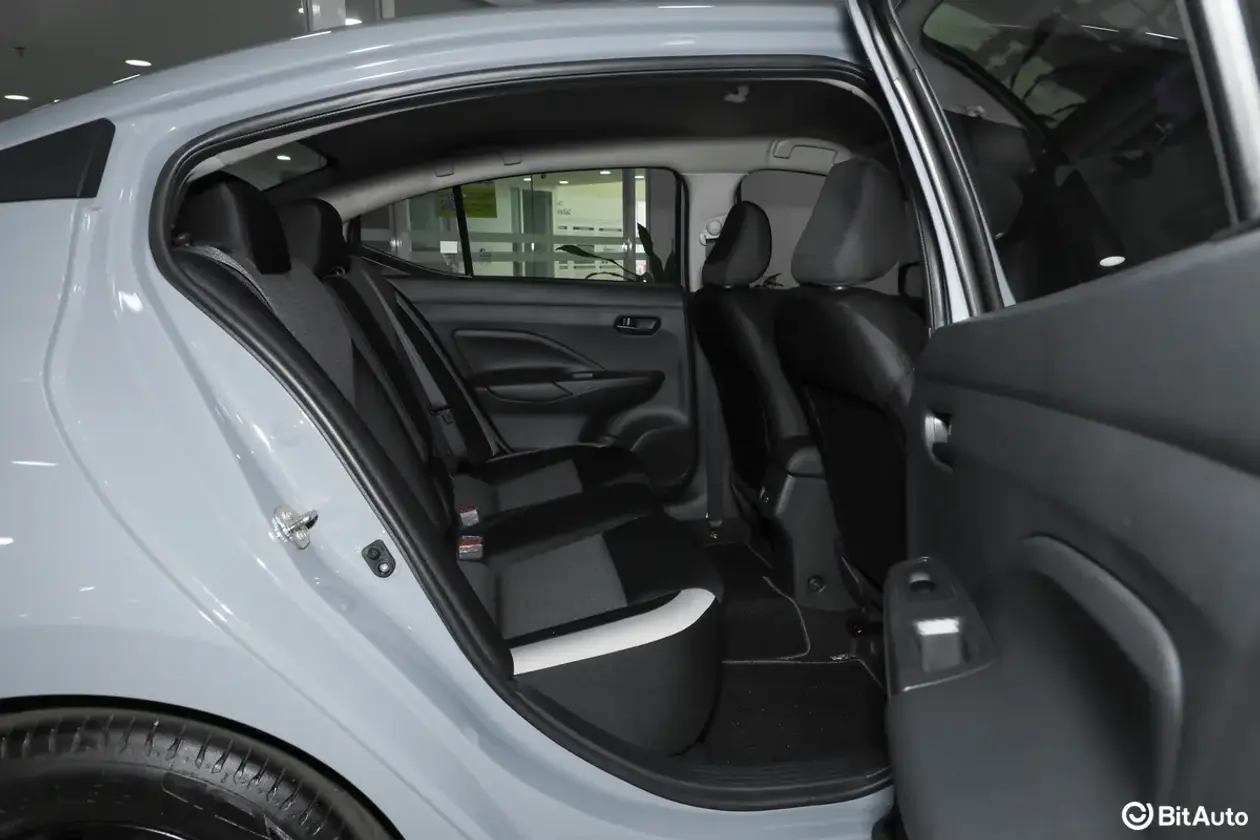
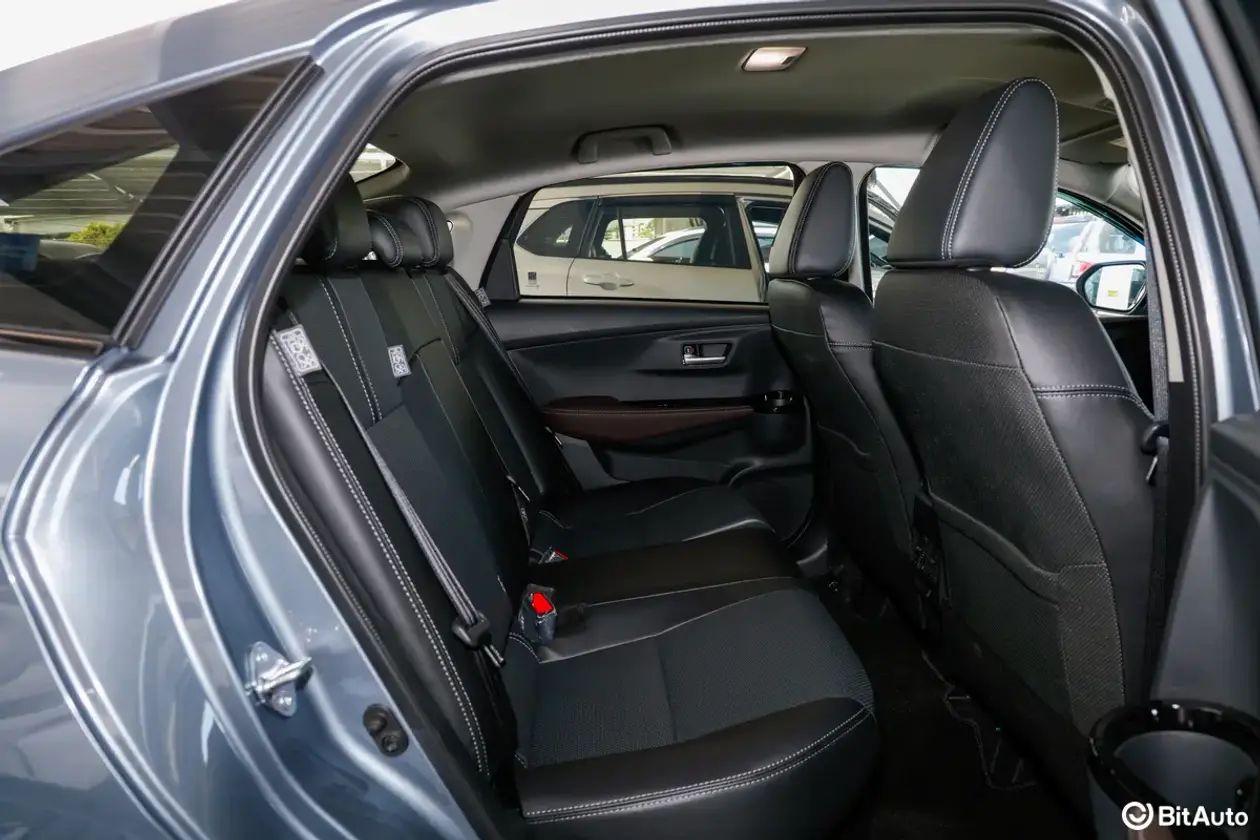
Both sedans share an identical 2,620 mm wheelbase, putting rear legroom on par. Accommodating three adults across the rear bench is fine for short hops, though the centre passenger will find foot space somewhat compromised over longer journeys.
Both cars feature split-folding rear backrests to carry longer cargo, though neither folds entirely flat to double up as a makeshift bed.
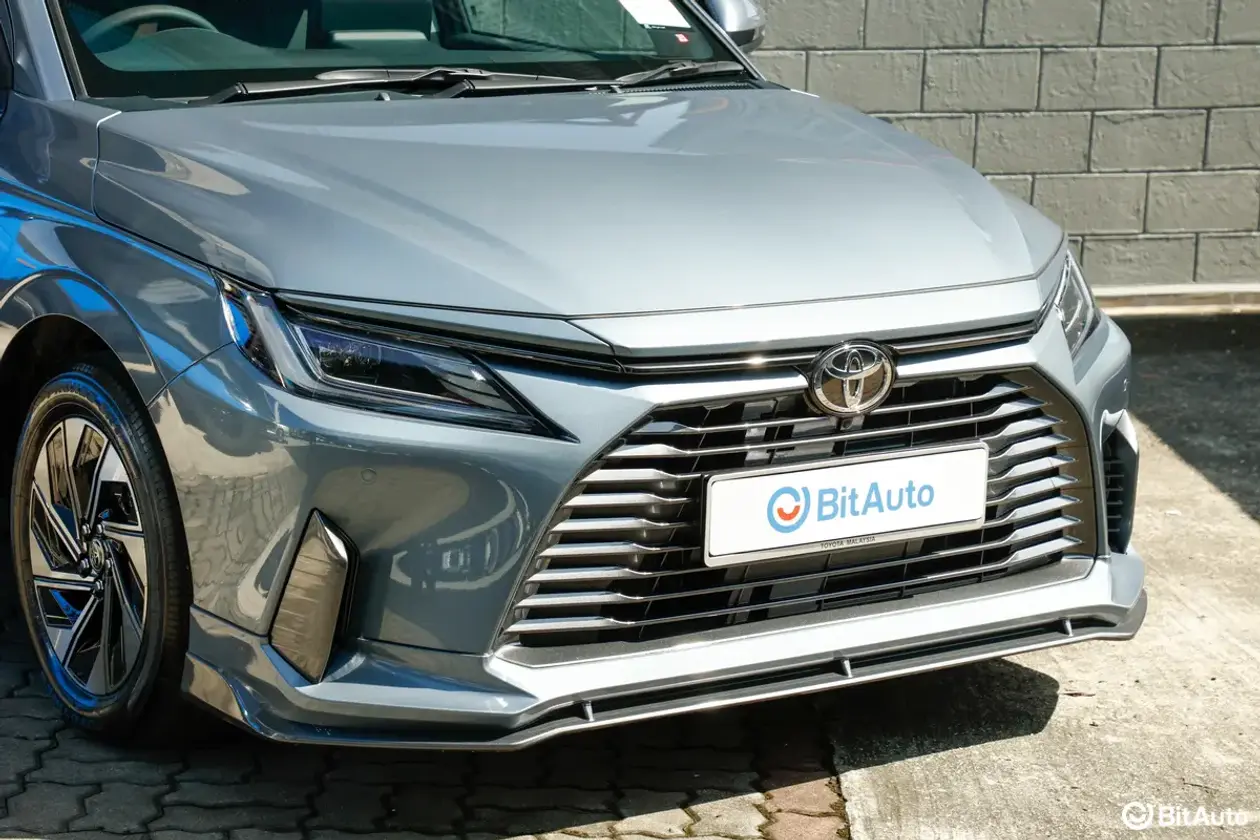
Toyota backs the Vios with a five-year, unlimited-mileage factory warranty, featuring clear-cut terms honoured across its nationwide dealer network. Owners wanting longer coverage can opt for the Toyota Extend paid package, for which the Vios is eligible.
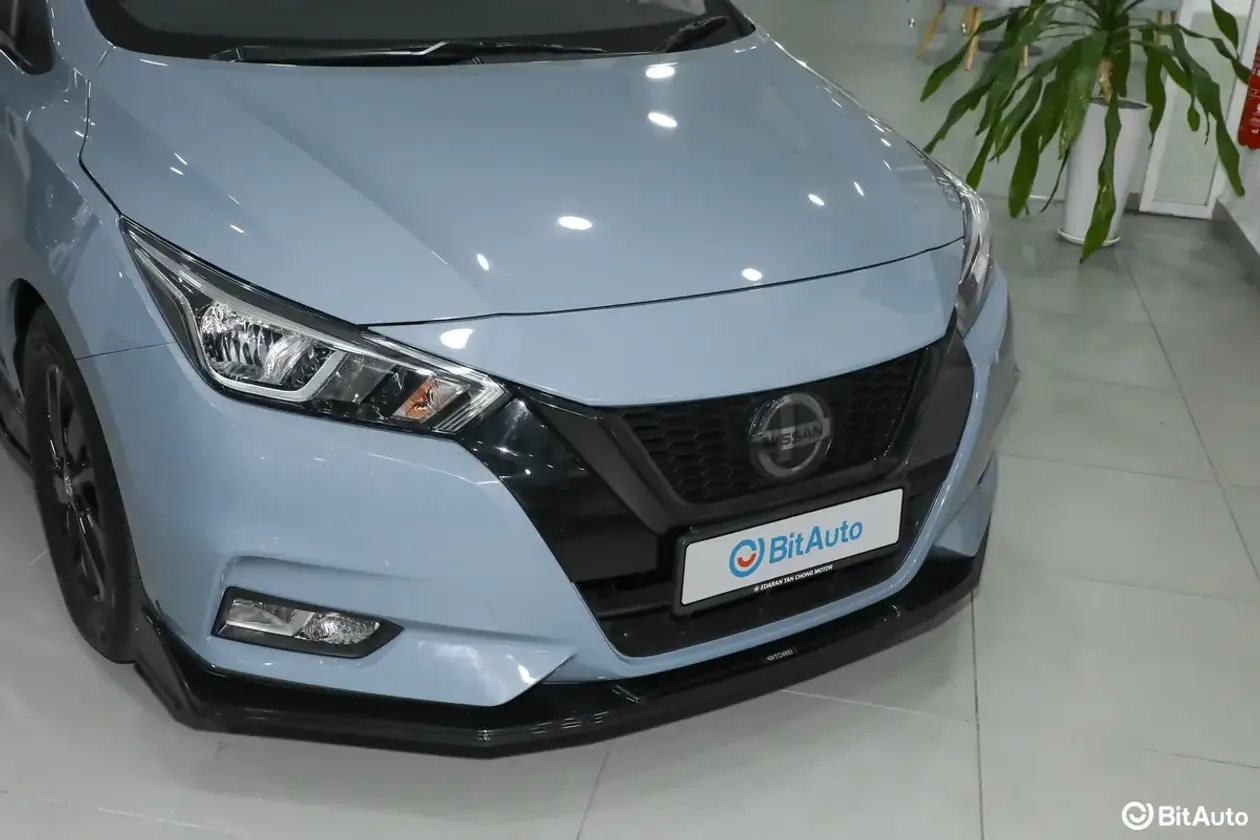
Nissan's warranty coverage is slightly more nuanced depending on the model year and source.
Nissan Malaysia maintains an FAQ for a seven-year, unlimited-mileage warranty applicable to private passenger vehicles registered from 2017 onwards; however, coverage for the sixth and seventh years is restricted to the engine, transmission, and selected powertrain components, rather than full bumper-to-bumper protection.
Concurrently, various specification brochures list the Almera's warranty as five years with unlimited mileage, or five years/150,000 km, whichever comes first.
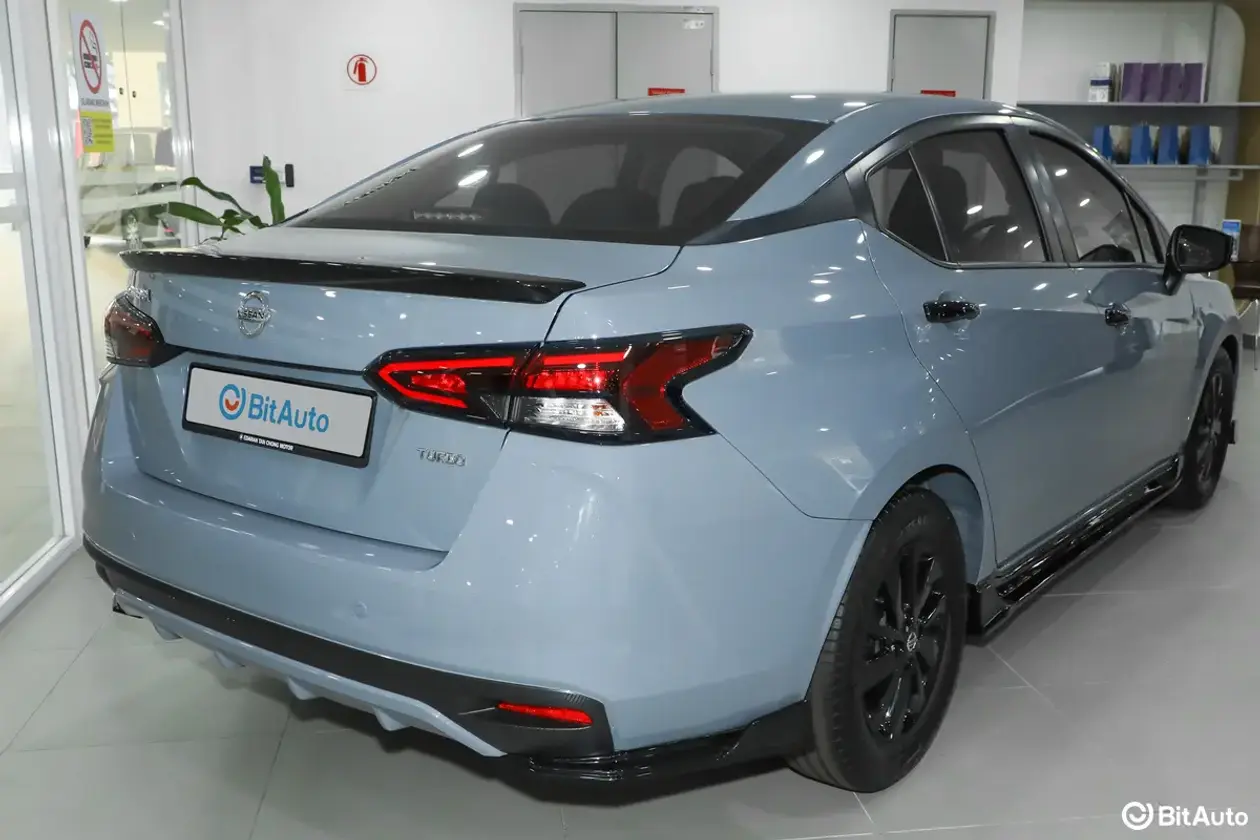
Simply put, the Almera's "seven-year" programme is not a uniform tier throughout, as the coverage scope changes markedly between the initial five-year and subsequent two-year periods.
When making your purchase, the safest route is to verify directly with your sales advisor regarding the exact duration, mileage limits, and specific components covered under years six and seven.
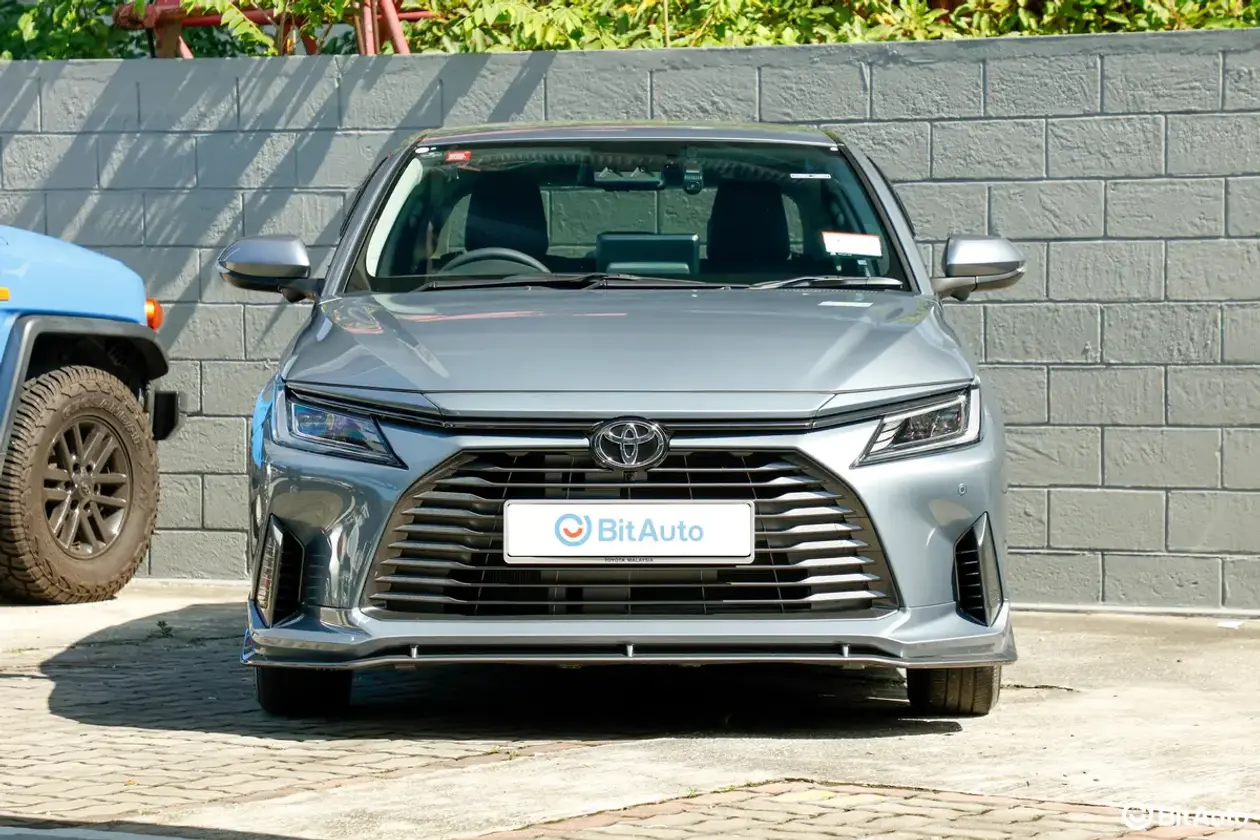
With its 1.5-litre displacement, the Vios incurs an annual road tax of RM90 in Peninsular Malaysia. The Almera's 999 cc engine attracts an annual road tax of just RM20. That works out to an annual saving of RM70, or RM350 over five years. While modest in the grand scheme of overall running costs, it remains an upfront saving every time road tax renewal comes around.
Under Malaysia's engine displacement-based road tax system, hybrids and forced induction units receive no special concessions or penalties; the Almera's annual RM70 saving stems strictly from its tiny engine capacity.
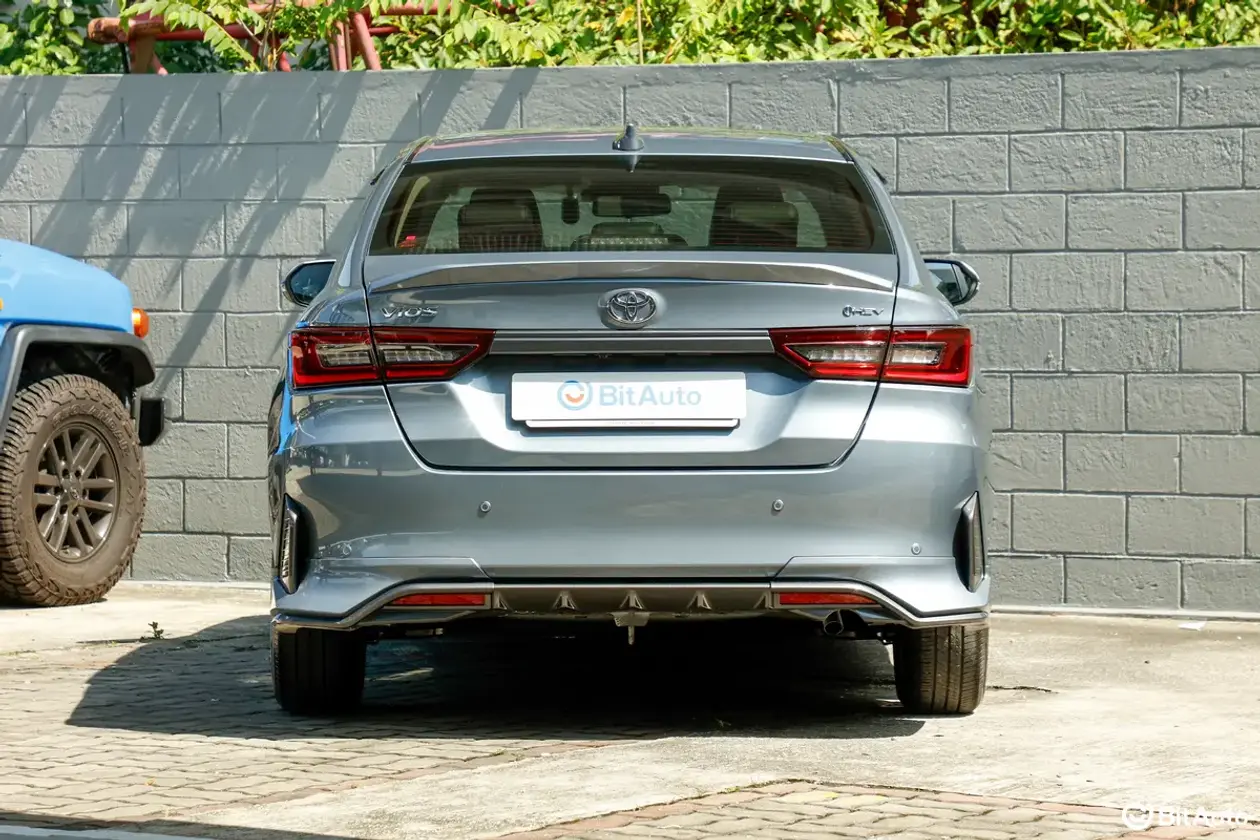
Toyota's strong residual values and trade-in liquidity in Malaysia have been cemented over decades. As a perennial staple on local roads, a used Vios typically finds a willing buyer much quicker, with five-year retained value hovering around 72.2%.
By comparison, reference data puts the Almera's five-year retained value at roughly 59.0%—a gap of more than ten percentage points. The Nissan brand commands a narrower buying audience in the local secondhand market, presenting a tangible differentiator over long-term ownership.
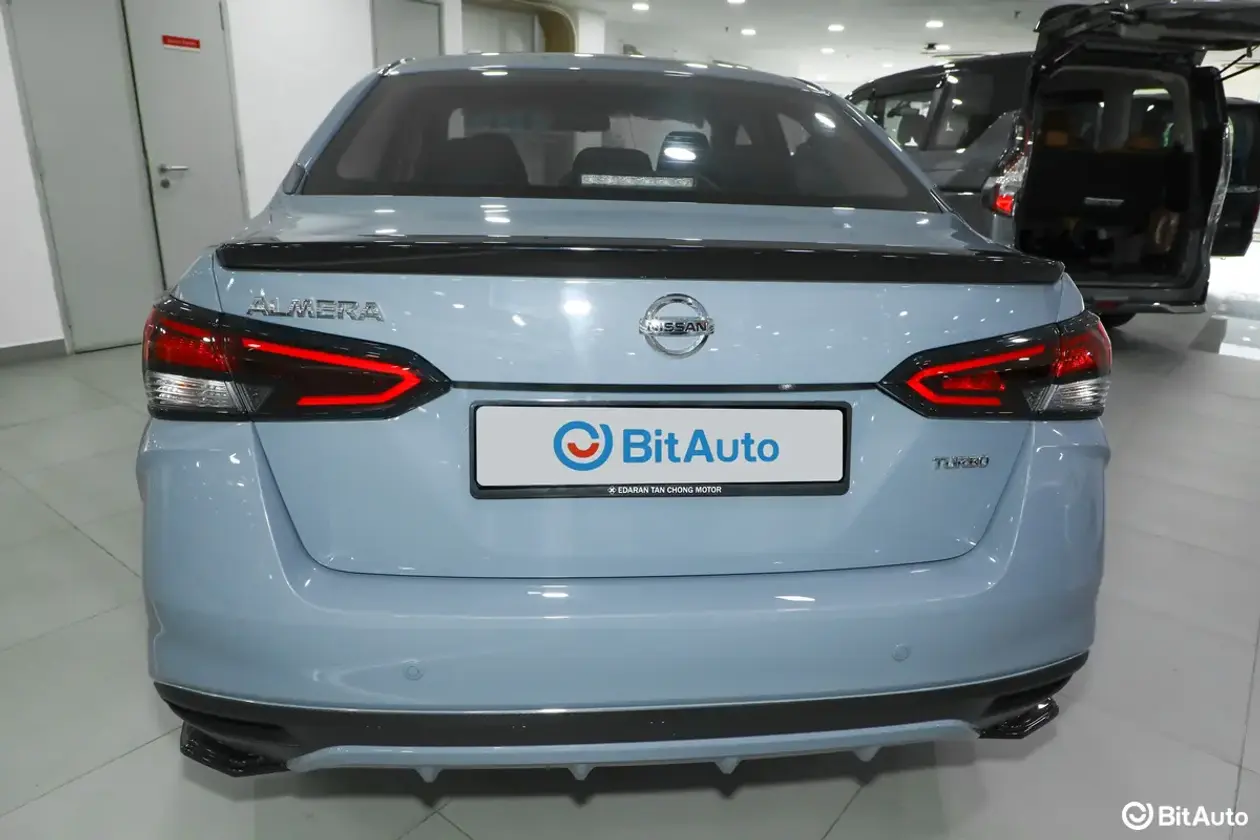
That said, a RM712 price difference when buying new makes resale value negligible on day one.
The Vios cashes in on its residual advantage only when you eventually sell it, whereas the Almera saves you seven hundred Ringgit upfront, cuts RM70 off your annual road tax, and offers punchier low-end response in town—a compelling financial case in its own right.
If your routine revolves around city commuting, dealing with daily traffic jams, and you value effortless low-end punch and a 360-degree camera, the Almera 1.0 Turbo VLT's RM712 premium is essentially negligible.
The VLT's blind spot monitor and bird's-eye camera will prove their worth every single day in tight parking spots and narrow lanes.
If six airbags are a non-negotiable but you are minding your budget, the mid-tier VLP already fits six airbags, making the jump to the VLT unnecessary purely for safety.
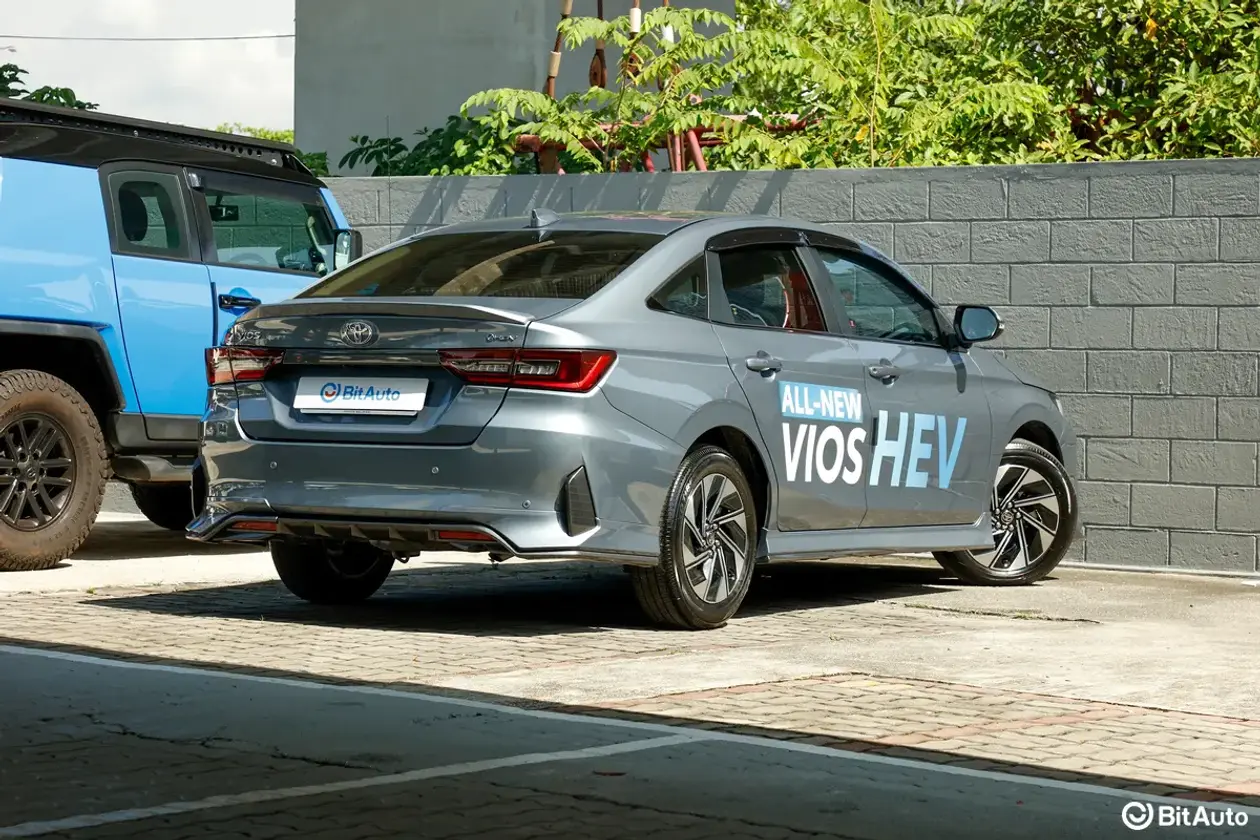
On the other hand, if you log high highway mileage, frequently travel interstate, and value four-cylinder refinement alongside Toyota's bulletproof resale track record, the Vios 1.5G is the more rounded package.
Its full-fat TSS safety suite and hassle-free five-year unlimited mileage warranty provide peace of mind, delivering high-speed cruising composure that a three-cylinder turbo cannot replicate with gadgets alone.
| Specification | Toyota Vios 1.5G | Nissan Almera 1.0 Turbo VLT |
|---|---|---|
| Price (Peninsular Malaysia, OTR without insurance) | RM96,600 | RM95,888 |
| Price Difference | RM712 | |
| Engine | 1,496 cc naturally aspirated 4-cylinder | 999 cc turbocharged 3-cylinder |
| Max Output | 104 hp @ 6,000 rpm | 99 hp @ 5,000 rpm |
| Max Torque | 138 N·m @ 4,200 rpm | 152 N·m @ 2,600 rpm |
| Transmission | CVT (7-speed sequential mode) | Xtronic CVT |
| Drivetrain | Front-wheel drive | Front-wheel drive |
| Length / Wheelbase | 4,425mm / 2,620mm | 4,495mm / 2,620mm |
| Boot Capacity | 475 litres | 482 litres |
| Kerb Weight | 1,035 kg | 1,114 kg |
| Airbags | 6 | 6 |
| Autonomous Emergency Braking | Standard | Standard |
| Adaptive Cruise Control | Standard (All-Speed) | None (Conventional Cruise Control) |
| Lane Keeping Assist | Standard (with steering correction) | None |
| Blind Spot Monitoring | Standard | Standard |
| Rear Cross Traffic Alert | Standard | Standard |
| 360-Degree Camera | Standard (3D Panoramic View Monitor) | Standard (with MOD) |
| Infotainment Display | 9-inch, Wireless Apple CarPlay | 8-inch, Apple CarPlay |
| Combined Fuel Consumption | 5.2 L/100 km | 5.4 L/100 km |
| Road Tax (Peninsular Malaysia, Annual) | RM90 | RM20 |
| Warranty | 5 years / unlimited mileage (paid extension available) | 5 years / unlimited mileage (separate 7-year programme available) |
| Assembly | CKD | CKD |


Your go-to source for all things automotive in Malaysia. 🚗 Latest reviews, breaking news, launches & industry trends.
+ Follow 电池越大越好?对混合动力车来说,未必!
丰田混合动力系统的小电池,负责回收制动能量、辅助起步,并与汽油引擎配合提升效率。电池虽小,作用可不小! 1 minute ago
 It looks like Malaysia will soon be welcoming two more electrified MPVs.
And one of them is a very quirky MPV. 23 minutes ago
 Some said that this camouflaged car is a Proton eMas 3, but we beg to differ.
We think that this might be hiding something else instead.
#proton #protonemas5 1 hour ago
Get the latest car news first!
Your go-to source for all things automotive in Malaysia. 🚗 Latest reviews, breaking news, launches & industry trends.
电池越大越好?对混合动力车来说,未必!
丰田混合动力系统的小电池,负责回收制动能量、辅助起步,并与汽油引擎配合提升效率。电池虽小,作用可不小! 1 minute ago It looks like Malaysia will soon be welcoming two more electrified MPVs.
And one of them is a very quirky MPV. 23 minutes ago Some said that this camouflaged car is a Proton eMas 3, but we beg to differ.
We think that this might be hiding something else instead.
#proton #protonemas5 1 hour ago 
© 2024 Bitauto.com. All Rights Reserved.
Bitauto (www.yiche.com and www.bitauto.com) is one of the most visited automotive websites in China. We provide detailed info on Chinese car brands available in your area. Please note that the information provided on this website is based on publicly available data and is for reference only. It may not be fully updated or accurate at all times.

Help us improve our website


