Bookings for the Omoda C7 are now open in Malaysia, with estimated pricing at RM160,000 for the petrol variant and RM180,000 for the PHEV version. This price range puts it in direct competition with the Mazda CX-5, where the entry-level 2.0G 2WD Mid starts from RM134,469.
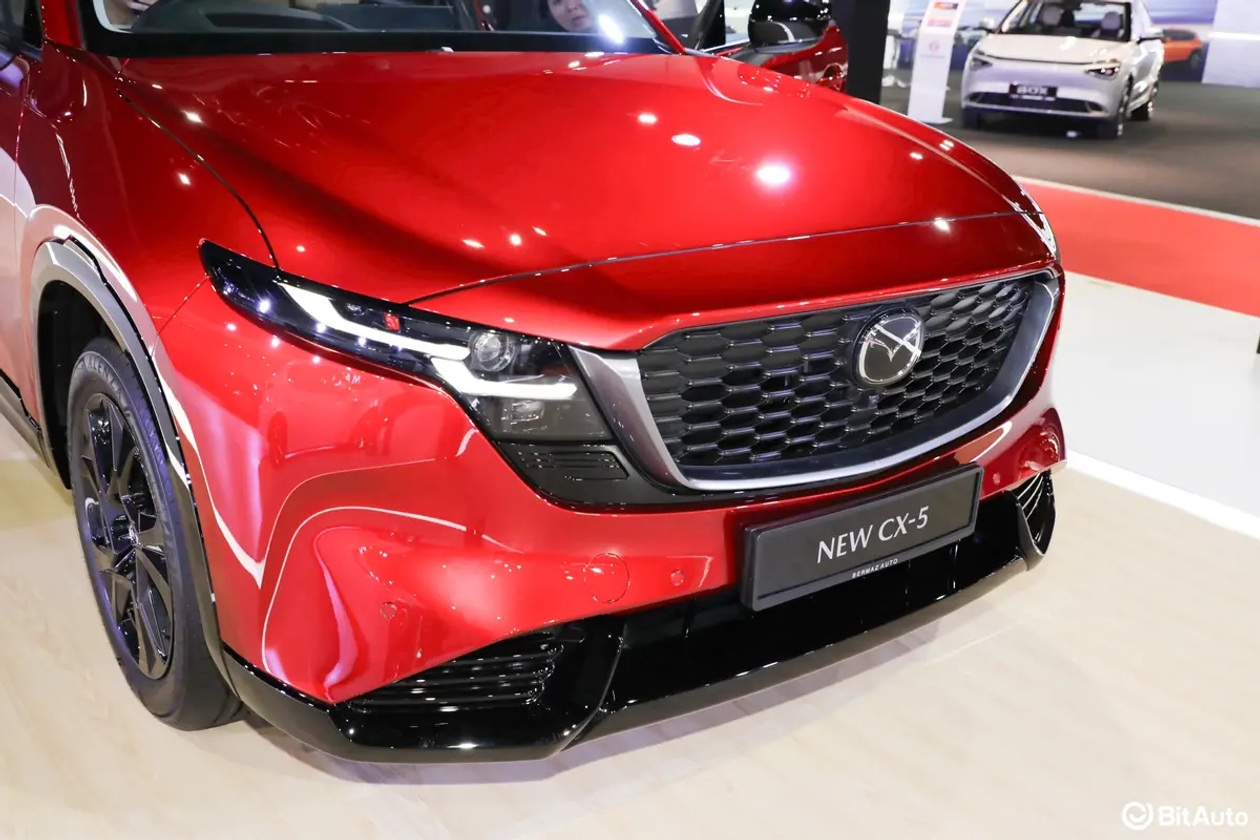
The CX-5 2.0G 2WD High, priced at RM151,469, sits in the exact same price bracket as the C7 petrol. First debuted in China back in 2024 as the Omoda 7, the C-segment SUV has finally arrived in Malaysia. Both models are set for a head-to-head battle in the RM150k to RM160k segment.
With one being a fresh Chinese newcomer just open for bookings and the other a long-standing Japanese best-seller, buyers in the C-segment SUV market now face a tough decision.
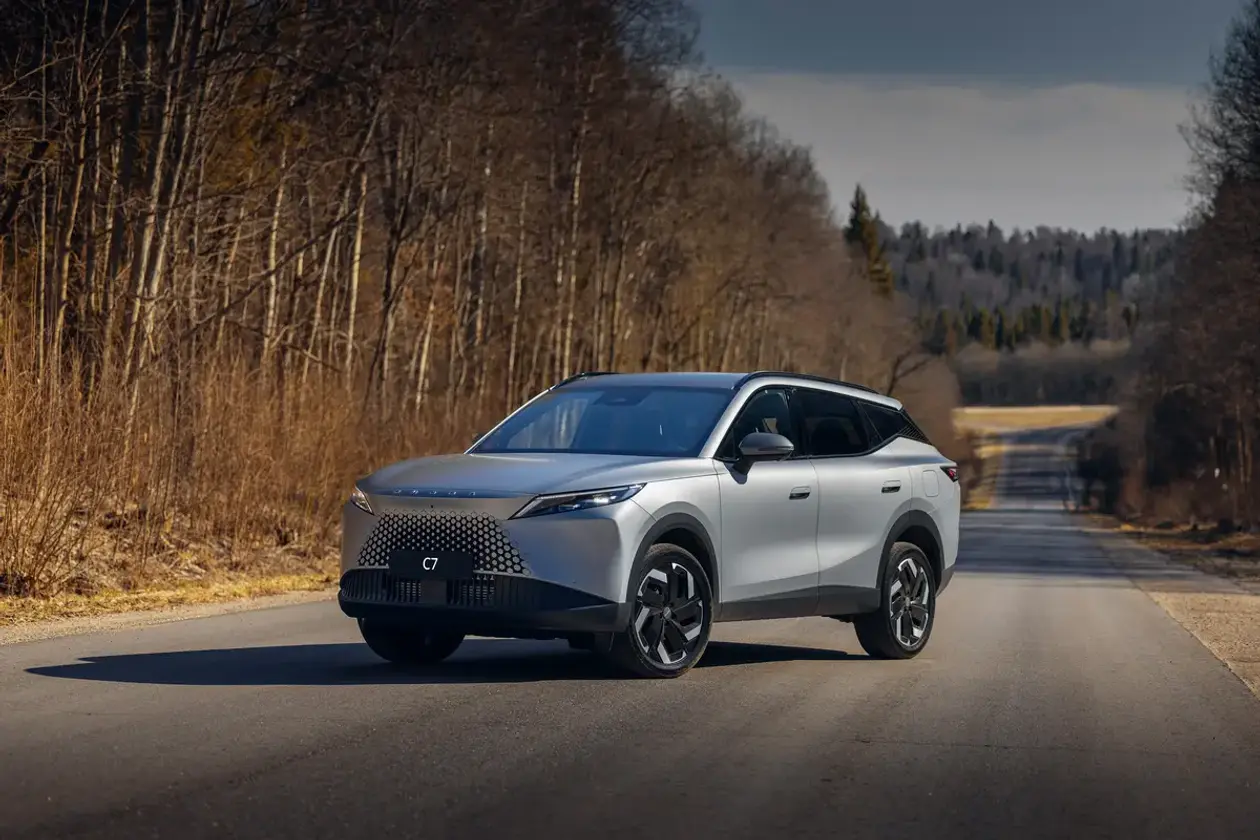
The Omoda C7 is available in two variants locally: the petrol variant estimated at RM160,000, and the PHEV variant at RM180,000. Both are locally assembled (CKD) at the Chery Corporate Malaysia plant in Shah Alam.
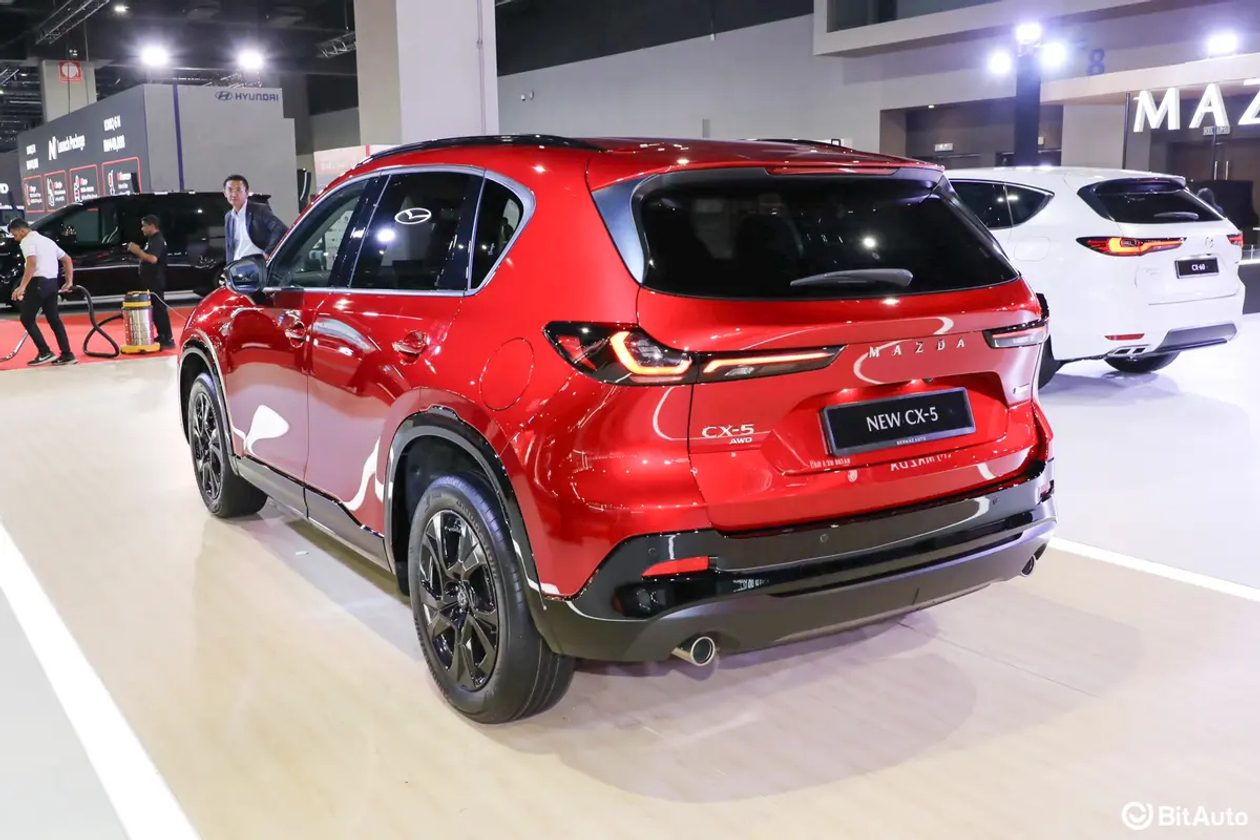
The current Mazda CX-5 line-up consists of five variants priced between RM134,469 and RM178,760.
The range starts with the 2.0G 2WD Mid (RM134,469), followed by the 2.0G 2WD High (RM151,469), the 2.5G 2WD High (RM164,960), the 2.2D High 2WD diesel (RM170,323), and the flagship 2.5T High AWD (RM178,760).
This places the C7 petrol right between the CX-5 2.0G High and 2.5G High, while the C7 PHEV directly goes against the CX-5 2.5G High and 2.2D diesel.
However, it is worth noting that the next-generation Mazda CX-5 is just around the corner. Previewed at KLIMS in June 2026 with an estimated starting price of RM170,000, the new model's arrival means the current KF-generation will eventually only be offered with the 2.0L engine.
Buying the current CX-5 now means buying an outgoing model, whereas the C7 is a completely new entry just starting its lifecycle.
This is where the two SUVs differ the most.
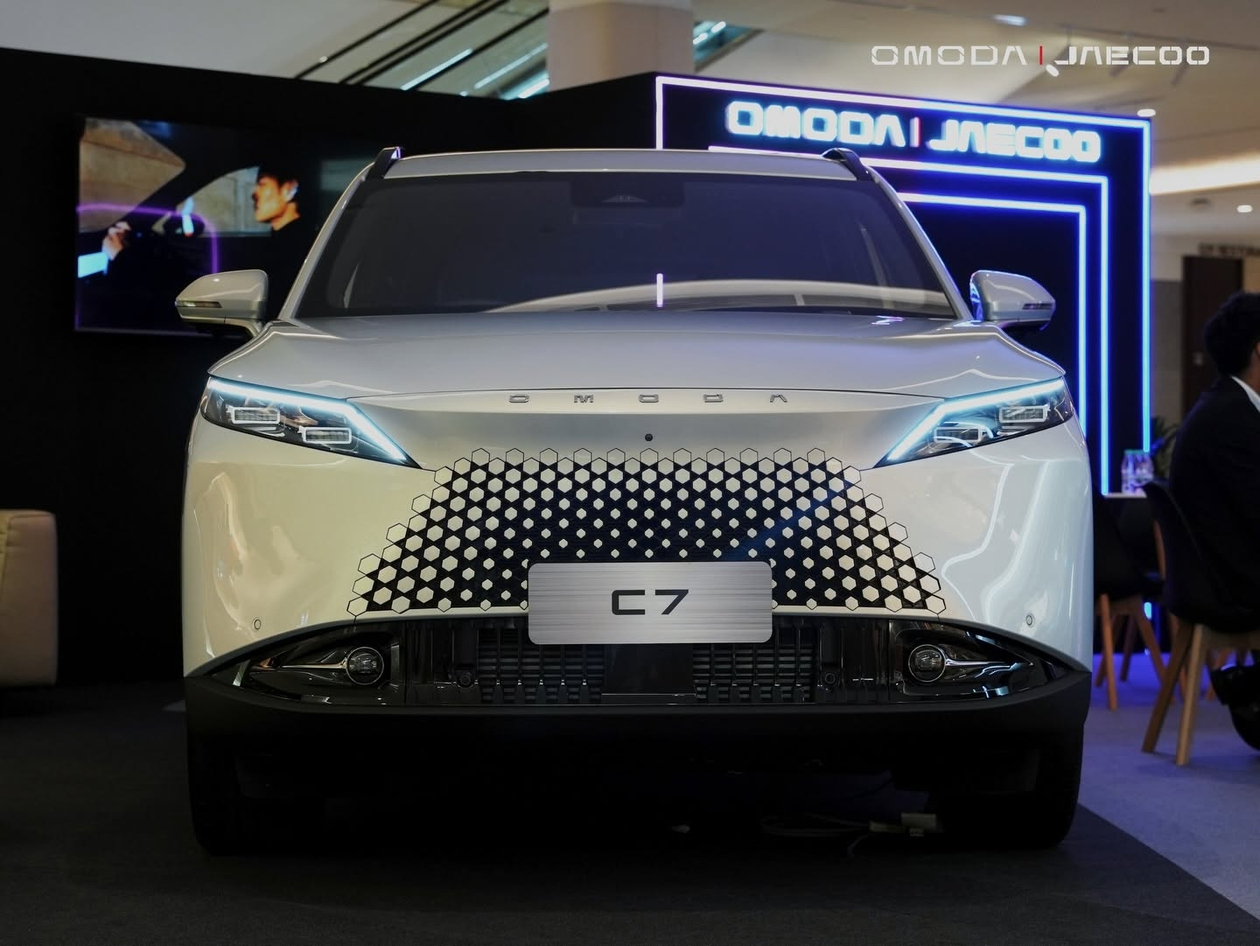
The C7 petrol is powered by a 1.6-litre turbocharged four-cylinder engine making 197 PS (194 hp) and 290 Nm of torque, paired with a seven-speed dual-clutch transmission (DCT).
The C7 PHEV takes it a step further with Chery's Super Hybrid System, combining a 1.5-litre turbo engine (156 PS / 220 Nm) and an electric motor (204 PS / 310 Nm) for a massive total system output of 360 PS and 530 Nm.
Power is sent to the front wheels via a single-speed Dedicated Hybrid Transmission (DHT). An 18.3 kWh BYD Blade LFP battery provides a pure electric range of 95 km, contributing to a combined range of 1,250 km and a 0-100 km/h sprint time of 8.5 seconds.
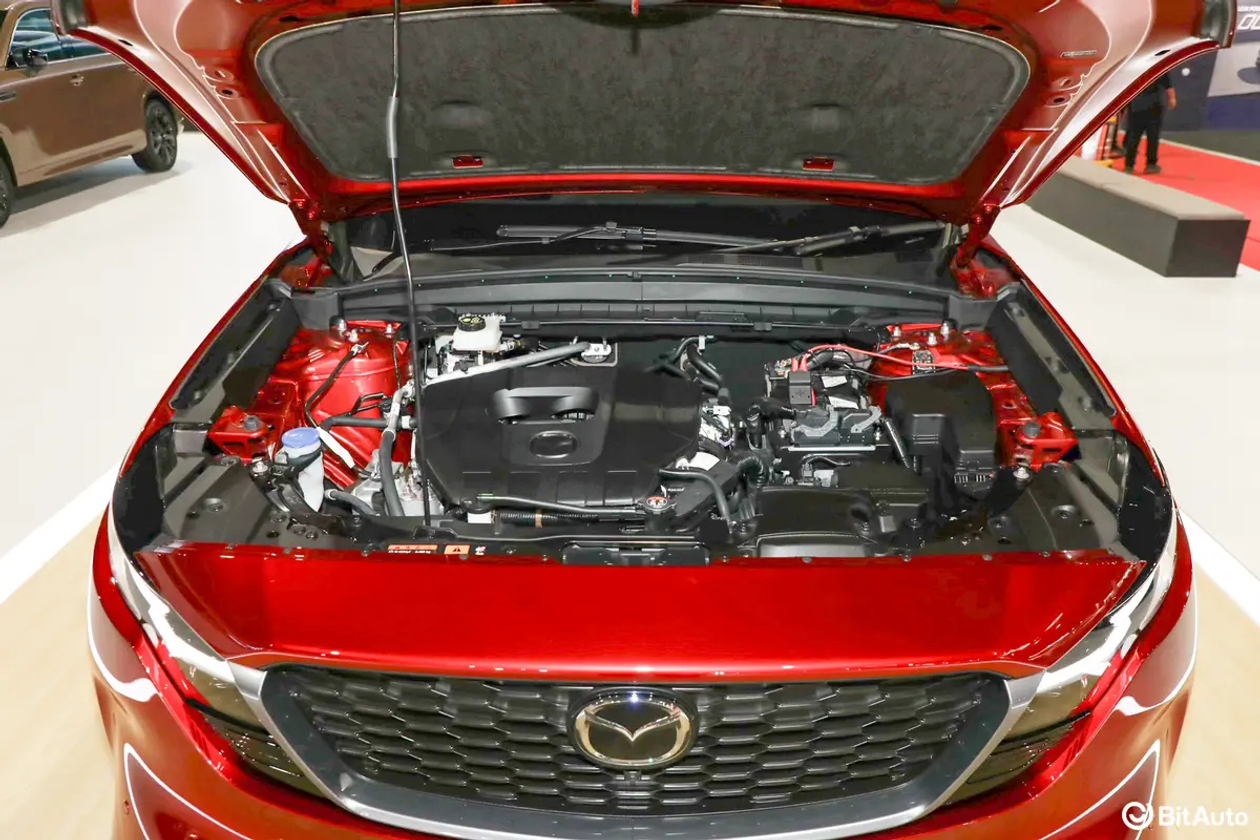
The CX-5 2.0G features a 2.0-litre naturally-aspirated engine pushing out 162 hp and 213 Nm, mated to a six-speed automatic gearbox. The 0-100 km/h sprint is completed in a leisurely 10.4 seconds.
While the CX-5 offers more potent options—the 2.5G with 192 hp and the 2.5T with 228 hp and 420 Nm—these variants are priced well past the RM164,000 mark.
On paper, the difference is stark. The C7 petrol's 197 PS easily beats the CX-5 2.0G's 162 hp by over 30 hp, while the C7 PHEV's 360 PS is in a different league altogether.
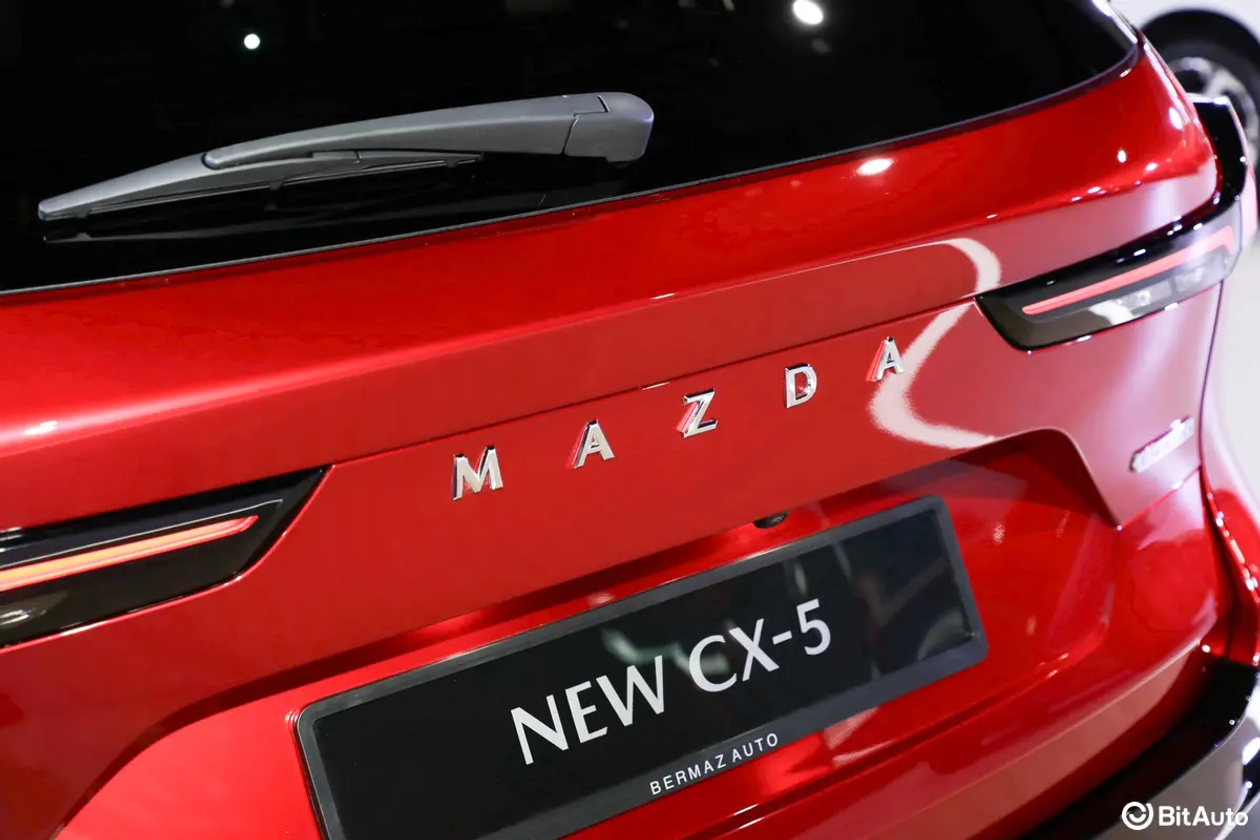
That said, Mazda's chassis tuning is legendary. While the CX-5's 6-speed automatic may seem dated, its shift logic is highly intuitive and responsive. The naturally-aspirated power delivery is linear and smooth, free from any turbo lag.
On the other hand, how well the C7's DCT behaves in low-speed, stop-and-go city traffic remains to be seen, as local media test drives are yet to be conducted. This is something to keep an eye on.
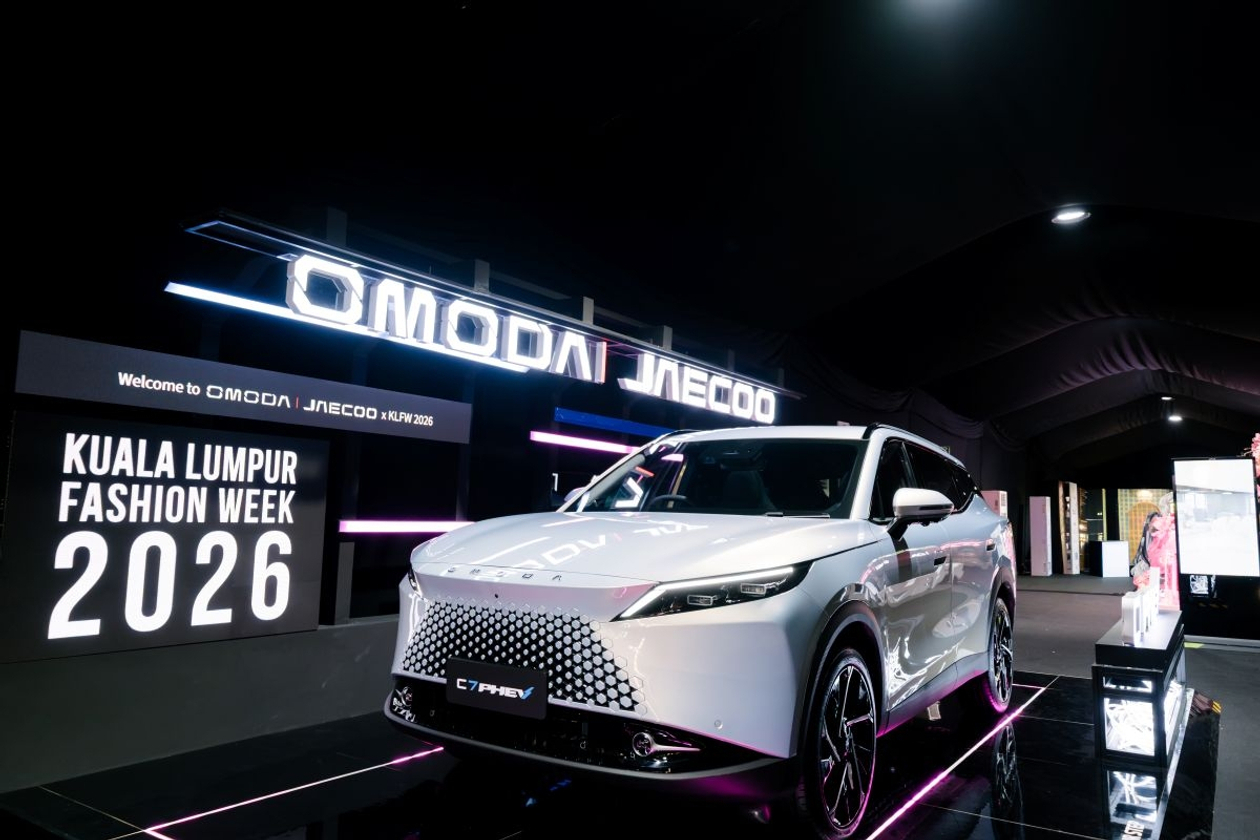
The Omoda C7 measures 4,621 mm long, 1,872 mm wide, and 1,673 mm tall, with a 2,700 mm wheelbase, placing it squarely in the C-segment five-seater SUV category.
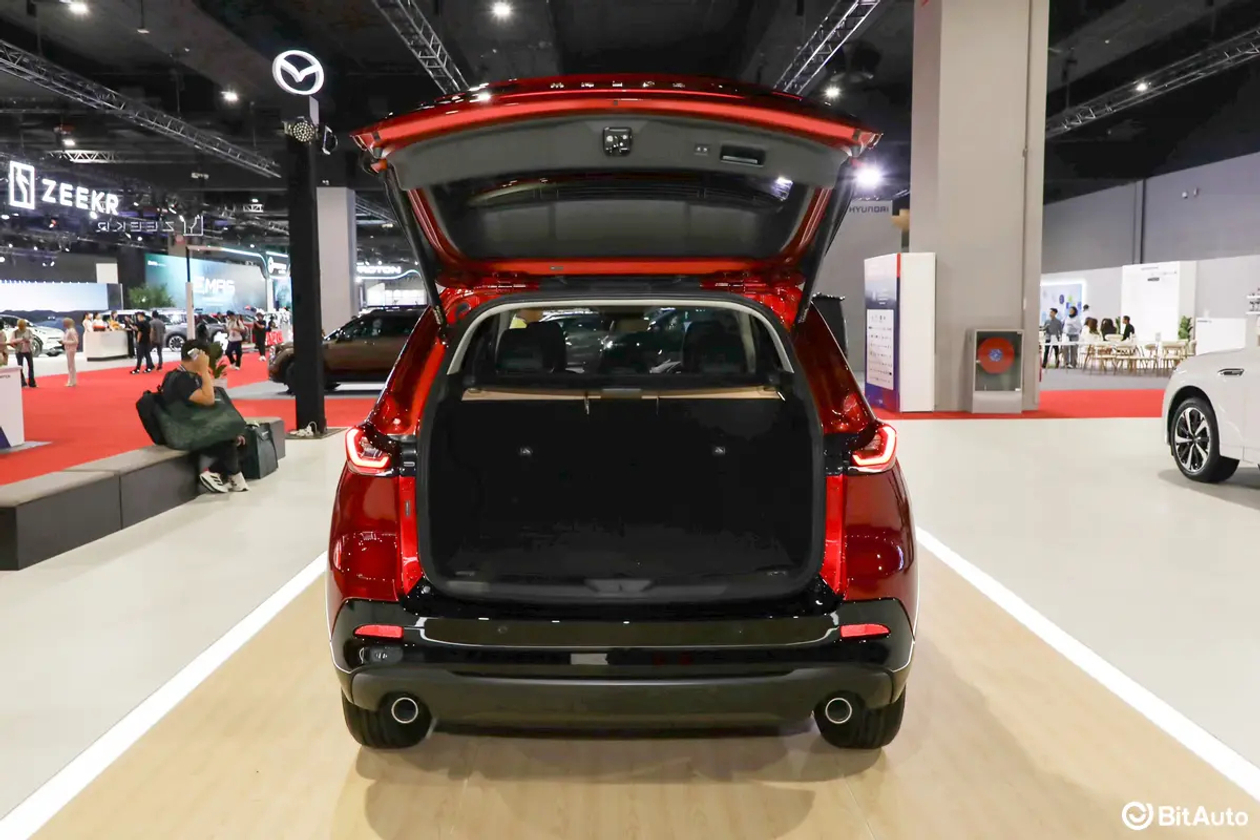
The CX-5 offers a boot space of 442 litres. The C7 boasts a much larger 614-litre boot, which expands to 1,371 litres with the rear seats folded.
With a difference of nearly 170 litres, the C7 holds a significant advantage in terms of cargo-carrying practicality.
While their overall footprint is likely similar given they belong to the same class, the C7's 2,700 mm wheelbase is par for the course in this segment.
The C7 is generously equipped.
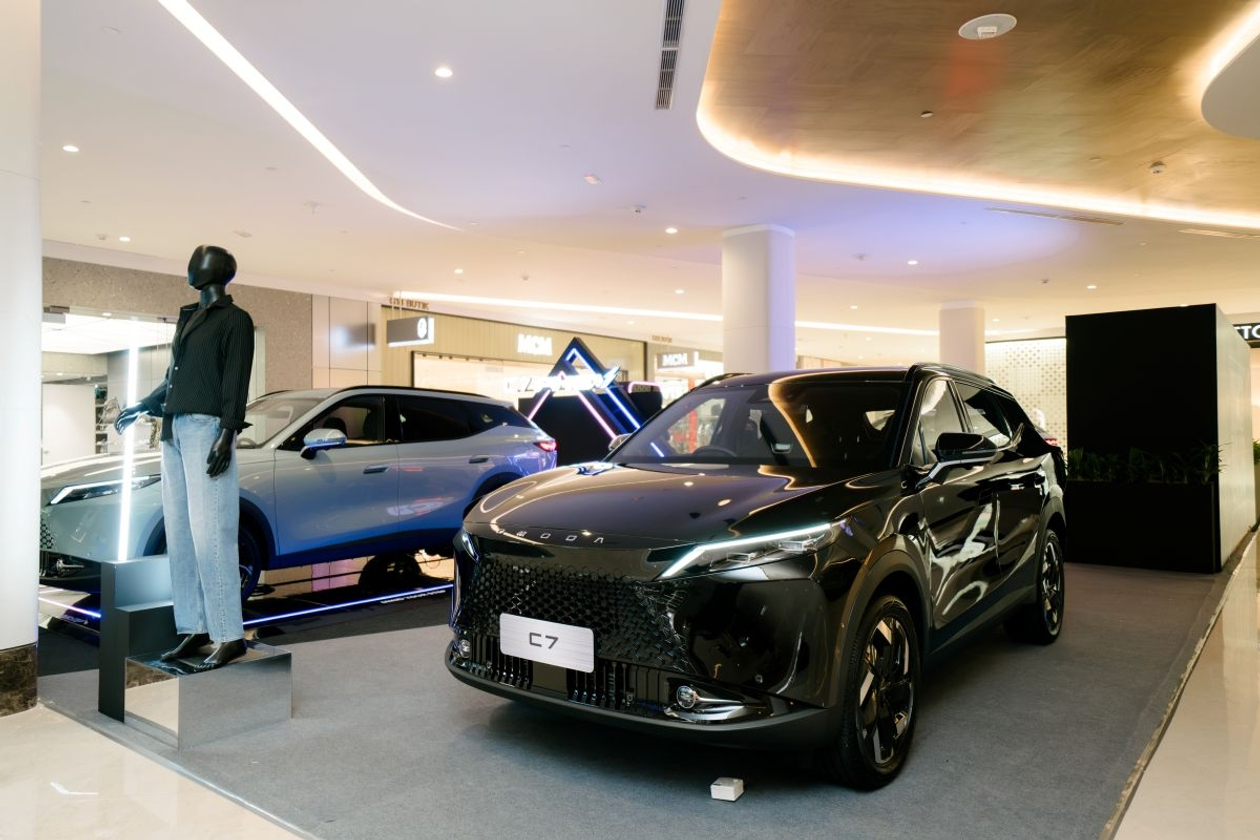
Standard equipment across both variants includes an 8.88-inch digital instrument cluster, ventilated power-adjustable front seats, double-glazed acoustic front windows, and a 50W ventilated wireless charging pad. A full suite of ADAS is also standard.
The PHEV variant adds larger 20-inch alloy wheels (19-inch on the petrol), a sliding 15.6-inch infotainment screen that can move towards the passenger side, and a front passenger leg rest. However, this comes at the expense of the glove box.
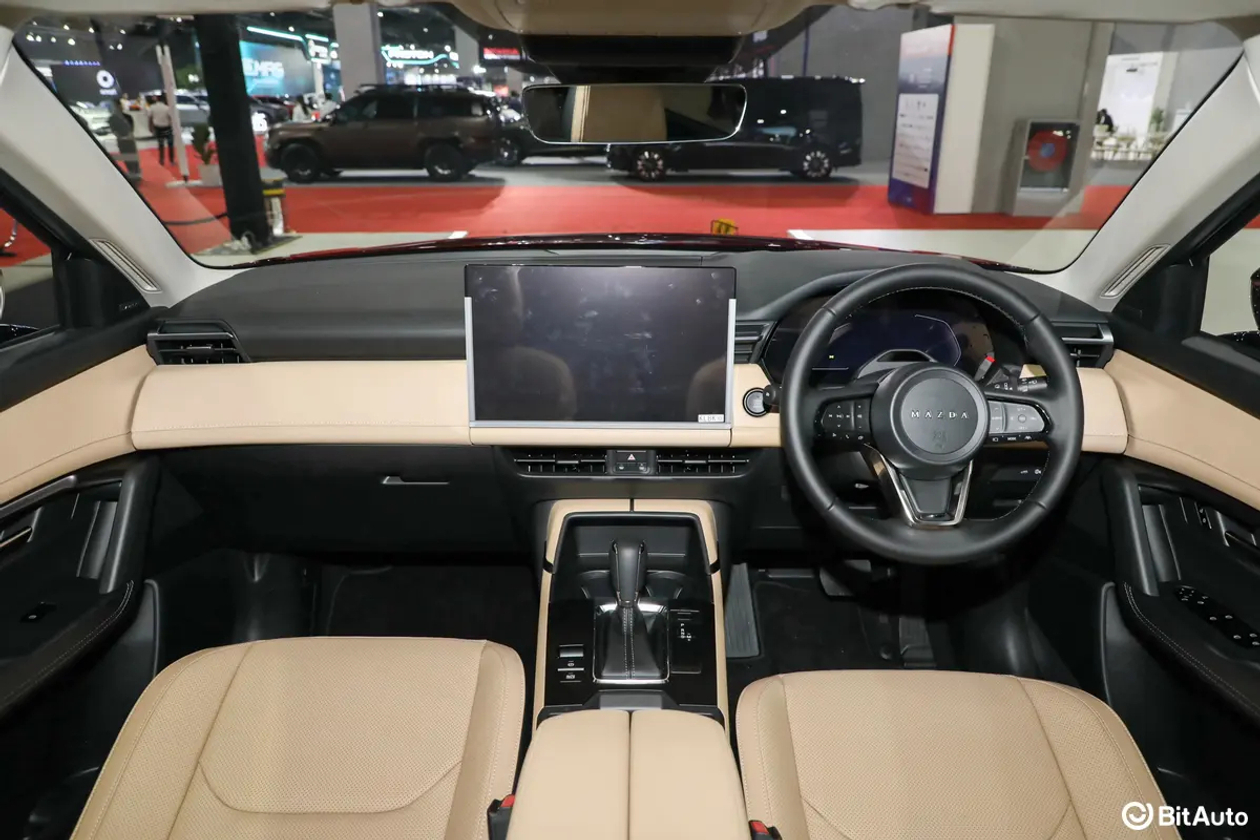
The CX-5's cabin is more traditional.
The 2026 2.0G High recently received a larger 12.3-inch infotainment display and body-coloured body cladding, along with a RM10,000 price drop. Comparing the entry-level 2.0G 2WD Mid to the C7, the gap in tech is clear.
Mazda's strength, however, lies in its premium cabin materials and build quality—areas refined over the years that cannot be matched by simply adding larger screens.
In terms of running costs, the C7 PHEV holds a clear edge. Its 95 km pure electric range means daily commutes can easily be done without using petrol, provided you have a home charger. The combined range of 1,250 km also virtually eliminates range anxiety on interstate trips.
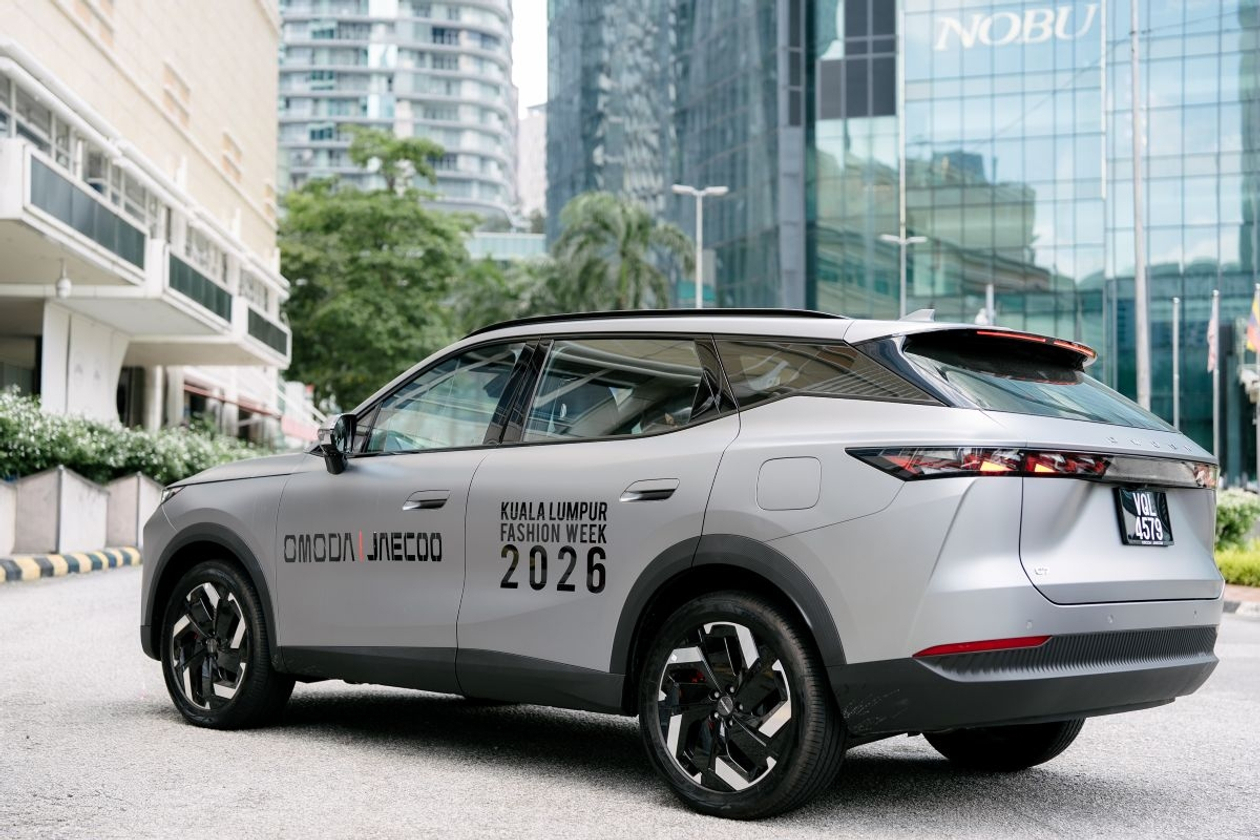
However, PHEV maintenance is inherently more complex than a standard petrol vehicle, requiring upkeep for both the combustion engine and the electrical drive components.
As for the C7 petrol, the maintenance costs for its 1.6T engine should be comparable to other turbocharged cars in its class, and likely won't be cheaper than the CX-5's simpler 2.0L naturally-aspirated unit.
For road tax, the C7 petrol's 1.6-litre engine costs around RM90 annually. Despite the C7 PHEV's high total output, road tax is calculated based on its 1.5-litre engine displacement, which also costs RM90 per year.
The CX-5 2.0L, on the other hand, costs about RM380 annually, meaning CX-5 owners will pay nearly RM300 more each year.
Insurance premiums for the C7 are still unconfirmed as it is a brand-new model. Conversely, the CX-5 is a well-established model with plenty of historical data, meaning its insurance rates are stable and predictable.
This is where the biggest question mark lies for the Omoda C7.
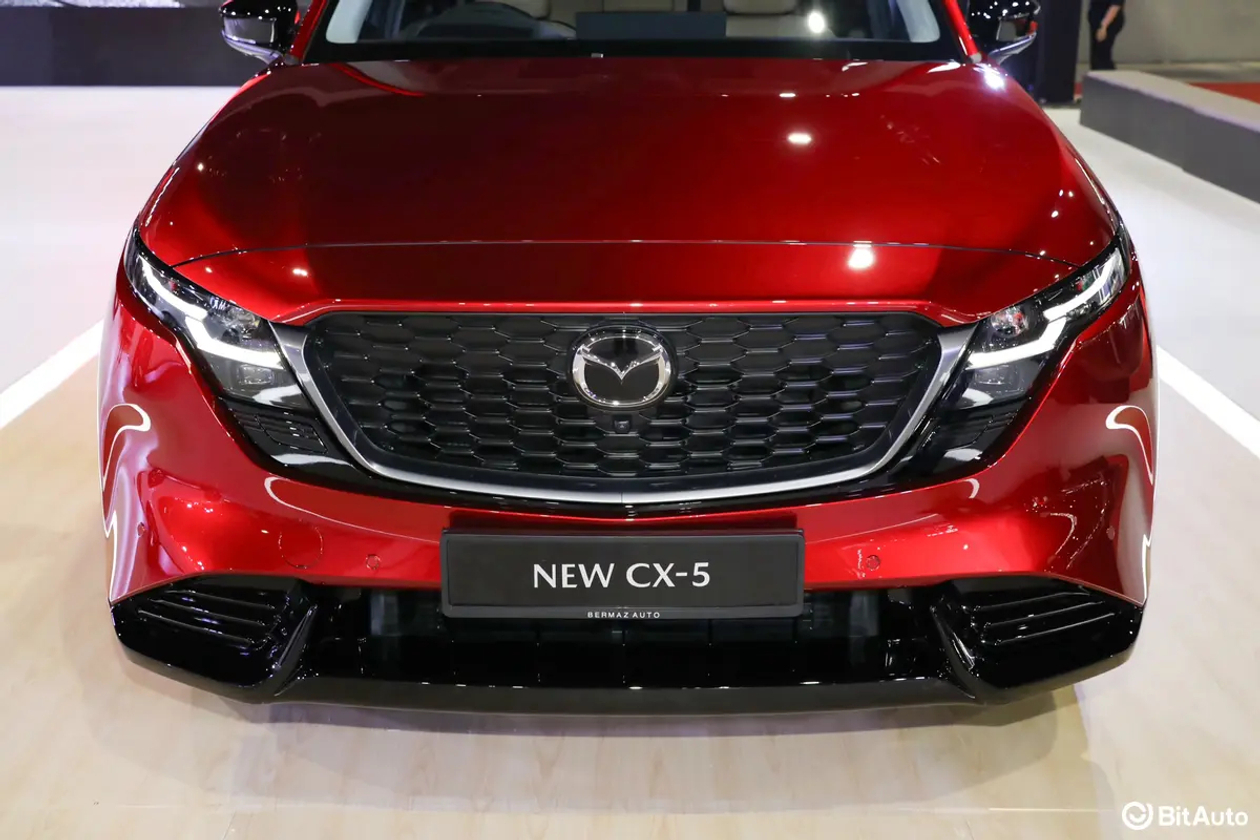
Mazda enjoys a rock-solid reputation in Malaysia, and the long-running CX-5 has steady demand in the used car market. Even with the current generation nearing the end of its run, Mazda's brand equity ensures decent resale value.
As a newer brand, Omoda's depreciation curve remains to be seen. It is a fact that Chinese brands in Malaysia generally do not hold their value as well as their Japanese counterparts. Whether the C7 can buck this trend will only be known once the first batch of vehicles hits the second-hand market.
Nonetheless, the C7 has a local advantage. With both the petrol and PHEV variants being locally assembled (CKD), parts availability and after-sales support should be more assured compared to CBU imported models.
At RM160,000, the C7 petrol variant offers 197 PS of turbocharged power, a 614-litre boot, and a comprehensive ADAS suite. If you want strong performance, modern tech, and practical cargo space—and do not mind taking a chance on a newer brand—the C7 petrol is a strong contender in this price bracket.
For RM180,000, the C7 PHEV provides a combined 360 PS and a 95 km all-electric range. If you can charge at home, have a short daily commute, and want the flexibility of long-distance travel without range anxiety, this PHEV is a unique offering at this price point in Malaysia.
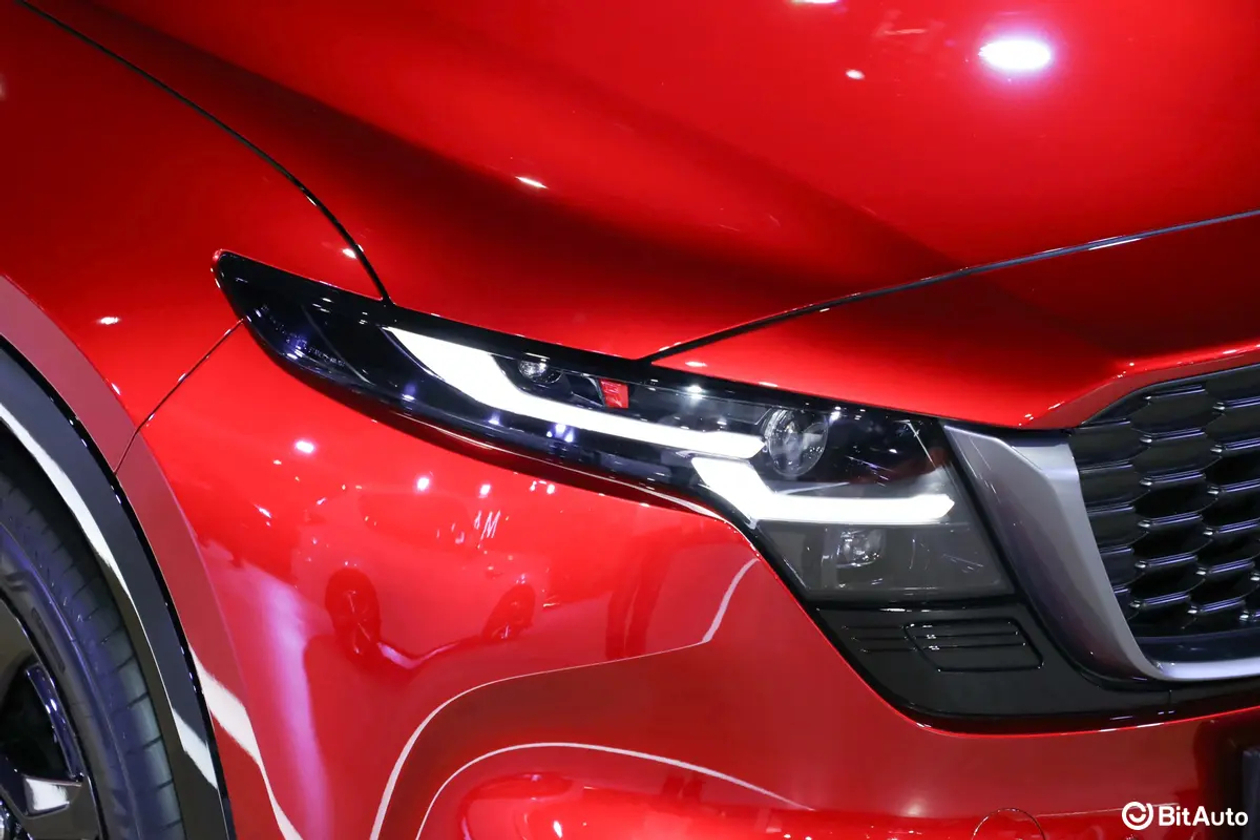
On the flip side, the Mazda CX-5 2.0G, starting at RM134,469, offers proven mechanical reliability, engaging driving dynamics, and a strong brand reputation.
If you prefer naturally-aspirated power over turbos and screens, and value driving feel, long-term reliability, and solid resale value, the CX-5 remains the sensible, worry-free choice.


Your go-to source for all things automotive in Malaysia. 🚗 Latest reviews, breaking news, launches & industry trends.
+ Follow Proton S70 i-GT 1.5 Prime kini lebih mampu dimiliki!
Dengan harga yang lebih mampu milik ia masih menawarkan pakej yang cukup lengkap.
Dalam video kali ini, saya membawa anda melihat dengan lebih dekat Proton S70 i-GT 1.5 Prime.
Dari reka bentuk luaran, ruang kabin, teknologi, ciri keselamatan dan yang paling penting, pengalaman memandu.
#ProtonS70 #ProtonS70Prime #ProtonS70Review #ProtonMalaysia #CarReviewMalaysia #KeretaMalaysia #SedanMalaysia #AutomotifMalaysia 12 hours ago
Proton S70 i-GT 1.5 Prime kini lebih mampu dimiliki!
Dengan harga yang lebih mampu milik ia masih menawarkan pakej yang cukup lengkap.
Dalam video kali ini, saya membawa anda melihat dengan lebih dekat Proton S70 i-GT 1.5 Prime.
Dari reka bentuk luaran, ruang kabin, teknologi, ciri keselamatan dan yang paling penting, pengalaman memandu.
#ProtonS70 #ProtonS70Prime #ProtonS70Review #ProtonMalaysia #CarReviewMalaysia #KeretaMalaysia #SedanMalaysia #AutomotifMalaysia 12 hours ago  Bookings are now opened for the upcoming 2027 GWM Ora 5 HEV!
RM 115k estimated? That's quite a deal, don't you think? 18 hours ago
Bookings are now opened for the upcoming 2027 GWM Ora 5 HEV!
RM 115k estimated? That's quite a deal, don't you think? 18 hours ago  This weekend is your chance to own a Volvo Selekt Certified Used Car, priced from just RM 148,000.
What are you waiting for?
#volvo 1 day ago
This weekend is your chance to own a Volvo Selekt Certified Used Car, priced from just RM 148,000.
What are you waiting for?
#volvo 1 day ago Get the latest car news first!
Your go-to source for all things automotive in Malaysia. 🚗 Latest reviews, breaking news, launches & industry trends.
Proton S70 i-GT 1.5 Prime kini lebih mampu dimiliki!
Dengan harga yang lebih mampu milik ia masih menawarkan pakej yang cukup lengkap.
Dalam video kali ini, saya membawa anda melihat dengan lebih dekat Proton S70 i-GT 1.5 Prime.
Dari reka bentuk luaran, ruang kabin, teknologi, ciri keselamatan dan yang paling penting, pengalaman memandu.
#ProtonS70 #ProtonS70Prime #ProtonS70Review #ProtonMalaysia #CarReviewMalaysia #KeretaMalaysia #SedanMalaysia #AutomotifMalaysia 12 hours ago Bookings are now opened for the upcoming 2027 GWM Ora 5 HEV!
RM 115k estimated? That's quite a deal, don't you think? 18 hours ago This weekend is your chance to own a Volvo Selekt Certified Used Car, priced from just RM 148,000.
What are you waiting for?
#volvo 1 day ago  ProtonGWMVolkswagenJAECOOVolvoPeroduaToyotaHondaTESLAMitsubishiMazdaJetourCheryBYDLexusBMWMercedes-BenziCAURZeekrIsuzuNissanLeapmotorPorscheFordOMODAMINIMGSuzukiXPengHyundaiWulingKiaSubaruDenzaGACLand RoverDongfengCAMAudiPeugeotFotonMAXUSsmartDaihatsuJACJMCMaseratiLotusAlfa RomeoRenaultGolden DragonKaiceneSeresLamborghiniFerrariJeepRolls-RoyceLepasAston MartinMcLarenChevroletBentleyFiatBAICForthingGeelyRoeweAeolusChanganARCFOXDeepalExeedHongqiVoyahJaguarKGMBuforiAcuraCadillacDodgeAbarthINEOSMHEROJMEVFreelander
© 2024 Bitauto.com. All Rights Reserved.
Bitauto (www.yiche.com and www.bitauto.com) is one of the most visited automotive websites in China. We provide detailed info on Chinese car brands available in your area. Please note that the information provided on this website is based on publicly available data and is for reference only. It may not be fully updated or accurate at all times.
Help us improve our website


