When you have a budget of RM100k, car buying often revolves around “what grade of leather is fitted”, “which badge carries more prestige”, and “who packs the flashier tech suite”. But let's be honest, that is not the reality for the majority of Malaysian households.
Most of us are ordinary wage earners, and a car is a massive household investment. The moment you step into the market with an RM40k budget, your priorities change.
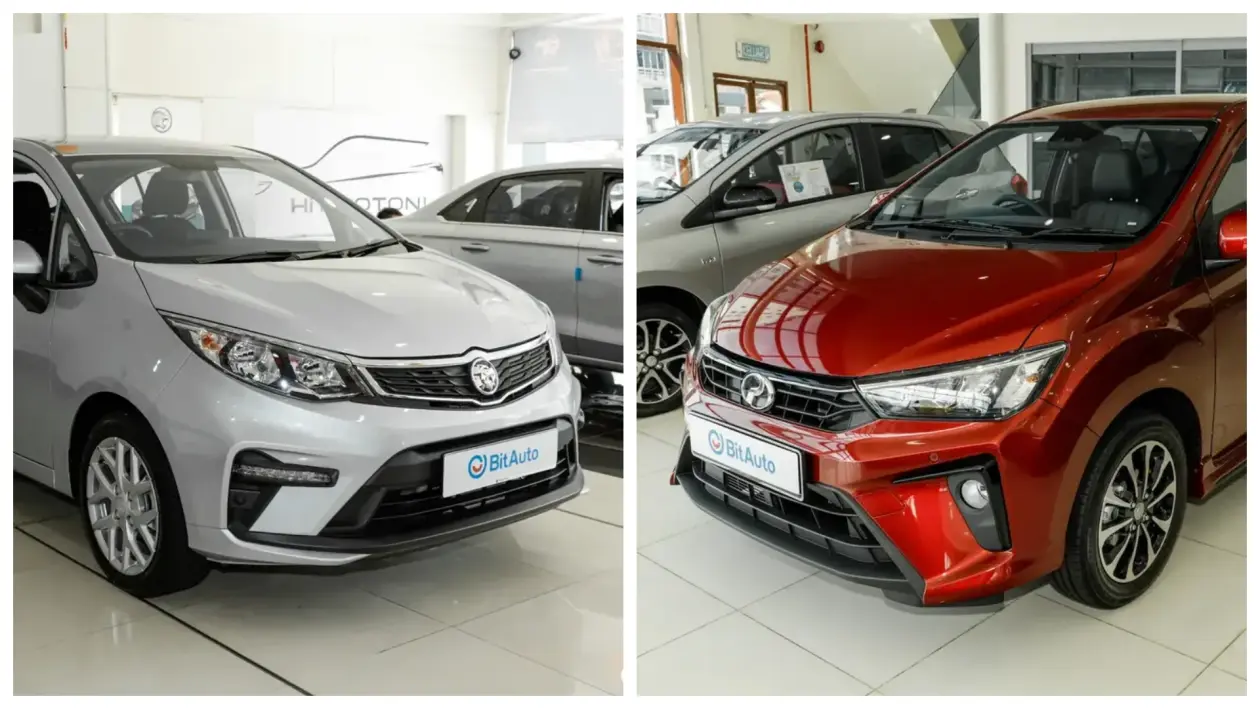
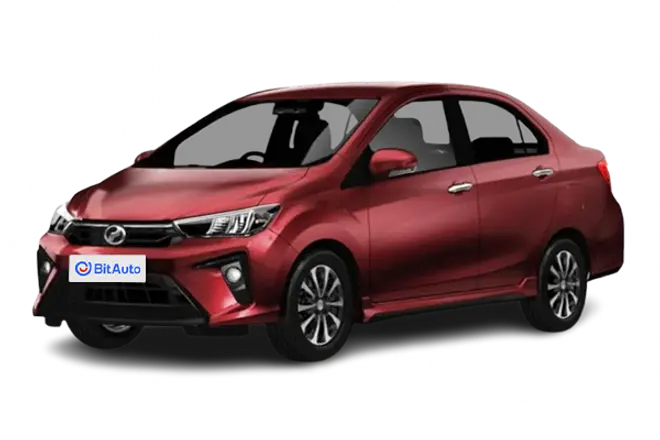
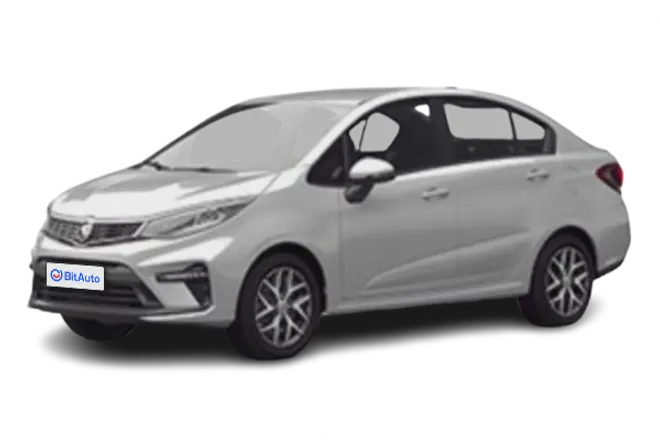
All you really want is a car with enough cabin space so your family isn't cramped, decent everyday power, proven reliability, fuss-free and affordable maintenance, and frugal fuel consumption—that's it. That is why pitting two sub-RM40k family cars like the Persona and Bezza against each other makes sense.
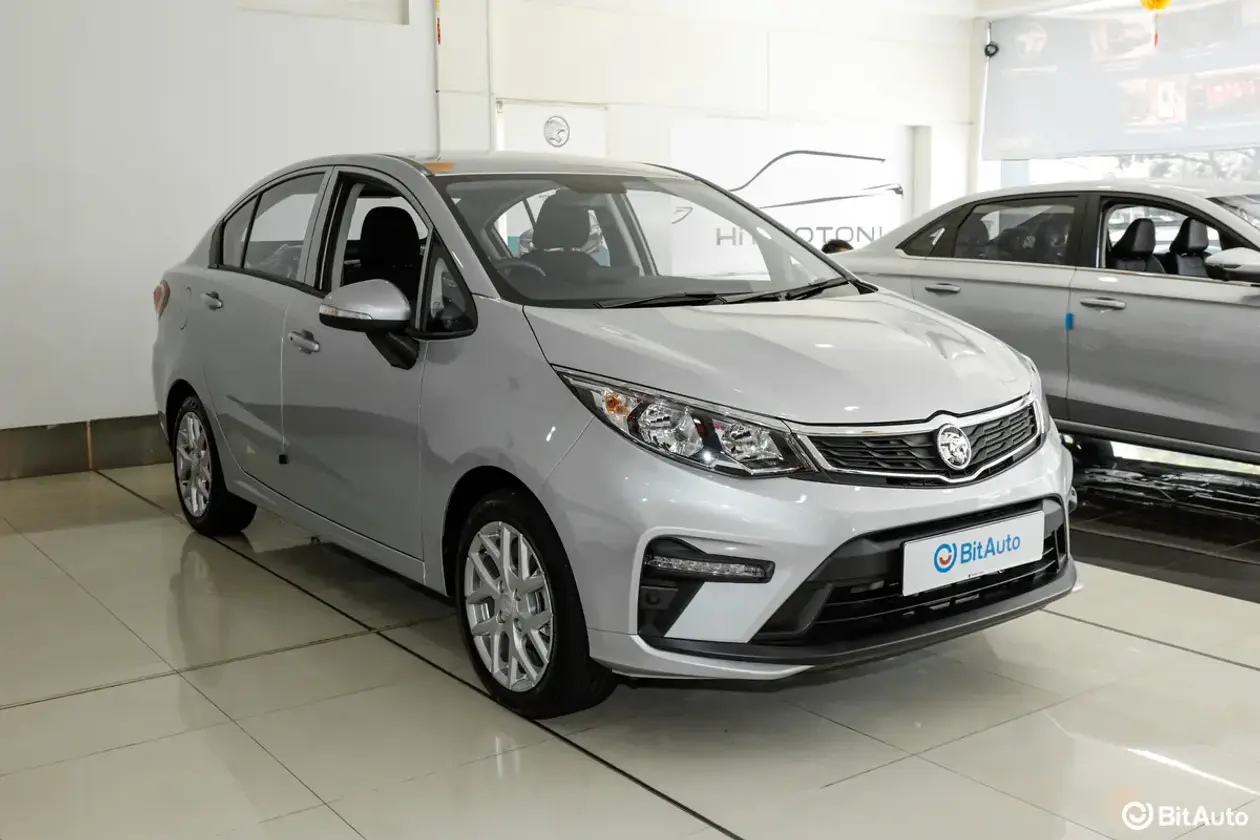
The official OTR price excluding insurance for the Persona 1.6 Standard is RM47,800, while the Bezza 1.3 X retails at RM43,980, leaving a price gap of RM3,820. Both are locally assembled (CKD), five-seater, front-wheel-drive four-door sedans, backed by a 5-year/150,000 km manufacturer warranty.
Dealer discounts are fairly common for both; however, Proton dealerships tend to offer larger rebates on the Persona, whereas the Bezza typically commands only nominal discounts of a few hundred ringgit.
Theoretically, if you manage to catch a generous promotional rebate on the Persona, it is possible to match or even undercut the Bezza's price, though that comes down to timing and luck.
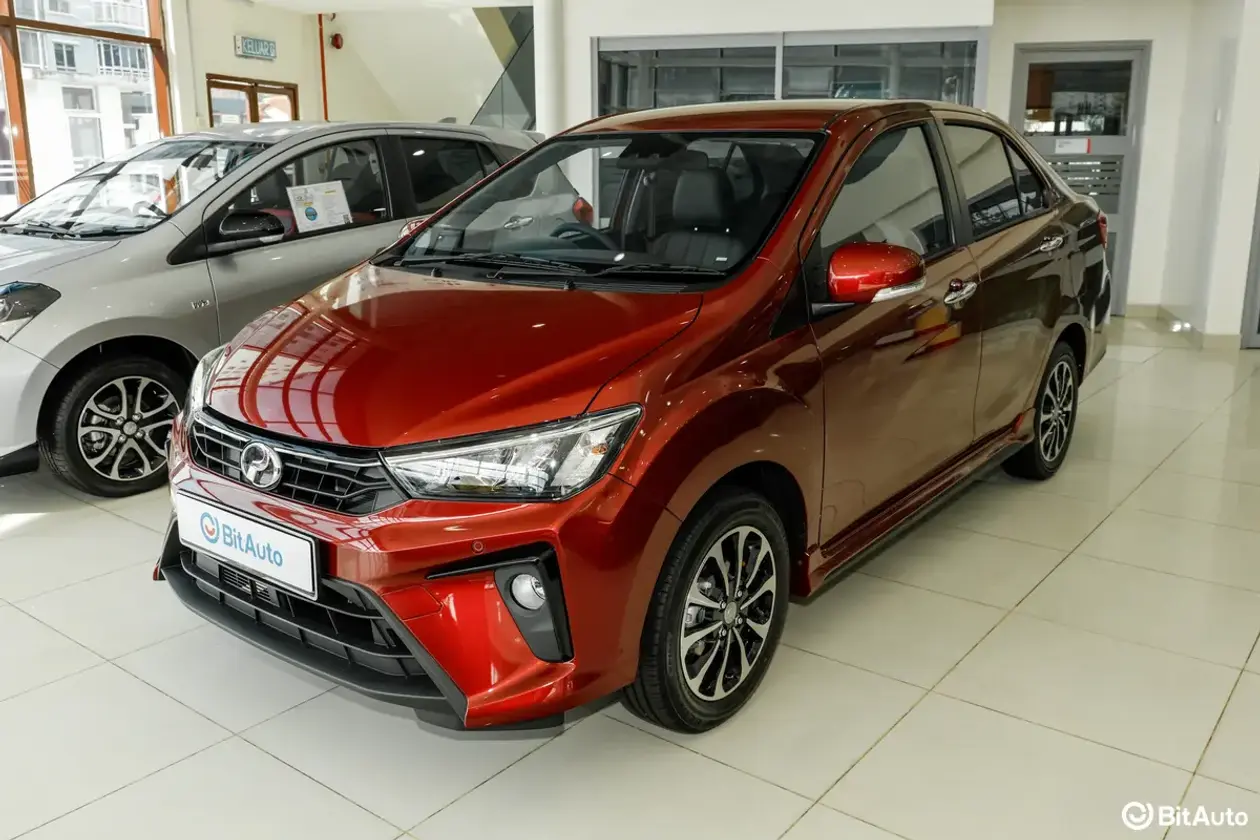
On the road tax front, both are easy on the wallet. With an engine displacement of 1,597 cc, the Persona slips just under the 1,600 cc threshold, costing RM90 per annum. The Bezza is powered by a 1.3L engine displacing 1,329 cc, incurring an annual road tax of RM70.
Thanks to its smaller capacity, the Bezza is cheaper to tax, but in the grand scheme of running costs, they are practically neck-and-neck.
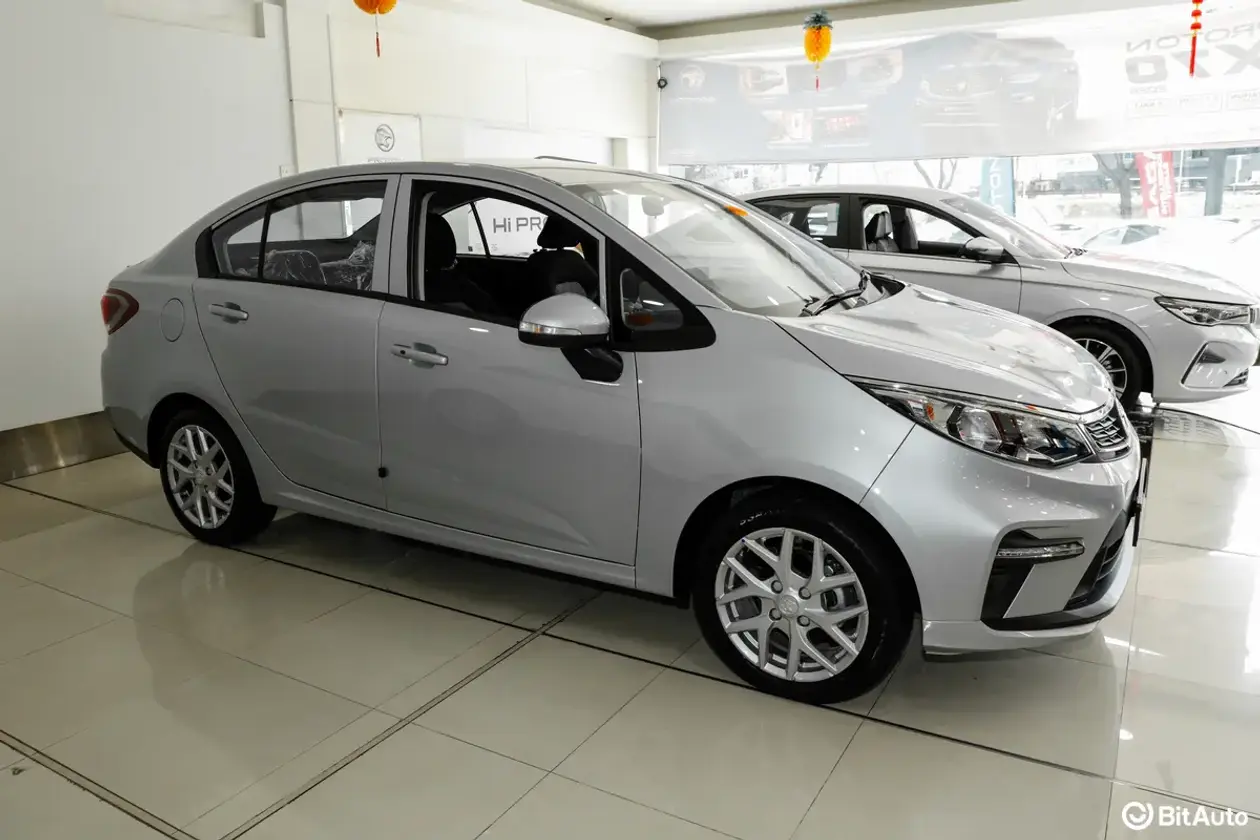
Dimensionally, these two cars stand far apart. The Persona measures 4,366 × 1,722 × 1,554 mm, with a 2,555 mm wheelbase, a kerb weight of 1,175 kg, 185/55 R15 tyres, a minimum turning radius of 5.0 m, and a 40L fuel tank.
The Bezza comes in at 4,170 × 1,620 × 1,525 mm, with a 2,455 mm wheelbase, a kerb weight of just 925 kg, 175/60 R15 dual-tone alloys, the same 5.0 m turning radius, and a 36L fuel tank.
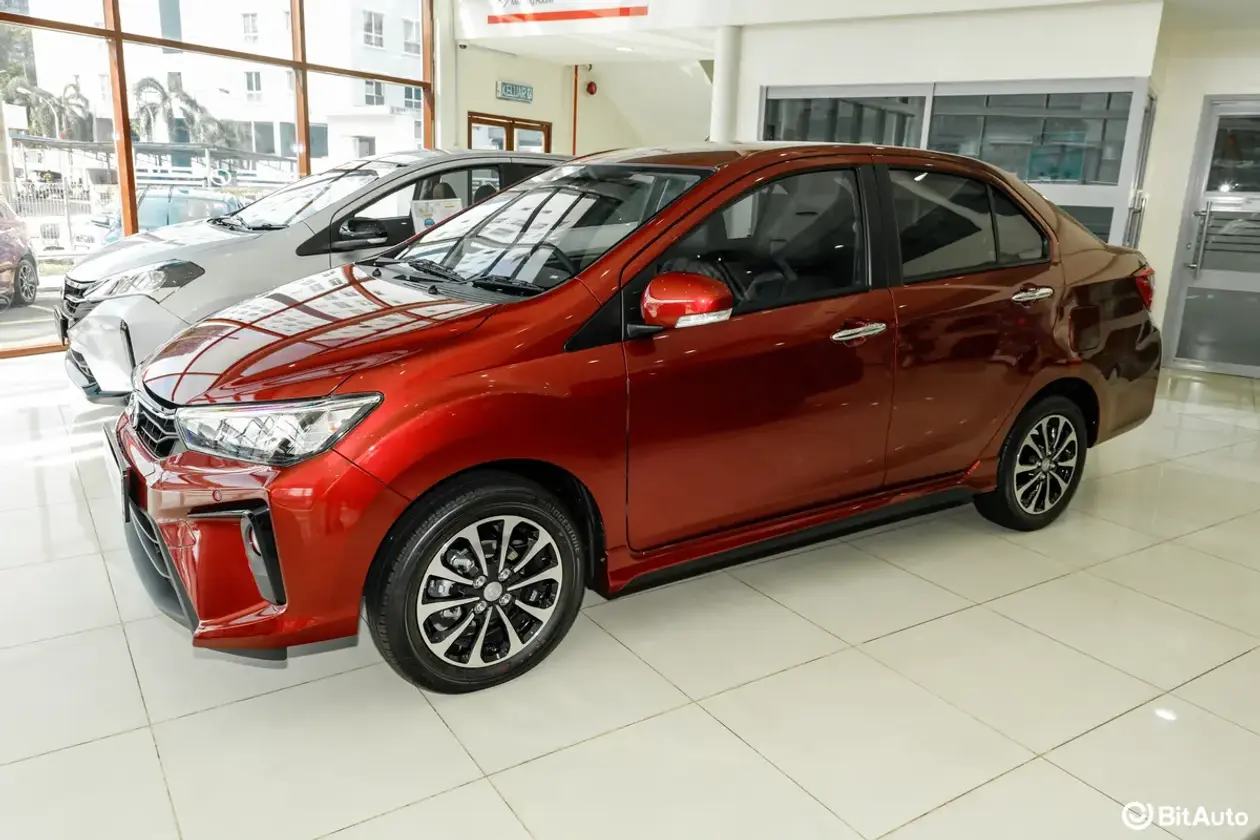
On paper, the Persona is 196 mm longer, 102 mm wider, and 29 mm taller, riding on a 100 mm longer wheelbase while carrying an extra 250 kg.
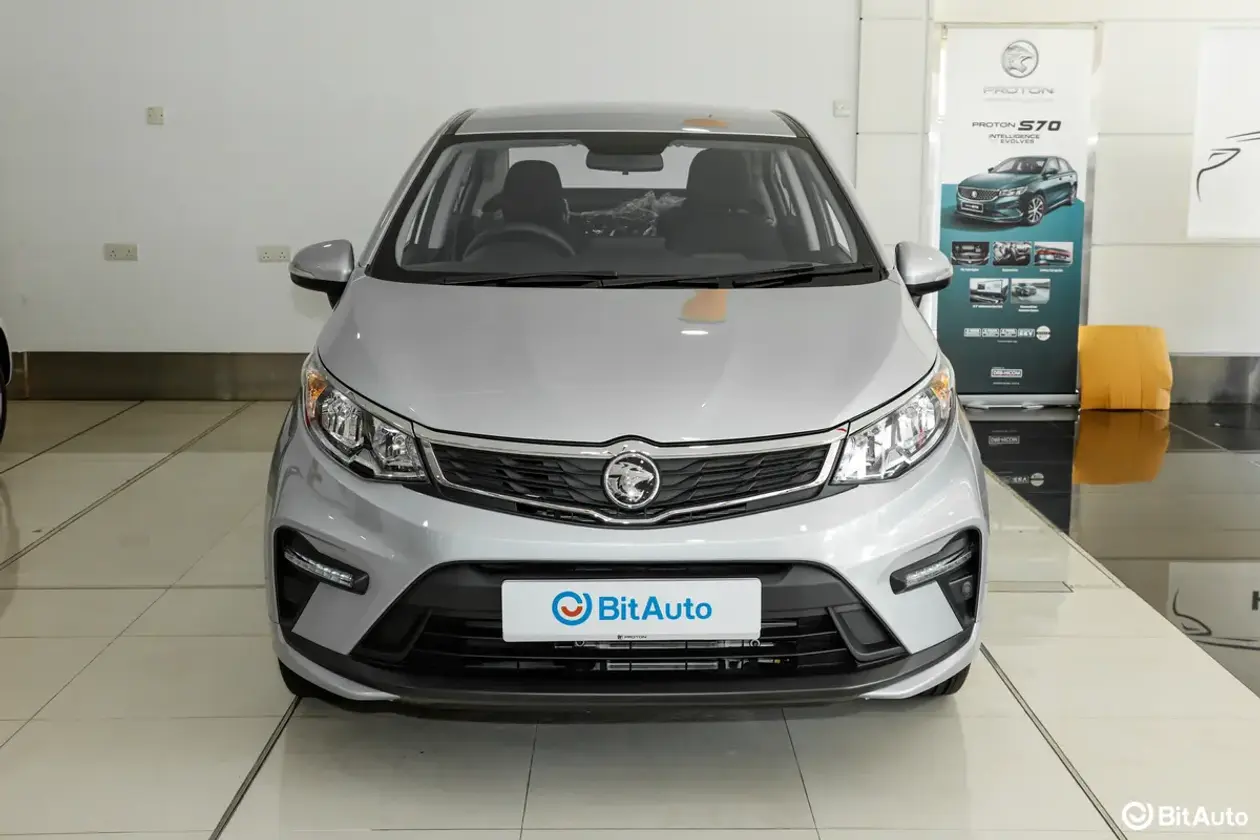
Park them side by side, and the segment difference is immediately glaring—the Persona is clearly larger than the Bezza. Their respective market segmentations underline this: the Persona is a true B-Segment sedan, whereas the Bezza sits in the A-Segment bracket.
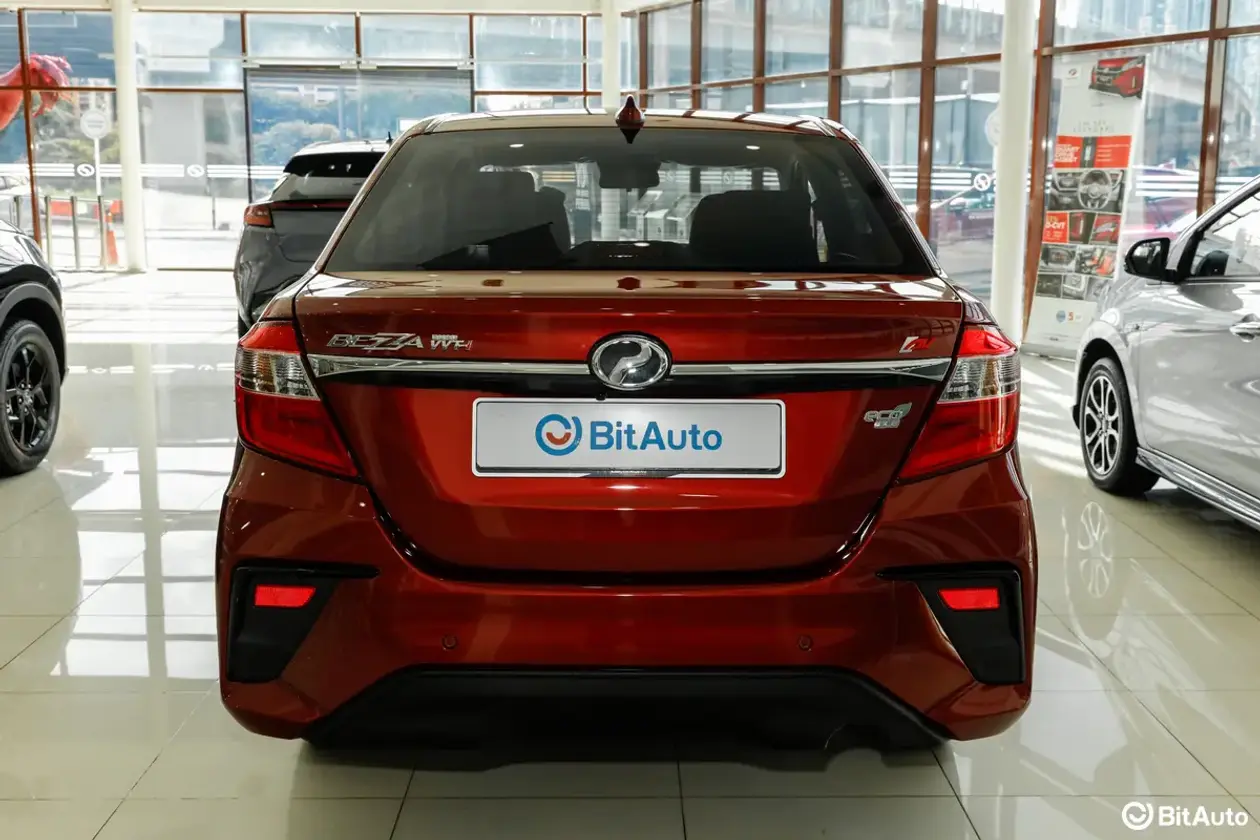
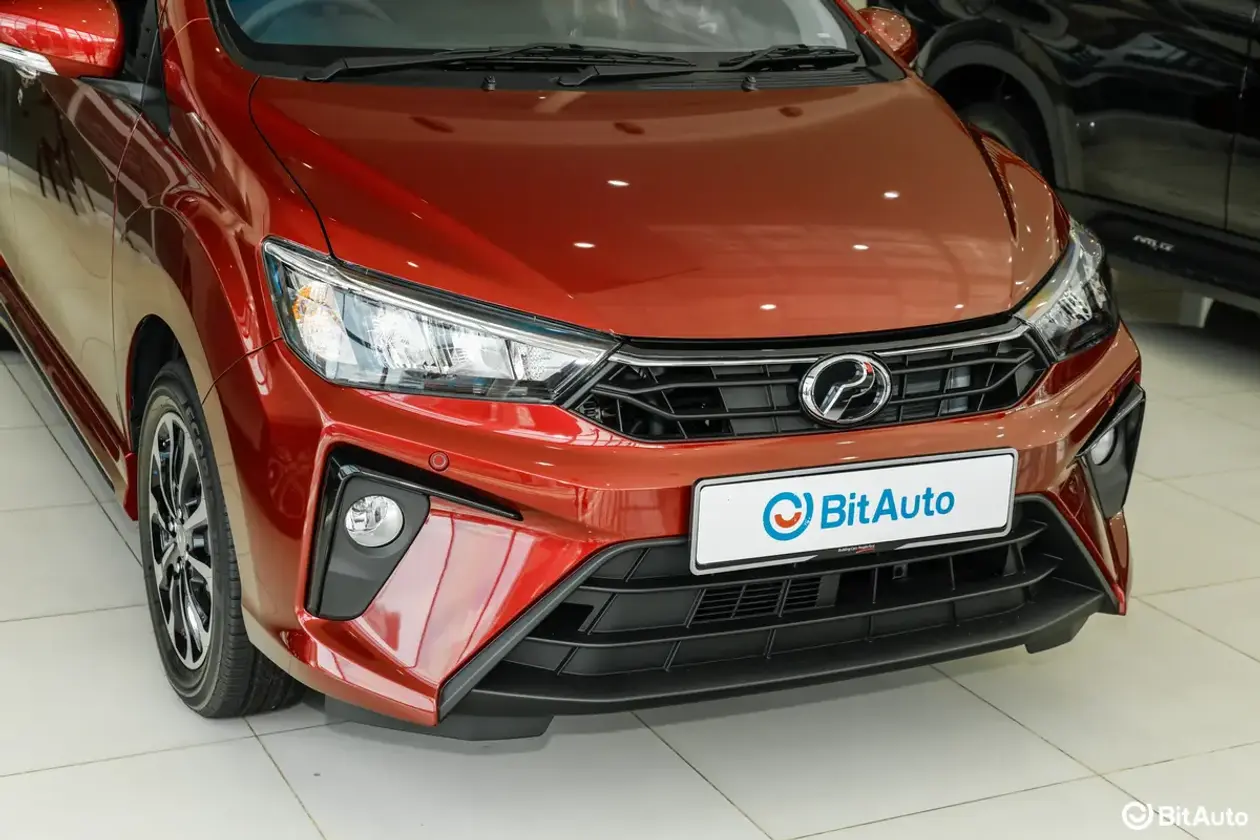
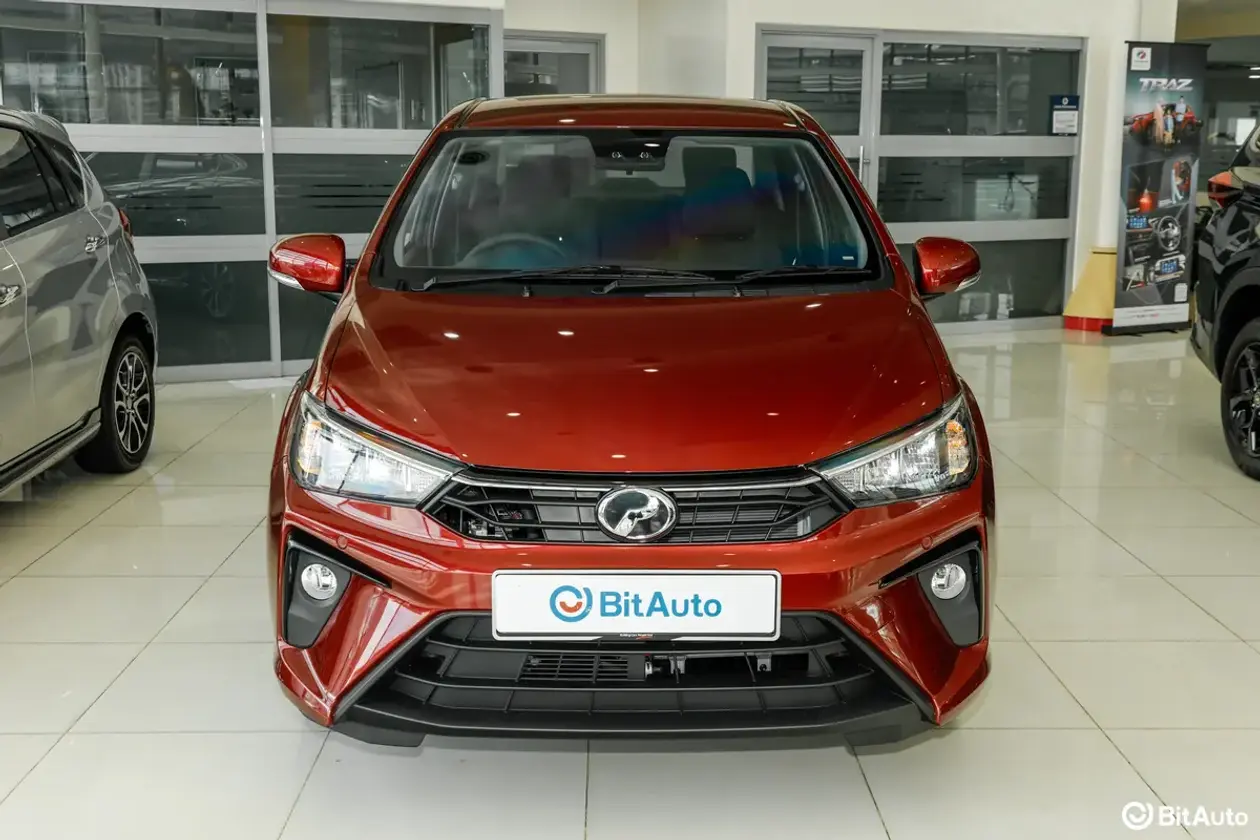
There is no contest here; this is an inherent class gap, and the Persona takes the win hands down. However, the older-vintage Persona still relies on basic halogen headlamps, and the fresher Bezza comes with LED headlamps.
This comes down to your personal driving routine: if you rack up heavy mileage at night and find the Persona's halogen output somewhat dim, you will either need to lean towards the Bezza or budget extra cash for an aftermarket LED upgrade on the Persona.
At this entry-level price point, luxury trim is out of the question, but the bare necessities are accounted for.
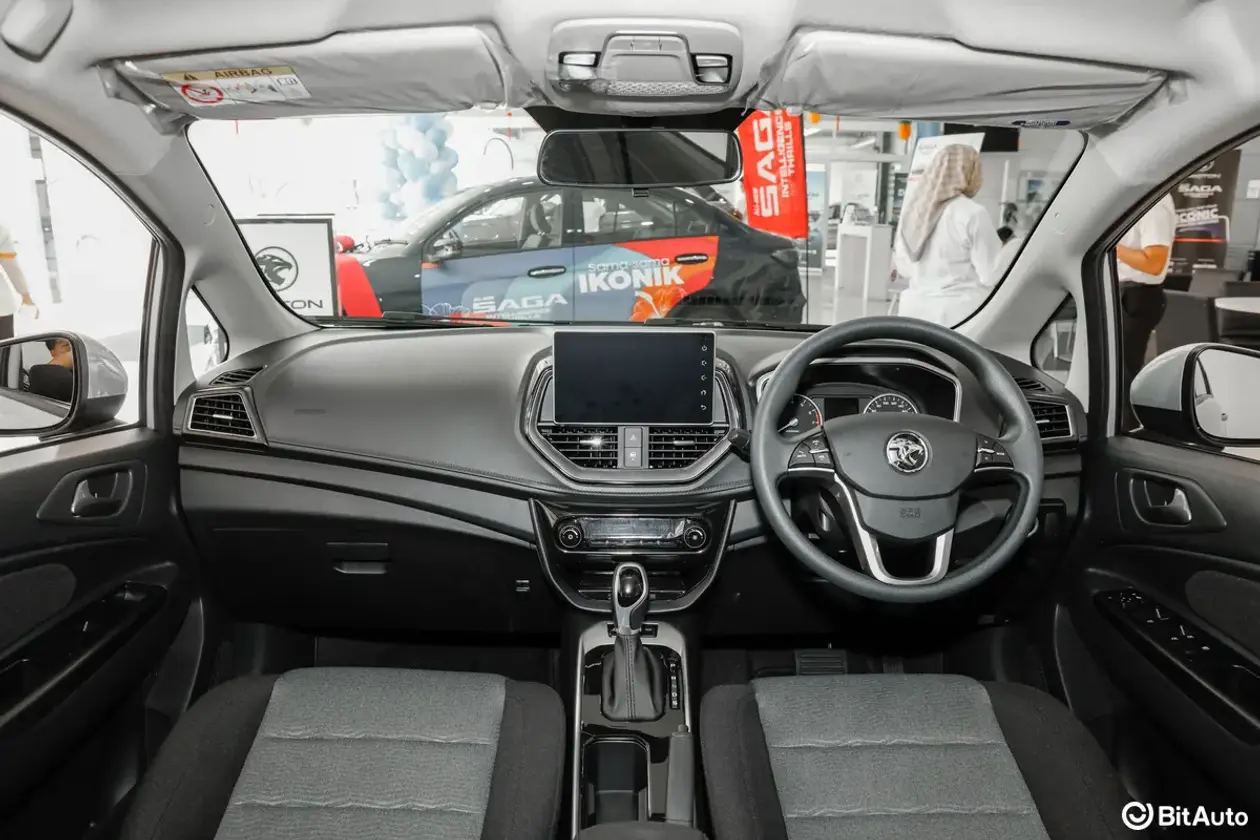
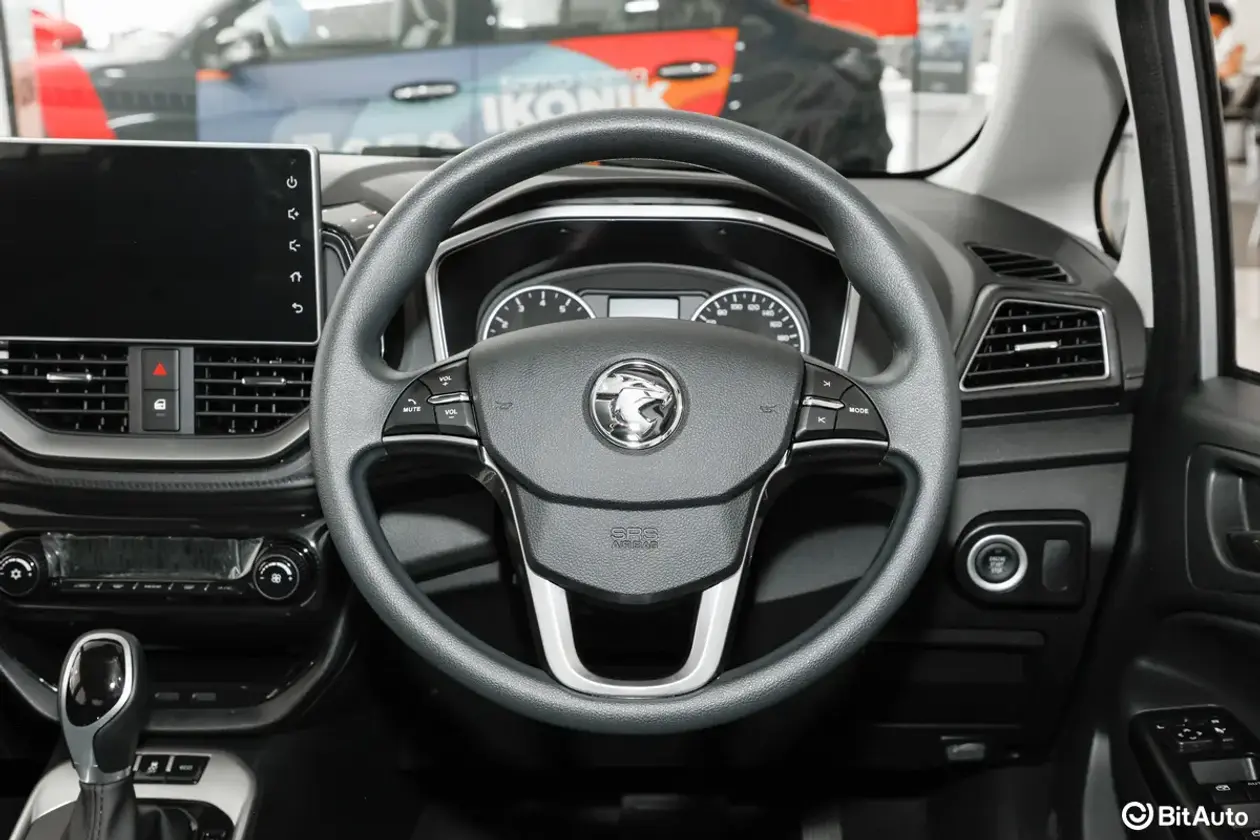
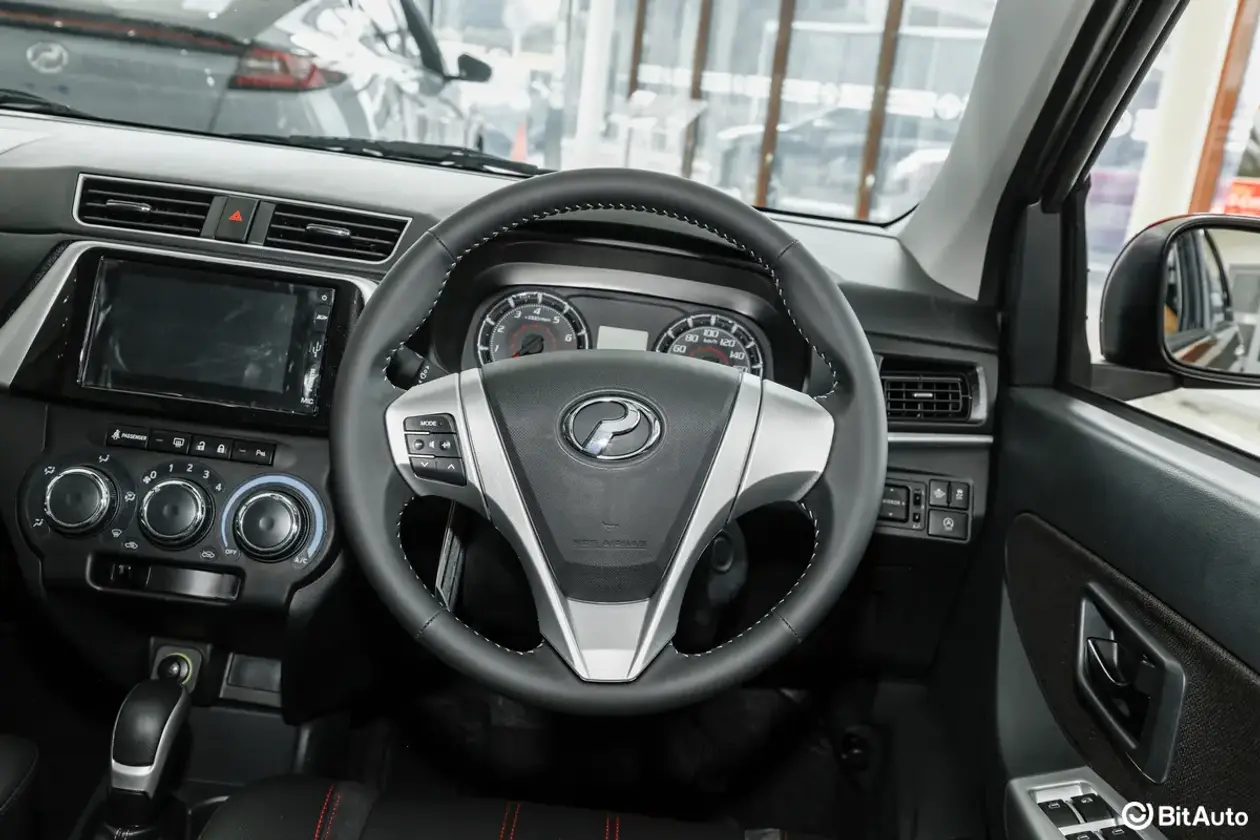
Starting with the Persona: fabric upholstery, urethane steering wheel (devoid of audio controls), a segmented LCD multi-info meter cluster, a standard Bluetooth head sound with 2 speakers, manual air conditioning with an N95 cabin filter, all-round power windows, a physical key ignition, and 2 rear parking sensors.
You do not get a touchscreen, Apple CarPlay, a reverse camera, or front parking sensors, and the rear seatback is entirely fixed—folding rear seats require stepping up to the Executive variant.
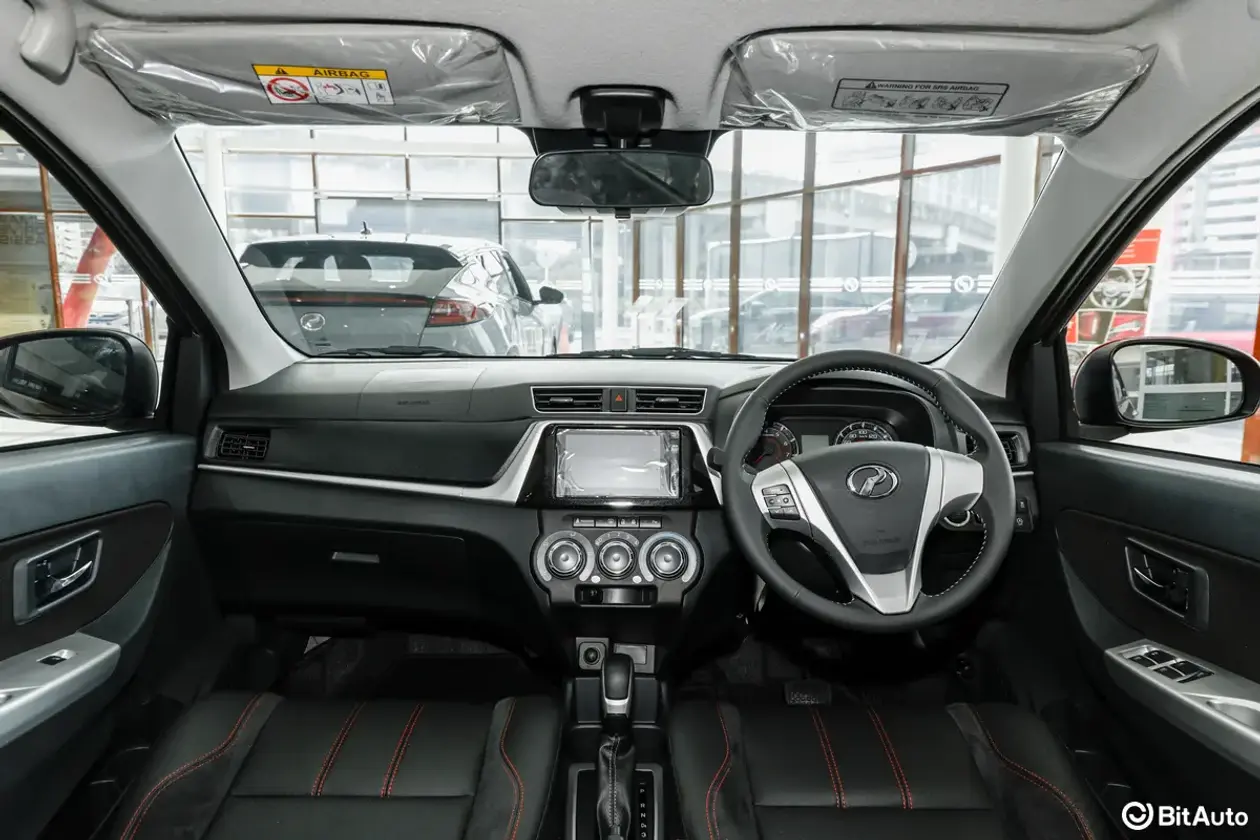
Switching over to the Bezza: dark grey fabric seats, height-adjustable driver's seat, an amber-lit monochrome instrument cluster, a traditional 2-DIN head unit with Bluetooth, 4 speakers, and USB, manual air conditioning, power windows all around with driver-side auto-down and anti-pinch, keyless entry with push-start ignition, front and rear parking sensors (2 front, 2 rear), and factory-fitted solar and security tint.
Touchscreen connectivity, Smart Link, CarPlay, and Android Auto are missing. The reverse camera and 6.2-inch touchscreen is exclusive to the range-topping AV variant, as does the Eco Idle automatic engine start-stop system.
Both cabins are noticeably sparse, but if we had to pick a winner, the Bezza edges slightly ahead. It gives you 2 additional speakers so rear passengers get audio coverage, alongside keyless entry and push-start rather than an old key twist—giving it the basic semblance of a contemporary vehicle.
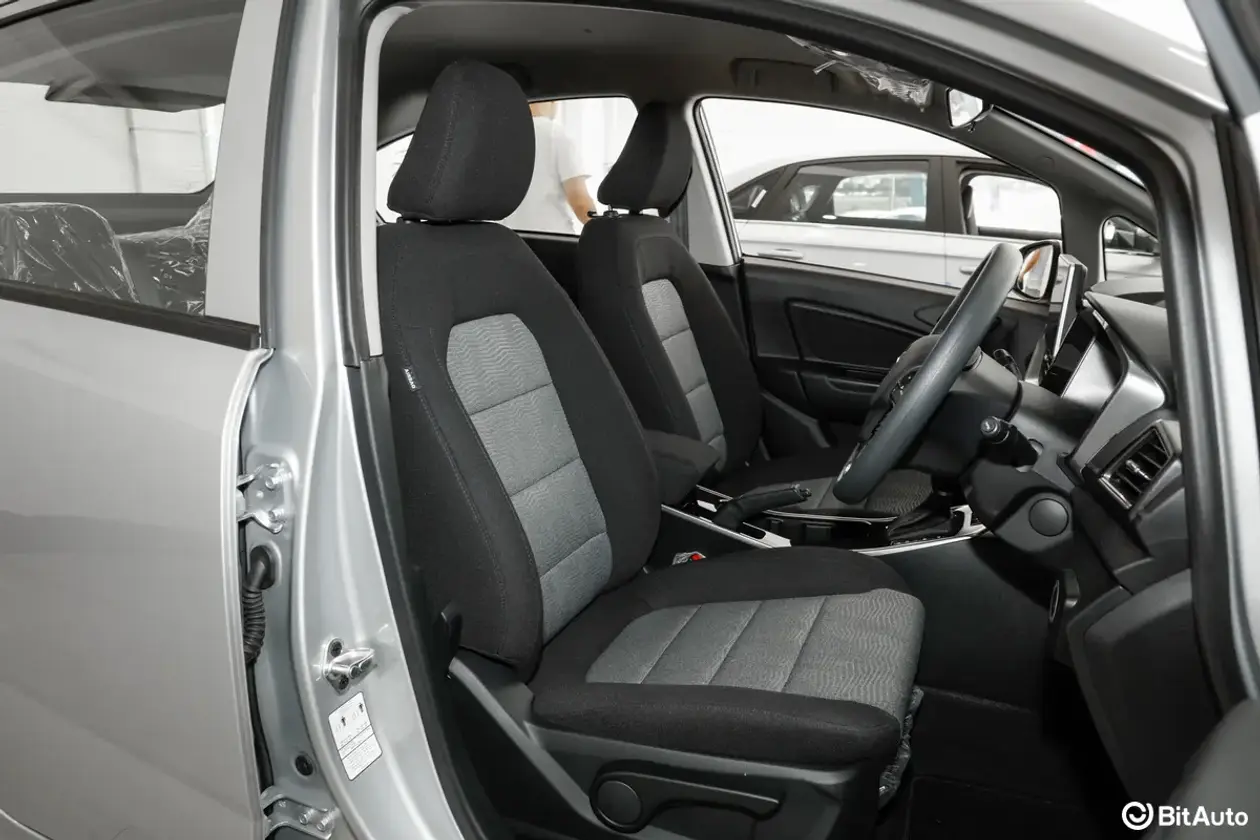
As detailed in the exterior breakdown, the Persona is a size larger, so passenger legroom and shoulder room naturally go to the Persona. However, when it comes to boot capacity, the Persona doesn't walk away with an easy victory: it offers 510 L, while the Bezza has 508 L.
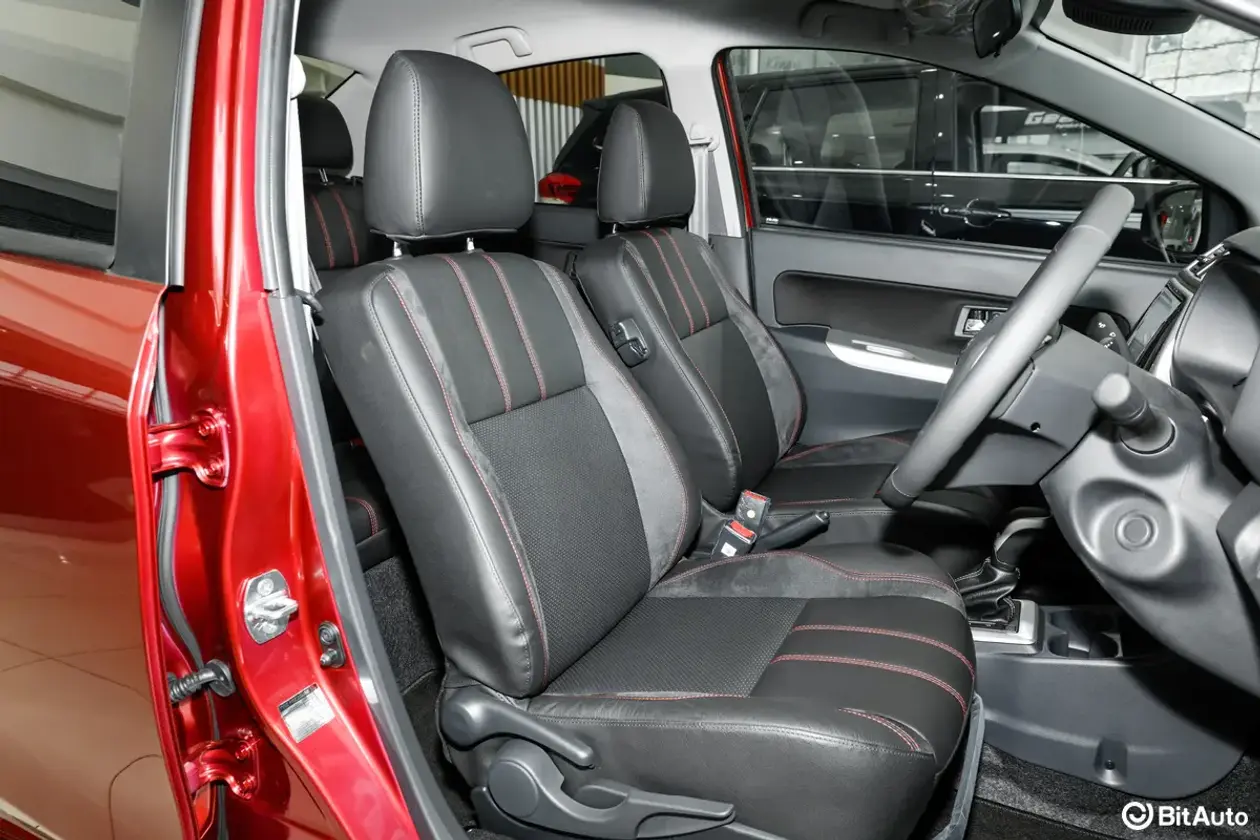
Perodua's packaging wizardry on the Bezza is praiseworthy—extracting a 508 L boot from such a compact footprint is no small feat. The larger Persona is marginally bigger overall, plain and simple. As a complete space package, the Persona holds the upper hand.
Let's lay out the raw outputs first before diving into what a “generational gap in engine technology” actually looks like.
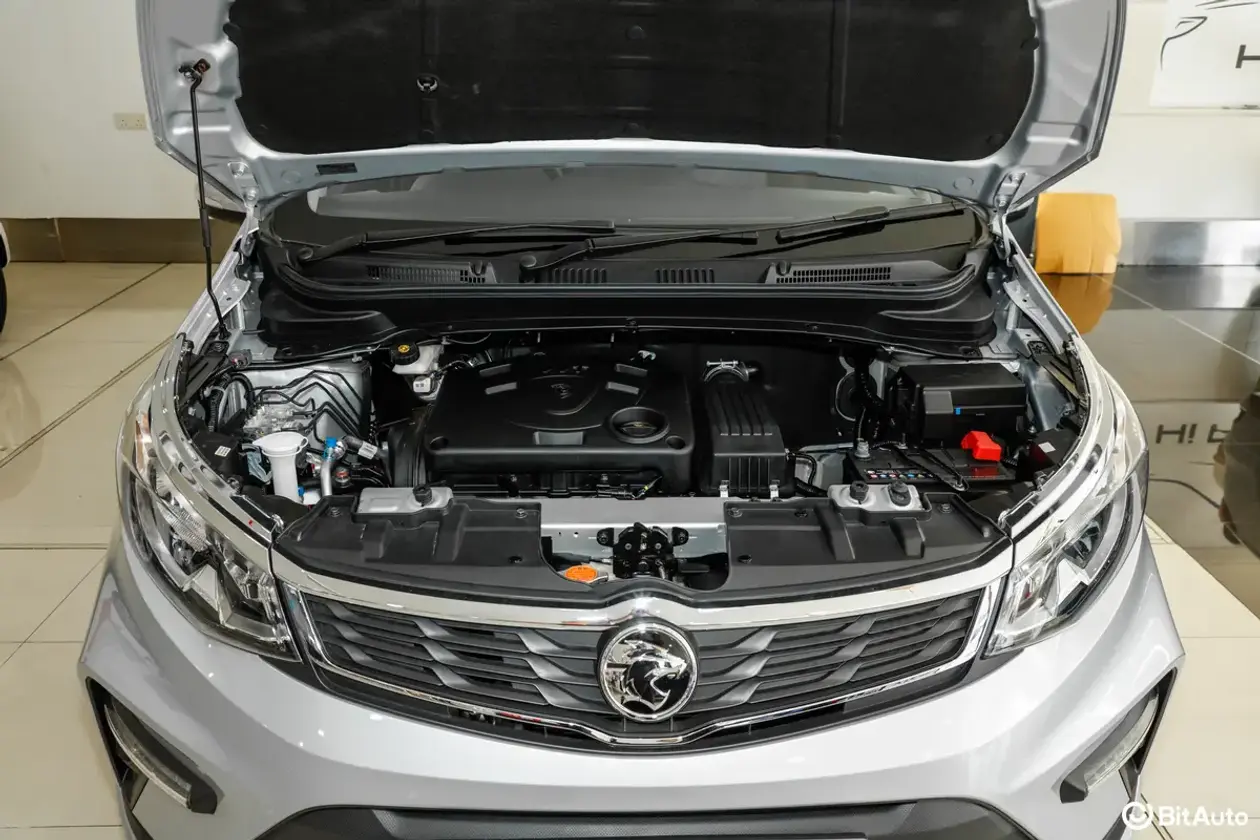
Persona 1.6 Standard: 1,597 cc DOHC VVT, delivering 80 kW/109 PS (approx. 107 hp) at 5,750 rpm and 150 Nm at 4,000 rpm, mated to a Punch CVT.
Bezza 1.3 X: 1,329 cc 1NR-VE DOHC Dual VVT-i, producing 70 kW/95 PS (approx. 94 hp) at 6,000 rpm and 121 Nm at 4,000 rpm, paired with a four-speed E-AT, carrying a kerb weight of 925 kg.
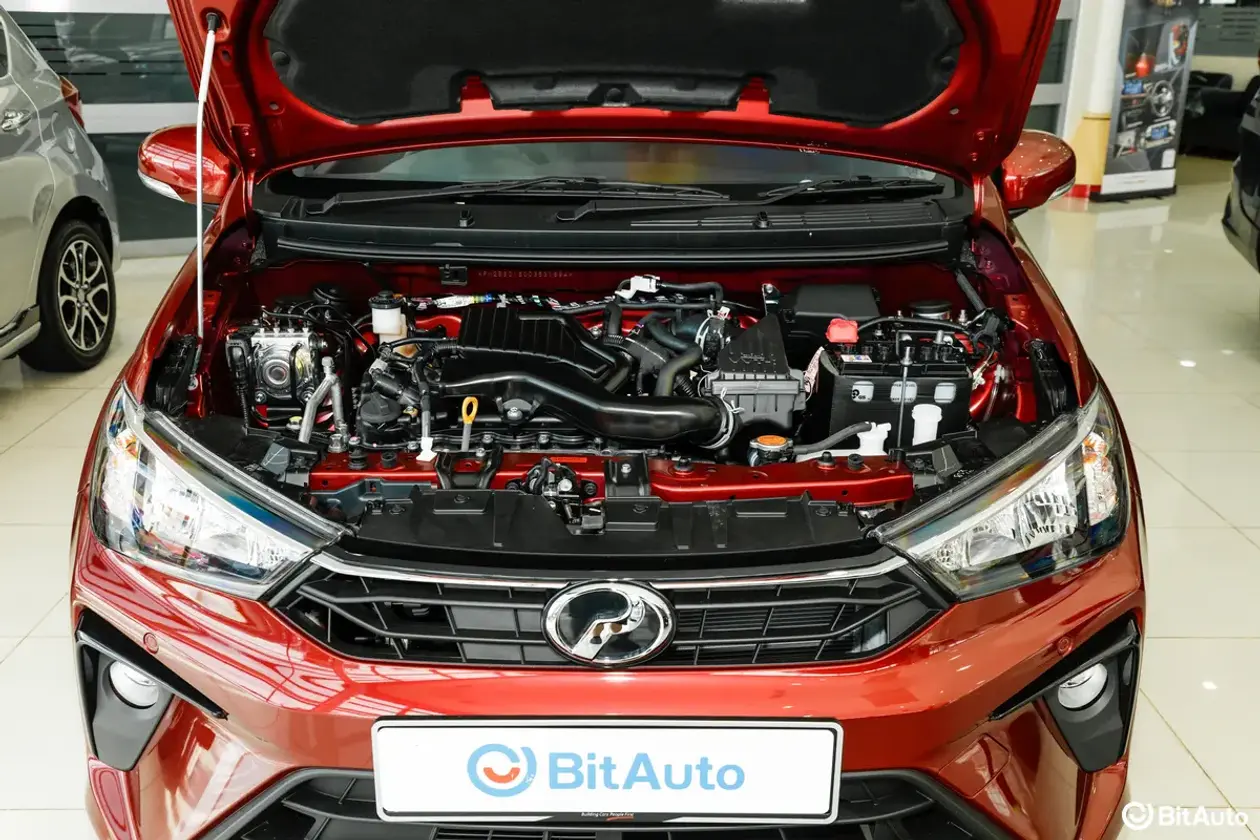
Pay close attention to these figures: 1.6L vs 1.3L displacement, and 109 PS vs 95 PS output. While a larger engine naturally produces more peak power, breaking down the specific output reveals a different picture: the 1.6L yields 68.13 PS per litre, whereas the 1.3L delivers 73.08 PS per litre. This mathematical gap highlights the generational difference in engine design.
Why does the Bezza's 1.3L engine achieve a 7% higher specific output than the Persona's 1.6L engine? It reflects the disparate engineering eras and architecture between the two powerplants. In eco-oriented, naturally aspirated engines, a higher power-per-litre figure generally corresponds to superior thermal and volumetric efficiency.
The Persona Standard is fitted with 4 airbags (dual front + front side), and includes ABS, EBD, BA, ESC, TCS, Hill Hold Assist, ISOFIX child seat anchors, and 2 rear parking sensors.
It misses out on AEB, blind-spot monitoring, lane keep assist, and a reverse camera, carrying an older ASEAN NCAP 5-star rating (under the 2016 assessment protocol).
The Bezza 1.3 X makes do with just 2 airbags. In fact, the entire Bezza model line—even the range-topping AV variant—is limited to dual front airbags, with side and curtain airbags unavailable at any price.
It does come with ABS, EBD, BA, VSC, TRC, HSA, four parking sensors (2 front, 2 rear), ISOFIX, and a driver seatbelt reminder. However, it lacks ASA 2.0, AEB, or a reverse camera, settling for an ASEAN NCAP 4-star rating.
Both provide only foundational safety kit. However, regarding passive safety, the Bezza benefits from a newer architecture, providing better torsional rigidity than the Persona. Factor in this structural advantage, and the Bezza takes a narrow nod on overall safety.
Delivering a definitive buying verdict between these two is no easy task.
First and foremost, you have to account for market promotions. Because the Persona has been on sale for longer, dealers can dangle more aggressive discounts than Perodua would on a Bezza. Once rebates are factored in, the Persona could very well end up costing virtually the same as the Bezza, or perhaps even less.
The Persona shows its age through several shortcomings—such as dim halogen headlamps and an older chassis structure—all typical compromises of an older model cycle. But its substantial spatial advantage is something the Bezza cannot rival.
So, assuming both cars hover around a similar price post-discount, and cabin room is a non-negotiable priority for your family, our money goes to the Persona.
Yes, it is older, has lower body rigidity, relies on halogen lighting, and still needs a physical key twist to fire up, but it is spacious enough to keep your parents and kids comfortable on long journeys—and at this price point, that matters most.
Leave your number, an advisor will contact you


Your go-to source for all things automotive in Malaysia. 🚗 Latest reviews, breaking news, launches & industry trends.
+ Follow Square headlights or round headlights?
The baby Land Cruiser FJ just hit Indonesia from ~RM 189k—packing a 2.7L petrol engine, proper ladder-frame 4x4 hardware, and official ARB accessories. 1 minute ago
 Did you spot a JAECOO J5 EV cruising down the highway with a giant DC charging plug strapped to its roof?
#jaecoo #jaecoomalaysia #jaecooj5ev #omodajaecoo #evmalaysia 1 minute ago
 Another record year for Malaysian car sales — but the price war is eating the profits 🚗📉
673,412 units in 10 months (+2.8%). Full-year forecast: 830,000, a fourth consecutive record. 1 minute ago
Get the latest car news first!
Your go-to source for all things automotive in Malaysia. 🚗 Latest reviews, breaking news, launches & industry trends.
Square headlights or round headlights?
The baby Land Cruiser FJ just hit Indonesia from ~RM 189k—packing a 2.7L petrol engine, proper ladder-frame 4x4 hardware, and official ARB accessories. 1 minute ago Did you spot a JAECOO J5 EV cruising down the highway with a giant DC charging plug strapped to its roof?
#jaecoo #jaecoomalaysia #jaecooj5ev #omodajaecoo #evmalaysia 1 minute ago Another record year for Malaysian car sales — but the price war is eating the profits 🚗📉
673,412 units in 10 months (+2.8%). Full-year forecast: 830,000, a fourth consecutive record. 1 minute ago 
© 2024 Bitauto.com. All Rights Reserved.
Bitauto (www.yiche.com and www.bitauto.com) is one of the most visited automotive websites in China. We provide detailed info on Chinese car brands available in your area. Please note that the information provided on this website is based on publicly available data and is for reference only. It may not be fully updated or accurate at all times.

Help us improve our website