More often than not, a Perodua showroom and a Proton showroom sit just across the street from each other. On a sub-RM50,000 budget, few car buyers actually cross over to check out both. But if you do, you will notice a rather fascinating reality.
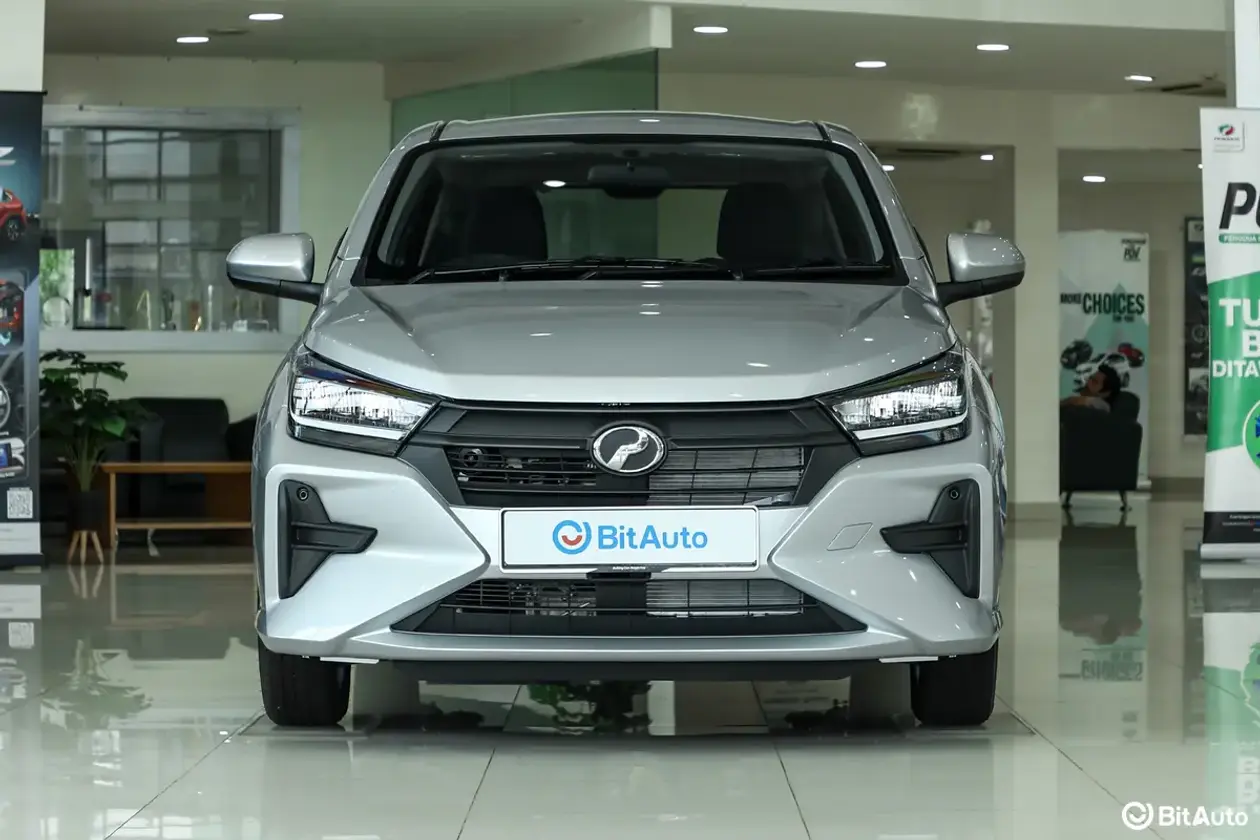
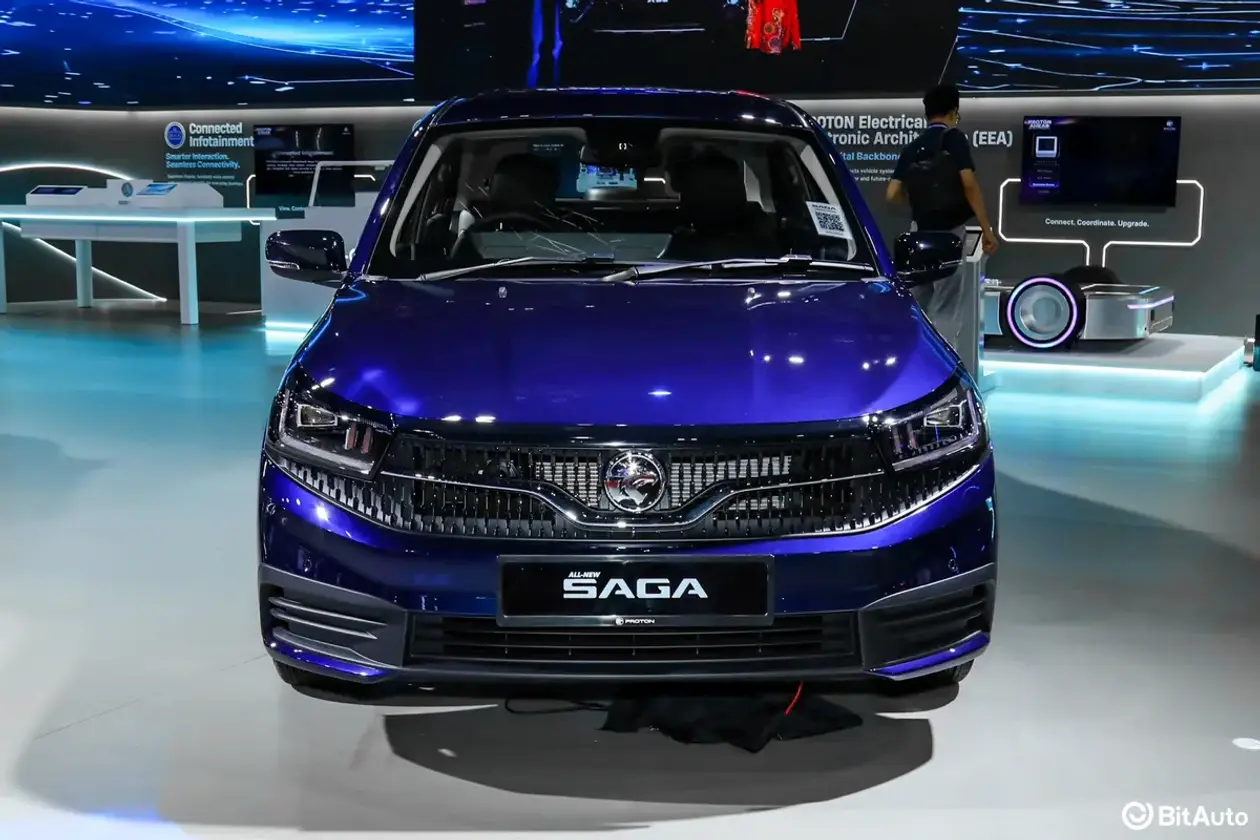
The Saga Premium is priced at RM49,990, while the Axia 1.0 AV goes for RM49,000. That is a mere RM990 price gap—less than a month’s budget for eating out. Both are range-topping variants of their respective model lines, and their on-the-road prices overlap almost entirely.
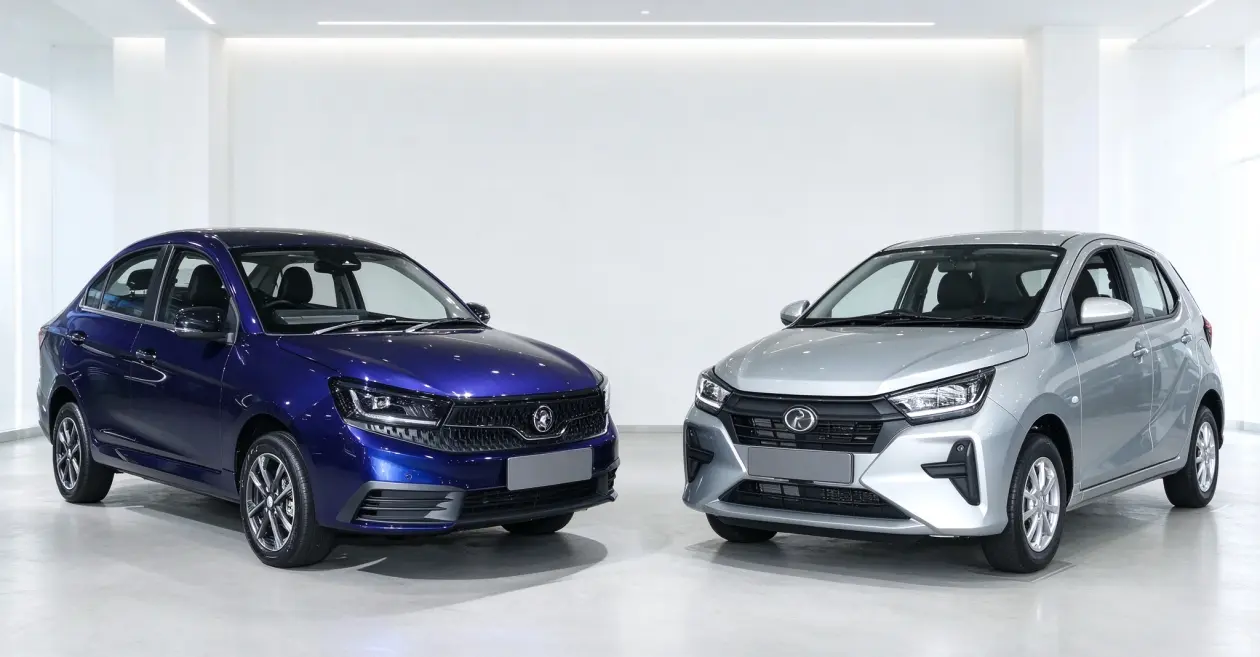
Park them side by side, however, and they look as if they come from two completely different eras.
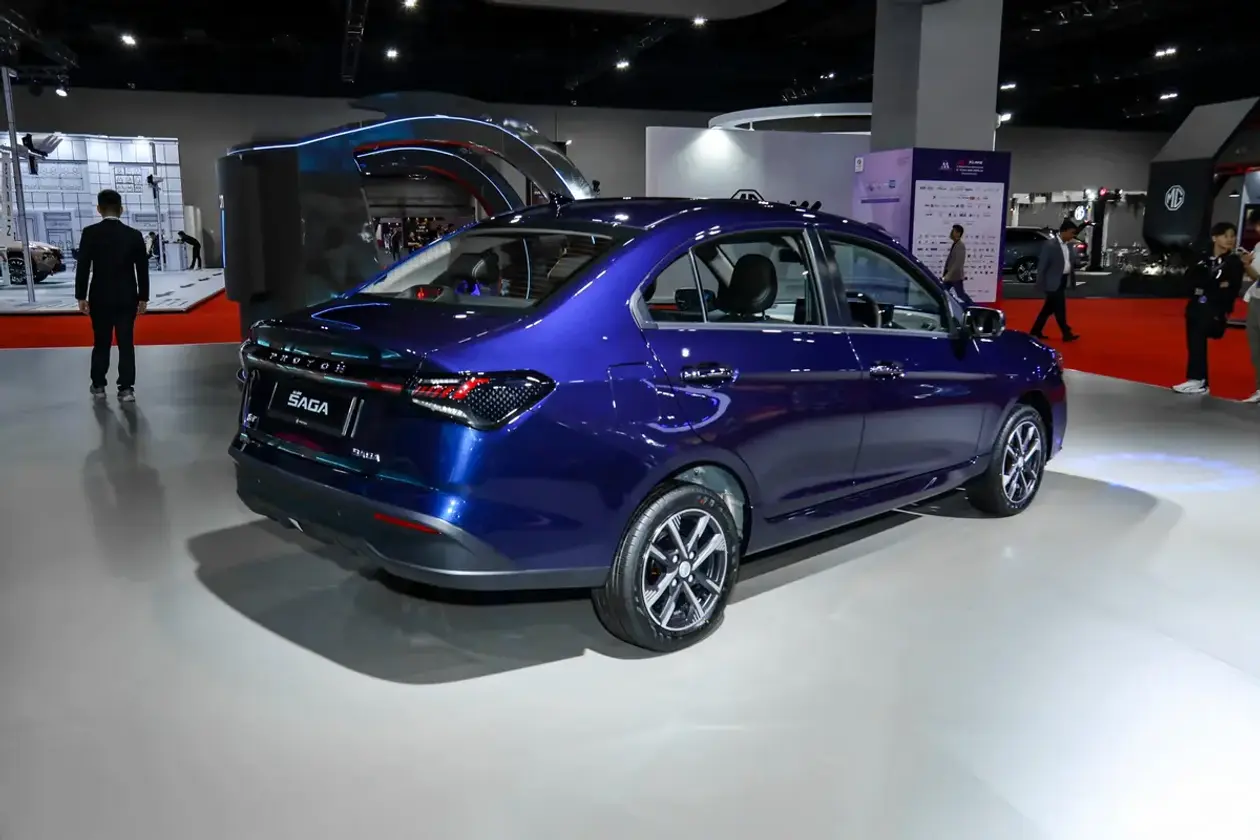
The Saga is a 4,390 mm-long four-door sedan with a 2,465 mm wheelbase, packing a 1.5-litre four-cylinder naturally aspirated engine under the bonnet that puts out 120 PS and 150 Nm.
The Axia is a 3,760 mm-long five-door hatchback with a 2,525 mm wheelbase—actually 60 mm longer than the Saga’s—yet it relies on a modest 998 cc three-cylinder mill producing 67 hp and 91 Nm.
Output differs by nearly twofold, yet the price difference is under a grand. What your money actually buys comes down to the roads you commute on every day.
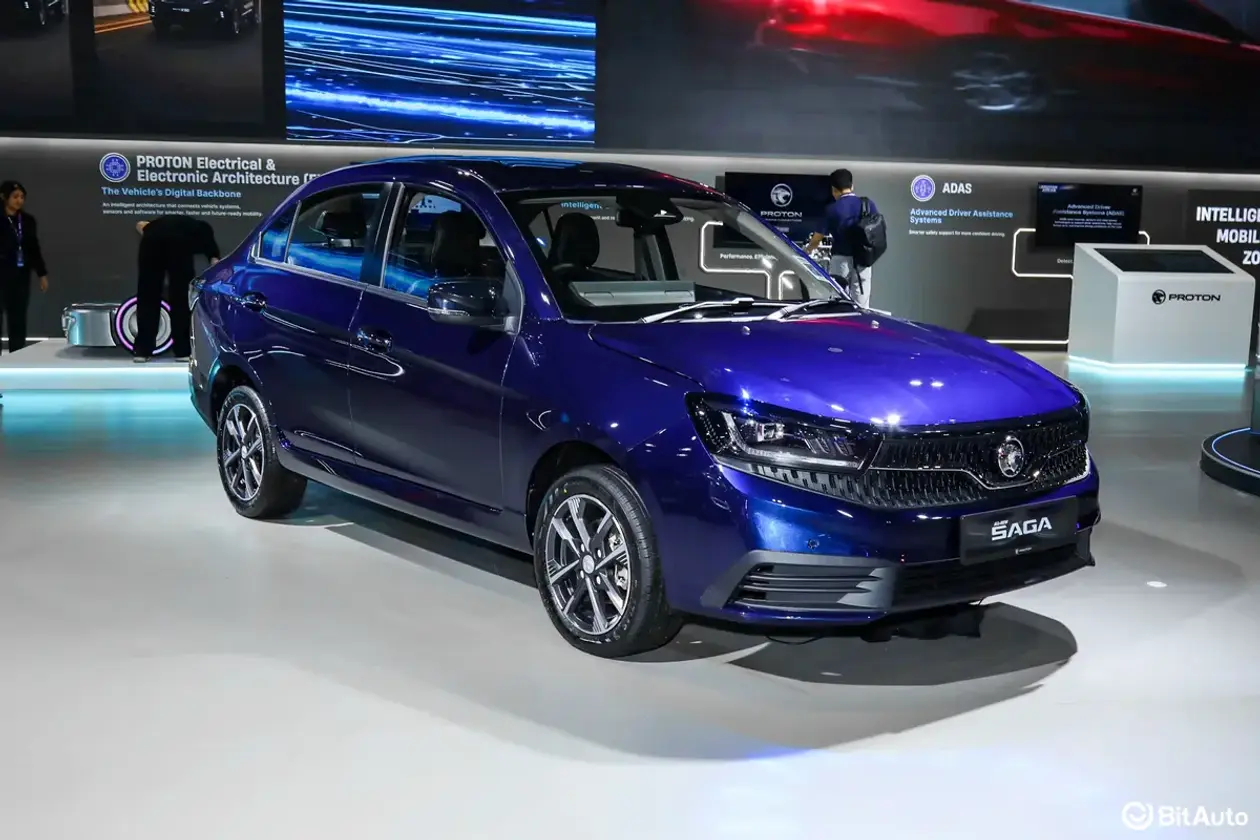
The Saga Premium's 1.5-litre i-GT four-cylinder powerplant is sourced from Geely’s BHE15 family, stripped of its turbocharger to deliver smooth, linear naturally aspirated power. Cruising along the North-South Expressway (PLUS) is where this engine truly shines.
At a 110 km/h cruise, the engine sits effortlessly just above 2,000 rpm. Step on the accelerator to overtake a slow-moving lorry, and the CVT drops ratios, sending the revs to around 4,000 rpm; with 150 Nm of torque on tap, overtakes are prompt and fuss-free, requiring no elaborate forward planning. The Saga Premium has an official top speed of 175 km/h.
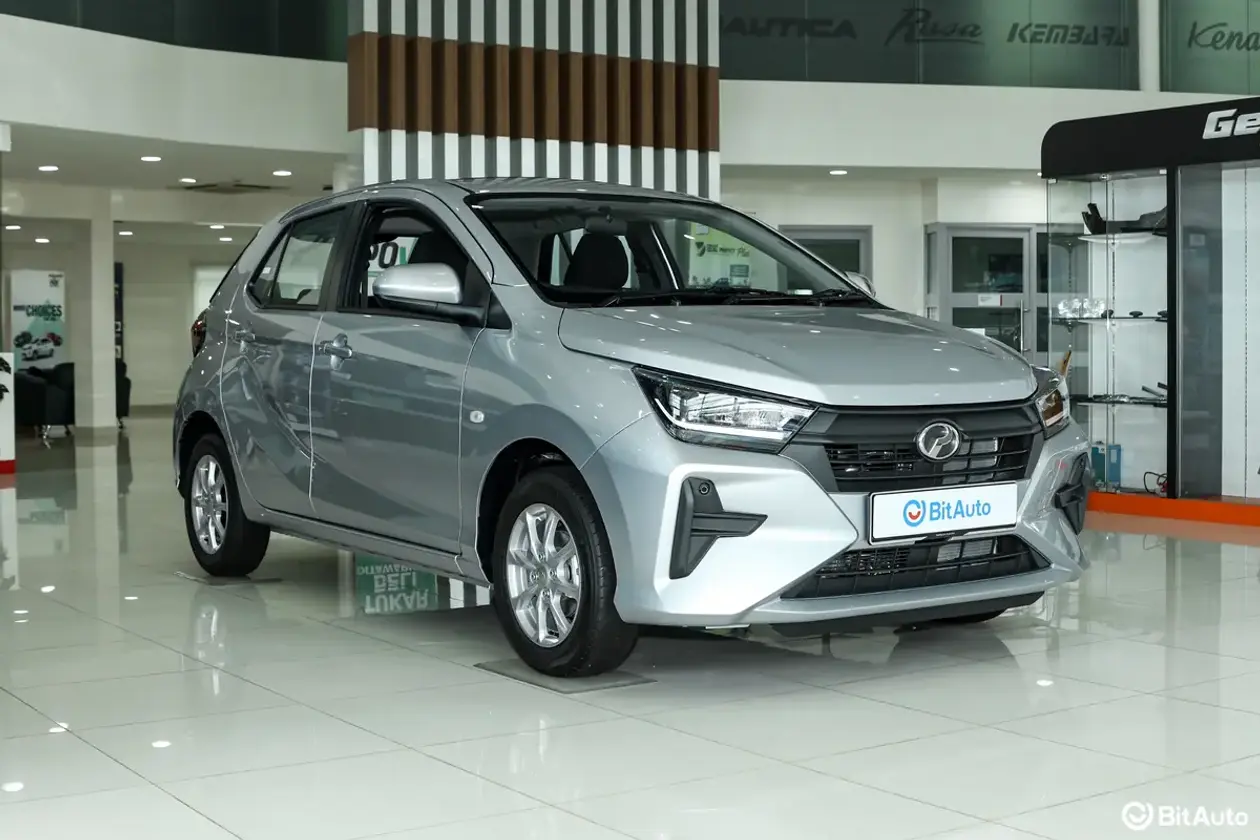
The Axia 1.0 AV’s 1.0-litre three-pot unit is well suited for urban driving. Its D-CVT is smooth and frugal in stop-and-go traffic, getting off the line without feeling lethargic. Out on open highways, however, it is an entirely different story.
Pulling from 80 km/h to 110 km/h to get past a lorry, the D-CVT momentarily hesitates before dropping a gear, sending the revs screaming past 5,000 rpm. The engine noise becomes noticeably vocal, and progress is purely gradual. On the PLUS highway, the Axia requires you to build up speed earlier, demanding more runway and patience for overtaking.
If you do long-distance interstate driving once or twice a month, the Saga’s extra 53 PS will make its presence felt during every single overtake.
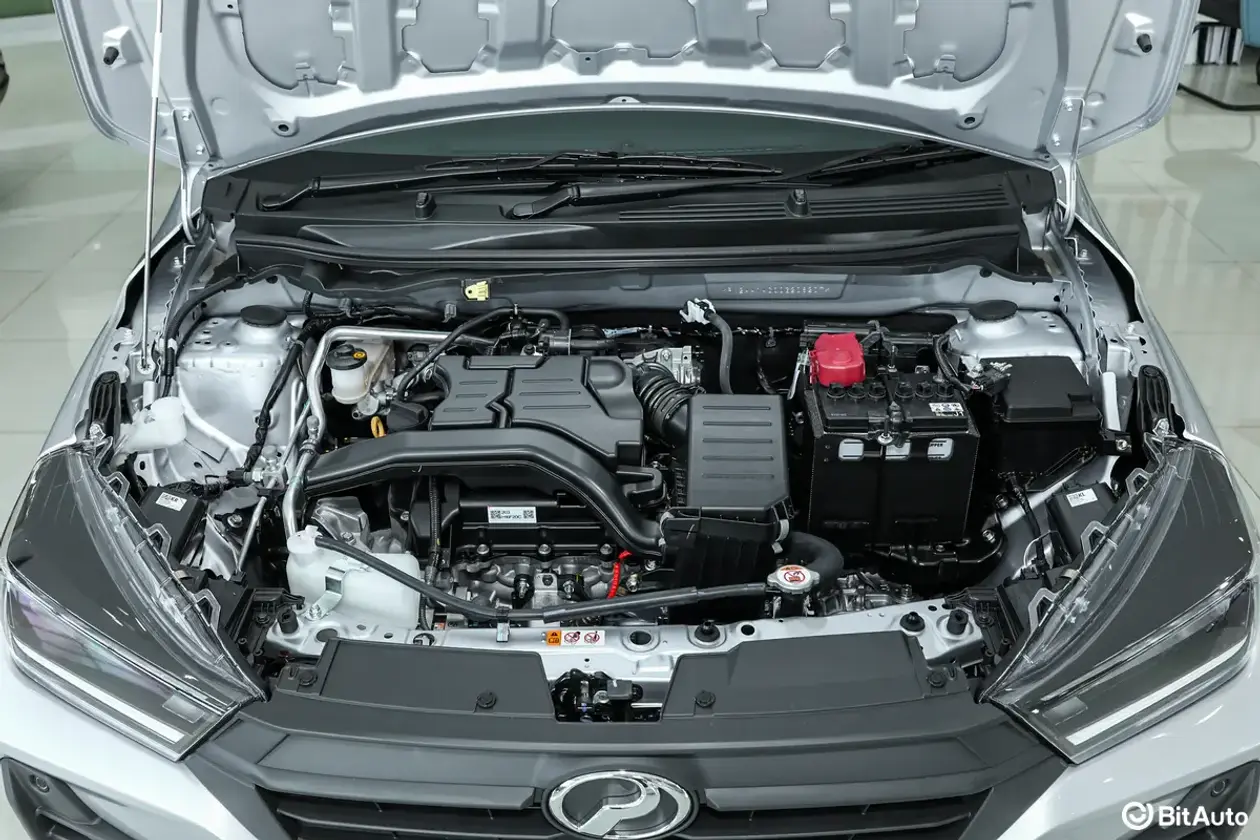
The gap in official fuel economy between the two is even wider than the power divide.
Tested on the MDC driving cycle, the Axia 1.0 AV is rated at 27.4 km/L, which converts to about 3.65 L/100km. The Saga Premium CVT’s official fuel consumption under the same MDC cycle stands at 4.9 L/100km. Since both are evaluated on the exact same test standard, they can be directly compared.
Based on an annual mileage of 20,000 km with RON95 pegged at RM2.05 per litre, the Axia racks up an annual fuel bill of around RM1,497, whereas the Saga comes in at roughly RM2,009—a difference of RM512 a year.
Factor in the Axia’s annual road tax of just RM20 against the Saga’s RM90, and that is another RM70 saved. Over a year, the Axia saves you approximately RM582 in fuel and road tax combined.
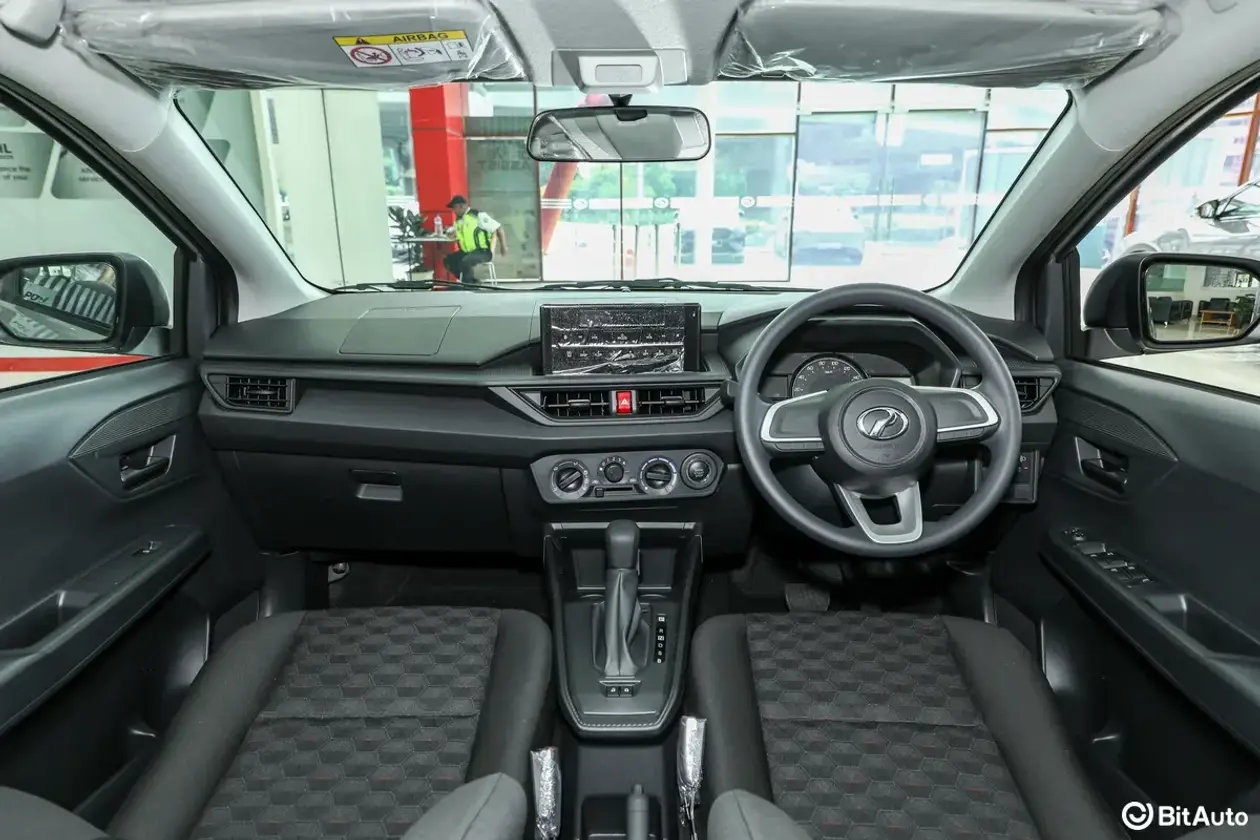
Axia
The ASA 3.0 suite on the Axia 1.0 AV is its chief trump card on the spec sheet. The package features Pre-Collision Warning and Pre-Collision Braking with pedestrian detection. Lane Departure Warning and Lane Departure Prevention actively steer you back should you inadvertently drift across the lane markings.
Blind Spot Monitor and Rear Cross Traffic Alert provide vital situational awareness when changing lanes or reversing out of parking bays. It also comes with 6 airbags, encompassing front side and full-length curtain units, alongside a 9-inch touchscreen supporting Smart Link and HDMI.
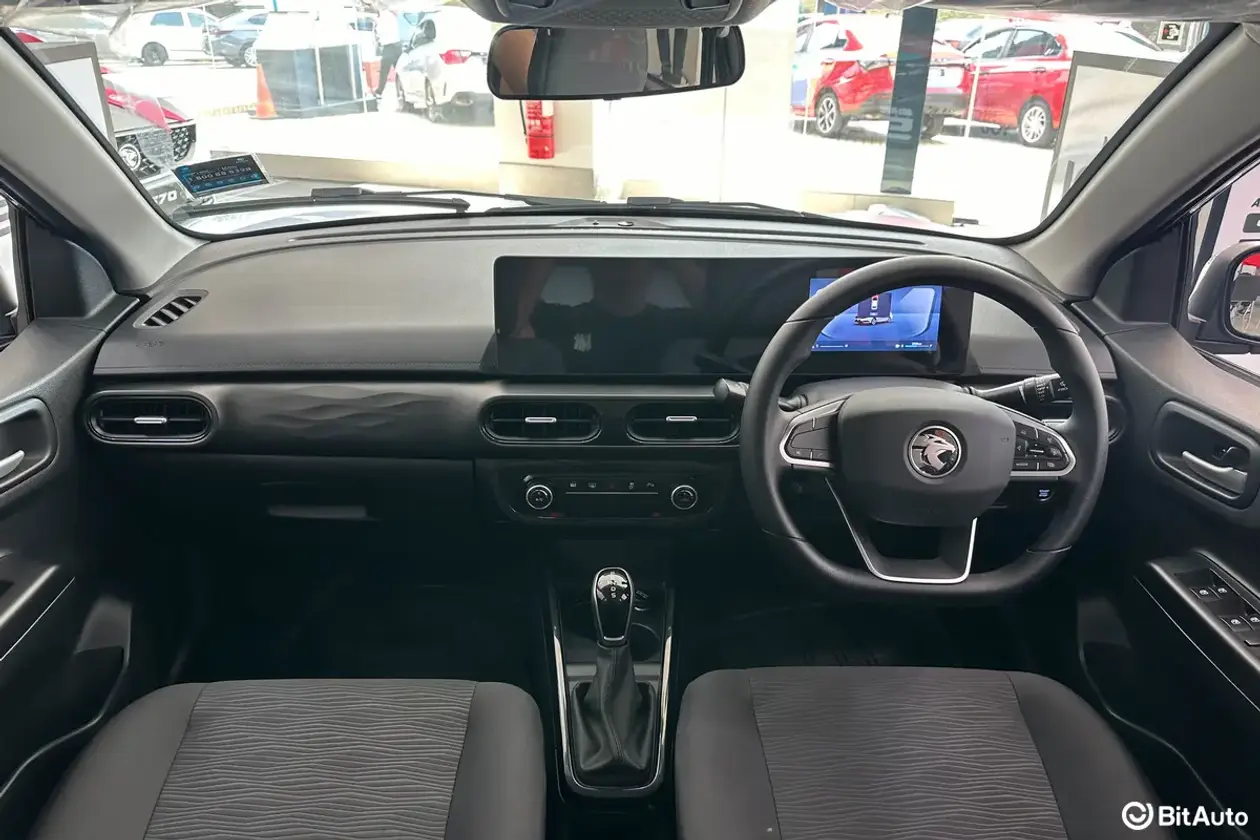
Saga
The Saga Premium’s safety roster is respectable in its own right.
It packs 6 airbags, Autonomous Emergency Braking, Blind Spot Monitor, Rear Cross Traffic Alert, a reverse camera, LED projector headlamps with Auto High Beam, a 9-inch touchscreen infotainment unit with wireless Apple CarPlay and Android Auto, push-start ignition, and a 7-inch digital instrument cluster.
However, the Saga Premium misses out on Lane Departure Prevention—its Lane Departure Warning merely beeps an alert without actively intervening with steering correction.
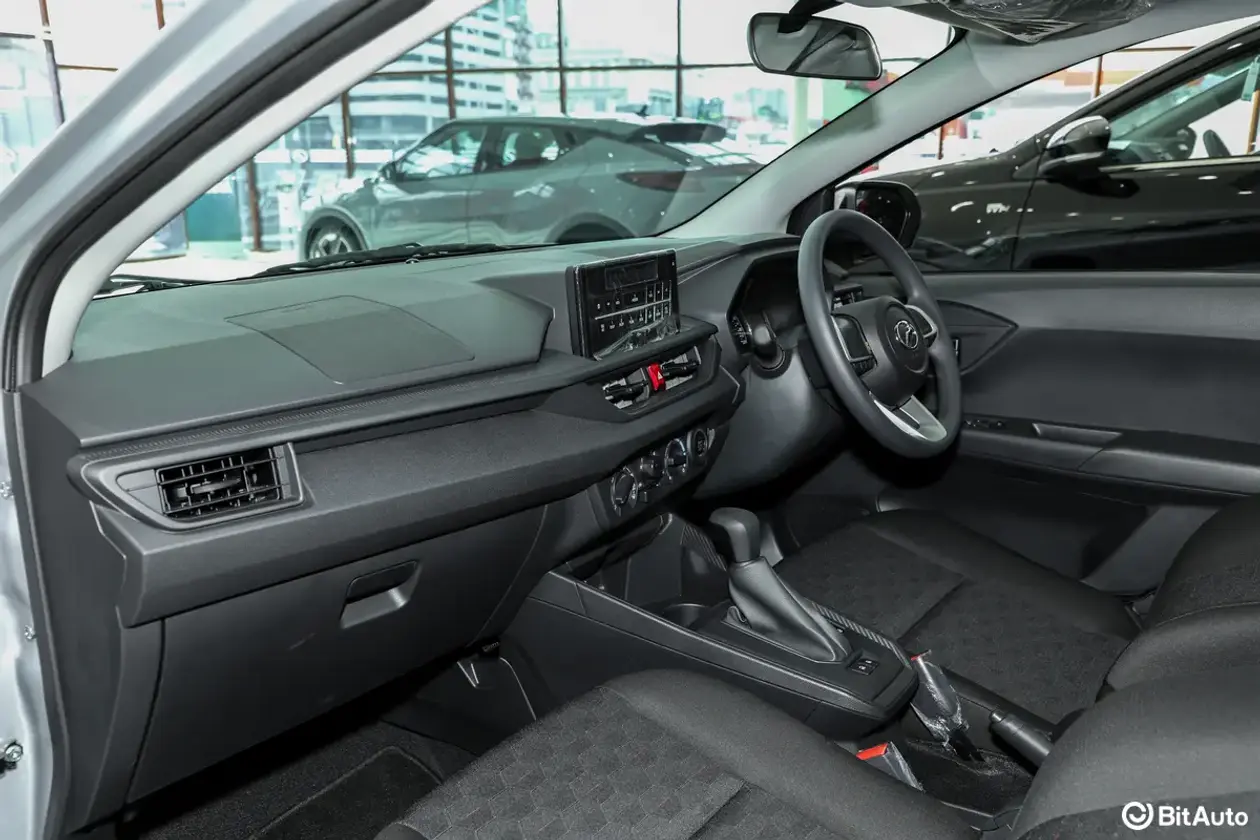
Both cars take very different approaches to their feature priorities. The Saga channels its production cost into highway stability and mechanical refinement, whereas the Axia directs its budget towards a more comprehensive active safety suite.
On long highway stints, the Axia’s Lane Departure Prevention can step in to correct your line the split-second your focus wavers. The Saga’s warning chime, on the other hand, leaves full steering correction entirely in your hands.
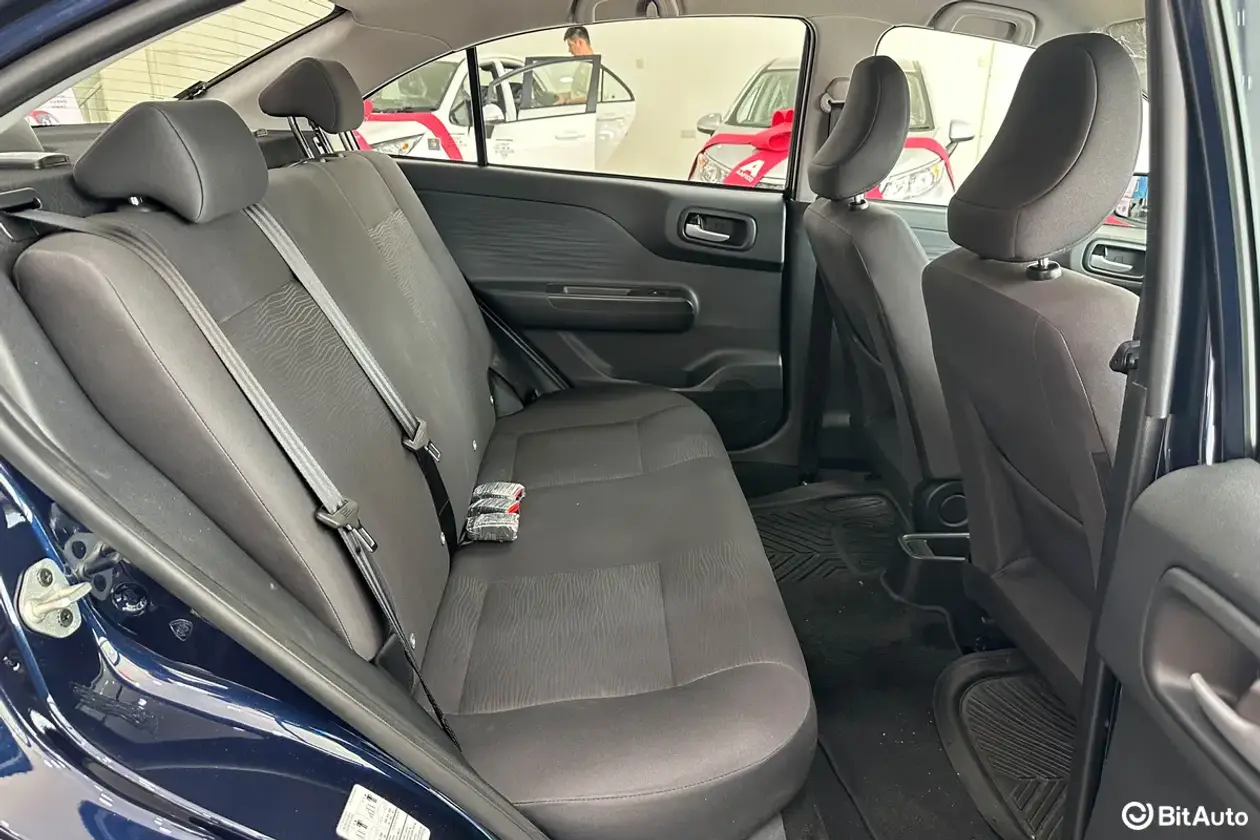
Saga
The Saga’s 420-litre boot capacity is its decisive practical strength.
Being a proper sedan, the luggage compartment is physically isolated from the cabin; chuck two full-sized suitcases inside, and rear occupants will not catch odd smells or hear cargo shifting around under hard braking. During the festive balik kampung rush, the boot swallows all your luggage and festive goodies while passengers sit undisturbed in the cabin.
The Axia’s boot measures just 265 litres, filling up quickly with a couple of cabin-sized bags. However, the Axia’s hatchback format offers a taller, wider tailgate aperture; fold the rear bench down, and it can swallow a compact bar fridge or flat-pack IKEA furniture—something the Saga’s fixed rear bench and enclosed boot simply cannot do.
Axia
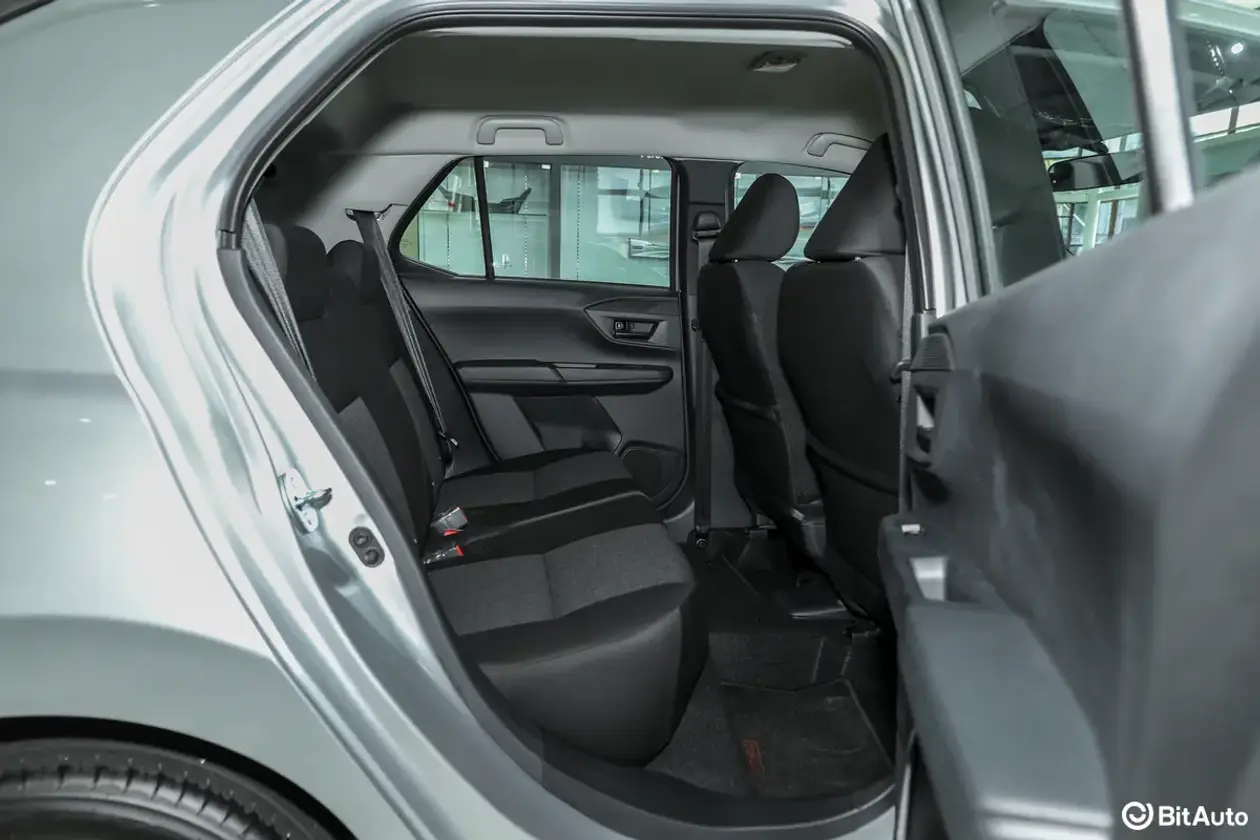
Neither cabin offers cavernous rear seating. The Saga has a 2,465 mm wheelbase, whereas the Axia features a 2,525 mm wheelbase—a 60 mm advantage in the Axia’s favour. Consequently, the Axia’s rear legroom stands out as a genuine highlight in this price segment.
However, the Axia’s body width measures just 1,665 mm, meaning three full-sized adults across the rear bench will be rubbing shoulders. The Saga measures 1,690 mm wide; it offers a touch more breathing space, though the difference is modest.
When it comes to scheduled servicing, the Saga Premium’s 5-year/100,000 km maintenance bill totals approximately RM3,293. The Axia 1.0 AV comes in at about RM3,066 over the same period. The difference in servicing cost is roughly RM227, giving the Axia a slight edge in maintenance affordability.
Over a five-year stretch, the Axia saves roughly RM2,560 on petrol and RM350 on road tax, tallying up to around RM2,910. Add in the servicing cost variance, and the Axia’s total running costs over a 5-year ownership period are approximately RM3,137 lower than the Saga’s.
Stacked against the initial RM990 purchase price premium, this means the Axia not only claws back that initial difference entirely, but leaves you with around RM2,100 of extra change in your pocket. If you clock higher annual mileage—such as a daily commute exceeding 60 km—that cost gap widens even more.
In terms of resale value, Perodua’s brand liquidity on the Malaysian used car market remains second to none. The Axia retains approximately 81% of its value after three years, whereas the Saga holds about 71.6%.
Assuming both are purchased at list price, an Axia would fetch around RM39,690 after three years, incurring a RM9,310 depreciation loss. The Saga, on the other hand, trades at around RM35,793, representing a RM14,197 loss—a depreciation disparity of about RM4,887.
The Axia’s superior residual value means owners will swallow a significantly smaller depreciation hit when it comes time to trade in or sell.
If your daily commute consists heavily of open highways and you embark on outstation road trips once or twice a month, the Saga Premium’s 120 PS and 150 Nm provide the vital reserve power you will appreciate every single time you overtake.
Its 420-litre separate boot offers the cargo capacity and cabin isolation you need when hauling multiple bags across long distances. At RM49,990, a 1.5-litre four-cylinder sedan represents an exceptional value proposition in today’s Malaysian market that is hard to overlook.
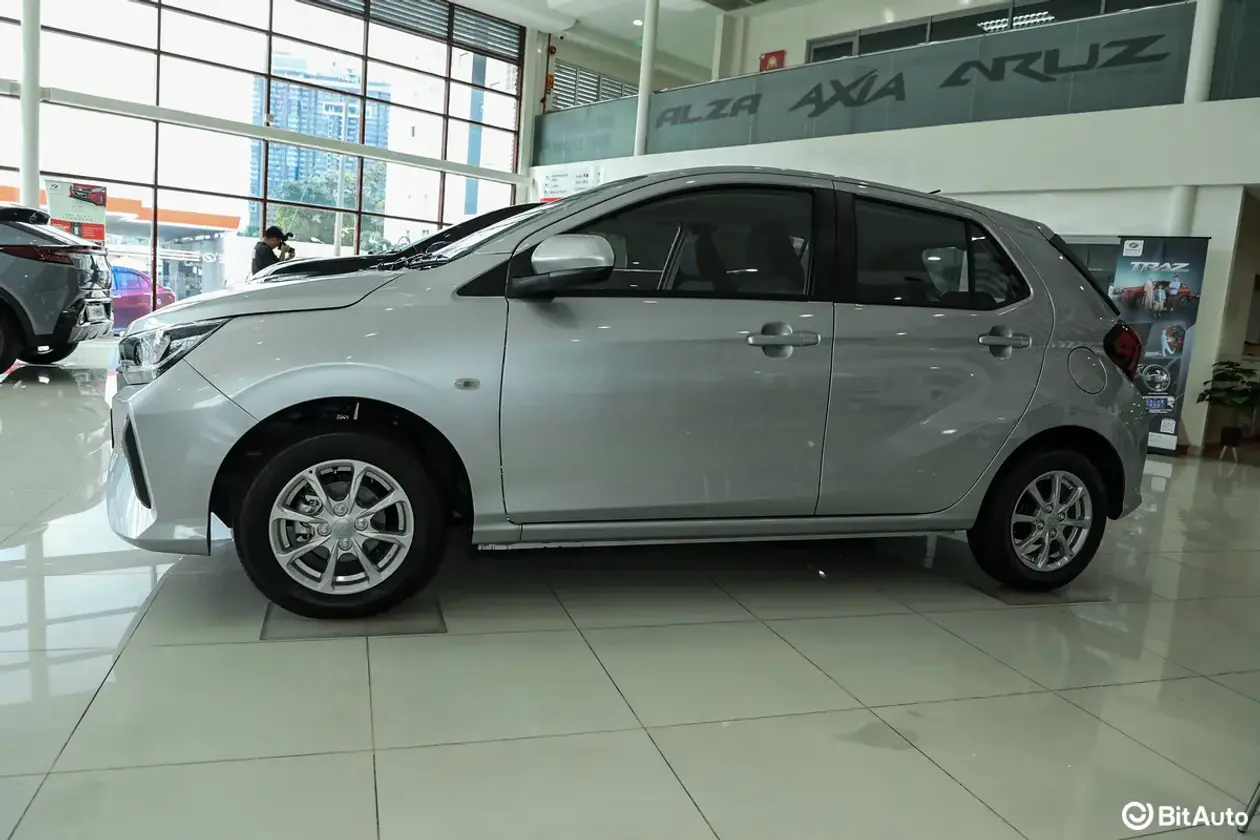
If your driving routine centres around urban runabout duties with bumper-to-bumper city jams, the Axia 1.0 AV’s 27.4 km/L fuel efficiency and RM20 annual road tax will deliver tangible monthly savings.
At just 3,760 mm long, its compact footprint and nimbleness make manoeuvring tight multideck shopping mall car parks and narrow housing estate roads effortless every single day. If you plan to upgrade your ride within three to five years, the Axia’s rock-solid resale value will ensure more cash stays in your pocket.
Furthermore, if you routinely haul bulky cargo, the hatchback tailgate and folding rear seats offer far superior loading versatility over the Saga’s fixed boot.
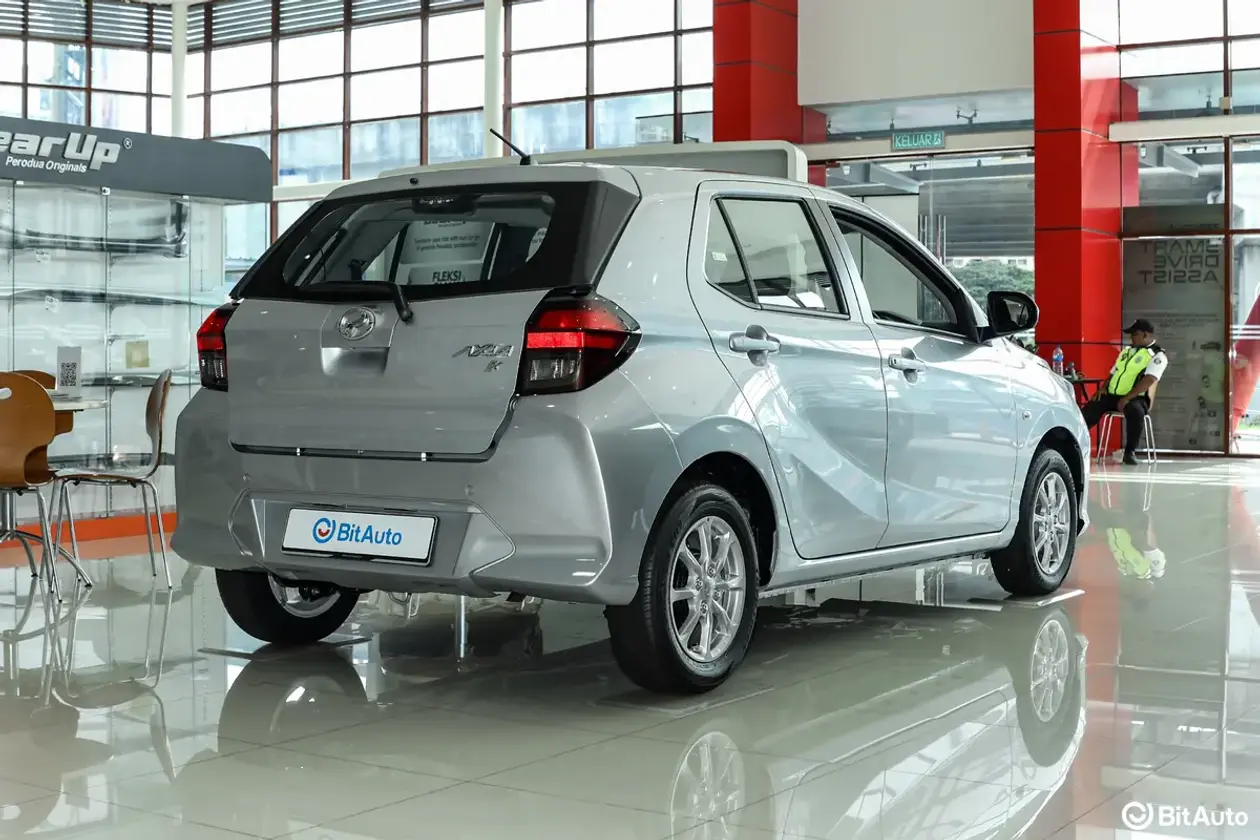
That RM990 difference ultimately buys two entirely distinct motoring lifestyles. The Saga wagers on high-speed stability and a generous boot, giving you a substantially more muscular four-door sedan for virtually the same money.
The Axia wagers on peerless fuel economy and effortless city mobility, trading sheer muscle for lower depreciation and pocket-friendly fuel bills year after year.
Neither is the wrong choice; it simply comes down to the roads you commute on every single day.
| Item | Proton Saga Premium | Perodua Axia 1.0 AV |
|---|---|---|
| Price (Peninsular Malaysia, OTR without insurance) | RM49,990 | RM49,000 |
| Assembly | CKD locally assembled | CKD locally assembled |
| Body Type | Four-door sedan | Five-door hatchback |
| Engine Displacement | 1,499 cc | 998 cc |
| Engine Type | 1.5L 4-cylinder i-GT naturally aspirated | 1.0L 3-cylinder naturally aspirated |
| Maximum Output | 120 PS / 6,100 rpm | 67 hp / 6,000 rpm |
| Maximum Torque | 150 Nm / 4,000-5,000 rpm | 91 Nm / 4,400 rpm |
| Transmission | Punch CVT | D-CVT |
| Drivetrain | Front-wheel drive | Front-wheel drive |
| Top Speed | 175 km/h | Not disclosed |
| Fuel Consumption (MDC) | 4.9 L/100km | 3.65 L/100km (27.4 km/L) |
| Fuel Tank Capacity | 40 litres | 36 litres |
| Length | 4,390 mm | 3,760 mm |
| Width | 1,690 mm | 1,665 mm |
| Height | 1,525 mm | 1,505 mm |
| Wheelbase | 2,465 mm | 2,525 mm |
| Boot Capacity | 420 litres | 265 litres |
| Kerb Weight | 1,085 kg | 890 kg |
| Front Tyre Size | 185/55 R15 | 175/65 R14 |
| Rear Suspension | Torsion beam | Torsion beam |
| Airbag Count | 6 | 6 |
| Autonomous Emergency Braking | Standard | Standard (ASA 3.0, with pedestrian detection) |
| Lane Departure Prevention | None | Standard |
| Blind Spot Monitor | Standard | Standard |
| Rear Cross Traffic Alert | Standard | Standard |
| Reverse Camera | Standard | Standard |
| Rear Aircon Vents | None | None |
| Infotainment Screen | 9-inch (Wireless Apple CarPlay/Android Auto) | 9-inch (Smart Link) |
| Keyless Push Start | Standard | Standard |
| Digital Instrument Cluster | 7-inch | 7-inch TFT |
| Annual Road Tax | RM90 | RM20 |
| 5-Year Maintenance Cost (100,000 km) | Approx. RM3,293 | Approx. RM3,066 |
| 3-Year Value Retention | Approx. 71.6% | Approx. 81% |
| Warranty | 5 years / 150,000 km | 5 years / 150,000 km |


Your go-to source for all things automotive in Malaysia. 🚗 Latest reviews, breaking news, launches & industry trends.
+ Follow GWM Wey G9 Hi4 HEV launched in Malaysia - RM 20k cheaper, no plugging in!
#WEYG9HEV #GWM #GWMMalaysia 1 minute ago
 Same-same but different - and also RM 20k cheaper!
The GWM Wey G9 HEV has just been launched in Malaysia. Biggest difference is that this is a regular hybrid (the one that launched earlier is the PHEV), with a 2.0L engine paired to a DHT, good for 358 PS and 782 Nm.
Prices start from RM 249,800, compared to the PHEV's RM 269,800.
More below.
#gwm #weyg9 #weyg9hev 1 minute ago
 From RM 96k - Honda City Hatchback launched in Malaysia; no more S and E variants...
The City range has expanded today with the introduction of the hatchback bodystyle in facelift form. It shares the same 1.5L NA ++ CVT combo or e:HEV hybrid with the sedan, and its features are the same as well.
There's also a bunch of launch offers:
- 8-Year Warranty with Unlimited Mileage* for both petrol and hybrid variants
- 10-Year Hybrid Battery Warranty with Unlimited Mileage* for the hybrid variant
- RM4,000* cash reward upon registration of any New City Hatchback variant
- RM2,000* rebate for current Honda owners who trade in their vehicles under the Honda Certified Used Car (HCUC) programme
- RM1,000* rebate towards a new Honda purchase when trading in any car brand at participating Honda authorised dealers, in collaboration with Carsome
#hondamalaysia #cityhatchback #hondacity 1 minute ago
Get the latest car news first!
Your go-to source for all things automotive in Malaysia. 🚗 Latest reviews, breaking news, launches & industry trends.
GWM Wey G9 Hi4 HEV launched in Malaysia - RM 20k cheaper, no plugging in!
#WEYG9HEV #GWM #GWMMalaysia 1 minute ago Same-same but different - and also RM 20k cheaper!
The GWM Wey G9 HEV has just been launched in Malaysia. Biggest difference is that this is a regular hybrid (the one that launched earlier is the PHEV), with a 2.0L engine paired to a DHT, good for 358 PS and 782 Nm.
Prices start from RM 249,800, compared to the PHEV's RM 269,800.
More below.
#gwm #weyg9 #weyg9hev 1 minute ago From RM 96k - Honda City Hatchback launched in Malaysia; no more S and E variants...
The City range has expanded today with the introduction of the hatchback bodystyle in facelift form. It shares the same 1.5L NA ++ CVT combo or e:HEV hybrid with the sedan, and its features are the same as well.
There's also a bunch of launch offers:
- 8-Year Warranty with Unlimited Mileage* for both petrol and hybrid variants
- 10-Year Hybrid Battery Warranty with Unlimited Mileage* for the hybrid variant
- RM4,000* cash reward upon registration of any New City Hatchback variant
- RM2,000* rebate for current Honda owners who trade in their vehicles under the Honda Certified Used Car (HCUC) programme
- RM1,000* rebate towards a new Honda purchase when trading in any car brand at participating Honda authorised dealers, in collaboration with Carsome
#hondamalaysia #cityhatchback #hondacity 1 minute ago 
© 2024 Bitauto.com. All Rights Reserved.
Bitauto (www.yiche.com and www.bitauto.com) is one of the most visited automotive websites in China. We provide detailed info on Chinese car brands available in your area. Please note that the information provided on this website is based on publicly available data and is for reference only. It may not be fully updated or accurate at all times.

Help us improve our website


