Both wear the Toyota badge, both are reasonably sized, and both are undisputed best-sellers. The Vios and Corolla enjoy immense popularity here in Malaysia. In fact, for many Malaysians, their first Toyota is a Vios, and when it comes to their second car, upgrading to a Corolla is often next in line.
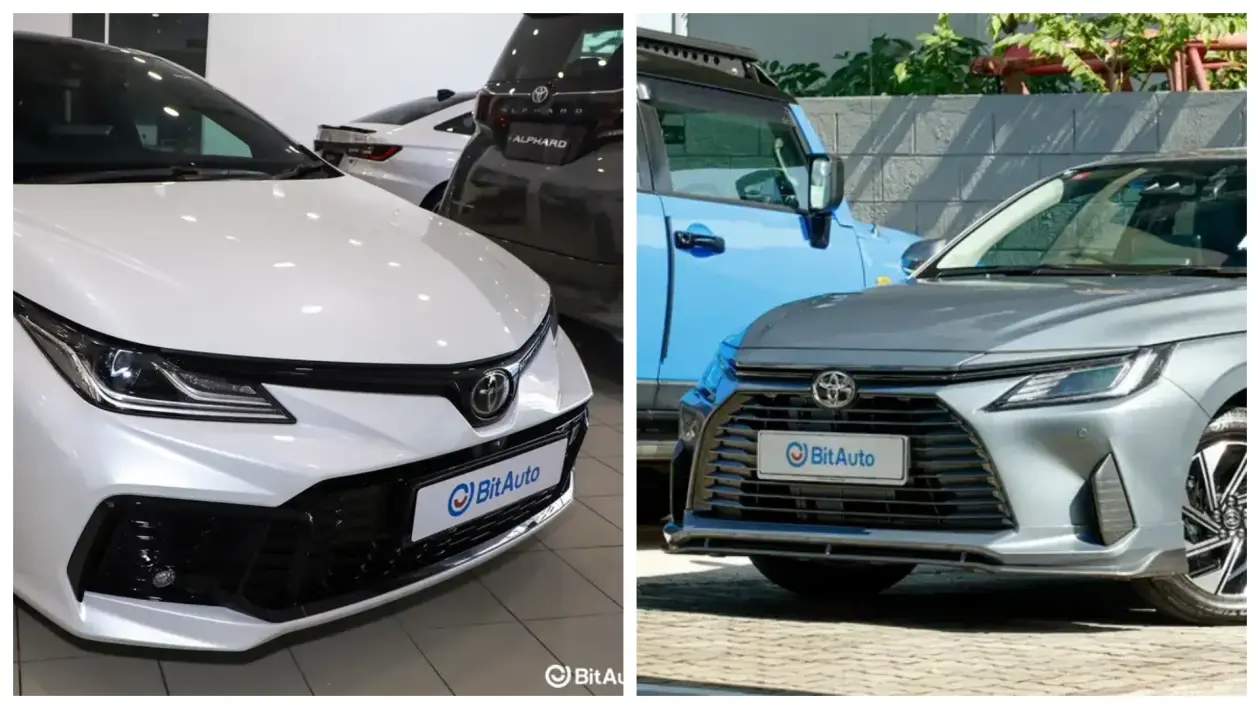
First, let's introduce today's "two brothers": the Corolla 1.8G, tagged at RM144,800, and the Vios 1.5G, priced at RM96,600—a price difference of RM48,200.
On paper, this upgrade seems entirely logical: fork out more cash for a larger footprint, more power, and more comprehensive safety kit. Fair enough. But if the choice were genuinely that straightforward, we wouldn't need this article.
We've already mentioned the prices: RM96,600 versus RM144,800, leaving a premium of RM48,200. That RM48,000 difference alone is enough to buy a decent budget runabout in Malaysia.
It represents a textbook "segment upgrade" dilemma, but the crux of the matter is whether this leap is actually worth your money.
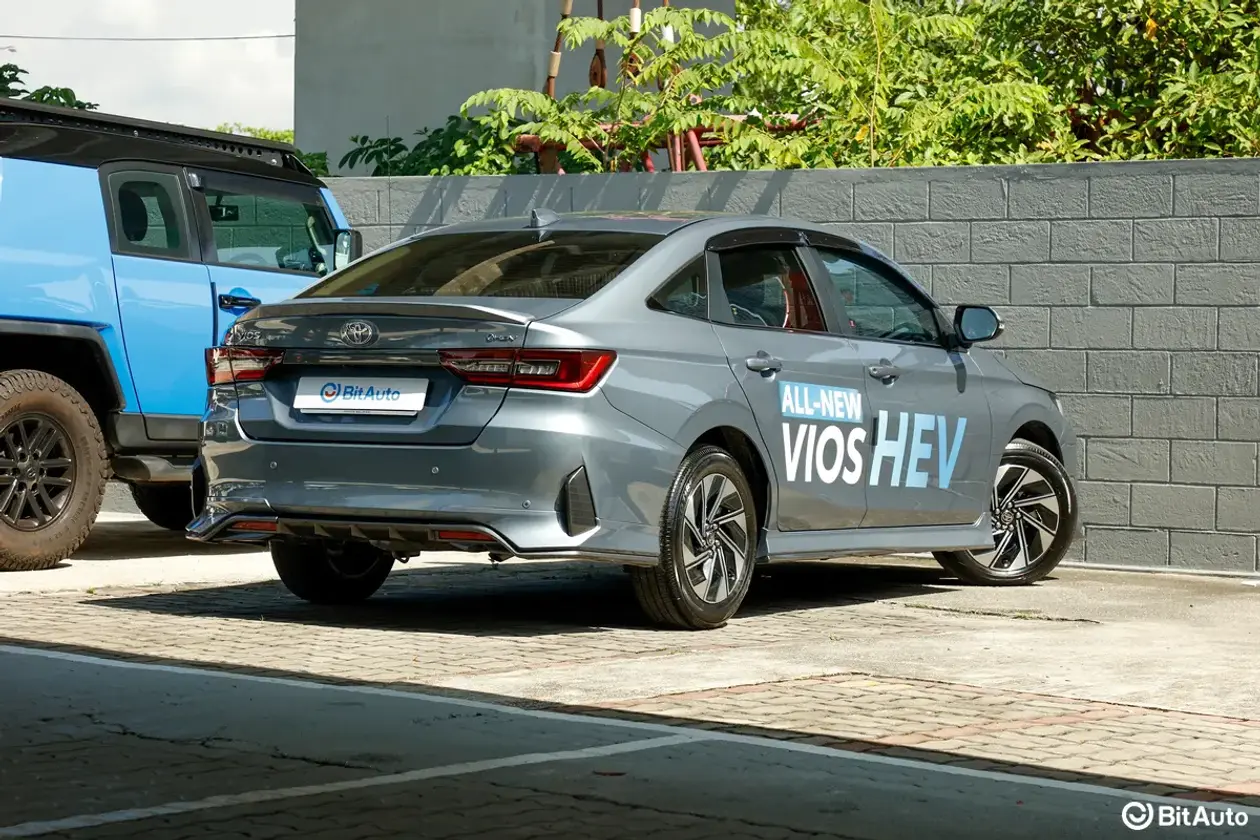
Where road tax is concerned, the Vios 1.5G commands a modest RM90 per annum, while the Corolla 1.8G sets you back RM279—more than triple the amount. The reason? Under JPJ's road tax structure, the 2NR-VE engine in the Vios 1.5G displaces 1,496 cc, slotting neatly into the 1,401–1,600 cc bracket where only the flat base rate of RM90 applies with zero progressive surcharge.
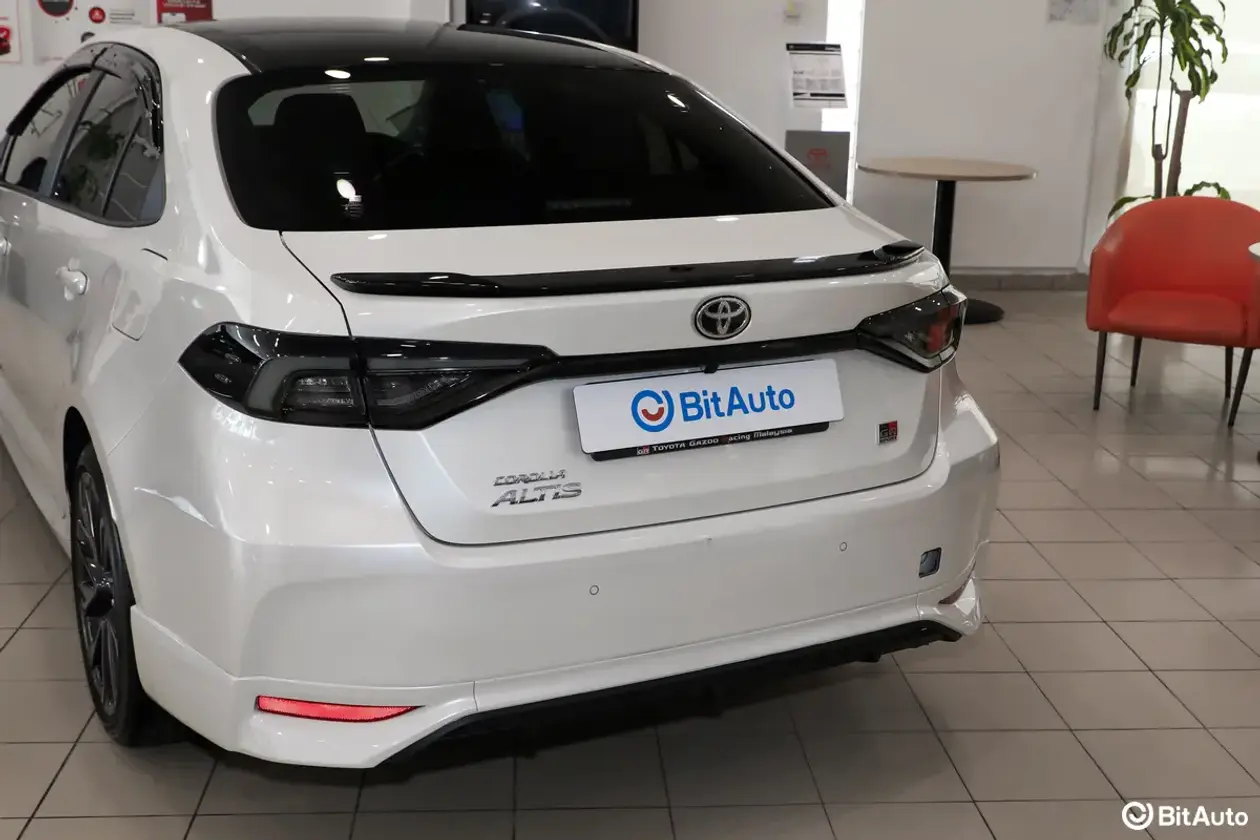
The 2ZR-FE engine in the Corolla 1.8G displaces 1,798 cc, pushing it into the 1,601–1,800 cc tier. This attracts a base rate of RM200 plus a progressive charge of RM0.40 per cc over 1,600 cc. Do the maths: RM200 + (1,798−1,600) × 0.40 ≈ RM279. That is an extra RM190 each year.
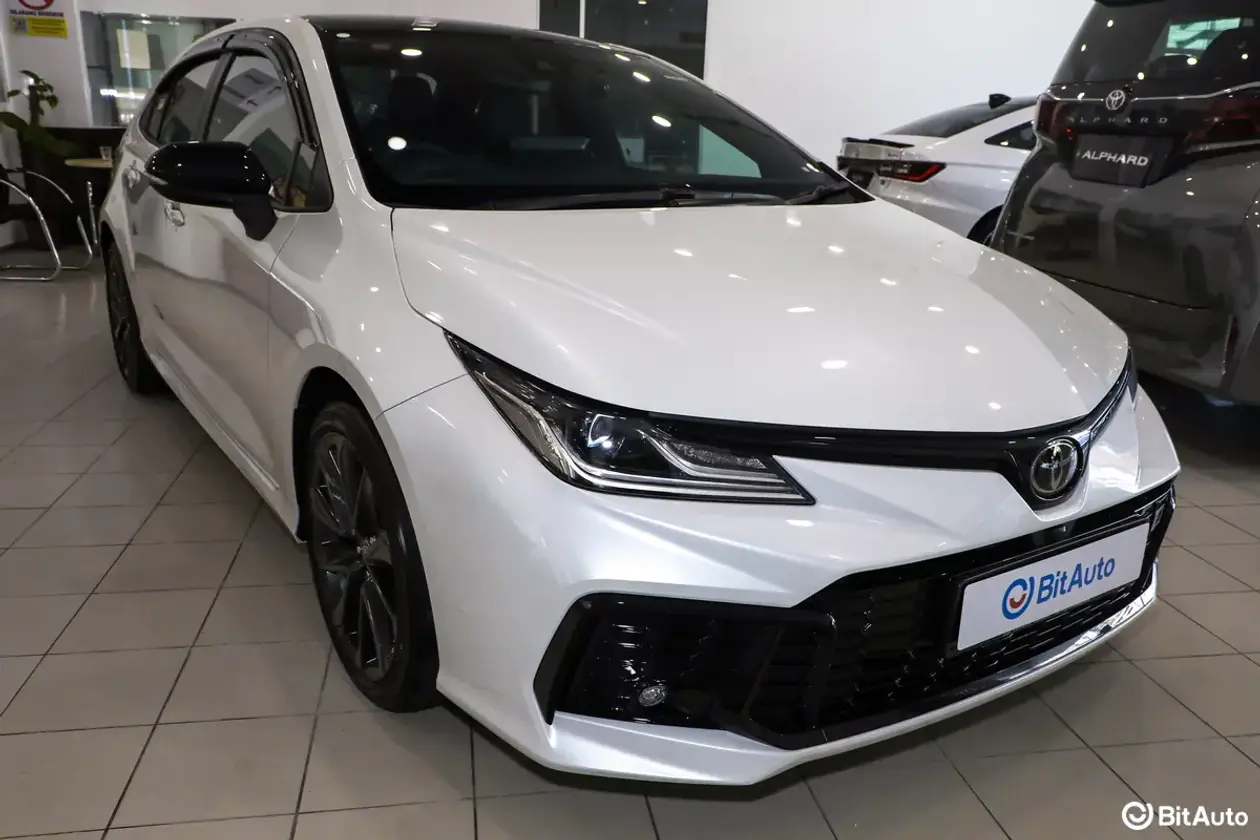
Dimensionally, it bears repeating: this is an inter-segment shootout. The Corolla measures 4,630 × 1,780 × 1,435 mm with a 2,700 mm wheelbase. The Vios comes in at 4,425 × 1,740 × 1,480 mm with a 2,620 mm wheelbase. That makes the Corolla a substantial 205 mm longer, 40 mm wider, and 80 mm longer between the axles.
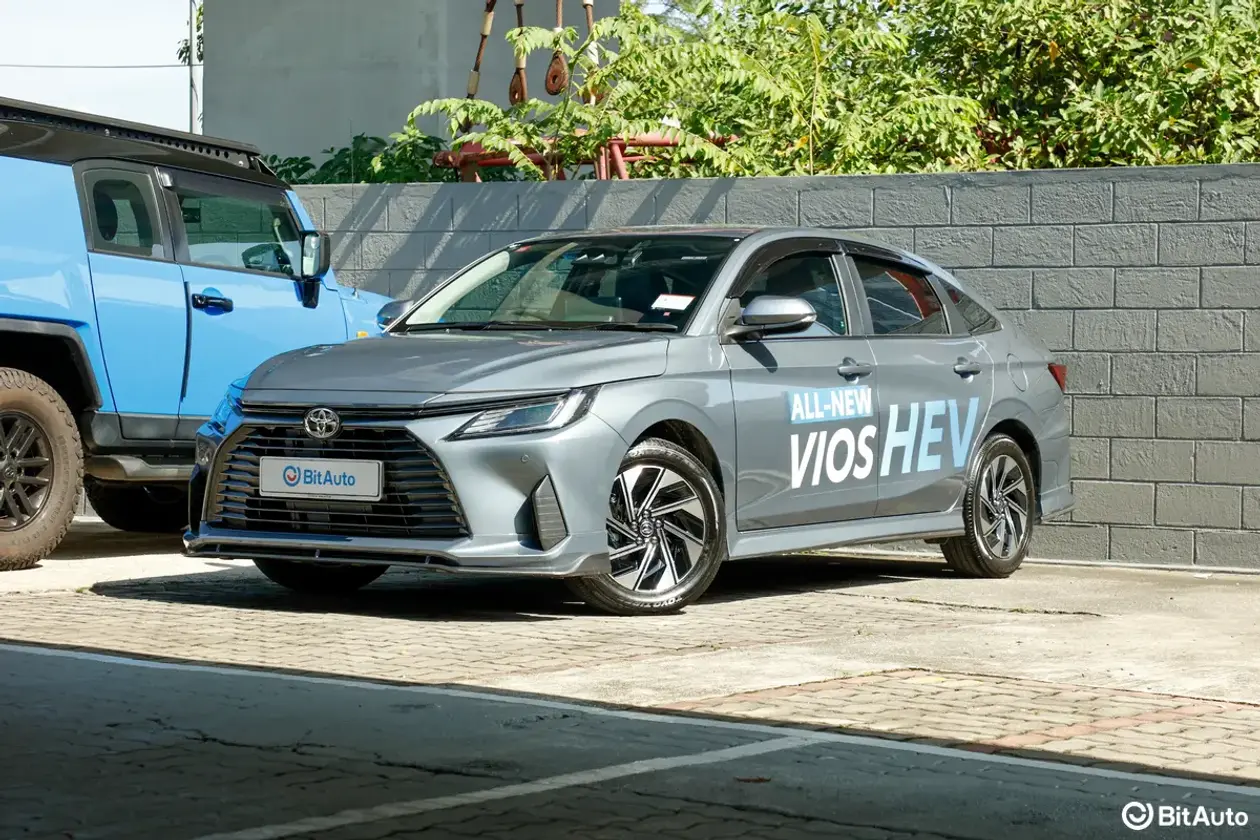
Their silhouettes also convey distinct design philosophies. The Vios is shorter, narrower, yet taller—very much standard three-box sedan proportions. The Corolla sits lower and looks significantly more elongated.
Design-wise, the latest AC100 Vios adopts sharp, youthful cues up front, whereas the facelifted Corolla introduces sporty accents while retaining its familiar, mature executive profile.
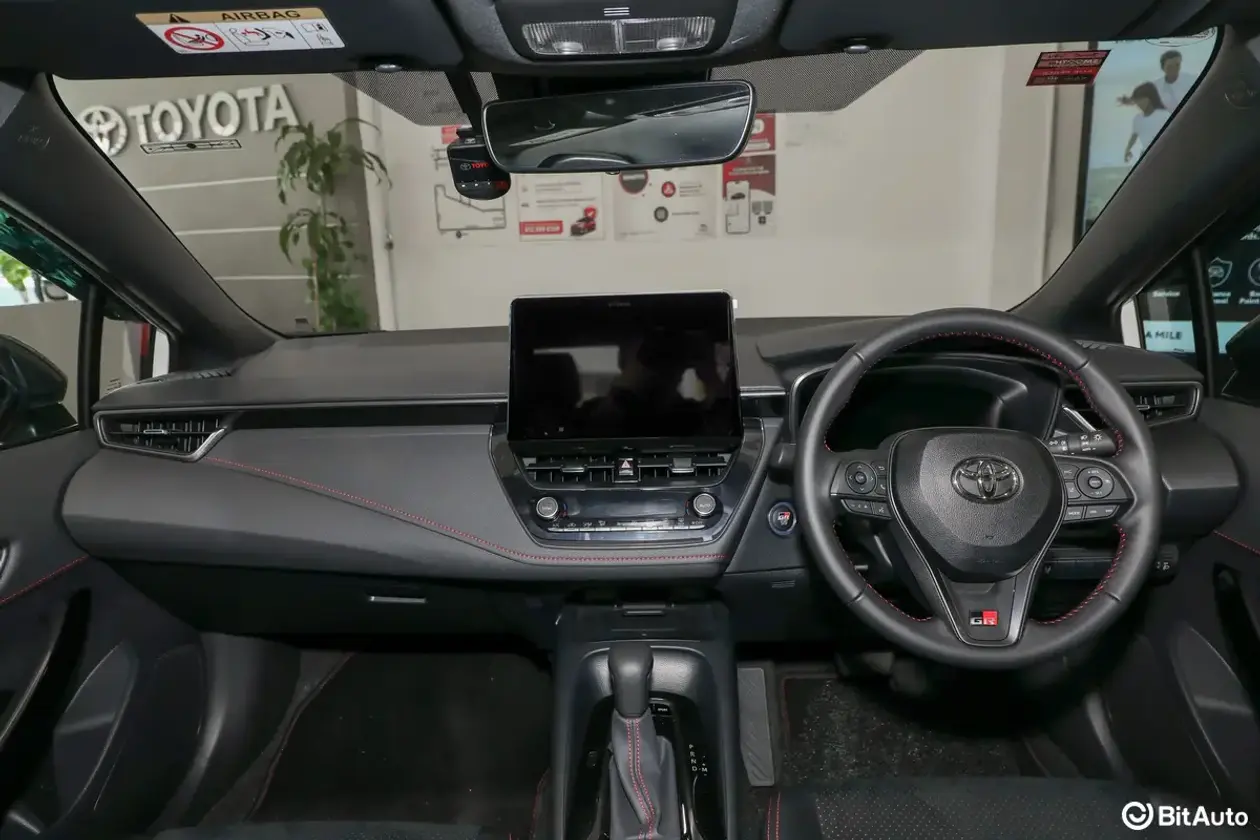
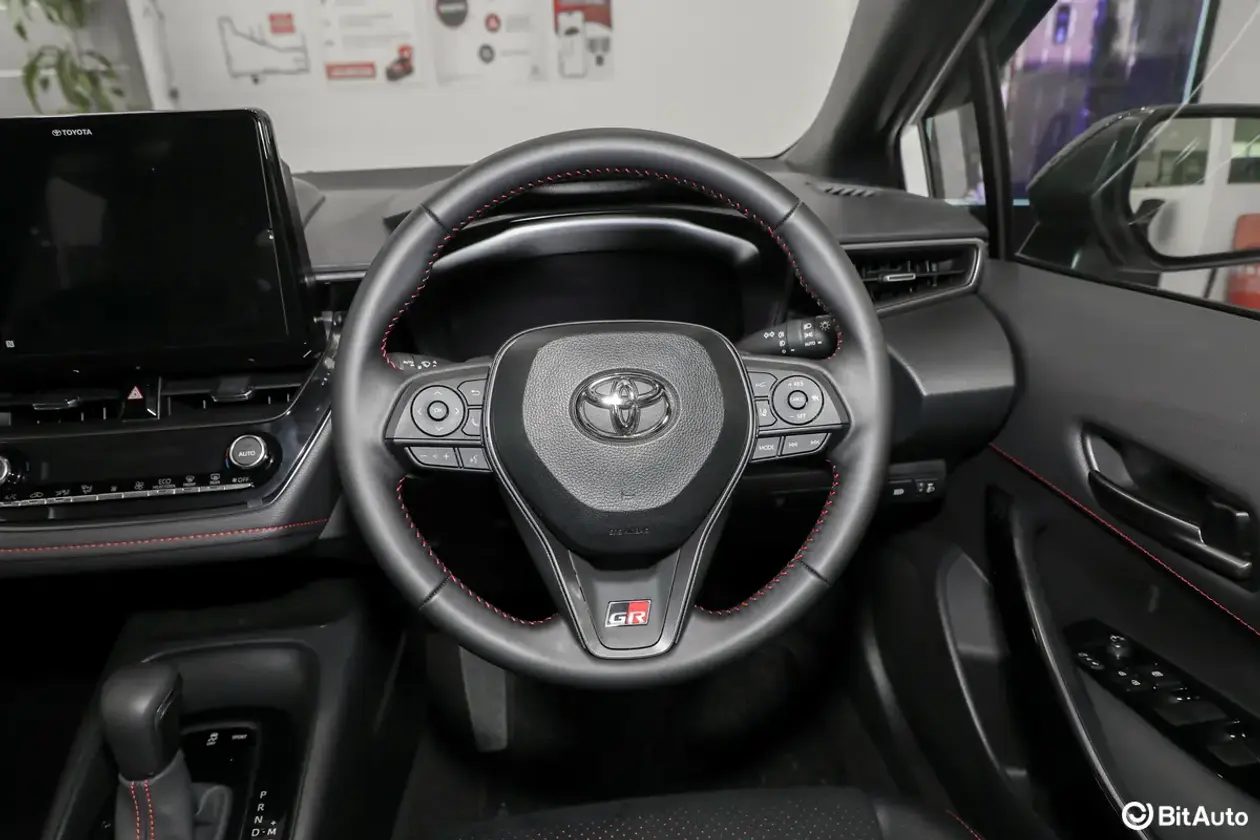
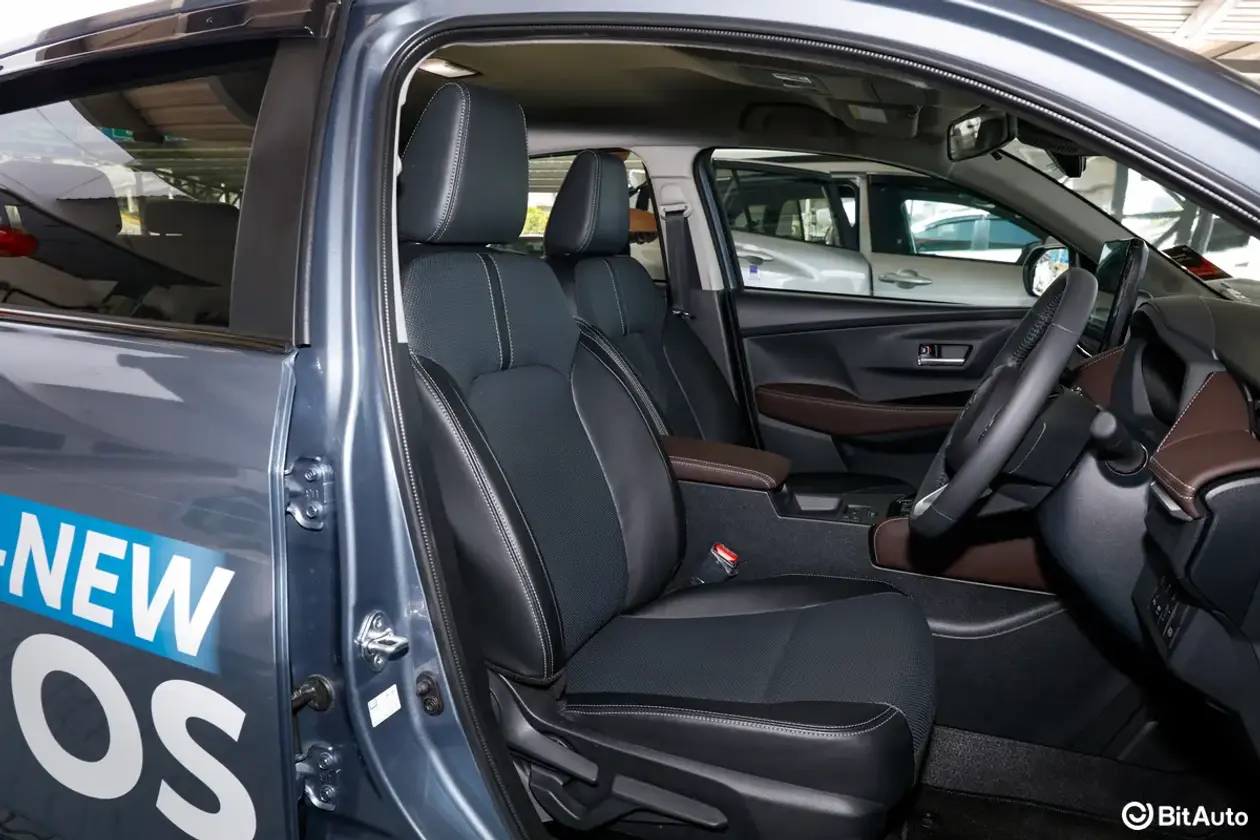
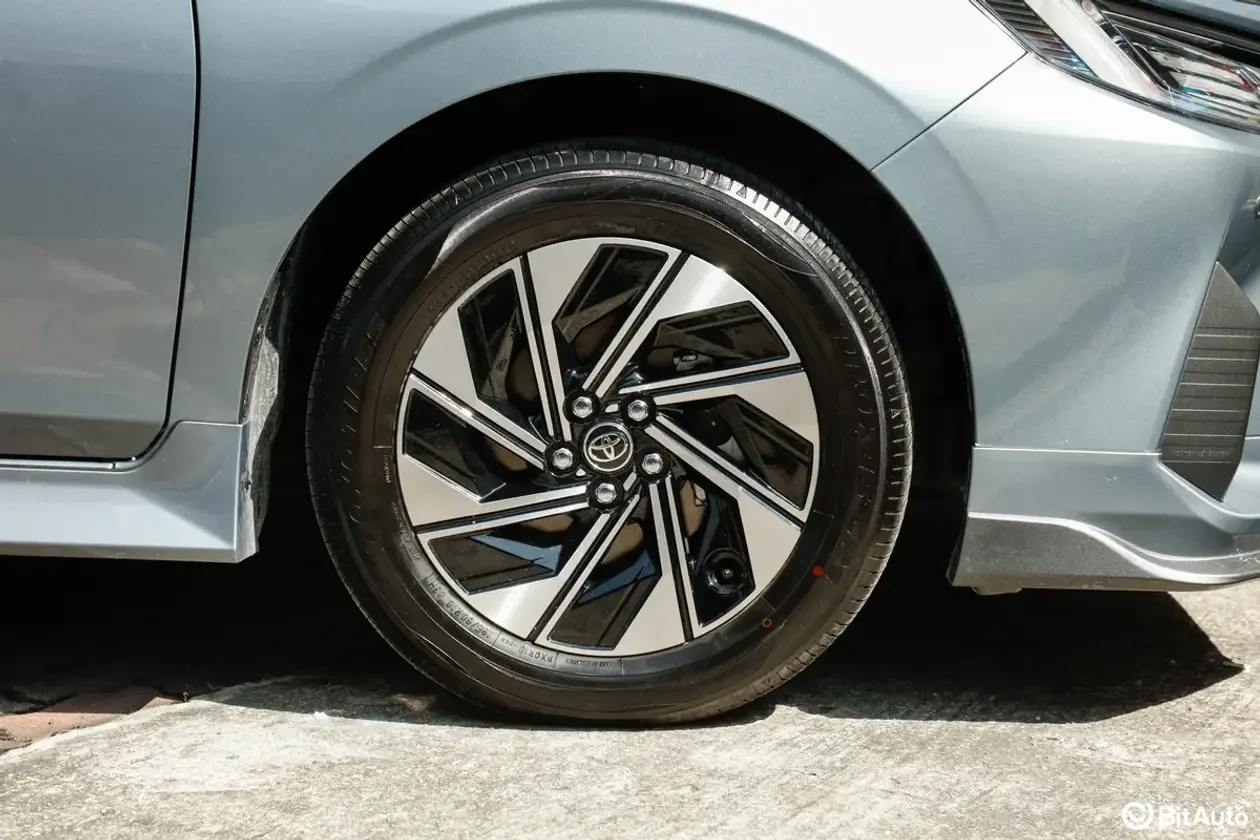
Starting with the Corolla 1.8G, the kit list includes: a 9-inch infotainment touchscreen (supporting CarPlay/Android Auto), a 6-speaker audio setup, dual-zone automatic climate control, leather upholstery, a 12.3-inch digital instrument cluster, 17-inch alloy wheels, and a power-adjustable driver seat.
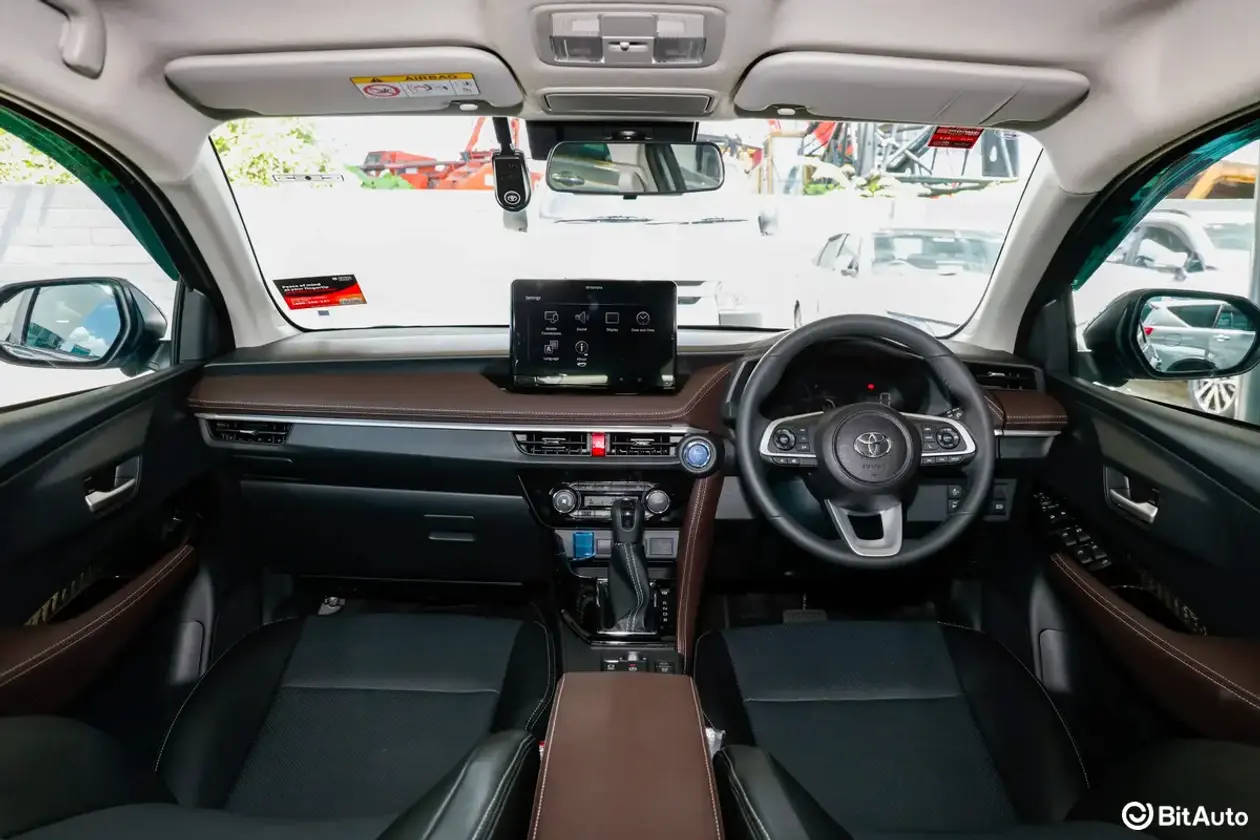
The Vios 1.5G, however, counters with: a 9-inch infotainment touchscreen (wireless CarPlay/Android Auto), a 7-inch digital instrument cluster, a leather multi-function steering wheel with paddle shifters, an electronic parking brake (EPB) with Auto Hold, automatic climate control, a wireless charging pad, and keyless entry with push-start button.
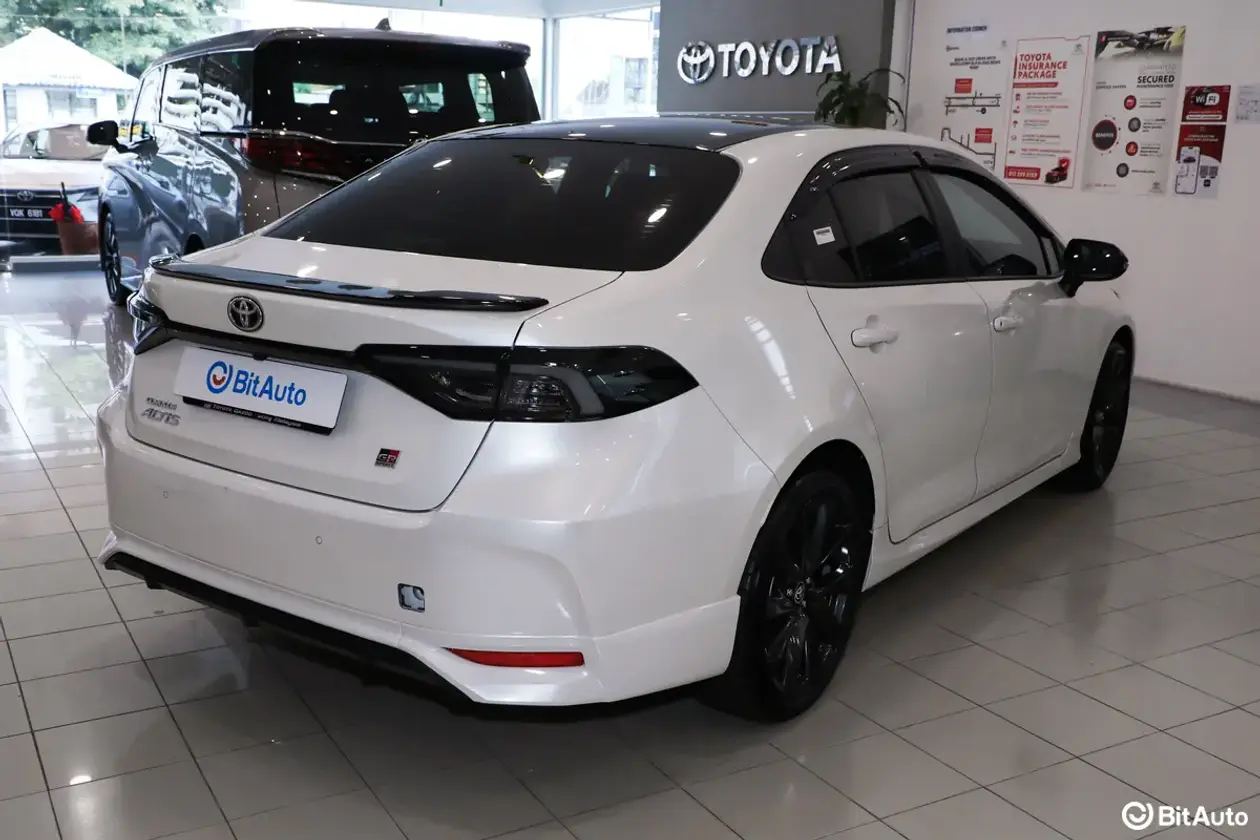
Is this a runaway victory for either car? Far from it. The Corolla boasts dual-zone climate control, genuine leather seats, a much grander 12.3-inch digital cluster, and a power driver seat—goodies missing on the Vios. Yet, the Vios hits back with paddle shifters, EPB with Auto Hold, and wireless CarPlay, which are oddly omitted on the Corolla.
They almost complement each other: the Corolla takes honours for passenger pampering, while the Vios shines for everyday driving convenience. If we had to call a winner, higher-end comfort touches like dual-zone climate and power seats deliver a "more premium feel," so this round narrowly goes to the Corolla.
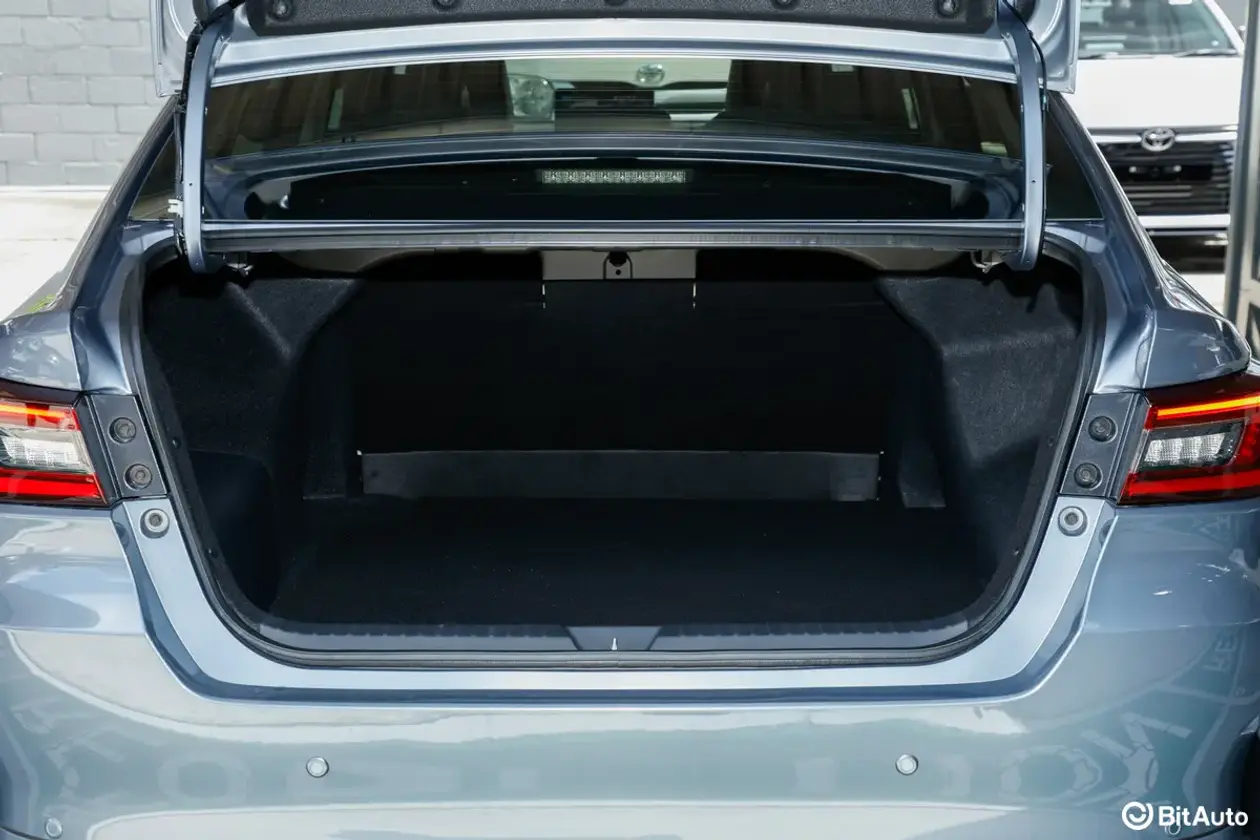
Despite the Corolla being visually and dimensionally larger, the boot capacity tells a surprising story: the Vios packs 475L, whereas the Corolla manages 470L. The smaller car offers 5L more cargo room. In practice, a 5L discrepancy is negligible, so call it a draw on cargo capacity.
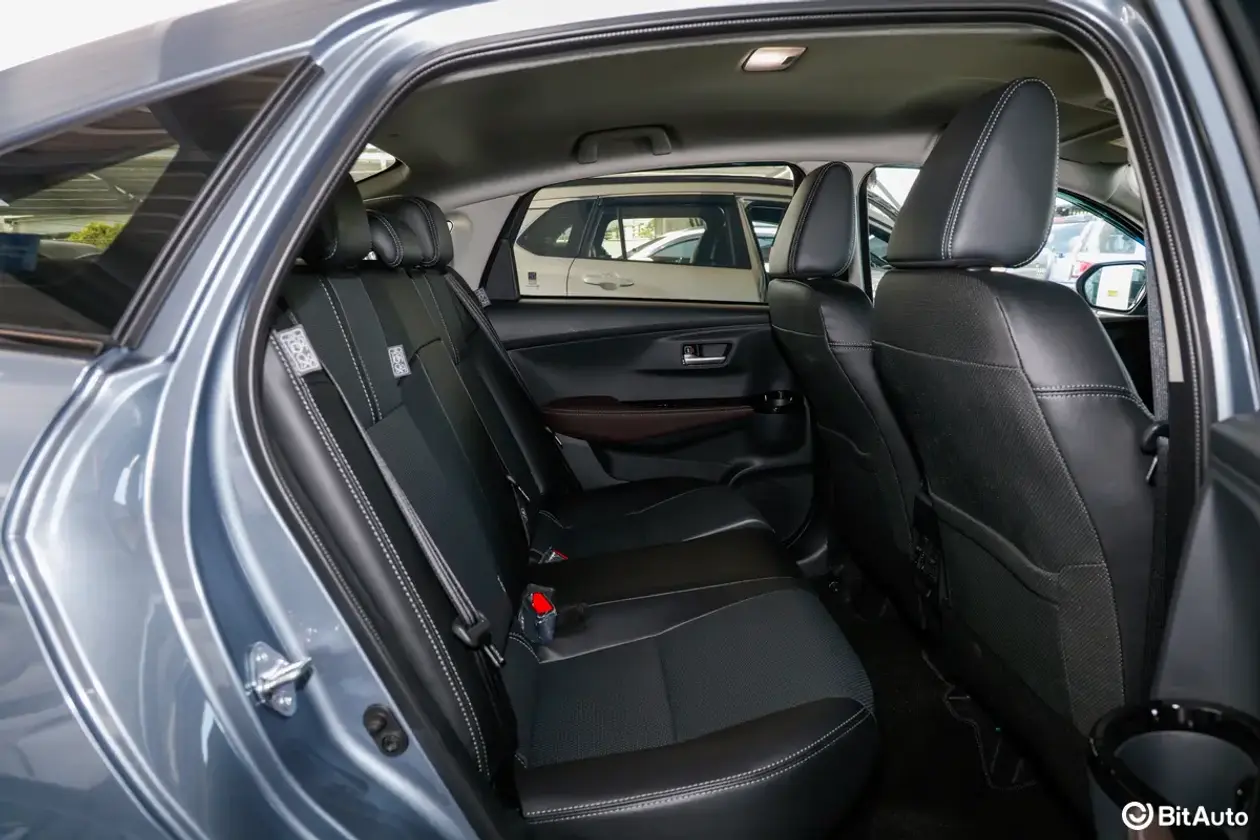
Where the C-segment advantage truly shines is in the second row. That extra 80 mm of wheelbase and 40 mm of width on the Corolla translate directly into generous rear legroom and shoulder room—a level of stretch-out comfort the compact Vios simply cannot rival.
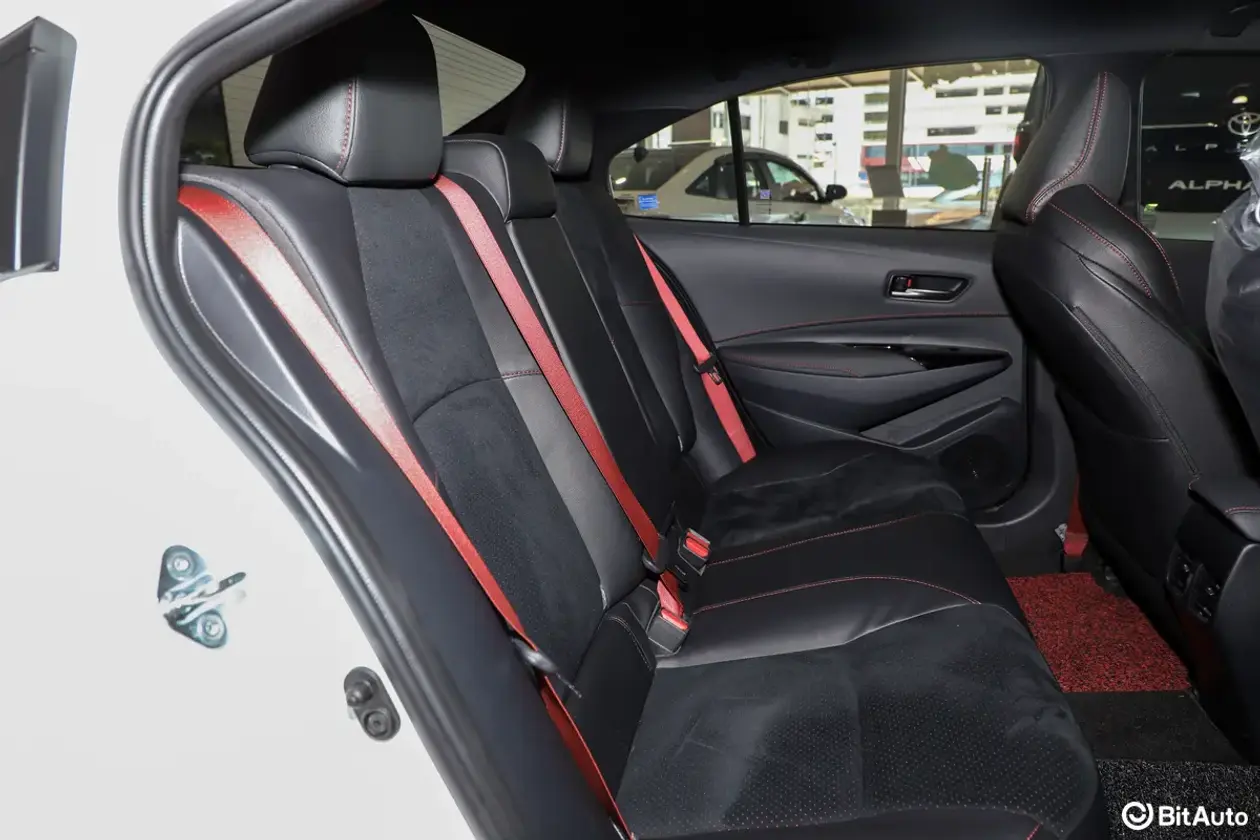
So when it comes to overall cabin real estate, boot space is essentially neck and neck, but rear passenger comfort is a clear case of bigger is better—handing a convincing victory to the Corolla.
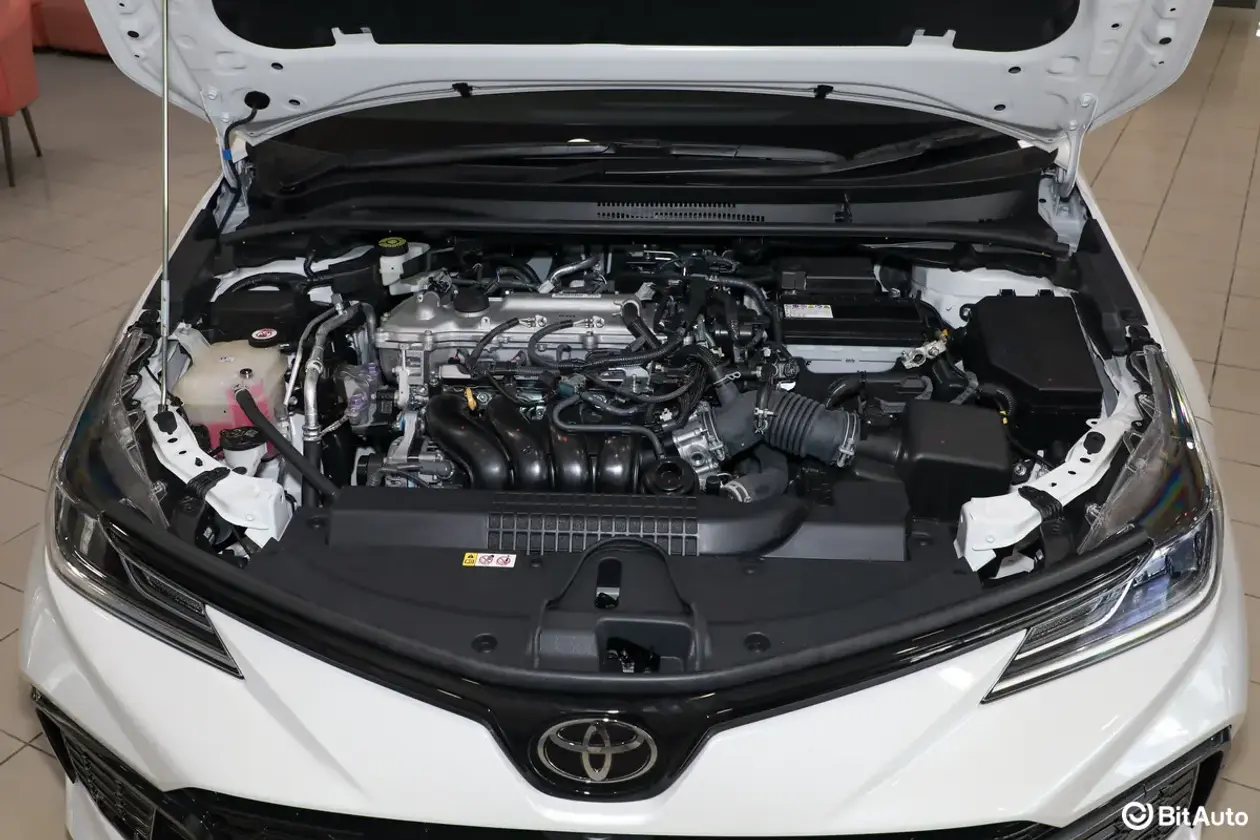
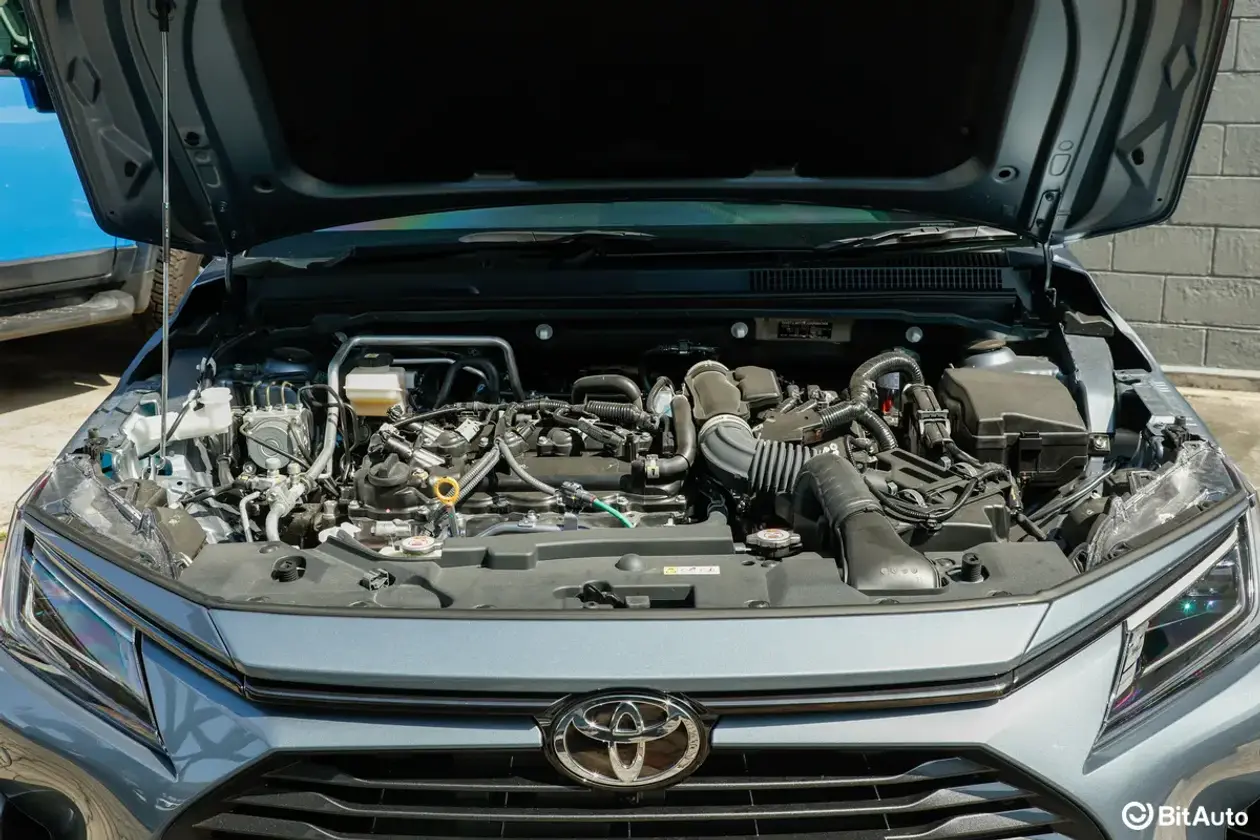
When it comes to straight-line performance, neither will set your pulse racing, but there are differences between the two naturally aspirated units. The Corolla 1.8G uses a 1.8L four-cylinder engine (2ZR-FE) producing 137 PS and 172 Nm of torque at 4,000 rpm, paired with a CVT. Century sprint times? Best not mentioned.
As for the Vios 1.5G, power comes from a 1.5L four-cylinder unit (2NR-VE) churning out 104 PS and 138 Nm of torque at 4,200 rpm, coupled with a CVT. Zero to hundred? Even less of a talking point.
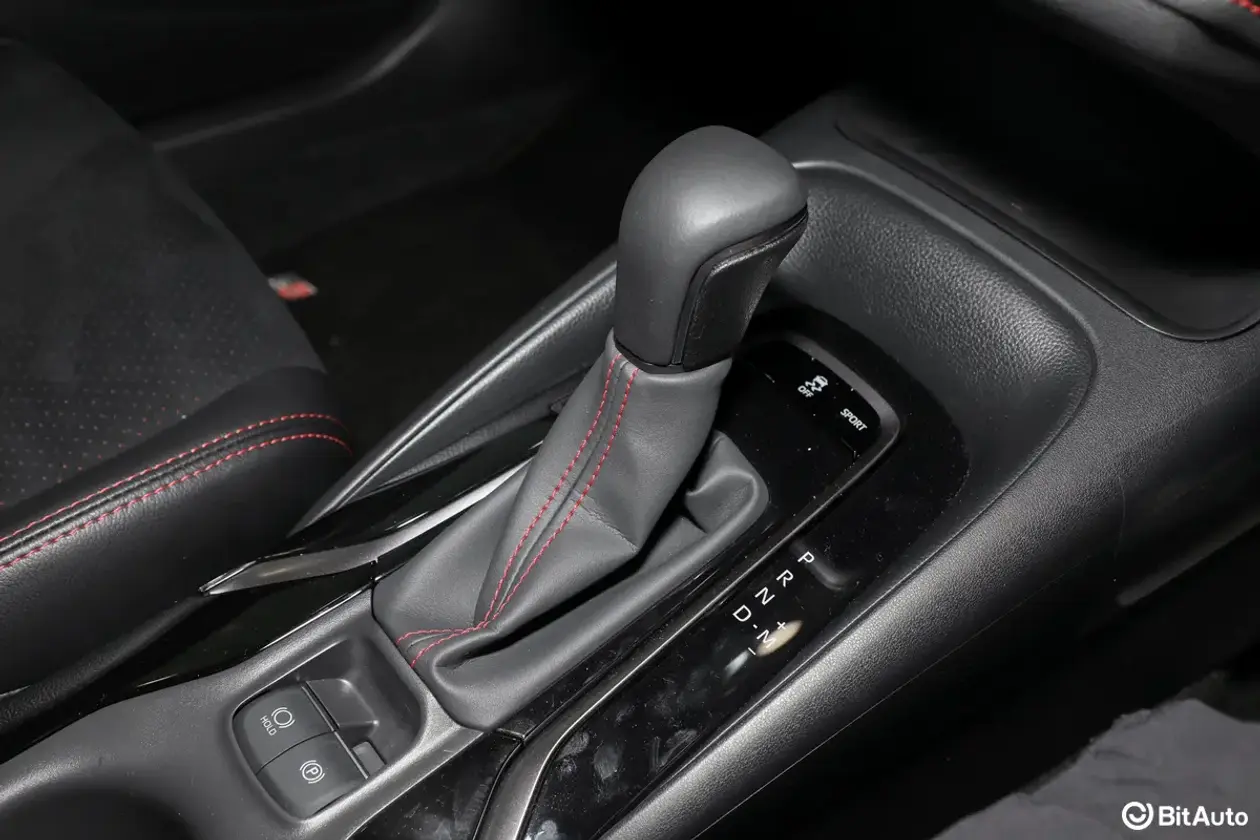
The Corolla enjoys an advantage of 33 PS and 34 Nm, which unquestionably reads better on paper. However, both engines require you to wring their necks past 4,000 rpm to access maximum torque, and the CVT tends to peg the revs right there under hard acceleration.
Mind the drone? You can back off the throttle, but forward momentum drops off just as fast. At the end of the day, these are pure bread-and-butter commuters—neither will deliver genuine sporting thrills.
That said, the Vios's 1.5L setup scores big points on fuel economy (rated at approximately 5.2L/100km), mechanical refinement, and fuss-free reliability on standard RON 95, making it an ideal city runabout.
Here is where things get genuinely intriguing. Both sedans boast a ASEAN NCAP 5-star safety rating. Looking at the Corolla 1.8G first: it packs 7 airbags, All-Speed Dynamic Radar Cruise Control (DRCC with steering assist and Stop & Go), and a 360-degree Panoramic View Monitor (PVM).
But it lacks Autonomous Emergency Braking (AEB), Lane Keeping Assist, and Blind Spot Monitoring.
Shift your gaze to the Vios 1.5G: while it settles for 6 airbags (one down on the Corolla), it gets the full Toyota Safety Sense ADAS suite as standard.
This encompasses Pre-Collision System (AEB with pedestrian detection), Lane Departure Warning (LDW), Lane Keeping Control (LKC), Adaptive Cruise Control (ACC), Auto High Beam (AHB), along with Blind Spot Monitor (BSM), Rear Cross Traffic Alert (RCTA), and a 3D Panoramic View Monitor.
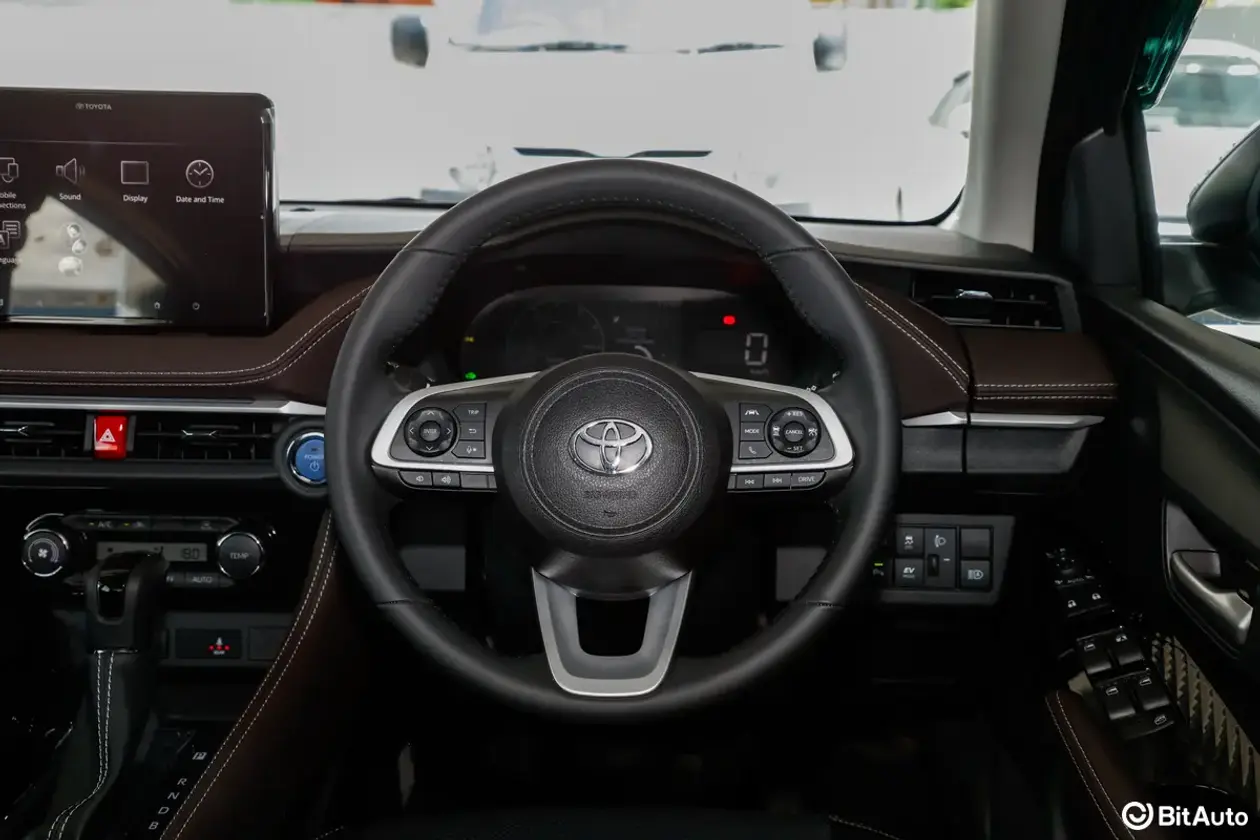
Put simply, the more affordable Vios 1.5G delivers a remarkably comprehensive active safety package with almost zero omissions. Conversely, the Corolla 1.8G, despite carrying a RM48,200 premium, will follow lead traffic but will not automatically intervene to brake for forward collisions, nor will it alert you to blind-spot hazards during lane changes. It offers only rudimentary driver assistance.
On the crucial front of active safety kit, the junior Vios embarrassingly outshines its bigger brother.
Summing up this sibling rivalry, the verdict is remarkably straightforward: the Vios is cheaper, better equipped on active safety, incurs lower road tax, and sips less petrol. Yet, the Corolla offers a wider footprint, a longer wheelbase, and high-speed highway stability that the Vios simply cannot replicate.
The Vios represents unbeatable value for money. That RM48,200 premium for the Corolla buys you greater road presence, superior ride comfort, a far more accommodating rear bench, and the undeniable prestige of a "higher segment tier."
If you are on a strict budget, travel primarily with one or two occupants, and spend most of your time navigating city traffic, the Vios 1.5G is the smarter buy.
If you regularly ferry family members in the back and frequently clock inter-state highway miles, stepping up to the Corolla makes absolute sense—just bear in mind that the 1.8G's equipment list is sparse.
Leave your number, an advisor will contact you


Your go-to source for all things automotive in Malaysia. 🚗 Latest reviews, breaking news, launches & industry trends.
+ Follow Lebih 1,100 WEY G9 CKD dieksport & kelibat ORA 5 HEV di Pavilion Bukit Jalil!
Tahukah anda, Malaysia kini bukan sekadar tempat jual kereta GWM tapi dah jadi hab pengeksport serantau utama untuk Great Wall Motor di rantau ini!
Ikuti Kazer dari BitAuto Malaysia turun ke GWM Gateway 2026 di Piazza, Pavilion Bukit Jalil untuk tengok pencapaian membanggakan dan teknologi terkini GWM.
Kalau anda kelapangan hujung minggu ini (20–22 November 2026), jemput singgah ke Piazza, Pavilion Bukit Jalil untuk tengok sendiri barisan kereta GWM.
Antara semua model GWM ni, model mana yang paling korang teringin nak pandu uji?
Komen di bawah! 👇💬
#GWMGateway2026 #GWMMalaysia #BitAutoMalaysia #ORA5HEV #GWMWeyG9 #GWMOne #PavilionBukitJalil #KeretaCKD #InfoAutomotif #AutomotifMalaysia 1 minute ago
 The 2027 Toyota Yaris is officially here, starting from RM 90,400!
From monthly instalments to road tax, servicing, and fuel, here is the real monthly cost of keeping one on the road. 👇
#ToyotaYaris2027 #ToyotaMalaysia #BSegment #CarFinance #BitAutoMalaysia 1 minute ago
 BYD's Flash Charging technology is finally here, with Denza Balakong being the first outlet to feature the "Ready in 5, Full in 9"-capable chargers.
More Denza outlets will be receiving the Flash Charging technology, with the Glenmarie and Old Klang Road outlets being next.
#BYD #Denza #FlashCharging 1 minute ago
Get the latest car news first!
Your go-to source for all things automotive in Malaysia. 🚗 Latest reviews, breaking news, launches & industry trends.
Lebih 1,100 WEY G9 CKD dieksport & kelibat ORA 5 HEV di Pavilion Bukit Jalil!
Tahukah anda, Malaysia kini bukan sekadar tempat jual kereta GWM tapi dah jadi hab pengeksport serantau utama untuk Great Wall Motor di rantau ini!
Ikuti Kazer dari BitAuto Malaysia turun ke GWM Gateway 2026 di Piazza, Pavilion Bukit Jalil untuk tengok pencapaian membanggakan dan teknologi terkini GWM.
Kalau anda kelapangan hujung minggu ini (20–22 November 2026), jemput singgah ke Piazza, Pavilion Bukit Jalil untuk tengok sendiri barisan kereta GWM.
Antara semua model GWM ni, model mana yang paling korang teringin nak pandu uji?
Komen di bawah! 👇💬
#GWMGateway2026 #GWMMalaysia #BitAutoMalaysia #ORA5HEV #GWMWeyG9 #GWMOne #PavilionBukitJalil #KeretaCKD #InfoAutomotif #AutomotifMalaysia 1 minute ago The 2027 Toyota Yaris is officially here, starting from RM 90,400!
From monthly instalments to road tax, servicing, and fuel, here is the real monthly cost of keeping one on the road. 👇
#ToyotaYaris2027 #ToyotaMalaysia #BSegment #CarFinance #BitAutoMalaysia 1 minute ago BYD's Flash Charging technology is finally here, with Denza Balakong being the first outlet to feature the "Ready in 5, Full in 9"-capable chargers.
More Denza outlets will be receiving the Flash Charging technology, with the Glenmarie and Old Klang Road outlets being next.
#BYD #Denza #FlashCharging 1 minute ago 
© 2024 Bitauto.com. All Rights Reserved.
Bitauto (www.yiche.com and www.bitauto.com) is one of the most visited automotive websites in China. We provide detailed info on Chinese car brands available in your area. Please note that the information provided on this website is based on publicly available data and is for reference only. It may not be fully updated or accurate at all times.

Help us improve our website


