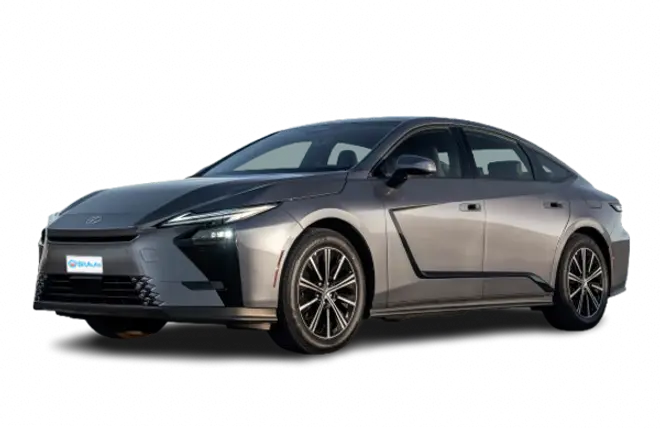
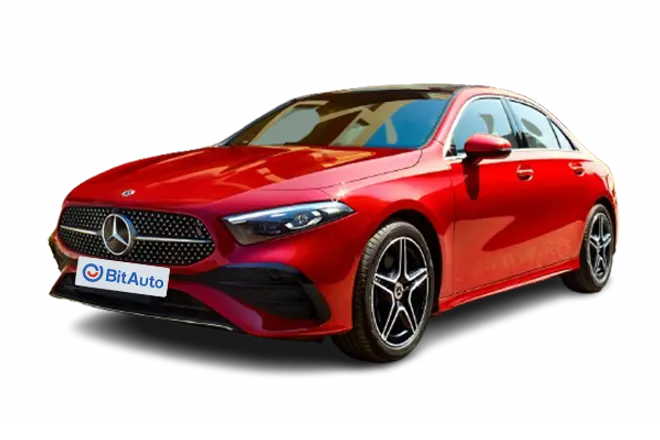
Everyone knows that Lexus is Toyota's luxury division, and cars bearing the L badge are, on paper, always expected to command a higher price than those with the humble Toyota badge. But this shootout is quite a curveball. We want to answer one straightforward question: when a Toyota ends up costing more than a Lexus, would you still be willing to pay for what is ostensibly a "Lexus LS in disguise" ?
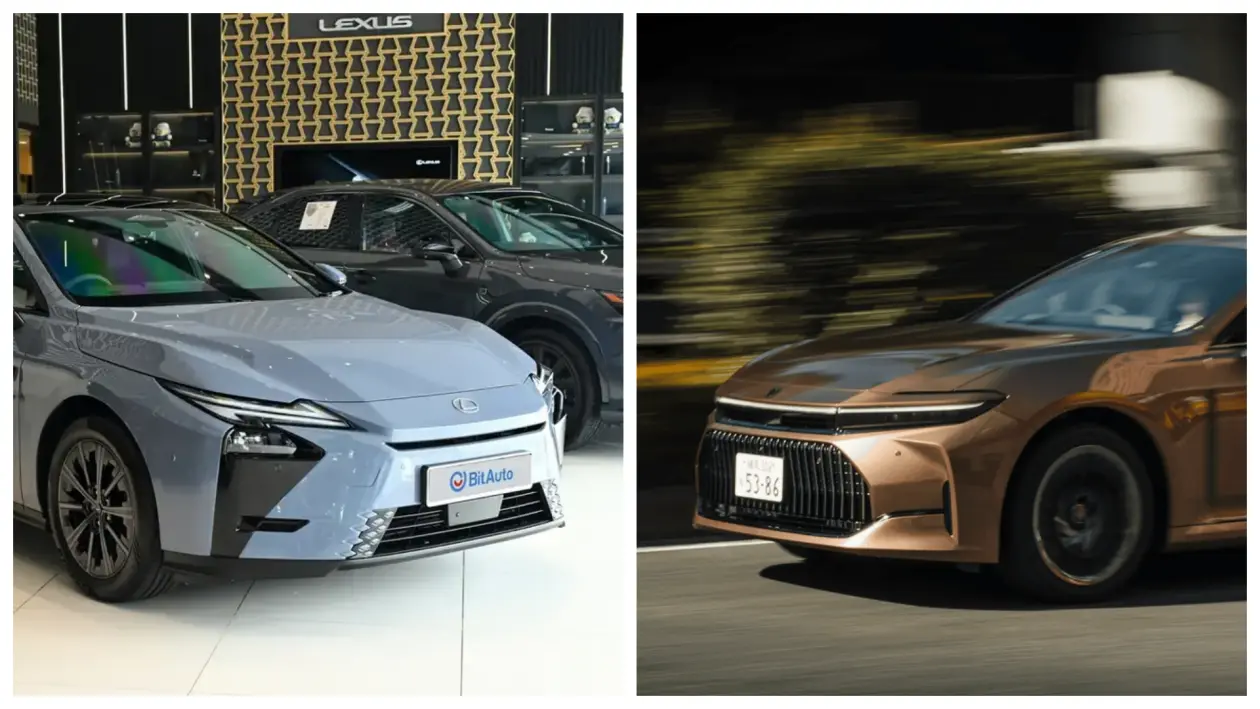
Before we get started, two points need clarifying: the Crown is not officially sold by the local distributor in Malaysia—every unit here is an unregistered reconditioned (recon) import. On top of that, the Crown lineup comes in two totally distinct body styles: the more accessible Crossover, and our protagonist today, the Sedan. The urban legend circulating in the market about a "Lexus LS wearing a Toyota badge" refers specifically to this very Crown Sedan.
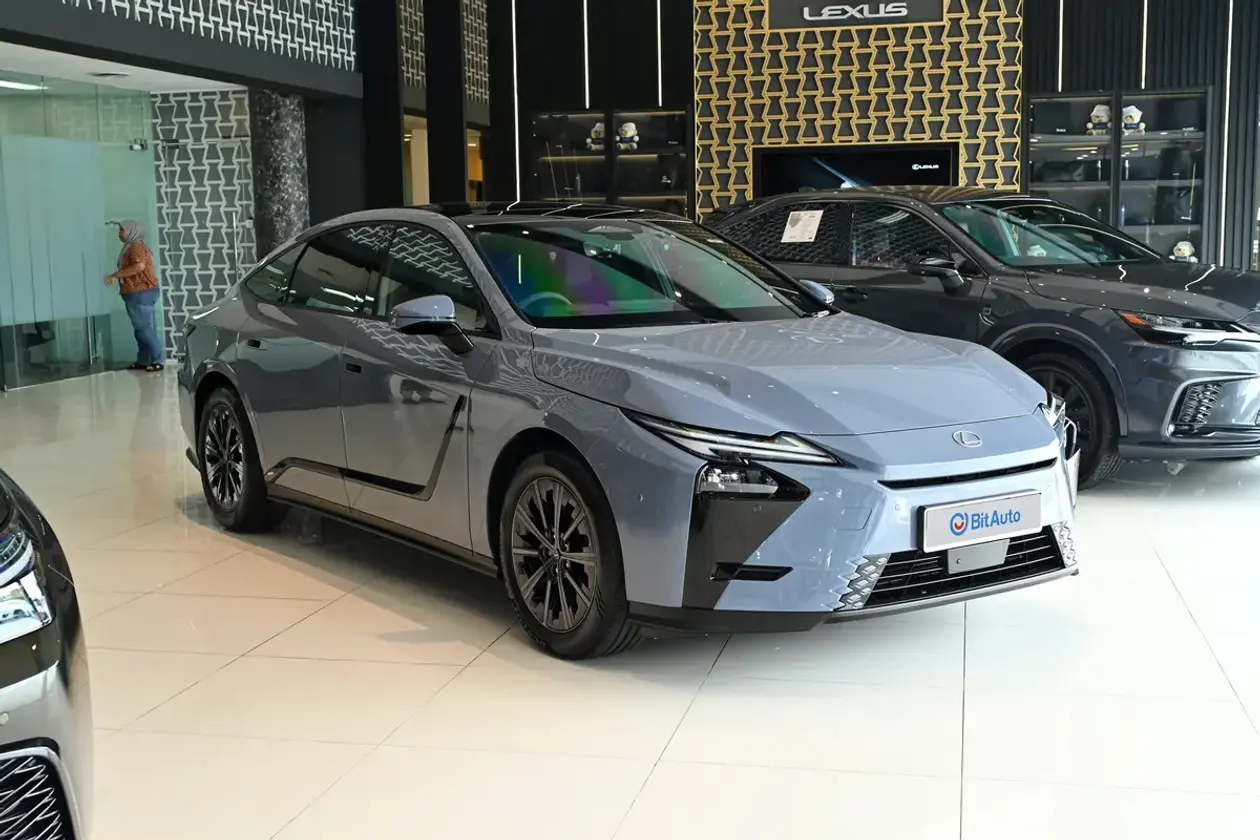
The Lexus ES is an official, principal-backed model imported directly from Japan as a CBU unit. It is offered in a single variant: the ES350h Luxury, retailing at an on-the-road (OTR) price of RM366,888. Being an official car, its annual road tax is fixed at RM874. Lexus Malaysia backs it with a 5-year unlimited-mileage factory warranty, alongside a separate 8-year unlimited-mileage warranty on the hybrid battery, inverter, and HEV ECU, which remains transferable to subsequent owners. The only caveat is adhering to scheduled maintenance every 10,000 km or six months at an authorised service centre. That is the kind of peace of mind official Lexus ownership offers.
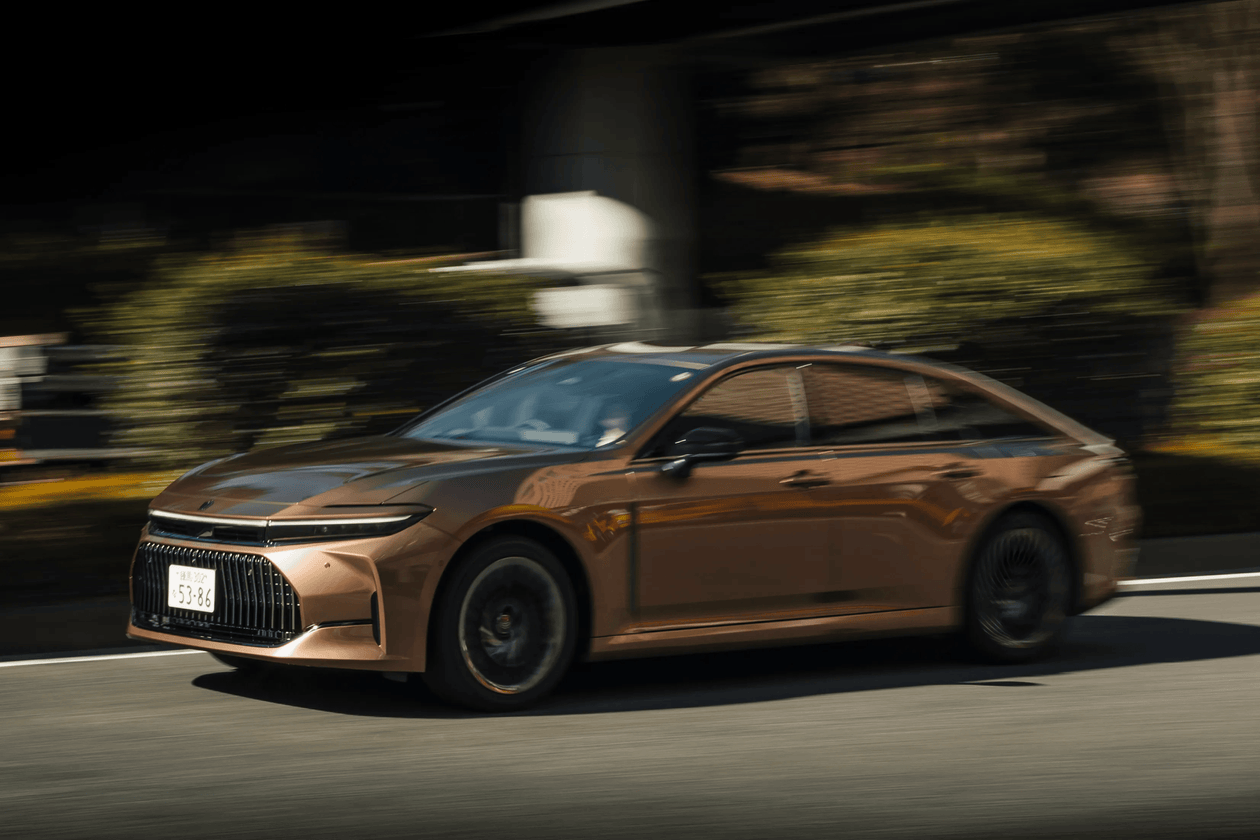
Things get far more complicated with the Crown Sedan. Being an unreg recon unit, you can write off any manufacturer warranty mentioned above. Its annual road tax is roughly similar to the ES at around RM867, but that is not set in stone. The road tax on a recon car hinges on whether it is first registered under private or company ownership; if it is registered under a company name, you are looking at a eye-watering road tax figure of around RM2,600.
As for pricing, there is no fixed sticker price either; market rates currently float anywhere between RM360,000 and RM440,000. Just think about that: a Toyota-badged Crown—and a grey-import recon unit at that—costs more than a brand-new, official Lexus. What gives? Read on.
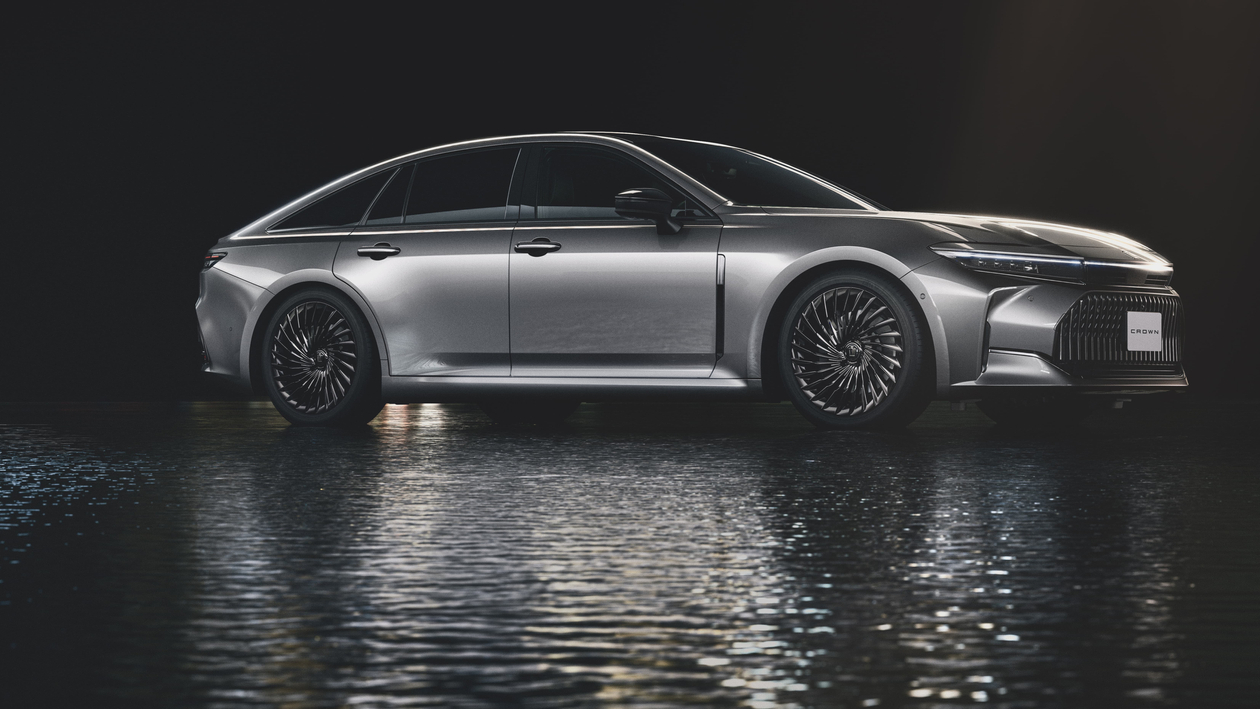
A big reason why the Crown Sedan commands such hefty price tags in the recon market boils down to its moniker: the "unbadged Lexus LS". Many recon salesmen will tell you point-blank: ignore the Toyota badge and the Crown nameplate—under the skin, it is practically a Lexus LS!
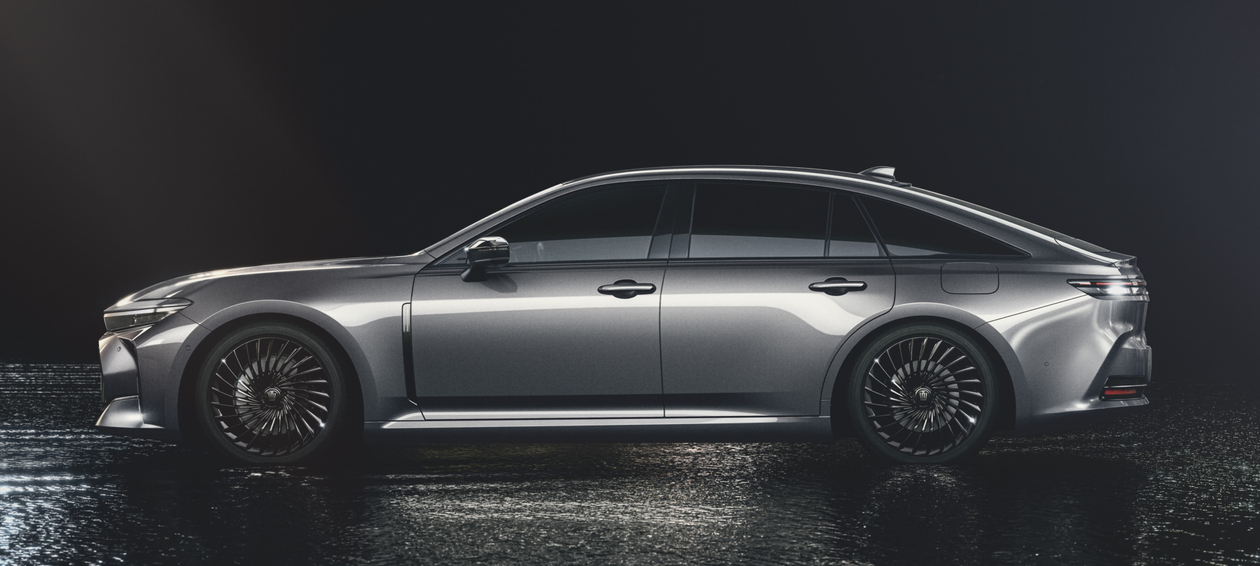
To be fair, the Crown Sedan does indeed sit on the TNGA architecture's longitudinal rear-wheel-drive GA-L platform, just like the Lexus LS. The ES, on the other hand, rides on the transverse front-wheel-drive GA-K platform shared with the Camry. The GA-L is TNGA's flagship full-size architecture (whereas GA-K is for mid-size applications). Strictly speaking from a platform perspective, the Crown Sedan's mechanical link to the LS is undeniable.
However, TNGA is an exceptionally modular architecture. Sharing an underlying platform by no means implies that the Crown Sedan matches the LS in overall dimensions or flagship presence; in reality, there remains a considerable gulf between the two.
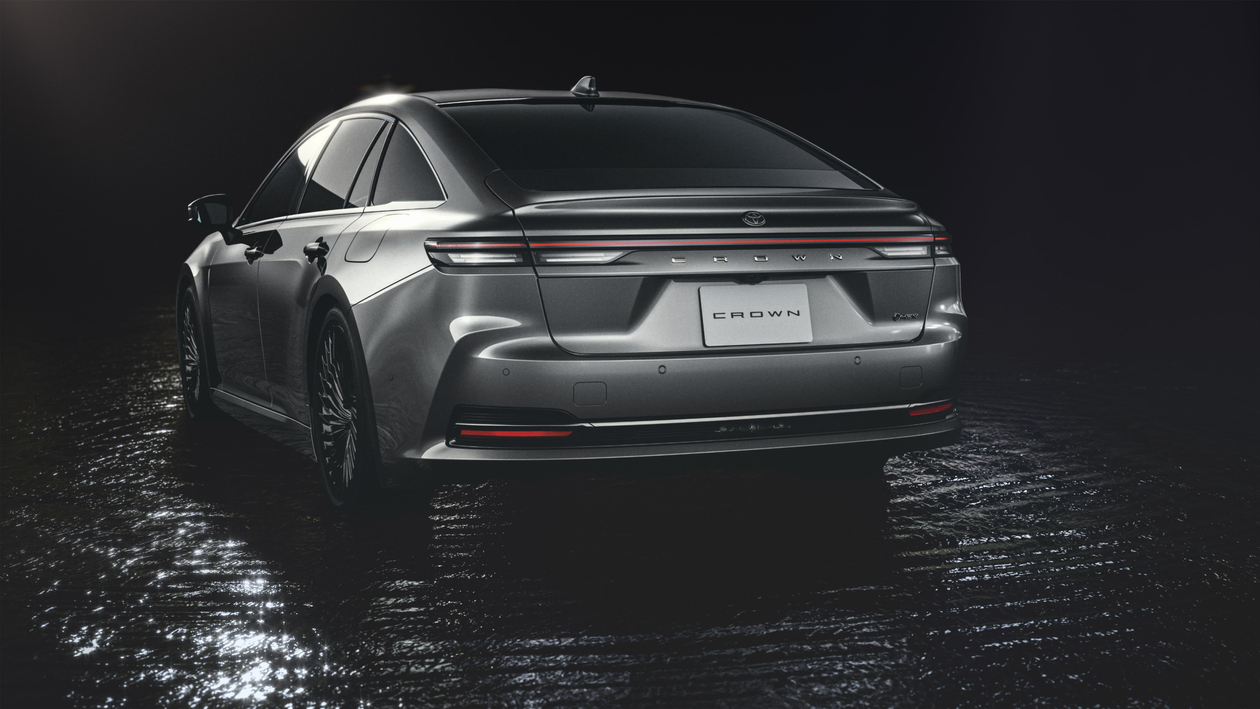
The spec sheet makes this clear: the JDM-spec Crown Sedan measures 5,030 mm x 1,890 mm x 1,480 mm, with a 3,000 mm wheelbase. The Lexus ES comes in at 5,140 mm x 1,920 mm x 1,555 mm, riding on a 2,950 mm wheelbase. On paper, the ES is longer, wider, and taller, yet its wheelbase is 50 mm shorter than the Crown's.
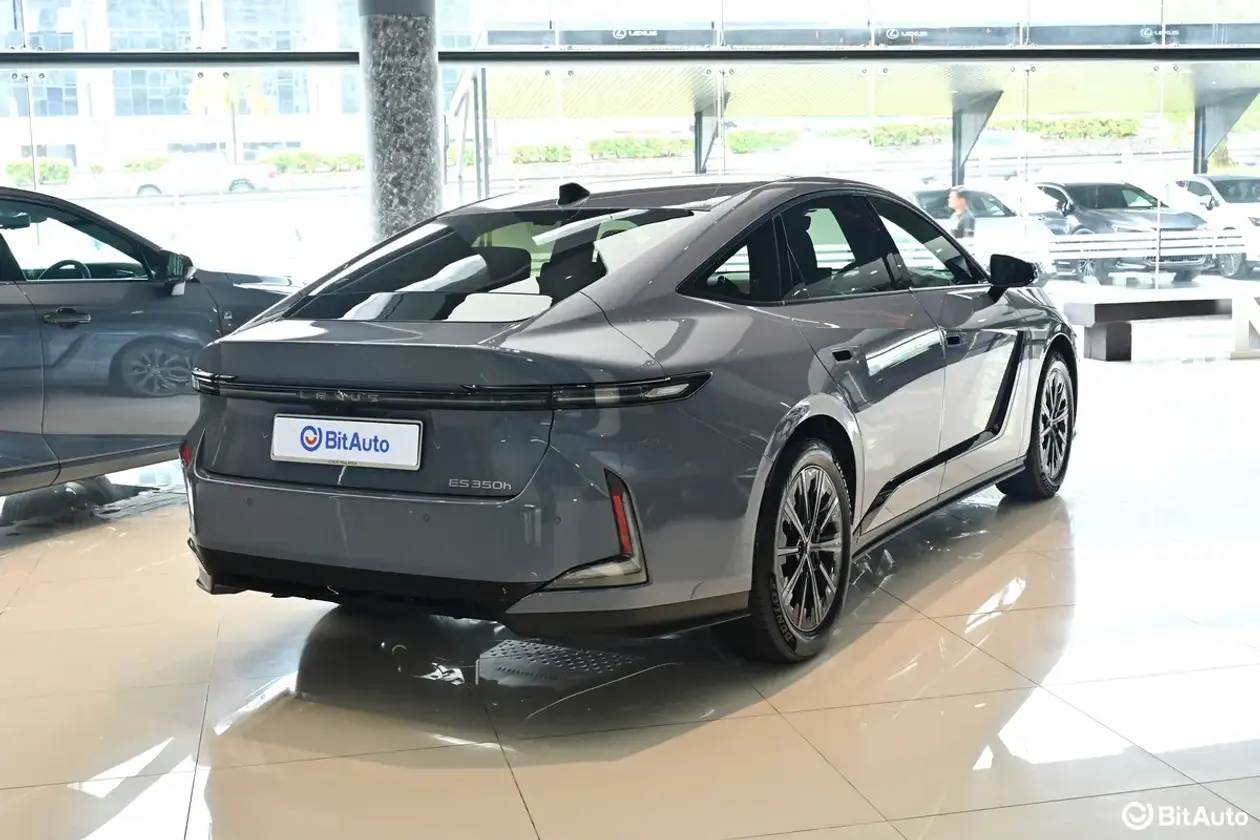
Why the discrepancy? It all comes back to the fundamental differences between the GA-K and GA-L platforms. GA-K uses a transverse front-wheel-drive layout, requiring an elongated front overhang to package the entire transverse engine and transmission package.
Conversely, the Crown's longitudinal GA-L platform allows for better packaging of the front overhang and dash-to-axle ratio (L113), translating to a shorter overall body length paired with a noticeably longer wheelbase.
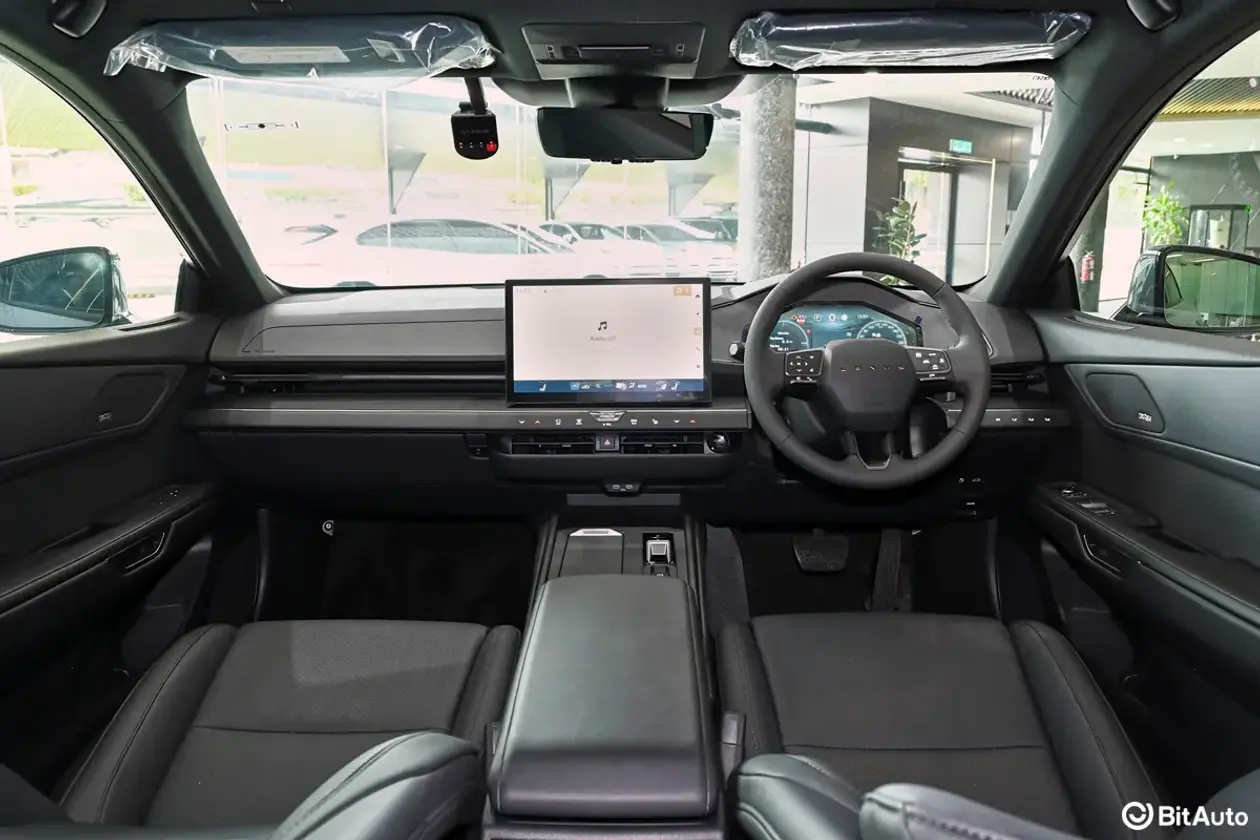
Because the ES is an official model, its equipment list is fixed and generously specified: a 14-inch Full HD central touchscreen paired with a 12.3-inch digital instrument cluster, Hidden Tech climate switchgear that stays cloaked until the car is started, a shift-by-wire gear selector with an independent P button, colour HUD, an 18-speaker Mark Levinson premium sound system, 64-colour ambient lighting, ventilated and heated front seats, power-adjustable steering column with memory, ANC active noise cancellation, wireless Apple CarPlay and Android Auto, a wireless charging pad, digital rear-view mirror, and manual rear door sunshades.
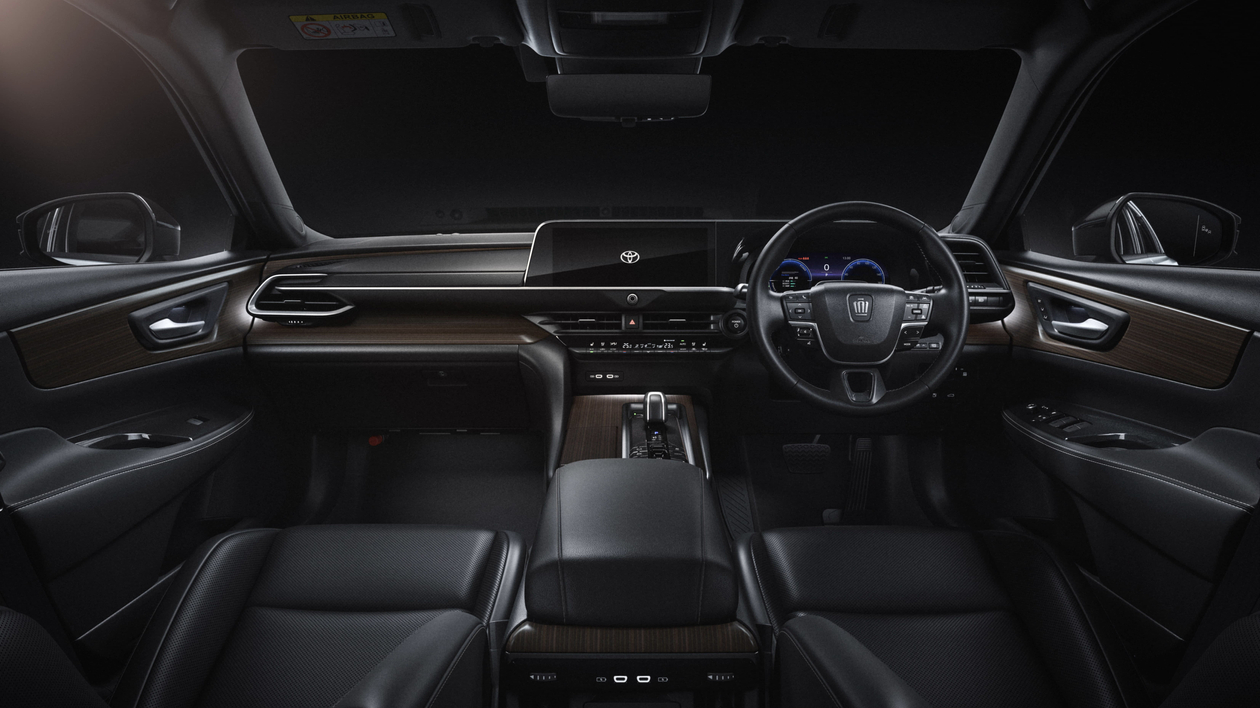
The Crown throws everything at the spec sheet as well: dual 12.3-inch integrated displays, a 14-speaker JBL audio system, 64-colour ambient lighting, tri-zone climate control, front and rear heated seats, power-reclining rear seats with ventilation, massage functions, and a "boss button", ANC active noise cancellation, a chauffeured "Rear Comfort" drive mode, and AVS Adaptive Variable Suspension. The catch is that spec levels vary from one recon unit to another; you rarely get two identical cars on a dealer lot.
Strictly comparing equipment, both cars are well matched, though a top-spec Crown tends to pack slightly more decadent, towkay-oriented rear-seat amenities.
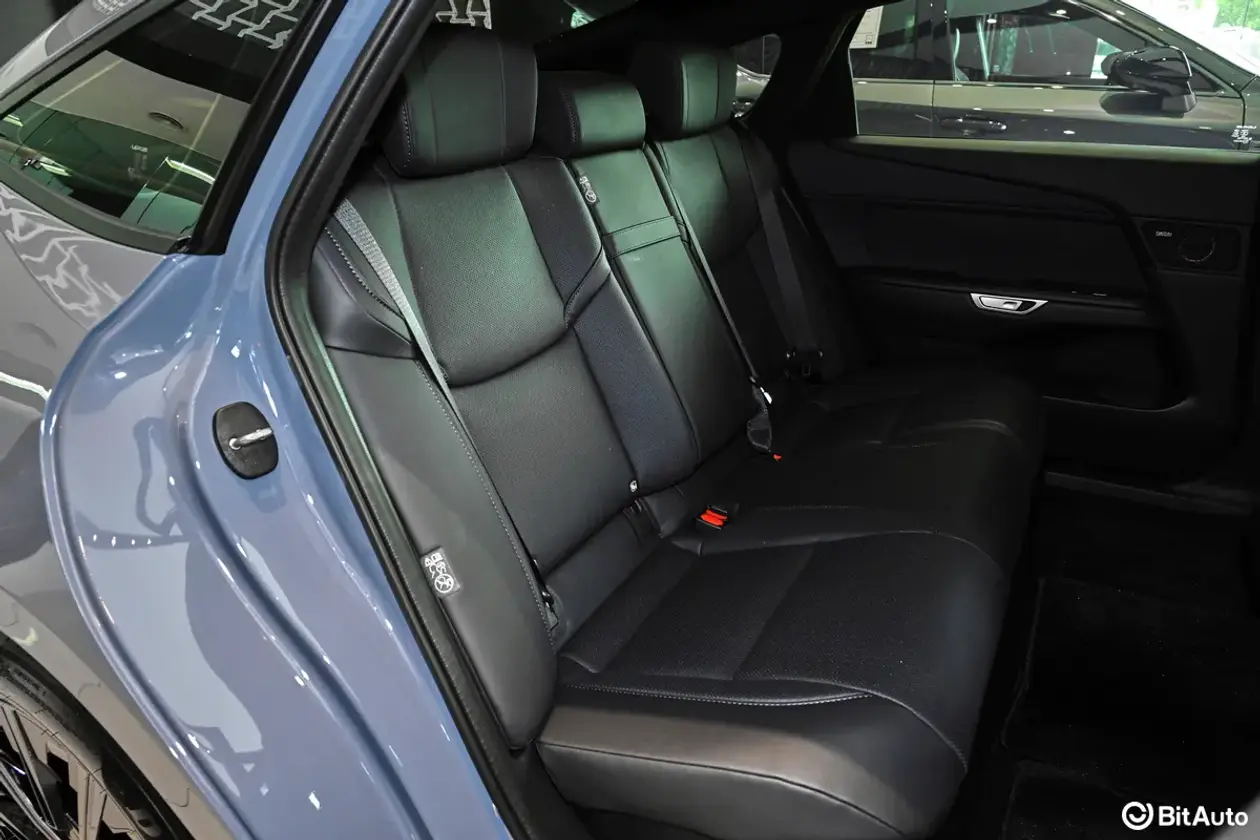
Lexus touts the ES as offering "SUV-rivalling cabin roominess". While its wheelbase trails the Crown by 50 mm, its transverse engine packaging works absolute wonders for space efficiency.
Thanks to a relatively short engine bay and a transverse layout, the bulkhead is pushed forward to maximise the passenger cabin. As a result, despite the shorter wheelbase, the ES delivers far superior usable interior room, especially when it comes to rear legroom.
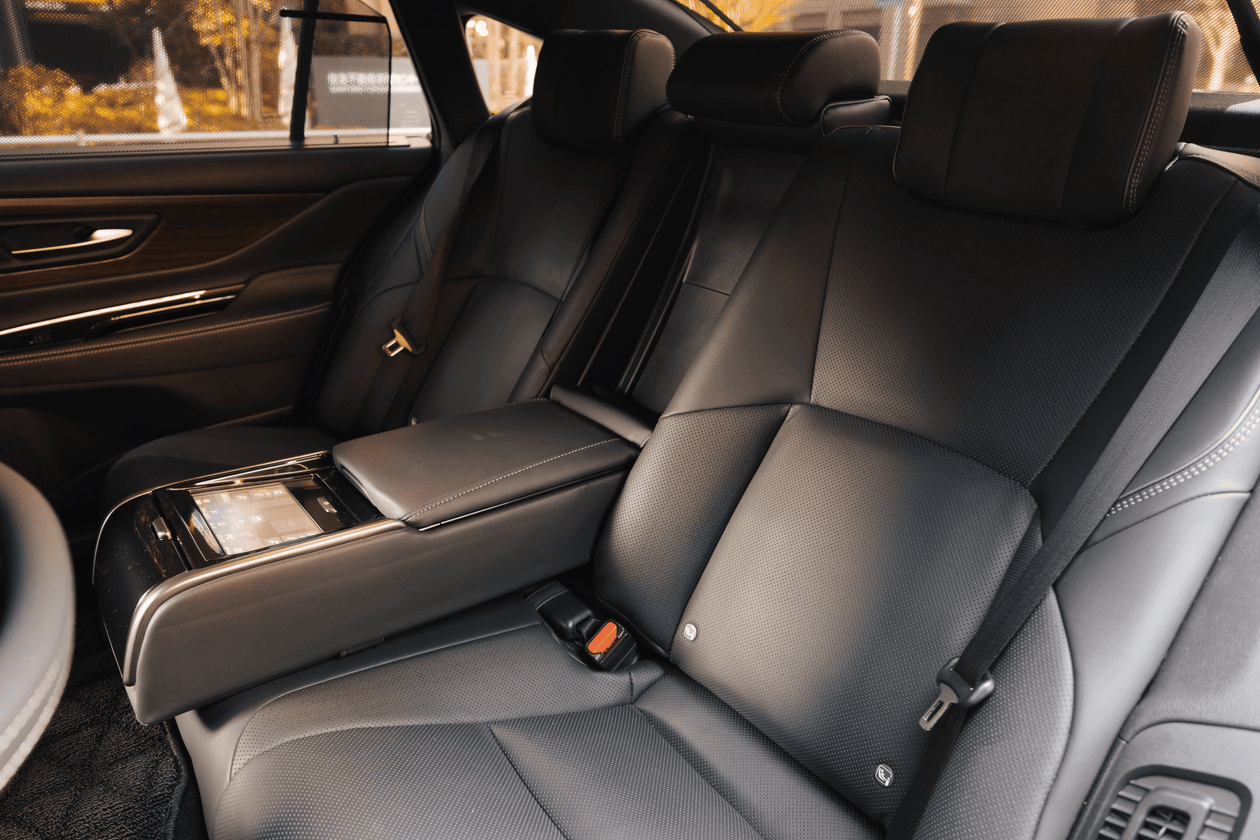
The Crown boasts a full 3-metre wheelbase, but its longitudinal, rear-wheel-drive architecture requires a much longer bonnet, severely compromising interior packaging. Despite the longer wheelbase, its cabin room simply cannot match the ES. That is the trade-off of borrowing the LS's bones: on a full-size flagship like the LS, the massive footprint affords ample space regardless. But on the Crown, which is actually shorter overall than the ES, packaging becomes compromised.
Ironically, it is the shorter-wheelbase ES that comes out on top in terms of passenger space.
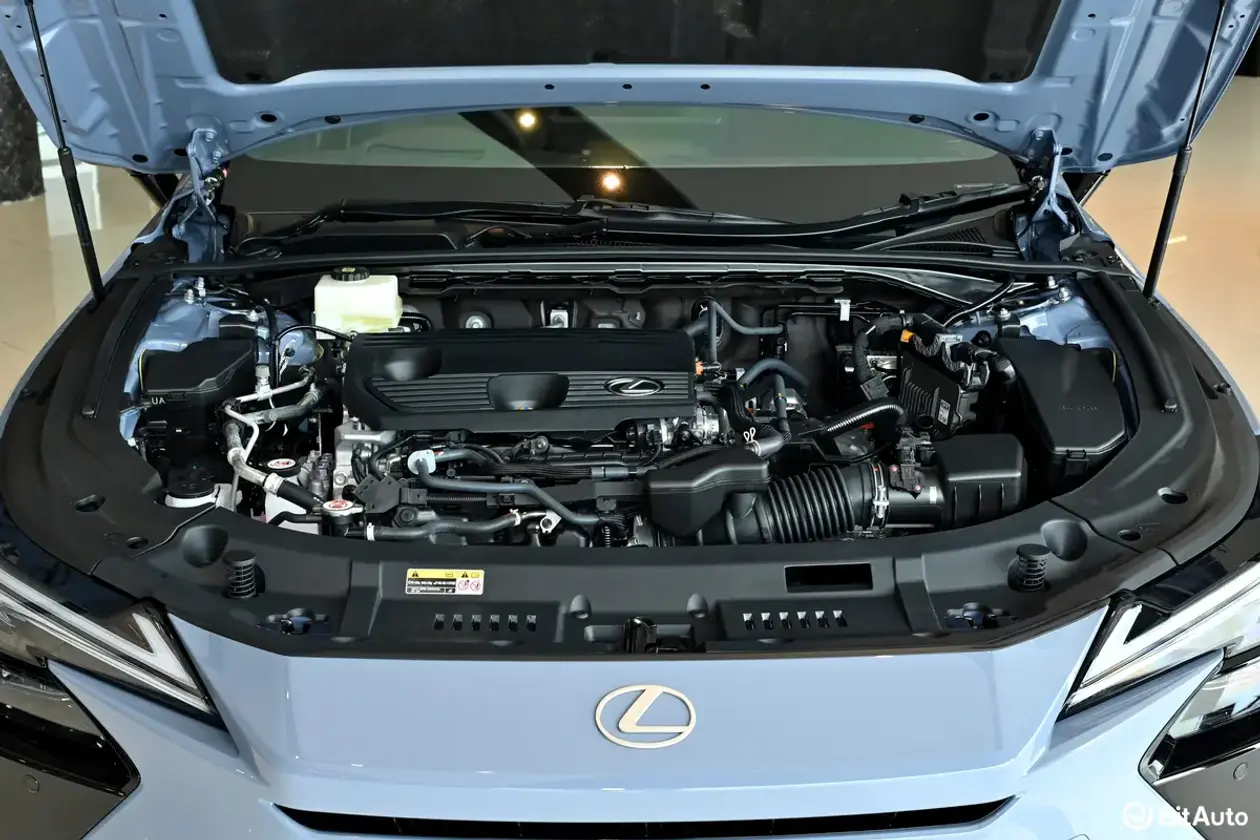
The ES features a GA-K transverse front-wheel-drive layout, powered by a 2,487 cc naturally aspirated four-cylinder petrol engine producing 189 PS / 235 Nm, paired with a front-mounted electric motor rated at 150 kW / 270 Nm. Managed by the sixth-generation Lexus Hybrid System via an e-CVT, it delivers a total system output of 247 PS, achieving 0–100 km/h in 7.7 seconds and a top speed of 200 km/h.
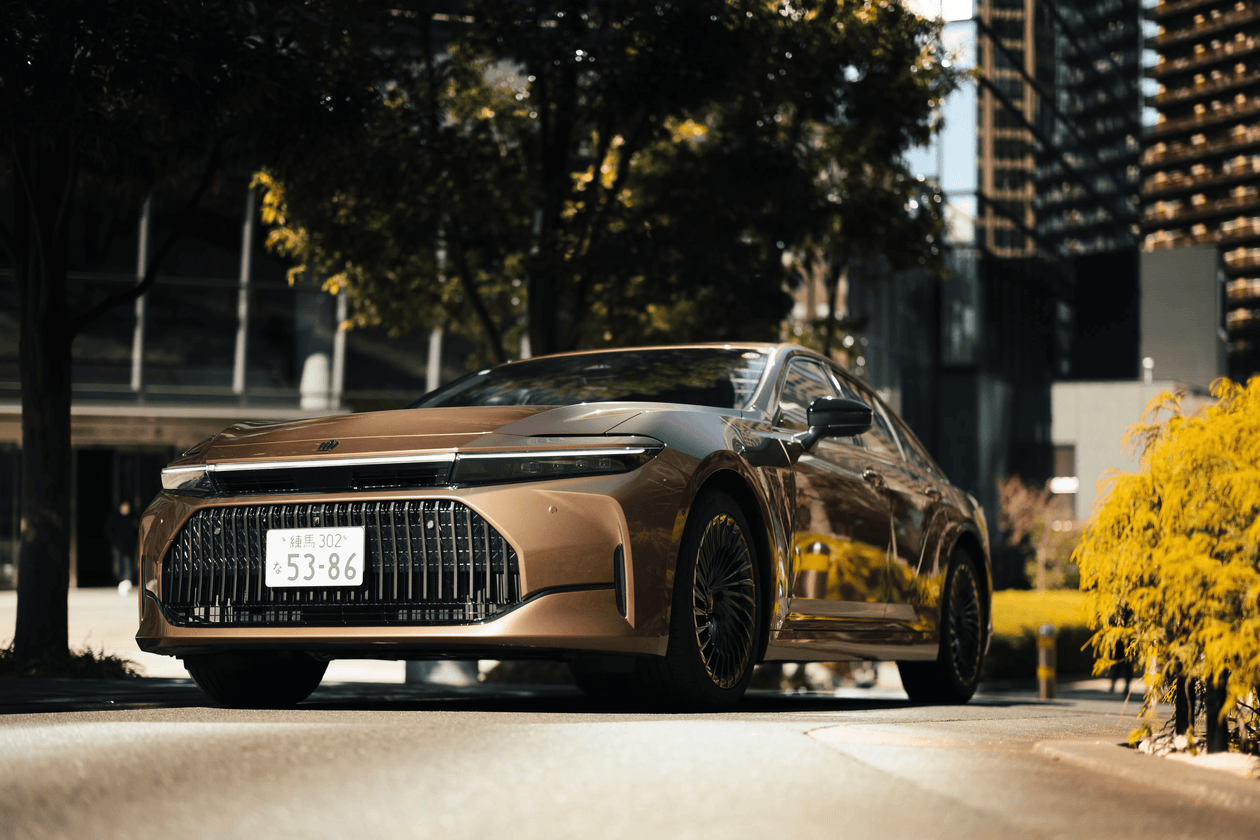
The Crown Sedan employs a GA-L longitudinal rear-wheel-drive layout featuring a 2.5 Multi-Stage HEV system, which integrates a four-speed automatic transmission into the hybrid setup to simulate a 10-speed gearbox. Both utilize series-parallel hybrid systems capable of driving the wheels through both the combustion engine and electric motors.
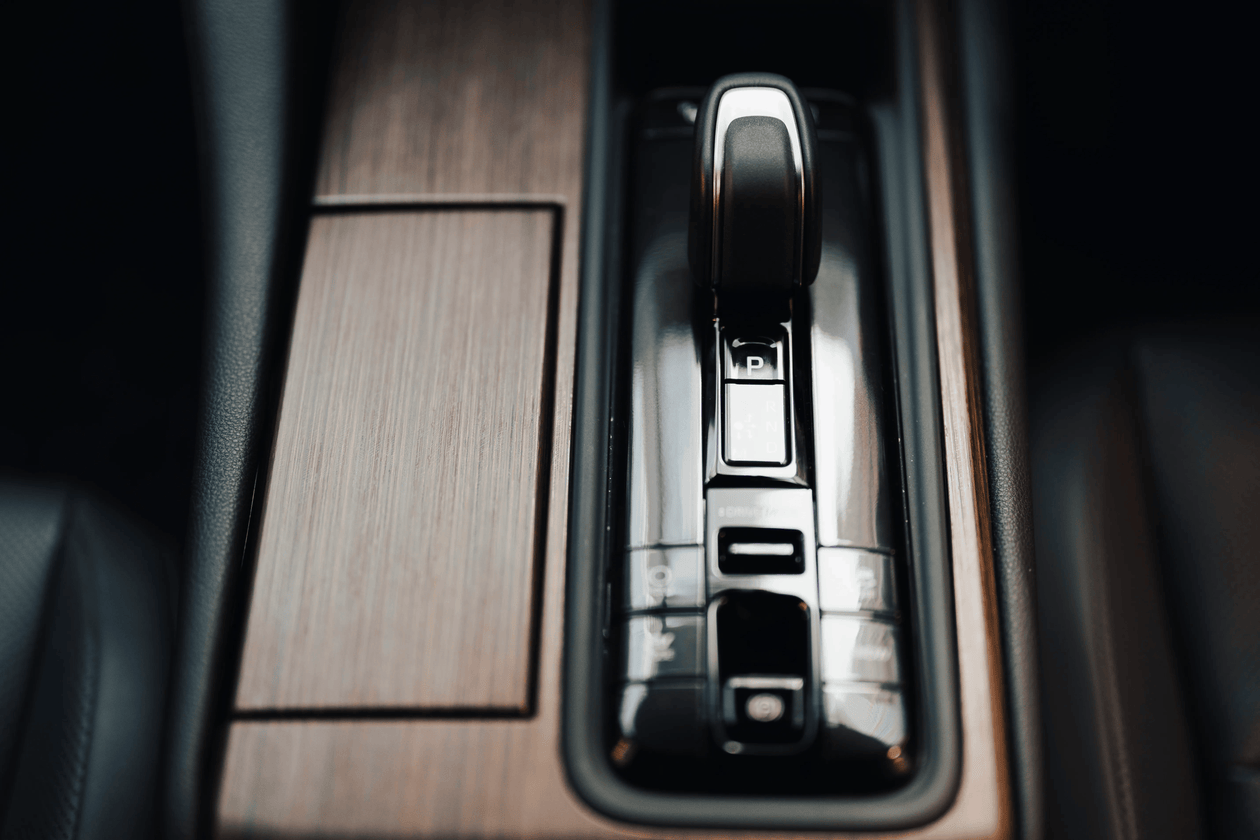
The standout highlight of the Crown's Multi-Stage Hybrid system is how it eliminates the droning, rubber-band effect typical of conventional e-CVTs under hard acceleration; midrange and highway punch delivers stepped gear ratios, matching engine revs directly to road speed. Furthermore, its rear-wheel-drive setup squats neatly onto the rear axle off the line, delivering a composed, push-from-behind sensation rather than being pulled by the front wheels.
The ES counters with sublime smoothness, near-silent cruising, and instantaneous throttle pickup. Powering the front wheels gives it a distinct handling demeanor. Ultimately, both powertrains deliver refined, executive-class waftability with plenty of reserve grunt for daily driving.
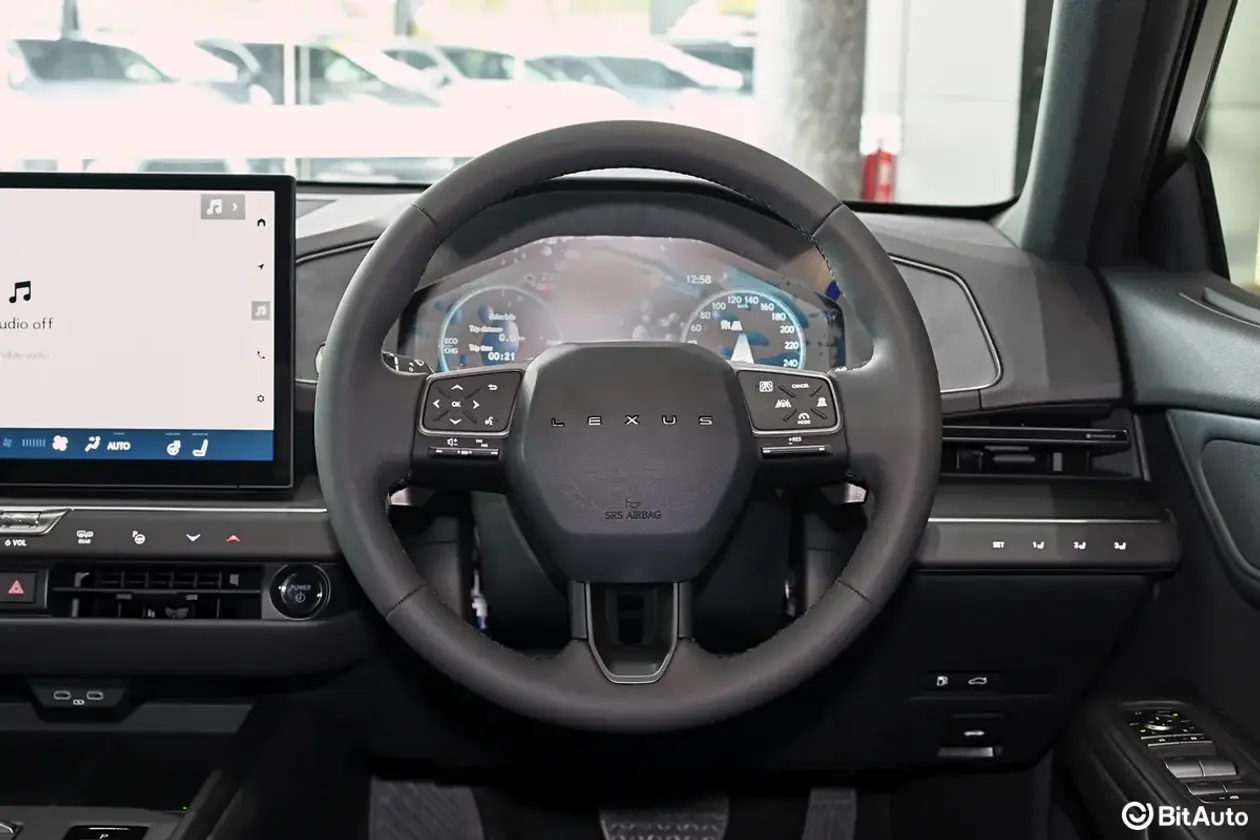
As an official car, the ES leaves no room for guesswork on the safety front. The local spec sheet includes: 8 SRS airbags (including front knee bags), and the complete Lexus Safety System+ 4.0 suite featuring Pre-Collision System (PCS) with AEB, Lane Tracing Assist (LTA), all-speed Dynamic Radar Cruise Control (DRCC), Lane Departure Alert (LDA), Blind Spot Monitor (BSM), Road Sign Assist (RSA), Front Departure Alert (FDA), and Safe Exit Assist (SEA). This is rounded off by Lexus Teammate Advanced Park, a 360-degree panoramic view monitor, and a tyre pressure monitoring system (TPMS).
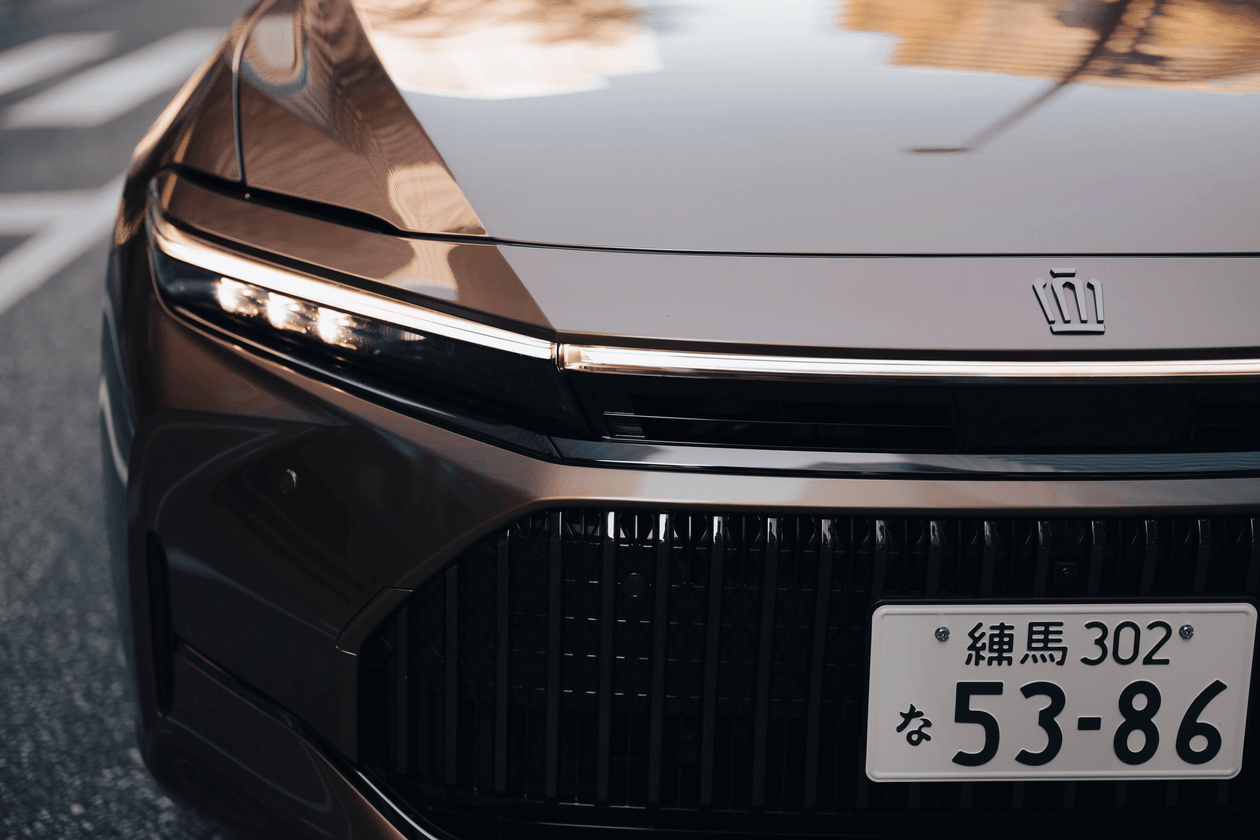
With the Crown being a recon model, specifications are a bit of a lucky draw. However, base equipment remains generous: PCS, DRCC, LDA with steering control, and a 360-degree camera, with most JDM units packing 8 airbags.
The 2026 update also brought more progressive deceleration and acceleration mapping to its Proactive Driving Assist (PDA), which handles dense motorcycle filtering particularly well—a great fit for Malaysian traffic conditions. That said, verifying whether a specific recon car has the full complement of airbags, the latest TSS iteration, or BSM requires painstaking scrutiny on the showroom floor.
This round comfortably goes to the ES. When it comes to safety equipment, guaranteed factory specs beat grey-market guesswork every time.
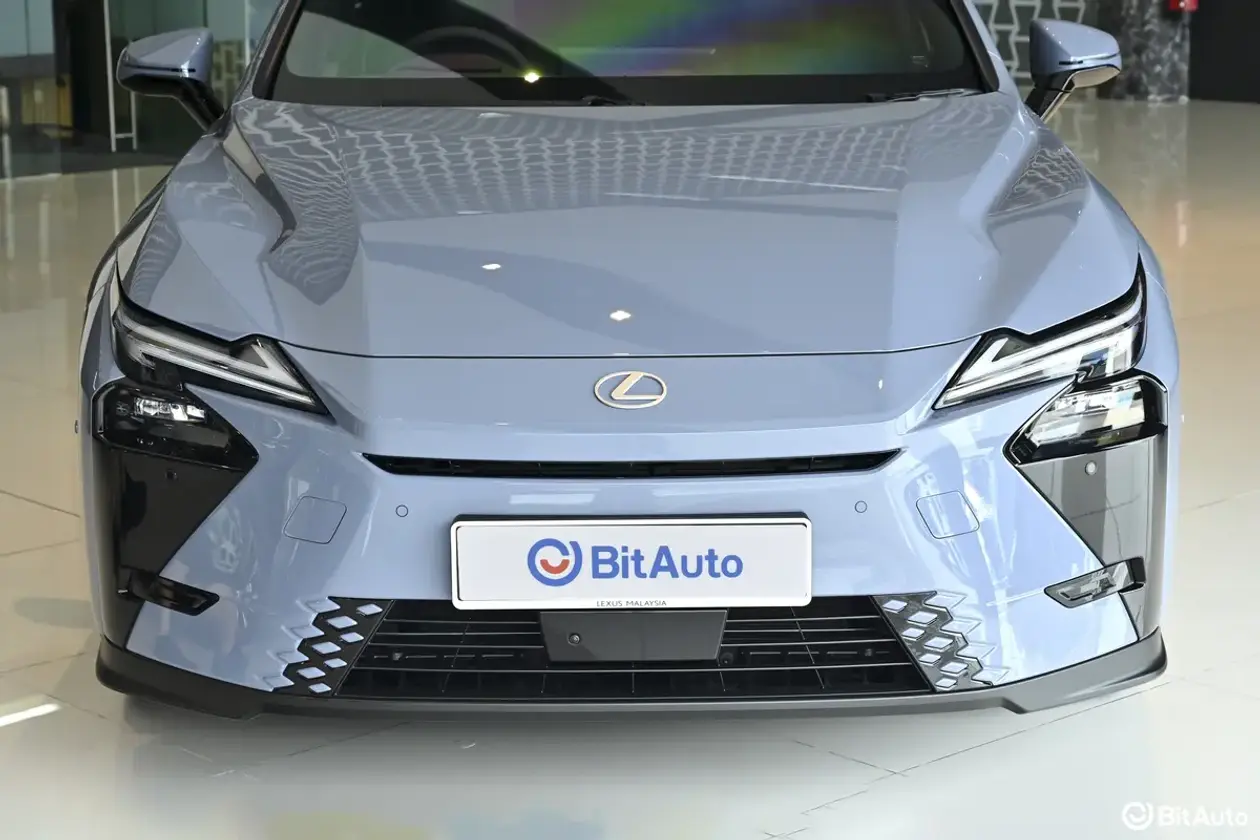
Even if both models were priced identically, or if the Crown Sedan were slightly cheaper, our recommendation would still firmly lean towards the ES. The rationale is simple: the ES comes backed by an official warranty and principal support, and Lexus's aftersales service in Malaysia is renowned for being second to none—something an unreg recon Crown Sedan can never match. That alone is enough to seal the deal.
Add in the fact that the ES offers a more commodious passenger cabin, and the choice becomes clear. The Crown Sedan might share its platform with the Lexus LS, but at the end of the day, it is still not an LS.
(Image credit: wheelsage)
Leave your number, an advisor will contact you


Your go-to source for all things automotive in Malaysia. 🚗 Latest reviews, breaking news, launches & industry trends.
+ Follow The Voyah Dream 9 debuts in Thailand, and it's eyeing Hong Kong next!
Malaysia to come in 2027!
#Voyah #VoyahDream9 1 minute ago
 Tesla FSD v15 turns your screen into GTA 6 🎮—too bad Malaysian owners still can’t switch it on yet 😅
Looks like a video game, claims a 25x safety jump—details here 👇 1 minute ago
 Civic looks on a Vios budget. Was the 5th-gen Inokom Elantra the most underrated C-segment sedan in Malaysian history, or did resale value kill the hype? 👇
#HyundaiElantra #CarReviewMalaysia #UsedCarsMalaysia #SedanLife #BitAutoMalaysia 1 minute ago
Get the latest car news first!
Your go-to source for all things automotive in Malaysia. 🚗 Latest reviews, breaking news, launches & industry trends.
The Voyah Dream 9 debuts in Thailand, and it's eyeing Hong Kong next!
Malaysia to come in 2027!
#Voyah #VoyahDream9 1 minute ago Tesla FSD v15 turns your screen into GTA 6 🎮—too bad Malaysian owners still can’t switch it on yet 😅
Looks like a video game, claims a 25x safety jump—details here 👇 1 minute ago Civic looks on a Vios budget. Was the 5th-gen Inokom Elantra the most underrated C-segment sedan in Malaysian history, or did resale value kill the hype? 👇
#HyundaiElantra #CarReviewMalaysia #UsedCarsMalaysia #SedanLife #BitAutoMalaysia 1 minute ago 
© 2024 Bitauto.com. All Rights Reserved.
Bitauto (www.yiche.com and www.bitauto.com) is one of the most visited automotive websites in China. We provide detailed info on Chinese car brands available in your area. Please note that the information provided on this website is based on publicly available data and is for reference only. It may not be fully updated or accurate at all times.

Help us improve our website