Driving along the Federal Highway in heavy rain, the road spray kicked up by the lorry ahead completely blinds your windscreen. You step on the throttle to overtake, and how the CVT behaves over the next three seconds decides whether you pull off a clean lane change or find yourself gritting your teeth, waiting for the revs to climb past 4,000 rpm.
In that very split second, the experience behind the wheel could not be more different for a Yaris driver and a City driver.
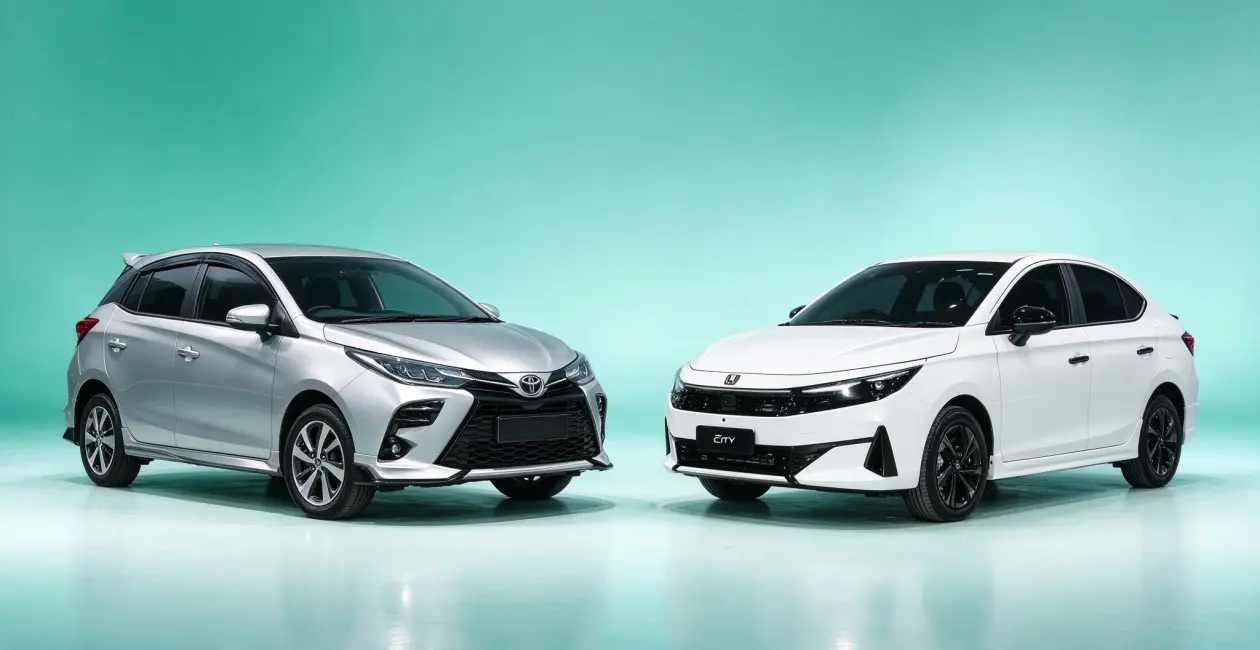
Whether the difference between both cars justifies the RM8,300 premium isn't found in the spec sheet; it comes down to how you start your morning commute every day.
The Yaris 1.5 G sets you back RM91,600, while the City 1.5 RS retails at RM99,900. That RM8,000-plus can easily fund petrol for nearly half a year, or get you a solid laptop. But if your daily drive involves constantly darting through bumper-to-bumper traffic, the maths changes completely.
| Spec | Toyota Yaris 1.5 G | Honda City 1.5 RS |
|---|---|---|
| Price (Peninsular Malaysia, OTR without insurance) | RM91,600 | RM99,900 |
| Assembly | CKD | CKD |
| Engine Displacement | 1,496 cc | 1,498 cc |
| Max Power | 107 PS / 6,000 rpm | 121 PS / 6,600 rpm |
| Max Torque | 140 Nm / 4,200 rpm | 145 Nm / 4,300 rpm |
| Transmission | CVT (with 7-speed Sport Sequential Shiftmatic) | CVT |
| Drivetrain | Front-wheel drive | Front-wheel drive |
| 0-100 km/h | Not published | 10.4 seconds |
| Fuel Consumption | Not published (approx. 6.1 L/100 km real-world) | 5.6 L/100 km |
| Length | 4,140 mm | 4,594 mm |
| Width | 1,730 mm | 1,748 mm |
| Height | 1,475 mm | 1,467 mm |
| Wheelbase | 2,550 mm | 2,600 mm |
| Boot Space | 286 litres | 519 litres |
| Kerb Weight | 1,140 kg | Approx. 1,134 kg |
| Fuel Tank | 42 litres | 40 litres |
| Tyre Size | 195/50 R16 | 185/55 R16 |
| Airbags | 7 (including driver's knee airbag) | 6 |
| Active Safety Systems (ADAS) | Toyota Safety Sense (Pre-Collision System, Lane Departure Alert, Blind Spot Monitor, Rear Cross Traffic Alert, 3D Panoramic View) | Honda SENSING (Adaptive Cruise Control, Forward Collision Warning, Lane Keep Assist, 360-degree camera, Honda Connect) |
| Rear Seat | 60:40 split-folding | 60:40 split-folding |
| Road Tax (Annual) | RM90 | RM90 |
| Warranty | 5-year unlimited mileage (optional extension to 8 years) | 8-year unlimited mileage |
| Service Package | Toyota Service Savers: 5 years/100,000 km at RM3,846 | 5 years/100,000 km approx. RM3,726 |
| 3-Year Residual Value | Approx. 72.7% | Approx. 72.2% |
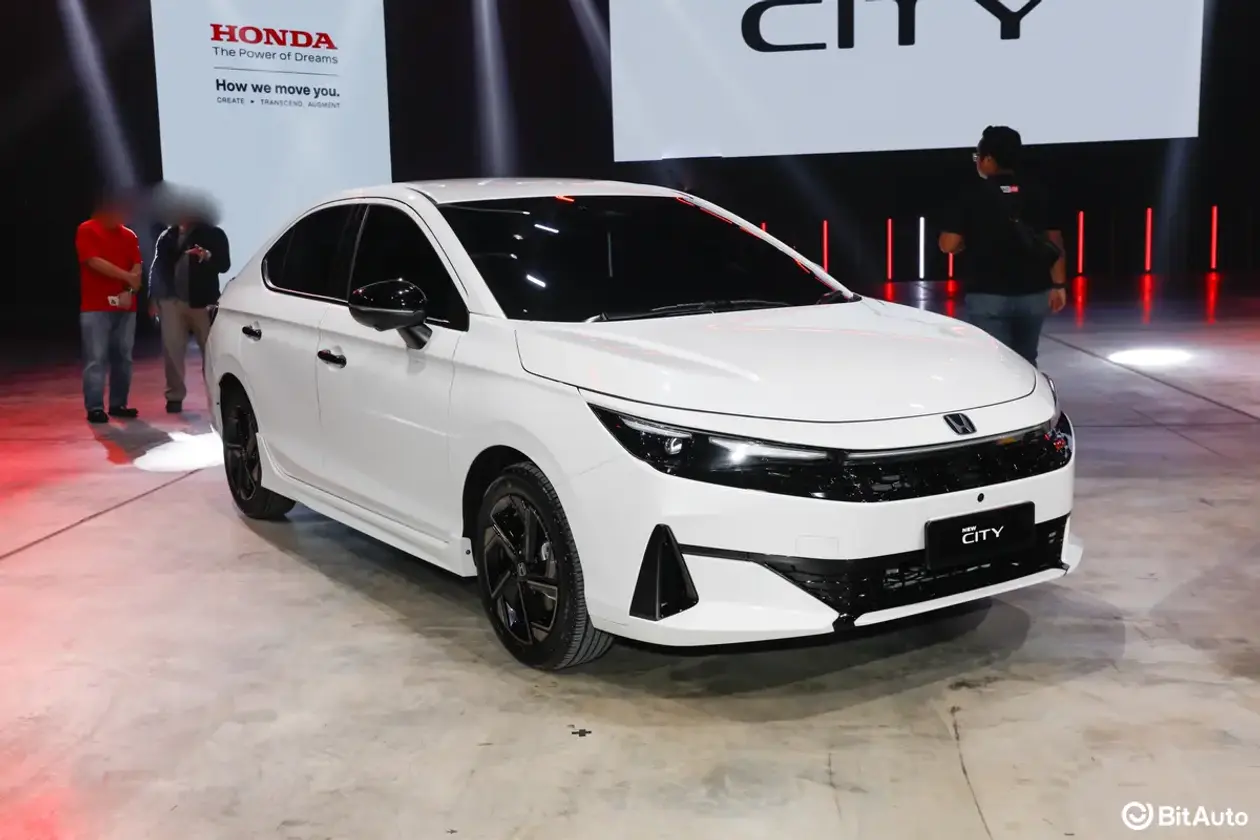
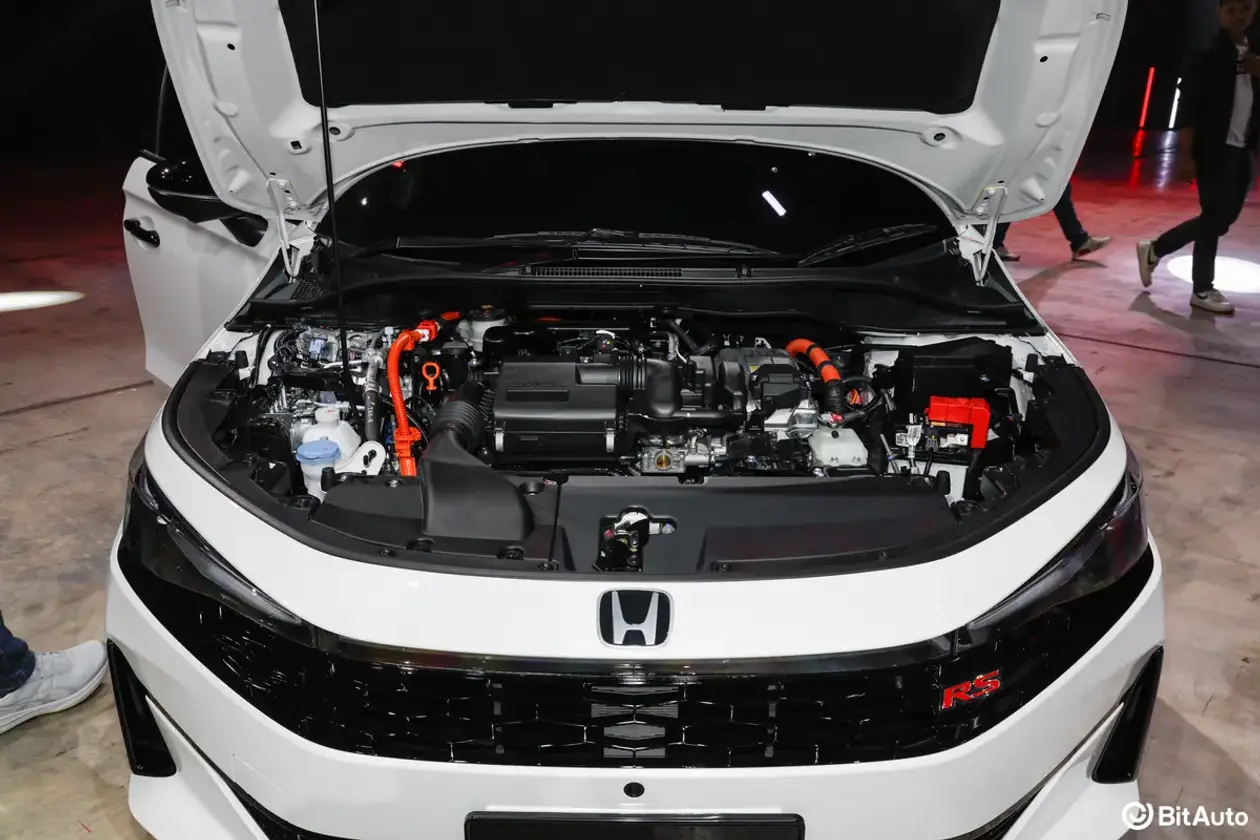
The City's 1.5-litre i-VTEC mill churns out 121 PS, giving it a 14 PS advantage over the Yaris's 107 PS. On paper, that might not sound massive, but amidst heavy Federal Highway traffic, the difference is night and day.
The City's CVT tuning is noticeably eager to climb the rev range; apply just a touch of right-foot pressure and the engine perks up immediately. Building pace from 80 km/h to 110 km/h happens cleanly and briskly, shrinking your overtaking window significantly.
The City completes the 0-100 km/h sprint in 10.4 seconds, with an official fuel economy rating of 5.6 L/100 km.
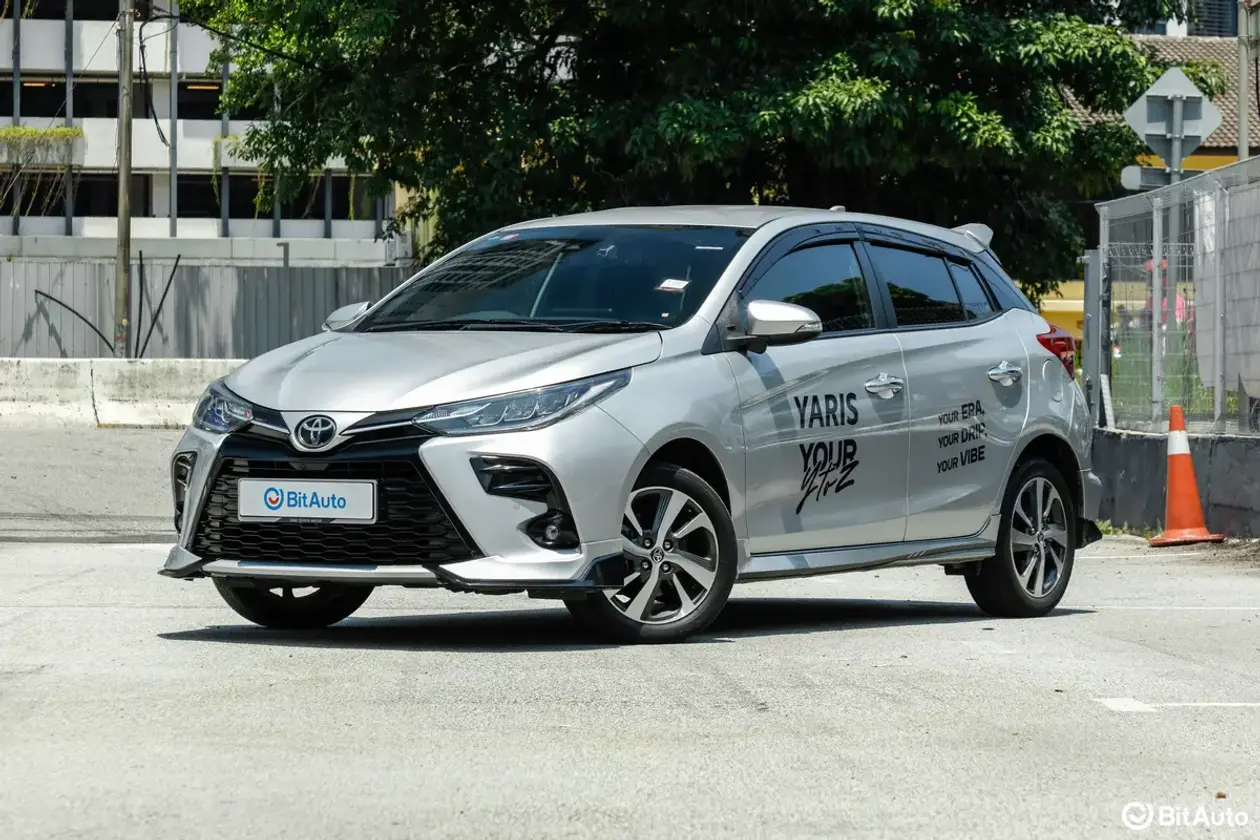
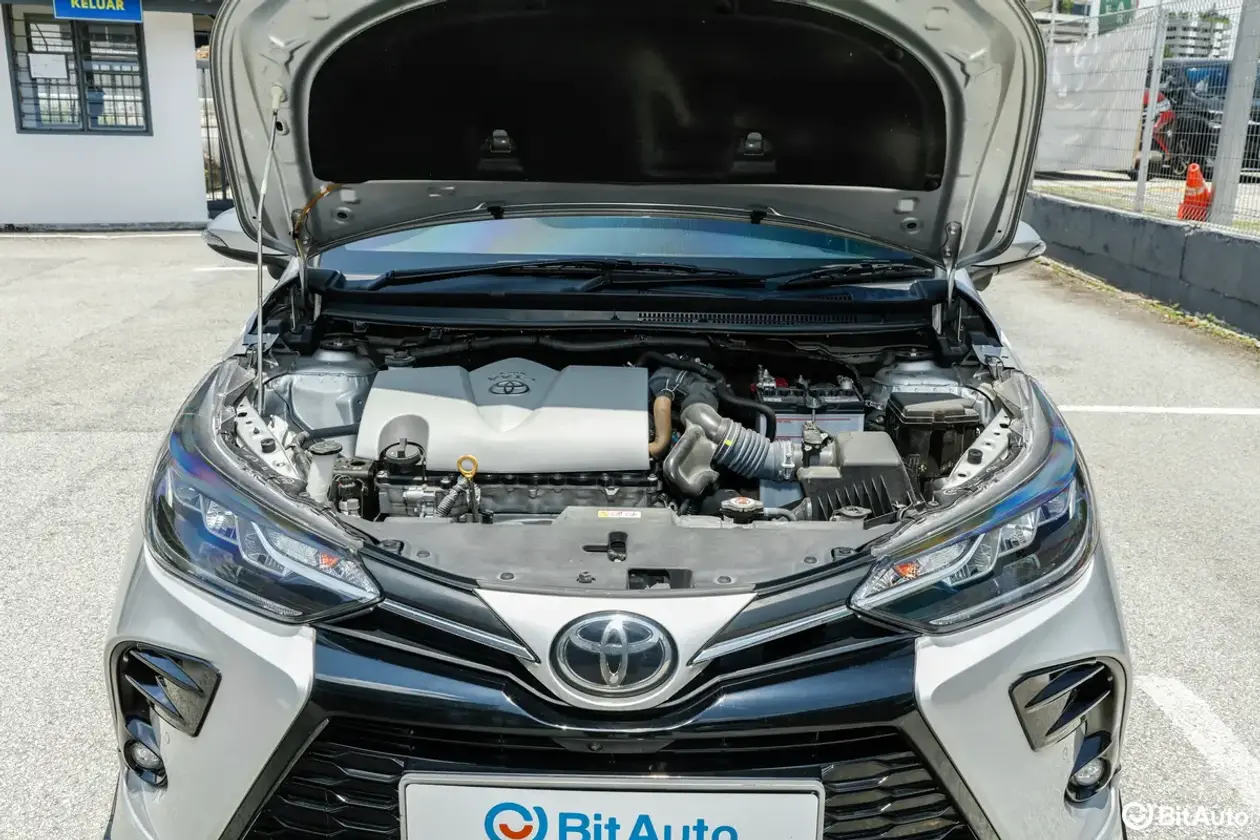
The Yaris's 2NR-FE unit behaves entirely differently. With 107 PS on tap, mid-range highway punch requires a little more patience, yet its 140 Nm of torque delivers smooth and effortless off-the-line get-up-and-go.
Toyota tuned this CVT to behave with remarkable composure, keeping the revs low; in stop-and-go town driving, the cabin stays so serene you barely notice the engine ticking over. The trade-off is that when you need sudden acceleration, urgency isn't delivered right off the bat.
Official fuel consumption figures aren't quoted across the board, but real-world consumption sits around 6.1 L/100 km, dipping below 6 L/100 km during relaxed highway cruising.
Both run CVTs, but their calibrations feel like they came from two completely different schools of thought.
The City caters to drivers who prefer a sprightlier response and clock high highway miles. The Yaris appeals to daily urban commuters prioritising smooth refinement. Neither is outright superior; it simply hinges on your driving routine.
The second you pop the boot, the spec sheet figures become tangible reality.
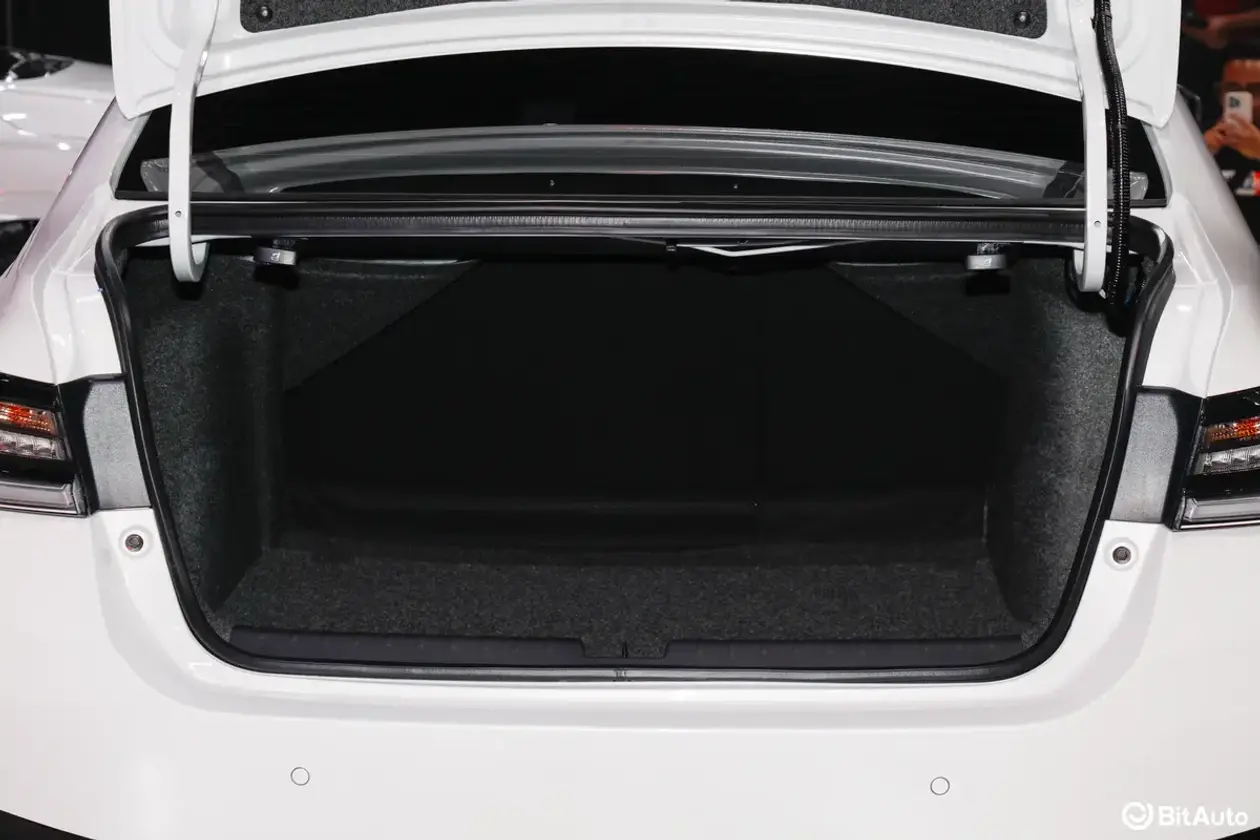
The City's 519-litre boot can swallow a medium-sized fridge, or fit two 28-inch luggage cases alongside a stroller with room to spare. In the Yaris, once a single 28-inch bag is loaded into its 286-litre boot, you are left with just enough room for a couple of backpacks.
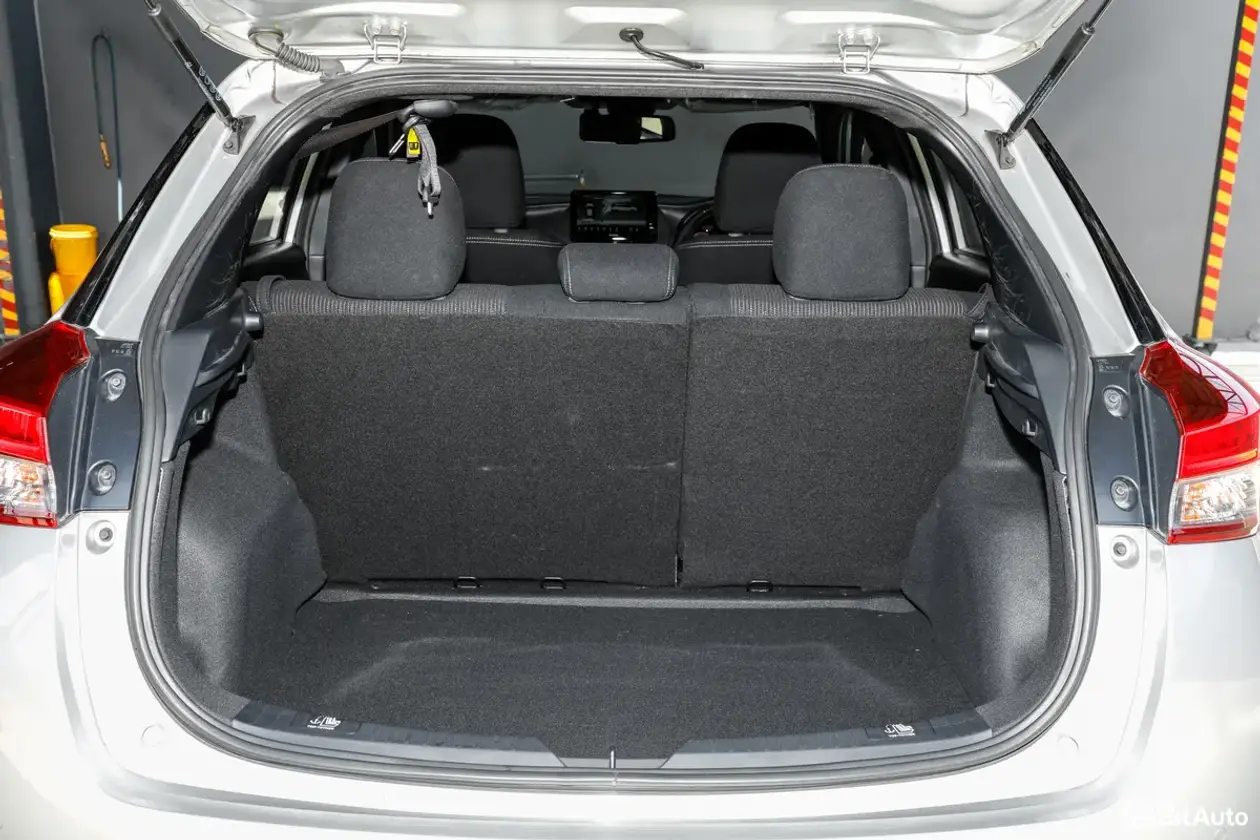
However, the Yaris hatchback tailgate counters with something the City cannot match: loading aperture height. When hauling potted plants, small home appliances, or folding chairs, the tall opening lets you load cargo without having to stoop down awkwardly.
The City's 519 litres is undeniably vast, but the three-box sedan aperture limits the awkwardness of bulky items you can slide in. That said, drop the City's 60:40 split rear seats, and its overall cargo capacity eclipses the Yaris's default boot by a mile.
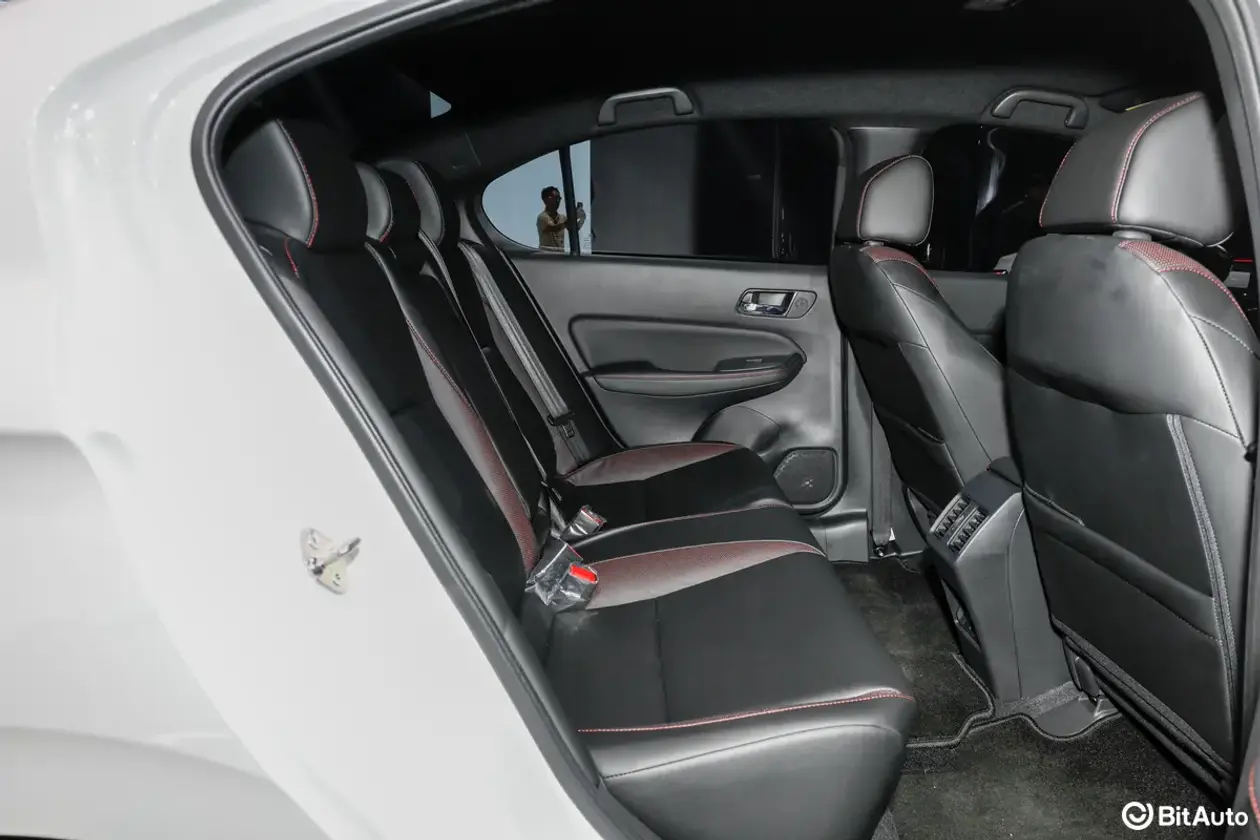
Speaking of rear seating, a crucial distinction must be made. The City Sedan does not come with Honda's renowned Ultra Seats; the ingenious flip-up rear seat base design that creates tall vertical loading space is exclusive to the City Hatchback.
The City Sedan makes do with conventional 60:40 folding seatbacks, accommodating longer items easily, but lacking the floor-to-ceiling vertical load flexibility of the hatchback sibling.
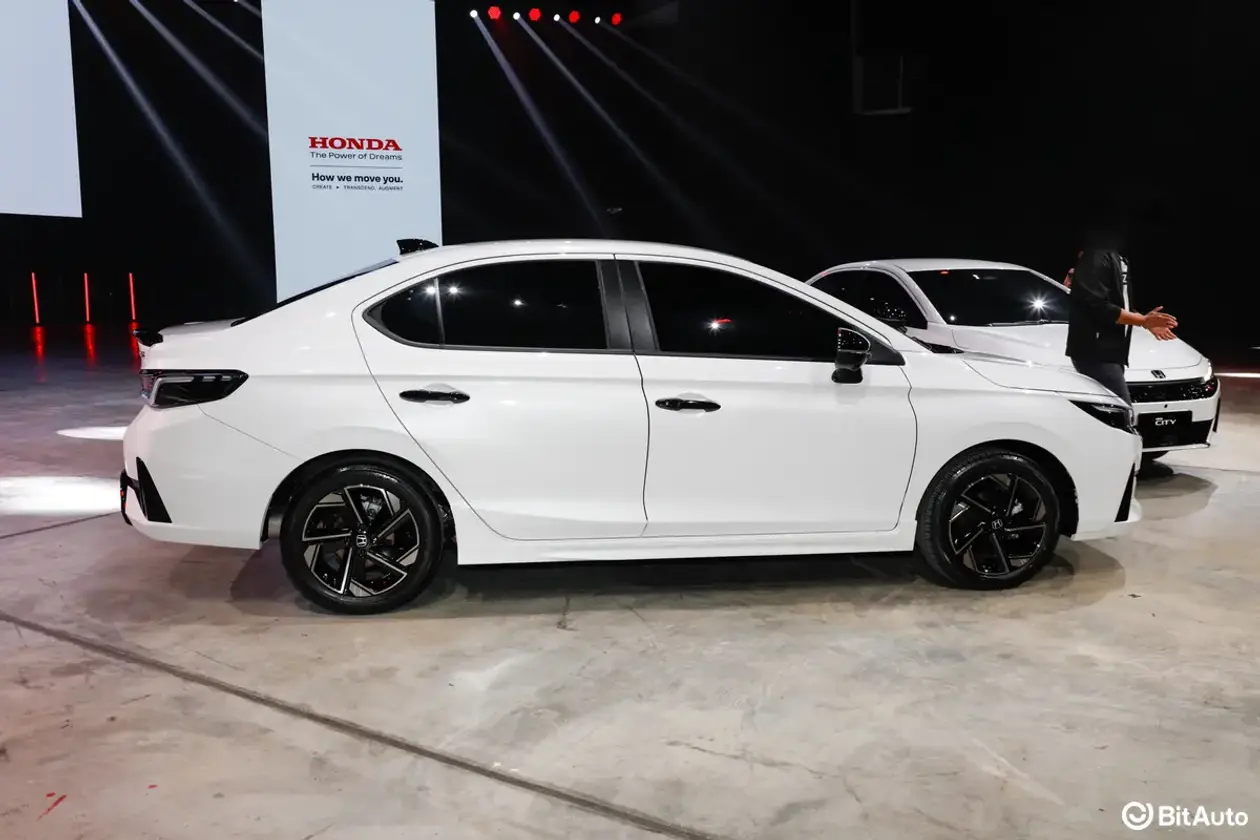
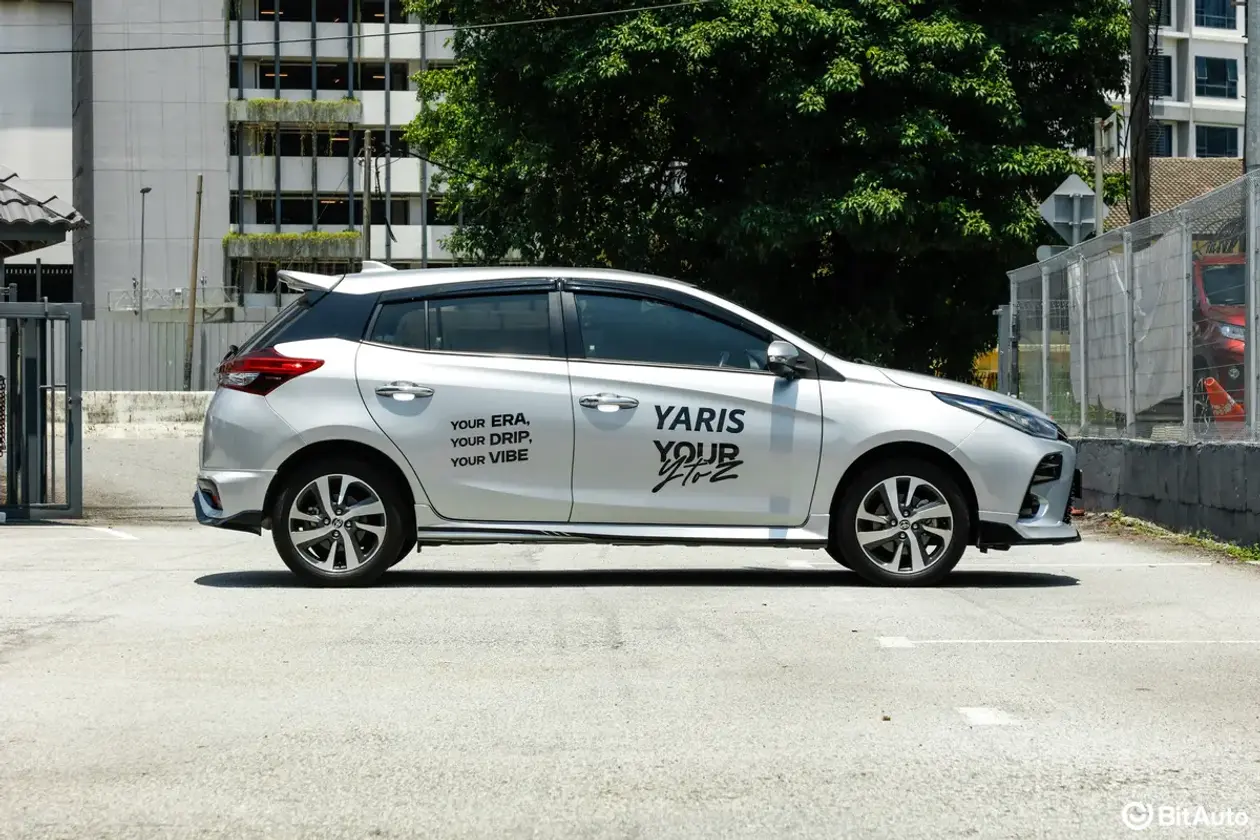
Between the wheels, the City's 2,600 mm wheelbase stretches 50 mm longer than the Yaris's 2,550 mm. The overall length disparity is even more pronounced: at 4,594 mm, the City RS is a substantial 454 mm longer than the 4,140 mm Yaris.
That footprint advantage translates directly into rear knee room. When carrying three adults abreast in the back, the City offers noticeably superior shoulder and legroom for the middle passenger.
The Yaris rear bench is comfortable for two adults over long distances, but seating three across works best for short emergency hops; longer journeys will prove snug.
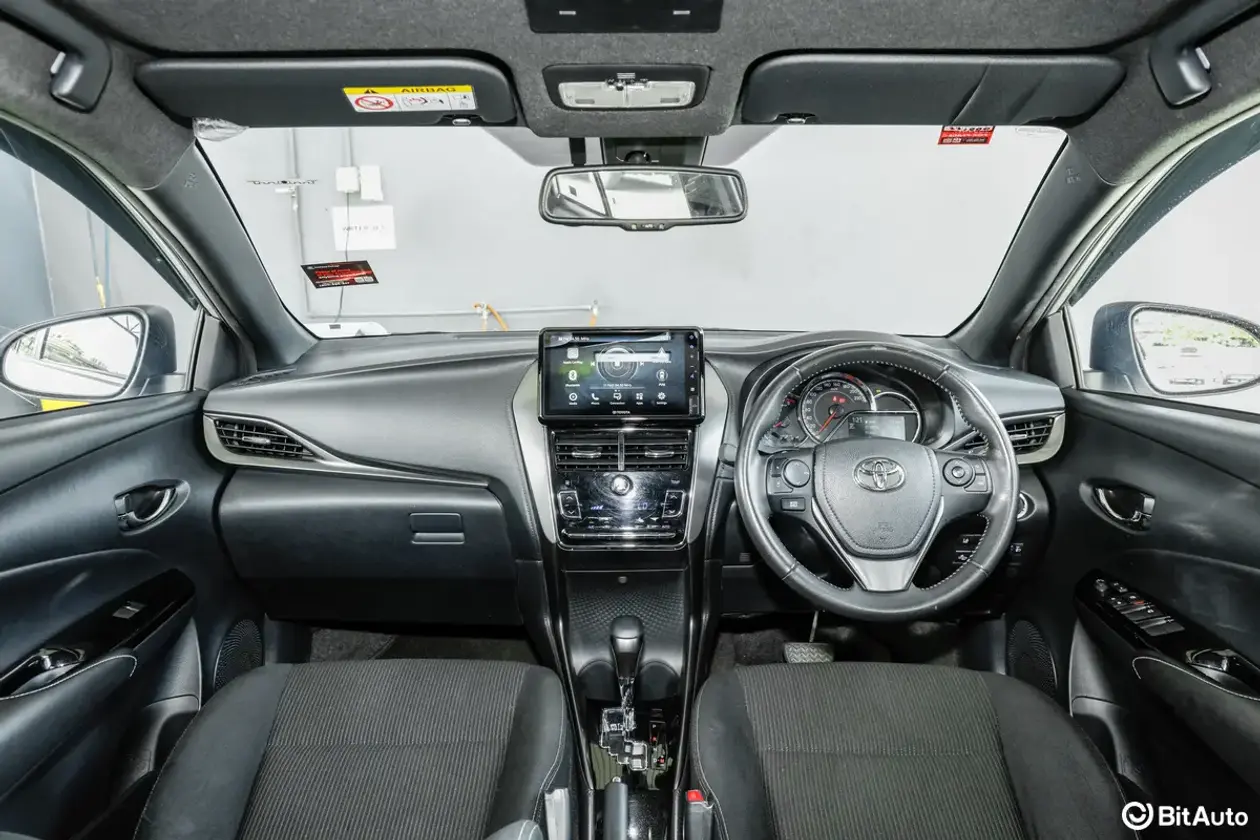
The Yaris offers seven airbags as standard across the range, edging out the City with an additional driver's knee airbag.
In a frontal collision, a knee airbag significantly lowers the risk of severe lower-limb injuries. You will never notice its presence in daily driving, but it provides that crucial, potentially life-saving layer of protection when it matters most.
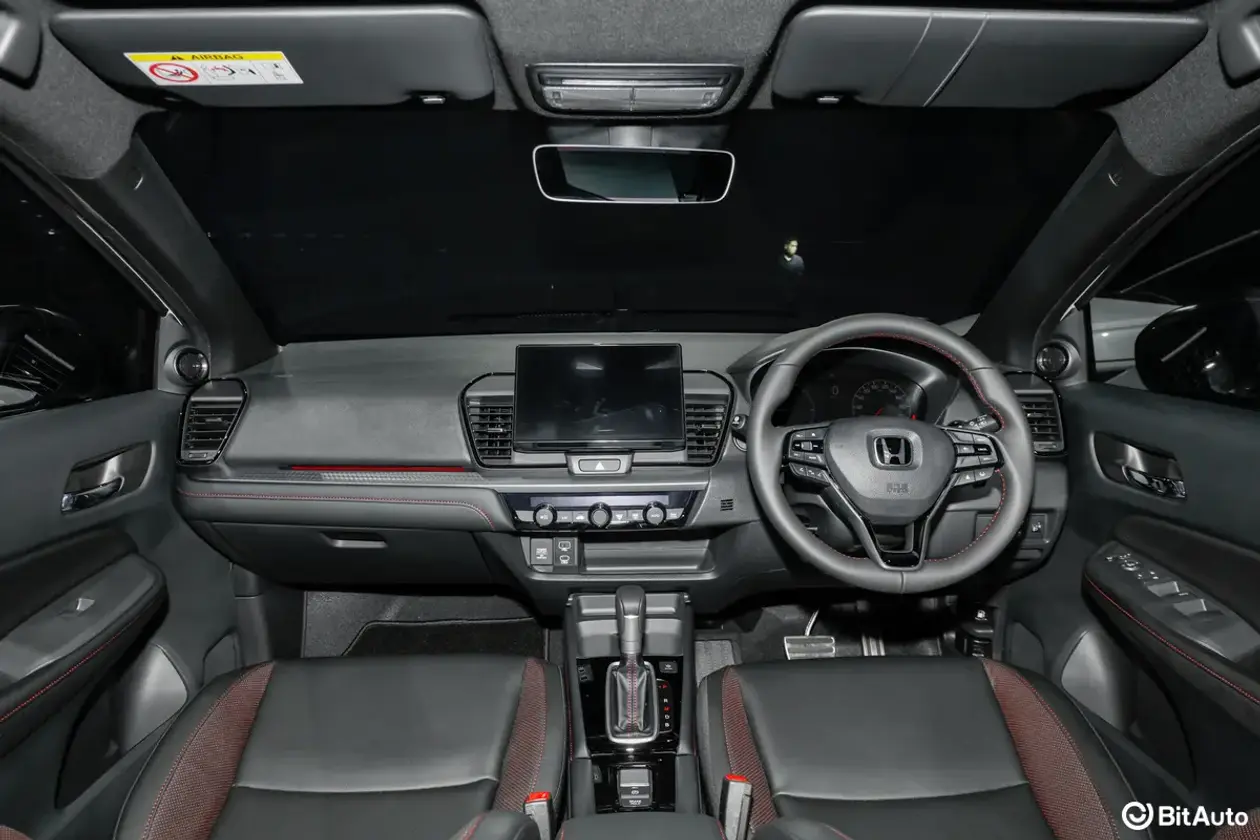
The City comes standard with six airbags and holds a five-star ASEAN NCAP safety rating, securing an overall score of 86.54 points. The Yaris also secures a five-star ASEAN NCAP rating, fitted with seven airbags alongside Vehicle Stability Control (VSC). In terms of passive crash protection, both contenders sit firmly at the top of their segment.
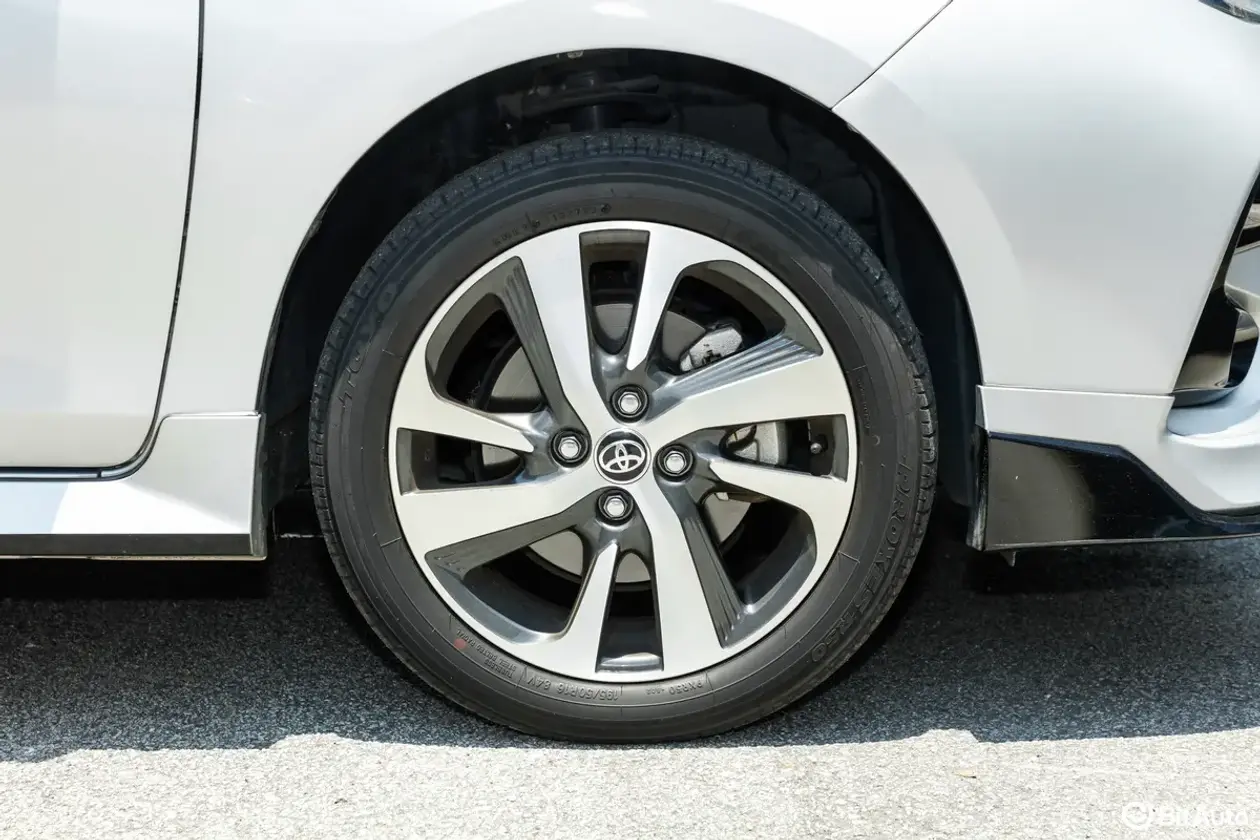
On the active safety front, the Yaris 1.5 G features Toyota Safety Sense as standard, comprising Pre-Collision System, Lane Departure Alert, Blind Spot Monitor with Rear Cross Traffic Alert, and a 3D Panoramic View Monitor.
The City 1.5 RS comes standard with Honda SENSING, bundling Adaptive Cruise Control, Forward Collision Warning, Lane Keep Assist, and Road Departure Mitigation, with the RS grade adding a 360-degree camera and Honda Connect.
Both match up closely in ADAS equipment, albeit with different priorities. The City's Adaptive Cruise Control takes the strain out of outstation highway driving, whereas the Yaris's Blind Spot Monitor and 3D PVM shine when parking and changing lanes in town.
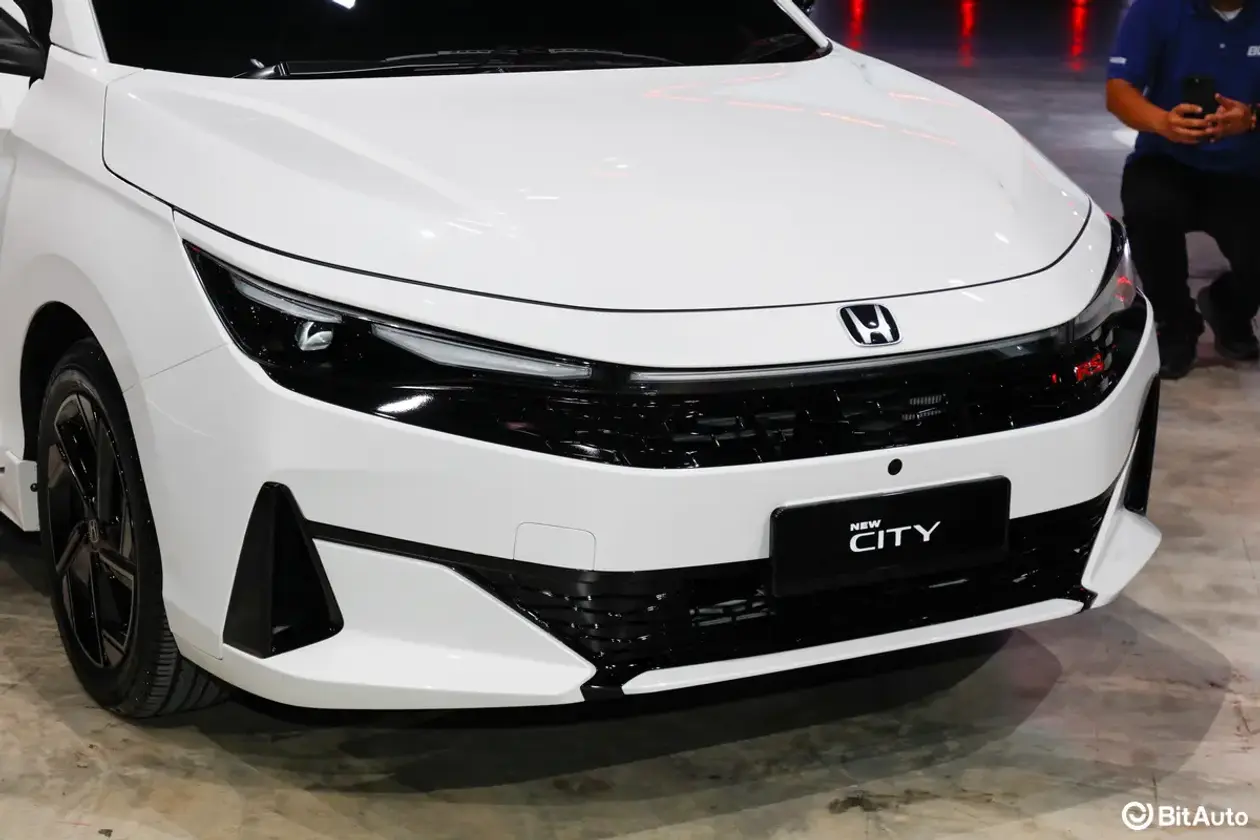
The City 1.5 RS commands an RM8,300 premium over the Yaris 1.5 G. In return, that outlay buys you: 14 extra PS, 233 litres more boot space, 454 mm more length, 50 mm more wheelbase, Adaptive Cruise Control, and an eight-year unlimited mileage warranty.
Honda Malaysia extended its new car warranty from five to eight years unlimited mileage starting 1 September 2026, marking one of the most compelling value adds on this City facelift.
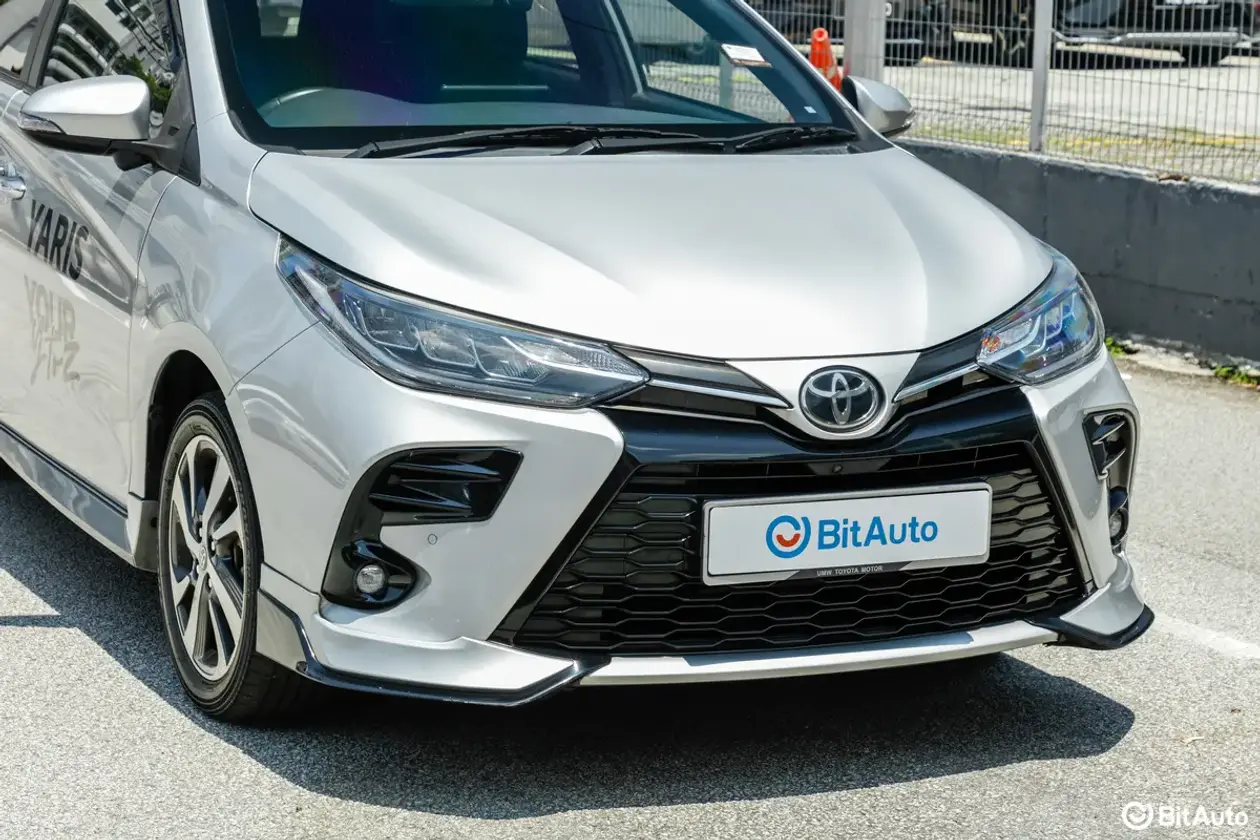
Keeping that RM8,300 and going with the Yaris nets you: a seventh airbag, compact dimensions that make squeezing through congested streets effortless, hatchback loading versatility, and Toyota's rock-solid local track record for bulletproof reliability.
The Yaris comes standard with a five-year unlimited mileage warranty, with Toyota offering an optional Extend package stretching coverage to eight years, though this requires extra payment and is restricted to vehicles between four and eight years of age.
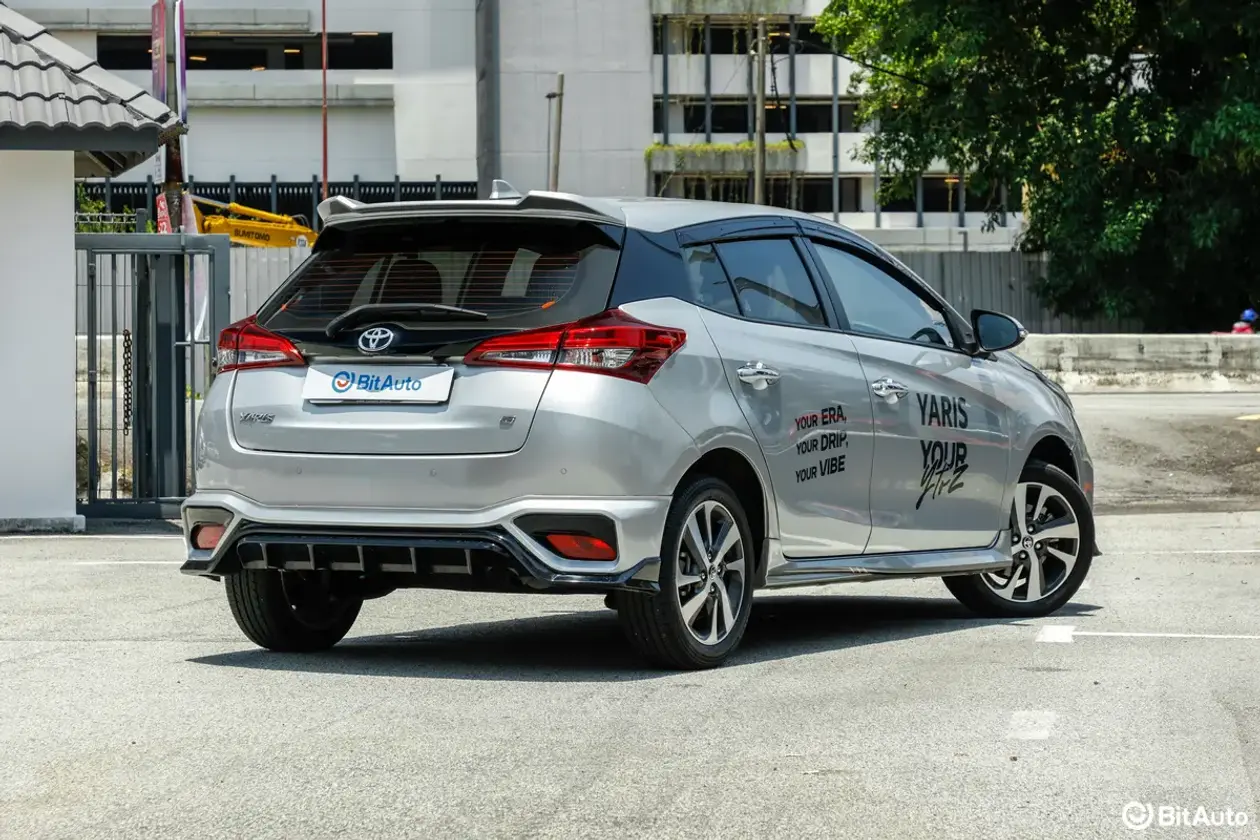
Annual road tax is identical at RM90 for both cars, reflecting Peninsular Malaysia's private registration rate for 1.5-litre engines. Long-term maintenance costs are practically neck-and-neck.
The Toyota Service Savers package covers five years or 100,000 km for RM3,846. The City's five-year/100,000 km scheduled servicing costs hover between RM3,726 and RM3,880, depending on routine parts and labour inclusion. Keeping either car roadworthy incurs virtually the same maintenance expense.
Depreciation figures are just as tight. The Yaris retains roughly 72.7% of its value after three years, against the City's estimated 72.2%. The marginal difference is negligible, meaning you will lose virtually the same amount in depreciation when trading either car in three years down the road.
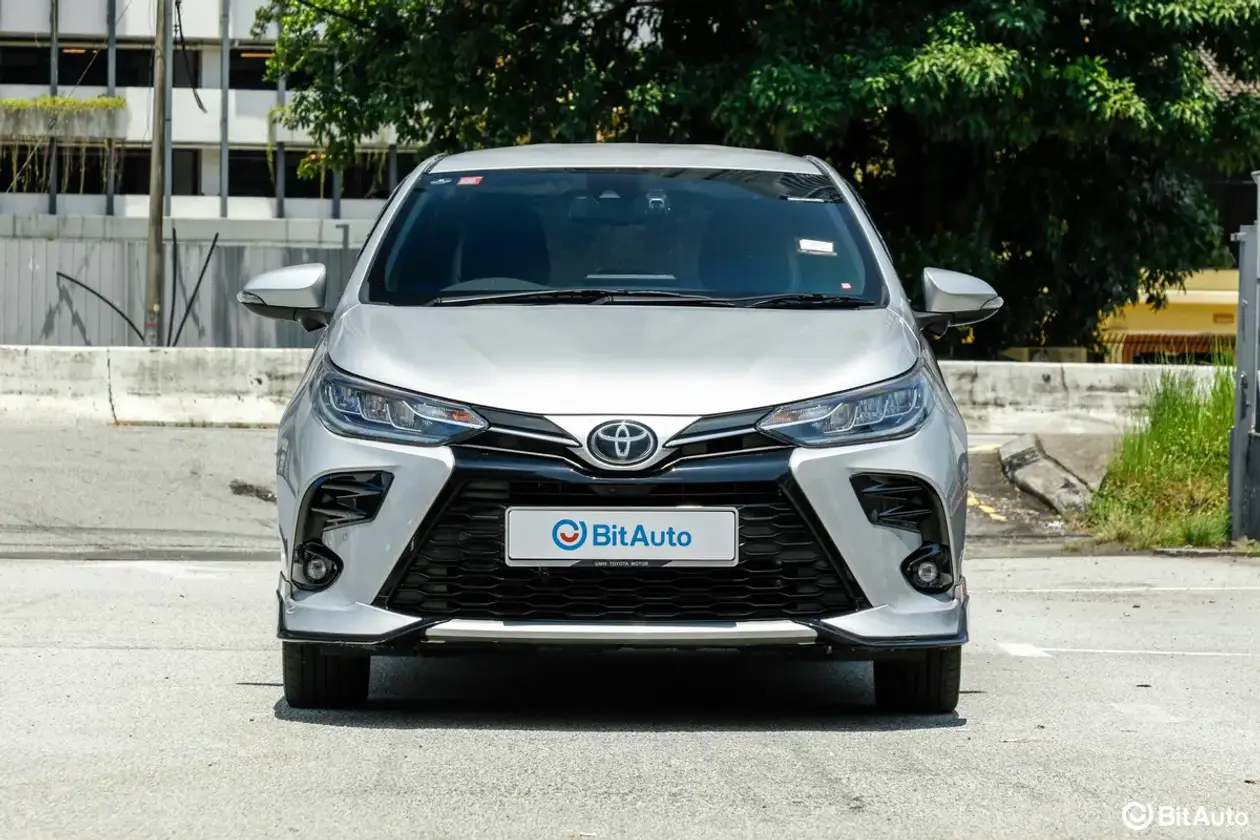
If you primarily drive alone or with a single passenger, rarely fill the back seat, and spend your days hunting for tight street parking and navigating congested backstreets in central KL, the peace of mind offered by seven airbags and a 3D camera easily trumps surplus boot space.
In this case, the Yaris 1.5 G is the smarter, more sensible pick. You trade off effortless high-speed passing power and generous rear legroom for urban agility and proven Toyota dependability.
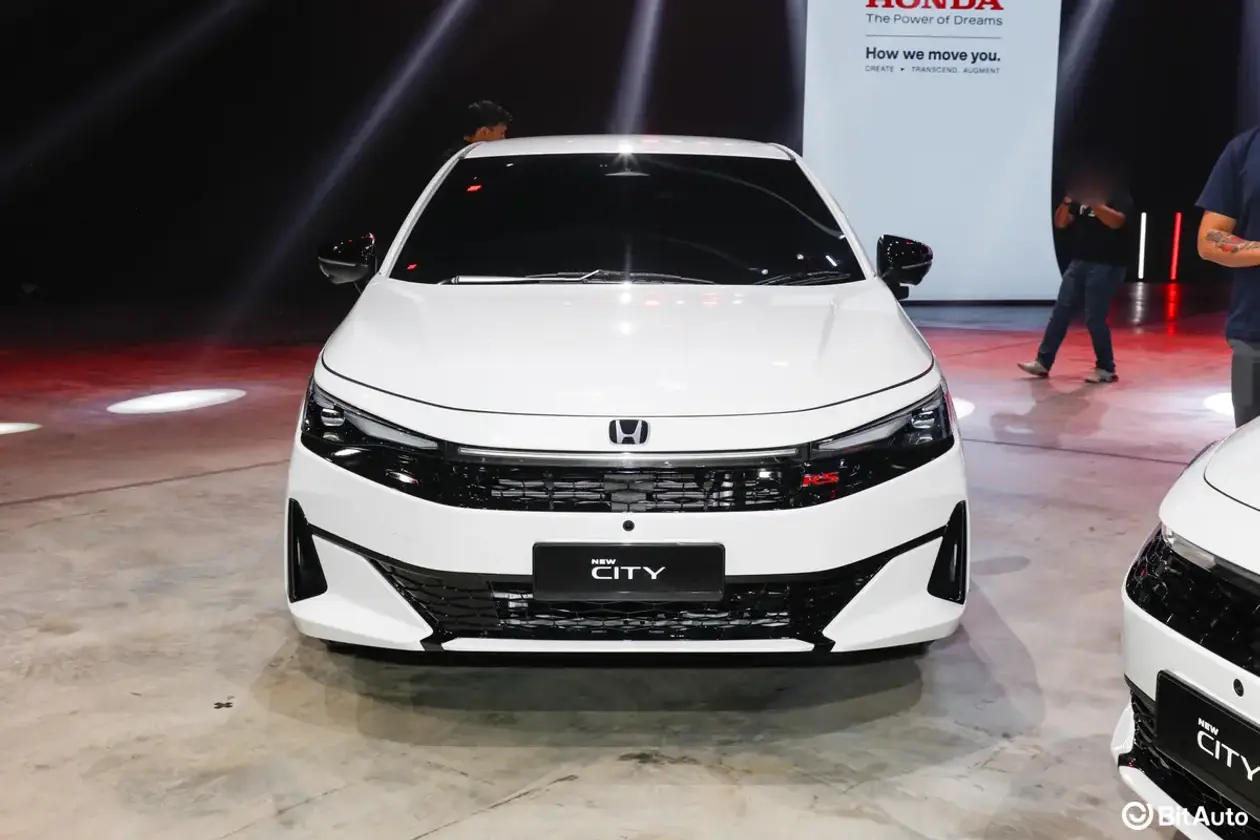
If you need a versatile family car that frequently carries passengers and luggage, occasionally seats three adults across the rear bench, and regularly swallows a baby stroller or camping equipment, the City 1.5 RS's 233 litres of extra boot room and 454 mm longer footprint offer spatial utility no equipment package on the Yaris can emulate.
Amortised into a standard hire-purchase loan, that RM8,300 price difference equates to a mere RM85 to RM95 extra per month.


Your go-to source for all things automotive in Malaysia. 🚗 Latest reviews, breaking news, launches & industry trends.
+ Follow Could this be Proton's most highly-anticipated model for 2026?
A row of AMA02 Proton Saga Cross were recently spotted, this time with a brand-new camo wrap. Is the launch happening sooner than anticipated?
#proton #ama02 #protonsagacross 1 minute ago
Could this be Proton's most highly-anticipated model for 2026?
A row of AMA02 Proton Saga Cross were recently spotted, this time with a brand-new camo wrap. Is the launch happening sooner than anticipated?
#proton #ama02 #protonsagacross 1 minute ago  Perodua continues to top the sales charts, with Proton trailing in second spot.
Surprisingly, Mazda recorded a substantial 20% jump in sales, hinting that the Mazda 3 accounting for almost 50% of Mazda's total registrations. 1 minute ago
Perodua continues to top the sales charts, with Proton trailing in second spot.
Surprisingly, Mazda recorded a substantial 20% jump in sales, hinting that the Mazda 3 accounting for almost 50% of Mazda's total registrations. 1 minute ago  What do you think RS stands for?
Proton has trademarked S70 RS, hinting at a more potent or sportier version of the S70. 1 minute ago
What do you think RS stands for?
Proton has trademarked S70 RS, hinting at a more potent or sportier version of the S70. 1 minute ago Get the latest car news first!
Your go-to source for all things automotive in Malaysia. 🚗 Latest reviews, breaking news, launches & industry trends.
Could this be Proton's most highly-anticipated model for 2026?
A row of AMA02 Proton Saga Cross were recently spotted, this time with a brand-new camo wrap. Is the launch happening sooner than anticipated?
#proton #ama02 #protonsagacross 1 minute ago Perodua continues to top the sales charts, with Proton trailing in second spot.
Surprisingly, Mazda recorded a substantial 20% jump in sales, hinting that the Mazda 3 accounting for almost 50% of Mazda's total registrations. 1 minute ago What do you think RS stands for?
Proton has trademarked S70 RS, hinting at a more potent or sportier version of the S70. 1 minute ago 
© 2024 Bitauto.com. All Rights Reserved.
Bitauto (www.yiche.com and www.bitauto.com) is one of the most visited automotive websites in China. We provide detailed info on Chinese car brands available in your area. Please note that the information provided on this website is based on publicly available data and is for reference only. It may not be fully updated or accurate at all times.

Help us improve our website


