Park both cars in the same showroom, and there is just an RM2,000 price gap between them. The Honda City e:HEV RS is priced at RM111,900, while the Toyota Vios HEV GR-S retails for RM109,900.
Both are 1.5-litre hybrid B-segment sedans, both wear sporty badges, and both claim to be the most worthwhile hybrid buy in the RM110,000 bracket.
The City's electric drive motor puts out 109 PS and 253 Nm, whereas the Vios makes do with just 80 PS and 141 Nm from its e-motor. That is a massive 112 Nm difference—nearly double.
This disparity is most striking when stepping off from a standstill: the City's electric motor dumps its full torque instantaneously, shoving you back into your seat, whereas the Vios builds momentum more progressively, accelerating just like a very fuel-efficient petrol car.
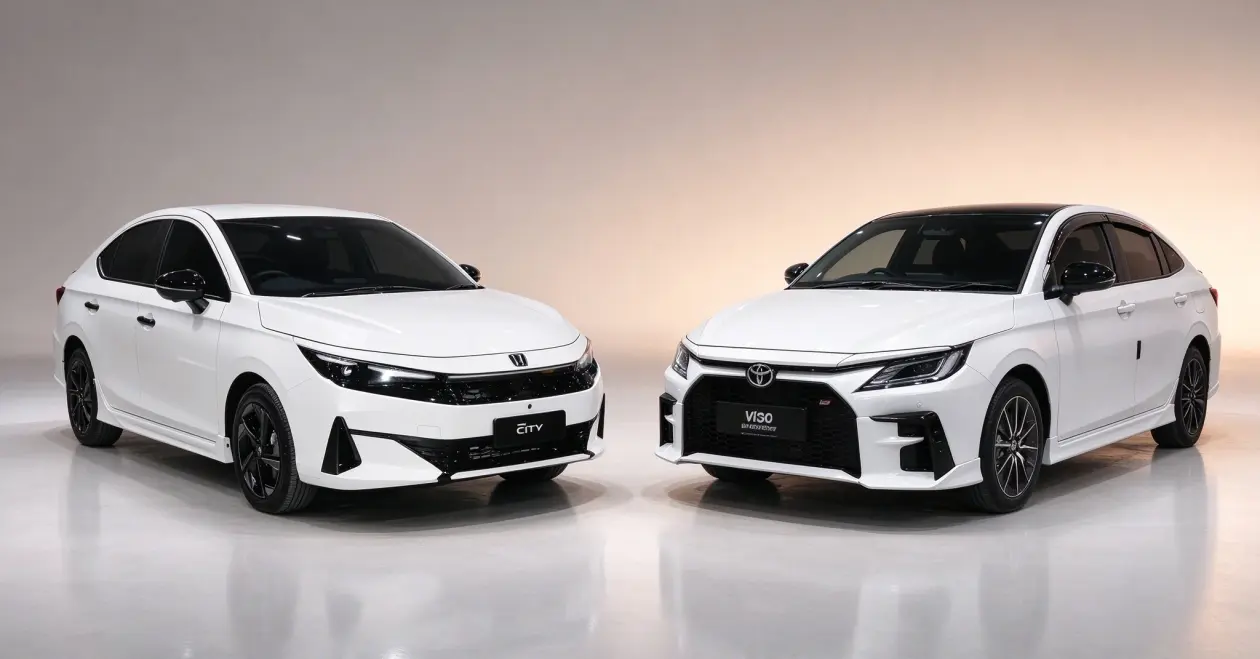
Both are fuel misers, but their underlying hybrid logic could not be further apart.
| Specification | Honda City e:HEV RS | Toyota Vios HEV GR-S |
|---|---|---|
| Price (Peninsular Malaysia, OTR without Insurance) | RM111,900 | RM109,900 |
| Engine | 1.5L 4-cylinder i-VTEC Atkinson-cycle | 1.5L 4-cylinder 2NR-VEX |
| Engine Output | 97 hp / 127 Nm | 91 PS / 121 Nm |
| Electric Motor Output | 109 PS / 253 Nm | 80 PS / 141 Nm |
| Total System Output | 109 PS (primarily motor-driven) | 111 PS |
| Transmission | e-CVT | e-CVT |
| Drivetrain | Front-wheel drive (FWD) | Front-wheel drive (FWD) |
| 0-100 km/h | 9.7 seconds | N/A |
| Fuel Consumption | 3.7 L/100 km | 3.6 L/100 km (NEDC) |
| Length | 4,594 mm | 4,425 mm |
| Width | 1,748 mm | 1,740 mm |
| Height | 1,467 mm | 1,480 mm |
| Wheelbase | 2,600 mm | 2,620 mm |
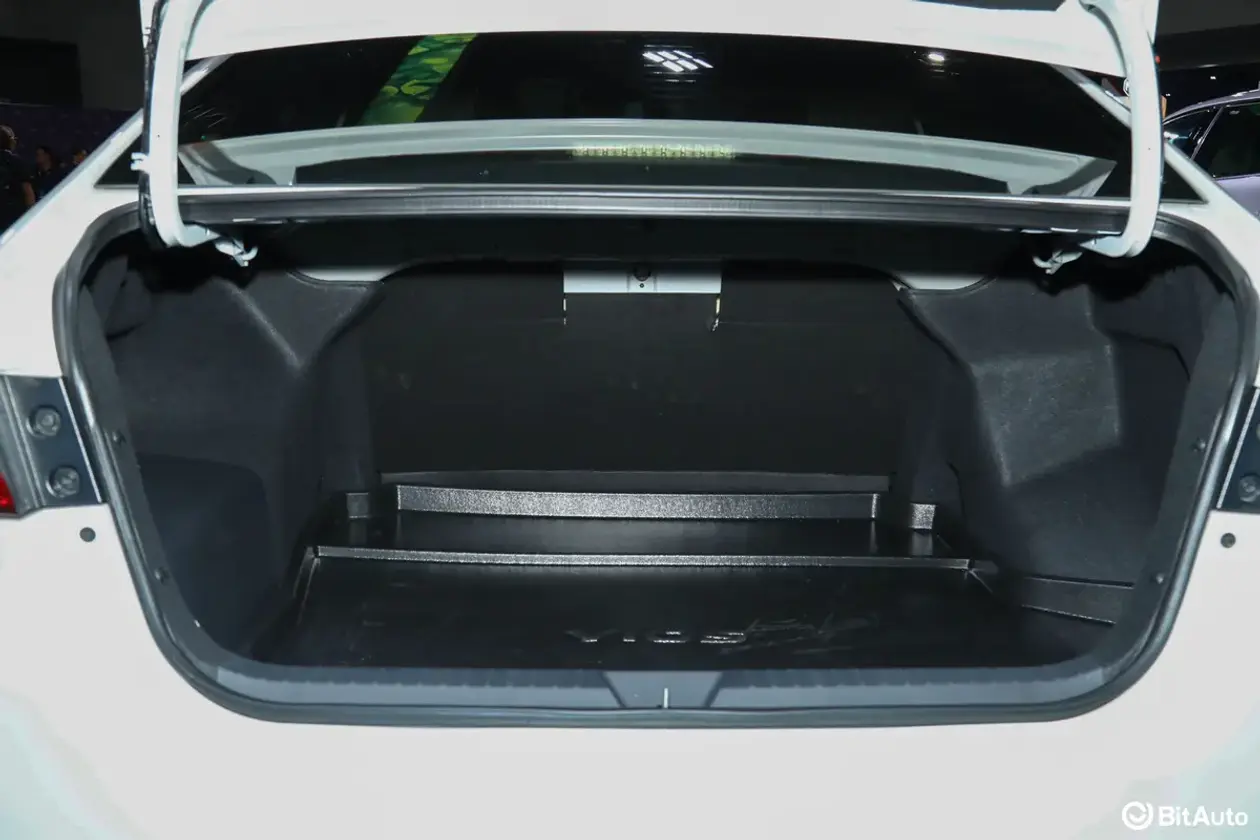
| Boot Capacity | 410 L | 460 L |
| Fuel Tank Capacity | 40 L | 36 L |
| Kerb Weight | 1,245 kg | 1,165 kg |
| Airbags | 6 | 6 |
| Adaptive Cruise Control | Yes | Yes |
| Lane Keep Assist | Yes | Yes |
| Blind Spot Monitoring | Yes | Yes |
| 360-degree Camera | Yes | Yes |
| Infotainment Display | 10-inch | 10.1-inch |
| Wireless Apple CarPlay | Yes | Yes |
| Suspension Setup | Comfort-biased | GR-S Sports Tuned |
| Electric Power Steering (EPS) | Standard calibration | GR-S Sports Calibration |
| Annual Road Tax | RM90 | RM90 |
| Hybrid Battery Warranty | 10 years / unlimited mileage (transferable) | 8 years / unlimited mileage (extendable to 10 years at extra cost) |
| Vehicle Warranty | Up to 8 years / unlimited mileage | 5 years / unlimited mileage |
| Assembly | CKD (Locally Assembled) | CKD (Locally Assembled) |
Effective 1 May 2026, the City e:HEV hybrid battery warranty has been upgraded to a 10-year unlimited-mileage programme, fully transferable to subsequent owners.
The Vios HEV hybrid system warranty covers 8 years with unlimited mileage, extendable to 10 years for an additional RM2,500.
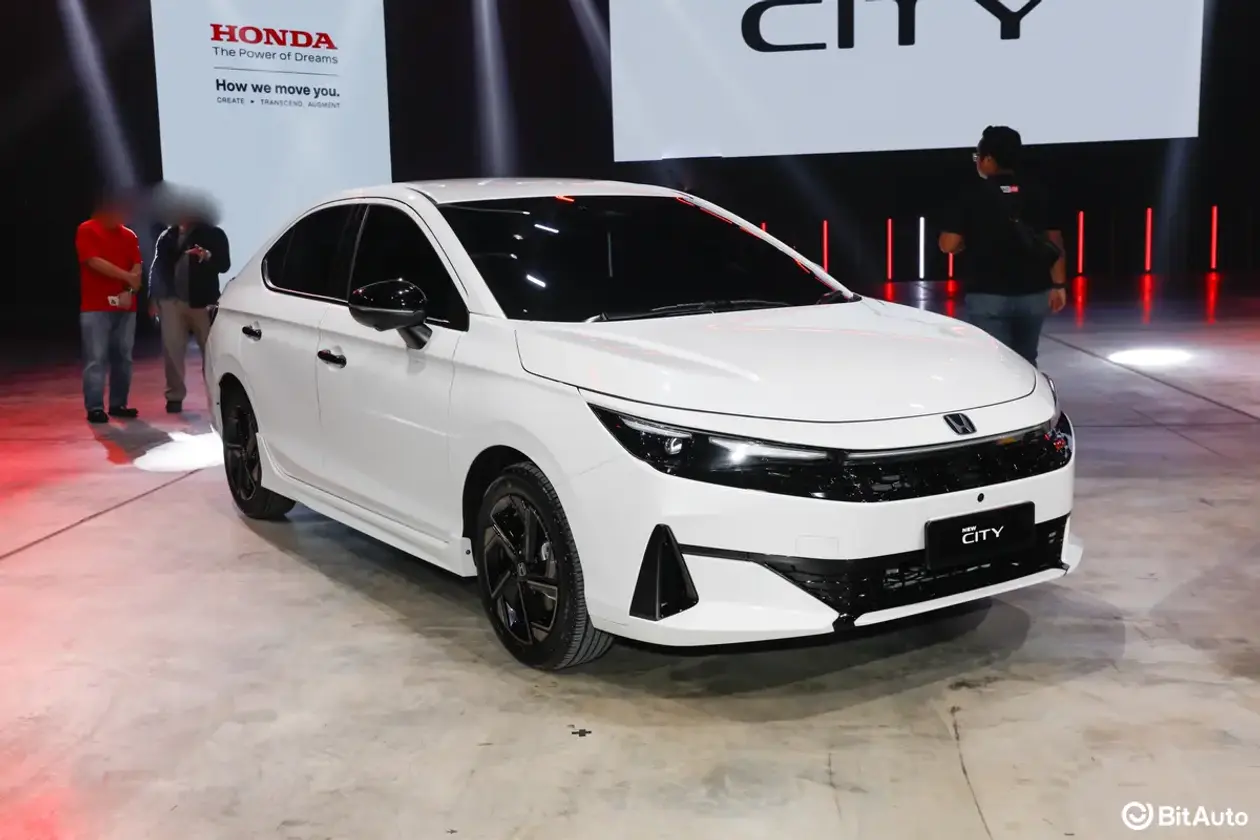
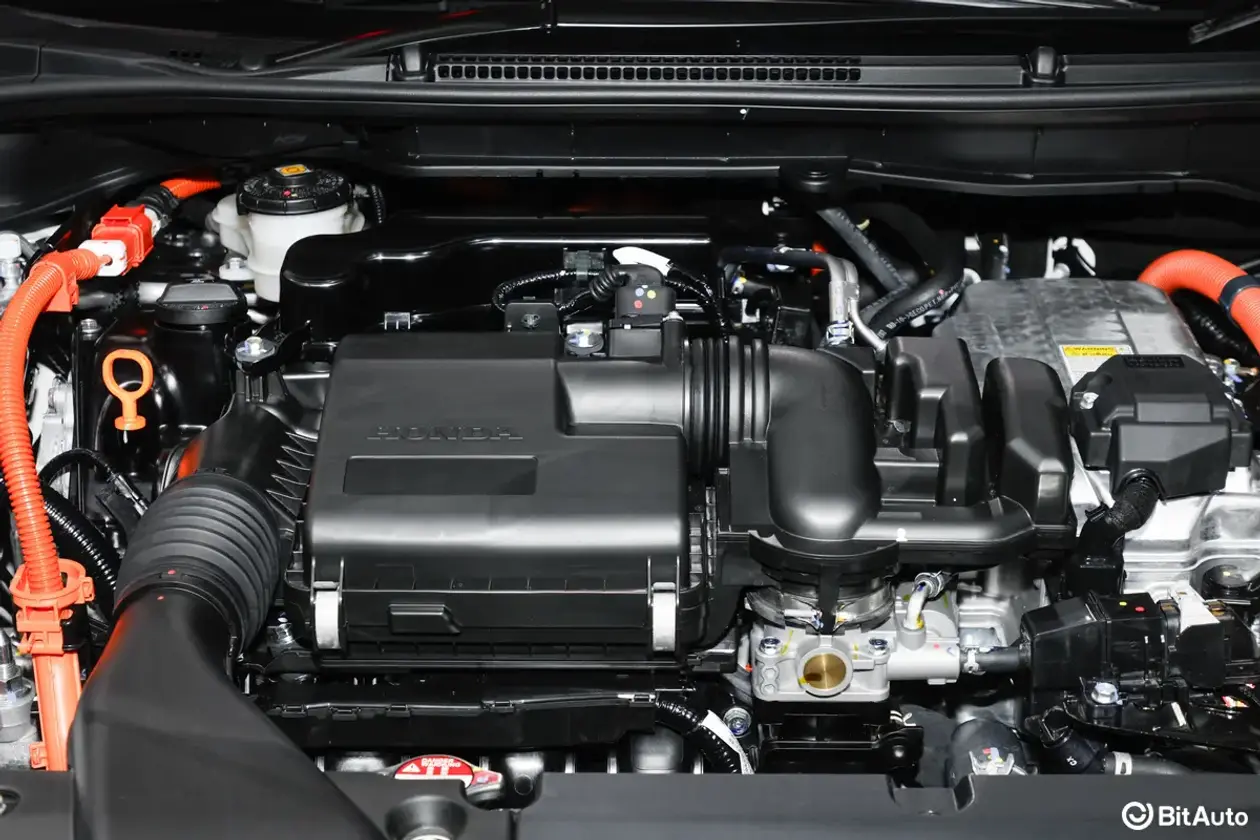
The engineering approach behind the City e:HEV is "electric motor first, petrol engine as generator." Most of the time, the drive wheels are powered directly by the 253 Nm traction motor, with the 1.5-litre Atkinson-cycle petrol mill only kicking in during highway cruising or under full-throttle demands.
As a result, behind the wheel of the City, the experience is distinctly EV-like: whisper-quiet off-the-line response, linear power delivery, and instant 253 Nm of torque on tap whenever you flex your right foot.
The official 0-100 km/h sprint is completed in 9.7 seconds on the way to a 177 km/h top speed.
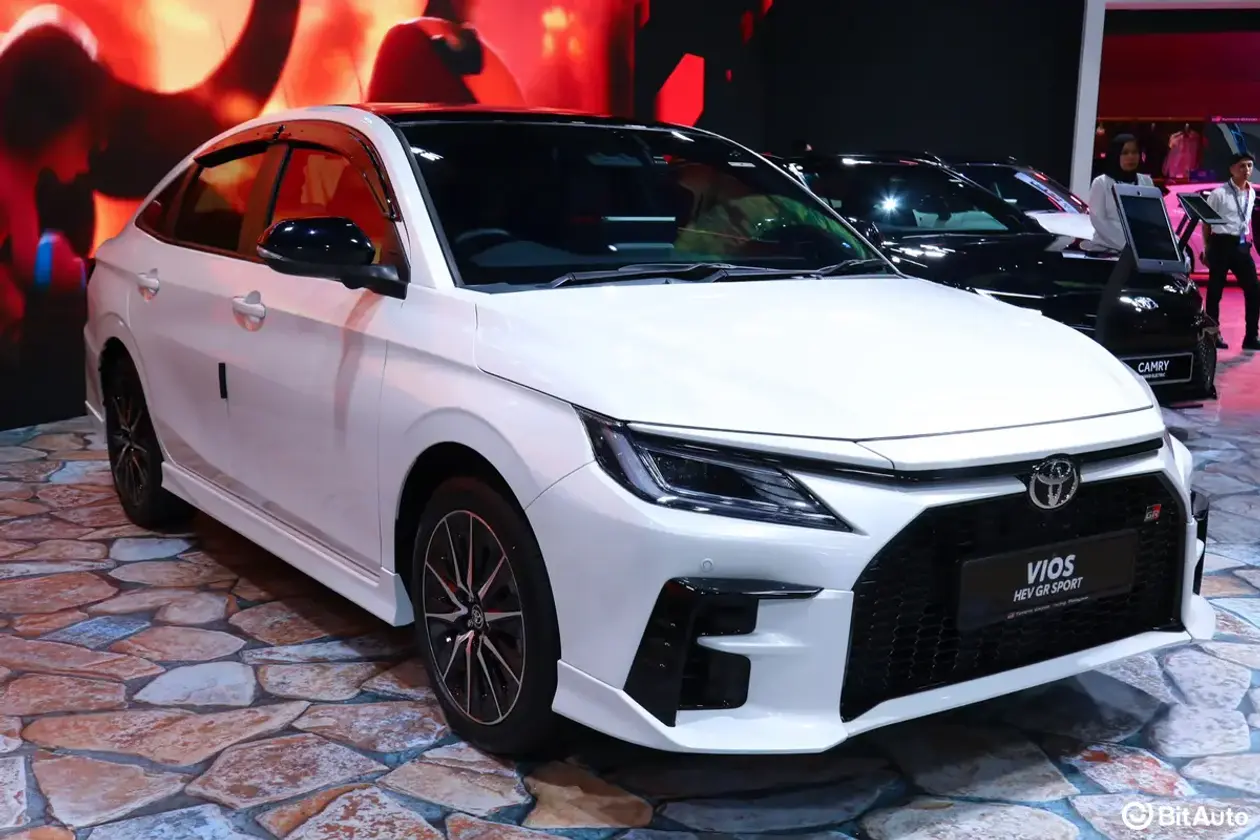
The Vios HEV takes a more conventional hybrid route.
Its 1.5-litre 2NR-VEX engine produces 91 PS and 121 Nm, supported by an electric motor delivering 80 PS and 141 Nm, yielding a combined system output of 111 PS.
Operating as a classic Toyota parallel-series hybrid setup, the petrol engine and electric motor work in tandem: the motor assists during initial take-off and low-speed crawling, while the engine handles higher-speed cruising.
While 141 Nm of motor torque will not pin you to your seat, the powertrain transitions seamlessly from electric to petrol mode with barely a perceptible tremor.
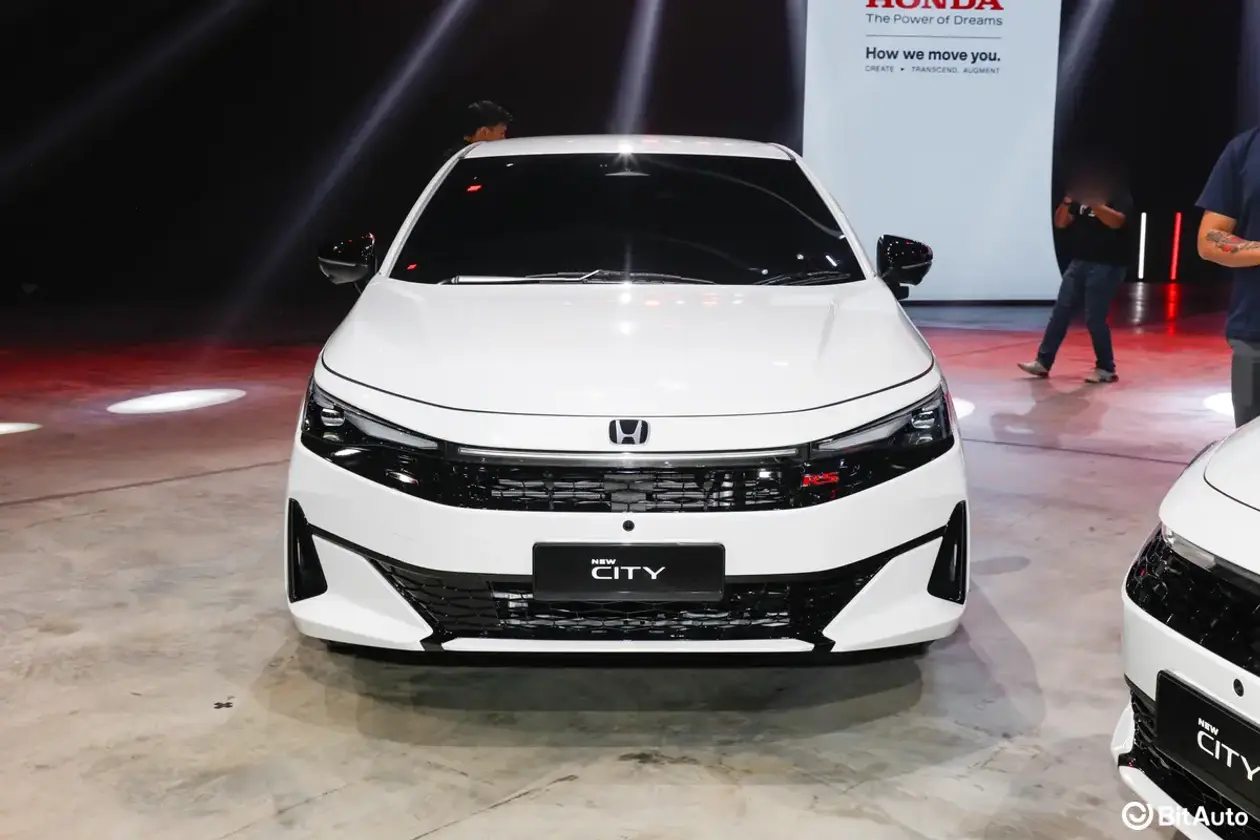
Their contrasting personalities are most apparent in stop-and-go urban gridlock.
In bumper-to-bumper traffic, the City e:HEV glides along purely on electric power, feeling effortlessly brisk and quiet, while the 253 Nm torque makes darting into traffic gaps and executing quick overtakes a breeze.
The Vios HEV is more relaxed; it never feels sluggish, but it lacks that immediate punch. Out on the open highway, the City e:HEV continues to pull with greater authority during mid-range overtaking.
To put it simply, the City e:HEV behaves like an EV with an engine attached, while the Vios HEV feels like a refined, fuel-efficient petrol car.
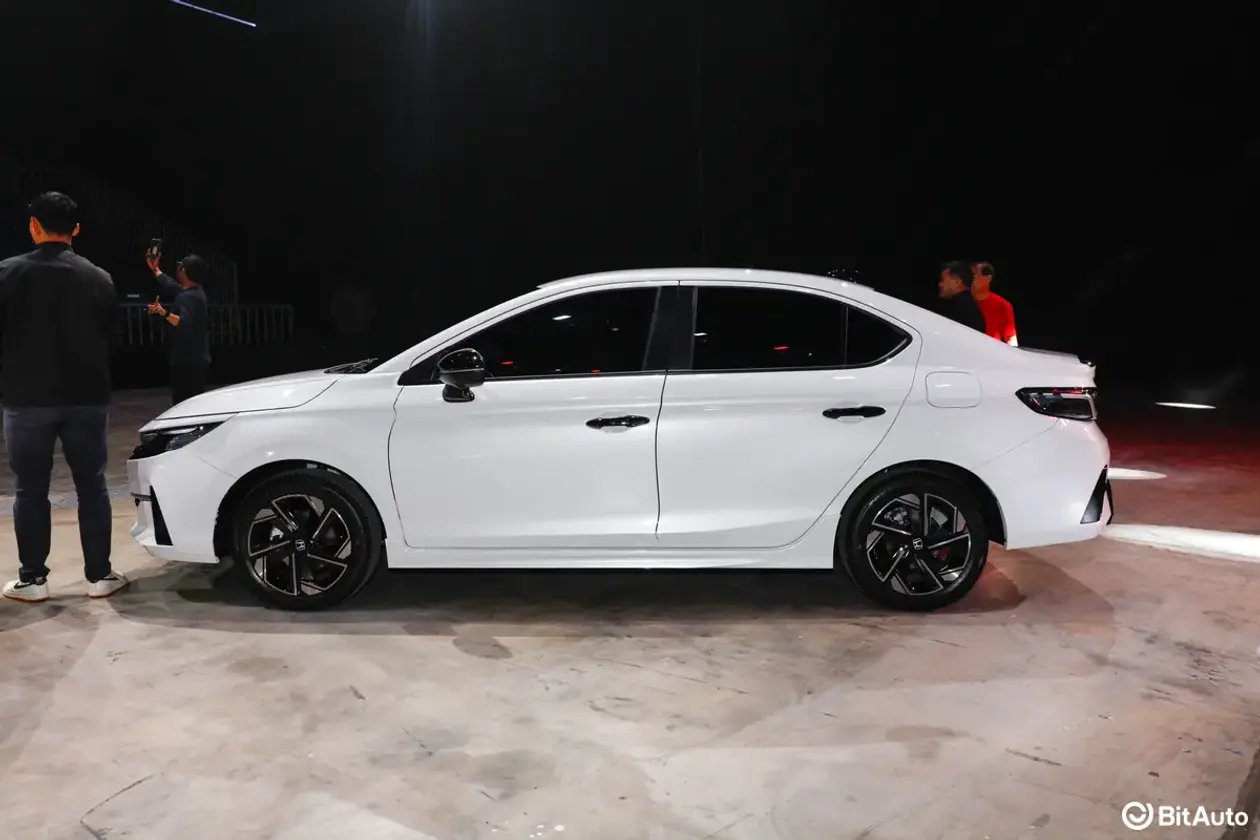
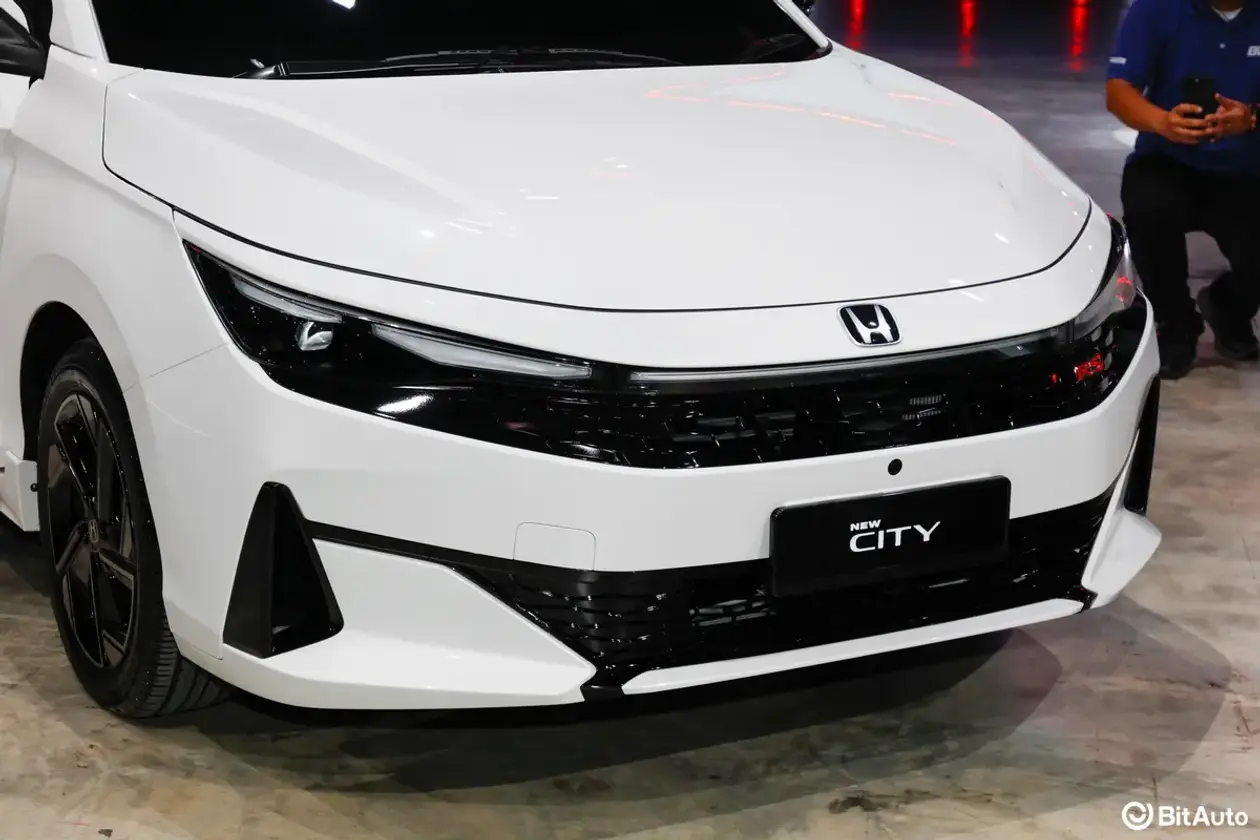
Honda City
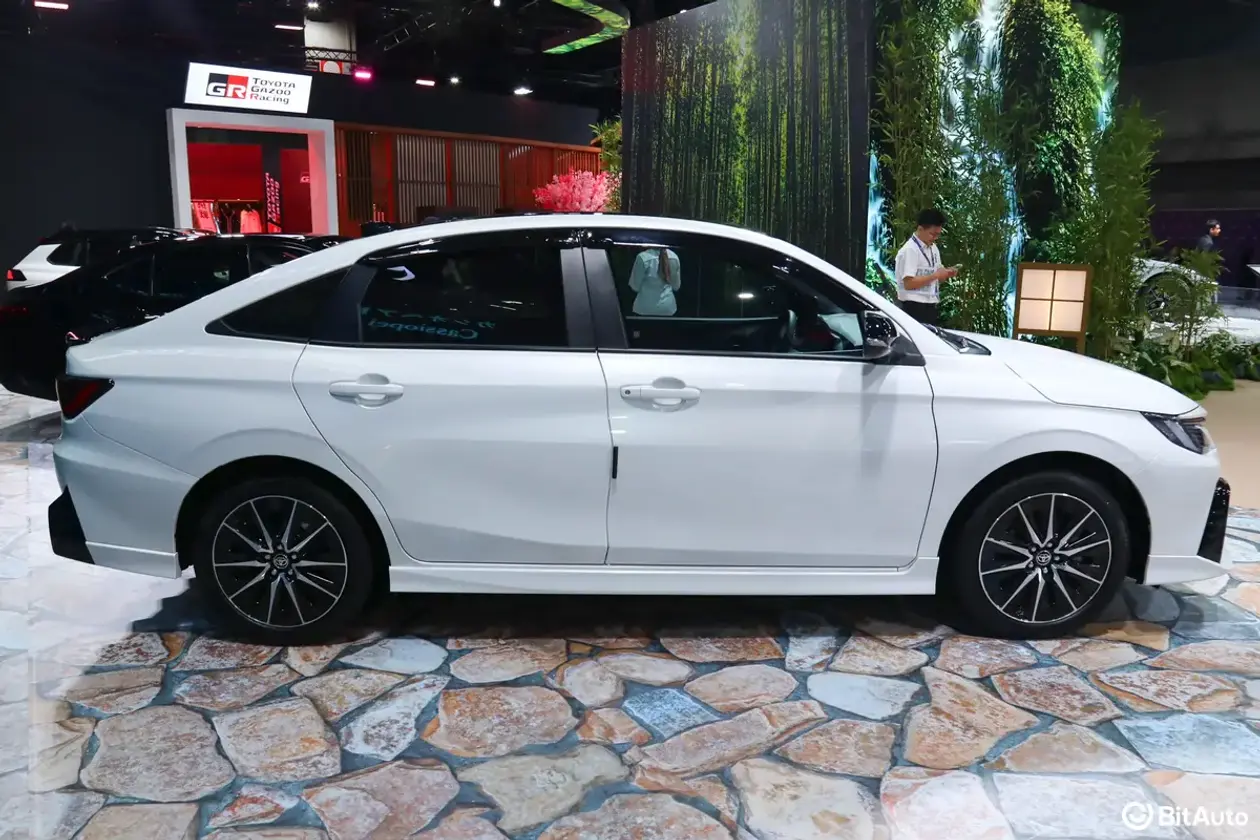
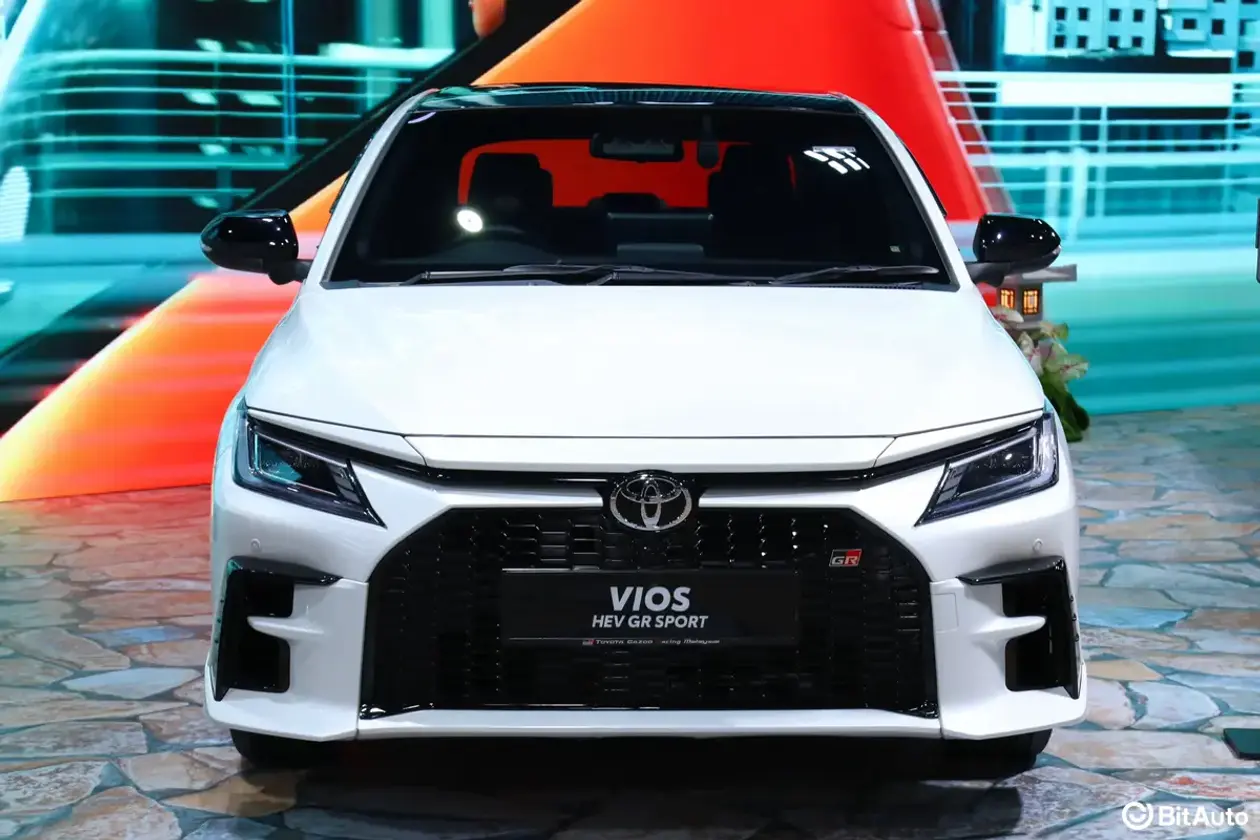
Toyota Vios
Dimensionally, the City e:HEV RS is the larger car on the outside, stretching 4,594 mm in length, 1,748 mm in width, and riding on a 2,600 mm wheelbase.
The Vios HEV GR-S measures 4,425 mm long with a 2,620 mm wheelbase. Even though the Vios is 169 mm shorter, its wheelbase is 20 mm longer.
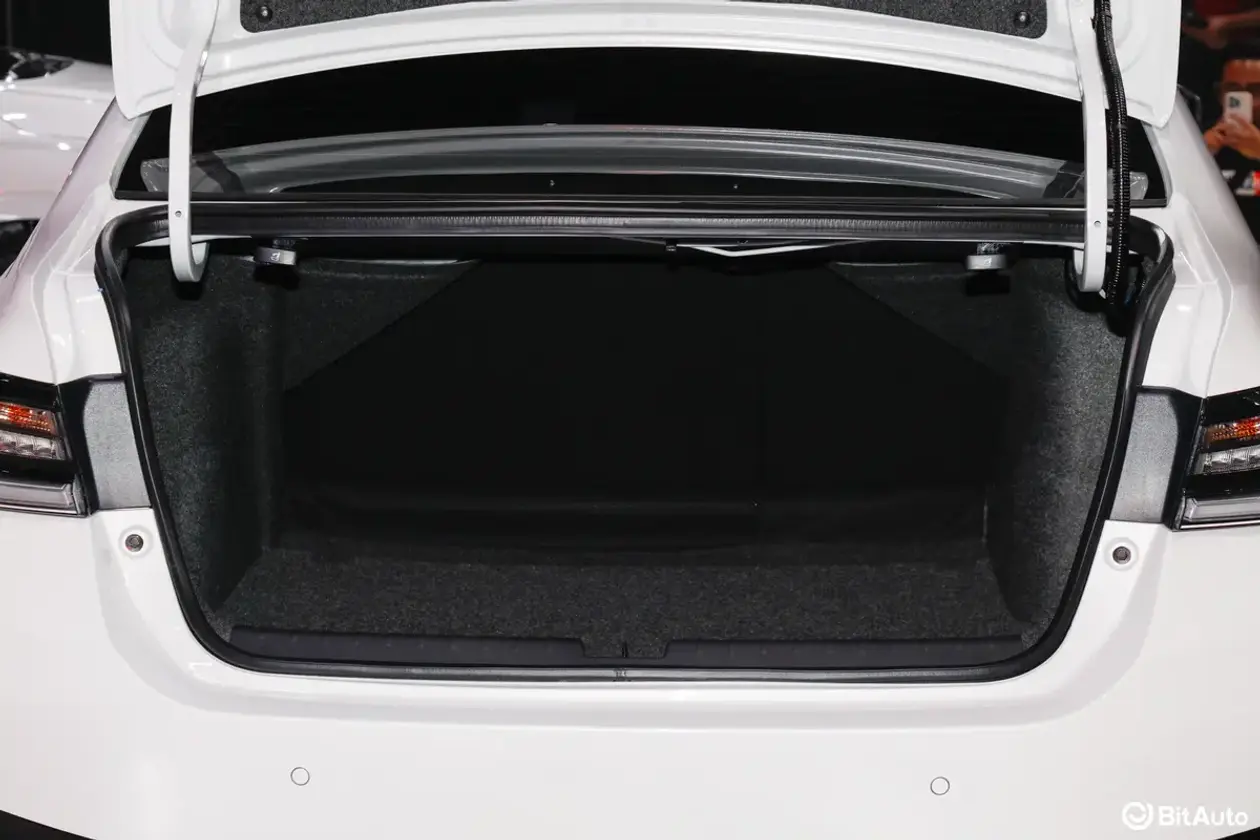
Honda City
Toyota Vios
The luggage capacity gap is even more significant.
Because its high-voltage battery pack is positioned under the rear floor, the City e:HEV's boot space shrinks from 519 litres in the petrol variants down to 410 litres. The Vios HEV GR-S boasts a 460-litre boot.
That 50-litre surplus means the Vios can swallow an extra cabin trolley bag or allow a baby stroller to fit without needing awkward packing. For young families or frequent road-trippers, this practical advantage will be felt every single day.
The City's longer and wider footprint means taking extra care when manoeuvring around tight older KL streets and cramped shopping mall car parks. Conversely, the Vios is easier to slot into tight spots while offering slightly more generous rear legroom thanks to its longer wheelbase.
The biggest selling point of the Vios HEV GR-S cannot be seen on a showroom floor; it lies beneath the metal.
The GR-S variant gains a bespoke sport-tuned suspension package featuring revised springs and uprated dampers—front spring rates are stiffened by 12%, rears by 9%, damper sizes are increased by 10%, and the Electric Power Steering (EPS) receives dedicated sports calibration.
On the move, the Vios rides firmer and flatter than standard models, exhibiting minimal body roll through corners and crisper steering response during high-speed lane changes.
In contrast, the City e:HEV RS is tuned firmly for ride comfort. Its suspension cushions broken tarmac and speed bumps with greater pliancy, making long-distance highway cruising less fatiguing for passengers. It is not built for carving up twisty B-roads; its forte is effortless daily commuting comfort.
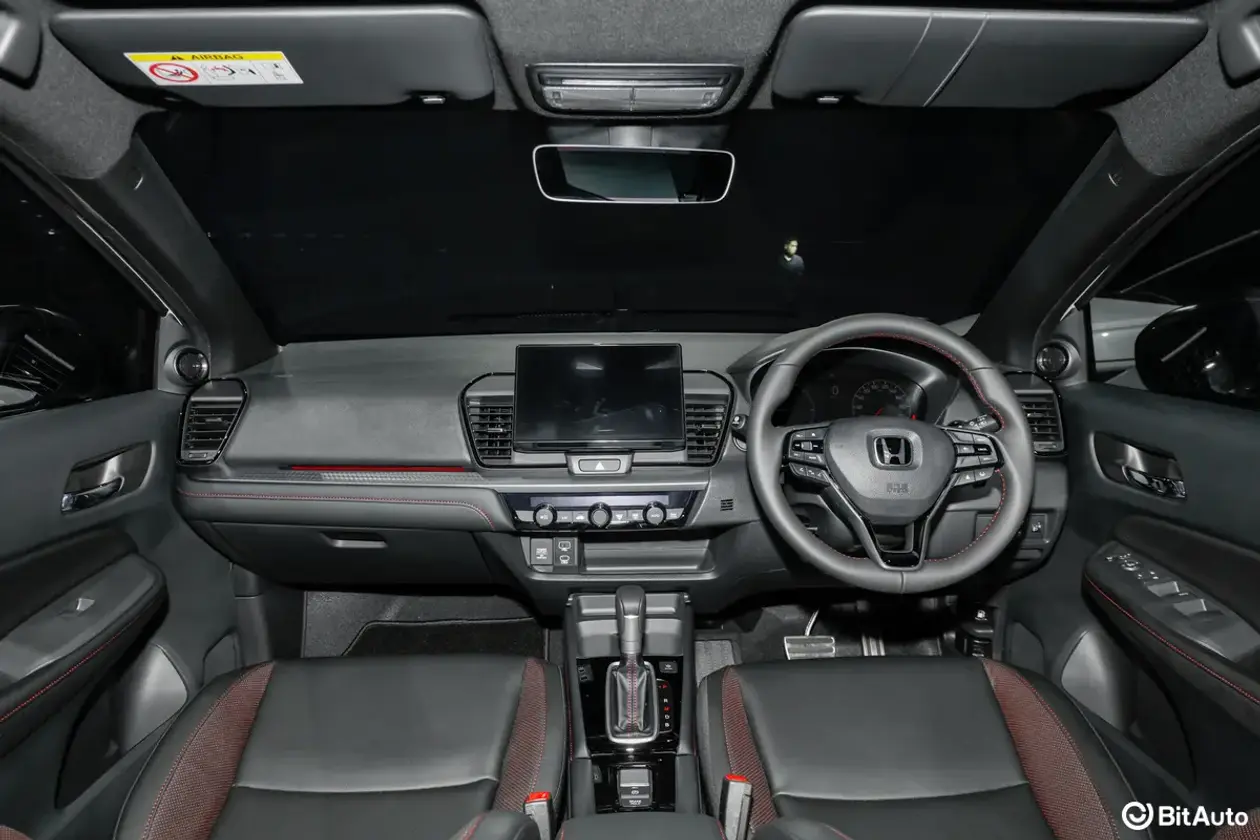
Equipment-wise, both models leave little to be desired.
The City e:HEV RS packs a 10-inch infotainment screen, 360-degree panoramic view monitor, Blind Spot Monitoring, Rear Cross Traffic Alert, wireless Apple CarPlay and Android Auto, as well as wireless phone charging.
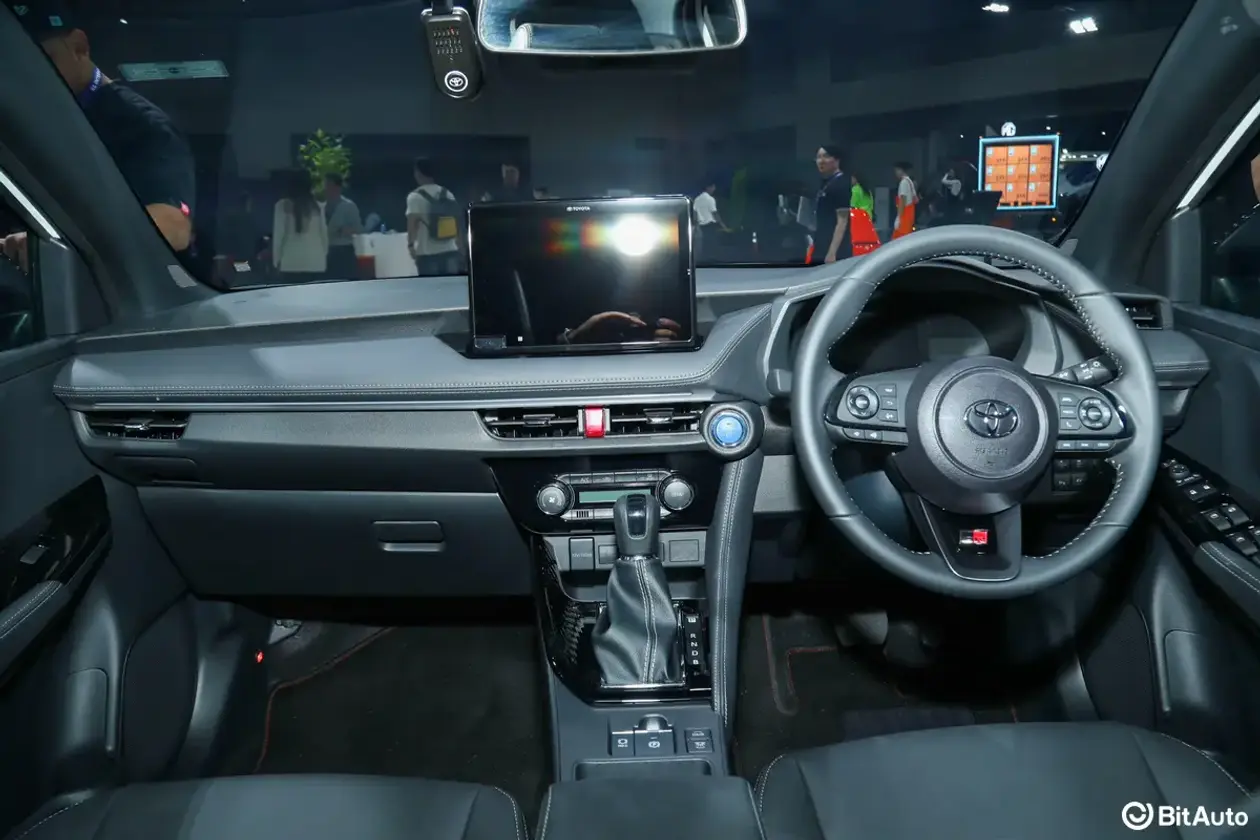
The Vios HEV GR-S comes with a 10.1-inch infotainment screen, 360-degree panoramic view monitor, Toyota Safety Sense ADAS suite, wireless Apple CarPlay and Android Auto, 64-colour ambient lighting, and an Electronic Parking Brake (EPB) with Auto Hold.
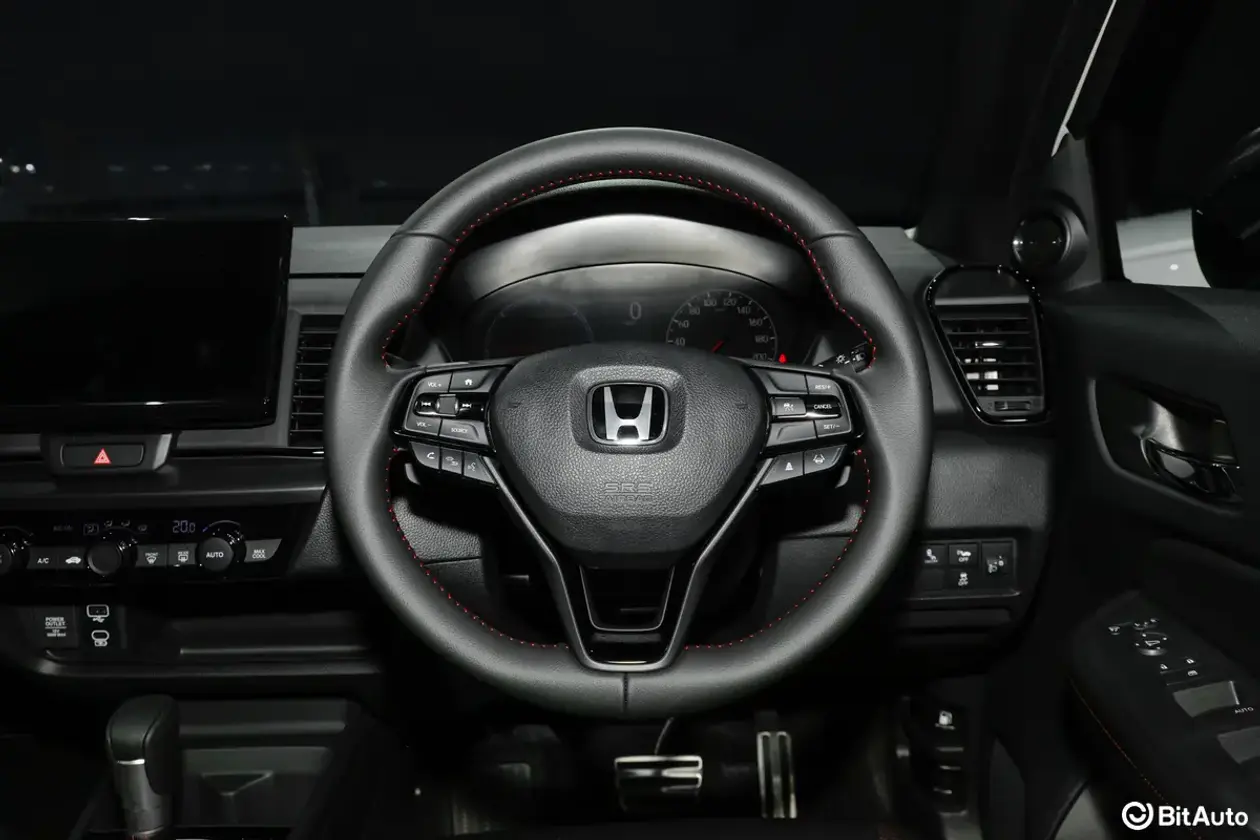
Both Honda SENSING and TSS cover Autonomous Emergency Braking, Lane Keep Assist, Adaptive Cruise Control, and Blind Spot Monitoring.
The real difference comes down to system calibration: Honda's LKAS delivers more natural steering corrections through sweeping highway curves, whereas Toyota's ACC offers smoother braking and acceleration transitions when following traffic.
These subtle differences are best appreciated on a proper test drive.
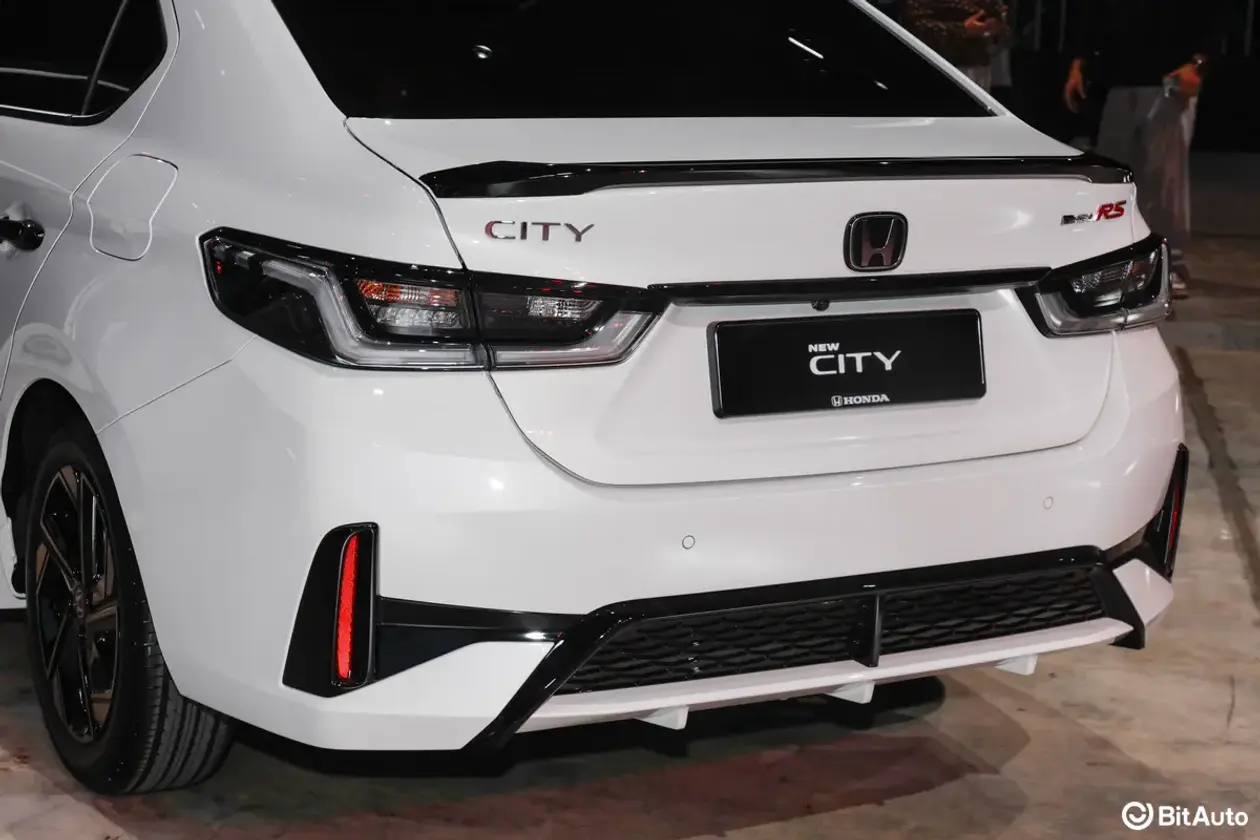
The City e:HEV RS is rated between 3.6 and 3.7 L/100 km, while the Vios HEV claims 3.6 L/100 km on the NEDC cycle.
On paper, they are virtually identical. In real-world driving conditions, the City e:HEV's motor-heavy powertrain makes it easier to match official claims in urban crawl. The Vios HEV typically returns around 5 to 6 L/100 km in mixed driving, shining best in steady highway cruising.
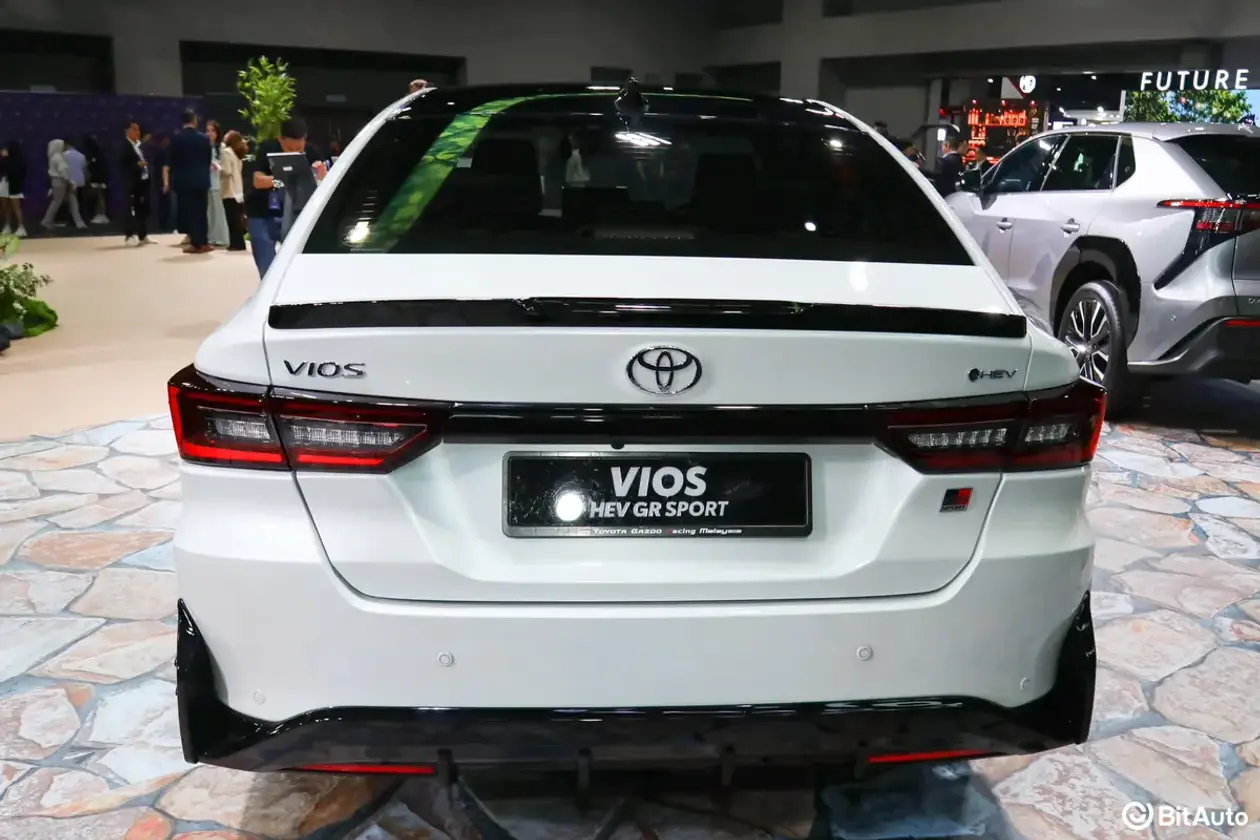
Warranty packages mark another key point of distinction.
Effective 1 May 2026, Honda upgraded the e:HEV hybrid battery warranty to a 10-year unlimited-mileage programme, which transfers seamlessly to the next owner.
Toyota provides an 8-year unlimited-mileage hybrid system warranty, with an option to extend coverage to 10 years for an extra RM2,500.
Honda's 10-year standard warranty is the more generous offering, though Toyota's optional extension offers commendable flexibility.
When it comes to resale value, both nameplates are blue-chip investments in Malaysia. The Vios commands unwavering brand loyalty and rock-solid second-hand demand, while the City e:HEV's hybrid tech appeal ensures strong interest among used car buyers. Five years down the road, depreciation between the two should be negligible.
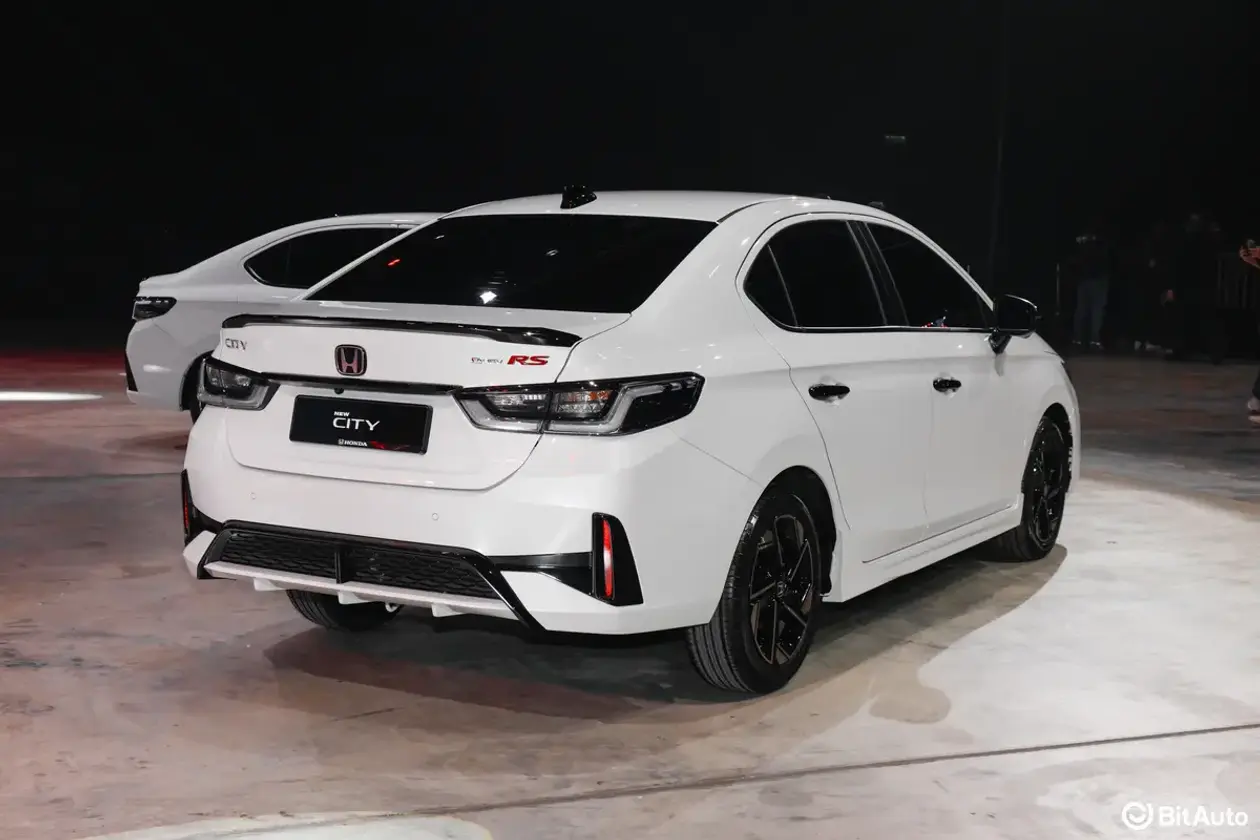
If your daily commute revolves around congested city traffic, you love the instantaneous torque and quiet refinement of an EV, and outright boot volume is not a deal-breaker, the City e:HEV RS is the car for you.
For RM111,900, you get 253 Nm of motor torque, an electrified driving feel, a 10-year hybrid battery warranty, and a well-rounded tech package. For urban commuting, it is undoubtedly the more effortless car to live with.
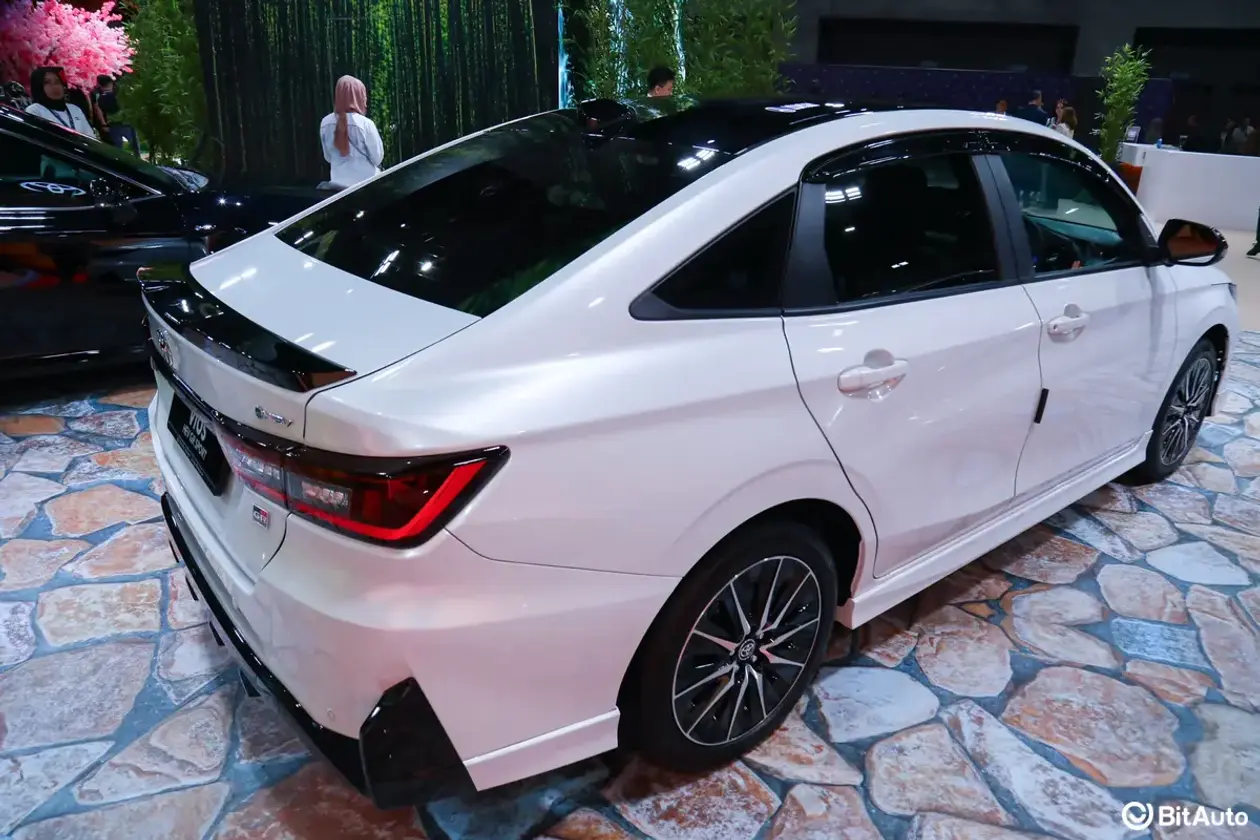
If you clock high highway mileage, appreciate the taut body control of the GR-S tuned chassis, and need maximum boot volume and rear legroom, buy the Vios HEV GR-S.
At RM109,900, you gain a sport-tuned chassis, a 460-litre boot, a 2,620 mm wheelbase, and legendary Toyota ownership peace of mind. Its 141 Nm motor output is never underpowered, even if it lacks the off-the-line kick of the City.


Your go-to source for all things automotive in Malaysia. 🚗 Latest reviews, breaking news, launches & industry trends.
+ Follow Those shopping for a premium SUV should seriously consider the Volvo XC60 - one of the most established and well-known models
Here's what you need to know about Volvo's long-standing XC60. 1 minute ago
Those shopping for a premium SUV should seriously consider the Volvo XC60 - one of the most established and well-known models
Here's what you need to know about Volvo's long-standing XC60. 1 minute ago  For RM 171k, you get a made-in-Japan Mazda CX5. Worth it? #mazda #cx5 #mazdamalaysia 42 minutes ago
  Made in Japan dari harga RM 171k?? Semestinya Mazda CX5 terbaru! #mazda #cx5 #mazdamalaysia 52 minutes ago
 Get the latest car news first!
Your go-to source for all things automotive in Malaysia. 🚗 Latest reviews, breaking news, launches & industry trends.
Those shopping for a premium SUV should seriously consider the Volvo XC60 - one of the most established and well-known models
Here's what you need to know about Volvo's long-standing XC60. 1 minute ago For RM 171k, you get a made-in-Japan Mazda CX5. Worth it? #mazda #cx5 #mazdamalaysia 42 minutes ago Made in Japan dari harga RM 171k?? Semestinya Mazda CX5 terbaru! #mazda #cx5 #mazdamalaysia 52 minutes ago  ProtonGWMVolkswagenJAECOOVolvoPeroduaToyotaHondaTESLAMitsubishiMazdaJetourCheryBYDLexusBMWMercedes-BenziCAURZeekrIsuzuNissanLeapmotorPorscheFordOMODAMINIMGSuzukiXPengHyundaiWulingKiaSubaruDenzaGACLand RoverDongfengCAMAudiPeugeotFotonMAXUSsmartDaihatsuJACJMCMaseratiLotusAlfa RomeoRenaultGolden DragonKaiceneSeresLamborghiniFerrariJeepRolls-RoyceLepasAston MartinMcLarenChevroletBentleyBoon KoonFiatBAICForthingGeelyRoeweAeolusChanganARCFOXDeepalExeedHongqiVoyahJaguarKGMBuforiAcuraCadillacDodgeAbarthINEOSMHEROJMEVFreelanderXiaomiYANGWANG
© 2024 Bitauto.com. All Rights Reserved.
Bitauto (www.yiche.com and www.bitauto.com) is one of the most visited automotive websites in China. We provide detailed info on Chinese car brands available in your area. Please note that the information provided on this website is based on publicly available data and is for reference only. It may not be fully updated or accurate at all times.
Help us improve our website


