In Malaysia, a Toyota Alphard commands a price tag of RM548,000. That is enough to buy a BMW 5 Series, plus a Perodua Myvi.
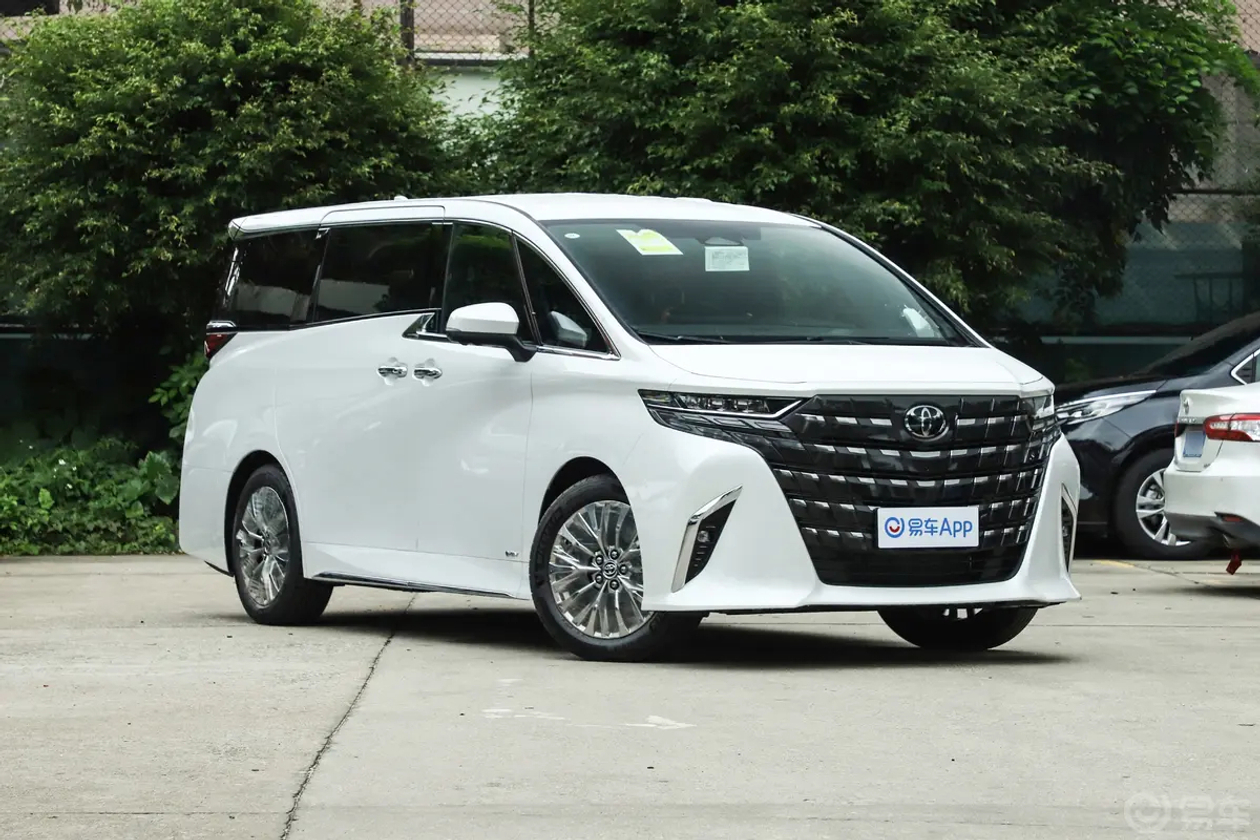
Yet demand for the Alphard remains insatiable. In the first half of 2026, 8,243 units were registered, ranking 14th overall in sales across all vehicle models in Malaysia. A total of 1,291 units were registered in June alone. Include the Vellfire, and combined registrations for both model lines reached 1,766 units in that single month.
An MPV priced at over half a million ringgit is selling in larger numbers than many family cars under RM100,000. How exactly did the Alphard pull this off?
In May 2002, Toyota debuted the first-generation Alphard in the Japanese market. Back then, it was positioned as a "flagship minivan model," replacing long-standing vans like the Granvia and Regius to sit atop Toyota's MPV range.
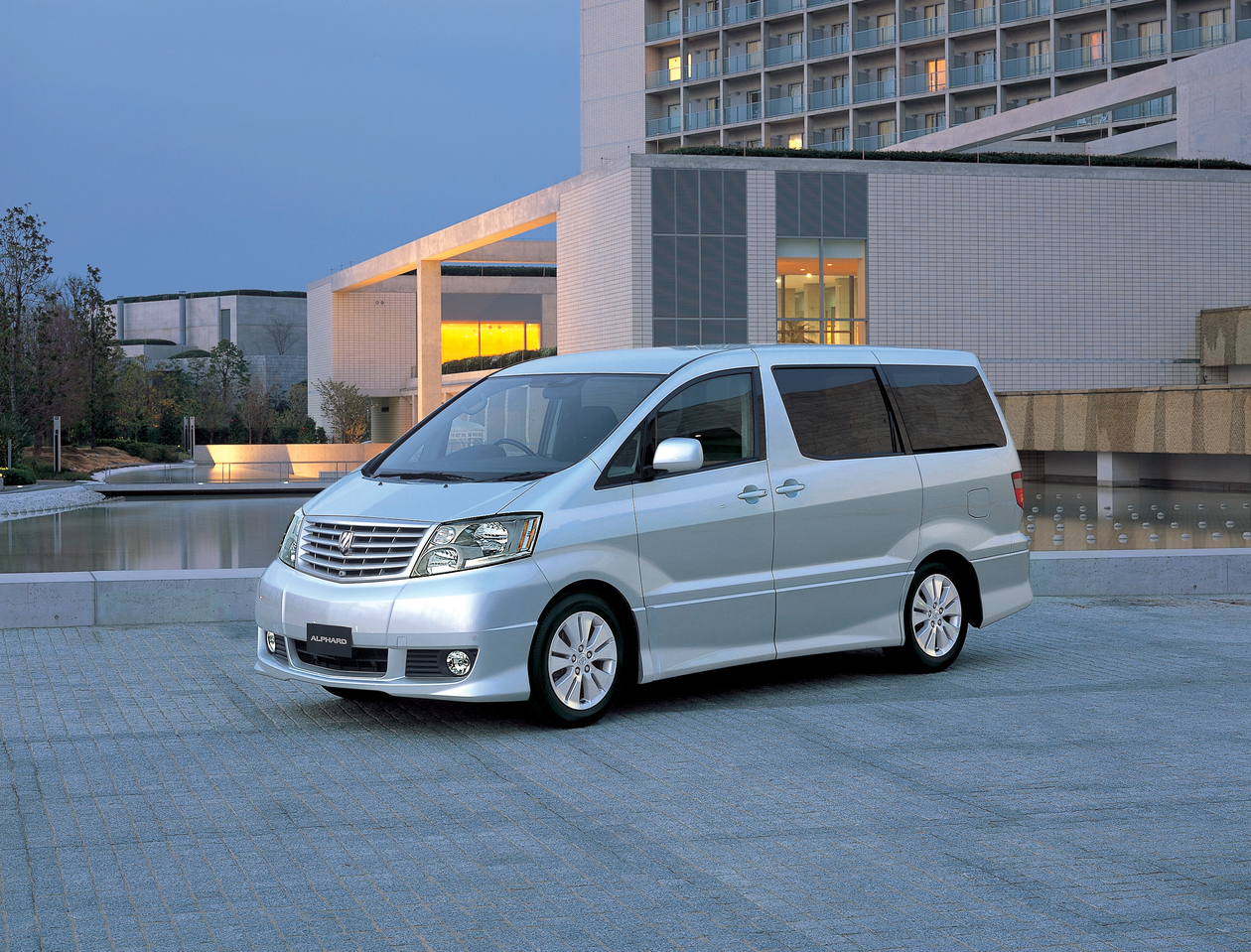
At the time, nobody associated it with "luxury". It was essentially a larger, boxier Estima featuring an upright body, three rows of seats, and powered sliding doors. On Japanese streets, it was virtually indistinguishable from standard company staff shuttles.
The ultimate symbol of prestige back then was the Toyota Century—the exclusive ride of Japanese politicians and corporate titans, and a synonym for power since the mid-1960s. A boxy MPV? In the public eye, it was nowhere near worthy of a seat at that table.
In 2004, an unexpected decision altered the Alphard's path forever.
Akio Toyoda, then serving as a board director at Toyota, decided to drop the Toyota Century as his official executive car in favour of an Alphard. At the time, this was seen as quite "rebellious". The Alphard suited his work routine far better, offering the space and comfort needed to work, hold discussions with colleagues, and change clothes on the go.
However, society was not quite ready for it.
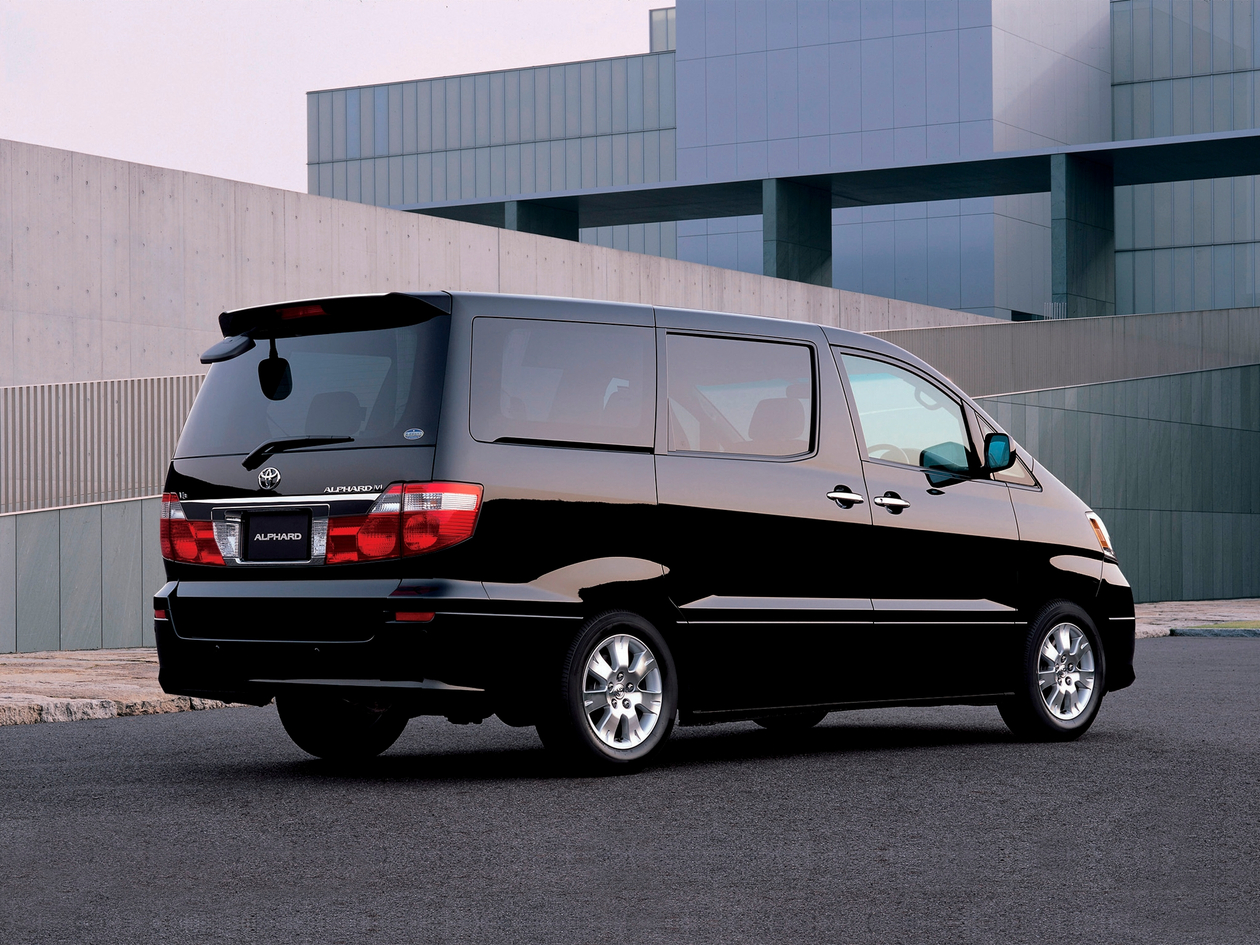
During a visit to another company, Akio Toyoda arrived in a white Alphard. Spotting an MPV pulling up, security guards immediately barked at him to "move aside", explaining that an important VIP was arriving shortly, presumably in a Toyota Century.
Imagine the guards' sheer shock when Akio Toyoda himself stepped out of the Alphard.
From that moment on, the fate of the Alphard was rewritten. Akio Toyoda personally oversaw the development of the subsequent three generations, breathing the Japanese philosophy of "Omotenashi" (ultimate hospitality) into the vehicle. The Alphard was no longer "just a van", but a premium mobile lounge. There was no longer a need for a strict separation between driver and boss; sitting in the second row, the executive enjoyed true first-class comfort.
In June 2023, the fourth-generation Alphard officially made its debut, cementing its undisputed king status once and for all.
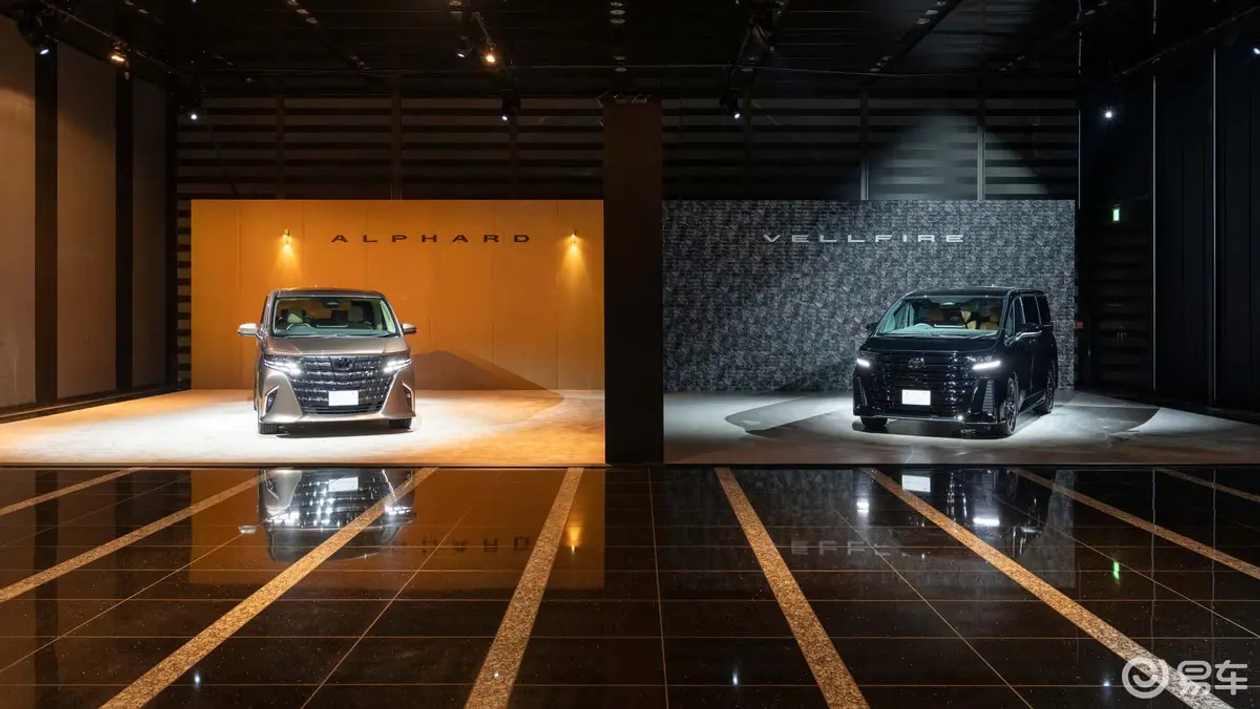
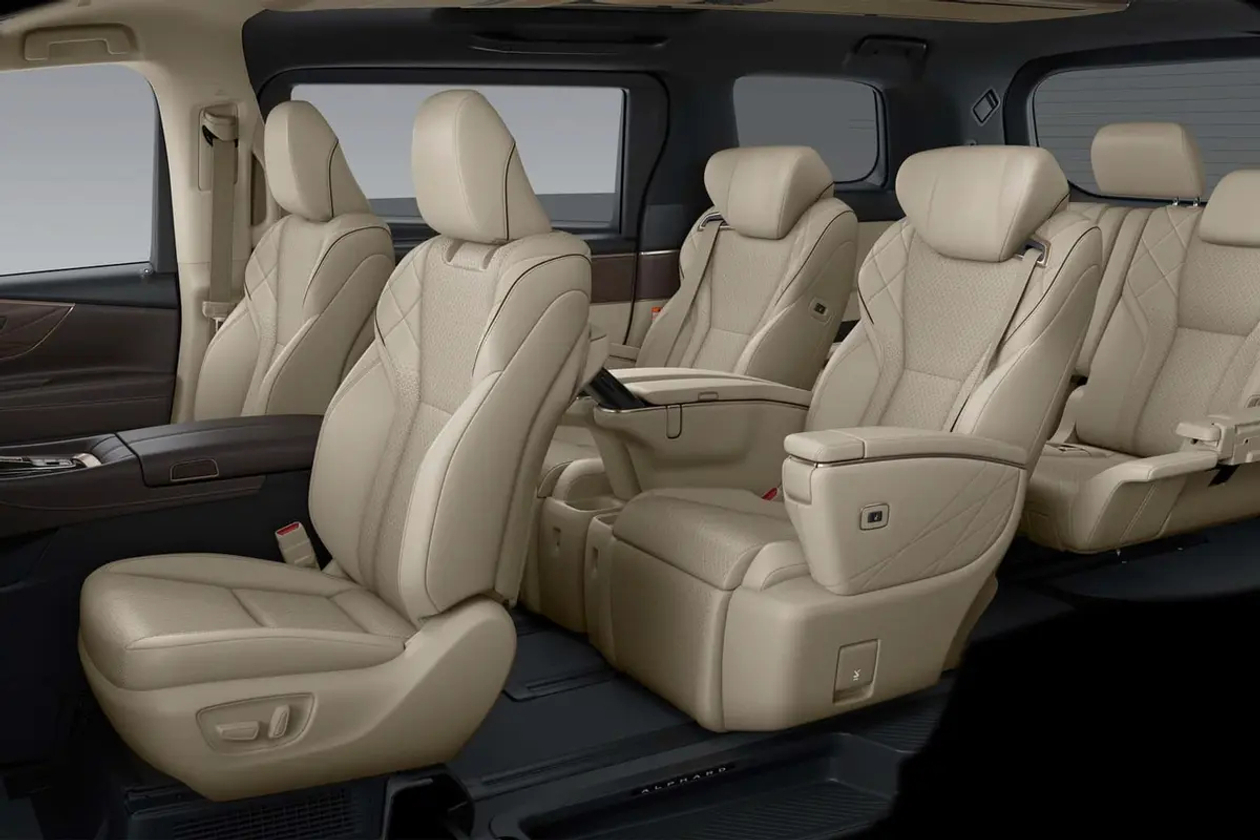
Built on the TNGA GA-K platform, its overall length measures between 4,995 mm and 5,010 mm, with a width of 1,850 mm, a height of 1,935 mm to 1,950 mm, and a 3,000 mm wheelbase. The second row features individual Executive Lounge captain seats complete with power adjustment, ottoman leg rests, heating, and ventilation. It also boasts a large panoramic glass roof, multi-zone automatic climate control, JBL premium audio, and 64-colour ambient lighting. Safety is backed by the Toyota Safety Sense active driver assistance suite.
Malaysia receives the 2.4 Executive Lounge variant, powered by a 2,393 cc turbocharged engine delivering 274 hp and 430 Nm of torque. It carries an official price tag of RM548,000.
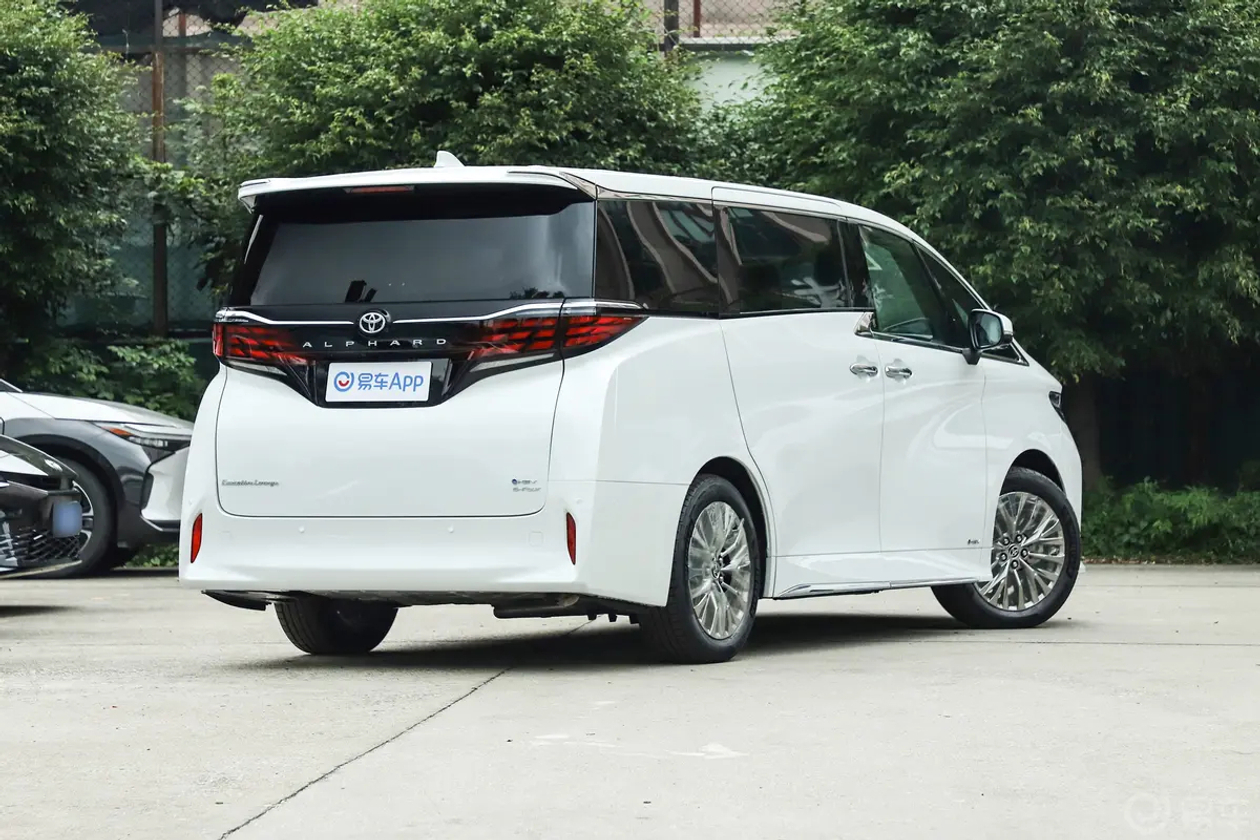
However, that is only through official channels. The Alphard and Vellfire also command a massive presence in Malaysia's grey import market. In 2025, more than one-fifth of Toyota vehicles on Malaysian roads were grey imports or reconditioned (recon) units, with the Alphard and Vellfire standing as the absolute stars of this sector.
The success of the Alphard in Malaysia is driven less by automotive logic and more by sociological status.
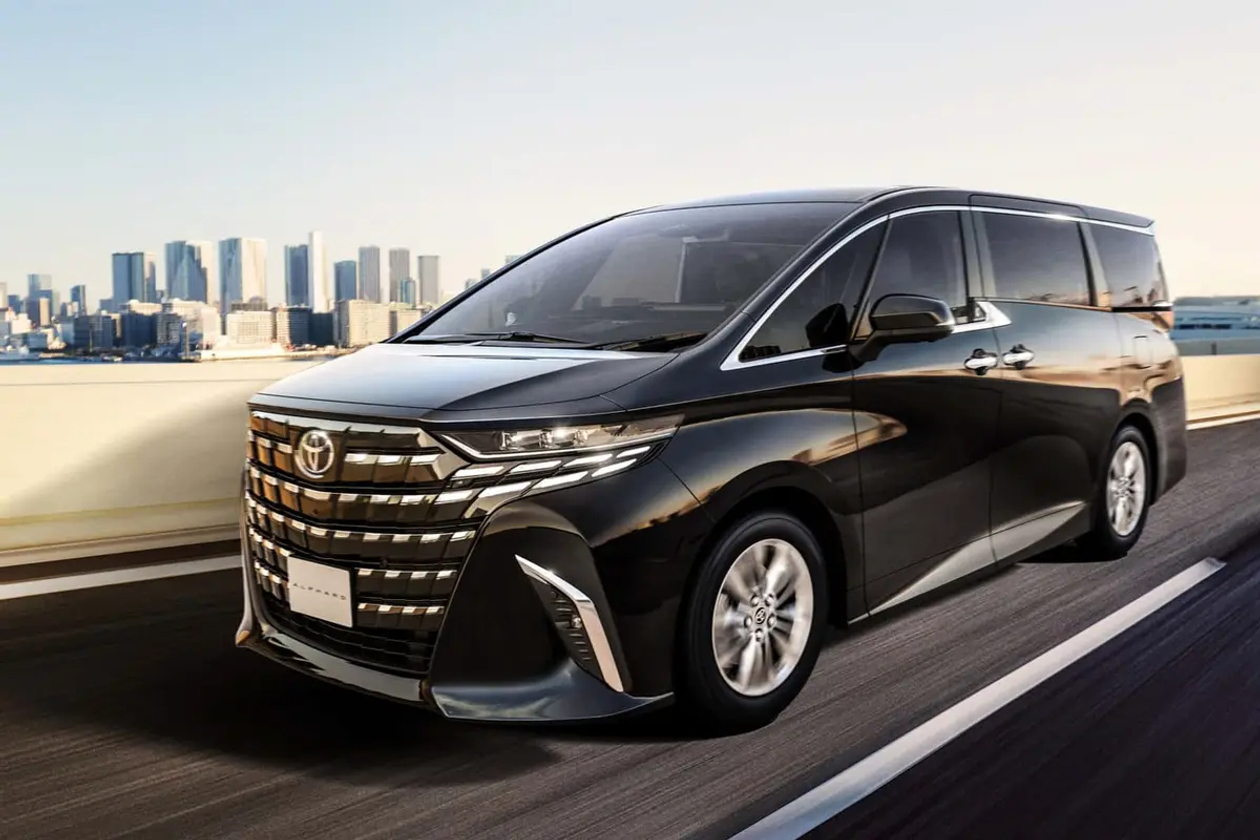
In Malaysian society, displaying wealth and standing follows a clear hierarchy of symbols. Early on, it was the Mercedes-Benz S-Class, followed by the BMW 7 Series, and later the Porsche Cayenne. Today, that ultimate status symbol is the Toyota Alphard.
The Alphard satisfies a very specific demand: combining high prestige with practical utility. An S-Class seats only five, whereas the Alphard seats seven. No matter how comfortable an S-Class rear bench is, it cannot rival the pair of full-recline Captain Seats in the second row of an Alphard. An S-Class is "a boss's car", while the Alphard is "the car a boss rides in". The key distinction is that the Alphard does not require a cold barrier between driver and passenger; with the boss relaxing in the second row and a chauffeur up front, partition options offer privacy that surpasses conventional luxury saloons.
Another major driver comes from the recon car market. An officially imported Alphard costs RM548,000, but a reconditioned 30-series Alphard imported from Japan comes at a significantly lower entry price. This lowers the barrier to ownership and expands its potential buyer pool. The 30-series enjoys massive vehicle population in Malaysia alongside a thriving secondhand resale market.
Challengers are now lining up.
The GWM Wey G9 Hi4 PHEV is priced at RM269,800—roughly half the price of an Alphard. Packing 442 PS and 642 Nm of torque, it completes the 0-100 km/h sprint in 5.7 seconds. In Q2 2026, its sales grew from 421 units to 707 units, establishing a firm foothold in Malaysia's luxury MPV sector.
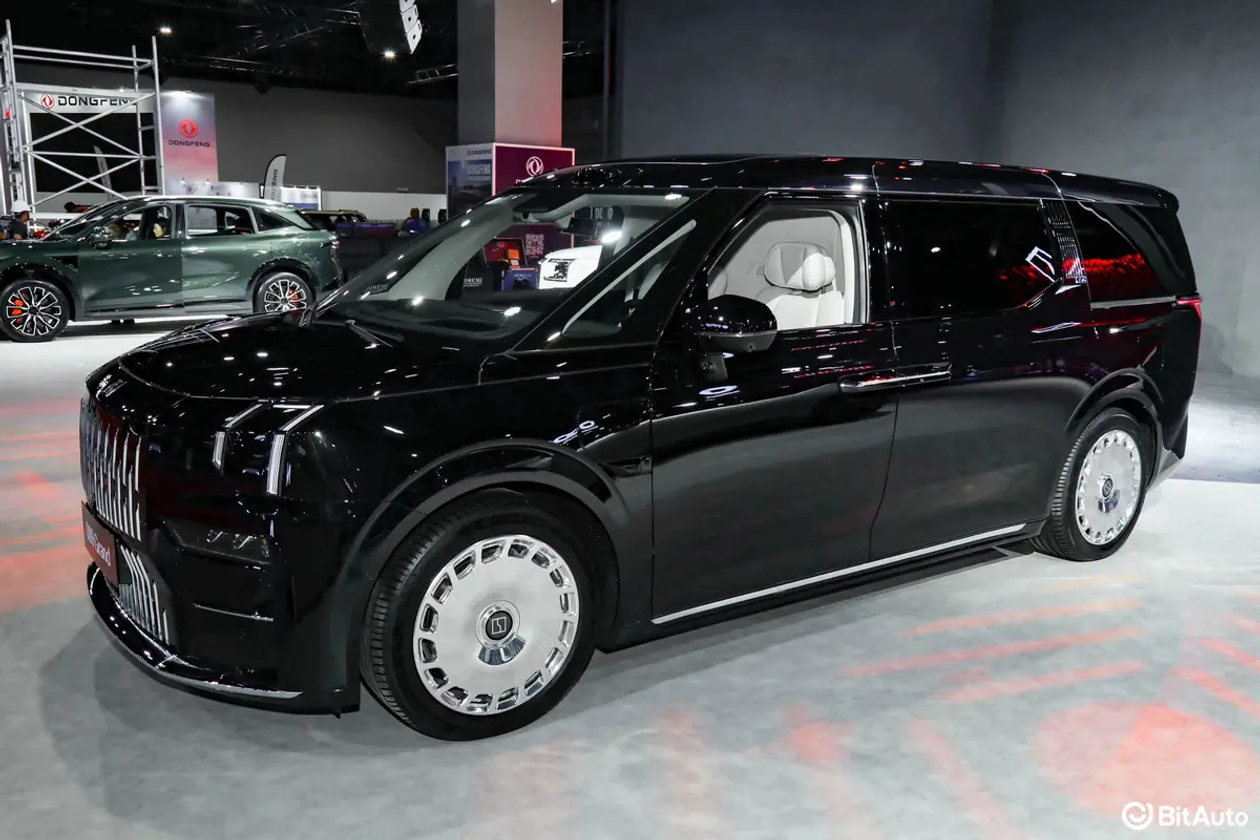
The Xpeng X9 electric MPV starts from RM270,708, while the Zeekr 009 is tagged at RM349,800. The Denza D9 is also targeting this lucrative space. In 2026, Toyota introduced a Hybrid variant for the Vellfire, priced at RM550,000. Meanwhile, the Nissan Elgrand is slated to return to Thailand by late 2026.
Each challenger brings distinct advantages: lower pricing, advanced technology, and greener powertrains. Yet the Alphard possesses one edge none can replicate overnight: 23 years of built-up brand prestige.
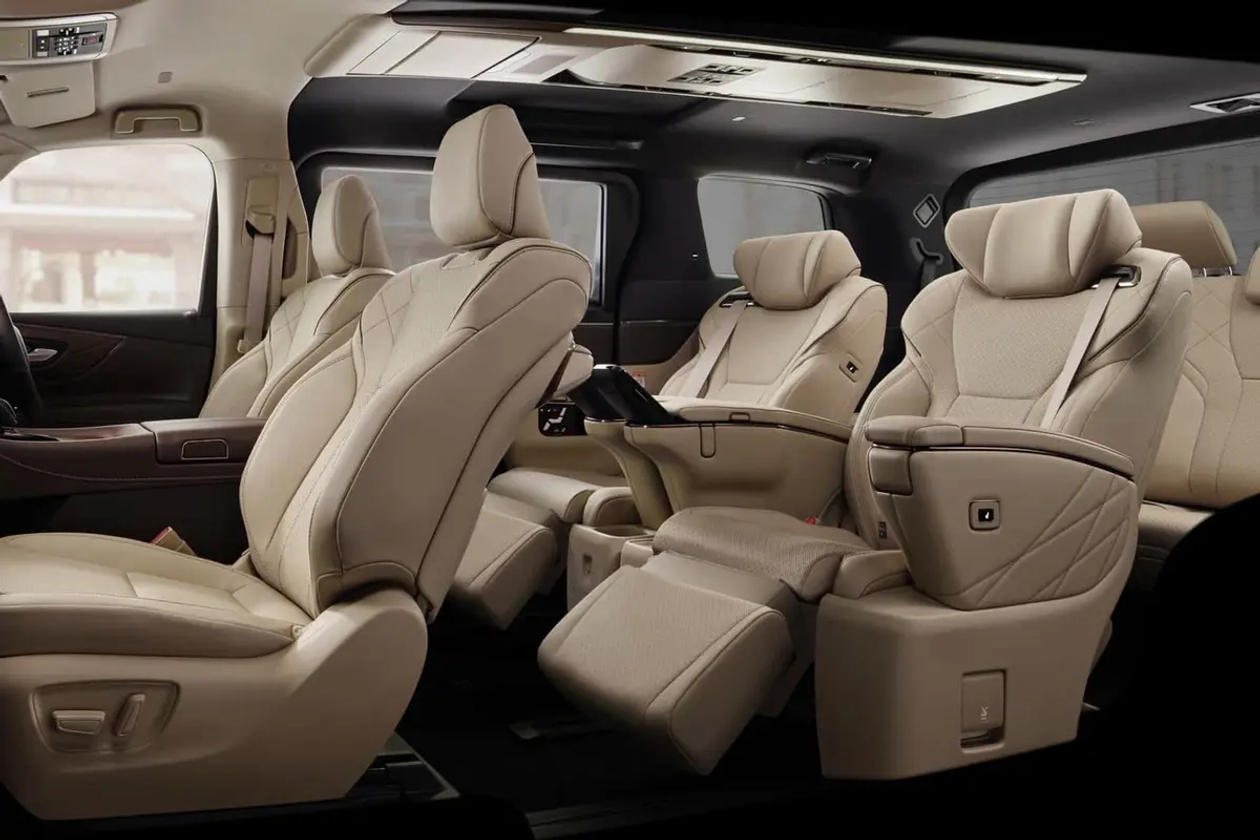
It took 23 full years for this vehicle to evolve from a "boxy van" into a "mobile first-class suite". Akio Toyoda's bold choice, relentless refinement over three generations, and the Malaysian market's appetite for presence and practicality have together forged this landmark product.
The Alphard did not reach legendary status through spec sheet figures alone. It achieved it through something far more elusive: symbolic value.
Rivals will continue to emerge, but the Alphard's crown remains firmly intact for now. After all, status is not something you can displace simply by swapping in a faster powertrain.


Your go-to source for all things automotive in Malaysia. 🚗 Latest reviews, breaking news, launches & industry trends.
+ Follow We drove all the way from China just to meet you!
And yes, this is your opportunity to get up close and personal with the not-sold-in-Malaysia Yangwang U8 and Xiaomi SU7! 1 minute ago
We drove all the way from China just to meet you!
And yes, this is your opportunity to get up close and personal with the not-sold-in-Malaysia Yangwang U8 and Xiaomi SU7! 1 minute ago  Jetour terlalu besar untuk berkelana? Bagaimana pula dengan harganya?
Mula diperkenalkan semasa KLIMS 2026, Jetour T2 i-DM sudah pun menerima lebih 2,000 tempahan. Mengapa rakyat Malaysia begituMula diperkenalkan semasa KLIMS 2026, Jetour T2 i-DM sudah pun menerima lebih 2,000 tempahan. Mengapa rakyat Malaysia begitu#sarongmusicrun2026 meminati SUV ini?
#jetour #jetourt2 #harimalaysia #sarongmusicrun2026 12 hours ago
Jetour terlalu besar untuk berkelana? Bagaimana pula dengan harganya?
Mula diperkenalkan semasa KLIMS 2026, Jetour T2 i-DM sudah pun menerima lebih 2,000 tempahan. Mengapa rakyat Malaysia begituMula diperkenalkan semasa KLIMS 2026, Jetour T2 i-DM sudah pun menerima lebih 2,000 tempahan. Mengapa rakyat Malaysia begitu#sarongmusicrun2026 meminati SUV ini?
#jetour #jetourt2 #harimalaysia #sarongmusicrun2026 12 hours ago  Bersempena dengan Hari Malaysia, banyak pengedar atau penjual kereta daripada pelbagai jenama menawarkan pelbagai promosi dan rebat menarik.
Perodua juga tidak ketinggalan dengan rebat hebat bagi beberapa model terpilihnya.
#perodua #PeroduaQVE 22 hours ago
Bersempena dengan Hari Malaysia, banyak pengedar atau penjual kereta daripada pelbagai jenama menawarkan pelbagai promosi dan rebat menarik.
Perodua juga tidak ketinggalan dengan rebat hebat bagi beberapa model terpilihnya.
#perodua #PeroduaQVE 22 hours ago Get the latest car news first!
Your go-to source for all things automotive in Malaysia. 🚗 Latest reviews, breaking news, launches & industry trends.
We drove all the way from China just to meet you!
And yes, this is your opportunity to get up close and personal with the not-sold-in-Malaysia Yangwang U8 and Xiaomi SU7! 1 minute ago Jetour terlalu besar untuk berkelana? Bagaimana pula dengan harganya?
Mula diperkenalkan semasa KLIMS 2026, Jetour T2 i-DM sudah pun menerima lebih 2,000 tempahan. Mengapa rakyat Malaysia begituMula diperkenalkan semasa KLIMS 2026, Jetour T2 i-DM sudah pun menerima lebih 2,000 tempahan. Mengapa rakyat Malaysia begitu#sarongmusicrun2026 meminati SUV ini?
#jetour #jetourt2 #harimalaysia #sarongmusicrun2026 12 hours ago Bersempena dengan Hari Malaysia, banyak pengedar atau penjual kereta daripada pelbagai jenama menawarkan pelbagai promosi dan rebat menarik.
Perodua juga tidak ketinggalan dengan rebat hebat bagi beberapa model terpilihnya.
#perodua #PeroduaQVE 22 hours ago  ProtonGWMVolkswagenJAECOOVolvoPeroduaToyotaHondaTESLAMitsubishiMazdaJetourCheryBYDLexusBMWMercedes-BenziCAURZeekrIsuzuNissanLeapmotorPorscheFordOMODAMINIMGSuzukiXPengHyundaiWulingKiaSubaruDenzaGACLand RoverDongfengCAMAudiPeugeotFotonMAXUSsmartDaihatsuJACJMCMaseratiLotusAlfa RomeoRenaultGolden DragonKaiceneSeresLamborghiniFerrariJeepRolls-RoyceLepasAston MartinMcLarenChevroletBentleyFiatBAICForthingGeelyRoeweAeolusChanganARCFOXDeepalExeedHongqiVoyahJaguarKGMBuforiAcuraCadillacDodgeAbarthINEOSMHEROJMEVFreelander
© 2024 Bitauto.com. All Rights Reserved.
Bitauto (www.yiche.com and www.bitauto.com) is one of the most visited automotive websites in China. We provide detailed info on Chinese car brands available in your area. Please note that the information provided on this website is based on publicly available data and is for reference only. It may not be fully updated or accurate at all times.
Help us improve our website


