In the first half of 2026, Malaysia's MPV market contracted by 11%, with total sales dropping from around 34,000 units in the same period last year to 30,182 units. Meanwhile, SUV sales surged by 19% to reach 118,837 units.
Are MPVs dying out? On the surface, the numbers certainly point that way. But take a closer look at another set of figures.
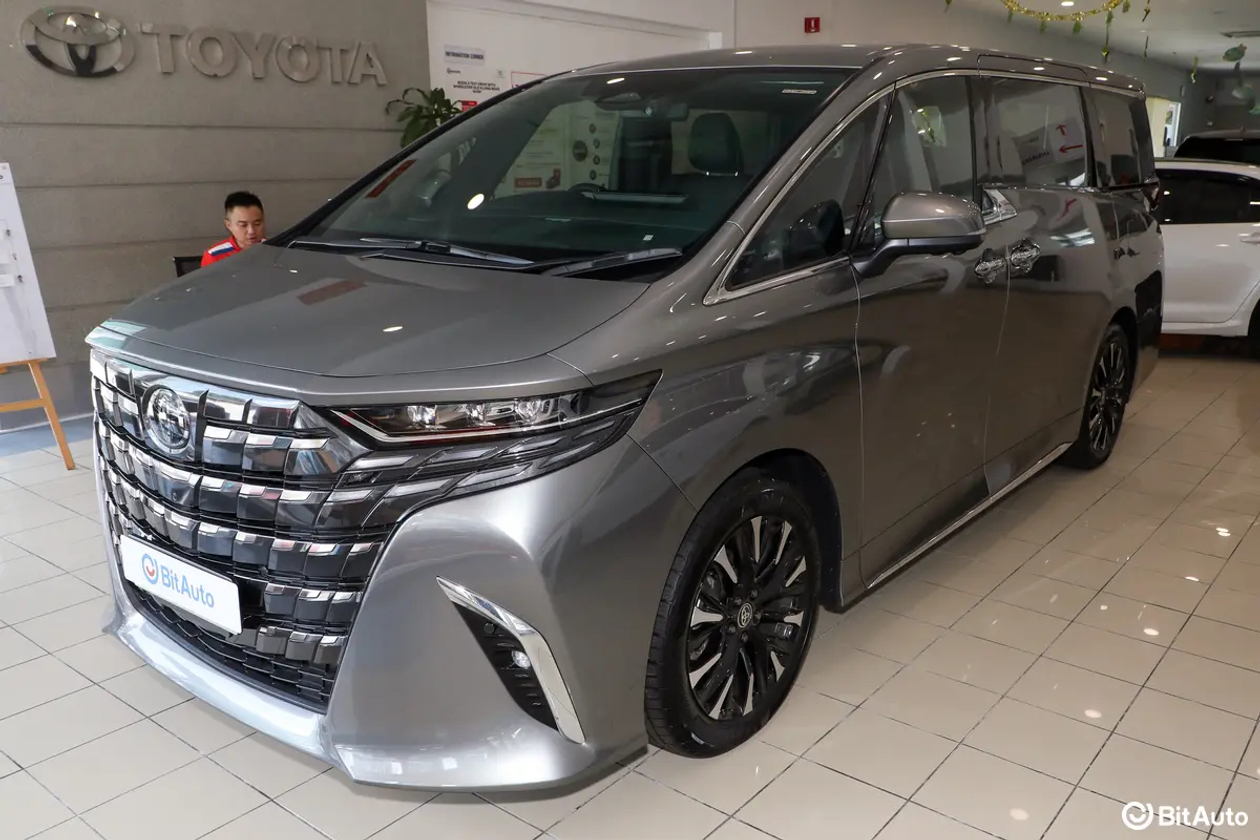
The Toyota Alphard recorded 8,243 units sold in the first half of the year, with 1,291 registrations in June alone—placing it 15th overall among all vehicle models. Combined with the Vellfire, single-month registrations for the Alphard and Vellfire twins reached 1,766 units in June.
How much does an Alphard cost? Prices start from RM448,000 for the base petrol variant up to RM548,000 for the flagship PHEV version. A single Alphard could easily buy you three units of the Perodua Alza. So why are higher-priced MPVs selling better? What is the logic behind this trend?
The 11% dip in the MPV market isn't because MPVs have lost their practical value, but rather because they are being replaced by SUVs.
SUVs simply look better. Driving one doesn't give off that "family dad car" vibe. They offer superior ground clearance, handling rough roads with ease, and deliver a driving experience closer to a sedan, whereas traditional MPVs feel more like driving a van. In the RM100,000 to RM150,000 price bracket, SUV choices far outnumber MPVs.
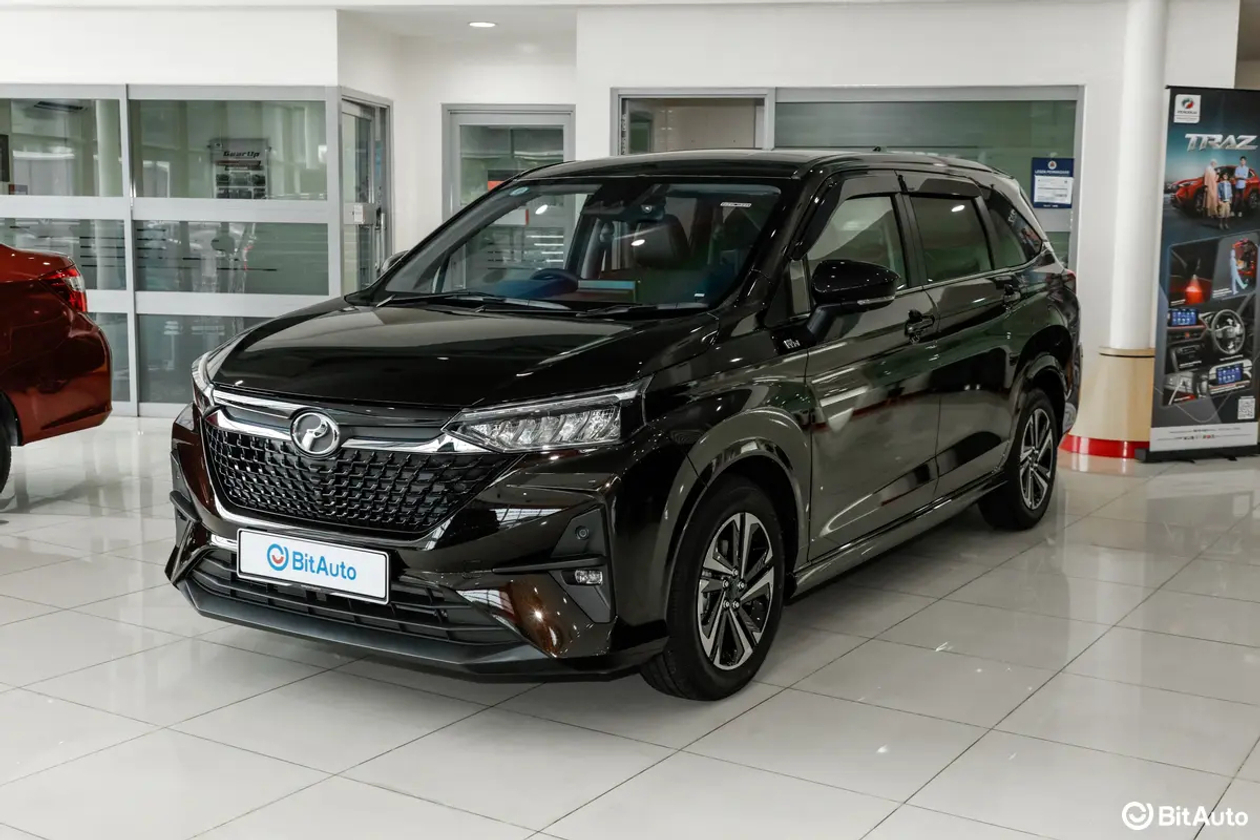
B-segment seven-seater MPVs like the Perodua Alza and Toyota Veloz essentially address the same core need: fitting seven occupants. Yet, within the same budget, an increasing number of buyers are opting for SUVs such as the Proton X50, Perodua Traz, and Honda HR-V.
There is also another contributing factor. Following the implementation of the diesel subsidy rationalisation policy on 10 June 2024, retail diesel prices in Peninsular Malaysia rose from RM2.15 per litre to RM3.35 per litre. The Malaysian Automotive Association (MAA) noted a nearly 25% drop in demand for diesel vehicles—particularly pick-up trucks and SUVs—in Peninsular Malaysia. While not all MPVs are diesel-powered, the overall downturn in the diesel market has indirectly impacted MPV models reliant on diesel powertrains.
While entry-level MPVs are losing ground to SUVs, the high-end MPV segment is a completely different story.
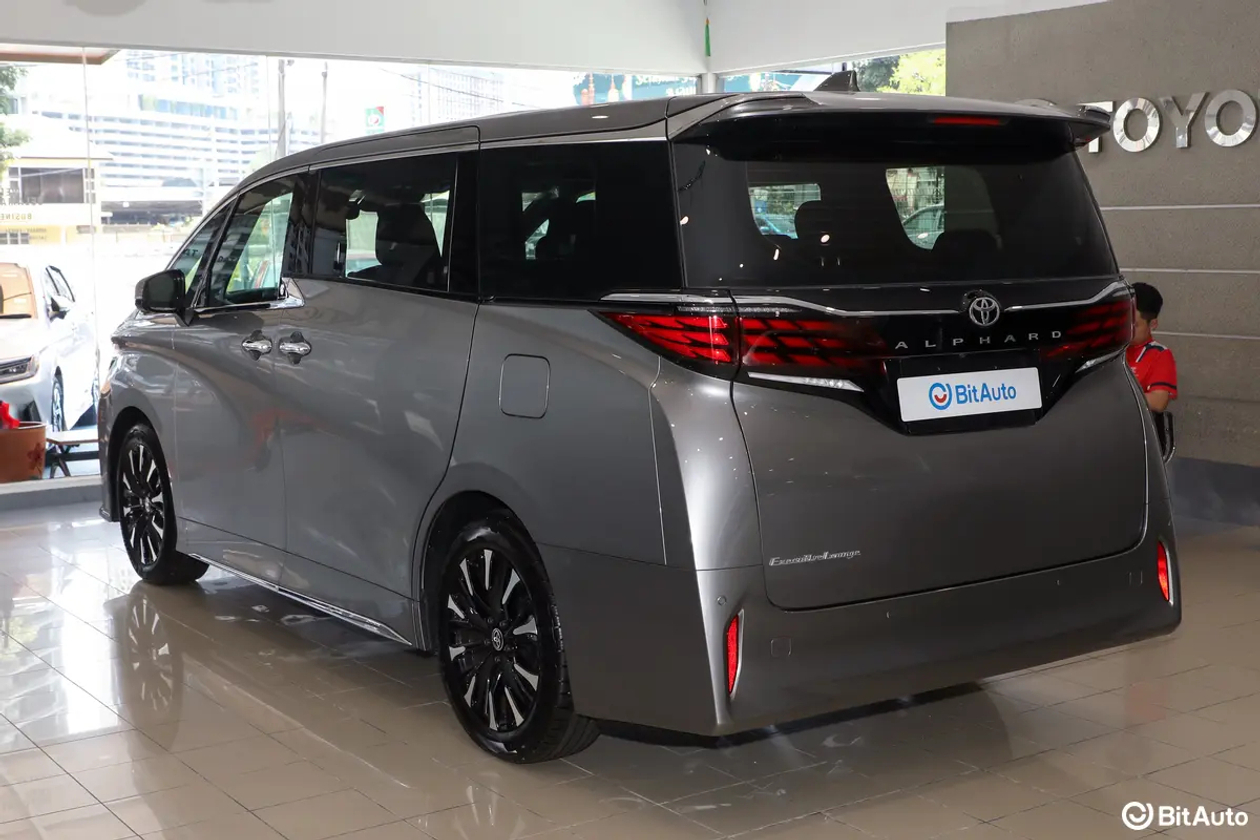
The underlying proposition of the Alphard and Vellfire is vastly different from mass-market MPVs. Standard MPVs serve as practical workhorses for carrying passengers, hauling goods, or doing school runs. The Alphard and Vellfire, on the other hand, are status symbols. Buying an Alphard isn't just about needing seven seats; it's a clear statement that you can afford a RM500,000 vehicle.
This is precisely why the Alphard and Vellfire hold an unshakeable position in the Malaysian market. Their true competitors have never been the Perodua Alza or Toyota Veloz, but rather executive flagship sedans like the Mercedes-Benz S-Class and BMW 7 Series. Buyers of the Alphard and S-Class belong to the same demographic—affluent buyers prioritising ultimate comfort and prestige.
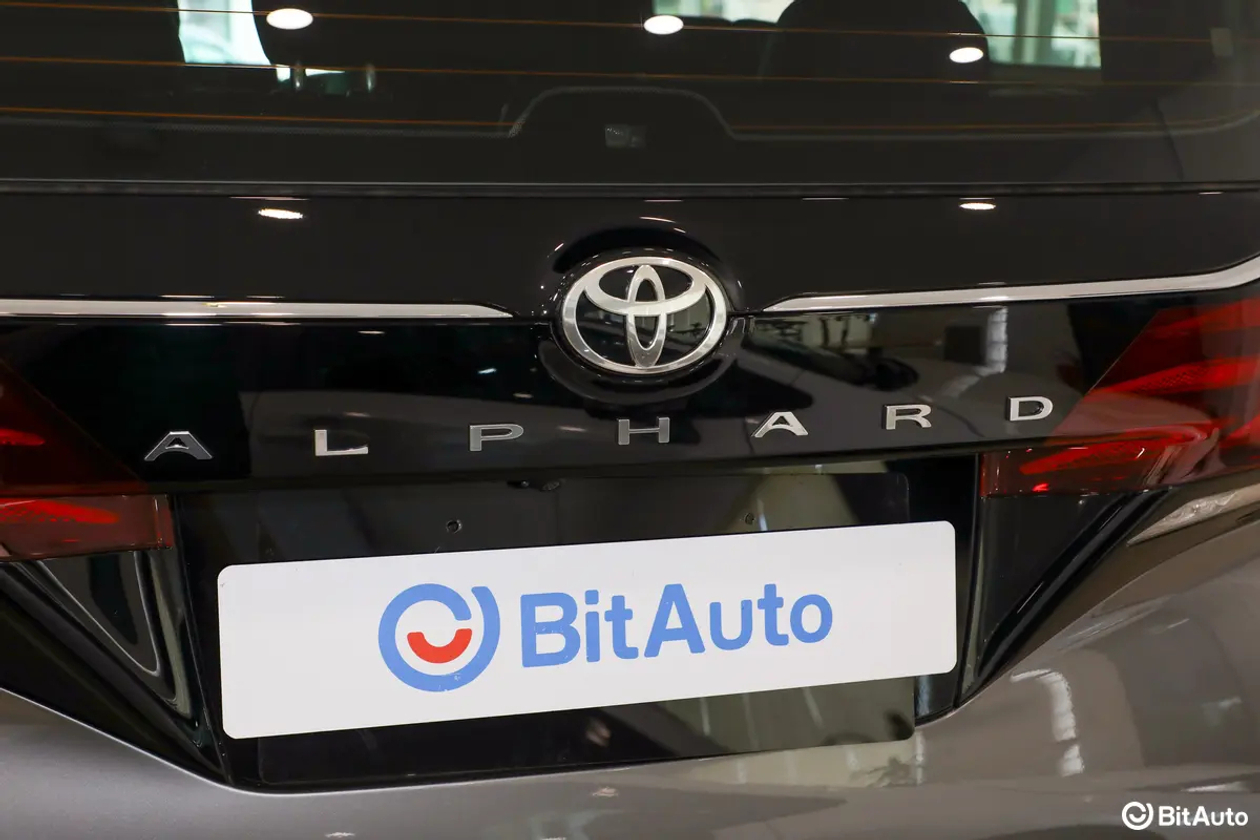
In 2026, the introduction of PHEV variants further fortified the Alphard and Vellfire's dominance in the luxury segment. With the Vellfire Hybrid tagged at RM550,000, higher price tags have surprisingly done nothing to deter buyers.
The GWM Wey G9 takes a different approach. Priced at RM269,800—roughly half the price of an Alphard—it targets the exact same luxury MPV segment. As a locally assembled (CKD) plug-in hybrid MPV boasting 442 PS and 642 Nm of torque, its second-quarter sales surged to 707 units from 421 units in Q1. GWM Malaysia officially stated that the model continues to maintain its leadership in the luxury MPV market among officially authorized car brands in Malaysia.
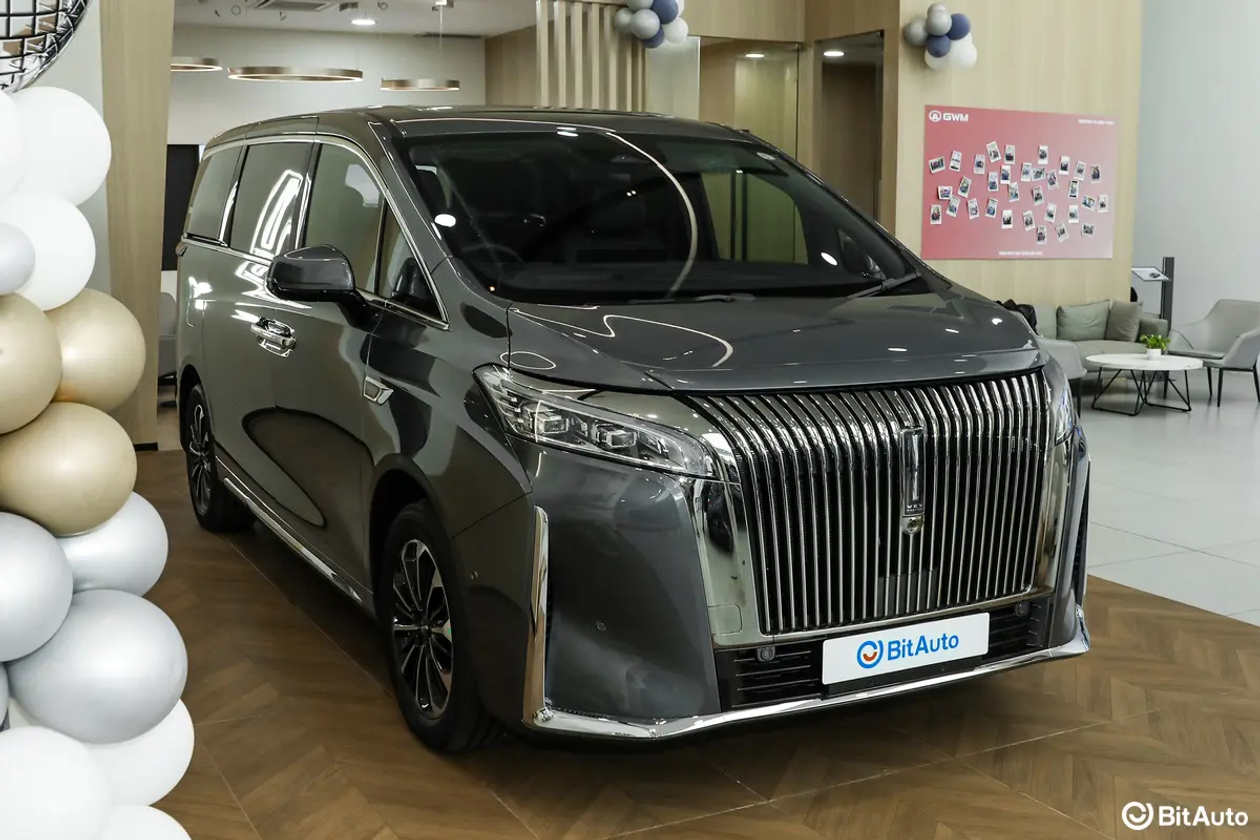
The success of the Wey G9 proves one clear point: genuine demand exists in the high-end MPV market, and Toyota isn't the only brand capable of claiming a slice of the pie. As long as the product hits the right notes and offers a compelling price point, buyers are more than ready to pay.
The MPV market is effectively splitting into two entirely distinct segments.
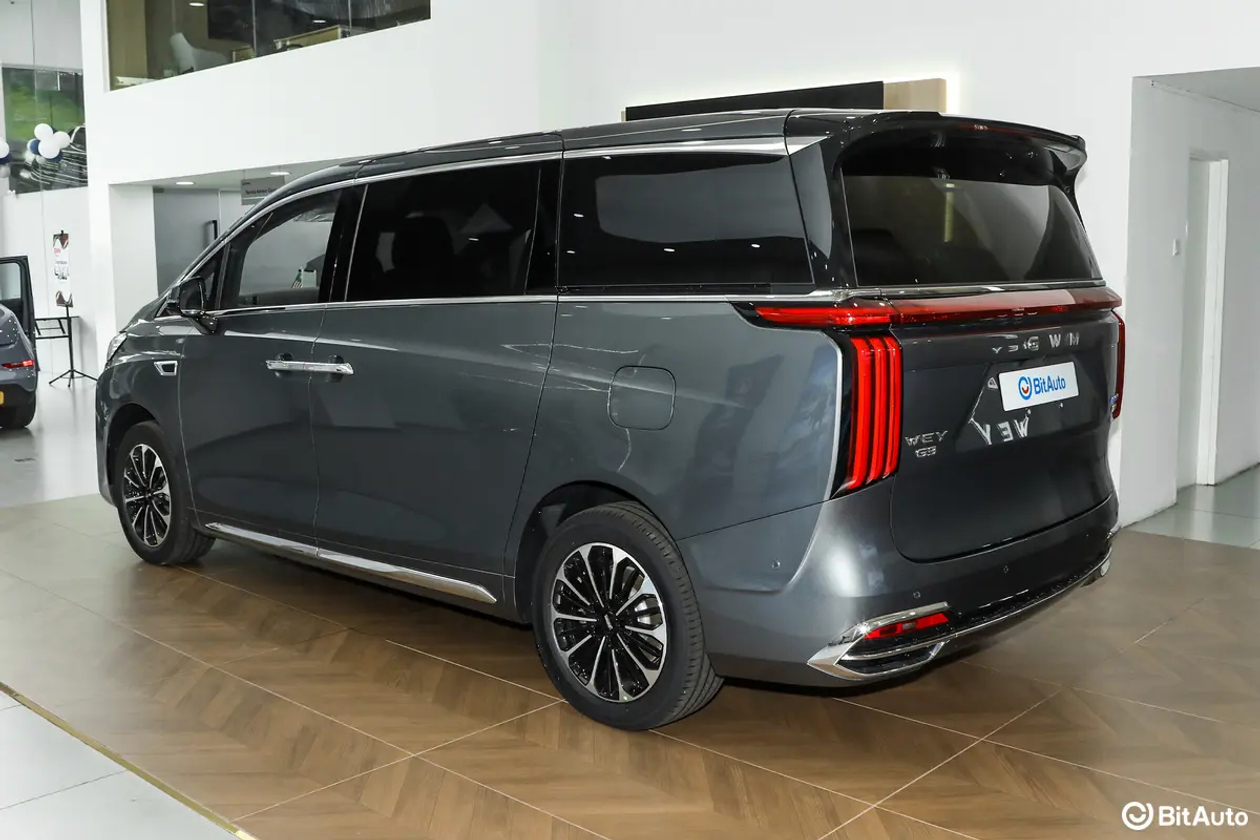
One is the mass-market segment. Models like the Perodua Alza and Toyota Veloz compete on practicality and value for money. This segment is steadily losing ground to SUVs, leading to declining sales.
The other is the luxury segment. Models like the Alphard, Vellfire, and Wey G9 trade on status, comfort, and presence. Far from being impacted by the SUV surge, this segment is actually expanding.
The buyer profiles for these two segments are worlds apart. An Alza buyer, working within an RM60,000 to RM80,000 budget, prioritises everyday functionality. An Alphard buyer, with a budget between RM400,000 and RM550,000, demands premium luxury. They simply do not operate in the same market space.
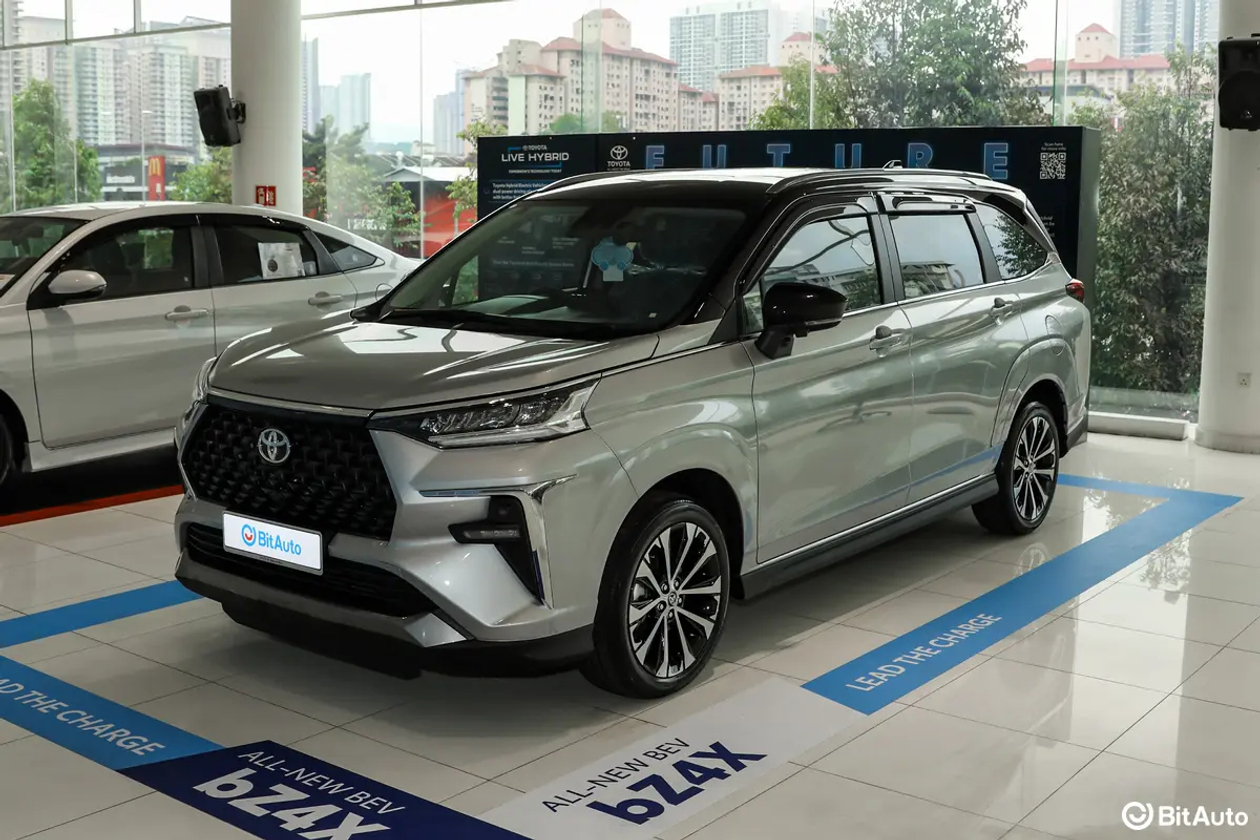
Thus, saying that "the MPV market is shrinking" tells only half the story. A more precise takeaway would be: budget MPVs are declining, while luxury MPVs are thriving. The former is a case of functional substitution, where buyers migrate to SUVs. The latter reflects a trend of premiumisation, where wealthy buyers are increasingly willing to pay top ringgit for chauffeur-driven comfort.
Competition in the luxury MPV space is heating up rapidly. Beyond Toyota's dominant duo of the Alphard and Vellfire, the GWM Wey G9 has already established a strong foothold. The Xpeng X9 also made its Malaysian debut in 2026 as a fully electric MPV starting from RM279,888, while the Zeekr 009 made an appearance at KLIMS 2026, and the Denza D9 is setting its sights on the market as well.
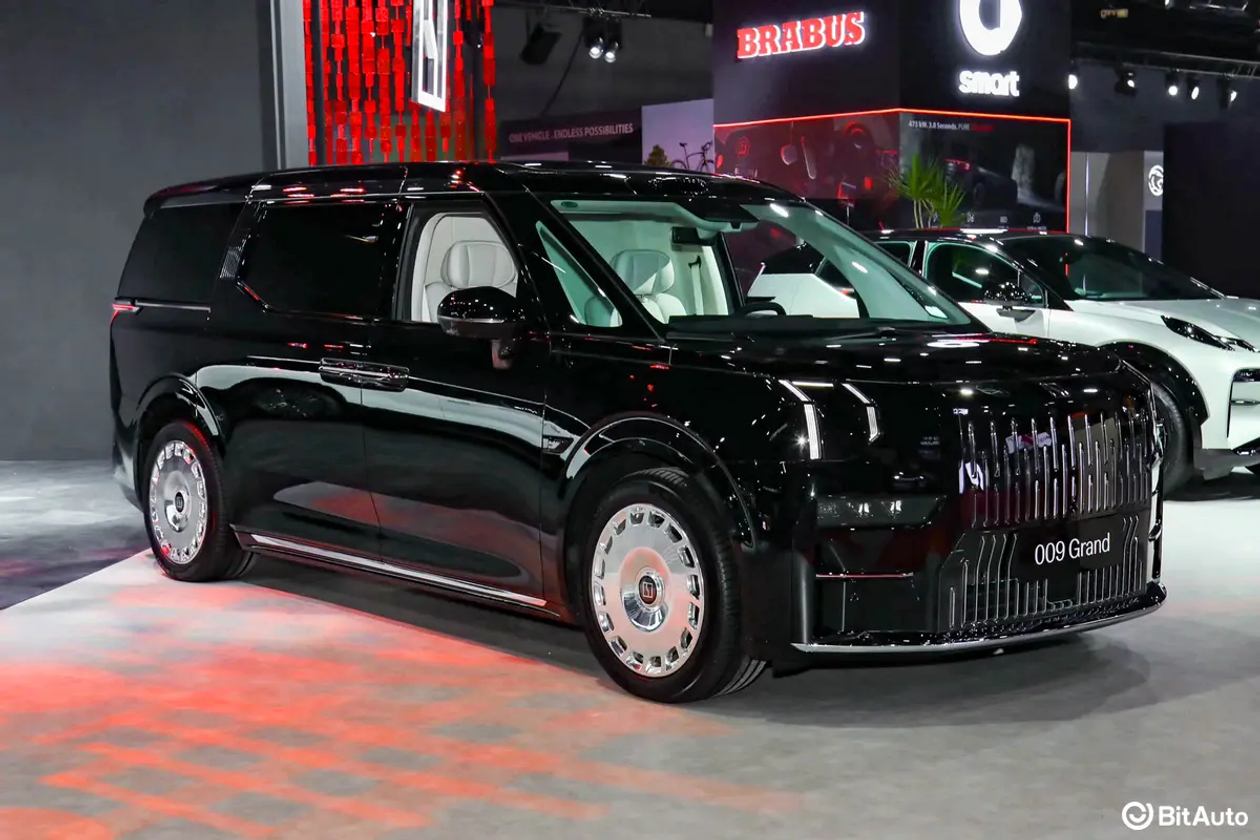
For now, the Alphard and Vellfire remain comfortably atop their thrones, but contenders are multiplying fast. What was once a segment where Toyota dictated the market is gradually opening up into a playing field where any strong contender stands a chance.
For consumers, this heightened competition is a welcome development. Greater choice and stiffer rivalry will naturally drive improvements in pricing and customer experience. For the automotive industry, it serves as a clear signal: the MPV isn't dying—it is simply evolving into something new.


Your go-to source for all things automotive in Malaysia. 🚗 Latest reviews, breaking news, launches & industry trends.
+ Follow We drove all the way from China just to meet you!
And yes, this is your opportunity to get up close and personal with the not-sold-in-Malaysia Yangwang U8 and Xiaomi SU7! 1 minute ago
We drove all the way from China just to meet you!
And yes, this is your opportunity to get up close and personal with the not-sold-in-Malaysia Yangwang U8 and Xiaomi SU7! 1 minute ago  Jetour terlalu besar untuk berkelana? Bagaimana pula dengan harganya?
Mula diperkenalkan semasa KLIMS 2026, Jetour T2 i-DM sudah pun menerima lebih 2,000 tempahan. Mengapa rakyat Malaysia begituMula diperkenalkan semasa KLIMS 2026, Jetour T2 i-DM sudah pun menerima lebih 2,000 tempahan. Mengapa rakyat Malaysia begitu#sarongmusicrun2026 meminati SUV ini?
#jetour #jetourt2 #harimalaysia #sarongmusicrun2026 13 hours ago
Jetour terlalu besar untuk berkelana? Bagaimana pula dengan harganya?
Mula diperkenalkan semasa KLIMS 2026, Jetour T2 i-DM sudah pun menerima lebih 2,000 tempahan. Mengapa rakyat Malaysia begituMula diperkenalkan semasa KLIMS 2026, Jetour T2 i-DM sudah pun menerima lebih 2,000 tempahan. Mengapa rakyat Malaysia begitu#sarongmusicrun2026 meminati SUV ini?
#jetour #jetourt2 #harimalaysia #sarongmusicrun2026 13 hours ago  Bersempena dengan Hari Malaysia, banyak pengedar atau penjual kereta daripada pelbagai jenama menawarkan pelbagai promosi dan rebat menarik.
Perodua juga tidak ketinggalan dengan rebat hebat bagi beberapa model terpilihnya.
#perodua #PeroduaQVE 23 hours ago
Bersempena dengan Hari Malaysia, banyak pengedar atau penjual kereta daripada pelbagai jenama menawarkan pelbagai promosi dan rebat menarik.
Perodua juga tidak ketinggalan dengan rebat hebat bagi beberapa model terpilihnya.
#perodua #PeroduaQVE 23 hours ago Get the latest car news first!
Your go-to source for all things automotive in Malaysia. 🚗 Latest reviews, breaking news, launches & industry trends.
We drove all the way from China just to meet you!
And yes, this is your opportunity to get up close and personal with the not-sold-in-Malaysia Yangwang U8 and Xiaomi SU7! 1 minute ago Jetour terlalu besar untuk berkelana? Bagaimana pula dengan harganya?
Mula diperkenalkan semasa KLIMS 2026, Jetour T2 i-DM sudah pun menerima lebih 2,000 tempahan. Mengapa rakyat Malaysia begituMula diperkenalkan semasa KLIMS 2026, Jetour T2 i-DM sudah pun menerima lebih 2,000 tempahan. Mengapa rakyat Malaysia begitu#sarongmusicrun2026 meminati SUV ini?
#jetour #jetourt2 #harimalaysia #sarongmusicrun2026 13 hours ago Bersempena dengan Hari Malaysia, banyak pengedar atau penjual kereta daripada pelbagai jenama menawarkan pelbagai promosi dan rebat menarik.
Perodua juga tidak ketinggalan dengan rebat hebat bagi beberapa model terpilihnya.
#perodua #PeroduaQVE 23 hours ago  ProtonGWMVolkswagenJAECOOVolvoPeroduaToyotaHondaTESLAMitsubishiMazdaJetourCheryBYDLexusBMWMercedes-BenziCAURZeekrIsuzuNissanLeapmotorPorscheFordOMODAMINIMGSuzukiXPengHyundaiWulingKiaSubaruDenzaGACLand RoverDongfengCAMAudiPeugeotFotonMAXUSsmartDaihatsuJACJMCMaseratiLotusAlfa RomeoRenaultGolden DragonKaiceneSeresLamborghiniFerrariJeepRolls-RoyceLepasAston MartinMcLarenChevroletBentleyFiatBAICForthingGeelyRoeweAeolusChanganARCFOXDeepalExeedHongqiVoyahJaguarKGMBuforiAcuraCadillacDodgeAbarthINEOSMHEROJMEVFreelander
© 2024 Bitauto.com. All Rights Reserved.
Bitauto (www.yiche.com and www.bitauto.com) is one of the most visited automotive websites in China. We provide detailed info on Chinese car brands available in your area. Please note that the information provided on this website is based on publicly available data and is for reference only. It may not be fully updated or accurate at all times.
Help us improve our website


