

HomeAlam

Search History
Popular Searches
Dealer Login / Sign Up

Dalam pasaran SUV di Malaysia, ramai pembeli membandingkan Mazda CX-3 dan Mitsubishi Xforce semasa memilih kereta. Kedua-dua kereta ini mempunyai harga dan kedudukan yang agak hampir, hari ini kami akan membuat perbandingan terperinci dari pelbagai aspek untuk membantu anda menjimatkan masa membuat penyelidikan.
Harga OTR Mazda CX-3 di Malaysia adalah RM 126,159 - 139,159, terdapat 2 varian, termasuk 2023 2.0L High (RM 139,159), 2023 2.0L Plus (RM 126,159) dan lain-lain.
Harga OTR Mitsubishi Xforce di Malaysia adalah RM 109,930 - 119,930, terdapat 2 varian, termasuk 2026 1.5L Ultimate (RM 119,930), 2026 1.5L Urban (RM 109,930) dan lain-lain.
Daripada segi harga, harga permulaan Mitsubishi Xforce lebih murah RM 16,229 berbanding Mazda CX-3. Secara jujur, dalam julat harga ini, perbezaan beberapa ribu tidak terlalu besar, yang penting masih melihat nisbah kualiti harga keseluruhan dan kos penggunaan jangka panjang.

Paraf keselamatan Mazda CX-3 ialah 5★ (ASEAN NCAP), sistem keselamatan aktif termasuk i-Activsense.
Paraf keselamatan Mitsubishi Xforce ialah 5★ (ASEAN NCAP), sistem keselamatan aktif termasuk MI-PILOT.
Paraf keselamatan kedua-dua kereta adalah sama, peralatan keselamatan dalam kelas ini dianggap cukup lengkap. Keselamatan kereta baharu sekarang tidak buruk, tidak perlu terlalu risau tentang hal ini.

Panjang badan Mazda CX-3 4500 mm, ruang bagasi 450 L.
Panjang badan Mitsubishi Xforce 4400 mm, ruang bagasi 400 L.
Dari segi ruang, badan Mazda CX-3 lebih panjang 100 mm berbanding Mitsubishi Xforce, ruang dalaman penumpang akan lebih luas sedikit, terutamanya ruang kaki belakang. Jika anda kerap membawa keluarga atau perlu letak kereta bayi, badan kereta yang lebih besar memang lebih praktikal.

Mazda CX-3 menggunakan cara penggerak FWD.
Mitsubishi Xforce menggunakan cara penggerak FWD.
Cara penggerak kedua-dua kereta adalah sama, semua FWD, pengalaman memandu sehari-hari tidak akan banyak berbeza.

Secara keseluruhannya, Mazda CX-3 dan Mitsubishi Xforce adalah model kereta yang sangat bagus di pasaran Malaysia. Memilih yang mana satu, yang penting masih lihat keperluan dan bajet peribadi anda. Kami cadangkan anda membuat penyelidikan, bandingkan lebihan tawaran daripada beberapa dealer kereta, kemudian buat ujian memandu untuk membuat keputusan akhir. Membeli kereta adalah perkara besar, meluangkan masa membuat penyelidikan pasti tidak akan salah.


Dalam pasaran SUV Malaysia, ramai pembeli membandingkan Mazda CX-3 dan Mitsubishi Xforce semasa memilih kereta. Kedua-dua kereta ini agak hampir dari segi harga dan posisi. Hari ini, kami akan membuat perbandingan terperinci dari pelbagai aspek untuk membantu anda menjimatkan masa membuat penyelidikan.
Harga OTR Mazda CX-3 di Malaysia ialah RM 126,159 - 139,159, terdapat 2 versi, termasuk 2023 2.0L High (RM 139,159), 2023 2.0L Plus (RM 126,159) dll.
Harga OTR Mitsubishi Xforce di Malaysia ialah RM 109,930 - 119,930, terdapat 2 versi, termasuk 2026 1.5L Ultimate (RM 119,930), 2026 1.5L Urban (RM 109,930) dll.
Dari segi harga, Mitsubishi Xforce bermula RM 16,229 lebih murah berbanding Mazda CX-3. Sejujurnya, dalam julat harga ini, perbezaan beberapa ribu tidak begitu besar, kunci utamanya ialah nisbah harga-kepada-kualiti dan kos penggunaan jangka panjang.
Mazda CX-3 dilengkapi 1.5L Turbo, kuasa 140 hp. Penggunaan minyak rasmi 7.0 L/100km.
Mitsubishi Xforce dilengkapi 1.5L Turbo, kuasa 140 hp. Penggunaan minyak rasmi 7.0 L/100km.
Kedua-dua kereta menggunakan sistem daya yang sama, perasaan memandu harian pada asasnya tidak berbeza. Dari segi penggunaan minyak juga hampir sama, tidak perlu terlalu bimbang dengan perkara ini.
Mazda CX-3 garansi 5 tahun/150,000km, selang servis setiap 10,000km atau 6 bulan.
Mitsubishi Xforce garansi 3 tahun/100,000km, selang servis setiap 10,000km atau 6 bulan.
Mazda CX-3 dan Mitsubishi Xforce adalah pilihan utama pasaran Malaysia, sesuai untuk kegunaan keluarga dan perjalanan harian. Jika anda lebih mengutamakan reputasi jenama dan harga jualan semula, boleh utamakan yang mana mempunyai reputasi lebih baik; jika anda lebih mengutamakan nisbah harga-kualiti dan kelengkapan, maka pilih yang mempunyai kelengkapan lebih banyak. Pada akhir sekali, disarankan untuk uji drive kedua-dua model, pengalaman langsung adalah yang paling penting.
Secara keseluruhannya, Mazda CX-3 dan Mitsubishi Xforce adalah model yang sangat baik di pasaran Malaysia. Memilih mana satu, kuncinya masih bergantung kepada keperluan peribadi dan bajet anda. Disarankan untuk membuat penyelidikan terlebih dahulu, membandingkan beberapa tawaran daripada pelbagai dealer, lalu uji drive untuk membuat keputusan akhir. Membeli kereta adalah perkara besar, meluangkan masa membuat penyelidikan pasti tidak salah.

In the Malaysian SUV market, many buyers often compare the Mazda CX-3 and GWM Haval H6 when choosing a car. Both models are quite close in price and positioning, so today we will make a detailed comparison from multiple aspects to save you time on research.
The OTR price of the Mazda CX-3 in Malaysia is RM 126,159 - 139,159, with a total of 2 versions, including 2023 2.0L High (RM 139,159), 2023 2.0L Plus (RM 126,159), etc.
The OTR price of the GWM Haval H6 in Malaysia is RM 139,750 - 139,750, with a total of 2 versions, including 1.5L Turbo Standard (RM 140,000), 1.5L Turbo Premium (RM 155,000), etc.
From a price perspective, the Mazda CX-3 starting price is indeed RM 13,591 cheaper than the GWM Haval H6. If your budget is limited, the Mazda entry-level version can meet daily needs. But be aware, the difference of a few thousand might involve trade-offs in equipment, depending on your specific needs.
The safety rating of Mazda CX-3 is 5★ (ASEAN NCAP), active safety systems include i-Activsense.
The safety rating of GWM Haval H6 is TBD, active safety systems include Basic.
Regarding safety features, both models have achieved good ratings. However, the i-Activsense of Mazda CX-3 and Basic of GWM Haval H6 have some differences in functionality. If you value active safety, you can compare the feature lists of both in detail.
Mazda CX-3 adopts FWD drive system.
GWM Haval H6 adopts FWD drive system.
Both models have the same drive system, both are FWD, so there won't be much difference in daily driving experience.
Mazda CX-3 Warranty 5 years/150,000km, Service Interval Every 10,000km or 6 months.
GWM Haval H6 Warranty 7 years/150,000km, Service Interval Every 10,000km or 6 months.
Mazda CX-3 and GWM Haval H6 are both mainstream choices in the Malaysian market, suitable for family use and daily commuting. If you value brand reputation and resale value more, you can prioritize the one with better reputation; if you care more about cost-performance and features, choose the one with richer configurations. Ultimately, we suggest test driving both models as experiencing it personally is the most important.
Overall, Mazda CX-3 and GWM Haval H6 are both very good models in the Malaysian market. Which one to choose depends mainly on your personal needs and budget. We suggest doing research, comparing quotes from more dealerships, and then test driving to make the final decision. Buying a car is a major matter, spending some time doing research will certainly not be wrong.


Source: Great Wall Motor Official Account
Reporter Zhai Fangxue
Editor Gao Yulei
More than half of the cars sold by Great Wall Motor have been shipped overseas.
In the first three quarters of 2026, Great Wall's overseas sales reached 476,000 units, up 42.43% year-on-year, accounting for 51.7% of its total sales. Overseas sales in the third quarter reached 184,600 units, up about 35% year-on-year, with September alone breaking through 60,000 units. In Russia, Haval is the highest-selling foreign car brand; Great Wall pickup trucks ranked first in sales among Chinese pickup brands in Brazil, Chile, and South Africa in the first three quarters.
However, the buzz in the overseas market did not bring equally good profits. Great Wall's Q3 report shows revenue grew 4.09% to 159.869 billion yuan in the first three quarters, but net profit attributable to parent company shareholders dropped 55.69% to 3.826 billion yuan. For a car company that has long been known for profitability and aggressively developed high-profit overseas markets, this contrast is especially abnormal.
Chinese car companies are going global to find sales and also hoping to escape domestic price competition to gain more profits. Why did Great Wall's overseas sales grow so fast, yet profits halved? The answer lies in the financial report and sales structure.

A Delayed Subsidy Reveals the Hidden Pain of Overseas Layout
In Great Wall's income statement for the first half of this year, a revenue of 2.274 billion yuan from the same period last year is missing.
Notes in the semi-annual report show that in the first half of 2025, Great Wall recognized 2.274 billion yuan in car scrappage subsidies under Other Income, while in the same period of 2026, this item was zero. At the same time, the company's net profit attributable to parent company shareholders dropped from 6.337 billion yuan to 2.465 billion yuan. Great Wall attributed the decline in performance to the deferral of the collection of Overseas Tax Policy Subsidy Income. This gap continues to affect the cumulative profits in the first three quarters.
According to analysis from multiple securities firms, this subsidy comes from Russian car scrappage fee compensation. Russia charges scrappage fees for both locally produced and imported cars. However, car companies that produce locally and meet certain localization requirements can receive a certain amount of compensation. Great Wall established a factory in Tula, Russia earlier, thus qualifying for application. The specific amount depends on conditions such as the level of localization.

Source: Great Wall Motor Official Account
Russia increased scrappage fees starting from October 2024, and the impact on car companies varied by production method. Chery disclosed in listing documents that the rise in scrappage fees for imported cars was one of the reasons for the decline in gross margin of its overseas sales. Great Wall has a local factory and can receive compensation to reduce cost pressure. However, the fact that this money failed to be booked late this year also caused a significant fluctuation in its profits.
Securities firms are also lowering expectations for this compensation. CMB International estimated on August 26 that Great Wall would receive 3 billion to 4 billion yuan by the end of the year and predicted profits based on 3 billion yuan booked. By November 2, the estimated booked amount dropped to 2 billion yuan. Coupled with operating performance and other policy factors, the bank's forecast for Great Wall's full-year net profit dropped from 9.2 billion yuan to 5.3 billion yuan.
Citi expressed concerns earlier. In its July research report, Citi stated that Great Wall's first-half profitability fell far short of expectations, mainly due to the delayed booking of Russia scrappage tax refunds of about 1.9 billion yuan for the fourth quarter of 2025 and the first quarter of 2026, as well as exchange loss of about 200 million yuan. Great Wall management expects to receive it by the end of the year, but considering the multiple delays, Citi believes it is unlikely for the group to receive the tax refund.
The fact that a regional policy revenue can significantly affect the group's financial report is also related to the scale of Great Wall's business in Russia. According to Great Wall Russia official and local data, in the first three quarters, Great Wall sold over 140,900 units in Russia, accounting for about 15.3% of its global sales and 29.6% of its overseas sales. That is to say, the sales scale of just the Russian market is equivalent to nearly 30% of Great Wall's overseas sales.

Source: Great Wall Motor Official Account
The financial weight is also prominent. Great Wall's semi-annual report shows that its Russian passenger vehicle sales subsidiary had revenue of 20.81 billion yuan in the first half of the year, equivalent to 20.4% of the group's revenue for the same period; net profit was 1.047 billion yuan, while the group's net profit attributable to shareholders for the same period was 2.465 billion yuan. The profit scale of just this sales subsidiary was equivalent to more than 40% of the group's net profit attributable to shareholders for the same period.
In Russia, the local manufacturing advantage comes with heavier investment and greater risk exposure. Geopolitical risks cause another part of enterprises to choose contraction. Chery explicitly stated in its listing documents that to reduce sanction risks, it began to reduce business in Russia from March 2025, signed an agreement in April to transfer some local inventory, related warranty obligations and distribution networks, and plans to gradually reduce existing brands and channels by 2027.
Chery's choice shows that car companies need to weigh risks other than sales volume in Russia. Great Wall's current overseas layout has too large a proportion of the Russian market, so fluctuations in this market directly have a huge impact on the company's financial report.
Great Wall is gradually expanding to more markets. Besides local manufacturing in Brazil and Thailand, the company announced plans in October to establish a production base in Bulgaria with a planned annual capacity of 50,000 units. The first model, Ora 5, is expected to roll off the line in the first quarter of 2027. CMB International believes that expanding sales and production beyond Russia will help diversify trade risks, and local manufacturing is also expected to improve medium-to-long-term profitability.
However, overseas fluctuations mainly affected the first half of the year. Starting from the third quarter, another factor leading to the decline in Great Wall's net profit slowly emerged.

Core Model Sales Slow Down, Overseas Growth Cannot Fill Domestic Gap
Looking at the third quarter alone, Great Wall's profit decline cannot be explained solely by a delayed compensation.
In the third quarter, the company's net profit attributable to parent company shareholders was 1.362 billion yuan, down 40.75% year-on-year. According to financial report data, the gross margin dropped from about 18.42% to 17.28%. Great Wall's explanation for the quarterly performance was that the initial promotion incentives and capacity ramp-up of new models domestically dragged down the gross margin, while the overseas gross margin remained healthy. In other words, selling cars overseas can still make money, but the group's profits are still dragged down by domestic business.
Sales volume has already shown this tug-of-war. According to Great Wall's monthly production and sales express report for the same calculation basis, overseas sales increased by about 48,000 units year-on-year in the third quarter, but domestic sales decreased by about 65,200 units, causing total sales to drop by about 4.9%.
At the same time, vehicle structure further affected revenue and profit. Guojin Securities statistics show Great Wall's average selling price per vehicle in the third quarter was 172,000 yuan, 2,000 yuan less than last year.
Data shows that in the third quarter, Haval, Tank, and WEY sold about 188,000 units, 50,000 units, and 22,000 units respectively, down 9%, 18%, and 24% year-on-year; Ora grew by about 109%. The largest sales base Haval, and Tank and WEY which have more medium-to-high priced models reduced volume, while Ora with relatively lower prices grew fastest. Guojin Securities judges that the decrease in the proportion of higher value models is an important reason for the group's average revenue per vehicle falling.
Tank is particularly representative. Box-style and hardcore off-roaders used to be Great Wall's advantage, but now the market is more crowded, and new demand is also shifting.
Show indicates that for the full year of 2025, Haval Big Dog still ranked first in sales for box-style cars; by the first half of this year, Fang Cheng Bao Tai 7 led Big Dog's 55,200 units with 94,400 units to become the sales champion. Combining power versions, Beijing Off-road BJ40 series sold 29,585 units in the first half of the year, exceeding Tank 300 series' 24,776 units. Last year full year, Tank 300 sales still led BJ40.
Competitors are not just chasing off-road players. Family users who like box-style exterior also need to balance urban commuting, usage cost, and intelligent experience. Zhu Kai, General Manager of Jielan Road Consulting, pointed out in an interview with media that rising fuel prices affected fuel SUV performance, while young off-road users tend to prefer new energy vehicles and intelligence. Mechanical off-road capability still has value, but is no longer sufficient to cover these demands.
In Tank's new energy vehicle models, the ones selling more are still relatively cheaper products. Data from Autohome shows that in the third quarter, Tank 300 New Energy priced at about 200,000 to 250,000 yuan sold about 16,200 units domestically; Tank 500 New Energy starting price over 300,000 yuan, Tank 700 New Energy over 400,000 yuan, sales were each under 5,000 units, high-priced models have not yet formed sufficient scale support.

Source: Screenshot from Autohome
The decline of Tank 500 Plug-in Hybrid is particularly obvious, September wholesale sales down about 68% year-on-year, while Tank 300 Plug-in Hybrid maintained growth. Cheaper cars sell more, more expensive cars sell less, even if sales volume is made up, revenue and gross margin may not be recovered.
Haval, accounting for over half of Great Wall's sales, also failed to stabilize the base. In the third quarter, Haval sales were about 188,000 units, down about 9% year-on-year. The main model Big Dog once dropped from over 10,000 units monthly sales in March to less than 6,000 units in July, September although recovered, has not returned to previous levels. New car H10 started contributing sales, but has not yet reversed the brand's overall decline.
WEY's problem is more concentrated in the connection between new and old products. WEY Lanshan gradually faded from the sales list from mid-year, management denied Lanshan production stoppage, stated new products will be launched in the fourth quarter. Second generation Lanshan debuted until October, third quarter left a sales gap. New cars replacing Lanshan on the list have not yet formed sales support. In the third quarter, WEY V9X sales were 3,395 units, V8X was 3,014 units.
The decline of several core models reflects that Great Wall's product adjustment has not kept up with market demand changes. Especially the long-term conservative attitude towards new energy vehicles has made it less present in the market regarding related functions brought by new energy vehicles, such as intelligence, making it relatively passive when facing new energy competitors in the advantageous box-style field. In the first three quarters of this year, new energy vehicles accounted for nearly 60% of China's passenger car retail market, rising to 67% in September. Domestic consumers' car buying choices are accelerating towards new energy transfer.
In the first three quarters, China's new energy vehicle sales grew 11.1%, car companies that were previously good at fuel cars saw new energy vehicle sales growth of 46.1%, but Great Wall fell 5.92%, selling only 262,000 units. Old core models weakened, new energy also declined against the trend, making Great Wall bear the pressure of traditional market contraction while lacking support for new market growth.
Overseas sales exceeding half has changed Great Wall's sales structure, but has not let it get rid of domestic product pressure. Waiting for an overseas compensation to arrive may fix a quarter's financial report. But to guard against the past high-profit myth, it is more critical whether Great Wall can make up for the arrears of product transformation.
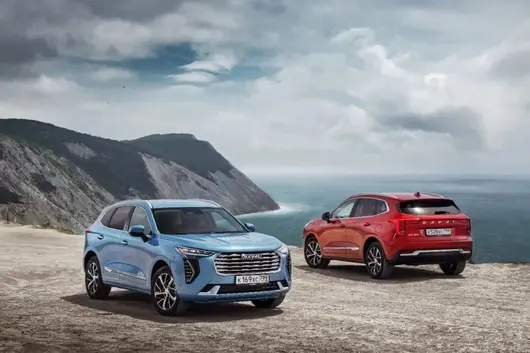

Dalam pasaran SUV di Malaysia, ramai pembeli membandingkan Mazda CX-3 dan Chery Tiggo 9 semasa memilih kereta. Kedua-dua kereta ini mempunyai harga dan kedudukan yang hampir sama. Hari ini, kita akan membuat perbandingan terperinci dari pelbagai aspek untuk membantu anda menjimatkan masa membuat kajian.
Harga OTR Mazda CX-3 di Malaysia adalah RM 126,159 - 139,159, dengan jumlah 2 varian, termasuk 2023 2.0L High (RM 139,159), 2023 2.0L Plus (RM 126,159) dan lain-lain.
Harga OTR Chery Tiggo 9 di Malaysia adalah RM 166,800 - 179,800, dengan jumlah 1 varian, termasuk 2026 2.0T Standard (RM 179,750) dan lain-lain.
Dari segi harga, harga permulaan Mazda CX-3 memang RM 40,641 lebih murah berbanding Chery Tiggo 9. Jika anda mempunyai bajet terhad, versi asas Mazda sudah cukup untuk memenuhi keperluan harian. Tetapi perlu diingat, berbeza harga beberapa ribu itu, mungkin terdapat kompromi dalam spesifikasi, bergantung pada keperluan anda.
Penilaian keselamatan Mazda CX-3 adalah 5 Bintang (ASEAN NCAP), sistem keselamatan aktif termasuk i-Activsense.
Penilaian keselamatan Chery Tiggo 9 adalah TBD, sistem keselamatan aktif termasuk Basic.
Dari segi kelengkapan keselamatan, kedua-dua kereta telah mendapat penilaian yang baik. Namun, terdapat perbezaan fungsi antara i-Activsense Mazda CX-3 dan Basic Chery Tiggo 9, jika anda lebih mengutamakan keselamatan aktif, boleh bandingkan senarai fungsi keduanya dengan teliti.
Panjang badan Mazda CX-3 4500 mm, ruang bagasi 450 L.
Panjang badan Chery Tiggo 9 4400 mm, ruang bagasi 400 L.
Dari segi ruang, badan Mazda CX-3 100 mm lebih panjang berbanding Chery Tiggo 9, ruang duduk di dalam kereta akan lebih lega sedikit, terutamanya ruang kaki barisan belakang. Jika anda sering membawa keluarga atau perlu meletakkan kereta bayi, badan yang lebih besar memang lebih praktikal.
Mazda CX-3 menggunakan sistem pemacu FWD.
Chery Tiggo 9 menggunakan sistem pemacu FWD.
Kedua-dua kereta mempunyai cara pemacu yang sama, iaitu FWD, tiada perbezaan besar dalam pengalaman memandu harian.

Secara keseluruhannya, Mazda CX-3 dan Chery Tiggo 9 adalah model kereta yang sangat baik di pasaran Malaysia. Memilih yang mana satu, kuncinya adalah melihat keperluan peribadi dan bajet anda. Kami syorkan anda membuat kajian yang lengkap, bandingkan sebut harga beberapa dealer kereta, kemudian buat ujian memandu untuk membuat keputusan akhir. Membeli kereta adalah perkara besar, meluangkan masa membuat kajian tidak akan salah.

喺馬來西亞嘅 SUV 市場,好多買家喺揀車嘅時候都會拿 Mazda CX-3 同 Chery Tiggo 9 做比較。這兩款車喺價位同定位上都好接近,今日我哋就由多個方面做一個詳細嘅比較,幫你省下做功課嘅時間。
Mazda CX-3 喺馬來西亞嘅 OTR 售價係 RM 126,159 - 139,159,一共有 2 個版本,包括 2023 2.0L High(RM 139,159)、2023 2.0L Plus(RM 126,159)等。
Chery Tiggo 9 喺馬來西亞嘅 OTR 售價係 RM 166,800 - 179,800,一共有 1 個版本,包括 2026 2.0T Standard(RM 179,750)等。
從價錢來看,Mazda CX-3 嘅起步價確實比 Chery Tiggo 9 平咗 RM 40,641。如果你預算有限,Mazda 嘅入門版已經可以滿足日常需求。但都要注意,平咗嗰幾千蚊,可能喺配備上會有取舍,具體要看你嘅需求。
Mazda CX-3 嘅安全评分係 5★ (ASEAN NCAP),主動安全系統包括 i-Activsense。
Chery Tiggo 9 嘅安全评分係 TBD,主動安全系統包括 Basic。
安全配備方面,兩款車都攞到唔錯嘅評分。不過 Mazda CX-3 嘅 i-Activsense 同 Chery Tiggo 9 嘅 Basic 喺功能上有啲差異,如果你比較睇重主動安全嘅話,可以仔細比較吓兩者嘅功能列表。
Mazda CX-3 採用 FWD 驅動方式。
Chery Tiggo 9 採用 FWD 驅動方式。
兩款車嘅驅動方式一樣,都係 FWD,日常駕駛感受唔會太大區別。
Mazda CX-3 保養 5 年/150,000km,保養間隔 每 10,000km 或 6 個月。
Chery Tiggo 9 保養 3 年/100,000km,保養間隔 每 10,000km 或 6 個月。
總嘅嚟講,Mazda CX-3 同 Chery Tiggo 9 都係馬來西亞市場好唔錯嘅車型。揀邊一輛,關鍵都要看你嘅個人同預算。建議大家做好功課,多比較幾間車行之報價,再去試車做最終決定。買車係件大事,花啲時間做功課絕對唔會錯。

In Malaysia's SUV market, many buyers compare Mazda CX-3 and Chery Tiggo 8 Pro when choosing a car. These two cars are quite close in price and positioning. Today, we will make a detailed comparison from multiple aspects to help you save time on research.
Mazda CX-3 is sold OTR in Malaysia for RM 126,159 - 139,159, with a total of 2 versions, including 2023 2.0L High (RM 139,159), 2023 2.0L Plus (RM 126,159), etc.
Chery Tiggo 8 Pro is sold OTR in Malaysia for RM 159,750 - 159,750, with a total of 2 versions, including 1.6L Turbo Standard (RM 130,000), 1.6L Turbo Premium (RM 145,000), etc.
From a price perspective, the starting price of Mazda CX-3 is indeed RM 33,591 cheaper than Chery Tiggo 8 Pro. If your budget is limited, Mazda's entry-level version can already meet daily needs. However, be aware that the few thousand difference cheaper might involve trade-offs in features, which depends on your specific needs.
Mazda CX-3 is equipped with 1.5L Turbo, horsepower 140 hp. Official fuel consumption 7.0 L/100km.
Chery Tiggo 8 Pro is equipped with 2.0L 4-cyl, horsepower 170 hp. Official fuel consumption 8.0 L/100km.
In terms of power, Chery Tiggo 8 Pro's 2.0L 4-cyl has 30 more horsepower than Mazda CX-3's 1.5L Turbo. However, for daily city driving, the power of both cars is sufficient, you won't feel it's lacking power.
Mazda CX-3 body length 4500 mm, trunk 450 L.
Chery Tiggo 8 Pro body length 4400 mm, trunk 400 L.
In terms of space, Mazda CX-3's body is 100 mm longer than Chery Tiggo 8 Pro, the interior passenger space will be slightly more spacious, especially rear seat legroom. If you often carry family or need to fit a stroller, a larger body is indeed more practical.
Both Mazda CX-3 and Chery Tiggo 8 Pro are mainstream choices in the Malaysian market, suitable for family use and daily commuting. If you value brand reputation and resale value more, you can prioritize the one with better reputation; if you care more about cost-performance and features, then choose the one with richer configuration. Ultimately, it is recommended to test drive both models, personal experience is the most important.
Overall, Mazda CX-3 and Chery Tiggo 8 Pro are both very good models in the Malaysian market. Which one to choose depends on your personal needs and budget. It is recommended to do your research, compare quotes from multiple dealers, and then test drive to make a final decision. Buying a car is a big matter, spending time doing research will never be wrong.

In Malaysia's SUV market, many buyers compare the Mazda CX-3 and Chery Tiggo 8 when choosing a car. These two cars are quite close in price and positioning. Today, we will make a detailed comparison from multiple aspects to help you save time on research.
The OTR price of the Mazda CX-3 in Malaysia is RM 126,159 - 139,159, with a total of 2 versions, including 2023 2.0L High (RM 139,159), 2023 2.0L Plus (RM 126,159), etc.
The OTR price of the Chery Tiggo 8 in Malaysia is RM 129,750 - 129,750, with a total of 1 version, including 2026 1.6T Standard (RM 129,750), etc.
In terms of price, the Mazda CX-3's starting price is indeed RM 3,591 cheaper than the Chery Tiggo 8. If your budget is limited, Mazda's entry-level version can already meet daily needs. But also note that the few thousand cheaper amount may involve trade-offs in features, depending on your specific needs.
The Mazda CX-3 is equipped with a 1.5L Turbo, 140 hp. Official fuel consumption 7.0 L/100km.
The Chery Tiggo 8 is equipped with a 1.5L Turbo, 140 hp. Official fuel consumption 7.0 L/100km.
Both cars use the same powertrain, the driving experience is basically no difference. Fuel consumption is also similar, no need to worry too much about this.
Mazda CX-3 body length 4500 mm, trunk 450 L.
Chery Tiggo 8 body length 4400 mm, trunk 400 L.
In terms of space, the Mazda CX-3 body is 100 mm longer than the Chery Tiggo 8, the interior seating space is slightly more spacious, especially the rear legroom. If you often carry family or need to fit a stroller, the larger body is indeed more practical.
Mazda CX-3 adopts FWD drive method.
Chery Tiggo 8 adopts FWD drive method.
The drive method of both cars is the same, both are FWD, the daily driving experience will not differ much.

Overall, the Mazda CX-3 and Chery Tiggo 8 are both very good car models in the Malaysian market. Which one to choose mainly depends on your personal needs and budget. We suggest doing your homework, comparing quotes from several car dealers, and then test-driving to make a final decision. Buying a car is a big deal, spending time on research will definitely not go wrong.

喺馬來西亞嘅 SUV 市場,好多買家喺揀車嘅時候都會拿 Mazda CX-3 同 Chery Tiggo 8 Pro 嚟做比較。呢兩款車喺價位同定位上都幾接近,而家我哋就從多個方面做一個詳細嘅比較,幫你省下做功課嘅時間。
Mazda CX-3 喺馬來西亞嘅 OTR 售價係 RM 126,159 - 139,159,一共有 2 個版本,包括 2023 2.0L High(RM 139,159)、2023 2.0L Plus(RM 126,159) 等。
Chery Tiggo 8 Pro 喺馬來西亞嘅 OTR 售價係 RM 159,750 - 159,750,一共有 2 個版本,包括 1.6L Turbo Standard(RM 130,000)、1.6L Turbo Premium(RM 145,000) 等。
由價錢睇嚟,Mazda CX-3 嘅起步價確實比 Chery Tiggo 8 Pro 平咗 RM 33,591。如果你預算有限,Mazda 嘅入門版已經可以滿足日常需要。但都要注意,平嗰幾千塊,可能喺配備上會有取舍,具體要睇你嘅需求。
Mazda CX-3 搭載 1.5L Turbo,馬力 140 hp。官方油耗 7.0 L/100km。
Chery Tiggo 8 Pro 搭載 2.0L 4-cyl,馬力 170 hp。官方油耗 8.0 L/100km。
動力方面,Chery Tiggo 8 Pro 嘅 2.0L 4-cyl 比 Mazda CX-3 嘅 1.5L Turbo 多咗 30 匹馬力。不過日常喺市區開,兩款車嘅動力都夠用,唔會覺得唔夠力。
Mazda CX-3 車身長 4500 mm,行李箱 450 L。
Chery Tiggo 8 Pro 車身長 4400 mm,行李箱 400 L。
空間方面,Mazda CX-3 嘅車身比 Chery Tiggo 8 Pro 長咗 100 mm,車內乘坐空間會稍微寬裕啲,尤其係後座腿部空間。如果你經常載家人或者需要放嬰兒車,大少少嘅車身確實更實用。
Mazda CX-3 採用 FWD 驅動方式。
Chery Tiggo 8 Pro 採用 FWD 驅動方式。
兩款車嘅驅動方式一樣,都係 FWD,日常駕駛感受唔會有太大分別。
Mazda CX-3 同 Chery Tiggo 8 Pro 都係馬來西亞市場嘅主流選擇,適合家庭使用、日常通勤。如果你更重視品牌口碑同二手價,可以優先考慮口碑更好嗰款;如果你更在意性價比同配備,那就揀配備更豐富嗰款。最終都係建議兩款都去試駕,親身體驗先係最重要嘅。
總體嚟講,Mazda CX-3 同 Chery Tiggo 8 Pro 都係馬來西亞市場幾唔錯嘅車型。揀邊一輛,關鍵係要睇你嘅個人需求同預算。建議大家做好功課,多比較幾間車行嘅報價,再去試駕做最終決定。買車係件大事,花少少時間做功課絕對唔會錯。

In the Malaysian SUV market, many buyers tend to compare Mazda CX-3 and Chery Tiggo Cross when selecting a car. Both models are quite close in pricing and positioning. Today, we will conduct a detailed comparison across multiple aspects to save you the time of doing research.
The OTR price for Mazda CX-3 in Malaysia is RM 126,159 - 139,159, with a total of 2 versions, including 2023 2.0L High (RM 139,159), 2023 2.0L Plus (RM 126,159), etc.
The OTR price for Chery Tiggo Cross in Malaysia is RM 88,750 - 99,750, with a total of 2 versions, including 2025 HEV 1.5L CSH (RM 99,750), 2025 1.5T Standard (RM 88,750), etc.
From a pricing perspective, the starting price of the Chery Tiggo Cross is RM 37,409 cheaper than the Mazda CX-3. Honestly, in this price segment, a difference of a few thousand isn't significant; the key lies in overall value for money and long-term running costs.
Mazda CX-3 is equipped with a 1.5L Turbo, horsepower 140 hp. Official fuel consumption 7.0 L/100km.
Chery Tiggo Cross is equipped with a 1.5L 4-cyl, horsepower 105 hp. Official fuel consumption 6.0 L/100km.
In terms of power, the 1.5L Turbo in the Mazda CX-3 offers 35 more horsepower than the 1.5L 4-cyl in the Chery Tiggo Cross, providing more confidence in mid-range acceleration, especially when overtaking on highways. However, fuel consumption for the Chery Tiggo Cross may be more favorable, with little difference in daily city commuting.
The safety rating of Mazda CX-3 is 5★ (ASEAN NCAP), active safety systems include i-Activsense.
The safety rating of Chery Tiggo Cross is TBD, active safety systems include Basic.
Regarding safety features, both vehicles have achieved good ratings. However, there are some functional differences between the Mazda CX-3's i-Activsense and the Chery Tiggo Cross's Basic system. If active safety is a priority, you may want to compare their feature lists carefully.
Mazda CX-3 warranty 5 years/150,000km, maintenance interval every 10,000km or 6 months.
Chery Tiggo Cross warranty 3 years/100,000km, maintenance interval every 10,000km or 6 months.

Overall, both the Mazda CX-3 and Chery Tiggo Cross are excellent models in the Malaysian market. Choosing one depends largely on your personal needs and budget. We recommend doing your homework, comparing quotes from multiple dealerships, and test driving before making a final decision. Buying a car is a significant matter; spending time researching is never a mistake.

In the Malaysian SUV market, many buyers compare Mazda CX-3 and Chery Tiggo Cross when choosing a car. These two models are quite close in price and positioning. Today, we will make a detailed comparison from multiple aspects to save you the time of doing homework.
The OTR price of Mazda CX-3 in Malaysia is RM 126,159 - 139,159, with a total of 2 versions, including 2023 2.0L High (RM 139,159), 2023 2.0L Plus (RM 126,159), etc.
The OTR price of Chery Tiggo Cross in Malaysia is RM 88,750 - 99,750, with a total of 2 versions, including 2025 HEV 1.5L CSH (RM 99,750), 2025 1.5T Standard (RM 88,750), etc.
From a price perspective, the starting price of Chery Tiggo Cross is RM 37,409 cheaper than Mazda CX-3. Honestly, in this price range, a difference of a few thousand isn't really that big. The key is to look at overall cost-performance ratio and long-term usage costs.
Mazda CX-3 adopts FWD drive mode.
Chery Tiggo Cross adopts FWD drive mode.
Both cars have the same drive mode, both are FWD, and there won't be much difference in daily driving experience.
Mazda CX-3 warranty 5 years/150,000km, maintenance interval every 10,000km or 6 months.
Chery Tiggo Cross warranty 3 years/100,000km, maintenance interval every 10,000km or 6 months.
Mazda CX-3 and Chery Tiggo Cross are both mainstream choices in the Malaysian market, suitable for family use and daily commuting. If you value brand reputation and resale value more, prioritize the one with better reputation; if you care more about cost-performance ratio and features, choose the one with richer configuration. Ultimately, it is recommended to test drive both models, as personal experience is the most important.
Overall, Mazda CX-3 and Chery Tiggo Cross are both very good models in the Malaysian market. Which one to choose depends mainly on your personal needs and budget. We recommend doing your homework, comparing quotes from several car dealerships, and then test driving to make the final decision. Buying a car is a big matter, spending some time doing homework is never a mistake.

In Malaysia's SUV market, many buyers compare Toyota Harrier and Porsche Macan when choosing a car. These two models are quite close in price and positioning. Today, we will make a detailed comparison from multiple aspects to help you save time on research.
Toyota Harrier's OTR price in Malaysia is RM 289,000 - 289,000, with a total of 1 version, including 2026 HEV 2.5L Standard (RM 289,000) and more.
Porsche Macan's OTR price in Malaysia is RM 469,000 - 469,000, with a total of 4 versions, including 2025 55 quattro S line (RM 467,285), 2025 50 quattro Advanced (RM 361,135), PMT 1874, Lorong IKS BukitTengah 14000 Bukit Mertajam (RM 296,610) and more.
In terms of price, the starting price of Toyota Harrier is indeed RM 180,000 cheaper than Porsche Macan. If your budget is limited, Toyota's entry-level version can already meet daily needs. But be aware, the few thousand ringgit cheaper might involve trade-offs in features, it depends on your specific needs.

Toyota Harrier comes with a 2.0L Turbo, 220 hp. Official fuel consumption 9.5 L/100km.
Porsche Macan comes with a 3.0L Turbo, 350 hp. Official fuel consumption 12.0 L/100km.
In terms of power, Porsche Macan's 3.0L Turbo has 130 more hp than Toyota Harrier's 2.0L Turbo. However, for daily driving in the city, both cars have enough power and won't feel underpowered.

Toyota Harrier's safety rating is 5★ (ASEAN NCAP), active safety systems include Brand ADAS.
Porsche Macan's safety rating is 5★ (Euro NCAP), active safety systems include InnoDrive.
Regarding safety features, both cars have received good ratings. However, Toyota Harrier's Brand ADAS and Porsche Macan's InnoDrive have some differences in functionality. If you value active safety highly, you can compare their feature lists carefully.

Toyota Harrier uses FWD drive mode.
Porsche Macan uses FWD drive mode.
Both cars use the same drive mode, FWD, there won't be much difference in daily driving experience.

Overall, both Toyota Harrier and Porsche Macan are very good models in the Malaysian market. Which one to choose depends mainly on your personal needs and budget. It is recommended to do your research, compare quotes from several dealerships, and then go for a test drive to make a final decision. Buying a car is a big matter, spending some time on research will never be wrong.


Di pasaran SUV Malaysia, ramai pembeli semasa memilih kereta akan membandingkan Toyota Harrier dan Audi Q7. Kedua-dua kereta ini mempunyai harga dan kedudukan yang hampir sama, hari ini kita akan melakukan perbandingan terperinci dari pelbagai aspek untuk membantu anda menjimatkan masa membuat kajian.
Toyota Harrier di Malaysia mempunyai harga OTR RM 289,000 - 289,000, terdapat 1 varian, termasuk 2026 HEV 2.5L Standard (RM 289,000) dan lain-lain.
Audi Q7 di Malaysia mempunyai harga OTR RM 462,222 - 462,222, terdapat 1 varian, termasuk Standard (RM 462,222) dan lain-lain.
Dari segi harga, Toyota Harrier memang lebih murah RM 173,222 berbanding Audi Q7. Jika anda mempunyai bajet terhad, versi permulaan Toyota sudah boleh memenuhi keperluan harian. Tetapi perlu diambil kira, perbezaan harga yang beberapa ribu ringgit itu mungkin melibatkan pengurangan peralatan, bergantung pada keperluan anda.
Toyota Harrier dilengkapi 2.0L Turbo, kuasa 220 hp. Penggunaan minyak rasmi 9.5 L/100km.
Audi Q7 dilengkapi 3.0L Turbo, kuasa 350 hp. Penggunaan minyak rasmi 12.0 L/100km.
Dari segi kuasa, 3.0L Turbo Audi Q7 mempunyai 130 hp lebih berbanding 2.0L Turbo Toyota Harrier. Walau bagaimanapun untuk pemanduan harian di bandar, kuasa kedua-dua kereta sudah memadai, tidak akan terasa kurang tenaga.
Rating keselamatan Toyota Harrier ialah 5★ (ASEAN NCAP), sistem keselamatan aktif termasuk Brand ADAS.
Rating keselamatan Audi Q7 ialah 5★ (Euro NCAP), sistem keselamatan aktif termasuk Premium ADAS.
Dari segi peralatan keselamatan, kedua-dua kereta mendapat rating yang baik. Namun Brand ADAS Toyota Harrier dan Premium ADAS Audi Q7 mempunyai beberapa perbezaan fungsi. Jika anda lebih mengutamakan keselamatan aktif, boleh membandingkan senarai fungsi keduanya dengan teliti.
Toyota Harrier waranti 5 tahun/jarak tidak terhad, selang penyelenggaraan setiap 10,000km atau 6 bulan.
Audi Q7 waranti 5 tahun/150,000km, selang penyelenggaraan setiap 10,000km atau 6 bulan.

Secara keseluruhannya, Toyota Harrier dan Audi Q7 keduanya merupakan model kereta yang sangat baik di pasaran Malaysia. Memilih yang mana satu, kunci utama adalah keperluan dan bajet peribadi anda. Kami sarankan untuk membuat kajian mendalam, bandingkan beberapa tawaran daripada agensi kereta, kemudian buat ujian memandu untuk membuat keputusan akhir. Membeli kereta adalah perkara penting, meluangkan masa membuat kajian tidak akan salah.

喺馬來西亞嘅 SUV 市場,好多買家喺揀車嗰陣會拿 Toyota Harrier 同 Audi Q7 做比較。呢兩款車喺價錢同定位上都幾接近,今日我哋就從多個方面做詳細比較,幫你省返做功課嘅時間。
Toyota Harrier 喺馬來西亞嘅 OTR 售價係 RM 289,000 - 289,000,合共有 1 個版本,包括 2026 HEV 2.5L Standard(RM 289,000)等。
Audi Q7 喺馬來西亞嘅 OTR 售價係 RM 462,222 - 462,222,合共有 1 個版本,包括 Standard(RM 462,222)等。
由價錢睇,Toyota Harrier 嘅起步價真係比 Audi Q7 平咗 RM 173,222。如果你預算有限,Toyota 嘅入門版已經滿足日常需要。但都要留意,平嗰幾千蚊,可能喺配備方面會有取捨,具體要看你嘅需要。
Toyota Harrier 嘅安全評級係 5★ (ASEAN NCAP),主動安全系統包括 Brand ADAS。
Audi Q7 嘅安全評級係 5★ (Euro NCAP),主動安全系統包括 Premium ADAS。
安全配備方面,兩款車都得到唔錯嘅評級。不過 Toyota Harrier 嘅 Brand ADAS 同 Audi Q7 嘅 Premium ADAS 喺功能上少少分別,如果你比較重視主動安全嘅話,可以仔細比較下兩者嘅功能列表。
Toyota Harrier 車身長 4400 mm,後備箱 400 L。
Audi Q7 車身長 4400 mm,後備箱 400 L。
兩款車嘅尺寸幾乎一樣,車內空間分別唔大。呢個級別嘅車,日常使用完全夠用。
Toyota Harrier 保修 5 年/無限里程,保養間隔 每 10,000km 或 6 個月。
Audi Q7 保修 5 年/150,000km,保養間隔 每 10,000km 或 6 個月。
總體嚟講,Toyota Harrier 同 Audi Q7 都係馬來西亞市場幾不錯嘅車型。揀邊一部,關鍵仍係睇你個人嘅需要同預算。建議大家做足功課,多比較幾間車行嘅報價,再去試駕先做最終決定。買車係件大事,花少少時間做功課絕對唔會錯。

In the Malaysia SUV market, many buyers compare the Toyota Harrier and Mercedes-Benz GLB when choosing a car. These two vehicles are quite close in price and positioning. Today, we will make a detailed comparison from multiple aspects to save you the time of doing research.
The Toyota Harrier's OTR price in Malaysia is RM 289,000 - 289,000, with a total of 1 version, including 2026 HEV 2.5L Standard (RM 289,000) etc.
The Mercedes-Benz GLB's OTR price in Malaysia is RM 299,888 - 352,888, with a total of 1 version, including Standard (RM 299,888) etc.
From a price perspective, the Toyota Harrier's starting price is indeed RM 10,888 cheaper than the Mercedes-Benz GLB. If your budget is limited, Toyota's entry-level version can already meet daily needs. However, be aware that the few thousand ringgit saved might involve compromises on features, depending on your specific needs.
The Toyota Harrier body length is 4400 mm, trunk 400 L.
The Mercedes-Benz GLB body length is 4400 mm, trunk 400 L.
The dimensions of both vehicles are almost identical, with little difference in interior space. Cars in this class are more than enough for daily use.
The Toyota Harrier warranty is 5 years/unlimited mileage, service interval every 10,000km or 6 months.
The Mercedes-Benz GLB warranty is 3 years/100,000km, service interval every 10,000km or 6 months.
The Toyota Harrier and Mercedes-Benz GLB are both mainstream choices in the Malaysia market, suitable for family use and daily commuting. If you value brand reputation and resale value more, you can prioritize the one with better reputation; if you care more about price-performance ratio and features, then choose the model with richer configurations. Ultimately, it is recommended to test drive both, as personal experience is the most important.

Overall, the Toyota Harrier and Mercedes-Benz GLB are both very good models in the Malaysia market. Which one to choose depends mainly on your personal needs and budget. We recommend doing your research, comparing quotes from several dealerships, and then test driving to make the final decision. Buying a car is a major event, spending some time on research will definitely not go wrong.

Di pasaran SUV Malaysia, ramai pembeli ketika memilih kereta akan membandingkan Toyota Harrier dan Audi Q5.
Toyota Harrier harga OTR di Malaysia ialah RM 289,000 - 289,000, terdapat 1 varian, termasuk 2026 HEV 2.5L Standard (RM 289,000) dan lain-lain.
Audi Q5 harga OTR di Malaysia ialah RM 354,174 - 423,174, terdapat 2 varian, termasuk 40 TDI (RM 320,000), 45 TFSI (RM 350,000) dan lain-lain.
Dari segi harga, harga permulaan Toyota Harrier memang lebih murah RM 65,174 berbanding Audi Q5.
Jika bajet anda terhad, varian asas Toyota sudah dapat memenuhi keperluan harian.
Namun perlu diingat, perbezaan harga beberapa ribu ringgit itu, mungkin terdapat kompromi dari segi kelengkapan, ia bergantung pada keperluan anda.
Toyota Harrier dilengkapi enjin 2.0L Turbo, kuasa 220 hp. Penggunaan bahan api rasmi 9.5 L/100km.
Audi Q5 dilengkapi enjin 2.0L Turbo, kuasa 220 hp. Penggunaan bahan api rasmi 9.5 L/100km.
Kedua-dua kereta menggunakan sistem enjin yang sama, perasaan memandu harian secara amnya tiada perbezaan.
Dari segi penggunaan bahan api adalah sama, tidak perlu terlalu bimbang dengan hal ini.
Toyota Harrier panjang badan 4400 mm, bak belakang 400 L.
Audi Q5 panjang badan 4400 mm, bak belakang 400 L.
Saiz kedua-dua kereta hampir sama, ruang dalam kenderaan tidak banyak perbezaan. Kereta kelas ini, cukup sepenuhnya untuk kegunaan harian.
Toyota Harrier menggunakan cara pemanduan FWD.
Audi Q5 menggunakan cara pemanduan FWD.
Cara pemanduan kedua-dua kereta sama, kedua-duanya FWD, perasaan memandu harian tidak akan mempunyai perbezaan besar.

Toyota Harrier waranti 5 tahun/jarak tidak had, selang servis setiap 10,000km atau 6 bulan.
Audi Q5 waranti 5 tahun/150,000km, selang servis setiap 10,000km atau 6 bulan.

Secara keseluruhannya, Toyota Harrier dan Audi Q5 adalah model kereta yang sangat bagus di pasaran Malaysia. Memilih mana satu, kuncinya adalah keperluan dan bajet peribadi anda. Kami sarankan anda buat kajian, bandingkan kutipan harga beberapa kedai kereta, kemudian test drive untuk membuat keputusan akhir. Membeli kereta adalah perkara besar, meluangkan masa membuat kajian tidak akan salah.

Dalam pasaran SUV di Malaysia, ramai pembeli yang membandingkan Toyota Harrier dan Audi Q5 semasa memilih kereta. Kedua-dua kereta ini mempunyai harga dan kelas yang sangat hampir, hari ini kita akan buat perbandingan terperinci dari pelbagai aspek, membantu anda menjimatkan masa untuk membuat penyelidikan.
Toyota Harrier di Malaysia dijual dengan harga OTR RM 289,000 - 289,000, terdapat 1 versi termasuk 2026 HEV 2.5L Standard (RM 289,000) dan lain-lain.
Audi Q5 di Malaysia dijual dengan harga OTR RM 354,174 - 423,174, terdapat 2 versi termasuk 40 TDI (RM 320,000), 45 TFSI (RM 350,000) dan lain-lain.
Dari segi harga, harga permulaan Toyota Harrier memang lebih murah daripada Audi Q5 sebanyak RM 65,174. Jika anggaran anda terhad, model asas Toyota sudah cukup untuk keperluan harian. Tetapi perlu diperhatikan, perbezaan harga beberapa ribu ringgit itu mungkin ada pilihan dalam kelengkapan, bergantung sepenuhnya pada keperluan anda.
Pengkelasan keselamatan Toyota Harrier adalah 5★ (ASEAN NCAP), sistem keselamatan aktif termasuk Brand ADAS.
Pengkelasan keselamatan Audi Q5 adalah 5★ (Euro NCAP), sistem keselamatan aktif termasuk Pre Sense + ACC.
Dari segi kelengkapan keselamatan, kedua-dua kereta mendapat pengkelasan yang baik. Walau bagaimanapun, Brand ADAS pada Toyota Harrier dan Pre Sense + ACC pada Audi Q5 mempunyai perbezaan dari segi fungsi. Jika anda lebih mengutamakan keselamatan aktif, anda boleh bandingkan senarai fungsi kedua-duanya dengan teliti.
Toyota Harrier panjang kenderaan 4400 mm, muatan bagasi 400 L.
Audi Q5 panjang kenderaan 4400 mm, muatan bagasi 400 L.
Saiz kedua-dua kereta hampir sama, ruang dalaman tidak banyak berbeza. Kereta dalam kategori ini, cukup sepenuhnya untuk penggunaan harian.
Toyota Harrier jaminan 5 tahun/tanpa had jarak, selang penyelenggaraan setiap 10,000km atau 6 bulan.
Audi Q5 jaminan 5 tahun/150,000km, selang penyelenggaraan setiap 10,000km atau 6 bulan.
Secara keseluruhannya, Toyota Harrier dan Audi Q5 adalah model kereta yang sangat baik di pasaran Malaysia. Memilih yang mana, utama bergantung pada keperluan dan anggaran peribadi anda. Disarankan anda membuat penyelidikan, bandingkan tawaran daripada beberapa pengedar, kemudian buat uji jalan untuk menentukan keputusan akhir. Membeli kereta adalah perkara penting, meluangkan masa untuk penyelidikan pasti tidak salah.

Dalam pasaran SUV di Malaysia, ramai pembeli sering membandingkan Toyota Harrier dan Audi Q5 apabila memilih kereta. Kedua-dua model ini mempunyai julat harga dan kedudukan pasaran yang agak hampir. Hari ini, kita akan membuat perbandingan terperinci dari pelbagai aspek untuk membantu anda menjimatkan masa penyelidikan.
Toyota Harrier mempunyai harga OTR di Malaysia sebanyak RM 289,000 - 289,000, dengan jumlah 1 varian, termasuk 2026 HEV 2.5L Standard (RM 289,000) dan lain-lain.
Audi Q5 mempunyai harga OTR di Malaysia sebanyak RM 354,174 - 423,174, dengan jumlah 2 varian, termasuk 40 TDI (RM 320,000), 45 TFSI (RM 350,000) dan lain-lain.
Dari segi harga, harga permulaan Toyota Harrier memang RM 65,174 lebih murah daripada Audi Q5. Jika anggaran anda terbatas, versi asas Toyota sudah cukup untuk memenuhi keperluan harian. Tetapi anda juga perlu tahu, perbezaan harga seribu ringgit mungkin melibatkan kompromi pada perlengkapan, ia bergantung pada keperluan anda.
Toyota Harrier dilengkapi enjin 2.0L Turbo, kuasa 220 hp. Konsumsi bahan api rasmi 9.5 L/100km.
Audi Q5 dilengkapi enjin 2.0L Turbo, kuasa 220 hp. Konsumsi bahan api rasmi 9.5 L/100km.
Kedua-dua kereta menggunakan sistem kuasa yang sama, rasa memandu harian pada dasarnya tiada perbezaan. Dari segi penggunaan bahan api juga hampir sama, tidak perlu terlalu risaukan hal ini.
Toyota Harrier panjang badan 4400 mm, bak muatan 400 L.
Audi Q5 panjang badan 4400 mm, bak muatan 400 L.
Saiz kedua-dua kereta hampir sama, perbezaan ruang dalaman tidak banyak. Kereta kelas ini, untuk kegunaan harian adalah cukup.
Toyota Harrier dan Audi Q5 adalah pilihan utama dalam pasaran Malaysia, sesuai untuk kegunaan keluarga dan perjalanan harian. Jika anda lebih mengutamakan reputasi jenama dan nilai semula tangan, boleh utamakan model yang mempunyai reputasi lebih baik; jika anda lebih mengutamakan kos faedah dan perlengkapan, pilih model yang mempunyai konfigurasi lebih banyak. Akhir sekali disarankan kedua-dua model untuk dikemudi ujian, pengalaman sendiri adalah yang paling penting.
Secara keseluruhannya, Toyota Harrier dan Audi Q5 adalah model kereta yang cukup bagus dalam pasaran Malaysia. Memilih yang mana satu, kunci sebenarnya adalah melihat keperluan dan bajet peribadi anda. Adalah disyorkan supaya anda membuat penyelidikan terlebih dahulu, bandingkan sebut harga dari beberapa dealer kereta, kemudian buat ujian jalan untuk menentukan keputusan akhir. Membeli kereta adalah perkara penting, luangkan masa membuat penyelidikan pasti tidak akan salah.

On the evening of October 29, the XPeng MONA L05 was launched in Guangzhou. The event venue gathered 5,000 car owners and XPeng friends. He Xiaopeng took the stage, and his first words were expressing gratitude to everyone. The MONA series has been refined over two years, with cumulative global deliveries reaching 360,000 units, and monthly deliveries stabilizing at over 14,000 units. Among these 5,000 friends present, many are part of these 360,000 users.

The MONA L05 is available in six models, with a limited-time price ranging from 139,800 to 171,800 yuan. At the same time, users can enjoy limited-time benefits worth up to over 49,000 yuan.

At the time of the official price announcement, XPeng prepared 5,000 units of ready stock in advance, supporting order locking upon payment. Vehicle allocation can be completed as early as the night of the launch, with formal delivery starting on November 1.

After the price was announced, all 5,000 units of ready stock sold out in just three minutes. This eye-catching market performance is enough to show everyone's recognition of this car.
Today, let's change perspective and discuss the long-term strategic thinking behind this car.
XPeng is firmly advancing its global development strategy. This long-term investment is to support the brand in entering broader overseas markets. Currently, competition in the domestic new energy vehicle sector is fierce, with each brand exploring its own path for long-term growth. The direction XPeng chooses lies within the three words "Global Vehicle".
At the press conference, XPeng defined the L05 as a model designed and adapted for 82 countries and regions worldwide. A brief introduction on the PPT hides a complete high-standard development system behind it.
Selling cars to 82 countries and synchronously developing them according to the regulations and usage requirements of 82 countries are two completely different development logics. Product export means vehicles are produced domestically and then shipped overseas for sales; synchronously developing for the global market means considering regulatory requirements and usage environments of various regions worldwide from the very beginning of the project initiation.

To achieve this goal, XPeng invested 660 test vehicles, traveling to 25 countries and regions for validation, with cumulative test mileage exceeding 5 million kilometers. From extreme cold environments of minus 25°C to high-temperature scenarios of 50°C, all have been validated. The vehicle is synchronized to benchmark three five-star safety standards from China, Europe, and Australia, standardly equipped with 7 airbags to match regulatory requirements in different regions; the extended-range version is optimized to adapt to global fuel types, ensuring stable and secure use in different markets.

In July this year, XPeng brought the L03 to the European market. In September, blind orders in Europe exceeded 12,136 units. European deliveries officially started on October 13. At this year's Paris Auto Show, He Xiaopeng also announced a clear long-term goal: to achieve global annual sales of 1 million units by the end of 2030, with a target of 500,000 units in the European market.
This goal is not just simple complete vehicle export; it also includes localization production planning. Currently, the Indonesia factory has started production smoothly, and a new European production base is being planned and advanced. For now, it relies on the contract manufacturing model to start steadily. This is also the core reason why the MONA L05 was built according to 82-country standards from the early stage of development; it carries the mission of XPeng expanding into the global market.
Returning to the pricing starting from 139,800. In this pricing, there are configuration values visible to everyone, as well as a massive amount of validation investment for global development. 7-airbag configuration, three sets of five-star safety standards, hundreds of test vehicles, millions of kilometers of global road testing—these investments that users usually cannot intuitively see are integrated into the product foundation of this car. Domestic users get to experience the safety and reliability brought by this global standard first, and also witness the process of Chinese models going global together.
Vehicles designed for global development will consider the usage habits of users in different regions in the design, seeking a balanced and excellent solution among diverse needs. How this design concept that balances global considerations will bring driving and riding experiences to domestic users remains to be verified by the long-term usage experiences of domestic and overseas car owners after actual vehicle delivery.
At the same time, the strong start with orders is a great beginning. The brand will also continue to ensure subsequent delivery guarantees, converting short-term heat into a stable and sustainable delivery rhythm.
Finally, with the same budget, would you bet more on a car built solely to serve the domestic market, or a global model developed according to the regulations of 82 countries and equipped with the capability to go global?

Many people would favor models focused on local needs and suitable for daily use. However, XPeng firmly chose the track of building global vehicles, taking China's new energy product power to the whole world.



猫头鹰车志(ID:owlauto)讯,近日,爱玛科技发布了2026年三季报。数据显示,前三季度公司实现营业收入183.89亿元,同比下降12.82%;归母净利润11.04亿元,同比下降42.13%;扣非归母净利润9.69亿元,同比降幅达47.18%。第三季度单季营收69.49亿元,同比下降13.81%;归母净利润4.39亿元,同比下降36.86%,利润降幅较上半年有所收窄,但仍未走出低谷。

利润下滑幅度明显大于收入降幅,主要原因在于新国标实施后单车合规成本刚性上升。新版《电动自行车安全技术规范》(GB 17761—2024)于2025年9月正式实施,对防火阻燃、防篡改、北斗定位、产品一致性等提出更高要求,3C认证项目从38项扩充至112项,单车硬件成本增加数百元。爱玛在财报中表示,公司阶段性承担了部分成本压力,叠加销量波动与刚性费用支出,当期盈利受到较大影响。数据显示,公司第三季度毛利率为16.79%,同比下降1.21个百分点;净利率仅6.49%,同比骤降2.32个百分点。
不过,三季报中也并非没有积极的信号。最值得关注的是经营活动现金流的大幅改善,前三季度经营现金流净额18.27亿元,虽同比下降67.20%,但较上半年6.01亿元的净流出已明显回正,第三季度单季经营现金流约24.3亿元,说明供应链结算与渠道回款节奏正在恢复。销量端同样出现积极变化,奥维云网监测显示国内电动两轮车内销第三季度单季已实现同比转正;出口则提供另一条增长线索,海关总署数据显示前三季度电动两轮车累计出口72.6亿美元,同比增长37.8%,南美洲与非洲市场分别增长51.3%和44.5%,爱玛印尼、越南工厂已投产,但境外收入占比仍处于较低水平,出海对整体业绩拉动尚需时日。
综合来看,爱玛科技当前虽然正面临着一定的挑战,但经营现金流转正、行业需求企稳、出口高增、海外产能落地等积极因素,也正在为下一阶段积蓄条件,公司2027年净利润或有望迎来明显回升,只是实际成绩单究竟会是如何,还需继续关注。
© 2024 Bitauto.com. All Rights Reserved.
Bitauto (www.yiche.com and www.bitauto.com) is one of the most visited automotive websites in China. We provide detailed info on Chinese car brands available in your area. Please note that the information provided on this website is based on publicly available data and is for reference only. It may not be fully updated or accurate at all times.

Help us improve our website


