

HomeAlam

Search History
Popular Searches
Dealer Login / Sign Up

On the evening of October 29, the XPeng MONA L05 was launched in Guangzhou. The event venue gathered 5,000 car owners and XPeng friends. He Xiaopeng took the stage, and his first words were expressing gratitude to everyone. The MONA series has been refined over two years, with cumulative global deliveries reaching 360,000 units, and monthly deliveries stabilizing at over 14,000 units. Among these 5,000 friends present, many are part of these 360,000 users.

The MONA L05 is available in six models, with a limited-time price ranging from 139,800 to 171,800 yuan. At the same time, users can enjoy limited-time benefits worth up to over 49,000 yuan.

At the time of the official price announcement, XPeng prepared 5,000 units of ready stock in advance, supporting order locking upon payment. Vehicle allocation can be completed as early as the night of the launch, with formal delivery starting on November 1.

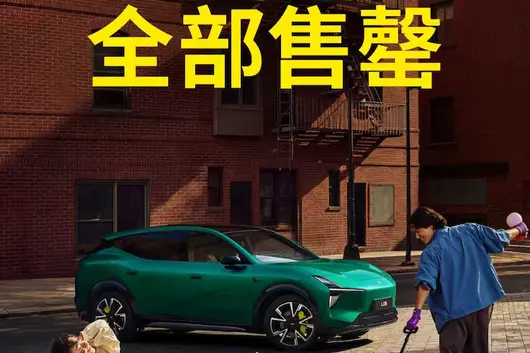
After the price was announced, all 5,000 units of ready stock sold out in just three minutes. This eye-catching market performance is enough to show everyone's recognition of this car.
Today, let's change perspective and discuss the long-term strategic thinking behind this car.
XPeng is firmly advancing its global development strategy. This long-term investment is to support the brand in entering broader overseas markets. Currently, competition in the domestic new energy vehicle sector is fierce, with each brand exploring its own path for long-term growth. The direction XPeng chooses lies within the three words "Global Vehicle".
At the press conference, XPeng defined the L05 as a model designed and adapted for 82 countries and regions worldwide. A brief introduction on the PPT hides a complete high-standard development system behind it.
Selling cars to 82 countries and synchronously developing them according to the regulations and usage requirements of 82 countries are two completely different development logics. Product export means vehicles are produced domestically and then shipped overseas for sales; synchronously developing for the global market means considering regulatory requirements and usage environments of various regions worldwide from the very beginning of the project initiation.

To achieve this goal, XPeng invested 660 test vehicles, traveling to 25 countries and regions for validation, with cumulative test mileage exceeding 5 million kilometers. From extreme cold environments of minus 25°C to high-temperature scenarios of 50°C, all have been validated. The vehicle is synchronized to benchmark three five-star safety standards from China, Europe, and Australia, standardly equipped with 7 airbags to match regulatory requirements in different regions; the extended-range version is optimized to adapt to global fuel types, ensuring stable and secure use in different markets.

In July this year, XPeng brought the L03 to the European market. In September, blind orders in Europe exceeded 12,136 units. European deliveries officially started on October 13. At this year's Paris Auto Show, He Xiaopeng also announced a clear long-term goal: to achieve global annual sales of 1 million units by the end of 2030, with a target of 500,000 units in the European market.
This goal is not just simple complete vehicle export; it also includes localization production planning. Currently, the Indonesia factory has started production smoothly, and a new European production base is being planned and advanced. For now, it relies on the contract manufacturing model to start steadily. This is also the core reason why the MONA L05 was built according to 82-country standards from the early stage of development; it carries the mission of XPeng expanding into the global market.
Returning to the pricing starting from 139,800. In this pricing, there are configuration values visible to everyone, as well as a massive amount of validation investment for global development. 7-airbag configuration, three sets of five-star safety standards, hundreds of test vehicles, millions of kilometers of global road testing—these investments that users usually cannot intuitively see are integrated into the product foundation of this car. Domestic users get to experience the safety and reliability brought by this global standard first, and also witness the process of Chinese models going global together.
Vehicles designed for global development will consider the usage habits of users in different regions in the design, seeking a balanced and excellent solution among diverse needs. How this design concept that balances global considerations will bring driving and riding experiences to domestic users remains to be verified by the long-term usage experiences of domestic and overseas car owners after actual vehicle delivery.
At the same time, the strong start with orders is a great beginning. The brand will also continue to ensure subsequent delivery guarantees, converting short-term heat into a stable and sustainable delivery rhythm.
Finally, with the same budget, would you bet more on a car built solely to serve the domestic market, or a global model developed according to the regulations of 82 countries and equipped with the capability to go global?

Many people would favor models focused on local needs and suitable for daily use. However, XPeng firmly chose the track of building global vehicles, taking China's new energy product power to the whole world.


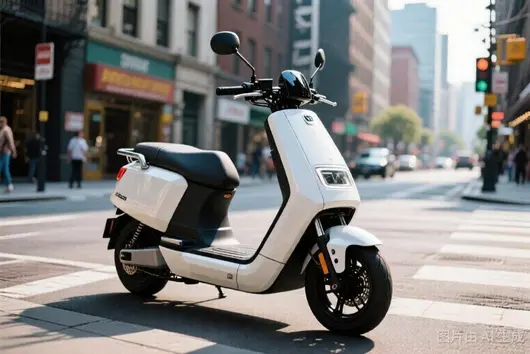
猫头鹰车志(ID:owlauto)讯,近日,爱玛科技发布了2026年三季报。数据显示,前三季度公司实现营业收入183.89亿元,同比下降12.82%;归母净利润11.04亿元,同比下降42.13%;扣非归母净利润9.69亿元,同比降幅达47.18%。第三季度单季营收69.49亿元,同比下降13.81%;归母净利润4.39亿元,同比下降36.86%,利润降幅较上半年有所收窄,但仍未走出低谷。

利润下滑幅度明显大于收入降幅,主要原因在于新国标实施后单车合规成本刚性上升。新版《电动自行车安全技术规范》(GB 17761—2024)于2025年9月正式实施,对防火阻燃、防篡改、北斗定位、产品一致性等提出更高要求,3C认证项目从38项扩充至112项,单车硬件成本增加数百元。爱玛在财报中表示,公司阶段性承担了部分成本压力,叠加销量波动与刚性费用支出,当期盈利受到较大影响。数据显示,公司第三季度毛利率为16.79%,同比下降1.21个百分点;净利率仅6.49%,同比骤降2.32个百分点。
不过,三季报中也并非没有积极的信号。最值得关注的是经营活动现金流的大幅改善,前三季度经营现金流净额18.27亿元,虽同比下降67.20%,但较上半年6.01亿元的净流出已明显回正,第三季度单季经营现金流约24.3亿元,说明供应链结算与渠道回款节奏正在恢复。销量端同样出现积极变化,奥维云网监测显示国内电动两轮车内销第三季度单季已实现同比转正;出口则提供另一条增长线索,海关总署数据显示前三季度电动两轮车累计出口72.6亿美元,同比增长37.8%,南美洲与非洲市场分别增长51.3%和44.5%,爱玛印尼、越南工厂已投产,但境外收入占比仍处于较低水平,出海对整体业绩拉动尚需时日。
综合来看,爱玛科技当前虽然正面临着一定的挑战,但经营现金流转正、行业需求企稳、出口高增、海外产能落地等积极因素,也正在为下一阶段积蓄条件,公司2027年净利润或有望迎来明显回升,只是实际成绩单究竟会是如何,还需继续关注。

喺馬來西亞嘅 SUV 市場,好多買家喺揀車嘅時候都會拿 Toyota Harrier 同 Mercedes-Benz GLC 嚟做比較。呢兩款車喺價位同定位上都幾近,而家我哋就由多個方面嚟做一次詳細嘅比較,幫你省返做功課嘅時間。
Toyota Harrier 喺馬來西亞嘅 OTR 售價係 RM 289,000 - 289,000,總共有 1 個版本,包括 2026 HEV 2.5L Standard(RM 289,000) 等。
Mercedes-Benz GLC 喺馬來西亞嘅 OTR 售價係 RM 336,888 - 336,888,總共有 2 個版本,包括 GLC 200(RM 290,000)、GLC 300(RM 340,000) 等。
從價錢嚟睇,Toyota Harrier 嘅起步價確實比 Mercedes-Benz GLC 平咗 RM 47,888。如果你預算有限,Toyota 嘅入門版已經可以滿足日常需要。但都要注意,平嗰幾千蚊,可能喺配備上有取捨,具體要睇你嘅需要。

Toyota Harrier 嘅安全評級係 5★ (ASEAN NCAP),主動安全系統包括 Brand ADAS。
Mercedes-Benz GLC 嘅安全評級係 5★ (Euro NCAP),主動安全系統包括 Premium ADAS。
安全配備方面,兩款車都拿到唔錯嘅評級。不過 Toyota Harrier 嘅 Brand ADAS 同 Mercedes-Benz GLC 嘅 Premium ADAS 喺功能上有少少分別,如果你比較睇重主動安全嘅話,可以仔細對比下兩者嘅功能列表。

Toyota Harrier 採用 FWD 驅動方式。
Mercedes-Benz GLC 採用 FWD 驅動方式。
兩款車嘅驅動方式一樣,都係 FWD,日常駕駛感受唔會有太大分別。

Toyota Harrier 同 Mercedes-Benz GLC 都係馬來西亞市場嘅主流選擇,適合家庭使用、日常通勤。如果你更睇重品牌口碑同二手價,可以優先考慮口碑更好嗰款;如果你更在意性價比同配備,就揀配備更豐富嗰款。最尾都係建議兩款都去試駕,親身體驗先係最重要嘅。
總括嚟講,Toyota Harrier 同 Mercedes-Benz GLC 都係馬來西亞市場好唔錯嘅車型。揀邊部,關鍵始終都要睇你嘅個人需要同預算。建議大家做足功課,多比較幾間車行嘅報價,再去做試駕做最終決定。買車係件大事,花少少時間做功課絕對唔會錯。


【深度观察 · 2026年10月30日】
汽车行业深度观察
三季报分化加剧 · 出海与智驾开启下半场
车家号 · 资深观察 | 2026年10月30日 星期五
随着三季报集中收官,中国汽车产业站上2026年的岁末关口。一边是头部自主品牌凭借新能源与出海双轮驱动实现利润逆势增长,一边是合资巨头与传统车企在转型阵痛中艰难承压;新能源汽车出口占比连续多个月度突破50%,智能驾驶则正式迈入"技术平权"的下半场。这一季的分化与重构,正为中国汽车产业的未来十年写下全新注脚。 ▲ 头部车企新能源车型密集亮相,市场竞争进入白热化阶段
一、三季报分化加剧:头部自主穿越价格战
10月末,A股与港股的重量级车企陆续交出三季报成绩单。一个鲜明的信号是:在新能源汽车行业价格战持续未歇的大背景下,头部自主品牌凭借规模效应、产业链垂直整合与海外市场放量,实现了营收与利润的逆势双增长,而传统合资阵营与部分巨头则陷入利润承压的泥淖。
比亚迪发布2026年第三季度报告:Q3实现营业收入2214.88亿元,同比增长13.59%;归母净利润100.20亿元,同比增长28.08%。尽管前三季度营收5663.04亿元同比仅微增0.01%,归母净利润223.45亿元同比小幅下降4.24%,但单季度利润重回百亿量级,显示其通过技术创新与高端化布局正在逐步对冲价格战对盈利端的挤压。值得关注的是,比亚迪三季度纯电动车销量27.31万辆,同比增长33.21%,在整体销量同比小幅下滑的背景下,纯电板块成为其重要的增长极与利润锚点。 ▲ 比亚迪生产基地总装车间生产线,规模化与垂直整合构筑成本护城河
吉利汽车的三季报同样亮眼:Q3收入990亿元,同比增长10%;核心归母净利润52.1亿元,同比增长32%,收入与核心利润双双创同期历史新高。前三季度总收入2726亿元,核心归母净利润累计达149亿元,同比劲增41%。极氪品牌9月销量同比大增104%至37,216辆,高端化与电动化战略成效显著。在出口端,吉利前三季度新能源汽车出口48.4万辆,同比暴涨531%,成为比肩比亚迪的出海第二极。
相比之下,上汽集团Q3营收1546.31亿元,同比下降7.34%,归母净利润4.86亿元,同比大幅下降76.70%。上汽利润的下滑主要受到资本市场金融资产公允价值变动及海外业务汇兑损失的阶段性影响。这一组数据的鲜明对比,深刻折射出当前中国汽车行业"冰火两重天"的结构性分化——掌握核心技术、拥有全产业链话语权与全球化布局能力的头部自主品牌,正在穿越价格战周期,而依赖合资输血与传统燃油车基本盘的车企,则面临更深层的增长焦虑。
二、新能源出口狂飙:出海正成增长极
如果说三季报是试金石,那么出口数据则勾勒出中国汽车出海的全新图景。据最新统计,2026年1-9月中国汽车出口863万辆,同比增长52%;其中9月单月出口118万辆,同比增长55%,环比增长13%。尤为关键的是,新能源汽车已成为汽车出口的最大动能——9月新能源汽车出口61.2万辆,同比增长104%,前9个月累计出口407万辆,同比大幅增长75%,新能源在整车出口中的占比已连续多个月度稳定在50%以上。
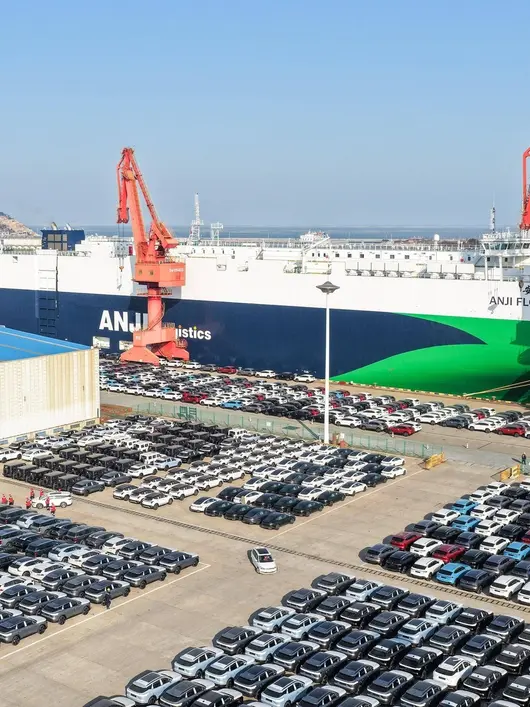
这一结构性转变意义深远:中国汽车出海正从过去的燃油车"规模出海",彻底转向以新能源汽车为核心、以技术与产业链为支撑的"价值出海"。比亚迪、吉利等头部车企纷纷在匈牙利、泰国、巴西、墨西哥等地布局本地化生产基地,从单纯整车出口转向"研产供销"全链条本地化运营,以规避贸易壁垒、贴近终端市场。 ▲ 连云港口岸新能源汽车出口作业繁忙,海外市场成核心增长极
与此同时,政策层面亦在引导产业高质量出海。财政部明确自2027年4月1日起,将新能源汽车增值税出口退税率由13%下调至9%。乘联分会秘书长崔东树指出,此次调整属温和下调,并非抑制出口,而是意在引导车企告别低价冲量的粗放模式,转向品牌建设与本地化运营的精细化管理。可以预见,"从规模扩张转向价值提升",将成为下一阶段中国汽车出海的核心命题。
三、智能驾驶下半场:技术平权与成本博弈
智能驾驶正成为继电动化之后,汽车产业竞争的新战场与下半场的决胜关键。近期密集释放的信号显示,行业已从"个别品牌的秀肌肉"迈入"大规模技术平权与成本博弈"的全新阶段。
比亚迪旗下仰望品牌发布全新旗舰——仰望鼎曜的车头预告图引发广泛关注。新车预计11月在阿联酋进行全球首发,车长约5.5米,售价或超200万元人民币,对标顶级超豪华市场。除具备量产条件的固态电池外,新车还搭载比亚迪自研璇玑A3 4nm智驾芯片,配备瞭望塔式激光雷达,将智能驾驶能力推向新的高度。仰望鼎曜的推出,不仅标志着比亚迪在百万级超高端市场的野心,更凸显其在三电、芯片与智能化层面的全栈自研实力。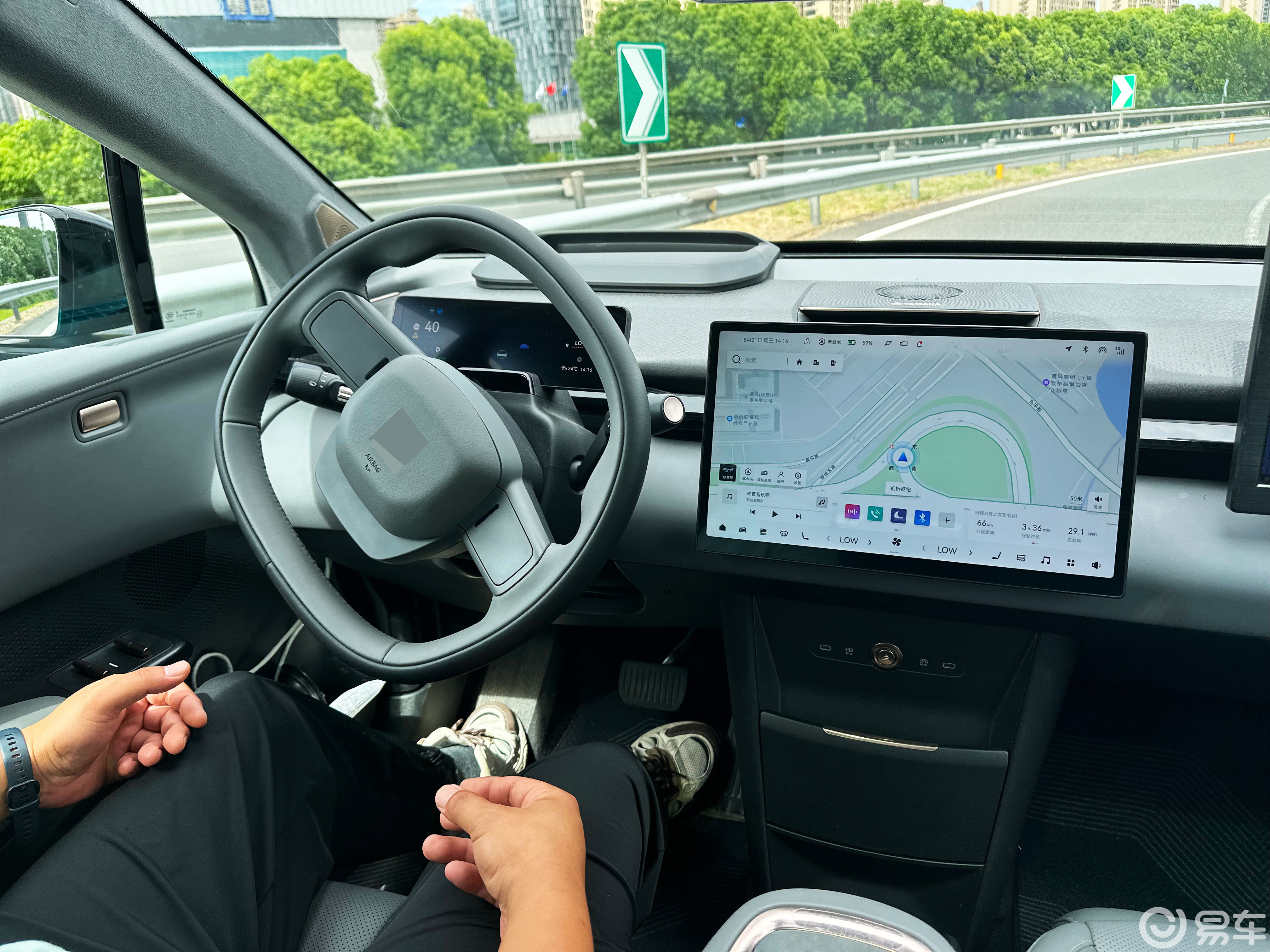 ▲ 智能驾驶领航辅助系统加速商业化落地,技术平权时代到来
传统巨头同样加速拥抱智驾。一汽-大众全新中型纯电家轿ID. AURA L5实车曝光,基于CMP纯电平台开发,配备车顶激光雷达与酷睿程HS8驾驶辅助系统,主打"科技平权"的中端纯电市场。而在智驾供应商端,Mobileye发布2026财年第三季度财报:营收4.92亿美元,同比微降2%,但营业亏损同比收窄25%;EyeQ芯片出货量同比增长11%,自动驾驶出租车(Robotaxi)业务取得显著进展,并与斯特兰蒂斯达成合作供应云增强型ADAS。这些动向共同勾勒出智能驾驶从"高端尝鲜"向"大众普及"裂变的清晰轨迹。
四、国际车企承压转型:全球格局重塑
将目光投向全球,国际大型车企集团正集体站在战略转型的十字路口。大众汽车集团第三季度营收2334亿欧元,同比减少2.2%;营业利润仅1亿欧元,同比骤降98.7%;前三季度销量590万辆,同比减少10.6%。作为全球销量规模最大的车企之一,大众在电动化转型、中国市场业务承压与软件定义汽车挑战等多重压力交织之下,利润几乎蒸发,折射出传统巨头转型之痛。
日系车企同样不容乐观:丰田9月全球销量同比下降2.9%,已连续第8个月同比下降,上半年全球销量同比下滑4.6%,为两年来首次负增长;日产9月全球销量同比减少10.2%,产量同比减少17.8%。现代汽车Q3净利润同比下降24.2%,已下调2026年批发销量及营收增长预期。传统国际巨头在电动化与智能化浪潮中的被动,与东风、比亚迪等中国品牌在全球新能源市场的攻城略地形成鲜明反差,全球汽车产业的重心迁移趋势愈发清晰。 ▲ 理想纯电旗舰SUV i9新车预览,中国品牌产品力持续上探
而在新势力层面,中国品牌正强势改写全球竞争版图。小鹏集团与四国达成经销合作加速出海,长城汽车猛龙海外版在米兰上市,GAC正式登陆罗马尼亚市场。与此同时,特斯拉在雄安成立汽车销售服务公司,注册资本100万美元,并推进人形机器人将为CyberCab无人车充电的新商业设想——从造车到运营、从汽车到机器人的生态版图,正在重新定义出行产业边界。
政策观察:以旧换新与自动驾驶加速落地
政策端的持续发力为汽车市场提供了坚实的托底与想象空间。商务部最新数据显示,今年以来以旧换新政策已累计带动相关商品销售超2万亿元,其中新能源汽车占比高达60.5%,带动新能源乘用车零售渗透率连续6个月突破60%。北京将汽车以旧换新补贴申报截止时间延长至2027年1月10日,上海则拟依法有序推动自动驾驶技术在出租汽车行业的应用,为Robotaxi落地场景打开政策大门。业内普遍认为,在政策托底与智能化技术突破的双轮驱动下,2026年四季度及未来一年的中国车市仍将保持稳健增长态势,而智能驾驶的合规落地,则将深刻改变出行生态与产业价值链。
结语:分化中的进化,重构中的新生
回望这一季,中国汽车产业在价格战的硝烟与出海的浪潮中,完成了又一次深刻的自我迭代。我们看到的是分化——头部自主与合资巨头的冰火两重天;我们看到的是进化——新能源汽车出口占比过半标志着中国汽车出海从规模走向价值;我们看到的是重构——智能驾驶技术平权开启新的产业周期,国际巨头的转型阵痛与中国品牌的全球进击,正共同书写全球汽车产业的重心迁移。
当下或许是最具挑战的时刻,却也正是最富想象力的时代。当比亚迪单季利润重回百亿、吉利核心利润劲增四成、新能源出口占比过半、智驾芯片与固态电池加速落地,中国汽车产业正用一场从"电动化上半场"向"智能化下半场"的跃迁,向世界宣告:属于中国汽车的深度时代,正在加速到来。

Pada pasaran SUV di Malaysia, ramai pembeli semasa memilih kereta sering membandingkan Toyota Harrier dan Mercedes-Benz GLA. Kedua-dua kereta ini mempunyai harga dan penarafan yang cukup hampir, hari ini kita akan buat perbandingan terperinci dari pelbagai aspek untuk membantu anda menjimatkan masa membuat kajian.
Harga OTR Toyota Harrier di Malaysia adalah RM 289,000 - 289,000, terdapat keseluruhan 1 varian, termasuk 2026 HEV 2.5L Standard (RM 289,000) dan lain-lain.
Harga OTR Mercedes-Benz GLA di Malaysia adalah RM 258,888 - 295,888, terdapat keseluruhan 1 varian, termasuk Standard (RM 258,888) dan lain-lain.
Daripada segi harga, harga permulaan Mercedes-Benz GLA lebih murah RM 30,112 daripada Toyota Harrier. Jujurnya, dalam julat harga ini, beza beribu ringgit sebenarnya tidak besar, yang penting adalah melihat nisbah harga dan kegunaan keseluruhan serta kos penggunaan jangka panjang.
Toyota Harrier dilengkapi 2.0L Turbo, kuasa 220 hp. Penggunaan bahan api rasmi 9.5 L/100km.
Mercedes-Benz GLA dilengkapi 2.0L Turbo, kuasa 220 hp. Penggunaan bahan api rasmi 9.5 L/100km.
Kedua-dua kereta menggunakan sistem kuasa yang sama, perbezaan rasa semasa memandu sehari-hari pada dasarnya tiada. Bagi penggunaan bahan api juga hampir sama, tidak perlu terlalu bimbang tentang hal ini.
Panjang kenderaan Toyota Harrier 4400 mm, stor belakang 400 L.
Panjang kenderaan Mercedes-Benz GLA 4400 mm, stor belakang 400 L.
Ukuran kedua-dua kereta hampir sama, ruang dalam kereta tidak banyak perbezaan. Kereta dalam kelas ini, kegunaan sehari-hari cukup memadai.
Toyota Harrier menggunakan cara penggerak FWD.
Mercedes-Benz GLA menggunakan cara penggerak FWD.
Cara penggerak kedua-dua kereta sama, semuanya FWD, perbezaan rasa memandu sehari-hari tidak akan terlalu besar.

Secara keseluruhan, Toyota Harrier dan Mercedes-Benz GLA adalah model kereta yang sangat baik di pasaran Malaysia. Memilih mana satu, yang penting adalah melihat keperluan dan bajet peribadi anda. Kami sarankan anda melakukan kajian dengan baik, bandingkan harga di beberapa agensi kereta, kemudian buat ujian pemanduan untuk membuat keputusan akhir. Membeli kereta adalah perkara besar, meluangkan masa untuk melakukan kajian pasti tidak akan salah.

喺馬來西亞嘅 SUV 市場,好多買家喺揀車嗰陣都會拿 豐田 Harrier 同 寶馬 X5 做比較。呢兩部車喺價位同定位上都幾接近嘅,而家我哋就由多個方面做一個詳細嘅比較,幫你慳返做功課嘅時間。
豐田 Harrier 喺馬來西亞嘅 OTR 售價係 RM 289,000 - 289,000,總共有 1 個版本,包括 2026 HEV 2.5L Standard(RM 289,000) 等。
寶馬 X5 喺馬來西亞嘅 OTR 售價係 RM 470,800 - 470,800,總共有 3 個版本,包括 1.5L Standard(RM 86,300)、1.5L Executive(RM 95,300)、1.5L Premium(RM 103,300) 等。
由價錢嚟睇,豐田 Harrier 嘅起步價確實比 寶馬 X5 平咗 RM 181,800。如果你預算有限,豐田嘅入門版已經可以满足日常需求。但都要留意,便宜嗰幾千塊,可能會喺配備上有取捨,具體要看你嘅需求。
豐田 Harrier 嘅安全評級係 5★ (ASEAN NCAP),主動安全系統包括 Brand ADAS。
寶馬 X5 嘅安全評級係 5★ (ASEAN NCAP),主動安全系統包括 ADAS (ACC, AEB, LKA, LDA, BSM, RCTA)。
兩部車嘅安全評級一樣,喺呢個級數里面安全配備都算好齊全。而家嘅新車安全性都好唔差,唔使太擔心呢一點。
豐田 Harrier 採用 FWD 驅動方式。
寶馬 X5 採用 4WD 驅動方式。
豐田嘅 FWD 同 寶馬嘅 4WD 喺操控上會有唔同感受,建議試駕比較。
豐田 Harrier 保修 5 年/無限制里程,保養間隔 每 10,000km 或 6 個月。
寶馬 X5 保修 5 年/無限里程,保養間隔 每 10,000km 或 6 個月。

總括嚟講,豐田 Harrier 同 寶馬 X5 都係馬來西亞市場好唔錯嘅車型。揀邊輛,關鍵都要睇你嘅個人需求同預算。建議大家做足功課,多比較幾間車行嘅報價,再去試駕先做最終決定。買車係件大事,花少少時間做功課絕對唔會錯。

In Malaysia's SUV market, many buyers compare Toyota Harrier and BMW X1 when choosing a car. These two cars are quite close in price and positioning. Today, we will make a detailed comparison from multiple aspects to help you save time on research.
Toyota Harrier's OTR price in Malaysia is RM 289,000 - 289,000, with a total of 1 version, including 2026 HEV 2.5L Standard (RM 289,000), etc.
BMW X1's OTR price in Malaysia is RM 252,800 - 252,800, with a total of 2 versions, including sDrive18i (RM 220,000), sDrive20i (RM 250,000), etc.
Looking at the price, the starting price of BMW X1 is RM 36,200 cheaper than Toyota Harrier. Honestly, in this price range, a difference of a few thousand is not that big. The key is to look at overall value for money and long-term usage costs.
Toyota Harrier is equipped with a 2.0L Turbo, 220 hp. Official fuel consumption 9.5 L/100km.
BMW X1 is equipped with a 2.0L Turbo, 220 hp. Official fuel consumption 9.5 L/100km.
Both cars use the same powertrain, and the daily driving experience is basically the same. Fuel consumption is also similar, no need to worry too much about this point.
Toyota Harrier body length 4400 mm, trunk 400 L.
BMW X1 body length 4400 mm, trunk 400 L.
Both cars have almost the same dimensions, interior space difference is not big. For cars in this class, daily use is completely sufficient.
Toyota Harrier uses FWD drive mode.
BMW X1 uses FWD drive mode.
Both cars have the same drive mode, both are FWD, daily driving experience will not have too much difference.

Overall, Toyota Harrier and BMW X1 are both very good models in the Malaysian market. Which one to choose depends on your personal needs and budget. We suggest doing your research, comparing quotes from several car dealers, and then test driving to make the final decision. Buying a car is a big thing, spending some time doing research will never be wrong.

In the SUV market in Malaysia, many buyers compare Toyota Harrier and Subaru Crosstrek when choosing a car. These two cars are quite close in price and positioning. Today, we will make a detailed comparison from multiple aspects to help you save time on research.
The OTR price for Toyota Harrier in Malaysia is RM 289,000 - 289,000. There is 1 version in total, including 2026 HEV 2.5L Standard (RM 289,000) etc.
The OTR price for Subaru Crosstrek in Malaysia is RM 145,000 - 160,000. There is 1 version in total, including 2.0L e-Boxer (RM 150,000) etc.
In terms of price, Subaru Crosstrek is RM 144,000 cheaper than Toyota Harrier at the entry level. Honestly, in this price range, a difference of a few thousand is not really that big. The key is to look at overall value for money and long-term usage costs.
The safety rating for Toyota Harrier is 5★ (ASEAN NCAP). Active safety systems include Brand ADAS.
The safety rating for Subaru Crosstrek is 5★ (Euro NCAP). Active safety systems include EyeSight.
Regarding safety features, both cars received good ratings. However, there are some differences in functionality between Toyota Harrier's Brand ADAS and Subaru Crosstrek's EyeSight. If you value active safety more, you can carefully compare the feature lists of both.
Toyota Harrier warranty is 5 years/unlimited mileage. Maintenance interval is every 10,000km or 6 months.
Subaru Crosstrek warranty is 3 years/100,000km. Maintenance interval is every 10,000km or 6 months.
Toyota Harrier and Subaru Crosstrek are both mainstream choices in the Malaysian market, suitable for family use and daily commuting. If you value brand reputation and resale value more, you can prioritize the one with better reputation; if you care more about value for money and features, choose the one with richer configurations. Ultimately, it is recommended to test drive both. Experiencing it firsthand is the most important.

In general, Toyota Harrier and Subaru Crosstrek are both very good models in the Malaysian market. Which one to choose depends mainly on your personal needs and budget. We recommend doing your research, comparing quotes from several car dealerships, and then test driving before making a final decision. Buying a car is a major matter, and spending some time on research will definitely not go wrong.

Dalam pasaran SUV Malaysia, ramai pembeli membandingkan Toyota Harrier dan Subaru Crosstrek ketika memilih kereta.
Nilai OTR Toyota Harrier di Malaysia adalah RM 289,000 - 289,000, terdapat 1 varian, termasuk 2026 HEV 2.5L Standard (RM 289,000) dan lain-lain.
Nilai OTR Subaru Crosstrek di Malaysia adalah RM 145,000 - 160,000, terdapat 1 varian, termasuk 2.0L e-Boxer (RM 150,000) dan lain-lain.
Daripada segi harga, harga permulaan Subaru Crosstrek lebih murah RM 144,000 berbanding Toyota Harrier. Jujurnya, dalam julat harga ini, perbezaan beberapa ribu tidak besar, yang penting adalah nisbah harga dan keupayaan dan kos penggunaan jangka panjang.
Toyota Harrier dilengkapkan dengan 2.0L Turbo, kuasa 220 hp. Penggunaan minyak rasmi 9.5 L/100km.
Subaru Crosstrek dilengkapkan dengan 1.5L Turbo, kuasa 140 hp. Penggunaan minyak rasmi 7.0 L/100km.
Dari segi kuasa, 2.0L Turbo Toyota Harrier mempunyai 80 hp lebih berbanding 1.5L Turbo Subaru Crosstrek, lebih yakin dalam pecutan sederhana, terutamanya ketika memotong di lebuh raya. Walau bagaimanapun, penggunaan minyak Subaru Crosstrek mungkin lebih mesra, perbezaan dalam komuter bandar harian tidak akan terlalu besar.
Toyota Harrier menggunakan cara pemanduan FWD.
Subaru Crosstrek menggunakan cara pemanduan FWD.
Kedua-dua kereta menggunakan cara pemanduan yang sama, iaitu FWD, pengalaman memandu harian tidak akan terlalu berbeza.
Toyota Harrier jaminan 5 tahun/jarak tak had, selang penyelenggaraan setiap 10,000km atau 6 bulan.
Subaru Crosstrek jaminan 3 tahun/100,000km, selang penyelenggaraan setiap 10,000km atau 6 bulan.
Toyota Harrier dan Subaru Crosstrek adalah pilihan utama di pasaran Malaysia, sesuai untuk kegunaan keluarga, komuter harian. Jika anda lebih mementingkan reputasi jenama dan harga kedua, boleh utamakan yang mempunyai reputasi lebih baik; jika anda lebih prihatin dengan nisbah harga dan peralatan, pilih yang mempunyai peralatan lebih lengkap. Akhir sekali, disarankan untuk ujian memandu kedua-duanya, pengalaman sendiri adalah yang paling penting.

Secara keseluruhannya, Toyota Harrier dan Subaru Crosstrek adalah model kereta yang sangat baik di pasaran Malaysia. Memilih yang mana, kunci tetap melihat keperluan peribadi dan bajet anda. Kami menyarankan anda membuat kajian, bandingkan sebut harga dari beberapa dealer, kemudian buat ujian memandu untuk membuat keputusan akhir. Membeli kereta adalah perkara besar, meluangkan masa membuat kajian tidak akan salah.

喺馬來西亞嘅 SUV 市場,好多買家喺揀車嘅時候都會拎 Toyota Harrier 同 Subaru Crosstrek 黎比較。這兩款車喺價位同定位上都好接近,今日我哋就從多個方面做一個詳細嘅對比,幫你省咗做功課嘅時間。
Toyota Harrier 喺馬來西亞嘅 OTR 售價係 RM 289,000 - 289,000,一共有 1 個版本,包括 2026 HEV 2.5L Standard(RM 289,000)等等。
Subaru Crosstrek 喺馬來西亞嘅 OTR 售價係 RM 145,000 - 160,000,一共有 1 個版本,包括 2.0L e-Boxer(RM 150,000)等等。
從價錢睇,Subaru Crosstrek 嘅起步價比 Toyota Harrier 平咗 RM 144,000。實講嚟講,喺呢個價位段,幾千蚊嘅差距其實唔算大,關鍵仲係睇整體嘅性價比同長期使用成本。
Toyota Harrier 搭載 2.0L Turbo,馬力 220 hp。官方油耗 9.5 L/100km。
Subaru Crosstrek 搭載 1.5L Turbo,馬力 140 hp。官方油耗 7.0 L/100km。
動力方面,Toyota Harrier 嘅 2.0L Turbo 比 Subaru Crosstrek 嘅 1.5L Turbo 多咗 80 匹馬力,中段加速更有信心,尤其係跑高速公路超車嘅時候。唔過 Subaru Crosstrek 嘅油耗可能更抵用,日常市區通勤分別唔會太大。
Toyota Harrier 嘅安全評級係 5★ (ASEAN NCAP),主動安全系統包括 Brand ADAS。
Subaru Crosstrek 嘅安全評級係 5★ (Euro NCAP),主動安全系統包括 EyeSight。
安全配備方面,兩款車都拿到唔錯嘅評級。唔過 Toyota Harrier 嘅 Brand ADAS 同 Subaru Crosstrek 嘅 EyeSight 喺功能上有啲差異,如果你比較睇重主動安全嘅話,可以仔細對比下兩者嘅功能列表。
Toyota Harrier 車身長 4400 mm,後尾箱 400 L。
Subaru Crosstrek 車身長 4400 mm,後尾箱 400 L。
兩款車嘅尺寸幾近一樣,車內空間分別唔大。呢個級別嘅車,日常使用完全夠用。
Toyota Harrier 保修 5 年/無限里程,保養間隔 每 10,000km 或 6 個月。
Subaru Crosstrek 保修 3 年/100,000km,保養間隔 每 10,000km 或 6 個月。
總體嚟講,Toyota Harrier 同 Subaru Crosstrek 都係馬來西亞市場好唔錯嘅車型。揀邊一輛,關鍵仲係要睇你嘅個人需要同預算。建議大家做好功課,多比較幾間車行嘅報價,再去試駕做最後決定。買車係件大事,花啲時間做功課絕對唔會錯。

喺馬來西亞嘅 SUV 市場,好多買家喺揀車嗰陣都會拿豐田 Harrier 同富士 Forester 嚟做比較。呢兩款車喺價位同定位上都幾接近,今日我哋就從多個方面做一個詳細嘅比較,幫你省返做功課嘅時間。
豐田 Harrier 喺馬來西亞嘅 OTR 售價係 RM 289,000 - 289,000,一共有 1 個版本,包括 2026 HEV 2.5L Standard(RM 289,000)等。
富士 Forester 喺馬來西亞嘅 OTR 售價係 RM 174,000 - 197,000,一共有 3 個版本,包括 2024 2.0L S EyeSight GT Edition(RM 189,538)、2024 2.0L S EyeSight(RM 177,538)、2024 2.0L L EyeSight(RM 167,538)等。
從價錢嚟睇,富士 Forester 嘅起步價比豐田 Harrier 平咗 RM 115,000。老實講,喺呢個價位段,幾千塊嘅差距其實唔算大,關鍵仲係睇整體嘅性價比同長期使用成本。
豐田 Harrier 配 2.0L Turbo,馬力 220 hp。官方油耗 9.5 L/100km。
富士 Forester 配 2.0L 4-cyl,馬力 170 hp。官方油耗 8.0 L/100km。
動力方面,豐田 Harrier 嘅 2.0L Turbo 比富士 Forester 嘅 2.0L 4-cyl 多咗 50 匹馬力,中段加速更有信心,尤其係行高速公路超車嘅時候。不過富士 Forester 嘅油耗可能更友好,日常市區通勤差別唔會太大。
豐田 Harrier 嘅安全評級係 5★ (ASEAN NCAP),主動安全系統包括品牌 ADAS。
富士 Forester 嘅安全評級係 5★ (Euro NCAP),主動安全系統包括 EyeSight。
安全配備方面,兩款車都拿到唔錯嘅評級。不過豐田 Harrier 嘅品牌 ADAS 同富士 Forester 嘅 EyeSight 喺功能上有些差異,如果你比較看重主動安全嘅話,可以仔細對比一下兩者嘅功能列表。
豐田 Harrier 車身長 4400 mm,後尾箱 400 L。
富士 Forester 車身長 4400 mm,後尾箱 400 L。
兩款車嘅尺寸幾乎一樣,車廂空間差別唔大。呢個級別嘅車,日常使用完全夠用。

豐田 Harrier 採用 FWD 驅動方式。
富士 Forester 採用 FWD 驅動方式。
兩款車嘅驅動方式一樣,都係 FWD,日常駕駛感受唔會有太大區別。
總體嚟講,豐田 Harrier 同富士 Forester 都係馬來西亞市場好唔錯嘅車型。揀邊一輛,關鍵仲係睇你嘅個人需求同預算。建议大家做好功課,多比較幾間車行嘅報價,再去試駕做最後決定。買車係件大事,花點時間做功課絕對唔會錯。

For a new technology, from R&D to mass production, how long can enterprises actually enjoy a leading advantage?
In the Chinese automotive market, the answer may be getting shorter.
Intelligent configurations that were once scarce can quickly appear on cheaper models; just-established technical advantages might not have time to recover investments before new competitors arrive.
But car manufacturers and suppliers cannot stop innovating. Because if they don't innovate, they might lose orders; if they do, they might not necessarily get sufficient returns.
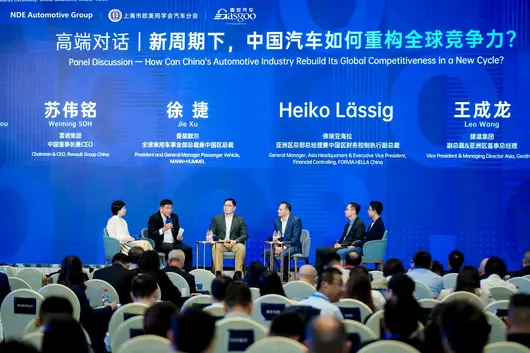
On October 23, at the 14th Automotive and Environmental Innovation Forum and the 8th Jinji Award "China Solution" Global Awards Ceremony, five executives from Renault, MANN+HUMMEL, Faurecia-Hella, Visteon, and Haiwei discussed the same challenge: Technology innovation is accelerating, how can we turn it into real business value?

Some worry that technology becomes obsolete before launching, others advocate cutting features lacking actual demand yet still insist on investing in innovations that are "unique to us", while others bet on new products initially not viewed favorably. Enterprises not only need to judge which technologies are worth investing in, but also face changes in R&D division of labor and upstream resource competition.
Technology is becoming more mature, but getting higher premiums is becoming harder
Cost advantages of Chinese new energy vehicles in some core technology fields are approaching a new stage.
Renault Group China Chairman and CEO Su Weiming discussed a change at the forum: Looking at fields such as the "Three-Electric System" and Electronic and Electrical Architecture, since 2026, the cost competitiveness of new energy vehicle-related technologies has further strengthened, and costs in related fields are already quite close to conventional fuel vehicles.

Whether technical advantages can truly appeal to consumers is also worth thinking about. Su Weiming observed that in overseas markets such as South America and Singapore, when consumers buy new energy vehicles, they care more about range, price, color, and charging time, rather than specific parameters like battery capacity and motor power.
As for intelligent cockpits, he questioned innovation investments that lack differentiation for some parts. Technical investments continue to increase, but if the final product experience is all the same, it is difficult to form a unique competitive advantage.
J.D. Power's 2026 Chinese Automotive Intelligence Experience Study released in May this year also provided an observation angle: the industry's intelligence innovation index increased by 70 points year-on-year to 658 points, but the function performance index dropped for the first time in four years.
New features continue to increase, but it does not mean that every feature brings a better user experience.

MANN+HUMMEL Global Passenger Car Division President and China Region President Xu Jie frankly admitted at the forum that enterprises have experienced similar challenges. Once a technology is developed, even if it has performance advantages, if it enters the market a year later and cannot realize market application in time, new technology routes and market demands may have appeared, and the original advantages will soon be caught up with or even replaced.
"The speed of bringing innovation to the market now is more important than innovation."
Visteon Group Vice President and Managing Director of Asia Wang Chenglong explained the commercial return of technological innovation from another perspective.
He stated that Visteon will still persist in some "0 to 1" R&D, especially products that can achieve "what others don't have". "Because this can bring better premiums or a dividend period."
Whether technology can form differentiation, when to enter the market, and how long the leading advantage can last all affect the commercial return of innovation.
But not all innovations can calculate returns when the project is initiated. New products that have not yet formed a market are often harder to judge.
Functions to Cut, and NOMI Almost Undervalued
Wang Chenglong stated at the forum regarding R&D trade-offs that Visteon will first judge whether a technology has real demand from the perspective of the vehicle manufacturer and end users. For features that are used very infrequently and lack actual value, if confirmed to be unnecessary after verification, they will decisively stop investment.
But how should real demand be judged?
In August this year, after the typhoon and rainstorm, Gasgoo conducted a survey questionnaire around the car's low-frequency capabilities. Among 390 participants, 46% believed that as long as it is useful in critical moments, it has value even if rarely used normally; another 44% believed that such functions can exist, but should not significantly increase the cost of buying a car.

Regarding willingness to pay, 34% of participants stated they are unwilling to pay extra, and 36% are willing to pay up to 3,000 yuan at most.
Low-frequency use does not necessarily mean a lack of demand; acknowledging a function does not mean willingness to pay the corresponding cost. Especially for safety, emergency, and other capabilities, their value cannot be judged solely by usage frequency; some basic safety capabilities also involve regulatory requirements.
As for new products that have not yet entered the market, whether consumers are willing to pay may be even harder to predict.
Haiwei Founder and CEO Li Linfeng shared the experience of jointly developing NOMI with NIO at the roundtable.
"When Haiwei took on the NIO NOMI project back then, the company's revenue scale was still at the tens of millions of yuan level. Previously, NIO had been searching for partners in the industry for a relatively long time. Thanks to the customer's trust in Haiwei, the Haiwei team eventually completed product development and delivery in 18 months."

But what is more worth paying attention to than the development process is the gap between market performance and initial expectations.
According to Li Linfeng, when the project was launched, the client estimated that the NOMI option rate was only around 30%. However, relying on unique product definition and user interaction experience, NOMI gradually gained market recognition, and the option rate of related products later stayed above 80% for a long time.
Of course, this result has its specific conditions. NIO's brand positioning, user base, and the joint development of both parties may affect the market acceptance of the product. A higher option rate cannot be directly equated with a higher return on investment.
For existing products, enterprises can adjust in time based on actual usage and market feedback; for new products that have not yet formed a market, demand may need to be verified through R&D and product implementation.
If one insists only on certain short-term returns, potential opportunities might be abandoned before being verified. Conversely, if all ideas about future experience are worth long-term investment, even a robust R&D budget cannot withstand the consumption.
The difficulty is not choosing to innovate or stop innovating, but distinguishing whether a project has not yet proven its value or has already proven to lack value.
The former needs to leave space for market verification, while the latter should cut losses in time.
Beyond Single Technologies, What Else Do Suppliers Compete On?
After judging whether a technology is worth investing in, enterprises also need to consider how to improve R&D efficiency.

Wang Chenglong mentioned that in the past, Visteon's R&D in each region was relatively independent, with repeated investments. Nowadays, the company is starting to strengthen global R&D collaboration and regards China as the global innovation incubation center. For example, global R&D of ventilation products is led by the Shanghai team, and related technologies can be further applied to global business after rapid iteration in the Chinese market.
Similar changes also occurred at MANN+HUMMEL. Xu Jie stated that China is growing from one of the world's largest automotive markets to a global source of innovation. MANN+HUMMEL has landed its global new energy technology center in Shanghai, with R&D led by the Chinese team, considering global adaptation synchronously at the product definition stage, combining innovation with speed. Relying on MANN+HUMMEL's business network covering more than 80 branches worldwide, innovation results formed in the Chinese market can achieve global replication and implementation faster, accelerating the transformation from technical innovation to business value.
For R&D results to go global, a corresponding coordination mechanism is also needed. According to Xu Jie's introduction, under the "In China, For the World" strategy, MANN+HUMMEL deeply collaborates Headquarters to Headquarters (H2H), directly connecting with the overseas strategies of Chinese car manufacturers, jointly planning from target market selection, product definition to development rhythm, to reduce resource waste and time delays in intermediate links.
At the same time, Visteon also encourages engineers to establish business thinking, considering how much a product can sell for and whether customers are willing to pay at the R&D stage, not just focusing on the technology itself.
Heiko Lässig, General Manager of Faurecia-Hella Asia-Pacific HQ and Executive Vice President of China Financial Control, mentioned that while the company increased R&D investment, it also reduced costs by continuously evaluating R&D effects and adjusting technology directions in time, without compromising quality.

He classified innovation into foresight R&D, customer-oriented product innovation, as well as manufacturing process and process improvement. Foresight R&D is difficult to determine business returns in advance; customer-oriented innovation must meet actual needs, while process improvement is easier to calculate investment returns.
From global R&D collaboration to investment management of different types of projects, suppliers are trying to improve R&D efficiency. And as vehicle manufacturers continue to expand their in-house R&D scope, Tier 1 also needs to rethink its own technical advantages and business boundaries.
"So how do Tier 1s survive?" Li Linfeng raised this question at the scene.
He believes that a professional Tier 1 can serve multiple vehicle manufacturers simultaneously, splitting R&D costs in specific fields and forming professional advantages. But nowadays, many vehicle manufacturers are promoting full-stack in-house R&D in multiple technical fields. "I found that our OEM customers are all vertically integrating, so we can only try to explore upwards."
Li Linfeng revealed that Haiwei has already started to invest R&D resources in upstream fields such as materials, processes, and equipment.
For Haiwei, whose main business is cockpit display, these investments are not simply cross-border. Display materials, manufacturing processes, and equipment directly affect product performance, yield rate, and mass production costs. If related technologies can be reused in different customer projects, there is a chance to form a stronger competitive barrier.
However, the pressure suppliers face does not only come from vehicle manufacturers. The supply and demand changes in upstream parts are also affecting enterprise R&D investment and mass production arrangements.
Li Linfeng mentioned at the end of the roundtable that since the beginning of this year, PCB, MLCC, and some chips have shown phenomena of price increases and supply fluctuations. He believes that the rapid expansion of AI industry demand is one of the important influencing factors, and judges that the resource siphon effect brought by the AI wave may last for 3-5 years.
This time judgment belongs to Li Linfeng's personal opinion. However, previous research by TrendForce has pointed out that AI demand has driven part of MLCC capacity to transfer to high-end applications, squeezing the supply of some automotive specifications.
There are differences in supply and demand situations of different electronic components, but for some automotive suppliers, the upstream procurement environment they used to be familiar with has begun to change.
Li Linfeng revealed that Haiwei is investing in some upstream enterprises and partners, and has also signed a long-term supply contract with a foreign chip supplier to ensure supply.
From extending R&D upstream to investing in partners and signing long-term supply contracts, these measures of Haiwei involve two aspects: technical capabilities and supply assurance. For suppliers, whether innovation can bring continuous returns depends not only on the technology itself, but also on whether costs can be controlled and delivery can be guaranteed.
Some technologies need to rush time, otherwise the window closes soon; some products need to be verified by the market to discover the value that was initially undervalued; and some basic capabilities, unable to directly create premiums, determine whether products can be mass-produced stably.
In the automotive industry, investing in the wrong innovation may mean resource waste, but giving up too early may also mean missing the next competitive opportunity.
What enterprises really need to judge is which investments should be stopped in time, and which are worth continuing to persist.

In Malaysia's SUV market, many buyers compare the Toyota Harrier and Volvo XC90 PHEV when choosing a car. Both cars are quite close in price and positioning. Today we will make a detailed comparison from multiple aspects to help you save time on research.
Toyota Harrier's OTR price in Malaysia is RM 289,000 - 289,000, with a total of 1 version, including 2026 HEV 2.5L Standard (RM 289,000) and more.
Volvo XC90 PHEV's OTR price in Malaysia is RM 434,888 - 434,888, with a total of 2 versions, including 2025 2.0T 77km Ultra (RM 434,888), What safety features does the Volvo XC90 PHEV have? (RM 362,888) and more.
From the price perspective, the starting price of Toyota Harrier is indeed RM 145,888 cheaper than Volvo XC90 PHEV. If your budget is limited, Toyota's entry-level version can already meet daily needs. But note, the few thousand cheaper, there might be trade-offs in features, depends on your needs.
Toyota Harrier is equipped with 2.0L Turbo, 220 hp. Official fuel consumption 9.5 L/100km.
Volvo XC90 PHEV is equipped with Hybrid, 170 hp. Official fuel consumption 4.5 L/100km.
In terms of power, Toyota Harrier's 2.0L Turbo has 50 more horsepower than Volvo XC90 PHEV's Hybrid, offering more confidence in mid-range acceleration, especially when overtaking on highways. However, Volvo XC90 PHEV's fuel consumption might be more friendly, daily city commuting difference won't be too big.
Toyota Harrier's safety rating is 5★ (ASEAN NCAP), active safety system includes Brand ADAS.
Volvo XC90 PHEV's safety rating is 5★ (Euro NCAP), active safety system includes Premium ADAS.
Regarding safety features, both cars got good ratings. However, Toyota Harrier's Brand ADAS and Volvo XC90 PHEV's Premium ADAS have some differences in functions. If you value active safety, you can compare their function lists carefully.
Toyota Harrier body length 4400 mm, trunk 400 L.
Volvo XC90 PHEV body length 4400 mm, trunk 400 L.
The dimensions of the two cars are almost the same, interior space difference is not big. For this level of car, daily use is completely sufficient.

Toyota Harrier warranty 5 years/unlimited mileage, maintenance interval every 10,000km or 6 months.
Volvo XC90 PHEV warranty 5 years/unlimited mileage, maintenance interval every 10,000km or 6 months.

In general, Toyota Harrier and Volvo XC90 PHEV are both very good models in the Malaysian market. Which one to choose depends on your personal needs and budget. We suggest doing your homework, compare quotes from several dealerships, and then test drive to make a final decision. Buying a car is a big matter, spending some time doing homework is never wrong.

In Malaysia's SUV market, many buyers compare Toyota Harrier and Volvo XC60 when choosing a car. Both cars are quite close in price and positioning. Today, we will make a detailed comparison from multiple aspects to save you the time of doing research.
Toyota Harrier OTR price in Malaysia is RM 289,000 - 289,000. There is a total of 1 version, including 2026 HEV 2.5L Standard (RM 289,000), among others.
Volvo XC60 OTR price in Malaysia is RM 328,888 - 328,888. There is a total of 1 version, including 2025 2.0T Core (RM 328,888), among others.
In terms of price, Toyota Harrier's starting price is indeed RM 39,888 cheaper than Volvo XC60. If your budget is limited, Toyota's entry-level version can already meet daily needs. However, keep in mind that the few thousand cheaper might involve trade-offs in features, depending on your specific needs.
Toyota Harrier is equipped with 2.0L Turbo, 220 hp. Official fuel consumption 9.5 L/100km.
Volvo XC60 is equipped with 2.0L Turbo, 220 hp. Official fuel consumption 9.5 L/100km.
Both cars use the same powertrain, so the driving experience daily is basically no difference. Fuel consumption is also about the same, no need to worry too much about this point.
Toyota Harrier's safety rating is 5★ (ASEAN NCAP), active safety system includes Brand ADAS.
Volvo XC60's safety rating is 5★ (Euro NCAP), active safety system includes .
Toyota Harrier body length 4400 mm, trunk 400 L.
Volvo XC60 body length 4400 mm, trunk 400 L.
The dimensions of both cars are almost the same, and the interior space is not much different. Cars of this level are completely sufficient for daily use.

Toyota Harrier Warranty 5 years / unlimited mileage, maintenance interval every 10,000km or 6 months.
Volvo XC60 Warranty 5 years / unlimited mileage, maintenance interval every 10,000km or 6 months.

Overall, Toyota Harrier and Volvo XC60 are both quite good models in the Malaysian market. Which one to choose, the key is to look at your personal needs and budget. We recommend doing your research, comparing quotes from a few dealers, and then test driving to make the final decision. Buying a car is a big matter, spending time doing research will never be wrong.

Dalam pasaran SUV di Malaysia, ramai pembeli semasa memilih kereta akan membandingkan Toyota Harrier dan Volvo XC60. Kedua-dua kereta ini dalam harga dan定位 juga sangat dekat, hari ini kami akan buat perbandingan terperinci dari pelbagai aspek, bantu anda jimat masa buat kerja rumah.
Toyota Harrier harga OTR di Malaysia adalah RM 289,000 - 289,000, terdapat 1 varian, termasuk 2026 HEV 2.5L Standard (RM 289,000) dan lain-lain.
Volvo XC60 harga OTR di Malaysia adalah RM 328,888 - 328,888, terdapat 1 varian, termasuk 2025 2.0T Core (RM 328,888) dan lain-lain.
Dari segi harga, harga permulaan Toyota Harrier memang lebih murah berbanding Volvo XC60 sebanyak RM 39,888. Jika bajet anda terhad, varian pemula Toyota sudah dapat memenuhi keperluan harian. Tetapi perlu diingat, perbezaan harga beberapa ribu ringgit itu mungkin ada kompromi pada kelengkapan, ia bergantung kepada keperluan anda.
Toyota Harrier diperlengkapi 2.0L Turbo, kuasa kuda 220 hp. Penggunaan bahan api rasmi 9.5 L/100km.
Volvo XC60 diperlengkapi 2.0L Turbo, kuasa kuda 220 hp. Penggunaan bahan api rasmi 9.5 L/100km.
Kedua-dua kereta menggunakan sistem pemacu yang sama, perasaan memandu harian pada dasarnya tidak ada bezanya. Dari segi penggunaan bahan api juga hampir sama, tidak perlu terlalu risau akan hal ini.
Peringkat keselamatan Toyota Harrier adalah 5★ (ASEAN NCAP), sistem keselamatan aktif termasuk Brand ADAS.
Peringkat keselamatan Volvo XC60 adalah 5★ (Euro NCAP), sistem keselamatan aktif termasuk .
Toyota Harrier Jaminan 5 tahun / jarak tanpa had, selang pemeliharaan setiap 10,000km atau 6 bulan.
Volvo XC60 Jaminan 5 tahun / jarak tanpa had, selang pemeliharaan setiap 10,000km atau 6 bulan.
Secara keseluruhan, Toyota Harrier dan Volvo XC60 adalah model kereta yang sangat bagus di pasaran Malaysia. Memilih yang mana satu, yang penting adalah melihat keperluan dan bajet peribadi anda. Kami mengesyorkan anda menyiapkan penyelidikan, bandingkan beberapa sebut harga daripada kedai kereta, kemudian buat ujian memandu untuk membuat keputusan akhir. Membeli kereta adalah perkara besar, meluangkan masa untuk penyelidikan pasti tidak akan salah.

於馬來西亞嘅 SUV 市場,好多買家喺揀車嗰陣都會揀 Toyota Harrier 同 Volvo XC90 嚟做比較。呢兩部車喺價位同定位上都幾接近,今日我哋就從多個方面做一個詳細比較,幫你節省咗做功課嘅時間。
Toyota Harrier 喺馬來西亞嘅 OTR 售價係 RM 289,000 - 289,000,合共 1 個版本,包括 2026 HEV 2.5L Standard(RM 289,000) 等。
Volvo XC90 喺馬來西亞嘅 OTR 售價係 RM 418,888 - 418,888,合共 1 個版本,包括 2025 2.0T Ultra(RM 418,888) 等。
從價錢嚟睇,Toyota Harrier 嘅起標價的確比 Volvo XC90 平咗 RM 129,888。如果你預算有限,Toyota 嘅入門版已經滿足晒日常需求。但都要留意,平嗰幾千蚊,或者喺配備上要取捨,具體就要睇你嘅需求。
Toyota Harrier 搭載 2.0L Turbo,馬力 220 匹。官方油耗 9.5 L/100km。
Volvo XC90 搭載 3.0L Turbo,馬力 350 匹。官方油耗 12.0 L/100km。
動力方面,Volvo XC90 嘅 3.0L Turbo 比 Toyota Harrier 嘅 2.0L Turbo 多咗 130 匹馬力。不過日常喺市區開,呢兩部車嘅動力都夠用,唔會覺得唔夠力。
Toyota Harrier 車身長 4400 mm,後廂 400 L。
Volvo XC90 車身長 4400 mm,後廂 400 L。
呢兩部車嘅尺寸幾乎一樣,車內空間差異唔大。呢個級別嘅車,日常使用完全夠用。
Toyota Harrier 採用 FWD 驅動方式。
Volvo XC90 採用 FWD 驅動方式。
呢兩部車嘅驅動方式一樣,都係 FWD,日常駕駛感受唔會有太大分別。

Toyota Harrier 同 Volvo XC90 都係馬來西亞市場嘅主流選擇,適合家庭使用、日常通勤。如果你更重視品牌口碑同二手價,可以優先考慮口碑更好嗰款;如果你更介意性價比同配備,那就揀配備更豐富嗰款。最終都建議兩部都去試駕,親身體驗先至最緊要。

總括嚟講,Toyota Harrier 同 Volvo XC90 都係馬來西亞市場幾唔錯嘅車型。揀邊部,關鍵都要睇你嘅個人需求同預算。建議大家做好功課,多比較幾間車行嘅報價,再去試駕做最後決定。買車係件大事,花少少時間做功課絕對唔會錯。

Di pasaran SUV Malaysia, ramai pembeli yang membandingkan Toyota Harrier dan Volkswagen Tiguan semasa memilih kereta. Kedua-dua kereta ini mempunyai harga dan kedudukan yang agak hampir, hari ini kami akan melakukan perbandingan terperinci dari pelbagai aspek untuk membantu anda menjimatkan masa membuat kajian.
Toyota Harrier dijual di Malaysia dengan harga OTR RM 289,000 - 289,000, terdapat 1 versi, termasuk 2026 HEV 2.5L Standard (RM 289,000) dan lain-lain.
Volkswagen Tiguan dijual di Malaysia dengan harga OTR RM 206,540 - 260,024, terdapat 2 versi, termasuk 2025 Allspace 2.0T R-Line (RM 260,024), 2025 Allspace 1.4T Elegance (RM 206,540) dan lain-lain.
Dari segi harga, Volkswagen Tiguan lebih murah RM 82,460 berbanding Toyota Harrier pada harga permulaan. Secara jujur, pada julat harga ini, perbezaan beberapa ribu ringgit sebenarnya tidak besar, yang penting adalah melihat nisbah harga dan prestasi keseluruhan serta kos penggunaan jangka panjang.
Toyota Harrier menggunakan cara pemacu FWD.
Volkswagen Tiguan menggunakan cara pemacu FWD.
Kedua-dua kereta menggunakan cara pemacu yang sama, iaitu FWD, pengalaman memandu harian tidak akan berbeza banyak.
Toyota Harrier mempunyai jaminan 5 tahun/tiada had jarak, selang penyelenggaraan setiap 10,000km atau 6 bulan.
Volkswagen Tiguan mempunyai jaminan 3 tahun/100,000km, selang penyelenggaraan setiap 10,000km atau 6 bulan.
Toyota Harrier dan Volkswagen Tiguan adalah pilihan utama di pasaran Malaysia, sesuai untuk kegunaan keluarga, perjalanan harian. Jika anda lebih mengutamakan reputasi jenama dan harga semasa, anda boleh mempertimbangkan model yang lebih baik reputasinya terlebih dahulu; jika anda lebih mengambil berat tentang nisbah harga dan prestasi serta kelengkapan, maka pilih model yang mempunyai kelengkapan lebih. Akhir sekali disarankan untuk memandu kedua-dua model tersebut, pengalaman langsung adalah yang paling penting.

Secara keseluruhan, Toyota Harrier dan Volkswagen Tiguan adalah model yang sangat bagus di pasaran Malaysia. Memilih yang mana, kuncinya bergantung pada keperluan dan bajet anda. Disarankan agar anda membuat kajian, bandingkan harga dari beberapa dealer kereta, dan pergi memandu untuk membuat keputusan akhir. Membeli kereta adalah perkara besar, mengambil masa untuk membuat kajian tidak akan salah.

In the SUV market in Malaysia, many buyers compare Toyota Harrier and Chery Tiggo 8 Pro when choosing a car. These two cars are quite close in price and positioning. Today, we will make a detailed comparison from multiple aspects to help you save time doing research.
The OTR price of Toyota Harrier in Malaysia is RM 289,000 - 289,000, with a total of 1 version, including 2026 HEV 2.5L Standard (RM 289,000), etc.
The OTR price of Chery Tiggo 8 Pro in Malaysia is RM 159,750 - 159,750, with a total of 2 versions, including 1.6L Turbo Standard (RM 130,000), 1.6L Turbo Premium (RM 145,000), etc.
From a price perspective, the starting price of Chery Tiggo 8 Pro is RM 129,250 cheaper than Toyota Harrier. Honestly, in this price range, a difference of a few thousand is not actually significant; the key is to look at the overall cost-performance ratio and long-term maintenance costs.
Toyota Harrier's safety rating is 5★ (ASEAN NCAP), and the active safety system includes Brand ADAS.
Chery Tiggo 8 Pro's safety rating is TBD, and the active safety system includes Basic.
Regarding safety features, both cars have received good ratings. However, there are some differences in function between Toyota Harrier's Brand ADAS and Chery Tiggo 8 Pro's Basic. If you value active safety more, you can compare the feature lists of both in detail.
Toyota Harrier warranty is 5 years/unlimited mileage, service interval is every 10,000km or 6 months.
Chery Tiggo 8 Pro warranty is 3 years/100,000km, service interval is every 10,000km or 6 months.
Toyota Harrier and Chery Tiggo 8 Pro are both mainstream choices in the Malaysian market, suitable for family use and daily commuting. If you value brand reputation and resale price more, you can prioritize the one with a better reputation; if you care more about cost-performance and features, choose the one with more configurations. Ultimately, it is recommended to test drive both models, as personal experience is the most important.
Overall, Toyota Harrier and Chery Tiggo 8 Pro are both very good models in the Malaysian market. Which one to choose depends mainly on your personal needs and budget. We recommend doing your research, comparing quotes from several dealerships, and then test driving to make the final decision. Buying a car is a big matter; spending some time doing research will never be a mistake.

Di pasaran SUV Malaysia, ramai pembeli membandingkan Toyota Harrier dan Chery Tiggo 8 PHEV semasa memilih kereta. Kedua-dua kereta ini sangat dekat dari segi harga dan posisi, hari ini kita akan membuat perbandingan terperinci dari pelbagai aspek, membantu anda menjimatkan masa membuat kajian.
Toyota Harrier di Malaysia dijual dengan harga OTR RM 289,000 - 289,000, terdapat 1 varian, termasuk 2026 HEV 2.5L Standard (RM 289,000) dan lain-lain.
Chery Tiggo 8 PHEV di Malaysia dijual dengan harga OTR RM 159,750 - 159,750, terdapat 2 varian, termasuk 1.6L Turbo Standard (RM 130,000), 1.6L Turbo Premium (RM 145,000) dan lain-lain.
Dari segi harga, harga permulaan Chery Tiggo 8 PHEV lebih murah RM 129,250 berbanding Toyota Harrier. Jujur berkata, pada julat harga ini, perbezaan ribuan ringgit sebenarnya tidak besar, yang penting adalah nilai keseluruhan dan kos penggunaan jangka panjang.
Toyota Harrier menggunakan pemacu FWD.
Chery Tiggo 8 PHEV menggunakan pemacu FWD.
Kedua-dua kereta menggunakan jenis pemacu yang sama, iaitu FWD, pengalaman memandu harian tidak akan berbeza banyak.
Toyota Harrier waranti 5 tahun/tanpa had jarak, selang penjagaan setiap 10,000km atau 6 bulan.
Chery Tiggo 8 PHEV waranti 3 tahun/100,000km, selang penjagaan setiap 10,000km atau 6 bulan.
Toyota Harrier dan Chery Tiggo 8 PHEV adalah pilihan utama di pasaran Malaysia, sesuai untuk penggunaan keluarga dan perjalanan harian. Jika anda lebih mengutamakan reputasi jenama dan harga jualan semula, pertimbangkan model yang lebih berprestij; jika anda lebih mementingkan nilai dan kelengkapan, pilih model yang mempunyai kelengkapan yang lebih banyak. Akhir sekali, disyorkan untuk memandu ujian kedua-duanya, pengalaman langsung adalah yang paling penting.
Secara keseluruhannya, Toyota Harrier dan Chery Tiggo 8 PHEV adalah model kereta yang sangat bagus di pasaran Malaysia. Memilih yang mana, kuncinya bergantung pada keperluan dan bajet peribadi anda. Disarankan untuk membuat kajian terlebih dahulu, bandingkan beberapa tawaran dari dealer kereta, kemudian buat ujian memandu untuk membuat keputusan akhir. Membeli kereta adalah perkara besar, meluangkan sedikit masa untuk membuat kajian tidak akan salah.

喺馬來西亞嘅 SUV 市場,好多買家喺揀車嘅時候都會拿 Toyota Harrier 同 Chery Tiggo 9 嚟做比較。呢兩款車喺價位同定位上都幾接近,今日我哋就從多個方面做一個詳細嘅對比,幫你省返做功課嘅時間。
Toyota Harrier 喺馬來西亞嘅 OTR 售價係 RM 289,000 - 289,000,一共有 1 個版本,包括 2026 HEV 2.5L Standard(RM 289,000) 等。
Chery Tiggo 9 喺馬來西亞嘅 OTR 售價係 RM 166,800 - 179,800,一共有 1 個版本,包括 2026 2.0T Standard(RM 179,750) 等。
從價錢嚟睇,Chery Tiggo 9 嘅起步價比 Toyota Harrier 平咗 RM 122,200。老實講,喺呢個價位段,幾千蚊嘅差距其實唔算大,關鍵仲係睇整體嘅性價比同長期使用成本。
Toyota Harrier 搭載 2.0L Turbo,馬力 220 hp。官方油耗 9.5 L/100km。
Chery Tiggo 9 搭載 2.0L 4-cyl,馬力 170 hp。官方油耗 8.0 L/100km。
動力方面,Toyota Harrier 嘅 2.0L Turbo 比 Chery Tiggo 9 嘅 2.0L 4-cyl 多咗 50 匹馬力,中段加速更有信心,尤其係行高速公路超車嘅時候。不過 Chery Tiggo 9 嘅油耗可能更抵,日常市區通勤分別唔會太大。
Toyota Harrier 車身長 4400 mm,行李廂 400 L。
Chery Tiggo 9 車身長 4400 mm,行李廂 400 L。
兩款車嘅尺寸幾乎一樣,車內空間分別唔大。呢個級別嘅車,日常使用完全夠用。
Toyota Harrier 採用 FWD 驅動方式。
Chery Tiggo 9 採用 FWD 驅動方式。
兩款車嘅驅動方式一樣,都係 FWD,日常駕駛感受唔會有太大分別。

總體嚟講,Toyota Harrier 同 Chery Tiggo 9 都係馬來西亞市場幾唔錯嘅車型。揀邊一輛,關鍵仲係要睇你嘅個人需求同預算。建議大家做好功課,多比較幾間車行嘅報價,再去做試駕先做最終決定。買車係件大事,花少少時間做功課絕對唔會錯。
© 2024 Bitauto.com. All Rights Reserved.
Bitauto (www.yiche.com and www.bitauto.com) is one of the most visited automotive websites in China. We provide detailed info on Chinese car brands available in your area. Please note that the information provided on this website is based on publicly available data and is for reference only. It may not be fully updated or accurate at all times.

Help us improve our website


