

HomeAudi A4

Search History
Popular Searches
Dealer Login / Sign Up

喺馬來西亞嘅 SUV 市場,好多買家揀車嗰陣都拿 Proton X90 同 Toyota Corolla Cross 嚟做比較。這兩款車喺價位同定位上都幾接近,今日本人就從多個方面做個詳細比較,幫您省咗做功課嘅時間。
Proton X90 喺馬來西亞嘅 OTR 售價係 RM 106,800 - 122,800,一共有 4 個版本,包括 2026 1.5T Prime X(RM 122,800)、2026 1.5T Prime(RM 116,800)、2026 1.5T Lite(RM 106,800) 等。
Toyota Corolla Cross 喺馬來西亞嘅 OTR 售價係 RM 133,800 - 148,800,一共有 3 個版本,包括 2026 HEV 1.8L GR Sport(RM 148,800)、2026 HEV 1.8L Standard(RM 140,800)、2026 1.8L Standard(RM 133,800) 等。
從價錢來看,Proton X90 嘅起步價確實比 Toyota Corolla Cross 平咗 RM 27,000。如果你預算有限,Proton 嘅入門版已經可以滿足日常需求。但都係要留意,平嗰幾千蚊,喺配備上可能有取捨,具體要看你嘅需求。

Proton X90 嘅安全評級係 5★ (ASEAN NCAP),主動安全系統包括 ADAS (ACC, AEB, LKA, LDA, BSM, RCTA)。
Toyota Corolla Cross 嘅安全評級係 5★ (ASEAN NCAP),主動安全系統包括 TSS (PCS, LDA, ACC, LTA)。
兩款車嘅安全評級一樣,喺呢個級別入面安全配備都算給得好齊全。而家嘅新車安全性都唔差,唔使太擔心呢一點。

Proton X90 採用 FWD 驅動方式。
Toyota Corolla Cross 採用 FWD 驅動方式。
兩款車嘅驅動方式一樣,都係 FWD,日常駕駛感受唔會有太大分別。

Proton X90 同 Toyota Corolla Cross 都係馬來西亞市場嘅主流選擇,適合家庭使用、日常通勤。如果你更鍾意品牌口碑同二手價,可以優先考慮口碑更好嗰一款;如果你更在意性價比同配備,嗰就揀配置更豐富嗰款。最後始終建議兩款都去試駕,親身體驗先係最重要。

總嘅嚟講,Proton X90 同 Toyota Corolla Cross 都係馬來西亞市場好唔錯嘅車款。揀邊一輛,關鍵都係要看你嘅個人需求同預算。建议大家做好功課,多比較幾間車行嘅報價,再去試駕做最終決定。買車係件大事,花少少時間做功課絕對唔會錯。


Dalam pasaran SUV di Malaysia, ramai pembeli semasa memilih kereta akan membandingkan Proton X90 dan Honda HR-V. Kedua-dua kereta ini sangat hampir dari segi harga dan penempatan. Hari ini kita akan membuat perbandingan terperinci dari pelbagai aspek, membantu anda menjimatkan masa membuat kajian.
Proton X90 dijual di Malaysia pada harga OTR RM 106,800 - 122,800. Sepenuhnya ada 4 varian, termasuk 2026 1.5T Prime X (RM 122,800), 2026 1.5T Prime (RM 116,800), 2026 1.5T Lite (RM 106,800) dan lain-lain.
Honda HR-V dijual di Malaysia pada harga OTR RM 115,900 - 143,900. Sepenuhnya ada 4 varian, termasuk 2026 e:HEV 1.5L RS (RM 143,900), 2026 1.5T V (RM 137,900), 2026 1.5T E (RM 130,900) dan lain-lain.
Dari segi harga, harga permulaan Proton X90 memang lebih murah RM 9,100 berbanding Honda HR-V. Jika bajet anda terhad, versi permulaan Proton sudah boleh memenuhi keperluan harian. Namun, perlu diperhatikan, perbezaan harga beberapa ribu itu mungkin melibatkan kompromi dalam spesifikasi, bergantung pada keperluan anda.
Proton X90 dilengkapi enjin 1.5L Turbo, kuasa 140 hp. Penggunaan bahan api rasmi 7.0 L/100km.
Honda HR-V dilengkapi enjin 1.5L Turbo, kuasa 140 hp. Penggunaan bahan api rasmi 7.0 L/100km.
Kedua-dua kereta menggunakan enjin yang sama, rasa memandu dalam kehidupan harian hampir tiada perbezaan. Dari segi penggunaan bahan api pun hampir sama, tiada perlu terlalu bimbang tentang hal ini.
Penilaian keselamatan Proton X90 ialah 5★ (ASEAN NCAP), sistem keselamatan aktif termasuk ADAS (ACC, AEB, LKA, LDA, BSM, RCTA).
Penilaian keselamatan Honda HR-V ialah 5★ (ASEAN NCAP), sistem keselamatan aktif termasuk Honda SENSING (ACC, CMBS, LKAS, RDM).
Penilaian keselamatan kedua-dua kereta adalah sama, dalam kelas ini peralatan keselamatan dianggap lengkap. Keselamatan kereta baharu sekarang tidak buruk, tiada perlu terlalu bimbang tentang hal ini.
Proton X90 panjang badan 4400 mm, ruang bagasi 400 L.
Honda HR-V panjang badan 4500 mm, ruang bagasi 450 L.
Dari segi ruang, badan Honda HR-V lebih panjang 100 mm berbanding Proton X90, ruang duduk lebih unggul. Namun Proton X90 lebih fleksibel untuk parkir di bandar, setiap ada kelebihan dan kekurangan.

Proton X90 menggunakan cara pemacu FWD.
Honda HR-V menggunakan cara pemacu FWD.
Kedua-dua kereta menggunakan cara pemacu yang sama, iaitu FWD, rasa memandu harian tidak akan berbeza banyak.
Secara keseluruhan, Proton X90 dan Honda HR-V adalah model kereta yang sangat baik di pasaran Malaysia. Memilih mana satu, kuncinya bergantung pada keperluan peribadi dan bajet anda. Kami sarankan anda membuat kajian baik-baik, bandingkan lebih banyak tawaran dari dealer kereta, kemudian buat ujian jalan untuk membuat keputusan akhir. Membeli kereta adalah perkara besar, meluangkan masa membuat kajian pasti tidak salah.

In the Malaysian SUV market, many buyers often compare Perodua Aruz and Proton X70 when choosing a car. These two cars are quite close in price and positioning. Today we will make a detailed comparison from multiple aspects to save you time doing research.
Perodua Aruz OTR price in Malaysia is RM 72,900 - 77,900, with a total of 2 versions, including 1.5L X (RM 72,900), 1.5L AV (RM 77,900), etc.
Proton X70 OTR price in Malaysia is RM 106,800 - 122,300, with a total of 3 versions, including 1.5L Standard 2WD (RM 106,800), 1.5L Executive 2WD (RM 115,800), 1.5L Premium 2WD (RM 122,300), etc.
In terms of price, the starting price of Perodua Aruz is indeed RM 33,900 cheaper than Proton X70. If your budget is limited, Perodua's entry-level version can already meet daily needs. However, you should also note that the difference of a few thousand might involve compromises in features, depending on your needs.

Perodua Aruz body length is 4400 mm, trunk 400 L.
Proton X70 body length is 4400 mm, trunk 400 L.
The dimensions of both cars are almost the same, and the interior space difference is not significant. Cars at this level are more than enough for daily use.

Perodua Aruz uses FWD drive mode.
Proton X70 uses FWD drive mode.
Both cars have the same drive mode, both are FWD, there won't be a huge difference in driving experience for daily use.

Both Perodua Aruz and Proton X70 are mainstream choices in the Malaysian market, suitable for family use and daily commuting. If you value brand reputation and resale value more, you can prioritize the one with better reputation; if you care more about cost-performance ratio and features, then choose the one with richer configurations. In the end, it is recommended to test drive both, personal experience is the most important.
Overall, both Perodua Aruz and Proton X70 are very good models in the Malaysian market. Which one to choose mainly depends on your personal needs and budget. It is recommended to do your research, compare quotes from several dealerships, and then test drive to make the final decision. Buying a car is a big matter, spending some time doing research will definitely not be wrong.


In the Malaysian SUV market, many buyers compare Perodua Aruz and Proton X70 when choosing a car. These two cars are quite close in price and positioning. Today, we will make a detailed comparison from multiple aspects to save you time on research.
The OTR price of Perodua Aruz in Malaysia is RM 72,900 - 77,900. There are 2 versions in total, including 1.5L X (RM 72,900), 1.5L AV (RM 77,900), etc.
The OTR price of Proton X70 in Malaysia is RM 106,800 - 122,300. There are 3 versions in total, including 1.5L Standard 2WD (RM 106,800), 1.5L Executive 2WD (RM 115,800), 1.5L Premium 2WD (RM 122,300), etc.
From a price perspective, the starting price of Perodua Aruz is indeed RM 33,900 cheaper than Proton X70. If your budget is limited, Perodua's entry-level version can already meet daily needs. But note that the few thousand ringgit cheaper may involve trade-offs in features, depending on your specific needs.
Perodua Aruz's safety rating is 5★ (ASEAN NCAP), active safety systems include.
Proton X70's safety rating is 5★ (ASEAN NCAP), active safety systems include ADAS (ACC, AEB, LKA, LDA, BSM, RCTA).
Both cars have the same safety rating, safety features are quite comprehensive within this class. New cars nowadays are not lacking in safety, no need to worry too much about this.
Perodua Aruz body length 4400 mm, trunk 400 L.
Proton X70 body length 4400 mm, trunk 400 L.
The dimensions of both cars are almost the same, interior space differences are not significant. For cars in this class, it is completely sufficient for daily use.
Perodua Aruz warranty 5 years/150,000 km, maintenance interval every 10,000 km or 6 months.
Proton X70 warranty 5 years/150,000 km, maintenance interval every 10,000 km or 6 months.
The warranty conditions for both cars are the same, no need to fuss about this. Actual maintenance costs depend on the brand's service network and parts prices, suggest asking real owners in car owner groups for experience.
Overall, Perodua Aruz and Proton X70 are both very good models in the Malaysian market. Which one to choose mainly depends on your personal needs and budget. It is recommended to do your homework, compare quotes from several dealerships, and then take a test drive to make the final decision. Buying a car is a major decision, taking the time to research will never be wrong.

In the SUV market in Malaysia, many buyers compare the Perodua Aruz and Toyota Yaris Cross when choosing a car. Both cars are quite close in price and positioning. Today, we will do a detailed comparison from multiple aspects to help you save time doing research.
The OTR price of the Perodua Aruz in Malaysia is RM 72,900 - 77,900. There are 2 versions in total, including 1.5L X (RM 72,900), 1.5L AV (RM 77,900), etc.
The OTR price of the Toyota Yaris Cross in Malaysia is RM 99,900 - 109,900. There are 2 versions in total, including 2026 1.5L Standard (RM 99,900), 2026 HEV 1.5L Standard (RM 109,900), etc.
From a price perspective, the starting price of the Perodua Aruz is indeed RM 27,000 cheaper than the Toyota Yaris Cross. If your budget is limited, the entry-level version of Perodua can already meet daily needs. But also note, the few thousand dollars cheaper might involve trade-offs in features, it depends on your specific needs.
Perodua Aruz adopts FWD drive mode.
Toyota Yaris Cross adopts FWD drive mode.
The drive mode of both cars is the same, both are FWD, there will not be much difference in daily driving experience.
Perodua Aruz warranty 5 years/150,000km, maintenance interval every 10,000km or 6 months.
Toyota Yaris Cross warranty 5 years/unlimited mileage, maintenance interval every 10,000km or 6 months.
Both Perodua Aruz and Toyota Yaris Cross are mainstream choices in the Malaysia market, suitable for family use and daily commuting. If you value brand reputation and resale value more, you can prioritize the one with a better reputation; if you care more about cost-performance ratio and features, then choose the one with richer configuration. Ultimately, it is recommended to test drive both models, as personal experience is the most important.

In general, both Perodua Aruz and Toyota Yaris Cross are very good car models in the Malaysia market. Which one to choose depends mainly on your personal needs and budget. We suggest doing your research, comparing quotes from several dealerships, and then test driving to make the final decision. Buying a car is a big matter, spending time on research will never be wrong.

In the Malaysia SUV market, many buyers compare Perodua Aruz and Toyota Corolla Cross when selecting a car. These two vehicles are quite close in price and positioning. Today we will do a detailed comparison from multiple aspects to help you save time doing research.
Perodua Aruz OTR price in Malaysia is RM 72,900 - 77,900, total 2 versions, including 1.5L X (RM 72,900), 1.5L AV (RM 77,900) etc.
Toyota Corolla Cross OTR price in Malaysia is RM 133,800 - 148,800, total 3 versions, including 2026 HEV 1.8L GR Sport (RM 148,800), 2026 HEV 1.8L Standard (RM 140,800), 2026 1.8L Standard (RM 133,800) etc.
From a price perspective, Perodua Aruz entry price is indeed RM 60,900 cheaper than Toyota Corolla Cross. If your budget is limited, Perodua's entry version can meet daily needs. But also note, the difference of a few thousand might involve trade-offs in features, depends on your specific needs.
Perodua Aruz equipped with 1.5L 4-cyl, 105 hp. Official fuel consumption 6.0 L/100km.
Toyota Corolla Cross equipped with 1.5L Turbo, 140 hp. Official fuel consumption 7.0 L/100km.
Regarding power, Toyota Corolla Cross 1.5L Turbo has 35 more horsepower than Perodua Aruz 1.5L 4-cyl. However, for daily city driving, power of both cars is sufficient, no feeling of lack of power.
Perodua Aruz safety rating is 5★ (ASEAN NCAP), active safety systems include .
Toyota Corolla Cross safety rating is 5★ (ASEAN NCAP), active safety systems include TSS (PCS, LDA, ACC, LTA).
Both cars have same safety rating, safety features in this class are quite comprehensive. New car safety is not poor nowadays, no need to worry too much about this.
Perodua Aruz warranty 5 years/150,000km, maintenance interval every 10,000km or 6 months.
Toyota Corolla Cross warranty 5 years/unlimited mileage, maintenance interval every 10,000km or 6 months.
Perodua Aruz and Toyota Corolla Cross are both mainstream choices in Malaysia market, suitable for family use and daily commute. If you value brand reputation and resale value more, prioritize the one with better reputation; if you care more about cost-performance ratio and features, choose the one with richer configuration. Ultimately suggest test driving both, personal experience is the most important.
Overall, Perodua Aruz and Toyota Corolla Cross are both very good car models in Malaysia market. Choosing which one depends on your personal needs and budget. Suggest everyone do research, compare quotes from several dealerships, then test drive to make final decision. Buying a car is a big matter, spending time on research is never wrong.

Baru-baru ini, Pejabat Wakil Dagang Amerika Syarikat mengumumkan tarif Seksyen 301 baharu, mengelaskan 60 negara dan wilayah ke dalam pelbagai kadar tarif. Tarif ini bukan sahaja dikenakan secara bertindih dengan tarif lama Seksyen 301, malah produk tayar tersenarai jelas dengan tiada ruang untuk pengecualian. Penyesuaian dasar ini menandakan pembinaan semula peraturan perdagangan global, dan juga menjadikan industri tayar China yang sangat bergantung pada pasaran luar menghadapi perubahan asas dalam lingkungan eksport.

Laluan Eksport Terhalang: Eksport Langsung dan Transit Asia Tenggara Terhad Dua Kali
Ruang eksport langsung dan perdagangan transshipment tayar China sedang menghadapi mampatan teruk. Pada 15 Julai, Kumpulan Perdagangan Amerika Syarikat memutuskan semakan tamat hayat tayar kereta penumpang dan trak ringan ke atas China, meningkatkan kadar tarif kepada paras tinggi sejarah 190%, yang secara efektif mematikan laluan eksport langsung ke Amerika Utara. Pada masa yang sama, sebelum ini, Uni Eropah mengumumkan mengenakan cukai anti-dumping 24.4%-45.3% ke atas tayar berkaitan China, melemahkan daya saing harga produk China di Eropah.
Lebih parah lagi ialah keseragaman dasar tarif antara Amerika dan Eropah. Dalam senarai tarif Seksyen 301 baharu AS, negara Asia Tenggara seperti Vietnam dan Thailand berada dalam kadar tarif 12.5% yang sama dengan China, yang bersesuaian dengan penyiasatan mengelak yang baru-baru ini dilancarkan oleh EU ke atas Asia Tenggara. Apabila syarikat China cuba mengelakkan tarif melalui kapasiti transit di Asia Tenggara, AS dan EU telah menetapkan "perangkap asal". Ditambah dengan penyiasatan anti-dumping di Brazil dan Peru serta halangan persekitaran Gabungan Ekonomi Eurasia, barangan perdagangan global yang ditargetkan ke atas tayar China terus dibina tinggi.

Model Keuntungan Tertekan: "Globalisasi Palsu" Menghadapi Cabaran Mematuhi Peraturan
Sebagai negara pengeluar tayar terbesar di dunia, 80% kapasiti domestik tertumpu pada produk paras rendah, dan model jangka panjang "menukar harga dengan kuantiti" menjadi fokus penyiasatan anti-dumping di pelbagai negara. Data menunjukkan, pada 2025 jumlah eksport tayar China amat besar, namun keuntungan hanya sebanyak 8%. Di hadapan barangan tarif melebihi 100%, ruang keuntungan yang nipis ini serta merta termampakan habis.
Di bawah tekanan tarif, syarikat tayar domestik telah membina gelora membina kilang di luar negara. Pada paruh pertama 2026, lebih 10 projek pengumuman pengeluasan kapasiti luar negara, jumlah pelaburan melebihi 20 bilion yuan. Walau bagaimanapun, pemindahan kapasiti semata-mata sedang menghadapi cabaran pematuhan. Sebuah kilang Asia Tenggara syarikat tertentu menghadapi penghentian operasi EU sebaik sahaja pengeluaran bermula; syarikat lain kerana tidak mencapai piawaian "kandungan asal" AS masih dikenakan tarif tinggi. Berbanding model pelokalan laluan penuh oleh rakan kongsi asing besar seperti Michelin dan Bridgestone, "globalisasi palsu" yang berada pada tahap "pejabat pemasangan" dan rangkaian bekalan masih terikat domestik, kelihatan lemah di hadapan barangan tarif.

Transformasi Industri Dipercepat: Pelokalan Dalam Menjadi Konsensus Memecah Kendala
Apabila kelebihan harga rendah terhad, industri tayar China dipaksa menghadapi pembinaan semula logik asas industri. Kilang tayar Linglong di Serbia telah meneroka pelokalan dalam "Penyelidikan + Pengeluaran + Penyediaan" tiga serangkai dengan mencapai pembelian tempatan Eropah, membentuk pasukan penyelidikan dan pembangunan terhadap peraturan EU serta memasuki pasaran asal kilang. Pada masa yang sama, Zhongce Karet, tayar Double Coin dan lain-lain menambah pelokalan rantaian industri, manakala kumpulan Sailun memperkenalkan piawaian Perindustrian 4.0 di kilang Kemboja.
Pemertalan tarif Seksyen 301 baharu dan halangan perdagangan global secara objektif mempercepatkan penyusunan semula dan transformasi industri. Apabila laluan transit Asia Tenggara terhalang dan model harga rendah sukar diteruskan, penyesuaian industri yang dicetuskan oleh tarif ini sedang menggalakkan tayar China bergerak dari "Kilang Global" ke "Merek Global". Pada masa hadapan, persaingan pasaran akan beralih secara beransur-ansur daripada pertandingan skala kapasiti, kepada persaingan komprehensif inovasi teknologi, nilai jenama dan kemampuan operasi global.


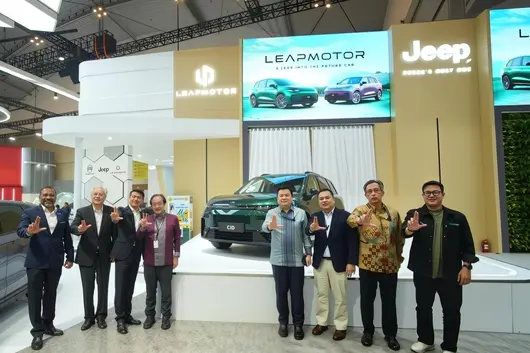
7月24日,GIIAS印尼国际车展现场,零跑汽车宣布正式进入印尼市场。零跑与印尼Indomobil集团旗下PT National Assemblers合作的KD组装厂,已于今年4月在西爪哇普哇加达投入运营。首批下线的零跑B10和C10预计8月起向印尼用户交付。
 轻资产切入,重技术压阵
在比亚迪苏邦工厂15万年产能投产、上汽通用五菱深耕芝加朗多年的背景下,零跑选择了差异化的轻资产路径,其核心筹码在于技术垂直整合。零跑将整车成本中约65%的核心部件,包括电驱、电池系统及电子电气架构等纳入自研范畴。这种模式下,尽管在印尼仅进行散件组装,但核心零部件由中国总部直供,能有效规避早期本地化率不足带来的品控波动,确保普哇加达造与杭州造体验一致。
 渠道借力,规避试错成本
依托Stellantis集团资源,零跑将入驻印尼的Stellantis Brand House,与Jeep、雪铁龙品牌共享展厅流量。同时,PT Indomobil National Distributor将承接全国分销任务,计划至2026年底建成50家销售与服务网点。“借墙生根”的策略显著缩短了市场培育期,在印尼售后基建尚不完善的当下,共享成熟品牌的售后网点,直接降低了消费者的购车顾虑与品牌的运营风险。
 双基点布局,对冲关税风险
随着印尼工厂落地,零跑在东南亚已形成马来西亚古伦工厂与印尼普哇加达工厂的双KD支点格局,这一布局直接针对东盟复杂的原产地规则。印尼现行政策规定,2026年电动车本地化率需达40%,2027年将升至60%。零跑通过KD模式快速达标,相较于动辄2到3年的全工艺建厂周期,抢得了至少18个月的政策窗口期。
 定价策略显成本优势
现场公布的售价显示,零跑B10雅加达上路价为4.99亿印尼盾(约合人民币22万元),C10为6.18亿印尼盾。配合车展前500名订购的专项优惠,零跑精准切入了雅加达中产家庭纯电SUV的消费区间。
 从内卷到外拓的尝试
目前,中国品牌在印尼新能源汽车市场的占有率已超九成。零跑此次入局,提供了“全域自研+本地组装+巨头渠道”的出海新范式。目前,零跑全球累计交付量已突破150万辆,业务覆盖40余国。此次印尼KD项目的落地,标志着其出海战略正从单一的贸易出口向区域制造中心转型。
Di pasaran SUV Malaysia, ramai pembeli membandingkan Proton X70 dan Mazda CX-3 ketika memilih kereta. Kedua-dua kereta ini mempunyai harga dan pelagaran yang hampir sama. Hari ini, kita akan melakukan perbandingan terperinci dari pelbagai aspek untuk membantu anda menjimatkan masa membuat penyelidikan.
Proton X70 mempunyai harga OTR di Malaysia dari RM 106,800 - 122,300, terdapat 3 varian termasuk 1.5L Standard 2WD (RM 106,800), 1.5L Executive 2WD (RM 115,800), 1.5L Premium 2WD (RM 122,300) dan lain-lain.
Mazda CX-3 mempunyai harga OTR di Malaysia dari RM 126,159 - 139,159, terdapat 2 varian termasuk 2023 2.0L High (RM 139,159), 2023 2.0L Plus (RM 126,159) dan lain-lain.
Dari segi harga, harga permulaan Proton X70 memang RM 19,359 lebih murah daripada Mazda CX-3. Jika bajet anda terhad, versi permulaan Proton sudah boleh memenuhi keperluan harian. Tetapi perlu diingat, beberapa ribu ringgit yang lebih murah mungkin mempunyai kompromi dari segi kelengkapan, bergantung pada keperluan anda.

Proton X70 ditenagakan oleh 1.5L Turbo, kuasa 140 hp. Penggunaan minyak rasmi 7.0 L/100km.
Mazda CX-3 ditenagakan oleh 1.5L Turbo, kuasa 140 hp. Penggunaan minyak rasmi 7.0 L/100km.
Kedua-dua kereta menggunakan sistem pemacu yang sama, rasa memandu sehari-hari pada dasarnya tiada perbezaan. Dari segi penggunaan minyak juga hampir sama, tidak perlu terlalu bimbang tentang ini.
Panjang badan Proton X70 4400 mm, ruang muatan belakang 400 L.
Panjang badan Mazda CX-3 4500 mm, ruang muatan belakang 450 L.
Dari segi ruang, badan Mazda CX-3 lebih panjang 100 mm berbanding Proton X70, ruang duduk lebih berdaya saing. Tetapi Proton X70 lebih fleksibel untuk diparkir dalam bandar, setiap satu mempunyai kelebihan dan kekurangannya sendiri.

Proton X70 menggunakan kaedah pemacu FWD.
Mazda CX-3 menggunakan kaedah pemacu FWD.
Kaedah pemacu kedua-dua kereta sama, iaitu FWD, rasa memandu sehari-hari tidak akan ada perbezaan besar.
Secara keseluruhannya, Proton X70 dan Mazda CX-3 adalah model kereta yang cukup baik di pasaran Malaysia. Pilihan mana satu, kunci utama masih bergantung pada keperluan dan bajet peribadi anda. Disarankan anda membuat penyelidikan dengan baik, bandingkan harga dari beberapa agensi kereta, kemudian buat ujian memandu untuk membuat keputusan akhir. Membeli kereta adalah perkara besar, mengambil sedikit masa untuk membuat penyelidikan tidak akan salah.


In Malaysia's SUV market, many buyers compare Proton X50 and Honda HR-V when choosing a car. These two models are quite close in price and positioning. Today, we will conduct a detailed comparison from multiple aspects to help you save time on research.
The OTR price of Proton X50 in Malaysia is RM 89,800 - 113,300, with a total of 4 versions, including 1.5T Executive (RM 89,800), 1.5T Premium (RM 101,800), 1.5T Flagship (RM 113,300), etc.
The OTR price of Honda HR-V in Malaysia is RM 115,900 - 143,900, with a total of 4 versions, including 2026 e:HEV 1.5L RS (RM 143,900), 2026 1.5T V (RM 137,900), 2026 1.5T E (RM 130,900), etc.
From a pricing perspective, the starting price of Proton X50 is indeed RM 26,100 cheaper than Honda HR-V. If your budget is limited, Proton's entry-level version can already meet daily needs. But be aware that the few thousand ringgit saved might come with compromises in features, depending on your specific requirements.

Proton X50's safety rating is 5★ (ASEAN NCAP), active safety systems include ADAS (ACC, AEB, LKA, LDA, BSM, RCTA).
Honda HR-V's safety rating is 5★ (ASEAN NCAP), active safety systems include Honda SENSING (ACC, CMBS, LKAS, RDM).
Both cars have the same safety rating. Safety features in this class are considered quite comprehensive. New cars nowadays generally have good safety standards, so no need to worry too much about this.
Proton X50 body length is 4400 mm, trunk 400 L.
Honda HR-V body length is 4500 mm, trunk 450 L.
In terms of space, the Honda HR-V body is 100 mm longer than Proton X50, offering more advantage in passenger space. However, Proton X50 is a bit more flexible for parking in the city, each has its trade-offs.

Proton X50 adopts 4WD drive method.
Honda HR-V adopts FWD drive method.
Proton's 4WD and Honda's FWD will have different handling experiences, test drives and comparisons are recommended.
Overall, Proton X50 and Honda HR-V are both very good models in the Malaysian market. Choosing which one depends on your personal needs and budget. We suggest doing your research, comparing quotes from several dealerships, and then test driving to make the final decision. Buying a car is a big matter, spending some time on research will definitely not be wrong.

In Malaysia's SUV market, many buyers compare Proton X50 and Mazda CX-8 when choosing a car. These two cars are quite close in price and positioning. Today, we will make a detailed comparison from multiple aspects to help you save time on research.
The OTR price of Proton X50 in Malaysia is RM 89,800 - 113,300. There are 4 versions in total, including 1.5T Executive (RM 89,800), 1.5T Premium (RM 101,800), 1.5T Flagship (RM 113,300), etc.
The OTR price of Mazda CX-8 in Malaysia is RM 165,360 - 201,360. There are 5 versions in total, including 2025 2.5T 4WD High Plus Petrol (RM 201,360), 2025 2.2L 2WD High Plus Diesel (RM 193,123), 2025 2.5L 2WD High Plus Petrol (RM 186,360), etc.
From a price perspective, the starting price of Proton X50 is indeed RM 75,560 cheaper than Mazda CX-8. If your budget is limited, Proton's entry-level version is already sufficient for daily needs. However, note that the few thousand difference in price might involve compromises in features, which depends on your specific needs.
Proton X50 is equipped with a 1.5L 4-cyl, 105 hp. Official fuel consumption is 6.0 L/100km.
Mazda CX-8 is equipped with a 2.0L 4-cyl, 170 hp. Official fuel consumption is 8.0 L/100km.
In terms of power, the Mazda CX-8's 2.0L 4-cyl has 65 more horsepower than the Proton X50's 1.5L 4-cyl. However, for daily city driving, the power of both cars is sufficient and will not feel lacking.
The safety rating of Proton X50 is 5★ (ASEAN NCAP). Active safety systems include ADAS (ACC, AEB, LKA, LDA, BSM, RCTA).
The safety rating of Mazda CX-8 is 5★ (ASEAN NCAP). Active safety systems include Brand ADAS.
Both cars have the same safety rating. In this class, safety features are quite comprehensive. New car safety is generally good nowadays, so there is no need to worry too much about this.
Proton X50 uses a 4WD drive system.
Mazda CX-8 uses a FWD drive system.
Proton's 4WD and Mazda's FWD will have different driving experiences, a test drive comparison is recommended.

Overall, Proton X50 and Mazda CX-8 are both very good models in the Malaysian market. Choosing which one depends on your personal needs and budget. It is recommended to do your homework, compare quotes from several dealerships, and then test drive to make the final decision. Buying a car is a big deal, spending some time doing homework will never be wrong.
喺馬來西亞嘅 SUV 市場,好多買家喺揀車嘅時候都會拿 Proton X70 同 Toyota Corolla Cross 來做比較。这两款車喺價位同定位上都好接近,今日我哋就從多個層面做一個詳細嘅比較,幫你節省做功課嘅時間。
Proton X70 喺馬來西亞嘅 OTR 售價係 RM 106,800 - 122,300,共有 3 個版本,包括 1.5L Standard 2WD(RM 106,800)、1.5L Executive 2WD(RM 115,800)、1.5L Premium 2WD(RM 122,300) 等。
Toyota Corolla Cross 喺馬來西亞嘅 OTR 售價係 RM 133,800 - 148,800,共有 3 個版本,包括 2026 HEV 1.8L GR Sport(RM 148,800)、2026 HEV 1.8L Standard(RM 140,800)、2026 1.8L Standard(RM 133,800) 等。
由價錢睇嚟,Proton X70 嘅起步價確實比 Toyota Corolla Cross 平咗 RM 27,000。如果你預算有限,Proton 嘅入門版已經可以滿足日常需要。但都要注意,平嗰幾千塊,可能喺配備上會有所取舍,具體就要睇你嘅需要。
Proton X70 配備 1.5L Turbo,馬力 140 hp。官方油耗 7.0 L/100km。
Toyota Corolla Cross 配備 1.5L Turbo,馬力 140 hp。官方油耗 7.0 L/100km。
兩款車用嘅係同一套動力系統,日常開落嚟嘅感覺基本冇咩分別。油耗方面都差唔多,唔使太糾結這一點。
Proton X70 嘅安全評級係 5★ (ASEAN NCAP),主動安全系統包括 ADAS (ACC, AEB, LKA, LDA, BSM, RCTA)。
Toyota Corolla Cross 嘅安全評級係 5★ (ASEAN NCAP),主動安全系統包括 TSS (PCS, LDA, ACC, LTA)。
兩款車嘅安全評級一樣,喺呢個級別入面安全配備都算係好齊全。而家新車嘅安全性都唔錯,唔使太擔心這一點。
Proton X70 車身長 4400 mm,車廂 400 L。
Toyota Corolla Cross 車身長 4400 mm,車廂 400 L。
兩款車嘅尺寸幾近一樣,車廂空間差別唔大。呢個級別嘅車,日常使用完全夠用。
Proton X70 同 Toyota Corolla Cross 都係馬來西亞市場嘅主流選擇,適合家庭用途、日常通勤。如果你更睇重品牌口碑同二手價,可以優先考慮口碑更好嗰一款;如果你更在意性價比同配備,就揀配置更豐富嗰款。最終都係建議兩款都去試駕,親身體驗先係最重要嘅。
總體嚟講,Proton X70 同 Toyota Corolla Cross 都係馬來西亞市場好好嘅車型。揀邊一輛,關鍵始終係要睇你嘅個人需要同預算。建議大家做足功課,多比較幾間車行嘅報價,先去試駕做最終決定。買車係件大事,花啲時間做功課絕對唔會錯。


In the Malaysian SUV market, many buyers compare Proton X50 and Chery Tiggo 7 Pro when choosing a car. These two cars are quite close in price and positioning. Today we will do a detailed comparison from multiple aspects to help you save time on research.
Proton X50 OTR price in Malaysia is RM 89,800 - 113,300, with a total of 4 versions, including 1.5T Executive (RM 89,800), 1.5T Premium (RM 101,800), 1.5T Flagship (RM 113,300), etc.
Chery Tiggo 7 Pro OTR price in Malaysia is RM 123,750 - 123,750, with a total of 2 versions, including 1.6L Turbo Standard (RM 125,000), 1.6L Turbo Premium (RM 140,000), etc.
In terms of price, Proton X50 starting price is indeed RM 33,950 cheaper than Chery Tiggo 7 Pro. If your budget is limited, Proton's entry level version can already meet daily needs. But note, the few thousand ringgit difference, there might be trade-offs in features, it depends on your needs.
Proton X50 comes with 1.5L 4-cyl, 105 hp. Official fuel consumption 6.0 L/100km.
Chery Tiggo 7 Pro comes with 1.5L Turbo, 140 hp. Official fuel consumption 7.0 L/100km.
In terms of power, Chery Tiggo 7 Pro's 1.5L Turbo has 35 more horsepower than Proton X50's 1.5L 4-cyl. But for daily city driving, the power of both cars is sufficient, you won't feel underpowered.
Proton X50 safety rating is 5★ (ASEAN NCAP), active safety systems include ADAS (ACC, AEB, LKA, LDA, BSM, RCTA).
Chery Tiggo 7 Pro safety rating is TBD, active safety systems include Basic.
Regarding safety features, both cars have received decent ratings. However, Proton X50's ADAS (ACC, AEB, LKA, LDA, BSM, RCTA) and Chery Tiggo 7 Pro's Basic have some differences in functionality, if you value active safety, you can compare their feature lists carefully.
Proton X50 body length 4400 mm, trunk 400 L.
Chery Tiggo 7 Pro body length 4400 mm, trunk 400 L.
Dimensions of both cars are almost identical, interior space difference is not significant. For this level of car, it is completely sufficient for daily use.
Proton X50 warranty 5 years/150,000km, service interval every 10,000km or 6 months.
Chery Tiggo 7 Pro warranty 3 years/100,000km, service interval every 10,000km or 6 months.
Overall, Proton X50 and Chery Tiggo 7 Pro are both very good models in the Malaysian market. Which one to choose, key still depends on your personal needs and budget. We suggest everyone do their research, compare quotes from several dealerships, then test drive to make final decision. Buying a car is a big matter, spending time on research will never be wrong.
喺馬來西亞嘅 SUV 市場,好多買家喺揀車嘅時候都會拿 Proton X70 同 Honda CR-V 做比較。兩款車喺價錢同定位上都好接近,今日我哋就由多個方面做一個詳細嘅對比,幫你省咗做功課嘅時間。
Proton X70 喺馬來西亞嘅 OTR 售價係 RM 106,800 - 122,300,一共有 3 個版本,包括 1.5L Standard 2WD(RM 106,800)、1.5L Executive 2WD(RM 115,800)、1.5L Premium 2WD(RM 122,300) 等。
Honda CR-V 喺馬來西亞嘅 OTR 售價係 RM 178,200 - 195,900,一共有 4 個版本,包括 2026 e:HEV 2.0L 2WD RS(RM 195,900)、2026 1.5T 4WD V(RM 181,900)、2026 e:HEV 2.0L 2WD E(RM 178,200) 等。
從價錢嚟睇,Proton X70 嘅起步價真係比 Honda CR-V 平咗 RM 71,400。如果你預算有限,Proton 嘅入門版已經可以滿足日常需求。但都要注意,平嗰幾千塊,可能喺配備上會有取舍,具體睇你嘅需求。

Proton X70 嘅安全評級係 5★ (ASEAN NCAP),主動安全系統包括 ADAS (ACC, AEB, LKA, LDA, BSM, RCTA)。
Honda CR-V 嘅安全評級係 5★ (ASEAN NCAP),主動安全系統包括 Honda SENSING (ACC, CMBS, LKAS, RDM)。
兩款車嘅安全評級一樣,喺呢個級數入面安全配備都算給得好齊全。依家嘅新車安全性都唔差,唔使太擔心呢一點。

Proton X70 採 FWD 驅動方式。
Honda CR-V 採 FWD 驅動方式。
兩款車嘅驅動方式一樣,都係 FWD,日常駕駛感受唔會有大分別。

Proton X70 保養 5 年/150,000km,保養間隔 每 10,000km 或 6 個月。
Honda CR-V 保養 5 年/無限制里程,保養間隔 每 10,000km 或 6 個月。
Proton X70 同 Honda CR-V 都係馬來西亞市場嘅主流選擇,適合家庭使用、日常通勤。如果你更睇重品牌口碑同二手價,可以優先考慮口碑更好嗰款;如果你更在意性價比同配備,就揀配置更豐富嗰款。最後仲係建議兩款都去試駕,親身體驗先係最重要。
總括嚟講,Proton X70 同 Honda CR-V 都係馬來西亞市場好好嘅車型。揀邊輛,關鍵仲係睇你嘅個人需求同預算。建議大家做好功課,多比較幾間車行嘅報價,再去試駕做最終決定。買車係件大事,花少少時間做功課絕對唔會錯。


In the Malaysia SUV market, many buyers compare Proton X50 and GWM Haval H6 when choosing a car. The price and positioning of these two cars are quite close. Today we will make a detailed comparison from multiple aspects to help you save time on research.
The Proton X50 OTR price in Malaysia is RM 89,800 - 113,300, with a total of 4 versions, including 1.5T Executive (RM 89,800), 1.5T Premium (RM 101,800), 1.5T Flagship (RM 113,300), etc.
The GWM Haval H6 OTR price in Malaysia is RM 139,750 - 139,750, with a total of 2 versions, including 1.5L Turbo Standard (RM 140,000), 1.5L Turbo Premium (RM 155,000), etc.
In terms of price, the starting price of Proton X50 is indeed RM 49,950 cheaper than GWM Haval H6. If your budget is limited, the Proton entry-level version can already meet daily needs. But also note, the few thousand cheaper may involve compromises in features, it depends on your needs.
The Proton X50 adopts 4WD drive mode.
The GWM Haval H6 adopts FWD drive mode.
Proton's 4WD and GWM's FWD will have different handling experiences, it is recommended to test drive and compare.
Proton X50 warranty 5 years/150,000 km, maintenance interval every 10,000 km or 6 months.
GWM Haval H6 warranty 7 years/150,000 km, maintenance interval every 10,000 km or 6 months.
Proton X50 and GWM Haval H6 are both mainstream choices in the Malaysia market, suitable for family use and daily commuting. If you value brand reputation and resale value more, you can prioritize the one with better reputation; if you care more about value for money and features, choose the one with richer configuration. Ultimately it is recommended to test drive both, personal experience is the most important.
Overall, Proton X50 and GWM Haval H6 are both quite good car models in the Malaysia market. Which one to choose depends on your personal needs and budget. It is recommended to do your research, compare quotes from multiple car dealers, then test drive to make a final decision. Buying a car is a big matter, spending some time doing research will never be wrong.

喺馬來西亞嘅 SUV 市場,好多買家喺揀車嘅時候都會拿 Proton X50 同 Subaru Crosstrek 做比較。這兩款車喺價位同定位上都幾接近,今日我哋就由多個方面做一个詳細嘅比較,幫你節省做功課嘅時間。
Proton X50 喺馬來西亞嘅 OTR 售價係 RM 89,800 - 113,300,一共有 4 個版本,包括 1.5T Executive(RM 89,800)、1.5T Premium(RM 101,800)、1.5T Flagship(RM 113,300) 等。
Subaru Crosstrek 喺馬來西亞嘅 OTR 售價係 RM 145,000 - 160,000,一共有 1 個版本,包括 2.0L e-Boxer(RM 150,000) 等。
從價錢來看,Proton X50 嘅起步價確實比 Subaru Crosstrek 平咗 RM 55,200。如果你預算有限,Proton 嘅入門版已經可以滿足日常需求。不過都要留意,平嗰幾千塊,可能喺配備上有取捨,具體要睇你嘅需求。
Proton X50 搭載 1.5L 4-cyl,馬力 105 hp。官方油耗 6.0 L/100km。
Subaru Crosstrek 搭載 1.5L Turbo,馬力 140 hp。官方油耗 7.0 L/100km。
動力方面,Subaru Crosstrek 嘅 1.5L Turbo 比 Proton X50 嘅 1.5L 4-cyl 多咗 35 匹馬力。不過日常喺市區開,兩款車嘅動力都夠用,唔會覺得唔夠力。
Proton X50 嘅安全評級係 5★ (ASEAN NCAP),主動安全系統包括 ADAS (ACC, AEB, LKA, LDA, BSM, RCTA)。
Subaru Crosstrek 嘅安全評級係 5★ (Euro NCAP),主動安全系統包括 EyeSight。
安全配備方面,兩款車都拿到咗唔錯嘅評級。不過 Proton X50 嘅 ADAS (ACC, AEB, LKA, LDA, BSM, RCTA) 同 Subaru Crosstrek 嘅 EyeSight 喺功能上有啲差異,如果你比較重視主動安全嘅話,可以仔細對比一下兩者嘅功能列表。
Proton X50 保修 5 年/150,000km,保養間隔 每 10,000km 或 6 個月。
Subaru Crosstrek 保修 3 年/100,000km,保養間隔 每 10,000km 或 6 個月。

總而言之,Proton X50 同 Subaru Crosstrek 都係馬來西亞市場幾好嘅車型。揀邊一輛,關鍵始終係要睇你嘅個人需求同預算。建議大家做足功課,多比較幾間車行嘅報價,先至去試駕先決定。買車係件大事,花少少時間做功課絕對唔會錯。

Written by Han Zihan Edited | Qingzhu
A Prime Minister, plus three cabinet ministers, standing behind an investment by a Chinese automaker. Amid the EU adding layer upon layer of measures to Chinese electric vehicles, it itself conveys a signal.
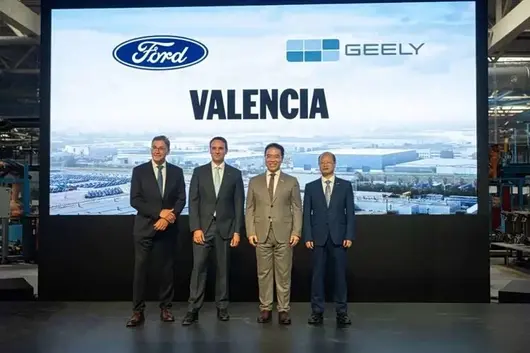
On July 23, at the Geely Valencia factory, in the presence of Prime Minister Pedro Sánchez, Geely Automobile and Ford signed a joint venture agreement to create new energy vehicles for Geely and Ford brands for the European market through capacity sharing.

Not buying a factory, but a joint venture; not defeating others, but win-win cooperation.
Whether bringing in or going out, Geely's internationalization has always implemented Chairman Li Shufu's words: "Business is beautiful, doing business and making friends at the same time".
Time rewind to 16 years ago. On March 28, 2010, Geely Holding Group signed the final 100% equity acquisition agreement for Volvo Cars Group with Ford Motor Company. Geely became the first multinational corporation in the Chinese automotive industry. Ford witnessed and supported this cooperation case with global automotive industry influence, forging commercial friendship with Geely.
Today, 16 years later, Geely and Ford shake hands again. For the current explosive growth of Chinese cars going overseas, this has strong implications.
2026, the overseas expansion of China's automotive industry is undergoing a key leap from quantitative change to qualitative change.
In the first half of the year, China's vehicle export volume reached 5.096 million, up 65.3% year-on-year. June's single-month exports broke the 1 million vehicle threshold for the first time. For every 10 vehicles produced domestically, nearly 4 head to overseas docks.
Consulting firm AlixPartners predicts that China's annual vehicle export volume is expected to reach 10 million, becoming the first country globally to break this number.
Behind the numbers, deeper changes are occurring.
In June, the market share of major Chinese brands in Europe was 13%, surpassing Japanese brands for two consecutive months. When we occupy a larger share of the EU market, we cannot just sell cars simply, we must achieve harmonious win-win with the local industrial ecosystem, laws and regulations, and social well-being.
The joint venture between Geely Automobile and Ford to establish a company in Spain happens to stand at this node of qualitative change. It is also another practice of Li Shufu from "going out" to "integrating in".
A Prime Minister's Endorsement, and Two Handshakes Spanning 16 Years
On July 23, the day of the signing ceremony. Spanish Prime Minister Pedro Sánchez appeared at the Almussafes factory in Valencia, followed by three ministers from the Ministry of Labor and Economy, Ministry of Industry and Tourism, and Ministry of Science, as well as the President of the Valencian Community.

The Almussafes factory was built in 1976, and was once Ford's largest production base outside the United States, with cumulative production of over 11 million vehicles to date. For nearly 50 years, this factory has been the livelihood for tens of thousands of families in the Valencia region of Spain.
But the industrial era never stops for sentiment. Starting from 2024, with the promotion of EU industry and electrification, Ford gradually ceased production of multiple fuel models such as Mondeo, S-MAX, Galaxy, leaving only one production line producing the Kuga in the huge factory.
Last year, the factory with an annual capacity of 500,000 vehicles actually produced less than 100,000 vehicles, with utilization rate less than one-quarter. The factory that once fed thousands of Spanish families is facing a crossroads of fate.
Geely's arrival could not have been more timely. Through capacity sharing, it not only brings jobs, capacity, and tax revenue to the locality, but also allows Ford to activate remaining assets in a more efficient way, continuing to generate value.
According to the plan, the joint venture company will officially commence operations in the first half of 2027.
In the new factory, Geely will launch two new energy vehicle models, and Ford will also produce three multi-energy vehicle models, including continuing to produce the Kuga, and launching an all-new rugged compact SUV of the Bronco family in 2028.
The five models will share capacity and coordinate production scheduling. Both sides stated in the announcement that the joint venture will "promote more model choices and value enhancement", and through "integrating output to reduce per-vehicle costs". For the local economy, jobs are preserved, and an industrial lifeline of a region is reactivated, which can be called a win-win on multiple fronts.
Currently, Spain is becoming a strategic pivot for Chinese automakers landing in Europe. Labor costs are about one-third of Germany's, energy costs are lower than Germany and France, possessing world-class port clusters, and Barcelona is the core gateway for Chinese cars entering Europe.
In Q1 2026, Chinese brands sold approximately 38,700 vehicles in Spain, up 67% year-on-year.
Jian Jiayue, CEO of Geely Automobile Group, said a passage: Automakers going overseas will face many issues, from the overseas perspective, Chinese brands are there to "conquer" other people's markets, so the "going out" of Chinese automotive brands is actually to "walk in". Walking into the local market. Building factories in joint venture locally, mobilizing local resources, is a path of multi-win.

For Geely, although it seems like taking a small loss, cannot enjoy profits exclusively. But it actually avoided many hidden costs and efficiency frictions.
The EU has always been a high threshold market, with high compliance costs, high environmental protection requirements, long approval processes, influence of local voter opinions and political factions, which will make business behavior complicated. Specific cases can refer to the drama-like twists and turns of Tesla's German factory.
Actually, now there are already domestic automakers who suffered the same loss. Fighting alone, one-sidedly emphasizing ambition and sales targets, instead resulted in much hostility and obstruction, even becoming a chip in local political party games.
But the other path Geely took, preserving jobs in overseas markets, activating assets for old car companies, taking root for Chinese brands locally, letting technology flow become a constructive force, by "win-win cooperation, beauty shared" making oneself a welcomed partner.
Seeking Strategic Depth, Prioritizing Synergy
Citi estimates that if Geely obtains the 150,000 vehicle annual production quota in the Valencia factory, the cost is only equivalent to 10%-20% of building a new greenfield factory.
Beyond cost advantage, the more critical value lies in time. From signing to production, the joint venture model requires only 18 months, while self-built factories usually take three to five years. In the rapidly changing European electric vehicle market, an 18-month time difference is enough to determine whether a brand can lock in position.

Geely has already validated this strategy in many markets globally.
In Malaysia, in 2017, Geely acquired 49.9% stake in Proton and fully dominated operations. Let Proton walk out of the quagmire of losses, achieving brand revitalization.
In January 2026, Proton's exclusive EV factory at Tanjung Malim Automotive High-Tech Valley officially started production, and the first pure electric model eMas7 started CKD local assembly. The eMas7 is built on the Geely Galaxy E5 platform, ranking champion in Malaysia EV sales for consecutive months.
Until today, from Malaysia's political circles to the public, they still regard Proton as "their own brand". What Geely does is not replacing, but making it better.
In Korea, Geely cooperated with Renault to launch intelligent hybrid models. In Brazil, Geely acquired 26.4% stake in Renault Brazil, sharing factory capacity and market network.
In Europe, Volvo Cars is fully responsible for Lynk & Co's commercial and brand operations in the European region, assisting Lynk & Co brand's regional expansion in Europe.
This is exactly Geely's unique logic of global layout — not advancing alone, but weaving an ecological synergy network. Every cooperation node is both a strategic pivot to enter local markets, and proof of long-term trust from partners. Making globalization a value network of multi-win cooperation and continuous deepening.

So, although "from product exports to system exports" has become industry consensus, what exactly is the system? Moving your own system forcefully there, or building a system from scratch, or integrating into the local system? These operational details reflect a company's business values and development outlook.
Geely's Spain joint venture and the logic behind this system provide a good sample and idea for the Chinese automotive industry, and reflect as substantial growth data.
In the first half of 2026, Geely's overseas sales reached 474,000, up 158% year-on-year, already exceeding the total export volume of the full year 2025. Based on the first half performance, Geely has upped the full year export target to 900,000 vehicles.
Conclusion: From "Student" to "Partner", the Metamorphosis and Responsibility of Chinese Automakers
In early 2010, Geely and Ford signed an agreement in Gothenburg, Sweden, to acquire the globally renowned Swedish luxury brand Volvo for 1.8 billion US dollars, and the media used "snake swallowing an elephant" to describe this transaction.
Geely fulfilled all commitments with action, did not intervene in Volvo's independent operations, protected and respected its existing development systems, letting Volvo achieve brand revitalization in the following decade plus.
More importantly, Geely also learned Volvo's systematic R&D capabilities, safety-first manufacturing standards and quality control. This transaction allowed Geely to complete an "advanced study", laying the capability foundation for active performance on the global stage later.
Traditional automakers hold existing capacity, channels, and sales teams, while Chinese automakers hold the advantages and cost efficiency of the fastest growing new energy system, both sides found what both parties need in this stage.

As Ford Europe President Jim Baumback said: "Geely's world-class electrification capabilities, speed, and massive global scale, combined with Ford, are unparalleled competitive advantages."
From the humble "student" in 2010 to the equal "partner" in 2026, Geely exchanged pragmatism for trust, won respect with capability, and integrated into global industry development in the best way.
Geely's globalization has never been a simple capital game, but constantly exploring open and win-win global industry cooperation models under the premise of legality and compliance, it is respect for brands and technology, layout and deep construction of synergy systems.
From Volvo to Proton, Lotus, then Mercedes-Benz, Renault, and Ford, Geely's built global system synergy not only activated new momentum for Geely's global development, but also formed a solid guarantee to help brand going overseas. This also confirms what Li Shufu said, "Business is the most equal and beautiful manifestation of human civilization."

喺馬來西亞嘅汽車市場,好多買家喺揀車嘅時候都會拿 BMW X5 同 Mercedes-Benz GLC 嚟做比較。今日我哋由多個方面做一個詳細嘅比較,幫你省返做功課嘅時間。

BMW X5 喺馬來西亞嘅 OTR 售價係 RM 470,800 - 470,800,一共有 3 個版本,包括 1.5L Standard(RM 86,300)、1.5L Executive(RM 95,300)、1.5L Premium(RM 103,300) 等。
Mercedes-Benz GLC 喺馬來西亞嘅 OTR 售價係 RM 336,888 - 336,888,一共有 2 個版本,包括 GLC 200(RM 290,000)、GLC 300(RM 340,000) 等。
從價錢睇嚟,Mercedes-Benz GLC 嘅起步價比 BMW X5 平咗 RM 133,912。講句老實話,喺呢個價位段,幾千蚊嘅差距其實唔算大,關鍵仲係睇整體嘅性價比同埋長遠使用成本。

BMW X5 搭載 3.0L Turbo,馬力 350 hp。官方油耗 12.0 L/100km。
Mercedes-Benz GLC 搭載 2.0L Turbo,馬力 220 hp。官方油耗 9.5 L/100km。
動力方面,BMW X5 嘅 3.0L Turbo 比 Mercedes-Benz GLC 嘅 2.0L Turbo 多咗 130 匹馬力,中段加速會更有信心,尤其係行高速嗰陣超车嘅時候。但 Mercedes-Benz GLC 嘅油耗表現可能更好,日常市區通勤嘅話差別唔會太明顯。

BMW X5 嘅安全評級係 5★ (ASEAN NCAP),主動安全系統包括 ADAS (ACC, AEB, LKA, LDA, BSM, RCTA)。
Mercedes-Benz GLC 嘅安全評級係 5★ (Euro NCAP),主動安全系統包括 Premium ADAS。
安全配備方面,兩款車都拿到唔錯嘅評級。不過 BMW X5 嘅 ADAS (ACC, AEB, LKA, LDA, BSM, RCTA) 同 Mercedes-Benz GLC 嘅 Premium ADAS 喺功能上面有些差異,如果你比較重視主動安全嘅話,可以仔細比較下兩者嘅功能列表。
BMW X5 採用 4WD 驅動方式。
Mercedes-Benz GLC 採用 FWD 驅動方式。
BMW X5 嘅 4WD 同 Mercedes-Benz GLC 嘅 FWD 喺操控上面會有唔同嘅感受,建議試駕比較下。
總體嚟講,BMW X5 同 Mercedes-Benz GLC 都係馬來西亞市場好唔錯嘅車型。揀邊輛,關鍵仲係要睇你嘅個人需求同預算。建議大家做好功課,多比較幾間車行嘅報價,再試駕做最終決定。買車係件大事,花少少時間做功課絕對唔會錯。


喺馬來西亞嘅汽車市場,好多買家喺揀車嘅時候都會將 Proton S70 同 Mazda Mazda 2 嚟做比較。今日我哋從多個方面做一個詳細嘅比較,幫你攞返做功課嘅時間。

Proton S70 喺馬來西亞嘅 OTR 售價係 RM 73,800 - 94,800,合共有 5 個版本,包括 2026 1.5T Flagship X(RM 94,800)、2026 1.5T Flagship(RM 89,800)、2026 1.5T Premium(RM 79,800) 等。
Mazda Mazda 2 喺馬來西亞嘅 OTR 售價係 RM 108,670 - 108,670,合共有 1 個版本,包括 1.5L SkyActiv-G(RM 108,670) 等。
從價錢嚟睇,Proton S70 嘅起價確係比 Mazda Mazda 2 平咗 RM 34,870。如果你預算有限,Proton 嘅入門版已經可以滿足日常需求。但都要注意,平嗰幾千蚊,可能喺配備上會有取舍,具體要看你嘅需求。

Proton S70 車身長 4400 mm,後尾箱 400 L。
Mazda Mazda 2 車身長 4400 mm,後尾箱 400 L。
兩部車嘅尺寸幾乎一樣,車內空間差別唔大。呢個級別嘅車,日常使用完全夠用。

Proton S70 保修 5 年/150,000km,保養間隔 每 10,000km 或 6 個月。
Mazda Mazda 2 保修 5 年/150,000km,保養間隔 每 10,000km 或 6 個月。
兩部車嘅保修條件一樣,呢方面唔使糾結。實際保養成本仲要睇品牌嘅服務網絡同零件價格,建議去車友群問下真實車主嘅經驗。
Proton S70 同 Mazda Mazda 2 都係馬來西亞市場嘅主流選擇,適合家庭使用、日常通勤。如果你更睇重品牌口碑同二手價,可以優先考慮口碑好嗰款;如果你更在意性價比同配備,那就揀配置更豐富嗰款。最終仲係建議兩款都去試駕,親身體驗先係最重要嘅。
總嚟講,Proton S70 同 Mazda Mazda 2 都係馬來西亞市場好唔錯嘅車型。揀邊輛,關鍵仲係要睇你嘅個人需求同預算。建议大家做好功課,多比較幾間車行嘅報價,再去試駕做最終決定。買車係件大事,花啲時間做功課絕對唔會錯。


在马来西亚的汽车市场,很多买家在选车的时候都会拿 Mercedes-Benz Maybach GLS 和 Land Rover Range Rover 来做比较。今天我们从多个方面做一个详细的对比,帮你省下做功课的时间。


Mercedes-Benz Maybach GLS 在马来西亚的 OTR 售价是 RM 1,918,888 - 1,918,888,一共有 1 个版本,包括 Standard(RM 1,918,888) 等。
Land Rover Range Rover 在马来西亚的 OTR 售价是 RM 2,488,000 - 2,798,000,一共有 1 个版本,包括 Standard(RM 2,488,000) 等。
从价钱来看,Mercedes-Benz Maybach GLS 的起步价确实比 Land Rover Range Rover 便宜了 RM 569,112。如果你预算有限,Mercedes-Benz 的入门版已经可以满足日常需求。但也要注意,便宜的那几千块,可能在配备上会有取舍,具体要看你的需求。

Mercedes-Benz Maybach GLS 的安全评级是 5★ (Euro NCAP),主动安全系统包括 Premium ADAS。
Land Rover Range Rover 的安全评级是 TBD,主动安全系统包括 Basic。
安全配备方面,两款车都拿到了不错的评级。不过 Mercedes-Benz Maybach GLS 的 Premium ADAS 和 Land Rover Range Rover 的 Basic 在功能上有些差异,如果你比较看重主动安全的话,可以仔细对比一下两者的功能列表。

Mercedes-Benz Maybach GLS 采用 FWD 驱动方式。
Land Rover Range Rover 采用 4WD 驱动方式。
Mercedes-Benz Maybach GLS 的 FWD 和 Land Rover Range Rover 的 4WD 在操控上会有不同感受,建议试驾对比。

Mercedes-Benz Maybach GLS 保修 3年/100,000km,保养间隔 每10,000km或6个月。
Land Rover Range Rover 保修 3年/100,000km,保养间隔 每10,000km或6个月。
两款车的保修条件一样,这方面不用纠结。实际保养成本还要看品牌的服务网络和零件价格,建议去车友群问问真实车主的经验。
总的来说,Mercedes-Benz Maybach GLS 和 Land Rover Range Rover 都是马来西亚市场很不错的车型。选择哪一辆,关键还是要看你的个人需求和预算。建议大家做好功课,多比较几间车行的报价,再去试驾做最终决定。买车是件大事,花点时间做功课绝对不会错。

© 2024 Bitauto.com. All Rights Reserved.
Bitauto (www.yiche.com and www.bitauto.com) is one of the most visited automotive websites in China. We provide detailed info on Chinese car brands available in your area. Please note that the information provided on this website is based on publicly available data and is for reference only. It may not be fully updated or accurate at all times.

Help us improve our website


