

HomeBahru

Search History
Popular Searches
Dealer Login / Sign Up

Recently, a public statement by US Treasury Secretary Bessent has made BYD extremely popular overseas. While speaking at the Charlotte Economic Club, he frankly stated: BYD is a high-quality car worth a $70,000 level that consumers can buy for $35,000. The sincere recognition from top US officials comes without brand filters, focusing solely on true product power, with substantial value.

Not only the US Treasury Secretary, BYD has long received authoritative endorsements from political leaders in many countries around the world. The Governor of California personally test-drove the Yangwang U8, praising its epoch-defining breakthrough technology; the President of Uzbekistan awarded BYD a national Friendship Medal, affirming its industrial contributions. In addition, high-level officials from multiple countries such as Brazil, Thailand, and Chile have also recognized BYD's technological innovation, green value, and results in local development.

This evaluation has further sparked heated discussions among American netizens, with many joking that Bessent is BYD's best salesperson, eagerly looking forward to BYD building a factory in the US. This is sufficient to show that BYD is rewriting the rules of global car evaluation, breaking the premium tactics of luxury brands, and bringing car quality back to technology, configuration, and real driving experience.


Winning global recognition with product power, from January to August this year, BYD's overseas sales exceeded 1.158 million units, surpassing its full-year overseas sales last year, and topped the new energy sales chart in many countries around the world. Today, BYD achieves the overseas expansion of technology, products, and brands based on reliable quality, becoming a striking card of Chinese smart manufacturing.


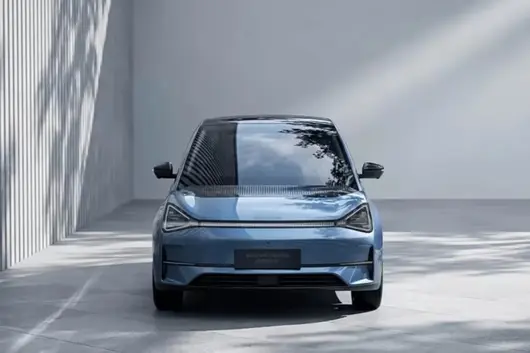
沉寂已久嘅眾泰汽車,歷經破產重整嘅漫長過程後,終於推出咗全新車型 Wink Y01 國際版。而家,新車已進入批量試製階段,SOP 量產倒計時亦隨之正式啟動,呢間曾經被笑稱為「皮尺部」嘅車企,正試圖憑藉一款主打海外市場嘅小型純電車型,重返行業舞臺中心。

資本市場嘅起伏引發咗廣泛關注,唔少觀點將 Wink Y01 嘅出現視為眾泰汽車實現重塑嘅關鍵契機。然而,產品嘅試製成功僅係起步,佢無法迅速填補因品牌聲譽受損、歷史債務同產業鏈脫節所留下嘅巨大鴻溝。就算 Wink Y01 順利推進量產,眾泰仲需要直面重重歷史遺留難題,踏上嚟一條充滿挑戰嘅復蘇征途。
復刻時代留下嘅信任裂痕,難以靠一款新車抹平
提到眾泰,人哋嘅第一印象往往就難以擺脫「保時泰」呢個標籤。十幾年之前,眾泰憑藉模仿海外成熟車型嘅外觀設計,迅速打開咗市場局面,T600、SR9 等車型銷量一度攀升,成功躋身自主汽車銷量排名嘅前十位。然而,行捷徑雖帶嚟咗短期紅利,亦埋低咗導致品牌走向衰落嘅隱患。隨著行業進入新能源轉型期,眾泰長期依賴外觀模仿、缺乏底層技術積澱嘅弊端便充分暴露出嚟,質量問題投訴、售後服務體系薄弱等一系列問題層出不窮。緊接住,母公司鐵牛集團爆雷,工廠大規模停擺,經銷商紛紛退網,眾多老車主隨即陷入咗配件難尋、維修保養無路嘅窘境,品牌形象亦因此一落千丈。

唔少人將 Wink Y01 視作眾泰轉型升級嘅有力印證。呢款新車依托全新 S 型純電小型車平台打造,運用極簡科技美學設計,標誌性三角大燈配合三段式貫穿 LED 燈帶,輔以四輪四角嘅車身布局,將座艙空間擴展至最大化,單從外觀已難覓過往模仿抄襲嘅痕跡,產品思路亦清晰轉向正向研發。眾泰特意將 Wink Y01 國際版優先投放至海外市場,核心瞄準印度等海外區域,主動暫避內地市場,呢個抉擇本就係深思熟慮嘅策略取捨。內地消費者對眾泰嘅固有印象早已根深蒂固,想喺本土市場重塑用戶信任,其難度遠遠比開拓海外增量市場大好多。

品牌信任嘅重塑,絕非單憑一款新車就能一蹴而就。車企良好口碑嘅沉淀,依賴於始終如一嘅產品品控、經久可靠嘅售後保障,同穩健嘅企業營運根基。眾泰歷盡多年重整,整車業務幾近停滯,曾經遍佈全國嘅經銷商網絡亦已瓦解。縱然 Wink Y01 喺海外上市,但一旦面對零部件斷供或售後回應滯後等問題,過往嘅負面印記必將瞬間觸發品牌危機。屆時,市場難免產生深層疑慮:而家嘅眾泰,是否真正擁有穩固嘅供應鏈管控同良好嘅整車一致性製造能力?

而家,行業格局已經發生深刻變革。喺全球小型純電汽車市場競爭如火如荼之際,內地自主汽車品牌正以強大之勢邁向海外,而海外本土車企亦在緊鑼密鼓地佈局經濟型電動車領域。鑑於 Wink Y01 定位為城市通勤小型電動車,其產品尚未建立顯著嘅技術優勢,三電系統、智能座艙等核心性能參數至今未完全公開。因此,單靠別緻嘅外觀設計,喺競爭激烈嘅海外市場上恐難以持久立足。
債務、產能同供應鏈,構成量產後嘅現實門檻
產品成功下線僅係開始,實際上,量產之後整套商業體系嘅持續運作,先係擺喺眾泰面前嘅真正考驗;比較下,歷史遺留嘅經營負擔,遠遠比產品研發更棘手。財務範疇內,眾泰積咗巨額嘅歷史虧損,資產負債率居高不下,眾多歷史債務同司法糾紛仍未完全解決。即使完成破產重整,資金壓力亦未因此消散——整車製造本就係重資產行業,從模具維護、產線調試,到零部件採購、海外市場認證同物流渠道嘅搭建,每一個環節離唔開持續嘅現金流支援。尤其係面向海外銷售嘅 Wink Y01,仲需要應對各國嘅法規認證同本土化適應工作,呢個亦令資金消耗不斷累加。

產能同供應鏈體系,無疑係眾泰嘅一大軟肋。雖然部分生產基地得以保留,但多年停產導致生產線長期閒置,設備維護同人員招募均需時日。整車生產遠非簡單嘅零件拼接,佢依賴一個穩固嘅供應鏈生態圈。當眾泰深陷危機之時,眾多供應商已停止合作,多數零部件企業仍對佢抱有質疑,新嘅合作常需要以靈活嘅賬期同履約擔保為先決條件。隨著 Wink Y01 車型進入批量試製,標誌住樣車製造已具備可行性。

渠道建設同樣係巨大嘅考驗。眾泰內地經銷商網絡幾乎完全瓦解,而海外市場嘅銷售同維保體系從零起步,唔但投入巨大,建設週期亦十分漫長。眾泰擬借力海外本土企業合作,以當地夥伴紮實市場落地,呢個舉動雖然能減輕風險,但也令利潤受限,品牌主導權旁落合作方。睇返其他內地出海車企,大多已有遠期規劃,早已建成海外展覽廳、售後中心同備件倉儲,構建咗完善嘅本地化服務體系。

此外,企業治理嘅穩定性都係一項不容忽視嘅隱患。回顧眾泰過往嘅崩盤,其根源唔單止喺產品,更喺治理無序同盲目擴張。雖然重組後嘅新團隊已精簡架構、剝離低效資產,但汽車產業嘅長效經營離唔開持久嘅戰略定力。鑑於微型電動車利潤微薄,一旦 Wink Y01 喺海外市場嘅銷量未能跨越盈虧線,企業將難以維持下一代車型嘅研發。
總結
Wink Y01 嘅順利量產,唔單止係眾泰汽車喺破產重整進程中嘅關鍵里程碑,更加係佢向全球市場展示轉型決心嘅重要標誌。作為一款純正向研發嘅小型電動車,佢登陸海外市場意味著眾泰正告別昔日嘅模仿之路,以全新姿態重回整車製造賽道。然而,新車嘅推出絕非品牌重塑嘅終點,眾泰仲需要面對長久積累嘅困境,包括公眾根深蒂固嘅負面認知、沉重嘅歷史財務負擔,同急需修復嘅供應鏈同渠道體系。呢啲歷史包袱依然存在,難以隨車輛下線而瞬間消散。
海外市場為眾泰構建起一片緩衝區域,使其得以暫時規避內地嚴苛嘅品牌審視。但放眼全球電動車市場,競爭早已步入存量博弈階段,新車若想喺此扎根,穩定品控、可靠售後同持續資金投入缺一不可。眾泰嘅自我救贖,絕非仰賴單一車型嘅短暫逆襲,而係一場漫漫無期、持續攻堅嘅長跑。

In Malaysia's SUV market, many buyers compare Honda CR-V and Mazda CX-3 when choosing a car. These two models are quite close in price and positioning. Today, we will do a detailed comparison from multiple aspects to help you save time on research.
The OTR price of Honda CR-V in Malaysia is RM 178,200 - 195,900, with a total of 4 versions, including 2026 e:HEV 2.0L 2WD RS (RM 195,900), 2026 1.5T 4WD V (RM 181,900), 2026 e:HEV 2.0L 2WD E (RM 178,200), etc.
The OTR price of Mazda CX-3 in Malaysia is RM 126,159 - 139,159, with a total of 2 versions, including 2023 2.0L High (RM 139,159), 2023 2.0L Plus (RM 126,159), etc.
From a price perspective, the starting price of Mazda CX-3 is RM 52,041 cheaper than Honda CR-V. To be honest, in this price segment, a gap of a few thousand is actually not significant; the key is looking at overall value for money and long-term ownership costs.

The Honda CR-V body length is 4500 mm, trunk 450 L.
The Mazda CX-3 body length is 4500 mm, trunk 450 L.
The dimensions of the two cars are almost the same, and the interior space difference is not significant. For this class of cars, it is completely sufficient for daily use.

Honda CR-V warranty 5 years/unlimited mileage, service interval every 10,000km or 6 months.
Mazda CX-3 warranty 5 years/150,000km, service interval every 10,000km or 6 months.

Both Honda CR-V and Mazda CX-3 are mainstream choices in the Malaysian market, suitable for family use and daily commuting. If you value brand reputation and resale value more, you can prioritize the one with better reputation; if you care more about value for money and features, then choose the one with richer features. Ultimately, it is recommended to test drive both models; personal experience is the most important.

In general, both Honda CR-V and Mazda CX-3 are very good models in the Malaysian market. Which one to choose mainly depends on your personal needs and budget. It is recommended to do your research, compare quotes from several dealerships, and then go for a test drive to make the final decision. Buying a car is a big matter, spending time on research will never go wrong.


Di pasaran SUV Malaysia, ramai pembeli ketika memilih kereta akan membandingkan Honda CR-V dan Mazda CX-30. Kedua-dua kereta ini mempunyai harga dan posisi yang agak hampir, hari ini kita akan membuat perbandingan terperinci dari pelbagai aspek, membantu anda menjimatkan masa membuat kajian.
Honda CR-V dijual di Malaysia dengan harga OTR RM 178,200 - 195,900, terdapat sebanyak 4 varian, termasuk 2026 e:HEV 2.0L 2WD RS (RM 195,900), 2026 1.5T 4WD V (RM 181,900), 2026 e:HEV 2.0L 2WD E (RM 178,200) dan lain-lain.
Mazda CX-30 dijual di Malaysia dengan harga OTR RM 122,409 - 146,409, terdapat sebanyak 4 varian, termasuk 2025 2.0L High+ Premium (RM 146,409), 2025 2.0L High+ (RM 138,409), 2025 2.0L High (RM 130,409) dan lain-lain.
Dari segi harga, harga permulaan Mazda CX-30 adalah lebih murah RM 55,791 berbanding Honda CR-V. Sejujurnya, pada julat harga ini, beza beberapa ribu sebenarnya tidak besar, yang penting adalah melihat kos faedah keseluruhan dan kos penggunaan jangka panjang.
Penggredan keselamatan Honda CR-V adalah 5★ (ASEAN NCAP), sistem keselamatan aktif termasuk Honda SENSING (ACC, CMBS, LKAS, RDM).
Penggredan keselamatan Mazda CX-30 adalah 5★ (ASEAN NCAP), sistem keselamatan aktif termasuk i-Activsense.
Kedua-dua kereta mempunyai penggredan keselamatan yang sama, di kelas ini peralatan keselamatan sudah cukup lengkap. Keselamatan kereta baharu sekarang tidak buruk, tidak perlu risau terlalu banyak mengenai hal ini.
Honda CR-V menggunakan cara pemacu FWD.
Mazda CX-30 menggunakan cara pemacu FWD.
Kedua-dua kereta mempunyai cara pemacu yang sama, iaitu FWD, pengalaman memandu harian tidak akan berbeza jauh.
Honda CR-V jaminan 5 tahun/jarak tanpa had, selang servis setiap 10,000km atau 6 bulan.
Mazda CX-30 jaminan 5 tahun/150,000km, selang servis setiap 10,000km atau 6 bulan.

Secara keseluruhan, Honda CR-V dan Mazda CX-30 adalah model kereta yang sangat bagus di pasaran Malaysia. Memilih mana satu, yang penting adalah melihat keperluan dan bajet peribadi anda. Kami syorkan anda membuat kajian, membandingkan beberapa sebut harga dari kedai kereta, kemudian pergi memandu ujian untuk membuat keputusan akhir. Membeli kereta adalah perkara penting, mengambil sedikit masa untuk membuat kajian tidak akan salah.
In the Malaysian SUV market, many buyers compare the Honda CR-V and Toyota Corolla Cross when choosing a car. The pricing and positioning of these two models are quite close. Today, we will make a detailed comparison from multiple aspects to save you time doing research.
The Honda CR-V OTR price in Malaysia is RM 178,200 - 195,900, with a total of 4 trims, including 2026 e:HEV 2.0L 2WD RS (RM 195,900), 2026 1.5T 4WD V (RM 181,900), 2026 e:HEV 2.0L 2WD E (RM 178,200) etc.
The Toyota Corolla Cross OTR price in Malaysia is RM 133,800 - 148,800, with a total of 3 trims, including 2026 HEV 1.8L GR Sport (RM 148,800), 2026 HEV 1.8L Standard (RM 140,800), 2026 1.8L Standard (RM 133,800) etc.
In terms of price, the Toyota Corolla Cross's starting price is RM 44,400 cheaper than the Honda CR-V. Honestly, in this price segment, a difference of a few thousand is actually not significant; the key is to look at overall value and long-term ownership costs.
The Honda CR-V is equipped with a 2.0L 4-cyl, 170 hp. Official fuel consumption 8.0 L/100km.
The Toyota Corolla Cross is equipped with a 1.5L Turbo, 140 hp. Official fuel consumption 7.0 L/100km.
Regarding power, the Honda CR-V's 2.0L 4-cyl has 30 more horsepower than the Toyota Corolla Cross's 1.5L Turbo, offering more confidence in mid-range acceleration, especially when overtaking on highways. However, the Toyota Corolla Cross might have more fuel-efficient performance, and the difference in daily city commuting won't be too significant.
The Honda CR-V body length is 4500 mm, trunk 450 L.
The Toyota Corolla Cross body length is 4400 mm, trunk 400 L.
Regarding space, the Honda CR-V body is 100 mm longer than the Toyota Corolla Cross, offering slightly more interior passenger space, especially rear legroom. If you often carry family members or need to fit a stroller, the larger body is indeed more practical.
Honda CR-V warranty 5 years/unlimited mileage, service interval every 10,000km or 6 months.
Toyota Corolla Cross warranty 5 years/unlimited mileage, service interval every 10,000km or 6 months.
Both cars have the same warranty conditions, no need to worry about this aspect. Actual maintenance costs depend on the brand's service network and parts prices; it is recommended to ask real owners in car owner groups for their experience.

Overall, both the Honda CR-V and Toyota Corolla Cross are very good models in the Malaysian market. Which one to choose ultimately depends on your personal needs and budget. We recommend doing your research, comparing quotes from multiple car dealerships, and then test driving to make the final decision. Buying a car is a major matter; spending time researching will never be wrong.

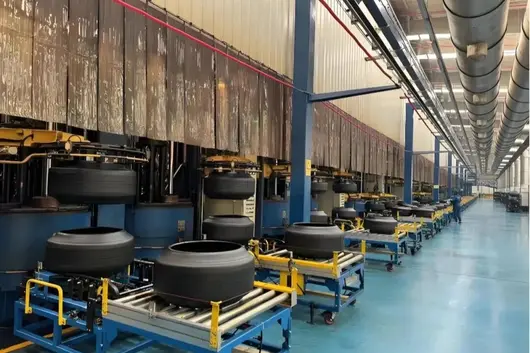
Starting from late August, more than twenty tire companies, including Cheng Shin, Maxxis, Triangle, Aeolus, Zhongce, etc., have successively released September price adjustment notices.
The mainstream increase for heavy-duty tires is 2%-3%, while engineering tires and inner tubes increased up to 3%-5% at most. The price adjustment time is scheduled from September 1st to the middle or latter half of the month; some special tires will only raise prices in October.

The reason given by manufacturers is the same: natural rubber, carbon black, and steel cord prices have risen, and production costs can no longer be borne.
The rise in raw material prices is no empty talk. Data from September 8th showed that Thailand 20# standard latex spot prices in Shandong surged 2.37% in a day.
Estimates show that the raw material cost for semi-steel tires rose nearly 20% year-on-year, and the increase for heavy-duty tires is similar. Under the same cost pressure, the results are completely different.
Heavy-duty tire manufacturers dare to raise prices collectively, while semi-steel tire companies can only wait and see, afraid to easily raise ex-factory prices.
The core reason is simple: the three major markets for semi-steel tires — exports, OEM original equipment, and replacement markets. Both exports and OEM channels have cooled down, and the replacement market simply cannot support a price hike.

Export bonuses exhausted, EU market plummeted abruptly
Exports were once the main force for the growth of domestic semi-steel tires, growing for consecutive years. However, influenced by the EU anti-dumping investigation on Chinese passenger car tires, exports of semi-steel tires in 2025 declined for the first time in the whole year.
The EU cancelled the preliminary ruling and directly entered the July final ruling, leaving a window period for domestic tire factories. In the first half of 2026, many factories rushed to concentrate shipments to the EU to export more before the final ruling took effect, directly boosting the export data for the first half of the year, with cumulative growth in February increasing year-on-year by 8.42%.
But this early shipment is essentially borrowing from future orders. Once the bonus is gone, the momentum for exports immediately fails to catch up. By July, domestic semi-steel tire exports dropped sharply by 15.76% year-on-year, and cumulative data turned negative directly.
Especially exports to the EU, which dropped 73.70% year-on-year in July! The EU is the most important overseas market for our semi-steel tires; this huge gap cannot be made up by the growth in other regions such as the Middle East and Southeast Asia. Added to the tense situation in the Middle East, doing overseas business is becoming increasingly difficult.

New car sales decline, original equipment orders shrink accordingly
The semi-steel tire OEM market follows passenger car sales completely. Data from the China Passenger Car Association for August: domestic passenger car retail sales were 1.626 million units, down 19% year-on-year; new energy passenger car retail sales were 1.069 million units, down 4% year-on-year. The new car market is clearly weakening, and the original equipment orders for tire procurement by car companies naturally shrank accordingly.
With both exports and OEM channels under pressure, a large amount of production capacity can only return to the domestic replacement market.
Inventory increases while demand remains stagnant, leading to fiercer market competition.
In this situation, who dares to raise prices casually? Once prices are raised, dealers and customers are very likely to switch to competitors.
Profit margins shrink further, industry shake-up accelerates
Raw material prices have been rising all along, but downstream demand cannot accept the price hikes, and profit margins are being eaten away bit by bit.
The downstream sector for heavy-duty tires is freight fleets, which have a higher acceptance of price increases. Coupled with relatively healthy market supply and demand, manufacturers have the confidence to issue collective price hike notices.

In contrast, for semi-steel tires, overseas exports are hindered, domestic new car original equipment is weak, replacement market inventory is high, and competition is fierce. Manufacturers can only bear the cost of rising raw materials themselves.
Summarizing this round of raw material price hikes, the tire industry shows obvious differentiation: heavy-duty tires led the price increase, while semi-steel tires fell into a dilemma of "huge cost increases, weak demand, afraid to raise prices".
EU anti-dumping dealt a heavy blow to exports, domestic new car sales declined, two core channels were frustrated, excess capacity crowded into the replacement market, and the price war cannot stop.
In the short term, it is very difficult for semi-steel tires to raise prices, and corporate profits continue to be under pressure; in the long term, the industry's polarization will become increasingly severe.
Large-scale factories have stronger risk resistance capabilities; those small and medium-sized tire factories that highly rely on exports will have a harder time ahead. The shake-up in the semi-steel track has already begun.

Dalam pasaran SUV di Malaysia, ramai pembeli yang sering membandingkan Honda CR-V dan Toyota Corolla Cross ketika memilih kereta. Kedua-dua kereta ini sangat hampir dari segi harga dan penjenamaan, hari ini kita akan membuat perbandingan terperinci dari pelbagai aspek untuk membantu anda menjimatkan masa membuat kajian.
Honda CR-V di Malaysia memiliki harga OTR antara RM 178,200 - 195,900, terdapat 4 versi, termasuk 2026 e:HEV 2.0L 2WD RS (RM 195,900), 2026 1.5T 4WD V (RM 181,900), 2026 e:HEV 2.0L 2WD E (RM 178,200) dan lain-lain.
Toyota Corolla Cross di Malaysia memiliki harga OTR antara RM 133,800 - 148,800, terdapat 3 versi, termasuk 2026 HEV 1.8L GR Sport (RM 148,800), 2026 HEV 1.8L Standard (RM 140,800), 2026 1.8L Standard (RM 133,800) dan lain-lain.
Dari segi harga, Toyota Corolla Cross lebih murah RM 44,400 berbanding Honda CR-V. Jujurlah, pada segmen harga ini, perbezaan beberapa ribu sebenarnya tidak besar, kuncinya adalah melihat keseluruhan nisbah harga dan kos penggunaan jangka panjang.
Gred keselamatan Honda CR-V ialah 5★ (ASEAN NCAP), sistem keselamatan aktif termasuk Honda SENSING (ACC, CMBS, LKAS, RDM).
Gred keselamatan Toyota Corolla Cross ialah 5★ (ASEAN NCAP), sistem keselamatan aktif termasuk TSS (PCS, LDA, ACC, LTA).
Gred keselamatan kedua-dua kereta adalah sama, kelengkapan keselamatan pada peringkat ini dianggap sangat lengkap. Keselamatan kereta baru sekarang memang tidak buruk, tidak perlu terlalu bimbang mengenai hal ini.
Honda CR-V jamin 5 tahun/jarak tanpa had, selang penyelenggaraan setiap 10,000km atau 6 bulan.
Toyota Corolla Cross jamin 5 tahun/jarak tanpa had, selang penyelenggaraan setiap 10,000km atau 6 bulan.
Syarat jaminan kedua-dua kereta adalah sama, tidak perlu bimbang mengenai hal ini. Kos penyelenggaraan sebenar bergantung pada rangkaian servis jenama dan harga suku cadang, disarankan bertanya pengalaman pemilik sebenar dalam kumpulan pemilik kereta.
Honda CR-V dan Toyota Corolla Cross adalah pilihan utama dalam pasaran Malaysia, sesuai untuk kegunaan keluarga, perjalanan harian. Jika anda lebih menilai reputasi jenama dan harga kereta terpakai, boleh utamakan model yang mempunyai reputasi lebih baik; jika anda lebih mengutamakan nisbah harga dan kelengkapan, maka pilih model dengan konfigurasi lebih kaya. Akhir sekali disarankan untuk uji memandu kedua-dua model, pengalaman sendiri adalah yang paling penting.
Secara keseluruhannya, Honda CR-V dan Toyota Corolla Cross adalah model kereta yang sangat baik dalam pasaran Malaysia. Memilih mana satu, kuncinya adalah melihat keperluan dan bajet peribadi anda. Disarankan anda membuat kajian, bandingkan beberapa sebut harga daripada pengedar kereta, kemudian pergi uji memandu untuk membuat keputusan akhir. Membeli kereta adalah perkara besar, meluangkan masa untuk membuat kajian pasti tidak salah.

Di pasaran SUV Malaysia, ramai pembeli akan membandingkan Honda CR-V dan Toyota Yaris Cross apabila memilih kereta. Kedua-dua kereta ini mempunyai harga dan penentuan pasaran yang agak hampir. Hari ini, kita akan membuat perbandingan terperinci dari pelbagai aspek untuk membantu anda menjimatkan masa membuat kajian.
Honda CR-V mempunyai harga OTR di Malaysia sebanyak RM 178,200 - 195,900, terdapat 4 varian, termasuk 2026 e:HEV 2.0L 2WD RS (RM 195,900), 2026 1.5T 4WD V (RM 181,900), 2026 e:HEV 2.0L 2WD E (RM 178,200) dan lain-lain.
Toyota Yaris Cross mempunyai harga OTR di Malaysia sebanyak RM 99,900 - 109,900, terdapat 2 varian, termasuk 2026 1.5L Standard (RM 99,900), 2026 HEV 1.5L Standard (RM 109,900) dan lain-lain.
Dari segi harga, Toyota Yaris Cross lebih murah RM 78,300 berbanding Honda CR-V pada harga permulaan. Sejujurnya, pada julat harga ini, perbezaan ribuan ringgit sebenarnya tidak begitu besar. Yang penting adalah melihat nisbah nilai keseluruhan dan kos penggunaan jangka panjang.
Penarafan keselamatan Honda CR-V ialah 5★ (ASEAN NCAP), sistem keselamatan aktif termasuk Honda SENSING (ACC, CMBS, LKAS, RDM).
Penarafan keselamatan Toyota Yaris Cross ialah 5★ (ASEAN NCAP), sistem keselamatan aktif termasuk TSS.
Penarafan keselamatan kedua-dua kereta adalah sama, peralatan keselamatan dalam kelas ini dianggap lengkap. Keselamatan kereta baharu sekarang tidak buruk, anda tidak perlu risau terlalu banyak mengenai hal ini.
Honda CR-V menggunakan sistem penggerak FWD.
Toyota Yaris Cross menggunakan sistem penggerak FWD.
Sistem penggerak kedua-dua kereta adalah sama, iaitu FWD, pengalaman memandu harian tidak akan berbeza banyak.
Honda CR-V mempunyai waranti 5 tahun/kilometer tanpa had, selang penyelenggaraan setiap 10,000km atau 6 bulan.
Toyota Yaris Cross mempunyai waranti 5 tahun/kilometer tanpa had, selang penyelenggaraan setiap 10,000km atau 6 bulan.
Syarat waranti kedua-dua kereta adalah sama, tidak perlu bimbang mengenai hal ini. Kos penyelenggaraan sebenar bergantung pada rangkaian perkhidmatan jenama dan harga komponen, disyorkan untuk bertanya pemilik sebenar dalam komuniti pemilik kereta.

Honda CR-V dan Toyota Yaris Cross adalah pilihan utama di pasaran Malaysia, sesuai untuk penggunaan keluarga dan perjalanan harian. Jika anda lebih menekankan reputasi jenama dan harga kereta terpakai, pertimbangkan yang mempunyai reputasi lebih baik. Jika anda lebih peduli nisbah nilai dan peralatan, pilih yang lebih kaya dengan spesifikasi. Pada akhirnya, disyorkan untuk memandu kedua-dua kereta, pengalaman langsung adalah yang paling penting.

Secara keseluruhannya, Honda CR-V dan Toyota Yaris Cross adalah model kereta yang sangat bagus di pasaran Malaysia. Memilih yang mana, bergantung pada keperluan peribadi dan bajet anda. Kami menyarankan anda membuat kajian yang baik, bandingkan beberapa tawaran daripada pengedar kereta, kemudian buat ujian pemandu untuk membuat keputusan akhir. Membeli kereta adalah perkara penting, meluangkan masa untuk kajian pasti tidak salah.

Pasar SUV di Malaysia, ramai pembeli membandingkan Honda CR-V dan Toyota Yaris Cross semasa memilih kereta. Kedua-dua kereta ini dekat dari segi harga dan kedudukan. Hari ini, kita akan buat perbandingan terperinci dari pelbagai aspek, membantu anda menjimatkan masa buat kajian.
Harga OTR Honda CR-V di Malaysia ialah RM 178,200 - 195,900, ada 4 versi, termasuk 2026 e:HEV 2.0L 2WD RS (RM 195,900), 2026 1.5T 4WD V (RM 181,900), 2026 e:HEV 2.0L 2WD E (RM 178,200) dan lain-lain.
Harga OTR Toyota Yaris Cross di Malaysia ialah RM 99,900 - 109,900, ada 2 versi, termasuk 2026 1.5L Standard (RM 99,900), 2026 HEV 1.5L Standard (RM 109,900) dan lain-lain.
Dari segi harga, Toyota Yaris Cross bermula RM 78,300 lebih murah daripada Honda CR-V. Secara jujur, dalam julat harga ini, perbezaan beberapa ribu sebenarnya tidak besar, penting adalah melihat nisbah harga dan kos penggunaan jangka panjang secara keseluruhan.
Penilaian keselamatan Honda CR-V ialah 5★ (ASEAN NCAP), sistem keselamatan aktif termasuk Honda SENSING (ACC, CMBS, LKAS, RDM).
Penilaian keselamatan Toyota Yaris Cross ialah 5★ (ASEAN NCAP), sistem keselamatan aktif termasuk TSS.
Penilaian keselamatan kedua-dua kereta sama, dalam tahap ini peralatan keselamatan dikira lengkap. Kereta baru sekarang keselamatan tidak buruk, tidak perlu terlalu risau mengenainya.
Honda CR-V menggunakan cara pemacu FWD.
Toyota Yaris Cross menggunakan cara pemacu FWD.
Cara pemacu kedua-dua kereta sama, sama-sama FWD, pengalaman memandu harian tidak akan berbeza banyak.
Honda CR-V jaminan 5 tahun / jarak tanpa had, selang servis setiap 10,000km atau 6 bulan.
Toyota Yaris Cross jaminan 5 tahun / jarak tanpa had, selang servis setiap 10,000km atau 6 bulan.
Kondisi jaminan kedua-dua kereta sama, dari segi ini tidak perlu bimbang. Kos penyelenggaraan sebenar juga lihat rangkaian servis jenama dan harga bahagian, disyorkan bertanya pemilik sebenar dalam komuniti pemilik kereta.
Secara keseluruhan, Honda CR-V dan Toyota Yaris Cross adalah model kereta yang sangat bagus di pasaran Malaysia. Memilih yang mana, penting lihat keperluan dan bajet peribadi anda. Disyorkan buat kajian terlebih dahulu, bandingkan sebut harga lebih dari beberapa kedai kereta, baru pergi uji memandu buat keputusan akhir. Membeli kereta adalah perkara besar, luangkan masa untuk membuat kajian pasti tidak salah.

In Malaysia's SUV market, many buyers compare Honda HR-V and Hyundai Tucson when choosing a car. These two cars are quite close in price and positioning. Today, we will make a detailed comparison from multiple aspects to help you save time on research.
Honda HR-V OTR price in Malaysia is RM 115,900 - 143,900, with a total of 4 versions, including 2026 e:HEV 1.5L RS (RM 143,900), 2026 1.5T V (RM 137,900), 2026 1.5T E (RM 130,900), etc.
Hyundai Tucson OTR price in Malaysia is RM 143,888 - 197,888, with a total of 5 versions, including 2025 HEV 1.6T AT 2WD Prestige (RM 197,888), 2025 1.6T DCT 4WD Prestige (RM 186,888), 2025 1.6T DCT 2WD Prime (RM 164,888), etc.
From a price perspective, Honda HR-V's starting price is indeed RM 27,988 cheaper than Hyundai Tucson. If your budget is limited, Honda's entry-level version is sufficient for daily needs. However, note that the few thousand cheaper might involve trade-offs in features, depending on your specific needs.

Honda HR-V safety rating is 5★ (ASEAN NCAP), active safety systems include Honda SENSING (ACC, CMBS, LKAS, RDM).
Hyundai Tucson safety rating is 5★ (ASEAN NCAP), active safety system includes SmartSense.
Both cars have the same safety rating; safety features are quite comprehensive in this class. New cars today are generally safe, so there is no need to worry too much about this.

Honda HR-V body length 4500 mm, trunk 450 L.
Hyundai Tucson body length 4400 mm, trunk 400 L.
In terms of space, Honda HR-V body is 100 mm longer than Hyundai Tucson, interior passenger space is slightly more spacious, especially rear legroom. If you often carry family or need to fit a stroller, a larger body is indeed more practical.

Honda HR-V warranty 5 years/unlimited mileage, maintenance interval every 10,000km or 6 months.
Hyundai Tucson warranty 5 years/300,000km, maintenance interval every 10,000km or 6 months.

Both Honda HR-V and Hyundai Tucson are mainstream choices in the Malaysian market, suitable for family use and daily commuting. If you value brand reputation and resale value more, prioritize the one with better reputation; if you care more about value for money and features, choose the one with richer configuration. Ultimately, it is recommended to test drive both, personal experience is the most important.

Overall, Honda HR-V and Hyundai Tucson are both very good car models in the Malaysian market. Which one to choose depends mainly on your personal needs and budget. We recommend doing your research, comparing quotes from multiple dealerships, and then test driving to make the final decision. Buying a car is a big matter, spending some time researching will never be wrong.


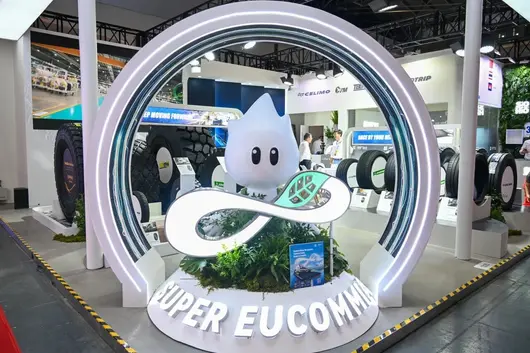
9 月 2 號至 4 號,第二十一屆上海國際輪胎輪轂博覽會(CITEXPO 2026)喺上海世博展覽館圓滿落幕。作為亞洲極具影響力嘅輪胎行業專業貿易平台,今屆展會匯聚咗嚟自一百四十多個國家同地區嘅專業觀眾。江蘇通用科技股份有限公司(以下簡稱“通用股份”)攜千里馬(CELIMO)、瑞途(GOODTRIP)、喜達通(TBBtires)三大自主品牌再度登場,憑藉全品類、全場景嘅產品矩陣同硬核創新成果,現場達成意向訂單總額超 300 萬美元,品牌國際化進程再加速。

聚焦細分賽道,精準配合多元場景需求
為保障參展實際效果,通用股份立足全球唔同區域場景特點,圍繞乘用車、卡客車、OTR 輪胎、斜交輪胎四大賽道,構建咗品類齊備、場景導向清晰嘅產品展示體系。
喺乘用車輪胎領域,戰略級新品超級杜仲輪胎系列成為展台明星。旗艦高性能 SUV 輪胎千里馬 C-SPORT 01、城市 SUV 舒適輪胎千里馬 CHP8 同瑞途 GE58 重磅登場,以“超級耐磨、超級安全、超級舒適”三大核心性能優勢脫穎而出。卡客車輪胎板塊,千里馬 CRA-R56、瑞途 GDW100 同 KTX730L 等主力產品集中展出,憑藉強承載、耐磨損、長里程等性能優勢,精準配合幹線物流、長途運輸等場景。此外,OTR 領域嘅千里馬 XR992 載緊“雙效烏金”創新技術,成功突破綠色技術壁壘;喜達通 KTX986 同斜交輪胎產品線亦憑藉優異性能獲得高度認可。


深化全球經貿合作,意向訂單同新客雙增長
展會期間,通用股份展位人氣持續高漲。公司銷售團隊同嚟自南美、北美、歐洲、中東、東南亞、非洲等全球多個地區嘅數百名專業客商進行咗深入洽談。數據顯示,今次通用股份累計接待客商中,新客戶佔比近 60%。呢個高比例嘅新客增量,加上超 300 萬美元嘅意向訂單總額,唔單單印證咗全球市場對通用股份產品嘅高度認可,亦標誌住公司海外市場合作版圖嘅進一步擴大。

倚靠全球佈局,持續夯實產業發展優勢
近年嚟,通用股份倚靠中國、泰國、柬埔寨三大生產基地嘅協同運營,構建咗國際化、智能化、綠色化嘅生產體系。自去年融入蘇豪控股集團體系以來,公司充分借助國資平台賦能,整合產業資源,暢通跨境貿易通道,品牌全球競爭力持續躍升。

喺馬來西亞嘅 SUV 市場,好多買家喺揀車嘅時候都會拿 Honda HR-V 同 Kia Sportage 做比較。這兩款車喺價格同定位上都幾接近,今日我哋就從多個方面做一個詳細嘅比較,幫你節省做功課嘅時間。
Honda HR-V 喺馬來西亞嘅 OTR 售價係 RM 115,900 - 143,900,合共有 4 個版本,包括 2026 e:HEV 1.5L RS(RM 143,900)、2026 1.5T V(RM 137,900)、2026 1.5T E(RM 130,900) 等。
Kia Sportage 喺馬來西亞嘅 OTR 售價係 RM 129,639 - 179,320,合共有 4 個版本,包括 2025 1.6T DCT 4WD High(RM 179,320)、2025 1.6T DCT 2WD High(RM 159,320)、2025 2.0L AT 2WD High(RM 139,639) 等。
從價格嚟睇,Honda HR-V 嘅起步價確實比 Kia Sportage 平咗 RM 13,739。如果你預算有限,Honda 嘅入門版已經可以應付日常需要。但都要留意,平嘅嗰幾千蚊,可能喺配備上有取捨,具體要看你嘅需求。
Honda HR-V 搭載 1.5L Turbo,馬力 140 hp。官方油耗 7.0 L/100km。
Kia Sportage 搭載 1.5L Turbo,馬力 140 hp。官方油耗 7.0 L/100km。
兩款車用嘅係同一套動力系統,日常開起嚟嘅感覺基本冇分別。油耗方面都差唔多,唔使太煩惱這一點。
Honda HR-V 嘅安全評級係 5★ (ASEAN NCAP),主動安全系統包括 Honda SENSING (ACC, CMBS, LKAS, RDM)。
Kia Sportage 嘅安全評級係 5★ (ASEAN NCAP),主動安全系統包括 Drive Wise。
兩款車嘅安全評級一樣,喺呢個級別入面安全配備都算配得好齊全。而家嘅新車安全性都唔差,唔使太擔心這一點。
Honda HR-V 車身長 4500 mm,行李箱 450 L。
Kia Sportage 車身長 4400 mm,行李箱 400 L。
空間方面,Honda HR-V 嘅車身比 Kia Sportage 長咗 100 mm,車內乘坐空間會稍微寬敞少少,尤其是後座腿部空間。如果你經常載家人或者需要放嬰兒車,大啲嘅車身確實更實用。

Honda HR-V 同 Kia Sportage 都係馬來西亞市場嘅主流選擇,適合家庭使用、日常通勤。如果你更重視品牌口碑同二手價,可以優先考慮口碑更好嗰一款;如果你更在乎性價比同配備,就揀配置更豐富嗰款。最終都係建議兩款都去試駕,親身體驗先係最重要嘅。

總體嚟講,Honda HR-V 同 Kia Sportage 都係馬來西亞市場幾唔錯嘅車型。揀邊一輛,關鍵都要睇你嘅個人需要同預算。建議大家做好功課,多比較幾間車行嘅報價,再去試駕做最終決定。買車係件大事,花啲時間做功課絕對唔會錯。

喺馬來西亞嘅 SUV 市場,好多買家喺揀車嗰陣都會拿 Honda HR-V 同 Hyundai Santa Fe 來比較。呢兩款車喺價位同定位上都幾接近嘅,今日我哋就從多個方面一個詳細嘅比較,幫你省返做功課嘅時間。
Honda HR-V 喺馬來西亞嘅 OTR 售價係 RM 115,900 - 143,900,一共有 4 個版本,包括 2026 e:HEV 1.5L RS(RM 143,900)、2026 1.5T V(RM 137,900)、2026 1.5T E(RM 130,900) 等。
Hyundai Santa Fe 喺馬來西亞嘅 OTR 售價係 RM 225,000 - 270,000,一共有 3 個版本,包括 2025 2.5T DCT 4WD Calligraphy 6 Seats(RM 270,000)、2025 HEV 1.6T AT 2WD Prestige 7 Seats(RM 245,000)、2025 HEV 1.6T AT 2WD Prime 7 Seats(RM 225,000) 等。
由價錢睇嚟,Honda HR-V 嘅起步價確實比 Hyundai Santa Fe 平咗 RM 109,100。如果你預算有限,Honda 嘅入門版已經可以滿足日常需求。但都要注意,平嗰幾千塊,可能喺配備上會有取捨,具體要睇你嘅需求。
Honda HR-V 嘅安全評級係 5★ (ASEAN NCAP),主動安全系統包括 Honda SENSING (ACC, CMBS, LKAS, RDM)。
Hyundai Santa Fe 嘅安全評級係 TBD,主動安全系統包括 Basic。
安全配備方面,兩款車都拿到唔錯嘅評級。不過 Honda HR-V 嘅 Honda SENSING (ACC, CMBS, LKAS, RDM) 同 Hyundai Santa Fe 嘅 Basic 喺功能上有啲差異,如果你比較看重主動安全嘅話,可以仔細比較下兩者嘅功能列表。
Honda HR-V 車身長 4500 mm,尾箱 450 L。
Hyundai Santa Fe 車身長 4400 mm,尾箱 400 L。
空間方面,Honda HR-V 嘅車身比 Hyundai Santa Fe 長咗 100 mm,車內乘坐空間會稍微寬裕一啲,尤其係後座腿部空間。如果你經常載家人或者需要放嬰兒車,大少少嘅車身確實更實用。
Honda HR-V 採用 FWD 驅動方式。
Hyundai Santa Fe 採用 FWD 驅動方式。
兩款車嘅驅動方式一樣,都係 FWD,日常駕駛感受唔會有太大分別。

總嚟講,Honda HR-V 同 Hyundai Santa Fe 都係馬來西亞市場好唔錯嘅車型。揀邊一輛,關鍵都要睇你嘅個人需求同預算。建議大家做功課,多比較幾間車行嘅報價,再去試駕先做最後決定。買車係件大事,花少少時間做功課絕對唔會錯。

Di pasaran SUV di Malaysia, ramai pembeli membandingkan Honda HR-V dan Chery Tiggo 8 ketika memilih kereta. Kedua-dua kereta ini mempunyai harga dan kedudukan yang agak hampir, hari ini kita akan membuat perbandingan terperinci dari pelbagai aspek untuk membantu anda menjimatkan masa membuat kajian.
Harga OTR Honda HR-V di Malaysia adalah RM 115,900 - 143,900, terdapat 4 varian, termasuk 2026 e:HEV 1.5L RS (RM 143,900), 2026 1.5T V (RM 137,900), 2026 1.5T E (RM 130,900) dan lain-lain.
Harga OTR Chery Tiggo 8 di Malaysia adalah RM 129,750 - 129,750, terdapat 1 varian, termasuk 2026 1.6T Standard (RM 129,750) dan lain-lain.
Dari segi harga, harga permulaan Honda HR-V memang lebih murah RM 13,850 daripada Chery Tiggo 8. Jika bajet anda terhad, varian masuk Honda sudah memadai untuk keperluan harian. Tetapi perlu diingat, beberapa ribu ringgit yang murah itu, mungkin ada pertukaran dalam kelengkapan, bergantung kepada keperluan anda.
Penarafan keselamatan Honda HR-V ialah 5★ (ASEAN NCAP), sistem keselamatan aktif termasuk Honda SENSING (ACC, CMBS, LKAS, RDM).
Penarafan keselamatan Chery Tiggo 8 ialah TBD, sistem keselamatan aktif termasuk Asas.
Dari segi kelengkapan keselamatan, kedua-dua kereta mendapat penarafan yang memuaskan. Walau bagaimanapun, Honda SENSING (ACC, CMBS, LKAS, RDM) pada Honda HR-V dan Asas pada Chery Tiggo 8 mempunyai perbezaan dari segi fungsi, jika anda lebih mengutamakan keselamatan aktif, anda boleh membandingkan senarai fungsi kedua-duanya dengan teliti.
Panjang badan Honda HR-V 4500 mm, stor belakang 450 L.
Panjang badan Chery Tiggo 8 4400 mm, stor belakang 400 L.
Dari segi ruang, badan Honda HR-V lebih panjang 100 mm daripada Chery Tiggo 8, ruang duduk di dalam kereta akan sedikit lebih lapang, terutamanya ruang kaki di baris belakang. Jika anda kerap mengangkut keluarga atau perlu meletakkan kerusi bayi, badan yang lebih besar memang lebih praktikal.
Jaminan Honda HR-V 5 tahun/ tanpa had jarak, selang servis setiap 10,000km atau 6 bulan.
Jaminan Chery Tiggo 8 3 tahun/100,000km, selang servis setiap 10,000km atau 6 bulan.

Secara keseluruhan, Honda HR-V dan Chery Tiggo 8 adalah model kereta yang sangat baik di pasaran Malaysia. Memilih yang mana, yang utama bergantung pada keperluan dan bajet peribadi anda. Kami cadangkan anda buat kajian dengan baik, bandingkan beberapa tawaran daripada kedai kereta berbeza, kemudian uji jalan untuk membuat keputusan akhir. Membeli kereta adalah perkara besar, mengambil masa untuk mencari maklumat tidak akan meleset.

Dalam pasaran SUV di Malaysia, ramai pembeli ketika memilih kereta akan membandingkan Honda HR-V dan Chery Tiggo 7 Pro. Kedua-dua kereta ini harganya dan posisioningnya agak dekat, hari ini kita akan buat perbandingan terperinci dari pelbagai aspek untuk bantu anda jimatkan masa membuat kajian.
Honda HR-V di Malaysia mempunyai harga OTR sebanyak RM 115,900 - 143,900, secara keseluruhan ada 4 varian, termasuk 2026 e:HEV 1.5L RS (RM 143,900), 2026 1.5T V (RM 137,900), 2026 1.5T E (RM 130,900) dan lain-lain.
Chery Tiggo 7 Pro di Malaysia mempunyai harga OTR sebanyak RM 123,750 - 123,750, secara keseluruhan ada 2 varian, termasuk 1.6L Turbo Standard (RM 125,000), 1.6L Turbo Premium (RM 140,000) dan lain-lain.
Dari segi harga, harga permulaan Honda HR-V memang lebih murah sebanyak RM 7,850 berbanding Chery Tiggo 7 Pro. Jika bajet anda terhad, varian entry level Honda sudah cukup memenuhi keperluan harian. Namun perlu diingat juga, beberapa ribu yang lebih murah itu mungkin ada pertukaran dalam kelengkapan, bergantung kepada keperluan anda.
Penilaian keselamatan Honda HR-V ialah 5★ (ASEAN NCAP), sistem keselamatan aktif termasuk Honda SENSING (ACC, CMBS, LKAS, RDM).
Penilaian keselamatan Chery Tiggo 7 Pro ialah TBD, sistem keselamatan aktif termasuk Basic.
Dari segi kelengkapan keselamatan, kedua-dua kereta mendapat penilaian yang baik. Namun Honda HR-V dengan Honda SENSING (ACC, CMBS, LKAS, RDM) dan Chery Tiggo 7 Pro dengan Basic mempunyai perbezaan dari segi fungsi, jika anda lebih mengutamakan keselamatan aktif, boleh bandingkan senarai fungsi antara kedua-duanya.
Honda HR-V panjang badan 4500 mm, kapasiti bagasi 450 L.
Chery Tiggo 7 Pro panjang badan 4400 mm, kapasiti bagasi 400 L.
Dari segi ruang, badan Honda HR-V lebih panjang 100 mm daripada Chery Tiggo 7 Pro, ruang duduk dalam kereta sedikit lebih luas, terutamanya ruang kaki belakang. Jika anda kerap membawa keluarga atau perlu letakkan kereta bayi, badan yang lebih besar memang lebih praktikal.
Honda HR-V menggunakan cara pemanduan FWD.
Chery Tiggo 7 Pro menggunakan cara pemanduan FWD.
Cara pemanduan kedua-dua kereta sama, semuanya FWD, perasaan memandu harian tidak akan banyak berbeza.
Secara keseluruhan, Honda HR-V dan Chery Tiggo 7 Pro sama-sama model kereta yang sangat baik di pasaran Malaysia. Memilih mana satu, kuncinya masih melihat keperluan dan bajet peribadi anda. Kami sarankan anda buat kajian dengan baik, bandingkan kutipan harga di lebih banyak kedai kereta, baru buat ujian pemanduan untuk buat keputusan akhir. Membeli kereta adalah perkara besar, luangkan sedikit masa untuk kajian tidak akan salah.

In the Malaysian SUV market, many buyers will often compare Honda HR-V and Mazda CX-5 when choosing a car. Both cars are quite close in price and positioning, so today we will make a detailed comparison from multiple aspects to help you save time on research.
The OTR price of Honda HR-V in Malaysia is RM 115,900 - 143,900, with a total of 4 versions, including 2026 e:HEV 1.5L RS (RM 143,900), 2026 1.5T V (RM 137,900), 2026 1.5T E (RM 130,900), etc.
The OTR price of Mazda CX-5 in Malaysia is RM 135,469 - 166,760, with a total of 3 versions, including 2025 2.0L AT 35th Anniversary (RM 316,154), 2025 2.0L AT (RM 296,154), 2025 2.0L MT (RM 294,154), etc.
In terms of price, the starting price of Honda HR-V is indeed RM 19,569 cheaper than Mazda CX-5. If your budget is limited, Honda's entry-level version is already sufficient for daily needs. But please also note, that few thousand difference might mean trade-offs in features, depending on your specific needs.
Honda HR-V is equipped with 1.5L Turbo, horsepower 140 hp. Official fuel consumption 7.0 L/100km.
Mazda CX-5 is equipped with 1.5L Turbo, horsepower 140 hp. Official fuel consumption 7.0 L/100km.
Both cars use the same powertrain, and the driving feel in daily use is basically the same. Fuel consumption is also similar, so no need to worry too much about this.
Honda HR-V body length is 4500 mm, boot capacity 450 L.
Mazda CX-5 body length is 4500 mm, boot capacity 450 L.
The dimensions of both cars are almost identical, and the difference in interior space is not significant. For this class of car, it is fully sufficient for daily use.
Honda HR-V adopts FWD drive system.
Mazda CX-5 adopts FWD drive system.
Both cars have the same drive system, both are FWD, so there will not be much difference in daily driving feel.

Honda HR-V and Mazda CX-5 are both mainstream choices in the Malaysian market, suitable for family use and daily commuting. If you value brand reputation and resale value more, you can prioritize the one with better reputation; if you care more about cost-performance ratio and features, then choose the model with richer configuration. Ultimately we suggest test driving both models, as experiencing it personally is the most important.

Overall, Honda HR-V and Mazda CX-5 are both very good models in the Malaysian market. Which one to choose ultimately depends on your personal needs and budget. We suggest everyone does their research, compare quotes from multiple dealerships, then go for a test drive to make a final decision. Buying a car is a big deal, spending time on research is never wrong.


暌別 20 年,達喀爾傳奇帕傑羅終於迎來全新換代。
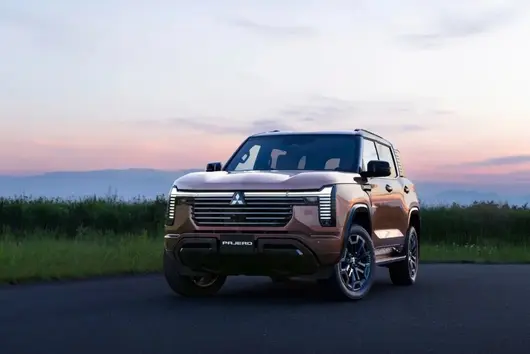
9 月 2 日,三菱汽車在東京正式發佈全新一代帕傑羅。作為三菱汽車新一代旗艦車型,全新帕傑羅由泰國生產基地製造,將率先登陸泰國市場,隨後於 2026 年在日本和澳洲推出,自 2027 年起逐步進入東盟、拉丁美洲、中東等全球約 100 個國家和地區。

全新帕傑羅延續了初代車型直立硬朗的車身比例與水平設計基調,強有力的輪拱與雕塑感車身曲面進一步強化了視覺張力。車頭設計靈感源自日本劍道,傳達內斂而強大的內在力量,提供橫條幅與蜂窩狀兩種格柵樣式。車燈採用標誌性 T 型設計,兼具現代感與科技感。

新車車身尺寸為 4920×1925×1910 毫米,軸距 2870 毫米,最小離地間隙 230 毫米,接近角 30.4°、通過角 22.6°、離去角 25.8°,52:48 的前後配重比進一步優化了越野穩定性。
經典元素在車身隨處可見:C 柱造型致敬初代車型的防滾架,六邊形尾部設計則重新演繹了歷代帕傑羅的外掛備胎。車身提供兩大金屬漆主題色——裝甲銅凸顯金屬厚重感,幻影藍則在灰藍基調中融入金色光澤,隨光線變化呈現精緻質感。
全新帕傑羅採用三排七座佈局,二排座椅擁有 150 毫米滑動行程並支持摺疊,三排為成人提供充足頭部空間,腳部可伸入二排座椅下方。前排及二排配備座椅通風,三區自動空調獨立控溫。

座艙採用水平延展式儀表板,集成兩塊 14.3 英寸高分辨率屏幕(部分配置為 12.3 英寸),歷代帕傑羅標誌性的三圓儀表被重新演繹為 Multi Meter 多功能顯示,可實時呈現海拔、羅盤、溫度、車身俯仰側傾角及 AYC 控制狀態等越野資訊。儀表台與門板採用靈感源自日本傳統"木目込"工藝的縫線軟質包覆,營造旗艦級豪華氛圍。內飾提供 Camel(駝色)配色,與黑色形成精緻對比。

新車在靜謐性上大幅升級,前擋風及前後車門均採用聲學玻璃,配合全車隔音措施,確保高速行駛時三排乘客均可自然交談。信息娛樂系統支援無線手機互聯,儀表提供 16 種隨時間實時變化的背景主題。

動力方面,全新帕傑羅搭載 2.4 公升柴油引擎,配備寬量程單可变截面渦輪(VGT),最大扭矩達 480 牛·米(部分配置 470 牛·米),匹配全新開發的 8 速手自一體變速箱(帶運動模式),兼顧低速爆發力與高速平順性。

越野性能依然毫不妥協,高剛性梯形大樑採用更多高強度鋼,在減重的同時顯著提升抗扭與抗彎剛度;懸掛為前雙叉臂獨立式 + 後全新五連桿硬軸結構,長行程設計確保輪胎在複雜地形下的貼地性。

全新帕傑羅配備三菱 S-AWC 綜合車輛動態控制系統與 SS4-II 超選四驅 II,提供 2H、4H、4HLc、4LLc 四種四驅模式,以及標準、經濟、碎石、雪地、泥地、沙地、岩石共七種駕駛模式。

安全配備方面,新車搭載 FCM 前方碰撞減緩(含行人/騎車者/摩托車偵測及路口輔助)、PFCW 預測性前方碰撞預警、EAPM 誤踩加速輔助,並首次配備 ELA 緊急車道輔助與 FCTA 前方交叉路口預警。MI-PILOT 高速單車道駕駛輔助系統整合 ACC 與 LKA,緩解長途駕駛疲勞。全車配備 8 個安全氣囊,包括三菱首次應用的前排中央氣囊。此外,3D 多視角全景影像支援車底透視功能,越野時可實時查看車底路況。

自 1982 年誕生成以來,帕傑羅歷經四代更迭,累計產量突破 329 萬輛,足跡遍佈 170 多個國家和地區,是三菱汽車最具標誌性的車型之一。全新一代帕傑羅在延續初代以來"信心(Confidence)"與"舒適(Comfort)"產品哲學的基礎上,新增"尊貴(Prestige)"維度,以"Grand Charisma(宏大魅力)"為設計理念,豪華質感有了顯著提升,全方位進化為旗艦級跨界越野 SUV。
三菱汽車總裁兼首席運營官岸浦圭介表示:"全新帕傑羅是踐行三菱汽車 2030 年代中長期願景的首款車型,作為旗艦,它將引領後續帕傑羅系列乃至整個三菱汽車的產品陣容。"
本文作者為踢車幫 溫風

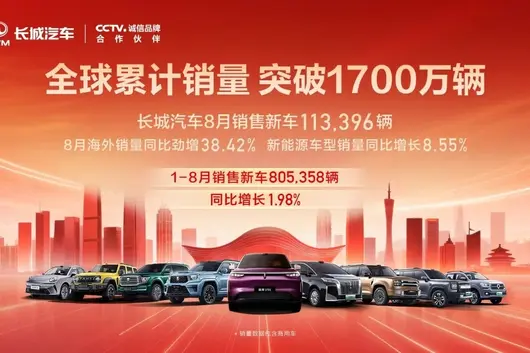
Great Wall Motors in August, the first impression given is not how many vehicles were sold, but how many models were launched.
H10, H9 Force Soul Edition, WEY V8X, Ora 5GT, Ora 5 Sports Edition, Commercial Pao Hi4-T Pilot Edition, Passenger Pao Hi4-T Black Warrior Edition... Roughly counting, the number of new cars that completed launches or opened pre-orders within a single month is close to ten, with prices ranging from just over 70,000 to over 220,000. This launch density is not common among domestic brands.

The final sales figure is 113,396 vehicles, representing a month-on-month growth of 4.93%. Considering the overall car market environment, this performance can be considered steady, but it is hardly stunning.
Overseas sales grew year-on-year by 38.42%, which is the most eye-catching figure across all dimensions. Great Wall Pickups sold 12,288 units in August, of which 6,518 units were overseas, accounting for over half. This detail illustrates the point well: Great Wall's overseas expansion is no longer about "shipping cars that don't sell well domestically", but has formed independent demand support in some categories. At the Indonesia Auto Show, the Ora 5 made its debut, the Tank diesel version appeared, the Ora 5 landed in Chile, test drives were conducted in Pakistan, and the 250,000th owner was delivered in Australia—all within one month across four continents. This pace is no longer the same as "export trade" from a few years ago.

However, on the other side of the high overseas growth, the domestic market growth rate is not fast. January to August cumulative year-on-year growth is 1.98%. Against the background of domestic brands generally achieving double-digit growth this year, this number appears somewhat conservative. Haval, as the foundation, saw a month-on-month growth of 15.44% to 64,960 vehicles in August, largely thanks to H10 delivering 10,178 units in its first month of launch.

New energy vehicles saw a year-on-year growth of 8.55% in August. This growth rate is considered average in the industry. Great Wall's new energy route has always been quite special—it did not go all-in on pure electric, but instead focused on Hi4 hybrid technology, integrating hybrids into traditional fuel advantage categories like off-road vehicles and pickups. The Tank 400 New Energy took the top spot for one-year resale value among PHEV models, the Tank 500 New Energy took the top spot for three-year resale value, and the WEY Gaoshan took the cumulative sales champion for domestic new energy MPVs from January to July. Champions in these niche fields indicate that Great Wall has indeed found its position at the intersection of "Off-road + New Energy" and "MPV + New Energy".

Ora is another variable. August year-on-year growth was 110.95% to 11,018 vehicles, making it the fastest-growing among all brands. The Ora 5 series received significant attention at the Chengdu Auto Show, with the 5GT and Sports Edition subsequently launching, with starting prices pushed down to 89,800 and 71,800 respectively. This price band means Ora is re-entering the entry-level new energy market, which is exactly the interval where price wars are fiercest this year.

At the Chengdu Auto Show, Great Wall's six major brands appeared together, and they even held a user event called "Great Wall and Sichuan People as One Family". This saying of "from transaction to heart-to-heart" has been spoken by almost every domestic brand in the past two years. User operation is certainly important, but in the face of increasing product homogenization, what truly retains users is still the competitiveness of the products themselves and the after-sales experience.

Great Wall Motors' current situation can be summarized in one sentence: Overseas is accelerating, new energy is finding its path, domestic is defending the market, and products are being launched intensively. 17 million cumulative sales represent historical heritage, but historical heritage cannot directly convert into current market share. The wave of new cars in August is more like a concentrated effort—pushing reserved products onto the market at once, exchanging launch density for buzz and sales.

The next few months will be the true test. After the new car hype fades, whether H10 can stabilize monthly sales over 10,000, whether V8X can tear open a gap in the market over 200,000, whether the Ora 5 series can survive in the red ocean of 70,000 to 90,000, whether the overseas 38% growth rate can be maintained—the answers to these questions are more important than August's sales performance report.

Great Wall lacks no products, nor lacks technology reserves. What is lacking is, in a market raced to the extreme, the ability to truly convert product power into sustained growth.


In Malaysia's SUV market, many buyers compare Honda HR-V and Mazda CX-3 when choosing a car. These two models are quite close in price and positioning. Today, we will conduct a detailed comparison from multiple aspects to help you save time on research.
The OTR price of Honda HR-V in Malaysia is RM 115,900 - 143,900, with a total of 4 versions, including 2026 e:HEV 1.5L RS (RM 143,900), 2026 1.5T V (RM 137,900), 2026 1.5T E (RM 130,900), etc.
The OTR price of Mazda CX-3 in Malaysia is RM 126,159 - 139,159, with a total of 2 versions, including 2023 2.0L High (RM 139,159), 2023 2.0L Plus (RM 126,159), etc.
In terms of price, the starting price of Honda HR-V is indeed RM 10,259 cheaper than Mazda CX-3. If your budget is limited, Honda's entry-level version can already meet daily needs. But also note that the few thousand difference in price may involve trade-offs in features, depending on your specific needs.
Honda HR-V is equipped with 1.5L Turbo, 140 hp. Official fuel consumption 7.0 L/100km.
Mazda CX-3 is equipped with 1.5L Turbo, 140 hp. Official fuel consumption 7.0 L/100km.
Both cars use the same powertrain, the driving feel is basically the same in daily use. Fuel consumption is also similar, no need to worry too much about this.
Honda HR-V safety rating is 5★ (ASEAN NCAP), active safety systems include Honda SENSING (ACC, CMBS, LKAS, RDM).
Mazda CX-3 safety rating is 5★ (ASEAN NCAP), active safety systems include i-Activsense.
Both cars have the same safety rating, safety features in this class are quite comprehensive. New cars nowadays generally have good safety, no need to worry too much about this.
Honda HR-V warranty 5 years/unlimited mileage, service interval every 10,000km or 6 months.
Mazda CX-3 warranty 5 years/150,000km, service interval every 10,000km or 6 months.
Overall, Honda HR-V and Mazda CX-3 are both very good models in the Malaysian market. Which one to choose depends on your personal needs and budget. We recommend doing your research, comparing quotes from multiple car dealerships, and then test driving before making a final decision. Buying a car is a big matter, spending some time doing research will never be wrong.

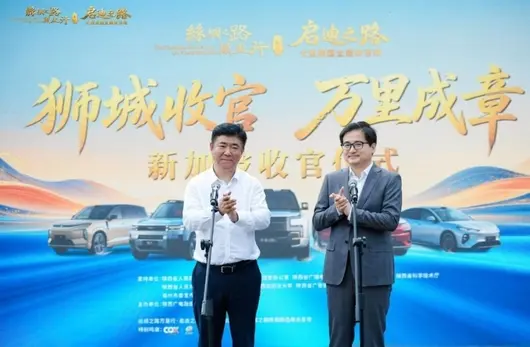
On August 25, the 2026 Silk Road 10,000-Li Journey · Enlightenment Road officially concluded in Singapore, bringing an end to this cross-border journey that lasted 33 days.
Silk Road Expedition accompanied by Green Energy! The entire fleet traveled over 10,000 kilometers, departing from Xi'an, passing through six provinces in China, traversing Thailand and Malaysia, and finally arriving in Singapore. 2026 marks the 5th anniversary of the establishment of a comprehensive strategic partnership between China and ASEAN. The event was themed "Tech Towards New · Civilization Towards Heart", combining cultural exchange, technological interaction, and economic and trade exchanges to witness the new vitality of the Land and Maritime Silk Road.

This entire trip was supported by BYD, with multiple models from the Dynasty, Ocean, Denza, Fang Cheng Bao, and YangWang series composing the fleet. They covered highways, mountain roads, and congested urban traffic conditions. Fast Charging and Divine Eye assisted driving, two core technologies, underwent a true 10,000-kilometer field test. The energy replenishment capability of a 5-minute fast charge and 9-minute full charge, combined with a massive fast-charging station network, solves the pain points of energy replenishment for long-distance travel; Divine Eye relies on massive real-world driving data for continuous optimization, greatly reducing the burden of long-distance driving. In ancient times, the Silk Road relied on camel caravans and relay stations for supplies; now, new energy technology completes the cross-border expedition.


In the Singapore market, BYD's performance is equally impressive, having ranked first in total passenger car sales across all brands locally for 19 consecutive months. Local vehicle acquisition costs are high, and consumers are very cautious when choosing cars; even though model pricing is not particularly affordable, sales remain hot. With 16 offline retail touchpoints, many stores have entered core business districts, and dealers are continuously increasing investment and layout.


Looking at the overseas market, BYD's growth momentum is rapid. From January to July this year, overseas sales exceeded 970,000 vehicles. Business covers more than 120 countries and regions worldwide, securing top new energy vehicle sales in many countries such as Thailand, Singapore, Brazil, and the Middle East.

By combining Silk Road culture with cross-border new energy travel, BYD is also using Chinese new energy power to assist the green transportation development of the "Belt and Road Initiative" and participate in the global automotive industry's green transition.
© 2024 Bitauto.com. All Rights Reserved.
Bitauto (www.yiche.com and www.bitauto.com) is one of the most visited automotive websites in China. We provide detailed info on Chinese car brands available in your area. Please note that the information provided on this website is based on publicly available data and is for reference only. It may not be fully updated or accurate at all times.

Help us improve our website


