

HomeLeapmotor A05

Search History
Popular Searches
Dealer Login / Sign Up

[Auto Market Expert] October 1, multiple auto companies sequentially announced September delivery data. This article only summarizes the information released so far — BYD, Geely, Chery, Great Wall, Changan, etc. have not yet released, the complete layout needs to wait for all data to be released.
Data Released
In Leapmotor's scale composition, overseas accounts for a large share. September global deliveries reached 105,656 units, of which overseas exports exceeded 27,000 units; Jan-Sept 2026 overseas cumulative exports exceeded 150,000 units, sales and service outlets in Europe have surpassed 1,000. As of end of September, Leapmotor's cumulative global deliveries exceeded 1.8 million units.
Zeekr's growth comes from high-end models. Besides the total volume doubling year-on-year, specific model performance was: Zeekr 9X, launched one year ago, monthly sales exceeded 7,000 units (five-seater version production capacity rising), Zeekr 7X broke 10,000 monthly sales for 3 consecutive months, global cumulative exceeded 200,000 units, Zeekr 009 consecutively won sales champion in Malaysia and other sub-segments. Additionally, Zeekr 9X recently landed on the German market with a million-level price point.
Deepal welcomes a brand milestone. On September 28, Deepal's 1 millionth vehicle mass-produced off the line. On the same day, the all-new Deepal S07 AI Laser Edition launched. Products are now sold to over 100 countries and regions globally.

Core Judgment: The data of this month sliced the new forces camp into two segments — Leapmotor stands alone above 100,000 units, the rest are crowded densely in the 30,000–40,000 units bracket. Nearly three times difference between the two, this gap is more noteworthy than any single brand's year-on-year growth rate.
First, Leapmotor's position is no longer "leading", it is a "gap". 105,656 units vs 37,216 units — the difference between 1st and 2nd is about 2.8 times. And Leapmotor didn't rely on single-month volume push: consecutive three months monthly sales over 100,000 units. More noteworthy is the source of this scale: overseas exports exceeded 27,000 units, Europe outlets exceed 1,000, global cumulative deliveries exceed 1.8 million units. This shows it is no longer just "doing well domestically", but has made overseas part of the scale — for a new force, this is a harder task than monthly sales numbers.
Second, the 30,000–40,000 bracket is crowded with four players, but their growth logics differ. Zeekr YoY +103.85%, relying on absolute volume of high-end models (9X monthly sales over 7,000 units, 7X broke 10,000 for 3 consecutive months); Xiaomi over 40,000 units, relying on product line expansion (Pengcheng first month deliveries exceeded 10,000 units, this is the first month of a new series); Li Auto 31,817 units, cumulative exceeded 1.83 million units, relying on stock base; Deepal 30,185 units, 1 millionth vehicle off line, walking the brand node. Similarly over 30,000 units, behind are four different strategies — this also means competition in this bracket will not be about "who grows faster", but who can find a second growth source first.
Third, putting joint venture brands into view, the coordinate system is already different. Dongfeng Honda September 17,932 units, MoM growth 19% — this MoM is a real improvement signal. But put it on the same table, its absolute volume is about 1/6 of Leapmotor's. This isn't comparing who is good or bad, but saying: when new forces' monthly volume levels have reached five-digit or six-digit figures, "MoM improvement" and "scale leadership" are already two different things; using the same evaluation system to measure them leads to wrong conclusions.
So I believe, what this September data truly is worth remembering is not how much each brand increased, but that differentiation has started to show an "order of magnitude gap". In the past few years, gaps between new forces were usually percentage level, this month appeared a multiple-level gap. Next to observe is: whether Leapmotor can hold this volume level, and in the 30,000–40,000 bracket, who will step out first.

· BYD, Geely, Chery, Great Wall, Changan, etc. have not yet released September sales data; complete rankings must wait for all data release
· Xiaomi Pengcheng series official first-sales month data will be announced on October 7 (Xiaomi Lei Jun revealed first-month deliveries exceeded 10,000 units is the disclosed basis)
· Overseas export data for each brand has not been fully disclosed; cross-country comparison is temporarily incomplete
· Disclosure Note: In the table above, "Delivery Volume" and "Sales Volume" are bases announced by each brand themselves; statistical methods of different brands may differ; direct horizontal comparison requires caution
· 
October 1, multiple auto companies announced September data. Leapmotor ranked first with 105,656 units, YoY +59%, consecutive three months monthly sales over 100,000 units, of which overseas exports exceeded 27,000 units; Xiaomi over 40,000 units (Pengcheng series first month deliveries exceeded 10,000 units); Zeekr 37,216 units, YoY +103.85%; Li Auto 31,817 units, cumulative exceeded 1.83 million units; Deepal 30,185 units, and welcomed 1 millionth vehicle off the line; Dongfeng Honda 17,932 units, MoM +19%; Huajing S 7,416 units; MG New Energy exceeded 30,000 units.
One point worth remembering this month is differentiation showed an order of magnitude gap: Leapmotor stands alone above 100,000 units, the rest concentrated at 30,000–40,000 units, first and last differ by about 2.8 times. The remaining question is, whether this gap is temporary, or will become the norm.

【Pakar Industri Kereta】1 Oktober, pelbagai pengeluar kereta mula mendedahkan data penghantaran September. Artikel ini hanya merumuskan maklumat yang telah didedahkan—BYD, Geely, Chery, Great Wall, Changan, dll. belum diumumkan, gambaran lengkap perlu menunggu semua data diterbitkan.
Data Yang Telah Didedahkan
Dalam struktur skala Leapmotor, eksport luar negara mengambil bahagian besar. September ini dunia penghantaran global sebanyak 105,656 unit, di mana eksport luar negara melebihi 27,000 unit; Januari-September 2026 eksport luar negara terkumpul melebihi 150,000 unit, rangkaian jualan dan perkhidmatan di Eropah telah melebihi 1000 outlet. Akhir September, jumlah penghantaran global terkumpul Leapmotor melebihi 1.8 juta unit.
Pertumbuhan Zeekr datang daripada model mewah. Selain daripada jumlah keseluruhan meningkat dua kali ganda set tahun, prestasi model tertentu adalah: Zeekr 9X yang dilancarkan setahun lalu jualan bulanan melebihi 7,000 unit (kuota lima tempat duduk meningkat), Zeekr 7X penjualan melebihi 10,000 selama 3 bulan berturut-turut, terkumpul global melebihi 200,000 unit, Zeekr 009 memimpin jualan pasaran setempat di Malaysia dan tempat lain. Selain itu Zeekr 9X baru-baru ini mendarat di pasaran Jerman dengan harga berperingkat jutaan.
Deepal menyambut landasan jenama. 28 September, unit ke-1,000,000 Deepal dikeluarkan secara rasmi, pada hari yang sama Deepal S07 AI Laser Edition dilancarkan. Produk kini telah dijual ke lebih daripada 100 negara dan wilayah di seluruh dunia.
Penilaian Teras: Data bulan ini memecah pasukan daya baharu menjadi dua bahagian—Leapmotor seorang diri berdiri di atas 100,000 unit, beberapa buah lain padat berkumpul dalam julat 30,000–40,000 unit. Jurang antara dua rumah hampir tiga kali ganda, jurang ini lebih bernilai perhatian daripada sebarang pertumbuhan tahunan jenama tunggal.
Pertama, kedudukan Leapmotor bukan lagi «bercawang», tetapi «jurang». 105,656 unit terhadap 37,216 unit—Perbezaan antara tempat pertama dan kedua kira-kira 2.8 kali ganda. Selain daripada itu Leapmotor bukan bergantung kepada lonjakan jualan sebulan: jualan melebihi 100,000 unit selama tiga bulan berturut-turut. Yang lebih penting sumber skala ini: eksport luar negara melebihi 27,000 unit, rangkaian Eropah melebihi 1000 outlet, jumlah penghantaran global melebihi 1.8 juta unit. Ini menunjukkan ia bukan sekadar «jual baik di dalam negara», tetapi telah menjadikan eksport luar negara sebagai sebahagian daripada skala—bagi satu daya baharu, ini lebih sukar daripada nombor jualan bulanan.
Kedua, satu gred 30,000–40,000 memadat empat buah, tetapi logik pertumbuhan mereka berbeza. Zeekr set tahun +103.85%, bergantung kepada jumlah mutlak model mewah (9X jualan bulanan melebihi 7,000 unit, 7X tiga bulan berturut-turut melebihi 10,000); Xiaomi melebihi 40,000 unit, bergantung kepada pengembangan produk (Peng Cheng jualan bulan pertama melebihi 10,000 unit, ini bulan pertama siri baru); Li Auto 31,817 unit, terkumpul melebihi 1.83 juta unit, bergantung kepada papan stok sedia ada; Deepal 30,185 unit, unit ke-1,000,000 dikeluarkan, berjalan atas landasan jenama. Sama-sama tiga puluh ribuan unit, di belakang ada empat strategi berbeza—ini bermakna, saingan seterusnya di gred ini bukan tentang «siapa lebih pantas berkembang», tetapi siapa yang dapat mencari sumber pertumbuhan kedua terlebih dahulu.
Ketiga, masukkan jenama gabungan untuk dilihat, kerangka koordinat sudah berbeza. Dongfeng Honda September 17,932 unit, pertumbuhan berbanding bulan lalu 19%—pertumbuhan berbanding bulan lalu ini adalah isyarat peningkatan yang nyata. Tetapi apabila diletakkan pada jadual yang sama, jumlah mutlaknya kira-kira sama dengan seperenam Leapmotor. Ini bukan membandingkan siapa baik siapa buruk, tetapi berkata: apabila kuantiti bulanan daya baharu telah mencapai lima atau enam digit, «pertumbuhan berbanding bulan lalu» dan «kepemimpinan skala» sudah menjadi dua perkara berbeza, menggunakan set penilaian yang sama untuk mengukur mereka, mudah得出 kesimpulan yang salah.
Oleh itu saya berpendapat, data September ini yang benar-benar perlu diingat bukan berapa banyak jenama yang meningkat, tetapi pembezaan telah mula mempunyai «perbezaan kuantiti». Beberapa tahun lalu jurang antara daya baharu biasanya pada tahap peratusan, bulan ini muncul jurang pada tahap gandaan. Seterusnya perlu diperhatikan: sama ada Leapmotor dapat mempertahankan kuantiti ini, dan di dalam gred 30,000–40,000, siapa yang dapat melangkah keluar dahulu.
· BYD, Geely, Chery, Great Wall, Changan, dll. belum mendedahkan jualan September, ranking lengkap perlu menunggu semua data diterbitkan
· Data jualan bulan pertama rasmi siri Xiaomi Peng Cheng akan didedahkan pada 7 Oktober (penyerahan bulan pertama melebihi 10,000 unit yang didedahkan oleh Lei Jun adalah pada garis panduan yang telah didedahkan)
· Data eksport luar negara jenama belum didedahkan sepenuhnya, perbandingan antarabangsa belum lengkap
· Petunjuk garis panduan: Dalam jadual di atas, «jumlah penghantaran» dan «jumlah jualan» adalah garis panduan yang diumumkan oleh jenama masing-masing, cara statistik jenama berbeza mungkin berbeza, perbandingan langsung mendatar perlu berhati-hati
·
1 Oktober, pelbagai pengeluar kereta mendedahkan data September. Leapmotor menduduki tempat pertama dengan 105,656 unit, set tahun +59%, tiga bulan berturut-turut jualan bulanan melebihi 100,000 unit, di mana eksport luar negara melebihi 27,000 unit; Xiaomi melebihi 40,000 unit (siri Peng Cheng jualan bulan pertama melebihi 10,000 unit); Zeekr 37,216 unit, set tahun +103.85%; Li Auto 31,817 unit, terkumpul melebihi 1.83 juta unit; Deepal 30,185 unit, dan menyambut unit ke-1,000,000 dikeluarkan; Dongfeng Honda 17,932 unit, berbanding bulan lalu +19%; Huajing S 7,416 unit; MG新能源 melebihi 30,000 unit.
Satu perkara yang perlu diingat bulan ini adalah pembezaan telah muncul perbezaan kuantiti: Leapmotor seorang diri berdiri di atas 100,000 unit, yang lain berkumpul di 30,000–40,000 unit, hujung dan mula berbeza kira-kira 2.8 kali ganda. soalan yang tinggal adalah, jurang ini sementara, atau akan menjadi kebiasaan.

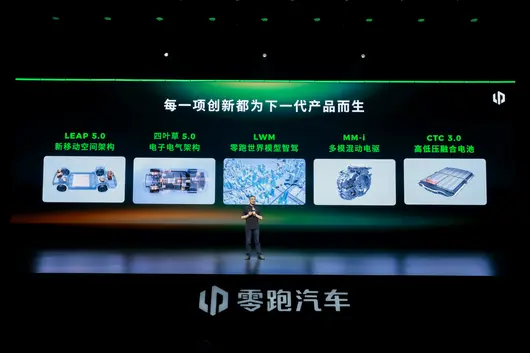
September 16, 2026, Huzhou. Leapmotor laid out the thickest stack of technical cards it has had in its 11 years on the table at once: 8,500 R&D engineers, 65% of vehicle costs self-developed and self-manufactured, three consecutive semi-annual profits, etc.
No slogans were shouted, no concepts were hyped. This launch event themed "Confidence" was more like a technical report from an engineering team—laying out one by one the underlying technologies hidden beneath the car body that users usually don't see.
As Leapmotor founder, chairman, and CEO Zhu Jiangming stated: "Leapmotor will not innovate for the sake of showing off skills; every innovation released this time will be implemented in the next generation of products, making good technology accessible to everyone."
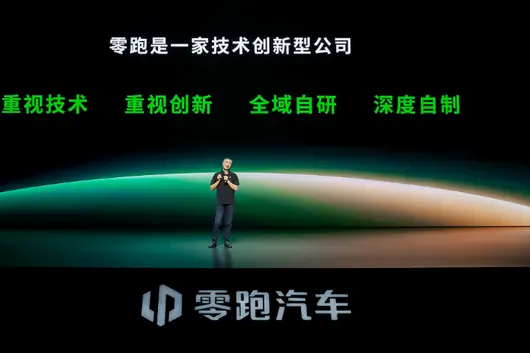
The words "Confidence" were not shouted out of thin air. From 2015 to now, Leapmotor has walked a path recognized as much harder: full-domain self-research, deep self-manufacturing. While others look to suppliers for configurations, it chewed its way up the industrial chain step by step from battery cells to battery packs, from motors to controllers, from plastic particles to headlights. Now 18 manufacturing plants have been established, platform standardization reaches 90%, and 65% of vehicle costs are independently controlled.

In fact, many people only see Leapmotor's aggressive pricing but fail to see that its cost advantage does not come from cutting specifications, but from being nibbled out through full-link self-research.
The return on this investment is also straightforward: from selling 1,000 units annually in 2019 to now having monthly sales stable above 100,000 vehicles and ranking in the top three among China's new energy brands, and top four globally.
Even more rare is that the technical capability not only fed its own product line but also became an industry supplier—whole vehicle technology output to FAW, Stellantis, and the cooperating automakers for electronics, electric drive, and battery systems exceed 20, making technology external supply the second growth curve for Leapmotor.
01
Becoming the "Apple" of the Automotive Industry
"Broadband wireless communication was not invented by Apple, nor was the computer, neither were touch screens, digital cameras, nor MP3s. However, Jobs conducted excellent functional combination innovation, ecosystem innovation, and ultimate product innovation, achieving the Apple of today. Leapmotor also hopes for such innovation, striving to become the 'Apple' of the automotive industry." Standing at the 11th anniversary milestone, Zhu Jiangming set a new goal for Leapmotor.
In the past few years, Zhu Jiangming repeatedly compared Leapmotor to Uniqlo: "Leapmotor's positioning in the automotive industry should be like Uniqlo in the apparel industry, slightly more expensive than general products, but also with better quality."
Zhu Jiangming does not think these two things contradict.
He explained that Leapmotor's existing products will continue on the Uniqlo route, while the second brand to be launched next will do what iPhone did replacing feature phones.
The heaviest release at this Leapmotor Technology Day is undoubtedly the brand new LEAP 5.0 whole vehicle architecture. This architecture is not for existing model updates but is tailored specifically for the second brand to debut in 2027. The goal is clear: build a "new species of mobile space" that doesn't look like a traditional car.
How to understand? For example, traditional cars are like old houses with huge shared area, the engine occupies the front cabin, shock towers squeeze into the cabin, transmission shafts pass through the floor. The car looks big, but usable space is small. What Leapmotor does is return all this "shared area" to users, extending the cabin outward along the three dimensions of length, width, and height, achieving the official "Strong >100% Space Utilization Rate".
More importantly, space is no longer a fixed layout; seats and functional areas can be flexibly combined according to scenarios, switching between living rooms, cinemas, bedrooms, and coffee bars in the future.
Space reconstruction is just the skeleton. What truly makes this space "alive" is the Clover 5.0 Central Domain Control Electronic Architecture.

Traditional distributed architectures are like various departments managing their own turf, requiring layered approval for communication, many wiring harnesses, and slow response. Leapmotor's architecture goes further: true central integrated control, with only one central brain making decisions, other domain controllers only responsible for execution.
Full vehicle 48V power supply replaces traditional 12V, electricity capacity quadruples, and wiring harness weight is halved; full vehicle Ethernet uses a unified communication protocol, equivalent to paving an information expressway for the whole vehicle; the vehicle-cloud AgentOS makes the vehicle more fitting to user habits the more it is used. Ultimately, the total vehicle wiring harness is compressed to within 500 meters, the shortest in the industry.
Do not underestimate these 500 meters of wiring harness; behind it is the integration of the architecture, and the ceiling of a car's future OTA upgrade potential.
"After opening the doors of new energy vehicles, it remains 5 seats, 6 seats, 7 seats, with no changes. Functional areas are like original feature phones. Apple started designing with iPhone, making phones multi-functional, and that is innovation." Zhu Jiangming hopes the second brand will become "a completely new species."

02
Invest 50 Million Yuan to Upgrade Intelligent Driving for Existing Owners
If the architecture is the foundation, then intelligent driving is the strongest technical tag under current user perception.
This time Leapmotor presented the LWM World Model Intelligent Driving, taking a path somewhat different from the industry mainstream: not relying on BEV perception conversion, not depending on massive rule code, but letting the model truly understand road conditions and reason scenarios.
Leapmotor Technology Electronic Product Line Head Zhou Hongtao's statement is very direct: "The World Model lets vehicles move from 'remembering road conditions by rules' to 'truly understanding road conditions'."
The cloud large model is responsible for knowledge base precipitation and fleet collaborative learning—a vehicle encountering complex road conditions learns to handle it, and all vehicles can synchronize mastery through the cloud, hitting the pain point of long-tail scenarios being difficult to implement in the intelligent driving industry.
More solid is the commitment. Zhu Jiangming clarified on site: "As of the end of August, all 350,000 units of LiDAR version vehicles already delivered will be upgraded to World Model Intelligent Driving for free, and the use will be free for a lifetime."

You know the earliest over 10,000 users used the Orin-X platform, completely different from the mainstream 8650 Snapdragon platform architecture now; algorithm porting is equivalent to redeveloping the entire system, and the investment for just this item is at least 50 million yuan.
For other companies, this calculation would likely be "batch adaptation" or "gradual elimination". But Leapmotor chose the most arduous path. Zhu Jiangming explained in an interview: "Users are the foundation of Leapmotor's development. Early users with LiDAR and advanced intelligent driving chips are the core supporters of the brand."
Behind this is a deeper logic. Leapmotor Intelligent Driving's starting point was not high; in the past few years, its voice on the intelligent driving track was far less than that of a few top new forces.
The turning point occurred in October 2025, when Leapmotor internally ran three technology routes simultaneously: 2.0 was two-stage end-to-end, 3.0 increased the large model proportion and weakened rules, 4.0 directly made one-stage end-to-end World Model. These three lines raced for a few months; in the third-party test early this year, the 4.0 solution won with a comprehensive intervention rate only one-third of that of top car companies.
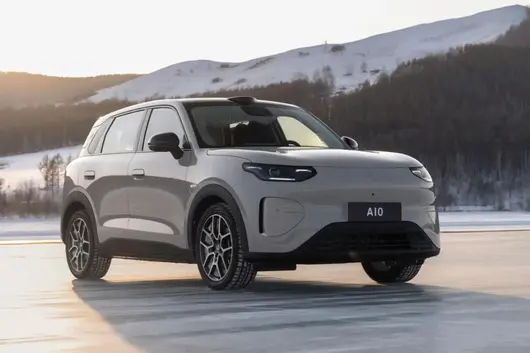
Even more ruthless is, Leapmotor brought this advanced intelligent driving down to the 100,000 RMB segment vehicles. In order to move the World Model from cloud to vehicle end, Leapmotor adapted 200 TOPS, 640 TOPS, 1,280 TOPS three computing power levels, and even A10 within 100,000 yuan can be used.
03
Plug-in Hybrid Goes Global, Battery Opens Source
As intelligent driving sinks, power layout complements all. The release of MM-i multi-mode hybrid electric drive this time marks Leapmotor officially entering the plug-in hybrid track, also completing the "pure electric + range extended + plug-in hybrid" full power map.
Many people ask, range extended sells well, why make plug-in hybrid? The answer is overseas and in complex domestic scenarios. Leapmotor Electric Drive Product Line Head Wu Cun stated: "Overseas new energy charging infrastructure lags far behind domestic, hybrid vehicles still have a 5 to 10-year or even longer lifecycle overseas."
From a global view, many places in Europe, Southeast Asia have imperfect charging facilities, users travel long distances more, requiring high acceleration at medium-high speeds. Traditional hybrid either weak in pure electric, or lack power at high speed. Leapmotor reconstructed this system from the bottom layer directly.
Three original creations sound professional, landing benefits are straightforward: generators can also participate in driving, system peak power 206kW, 28% stronger than same class; dual electromagnetic clutch coaxial integration, whole electric drive only 106kg, 40% lighter than same class, 25% smaller volume, A0 level small cars can also fit; intelligent control lets shift time shrink from 400ms to 150ms, lower than human perception threshold, switch process completely seamless.
Say plainly, it is combining the advantages of range extended and plug-in hybrid, city pure electric quiet and fuel-saving, highway direct drive powerful and not fuel-consuming.

While power system completes, battery technology also takes a step forward. CTC3.0 high-low voltage fusion battery, did something no one dared in the industry: cancel independent low-voltage batteries used for hundreds of years.
Anyone who drives knows this pain point: car sits for a long time loses electricity and won't start, every few years have to spend hundreds of yuan changing battery, lead-acid battery waste not eco-friendly. Leapmotor integrates low-voltage power supply module into power battery interior, sharing protection and thermal management system, low-voltage electricity capacity directly increases 7 times, maintenance-free for life, single car saves over 2,000 yuan in replacement costs.
Even more ambitious is, Leapmotor directly opens relevant patents to the entire industry. Calculate an account: if the entire industry uses them, over a million low-voltage batteries can be saved from scrapping every year, good for users, good for the environment.
Except for these technologies about to land, the scene also showed many reserves: fully self-developed embodied AI robots, 94% comprehensive efficiency three-level mixed transmission electric drive, self-developed all-solid-state LiDAR... but Zhu Jiangming's attitude is very clear, and also interesting: "Robots that can be walked are not a skill, robots that can make money are what can be presented."

This is very Leapmotor—over 11 years, it has never been the one shouting slogans the loudest, but the one working hard to make technology solid.
04
Technology Always Greater Than Sales Volume
Zhu Jiangming divides Leapmotor's 11 years into two segments: the first ten years are on foundation-laying, the next ten years will start building high-rise buildings. Back to the launch event theme "Confidence". What is a car company's confidence? Not the number of 100,000 vehicles monthly sales, not the overwhelming marketing, but holding core technologies in hand, standing on a solid manufacturing system, holding user trust in heart.
When the industry is frivolous, people who calm down to do underlying technology, short-term look slow, long-term walk the furthest.
Zhu Jiangming said one sentence at the climax of the Technology Day: "Technology always greater than sales volume, sales volume without technology support is unsustainable." Leapmotor proved one thing with 11 years: this technology road is hard, but if walked through, it is the hardest confidence.
Saying this words at Leapmotor's current node carries weight. Consecutive monthly sales broken 100,000 vehicles, ranking top three among China's new energy brands, top four among global new energy brand sales, products enter 45 countries and regions—looking from data, Leapmotor has passed the stage of needing to prove itself "can sell cars".
Zhu Jiangming has his eyes on further places: "The first ten years mainly doing foundation, building capabilities, the next ten years to accumulate wealth and make a big breakthrough. Enterprise without innovation has no future."
Interesting is, just around the Technology Day, Leapmotor simultaneously announced another set of numbers: First half of 2026 exports 96,300 vehicles, year-on-year growth 372.6%. Overseas market demand for hybrid products is still growing, and EU is tightening restrictions on China's plug-in hybrids.
Leapmotor's response is localization—leveraging Stellantis factories in Spain, Malaysia for production, rather than building from scratch. Zhu Jiangming's judgment on this is: "China already has many car companies built factories in Thailand, we hope Leapmotor does not go build factories, collaborate with them, able to utilize their factories is the best, reducing duplicate investment."
From "Uniqlo of the Car Circle" to "Apple of the Automotive Industry", what separates is not technology, is business model. Uniqlo good at making quality solid, bringing price down; Apple good at recombining existing technologies, changing product form. Leapmotor wants to do both things at once—build cars using Uniqlo's way, define second brand using Apple's logic.
As Zhu Jiangming said: "Technology and innovation are the confidence of enterprises facing the future, and also the core competitiveness."

16 September 2026, Huzhou. Leapmotor meletakkan sekeping kad teknologi paling tebal yang dikumpulkan sejak 11 tahun penubuhannya di atas meja sekali gus: 8,500 jurutera R&D, 65% kos kenderaan lengkap dikaji dan dihasilkan sendiri, keuntungan selama tiga tempoh setengah tahun berturut-turut dan lain-lain.
Tiada slogan dikumandangkan, juga tiada konsep digosipkan. Pelancaran yang bertema "Keyakinan" ini, lebih kepada laporan teknikal pasukan jurutera—teknologi asas yang tersembunyi di bawah badan kereta yang tidak biasa dilihat pengguna, dibuka satu demi satu di atas meja.
Seperti yang dinyatakan oleh pengasas, pengerusi, dan CEO Leapmotor, Zhu Jiangming: "Leapmotor tidak akan berinovasi untuk pamerkan teknologi, setiap inovasi yang dilancarkan kali ini akan dilaksanakan pada produk generasi seterusnya, membolehkan teknologi baik dinikmati semua orang."
Dua perkataan "Keyakinan", tidak diumum tanpa asas. Dari 2015 hingga kini, Leapmotor telah berjalan di laluan yang diakui lebih sukar: R&D seluasnya, pembuatan mendalam. Orang lain mencari pembekal untuk menyusun spesifikasi, ia dari sel bateri hingga paket bateri, dari motor hingga kawalan, dari zarah plastik hingga lampu kereta, langkah demi langkah mengunyah ke hulu rantaian industri. Kini 18 buah kilang komponen telah ditubuhkan, kadar kegunaan platfom mencapai 90%, mengawal autonomi 65% kos kenderaan lengkap.
Sebenarnya, ramai orang hanya melihat harga Leapmotor dipukul kuat, tetapi tidak melihat kelebihan kosnya sebenarnya bukan berdasarkan pengurangan spesifikasi, tetapi diperolehi melalui R&D merentasi seluruh rantaian.
Balas modal untuk pelaburan ini juga jelas: Dari penjualan tahunan seribu unit pada 2019, kini jualan bulanan stabil melebihi 100,000 unit, menduduki tiga teratas jenama automotif baharu China, penjualan global menduduki empat teratas.
Lebih unik, kemampuan teknologi bukan sahaja memberi makan kepada rangkaian produknya sendiri, tetapi juga menjadi pembekal industri—teknologi kenderaan lengkap dieksport kepada FAW, Stellantis, kerjasama kilang untuk sistem elektronik, pendorong elektrik, sistem bateri ditambah lebih daripada 20 buah, teknologi luaran已成为 kurva pertumbuhan kedua Leapmotor.
01
Menjadi "Apple" dalam Industri Automotif
"Komunikasi wayarles jalur lebar bukan dicipta oleh Apple, komputer juga bukan dicipta oleh Apple, skrin sentuh, kamera digital, MP3 juga bukan dicipta oleh Apple, tetapi Steve Jobs melakukan inovasi gabungan fungsi yang baik, inovasi ekosistem, inovasi produk yang muktamad, mencapai Apple hari ini. Leapmotor juga berharap ada inovasi sedemikian, berusaha untuk menjadi 'Apple' dalam industri automotif." Berdiri pada titik masa ulang tahun ke-11, Zhu Jiangming menetapkan sasaran baharu untuk Leapmotor.
Dalam beberapa tahun lepas, Zhu Jiangming berulang kali memperbandingkan Leapmotor dengan Uniqlo: "Sasaran Leapmotor dalam industri automotif sepatutnya seperti Uniqlo dalam industri pakaian, sedikit lebih mahal daripada produk biasa, tetapi kualiti juga lebih baik."
Zhu Jiangming tidak menganggap dua perkara ini bercanggah.
Beliau menjelaskan, produk sedia ada Leapmotor terus berjalan di laluan Uniqlo, sementara jenama kedua yang akan dilancarkan akan melakukan perkara seperti menggantikan telefon fungsi dengan iPhone.
Pelancaran paling utama dalam Hari Teknologi Leapmotor kali ini adalah arkitektur kenderaan lengkap baharu LEAP 5.0. Arkitektur ini bukan untuk mengemaskini model sedia ada, tetapi khusus dibuat untuk jenama kedua yang akan dipaparkan pada tahun 2027, tujuannya sangat jelas: membina satu "spesies baharu ruang bergerak" yang tidak seperti kereta tradisional.
Bagaimana faham? Bayangkan, kereta tradisional seperti rumah lama dengan kawasan kongsi yang besar, enjin mengambil bahagian hadapan, menara pengurang getaran dipaksa masuk ke kabin, aci pemacu melalui lantai, nampak kereta tidak kecil, ruang yang boleh digunakan sebenar tidak banyak. Apa yang Leapmotor buat adalah mengembalikan semua "kawasan kongsi" ini kepada pengguna, sepanjang tiga dimensi panjang, lebar, tinggi mengembangkan kabin ke luar, mencapai apa yang diklaim rasmi sebagai "kehadiran ruang lebih daripada 100%."
Yang lebih penting, ruang bukan lagi reka bentuk tetap, kerusi, kawasan fungsi boleh dikombinasikan secara fleksibel mengikut senario, masa depan boleh ditukar antara ruang tamu, pawagam, bilik tidur, kedai kopi.
Pengekongkaran ruang hanyalah kerangka, yang benar-benar membuat ruang ini "hidup" adalah arkitektur elektronik kawalan domain tengah Cloverleaf 5.0.
Arkitektur berseliaan tradisional seperti jabatan masing-masing mengurus satu bahagian, komunikasi memerlukan kelulusan berlapis, litar banyak, tindak balas lambat. Arkitektur yang dibuat oleh Leapmotor ini berjalan lebih telus: kawalan terintegrasi pusat sebenar, hanya satu otak pusat yang membuat keputusan, kawalan domain lain hanya bertanggung jawab melaksanakan.
Bekalan kuasa 48V untuk seluruh kenderaan menggantikan 12V tradisional, kapasiti elektrik meningkat empat kali ganda, litar boleh dikurangkan beratnya separuh; protokol komunikasi Ethernet untuk seluruh kenderaan, seperti meletakkan lebuh raya maklumat untuk kenderaan; AgentOS kereta-cloud membolehkan kenderaan semakin sesuai dengan tabiat pengguna. Akhirnya litar kenderaan ditekan dalam 500 meter, merupakan air terpendek dalam industri.
Jangan pandang rendah pada litar 500 meter ini, di sebaliknya adalah integrasi arkitektur, dan juga had keupayaan kemas kini OTA kereta masa depan.
"Selepas membuka pintu automotif baharu, masih 5 tempat duduk, 6 tempat duduk, 7 tempat duduk, tiada perubahan, kawasan fungsi seperti telefon fungsi asal. Apple sejak reka bentuk iPhone, menjadikan telefon pelbagai fungsi, inilah inovasi." Zhu Jiangming berharap jenama kedua boleh menjadi "spesies baharu yang sepenuhnya."
02
Melabur 50 juta yuan untuk menaik taraf pemanduan pintar bagi pemilik lama
Jika arkitektur adalah asas, maka pemanduan pintar adalah label teknologi yang paling kuat dirasai pengguna sekarang.
Kali ini Leapmotor mengeluarkan pemanduan pintar Model Dunia LWM, berjalan di laluan yang agak berbeza daripada arus perdana industri: tidak bergantung pada pertukaran pengesanan BEV, tidak bergantung pada kod peraturan berpuluh-puluh, tetapi membolehkan model benar-benar faham keadaan jalan, buat inferens senario.
Pendapat Zhou Hongtao, pengurus baris produk elektronik Leapmotor Technology sangat langsung: "Model Dunia membolehkan kenderaan dari 'ingat keadaan jalan mengikut peraturan' menuju 'benar-benar faham keadaan jalan'."
Model besar awan bertanggung jawab untuk penanaman pengetahuan dan pembelajaran berkoperasi armada—sebuah kenderaan menghadapi keadaan jalan kompleks belajar untuk mengatasinya, semua kenderaan melalui awan boleh menyelaraskan penguasaan, tepat mengenai kesukaran penerapan senario ekor panjang dalam industri pemanduan pintar.
Lebih nyata adalah janji. Zhu Jiangming di tempat acara menjelaskan jelas: "sehingga hujung Ogos lebih 350,000 unit versi Lidar yang telah diedarkan, semua menaik taraf secara percuma Model Dunia pemanduan pintar, dan penggunaan percuma seumur hidup."
Tahu bahawa pengguna awal lebih 10,000 menggunakan platform OrinX, sama sekali berbeza dengan arkitektur platform Qualcomm 8650 arus perdana sekarang, pemindahan algoritma seakan membangunkan semula keseluruhan sistem, pelaburan hanya untuk item ini sahaja sekurang-kurangnya 50 juta yuan.
Tukar kepada syarikat lain, baki akaun ini kemungkinan besar dikira sebagai "penyesuaian berperingkat" atau "penghapusan secara beransur-ansur". Tetapi Leapmotor memilih laluan yang paling berat. Zhu Jiangming menjelaskan dalam temu bual: "Pengguna adalah asas pembangunan Leapmotor, pemilik lama pada peringkat awal yang membawa Lidar, cip pemanduan pintar peringkat tinggi adalah sokongan paling teras jenama."
Di sebalik ini sebenarnya ada satu logik yang lebih mendalam. Permulaan pemanduan pintar Leapmotor tidak tinggi, dalam beberapa tahun lepas kelantangan dalam trek pemanduan pintar jauh tidak sama dengan beberapa syarikat baharu teratas.
Perubahan berlaku pada Oktober 2025, dalam Leapmotor serentak menjalankan tiga laluan teknologi: 2.0 adalah hujung ke hujung dua bahagian, 3.0 meningkatkan peranan model besar melemahkan peraturan, 4.0 terus buat hujung ke hujung satu bahagian model dunia. Tiga laluan perlumbaan kuda beberapa bulan, pada permulaan tahun ini dalam ujian pihak ketiga, 4.0 menang dengan kadar pengambilalihan gabungan hanya sepertiga daripada syarikat automotif teratas.
Lebih kejam, Leapmotor menurunkan pemanduan pintar peringkat tinggi ini ke model kelas 100,000. Untuk membawa Model Dunia dari awan ke hujung kenderaan, Leapmotor membuat penyesuaian untuk tiga tahap kuasa pengiraan 200TOPS, 640TOPS, 1280TOPS, model A10 di bawah 100,000 yuan juga boleh digunakan.
03
Hibrid tersambung ke luar negara, sumber terbuka bateri
Pemanduan pintar turun ke bawah, susun atur kuasa kemudian ke semua tambah. Pelancaran pendorong elektrik hibrid mod pelbagai MM-i kali ini, menandakan Leapmotor secara rasmi membunuh masuk ke trek hibrid tersambung, juga melengkapi papan kuasa penuh "elektrik sepenuhnya + pelengkap + hibrid tersambung".
Ramai bertanya, pelengkap dijual dengan baik, mengapa perlu buat hibrid tersambung? Jawapannya di luar negara, juga dalam senario kompleks di dalam negara. Pengurus baris produk pendorong elektrik Leapmotor, Wu Cun menyatakan: "Infrastruktur pengecasan automotif baharu luar negara jauh ketinggalan daripada dalam negara, model hibrid di luar negara masih mempunyai tempoh hayat 5 hingga 10 tahun atau lebih lama."
Dari sudut global, Eropah, Asia Tenggara banyak tempat infrastruktur pengecasan tidak sempurna, pengguna banyak perjalanan jauh, ke atas pecutan sederhana dan tinggi. Hibrid tradisional sama ada elektrik lemah, sama ada kuasa tinggi tidak bermaya, Leapmotor terus dari asas mengulang semula sistem ini.
Tiga ciptaan pertama kedengaran profesional, manfaat落地 sangat langsung: penjana juga boleh terlibat dalam pemacu, kuasa puncak sistem 206kW, 28% lebih kuat daripada kelas sama; inkorporasi eksenter elektromagnet dua paksi sama, keseluruhan pendorong elektrik hanya 106kg, 40% lebih ringan daripada kelas sama, saiz 25% lebih kecil, kereta kelas A0 juga muat muat; kawalan pintar menjadikan masa pertukaran gear dari 400ms mengecil ke 150ms, lebih rendah daripada ambang pengesanan manusia, peralihan sepanjangnya tanpa terasa.
Secara mudahnya, adalah menggabungkan kelebihan pelengkap dan hibrid tersambung, di bandar elektrik sepenuhnya senyap jimat minyak, di lebuh raya pemanduan langsung bertenaga tidak boros.
Selain melengkapi sistem kuasa, pada masa yang sama teknologi bateri juga melangkah lebih jauh sekali. Bateri fusi voltan tinggi rendah CTC3.0, melakukan satu perkara yang tiada siapa dalam industri berani lakukan:取消 penggunaan ratusan tahun bateri voltan rendah berasingan.
Orang yang memandu semua faham kesakitan ini: kereta ditinggalkan lama kehabisan kuasa, tidak boleh nyala, setiap beberapa tahun perlu belanjakan beberapa ratus yuan menukar bateri, bateri asid plumbum pembuangan tidak mesra alam. Leapmotor mengintegrasikan modul bekalan kuasa voltan rendah ke dalam bateri kuasa, berkongsi perlindungan dan sistem pengurusan haba, kuasa voltan rendah langsung meningkat 7 kali, pemeliharaan percuma seumur hidup, setiap kenderaan boleh jimat lebih 2000 yuan kos penggantian.
Yang lebih berpikiran luas adalah, Leapmotor terus paten yang berkaitan kepada industri seluruh sumber terbuka. Kira baki: jika industri seluruh menggunakannya, setiap tahun boleh kurang buang lebih sejuta unit bateri voltan rendah, kepada pengguna, kepada alam adalah perkara baik.
Selain daripada teknologi yang akan segera di落地 ini, di tempat acara juga memaparkan banyak simpanan: robot kecerdasan badan sepenuhnya dibangunkan sendiri, pendorong elektrik pengamiran tiga aras kecekapan 94%, LiDAR pepejal sepenuhnya dibangunkan sendiri... tetapi sikap Zhu Jiangmind sangat tenang, juga menarik: "Robot yang boleh dielakkan tidak dianggap kuasa, orang yang boleh buat duit baru boleh dipaparkan."
Inilah Leapmotor—11 tahun berlalu, ia bukan pernah menjadi yang paling kuat mengumum slogan, tetapi adalah yang diam membina teknologi kukuh itu.
04
Teknologi sentiasa melebihi jualan
Zhu Jiangming membahagikan 11 tahun Leapmotor kepada dua bahagian: 10 tahun pertama di tapak, 10 tahun belakang mula membina bangunan tinggi. Kembali kepada tema pelancaran "Keyakinan". Apakah asas syarikat automotif? Bukan angka jualan bulanan 100,000 unit, bukan pemasaran menyelubungi langit, adalah memegang teknologi teras, kaki bertapak pada sistem pembuatan kukuh, hati memuat kepercayaan pengguna.
Apabila industri berkeras, bersabar membuat teknologi asas, jangka pendek kelihatan lambat, jangka panjang berjalan paling jauh.
Zhu Jiangming dalam acara teknologi muncul terakhir sekali berkata satu ayat: "Teknologi sentiasa melebihi jualan, jualan tanpa sokongan teknologi tidak boleh berterusan." Leapmotor menggunakan 11 tahun membuktikan satu perkara: laluan teknologi, sukar, tetapi berjaya melalui, adalah asas yang paling kukuh.
Ayat ini diletakkan pada titik masa Leapmotor sekarang, berat tidak ringan. Jualan bulanan berturut-turut melebihi 100,000 unit, menduduki tiga teratas jenama automotif baharu China, penjualan jenama automotif baharu global empat teratas, produk masuk 45 negara dan wilayah—dari data, Leapmotor sudah melewati peringkat perlu membuktikan "boleh menjual kereta".
Zhu Jiangming mengarahkan pandangan ke tempat lebih jauh: "10 tahun utama membuat asas, membina keupayaan, 10 tahun belakang perlu tebal kumpul nipis letup. Syarikat tanpa inovasi tidak ada masa depan."
Menarik, yang di sekitar hari teknologi, Leapmotor serentak mengumumkan satu lagi kelompok angka: Paruh pertama 2026 eksport 96,300 unit, meningkat 372.6% tahun ke tahun. Keperluan pasaran luar negara terhadap produk hibrid masih bertambah, Kesatuan Eropah sedang merapatkan sekatan terhadap kereta hibrid tersambung China.
Jalan respons Leapmotor adalah tempatan—dengan bantuan kilang Stellantis Sepanyol, Malaysia untuk pengeluaran, bukan dari sifar membina kilang. Zhu Jiangming terhadap penilaian ini adalah: "China sudah banyak syarikat automotif membina kilang di Thailand, kita harap Leapmotor jangan pergi lagi membina kilang, dengan mereka berkongsi, boleh guna kilang mereka yang terbaik, kurangkan pelaburan berulang."
Dari "Uniqlo Industri Kereta" ke "Apple Industri Automotif", yang dipisahkan bukan teknologi, adalah model perniagaan. Uniqlo pandai membuat kualiti kukuh, tekan harga ke bawah; Apple pandai menyusun semula teknologi sedia ada, ubah bentuk produk. Leapmotor mahu buat dua perkara serentak—guna cara Uniqlo membina kereta, guna logik Apple definisikan jenama kedua.
Seperti yang dinyatakan Zhu Jiangming: "Teknologi dan inovasi adalah asas syarikat menghadap masa depan, juga daya saing teras."

On September 16, the 2026 Leapmotor Technology Day, themed on 'Confidence', took place. A set of LEAP 5.0 vehicle architectures, as well as LWM world model intelligent driving, MM-i multimodal hybrid electric drive, and CTC3.0 high-voltage-low-voltage integrated battery, three core technologies, were released on site, showcasing the results of its self-developed achievements since its establishment 11 years ago.

On the same day, Leapmotor announced that the subscription for the additional share issuance on FAW's equity investment had passed the CSRC review and completed registration. China FAW, a central state-owned enterprise, officially became a strategic shareholder holding 5%. Beyond the 3.744 billion yuan, what Leapmotor truly obtained was the credit endorsement of a central enterprise and the systematic industrial resources backed by a central enterprise group.
The day the status was finalized coincided with the day technology was complemented, which didn't seem like a coincidence. When the two parties signed the contract last December, the cooperation direction specified was the joint development of plug-in hybrids and extended-range powertrains. What Leapmotor released that day was indeed its first plug-in hybrid electric drive, the MM-i. From FAW paying platform licensing fees to Leapmotor for the Hongqi project to opening CTC3.0 patents to the entire industry, Leapmotor is taking what it has accumulated over 11 years, taking it out of its own products, and placing it on the industry's shelves.
What is Leapmotor's Confidence Actually?
The first question this technology day aims to answer is what the two words 'Confidence' refer to.
Zhu Jiangming, founder, chairman, and CEO of Leapmotor Technology, elaborated on the situation of the domestic automotive industry and new energy brands in 2026. In a stage where the industry faces challenges, Leapmotor's monthly sales reached 100,000 units and it has been profitable for three consecutive half-years, demonstrating its significance. Daring to talk about investment in a contracting market itself requires a foundation.
The first layer of the foundation is R&D density. Leapmotor has a total of 10,000 employees, with 8,500 in R&D, and Sales, HR, Finance, and Public Relations totaling 1,500 people.

The second layer is full-domain self-research and deep self-manufacturing, autonomously controlling 65% of the vehicle cost, built 18 parts factories, with a platform universality rate of 90%. However, Zhu Jiangming set a bottom line for this model: core components developed and manufactured in-house must have PPM and 3mis superior to suppliers before being released to the market. Quality must be ensured first, and cost optimization comes second. This statement directly responds to the most common external doubts regarding vertical integration: self-research is not about saving money, but about keeping quality in our own hands.
The third layer is where the true confidence lies: these technologies already have buyers. There are 5 external partnerships for electronic systems, electric drives have received designations from 8 OEMs, and battery systems have 10 external partnerships.
The strongest piece of evidence is the Hongqi G117. In March 2025, an announcement from the FAW Electronic Bidding Platform stated that the joint development of the Hongqi brand G117 vehicle and the technical procurement of platform licensing fees had a buyer: Zhejiang Leapmotor. An OEM paying platform licensing fees to another OEM is in itself a recognition of status; this speaks more to the role Leapmotor plays in the industry than any self-positioning could.
Betting on 2027
LEAP 5.0 is not prepared for existing models; it bets on a brand that hasn't been born yet.
The architecture is divided into physical and electronic layers. The physical layer enlarges the cabin simultaneously along the X, Y, and Z axes. Integrating the super air conditioning unit and swapping out the powertrain increased cabin length by 19%. The vertical layout of shock absorbers plus miniaturized shock absorber tower packages increased front legroom width by 37.5%. The flat low floor plus native integrated smart lift roof increased cabin height by 63.7%, ultimately achieving a space utilization rate of over 100%. The electronic layer is Cloverleaf 5.0, featuring 48V power for the whole vehicle, vehicle-wide Ethernet, and Vehicle-Cloud AgentOS. The central domain controller makes decisions while other domain controllers only execute, compressing the total vehicle wiring harness to within 500 meters.

Cao Li, Head of Vehicle Product Line at Leapmotor Technology, described this new species more specifically. It might replace some hotel functions, camping scenarios, and temporary rest, even offices, and leisure cafes and restaurants. The premise he emphasized is worth noting: the strongest attribute of the second brand is first solving the problem of advanced assisted driving.
This also explains why Leapmotor set a hard metric for intelligent driving. Zhu Jiangming said the goal is to achieve 100 kilometers of no-touch driving in urban areas by the end of this year.
The second brand will start debuting and delivering in the fourth quarter of 2027. Leapmotor now sells 100,000+ units monthly, with the main sales range between 100,000 and 200,000 yuan. This is a clear upward move.
A 100% utilization rate is a scenario worth contemplating. Whether it can transform from a concept at the launch event into a reason for users to pay for will have to wait until 2027 for an answer.
Pressing Intelligent Driving Down to 100,000
Leapmotor's approach to intelligent driving is the reverse of others. Others use compute power and headcount to drive prices up, while Leapmotor wants to pack the same capabilities into the entire model line.
It is sufficient to clarify three things about the characteristics of LWM world model intelligent driving: it does not rely on BEV perception, does not depend on rule-based code, and LiDAR is used only for safety redundancy. The cloud base model is responsible for learning and inference, while the vehicle-side real-time model handles decision-making. Rules only provide a fallback for traffic regulations such as traffic lights, reducing code volume by 90%. Compute power can be deployed on different platforms of 200, 640, and 1280 TOPS. The result is advanced assisted driving reaching models under 100,000 yuan, including the A10.
Zhou Hongtao, Head of Electronic Product Line at Leapmotor Technology, put forward his own viewpoint. He does not believe that intelligent driving requires throwing money and piling up personnel to be produced, on the grounds that the vast majority of peers who previously invested thousands of people are now cutting back significantly. This judgment is consistent with Leapmotor's path. Since one cannot trade headcount for progress, one must find space in algorithm efficiency.

Leapmotor has sold 350,000 LiDAR-equipped model vehicles that can be upgraded for free to the world model version and used for free for a lifetime. Among them, the earliest over 10,000 units used the Orin X platform, while Leapmotor now primarily uses the Qualcomm 8650 platform. Porting is equivalent to redeveloping an entire set of algorithms. Zhu Jiangming explained the decision-making process: those over 10,000 older users bought early when AI chips were expensive; they spent so much money to support Leapmotor, so if it was not usable after purchase, they would feel very sad. Therefore, we are willing to spend even more effort to upgrade them.
Regarding catching up to Tesla FSD, his answer was quite clever. There is no comparability with Tesla; Chinese cars cannot go to the United States, and FSD cannot easily land in China either. This is unsolvable. You can say anything, because neither can outmatch the other.
To spread the cost, intelligent driving must increase volume. Leapmotor is on the path of using scale to replace adoption. The cost of this path is slowness, but the benefit is that once it is proven, the coverage will be larger than others.
Filling the Plug-in Hybrid Gap
MM-i is not just filling a power form; from the day it was defined, it has been aimed at the overseas market.

Wu Cun, Head of Electric Drive Product Line at Leapmotor Technology, stated the positioning very directly: mainly for foreign markets. The reason is that charging facilities abroad are backward, and the hybrid market will last another 5 to 10 years or even longer. Foreign users have higher requirements for medium-to-high speed acceleration capabilities, while Toyota and Honda's iMMD are very weak at medium-to-high speeds. He gave a comparison: acceleration from 80 km/h to 120 km/h for vehicles in the same class is generally 8 seconds, while Leapmotor can achieve 4.5 seconds. The essence of new energy is not to eliminate internal combustion engines, but to decarbonize. If hybrid technology can deliver a pure electric experience while reducing carbon emissions, it is new energy technology.
However, there is a consensus among multiple domestic brands this year that hybrid models with small batteries still have a market in China, and multiple models have already started to enter the market. Leapmotor promoting them vigorously in China cannot be ruled out.
With the release of MM-i, Leapmotor has completed its full power layout covering pure electric, extended range, and plug-in hybrid, spanning from A0 to D-class. The overseas expansion line is also well-aligned; products have entered 45 countries and regions globally, with over 1,000 overseas stores, and cumulative exports over the past two years of overseas business exceed 200,000 vehicles,
Leapmotor's Exclusive Strategy
Leapmotor doesn't sell parts; it sells a complete, proven solution.
Zhu Jiangming explained the external supply model very clearly. Collaboration with FAW and Stellantis is at the platform level, sharing platforms. There are two ways to implement it: one is produced in Leapmotor's factories, and one is produced in the partners' own factories, but Leapmotor provides a packaged kit of core components including battery packs, electric drives, all controllers, lights, etc. His judgment is that this core kit saves at least 1,000 to 2,000 yuan compared to the other party selecting multiple suppliers themselves, and it is faster, has shorter commissioning time, and lower risk.
It is worth noting that Leapmotor announced opening relevant patents for high-low voltage integration to the entire industry. OEMs usually treat patents as a moat. Companies willing to open source want the industry to follow their own standards; this is already the mindset of a supplier.
Discussing the issue of overseas collaboration reflected Zhu Jiangming's vision. He stated that automobiles must pursue localization and there is also collaborative space with domestic automakers. For example, many Chinese automakers have already built factories in Thailand. Leapmotor hopes not to build factories repeatedly; it is best to use their factories to reduce duplicate investment. This aligns with the concept of systematic overseas expansion that Leapmotor has always emphasized. Rather than each building factories from scratch, it is better to utilize existing capacity.
When discussing embodied intelligent robots, Zhu Jiangming was very pragmatic. He said humanoid robots are still in a very early stage; while they can move now, there is a long growth process before they can work. Short-term, humanoids will not be the focus. He values non-humanoid, shape-shifting embodied intelligence more. The criteria for judgment are whether they can complete work and whether costs can be lower.
Sharp Perspective: Technology and Innovation are the Foundation for the Future
Quite a bit was released at this technology day; what is truly noteworthy is where they are going. One part is for the 2027 second brand, another part is sold to shareholders like FAW, and a third part is directly opened to the entire industry.
Zhu Jiangming's attitude towards competition is very straightforward. He said competition is inevitable, and only competition can drive enterprise progress, allowing consumers to buy better products for less money. However, he simultaneously raised a premise: do not compete on the internet; we must truly compete on product strength.
Three lines are laid out at the same time: FAW's equity and powertrain collaboration, Stellantis's overseas channels, and the second brand's upward move in the fourth quarter of 2027.
The challenges are also real. Zhu Jiangming's own saying is to anticipate danger in times of peace; all things are unlikely to go smoothly. The industry has entered negative growth, and the larger the scale, the greater the difficulty in taking the next step up.
Zhu Jiangming stated: "Technology and innovation are the foundation for enterprises facing the future and are also the core competitiveness."

16 September, Hari Teknologi Leapmotor 2026 yang bertema "keyakinan" diadakan. Satu set arkitektur kenderaan penuh LEAP 5.0 dibentangkan di lokasi, bersama-sama Pemanduan Pintar Model Dunia LWM, Sistem Elektrik Hibrid Multimodal MM-i, dan Bateri Penyelesaian Tekanan Tinggi Rendah CTC3.0 sebagai tiga teknologi teras, memaparkan hasil penyelidikan dan pembangunan dalaman selama 11 tahun yang telah didirikan.
Pada hari yang sama, Leapmotor mengumumkan bahawa pembelian tambahan saham pelaburan ekuiti FAW telah diluluskan oleh Suruhanjaya Sekuriti dan pendaftaran telah disiapkan, saham syarikat kerajaan China FAW secara rasmi menjadi pemegang saham strategik dengan 5% kepentingan. Selain 3.744 bilion yuan, Leapmotor sebenarnya mendapat jaminan kredit syarikat kerajaan, dan sumber industri sistem di belakang kumpulan syarikat kerajaan.
Hari pengesahan identiti dan hari pelengkapan teknologi bertembung, tidak begitu seperti kebetulan. Arah kerjasama yang ditulis semasa penandatanganan kontrak antara kedua-dua pihak pada Disember tahun lalu ialah pembangunan bersama enjin hibrid soket dan enjin julang jarak, manakala Leapmotor pada hari itu membentangkan, adalah enjin MM-i hibrid soket pertama sendiri. Dari projek Hongqi membayar yuran lisensi platform kepada Leapmotor, hingga paten CTC3.0 dibuka sumber ke seluruh industri, Leapmotor sedang mengambil benda yang dikumpul selama 11 tahun, dari produk sendiri, diletakkan di rak industri.
Apakah sebenarnya keyakinan Leapmotor?
Soalan pertama yang perlu dijawab pada Hari Teknologi ini ialah apa maksud dua perkataan "keyakinan".
Pendiri, Pengerusi, CEO Leapmotor Technology Zhu Jiangming menerangkan situasi industri kereta domestik dan jenama tenaga baharu pada tahun 2026, pada fasa industri yang menghadapi cabaran, penjualan bulanan Leapmotor mencecah 100,000 kenderaan, untung berterusan selama tiga semester berturut-turut, menunjukkan berat dan kepentingan. Berani membincang pelaburan dalam pasaran yang mengecut sendiri memerlukan asas.
Asas pertama ialah ketumpatan penyelidikan dan pembangunan. Leapmotor总共 10,000 pekerja, yang membuat penyelidikan pembangunan ialah 8,500 orang, jualan, sumber manusia, kewangan, awam jumlahnya 1,500 orang.
Asas kedua ialah penyelidikan dan pembuatan dalaman secara menyeluruh dan mendalam, mengawalnya sendiri 65% kos kenderaan penuh, telah membina 18 buah kilang komponen, kadar kebolehgunaan platform 90%. Tetapi Zhu Jiangming memberikan satu garis dasar kepada model ini, komponen teras yang direka dan dihasilkan sendiri, PPM dan 3mis mesti lebih baik daripada pembekal, hanya kemudian dimasukkan ke pasaran. Pertama pastikan kualiti lebih baik, seterusnya kos lebih optimum. Pernyataan ini menjawab secara langsung keraguan luaran terhadap integrasi menegak yang paling biasa, penyelidikan sendiri bukan untuk jimat wang, tetapi untuk memegang kualiti dalam tangan sendiri.
Asas ketiga inilah sebenar keyakinan, teknologi ini sudah ada yang membayar. Sistem elektronik bekerjasama luaran 5 syarikat, sistem elektrikal mendapat 8 pengesahan kilang utama, sistem bateri kerjasama luaran 10 syarikat.
Bukti paling kukuh ialah Hongqi G117. Mac 2025, pengumuman platform tender elektronik FAW, pembangunan bersama kenderaan penuh untuk produk jenama Hongqi G117 dan pembelian teknologi yuran lisensi platform, pembeli ialah Leapmotor Zhejiang. Satu kilang kenderaan penuh membayar yuran lisensi platform kepada kilang kenderaan penuh lain, tindakan ini sendiri adalah pengiktirafan identiti, ia lebih menjelaskan peranan yang dimainkan Leapmotor dalam industri berbanding mana-mana penjenamaan diri.
Taruhan 2027
LEAP 5.0 bukan disediakan untuk model sedia ada, ia bertaruh pada sebuah jenama yang belum lahir.
Arkitektur dibahagikan kepada dua lapisan fizikal dan elektronik. Lapisan fizikal mengikut tiga arah XYZ serentak membesarkan kabin, penyatuan pendingin udara super diintegrasikan dengan enjin kuasa kemudian ditukar untuk meningkatkan panjang kabin 19%, susun atur penyerap getap tegak ditambah pembungkusan penyerap getap kecil membolehkan lebar kaki hadapan meningkat 37.5%, lantai rata rendah ditambah siling pintar semula jadi membolehkan ketinggian kabin meningkat 63.7%, akhirnya menghasilkan kadar penggunaan ruang melebihi 100%. Lapisan elektronik ialah Semanggi 5.0, bekalan kuasa 48V seluruh kenderaan, rangkaian seluruh kenderaan, Kenderaan-Awan AgentOS, domina tengah membuat keputusan, domina lain hanya melaksana, kabel seluruh kenderaan ditekan dalam 500 meter.
Ketua barisan produk kenderaan penuh Leapmotor Technology Cao Li menerangkan spesies baharu ini lebih jelas, ia mungkin menggantikan fungsi sebahagian hotel, situasi perkhemahan, rehat sementara, bahkan kedai kopi dan restoran untuk bekerja dan bersantai. Prasyarat yang dia tekankan perlu diberi perhatian, sifat terkuat jenama kedua pertama sekali menyelesaikan masalah pemanduan bantuan peringkat tinggi.
Ini juga menjelaskan mengapa Leapmotor menetapkan satu indikator keras untuk panduan pintar, Zhu Jiangming berkata matlamat adalah mencapai 100 kilometer tanpa campur tangan di bandar pada akhir tahun ini.
Jenama kedua mula ditampilkan dan dibekalkan pada Suku ke-4 2027. Leapmotor sekarang penjualan bulanan 100,000+ kenderaan, juluk utama jualan dalam 100,000 hingga 200,000, ini adalah tindakan ke atas yang jelas.
Kadar penggunaan ruang 100% adalah situasi yang patut difikirkan, adakah ia boleh berubah dari konsep pelancaran kepada sebab pengguna berbesar hati mengeluarkan wang, perlu menunggu tahun 2027 untuk ada jawapan.
Memaksa Pemanduan Pintar ke 100,000
Laluan Leapmotor membuat panduan pintar adalah terbalik. Orang lain menaikkan harga menggunakan kekuatan pengiraan dan bilangan orang, Leapmotor mahu masukkan keupayaan sama ke dalam seluruh model.
Ciri Pemanduan Pintar Model Dunia LWM cukup dengan menjelaskan tiga perkara, tidak bergantung pada pengesanan BEV, tidak bergantung pada kod peraturan, LiDAR hanya untuk redundansi keselamatan. Model asas awan bertanggungjawab untuk pembelajaran dan inferens, model masa nyata hujung kenderaan bertanggungjawab untuk keputusan, peraturan hanya memberi dasar kepada undang-undang jalan raya seperti lampu isyarat merah hijau, kuantiti kod berkurang 90%. Kekuatan pengiraan boleh diletakkan pada 200, 640, 1280 TOPS pelbagai platform, keputusannya adalah pemanduan bantuan peringkat tinggi turun ke model di bawah 100,000 termasuk A10.
Ketua barisan produk elektronik Leapmotor Technology Zhou Hongtao mengemukakan pendapatnya sendiri, dia tidak bersetuju panduan pintar perluhabiskan wang dan orang untuk buat, sebab kebanyakkan rakan sejawat yang sebelum ini melabur ribuan orang kini sedang mengurangkan secara besar-besaran. Penilaian ini dan laluan Leapmotor adalah selari, oleh kerana tidak boleh tukar orang untuk masa, hanya boleh cari ruang dikecekapan algoritma.
Leapmotor telah menjual 350,000 kenderaan model LiDAR versi model dunia dinaik taraf secara percuma dan guna seumur hidup percuma, di antaranya lebih 10,000 unit pertama menggunakan platform OrinX, manakala Leapmotor sekarang menggunakan platform Qualcomm 8650 sebagai utama, pemindahan dianggap membangunkan semula satu set algoritma. Zhu Jiangming menceritakan proses keputusan, lebih 10,000 pengguna lama membeli awal, cip AI mahal, habiskan banyak wang menyokong Leapmotor, beli tetapi sukar digunakan, hati akan sedih, jadi lebih rela habiskan tenaga untuk naikkan.
Mengenai mengejar Tesla FSD, jawapannya sangat cerdik. Tiada perbandingan dengan Tesla, kereta China tidak boleh pergi ke Amerika, FSD juga sukar dilaksanakan di China, ini tiada penyelesaian, apa sahaja kata boleh, kerana tiada yang boleh disamai.
Pemanduan pintar nak mencairkan kos mesti naikkan jumlah, Leapmotor jalan menggunakan skala untuk pertutaran. Kos jalan ini adalah lambat, kebaikannya apabila berjaya, liputannya akan lebih besar daripada orang lain.
Melengkapkan bahagian Hibrid Soket
MM-i melengkapkan bukan sekadar bentuk kuasa, ia dari hari definisi ditujukan ke luar negara.
Ketua barisan produk elektrikal Leapmotor Technology Wu Cun menjelaskan penjenamaan dengan sangat langsung: Utamanya di luar negara. Sebab fasiliti pengecasan luar negara ketinggalan, pasaran hibrid masih ada 5 hingga 10 tahun atau lebih lama lagi, pengguna luar negara menuntut keupayaan pecutan sederhana hingga laju lebih tinggi, sedangkan Toyota dan Honda iMMD lemah pada sederhana hingga laju. Dia beri satu perbandingan, pecutan kereta serumpun 80 hingga 120 km/j biasanya 8 saat, Leapmotor boleh capai 4.5 saat. Hakikat tenaga baharu bukan untuk membuang enjin dalaman, tetapi untuk kurangkan karbon. Jika hibrid boleh bawa pengalaman elektrik penuh, dan boleh kurangkan pelepasan karbon, itu adalah teknologi tenaga baharu.
Namun tahun ini beberapa jenama domestik ada persetujuan, model hibrid bateri kecil dalam negara masih ada pasaran dan sudah ada beberapa model mula masuk pasaran, tidak mengecualikan Leapmotor akan menggaungkan di dalam negara.
Dengan pelancaran MM-i, Leapmotor selesai susun atur kuasa penuh elektrik, julang, hibrid soket, merangkum kelas A0 hingga D. Jalur keluar negara juga bersambung, produk telah masuk 45 negara dan wilayah dunia, kedai luar negara melebihi 1,000, eksport kumulatif selama dua tahun keluar negara melebihi 200,000 unit,
Strategi Khas Leapmotor
Leapmotor yang dijual bukan komponen, tetapi satu set pelan yang sudah berjaya.
Zhu Jiangming menjelaskan model bekalan luar dengan jelas, bersama FAW dan Stellantis semuanya kerjasama paras platform, kongsi platform. Cara pelaksanaan ada dua, satu di kilang Leapmotor dihasilkan, satu di kilang sendiri rakan kongsi dihasilkan, tetapi Leapmotor menyediakan pakej bateri, elektrikal, semua pengawal, lampu kereta, dll komponen teras. Penilaiannya adalah pakej teras ini daripada orang lain sendiri pilih banyak pembekal sekurang-kurangnya jimat 1,000 hingga 2,000 yuan, dan laju, masa penyesuaian pendek, risiko lebih kecil.
Perlu diambil perhatian Leapmotor mengumumkan paten berkaitan penyelesaian tekanan tinggi rendah dibuka sumber ke seluruh industri. Kilang kenderaan penuh biasanya anggap paten sebagai parit perlindungan, syarikat yang mahu buka sumber mahukan industri ikut standard sendiri, ini sudah pemikiran pembekal.
Bila bercakap masalah kerjasama keluar negara, ini tunjukkan skala pandangan Zhu Jiangming, dia cakap kereta mesti jalan tempatan, dengan syarikat kereta domestik juga ada ruang kerjasama, contohnya di Thailand sudah banyak syarikat kereta China bina kilang, Leapmotor harap tidak bina kilang berulang, boleh guna kilang mereka paling baik, kurangkan pelaburan berulang. Ini dengan yang Leapmotor selalu menekankan sistem keluar negara adalah pemikiran yang sama, daripada masing-masing bina kilang sekali lagi, lebih baik guna kapasiti sedia ada.
Bila bercakap robot pintar embodied, Zhu Jiangming sangat pragmatik. Dia sebut robot berbentuk manusia masih pada tahap sangat awal, sekarang boleh lari, tapi untuk kerja masih ada proses pertumbuhan panjang, jangka pendek tidak jadikan robot manusia sebagai fokus. Dia lebih hargai robot pintar embodied bukan manusia, bentuk boleh berubah, standar penilaian sama ada boleh selesaikan kerja, kos boleh lebih rendah.
Pandangan Tajam: Teknologi dan Inovasi adalah Keyakinan Menghadap Masa Depan
Benda yang diterbitkan Hari Teknologi ini tidak sedikit, yang benar-benar perlu diperhatikan ialah tujuan mereka, sebahagian untuk jenama kedua 2027, sebahagian dijual kepada pemegang saham seperti FAW, sebahagian terus dibuka sumber ke seluruh industri.
Sikap Zhu Jiangming terhadap persaingan sangat terang, dia cakap persaingan tak boleh elak, hanya persaingan yang boleh dorong kemajuan perusahaan, biar pengguna bayar lebih sedikit dapat produk lebih baik, tapi dia bawa prasyarat, jangan bersaing di internet, benar-benar buat persaingan kekuatan produk.
Tiga garis ditaruh serentak, ekuiti FAW dan sinkronisasi enjin kuasa, saluran luar negara Stellantis, jenama kedua pada Suku ke-4 2027 ke atas.
Cabaran juga nyata. Kata sendiri Zhu Jiangming adalah berfikir bahaya dalam keadaan selamat, semua perkara mustahil lancar, industri telah masuk pertumbuhan negatif, semakin besar skala, naik satu langkah suka akan semakin besar.
Zhu Jiangming berkata: "Teknologi dan inovasi adalah keyakinan perusahaan menghadap masa depan, dan juga daya saing teras yang paling penting."


The value of the Leapmotor model lies in verifying a possibility: In the industrial cycle where new energy vehicles return from "tech consumer products" to "manufacturing commodities," vertical integration and cost efficiency remain the core propositions that cannot be bypassed.
By Intelligent Driving Network / Zero Sauce
Edited by Langlang Mountain and Mingzhi Mountain
Starting from the 2025 Leapmotor 10th Anniversary event, Leapmotor founder Zhu Jiangming and the management team have been preparing for the Leapmotor Technology Day in September this year through subsequent public events and media exchanges.
As the most important "appetizer" of the Leapmotor Technology Day, Leapmotor opened its Huzhou Super Five-Electric Factory to the media for the first time one week before the event—a core component self-research and self-manufacturing cluster with a total construction area of about 500,000 square meters, covering five major factory zones: batteries, electric drives, domain controllers, headlights, and electronics/power.
Just one day before the factory opened, major domestic automotive enterprises including Leapmotor announced their August sales, and Leapmotor once again led the New Force automakers with a new car sales volume of 103,129. Combining with the Q2 financial reports of each company, it can also be found that while Leapmotor's sales continue to grow, it has also become the only New Force automaker to achieve profitability for three consecutive semi-annual periods.
With the industry profit margin compressed to 3%, why can Leapmotor still make money? Placing this profit accounting in the factory makes it clearer.
01.
The Cost Ledger: Location Economics
The cost logic given by Leapmotor can be summarized in one sentence: full-domain in-house R&D, deep manufacturing, eliminating supplier gross margin.
Since the brand's establishment, 18 component factories have been built, and 65% of vehicle costs are under the enterprise's independent control.

Calculating with the industry supplier's common 15% gross margin, the 65% self-research and self-manufacturing ratio can save about 10% of costs compared to the external procurement mode—65%×15%≈9.75%, this arithmetic is self-consistent.

The Huzhou Electric Drive Integrated Factory is a specimen of this logic.
It concentrates the four core processes of stator manufacturing, rotor manufacturing, controller manufacturing, and electric drive system final assembly into one factory zone, reducing the production links of 3 times packaging, 3 times transportation, and 3 times warehousing and delivery of stators, rotors, and controllers.
Leapmotor calculated that the transportation packaging inventory dimension for a single electric drive system can save about 50 yuan. Based on an annual production of 1 million sets, a total manufacturing cost of about 50 million yuan is saved. This process model also applies to battery and electronic control factories.
Saving 50 yuan per vehicle is indeed not a very significant number, but reducing physical transport saves "links", not "materials".
This means Leapmotor's cost reduction path is process efficiency, not lowering material standards. The two are two philosophies: the former builds "cheap" on management precision, while the latter builds "cheap" on sacrificing experience.
On the side of the Electric Drive Integrated Factory, there is even an undeveloped river transport route. During the visit, Leapmotor relevant personnel also revealed to the Intelligent Driving Network that this factor was indeed considered when the factory was built. If this route can be navigated smoothly subsequently, transportation costs can continue to decline.

This "Location Economics" can be expanded to Leapmotor's entire Huzhou factory area. It is revealed that Leapmotor chose Huzhou instead of Jinhua or Hangzhou to build the factory. The two core reasons given by the official are: first, local government policy support; second, Huzhou has a superior location and convenient transportation, capable of covering supply to core markets such as Anhui.
Subsequently, Leapmotor will continue to expand the scale of component self-manufacturing. Production lines such as compressors, on-board power supplies, and electronic oil pumps were put into production one after another last year and are still in the production ramp-up phase. With the expansion of production scale, there is still further space for manufacturing costs to decline.
This space will be further amplified by platform commonality rates. Leapmotor vehicle architecture has an 88% component commonality rate. Under the same platform, a large number of components such as chassis parts, interior and exterior trim parts, seats, etc., achieve sharing except for styling and body shells. This means R&D costs, mold costs, and procurement costs are amortized on a larger sales volume base.
These two numbers, 65% and 88%, directly influenced Zhu Jiangming's pricing strategy: "cost pricing".
This pricing model, which is not oriented by brand premium but based on its own cost capability, gives the space saved by vertical integration to consumers. This forms an essential difference from the industry common "competitive benchmark pricing" or "brand premium pricing".
It is worth noting that Leapmotor's vertical integration is not a BYD-style full-chain heavy asset model. Leapmotor adopts an "invest in equipment only, not factories" light asset strategy. Among the 18 component factories, it focuses on high-value-added core components, while traditional interiors, tires, wheels, etc., are still resolved through external procurement or joint ventures.
This "selective vertical integration" allows it to achieve a specific balance between fixed asset investment and cost control.
02.
The Technology Ledger: Quality Economics
At the technical level, the five factories in Huzhou of Leapmotor constitute a complete chain of evidence: with micron-level even nanometer-level manufacturing precision as input, and PPM-level defect rate and 100% inspection coverage as output, ultimately realized as product failure rates below the industry average and promising lifetime warranties.
Electric Drive Integrated Factory: From Rotor Dynamic Balancing to 40PPM
Quality hazards in the electric drive system often arise in transport and assembly links. Leapmotor concentrates the four core processes in the same factory zone, eliminating intermediate transport loss, but this is only physical integration; what truly determines the yield is precision control within the process.

In the rotor dynamic balancing link, Leapmotor controls the positive and negative electrode calibration error at ≤100mg, far better than the industry common standard of 200—500mg, with the minimum remaining unbalance ≤0.1gmm/kg, equivalent to the rotor working center of gravity eccentricity ≤0.1μm. This precision directly determines the NVH performance and energy loss of the electric drive system—the larger the unbalance, the stronger the vibration induced by periodic centrifugal force, and the more energy the motor consumes to overcome vibration resistance. The electric control assembly link adopts a high-precision intelligent servo press, with pressure precision ≤0.5%FS and displacement precision ≤10μm, doubled compared to the industry mainstream standard. The direct benefit of precision improvement is ensuring the integrity of sealing rings and avoiding high-voltage insulation failure caused by water vapor intrusion. In the EOL testing link, NVH measurement system accuracy is ≤2dB (industry mainstream 3dB), and 100% off-line detection and speed/torque range test coverage are achieved.
The cumulative result of these technical investments is: Leapmotor oil-cooled electric drive 3mis quality average is 40PPM, less than one-ninth of the industry average 360PPM. As a comparison, Leapmotor promises a lifetime warranty for the electric drive system—the confidence of this commitment is not marketing rhetoric, but a loss probability calculation supported by 40PPM quality data.
SMT Factory: Chip-Level Environment Control and 99.995% Welding Yield
Domain controllers are the "brains" of intelligent electric vehicles. A circuit board the size of an A4 paper integrates about 8,000 electronic components. If any one is misaligned by 10μm or has a poor solder joint, it may lead to infotainment lag, function malfunction, or even safety hazards. Leapmotor's SMT factory raises the manufacturing environment to chip-level: temperature fluctuation ±0.5°C, humidity ±1%RH, cleanliness 100,000 grade, full-domain electrostatic protection voltage <100V. The purpose of this environment control level is to reduce the three quality control risks of poor welding, refusal of welding, and electrostatic breakdown from the production source.

In terms of process precision, the ultra-high speed precision placement link placement precision reaches ±15μm, better than the industry mainstream 25—30μm level; 3D optical reinspection precision is also ±15μm, process capability CPK ≥ 2.0, reaching top industry quality control standards; nitrogen vacuum reflow welding achieves welding yield > 99.995%. Three inspection links achieve 100% off-line full inspection, defective products automatically sorted and isolated. In May 2026, Leapmotor intelligent driving domain controller installation volume was 34,822 sets, ranking 5th in the industry, and promised an electronic control lifetime warranty. High welding yield and full coverage detection mean the base of after-sales repair rates is significantly compressed, and software OTA iteration efficiency is no longer dragged down by hardware defective products.
Battery Factory: 10nm Cleaning and 99.9% Welding Yield
The safety and consistency of power batteries depend on the "marching together" ability of hundreds of cells. Leapmotor battery factory module line automation rate reaches 90%, planned and designed independently by Leapmotor. The core logic is using machine certainty to replace human intervention uncertainty.

Cell nanoscale plasma cleaning raises cleanliness to 10nm, 10 times the industry average 100nm precision. Cleanliness directly determines coating adhesion and cell performance consistency. Spider arm cell stacking shortens single cell processing speed to 1 second, 20% higher than the industry traditional mechanical hand, but speed is not at the cost of precision. Ring spot Busbar welding reduces spatter by more than 99%, process yield rate reaches 99.9%, fundamentally reducing cell short circuit and thermal runaway risks. Airtightness test differential pressure sampling resolution 0.1Pa, reaching industry head standards, ensuring battery pack airtightness. Battery capacity test through high-precision SOX model controls SOC deviation at <3%, better than the national standard ≤5% requirement, reducing "hidden power" and the wooden bucket effect.
The production line achieves 100% full inspection and data traceability. The final result is: Leapmotor battery failure rate is about 30% of the industry average level, and promises a battery lifetime warranty. For users, this means slower range degradation and higher vehicle resale value; for enterprises, this means the probability distribution of after-sales battery replacement costs is significantly shifted left.
Headlight Factory: Grade 100 Cleanliness and 4-Camera 100% Visual Full Inspection
Headlight manufacturing seems far from "safety core", but Leapmotor's headlight factory technical standards are not downgraded due to this.

The factory has the industry's first 100% fully automated injection molding dark factory. The core area cleanliness reaches Grade 100 (chip-level), 10 times the sterile operating room cleanliness. Vacuum aluminum plating thickness is controlled at 0.1μm, reaching top industry standards, directly determining reflectivity and durability—the higher the reflectivity, the better the night lighting effect; the more uniform the plating, the stronger the thermal shock and aging resistance.
In the visual inspection link, four 20 million pixel high-definition industrial cameras are used to perform 100% beam pattern inspection and missing/leak installation inspection from four angles. Compared to the industry's usual two-camera configuration, it achieves double inspection redundancy. The direct benefit of this technical investment is to prevent defective products from flowing out, avoiding driving safety hazards and after-sales claims for users caused by headlight beam pattern deviation or assembly defects.
Electronics & Power Factory: 10μm Assembly Precision and Aerospace/Military Grade Standard
The Electronics & Power Factory is responsible for the manufacturing of three core components: electronic oil pumps, on-board power supplies, and heat pump compressors. Among them, Leapmotor electronic oil pump production line automation rate reaches 100%, leading the industry.
In the outer rotor assembly link, the production line achieves intelligent positioning through visual guidance, combined with high-precision sensors to control face dimension precision at 10μm—this level is better than the industry precision pump 15μm conventional standard, reaching aerospace/military grade requirements. The precision of face gap directly determines the volumetric efficiency of the pump: if the gap is too large, oil leakage increases and volumetric efficiency drops; if the gap is too small, friction resistance rises and mechanical losses intensify. 10μm precision control is to find the optimal balance point between leakage and friction.
In the on-board power supply signal board installation link, the production line uses 2D vision cameras to guide robots to complete automatic assembly, assembly precision also reaches 10μm, reaching the industry high-end level.

The heat pump compressor executes 100% online finished product insulation dielectric strength test. Test voltage is 2500V, higher than the industry common 2000V standard; test precision is controlled at ±3%, better than industry ±5% error level. Higher test voltage and stricter precision standards mean the missed inspection probability of insulation failure is further suppressed, and product reliability obtains substantial improvement.

The technical parameters of the five factories are not isolated. They all point to a quantifiable cost reduction result:
High technology brings not vanity on the spec sheet, but product stability supported by high yield, and loss reduction converted by stability—including manufacturing cost loss, after-sales repair loss, and brand trust loss.
Leapmotor dares to promise a lifetime warranty for the three core systems of electric drive, electronic control, and battery. Its underlying logic lies here: when manufacturing precision compresses the failure rate to 1/3 or even 1/9 of the industry average, the lifetime warranty is no longer risk gambling, but a cost-controlled service经过精算 (actuarially calculated).
Serving users, and serving customers.
03.
The Business Ledger: Tier 1 Economics
Among the information released in this open day, the component external supply is the most significant.

According to Leapmotor official news, the Huzhou headlight factory is Leapmotor's first headlight manufacturing factory facing external customers, and has reached cooperation with Stellantis and FAW, supplying full category lighting fixtures for different vehicle models;
Subsequently is the electric drive. Leapmotor's wholly-owned subsidiary LingSheng Power signed an agreement with Peugeot-Citroen (under Stellantis) to provide electric drive assembly development, factory prototypes, and special testing services for it. This means external supply jumps from finished components to the joint development stage.
Higher up is the vehicle architecture. Opel brand under Stellantis plans to adopt Leapmotor's latest pure electric architecture and core components of battery technology, retaining Opel's own design, chassis, and cockpit systems. Cooperation upgrades from "selling parts" to "selling platforms".
Along with the component penetration, there is continuous binding at the capital and equity level. In October 2023, Stellantis invested in Leapmotor for about 1.5 billion euros, obtaining about 20% equity (later increased to about 21%). In May 2024, both parties established a joint venture Leapmotor International, Leapmotor holds 49% equity, Stellantis holds 51% equity and leads it, responsible for sales and channels in markets outside Mainland China. In May 2026, both parties intend to further expand cooperation to joint procurement and shared production lines.
"Partnering to go global" at the channel level is the direct product of this binding. Leapmotor utilizes Stellantis's existing production capacity and channel networks in Malaysia, Spain, Brazil, etc., achieves local production in CKD/SKD mode, avoids trade barriers while reducing capital investment. This forms a sharp contrast with the heavy asset path of most Chinese automakers building overseas factories independently. Leapmotor International achieved profitability just two years after establishment, with overseas gross margin stable at 18%—20%, higher than the domestic level.
This "reverse technology export" has symbolic significance in the history of China's automotive industry.
In the past 40 years, China's automotive industry was dominated by the narrative "market for technology"; while the model of Leapmotor and Stellantis—Chinese automakers provide core technology, international giants provide brand and channels—is rewriting this narrative.
But Tier 1 business is not only for shareholders. Besides Stellantis, Leapmotor's component business has obtained cooperation from more than ten domestic and foreign automakers. Among them, FAW has reached cooperation with Huzhou headlight factory, supplying full category lighting fixtures for different vehicle models.
FAW's addition shows that external supply is an open business facing mainstream Chinese automakers. Leapmotor summarizes it as "Vehicle + Tier 1" dual-wheel drive.
"Vehicle + Tier 1" is not without precedent: BYD's FinDreams series external supply, CATL budded from ATL power battery department, are all paths verified on China's automotive industry chain.

Leapmotor's difference lies in the path sequence: first rely on self-supply to scale, then seek external supply.
Monthly sales of 100,000 units are the "order basic platform" of these component factories. External supply is incremental amortization, not a last resort. This model is coherent, but whether it can be established depends on whether external supply customer quantity and revenue proportion can be disclosed with data, whether internal and external supply pricing is fair, and whether external customers are willing to place orders with a vertical system of whole-vehicle peers for the long term.
It needs to be noted that vertical integration is not a consensus in the intelligent electric vehicle era. Most automakers choose "in-house R&D + external procurement" to maintain flexibility in technology generation switching.
But Leapmotor's self-manufacturing scope is actually selective: it does high value, high coupling components—domain controllers, electric drives, battery packs, headlights, electronics/power; while cell links etc. are not fully self-manufactured. This selective vertical integration is both different from "closed in-house R&D", and exactly the reason it dares to open orders to external customers.
Final Thoughts:
Of course, any business model has its applicable boundaries. Leapmotor's "full-domain in-house R&D + deep manufacturing" model is no exception.
First is scale dependency.
The cost reduction effect of vertical integration highly relies on sales volume to amortize fixed costs. Zhu Jiangming once publicly stated that new energy vehicle startups need "1 million annual sales to survive". Leapmotor's target for 2026 is to sprint to 1 million vehicles. Once the scale growth slows down, the capacity utilization rate of 18 component factories will decline, and its cost advantage will be quickly eroded by fixed costs.
Second is the "glass ceiling" of technical depth.
Leapmotor still has obvious boundaries at the core material level: cells come from external procurement (such as CATL), chips come from suppliers such as Qualcomm, NVIDIA, Leapmotor does not do wafer-level in-house R&D. This means during periods of raw material price volatility in batteries and chip supply tightness, Leapmotor's cost control capability will still be subject to pressure from upstream transmission.
Finally is the uncertainty of overseas policy. The EU's countervailing tariffs on Chinese electric vehicles, Malaysia's mandatory export quota requirements for new whole-vehicle factories, and the difficulty of building local supply chains in Europe all lay down variables for Leapmotor's global path.

Can the Leapmotor model be replicated? The answer is likely negative.
Its founder team comes from Dahua Technology, with deep electronics manufacturing genes; its "cost pricing" strategy requires extremely strong strategic firmness, which is not common in the capital-seeking new energy track; its "partnering to go global" global path relies on deep interest binding with international giants like Stellantis, having irreproducible contingency.
But the value of the Leapmotor model does not lie in becoming a template, but in verifying a possibility: In the industrial cycle where new energy vehicles return from "tech consumer products" to "manufacturing commodities," vertical integration and cost efficiency remain the core propositions that cannot be bypassed.
Monthly sales of 100,000 is just the visible result above the iceberg. Below the iceberg is a systemic capability reconstruction about how to build a good car.
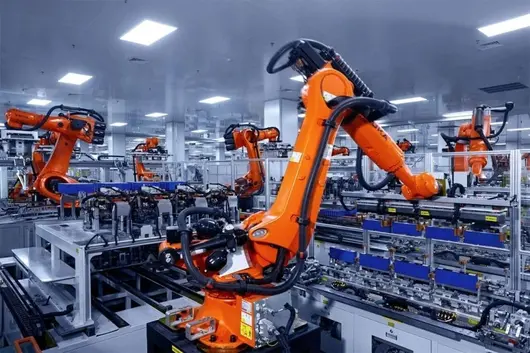

Nilai model Leapmotor terletak pada pengesahan satu kemungkinan: dalam kitaran industri kereta baharu tenaga elektrik yang kembali daripada「barang kegunaan teknologi」kepada「barang pukal pembuatan」, integrasi menegak dan kecekapan kos masih merupakan soalan utama yang tidak boleh dielakkan.
Tulisan | Media Pemanduan Pintar Rakan Leapmotor
Penyunting | Gunung Langlang dan Gunung Mingming
Memulakan daripada acara ulang tahun ke-10 Leapmotor pada tahun 2025, Pengasas Leapmotor, Zhu Jiangming dan pengurusan telah memanaskan untuk Hari Teknologi Leapmotor pada bulan September tahun ini dalam pelbagai aktiviti awam dan pertukaran media seterusnya.
Sebagai「makanan pembuka」paling penting dalam Hari Teknologi Leapmotor, Leapmotor untuk pertama kalinya membuka kilang Super 5 Elektrik Huzhou kepada media seminggu sebelum acara—sebuah klaster penyelidikan dan pembuatan sendiri komponen utama yang merangkumi lima kawasan kilang bateri, penggerak elektrik, kawalan domain, lampu kereta, dan elektronik kuasa dengan jumlah luas bangunan kira-kira 500,000 meter persegi.
Dan pada hari sebelum kilang dibuka, syarikat automotif utama domestik termasuk Leapmotor secara berperingkat mengumumkan jualan bulan Ogos, Leapmotor kembali memimpin Penggerak Baharu dengan jualan kereta baharu 103,129 unit. Gabungkan laporan kewangan suku kedua setiap syarikat, dan anda juga boleh dapati, semasa jualan Leapmotor terus berkembang, ia juga menjadi satu-satunya pengeluar kereta Penggerak Baharu yang untung berterusan selama tiga suku tahun.
Selepas kadar keuntungan industri menekan hingga 3%, berdasarkan apa Leapmotor masih boleh membuat wang? Letakkan akaun untung ini di kilang, ia akan kelihatan lebih jelas.
01.
Akaun Kos: Ekonomi Lokasi
Logik kos yang ditawarkan oleh Leapmotor boleh diringkaskan dalam satu ayat: penyelidikan dan pembuatan menyeluruh, pembuatan dalam yang mendalam, menjimatkan margin pembekal.
Sejak jenama ini ditubuhkan sehingga kini, 18 kilang komponen telah dibina, 65% kos kenderaan dikuasai secara bebas oleh syarikat.
Berdasarkan margin pembekal industri yang umum 15%, kadar penyelidikan dan pembuatan sendiri 65% boleh menjimatkan kira-kira 10% kos berbanding model pembelian luar—65%×15%≈9.75%, aritmetik ini adalah koheren.
Kilang integrasi penggerak elektrik Huzhou adalah contoh logik ini.
Ia memusatkan empat proses teras iaitu pembuatan kolar, pembuatan pender, pembuatan kawalan dan pemasangan sistem penggerak elektrik di satu kawasan kilang, mengurangkan tiga proses pengeluaran membungkus, pengangkutan, masuk dan keluar gudang untuk kolar dan pender serta kawalan.
Leapmotor mengira, pada dimensi pembungkusan pengangkutan stok untuk satu set sistem penggerak elektrik boleh menjimatkan kira-kira 50 Yuan, mengira 1 juta set setiap tahun, menjimatkan kira-kira 50 juta Yuan kos pembuatan. Model proses ini juga sesuai untuk kilang bateri dan pengawal elektrik.
Penurunan kos 50 Yuan setiap kenderaan ini memang bukan nombor yang sangat penting, tetapi mengurangkan pengangkutan fizikal, wang yang dihabiskan ialah「fasa」bukan「bahan」.
Ini bermakna laluan penurunan kos Leapmotor ialah kecekapan proses, bukan menurunkan piawaian bahan. Keduanya ialah dua falsafah: yang pertama meletakkan「murah」di atas ketepatan pengurusan, yang kedua meletakkan「murah」di atas pengorbanan pengalaman.
Di sebelah kilang integrasi penggerak elektrik, malah terdapat laluan pengangkutan sungai yang belum dikembangkan dengan lengkap, semasa lawatan, wakil Leapmotor juga mendedahkan kepada Media Pemanduan Pintar bahawa semasa membina kilang mereka benar-benar mempertimbangkan faktor ini, jika laluan ini boleh berlayar dengan lancar pada masa hadapan, maka kos pengangkutan juga boleh menurun lagi.
「Ekonomi Lokasi」ini boleh diperluas ke keseluruhan kawasan kilang Huzhou Leapmotor, menurut yang didedahkan, sebab utama rasmi yang dipilih oleh Leapmotor untuk membina kilang di Huzhou berbanding Jinhua atau Hangzhou: pertama adalah sokongan dasar kerajaan tempatan; kedua ialah lokasi Huzhou unggul, pengangkutan mudah, boleh menampung bekalan ke pasaran teras seperti Anhui.
Seterusnya, Leapmotor akan terus mengembangkan skala pembuatan komponen sendiri. Talian pengeluaran kompresor, kuasa kenderaan dan pam minyak elektronik mula dilancarkan tahun lalu, masih berada dalam fasa peningkatan keupayaan, seiring dengan pengembangan skala pengeluaran, kos pembuatan masih mempunyai ruang untuk penurunan lebih lanjut.
Ruang ini akan diperluas lagi melalui kadar kegunaan platform. Kadar kegunaan komponen kenderaan keseluruhan Leapmotor adalah 88%, di bawah platform yang sama, selain reka bentuk dan bekas kenderaan, komponen底盘, bahagian dalaman/luaran, kerusi dan banyak komponen lain mencapai perkongsian. Ini bermakna kos penyelidikan, kos acuan, kos pembelian ditebarkan di atas asas jualan yang lebih besar.
Dua nombor 65% dan 88% ini secara langsung mempengaruhi strategi penetapan harga Zhu Jiangming:「Penetapan harga kos」.
Model penetapan harga yang tidak berorientasikan premium jenama, tetapi berdasarkan keupayaan kos diri sendiri, memindahkan ruang yang dijimatkan oleh integrasi menegak kepada pengguna. Ini membentuk perbezaan teras berbanding「penetapan harga penyesuaian pesaing」umum atau「penetapan harga premium jenama」industri.
Perlu diambil perhatian, integrasi menegak Leapmotor bukan model aset berat rantai penuh gaya BYD. Leapmotor mengambil strategi aset ringan「hanya melabur peralatan, tidak melabur bangunan」, dalam 18 kilang komponen fokus pada komponen teras nilai tinggi, bahagian dalaman tradisional, tayar, rim dll masih diselesaikan melalui pembelian luar atau syarikat patuh.
「Integrasi menegak terpilih」ini membolehkannya mencapai keseimbangan tertentu antara pelaburan aset tetap dan kawalan kos.
02.
Akaun Teknologi: Ekonomi Kualiti
Pada tahap teknologi, lima kilang Huzhou Leapmotor membentuk satu rantai bukti lengkap: dengan ketepatan pembuatan tahap mikron atau bahkan nanometer sebagai input, dengan kadar kerosakan tahap PPM dan keliputan pemeriksaan 100% sebagai output, akhirnya diwujudkan sebagai kadar kerosakan produk di bawah paras purata industri dan jaminan seumur hidup yang boleh dijanjikan.
Kilang integrasi penggerak elektrik: Dari keseimbangan dinamik rotor hingga 40PPM
Kelemahan kualiti sistem penggerak elektrik, sering muncul dalam fasa pengangkutan dan pemasangan. Leapmotor memusatkan empat proses teras di kawasan kilang yang sama, menghapuskan kerosakan peralihan, tetapi ini hanya integrasi pada tahap fizikal; yang benar-benar menentukan kadar kebolehan ialah kawalan ketepatan di dalam proses.
Pada fasa keseimbangan dinamik rotor, Leapmotor mengawal ralat pembetulan kutub positif/negatif pada ≤100mg, jauh lebih baik daripada paras umum 200—500mg industri, jumlah ketidakseimbangan baki terkecil ≤0.1gmm/kg, setara dengan keserasian pusat berat rotor semasa kerja ≤0.1μm. Ketepatan ini secara langsung menentukan prestasi NVH sistem penggerak elektrik dan kecederan tenaga—semakin besar jumlah ketidakseimbangan, getaran yang dibangkitkan oleh daya pusaran berkala semakin kuat, tenaga yang digunakan oleh motor untuk mengatasi rintangan getaran semakin banyak. Fasa pemasangan kawalan elektrik menggunakan enjin servo pintar ketepatan tinggi, ketepatan tekanan ≤0.5%FS, ketepatan anjakan ≤10μm, meningkat dua kali ganda berbanding paras utama industri. Manfaat langsung peningkatan ketepatan ialah jaminan kesihatan mangsa, mengelakkan kegagalan penebatan voltan tinggi yang disebabkan oleh kemasukan air. Pada fasa ujian EOL, ketepatan sistem pengukuran NVH ≤2dB (parat utama industri 3dB), dan mencapai pemeriksaan 100% selepas keluar kilang, keliputan ujian interval kelajuan putar/momen).
Keputusan kumulatif daripada pelaburan teknologi ini ialah: Purata kualiti 3mis elektromotor penyejukan minyak Leapmotor ialah 40PPM, kurang daripada satu persembilan paras purata industri 360PPM. Sebagai perbandingan, Leapmotor berjanji jaminan seumur hidup untuk sistem penggerak elektrik—kepercayaan janji ini bukan sekadar ucapan pemasaran, tetapi pengiraan kebarangkalian kerosakan di bawah sokongan data kualiti 40PPM.
Kilang SMT: Kawalan persekitaran tahap cip dan kadar kebolehan penyolderan 99.995%
Kawalan domain adalah「otak」kereta elektrik pintar, satu papan litar sebesar kertas A4 mengintegrasikan kira-kira 8,000 komponen elektronik, sebarang yang diletakkan miring 10μm atau titik solder longgar, boleh menyebabkan kelambatan mesin kereta, kegagalan fungsi atau malah bahaya keselamatan. Kilang SMT Leapmotor mengangkat persekitaran pembuatan ke tahap cip: fluktuasi suhu ±0.5°C, kelembapan ±1%RH, kebersihan kelas 100,000, perlindungan voltan statik seluruh wilayah<100V. Tujuan tahap kawalan persekitaran ini ialah menurunkan tiga risiko kawalan kualiti iaitu solder longgar, solder ditolak dan pemecahan statik dari sumber pengeluaran.
Pada tahap ketepatan proses, ketepatan pemasangan pada fasa pemasangan kelajuan tinggi yang sangat tinggi mencapai ±15μm, lebih baik daripada paras 25—30μm utama industri; ketepatan pemerhatian optik 3D sama juga ±15μm, keupayaan proses CPK≥2.0, mencapai paras kawalan kualiti tertinggi industri; penyolderan balik vakum nitrogen mencapai kadar kebolehan penyolderan>99.995%. Tiga gerbang pemeriksaan mencapai 100% pemeriksaan penuh selepas keluar kilang, produk cacat secara automatik diasingkan. Mei 2026, jumlah pemasangan kawalan domain pintar Leapmotor 34,822 set, menduduki kedudukan kelima industri, dan berjanji jaminan elektronik seumur hidup. Kadar kebolehan penyolderan yang tinggi dan pemeriksaan keliputan penuh bermakna asas kadar pembaikan pasca jualan dikompresi dengan ketara, kecekapan kemaskini perisian OTA tidak lagi ditarik ke belakang oleh produk keras cacat.
Kilang Bateri: Pembersihan 10 nanometer dan kadar kebolehan penyolderan 99.9%
Keselamatan dan kepekatan bateri kuasa, bergantung pada keupayaan「berjalan serentak」ratusan sel bateri. Pengeksploitasi automasi talian pengeluaran modul kilang bateri Leapmotor adalah 90%, direka dan direka oleh Leapmotor, logik teras ialah menggantikan ketidakpastian campur tangan manusia dengan kepastian mesin.
Pembersihan plasma tahap nanometer sel bateri meningkatkan kebersihan hingga 10 nanometer, 10 kali daripada ketepatan 100 nanometer purata industri. Kebersihan secara langsung menentukan daya lekat salutan dan kesamaan prestasi sel bateri. Tumpukan sel bateri tangan labah-labah mempercepatkan kelajuan pemprosesan sel tunggal hingga 1 saat, meningkat 20% berbanding tangan mekanikal tradisional industri, tetapi kelajuan tidak dibayar dengan mengorbankan ketepatan. Penyolderan Busbar cahaya bulatan mengurangkan percikan 99% lebih, kadar kebolehan proses mencapai 99.9%, dari asas mengurangkan risiko pintasan sel bateri dan kegagalan terma. Pembezaan tekanan ujian ketulisan 0.1Pa, mencapai paras kepala industri, menjamin ketulisan pakej bateri. Ujian kapasiti bateri melalui model SOX ketepatan tinggi mengawal sisihan SOC pada <3%, lebih baik daripada keperluan piawaian negara ≤5%, mengurangkan「kuota tersembunyi」dan kesan tong kayu.
Talian pengeluaran mencapai 100% pemeriksaan penuh dan penelusuran data. Hasil akhir ialah: kadar kerosakan bateri Leapmotor adalah kira-kira 30% paras purata industri, dan berjanji jaminan bateri seumur hidup. Bagi pengguna, ini bermakna reputasi keupayaan menurun lebih perlahan, nilai jualan semula kenderaan lebih tinggi; bagi syarikat, ini bermakna taburan kebarangkalian kos penukaran bateri pasca jualan telah dipindahkan ke kiri dengan ketara.
Kilang Lampu Kereta: Kebersihan kelas 100 dan pemeriksaan visual penuh 100% dengan 4 kamera
Pembuatan lampu kereta nampaknya jaraknya agak jauh daripada「keutamaan keselamatan」, tetapi piawaian teknologi kilang lampu kereta Leapmotor tidak menurun disebabkan itu.
Kilang ini mempunyai kilang pengacuan tanpa cahaya dengan kadar automasi 100% pertama di industri, kawasan teras kebersihan mencapai kelas 100 (tahap cip), sepuluh kali ganda kebersihan bilik pembedahan tanpa kuman. Ketebalan penjanaan vakum aluminium dikawal pada 0.1μm, mencapai paras tertinggi industri, secara langsung menentukan kadar pantulan dan ketahanan—semakin tinggi kadar pantulan, kesan pencahayaan pada waktu malam semakin baik; salutan semakin seragam, daya tahan gegelung haba dan ketahanan penuaan semakin kuat.
Fasa pemeriksaan visual menggunakan 4 kamera industri HD 20 juta piksel, melakukan 100% pemeriksaan bentuk cahaya dan pemeriksaan kekurangan pemasangan dari empat sudut, berbanding konfigurasi 2 kamera biasa industri, mencapai dua kali ganda keselamatan pemeriksaan. Manfaat langsung pelaburan teknologi ini ialah menghapuskan aliran produk cacat, mengelakkan bahaya keselamatan memandu dan tuntutan pasca jualan yang disebabkan oleh perbezaan bentuk cahaya lampu kereta atau kecacatan pemasangan pengguna.
Kilang Elektronik Kuasa: Ketepatan pemasangan 10 mikron dan tahap tentera udara
Kilang Elektronik Kuasa bertanggungjawab pembuatan tiga komponen teras pam minyak elektronik, kuasa kenderaan, penyaman panas. Di mana, kadar automasi talian pengeluaran pam minyak elektronik Leapmotor adalah 100%, menduduki kedudukan pertama industri.
Pada fasa pemasangan rotor luar, talian pengeluaran melalui panduan visual mencapai penentuan lokasi pintar, disokong oleh sensor ketepatan tinggi untuk mengawal ketepatan dimensi permukaan pada 10μm—paras ini lebih baik daripada piawaian konvensional 15μm pam teliti industri, mencapai keperluan tentera udara. Ketepatan celah permukaan secara langsung menentukan kecekapan isi padu pam: celah terlalu besar, kebocoran cecair minyak meningkat, kecekapan isi padu menurun; celah terlalu kecil, rintangan geseran meningkat, kecederaan mekanikal bertambah. Kawalan ketepatan 10μm, tepatnya mencari titik keseimbangan optimum antara kebocoran dan geseran.
Pada fasa pemasangan papan signal kuasa kenderaan, talian pengeluaran menggunakan panduan kamera visual 2D untuk menyelesaikan pemasangan automatik penuh robot, ketepatan pemasangan juga mencapai 10μm, berada di aras tinggi industri.
Penyaman panas kemudian melaksanakan ujian penebatan voltan keseluruhan mesin 100% talian, voltan ujian 2500V, lebih tinggi daripada paras 2000V umum industri; ketepatan ujian dikawal pada ±3%, lebih baik daripada paras ralat ±5% industri. Voltan ujian yang lebih tinggi dan piawaian ketepatan yang lebih ketat, bermakna kebarangkalian kerosakan penebatan dibiarkan tanpa diperiksa semakin rendah, kebolehpercayaan produk memperoleh peningkatan yang ketara.
Parameter teknologi lima kilang ini bukan wujud secara bersendirian, mereka bersama-sama menunjuk ke satu keberkesanan penurunan kos yang boleh diukur:
Teknologi tinggi yang membawa bukan hiasan pada jadual parameter, melainkan kestabilan produk yang disokong oleh kadar kebolehan tinggi, dan pengurangan kerosakan yang ditukar oleh kestabilan—termasuk kos pengeluaran kerosakan, kerosakan pembaikan pasca jualan, kerosakan kepercayaan jenama.
Leapmotor berani berjanji jaminan seumur hidup untuk tiga sistem teras penggerak elektrik, elektronik dan bateri, logik terasnya terletak di sini: Apabila ketepatan pembuatan mengompresi kadar kerosakan hingga 1/3 atau bahkan 1/9 paras purata industri, jaminan seumur hidup bukan lagi perjudian risiko, tetapi satu perkhidmatan kos yang boleh dikawal yang telah dikira dengan teliti.
Melayani pengguna, juga melayani pelanggan.
03.
Akaun Perniagaan: Ekonomi Tier 1
Maklumat terbesar dalam pembukaan kali ini ialah pembekalan komponen luar.
Menurut maklumat rasmi Leapmotor, kilang lampu kereta Huzhou adalah kilang pembuatan lampu pertama Leapmotor yang diarahkan kepada pelanggan luar, telah mencapai kerjasama dengan Stellantis dan FAW, membekalkan pelbagai jenis lampu untuk pelbagai model kereta;
Seterusnya ialah penggerak elektrik. Anak syarikat Leapmotor Lingsheng Power menandatangani perjanjian dengan Peugeot-Citroen (di bawah Stellantis), membekalkan pembangunan set penggerak elektrik, prototaip kilang dan perkhidmatan ujian khusus kepadanya. Ini bermakna pembekalan luar melonjak daripada komponen jadi ke fasa pembangunan gabungan.
Naik ke atas ialah arkitektur kenderaan keseluruhan. Brand Opel di bawah Stellantis merancang menggunakan komponen teras arkitektur elektrik tulen terbaru dan teknologi bateri Leapmotor, mengekalkan reka bentuk,底盘dan sistem kabin Opel sendiri. Kerjasama dari「jual komponen」ditingkatkan kepada「jual platform」.
Seiring dengan pembebasan komponen, pengikatan berterusan pada tahap modal dan ekuiti berlaku. Oktober 2023, Stellantis menyuntik modal kira-kira 15 billion Euro ke Leapmotor, memperoleh kira-kira 20% ekuiti (kemudian meningkat kepada kira-kira 21%). Mei 2024, kedua-dua belah menubuhkan syarikat patuh Leapmotor International, Leapmotor memegang 49% ekuiti, Stellantis memegang 51% ekuiti dan dipimpin olehnya, bertanggungjawab penjualan dan saluran pasaran luar Daratan China. Mei 2026, kedua-dua belah berniat untuk memperluas kerjasama lebih jauh kepada pembelian bersekutu dan garis pengeluaran bersama.
「Meminjam kapal keluar laut」pada saluran ialah hasil langsung ikatan ini. Leapmotor menggunakan keupayaan dan rangkaian saluran yang sedia ada Stellantis di Malaysia, Sepanyol, Brazil dll, mencapai pengeluaran tempatan melalui kaedah CKD/SKD, mengelakkan hambatan perdagangan pada masa yang sama menurunkan pelaburan modal. Ini membentuk perbezaan ketara berbanding laluan aset berat syarikat kereta China membina kilang luar negara sendiri. Leapmotor International hanya menubuhkan dua tahun sudah untung, marjin kasar luar negara stabil pada 18%—20%, lebih tinggi daripada paras domestik.
「Output teknologi terbalik」ini mempunyai makna bersejarah dalam sejarah industri automotif China.
Empat puluh tahun lalu, industri automotif China dominan dengan naratif「pertukaran pasaran dengan teknologi」; manakala model Leapmotor dan Stellantis—syarikat kereta China mengeluarkan teknologi teras, raksasa antarabangsa mengeluarkan jenama dan saluran—sedang menulis semula naratif ini.
Tetapi perniagaan Tier 1 bukan hanya untuk pihak pemegang saham. Selain Stellantis, perniagaan komponen Leapmotor telah memperoleh kerjasama lebih daripada sepuluh syarikat kereta domestik dan luar, di mana FAW telah mencapai kerjasama dengan kilang lampu kereta Huzhou, membekalkan pelbagai jenis lampu untuk pelbagai model kereta.
Kehadiran FAW menunjukkan, pembekalan luar ialah perniagaan terbuka kepada syarikat kereta utama China, Leapmotor merumuskannya sebagai「kenderaan+Tier 1」penggerak dua roda.
「Kenderaan+Tier 1」bukan tiada contoh: BYD Fuyi membekal luar, CATL berasal dari jabatan bateri ATL, semuanya ialah laluan yang telah disahkan dalam rantaian industri automotif China.
Perbezaan Leapmotor ialah urutan laluan: dahulu bergantung pada bekalan sendiri untuk mencapai skala, kemudian mencari pembekalan luar.
Jualan bulanan 100,000 unit ialah「asas pesanan」kilang komponen ini, pembekalan luar ialah amortisasi tambahan, bukan nasi terakhir. Model ini adalah koheren, tetapi sama ada ia boleh berdiri, bergantung pada sama ada jumlah pelanggan pembekalan luar dan nisbah pendapatan boleh didedahkan secara berdata, sama ada penetapan harga pembekalan dalaman dan luar adalah adil, dan sama ada pelanggan luar mahu memesan lama ke satu sistem menegak rakan sekerja kenderaan.
Perlu diambil perhatian, integrasi menegak pada zaman kereta elektrik pintar bukan共识, kebanyakan syarikat kereta memilih「penyelidikan sendiri+beli luar」untuk mengekalkan keflexibiliti peralihan generasi teknologi.
Tetapi skop pembuatan sendiri Leapmotor sebenarnya mempunyai pemilihan: ia membuat komponen yang bernilai tinggi dan kopelan kuat—kawalan domain, penggerak elektrik, pakej bateri, lampu kereta, elektronik kuasa; manakala fasa sel bateri tidak membuat sendiri sepenuhnya. Integrasi menegak terpilih ini, sama-sama berbeza daripada「penyelidikan tertutup」, juga punca ia berani membuka pesanan kepada pelanggan luar.
Ditulis di akhir:
Tentu saja, mana-mana model perniagaan mempunyai sempadan yang sesuai, model「penyelidikan menyeluruh+pembuatan mendalam」Leapmotor juga tidak terkecuali.
Pertama ialah ketergantungan skala.
Kesan penurunan kos integrasi menegak sangat bergantung pada jualan skala untuk menebarkan kos tetap. Zhu Jiangming pernah menyatakan secara awam, Penggerak Baharu perlu「jualan tahunan 1 juta unit untuk bertahan」. Pada tahun 2026 sasaran Leapmotor memuncak 1 juta unit, sekali kelajuan pertumbuhan skala melambat, kegunaan keupayaan 18 kilang komponen menurun, keunggulannya kos akan cepat dimakan oleh kos tetap.
Kedua ialah「tertinggi kaca」kedalaman teknologi.
Leapmotor masih mempunyai sempadan yang ketara pada tahap bahan teras: sel bateri berasal dari pembelian luar (seperti CATL), cip berasal daripada pembekal seperti Qualcomm, NVIDIA, Leapmotor tidak membuat penyelidikan sendiri tahap wafer. Ini bermakna pada kitaran fluktuasi harga bahan mentah bateri, kekurangan bekalan cip, keupayaan kawalan kos Leapmotor masih akan menghadapi tekanan pengaliran hulu.
Ketiga ialah ketidakpastian dasar luar negara. Tarif antisubsidi Unio Eropah untuk kereta elektrik China, persyaratan eksport peratusan wajib Malaysia untuk kilang kenderaan keseluruhan baharu, kemudahan pembinaan rantaian bekalan tempatan Eropah, semuanya menanamkan pemboleh ubah pada laluan globalisasi Leapmotor.
Bisakah model Leapmotor diduplikasi? Jawapannya lebih besar kemungkinan negatif.
Pasukan pengasasnya berasal dari Dahua Technology, membawa gen pembuatan elektronik yang mendalam; strateginya「penetapan harga kos」memerlukan kekokohan strategik yang sangat kuat, tidak biasa di laluan modal mencari keuntungan dalam trek tenaga elektrik baharu; laluan globalisasinya「meminjam kapal keluar laut」, bergantung pada ikatan kepentingan mendalam dengan raksasa antarabangsa seperti Stellantis, mempunyai kejadian yang tidak boleh diduplikasi.
Tetapi nilai model Leapmotor, bukan untuk menjadi templat, malah untuk mengesahkan satu kemungkinan: dalam kitaran industri kereta baharu tenaga elektrik yang kembali daripada「barang kegunaan teknologi」kepada「barang pukal pembuatan」, integrasi menegak dan kecekapan kos masih merupakan soalan utama yang tidak boleh dielakkan.
Jualan bulanan 100,000 hanyalah hasil nyata di atas gunung ais, di bawah gunung ais, ialah satu kemampuan sistemik mengenai bagaimana membuat satu kereta dengan baik yang direka semula.

In the elimination phase of new energy vehicles, how can one survive? Leapmotor broke out of a sea of red competition and led far ahead. What does it rely on? Let's look at Leapmotor's "assets",The answer is actually just four words: Self-Research and Self-Manufacturing.
Leapmotor's half-year report is out -- revenue 38.11 billion reached a new high for the same period, net profit 210 million for three consecutive half-years, H1 global sales 356,000 units made it into the global new energy top four (BYD, Tesla, Geely, Leapmotor), and July became the first new force to exceed 100,000 deliveries in a single month.

Some believe that in today's highly mature supply chain, car companies don't need to manufacture everything themselves.
But the reality is that batteries, motors, and electronic controls account for over 50% of the total vehicle cost. If these lifelines are held by suppliers, car companies are left with only design space for the body and seats, essentially regressing into assembly plants. When the price war intensifies, car companies without self-research barriers won't even have the room to lower prices without considering suppliers' moods.

Among new forces, Leapmotor is not the only one that can achieve full-stack self-research, and all have achieved good results; Zeekr, Fangchengbao and other "factory second generations", supported by the R&D and manufacturing foundation of parent companies, start off just as fast.
The new energy track seems to compete on sales volume and visibility, but it is actually a contest of industry chain control. Those brands that are unwilling to put in the hard work in core links such as intelligent driving, intelligent cockpit, and three-electric systems, overly rely on external procurement, and only understand "opportunism", will find it increasingly difficult in the elimination round.
Leapmotor's Self-Research and Self-Manufacturing Results Begin to ShowLeapmotor's differentiation lies in it having truly made "self-research" a systematic cost control method. Zhu Jiangming explicitly stated in the internal letter for the 10th anniversary that Leapmotor's vehicle self-research and self-manufacturing ratio covers 65% of core component costs, with a final goal of over 80%.

Self-research and self-manufacturing is Leapmotor's solid foundation for "quality not expensive", not just a slogan. This is mainly reflected in several specific actions:
First is the platform integration of core components such as batteries and electric drives.
The three-electric systems, especially power batteries, account for a large portion of the total vehicle cost, so seeking profits from upstream is a required course for car companies. Leapmotor's approach is to accelerate full-stack self-research from cells to PACK; At the same time, for solutions like 800V silicon carbide high voltage, because the battery packs and core components like electric drives achieved self-research and platform unity, it was possible to "overnight" switch the entire C series and B series.
Without the foundation of self-research and self-manufacturing, this speed would be impossible.
Second is converting self-research advantages directly into price and configuration competitiveness.
For example, B01 and B10, bringing global 800V and 3C fast charging, AR-HUD configurations that were previously only available in the 200,000 yuan class directly to the 100,000 yuan class, relies on mass production of self-researched components reducing BOM costs.
A10 brought LiDAR and advanced intelligent driving into the 100,000 yuan range for the first time, with monthly sales near 30,000 units. It expands the path of scale efficiency together with the newly launched A05 starting at 63,900.
Against the backdrop of generally pressured industry vehicle profit margins,Leapmotor was still able to maintain a 12.6% gross margin, where vertical integration played a decisive role.
Zhu Jiangming summarized this model as "transferring 10% gross margin from the parts link to users, while the whole vehicle still maintains a healthy 14%-15% gross margin" -- core components held in one's own hands provide the confidence to offer concessions.
Third, this ability has begun to be exported externally.
On August 24, Leapmotor Automobile held a deepening strategic cooperation agreement signing ceremony with China FAW in Changchun. Both sides will carry out deep collaboration in fields such as new energy whole vehicles, intelligent assisted driving, powertrain, power batteries, intelligent chassis, and embodied intelligent robots.
In addition, overseas is also an important link. Leapmotor's H1 export volume reached 96,000 units, up 372.6% year-on-year, Europe has already deployed over 1,000 outlets. Leapmotor is leveraging Stellantis's overseas capacity to promote localization assembly and mass production in places like Malaysia, Spain, and Brazil.
Crossing over from an OEM to become a Tier 1 is itself an endorsement of technical strength.
Technology Reserves for the Next DecadeOf course, self-research is not omnipotent, and Leapmotor is also reviewing and improving its weaknesses. Regarding intelligent driving, although urban pilot assistance has been pushed to the entire series, there is still a gap compared to Huawei and XPeng's first-tier level.
This September's Annual Technology Conference, Leapmotor will release intelligent assisted drivingWorld Models that reach the industry's first-tier level, finally making up for this required course.
It will also releasea series of the latest technical achievements in the three-electric fieldto prepare for the next stage of advancement.
Closing RemarksIt is worth mentioning that Leapmotor's flagship SUV D19 sales in July also exceeded 10,000 units. Leapmotor, through the platformization of the ABCD series and a high proportion of self-research and self-manufacturing, has provided a development model for new energy car companies: players who can make self-research and self-manufacturing a moat have a higher chance of surviving in the elimination round.
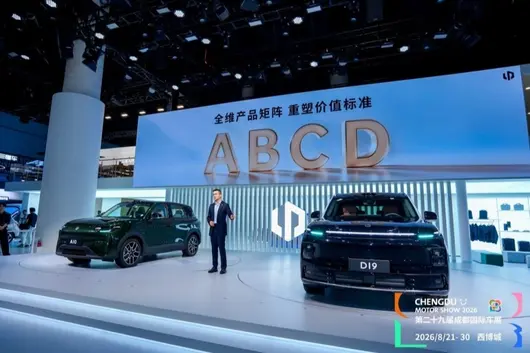

Fasa penghapusan kenderaan tenaga baharu, bagaimana cara untuk bertahan hidup? Leapmotor menembusi keluar dari lautan merah dan memimpin jauh, bergantung pada apa? Lihat "aset" Leapmotor,jawapannya sebenarnya hanya empat perkataan: penyelidikan dan pembuatan sendiri.
Laporan setengah tahun Leapmotor keluar — pendapatan 38.11 bilion mencapai rekod tertinggi tempoh sama, keuntungan bersih 2.1 bilion keuntungan berterusan tiga semester, jualan global setengah tahun pertama 356,000 unit masuk ke empat teratas global tenaga baharu (BYD, Tesla, Geely, Leapmotor), Julai malah menjadi pengeluar baharu pertama yang menghantar lebih 100,000 unit sebulan.
Ada orang berpendapat dalam hari ini di mana rantai bekalan matang tinggi, pengeluar kereta tidak perlu membinan segalanya sendiri.
Tetapi realitinya, bateri, motor, kawalan elektrik mengambil lebih 50% kos kereta keseluruhan, jika nadi ini semua dipegang oleh pembekal, pengeluar kereta hanya tinggal ruang reka bentuk badan dan kerusi, secara asasnya merosot menjadi kilang pemasangan. Apabila perang harga sangat sengit, pengeluar kereta tanpa halangan penyelidikan sendiri walaupun ruang menurunkan harga perlu lihat muka pembekal.
Dalam pengeluar baharu, bukan sahaja Leapmotor yang mampu melakukan penyelidikan lengkap sendiri, semua juga mencapai prestasi bagus; Zeekr, Fang Cheng Bao jenis "generasi kedua kilang", mempunyai sokongan asas penyelidikan dan pembuatan ibu syarikat, permulaan juga sama laju.
Laluan tenaga baharu nampaknya bersaing berdasarkan jualan dan suara, sebenarnya adalah pertarungan kuasa kawalan rantaian industri. Mereka yang tidak rela melakukan kerja keras di elemen penting pemanduan pintar, kabin pintar, tiga sistem elektrik, terlalu bergantung kepada pembelian luar, hanya faham "gaya ambil sahaja", dalam penghapusan akan semakin susah.
Hasil penyelidikan dan pembuatan sendiri Leapmotor kelihatanPerbezaan Leapmotor terletak pada, ia benar-benar menjadikan "penyelidikan sendiri" sebagai kaedah kawalan kos sistematik. Zhu Jiangming dalam surat dalaman ulang tahun ke-10 dengan jelas berkata, nisbah penyelidikan dan pembuatan sendiri kereta keseluruhan Leapmotor menutup 65% kos komponen teras, sasaran akhir lebih 80%.
Penyelidikan dan pembuatan sendiri adalah asas kukuh "baik tetapi tidak mahal" Leapmotor, bukan satu slogan. Terutamanya ditunjukkan dalam beberapa tindakan spesifik:
Pertama adalah integrasi berasaskan platform komponen teras seperti bateri, pemacu elektrik.
Tiga sistem elektrik khususnya bateri kuasa mengambil majoriti kos kereta keseluruhan, jadi meminta keuntungan ke hulu adalah kursus wajib pengeluar kereta. Cara Leapmotor mempercepatkan penyelidikan lengkap dari sel bateri ke PACK; sementara itu seperti skema voltan tinggi karbida silikon 800V, kerana pakej bateri dan pemacu elektrik komponen teras penyelidikan sendiri mencapai penyatuan platform, hanya boleh "selepas malam" mengubah keseluruhan siri C dan siri B.
Tanpa asas penyelidikan dan pembuatan sendiri, kelajuan sedemikian tidak boleh dilakukan.
Kedua adalah menukarkan kelebihan penyelidikan sendiri terus menjadi daya saing harga dan konfigurasi.
Misalnya B01 dan B10, membawa konfigurasi 800V global dan pengecasan pantas 3C, AR-HUD yang hanya ada di kategori 200,000 masa lalu terus ke kategori 100,000, bergantung pada pengeluaran berskala komponen penyelidikan sendiri menurunkan kos BOM.
A10 untuk pertama kali membawa LiDAR dan pemanduan pintar peringkat tinggi dalam 100,000 yuan, jualan bulanan hampir 30,000 unit. Bersama dengan A05 yang baru dilancarkan bermula 63,900, mengukuh jalan keuntungan skala.
Dalam masa kini di mana margin keuntungan kereta keseluruhan industri secara umum tertekan,Leapmotor masih boleh mengekalkan 12.6% margin kasar, pengintegrasian menegak memainkan peranan menentukan.
Zhu Jiangming merumuskan model ini sebagai "memberi pengguna 10% margin kasar komponen, kereta keseluruhan masih boleh kekalkan 14%-15% margin kasar sihat" — komponen teras dipegang sendiri, baru ada keyakinan untuk memberi diskaun.
Ketiga adalah kemampuan ini sudah mula dieksport ke luar.
Pada 24 Ogos, Leapmotor dan FAW China memegang majlis penandatanganan perjanjian kerjasama strategik yang diperdalam di Changchun. Kedua-dua pihak akan melaksanakan pengkoordinasian mendalam di sekitar kereta tenaga baharu keseluruhan, pemanduan pintar bantuan, enjin kuasa, bateri kuasa, chasis pintar, robot pintar berjasad dan lain-lain.
Selain itu, luar negara juga satu elemen penting. Eksport setengah tahun pertama Leapmotor mencapai 96,000 unit, peningkatan bersemuka 372.6%, Eropah sudah menyusun lebih 1,000 outlet. Leapmotor sedang借助 keupayaan pengeluaran luar negara Stellantis, di Malaysia, Sepanyol, Brazil dan lain-lain tempat memajukan pemasangan dan pengeluaran tempatan.
Dari pengeluar kereta keseluruhan melangkaui sektor melakukan Tier 1, ini sendiri adalah sokongan kepada kekuatan teknologi sendiri.
Stokan teknologi sepuluh tahun berikutnyaSudah tentu, penyelidikan sendiri bukan segalanya, Leapmotor juga sedang menilai dan memperbaiki kelemahan sendiri. Dalam aspek pemanduan pintar, walaupun pemanduan bantu wilayah bandar sudah dihantar keseluruhan siri, tetapi berbanding peringkat pertama Huawei, XPeng masih ada jurang.
Perhimpunan teknologi tahunan bulan September tahun ini, Leapmotor akan发布 tahap pertama industri keseluruhan pemanduan pintar bantuanModel Dunia, akhirnya membasuh kursus wajib ini.
Selain itu juga akan发布bidang tiga sistem elektriksiri hasil teknologi terkini, untuk menyediakan untuk peringkat seterusnya.
Ditulis di akhirPatut disebut adalah jualan Leapmotor SUV D19 di bulan Julai juga melebihi 10,000 unit. Leapmotor melalui platformisasi siri ABCD, dengan nisbah tinggi penyelidikan dan pembuatan sendiri, memberi kerangka pembangunan kepada pengeluar kereta tenaga baharu:
Penyelidikan dan pembuatan sendiri boleh dijadikan parit pertahanan, dalam penghapusan kemungkinan tinggal lebih besar.
© 2024 Bitauto.com. All Rights Reserved.
Bitauto (www.yiche.com and www.bitauto.com) is one of the most visited automotive websites in China. We provide detailed info on Chinese car brands available in your area. Please note that the information provided on this website is based on publicly available data and is for reference only. It may not be fully updated or accurate at all times.

Help us improve our website


