

HomeNissan X-Trail

Search History
Popular Searches
Dealer Login / Sign Up

In Malaysia's SUV market, many buyers compare Proton X70 and Mitsubishi Xforce when choosing a car. The two cars are quite close in price and positioning, so today we will make a detailed comparison from multiple aspects to save you time doing research.
The OTR price for Proton X70 in Malaysia is RM 106,800 - 122,300, with a total of 3 versions, including 1.5L Standard 2WD (RM 106,800), 1.5L Executive 2WD (RM 115,800), 1.5L Premium 2WD (RM 122,300), etc.
The OTR price for Mitsubishi Xforce in Malaysia is RM 109,930 - 119,930, with a total of 2 versions, including 2026 1.5L Ultimate (RM 119,930), 2026 1.5L Urban (RM 109,930), etc.
From a price perspective, the Proton X70's starting price is indeed RM 3,130 cheaper than the Mitsubishi Xforce. If your budget is limited, Proton's entry-level version already meets daily needs. However, note that saving those few thousand might involve trade-offs in features, depending on your specific needs.

Proton X70 adopts FWD drive system.
Mitsubishi Xforce adopts FWD drive system.
Both cars have the same drive system, both are FWD, so the daily driving experience won't differ much.

Proton X70 comes with a 5-year/150,000 km warranty, maintenance interval every 10,000 km or 6 months.
Mitsubishi Xforce comes with a 3-year/100,000 km warranty, maintenance interval every 10,000 km or 6 months.

Both Proton X70 and Mitsubishi Xforce are mainstream choices in the Malaysian market, suitable for family use and daily commuting. If you value brand reputation and resale value more, you might prioritize the one with better reputation; if you care more about value for money and features, then choose the one with richer configurations. Ultimately, it is recommended to test-drive both models; personal experience is the most important.
Overall, both Proton X70 and Mitsubishi Xforce are quite good models in the Malaysian market. Choosing which one depends on your personal needs and budget. We suggest doing your research, comparing quotes from several dealerships, and then test-driving to make the final decision. Buying a car is a major decision, spending some time researching will never be wrong.


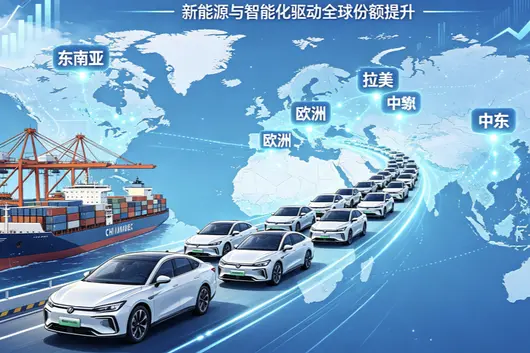
The 2026 first-half global automaker sales rankings are out: BYD (4.8%), Geely (4.6%), and Chery (4.1%) ranked sixth, seventh, and ninth respectively, the three combined account for 13.5%, surpassing VW in second place for the first time—this marks the first time three Chinese automakers appear simultaneously in the global top ten. If counted by group, SAIC ranks fourth with 2.045 million units, making four Chinese automakers actually present in the top ten. From "market for technology" to "technology for market", Chinese autos have achieved a leap from zero to the global forefront through changing lanes to overtake. So, will the future global automotive industry landscape be rewritten again?

From Zero to Top Ten: The Differentiated Path of Changing Lanes to Overtake
In the fuel vehicle era, patent barriers for engines and transmissions were long held by Europe, America, and Japan, while Chinese automakers trailed behind.
The wave of new energy and intelligence gave China a chance to "redraw the track": in core areas such as power batteries, electric drives, and intelligent driving, China achieved a paradigm shift in technology from trailing to leading, bypassing the moat of traditional internal combustion engines.

It is this differentiated track that allowed Chinese automakers to complete a path that traditional giants took half a century in ten years—not directly confronting internal combustion engines, but starting a new table with electrification and intelligence, pulling competition into the opponent's weak areas.
Five Levels of Global Auto Landscape Restructuring
This historic breakthrough implies major changes on five levels (see table below), rather than a single enterprise's victory:

The core growth pole of the global automotive industry is shifting; Chinese automakers have won the initiative in the division of new technologies; at the same time, through the localization of "overseas factories + supply chain", they export capacity, technology, and standards, building an integrated ecosystem of "cars + chargers + services", significantly enhancing risk resistance. The clustering effect of the super-large market and the most complete industrial chain continues to amplify R&D cycles and cost advantages.
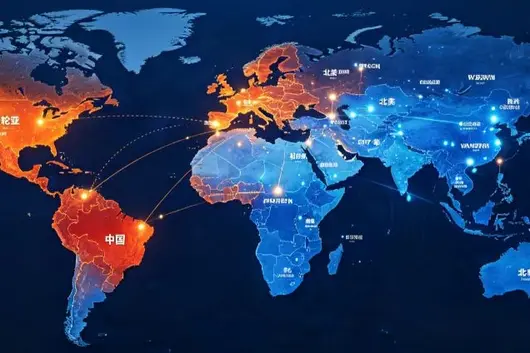
Multi-point Bloom of Chinese Cars in Five Major Global Regions
Southeast Asia:
Already an absolute leader in new energy. Thai brand share for pure electric is over 75%, EV market share in Indonesia 91.7%; in January 2026, Thai brand share reached 47.34%, historically surpassing Japanese brands (47.338%) for the first time, ending the 60-year Japanese monopoly.
Europe:
In May, top five Chinese brands registered 138,000 units with 12% share, surpassing Japanese automakers (130,000 units/11.3%) for the first time in history, expanding further in June; facing EU tariffs, accelerating deep localization through joint ventures and technology exports.

Chery Automobile First-Half Monthly Export Details
Latin America:
Brazilian pure electric Chinese share once exceeded 92%, BYD Dolphin Mini topped the Brazilian retail list in February 2026; Mexico exported 625,000 units in 2025, surpassing Russia for the first time to become China's largest export destination; Chile's light vehicle share exceeded half (51.6%).
Middle East:
Upgrading from "low price" to "high-end". Saudi brand sales broke 100,000, market share over 15%; UAE import volume in first two months 103,900 units, +53% YoY. Thermal management upgrades for high temperatures and dust, premium brands like Zeekr, Voyah, Nio won over the wealthy.

BYD First-Half Monthly Export Details
Russia:
Europe, America, Japan, Korea withdrew leaving space, Chinese brand share reached 54.6% (peak 54.9% in June); Chery, Great Wall, Geely rank at the forefront, using technology licensing + local assembly (e.g., TENET, XCITE) to avoid scrappage tax and 22% VAT.
End-of-Year Global Auto Market Top 10 Forecast
First half China exports 5.307 million units, +53% YoY, June single month 1.069 million units; New energy exports +68.7% (360.68 billion yuan). July continues volume and value growth—first 5 months exports volume +48.7%, value +45.5%, ports like Ningbo doubled new energy vehicle export volume and value. Annual exports expected to break 10 million for the first time, providing ammunition for more Chinese groups to break into the top ten.
Who will break through again at year-end? Based on BYD, Geely, Chery (independent brand basis) already on the list, the strongest new entrants are Changan and Great Wall: Changan releases in multiple points including Brazil, Mexico, Thailand, Russia; Great Wall digs deep in Russia, Thailand, Brazil and stays at the forefront locally, both export growth rates in the top tier.

Geely Automobile First-Half Monthly Export Details
Need to note statistical basis differences: In the user context, "three" focuses on independent brands, while under group basis SAIC has long been firmly fourth—this means the expansion of the "Chinese formation" at year-end is more considerable than surface numbers. As for Leapmotor, Xiaomi, etc., new energy dark horses growth is fierce (Leapmotor first half 260,000 units, +29% YoY), full year group total still has distance to top ten for all categories, more likely to first challenge new energy sub-lists.

Conclusion
From zero to squeezing into global top ten, Chinese autos took twenty years; from one exclusive show to three joining hands, only three years were needed. But the real challenge has just begun—from "sales champion" to "brand champion" and "technology champion", from "price war" to "value war", Chinese automakers need to establish emotional connection surpassing price-performance ratio in the hearts of global consumers. The power shift in the global automotive industry has already occurred, and the next story will be written by how Chinese automakers write it.

近兩年,國內輪胎市場內捲加劇、國際貿易壁壘頻繁,出海早已唔係可選賽道,而係企業生存下去、做增量嘅必答題。
截至 2026 年上半年,國內已有 26 家輪胎企業佈局海外,佈局 43 間獨立工廠。從扎堆東南亞,到搶佔北美、歐洲、非洲市場,頭部企業嘅全球化戰局,已經全面拉開。
車轅車轍用最新硬核數據,拆解中國輪胎海外產能實力排名、投資現狀同未來趨勢!

海外產能實力榜!4 大梯隊差距懸殊
26 家企業、43 間海外工廠,看似遍地開花,但梯隊分化極其嚴重!我哋按真實落地工廠數量,劃分四大實力梯隊:
第一梯隊:全球頂級玩家
賽輪集團|5 間海外工廠,穩居行業第一 當之無愧嘅“出海一哥”,唯一橫跨亞洲、非洲、美洲嘅中國輪胎企業,佈局邏輯堪稱教科書級別:
▪️ 東南亞(越南、柬埔寨):核心生產基地,保障產能供給
▪️ 墨西哥:卡位北美市場,規避美國關稅壁壘
▪️ 印尼:貼近橡胶原產地,壓縮原材料成本
▪️ 埃及:輻射非洲、歐洲市場,打通海外增量
賽輪唔靠盲目擴產,靠精準全球卡位,構築咗完整嘅海外供應鏈壁壘。
中策橡膠|4 間工廠 國內輪胎龍頭佈局穩紮穩打。泰國、印尼工廠已投產盈利,越南項目穩步推進,新增墨西哥開工項目,全面覆蓋東南亞、北美核心市場,單廠產能規模行業頂尖。
第二梯隊:頭部實力派
森麒麟、玲瓏輪胎|森麒麟主打歐洲高端市場,摩洛哥開工、西班牙規劃落地,前瞻性拉滿;玲瓏輪胎精簡低效海外項目,保留泰國、塞爾維亞優質基地,產能質量拉滿,專注高端製造出口。
浦林成山、通用股份、貴州輪胎、雙星集團、萬力輪胎、浪馬輪胎、華盛橡膠 呢一批企業係出海中堅力量,唔盲目擴張,聚焦單點深耕:
▪️ 貴州輪胎、森麒麟同賽道,佈局摩洛哥卡位歐洲
▪️ 華盛橡膠調整戰略,越南項目改為擬建,聚焦南亞巴基斯坦市場
▪️ 浪馬、萬力深耕細分海外區域,穩步做本地化滲透
第三梯隊:出海試水者
昊華輪胎、福麥斯、永盛橡膠、SunSet 等 15 家企業,均為單海外工廠佈局。 大多處於投產、開工、規劃階段,屬於初步試水海外市場,係後續出海擴容嘅核心潛力軍。其中 SunSet 巴西工廠已開工、計劃投產,落地節奏持續加快。

出海邏輯大變!從“被迫避稅”到“主動全球卡位”
早前國內輪胎企業出海,目的好簡單:躲避歐美“雙反”、高額關稅,靠東南亞工廠換個原產地,保住海外訂單。
而家,出海邏輯徹底反轉,三大變化肉眼可見:
全員出海:唔再只有中策、賽輪等頭部玩家,昊華、華盛、永盛等中小廠商紛紛入局
全域佈局:告別單一泰國建廠,墨西哥、埃及、摩洛哥、巴西、西班牙全面開花
深耕落地:從簡單代工工廠,升級為集生產、物流、本地化營運於一體嘅全球化基地
出海主戰場:點解係東南亞?
而家國內輪胎 60% 以上海外工廠扎堆東南亞(泰國、越南、柬埔寨、馬來西亞、印尼),核心 3 大優勢無可替代:
關稅紅利:東南亞出口歐美關稅遠低於中國,直接規避貿易制裁,保住利潤
原料優勢:全球天然橡膠核心產區,就近建廠大幅降低原料、物流成本
成本窪地:土地、人工成本低於國內,適配輪胎製造剛需
但短板同樣突出:遠離歐美核心消費市場、本地供應鏈配套唔完善,僅適合作為初級製造基地。
第二波出海浪潮:告別東南亞,全球多點卡位
頭部企業早已經跳出東南亞內捲,開啟全球化精準佈局,新興賽道崛起:
墨西哥|北美門戶 依托美墨加協定,零關稅/低關稅切入美國市場,物流距離短、響應快,係搶佔北美高端市場嘅核心跳板。
北非(摩洛哥/埃及)|歐非樞紐 毗鄰歐洲、關稅優惠、人力成本低廉,成為國內輪胎進軍歐盟市場嘅最適中轉站。
巴西|南美核心 卡位南美最大消費市場,規避區域貿易壁壘,輻射整個南美區域增量。

行業真相!別被“海外工廠數量”騙了
好多人誤以為:工廠越多,實力越強?大錯特錯!3 個行業隱形真相,看懂真實格局:
開工≠投產,投產≠盈利 奠基、開工只係起步,一座海外工廠從建設、達產到盈利,至少需要 5-7 年,大量項目仍處於投入期,尚未變現。
全鋼胎>半鋼胎,含金量天差地別 普通半鋼乘用車胎門檻低、投產快;全鋼卡客車胎技術壁壘高、附加值高。賽輪、中策、玲瓏等頭部企業,均實現雙胎全覆蓋,實力遠超普通廠商。
建廠容易營運難 海外建廠只係基礎,當地勞工政策、供應鏈配套、本地化渠道營運,先係決定企業能否長期立足嘅核心關鍵。
未來 3 年,輪胎出海核心趨勢
結合當前佈局格局,中國輪胎全球化,迎來三大確定性趨勢:
行業加速分化,強者恆強 未來出海門檻持續拉高,資金、管理、技術薄弱嘅中小廠商,將逐步掉隊。最終形成:頭部全球化、腰部守細分、小眾企業深耕國內嘅格局。
從“製造出海”升級“品牌出海” 現階段出海以代工生產為主,後續核心競爭,將轉向品牌、渠道、服務嘅全球化,擺脫“低價代工”標籤,衝擊國際高端市場。
全球供應鏈重構,迎來換道機會 全球貿易壁壘加劇、區域化生產成主流,國內頭部輪胎企業憑藉完善嘅產能佈局同供應鏈優勢,有望打破外資巨頭壟斷,實現彎道超車。
寫在最後
43 間海外工廠,係中國輪胎行業全球化嘅最好成績單。 從被動避稅到主動卡位,從單一東南亞佈局到全域全球深耕,中國輪胎早已經告別低端內捲,喺全球市場站穩咗腳跟。 產能出海只係開始,品牌出海、價值出海,先係中國輪胎未來嘅終極賽道!

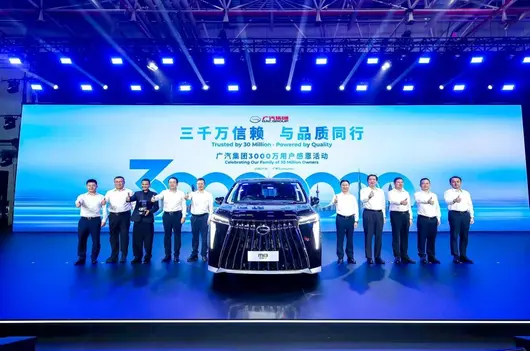
July 16, on the occasion of reaching the 30 million user milestone, GAC Group launched a series of user gratitude and reward activities.
Deeply cultivated in the industry for 29 years, GAC Group has progressed from early joint ventures and independent R&D to global operations today, completing a comprehensive transformation. Behind the number 30 million are the choices and trust of tens of millions of users, GAC's long-term determination to maintain quality and safety, the determination to transform towards electrification and intelligence, and also a microcosm of the Chinese automobile industry growing from large to strong, from scale expansion to value leap.

Guests witnessed the moment GAC welcomed its 30 millionth user milestone
Multiple New Energy Vehicles Debuted Simultaneously, Witnessing the Pace of Transformation Development
At the event site, GAC's global production bases were connected synchronously. GAC Honda P7, GAC Toyota Platinum Wisdom 7, GAC Qijing GT7, GAC AION N60, and GAC Hyper S600 rolled off the line sequentially as GAC's 29,999,995th to 29,999,999th vehicles. Finally, the right-hand drive version of GAC Trumpchi M8 PHEV appeared on the stage as the 30 millionth complete vehicle. The collective debut of the new energy vehicle lineup rolled off the production line became an intuitive proof of GAC's full-speed push towards electrification and intelligence transformation.

GAC's 30 millionth complete vehicle – Right-hand drive GAC Trumpchi M8 PHEV driving off the production line
Subsequently, GAC Group Chairman Feng Xingya handed over the key of the 30 millionth vehicle to Thailand owner Tony Jaa. This scene also represents the long-term two-way trust between GAC and global users.

Feng Xingya (left) handed over new car keys to Thailand owner Tony Jaa (right)

He Xianqing (first from left) presented awards to GAC Group all-brand honorary car owners
Relying on the continuous support of global consumers, GAC maintained stable growth amidst industry changes. In the first half of this year, GAC Group sales reached 773,100 units, up 2.35% year-on-year. Among them, new energy vehicle sales increased by 68.8% year-on-year. Overseas exports exceeded 120,000 units, a surge of 132% year-on-year. The overall market performance remained stable and positive.
Strictly Adhere to Quality Standards, Guard Daily Travel Safety for Users
"Quality is the bottom line that GAC will never yield." Feng Xingya stated in the summary. In GAC's development, scale growth has always been based on quality. For many years, GAC Group has always adhered to the concept of "Quality First", integrating Honda's Total Quality Management (TQM), Toyota's Lean Production Method (TPS) and Lingnan culture, building a quality management model centered on "Integrated Innovation". The focus of everything is to create good cars that allow users to drive with peace of mind, use with peace of mind, and sit comfortably.

Witnesses of important nodes in GAC's development history told the story of GAC walking with quality

GAC Design Team told the story of design innovation journey

GAC AION Intelligent Eco-Factory
From R&D to manufacturing end, GAC established a full-chain strict quality control system: Every new car must pass extreme environment tests such as "Five Highs, One Mountain, One Dust" (High Cold, High Heat, High Altitude, High Humidity, High Corrosion, Mountainous Areas, and Dust) before launch, and complete "Two Winters One Summer" actual road tests; Through test tracks and laboratories covering 12 major items of the whole vehicle and over 1,500 verification sub-items, systematic quality verification is realized; GAC AION Intelligent Eco-Factory, as a "New Energy Vehicle Lighthouse Factory", ensures stable mass production quality with digital intelligent manufacturing system.

GAC Star Ling Security Protection System
In terms of core security technology, the Star Ling Security Protection System builds four defense dimensions. Eight key systems use dual redundancy design, having protected nearly 2 million users, avoiding 6.28 million potential travel risks; Cassette batteries accumulated 1.5 million vehicles, safe driving mileage exceeding 160 billion kilometers; The service end simultaneously added protection guarantees. GAC launched the "Three Responsibilities" policy, actively covering battery and intelligent driving assistance issues concerned by users to eliminate users' concerns about car use, and layered security guarantees build brand reputation.
Focusing on User Needs, Creating Full-Cycle Considerate Service
"What users care about, we put in our hearts; what users look forward to, we give our all." Feng Xingya stated. This user-centric concept has long been deeply integrated into the development gene of GAC Group. For many years, GAC Group has always adhered to the corporate concept of "People First, Trust as Way, Innovation as First", among which the core essence of "People First" is exactly being user-centric.

GAC "User All Open Mic" Event Site
On the one hand, to face problems directly and listen to users' voices, GAC regularly holds "User All Open Mic" events, inviting users to "home" for face-to-face communication. Meanwhile, establish a full-process closed-loop management mechanism to ensure every suggestion is properly handled, and common problems are optimized for all users in the first time.
In addition, GAC established a dedicated user insight department and promoted full-process change from problem discovery to solution, guaranteeing that every user request has a response and every matter is settled from the organizational mechanism.
On the other hand, the service network also accelerated penetration. At the channel end, promoted service network sinking into counties, with plans to add 1,000 county-level authorized stores this year; At the response end, launched "Super Butler" service, achieving 5-second response, 2-hour request completion, ensuring user requests reach quickly. At the energy replenishment end, built a "9 Vertical and 10 Horizontal" energy network, already covering 31 provinces and 213 cities nationwide, core urban areas achieving "must have a station within a 1-kilometer straight line". Self-operated charging pile quantity exceeds 27,000 units, among which super charging piles exceed 20,000 units, providing convenient energy replenishment services for new energy vehicle owners.

GAC Group 30 Millionth Vehicle Roll-off · Renewed Gratitude Season Officially Launched
The core theme of this gratitude activity is to express sincere feedback and gratitude to the 30 million users' long-term support. At the event site, Feng Xingya announced that effective immediately, GAC officially launched "GAC Group 30 Millionth Vehicle Roll-off · Renewed Gratitude Season". GAC Honda, GAC Toyota, GAC Trumpchi, GAC AION, GAC Hyper, and GAC Qijing Automobile six passenger car brands will respectively launch characteristic policies around new purchase, trade-in, to additional purchase, to return every companion and support.
Deep Cultivation in Technology R&D, Improving Travel Experience with Practical Technology
With 30 million as a new starting point, GAC will drive innovation to embark on a new journey towards electrification and intelligence, allowing cutting-edge technology to truly convert into users' perceptible peace of mind and convenience.
In the power field, enterprise self-developed Star Origin Power, covering Star Origin Range-Extender, Star Origin Plug-in Hybrid and Star Origin Super Twin Motor three technologies, will be equipped in more mass-produced vehicles. Every product must pass 100,000 hours bench and whole-vehicle verification, equivalent mileage exceeding 10 million kilometers, ensuring performance stability in all scenarios and regions.

GAC Star Origin Power allows users to choose "No Longer Settling"
In the "Three Electrification" field, GAC continues to crack down on industry pain points such as battery super fast charging and low-temperature range. Full solid-state battery pilot production line has been built, creating ultimate energy consumption technology. Mass-produced Quark Electric Drive Motor highest efficiency exceeded 99%.
In the intelligent networking field, Super Brain Star Ling Architecture continues to evolve, connecting intelligent driving assistance, intelligent cockpit, power, chassis, body, vehicle networking six systems, achieving "One Brain Unified Command", comprehensive performance increased by 40%; Galaxy Intelligent Cockpit achieves endpoint-cloud integration, making the car become a truly "thinking, understanding human heart" partner. GAC will also fight side by side with top partners such as Huawei, CATL, Didi, Tencent, Alibaba, etc., jointly building a more powerful AI intelligent ecosystem.
As of now, GAC Group cumulative R&D investment exceeded 62 billion yuan, global R&D team exceeded 6,800 people. Continuous technical investment is driving GAC's products to evolve from commuting tools to intelligent travel partners, mobile smart spaces, and green energy ecosystems.
Looking towards the future, GAC will continue to use user needs as anchor points, quality as the foundation, technological innovation as the core driver, and global layout as the development path, accelerate towards the advancement of Eco-type Technology GAC, walk side by side with more users, achieve each other, and rush to a more intelligent, greener, and broader future together.

In Malaysia's SUV market, many buyers compare the Perodua Ativa and Toyota Yaris Cross when choosing a car. These two cars are quite similar in price and positioning, so today we will make a detailed comparison from multiple aspects to help you save time on research.
The Perodua Ativa is priced at RM 62,500 - 73,400 OTR in Malaysia, with a total of 3 versions, including 1.0L Turbo X (RM 62,500), 1.0L Turbo H (RM 67,300), 1.0L Turbo AV (RM 73,400), etc.
The Toyota Yaris Cross is priced at RM 99,900 - 109,900 OTR in Malaysia, with a total of 2 versions, including 2026 1.5L Standard (RM 99,900), 2026 HEV 1.5L Standard (RM 109,900), etc.
From a price perspective, the entry price of the Perodua Ativa is indeed RM 37,400 cheaper than the Toyota Yaris Cross. If your budget is limited, the Perodua's entry-level version can already meet daily needs. However, note that the few thousand ringgit saved might involve compromises in features, depending on your specific needs.

The Perodua Ativa is equipped with a 1.5L 4-cyl, 105 hp. Official fuel consumption is 6.0 L/100km.
The Toyota Yaris Cross is equipped with a 1.5L 4-cyl, 105 hp. Official fuel consumption is 6.0 L/100km.
Both cars use the same powertrain, and the driving experience is basically the same for daily use. Fuel consumption is also similar, so there is no need to worry too much about this.

The Perodua Ativa uses FWD drive mode.
The Toyota Yaris Cross uses FWD drive mode.
Both cars have the same drive mode, both are FWD, so there won't be much difference in daily driving experience.

The Perodua Ativa warranty is 5 years/150,000km, maintenance interval every 10,000km or 6 months.
The Toyota Yaris Cross warranty is 5 years/unlimited mileage, maintenance interval every 10,000km or 6 months.

Both the Perodua Ativa and Toyota Yaris Cross are mainstream choices in the Malaysian market, suitable for family use and daily commuting. If you value brand reputation and resale value more, you can prioritize the one with a better reputation; if you care more about cost-effectiveness and features, choose the one with richer configurations. Ultimately, it is recommended to test drive both models, as personal experience is the most important.
Overall, the Perodua Ativa and Toyota Yaris Cross are both quite good models in the Malaysian market. Which car to choose depends mainly on your personal needs and budget. We suggest doing your research, comparing quotes from a few more dealerships, and then test driving to make the final decision. Buying a car is a big matter, spending time doing research will never go wrong.


Dalam pasaran SUV di Malaysia, ramai pembeli yang membandingkan Proton X70 dan GWM Haval H6 semasa memilih kereta. Kedua-dua kenderaan ini mempunyai harga dan kedudukan pasaran yang sangat hampir, hari ini kita akan membuat perbandingan terperinci dari pelbagai aspek untuk membantu anda menjimatkan masa membuat kajian.
Proton X70 di Malaysia harga OTR ialah RM 106,800 - 122,300, terdapat 3 varian, termasuk 1.5L Standard 2WD (RM 106,800), 1.5L Executive 2WD (RM 115,800), 1.5L Premium 2WD (RM 122,300) dan lain-lain.
GWM Haval H6 di Malaysia harga OTR ialah RM 139,750 - 139,750, terdapat 2 varian, termasuk 1.5L Turbo Standard (RM 140,000), 1.5L Turbo Premium (RM 155,000) dan lain-lain.
Dari segi harga, harga permulaan Proton X70 memang lebih murah RM 32,950 berbanding GWM Haval H6. Jika bajet anda terhad, versi permulaan Proton sudah cukup untuk keperluan harian. Tetapi perlu diingat, perbezaan harga beberapa ribu itu mungkin melibatkan kompromi dari segi kelengkapan, bergantung pada keperluan anda.
Proton X70 dilengkapi enjin 1.5L Turbo, kuasa 140 hp. Penggunaan minyak rasmi 7.0 L/100km.
GWM Haval H6 dilengkapi enjin Hybrid, kuasa 170 hp. Penggunaan minyak rasmi 4.5 L/100km.
Dari segi kuasa, Hybrid GWM Haval H6 mempunyai 30 hp lebih berbanding 1.5L Turbo Proton X70. Namun, untuk pemanduan harian di bandar, kuasa kedua-dua kereta adalah mencukupi, anda tidak akan berasa kurang tenaga.
Gred keselamatan Proton X70 ialah 5★ (ASEAN NCAP), sistem keselamatan aktif termasuk ADAS (ACC, AEB, LKA, LDA, BSM, RCTA).
Gred keselamatan GWM Haval H6 ialah TBD, sistem keselamatan aktif termasuk Basic.
Dari segi kelengkapan keselamatan, kedua-dua kereta menerima gred yang baik. Namun, ADAS (ACC, AEB, LKA, LDA, BSM, RCTA) pada Proton X70 dan Basic pada GWM Haval H6 mempunyai perbezaan fungsi. Jika anda mengutamakan keselamatan aktif, anda boleh membandingkan senarai fungsi kedua-duanya dengan teliti.
Panjang badan Proton X70 adalah 4400 mm, ruang bagasi 400 L.
Panjang badan GWM Haval H6 adalah 4400 mm, ruang bagasi 400 L.
Saiz kedua-dua kereta hampir sama, ruang dalaman tidak terlalu berbeza. Kereta dalam kelas ini, penggunaan harian sudah cukup.
Proton X70 menggunakan sistem drif FWD.
GWM Haval H6 menggunakan sistem drif FWD.
Sistem drif kedua-dua kereta sama, iaitu FWD, pengalaman memandu harian tidak akan terlalu berbeza.
Secara keseluruhan, Proton X70 dan GWM Haval H6 adalah model kereta yang sangat bagus di pasaran Malaysia. Memilih mana satu, kunci utamanya adalah melihat keperluan peribadi dan bajet anda. Kami sarankan anda membuat kajian, bandingkan penawaran harga dari beberapa dealer kereta, kemudian buat ujian memandu untuk keputusan akhir. Membeli kereta adalah perkara besar, meluangkan sedikit masa untuk membuat kajian pasti tidak salah.

Pasar SUV di Malaysia, ramai pembeli ketika memilih kereta sering membandingkan Proton X70 dan GWM Haval H6. Kedua-dua kereta ini berada pada harga dan kelas yang agak berdekatan, hari ini kita akan membuat perbandingan terperinci dari pelbagai aspek, membantu anda menjimatkan masa membuat kajian.
Harga OTR Proton X70 di Malaysia adalah RM 106,800 - 122,300, terdapat 3 varian, termasuk 1.5L Standard 2WD (RM 106,800), 1.5L Executive 2WD (RM 115,800), 1.5L Premium 2WD (RM 122,300) dan lain-lain.
Harga OTR GWM Haval H6 di Malaysia adalah RM 139,750 - 139,750, terdapat 2 varian, termasuk 1.5L Turbo Standard (RM 140,000), 1.5L Turbo Premium (RM 155,000) dan lain-lain.
Dilihat dari segi harga, harga permulaan Proton X70 memang lebih murah RM 32,950 berbanding GWM Haval H6. Jika bajet anda terhad, versi asas Proton sudah boleh memenuhi keperluan harian. Namun, berhati-hati, perbezaan harga beberapa ribu itu mungkin mempunyai kompromi dalam kelengkapan, bergantung pada keperluan anda.
Proton X70 dilengkapi dengan enjin 1.5L Turbo, kuasa 140 hp. Penggunaan minyak rasmi 7.0 L/100km.
GWM Haval H6 dilengkapi dengan enjin Hybrid, kuasa 170 hp. Penggunaan minyak rasmi 4.5 L/100km.
Dari segi kuasa, enjin Hybrid GWM Haval H6 memiliki 30 hp lebih banyak daripada enjin 1.5L Turbo Proton X70. Namun untuk memandu sehari-hari di bandar, kuasa kedua-dua kereta sudah memadai, tidak akan terasa kurang tenaga.
Penilaian keselamatan Proton X70 ialah 5★ (ASEAN NCAP), sistem keselamatan aktif termasuk ADAS (ACC, AEB, LKA, LDA, BSM, RCTA).
Penilaian keselamatan GWM Haval H6 ialah TBD, sistem keselamatan aktif termasuk Basic.
Dari segi kelengkapan keselamatan, kedua-dua kereta menerima penilaian yang baik. Namun, sistem ADAS (ACC, AEB, LKA, LDA, BSM, RCTA) pada Proton X70 dan sistem Basic pada GWM Haval H6 mempunyai perbezaan fungsi, jika anda lebih mengutamakan keselamatan aktif, boleh bandingkan senarai fungsi keduanya dengan teliti.
Proton X70 panjang kenderaan 4400 mm, bak muatan 400 L.
GWM Haval H6 panjang kenderaan 4400 mm, bak muatan 400 L.
Saiz kedua-dua kereta hampir sama, ruang dalaman tidak banyak berbeza. Kereta pada tahap ini, penggunaan sehari-hari sudah cukup.
Proton X70 jaminan 5 tahun/150,000km, selang servis setiap 10,000km atau 6 bulan.
GWM Haval H6 jaminan 7 tahun/150,000km, selang servis setiap 10,000km atau 6 bulan.
Secara keseluruhan, Proton X70 dan GWM Haval H6 kedua-duanya merupakan model kereta yang sangat baik di pasaran Malaysia. Memilih yang mana, terutamanya bergantung pada keperluan peribadi dan bajet anda. Kami menyarankan anda membuat kajian, bandingkan sebut harga dari beberapa salon kereta, kemudian uji memandu untuk membuat keputusan akhir. Membeli kereta adalah perkara besar, meluangkan masa membuat kajian pasti tidak salah.

喺馬來西亞嘅 SUV 市場,好多買家喺揀車嘅時候都會拿 Perodua Ativa 同 Mitsubishi Xforce 嚟比較。兩款車喺價位同定位上都好接近,今日我哋就從多個方面做一個詳細嘅比較,幫你省返做功課嘅時間。
Perodua Ativa 喺馬來西亞嘅 OTR 售價係 RM 62,500 - 73,400,一共有 3 個版本,包括 1.0L Turbo X(RM 62,500)、1.0L Turbo H(RM 67,300)、1.0L Turbo AV(RM 73,400) 等。
Mitsubishi Xforce 喺馬來西亞嘅 OTR 售價係 RM 109,930 - 119,930,一共有 2 個版本,包括 2026 1.5L Ultimate(RM 119,930)、2026 1.5L Urban(RM 109,930) 等。
由價錢嚟睇,Perodua Ativa 嘅起步價確實比 Mitsubishi Xforce 平咗 RM 47,430。如果你預算唔多,Perodua 嘅入門版已經可以滿足日常需要。但都要留意,平嗰幾千蚊,可能喺配備方面要睇邊個好,具體要看你嘅需要。
Perodua Ativa 嘅安全評級係 5★ (ASEAN NCAP),主動安全系統包括 ASA 3.0 + ACC + LDA + LKA + BSM + RCTA。
Mitsubishi Xforce 嘅安全評級係 5★ (ASEAN NCAP),主動安全系統包括 MI-PILOT。
兩款車嘅安全評級一樣,喺呢個級別入面安全配備都算好齊全。而家嘅新車安全性都唔差,唔使太擔心呢一點。
Perodua Ativa 採用 FWD 驅動方式。
Mitsubishi Xforce 採用 FWD 驅動方式。
兩款車嘅驅動方式一樣,都係 FWD,日常駕駛感覺唔會有太大分別。
Perodua Ativa 保修 5 年/150,000km,保養間隔 每 10,000km 或 6 個月。
Mitsubishi Xforce 保修 3 年/100,000km,保養間隔 每 10,000km 或 6 個月。
Perodua Ativa 同 Mitsubishi Xforce 都係馬來西亞市場嘅主流選擇,適合家庭使用、日常通勤。如果你更睇重品牌口碑同二手價,可以優先考慮口碑更好嗰一款;如果你更在乎性價比同配備,就揀配置更豐富嗰款。始終都係建議兩款都去試駕,親身體驗先係最重要嘅。
總括嚟講,Perodua Ativa 同 Mitsubishi Xforce 都係馬來西亞市場幾唔錯嘅車款。揀邊一輛,關鍵都要睇你嘅個人需要同預算。建議大家做好功課,多比較幾間車行嘅報價,再去試駕做最後決定。買車係件大事,花啲時間做功課絕對唔會錯。

August 1st, the auto industry's gaze was fixed on the same poster.
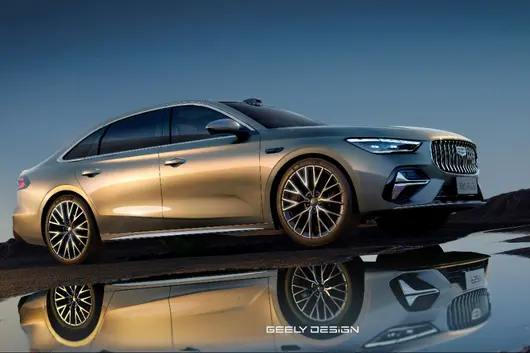
Geely announced July sales data: 250,100 units. A historic high for the same period, with month-on-month and year-on-year double growth for 5 consecutive months.

In this brutal July where the total passenger car market dropped 18% year-on-year, this set of data stands out extremely sharply. While others are bleeding in the quagmire of price wars, Geely is "counting money" on the track of high-quality growth.
The day before the announcement, on July 31, Geely held its mid-term management conference. Group CEO Gan Jiayue set the tone on site: no engaging in inefficient price wars, comprehensively promote fuel vehicle HEV transformation, and seek profits from high-value incremental markets.
From the internal strategy meeting on July 31 to the sales announcement on August 1, within just 24 hours, Geely presented the outside world with a "anti-fragile" equation for crossing cycles.
1
Chinese auto companies going global, in the past few years focused on one thing: "hardship". Either go to emerging markets to sell low-price cars and earn hard money, or get ground into the dirt by tariffs in the European and American markets.
But Geely's overseas performance in July saw a sudden change in style.
Exports that month reached 106,600 units, a violent surge of 202% year-on-year, breaking 100,000 for two consecutive months. Even more harsh is the structure: New energy exports were 62,600 units, skyrocketing 616% year-on-year, accounting for a high proportion of 59% of total exports.
This is no longer simply "selling tin plates", but high-premium "technology export". Geely EX2 took the sales champion in Thailand for electric cars, EX5 EM-i swept through the European plug-in hybrid markets such as Poland and Bulgaria.
Just having a hard product isn't enough, you also need to understand the Tai Chi of geopolitics. In July, Geely acquired Ford's factory in Spain.

Ford, the ancestor of assembly line car manufacturing. Now in the European headquarters, handing over the factory to Chinese car companies. This strategy of "asset-light overseas expansion", using lower capital expenditure and shorter cycles, directly cut into the European hinterland, perfectly hedging trade barriers.
Back then, Toyota went to Kentucky to build a factory to avoid US sanctions, eventually capturing North America. Now, Geely has also learned this trick of "local rooting". From product output to ecosystem rooting, Geely's overseas expansion has entered the 2.0 era of earning high gross margins.
2
If going overseas is opening up new territory, then the domestic new energy situation is a trench warfare where bayonets meet blood.
In July, Geely new energy sales reached 160,100 units, a 23% year-on-year increase, with the new energy share rising to 64%. In this fiercely competitive market, Geely relies on the "wolf pack tactic".

Zeekr builds brand in the sky. July deliveries reached 35,800 units, up 111% year-on-year. The Shooting Brake delivered over 10,000 units in a single month, and the Zeekr 7X global deliveries broke 10,000 units. More importantly, its flagship model 9X has established itself in the 500,000-level market, NPS (Net Promoter Score) ranks first among all categories above 500,000. People buying cars at this price point used to buy the "car badge", now Zeekr gives them "smart floor efficiency" and ultimate experience.
Galaxy and Lynk & Co fight for supplies on the ground. The Galaxy series sold 107,700 units in July, Star Wish sold hot 55,100 units in a single month, becoming a genuine "National Miracle Car"; Lynk & Co sold 16,300 units, new energy share as high as 86%, transformation results in phased achievements.
Under the background of pressure on the industry total volume, Geely did not rely on a single blockbuster to gamble on luck, but used a multi-brand layered matrix, plowing through the market segments from 100,000 to 500,000. Others lead with a single core, Geely fights with full squad battle formation.
3
In the carnival of new energy, many car companies wished to smash all fuel vehicle production lines tomorrow. But Geely doesn't believe in this.
In July, Geely China Star sold 90,100 units, a 15% month-on-month increase. Xingyue L quietly broke through 1 million units, becoming the first Chinese brand high-end fuel SUV to break one million.

In today's shrinking fuel car total market, this is simply a miracle. How did Geely "extend the life" of fuel vehicles?
At the mid-term management conference on July 31, Gan Jiayue gave the answer: comprehensively promote fuel vehicle HEVization. The goal is to sprint monthly sales of i-HEV models to over 30,000 before the end of the year, and fully advance the Million China Star goal.
Japanese cars relied on THS hybrid technology to eat dividends for decades globally. But Geely's self-developed i-HEV Zhiqing technology has started to loosen the monopoly structure of Japanese hybrids. Ultra-low fuel consumption, electric feel acceleration, Geely used intelligence and industrial chain advantages to equip traditional fuel vehicles with "mecha".
Use advanced hybrid technology to "invade their strongholds" (i-HEV will go global in the fourth quarter) in the global market, use the fuel base to provide continuous profit ammunition for new energy transformation. This is the confidence for Geely not to engage in price wars and pursue operational quality.

4
Capital market is the most realistic. In the first half of this year, the auto sector was suffocated by pessimistic expectations. But Geely Automobile (0175.HK) became the only Chinese full-vehicle stock with positive stock price growth since the beginning of the year in "A+H shares".
Institutions are not stupid, what they see is Geely's leap from "scale leading" to "value leading".
Simultaneous improvement in net profit per vehicle and gross margin, profitable loop for high value-added models overseas, these are all solid "money-making capabilities".
In 1997, when Li Shufu first entered the auto industry, he said a famous quote: "A car is just four wheels and two sofas." At that time, Chinese car companies were still looking up to Ford and Toyota, crossing the river by feeling the stones.
Nearly 30 years have passed, the gears of history have completed a wonderful meshing.
Back then Ford taught the world to make cars with assembly lines; now Geely, in Ford's European factories, teaches them how to do globalization; back then Toyota monopolized the market with hybrid technology; now Geely, with i-HEV and pure electric dual tracks, grabs their share globally.
The 250,000 unit sales on August 1st is just a footnote. Behind this report card, a group of Chinese automotive people are using long-term technical tenacity and strategic resilience to pry open the cracks of history and gripped firmly the steering wheel belonging to this era.

In Malaysia's SUV market, many buyers compare Perodua Aruz and Proton X50 when choosing a car. These two cars are quite close in price and positioning. Today we will make a detailed comparison from multiple aspects to help you save time on research.
Perodua Aruz OTR price in Malaysia is RM 72,900 - 77,900, with 2 versions including 1.5L X (RM 72,900), 1.5L AV (RM 77,900), etc.
Proton X50 OTR price in Malaysia is RM 89,800 - 113,300, with 4 versions including 1.5T Executive (RM 89,800), 1.5T Premium (RM 101,800), 1.5T Flagship (RM 113,300), etc.
From the price perspective, Perodua Aruz's starting price is indeed RM 16,900 cheaper than Proton X50. If your budget is limited, Perodua's entry-level version can already meet daily needs. But keep in mind, the fewer thousand cheaper might involve trade-offs in features, it depends on your needs.

Perodua Aruz comes with 1.5L 4-cyl, 105 hp. Official fuel consumption 6.0 L/100km.
Proton X50 comes with 1.5L 4-cyl, 105 hp. Official fuel consumption 6.0 L/100km.
Both cars use the same powertrain, the driving experience feels basically the same. Fuel consumption is also similar, no need to worry too much about this.

Perodua Aruz safety rating is 5★ (ASEAN NCAP), active safety systems include .
Proton X50 safety rating is 5★ (ASEAN NCAP), active safety systems include ADAS (ACC, AEB, LKA, LDA, BSM, RCTA).
Both cars have the same safety rating. Safety features are quite comprehensive in this segment. New car safety is generally good nowadays, no need to worry too much about this.
Perodua Aruz uses FWD drive method.
Proton X50 uses 4WD drive method.
Perodua's FWD and Proton's 4WD will feel different in handling, recommended to test drive and compare.

Perodua Aruz and Proton X50 are both mainstream choices in the Malaysia market, suitable for family use, daily commuting. If you value brand reputation and resale value more, prioritize the one with better reputation; if you care more about cost-performance and features, choose the one with richer configuration. In the end, it is recommended to test drive both, personal experience is the most important.
Overall, Perodua Aruz and Proton X50 are both very good models in the Malaysia market. Which one to choose depends on your personal needs and budget. We suggest doing your homework, compare quotes from multiple dealerships, then test drive to make the final decision. Buying a car is a big matter, spending some time on research will never be wrong.


喺馬來西亞嘅 SUV 市場,好多買家喺揀車嘅時候都係拎 寶騰 X70 同 名爵 HS 做比較。呢兩款車喺價位同定位上都幾接近,今日我哋就從多個方面做一個詳細比較,幫你慳返做功課嘅時間。
寶騰 X70 喺馬來西亞嘅 OTR 售價係 RM 106,800 - 122,300,一共有 3 個版本,包括 1.5L Standard 2WD(RM 106,800)、1.5L Executive 2WD(RM 115,800)、1.5L Premium 2WD(RM 122,300) 等。
名爵 HS 喺馬來西亞嘅 OTR 售價係 RM 130,450 - 146,450,一共有 2 個版本,包括 1.5L Standard(RM 105,000)、1.5L Executive(RM 115,000) 等。
從價錢睇嚟,寶騰 X70 嘅起步價確實比 名爵 HS 平咗 RM 23,650。如果你預算有限,寶騰嘅入門版已經可以滿足日常需要。但都要留意,便宜嗰幾千蚊,可能喺配備上會有取舍,具體睇你嘅需要。
寶騰 X70 配備 1.5L Turbo,馬力 140 hp。官方油耗 7.0 L/100km。
名爵 HS 配備 1.5L Turbo,馬力 140 hp。官方油耗 7.0 L/100km。
兩款車用咗同一套動力系統,日常開落去嘅感覺基本冇分別。油耗方面都差唔多,唔使太糾結這一點。
寶騰 X70 嘅安全評級係 5★ (ASEAN NCAP),主動安全系統包括 ADAS (ACC, AEB, LKA, LDA, BSM, RCTA)。
名爵 HS 嘅安全評級係 TBD,主動安全系統包括 Basic。
安全配備方面,兩款車都取得唔錯評級。不過寶騰 X70 嘅 ADAS (ACC, AEB, LKA, LDA, BSM, RCTA) 同 名爵 HS 嘅 Basic 喺功能上有啲分別,如果你比較重視主動安全嘅話,可以仔細比較下兩者嘅功能列表。
寶騰 X70 採用 FWD 驅動方式。
名爵 HS 採用 FWD 驅動方式。
兩款車嘅驅動方式一樣,都係 FWD,日常駕駛感覺唔會有太大分別。
寶騰 X70 同 名爵 HS 都係馬來西亞市場嘅主流選擇,適合家庭使用、日常通勤。如果你更重視品牌口碑同二手價,可以優先考慮口碑更好嗰一款;如果你更在意性價比同配備,那就揀配置更豐富嗰款。最終都係建議兩款都去試駕,親身體驗先至最重要。
總嚟講,寶騰 X70 同 名爵 HS 都係馬來西亞市場好唔錯嘅車型。揀邊一輛,關鍵仲係要睇你嘅個人需求同預算。建議大家做好功課,多比較幾間車行嘅報價,再去試駕做最終決定。買車係件大事,花啲時間做功課絕對唔會錯。

In Malaysia's SUV market, many buyers compare Perodua Aruz and Proton X70 when choosing a car. These two vehicles are quite similar in price and positioning. Today, we will make a detailed comparison from multiple aspects to save you time doing research.
Perodua Aruz OTR price in Malaysia is RM 72,900 - 77,900, with a total of 2 versions, including 1.5L X (RM 72,900), 1.5L AV (RM 77,900), etc.
Proton X70 OTR price in Malaysia is RM 106,800 - 122,300, with a total of 3 versions, including 1.5L Standard 2WD (RM 106,800), 1.5L Executive 2WD (RM 115,800), 1.5L Premium 2WD (RM 122,300), etc.
From the price perspective, Perodua Aruz's starting price is indeed RM 33,900 cheaper than Proton X70. If your budget is limited, Perodua's entry-level version can already meet daily needs. But you should also note that the cheaper few thousand might involve trade-offs in features, it depends on your specific needs.
Perodua Aruz is equipped with 1.5L 4-cyl, 105 hp. Official fuel consumption 6.0 L/100km.
Proton X70 is equipped with 1.5L Turbo, 140 hp. Official fuel consumption 7.0 L/100km.
In terms of performance, Proton X70's 1.5L Turbo has 35 more horsepower than Perodua Aruz's 1.5L 4-cyl. However, for daily city driving, the power of both vehicles is sufficient, you won't feel lack of power.
Perodua Aruz safety rating is 5★ (ASEAN NCAP), active safety systems include .
Proton X70 safety rating is 5★ (ASEAN NCAP), active safety systems include ADAS (ACC, AEB, LKA, LDA, BSM, RCTA).
Both vehicles have the same safety rating, safety features in this class are quite comprehensive. New car safety is not bad nowadays, no need to worry too much about this point.
Perodua Aruz warranty 5 years/150,000km, maintenance intervals every 10,000km or 6 months.
Proton X70 warranty 5 years/150,000km, maintenance intervals every 10,000km or 6 months.
Both vehicles have the same warranty conditions, no need to stress over this aspect. Actual maintenance costs also depend on the brand's service network and parts prices, it is suggested to ask real owners in car owner groups for their experience.
Overall, Perodua Aruz and Proton X70 are both very good models in the Malaysian market. Which one to choose depends on your personal needs and budget. We suggest you do your research, compare quotes from several dealers, and go for a test drive to make the final decision. Buying a car is a big deal, spending time doing research will definitely not go wrong.

In Malaysia's SUV market, many buyers compare Proton X70 and Chery Tiggo 7 PHEV when choosing a car. Both cars are quite close in price and positioning, so today we will do a detailed comparison from multiple aspects to help you save time on research.
The OTR price of Proton X70 in Malaysia is RM 106,800 - 122,300, with a total of 3 versions, including 1.5L Standard 2WD (RM 106,800), 1.5L Executive 2WD (RM 115,800), 1.5L Premium 2WD (RM 122,300), etc.
The OTR price of Chery Tiggo 7 PHEV in Malaysia is RM 129,750 - 129,750, with a total of 2 versions, including 2025 1.5T 90km CSH (RM 129,750), What charging methods does the Tiggo 7 PHEV support? Can it be charged using a home power socket? (RM 117,478), etc.
Looking at the price, Proton X70's entry price is indeed RM 22,950 cheaper than Chery Tiggo 7 PHEV. If your budget is limited, Proton's entry version can already meet daily needs. But also note, the few thousand cheaper ones might have trade-offs in specifications, it depends on your specific needs.

Proton X70 body length 4400 mm, trunk 400 L.
Chery Tiggo 7 PHEV body length 4400 mm, trunk 400 L.
The dimensions of both cars are almost the same, interior space difference is not large. For this class of cars, daily use is completely sufficient.

Proton X70 adopts FWD drive method.
Chery Tiggo 7 PHEV adopts FWD drive method.
Both cars have the same drive method, both are FWD, daily driving feel will not have too much difference.

Proton X70 and Chery Tiggo 7 PHEV are both mainstream choices in the Malaysian market, suitable for family use, daily commuting. If you value brand reputation and resale price more, you can prioritize the one with better reputation; if you care more about cost-performance and specifications, choose the one with richer configuration. Finally, it is recommended to test drive both, personal experience is the most important.
Overall, Proton X70 and Chery Tiggo 7 PHEV are both quite good car models in the Malaysian market. Which one to choose, the key is still looking at your personal needs and budget. It is recommended that everyone do research, compare quotes from several car dealers, and then test drive to make a final decision. Buying a car is a big matter, spending time doing research will definitely not be wrong.

In Malaysia's SUV market, many buyers compare Perodua Aruz and Proton X70 when choosing a car. The price and positioning of these two cars are quite close. Today we will make a detailed comparison from multiple aspects to help you save time on research.
Perodua Aruz OTR price in Malaysia is RM 72,900 - 77,900, there are 2 versions in total, including 1.5L X (RM 72,900), 1.5L AV (RM 77,900) etc.
Proton X70 OTR price in Malaysia is RM 106,800 - 122,300, there are 3 versions in total, including 1.5L Standard 2WD (RM 106,800), 1.5L Executive 2WD (RM 115,800), 1.5L Premium 2WD (RM 122,300) etc.
Based on price, Perodua Aruz's starting price is indeed RM 33,900 cheaper than Proton X70. If your budget is limited, Perodua's entry-level version is already sufficient for daily needs. However, note that the cost saving of a few thousand might involve trade-offs in features, depending on your specific needs.
Perodua Aruz is equipped with 1.5L 4-cyl, horsepower 105 hp. Official fuel consumption 6.0 L/100km.
Proton X70 is equipped with 1.5L Turbo, horsepower 140 hp. Official fuel consumption 7.0 L/100km.
In terms of power, Proton X70's 1.5L Turbo has 35 hp more than Perodua Aruz's 1.5L 4-cyl. However, for daily city driving, both cars have sufficient power, you won't feel underpowered.
Perodua Aruz body length 4400 mm, trunk 400 L.
Proton X70 body length 4400 mm, trunk 400 L.
The dimensions of both cars are almost the same, interior space difference is small. For this class of cars, it is completely sufficient for daily use.
Perodua Aruz and Proton X70 are both mainstream choices in the Malaysian market, suitable for family use, daily commuting. If you value brand reputation and resale value more, prioritize the one with better reputation; if you care more about value for money and equipment, choose the one with richer configuration. Finally, it is recommended to test drive both models, personal experience is the most important.
Overall, Perodua Aruz and Proton X70 are both very good models in the Malaysian market. Which one to choose depends on your personal needs and budget. It is recommended to do research, compare quotes from several car dealerships, then test drive to make the final decision. Buying a car is a big matter, spending time on research is never wrong.

In Malaysia's SUV market, many buyers compare Perodua Aruz and Proton X90 when choosing a car. These two models are quite close in price and positioning. Today, we will make a detailed comparison from multiple aspects to help you save time doing research.
Perodua Aruz's OTR price in Malaysia is RM 72,900 - 77,900, with 2 variants, including 1.5L X (RM 72,900), 1.5L AV (RM 77,900), etc.
Proton X90's OTR price in Malaysia is RM 106,800 - 122,800, with 4 variants, including 2026 1.5T Prime X (RM 122,800), 2026 1.5T Prime (RM 116,800), 2026 1.5T Lite (RM 106,800), etc.
From the price perspective, Perodua Aruz's starting price is indeed RM 33,900 cheaper than Proton X90. If your budget is limited, Perodua's entry version can already meet daily needs. But note, that few thousand savings might involve trade-offs in features, depends on your needs.
Perodua Aruz's safety rating is 5★ (ASEAN NCAP), active safety systems include .
Proton X90's safety rating is 5★ (ASEAN NCAP), active safety systems include ADAS (ACC, AEB, LKA, LDA, BSM, RCTA).
Both cars have the same safety rating, safety equipment is quite comprehensive in this class. New car safety is not bad nowadays, no need to worry too much about this point.
Perodua Aruz body length 4400 mm, trunk 400 L.
Proton X90 body length 4400 mm, trunk 400 L.
Both cars dimensions are almost the same, interior space difference is not big. For this class of cars, daily use is completely sufficient.
Perodua Aruz warranty 5 years/150,000km, maintenance interval every 10,000km or 6 months.
Proton X90 warranty 5 years/150,000km, maintenance interval every 10,000km or 6 months.
Both cars warranty conditions are the same, no need to dwell on this. Actual maintenance cost depends on brand service network and parts price, suggest asking real owners in car owner groups for experience.

Perodua Aruz and Proton X90 are both mainstream choices in Malaysia market, suitable for family use, daily commuting. If you value brand reputation and resale value more, prioritize the one with better reputation; if you care more about value for money and features, choose the one with richer configuration. Finally suggest test driving both, personal experience is the most important.
Overall, Perodua Aruz and Proton X90 are both very good car models in Malaysia market. Which one to choose, key is still looking at your personal needs and budget. Everyone suggests do research, compare quotes from a few dealerships, then go test drive for final decision. Buying a car is a big matter, spending time doing research will never be wrong.
Dalam pasaran SUV di Malaysia, ramai pembeli akan membandingkan Proton X70 dan Chery Tiggo 8 Pro apabila memilih kereta. Kedua-dua model ini memiliki harga dan kedudukan pasaran yang cukup hampir. Hari ini, kita akan membuat perbandingan terperinci dari pelbagai aspek untuk membantu anda menjimatkan masa membuat kajian.
Harga OTR Proton X70 di Malaysia ialah RM 106,800 - 122,300. Keseluruhan terdapat 3 varian, termasuk 1.5L Standard 2WD (RM 106,800), 1.5L Executive 2WD (RM 115,800), 1.5L Premium 2WD (RM 122,300) dan lain-lain.
Harga OTR Chery Tiggo 8 Pro di Malaysia ialah RM 159,750 - 159,750. Keseluruhan terdapat 2 varian, termasuk 1.6L Turbo Standard (RM 130,000), 1.6L Turbo Premium (RM 145,000) dan lain-lain.
Dari segi harga, harga permulaan Proton X70 memang lebih murah RM 52,950 berbanding Chery Tiggo 8 Pro. Jika bajet anda terhad, varian permulaan Proton sudah cukup untuk memenuhi keperluan harian. Namun, perhatikan, perbezaan harga ribuan ringgit yang lebih murah itu mungkin melibatkan kompromi pada kelengkapan, bergantung pada keperluan spesifik anda.
Pelabelan keselamatan Proton X70 ialah 5★ (ASEAN NCAP), sistem keselamatan aktif termasuk ADAS (ACC, AEB, LKA, LDA, BSM, RCTA).
Pelabelan keselamatan Chery Tiggo 8 Pro ialah TBD, sistem keselamatan aktif termasuk Basic.
Dari segi kelengkapan keselamatan, kedua-dua kereta telah mendapat pelabelan yang baik. Namun, ADAS (ACC, AEB, LKA, LDA, BSM, RCTA) pada Proton X70 dan Basic pada Chery Tiggo 8 Pro mempunyai beberapa perbezaan dari segi fungsi. Jika anda mengutamakan keselamatan aktif, anda boleh membandingkan senarai fungsi kedua-duanya dengan teliti.
Proton X70 menggunakan sistem pemacu FWD.
Chery Tiggo 8 Pro menggunakan sistem pemacu FWD.
Sistem pemacu kedua-dua kereta adalah sama, iaitu FWD. Pengalaman memandu sehari-hari tidak akan berbeza banyak.
Jaminan Proton X70 ialah 5 tahun/150,000 km, selang penyelenggaraan setiap 10,000 km atau 6 bulan.
Jaminan Chery Tiggo 8 Pro ialah 3 tahun/100,000 km, selang penyelenggaraan setiap 10,000 km atau 6 bulan.
Proton X70 dan Chery Tiggo 8 Pro kedua-duanya merupakan pilihan utama di pasaran Malaysia, sesuai untuk kegunaan keluarga dan perjalanan harian. Jika anda lebih mengutamakan reputasi jenama dan nilai jualan semula, anda boleh memberi keutamaan kepada model yang mempunyai reputasi lebih baik; jika anda lebih menekankan nisbah harga dan kelengkapan, maka pilihlah model yang mempunyai konfigurasi lebih kaya. Akhir sekali, adalah disyorkan untuk kedua-dua model untuk ujian memandu, pengalaman sendiri adalah yang paling penting.
Secara keseluruhan, Proton X70 dan Chery Tiggo 8 Pro kedua-duanya merupakan model kereta yang sangat baik di pasaran Malaysia. Memilih yang mana satu, kuncinya bergantung pada keperluan peribadi dan bajet anda. Kami mengesyorkan anda melakukan kajian, membandingkan beberapa sebut harga di kedai-kedai kereta, kemudian membuat ujian memandu sebelum membuat keputusan akhir. Membeli kereta adalah perkara besar, meluangkan masa untuk melakukan kajian pasti tidak salah.
Di pasaran SUV Malaysia, ramai pembeli membandingkan Proton X70 dan Chery Tiggo 8 Pro semasa memilih kereta. Kedua-dua kereta ini sangat hampir dari segi harga dan penempatan, hari ini kita akan membuat perbandingan terperinci dari pelbagai aspek untuk membantu anda menjimatkan masa penyelidikan.
Harga OTR Proton X70 di Malaysia ialah RM 106,800 - 122,300, terdapat 3 varian, termasuk 1.5L Standard 2WD (RM 106,800), 1.5L Executive 2WD (RM 115,800), 1.5L Premium 2WD (RM 122,300) dan lain-lain.
Harga OTR Chery Tiggo 8 Pro di Malaysia ialah RM 159,750 - 159,750, terdapat 2 varian, termasuk 1.6L Turbo Standard (RM 130,000), 1.6L Turbo Premium (RM 145,000) dan lain-lain.
Dari segi harga, harga permulaan Proton X70 memang lebih murah RM 52,950 berbanding Chery Tiggo 8 Pro. Jika bajet anda terhad, varian permulaan Proton sudah boleh memenuhi keperluan harian. Tetapi perlu diingat, perbezaan harga yang sedikit mungkin ada pertukaran dalam kelengkapan, bergantung pada keperluan anda.
Proton X70 panjang badan 4400 mm, ruang muatan 400 L.
Chery Tiggo 8 Pro panjang badan 4400 mm, ruang muatan 400 L.
Saiz kedua-dua kereta hampir sama, perbezaan ruang dalaman tidak banyak. Kereta kelas ini, penggunaan harian sudah memadai.
Proton X70 jaminan 5 tahun/150,000km, jarak penyelenggaraan setiap 10,000km atau 6 bulan.
Chery Tiggo 8 Pro jaminan 3 tahun/100,000km, jarak penyelenggaraan setiap 10,000km atau 6 bulan.
Proton X70 dan Chery Tiggo 8 Pro kedua-duanya pilihan utama di pasaran Malaysia, sesuai untuk kegunaan keluarga, perjalanan harian. Jika anda mengutamakan reputasi jenama dan harga jualan semula, pertimbangkan yang mempunyai reputasi lebih baik; jika anda mengutamakan nilai dan kelengkapan, pilih yang mempunyai konfigurasi lebih lengkap. Akhir sekali, disarankan untuk memandu uji kedua-duanya, pengalaman sendiri adalah yang paling penting.
Secara keseluruhan, Proton X70 dan Chery Tiggo 8 Pro adalah model kereta yang sangat bagus di pasaran Malaysia. Memilih kereta mana, bergantung pada keperluan peribadi dan bajet anda. Cadangan kepada semua, sediakan diri dengan penyelidikan, bandingkan tawaran dari pelbagai dealer, kemudian buat keputusan akhir selepas memandu uji. Membeli kereta adalah perkara penting, luangkan masa membuat penyelidikan tidak akan salah.

In the Malaysian SUV market, many buyers compare Perodua Aruz and Toyota Yaris Cross when choosing a car. These two cars are quite close in price and positioning. Today, we will make a detailed comparison from multiple aspects to save you time doing research.
The Perodua Aruz OTR price in Malaysia is RM 72,900 - 77,900, totaling 2 versions, including 1.5L X (RM 72,900), 1.5L AV (RM 77,900), etc.
The Toyota Yaris Cross OTR price in Malaysia is RM 99,900 - 109,900, totaling 2 versions, including 2026 1.5L Standard (RM 99,900), 2026 HEV 1.5L Standard (RM 109,900), etc.
From a price perspective, the Perodua Aruz starting price is indeed RM 27,000 cheaper than the Toyota Yaris Cross. If your budget is limited, the Perodua entry-level version can already meet daily needs. But also note, that difference of a few thousand might involve trade-offs in features, depending on your needs.
Perodua Aruz comes with 1.5L 4-cyl, 105 hp. Official fuel consumption 6.0 L/100km.
Toyota Yaris Cross comes with 1.5L 4-cyl, 105 hp. Official fuel consumption 6.0 L/100km.
Both cars use the same powertrain, the driving experience is basically the same. Fuel consumption is also similar, no need to worry too much about this.
Perodua Aruz body length 4400 mm, trunk 400 L.
Toyota Yaris Cross body length 4400 mm, trunk 400 L.
The size of both cars is almost the same, interior space difference is not significant. For this class of cars, daily use is more than enough.
Perodua Aruz uses FWD drive system.
Toyota Yaris Cross uses FWD drive system.
Both cars have the same drive system, both are FWD, daily driving experience will not be very different.
Perodua Aruz and Toyota Yaris Cross are both mainstream choices in the Malaysian market, suitable for family use and daily commuting. If you value brand reputation and resale value more, prioritize the one with better reputation; if you care more about cost-performance ratio and features, choose the one with richer configuration. Ultimately, it is recommended to test drive both, personal experience is the most important.
Overall, Perodua Aruz and Toyota Yaris Cross are both very good models in the Malaysian market. Which one to choose, the key point is to look at your personal needs and budget. It is recommended to do your research, compare quotes from several dealerships, then go for test drives to make the final decision. Buying a car is a big matter, spending some time researching will never be wrong.

喺馬來西亞嘅 SUV 市場,好多買家喺揀車嘅時候都會拿寶騰 X70 同奇瑞瑞虎 7 PHEV 嚟做比較。呢兩款車喺價位同定位上都好接近,今日我哋就從多個方面做一個詳細嘅比較,幫你省返做功課嘅時間。
寶騰 X70 喺馬來西亞嘅 OTR 售價係馬幣 106,800 - 122,300,合共 3 個版本,包括 1.5L Standard 2WD(馬幣 106,800)、1.5L Executive 2WD(馬幣 115,800)、1.5L Premium 2WD(馬幣 122,300) 等。
奇瑞瑞虎 7 PHEV 喺馬來西亞嘅 OTR 售價係馬幣 129,750 - 129,750,合共 2 個版本,包括 2025 1.5T 90 公里 CSH(馬幣 129,750)、瑞虎 7 PHEV 支援邊種充電方法?可以用家用電源插座充電嗎?(馬幣 117,478) 等。
由價錢睇落,寶騰 X70 嘅起步價確實比奇瑞瑞虎 7 PHEV 平咗馬幣 22,950。如果你預算有限,寶騰嘅入門版已經可以滿足日常需求。但都要記住,平嗰幾千塊,喺配備上可能會有所取舍,具體要看你嘅需求。
寶騰 X70 搭載 1.5L Turbo,馬力 140 匹。官方油耗 7.0 公升/100 公里。
奇瑞瑞虎 7 PHEV 搭載 Hybrid,馬力 170 匹。官方油耗 4.5 公升/100 公里。
動力方面,奇瑞瑞虎 7 PHEV 嘅 Hybrid 比寶騰 X70 嘅 1.5L Turbo 多咗 30 匹馬力。不過日常喺市區行,兩款車嘅動力都夠用,唔會覺得唔夠力。
寶騰 X70 採用前輪驅動方式。
奇瑞瑞虎 7 PHEV 採用前輪驅動方式。
兩款車嘅驅動方式一樣,都係 FWD,日常駕駛感受唔會有太大分別。
寶騰 X70 保修 5 年/150,000 公里,保養間隔 每 10,000 公里或 6 個月。
奇瑞瑞虎 7 PHEV 保修 3 年/100,000 公里,保養間隔 每 10,000 公里或 6 個月。
寶騰 X70 同奇瑞瑞虎 7 PHEV 都係馬來西亞市場嘅主流選擇,適合家庭使用、日常通勤。如果你更加看重品牌口碑同二手價,可以優先考慮口碑更好嗰款;如果你更加在意性價比同配備,就揀配置更豐富嗰款。最終都係建議兩款都去試駕,親身體驗先至最重要。
總體來說,寶騰 X70 同奇瑞瑞虎 7 PHEV 都係馬來西亞市場好唔錯嘅車款。揀邊部,關鍵都係要看你嘅個人需求同預算。建議大家做好功課,多比較幾間車行嘅報價,再去試駕做最終決定。買車係件大事,花少少時間做功課絕對唔會錯。
喺馬來西亞嘅 SUV 市場,好多買家喺揀車嘅時候都會拿 Proton X70 同 Chery Tiggo 7 PHEV 嚟做比較。呢兩款車喺價位同定位上都好接近,今日我哋就從多個方面做一個詳細嘅對比,幫你省返做功課嘅時間。
Proton X70 喺馬來西亞嘅 OTR 售價係 RM 106,800 - 122,300,一共有 3 個版本,包括 1.5L Standard 2WD(RM 106,800)、1.5L Executive 2WD(RM 115,800)、1.5L Premium 2WD(RM 122,300) 等。
Chery Tiggo 7 PHEV 喺馬來西亞嘅 OTR 售價係 RM 129,750 - 129,750,一共有 2 個版本,包括 2025 1.5T 90km CSH(RM 129,750)、Tiggo 7 PHEV 支援咗邊種充電方法?可唔可以用家用插座充電?(RM 117,478) 等。
從價錢來看,Proton X70 嘅起步價確實比 Chery Tiggo 7 PHEV 平咗 RM 22,950。如果你預算有限,Proton 嘅入門版已經可以滿足日常需求。但要注意,平嘅嗰幾千蚊,可能喺配備上會有取舍,具體要睇你嘅需求。
Proton X70 嘅安全評級係 5★ (ASEAN NCAP),主動安全系統包括 ADAS (ACC, AEB, LKA, LDA, BSM, RCTA)。
Chery Tiggo 7 PHEV 嘅安全評級係 TBD,主動安全系統包括 Basic。
安全配備方面,兩款車都拿到唔錯嘅評級。不過 Proton X70 嘅 ADAS (ACC, AEB, LKA, LDA, BSM, RCTA) 同 Chery Tiggo 7 PHEV 嘅 Basic 喺功能上有些差異,如果你比較睇重主動安全嘅話,可以仔細對比一下兩者嘅功能列表。
Proton X70 車身長 4400 mm,尾箱 400 L。
Chery Tiggo 7 PHEV 車身長 4400 mm,尾箱 400 L。
兩款車嘅尺寸幾乎一樣,車內空間差別唔大。呢個級別嘅車,日常使用完全夠用。
Proton X70 同 Chery Tiggo 7 PHEV 都係馬來西亞市場嘅主流選擇,適合家庭使用、日常通勤。如果你更睇重品牌口碑同二手價,可以優先考慮口碑更好嗰一款;如果你更在意性價比同配備,那就揀配置更豐富嗰款。最終都係建議兩款都去試駕,親身體驗先係最重要嘅。
總體嚟講,Proton X70 同 Chery Tiggo 7 PHEV 都係馬來西亞市場唔錯嘅車型。揀邊輛,關鍵始終要睇你嘅個人需求同預算。建議大家做好功課,多比較幾間車行嘅報價,再去試駕做最終決定。買車係件大事,花少少時間做功課絕對唔會錯。
© 2024 Bitauto.com. All Rights Reserved.
Bitauto (www.yiche.com and www.bitauto.com) is one of the most visited automotive websites in China. We provide detailed info on Chinese car brands available in your area. Please note that the information provided on this website is based on publicly available data and is for reference only. It may not be fully updated or accurate at all times.

Help us improve our website


