

HomePerodua Ativa

Search History
Popular Searches
Dealer Login / Sign Up

Dalam pasaran SUV di Malaysia, ramai pembeli yang membandingkan Perodua Aruz dan Chery Tiggo 7 Pro apabila memilih kereta. Kedua-dua model ini mempunyai harga dan kedudukan yang agak hampir, hari ini kita akan membandingkannya secara terperinci dari pelbagai aspek untuk menjimatkan masa anda membuat kajian.
Harga OTR Perodua Aruz di Malaysia ialah RM 72,900 - 77,900, terdapat keseluruhan 2 varian, termasuk 1.5L X (RM 72,900), 1.5L AV (RM 77,900) dan lain-lain.
Harga OTR Chery Tiggo 7 Pro di Malaysia ialah RM 123,750 - 123,750, terdapat keseluruhan 2 varian, termasuk 1.6L Turbo Standard (RM 125,000), 1.6L Turbo Premium (RM 140,000) dan lain-lain.
Dari segi harga, harga permulaan Perodua Aruz memang lebih murah RM 50,850 berbanding Chery Tiggo 7 Pro. Jika bajet anda terhad, model permulaan Perodua sudah boleh memenuhi keperluan harian. Tetapi perlu juga diambil kira, perbezaan harga beberapa ribu ringgit itu mungkin melibatkan kompromi dalam pelengkapan, ia bergantung pada keperluan anda.

Pengelasan keselamatan Perodua Aruz ialah 5★ (ASEAN NCAP), sistem keselamatan aktif termasuk .
Pengelasan keselamatan Chery Tiggo 7 Pro ialah TBD, sistem keselamatan aktif termasuk Basic.

Panjang badan Perodua Aruz 4400 mm, bagaasi 400 L.
Panjang badan Chery Tiggo 7 Pro 4400 mm, bagaasi 400 L.
Saiz kedua-dua kereta hampir sama, ruang dalaman tidak banyak perbezaan. Kereta dalam kelas ini, penggunaan harian sudah cukup.

Perodua Aruz dan Chery Tiggo 7 Pro adalah pilihan utama pasaran Malaysia, sesuai untuk kegunaan keluarga dan perjalanan harian. Jika anda lebih menitikberatkan reputasi jenama dan harga kereta terpakai, pertimbangkan dahulu model yang lebih dikenali reputasinya; jika anda lebih memprihatinkan nisbah harga dan pelengkapan, maka pilih model yang mempunyai konfigurasi lebih lengkap. Akhir sekali, disarankan untuk memandu kedua-dua model tersebut, pengalaman sendiri adalah yang paling penting.
Secara keseluruhannya, Perodua Aruz dan Chery Tiggo 7 Pro adalah model kereta yang sangat baik di pasaran Malaysia. Memilih yang mana satu, kuncinya bergantung pada keperluan peribadi dan bajet anda. Disarankan untuk membuat kajian terlebih dahulu, membandingkan pelbagai tawaran daripada beberapa pengedar kereta, baru kemudian memandu untuk membuat keputusan akhir. Membeli kereta adalah perkara besar, meluangkan masa membuat kajian tiada salahnya.


Di pasaran SUV di Malaysia, ramai pembeli yang akan membandingkan Perodua Aruz dan Chery Tiggo 7 Pro ketika memilih kereta. Kedua-dua kereta ini sangat dekat dari segi harga dan sasaran, hari ini kita akan buat perbandingan terperinci dari pelbagai aspek, membantu anda menjimatkan masa untuk membuat kajian.
Harga OTR Perodua Aruz di Malaysia ialah RM 72,900 - 77,900, terdapat keseluruhan 2 varian, termasuk 1.5L X (RM 72,900), 1.5L AV (RM 77,900) dan lain-lain.
Harga OTR Chery Tiggo 7 Pro di Malaysia ialah RM 123,750 - 123,750, terdapat keseluruhan 2 varian, termasuk 1.6L Turbo Standard (RM 125,000), 1.6L Turbo Premium (RM 140,000) dan lain-lain.
Dari segi harga, harga permulaan Perodua Aruz memang lebih murah RM 50,850 berbanding Chery Tiggo 7 Pro. Jika bajet anda terhad, versi pemula Perodua sudah boleh memenuhi keperluan harian. Tetapi perlu diingat, beberapa ratus ringgit yang lebih murah itu, mungkin ada kompromi dari segi kelengkapan, bergantung kepada keperluan anda.
Perodua Aruz menggunakan cara pemanduan FWD.
Chery Tiggo 7 Pro menggunakan cara pemanduan FWD.
Kedua-dua kereta ini menggunakan cara pemanduan yang sama, iaitu FWD, pengalaman memandu harian tiada beza yang ketara.
Perodua Aruz diberi jaminan 5 tahun/150,000km, selang penyelenggaraan setiap 10,000km atau 6 bulan.
Chery Tiggo 7 Pro diberi jaminan 3 tahun/100,000km, selang penyelenggaraan setiap 10,000km atau 6 bulan.
Perodua Aruz dan Chery Tiggo 7 Pro adalah pilihan utama pasaran Malaysia, sesuai untuk kegunaan keluarga, perjalanan harian. Jika anda lebih mengutamakan reputasi jenama dan harga pasaran kedua, boleh utamakan model dengan reputasi yang lebih baik; jika anda lebih mementingkan nisbah harga dan nilai serta kelengkapan, pilihlah model dengan konfigurasi lebih lengkap. Akhir sekali, disarankan untuk memandu kedua-dua model, pengalaman langsung adalah yang paling penting.
Secara keseluruhannya, Perodua Aruz dan Chery Tiggo 7 Pro adalah model yang sangat bagus di pasaran Malaysia. Memilih yang mana, kuncinya bergantung kepada keperluan dan bajet peribadi anda. Disarankan anda buat kajian, bandingkan beberapa sebut harga dari pengedar kereta yang berbeza, kemudian buat keputusan akhir selepas memandu. Membeli kereta adalah urusan penting, mengambil sedikit masa untuk membuat kajian tidak akan salah.
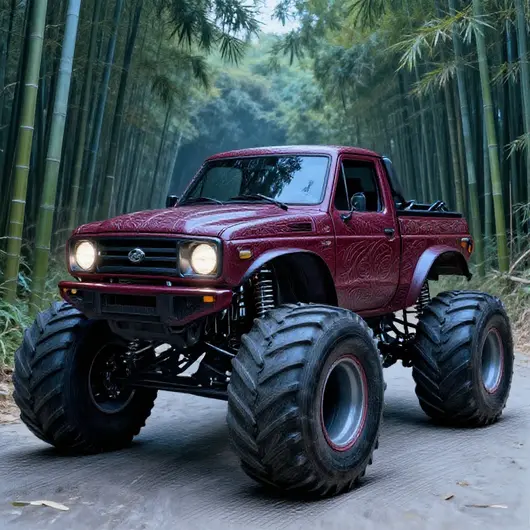
Dalam pasaran SUV Malaysia, ramai pembeli semasa memilih kereta sering membandingkan Perodua Aruz dan Mazda CX-5. Kedua-dua kereta ini mempunyai harga dan posisi yang agak hampir, hari ini kita akan membuat perbandingan terperinci dari pelbagai aspek untuk membantu anda menjimatkan masa membuat penyelidikan.
Harga OTR Perodua Aruz di Malaysia ialah RM 72,900 - 77,900, terdapat keseluruhan 2 varian, termasuk 1.5L X (RM 72,900), 1.5L AV (RM 77,900) dan lain-lain.
Harga OTR Mazda CX-5 di Malaysia ialah RM 135,469 - 166,760, terdapat keseluruhan 3 varian, termasuk 2025 2.0L AT 35th Anniversary (RM 316,154), 2025 2.0L AT (RM 296,154), 2025 2.0L MT (RM 294,154) dan lain-lain.
Dari segi harga, harga permulaan Perodua Aruz benar-benar RM 62,569 lebih murah daripada Mazda CX-5. Jika bajet anda terhad, varian pemula Perodua sudah boleh memenuhi keperluan harian. Tetapi perhatikan juga, ribuan ringgit yang lebih murah itu, mungkin ada kompromi dalam kelengkapan, bergantung pada keperluan anda.
Perodua Aruz ditenagai enjin 1.5L 4-silinder, kuasa 105 hp. Penggunaan minyak rasmi 6.0 L/100km.
Mazda CX-5 ditenagai enjin 1.5L Turbo, kuasa 140 hp. Penggunaan minyak rasmi 7.0 L/100km.
Dari segi kuasa, 1.5L Turbo Mazda CX-5 mempunyai 35 kuasa kuda lebih daripada 1.5L 4-silinder Perodua Aruz. Namun semasa memandu harian di bandar, kuasa kedua-dua kereta ini mencukupi, tidak akan terasa kurang tenaga.
Penilaian keselamatan Perodua Aruz ialah 5★ (ASEAN NCAP), sistem keselamatan aktif termasuk .
Penilaian keselamatan Mazda CX-5 ialah 5★ (ASEAN NCAP), sistem keselamatan aktif termasuk .
Penilaian keselamatan kedua-dua kereta adalah sama, dalam kelasan ini kelengkapan keselamatan dianggap lengkap. Keselamatan kereta baru sekarang tidak buruk, tidak perlu risau terlalu banyak tentang hal ini.
Perodua Aruz mempunyai jaminan 5 tahun/150,000km, selang servis setiap 10,000km atau 6 bulan.
Mazda CX-5 mempunyai jaminan 5 tahun/150,000km, selang servis setiap 10,000km atau 6 bulan.
Syarat jaminan kedua-dua kereta adalah sama, tidak perlu bimbang tentang hal ini. Kos penyelenggaraan sebenar bergantung pada rangkaian servis jenama dan harga komponen, disarankan bertanya pengalaman pemilik sebenar dalam kumpulan pemilik kereta.

Perodua Aruz dan Mazda CX-5 adalah pilihan utama dalam pasaran Malaysia, sesuai untuk kegunaan keluarga dan komuter harian. Jika anda lebih menghargai reputasi jenama dan harga pasaran kedua, anda boleh memberi keutamaan kepada yang mempunyai reputasi lebih baik; jika anda lebih mengutamakan kos-keberkesanan dan kelengkapan, maka pilih yang mempunyai konfigurasi lebih kaya. Pada akhirnya disarankan untuk memandu uji kedua-dua model, pengalaman langsung adalah yang paling penting.

Secara keseluruhan, Perodua Aruz dan Mazda CX-5 adalah model kereta yang sangat baik dalam pasaran Malaysia. Memilih mana satu, kuncinya masih bergantung pada keperluan dan bajet peribadi anda. Kami cadangkan anda membuat penyelidikan terlebih dahulu, bandingkan beberapa sebut harga dari pengedar kereta yang berbeza, kemudian buat keputusan akhir setelah memandu uji. Membeli kereta adalah perkara besar, menghabiskan masa untuk membuat penyelidikan tidak akan pernah salah.

Dalam pasaran SUV di Malaysia, ramai pembeli semasa memilih kereta akan membandingkan Perodua Aruz dengan Mazda CX-3. Kedua-dua kereta ini mempunyai harga dan penempatan pasaran yang hampir sama, hari ini kita akan buat perbandingan terperinci dari pelbagai aspek, membantu anda menjimatkan masa menjalankan kajian.
Perodua Aruz mempunyai harga OTR di Malaysia RM 72,900 - 77,900, terdapat 2 varian, termasuk 1.5L X (RM 72,900), 1.5L AV (RM 77,900) dan sebagainya.
Mazda CX-3 mempunyai harga OTR di Malaysia RM 126,159 - 139,159, terdapat 2 varian, termasuk 2023 2.0L High (RM 139,159), 2023 2.0L Plus (RM 126,159) dan sebagainya.
Dari segi harga, harga permulaan Perodua Aruz memang lebih murah RM 53,259 berbanding Mazda CX-3. Jika bajet anda terhad, varian asas Perodua sudah boleh memenuhi keperluan harian. Tetapi perlu diingat, perbezaan ribuan ringgit ini mungkin ada kompromi pada pelengkapan, bergantung pada keperluan anda.
Perodua Aruz dilengkapi enjin 1.5L 4-silinder, kuasa 105 hp. Konsumsi minyak rasmi 6.0 L/100km.
Mazda CX-3 dilengkapi enjin 1.5L Turbo, kuasa 140 hp. Konsumsi minyak rasmi 7.0 L/100km.
Dari segi kuasa, Turbo 1.5L Mazda CX-3 mempunyai 35 hp lebih berbanding enjin 4-silinder 1.5L Perodua Aruz. Namun untuk memandu di bandar pada hari-hari biasa, kuasa kedua-dua kereta sudah mencukupi, tidak akan rasa kurang tenaga.
Perodua Aruz waranti 5 tahun/150,000 km, selang penyelenggaraan setiap 10,000 km atau 6 bulan.
Mazda CX-3 waranti 5 tahun/150,000 km, selang penyelenggaraan setiap 10,000 km atau 6 bulan.
Syarat waranti kedua-dua kereta sama, anda tidak perlu bimbang tentang hal ini. Kos penyelenggaraan sebenar bergantung kepada rangkaian perkhidmatan jenama dan harga komponen, disarankan bertanya pengalaman pemilik sebenar dalam kumpulan peminat kereta.
Perodua Aruz dan Mazda CX-3 adalah pilihan utama pasaran Malaysia, sesuai untuk kegunaan keluarga, perjalanan harian. Jika anda lebih mengutamakan reputasi jenama dan nilai jualan semula, prioritaskan yang mempunyai reputasi lebih baik; jika anda lebih mementingkan nilai kos-kepada-pelaksanaan dan pelengkapan, maka pilih yang mempunyai konfigurasi lebih banyak. Akhir sekali disarankan kedua-dua kereta ujian memandu, pengalaman sendiri paling penting.

Secara keseluruhannya, Perodua Aruz dan Mazda CX-3 adalah model kereta yang sangat bagus di pasaran Malaysia. Memilih mana satu, utama sekali bergantung kepada keperluan peribadi dan bajet anda. Cadangkan lakukan kajian, bandingkan beberapa tawaran harga pengedar kereta, kemudian buat ujian memandu untuk keputusan akhir. Membeli kereta adalah perkara besar, meluangkan masa membuat kajian tidak akan salah.

Dalam pasaran SUV di Malaysia, ramai pembeli membandingkan Perodua Aruz dan Mazda CX-3 semasa memilih kereta. Kedua-dua model ini mempunyai harga dan posisi yang hampir sama, hari ini kami akan melakukan perbandingan terperinci dari pelbagai aspek, membantu anda menjimatkan masa membuat penyelidikan.
Perodua Aruz mempunyai harga OTR di Malaysia sebanyak RM 72,900 - 77,900, terdapat 2 varian, termasuk 1.5L X (RM 72,900), 1.5L AV (RM 77,900) dan lain-lain.
Mazda CX-3 mempunyai harga OTR di Malaysia sebanyak RM 126,159 - 139,159, terdapat 2 varian, termasuk 2023 2.0L High (RM 139,159), 2023 2.0L Plus (RM 126,159) dan lain-lain.
Dari segi harga, harga permulaan Perodua Aruz memang lebih murah RM 53,259 berbanding Mazda CX-3. Jika bajet anda terhad, varian permulaan Perodua sudah boleh memenuhi keperluan harian. Tetapi perlu diingat, perbezaan harga seribu ringgit mungkin melibatkan pilihan pada kelengkapan, bergantung pada keperluan anda.
Perodua Aruz menggunakan cara pemacu FWD.
Mazda CX-3 menggunakan cara pemacu FWD.
Kedua-dua kereta mempunyai cara pemacu yang sama, iaitu FWD, pengalaman memandu harian tidak akan berbeza banyak.
Perodua Aruz diberi waranti 5 tahun/150,000km, jarak selang penyelenggaraan setiap 10,000km atau 6 bulan.
Mazda CX-3 diberi waranti 5 tahun/150,000km, jarak selang penyelenggaraan setiap 10,000km atau 6 bulan.
Kedua-dua kereta mempunyai syarat waranti yang sama, tiada masalah di sini. Kos penyelenggaraan sebenar bergantung pada rangkaian servis jenama dan harga komponen, disyorkan bertanya pemilik sebenar dalam kumpulan kereta untuk pengalaman.
Perodua Aruz dan Mazda CX-3 adalah pilihan utama pasaran Malaysia, sesuai untuk kegunaan keluarga, perjalanan harian. Jika anda lebih mengutamakan reputasi jenama dan harga kedua, pertimbangkan yang mempunyai reputasi lebih baik; jika anda lebih mementingkan nilai dan kelengkapan, pilih yang lebih kaya dengan spesifikasi. Pada akhirnya, disyorkan memandu kedua-duanya, pengalaman langsung adalah yang paling penting.
Secara keseluruhannya, Perodua Aruz dan Mazda CX-3 adalah model yang sangat baik di pasaran Malaysia. Memilih mana satu, utamanya bergantung pada keperluan peribadi dan bajet anda. Disyorkan membuat kajian, membandingkan beberapa tawaran daripada dealer, kemudian memandu untuk membuat keputusan akhir. Membeli kereta adalah perkara besar, mengambil sedikit masa untuk membuat kajian tidak akan meleset.


Surprisingly, this year's World Cup soccer tournament actually had a 'negative impact' on car sales.
The market analysis report for June released by the CPCA mentioned that with the World Cup starting, the time and budget of car buyers were diverted. Implicitly, cars aren't selling well, and even the World Cup is to blame.
This is not just passing the buck. In the first half of this year, the China auto market was indeed very difficult, where any minor factor could affect final transactions.
According to data, national passenger car retail sales were 8.701 million units in the first half, a year-on-year drop of 20.2%. The drop in June alone widened to 23.2%. Statistics from CAAM also show that total vehicle sales including exports were 15.017 million units, a year-on-year decline of 4.1%.
Fortunately, just like a football match, halftime does not mean the end. In the first 100 matches of this World Cup, based on 90-minute results, 40 matches had different halftime win/draw/loss outcomes compared to the final result.
The second half for automakers has just begun. Whether they can rewrite the score depends on what cards each company holds. But one thing is unquestionable: Only leading automotive enterprises that seriously 'prepare' and have a stable 'chassis' have the opportunity to continue leading.
More Difficult Than Sales Decline is Profit Squeezing
A retail drop of 20.2% is already enough to catch the eye, but the more troublesome pressure compared to sales decline is hidden in the automakers' profit statements.
Data from the National Bureau of Statistics shows that in the first five months of this year, industrial enterprise profits above a certain scale nationwide increased by 18.8% year-on-year, while automobile manufacturing industry profits fell by 19.8%.
During the same period, the automobile industry achieved revenue of 420.96 billion yuan, a 1.4% year-on-year increase, but the profit margin was only 3.4%. Back in 2017, this figure was around 8%.

Revenue barely grew while profits plummeted, indicating that insufficient demand is only part of the pressure. Price competition continues, raw material prices like lithium carbonate and aluminum have risen, and R&D, channel, and marketing investments are hard to shrink synchronously with sales. For many automakers, even if cars are sold, the profit remaining on the balance sheet is decreasing.
This pressure is more intuitive when falling on specific enterprises.
In the first half, Li Auto delivered a cumulative 193,500 units, down 5.13% year-on-year, and saw single-month sales decline for two consecutive months; XPeng delivered 165,000 units, down 15.8% year-on-year. New force automakers that used to maintain high-speed growth are also beginning to face growth pressure brought by the expansion of sales volume bases and intensified product competition.
The situation on the profit side is even more severe.
On July 12, Seres released performance forecasts, expecting a net loss of 1.5 billion to 1.8 billion yuan in the first half, while the net profit for the same period last year was 2.941 billion yuan. This means its performance decreased by more than 4.4 billion yuan compared to the same period last year. Price hikes in raw materials such as memory chips and lithium carbonate have pushed up costs, compounded by book adjustments of certain existing assets, significantly impacting its profitability.
The pressure is also transmitting to the channel end. In June, the dealer inventory warning index reached 57.2%, continuing to remain above the prosperity-thriving line; more than 70% of dealer stores did not complete their half-year sales targets. Slower inventory turnover and expanded terminal discounts further compressed the profit space for dealers and automakers.
The new energy market is no exception either. The penetration rate of new energy in June has reached 62.8%, but new energy passenger car retail sales still dropped by 14% in the first half. The substitution of new energy for fuel vehicles continues, but no longer naturally equates to the total growth of the auto market.
Insufficient domestic market growth has also made exports an important direction for automakers to seek new growth and diversify operational pressure.
Exports Contribute Growth, Going Overseas Shifts to Local Operation
Data from CAAM shows that in the first half of the year, China's auto exports reached 5.096 million units, a 65.3% year-on-year increase; June alone exports were 1.037 million units, a 75.1% year-on-year increase, with monthly export volume standing at the million-unit level for the first time.
While domestic demand shrinks, exports have become an important fulcrum for many automakers to maintain scale. However, from exporting whole vehicles to building factories overseas to opening channels with international partners, the paths chosen by each company are not the same.
Chery remains the vanguard of exports. In the first half, Chery Group exported 943,800 units, accounting for nearly 70% of total sales; June alone saw exports of 191,100 units, breaking the record for single-month exports by Chinese automakers.
BYD's overseas focus is shifting from whole vehicle exports to local manufacturing. In the first half, BYD sold 789,400 units overseas, a 68% year-on-year increase; June overseas sales accounted for more than 40% of its total monthly sales. With factories in Brazil and Thailand coming into production successively, BYD is gradually spreading capacity 'beyond tariff barriers'.

Geely and Leapmotor's export growth rates are equally outstanding. Geely exported 474,200 units in the first half, a 158% increase year-on-year; first-half export volume has already exceeded that of the full year of 2025. Leapmotor utilized Stellantis' channels and factory layout to go overseas, exporting nearly 100,000 units in the first half, also exceeding the full previous year. Borrowing from a mature global system allowed Leapmotor to save the time needed to build its own channels and capacity.
SAIC's overseas sales in the first half were 735,000 units, a 48.7% year-on-year increase, accounting for about 36% of the group's total sales. Overseas manufacturing, channel, and brand systems accumulated over the years have become an important buffer in this round of domestic market adjustments.
Changan is also accelerating the transformation from product exports to local operations. The 2.0 version of the 'Sea Accepts Rivers' plan released in April proposed long-term, local, and systematic approaches, promoting global business extension into manufacturing, investment, service, and brand operations. With the landing of multiple results such as Brazilian President witnessing the Brazil factory production start, the 20,000th whole vehicle coming off the line at the Thailand factory, and Qiyuan Q05 launching in Uzbekistan, overseas localization layout is gradually showing results. In the first half, Changan delivered 402,000 units overseas, a 35.1% year-on-year increase, accounting for about one-third of the group's delivery volume.
In May, Changan reached a global official cooperation agreement with the Portuguese National Football Team. Carrying out sports marketing in the World Cup year can also be seen as a step where its overseas investment extends from channel construction to brand operations.
As the proportion of overseas sales in the enterprise's total portfolio continues to increase, export numbers are no longer the only standard for measuring the effectiveness of globalization.Tariff policies, certification standards, and consumption habit differences in different markets are significantly distinct. Channels, after-sales, local production, and brand building all require long-term investment, and may not directly translate into profits in the short term.
Therefore, in the second half of the year when evaluating automakers' overseas performance, sales volume is still the foundation, but local operation efficiency, brand recognition, and profit quality will become more important. Whether exports can truly precipitate into long-term growth depends on whether automakers can move from 'selling cars' to 'operating locally'.
Viewing Sales Proportion: Domestic Market Is Still the Main Battlefield
The rapid growth of overseas markets has not changed the basic proportion of the domestic market.
Data from CAAM shows that domestic car sales in the first half were 9.921 million units. Although down 21.1% year-on-year, the scale is still close to twice that of exports, accounting for about two-thirds of total auto sales. Calculated by half-year alone, one percentage point of market share is close to 100,000 units. No mainstream automaker would give up easily.
Domestic market competition is already fierce, but overseas giants have also not chosen to leave.
Data from the CPCA shows that in June, domestic retail of mainstream joint venture brand new energy passenger cars increased by 45% year-on-year. Volkswagen plans to launch more than 20 electrified models in China this year. The locally developed CEA electronic/electrical architecture has entered mass production with the first model, and subsequent models will also be launched successively within the year. As joint venture brands accelerate local R&D and new energy transformation, competition intensity in the domestic market will continue to increase.

Facing internal demand pressure, domestic independent brands are also looking for breakthrough points from different directions such as products, technology, organization, and capacity.
BYD stabilizes the sales basic disk while supplementing infrastructure. June sales reached 403,500 units, achieving year-on-year positive growth again; Megawatt flash charging is also starting to move from conferences to implementation, and charging networks are gradually spreading nationwide.
Geely is asking internal efficiency.Li Shufu proposed 'stopping, merging, transferring, and transforming' redundant entities, compressing repeated brand and R&D investments, and concentrating resources further on main platforms. In the first half, Geely stabilized overall sales volume with 1.423 million units.
New forces in the growth phase have also not stopped expanding. Leapmotor delivered 356,500 units in the first half, a 60% year-on-year increase, becoming the new force with the highest sales volume. The A10 launched in March entered the top three in SUV sales in three months, and the flagship model D19 cut into the fiercely competitive mid-to-large SUV market, promoting volume sales and brand elevation along two lines simultaneously.

Xiaomi delivered more than 180,000 units cumulatively in the first half. Compared to the 550,000 annual target set at the beginning of the year, monthly delivery volume in the second half needs to be increased to above 60,000. Expanding capacity and accelerating deliveries will become the core task of its second half.
Changan Auto achieved deliveries of 1.1956 million units in the first half, with 402,000 units delivered overseas (up 35.1% year-on-year), and new energy deliveries of 456,000 units (up 5.2% year-on-year). In the second half of this year, Changan Auto will concentrate on promoting product launches and technology implementation, continuously promoting the strategic synergy of Avatr and Deepal frontend independence and backend integration, while accelerating the application of self-developed intelligent technology.Currently, the Tiandu intelligent driving assistance function has been successively applied to Qiyuan Q07, A06, and the new Q05. According to the mass production plan announced in May this year, the Qiyuan Q06 launching in the second half will be equipped with Tiandu Pilot on all models, becoming an important node for Changan's self-developed assisted driving solution to further expand its application.

The domestic market still has a semi-annual scale of nearly 10 million units, and replacement demand will not disappear into thin air. The issue is, facing the increasingly dense new car launches and continuously increasing price pressure, automakers not only need to compete for sales but also need to try to repair profits.
In the second half, whether new cars can quickly gain volume, whether technology can be converted into experiences consumers are willing to pay for, and whether scale growth can bring operational efficiency improvements will jointly determine the performance of automakers in the domestic market.
Final Remarks:
In the first half of this year, the pressure on China's auto industry was reflected simultaneously at both sales and profit ends.Exports grew rapidly, providing a new scale fulcrum for automakers; but the domestic market still determines the basic disk of most enterprises and is the most intensely competitive main battlefield in the second half of the year.
The key to follow lies in whether overseas layout can precipitate into continuous orders and local operating capabilities, whether domestic new products can form scale delivery, and whether technology investment can truly be converted into revenue and profit.
For automakers that have completed a certain amount of preliminary layout, subsequent performance depends on whether products, technology, and global reserve can be timely redeemed for sales and income.
For the entire industry, simply pursuing sales volume is no longer enough; delivery speed, cost control, and profit quality will become equally important.
Halftime has passed, but the outcome has not yet been determined.
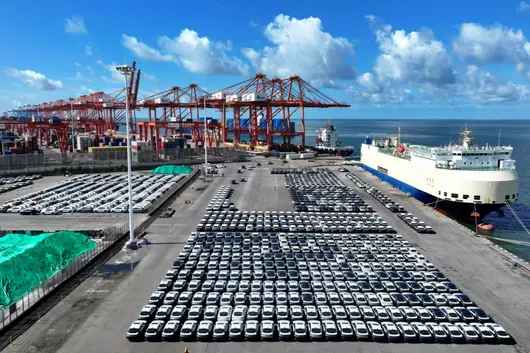
Dalam pasaran SUV Malaysia, ramai pembeli membandingkan Perodua Aruz dan Toyota Yaris Cross semasa memilih kereta. Kedua-dua kereta ini mempunyai harga dan kedudukan pasaran yang agak dekat, hari ini kita akan buat perbandingan terperinci dari pelbagai aspek untuk membantu anda menjimatkan masa membuat kajian.
Harga OTR Perodua Aruz di Malaysia adalah RM 72,900 - 77,900, terdapat 2 versi, termasuk 1.5L X (RM 72,900), 1.5L AV (RM 77,900) dan lain-lain.
Harga OTR Toyota Yaris Cross di Malaysia adalah RM 99,900 - 109,900, terdapat 2 versi, termasuk 2026 1.5L Standard (RM 99,900), 2026 HEV 1.5L Standard (RM 109,900) dan lain-lain.
Dari segi harga, harga permulaan Perodua Aruz memang lebih murah RM 27,000 berbanding Toyota Yaris Cross. Jika bajet anda terhad, versi asas Perodua sudah boleh memenuhi keperluan harian. Tetapi perlu diingat, perbezaan harga ribuan itu mungkin melibatkan kompromi pada peralatan, bergantung kepada keperluan anda.
Penilaian keselamatan Perodua Aruz ialah 5★ (ASEAN NCAP), sistem keselamatan aktif termasuk.
Penilaian keselamatan Toyota Yaris Cross ialah 5★ (ASEAN NCAP), sistem keselamatan aktif termasuk TSS.
Kedua-dua kereta mempunyai penilaian keselamatan yang sama, dalam kelas ini peralatan keselamatan diberikan dengan cukup lengkap. Keselamatan kereta baru sekarang tidak buruk, tiada perlu risau mengenai perkara ini.
Perodua Aruz menggunakan cara pemanduan FWD.
Toyota Yaris Cross menggunakan cara pemanduan FWD.
Cara pemanduan kedua-dua kereta sama, iaitu FWD, tiada perbezaan besar dalam pengalaman memandu harian.
Perodua Aruz dan Toyota Yaris Cross adalah pilihan utama pasaran Malaysia, sesuai untuk kegunaan keluarga, perjalanan harian. Jika anda lebih mengutamakan reputasi jenama dan harga sara, pilih yang mempunyai reputasi lebih baik; jika anda lebih mengutamakan nilai harga dan peralatan, maka pilih yang mempunyai lebih banyak konfigurasi. Pada akhirnya disarankan untuk memandu uji kedua-duanya, pengalaman sendiri adalah yang paling penting.

Secara keseluruhannya, Perodua Aruz dan Toyota Yaris Cross adalah model kereta yang sangat baik di pasaran Malaysia. Memilih yang mana satu, penting untuk melihat keperluan dan bajet anda sendiri. Disarankan membuat kajian terlebih dahulu, bandingkan harga dari banyak dealer, kemudian uji pemandu untuk membuat keputusan akhir. Membeli kereta adalah perkara besar, meluangkan masa untuk kajian tidak akan salah.

無數商業史都證明,越係大家認同格局牢不可破嗰陣,真正嘅破局者越會喺縫隙度生咗出嚟。
一個成熟嘅市場真正發生質變,往往唔係因為多咗一款新產品,而係因為第一名換咗名,特斯拉係汽車、蘋果係智能手機、大疆係無人機,皆係如此。
喺方盒仔產品層出不窮、輕越野賽道愈趨擁擠嘅背景下,咁樣具標誌性意義嘅時刻也陸續嚟到。
2026 年 6 月,BJ30 旅行家單月銷量達到 8609 輛,喺同口徑統計下登頂十萬級輕越野方盒仔市場銷量榜;同月,第 15 萬輛整車正式下線,成為中國輕越野 SUV 最快速達成 15 萬銷量嘅車型。

BJ30 旅行家唔到兩年完成 15 萬輛銷量積累,咁樣嘅成長速度放喺整個方盒仔賽道都並唔多見。但如果將呢啲只理解為一次反超,無疑低估咗佢嘅意義。
就似 BJ40 穩居硬派越野市場第一、BJ40 增程同樣霸榜增程方盒仔市場一樣,喺一條競爭持續升溫嘅賽道上,真正嘅超車,從來唔係追趕對手,而係重新定義競爭嘅終點。

BJ40 精準破解嘅係硬派越野市場長期存在嘅“場景割裂”痛點,而 BJ30 旅行家重新定義嘅,唔係某一個參數嘅天花板,而係一台十萬級輕越野 SUV 究竟應該點樣為咗咩樣嘅用戶、解決咩樣嘅問題、創造咩樣嘅價值,跟住,亦重新定義咗越野同家庭嘅關係——佢哋從來唔係非此即彼嘅選擇,而係可以相互成就、彼此賦能嘅生活方式。
正因為如此,BJ30 旅行家嘅登頂,更加係一個清晰嘅訊號,喺競爭邏輯更迭之下,輕越野方盒仔市場已進入新嘅競爭週期。
輕越野嘅能量守恆新解
過去幾年嘅輕越野賽道,似乎固守一條鐵律:越野參數越強,產品價值越高。
但消費人群迭代之下,賽道邏輯迎來根本性轉變。對於絕大多數用戶嚟講,越野只係偶爾撒野,而唔係每週都要翻山越嶺,決定輕越野嘅價值標準唔單純係越野能力嘅極限有幾高,而係能否喺越野、城市通勤、家庭出行等多種場景之間實現兼顧。
6 月 12 日,北汽株洲超級工廠,BJ30 旅行家用一次全网公開拆解,交出嚟一套全新解題思路。

喺直播鏡頭度,呢台車嘅關鍵部件狀態一一袒露喺觀眾面前:發動機渦輪積碳極少,變速箱外殼無漏油,內部齒輪無磨損坑窪,電池包無鼓包、漏液、衰減,副車架、懸掛擺臂無鏽蝕、滲油。
拆解真正驗證嘅,唔只係 15 萬公里後嘅機械狀態,更加係一台 HEV 輕越野車型喺長期、多場景使用中嘅平衡性。
目前輕越野市場存在多種技術路線。純電動力安靜平順、響應直接,但補能高度依賴充電設施;插混車型電池電量耗盡後,油耗表現同駕駛質感均會出現明顯滑坡。
相比之下,HEV 其實係更平衡嘅選擇。無須充電樁、冇里程焦慮,加油即走;低速時電機起步輕快、響應直接,巡航時發動機高效運轉,兼顧燃油經濟性。
呢種平衡,本質上,就係對用戶真實生活場景嘅回應。唔係只喺某一個場景表現突出,而係能夠喺日常同遠方之間自由切換——工作日唔違和,假期唔怯場。

當然,我哋都要規避一個“概念陷阱”。
“輕越野”嘅“輕”,唔少人誤以為意味要降低越野性能。事實上,呢度嘅“輕”,降低嘅係體驗門檻,而唔係產品能力。消費者雖然未必每天挑戰極限路況,但依然希望車輛喺泥地、碎石路、濕滑坡道等複雜場景下擁有可靠嘅通過能力。
就似 BJ30 選擇“三擎”,而唔係而家市場上更常見嘅“雙擎”亦在於對越野能力嘅理解。

豐田 THS、本田 i-MMD 為代表嘅雙擎混動系統,喺城市通勤場景中已經足夠成熟,但對於一台定位輕越野嘅 SUV 而言,僅有前驅電機嘅雙擎架構,喺面對交叉軸、泥地、碎石路等低附着力路況時,動力響應同四輪驅動力分配仍存在一定局限。
BJ30 旅行家搭載嘅三擎四驅六模 HEV 混動系統,整套系統由一台熱效率達到 41% 嘅混動專用發動機、前驅動電機同後橋驅動電機構成。三個動力源各司其職:發動機負責高速巡航同持續輸出,前電機承擔起步、加速等日常驅動,後電機就喺車輛需要脫困、爬坡或通過非鋪裝路面時,提供更強嘅低速扭矩同後輪驅動力。
配合同級唯一嘅“旅行越野三大件”:電四驅、能量中鎖、ATS 全地形控制系統,相當於為車輛裝咗“智慧大腦”,能自動識別打滑車輪並將動力瞬間轉移至有附着力嘅車輪,實現輕鬆脫困,令旅途途中再無後顧之憂。
越野係能力,生活先至係目的
無論走邊種路線,動力形式從來唔係目的,而係手段。
呢幾年嘅汽車圈,總令人有種“自嗨過頭”嘅感覺,越來越多嘅技術、配置同概念不斷堆疊,卻未必真正解決用戶嘅實際需求。但人係萬物嘅尺度,真正頂級嘅技術從不著緊所謂嘅“顛覆”,而係無須用戶低頭遷就,無論係動力形式、空間配置,都似電力一樣靜水深流,主動托起我哋嘅生活。
尤其對於家庭用戶嚟講,一輛優秀嘅輕越野,除咗回答邊種技術路線更均衡外,仲要回答三個更現實嘅問題:開住係咪更省、坐住係咪更舒適、裝係咪更多。
解決咗呢啲,先至係對“顛覆”最有力度嘅註解。
此前,BJ30 旅行家曾喺海外多國進行實地油耗測試,由南非、印尼、阿聯酋、波蘭、墨西哥五國汽車博主參與。測試場景包括城市擁堵、高速巡航、非鋪裝路面、長途自駕同複雜天氣,遠比標準工況更接近輕越野用戶嘅日常。最終,BJ30 旅行家喺每個國家嘅實測百公里油耗均低於 5L。

將呢份實測數據換算為使用成本,以一年行 15000 公里計算,BJ30 旅行家相比同級燃油 SUV,每年可節省約 4000 元油費——就算同好多 A0 級小轎車相比,佢嘅使用成本依然更具優勢。
如果話低使用成本降低咗擁有門檻,咁空間就決定咗一部車能否真正融入家庭生活。
家庭用戶對空間嘅需求,唔係“夠大”,而係夠“夠靈活”。呢樣亦重新定義咗咩叫真正有價值嘅空間:唔只係尺寸上嘅優勢,更喺令家庭面對各種“計劃內”同“計劃外”時,都擁有更強嘅從容應對能力。
BJ30 旅行家嘅思考方式好直接:與其將空間做成賬面優勢,不如將佢變成體驗優勢。2820 毫米軸距、三排七座佈局以及 66% 得房率,確保咗滿載狀態下每一位家庭成員都能擁有合理嘅乘坐空間;978 毫米後排腿部空間配合更為寬裕嘅第三排,盡量消除傳統七座 SUV“第三排只能應急”嘅妥協感。

家庭用車最常遇到嘅場景,往往係突發嘅大件搬運、臨時增加嘅出行人數,或者講走就走嘅短途露營。
BJ30 旅行家第二排座椅放倒後,可形成 1496L 純平裝載空間。無論係搬家時嘅大件家具、電器,定係露營裝備、滑雪器材,都能輕鬆容納;返程時父母塞嘅土特產,山姆等倉儲超市採購嘅大件商品都無須為裝載空間發愁。全車 38 處儲物空間,就令水杯、雨傘、文件、電腦等日常物品各有其位。

近期推出嘅 BJ30 旅行家高光版,就係對產品價值邊界嘅又一次延展。
高光版新增專屬車漆、潮改套件、星環輪轂以及橙色內飾,更加強調年輕化同個性化表達;座椅加熱同通風、方向盤加熱、雨量感應自動關窗、64 色氛圍燈、HiFi 音響等舒適配置嘅加入,進一步提升咗日常用車嘅品質感。

而當一部車真正融入生活場景,喺每一個高頻使用嘅瞬間都令人覺得“選啱咗”,認可便會自然沉澱為口碑,口碑又進一步轉化咗為推薦。再往遠處睇,佢改變嘅唔僅係一款產品嘅市場價值,更喺升級消費者對於輕越野嘅價值認知、一種新嘅生活出行方式。
產品嘅終局,永遠都係用戶價值
大家都話喺浮躁嘅時代,心智係最後一戰。咩係心智?流量退去、喧囂散盡,沉澱落嚟嘅價值大概就係心智。
而家,總流量見頂,人均注意力持續稀缺,用戶對營銷資訊嘅感知亦愈發疲勞。真正能夠穿越週期、持續增長嘅品牌,往往唔係最擅長追逐流量嘅品牌,就係能持續佔據用戶心智嘅品牌。
歸根結底,就係同用戶站在一起。
好多人認為,一款車嘅口碑始於上市之後。但對於 BJ30 旅行家嚟講,佢嘅口碑,其實從產品誕生前就已經開始醞釀。
幾年前,方盒仔開始成為市場熱點,嗰時各家車企幾乎都將注意力放喺更大嘅尺寸、更強嘅四驅、更高嘅通過性上,行業競爭不斷向“更硬核”升級。

然而,喺汽車論壇、社交平台嘅評論區,用戶討論嘅卻係另一件事。
“如果方盒仔都能似混動車咁省油就好了。”“點解唔可以有台唔使充電,又有四驅、油耗仲低嘅方盒仔?”
呢啲聲音看似零散,卻反映咗一個正形成嘅新需求:消費者想要嘅,唔係一部更極致嘅越野車,而係一部能夠真正融入日常生活嘅輕越野 SUV。
BJ30 旅行家選擇 HEV 路線,推出國內首款 HEV 混動方盒仔,正係對呢個需求嘅回應——換句話講,佢唔係定義需求,而係發現需求。
北京越野並冇將產品上市當做終點,而係將佢視為持續迭代嘅開始。

有用戶反饋,希望進一步提升車輛長期使用過程中嘅蓄電池耐久性。唔到一個產品週期,呢個建議便體現喺 BJ30 旅行家高光版上——新車升級搭載長壽命專用 AGM 電瓶,循環壽命達到普通電瓶嘅 3 倍。
呢種變化看似只係一次零部件升級,背後折射嘅卻係產品開發思路嘅改變:唔係企業定義用戶需要咩,而係讓用戶參與產品嘅成長。
呢種持續“聽勸”嘅能力,亦逐漸沉淀成 BJ30 旅行家嘅口碑資產。根據中國汽車流通協會發布嘅數據,BJ30 旅行家以 69.5% 嘅保值率位居 10 萬—15 萬自主緊湊型 SUV 保值率榜首。
BJ30 旅行家亦喺不斷將用戶嘅體驗延伸。喺購車環節,北京越野推出“3 萬超級置換政策”,置換用戶同新購用戶都可以享受。BJ30 旅行家全系超級置換價低至 6.99 萬起,將硬派方盒仔 SUV 嘅入手門檻拉到 7 萬級價格區間。

回頭來看,BJ30 旅行家嘅成長軌跡,其實形成咗一條清晰嘅發展邏輯:洞察真實需求、快速響應需求、持續迭代產品,再透過用戶口碑完成價值沉澱。銷量、保值率同用戶認可,看似係三個獨立嘅結果,本質上卻係同一套產品邏輯不斷被市場驗證後嘅答案。
呢條路徑,或許會成為整個行業嘅參考模板,因此值得拆解,持續關注。
畢竟第一名終究會不斷更替,但真正能夠改變行業嘅,從來都係榜單背後嗰套全新嘅價值標準。而呢樣,或許就係 BJ30 旅行家登頂十萬級輕越野方盒仔市場,最具分量嘅時代意義。
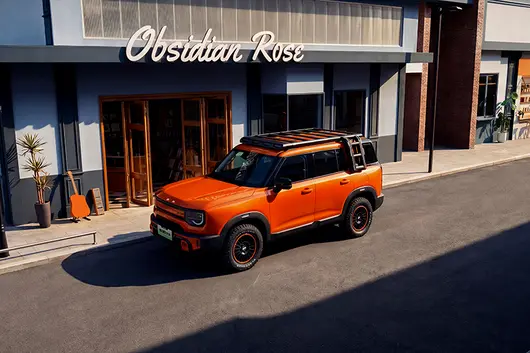

Momenta, the First Physical AI Stock, Becomes "Global Long-Term Choice": Global Sovereign and Long-Term Funds "Rush" to Subscribe, Oversubscription 44x July 8, 2026, leading global physical AI company Momenta officially lists on HKEX, stock code 6880.HK, becoming the "First Physical AI Stock". First day opening trading is hot, stock opens up over 6%, total market cap breaks 70 billion HKD.

Based on Momenta's previously announced allocation results, IPO pricing is 295.6 HKD/share. Assuming full exercise of the "Greenshoe" (Over-allotment Option), this global offering is approximately 22.93 million shares, raising total funds of approximately 6.8 billion HKD. Market subscription response is enthusiastic: public offering part receives 414x oversubscription; international offering part receives over 100 billion HKD in institutional orders, covering sovereign funds and long-term funds from 15 countries/regions, total oversubscription (excluding cornerstone, before greenshoe) reaches approximately 44 times.
It is reported that Momenta's anchor subscription lineup is luxurious, including Government of Singapore Investment Corporation (GIC), Fidelity International, BlackRock, Franklin Templeton, Abu Dhabi Investment Authority (ADIA), Canada Pension Plan Investment Board (CPPIB), Temasek, Wellington, Schroders, and other global top-tier institutions; at the same time, the full-scale positive outlook from domestic long-term capital further confirms Momenta's core status and strategic value in the domestic market: domestic top-tier private equity, public funds, and insurance capital gathered rarely, forming a solid local capital base. Long-term capital subscription amount alone exceeded 15 times, showing global long-term investors' confidence in Momenta's long-term value. Additionally, Momenta's IPO introduced 14 institutions to form an ultra-luxurious cornerstone investor lineup, with total cornerstone subscription amounting to approximately 3 billion HKD (approximately 376 million USD). The composition of the entire cornerstone investor lineup is rare in recent Hong Kong stock market primary issuances: including international top-tier long-term funds and sovereign funds focusing on ultra-long cycle value growth, industry "top-spec" level strategic investors, as well as Chinese top-tier long-term institutions, fully highlighting Momenta's scarcity in the Hong Kong stock market, having become a "Global Long-Term Common Choice".
Just the day before, Momenta announced that the scale of its mass production business has exceeded 1 million units.
At the listing ceremony, Momenta CEO Cao Xudong stated: "Ten years ago, we founded Momenta solely to follow a simple yet determined mission: Better AI, Better Life. Better AI stems from our curiosity. The obsession and curiosity about artificial intelligence make our lives 'vibrant'. Better Life carries our sense of mission. We believe the value of technology lies in making people's lives safer, freer, and better. Therefore, we set three ten-year visions: saving 1 million lives in ten years, liberating 100% of time in ten years, doubling logistics and travel efficiency in ten years. Today, we have brought a safer and more reassuring driving experience to over 1 million users."
When discussing the company's future development direction, Cao Xudong started from the company's past technical accumulation and extended to the next stage of intelligent scenarios, "In the past ten years, we made AI learn to drive, bringing full-time drivers to every family; in the next ten years, we will bring full-time housekeepers, doctors, teachers, and other robot service scenarios to every family, creating a 'GPT Moment' for Physical AI. We hope to write the Eastern Silicon Valley legend with all Chinese AI companies, embrace the whole world, and let the whole world embrace Chinese technology."
Global Long-Term Common Choice: Anchored Subscription by Dozens of Top Long-Term Funds, Consistent Optimism
Carefully reviewing Momenta's anchor subscription institutions and cornerstone investor list reveals its extremely high gold content; every one is a leader in global finance, industry, and other specific fields.
For example, sovereign funds focusing on long-cycle value investment gathered Government of Singapore Investment Corporation, Abu Dhabi Investment Authority, Canada Pension Plan Investment Board, Temasek, Oman Investment Authority, etc. Asset management institutions gathered Fidelity International, BlackRock, Goldman Sachs, JPMorgan, UBS, CIC, etc., an "All-Star Lineup", fully demonstrating consistent recognition of Momenta's financial performance and long-term value in the Physical AI field.
In the cornerstone list, Government of Singapore Investment Corporation and Fidelity International strongly led the investment, each allocated 100 million USD; BlackRock contributed 25 million USD, Oak Hill Capital contributed 20 million USD, Franklin Templeton contributed 10 million USD. Industry "top-spec" level strategic investors include leaders from international and Chinese automakers — Mercedes-Benz and BYD, contributing 25 million USD and 15 million USD respectively; industry chain partner GigaDevice contributed 6 million USD. Chinese top-tier long-term private equity, public funds, and insurance capital include Chinese top private equity funds GaoYi and Boyu, Chinese top public funds Huaxia and GF, and long-term insurance capital leader Pacific Insurance, each contributing 10 million USD.
The past investment history of the two leading investors is remarkably impressive. Among them, globally famous sovereign fund Government of Singapore Investment Corporation has invested in a series of globally well-known tech companies in recent years, including large model leading company Anthropic, TSMC, etc., previously investing in Alibaba, Meituan, Kuaishou, and other well-known industry leaders. And globally top-tier asset management institution Fidelity International has conducted long-term investments in Tencent, Alibaba, BYD, CATL, etc., and in recent years has also invested in many AI sector leaders including Zhongji Innolight, Cambricon, etc. through its funds. Choosing to lead Momenta may mean they have viewed Momenta as one of the core targets in the AI track.
It is worth noting that Mercedes-Benz and BYD also appeared in the Momenta cornerstone list and joined hands. As benchmarks of the global automotive industry and leaders of new energy vehicle companies, Mercedes-Benz and BYD are both old shareholders and partners of Momenta. This time, as cornerstone investors, they continued to increase investment and accompanied Momenta all the way, fully reflecting recognition of Momenta's Physical AI technology leading advantages and commercial prospects, and further deepening the moat of their strategic cooperation.
Before the IPO, Momenta has obtained multiple rounds of financing, and the shareholder lineup gathered the world's most core industry and technology strategic investors, as well as global top-tier financial investors. An ultra-luxurious and diversified shareholder lineup not only provided strategic and capital support for Momenta but also assisted Momenta's high-speed growth from aspects such as business synergy, user growth, and global layout.
Mass Production Breaks 1 Million Units: One Model "Conquers the World", Accelerating Towards "General Physical AI" Era
Momenta was founded in 2016 and is a leading global physical AI company, committed to creating a better life through breakthrough AI technology. Momenta is based on World Model, based on "Data Flywheel" technology insights, Mass Production and Scalable Robo businesses run "side by side", letting Physical AI enter real life.
This April, Momenta R7 World Model mass production premiere opened the "Physical AI Prologue". Momenta is committed to building the Physical AI foundation platform, supporting the scaled landing of passenger cars, Unmanned Logistics Vehicles (Robovan), Unmanned Trucks (Robotruck), and Unmanned Taxis (Robotaxi), and will also expand to robots and other fields. As a foundation model for Physical AI, R7 World Model is expected to become the key breakthrough point for stimulating Physical AI "GPT Moments" and lead the industry to accelerate towards the "General Physical AI" era.
With the first-mover advantage in Physical AI, World Model, and commercialization, Momenta's "Flywheel Effect" has fully appeared: in 2022, the first 100,000 units of mass production took 24 months, and now it can complete 100,000 unit delivery in less than 40 days at the fastest. Currently, the scale of mass production vehicles equipped with Momenta systems has broken 1 million units, successfully delivering over 100 mass production models, with cumulative designated models exceeding 210 units. Momenta's customers cover all mainstream passenger car enterprises in China, and 9 out of the world's top 10 automakers have cooperated with it.
The prospectus shows that Momenta's revenue scale achieved a leap in growth in the past three years: from 2023 to 2025, Momenta's operating revenue grew from 743 million yuan to 2.413 billion yuan, tripling in three years, with an annual compound growth rate exceeding 80%. Among them, licensing revenue growth was particularly bright, tripling 42 times in three years. Meanwhile, Momenta's gross margin continued to rise, increasing from 17.5% in 2023 to 71.6% in 2025, quadrupling in three years. As of the end of 2025, the company's cash reserves exceeded 10 billion yuan, providing strong support for accelerating Robo market and globalization development.
In terms of global layout, Momenta's mass production solutions have landed in over 10 countries/regions in Asia, Europe, Oceania, Latin America, and North Africa. Momenta Robotaxi has established cooperation with global travel platforms such as Uber, Grab, Lumo, Hego, and automakers such as Mercedes-Benz. It has landed in Asia, Europe, and Middle East regions, and plans to land in multiple new cities and regions globally this year.
This Hong Kong IPO will not only inject strong momentum into Momenta's technology evolution and business expansion but also set a new benchmark for the capitalization and scaled development of the Physical AI industry, becoming an important milestone for global Physical AI shifting from theoretical research to commercial landing. At the same time, IPO is expected to further accelerate Momenta's globalization process, promoting the progress of the global Physical AI industry with "Chinese Solution" in the wave of AI technology going overseas.
Momenta, the First Physical AI Stock Becomes "Global Long-Term Choice": International Offering Receives Over 100 Billion HKD Orders, Sovereign and Long-Term Funds Oversubscribe 44 TimesMomenta, the First Physical AI Stock Rings Bell Today: Anchor Subscription Long-Term Amount Exceeds 15x, Becomes "Global Long-Term Common Choice"Momenta, the First Physical AI Stock Hong Kong IPO: 14 Ultra-Luxurious Cornerstones Escort, Becomes "Global Long-Term Common Choice"Momenta, the First Physical AI Stock Lists on HKEX Today, Stimulating Physical AI "GPT Moment" with World ModelPhysical AI First Stock Officially Listed: Market Cap Breaks 70 Billion HKD, 14 Ultra-Luxurious Cornerstones Escort, Momenta Becomes "Global Long-Term Common Choice""Physical AI First Stock" Is Here! Momenta Officially Lists Today, Opening Price Surges Over 6%Officially Listed! "Physical AI First Stock" Momenta Rings Bell Today! Opening Price Surges Over 6%July 8, 2026, leading global physical AI company Momenta officially lists on HKEX, stock code 6880.HK, becoming the "First Physical AI Stock". First day opening trading is hot, stock opens up over 6%, total market cap breaks 70 billion HKD.
Based on Momenta's previously announced allocation results, IPO pricing is 295.6 HKD/share. Assuming full exercise of the "Greenshoe" (Over-allotment Option), this global offering is approximately 22.93 million shares, raising total funds of approximately 6.8 billion HKD. Market subscription response is enthusiastic: public offering part receives 414x oversubscription; international offering part receives over 100 billion HKD in institutional orders, covering sovereign funds and long-term funds from 15 countries/regions, total oversubscription (excluding cornerstone, before greenshoe) reaches approximately 44 times.
It is reported that Momenta's anchor subscription lineup is luxurious, including Government of Singapore Investment Corporation (GIC), Fidelity International, BlackRock, Franklin Templeton, Abu Dhabi Investment Authority (ADIA), Canada Pension Plan Investment Board (CPPIB), Temasek, Wellington, Schroders, and other global top-tier institutions; at the same time, the full-scale positive outlook from domestic long-term capital further confirms Momenta's core status and strategic value in the domestic market: domestic top-tier private equity, public funds, and insurance capital gathered rarely, forming a solid local capital base. Long-term capital subscription amount alone exceeded 15 times, showing global long-term investors' confidence in Momenta's long-term value. Additionally, Momenta's IPO introduced 14 institutions to form an ultra-luxurious cornerstone investor lineup, with total cornerstone subscription amounting to approximately 3 billion HKD (approximately 376 million USD). The composition of the entire cornerstone investor lineup is rare in recent Hong Kong stock market primary issuances: including international top-tier long-term funds and sovereign funds focusing on ultra-long cycle value growth, industry "top-spec" level strategic investors, as well as Chinese top-tier long-term institutions, fully highlighting Momenta's scarcity in the Hong Kong stock market, having become a "Global Long-Term Common Choice".
Just the day before, Momenta announced that the scale of its mass production business has exceeded 1 million units.
At the listing ceremony, Momenta CEO Cao Xudong stated: "Ten years ago, we founded Momenta solely to follow a simple yet determined mission: Better AI, Better Life. Better AI stems from our curiosity. The obsession and curiosity about artificial intelligence make our lives 'vibrant'. Better Life carries our sense of mission. We believe the value of technology lies in making people's lives safer, freer, and better. Therefore, we set three ten-year visions: saving 1 million lives in ten years, liberating 100% of time in ten years, doubling logistics and travel efficiency in ten years. Today, we have brought a safer and more reassuring driving experience to over 1 million users."
When discussing the company's future development direction, Cao Xudong started from the company's past technical accumulation and extended to the next stage of intelligent scenarios, "In the past ten years, we made AI learn to drive, bringing full-time drivers to every family; in the next ten years, we will bring full-time housekeepers, doctors, teachers, and other robot service scenarios to every family, creating a 'GPT Moment' for Physical AI. We hope to write the Eastern Silicon Valley legend with all Chinese AI companies, embrace the whole world, and let the whole world embrace Chinese technology."
Global Long-Term Common Choice: Anchored Subscription by Dozens of Top Long-Term Funds, Consistent OptimismCarefully reviewing Momenta's anchor subscription institutions and cornerstone investor list reveals its extremely high gold content; every one is a leader in global finance, industry, and other specific fields.
For example, sovereign funds focusing on long-cycle value investment gathered Government of Singapore Investment Corporation, Abu Dhabi Investment Authority, Canada Pension Plan Investment Board, Temasek, Oman Investment Authority, etc. Asset management institutions gathered Fidelity International, BlackRock, Goldman Sachs, JPMorgan, UBS, CIC, etc., an "All-Star Lineup", fully demonstrating consistent recognition of Momenta's financial performance and long-term value in the Physical AI field.
In the cornerstone list, Government of Singapore Investment Corporation and Fidelity International strongly led the investment, each allocated 100 million USD; BlackRock contributed 25 million USD, Oak Hill Capital contributed 20 million USD, Franklin Templeton contributed 10 million USD. Industry "top-spec" level strategic investors include leaders from international and Chinese automakers — Mercedes-Benz and BYD, contributing 25 million USD and 15 million USD respectively; industry chain partner GigaDevice contributed 6 million USD. Chinese top-tier long-term private equity, public funds, and insurance capital include Chinese top private equity funds GaoYi and Boyu, Chinese top public funds Huaxia and GF, and long-term insurance capital leader Pacific Insurance, each contributing 10 million USD.
The past investment history of the two leading investors is remarkably impressive. Among them, globally famous sovereign fund Government of Singapore Investment Corporation has invested in a series of globally well-known tech companies in recent years, including large model leading company Anthropic, TSMC, etc., previously investing in Alibaba, Meituan, Kuaishou, and other well-known industry leaders. And globally top-tier asset management institution Fidelity International has conducted long-term investments in Tencent, Alibaba, BYD, CATL, etc., and in recent years has also invested in many AI sector leaders including Zhongji Innolight, Cambricon, etc. through its funds. Choosing to lead Momenta may mean they have viewed Momenta as one of the core targets in the AI track.
It is worth noting that Mercedes-Benz and BYD also appeared in the Momenta cornerstone list and joined hands. As benchmarks of the global automotive industry and leaders of new energy vehicle companies, Mercedes-Benz and BYD are both old shareholders and partners of Momenta. This time, as cornerstone investors, they continued to increase investment and accompanied Momenta all the way, fully reflecting recognition of Momenta's Physical AI technology leading advantages and commercial prospects, and further deepening the moat of their strategic cooperation.
Before the IPO, Momenta has obtained multiple rounds of financing, and the shareholder lineup gathered the world's most core industry and technology strategic investors, as well as global top-tier financial investors. An ultra-luxurious and diversified shareholder lineup not only provided strategic and capital support for Momenta but also assisted Momenta's high-speed growth from aspects such as business synergy, user growth, and global layout.
Mass Production Breaks 1 Million Units: One Model "Conquers the World", Accelerating Towards "General Physical AI" EraMomenta was founded in 2016 and is a leading global physical AI company, committed to creating a better life through breakthrough AI technology. Momenta is based on World Model, based on "Data Flywheel" technology insights, Mass Production and Scalable Robo businesses run "side by side", letting Physical AI enter real life.
This April, Momenta R7 World Model mass production premiere opened the "Physical AI Prologue". Momenta is committed to building the Physical AI foundation platform, supporting the scaled landing of passenger cars, Unmanned Logistics Vehicles (Robovan), Unmanned Trucks (Robotruck), and Unmanned Taxis (Robotaxi), and will also expand to robots and other fields. As a foundation model for Physical AI, R7 World Model is expected to become the key breakthrough point for stimulating Physical AI "GPT Moments" and lead the industry to accelerate towards the "General Physical AI" era.
With the first-mover advantage in Physical AI, World Model, and commercialization, Momenta's "Flywheel Effect" has fully appeared: in 2022, the first 100,000 units of mass production took 24 months, and now it can complete 100,000 unit delivery in less than 40 days at the fastest. Currently, the scale of mass production vehicles equipped with Momenta systems has broken 1 million units, successfully delivering over 100 mass production models, with cumulative designated models exceeding 210 units. Momenta's customers cover all mainstream passenger car enterprises in China, and 9 out of the world's top 10 automakers have cooperated with it.
The prospectus shows that Momenta's revenue scale achieved a leap in growth in the past three years: from 2023 to 2025, Momenta's operating revenue grew from 743 million yuan to 2.413 billion yuan, tripling in three years, with an annual compound growth rate exceeding 80%. Among them, licensing revenue growth was particularly bright, tripling 42 times in three years. Meanwhile, Momenta's gross margin continued to rise, increasing from 17.5% in 2023 to 71.6% in 2025, quadrupling in three years. As of the end of 2025, the company's cash reserves exceeded 10 billion yuan, providing strong support for accelerating Robo market and globalization development.
In terms of global layout, Momenta's mass production solutions have landed in over 10 countries/regions in Asia, Europe, Oceania, Latin America, and North Africa. Momenta Robotaxi has established cooperation with global travel platforms such as Uber, Grab, Lumo, Hego, and automakers such as Mercedes-Benz. It has landed in Asia, Europe, and Middle East regions, and plans to land in multiple new cities and regions globally this year.
This Hong Kong IPO will not only inject strong momentum into Momenta's technology evolution and business expansion but also set a new benchmark for the capitalization and scaled development of the Physical AI industry, becoming an important milestone for global Physical AI shifting from theoretical research to commercial landing. At the same time, IPO is expected to further accelerate Momenta's globalization process, promoting the progress of the global Physical AI industry with "Chinese Solution" in the wave of AI technology going overseas.
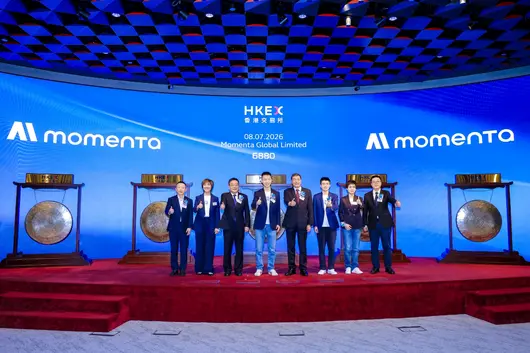

Di pasaran SUV Malaysia, ramai pembeli membandingkan Perodua Aruz dan Proton X70 ketika memilih kereta. Kedua-dua kereta ini hampir sama dari segi harga dan penjenamaan. Hari ini, kita akan membuat perbandingan terperinci dari pelbagai aspek untuk membantu anda menjimatkan masa membuat kajian.
Harga OTR Perodua Aruz di Malaysia adalah RM 72,900 - 77,900, terdapat 2 varian, termasuk 1.5L X (RM 72,900), 1.5L AV (RM 77,900) dan lain-lain.
Harga OTR Proton X70 di Malaysia adalah RM 106,800 - 122,300, terdapat 3 varian, termasuk 1.5L Standard 2WD (RM 106,800), 1.5L Executive 2WD (RM 115,800), 1.5L Premium 2WD (RM 122,300) dan lain-lain.
Dari segi harga, harga permulaan Perodua Aruz memang RM 33,900 lebih murah daripada Proton X70. Jika bajet anda terhad, versi permulaan Perodua sudah boleh memenuhi keperluan harian. Namun, perlu diingat, ribuan ringgit yang lebih murah mungkin melibatkan pemotongan pada peralatan, bergantung pada keperluan anda.
Perodua Aruz dilengkapi enjin 1.5L 4-cyl, kuasa 105 hp. Konsumsi bahan api rasmi 6.0 L/100km.
Proton X70 dilengkapi enjin 1.5L Turbo, kuasa 140 hp. Konsumsi bahan api rasmi 7.0 L/100km.
Dari segi kuasa, 1.5L Turbo Proton X70 mempunyai 35 hp lebih berbanding 1.5L 4-cyl Perodua Aruz. Namun, untuk penggunaan harian dalam bandar, kuasa kedua-dua kereta sudah memadai, tidak akan rasa kurang tenaga.
Perodua Aruz menggunakan pemacu FWD.
Proton X70 menggunakan pemacu FWD.
Kedua-dua kereta menggunakan pemacu sama, iaitu FWD, pengalaman memandu harian tidak akan berbeza jauh.
Perodua Aruz waranti 5 tahun/150,000km, selang servis setiap 10,000km atau 6 bulan.
Proton X70 waranti 5 tahun/150,000km, selang servis setiap 10,000km atau 6 bulan.
Syarat waranti kedua-dua kereta sama, tidak perlu berfikir berpanjangan. Kos servis sebenar bergantung pada rangkaian servis jenama dan harga spare part, disyorkan bertanya pemilik sebenar dalam komuniti kereta.
Perodua Aruz dan Proton X70 adalah pilihan utama pasaran Malaysia, sesuai untuk kegunaan keluarga dan perjalanan harian. Jika anda mengutamakan reputasi jenama dan harga jual semula, pertimbangkan yang mempunyai reputasi lebih baik; jika anda mementingkan nilai dan peralatan, pilih yang lebih kaya konfigurasi. Akhir sekali, disyorkan ujian memandu kedua-dua model, pengalaman sendiri adalah yang paling penting.
Keseluruhan, Perodua Aruz dan Proton X70 adalah model yang sangat baik di pasaran Malaysia. Memilih yang mana bergantung pada keperluan peribadi dan bajet anda. Disyorkan buat kajian terlebih dahulu, bandingkan sebut harga beberapa pengedar kereta, kemudian buat ujian memandu untuk keputusan akhir. Membeli kereta adalah perkara besar, meluangkan masa membuat kajian tidak akan pernah salah.


要说这两年比较内卷的汽车细分市场,“方盒子”肯定名列前茅,作为有着百年传承的经典造型,哪怕汽车设计经历过如此长时间的演变,它仍是永不过时的高分佳作。面对这一市场需求,各大车企也纷纷加码方盒子市场,这就导致竞争状况也愈演愈烈,消费者也在方盒子市场挑花了眼。那么问题来了,在手握10多万预算的情况下,哪辆更方盒子更值得选购呢?

10万级超大方盒子
既然说到这里,咱们肯定要先看销量数据,毕竟能让大多数消费者都选购的车型,它的综合实力和产品品质一定过硬。这不,在刚过去的6月就有一辆方盒子以超8000台的耀眼成绩,登顶十万级细分市场的销量冠军,它就是售价仅9.99万起的“BJ30旅行家”。

了解北京越野的都清楚,作为公认的“中国越野车发明者”,无论是在越野圈,还是方盒子领域,它都有着绝对的话语权。在拥有如此深厚历史底蕴和雄厚技术实力的背景下,北京越野自然是知道用户想要什么车。

因此,我们可以看到BJ30旅行家在传承方盒子这一经典硬派造型的同时,还在其中融入许多华夏文化元素,比如同级独有的五阙星环贯穿灯组,再搭配全套电感潮改套件和酷炫配色,既能大幅提升外观辨识度,又能满足年轻人追求的科技感和年轻化。

把目光转移到车内,大家会发现这辆定位A级SUV的BJ30旅行家,座舱空间却要比很多中型SUV还要大,这就得益于经过优化的车身设计,使得车身宽度超过1米9,轴距更是超2米8,搭配支持加热通风等功能的座椅,哪怕是满载五人也能坐着非常宽敞舒适,并且还能满足外出野营时的载物需求。

不止于此,考虑到年轻用户还非常注重智能体验,BJ30旅行家在座舱配置上也不含糊,从15.6英寸中控大屏、全液晶仪表盘等多项科技配置,再到支持智能语音识别控制、手车互联、OTA升级和多项常用功能的车机系统,以上这些全部都是标配,智能体验完全不输同价位的新能源车型。

同时,为了让出行变得更为省心且安心,BJ30旅行家还搭载L2级智能驾驶辅助系统,其不仅拥有多达近20个高感知硬件,还支持540度全景影像、车辆偏离预警、前后方碰撞预警、DOW开门预警、并线辅助和主动刹车等多项主动辅助驾驶功能,让用户在长途行车时能在一定程度上解放手脚,从而降低长时间开车疲劳感,并提升行车安全性。

“越野+省钱”一把抓
看到这里,相信很多人肯定非常期待一点,那就是作为一辆硬派SUV,它的越级实力怎么样?这就要提到BJ30旅行家搭载的“三擎四驱六模HEV混动架构”,这可是由41%热效率混动专用发动机+前驱动电机+后驱动电机组成,通过各自擅长的长距离节能、实时补能与瞬时爆发,让这辆车具备覆盖全场景出行的实力。

咱们来看最直观的数据,以刚推出的BJ30旅行家混动高光版为例,它的后电机在原本的基础上又把功率增大到70kW,这就使得拥有整车的双电机总功率达到了惊人的200kW,比很多燃油越野车配备的高功率六缸发动机还要给力,搭配可自动选择最优模式的智能四驱系统,以及能量中锁、四轮电子限滑和智电ATS全地形控制系统等硬核越野配置,也让这辆硬派方盒子能轻松应对泥地、沙地等较高难度的越野场景,从而让这个价位的方盒子SUV告别“样子货”的使用槽点。

大家也别担心性能强劲的同时,能耗也会随之增加,作为中国方盒子SUV品类的首款HEV混动车型,配备高效混动系统的BJ30旅行家,经过南非、印尼、阿联酋、波兰、墨西哥的五国汽车博主实测,均跑出百公里油耗不超5L的成绩,比同级别的燃油SUV低了将近一半,真正实现兼顾可城可野的全场景出行需求。

大侠车谈:毫无疑问,BJ30旅行家之所以能在竞争如此激烈的细分市场,迅速登顶十万级方盒子市场的销量冠军,核心原因就在于它在10万级这个价位区间,让喜爱越野却又想兼顾家用的用户,买到一辆能真正实现覆盖全场景需求的硬派方盒子!
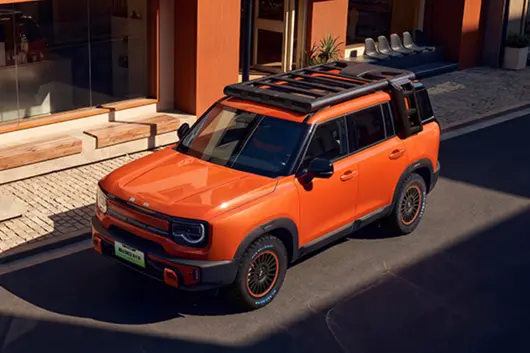

喺馬來西亞嘅 SUV 市場,好多買家喺揀車嗰陣都會拿波杜亞 Ativa 同本田 HR-V 嚟做比較。這兩款車喺價錢同定位上都幾接近,今日我哋就從多個方面做一次詳細比較,幫大家節省做功課嘅時間。
波杜亞 Ativa 喺馬來西亞嘅 OTR 售價係 RM 62,500 - 73,400,一共有 3 個版本,包括 1.0L Turbo X(RM 62,500)、1.0L Turbo H(RM 67,300)、1.0L Turbo AV(RM 73,400)等。
本田 HR-V 喺馬來西亞嘅 OTR 售價係 RM 115,900 - 143,900,一共有 4 個版本,包括 2026 年 e:HEV 1.5L RS(RM 143,900)、2026 年 1.5T V(RM 137,900)、2026 年 1.5T E(RM 130,900)等。
從價錢嚟睇,波杜亞 Ativa 嘅起步價確實比本田 HR-V 便宜咗 RM 53,400。如果你預算有限,波杜亞嘅入門版已經可以滿足日常需求。但亦都要注意,便宜嗰幾千蚊,可能喺配備上要有取舍,具體要看你嘅需求。

波杜亞 Ativa 嘅安全評級係 5★ (ASEAN NCAP),主動安全系統包括 ASA 3.0 + ACC + LDA + LKA + BSM + RCTA。
本田 HR-V 嘅安全評級係 5★ (ASEAN NCAP),主動安全系統包括本田 SENSING (ACC, CMBS, LKAS, RDM)。
兩款車嘅安全評級一樣,喺呢個級數裡面安全配備都算給得好齊全。而家嘅新車安全性都唔差,唔使太擔心這一點。

波杜亞 Ativa 採用 FWD 驅動方式。
本田 HR-V 採用 FWD 驅動方式。
兩款車嘅驅動方式一樣,都係 FWD,日常駕駛感覺唔會有太大分別。
波杜亞 Ativa 保修 5 年/150,000 公里,保養間隔 每 10,000 公里或 6 個月。
本田 HR-V 保修 5 年/無限里程,保養間隔 每 10,000 公里或 6 個月。

總體嚟講,波杜亞 Ativa 同本田 HR-V 都係馬來西亞市場幾唔錯嘅車型。揀邊一部,關鍵都要睇你嘅個人需求同預算。建議大家做好功課,多比較幾間車行嘅報價,再去試駕做最終決定。買車係件大事,花少少時間做功課絕對唔會錯。


【CNMO科技消息】7月8日,深蓝汽车公布了第二季度全球化布局成果。

深蓝汽车
据CNMO科技了解,第二季度,深蓝汽车实现了欧洲、东南亚多市场同步突破。欧洲区域,全新门店落地荷兰,深蓝S05、S07双车收获当地用户青睐;在西班牙巴塞罗那,深蓝S05 Ultra-Hybrid正式面向全欧上市。东南亚区域,菲律宾首店正式开业,新加坡市场开启深蓝S05的城市运营,深蓝S05、S07在马尔代夫加速交付。
深蓝汽车多款产品在全球多地活动中亮相。菲律宾马尼拉国际车展上,深蓝S05、S07、G318三款车型登场;英国FleetProcureLive展会中,深蓝S05、S07凭借驾控质感获得参会者认可;在阿曼有着“最美展厅”之称的库鲁姆展厅内,深蓝汽车倾力打造沉浸式科技盛宴。
5月23日,深蓝汽车正式官宣成为葡萄牙国家队全球官方合作伙伴,全球爆款深蓝S05交付葡萄牙国家队。诺贝尔物理学奖得主、石墨烯发现者康斯坦丁诺沃肖诺夫公开为全新深蓝S07点赞,高度肯定深蓝汽车的技术研发实力。
作为长安汽车“海纳百川”计划的先发探索者,深蓝汽车已覆盖全球100+国家和地区,1-6月全球累计销量达164156辆,同比大幅增长14.6%。


喺馬來西亞嘅 SUV 市場,好多買家喺揀車嘅時候都會拿 寶達 Ativa 同 寶騰 X50 嚟做比較。這兩款車喺價位同定位上都幾接近,而家我哋就從多個方面做一個詳細嘅比較,幫你省咗做功課嘅時間。
寶達 Ativa 喺馬來西亞嘅 OTR 售價係 RM 62,500 - 73,400,一共有 3 個版本,包括 1.0L Turbo X(RM 62,500)、1.0L Turbo H(RM 67,300)、1.0L Turbo AV(RM 73,400) 等。
寶騰 X50 喺馬來西亞嘅 OTR 售價係 RM 89,800 - 113,300,一共有 4 個版本,包括 1.5T Executive(RM 89,800)、1.5T Premium(RM 101,800)、1.5T Flagship(RM 113,300) 等。
從價錢睇,寶達 Ativa 嘅起步價確實比 寶騰 X50 平咗 RM 27,300。如果你預算有限,寶達嘅入門版已經可以滿足日常需求。但都要留意,平嗰幾千蚊,可能喺配備上有取捨,具體睇你嘅需求。
寶達 Ativa 搭載 1.5L 4-cyl,馬力 105 hp。官方油耗 6.0 L/100km。
寶騰 X50 搭載 1.5L 4-cyl,馬力 105 hp。官方油耗 6.0 L/100km。
兩款車用嘅係同一套動力系統,日常開落嚟嘅感覺基本冇分別。油耗方面都差唔多,唔使太糾結這一點。
寶達 Ativa 保用 5 年/150,000km,保養間隔 每 10,000km 或 6 個月。
寶騰 X50 保用 5 年/150,000km,保養間隔 每 10,000km 或 6 個月。
兩款車嘅保用條件一樣,呢方面唔使糾結。實際保養成本仲要睇品牌嘅服務網絡同零件價格,建議去車友群問下真實車主嘅經驗。
寶達 Ativa 同 寶騰 X50 都係馬來西亞市場嘅主流選擇,適合家庭使用、日常通勤。如果你更睇重品牌口碑同二手價,可以優先考慮口碑更好嗰一款;如果你更重視性價比同配備,那就揀配備更豐富嗰款。最後始終建議兩款都去試駕,親身體驗先係最緊要嘅。

總括嚟講,寶達 Ativa 同 寶騰 X50 都係馬來西亞市場好唔錯嘅車型。揀邊一輛,關鍵始終係睇你嘅個人需求同預算。建議大家做好功課,多比較幾間車行嘅報價,再去試駕做最終決定。買車係件大事,花少少時間做功課絕對唔會錯。

喺馬來西亞嘅 SUV 市場,好多買家喺揀車嘅時候都會拎柏杜亞 Ativa 同寶騰 X90 嚟比較。呢兩款車喺價位同定位上都幾接近,今日我哋就從多個方面做個詳細比較,幫你節省做功課嘅時間。
柏杜亞 Ativa 喺馬來西亞嘅 OTR 售價係 RM 62,500 - 73,400,總共 3 個版本,包括 1.0L Turbo X(RM 62,500)、1.0L Turbo H(RM 67,300)、1.0L Turbo AV(RM 73,400) 等。
寶騰 X90 喺馬來西亞嘅 OTR 售價係 RM 106,800 - 122,800,總共 4 個版本,包括 2026 1.5T Prime X(RM 122,800)、2026 1.5T Prime(RM 116,800)、2026 1.5T Lite(RM 106,800) 等。
由價錢睇落,柏杜亞 Ativa 嘅起步價真係比寶騰 X90 平咗 RM 44,300。如果你預算有限,柏杜亞嘅入門版已經可以滿足日常需要。但都要注意,平嗰幾千蚊,可能喺配備上會有取捨,具體要睇你嘅需要。
柏杜亞 Ativa 配備 1.5L 4-cyl,匹數 105 hp。官方油耗 6.0 L/100km。
寶騰 X90 配備 1.5L Turbo,匹數 140 hp。官方油耗 7.0 L/100km。
動力方面,寶騰 X90 嘅 1.5L Turbo 比柏杜亞 Ativa 嘅 1.5L 4-cyl 多咗 35 匹。不過日常喺市區開,兩款車嘅動力都夠用,唔會覺得唔夠力。
柏杜亞 Ativa 保養保修 5 年/150,000km,保養間隔 每 10,000km 或 6 個月。
寶騰 X90 保養保修 5 年/150,000km,保養間隔 每 10,000km 或 6 個月。
兩款車嘅保修條件一樣,呢方面唔使諗多。實際保養成本仲要睇品牌嘅服務網絡同零件價格,建議去車友群問下真實車主嘅經驗。
柏杜亞 Ativa 同寶騰 X90 都係馬來西亞市場嘅主流選擇,適合家庭用、日常通勤。如果你更重視品牌口碑同二手價,可以優先考慮口碑更好嗰一款;如果你更介意性價比同配備,就揀配置更豐富嗰款。最後都建議兩款都去試車,親身體驗先係最重要。

總括嚟講,柏杜亞 Ativa 同寶騰 X90 都係馬來西亞市場幾唔錯嘅車型。揀邊一輛,關鍵係要睇你嘅個人需要同預算。建議大家做好功課,多比較幾間車行嘅報價,再去試車做最終決定。買車係件大事,花啲時間做功課絕對唔會錯。

喺馬來西亞嘅 SUV 市場,好多買家在揀車嘅時候都會揀寶威 Ativa 同寶騰 X90 嚟比較。呢兩款車喺價位同定位上嘅確好接近,今日我哋就從多個方面做個詳細對比,幫你節省做功課嘅時間。
寶威 Ativa 喺馬來西亞嘅 OTR 售價係 RM 62,500 - 73,400,總共有 3 個版本,包括 1.0L Turbo X(RM 62,500)、1.0L Turbo H(RM 67,300)、1.0L Turbo AV(RM 73,400)等。
寶騰 X90 喺馬來西亞嘅 OTR 售價係 RM 106,800 - 122,800,總共有 4 個版本,包括 2026 1.5T Prime X(RM 122,800)、2026 1.5T Prime(RM 116,800)、2026 1.5T Lite(RM 106,800)等。
從價格嚟睇,寶威 Ativa 嘅起步價確實比寶騰 X90 平咗 RM 44,300。如果你預算有限,寶威嘅入門版已經可以滿足日常需求。但亦都要注意,平嗰幾千塊,喺配備上可能會做取捨,具體就要睇你嘅需求。
寶威 Ativa 搭載 1.5L 4-cyl,馬力 105 hp。官方油耗 6.0 L/100km。
寶騰 X90 搭載 1.5L Turbo,馬力 140 hp。官方油耗 7.0 L/100km。
動力方面,寶騰 X90 嘅 1.5L Turbo 比寶威 Ativa 嘅 1.5L 4-cyl 多咗 35 匹馬力。不過日常喺市區開,呢兩款車嘅動力都夠用,唔會覺得唔夠力。
寶威 Ativa 採用 FWD 驅動方式。
寶騰 X90 採用 FWD 驅動方式。
兩款車嘅驅動方式一樣,都係 FWD,日常駕駛感受唔會有太大分別。
寶威 Ativa 保修 5 年/150,000km,保養間隔 每 10,000km 或 6 個月。
寶騰 X90 保修 5 年/150,000km,保養間隔 每 10,000km 或 6 個月。
兩款車嘅保修條件一樣,呢方面唔使糾結。實際保養成本仲要睇品牌嘅服務網絡同零件價格,建議去車友群問下真實車主嘅經驗。
寶威 Ativa 同 寶騰 X90 都係馬來西亞市場嘅主流選擇,適合家庭使用、日常通勤。如果你更重視品牌口碑同二手價,可以優先考慮口碑更好嗰款;如果你更在意性價比同配備,就揀配置更豐富嗰款。最後都建議兩款都去試駕,親身體驗先係最重要嘅。

總體嚟講,寶威 Ativa 同 寶騰 X90 都係馬來西亞市場好唔錯嘅車款。揀邊一輛,關鍵仲要睇你嘅個人需求同預算。建議大家做好功課,多比較幾間車行嘅報價,再去做試駕做最終決定。買車係件大事,花少少時間做功課絕對唔會錯。

喺馬來西亞嘅 SUV 市場,好多買家喺揀車嗰陣都會拿 寶騰 X90 同 奇瑞 瑞虎 Cross 黎比較。這兩款車喺價位同定位上都好接近,今日我就由多個方面做一個詳細嘅比較,幫你省卻做功課嘅時間。
寶騰 X90 喺馬來西亞嘅 OTR 售價係 RM 106,800 - 122,800,一共有 4 個版本,包括 2026 1.5T Prime X(RM 122,800)、2026 1.5T Prime(RM 116,800)、2026 1.5T Lite(RM 106,800) 等。
奇瑞 瑞虎 Cross 喺馬來西亞嘅 OTR 售價係 RM 88,750 - 99,750,一共有 2 個版本,包括 2025 HEV 1.5L CSH(RM 99,750)、2025 1.5T Standard(RM 88,750) 等。
從價錢來看,奇瑞 瑞虎 Cross 嘅起步價比 寶騰 X90 平咗 RM 18,050。坦白講,喺呢個價位段,幾千蚊嘅差距其實唔算大,關鍵仲係睇整體嘅性價比同長期使用成本。
寶騰 X90 配備 1.5L Turbo,馬力 140 hp。官方油耗 7.0 L/100km。
奇瑞 瑞虎 Cross 配備 1.5L 4-cyl,馬力 105 hp。官方油耗 6.0 L/100km。
動力方面,寶騰 X90 嘅 1.5L Turbo 比 奇瑞 瑞虎 Cross 嘅 1.5L 4-cyl 多咗 35 匹馬力,中段加速更有把握,尤其係跑高速超車嗰陣。不過 奇瑞 瑞虎 Cross 嘅油耗可能更抵,日常市區通勤差別唔會太大。
寶騰 X90 嘅安全評級係 5★ (ASEAN NCAP),主動安全系統包括 ADAS (ACC, AEB, LKA, LDA, BSM, RCTA)。
奇瑞 瑞虎 Cross 嘅安全評級係 TBD,主動安全系統包括 Basic。
安全配備方面,兩款車都拿到唔錯嘅評級。不過 寶騰 X90 嘅 ADAS (ACC, AEB, LKA, LDA, BSM, RCTA) 同 奇瑞 瑞虎 Cross 嘅 Basic 喺功能上有些差異,如果你比較睇重主動安全嘅話,可以仔細對比吓兩者嘅功能列表。

寶騰 X90 車身長 4400 mm,尾箱 400 L。
奇瑞 瑞虎 Cross 車身長 4400 mm,尾箱 400 L。
兩款車嘅尺寸幾乎一樣,車內空間差別唔大。呢個級別嘅車,日常使用完全夠用。

寶騰 X90 保修 5 年/150,000km,保養間隔 每 10,000km 或 6 個月。
奇瑞 瑞虎 Cross 保修 3 年/100,000km,保養間隔 每 10,000km 或 6 個月。
總體嚟講,寶騰 X90 同 奇瑞 瑞虎 Cross 都係馬來西亞市場好唔錯嘅車型。揀邊一部,關鍵仲係睇你嘅個人需求同預算。建議大家做足功課,多比較幾間車行嘅報價,先去試駕先做最後決定。買車係件大事,花少少時間做功課絕對唔會錯。


喺馬來西亞嘅 SUV 市場,好多買家在揀車嗰陣都會拿 Proton X90 同 Chery Tiggo 8 PHEV 來比較。呢兩款車喺價位同定位上都非常接近,今日我哋就從多個方面做個詳細比較,幫你省咗做功課嘅時間。
Proton X90 喺馬來西亞嘅 OTR 售價係 RM 106,800 - 122,800,一共有 4 個版本,包括 2026 1.5T Prime X(RM 122,800)、2026 1.5T Prime(RM 116,800)、2026 1.5T Lite(RM 106,800) 等。
Chery Tiggo 8 PHEV 喺馬來西亞嘅 OTR 售價係 RM 159,750 - 159,750,一共有 2 個版本,包括 1.6L Turbo Standard(RM 130,000)、1.6L Turbo Premium(RM 145,000) 等。
從價錢睇嚟,Proton X90 嘅起步價確實比 Chery Tiggo 8 PHEV 平咗 RM 52,950。如果你預算有限,Proton 嘅入門版已經可以满足日常需要。但要記住,平嗰幾千蚊,可能喺配備上會有取舍,具體要睇你嘅需要。
Proton X90 搭載 1.5L Turbo,馬力 140 hp。官方油耗 7.0 L/100km。
Chery Tiggo 8 PHEV 搭載 Hybrid,馬力 170 hp。官方油耗 4.5 L/100km。
動力方面,Chery Tiggo 8 PHEV 嘅 Hybrid 比 Proton X90 嘅 1.5L Turbo 多咗 30 匹馬力。不過日常喺市區開,兩款車嘅動力都够用,唔會覺得唔夠力。
Proton X90 嘅安全評級係 5★ (ASEAN NCAP),主動安全系統包括 ADAS (ACC, AEB, LKA, LDA, BSM, RCTA)。
Chery Tiggo 8 PHEV 嘅安全評級係 TBD,主動安全系統包括 Basic。
安全配備方面,兩款車都拿到唔錯嘅評級。不過 Proton X90 嘅 ADAS (ACC, AEB, LKA, LDA, BSM, RCTA) 同 Chery Tiggo 8 PHEV 嘅 Basic 喺功能上有啲分別,如果你比較重視主動安全嘅話,可以仔細比較下兩者嘅功能列表。
Proton X90 保養 5 年/150,000km,保養間隔 每 10,000km 或 6 個月。
Chery Tiggo 8 PHEV 保養 3 年/100,000km,保養間隔 每 10,000km 或 6 個月。
Proton X90 同 Chery Tiggo 8 PHEV 都係馬來西亞市場嘅主流選擇,適合家庭使用、日常通勤。如果你更重視品牌口碑同二手價,可以優先考慮口碑更好嗰款;如果你更在意性價比同配備,那就揀配備更豐富嗰款。最終都建議兩款都去試駕,親身體驗先係最重要嘅。
總嘅嚟講,Proton X90 同 Chery Tiggo 8 PHEV 都係馬來西亞市場好唔錯嘅車型。揀邊一部,關鍵都係要睇你嘅個人需要同預算。建議大家做足功課,多比較幾間車行嘅報價,再去試駕做最終決定。買車係件大事,花少少時間做功課絕對無錯。

喺馬來西亞嘅 SUV 市場,好多買家喺揀車嗰陣都會拿 Honda WR-V 同 Chery Tiggo 8 Pro 做比較。呢兩款車喺價位同定位上都幾接近,今日我哋就由多個方面做一個詳細嘅對比,幫你省下做功課嘅時間。
Honda WR-V 喺馬來西亞嘅 OTR 售價係 RM 89,900 - 107,900,一共有 4 個版本,包括 2023 1.5L V(RM 99,900)、2023 1.5L E(RM 95,900)、2023 1.5L S(RM 89,900) 等。
Chery Tiggo 8 Pro 喺馬來西亞嘅 OTR 售價係 RM 159,750 - 159,750,一共有 2 個版本,包括 1.6L Turbo Standard(RM 130,000)、1.6L Turbo Premium(RM 145,000) 等。
從價錢睇落,Honda WR-V 嘅起步價確實比 Chery Tiggo 8 Pro 平咗 RM 69,850。如果你預算有限,Honda 嘅入門版已經可以滿足日常需求。但都要留意,平嗰幾千蚊,可能喺配備上會有取舍,具體要睇你嘅需求。

Honda WR-V 搭載 1.5L 4-cyl,馬力 105 hp。官方油耗 6.0 L/100km。
Chery Tiggo 8 Pro 搭載 2.0L 4-cyl,馬力 170 hp。官方油耗 8.0 L/100km。
動力方面,Chery Tiggo 8 Pro 嘅 2.0L 4-cyl 比 Honda WR-V 嘅 1.5L 4-cyl 多咗 65 匹馬力。不過日常喺市區開,兩款車嘅動力都夠用,唔會覺得力弱。
Honda WR-V 嘅安全評級係 5★ (ASEAN NCAP),主動安全系統包括 Honda SENSING。
Chery Tiggo 8 Pro 嘅安全評級係 TBD,主動安全系統包括 Basic。
安全配備方面,兩款車都攞到唔錯嘅評級。不過 Honda WR-V 嘅 Honda SENSING 同 Chery Tiggo 8 Pro 嘅 Basic 喺功能上有啲差異,如果你比較看重主動安全嘅話,可以仔細對比一下兩者嘅功能列表。
Honda WR-V 採用 FWD 驅動方式。
Chery Tiggo 8 Pro 採用 FWD 驅動方式。
兩款車嘅驅動方式一樣,都係 FWD,日常駕駛感受唔會有太大分別。
總嘅嚟講,Honda WR-V 同 Chery Tiggo 8 Pro 都係馬來西亞市場好唔錯嘅車型。揀邊一輛,關鍵仲係睇你個人需求同預算。建議大家做好功課,多比較幾間車行嘅報價,再去試駕做最終決定。買車係件大事,花少少時間做功課絕對唔會錯。


喺馬來西亞嘅 SUV 市場,好多買家喺揀車嗰陣都會拎 Mazda CX-30 同 Volkswagen Tiguan 嚟做比較。呢兩款車喺價位同定位上都好接近,今日我哋就從多個方面做一個詳細對比,幫你省下做功課嘅時間。
Mazda CX-30 喺馬來西亞嘅 OTR 售價係 RM 122,409 - 146,409,一共有 4 個版本,包括 2025 2.0L High+ Premium(RM 146,409)、2025 2.0L High+(RM 138,409)、2025 2.0L High(RM 130,409)等。
Volkswagen Tiguan 喺馬來西亞嘅 OTR 售價係 RM 206,540 - 260,024,一共有 2 個版本,包括 2025 Allspace 2.0T R-Line(RM 260,024)、2025 Allspace 1.4T Elegance(RM 206,540)等。
從價錢來看,Mazda CX-30 嘅起步價確實比 Volkswagen Tiguan 便宜咗 RM 84,131。如果你預算有限,Mazda 嘅入門版已經可以滿足日常需求。但都要留意,便宜嗰幾千蚊,可能喺配備上會有取捨,具體要看你嘅需求。

Mazda CX-30 搭載 1.5L Turbo,馬力 140 hp。官方油耗 7.0 L/100km。
Volkswagen Tiguan 搭載 2.0L 4-cyl,馬力 170 hp。官方油耗 8.0 L/100km。
動力方面,Volkswagen Tiguan 嘅 2.0L 4-cyl 比 Mazda CX-30 嘅 1.5L Turbo 多咗 30 匹馬力。不過日常喺市區開,兩款車嘅動力都夠用,唔會覺得唔夠力。
Mazda CX-30 車身長 4500 mm,尾箱 450 L。
Volkswagen Tiguan 車身長 4400 mm,尾箱 400 L。
空間方面,Mazda CX-30 嘅車身比 Volkswagen Tiguan 長咗 100 mm,車內乘坐空間會稍微寬裕啲,尤其係後座腿部空間。如果你經常載家人或者需要放嬰兒車,大少少嘅車身確實更實用。
Mazda CX-30 採用 FWD 驅動方式。
Volkswagen Tiguan 採用 FWD 驅動方式。
兩款車嘅驅動方式一樣,都係 FWD,日常駕駛感受唔會有太大區別。

總體嚟講,Mazda CX-30 同 Volkswagen Tiguan 都係馬來西亞市場幾唔錯嘅車型。揀邊一部,關鍵始終都係要看你嘅個人需求同預算。建議大家做好功課,多比較幾間車行嘅報價,再去做試駕做最終決定。買車係件大事,花少少時間做功課絕對唔會錯。

© 2024 Bitauto.com. All Rights Reserved.
Bitauto (www.yiche.com and www.bitauto.com) is one of the most visited automotive websites in China. We provide detailed info on Chinese car brands available in your area. Please note that the information provided on this website is based on publicly available data and is for reference only. It may not be fully updated or accurate at all times.

Help us improve our website


