

HomePerodua Kenari

Search History
Popular Searches
Dealer Login / Sign Up

Di pasaran SUV di Malaysia, ramai pembeli akan membandingkan Honda HR-V dan Chery Tiggo 7 PHEV ketika memilih kereta. Kedua-dua model ini agak hampir dari segi harga dan posisi pasaran, hari ini kita akan buat perbandingan terperinci dari pelbagai aspek untuk membantu anda menjimatkan masa membuat persiapan.
Harga OTR Honda HR-V di Malaysia adalah RM 115,900 - 143,900, terdapat keseluruhan 4 varian, termasuk 2026 e:HEV 1.5L RS (RM 143,900), 2026 1.5T V (RM 137,900), 2026 1.5T E (RM 130,900) dan lain-lain.
Harga OTR Chery Tiggo 7 PHEV di Malaysia adalah RM 129,750 - 129,750, terdapat keseluruhan 2 varian, termasuk 2025 1.5T 90km CSH (RM 129,750), Apakah kaedah pengecasan yang disokong oleh Tiggo 7 PHEV? Bolehkah ia dicas menggunakan soket kuasa rumah? (RM 117,478) dan lain-lain.
Dari segi harga, harga permulaan Honda HR-V memang lebih murah RM 13,850 berbanding Chery Tiggo 7 PHEV. Jika bajet anda terhad, varian asas Honda sudah boleh memenuhi keperluan harian. Namun perlu diingat, perbezaan harga beberapa ribu ringgit itu, mungkin ada kompromi pada kelengkapan, perlu lihat keperluan anda sendiri.

Penarafan keselamatan Honda HR-V adalah 5★ (ASEAN NCAP), sistem keselamatan aktif termasuk Honda SENSING (ACC, CMBS, LKAS, RDM).
Penarafan keselamatan Chery Tiggo 7 PHEV adalah TBD, sistem keselamatan aktif termasuk Basic.
Dari segi peralatan keselamatan, kedua-dua kereta telah mendapat penarafan yang baik. Namun Honda SENSING (ACC, CMBS, LKAS, RDM) pada Honda HR-V dan Basic pada Chery Tiggo 7 PHEV mempunyai perbezaan dalam fungsi, jika anda mengutamakan keselamatan aktif, boleh bandingkan senarai fungsi kedua-duanya dengan teliti.

Honda HR-V menggunakan cara pemacu FWD.
Chery Tiggo 7 PHEV menggunakan cara pemacu FWD.
Cara pemacu kedua-dua kereta adalah sama, semuanya FWD, pengalaman memandu harian tidak akan ada perbezaan besar.

Honda HR-V jaminan 5 tahun/jarak tanpa had, selang penyelenggaraan setiap 10,000km atau 6 bulan.
Chery Tiggo 7 PHEV jaminan 3 tahun/100,000km, selang penyelenggaraan setiap 10,000km atau 6 bulan.

Honda HR-V dan Chery Tiggo 7 PHEV adalah pilihan utama pasaran Malaysia, sesuai untuk kegunaan keluarga, perjalanan harian. Jika anda mengutamakan reputasi jenama dan harga jual semula, boleh utamakan yang memiliki reputasi lebih baik; jika anda lebih menekankan nisbah harga dan nilai serta kelengkapan, maka pilih yang mempunyai konfigurasi lebih kaya. Akhir sekali disyorkan untuk memandu uji kedua-duanya, pengalaman langsung adalah yang paling penting.

Secara keseluruhannya, Honda HR-V dan Chery Tiggo 7 PHEV adalah model yang sangat baik di pasaran Malaysia. Memilih yang mana satu, penting sekali melihat keperluan peribadi dan bajet anda. Disarankan kepada semua pihak membuat persiapan yang baik, bandingkan lebih banyak sebutan harga dari banyak showroom, kemudian pergi memandu uji untuk membuat keputusan akhir. Membeli kereta adalah perkara besar, meluangkan masa untuk persiapan pasti tidak salah.


喺馬來西亞嘅 SUV 市場,好多買家喺揀車嗰陣都會拎 Honda HR-V 同 MG MG HS 做比較。這兩款車喺價位同定位上都幾接近,而家我哋就從多個角度做一次詳細嘅比較,幫你節省咗做功課嘅時間。
Honda HR-V 喺馬來西亞嘅 OTR 售價係 RM 115,900 - 143,900,合共 4 個版本,包括 2026 e:HEV 1.5L RS(RM 143,900)、2026 1.5T V(RM 137,900)、2026 1.5T E(RM 130,900)等等。
MG MG HS 喺馬來西亞嘅 OTR 售價係 RM 130,450 - 146,450,合共 2 個版本,包括 1.5L Standard(RM 105,000)、1.5L Executive(RM 115,000)等等。
從價錢嚟睇,Honda HR-V 嘅入門價確實比 MG MG HS 平咗 RM 14,550。如果你預算有限,Honda 嘅入門版已經可以滿足日常需要。但都要小心,平嗰幾千蚊,可能喺配備方面要取捨,具體睇你需要啲咩。
Honda HR-V 車身長 4500 mm,行李廂 450 L。
MG MG HS 車身長 4400 mm,行李廂 400 L。
空間方面,Honda HR-V 嘅車身比 MG MG HS 長咗 100 mm,車內乘搭空間會稍微寬鬆少少,尤其係後座腳部空間。如果你經常載家人或者要放嬰兒車,大少少嘅車身確實更實用。
Honda HR-V 保養 5 年/無限里程,保養間隔 每 10,000km 或 6 個月。
MG MG HS 保養 7 年/150,000km,保養間隔 每 10,000km 或 6 個月。
Honda HR-V 同 MG MG HS 都係馬來西亞市場嘅主流選擇,適合家庭使用、日常通勤。如果你更重視品牌口碑同二手價,可以優先考慮口碑更好嗰款;如果你更在意性價比同配備,就揀配置更豐富嗰款。最終都建議兩款都去試駕,親身體驗先係最重要。
總體嚟講,Honda HR-V 同 MG MG HS 都係馬來西亞市場幾好嘅車款。揀邊輛,關鍵都係要睇你嘅個人需求同預算。建議大家做好功課,多比較幾間車行嘅報價,先去試駕做最終決定。買車係件大事,花少少時間做功課絕對唔會錯。

In the SUV market in Malaysia, many buyers compare Honda HR-V and Chery Tiggo 7 PHEV when choosing a car. These two models are quite close in price and positioning, so today we will make a detailed comparison from multiple aspects to help you save time doing research.
The OTR price of Honda HR-V in Malaysia is RM 115,900 - 143,900, with a total of 4 versions, including 2026 e:HEV 1.5L RS (RM 143,900), 2026 1.5T V (RM 137,900), 2026 1.5T E (RM 130,900), etc.
The OTR price of Chery Tiggo 7 PHEV in Malaysia is RM 129,750 - 129,750, with a total of 2 versions, including 2025 1.5T 90km CSH (RM 129,750), What charging methods does the Tiggo 7 PHEV support? Can it be charged using a home power socket? (RM 117,478), etc.
From a price perspective, Honda HR-V's starting price is indeed RM 13,850 cheaper than Chery Tiggo 7 PHEV. If your budget is limited, Honda's entry-level version can meet daily needs. But be aware that the few thousand difference may involve trade-offs in features, depending on your specific needs.
Honda HR-V is equipped with a 1.5L Turbo, 140 hp. Official fuel consumption 7.0 L/100km.
Chery Tiggo 7 PHEV is equipped with Hybrid, 170 hp. Official fuel consumption 4.5 L/100km.
In terms of power, Chery Tiggo 7 PHEV's Hybrid has 30 more horsepower than Honda HR-V's 1.5L Turbo. However, for daily city driving, the power of both cars is sufficient, and you won't feel underpowered.
Honda HR-V body length is 4500 mm, trunk 450 L.
Chery Tiggo 7 PHEV body length is 4400 mm, trunk 400 L.
Regarding space, Honda HR-V's body is 100 mm longer than Chery Tiggo 7 PHEV, making the interior passenger space slightly more spacious, especially rear legroom. If you frequently carry family or need to put a stroller in, the larger body is indeed more practical.
Honda HR-V adopts FWD drive mode.
Chery Tiggo 7 PHEV adopts FWD drive mode.
Both cars have the same drive mode, both are FWD, so there won't be a big difference in daily driving experience.
Overall, Honda HR-V and Chery Tiggo 7 PHEV are both very good models in the Malaysia market. Choosing which one depends on your personal needs and budget. We recommend doing your homework, comparing quotes from multiple dealerships, and test driving before making a final decision. Buying a car is a big matter, taking time to do research will never be wrong.

In the Malaysian SUV market, many buyers tend to compare the Honda HR-V and Chery Tiggo 8 PHEV when selecting a vehicle. These two models are quite close in price and positioning. Today, we will conduct a detailed comparison from multiple aspects to help you save time on research.
The Honda HR-V OTR price in Malaysia is RM 115,900 - 143,900, with a total of 4 versions, including 2026 e:HEV 1.5L RS (RM 143,900), 2026 1.5T V (RM 137,900), 2026 1.5T E (RM 130,900), etc.
The Chery Tiggo 8 PHEV OTR price in Malaysia is RM 159,750 - 159,750, with a total of 2 versions, including 1.6L Turbo Standard (RM 130,000), 1.6L Turbo Premium (RM 145,000), etc.
In terms of price, the Honda HR-V starting price is indeed RM 43,850 cheaper than the Chery Tiggo 8 PHEV. If your budget is limited, Honda's entry-level version can already meet daily needs. However, note that the fewer thousand cheaper might involve trade-offs in features, depending on your specific needs.
Honda HR-V body length 4500 mm, trunk 450 L.
Chery Tiggo 8 PHEV body length 4400 mm, trunk 400 L.
In terms of space, the Honda HR-V body is 100 mm longer than the Chery Tiggo 8 PHEV, making the interior passenger space slightly more spacious, especially the rear legroom. If you frequently carry family or need to fit a stroller, the larger body is indeed more practical.
Honda HR-V warranty 5 years/unlimited mileage, maintenance interval every 10,000km or 6 months.
Chery Tiggo 8 PHEV warranty 3 years/100,000km, maintenance interval every 10,000km or 6 months.
Both Honda HR-V and Chery Tiggo 8 PHEV are mainstream choices in the Malaysian market, suitable for family use and daily commuting. If you value brand reputation and resale value more, you can prioritize the one with better reputation; if you care more about value for money and features, then choose the one with richer configuration. In the end, it is recommended to test drive both models, as personal experience is the most important.
Overall, Honda HR-V and Chery Tiggo 8 PHEV are both very good models in the Malaysian market. Which one to choose ultimately depends on your personal needs and budget. We suggest you do your research, compare quotes from several dealerships, and then test drive to make a final decision. Buying a car is a significant matter, and spending some time doing research will definitely not be wrong.

In Malaysia's SUV market, many buyers compare Honda HR-V and Chery Tiggo 8 Pro when choosing a car. These two cars are quite close in price and positioning. Today we will make a detailed comparison from multiple aspects to help you save time on research.
Honda HR-V's OTR price in Malaysia is RM 115,900 - 143,900, with 4 versions in total, including 2026 e:HEV 1.5L RS (RM 143,900), 2026 1.5T V (RM 137,900), 2026 1.5T E (RM 130,900), etc.
Chery Tiggo 8 Pro's OTR price in Malaysia is RM 159,750 - 159,750, with 2 versions in total, including 1.6L Turbo Standard (RM 130,000), 1.6L Turbo Premium (RM 145,000), etc.
From a price perspective, Honda HR-V's starting price is indeed RM 43,850 cheaper than Chery Tiggo 8 Pro. If your budget is limited, Honda's entry-level version is already sufficient for daily needs. However, keep in mind, the cheaper option of a few thousand might involve trade-offs in features, depending on your specific needs.
Honda HR-V is equipped with 1.5L Turbo, 140 hp power. Official fuel consumption 7.0 L/100km.
Chery Tiggo 8 Pro is equipped with 2.0L 4-cyl, 170 hp power. Official fuel consumption 8.0 L/100km.
In terms of power, Chery Tiggo 8 Pro's 2.0L 4-cyl has 30 more hp than Honda HR-V's 1.5L Turbo. However, for daily city driving, both cars have sufficient power, you won't feel underpowered.
Honda HR-V uses FWD drivetrain.
Chery Tiggo 8 Pro uses FWD drivetrain.
Both cars have the same drivetrain, both are FWD, daily driving feel will not differ much.
Honda HR-V warranty 5 years/unlimited mileage, maintenance interval every 10,000km or 6 months.
Chery Tiggo 8 Pro warranty 3 years/100,000km, maintenance interval every 10,000km or 6 months.
Honda HR-V and Chery Tiggo 8 Pro are both popular choices in the Malaysia market, suitable for family use and daily commuting. If you value brand reputation and resale value more, prioritize the one with better reputation; If you care more about value for money and features, choose the one with richer specifications. In the end, it is recommended to test drive both, personal experience is the most important.
Overall, Honda HR-V and Chery Tiggo 8 Pro are both very good models in the Malaysia market. Which one to choose mainly depends on your personal needs and budget. We suggest everyone do their research, compare quotes from multiple dealerships, then go for a test drive to make a final decision. Buying a car is a major decision, spending some time doing research will never go wrong.
In the Malaysian SUV market, many buyers compare the Honda HR-V and Chery Tiggo 8 when selecting a car. These two vehicles are quite close in price and positioning. Today we will conduct a detailed comparison from multiple aspects to help you save time on research.
The Honda HR-V OTR price in Malaysia is RM 115,900 - 143,900, with a total of 4 variants, including the 2026 e:HEV 1.5L RS (RM 143,900), 2026 1.5T V (RM 137,900), 2026 1.5T E (RM 130,900), etc.
The Chery Tiggo 8 OTR price in Malaysia is RM 129,750 - 129,750, with a total of 1 variant, including the 2026 1.6T Standard (RM 129,750), etc.
Looking at the price, the Honda HR-V's entry price is indeed RM 13,850 cheaper than the Chery Tiggo 8. If your budget is limited, Honda's entry-level version can already meet daily needs. However, note that the few thousand ringgit saved might involve compromises in features, depending on your specific requirements.
The Honda HR-V is equipped with a 1.5L Turbo, 140 hp. Official fuel consumption is 7.0 L/100km.
The Chery Tiggo 8 is equipped with a 1.5L Turbo, 140 hp. Official fuel consumption is 7.0 L/100km.
Both cars use the same powertrain system, and the driving feel in daily use is basically the same. Fuel consumption is also similar, so no need to worry too much about this point.
The Honda HR-V body length is 4500 mm, trunk 450 L.
The Chery Tiggo 8 body length is 4400 mm, trunk 400 L.
Regarding space, the Honda HR-V's body is 100 mm longer than the Chery Tiggo 8, and the interior seating space is slightly more spacious, especially rear legroom. If you frequently carry family members or need to fit a stroller, the larger body is indeed more practical.
Honda HR-V warranty 5 years/unlimited mileage, maintenance interval every 10,000km or 6 months.
Chery Tiggo 8 warranty 3 years/100,000km, maintenance interval every 10,000km or 6 months.

Overall, both the Honda HR-V and Chery Tiggo 8 are very good models in the Malaysian market. Which one to choose depends on your personal needs and budget. We recommend doing your research, comparing quotes from multiple dealerships, and then test driving to make the final decision. Buying a car is a big deal, and spending some time doing research is never wrong.

Dalam pasaran SUV di Malaysia, ramai pembeli akan membandingkan Honda HR-V dan Chery Tiggo 8 PHEV semasa memilih kereta. Kedua-dua kereta ini mempunyai harga dan kedudukan yang agak serupa. Hari ini, kita akan membuat perbandingan terperinci dari pelbagai aspek untuk membantu anda menjimatkan masa membuat penelitian.
Harga OTR Honda HR-V di Malaysia ialah RM 115,900 - 143,900, terdapat 4 varian termasuk 2026 e:HEV 1.5L RS (RM 143,900), 2026 1.5T V (RM 137,900), 2026 1.5T E (RM 130,900) dan lain-lain.
Harga OTR Chery Tiggo 8 PHEV di Malaysia ialah RM 159,750 - 159,750, terdapat 2 varian termasuk 1.6L Turbo Standard (RM 130,000), 1.6L Turbo Premium (RM 145,000) dan lain-lain.
Dari segi harga, harga permulaan Honda HR-V memang lebih murah RM 43,850 berbanding Chery Tiggo 8 PHEV. Jika bajet anda terbatas, versi permulaan Honda sudah cukup untuk memenuhi keperluan harian. Namun, perlu diingat, perbezaan harga beberapa ribu itu mungkin melibatkan kompromi dari segi kelengkapan, ia bergantung pada keperluan anda.
Penilaian keselamatan Honda HR-V ialah 5★ (ASEAN NCAP), sistem keselamatan aktif termasuk Honda SENSING (ACC, CMBS, LKAS, RDM).
Penilaian keselamatan Chery Tiggo 8 PHEV ialah TBD, sistem keselamatan aktif termasuk Basic.
Dari segi kelengkapan keselamatan, kedua-dua kereta mendapat penilaian yang baik. Walau bagaimanapun, Honda SENSING (ACC, CMBS, LKAS, RDM) pada Honda HR-V dan Basic pada Chery Tiggo 8 PHEV mempunyai perbezaan dari segi fungsi. Jika anda mengutamakan keselamatan aktif, anda boleh membandingkan senarai fungsi kedua-dua dengan teliti.
Honda HR-V panjang badan 4500 mm, ruang bagasi 450 L.
Chery Tiggo 8 PHEV panjang badan 4400 mm, ruang bagasi 400 L.
Dari segi ruang, badan Honda HR-V adalah 100 mm lebih panjang daripada Chery Tiggo 8 PHEV, ruang dalam kenderaan adalah sedikit lebih lapang, terutamanya ruang kaki kerusi belakang. Jika anda sering mengangkut keluarga atau memerlukan untuk meletakkan kerusi bayi, badan kereta yang lebih besar memang lebih praktikal.
Honda HR-V jaminan 5 tahun/jarak tanpa had, selang penyelenggaraan setiap 10,000 km atau 6 bulan.
Chery Tiggo 8 PHEV jaminan 3 tahun/100,000 km, selang penyelenggaraan setiap 10,000 km atau 6 bulan.
Secara keseluruhan, Honda HR-V dan Chery Tiggo 8 PHEV adalah model kereta yang sangat baik di pasaran Malaysia. Memilih yang mana satu, kunci utamanya adalah bergantung pada keperluan dan bajet peribadi anda. Kami mengesyorkan agar anda membuat penelitian dengan baik, membandingkan beberapa sebut harga dari dealer kereta yang berbeza, kemudian melakukan ujian jalan untuk membuat keputusan akhir. Membeli kereta adalah perkara besar, meluangkan sedikit masa untuk membuat penelitian pasti tidak salah.

Di pasaran SUV Malaysia, ramai pembeli yang membandingkan Honda HR-V dan Chery Tiggo 8 Pro ketika memilih kereta. Kedua-dua kereta ini mempunyai harga dan kedudukan pasaran yang sangat hampir, hari ini kita akan buat perbandingan terperinci dari pelbagai aspek, membantu anda menjimatkan masa.
Honda HR-V di Malaysia mempunyai harga OTR RM 115,900 - 143,900, terdapat 4 varian, termasuk 2026 e:HEV 1.5L RS (RM 143,900), 2026 1.5T V (RM 137,900), 2026 1.5T E (RM 130,900) dan lain-lain.
Chery Tiggo 8 Pro di Malaysia mempunyai harga OTR RM 159,750 - 159,750, terdapat 2 varian, termasuk 1.6L Turbo Standard (RM 130,000), 1.6L Turbo Premium (RM 145,000) dan lain-lain.
Dari segi harga, Honda HR-V memang lebih murah RM 43,850 pada harga permulaan berbanding Chery Tiggo 8 Pro. Jika bajet anda terhad, varian asas Honda sudah mampu memenuhi keperluan harian. Namun, perbezaan harga beberapa ribu itu mungkin melibatkan pengorbanan dari segi kelengkapan, bergantung pada keperluan anda.
Honda HR-V menggunakan enjin 1.5L Turbo, 140 hp. Penggunaan minyak rasmi 7.0 L/100km.
Chery Tiggo 8 Pro menggunakan enjin 2.0L 4-silinder, 170 hp. Penggunaan minyak rasmi 8.0 L/100km.
Dari segi tenaga, enjin 2.0L 4-silinder Chery Tiggo 8 Pro mempunyai 30 hp lebih daripada 1.5L Turbo Honda HR-V. Walau bagaimanapun, untuk penggunaan harian di bandar, kedua-dua kereta mempunyai tenaga yang mencukupi, tidak terasa kurang tenaga.
Penilaian keselamatan Honda HR-V adalah 5★ (ASEAN NCAP), sistem keselamatan aktif termasuk Honda SENSING (ACC, CMBS, LKAS, RDM).
Penilaian keselamatan Chery Tiggo 8 Pro adalah TBD, sistem keselamatan aktif termasuk Pakej Asas.
Dari segi kelengkapan keselamatan, kedua-dua kereta mendapat penilaian yang baik. Namun, Honda SENSING (ACC, CMBS, LKAS, RDM) pada Honda HR-V dan Pakej Asas pada Chery Tiggo 8 Pro mempunyai perbezaan dari segi fungsi. Jika anda mengutamakan keselamatan aktif, sila bandingkan senarai fungsi kedua-duanya.
Honda HR-V mempunyai panjang kenderaan 4500 mm, ruang bagasi 450 L.
Chery Tiggo 8 Pro mempunyai panjang kenderaan 4400 mm, ruang bagasi 400 L.
Dari segi ruang, panjang badan Honda HR-V adalah 100 mm lebih panjang daripada Chery Tiggo 8 Pro, ruang dalam kereta sedikit lebih luas, terutamanya ruang kaki di kerusi belakang. Jika anda sering membawa keluarga atau perlu muatkan kereta bayi, badan yang lebih besar memang lebih praktikal.
Honda HR-V mempunyai waranti 5 tahun / tanpa had jarak, selang penyelenggaraan setiap 10,000km atau 6 bulan.
Chery Tiggo 8 Pro mempunyai waranti 3 tahun / 100,000km, selang penyelenggaraan setiap 10,000km atau 6 bulan.
Keseluruhannya, Honda HR-V dan Chery Tiggo 8 Pro adalah model kereta yang sangat bagus di pasaran Malaysia. Memilih mana satu, utamanya bergantung pada keperluan peribadi dan bajet anda. Disarankan membuat pembelajaran dengan baik, bandingkan beberapa tawaran daripada showroom, kemudian lakukan uji jalan untuk membuat keputusan akhir. Membeli kereta adalah perkara besar, meluangkan masa untuk mempelajari pasti tidak akan silap.

喺馬來西亞嘅 SUV 市場,好多買家喺揀車嗰陣都會拿 Honda HR-V 同 Chery Tiggo 8 PHEV 嚟比較。呢兩部車喺價位同定位上都好接近,今日我哋就從多個方面做個詳細嘅對比,幫你節省做功課嘅時間。
Honda HR-V 喺馬來西亞嘅 OTR 售價係 RM 115,900 - 143,900,一共有 4 個版本,包括 2026 e:HEV 1.5L RS(RM 143,900)、2026 1.5T V(RM 137,900)、2026 1.5T E(RM 130,900) 等。
Chery Tiggo 8 PHEV 喺馬來西亞嘅 OTR 售價係 RM 159,750 - 159,750,一共有 2 個版本,包括 1.6L Turbo Standard(RM 130,000)、1.6L Turbo Premium(RM 145,000) 等。
由價錢睇,Honda HR-V 嘅起步價確實比 Chery Tiggo 8 PHEV 平咗 RM 43,850。如果你預算有限,Honda 嘅入門版已經可以滿足日常需要。但都要注意,平嗰幾千蚊,可能喺配備上會有取舍,具體睇你嘅需求。
Honda HR-V 嘅安全评分係 5★ (ASEAN NCAP),主動安全系統包括 Honda SENSING (ACC, CMBS, LKAS, RDM)。
Chery Tiggo 8 PHEV 嘅安全评分係 TBD,主動安全系統包括 Basic。
安全配備方面,兩部車都拿到唔錯嘅評分。不過 Honda HR-V 嘅 Honda SENSING (ACC, CMBS, LKAS, RDM) 同 Chery Tiggo 8 PHEV 嘅 Basic 喺功能上有啲分別,如果你比較重視主動安全嘅話,可以仔細對比下兩者嘅功能列表。
Honda HR-V 採用 FWD 驅動方式。
Chery Tiggo 8 PHEV 採用 FWD 驅動方式。
兩部車嘅驅動方式一樣,都係 FWD,日常駕駛感覺唔會有太大分別。
Honda HR-V 同 Chery Tiggo 8 PHEV 都係馬來西亞市場嘅主流選擇,適合家庭使用、日常通勤。如果你更重視品牌口碑同二手價,可以優先考慮口碑更好嗰一款;如果你更在意性價比同配備,就揀配備更豐富嗰款。最後始終建議兩部都去試駕,親自體驗先係最重要嘅。
總體嚟講,Honda HR-V 同 Chery Tiggo 8 PHEV 都係馬來西亞市場好唔錯嘅車型。揀邊一部,關鍵始終係睇你嘅個人需求同預算。建議大家做好功課,多比較幾間車行嘅報價,再去試駕做最後決定。買車係件大事,花啲時間做功課絕對唔會錯。
喺馬來西亞嘅 SUV 市場,好多買家喺揀車嗰陣都會拿本田 HR-V 同奇瑞 Tiggo 8 Pro 嚟做比較。呢兩款車喺價位同定位上都好接近,今日我哋就從多個方面做一個詳細對比,幫你省咗做功課嘅時間。
本田 HR-V 喺馬來西亞嘅 OTR 售價係 令吉 115,900 - 143,900,一共有 4 個版本,包括 2026 e:HEV 1.5L RS(令吉 143,900)、2026 1.5T V(令吉 137,900)、2026 1.5T E(令吉 130,900) 等。
奇瑞 Tiggo 8 Pro 喺馬來西亞嘅 OTR 售價係 令吉 159,750 - 159,750,一共有 2 個版本,包括 1.6L Turbo Standard(令吉 130,000)、1.6L Turbo Premium(令吉 145,000) 等。
由價錢嚟睇,本田 HR-V 嘅起步價確實比奇瑞 Tiggo 8 Pro 便宜咗令吉 43,850。如果你預算有限,本田嘅入門版已經可以滿足日常需求。但都要留意,便宜嗰幾千塊,可能喺配備上會有取捨,具體要睇你嘅需求。
本田 HR-V 配 1.5L Turbo,馬力 140 匹。官方油耗 7.0 公升/100 公里。
奇瑞 Tiggo 8 Pro 配 2.0L 4-cyl,馬力 170 匹。官方油耗 8.0 公升/100 公里。
動力方面,奇瑞 Tiggo 8 Pro 嘅 2.0L 4-cyl 比本田 HR-V 嘅 1.5L Turbo 多咗 30 匹馬力。不過日常喺市區行,兩款車嘅動力都夠用,唔會覺得唔夠力。
本田 HR-V 保養 5 年/無限里程,保養間隔 每 10,000 公里或 6 個月。
奇瑞 Tiggo 8 Pro 保養 3 年/100,000 公里,保養間隔 每 10,000 公里或 6 個月。
本田 HR-V 同奇瑞 Tiggo 8 Pro 都係馬來西亞市場嘅主流選擇,適合家庭使用、日常通勤。如果你更重視品牌口碑同二手價,可以優先考慮口碑更好嗰款;如果你更在意性價比同配備,就揀配置更豐富嗰款。最終都係建議兩款都去試駕,親身體驗先係最重要嘅。
總括嚟講,本田 HR-V 同奇瑞 Tiggo 8 Pro 都係馬來西亞市場幾唔錯嘅車型。揀邊一輛,關鍵都要睇你嘅個人需求同預算。建議大家做好功課,多比較幾間車行嘅報價,先去試駕做最終決定。買車係件大事,花啲時間做功課絕對唔會錯。
In Malaysia's SUV market, many buyers compare the Honda HR-V and Chery Tiggo Cross when choosing a car.
Honda HR-V's OTR price in Malaysia is RM 115,900 - 143,900, with a total of 4 variants, including 2026 e:HEV 1.5L RS (RM 143,900), 2026 1.5T V (RM 137,900), 2026 1.5T E (RM 130,900), etc.
Chery Tiggo Cross's OTR price in Malaysia is RM 88,750 - 99,750, with a total of 2 variants, including 2025 HEV 1.5L CSH (RM 99,750), 2025 1.5T Standard (RM 88,750), etc.
From a price perspective, the Chery Tiggo Cross starting price is RM 27,150 cheaper than the Honda HR-V. Honestly, in this price segment, a difference of a few thousand is actually not significant; the key is to look at overall value for money and long-term ownership costs.
Honda HR-V's safety rating is 5★ (ASEAN NCAP), active safety system includes Honda SENSING (ACC, CMBS, LKAS, RDM).
Chery Tiggo Cross's safety rating is TBD, active safety system includes Basic.
Regarding safety features, both cars have achieved good ratings. However, there are some differences in functionality between the Honda HR-V's Honda SENSING (ACC, CMBS, LKAS, RDM) and Chery Tiggo Cross's Basic. If you prioritize active safety, you can compare the feature lists of both carefully.
Honda HR-V body length is 4500 mm, trunk 450 L.
Chery Tiggo Cross body length is 4400 mm, trunk 400 L.
In terms of space, the Honda HR-V's body is 100 mm longer than the Chery Tiggo Cross, so the interior seating space is slightly more spacious, especially the rear legroom. If you often carry family or need to fit a stroller, the larger body is indeed more practical.
Honda HR-V warranty is 5 years/unlimited mileage, maintenance interval every 10,000km or 6 months.
Chery Tiggo Cross warranty is 3 years/100,000km, maintenance interval every 10,000km or 6 months.

Both Honda HR-V and Chery Tiggo Cross are mainstream choices in the Malaysian market, suitable for family use and daily commuting. If you value brand reputation and resale value more, prioritize the one with better reputation; if you care more about value and features, choose the one with more specs. Ultimately, it is recommended to test drive both; personal experience is the most important.

Overall, both Honda HR-V and Chery Tiggo Cross are very good car models in the Malaysian market. Which one to choose depends on your personal needs and budget. We suggest doing research, comparing quotes from several dealerships, and then test driving to make the final decision. Buying a car is a big matter; spending time doing research will definitely not go wrong.

In the SUV market in Malaysia, many buyers compare Honda HR-V and Mazda CX-5 when choosing a car.
Honda HR-V's OTR price in Malaysia is RM 115,900 - 143,900, with a total of 4 versions, including 2026 e:HEV 1.5L RS (RM 143,900), 2026 1.5T V (RM 137,900), 2026 1.5T E (RM 130,900) etc.
Mazda CX-5's OTR price in Malaysia is RM 135,469 - 166,760, with a total of 3 versions, including 2025 2.0L AT 35th Anniversary (RM 316,154), 2025 2.0L AT (RM 296,154), 2025 2.0L MT (RM 294,154) etc.
From a price perspective, Honda HR-V's starting price is indeed RM 19,569 cheaper than Mazda CX-5. If your budget is limited, Honda's entry-level version can already meet daily needs. But be aware, the difference of a few thousand may involve trade-offs in features, depending on your specific requirements.
Honda HR-V is equipped with a 1.5L Turbo, 140 hp. Official fuel consumption 7.0 L/100km.
Mazda CX-5 is equipped with a 1.5L Turbo, 140 hp. Official fuel consumption 7.0 L/100km.
Both cars use the same powertrain, the driving feel is basically the same in daily use. Fuel consumption is also similar, no need to worry too much about this.
Honda HR-V safety rating is 5★ (ASEAN NCAP), active safety systems include Honda SENSING (ACC, CMBS, LKAS, RDM).
Mazda CX-5 safety rating is 5★ (ASEAN NCAP), active safety systems include.
Both cars have the same safety rating, safety features in this class are quite comprehensive. New cars nowadays are not lacking in safety, no need to worry too much about this.
Honda HR-V body length 4500 mm, trunk 450 L.
Mazda CX-5 body length 4500 mm, trunk 450 L.
Both cars have almost the same dimensions, interior space difference is not large. Cars in this class are completely sufficient for daily use.

Honda HR-V and Mazda CX-5 are both mainstream choices in the Malaysian market, suitable for family use and daily commuting. If you value brand reputation and resale value more, you can prioritize the one with better reputation; if you care more about value for money and features, choose the one with richer configuration. Ultimately, it is recommended to test drive both, personal experience is the most important.

Overall, Honda HR-V and Mazda CX-5 are both very good car models in the Malaysian market. Which one to choose depends mainly on your personal needs and budget. It is recommended to do your homework, compare quotes from several car dealers, and then test drive to make the final decision. Buying a car is a big deal, spending time doing research will definitely not be wrong.

Pasaran SUV di Malaysia, banyak pembeli semasa memilih kereta akan membandingkan Honda HR-V dan Chery Tiggo 7 Pro. Kedua-dua kereta ini mempunyai harga dan posisi yang hampir sama, hari ini kita akan melakukan perbandingan terperinci dari pelbagai aspek untuk membantu anda menjimatkan masa membuat kajian.
Honda HR-V di Malaysia berharga OTR dari RM 115,900 - 143,900, terdiri daripada 4 versi, termasuk 2026 e:HEV 1.5L RS (RM 143,900), 2026 1.5T V (RM 137,900), 2026 1.5T E (RM 130,900) dan lain-lain.
Chery Tiggo 7 Pro di Malaysia berharga OTR RM 123,750 - 123,750, terdiri daripada 2 versi, termasuk 1.6L Turbo Standard (RM 125,000), 1.6L Turbo Premium (RM 140,000) dan lain-lain.
Dari segi harga, harga permulaan Honda HR-V memang RM 7,850 lebih murah berbanding Chery Tiggo 7 Pro. Jika anda mempunyai bajet terhad, versi asas Honda sudah mencukupi untuk keperluan harian. Namun, perhatikan juga, perbezaan harga yang sedikit itu mungkin melibatkan kompromi pada kelengkapan, ia bergantung pada keperluan anda.
Honda HR-V panjang badan 4500 mm, ruang bagasi 450 L.
Chery Tiggo 7 Pro panjang badan 4400 mm, ruang bagasi 400 L.
Dari segi ruang, badan Honda HR-V adalah 100 mm lebih panjang daripada Chery Tiggo 7 Pro, ruang dalam kenderaan agak lebih luas, terutamanya ruang kaki di bangku belakang. Jika anda kerap membawa keluarga atau perlu meletakkan kereta bayi, badan yang lebih besar memang lebih praktikal.
Honda HR-V menggunakan cara pemacu FWD.
Chery Tiggo 7 Pro menggunakan cara pemacu FWD.
Cara pemacu kedua-dua kereta adalah sama, iaitu FWD, pengalaman memandu harian tidak akan berbeza banyak.
Honda HR-V dan Chery Tiggo 7 Pro adalah pilihan utama pasaran Malaysia, sesuai untuk kegunaan keluarga dan perjalanan harian. Jika anda lebih menghargai reputasi jenama dan harga jual semula, anda boleh pertimbangkan yang mempunyai reputasi lebih baik; jika anda lebih mengambil berat tentang kos-keberkesanan dan kelengkapan, maka pilih model dengan kelengkapan lebih lengkap. Akhir sekali, disarankan untuk memandu kedua-dua model tersebut, pengalaman peribadi adalah yang paling penting.
Secara keseluruhan, Honda HR-V dan Chery Tiggo 7 Pro adalah model yang sangat baik di pasaran Malaysia. Memilih mana satu, kunci utamanya bergantung pada keperluan dan bajet anda. Disarankan untuk menyiapkan kajian dengan teliti, bandingkan beberapa tawaran kedai kereta, kemudian uji pemanduan untuk membuat keputusan akhir. Membeli kereta adalah perkara besar, mengambil masa untuk membuat kajian pasti tidak akan salah.

Reporter Qiao Xiaoling from China Industry Daily

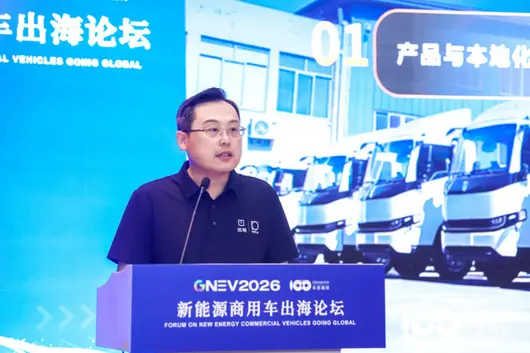
"The competition of future commercial vehicles is no longer a comparison of single vehicles, but a contest of integrated operation systems covering complete vehicles, spare parts, maintenance, energy, and finance." At the New Energy Vehicle Global Cooperation and Development Forum (GNEV2026) held on August 21, Dr. Song Zhaohuan, Vice President and Chief Brand Officer of Geely Farizon New Energy Commercial Vehicle Group, pinpointed the industry's key challenge. He pointed out that the current global new energy commercial vehicle market has huge growth potential, especially in regions where penetration rates are still low, such as Europe, Southeast Asia, the Middle East, and Latin America. Chinese brands are facing a rare window of opportunity. However, the industry's long-term high-quality development is constrained by two major systemic bottlenecks: First, insufficient capability in product and local compliance adaptation. Huge differences in laws, working conditions, and operation models across countries mean simply tweaking domestic models cannot meet long-term overseas demands. As commercial vehicles are means of production, customers value all-weather stable uptime and total cost of ownership more. Second, the lack of overseas supporting ecosystem construction. Weaknesses in segments such as spare parts supply, maintenance, energy networks, and financial products will seriously weaken competitiveness. Passenger car delivery completes the loop, but commercial vehicle delivery has just begun.
Relying on the Geely Holding Group's global system, Farizon explored a "hard first, easy later" breakthrough path — proactively taking Europe, with the strictest standards, as a pilot zone to hone system capabilities with high standards. On August 10, the Farizon Xinghan H European version heavy truck, specially designed for overseas, officially went off the line, meeting EU regulatory requirements and being praised as the "King of New Energy Mainlines", set to appear at the Hanover International Truck Show in September. At the manufacturing end, the first vehicle from the Indonesian KD factory has rolled off the line, marking a key step in Southeast Asian localization manufacturing. At the service end, the Ningbo International Spare Parts Global Distribution Center and the German Gaggenau Europe Spare Parts Warehouse achieved "dual warehouse linkage", fully empowering commercial vehicles with Geely's 40-year global passenger car service capabilities. These measures have translated into actual results: From January to July this year, Farizon's cumulative sales exceeded 107,000 units. Its overseas export volume ranked first in the industry in the first half of the year, with a year-on-year growth of 123%, ranking first in export volume in 28 countries including the UK, Australia, and the UAE. Farizon also won international awards such as What Van 2026 "Zero Emission Van of the Year", becoming the first Chinese brand to reach the finals of the International Van of the Year in 33 years.
Song Zhaohuan emphasized that a single enterprise finds it difficult to solve common challenges; high-quality global expansion of Chinese brands relies on collaboration across the entire industry chain. He proposed three initiatives: Co-research standards, jointly build a global quality standard system, and gradually master the discourse power; Share the ecosystem, partner with energy and financial institutions to layout cross-regional energy supply networks and exclusive financial products to solve pain points regarding charging and purchase thresholds; Guard value together, return to technology, service, and lifecycle value, jointly maintain the global reputation of Chinese brands with reliable quality and localized services. Farizon itself anchors the "30111" strategy: selling 1 million units (sets) annually by 2030, achieving the number one sales rank for both domestic commercial vehicles and global new energy commercial vehicles, with a commitment to 100% green electricity for operations by 2030 and carbon neutrality for the full lifecycle by 2045. Song Zhaohuan concluded that Farizon will shift from "product going global" to "brand, industry, and social responsibility taking deep root locally", continuously outputting mature and efficient Chinese intelligent green transport solutions to the world, and contributing Chinese strength to global transportation carbon neutrality.

On the evening of August 30, Sailun Group disclosed its 2026 Semi-Annual Report. In the first half of the year, the group realized operating revenue of 20.027 billion yuan, a year-on-year increase of 13.88%; net profit attributable to the parent company reached 2.16 billion yuan, a year-on-year increase of 17.97%. Among them, net profit in the second quarter was 1.103 billion yuan, a significant year-on-year increase of 39.26%. The group simultaneously released a semi-annual dividend plan, proposing a cash dividend of 0.15 yuan per share (tax inclusive), with estimated cash dividends of 493 million yuan, implementing interim dividends for three consecutive years.

The weight of this performance report needs to be weighed against the industry background: in the first half of the year, raw material prices such as natural rubber and carbon black rose across the board, domestic tire export volumes increased while prices fell, the characteristic of 'revenue growth without profit growth' was obvious, compounded by trade barriers and rising shipping costs, putting pressure on the overall industry. In this environment, why did Sailun make such a big profit? At least four dimensions are working simultaneously.
First, global capacity hedging. Sailun's overseas layout capacity scale ranks first among Chinese tire enterprises: factories in Vietnam and Cambodia are stable and highly productive, covering core markets in Europe and the US; Indonesia and Mexico are continuously ramping up; the Egypt project targets Europe and Africa markets. Overseas base planning combines 12.75 million full steel tires, 89 million half steel tires, and 130,000 tons of off-the-road tires annual production capacity. In the fiscal year 2025 and the first half of 2026, Sailun's radial tire delivery volume and overseas factory production and sales volume both ranked first in the industry.

Second, product structure upgrading. In the first half of the year, tire production and sales volume both exceeded 45 million tires, up about 15% year-on-year, reaching a historical high for the same period. The increase in the proportion of high value-added products directly reflected in profits, sales gross margin was 26.99%, up 2.46 percentage points year-on-year. Liquid Gold Tires reached the highest level of EU label regulations; Off-the-road tires linked with mining giants like BHP and Rio Tinto, revenue ranked top among domestic engineering tire enterprises; Matching markets cover BYD, Geely, NIO, as well as VinFast, Proton and other domestic and foreign auto companies.

Third, brand premium. Sailun ranks 10th among the world's most valuable tire brands according to Brand Finance, the highest ranked Chinese brand; with a brand value of 125.189 billion yuan, it joins the top 100 of 'China's Top 500 Most Valuable Brands'.

Fourth, digital channel restructuring. Domestically connecting dealer B2B and store systems, overseas launching B2B portals and logistics visualization systems, self-developed S&OP platform achieving dynamic balance of supply and demand, awarded as the industry first batch of enterprises with digital transformation maturity Level 5.

Industry analysis believes that when trade barriers block low-end OEM, raw materials compress profits, only those with global capacity layout, technical barriers, brand premium, and digital efficiency combined can win. Sailun has provided a solid sample.


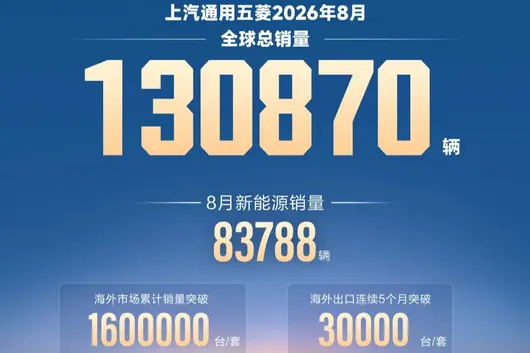
日前,上汽通用五菱嘅 8 月銷量出嚟,130870 輛。一個數字,似乎感覺唔出咩分量。但凡把 1 到 8 月嘅累計曲線擺埋一齊睇,就能知呢件事冇咁簡單。

1 月係 37929 輛,到 8 月累計已經到咗 484300 輛。呢條曲線冇任何一個月係平嘅。每月都係往上升,新能源佔比亦都同步上升,到 1 至 8 月已經突破 92 萬輛嘅規模,其中新能源貢獻咗 926124 輛,佔比超過七成。放喺五年前嘅合資燃油車時代,呢種結構根本唔可能出現。

所以五菱呢輪做嘅嘢,好似用另一種節奏重新量度自己到底幾時至止。
真正值得講嘅,係 160 萬呢個數字。
8 月海外單月 38600 台,連續 5 個月海外單月超過 3 萬台,海外累計銷量突破 160 萬輛。中國汽車出海喊咗好多年,但真係把一個品牌做到全球 160 萬規模、單月海外穩定輸出 3 萬台嘅,屈指可數。
更關鍵嘅係,五菱嘅海外並唔係簡單嘅整車貿易。印度、印尼、泰國、巴西、墨西哥,五菱喺多個國家都做咗本地化製造同供應鏈佈局。呢種模式一旦跑通,意味著當地用戶買嘅好似五菱喺當地嘅工業能力本身,呢條護城河比單純嘅銷量數字更有深意。
今年真正有幾咁有趣嘅,係五菱喺兩端同時出牌。
先話往上行嘅華境 S。5 月上市,5 月交付 3603 輛,6 月 5689 輛,7 月 7203 輛,8 月 7306 輛。呢條曲線連續四個月穩步爬升,7 月登頂插電混動大型 SUV 銷量榜,5 至 8 月累計交付 23801 輛。

要知,華境 S 起售價 20 萬級,主打大六座 SUV,搭載華為乾崑智駕系統。20 萬級全系標準配備華為乾崑智駕嘅全尺寸大六座 SUV,呢套打法喺五菱歷史上從未出現過。
換句話說,五菱過去好長一段時間俾鎖喺 10 萬元價格帶以內。國民神車、五菱宏光,都係呢個價位嘅故仔。往上行一個階梯去到 20 萬級市場,而且係同合資品牌、新勢力同台競爭,意味著五菱向上已經成功。
另一台車係守住基本盤嘅星光 L,8 月單月 6553 台,環比上市首月提升 16%。10 萬級唯一嘅大六座,呢個細分賽道過去少有像樣嘅產品,用戶嘅需求其實一直擺喺度。

星光 L 把車長做到接近 5 米、軸距 2950 毫米,2 加 2 加 2 嘅真六座佈局。靈犀動力 3.0、神煉電池、1260 公里綜合續航、4.9 升嘅饋電油耗,呢啲原本屬於更高價位嘅技術,俾五菱直接下探到 10 萬級。更重要係配套,寶鋼鋼材、巴斯夫車漆、福耀玻璃、米其林輪胎、麥格納嘅安全零部件,呢啲同豪華車同源同料嘅供應鏈全部進場。整車高強鋼佔比 75%,關鍵部位用上 1500 兆帕航空級熱成型鋼,第三排座椅靠背入面仲塞入咗高強度防護鋼板。
呢兩款車放埋一齊睇,邏輯就清楚晒。華境 S 喺 20 萬級打開咗五菱嘅天花板,星光 L 喺 10 萬級將基本盤嘅標準重新抬高。兩條線都在做同一樣嘢,將更高段位嘅產品力硬塞入更主流嘅價格帶。
呢種突破比銷量翻倍更有行業意義,佢意味著傳統車企嘅轉型,唔一定非要用過去嘅資產清零重嚟,可以保留原有嘅基本盤,同時向上再造一個品牌。漸進式升級呢條路,竟然俾五菱行過嚟。

華境 S 能夠喺 20 萬級站穩,底氣來自兩個國家級嘅硬支撐。一係國家質量標準實驗室,呢係車企入面首批亦係目前唯一獲批興建嘅,從立項、試驗到量產全鏈路驗證體系。二係入選全國首批領航級智能工廠培育名單嘅智能島製造體系,整車裝配精度 0.1 毫米級,生產錯裝率為零。
喺中國汽車工業嘅語境下,呢種量級嘅投入,係過去十年先逐步建起嚟嘅。配合寶鋼、寧德時代、福耀玻璃、奧托立夫呢啲頂級供應鏈夥伴嘅協同,五菱做嘅嘢其實好樸素,就係將每一架車造到接近零缺陷。
真正令人意外嘅係用戶嘅反饋,輔助駕駛活躍用戶佔比 95%。淨推薦值 86 分,居於新車 NPS 榜首,54.8% 嘅用戶把輔助駕駛作為買車嘅首要決策因素。

一款 20 萬級嘅大六座 SUV,95% 嘅用戶日日都用輔助駕駛,86 分嘅 NPS 意味著絕大多數車主願意向朋友推介,54.8% 嘅人係奔住輔助駕駛掏出嚟嘅錢。
呢就係真正嘅口碑。來自 KOL 嘅台前吶喊只係一個切面,更多係用戶喺用車場景入面真金白銀投出嚟嘅反饋。華境 S 嘅銷量連續四個月上漲,本質上就係呢種口碑喺市場上兌現成咗訂單。
如果只由行業角度看,五菱呢輪畀整個產業嘅啟示就係一句說話。
轉型唔使以犧牲規模為代價。出海唔使依賴低價。高端化唔使將原來嘅基本盤丟棄。
呢三個常識喺過去幾年嘅中國汽車行業入面,被反覆質疑過。好多品牌為咗做新能源,丟咗原來嘅市場。為咗做高端,將原來嘅用戶畫像全改咗。為咗出海,將價格壓到地板,結果被人扣上低質低價嘅帽子。

未知車域:五菱呢輪做嘅嘢更樸素,宏光 MINIEV 上市六週年全球累計銷量突破 300 萬輛,基本盤冇丟。華境 S 往上行一步,星光 L 喺 10 萬級將大六座做成咗第一梯隊,兩頭發力。新能源佔比超過七成。海外連續 5 個月單月破 3 萬套,價格冇內捲。
呢種平衡來自多年供應鏈、製造體系、渠道佈局嘅厚積薄發。所以再返到開頭嗰個 130870 輛。數字本身唔重要,重要係呢個數字背後,五菱正行通一條好多中國車企想行,但行唔通嘅路,呢條路嘅關鍵詞係平衡。

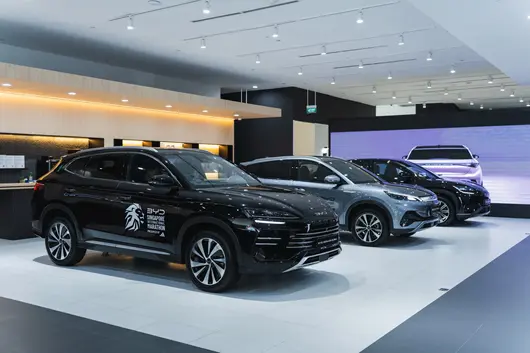
2026 Perjalanan Jalur Sutra 10,000 Mil · Jalan Inspirasi ditamatkan di Singapura. BYD membawa kumpulan kenderaan elektrik Dinasti, Laut, Denza, Fangchengbao, Yangwang lima rangkaian empat jenama, berangkat dari Xi'an mengambil masa 33 hari, merentasi bandar Jalur Sutra tempatan serta Thailand, Malaysia, tiba di Singapura. Pengisian Pantas dan Sistem Pemanduan Pintar Mata Dewa telah menamatkan ujian medan sebenar perjalanan jauh lintas negara di bawah keadaan jalan raya tinggi, gunung, sesakan bandar dan lain-lain.
Singapura adalah antara pasaran dengan kos pemilikan kenderaan tertinggi di dunia, pengguna memilih kereta dengan sangat berhati-hati. Setakat Julai 2026, BYD telah menduduki tempat pertama jualan kenderaan peribadi seluruh jenama di Singapura selama 19 bulan berturut-turut, bahagian pasaran Januari-Julai 24.7%, bahagian pasaran elektrik tulen 40.3%. Januari-Julai 2026 jualan terkumpul luar negara melebihi 970,000 unit, pertumbuhan tahun ke tahun sekitar 76%, menjadi nombor satu di banyak negara termasuk Thailand, Singapura, Itali, Sepanyol, Brazil dan lain-lain.
Dari rempah dan tembikar di Jalur Sutra seribu tahun lalu, hingga perjalanan kenderaan elektrik lintas negara hari ini, cara jenama China menembusi pasaran luar sedang mengalami perubahan kualiti. Jika asas teknologi cukup kukuh, pasaran akan memberikan respons.#PerjalananJalurSutraEnergiHijauBersama#



Dalam pasaran SUV di Malaysia, ramai pembeli semasa memilih kereta akan membandingkan Honda HR-V dan Mazda CX-30. Kedua-dua kereta ini mempunyai harga dan posisi yang sangat hampir, hari ini kita akan membuat perbandingan terperinci dari pelbagai aspek, membantu anda menjimatkan masa untuk mengkaji.
Harga OTR Honda HR-V di Malaysia adalah RM 115,900 - 143,900, terdapat 4 varian, termasuk 2026 e:HEV 1.5L RS (RM 143,900), 2026 1.5T V (RM 137,900), 2026 1.5T E (RM 130,900) dan lain-lain.
Harga OTR Mazda CX-30 di Malaysia adalah RM 122,409 - 146,409, terdapat 4 varian, termasuk 2025 2.0L High+ Premium (RM 146,409), 2025 2.0L High+ (RM 138,409), 2025 2.0L High (RM 130,409) dan lain-lain.
Dari segi harga, harga permulaan Honda HR-V memang lebih murah sebanyak RM 6,509 berbanding Mazda CX-30. Jika bajet anda terhad, varian asas Honda sudah boleh memenuhi keperluan harian. Tetapi perlu diingat, ribuan ringgit yang lebih murah itu, mungkin ada pengurangan pada kelengkapan, bergantung pada keperluan anda.
Penarafan keselamatan Honda HR-V ialah 5★ (ASEAN NCAP), sistem keselamatan aktif termasuk Honda SENSING (ACC, CMBS, LKAS, RDM).
Penarafan keselamatan Mazda CX-30 ialah 5★ (ASEAN NCAP), sistem keselamatan aktif termasuk i-Activsense.
Penarafan keselamatan kedua-dua kereta adalah sama, kelengkapan keselamatan dalam kelas ini dianggap cukup lengkap. Keselamatan kereta baru sekarang tidak buruk, tiada perlu bimbang tentang hal ini.
Honda HR-V menggunakan konfigurasi penggerak FWD.
Mazda CX-30 menggunakan konfigurasi penggerak FWD.
Konfigurasi penggerak kedua-dua kereta adalah sama, iaitu FWD, pengalaman memandu harian tidak akan berbeza banyak.
Honda HR-V mempunyai waranti 5 tahun/tanpa had jarak, selang penyelenggaraan setiap 10,000km atau 6 bulan.
Mazda CX-30 mempunyai waranti 5 tahun/150,000km, selang penyelenggaraan setiap 10,000km atau 6 bulan.

Honda HR-V dan Mazda CX-30 adalah pilihan utama pasaran Malaysia, sesuai untuk kegunaan keluarga dan perjalanan harian. Jika anda lebih mengutamakan reputasi jenama dan harga jual semula, boleh pertimbangkan model yang lebih mempunyai reputasi; jika anda lebih mementingkan nilai harga dan kelengkapan, pilih model yang kelengkapannya lebih lengkap. Akhir sekali, disarankan untuk mencuba kedua-dua model untuk uji jalan, pengalaman sendiri adalah yang paling penting.
Secara keseluruhannya, Honda HR-V dan Mazda CX-30 adalah model kereta yang sangat bagus di pasaran Malaysia. Memilih yang mana, penting bergantung kepada keperluan peribadi dan bajet anda. Kami menasihatkan anda untuk mempelajari dengan rapi, bandingkan banyak tawaran harga daripada pengedar kereta, kemudian uji jalan untuk membuat keputusan akhir. Membeli kereta adalah perkara besar, meluangkan masa untuk mempelajari tidak akan salah.

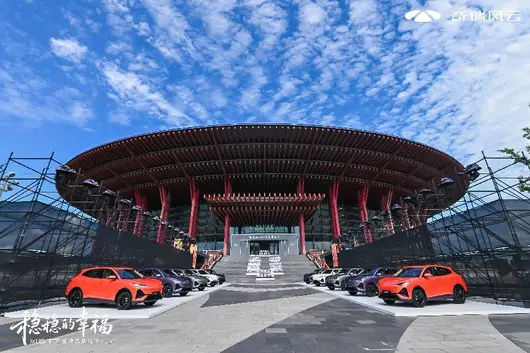
August 26, the global quality pure electric SUV Fengyun T7 launch event grandly opened in Beijing. The new car officially launches Enjoy Edition, Comfort Edition, and Smart Edition three configurations, official guide price RMB 97,900-118,900. After users enjoy priority exchange rights, the starting price is as low as RMB 94,900. As a heavy hitter of Chery Fengyun deep-diving into the home pure electric market, Fengyun T7 did not continue the current new energy market's "price reduction, reduced configuration, blind material stacking" involution old path, but rather with the core concept "Global Car, Rushing is Impossible", relying on hard strength of range equality, global domain safety, global standards, smart accessibility, broke through pain points of the RMB 100,000-level pure electric SUV market, set a new value benchmark for mass market pure electric travel, and reshaped the industry competition logic of entry-level pure electric models.

Looking at the current domestic RMB 100,000-level pure electric SUV market, homogenized involution, reduced entry-level configurations, false range labeling, safety standard downgrade have become common chaos. Most brands, to lower starting prices, deliberately distinguish high and low config ranges, reduce core safety configurations, cut energy-saving hardware, causing consumers to fall into a dilemma of "low price low quality, high config premium". The launch of Fengyun T7, the core breakthrough lies in overturning the industry's unwritten rule of "graded shrinkage", with extreme product inclusiveness, realizing a cross-class experience of entry-level full configuration, which is also its core differentiated advantage compared to peer competitors.

This new car's biggest industry innovation is landing true "range equality", completely ending entry pure electric range anxiety. Different from peer models' high and low config range differentiation tactics, Fengyun T7 full system uniformly equips 65.05kWh Rhinoceros Battery, CLTC standard range full system maxed at 600km, achieving three configurations range no difference, hardware no reduction. More worth noting is, the car achieves industry-rare "reverse false labeling", official measured range up to 681.6km, far exceeding official标定 data, true range ability far exceeds peer mainstream models. Meanwhile, new car supports 30%-80% power 20 minutes ultra-fast charge, pairing full system standard dual-source wide temperature range heat pump AC and high-voltage PTC, low-temperature range can improve 30%, completely solving home pure electric car winter range loss, long-distance recharging trouble core pain points, letting RMB 100,000-level models also balance daily commute, long-distance self-driving, outdoor camping etc. full-scenario travel needs.

In the safety field consumers pay most attention to, Fengyun T7 with "Six Major Redundant Safety Systems", redefines home pure electric safety bottom line, breaking "low-price cars have no high-config safety" inherent cognition. Body uses nine horizontal five vertical cage architecture, 80% high-strength steel support, pairing professional Shotgun anti-collision structure and 9 airbags, including industry-rare far-side anti-side collision airbags, comprehensively guarding driving passengers safety. Battery level, equips 6D Chainmail 31-layer protection structure Rhinoceros Battery, endured multiple strict extreme tests, meanwhile official launches battery thermal runaway compensation new car, limited scenario intelligent driving insurance highest 5 million coverage, whole vehicle and three-electric lifetime warranty exclusive rights, from hardware protection to after-sales guarantee, builds full-dimension safety barrier, letting home pure electric travel say goodbye to safety compromise.
Different from most focusing on "domestic exclusive" peer models, Fengyun T7 is real **Global Quality Model**, achieving domestic price affordable, quality globally sourced. It is understood, this car source model Lepas L6 successfully landed South Africa, Thailand etc. overseas markets, later will also gradually enter EU, Australia & New Zealand etc. strict standard regions, whole vehicle R&D, production, verification all follow global unified standards, endured massive extreme road conditions and environment tests, own far exceeding peer whole vehicle reliability and durability. This "global quality down to RMB 100,000-level market" product strategy, completely subverts past "global model high-end" industry convention, letting ordinary consumers no longer pay for brand premium, regional differences, affordable price can own world-class manufacturing quality.

Intelligence and texture level, Fengyun T7 equally refuses low config perfunctory, continues global high config approach. Relying on Chery mature intelligent R&D system, new car equips high-level intelligent interaction system, balancing fluidity and practicality, adapting home user daily travel intelligent assistance, audio-visual entertainment, convenient control etc. core needs. Meanwhile, whole vehicle upholds "Aesthetic Global" design concept, appearance simple and atmospheric, interior texture delicate, balancing home stability attribute and global aesthetics, fitting mainstream family user car usage aesthetics. Launch event site, famous musician, #001 owner Hamilton Wu appeared with "Happiness Experience Officer" identity, combined real car usage scenarios sharing experience, accurately interpreted Fengyun T7 "Steady Happiness" product core, letting hard product power land into user perceptible travel happiness.

From industry depth interpretation perspective, Fengyun T7 launch, is not once simple new car iteration, but for RMB 100,000-level pure electric SUV market once value reconstruction. Current new energy market polarization severe, high-end models compete tech, compete luxury, entry models compete price, compete low price, most brands discarded "cost-performance and high quality balancing" middle track. And Fengyun T7 accurately grasps home user core demands, no parameter gimmicks, no config tricks, with range equality, safety redundancy, global quality, lifetime warranty four core advantages, directly hit industry pain points.
Reporter's Perspective: In fuel car continuous price drop, entry electric involution intensifying current, Fengyun T7 relying "no price hike, no reduction, high standard, global" core competitiveness, successfully opened "affordable price + cross-class quality" market track. For consumers, it lowered high-quality pure electric travel threshold; for industry, it ended entry pure electric reduced config chaos, forcing peer market return to product essence. Future, as Fengyun T7 formally enters market and starts delivery, this global high-quality home pure electric SUV,有望成为 RMB 100,000-level new energy market benchmark model, leading industry from "price involution" to "value competition" comprehensive transformation.

8%就好似一扇門,大多數人推唔開,但每 100 個人入面,總有 8 個人能夠推開佢。
8%嘅機率有幾大?
如果說明日落雨機率係 8%,相信多數人都唔會帶傘。但如果話中獎機率係 8%,相信唔少人都會參與一下,畢竟相較於泡泡瑪特隱藏款 1% 唔到嘅機率嚟講,8% 仲係值得參與一番。
而家嘅國內汽車市場都係咁,眾多個車企喺市場入面尋求破局,只為爭奪呢 8% 嘅成功機率。

據唔完全統計,而家國內市場在售新動力汽車大約有 700 款,但月銷量達到 5000 輛以上嘅產品只得 56 款,行業整體產品成功率只得 8%。
點樣打造一款熱賣單品對於車企嚟講已經係頭等大事,喺爆款之後,點樣持續維持熱賣,更成為重點,曇花一現,係多數新車嘅命運,三個月花期一過,就泯然眾人。
面對市場競爭嘅壓力,傳統車企嘅轉型難度要比充滿關注嘅新勢力更難,喺即將進入“金九銀十”嘅銷售月前,車企嘅年中財報亦紛紛出爐,轉型嘅答案就寫喺財報之中。
出口同向上
首先係比亞迪嘅半年報,上半年新動力汽車累計銷量約 180.85 萬輛,同比下跌 15.72%。汽車業務收入約 2753.41 億元,同比下降 8.98%。
乍一睇,唔少人只見到營收同歸母淨利潤嘅下跌,然後直接給呢位新動力行業一哥戴上一頂“下跌”嘅帽子。
但如果仔細拆解比亞迪嘅財報,就能睇得明呢位行業大哥嘅變化。
喺半年報之中,比亞迪展現咗前所未有嘅供應鏈實力,毛利率 18.85%,第二季嘅毛利率更加上漲到 18.88%,同比增長 2.61%。
要知道,2026 年上半年,國內汽車行業面臨原材料脹價、匯率波動、價格戰三重壓力,整車製造環節平均利潤率跌至 1.5%,創近十年新低,不過比亞迪卻交出一份向上嘅中期答案。

呢度背後藏住比亞迪嘅轉型,根據銷量數據嚟睇,方程豹、騰勢、仰望三大品牌合計銷量 22.8 萬輛,同比增長 61%,佔總銷量比重升至 12.6%,並且國內全品牌 ASP(單車平均售價)由 3 月嘅 13.31 萬元提升至 6 月嘅 14.87 萬元。
喺國內市場想要提升單車價格,背後基本就代表要畀用戶更多嘅配置,而比亞迪正係靠住技術令消費級原因為呢部分增值買單。
僅上半年,比亞迪就亮相多項新技術,由年初嘅第二代刀片電池加兆瓦閃充,到自研 4nm 智駕芯片璇玑 A3 同天神之眼 5.0 輔助駕駛系統兜底,比亞迪展現出大廠應有嘅研發底氣同技術兜底能力。
特別係第二代刀片電池同兆瓦閃充,令比亞迪實現咗單車價格嘅上浮,喺之前嘅財報會,董事長王傳福表示而家第二代刀片電池供不應求,今年嘅銷量完全受限於電池嘅產能。

另一方面,比亞迪嘅閃充站建設得極為迅速,喺 8 月 28 日就完成咗第 10000 座閃充站嘅建設,雖然相比年初制定嘅 20000 座進度從時間上看略慢,不過比亞迪保證年內一定完成目標。
由電池到儲能,比亞迪靠住鋰電技術實現咗新動力汽車嘅突破,更靠住自研自產電池,令比亞迪喺上游原材料脹價嘅不利影響下,仲可以實現毛利率嘅上升,何況,比亞迪嘅自產除咗電池仲涵蓋芯片等一係列喺脹價嘅零部件,核心零部件自供率超過 80%,係一般車企難以快速學到嘅。
呢啲技術背後,冇其他捷徑,所有係比亞迪用真金白銀投資出嚟嘅,財報顯示,比亞迪上半年研發投入 289 億元,累計研發投入突破 2700 億元,賺 1 塊錢,花超過 2 塊錢喺研發上。

當然這唔係一筆糊塗賬,背後係比亞迪嘅長期投資,而且而家呢啲投資已經實現咗回報。
除咗以 21.1% 嘅市佔率穩居國內新動力零售銷量冠軍外,比亞迪仲以 79.2 萬輛嘅出口規模奪得新動力出口第一嘅位置。
出口增長係比亞迪今年銷量嘅主要貢獻,出口銷量佔比超過 40%,增速超過 60%,而營收佔比更加超過一半,去到 52.7%,可以話比亞迪賺嘅一半以上嘅錢都來自海外市場。
根據數據顯示,比亞迪海外單車利潤係國內嘅三倍,亦即係 2 塊錢嘅研發,喺海外攞回嚟 3 塊錢。

至於比亞迪嘅海外規模,增速同閃充站一樣快,業務覆蓋全球 120 多個國家同地區,喺英國、巴西、泰國等市場登頂新動力品牌銷冠,喺比亞迪內部甚至已經計劃喺今年因為世界盃而火嘅大西洋島國佛得角建設門店。
不過海外市場亦係存在風險嘅,喺中期報告之中,比亞迪將利潤下滑主要原因歸結為,匯率波動產生嘅匯兌損失,大約損失咗 47 億元嘅利潤,呢種風險對於全球車企嚟講都係一項調整,有人喺匯率上吃虧就有人盈利,日系品牌近年來都靠住匯率實現咗盈利上漲。
作為國內新動力汽車嘅代表,比亞迪用時間行動證明咗國產新動力唔靠價格戰依然能夠喺市場盈利,不論係國內定係海外。
承壓與陣痛
長安汽車嘅半年報更多係變化,2026 年上半年,公司實現營業收入 656.34 億元,同比下跌 9.71%;歸母淨利潤 8.17 億元,同比下跌 64.32%,毛利率為 14.50%。
同比亞迪唔同,長安汽車嘅財報更能代表國內車企轉型嘅現狀,由燃油車轉向新動力嘅過程中,長安汽車面對嘅困難遠比比亞迪多,比亞迪可以從零建設起自己嘅新動力供應鏈,但長安汽車就需要考慮上游數百家燃油車時代嘅供應鏈轉型。
如果剔除咗燃油車板塊,長安汽車喺新動力上嘅表現都係唔錯嘅,2026 年上半年,新動力汽車銷量達 41.4 萬輛,同比下跌 8.3%,不過剔除 Lumin 呢樣入門車型後,2026 年上半年新動力整體銷量同比增長 11%,其中第二季新動力車銷量 24.56 萬輛,環比提升 45.64%。

長安啟源 Q05 連續 3 個月蟬聯緊湊級純電 SUV 銷量第一,深藍 S05 連續 4 個月蟬聯細分領域(12-18 萬純電緊湊 SUV)銷冠,呢度背後係長安喺細分車型上嘅突破,與其大操大辦嘅囊括所有車型,不如定點發力,揾準屬於自己嘅賽道。
長安啟源正係如此,唔以價換量,啟源單車均價同比提升 1.2 萬元,今年前 7 個月累計銷量突破 21 萬輛,7 月單月銷量亦超過 3 萬輛,並且喺第二季實現咗單季度盈利,走出新動力創業嘅第一步。
除咗國內市場外,海外業務亦係長安利潤嘅主要來源,上半年海外市場交付 40.2 萬輛,同比增長 35.1%,海外業務收入 219.42 億元,同比增長 78.77%,海外毛利率保持在 20% 以上。
呢度背後係長安汽車喺海外市場採取“本地化生產 + 體系化運營”嘅策略,其泰國羅勇工廠已投入運營,實現深藍 S05、長安啟源 Q05 等熱賣車型本地化生產。

喺打好新動力呢張牌嘅同時,長安仲用“藍鯨超擎混合動力”為燃油車市場提供咗新嘅方案,特別係應對鋰電原材料上漲同充電設施建設薄弱地區嘅用車需求。
不過呢啲優勢依然難以掩蓋長安汽車喺轉型中嘅困難,盈利大幅下跌,經營現金流為負都表明轉型成本高昂並且尚未轉化為利潤。
而家長安汽車嘅希望都押注喺海外業務,51.9% 嘅出口增長同 78.8% 海外營收增長成為咗經營困難中唯一嘅亮點。
靠自己
同比亞迪同長安唔同,廣汽集團代表嘅就係更多汽車國企嘅轉型,2025 年銷量之中,廣汽係合資銷量佔比最多嘅國企,64.4% 嘅銷量係廣汽豐田同廣汽本田貢獻嘅,對合資嘅依賴度遠高於其他國企。
不過喺燃油車銷量持續下跌,自主品牌銷量佔比突破 70% 後,廣汽集團嘅處境就十分微妙。
財報顯示,廣汽集團營收同比增長 9.38% 至 461.21 億元,但毛利率為 -2.51%,連續兩年為負。其中合資企業投資收益同比減少約 60 億元,成為業績嘅最大拖累。
由銷量數據嚟睇,廣汽嘅表現並唔似財報咁樣差強人意,新動力車銷量 26.02 萬輛,同比增長 68.80%,增速顯著高於行業。其中自主品牌新動力銷量佔比達 62.82%,同去年同期提升咗約 14 個百分點。

廣汽豐田銷量增長 3.29%,鉑智系列月銷持續破萬,鉑智 3X 連續 10 個月位居合資新動力銷量冠軍。
然而,廣汽本田銷量暴跌 55.82% 至 6.83 萬輛,新動力車型銷量只得 3,276 輛,成為廣汽集團業績嘅最大拖累。
當合資品牌失去戰力後,廣汽就需要透過自主品牌嚟補上空缺,補課嘅代價係不小,各方面都需要錢,研發、營銷呢啲費用都要增長,研發費用上漲 39%、財務費用上漲 243%、銷售費用上漲 17%,綜合落嚟,就導致咗增收反增虧嘅局面。
特別係研發嘅投入,第二季 48 億嘅投入令毛利率依然維持喺負 1.28%。至於渠道建設,廣汽選擇下沉,向縣域經濟發力,計劃年內落成 1000 間縣域授權門店。

同時為咗實現高效轉型,廣汽集團引入咗 IPD 流程改革,官方話自主品牌研產供銷財一體化管控,令產品規劃效率提升 30%、立項評審效率提升 67%、需求決策效率提升 85%,新車開發週期縮短至 18-21 個月,研發成本降低 10% 以上。
不過呢啲短期內都難以喺財報中展現,而家唯一見到嘅依然係出口增長。
中期報告顯示,廣汽自主品牌上半年出口 12.15 萬輛,同比暴漲 132%,接近 2025 年全年出口量。海外業務收入 140.13 億元,同比增長 109.27%。

全球化佈局之中,建成咗 7 座 KD 工廠,新增柬埔寨、哈薩克斯坦兩座工廠,同時喺泰國建設首個海外自主電池 PACK 工廠,完善海外動力電池本地化供應,實現咗供應鏈嘅同步出海。
同比亞迪一樣,廣汽喺新能源上嘅佈局亦都先聚焦於成本佔比最大嘅動力電池,保證供應鏈嘅自主可控,唔再俾電池廠打工,先至可能實現毛利率轉正。
作為從依靠合資向依靠自主轉型嘅代表,廣汽集團依然處於轉型嘅困難期,轉型投入急增,導致虧損擴大,短時間內依然難以實現轉變。

綜合嚟睇,喺國內市場上半年同比下跌超 20% 嘅背景之下,更加能夠看出傳統車企轉型嘅迫切性,一方面戰場已經從國內蔓延至海外,海外市場成為咗車企盈利嘅核心,不過同時匯率波動亦帶來咗不確定性。
另一方面,研發嘅投入正在逐漸成為衡量車企長期盈利嘅核心,比亞迪靠住多年累積嘅研發投入,而家已經形成技術優勢並轉化為盈利能力,而好似長安同廣汽就需要喺研發上面補課,投入更大嘅成本嚟實現自研。
整體嚟睇,喺上半年國內車巿“內冷外熱”格局之下,邊個仲快啲將增長重心轉向海外同高端化,邊個就能更早走出盈利低谷。比亞迪已率先驗證呢條路徑嘅有效性,長安同廣汽則仲喺轉型爬坡階段。
© 2024 Bitauto.com. All Rights Reserved.
Bitauto (www.yiche.com and www.bitauto.com) is one of the most visited automotive websites in China. We provide detailed info on Chinese car brands available in your area. Please note that the information provided on this website is based on publicly available data and is for reference only. It may not be fully updated or accurate at all times.

Help us improve our website


