

HomePerodua Kenari

Search History
Popular Searches
Dealer Login / Sign Up

Di pasaran SUV Malaysia, ramai pembeli membandingkan Proton X90 dan Mazda CX-8 semasa memilih kereta. Kedua-dua kereta ini agak hampir dari segi harga dan kedudukan. Hari ini kami akan membuat perbandingan terperinci dari pelbagai aspek, membantu anda menjimatkan masa untuk membuat kajian.
Proton X90 di Malaysia harga OTR adalah RM 106,800 - 122,800, terdapat keseluruhan 4 versi, termasuk 2026 1.5T Prime X (RM 122,800), 2026 1.5T Prime (RM 116,800), 2026 1.5T Lite (RM 106,800) dan lain-lain.
Mazda CX-8 di Malaysia harga OTR adalah RM 165,360 - 201,360, terdapat keseluruhan 5 versi, termasuk 2025 2.5T 4WD High Plus Petrol (RM 201,360), 2025 2.2L 2WD High Plus Diesel (RM 193,123), 2025 2.5L 2WD High Plus Petrol (RM 186,360) dan lain-lain.
Dari segi harga, harga permulaan Proton X90 memang lebih murah RM 58,560 berbanding Mazda CX-8. Jika bajet anda terhad, versi masuk Proton sudah dapat memenuhi keperluan harian. Tetapi perlu diambil perhatian, ribuan ringgit yang lebih murah itu, mungkin ada kompromi dalam kelengkapan, bergantung pada keperluan anda.

Penggredan keselamatan Proton X90 ialah 5★ (ASEAN NCAP), sistem keselamatan aktif termasuk ADAS (ACC, AEB, LKA, LDA, BSM, RCTA).
Penggredan keselamatan Mazda CX-8 ialah 5★ (ASEAN NCAP), sistem keselamatan aktif termasuk Brand ADAS.
Penggredan keselamatan kedua-dua kereta adalah sama, di dalam tahap ini kelengkapan keselamatan dianggap cukup lengkap. Keselamatan kereta baharu masa kini tidak buruk, tiada perlu terlalu bimbang tentang hal ini.

Panjang badan Proton X90 ialah 4400 mm, bak muatan 400 L.
Panjang badan Mazda CX-8 ialah 4500 mm, bak muatan 450 L.
Dari segi ruang, badan Mazda CX-8 lebih panjang 100 mm berbanding Proton X90, ruang penumpang mempunyai kelebihan. Namun, Proton X90 lebih fleksibel apabila memarkir di bandar, masing-masing ada kompromi.

Proton X90 menggunakan cara penggerak FWD.
Mazda CX-8 menggunakan cara penggerak FWD.
Cara penggerak kedua-dua kereta adalah sama, iaitu FWD, pengalaman memandu harian tidak akan terlalu berbeza.

Secara keseluruhan, Proton X90 dan Mazda CX-8 adalah model kereta yang bagus di pasaran Malaysia. Memilih mana satu, kunci masih bergantung pada keperluan peribadi dan bajet anda. Disyorkan anda buat kajian dengan rapi, bandingkan sebutan harga dari beberapa dealer, kemudian buat keputusan akhir selepas ujian memandu. Membeli kereta adalah perkara besar, meluangkan masa membuat kajian pasti tidak salah.


Dalam pasaran SUV di Malaysia, ramai pembeli membandingkan Proton X90 dan Mazda CX-5 semasa memilih kereta. Kedua-dua model ini memiliki harga dan sasaran pasaran yang hampir sama. Hari ini, kita akan membuat perbandingan terperinci dari pelbagai aspek untuk membantu anda menjimatkan masa membuat kajian.
Proton X90 dijual di Malaysia dengan harga OTR RM 106,800 - 122,800. Terdapat 4 varian termasuk 2026 1.5T Prime X (RM 122,800), 2026 1.5T Prime (RM 116,800), 2026 1.5T Lite (RM 106,800) dan lain-lain.
Mazda CX-5 dijual di Malaysia dengan harga OTR RM 135,469 - 166,760. Terdapat 3 varian termasuk 2025 2.0L AT 35th Anniversary (RM 316,154), 2025 2.0L AT (RM 296,154), 2025 2.0L MT (RM 294,154) dan lain-lain.
Dari segi harga, Proton X90 bermula RM 28,669 lebih murah daripada Mazda CX-5. Jika bajet anda terhad, varian permulaan Proton sudah cukup untuk keperluan harian. Tetapi berhati-hati, beberapa ribu yang lebih murah ini mungkin melibatkan pertukaran dalam kelengkapan, bergantung pada keperluan anda.
Proton X90 dilengkapkan dengan enjin Turbo 1.5L, kuasa 140 hp. Penggunaan bahan api rasmi 7.0 L/100km.
Mazda CX-5 dilengkapkan dengan enjin Turbo 1.5L, kuasa 140 hp. Penggunaan bahan api rasmi 7.0 L/100km.
Kedua-dua kereta menggunakan sistem kuasa yang sama, pengalaman memandu harian adalah hampir tidak berbeza. Dari segi penggunaan bahan api juga hampir sama, tidak perlu terlalu bimbang tentang perkara ini.
Gred keselamatan Proton X90 ialah 5★ (ASEAN NCAP), sistem keselamatan aktif termasuk ADAS (ACC, AEB, LKA, LDA, BSM, RCTA).
Gred keselamatan Mazda CX-5 ialah 5★ (ASEAN NCAP), sistem keselamatan aktif termasuk .
Kedua-dua kereta mempunyai gred keselamatan yang sama, kelengkapan keselamatan dalam kelas ini dianggap lengkap. Keselamatan kereta baru sekarang tidak begitu buruk, tidak perlu terlalu bimbang tentang perkara ini.
Proton X90 menggunakan kaedah pemanduan FWD.
Mazda CX-5 menggunakan kaedah pemanduan FWD.
Kedua-dua kereta mempunyai kaedah pemanduan yang sama, iaitu FWD, pengalaman memandu harian tidak akan banyak berbeza.

Secara keseluruhan, Proton X90 dan Mazda CX-5 adalah model kereta yang sangat bagus di pasaran Malaysia. Memilih yang mana, kunci utamanya bergantung pada keperluan dan bajet peribadi anda. Disarankan untuk membuat kajian dengan baik, bandingkan beberapa peniaga kereta, kemudian test drive untuk membuat keputusan akhir. Membeli kereta adalah perkara besar, meluangkan masa membuat kajian tidak akan pernah salah.


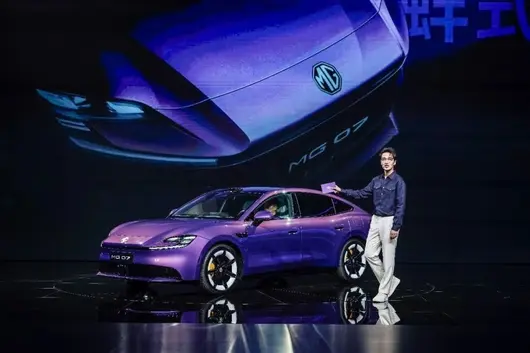
MG 07 hit the core issue MG faces right now: How can a brand that has regained success overseas return to its domestic market to gain the same presence and recognition? Chen Cui proved one thing, taking on difficulties head-on: Grappling with the toughest opponents. Only through true localization for the Chinese market, connecting yesterday's MG and today's MG, can Chinese users who truly love MG emerge.
Written by | Smart Driving Network, Ling Jiang
Edited by | Lang Lang Shan and Ming Zhi Shan
Chen Cui, born inthe year 1990 still retains a rare youthful spirit.
On June 29, during the MG 07 styling design live stream, which was interrupted after netizens were moved to tears, it was exactly Chen Cui's first anniversary asGeneral Manager of SAIC MG Brand Business Unit, and MG 07 is clearly the product he values most.

MG 07 targeting the Xiaomi SU7 in product definition is indeed true, and Chen Cui being criticized and directly confronted by netizens is also true.
A brand head being scolded off the live stream is not strange today; the difficulty lies in how to deconstruct online biases and stand up again to let the public accept their product.
So-called youthful spirit includes both a serious attitude and an obstinacy for victory.
01.
MG Gains a 'Chinese Flavor'
In #MGGeneralManagerLiveStreamAttacked becoming a hot topic in the car circle and trending on hot searches for two days, on July 2, MG held a static review event quickly at the SAIC Design Center, where Chen Cui directly came clean to the media:
「Yes, I copied, but I copied the MG brand.」

In 1955, the MGA model first introduced the two-stage shoulder line; in 1957, the EX181 was equipped with a clamshell hood; the MGB GT launched in 1965 began captivating the boys and girls on London streets with its fastback styling.
MG's history as a British brand was unexpectedly presented to Chinese next-generation consumers in a debate.
The design of MG 07 is 'copying from its own heritage'.

On July 23, MG rode the wave to release Chen Cui's personal Rap single 'WO CHAO (I Copy)'.
Chen Cui played the guitar and shouted at the camera 'I copy from my own heritage, I have more confidence than you'.

At the MG7 launch event on July 27, new Rapper Chen Cui invited MG's 'grandpa-era' sports cars onto the stage.
MG was established in 1924, the MG name is the abbreviation ofMorris Garages, Morris is the first letter of the founder of MG, Morris, and Garage is exactly the garage where Morris started his business, does it sound like Xiaopeng and Li Xiang building cars today?

Morris's dream was to create affordable sports cars distinct from expensive Ferraris and Aston Martins; his lightweight convertible sports car M-Type Midget launched in 1928 became a classic MG car series selling for more than half a century, accepted by ordinary British people through 'speed, handling, accessible pricing' by participating in many British hill climbs and rallies.
A century later on the mysterious continent of the East, whether entrepreneur Lei Jun was inspired by Morris when launching his first car product SU7 in 2024, we do not know.
We are just surprised to find that history is sometimes so similar; the difference sometimes is just people from different eras演绎ing different spirits of the times.
After SAIC owned the MG brand in 2005, it began a new history of production in China and global sales; from then on it had a Chinese name: MG.
A magical scene is that MG quickly became one of the most representative samples in the narrative of Chinese brands going global.
Official data from SAIC shows MG has ranked first in European sales for Chinese brands for 11 consecutive years; in January-June 2026, MG sold over 190,000 units cumulatively in Europe, with year-on-year growth exceeding 20%, and cumulative historical sales passed the million unit threshold in February of this year.
Based on MG's single-month sales of 30,292 units in Europe in May 2026, it ranked 15th in the entire European passenger car market, accounting for 44.5% of total Chinese brand sales.
Over the past century, MG's good reputation established in Europe, leveraging China's complete vehicle manufacturing system, has not only quickly regained life in the European market but also established footholds in Australia, New Zealand, Mexico, the Middle East, and Thailand, restarting overseas production, setting up factories in Thailand, the UK, and South America, becoming a global brand once again, and this time it is fully led by Chinese automotive professionals.
However, unfortunately, flowers blooming outside the wall did not bring favor inside.
The live stream incident on June 29 actually revealed a harsh truth: MG, which is dominating everywhere in overseas markets, actually lacks emotional connection when facing domestic users; 'British style' not only feels veiled to today's next-generation users but also lacks attraction.
The aesthetic labels MG has established overseas: Young, Sporty, Coupe-like, Emphasizing Visual Posture have not gained strong recognition in the Chinese market; it can even be said there is no desire to understand.

As Chen Cui introduced the MG 07 styling like counting treasures, the live stream's danmu was flooded with questions like 'Copying Porsche', 'Looks like Xiaomi SU7', 'Porsche-ish' etc. MG's history is too long, and today's digital natives do not care what design languages British brands from the 1950s and 1960s used.
And after Chen Cui directly quoted Lei Jun's famous saying 'No detail is plagiarized' to counterattack, the comment section quickly erupted into a battle: 'Can you compare to Lei Jun?', 'Do you deserve to quote Mr. Lei?'.
The new car design show turned into an idol defense battle.
Luckily, the post-90s Chen Cui did not continue to retreat after withdrawing the broadcast choking up; instead, unexpectedly in a public opinion crisis, he broke down a wall, a wall spanning between British brands and the Chinese market after de-mystifying Western brands, where emotions increasingly grew distant.
MG was born in the UK, but today its products inside and out are already pure Chinese cars. The hot sales in its overseas market have made MG's management cling tightly to the 'British style' to emphasize its identity inheritance for many years, and they could not establish a deep emotional link with the Chinese market.
After going through a storm of public opinion where enemies become friends, Chinese next-generation consumers have developed a desire to know MG, and MG finally has the youthful spirit only found in the Chinese market.
It started in Britain, traveled 100 years, and under the leadership of China's youngest generation of automotive professionals, it finally has a Chinese flavor.

MG 07's length, width, and height are 4886/1900/1485mm, wheelbase 2825mm, featuring integrated stamped clamshell hood, frameless doors, 5-position adjustable electric wing, and hatchback fastback styling, drag coefficient 0.23 Cd.

As a low-slung coupe, MG 07 achieved a space utilization ratio of 87%; in terms of storage capacity, MG 07 owns the world's largest 168-liter frunk for a sedan.

SAIC Passenger Vehicle Vice President and Sales General Manager Zhang Liang described this space performance as 'balance of the Impossible Triangle of styling, space, and range' in communication with the media.
「This is the coupe genes and technical foundation.」
In Zhang Liang's view, the coupe's 'Impossible Triangle' is a design challenge existing in the industry for a long time:
Fastback streamlined styling lowers the roof, sacrificing rear seat space; if raising the roof to gain a spacious cabin, it will compromise aerodynamics and styling.
Breaking the 'Impossible Triangle' means MG 07 will no longer return to the old road of 'Sports sedan = niche preference' in the fuel era, but will integrate the emotional value of a coupe into a framework that can cover more mainstream family users and young urban users.
They infused 'family experience' into a performance coupe, equipped with a 30L dual-zone freezer, zero-gravity seats, 21-speaker panoramic sound system, and Momenta's City NOA.

MG 07 carries Chen Cui's youthful spirit and also entrusts the hope of the SAIC Group to win over mass users in the pure electric market.
MG 07 is an intelligent coupe that can only be manufactured in China.
02.
Get 300k Value out of 150k
In the puzzle piece planned by SAIC Group, after solidifying the base market, MG will focus entirely on the 100,000-200,000 yuan core range, and launch a new electric coupe in the second half of the year to promote 'technology accessibility' to continue exploring downwards.
MG 07 was born with such a mission, but before MG 07 launched, this was already a red-hot market.

For MG 07's competitors, Chen Cui set three screening criteria: 840km range, 800V high-voltage platform, and LiDAR hardware representing intelligence.
Adding the three, Chen Cui screened out 10 target models from 864 new energy vehicles in the domestic market:
Removing Zeekr 009 and Yangwang U7 with large price differences, the eight models opposite MG 07 are: Xiaomi SU7, BYD Tang, BYD Seal 08, Zeekr 007, Denza Z9GT, Voyah Zhiyin, Luxeed S7, and Qijing GT7, with an average starting price of 255,000 yuan.
Among them, of course, including the Xiaomi SU7 that triggered public opinion waves.

Facing the above eight star competitor models, Chen Cui and MG's strategy was extremely direct and rough: lower prices.
MG 07's entry-level 650 Comfort Edition is equipped with a 67kWh semi-solid-state battery, CLTC range 650km, and all models come standard with mCDC smart electromagnetic suspension with 200 damping adjustments per second, with a pre-sale price of only 125,900 yuan.
The two versions with real killing power are the 135,900 yuan 610 LiDAR version and the 155,900 yuan 845 LiDAR version: the former gives 'world's only mass-produced, stable charging/discharging at minus 30 degrees' semi-solid-state battery + Momenta R7 World Model + LiDAR, the latter directly mounts 91kWh CATL ternary lithium battery + 800V high-voltage platform + 5C super fast charging, CLTC range 845km.

Among them, MG 07 is first equipped with Momenta R7 Reinforcement Learning World Model, equipped with Xheart X7 large model dedicated chip and integrated LiDAR, supporting City NOA and full-scenario memory parking.
SAIC is Momenta's largest institutional shareholder; this solution was originally reserved for 300,000 yuan class models, now downgraded to models starting from 135,900 yuan.
According to industry conventions, the final official launch price usually has another 5,000 to 6,000 yuan room to drop, which means the 845 LiDAR version has a chance to enter below 150,000, and the 610 LiDAR version may burst into below 130,000.
Did MG 07 use hardware specs roughly halved the price, meaning SAIC decided to lose money just for the sake of hype?
Facing this question, Zhang Liang's answer was also very direct:
「Definitely won't do loss-making business.」
He stated in communication with the media that MG's next core direction is to maximize value, not simply make a fuss on prices.
He summarized two MG 'value methodologies' to the media:
First is Scale and Modularity—MG 07 is built on SAIC's next-gen global architecture; batteries, chassis, and core modules can be shared by multiple models; suppliers conduct forward-looking joint development based on expectations of sales volume, amortizing costs through scale.
Second is Technical Integration—18-in-1 active heat dissipation electric drive lowers costs while releasing space and improving performance.
MG 07 has the potential to achieve making a 150,000 yuan car into a 300,000 yuan car's configuration without losing money.
But cars are ultimately a scale industry; without enough sales to amortize costs, everything will return to illusion.

Chen Cui revealed a set of data to the media after the launch event: the order volume within 50 minutes of the event start reached the level of 3 hours after MG4 launched; pre-launch overall user heat was about twice that of MG4.
Subsequently, official data showed: MG 07 pre-order 20-hour small reservations broke 21,000 units, doubling compared to MG 4 same period.
This number, of course, cannot be directly equated to terminal sales, but it at least shows that the first round of stimulus from price and configuration worked, and consumers are willing to take a serious look at MG.
Final Thoughts:
MG's base today is still the overseas market; in the short term, overseas sales greater than domestic may not change.
But uncertainty in the overseas market environment is also increasing.
Discussions around EU tariffs and local production have been going on for a while.
Some media reported that pure electric models sold by SAIC/MG in the EU face an additional tariff of 35.3%; after stacking with the existing 10% base tariff, tax burden pressure is significantly raised. In response, MG is also advancing its European factory construction plan to cope with the new trade environment.
For MG, this means the rhythm of expansion along the export dividend in the past is entering a more complex stage: channels, policies, costs, capacity layout, all need to be re-calculated next.
This also makes it more urgent for MG to develop the Chinese local market than before.
Unlike many Chinese local brands deeply layouting going global, MG wants to take a reverse global path where success abroad strengthens domestic presence; changing the 'strong overseas, weak domestic' sales structure, the difficulty here is on par with many joint venture brands trying to keep up with the rhythm of the Chinese market.
MG's advantage is it has local talent who understand the Chinese market best; for the young Chen Cui, what he needs to do most is both respect MG's history and glory, and also prevent this heavy history from becoming a burden for MG to contact Chinese next-generation users.

What MG needs today is not a new overseas good news; it needs a main product that can stand in the Chinese market to help the brand re-calibrate its identity.
MG 07 undertakes exactly this role.
However, there are always people in the industry who like to tell a car story too grand, as if one launch event can rewrite brand destiny.
MG 07 of course cannot bear the bet of deciding the outcome in one battle.
But MG 07 is a beginning; it hit MG's core issue right now: How can a brand that regained success overseas leveraging China's three-electric and intelligent technologies return to the domestic market to gain the same presence and recognition?
Chen Cui proved one thing, taking on difficulties head-on: Grappling with the toughest opponents.
Only through true localization for the Chinese market, connecting yesterday's MG and today's MG, can Chinese users who truly love MG emerge.

喺馬來西亞嘅 SUV 市場,好多買家喺揀車嘅時候都會用 寶騰 X90 同 馬自達 CX-60 做比較。这两款车喺价位同定位上都幾接近,今日我哋就從多方面做一個詳細嘅比較,幫你省返做功課嘅時間。
寶騰 X90 喺馬來西亞嘅 OTR 售價係 RM 106,800 - 122,800,合共有 4 個版本,包括 2026 1.5T Prime X(RM 122,800)、2026 1.5T Prime(RM 116,800)、2026 1.5T Lite(RM 106,800) 等。
馬自達 CX-60 喺馬來西亞嘅 OTR 售價係 RM 200,510 - 252,873,合共有 2 個版本,包括 2026 3.3T 4WD High Plus(RM 252,873)、2025 2.5L 2WD High(RM 200,510) 等。
由價錢睇,寶騰 X90 嘅起步價真係比馬自達 CX-60 平咗 RM 93,710。如果你預算有限,寶騰嘅入門版已經可以滿足日常需求。但亦要留意,平嘅嗰幾千蚊,可能喺配備方面會要取舍,具體要睇你嘅需求。
寶騰 X90 搭載 1.5L Turbo,馬力 140 hp。官方油耗 7.0 L/100km。
馬自達 CX-60 搭載 2.0L 4-cyl,馬力 170 hp。官方油耗 8.0 L/100km。
動力方面,馬自達 CX-60 嘅 2.0L 4-cyl 比寶騰 X90 嘅 1.5L Turbo 多咗 30 匹馬力。不過日常喺市區行,兩部車嘅動力都夠用,唔會覺得唔夠力。
寶騰 X90 車身長 4400 mm,行李箱 400 L。
馬自達 CX-60 車身長 4500 mm,行李箱 450 L。
空間方面,馬自達 CX-60 嘅車身比寶騰 X90 長咗 100 mm,乘坐空間更有優勢。不過寶騰 X90 喺市區泊車會靈活啲,各有取舍。
寶騰 X90 採用 FWD 驅動方式。
馬自達 CX-60 採用 FWD 驅動方式。
兩部車嘅驅動方式一樣,都係 FWD,日常駕駛感受唔會有太大分別。

總體嚟講,寶騰 X90 同 馬自達 CX-60 都係馬來西亞市場幾唔錯嘅車型。揀邊一輛,關鍵仲要睇你嘅個人需求同預算。建議大家做好功課,多比較幾間車行嘅報價,再去試車做最終決定。買車係一件大事,花少少時間做功課絕對無錯。

喺馬來西亞嘅 SUV 市場,好多買家喺揀車嗰陣都會拿 Proton X90 同 Toyota Fortuner 嚟比較。這兩款車喺價位同定位上都幾接近,今日我哋就從多個方面做一個詳細比較,幫你省咗做功課嘅時間。
Proton X90 喺馬來西亞嘅 OTR 售價係 RM 106,800 - 122,800,總共有 4 個版本,包括 2026 1.5T Prime X(RM 122,800)、2026 1.5T Prime(RM 116,800)、2026 1.5T Lite(RM 106,800) 等。
Toyota Fortuner 喺馬來西亞嘅 OTR 售價係 RM 195,880 - 241,880,總共有 3 個版本,包括 2024 2.8T VRZ Diesel(RM 241,880)、2024 2.7L SRZ Petrol(RM 202,880)、2024 2.4L Standard Diesel(RM 195,880) 等。
從價錢來看,Proton X90 嘅起步價確實比 Toyota Fortuner 平咗 RM 89,080。如果你預算有限,Proton 嘅入門版已經滿足日常需求。但都係要留意,平嗰幾千蚊,可能喺配備上會有取捨,具體要睇你嘅需求。
Proton X90 嘅安全評級係 5★ (ASEAN NCAP),主動安全系統包括 ADAS (ACC, AEB, LKA, LDA, BSM, RCTA)。
Toyota Fortuner 嘅安全評級係 5★ (ASEAN NCAP),主動安全系統包括。
兩款車嘅安全評級一樣,喺呢個級別入面安全配備都算給得好齊全。而家嘅新車安全性都唔錯,唔使太擔心呢一點。
Proton X90 車身長 4400 mm,行李箱 400 L。
Toyota Fortuner 車身長 4400 mm,行李箱 400 L。
兩款車嘅尺寸幾乎一樣,車內空間分別唔大。呢個級別嘅車,日常使用完全夠用。
Proton X90 採用 FWD 驅動方式。
Toyota Fortuner 採用 FWD 驅動方式。
兩款車嘅驅動方式一樣,都係 FWD,日常駕駛感受唔會有太大分別。

總括嚟講,Proton X90 同 Toyota Fortuner 都係馬來西亞市場幾唔錯嘅車型。揀邊一輛,關鍵係要睇你嘅個人需求同預算。建議大家做好功課,多比較幾間車行嘅報價,再去試駕做最終決定。買車係件大事,花點時間做功課絕對唔會錯。
Di pasaran SUV Malaysia, ramai pembeli membandingkan Proton X90 dan Toyota Yaris Cross semasa memilih kereta.
Harga OTR Proton X90 di Malaysia ialah RM 106,800 - 122,800, terdapat 4 varien, termasuk 2026 1.5T Prime X (RM 122,800), 2026 1.5T Prime (RM 116,800), 2026 1.5T Lite (RM 106,800) dan lain-lain.
Harga OTR Toyota Yaris Cross di Malaysia ialah RM 99,900 - 109,900, terdapat 2 varien, termasuk 2026 1.5L Standard (RM 99,900), 2026 HEV 1.5L Standard (RM 109,900) dan lain-lain.
Dari segi harga, harga permulaan Toyota Yaris Cross adalah RM 6,900 lebih murah berbanding Proton X90. Jujurnya, dalam julat harga ini, jurang ribuan ringgit sebenarnya tidak besar, yang penting adalah nilai keseluruhan dan kos penggunaan jangka panjang.
Gred keselamatan Proton X90 adalah 5★ (ASEAN NCAP), sistem keselamatan aktif termasuk ADAS (ACC, AEB, LKA, LDA, BSM, RCTA).
Gred keselamatan Toyota Yaris Cross adalah 5★ (ASEAN NCAP), sistem keselamatan aktif termasuk TSS.
Gred keselamatan kedua-dua kereta adalah sama, peralatan keselamatan dalam tahap ini dianggap cukup lengkap. Keselamatan kereta baharu sekarang tidak buruk, tidak perlu terlalu risau mengenai hal ini.
Proton X90 menggunakan cara pemacu FWD.
Toyota Yaris Cross menggunakan cara pemacu FWD.
Cara pemacu kedua-dua kereta adalah sama, iaitu FWD, pengalaman memandu harian tidak akan banyak berbeza.
Proton X90 dan Toyota Yaris Cross adalah pilihan utama di pasaran Malaysia, sesuai untuk kegunaan keluarga dan perjalanan harian. Jika anda lebih mengutamakan reputasi jenama dan harga jual semula, utamakan model yang mempunyai reputasi lebih baik; jika anda lebih mempedulikan nilai dan kelengkapan, pilih model yang lebih lengkap. Akhir sekali, disarankan untuk mencuba kedua-dua model secara langsung, pengalaman sendiri adalah yang paling penting.

Secara keseluruhan, Proton X90 dan Toyota Yaris Cross adalah model kereta yang sangat baik di pasaran Malaysia. Memilih mana satu, yang penting bergantung pada keperluan dan bajet peribadi anda. Kami mengesyorkan buat kajian terlebih dahulu, bandingkan lebih banyak kutipan harga dari dealer, kemudian buat ujian pemandu untuk keputusan akhir. Membeli kereta adalah urusan penting, mengambil masa membuat kajian pasti tidak salah.

喺馬來西亞嘅 SUV 市場,好多買家喺揀車嘅時候都會拎寶騰 X90 同豐田 Yaris Cross 嚟做比較。呢兩款車喺價碼同定位上都幾接近,今日我就從多個方面做一個詳細比較,幫你節省做功課嘅時間。
寶騰 X90 喺馬來西亞嘅 OTR 售價係 RM 106,800 - 122,800,一共有 4 個版本,包括 2026 1.5T Prime X(RM 122,800)、2026 1.5T Prime(RM 116,800)、2026 1.5T Lite(RM 106,800) 等。
豐田 Yaris Cross 喺馬來西亞嘅 OTR 售價係 RM 99,900 - 109,900,一共有 2 個版本,包括 2026 1.5L Standard(RM 99,900)、2026 HEV 1.5L Standard(RM 109,900) 等。
從價錢來看,豐田 Yaris Cross 嘅起步價比寶騰 X90 平咗 RM 6,900。老實講,喺呢個價碼段,幾千蚊嘅差距其實唔算大,關鍵仲係睇整體嘅性價比同長期使用成本。
寶騰 X90 車身長 4400 mm,尾箱 400 L。
豐田 Yaris Cross 車身長 4400 mm,尾箱 400 L。
兩款車嘅尺寸幾乎一樣,車內空間差別唔大。呢個級別嘅車,日常使用完全夠用。
寶騰 X90 保修 5 年/150,000km,保養間隔 每 10,000km 或 6 個月。
豐田 Yaris Cross 保修 5 年/無限里程,保養間隔 每 10,000km 或 6 個月。
寶騰 X90 同豐田 Yaris Cross 都係馬來西亞市場嘅主流選擇,適合家庭使用、日常通勤。如果你更睇重品牌聲譽同二手價,可以優先考慮聲譽更好嗰一款;如果你更在意性價比同配備,那就揀配置更豐富嗰款。始終都建議兩款都去試駕,親身體驗先係最重要嘅。
總嘅嚟講,寶騰 X90 同豐田 Yaris Cross 都係馬來西亞市場好好嘅車款。揀邊一部,關鍵仲係要睇你嘅個人需求同預算。建议大家做好功課,多比較幾間車行嘅報價,再去試駕做最終決定。買車係件大事,花啲時間做功課絕對唔會錯。

喺馬來西亞嘅 SUV 市場,好多買家喺揀車嘅時候都會拎 Proton X90 同 Toyota Yaris Cross 嚟做比較。呢兩款車喺價位同定位上都幾接近嘅,今日我哋就從多個方面做一個詳細嘅比較,幫你省下做功課嘅時間。
Proton X90 喺馬來西亞嘅 OTR 售價係 RM 106,800 - 122,800,合共有 4 個版本,包括 2026 1.5T Prime X(RM 122,800)、2026 1.5T Prime(RM 116,800)、2026 1.5T Lite(RM 106,800) 等。
Toyota Yaris Cross 喺馬來西亞嘅 OTR 售價係 RM 99,900 - 109,900,合共有 2 個版本,包括 2026 1.5L Standard(RM 99,900)、2026 HEV 1.5L Standard(RM 109,900) 等。
睇價錢,Toyota Yaris Cross 嘅起步價比 Proton X90 平咗 RM 6,900。講句實話,喺呢個價位段,幾千蚊嘅差距其實唔係好大,關鍵仲係睇整體嘅性價比同長期使用成本。
Proton X90 嘅安全評級係 5★ (ASEAN NCAP),主動安全系統包括 ADAS (ACC, AEB, LKA, LDA, BSM, RCTA)。
Toyota Yaris Cross 嘅安全評級係 5★ (ASEAN NCAP),主動安全系統包括 TSS。
兩款車嘅安全評級一樣,喺呢個級別入面安全配備都算好齊全。而家嘅新車安全性都幾唔錯,唔使太擔心呢一點。
Proton X90 採用 FWD 驅動方式。
Toyota Yaris Cross 採用 FWD 驅動方式。
兩款車嘅驅動方式一樣,都係 FWD,日常駕駛感覺唔會有太大分別。
Proton X90 同 Toyota Yaris Cross 都係馬來西亞市場嘅主流選擇,適合家庭使用、日常通勤。如果你更重視品牌口碑同二手價,可以優先考慮口碑更好嗰一款;如果你更講求性價比同配備,就揀配備更豐富嗰款。最終都係建議兩款都去試駕,親身體驗先係最緊要。
總體嚟講,Proton X90 同 Toyota Yaris Cross 都係馬來西亞市場好唔錯嘅車型。揀邊架,關鍵仲係要睇你嘅個人需求同預算。建議大家做足功課,多比較間車行嘅報價,再去試駕做最後決定。買車係件大事,花少少時間做功課絕對唔會錯。

In Malaysia's SUV market, many buyers compare Proton X70 and Volkswagen Tiguan when choosing a car. These two cars are quite close in price and positioning. Today, we will make a detailed comparison from multiple aspects to help you save time on research.
The OTR price of Proton X70 in Malaysia is RM 106,800 - 122,300, with a total of 3 versions, including 1.5L Standard 2WD (RM 106,800), 1.5L Executive 2WD (RM 115,800), 1.5L Premium 2WD (RM 122,300), etc.
The OTR price of Volkswagen Tiguan in Malaysia is RM 206,540 - 260,024, with a total of 2 versions, including 2025 Allspace 2.0T R-Line (RM 260,024), 2025 Allspace 1.4T Elegance (RM 206,540), etc.
In terms of price, Proton X70's starting price is indeed RM 99,740 cheaper than Volkswagen Tiguan. If your budget is limited, Proton's entry-level version can already meet daily needs. However, keep in mind that the lower cost of a few thousand might involve trade-offs in features, depending on your specific requirements.

Proton X70 uses FWD drive system.
Volkswagen Tiguan uses FWD drive system.
Both cars have the same drive system, both are FWD, there won't be much difference in daily driving feel.

Proton X70 warranty is 5 years/150,000km, maintenance interval every 10,000km or 6 months.
Volkswagen Tiguan warranty is 3 years/100,000km, maintenance interval every 10,000km or 6 months.

Proton X70 and Volkswagen Tiguan are both mainstream choices in the Malaysian market, suitable for family use and daily commuting. If you value brand reputation and resale value more, prioritize the one with better reputation; if you care more about value for money and features, choose the one with richer configuration. Finally, it is recommended to test drive both, personal experience is the most important.
In general, Proton X70 and Volkswagen Tiguan are both very good car models in the Malaysian market. Which one to choose depends mainly on your personal needs and budget. It is recommended to do your research, compare quotes from several car dealerships, and then test drive to make a final decision. Buying a car is a big matter, spending some time researching will definitely not be wrong.


In the Malaysian SUV market, many buyers compare the Proton X70 and Kia Sportage when choosing a car. Both cars are quite close in price and positioning. Today, we will make a detailed comparison from multiple aspects to help you save time on research.
The OTR price of the Proton X70 in Malaysia is RM 106,800 - 122,300. There are 3 versions in total, including 1.5L Standard 2WD (RM 106,800), 1.5L Executive 2WD (RM 115,800), and 1.5L Premium 2WD (RM 122,300).
The OTR price of the Kia Sportage in Malaysia is RM 129,639 - 179,320. There are 4 versions in total, including 2025 1.6T DCT 4WD High (RM 179,320), 2025 1.6T DCT 2WD High (RM 159,320), and 2025 2.0L AT 2WD High (RM 139,639).
From a price perspective, the starting price of the Proton X70 is indeed RM 22,839 cheaper than the Kia Sportage. If you have a limited budget, Proton's entry-level version is already sufficient for daily needs. However, keep in mind that the few thousand ringgit difference might involve compromises in features, depending on your specific needs.

The safety rating of the Proton X70 is 5★ (ASEAN NCAP). Active safety systems include ADAS (ACC, AEB, LKA, LDA, BSM, RCTA).
The safety rating of the Kia Sportage is 5★ (ASEAN NCAP). Active safety systems include Drive Wise.
Both cars have the same safety rating, and safety features are considered quite comprehensive within this class. New cars nowadays generally have good safety standards, so there is no need to worry too much about this.
The Proton X70 adopts a FWD drive system.
The Kia Sportage adopts a FWD drive system.
Both cars have the same drive system, both are FWD, so there will not be much difference in daily driving experience.

The Proton X70 has a 5-year/150,000km warranty, with maintenance intervals every 10,000km or 6 months.
The Kia Sportage has a 5-year/300,000km warranty, with maintenance intervals every 10,000km or 6 months.
Overall, both the Proton X70 and Kia Sportage are excellent models in the Malaysian market. Which one to choose mainly depends on your personal needs and budget. We suggest you do your research, compare quotes from multiple dealerships, and then test drive to make the final decision. Buying a car is a big matter, and spending some time on research will never go wrong.


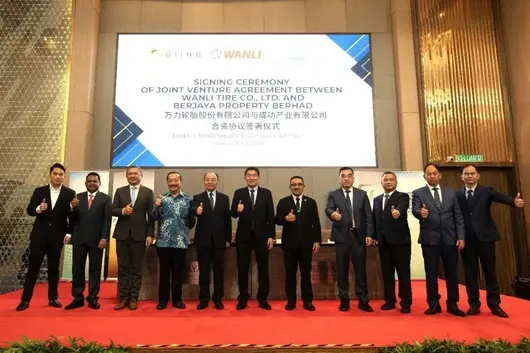
6 Julai, Tayar Wanli di bawah Pengurusan Perindustrian Guangzhou menandatangani kontrak secara rasmi dengan Syarikat Maju di Kuala Lumpur, Malaysia, melancarkan pabrik perkongsian pintar bernilai 320 Juta Dolar AS, menandakan pelaburan jenama ASEAN dikemas kini sepenuhnya.
Ini bukan kes tunggal, dalam tempoh setahun lepas, Wanli, Pulins, Qingdao Fullink, Zhaoqing Junhong, Shandong New Continent Rubber dan syarikat tayar domestik lain memindahkan pusat operasi secara padat ke Malaysia.
Penandatanganan Penting Dilancarkan! Wanli Bekerjasama Dengan Raksasa Malaysia Membuka Baharu Luar Negara
Penandatanganan kontrak Tayar Wanli kali ini memiliki spesifikasi sangat tinggi, pemimpin tinggi kerajaan dan perusahaan kedua-dua negara China dan Malaysia, duta diplomatik, ketua industri bersama menyaksikan, merupakan peristiwa penanda aras kerjasama industri tayar China-Malaysia tahun ini.
Berdasarkan perjanjian perkongsian, kedua-dua pihak akan membina secara bersama tapak pengeluaran tayar getah hijau prestasi tinggi di Negeri Selangor, tapak projek merangkumi 67.9 ekar, merancang pengeluaran tahunan 1.2 Juta keping tayar radials keluli penuh, 5 Juta keping tayar radials keluli separuh.

Sebagai hab eksport utama rangkaian pengeluaran global Wanli, projek ini diletakkan sebagai pabrik hijau pintar terkemuka global, bukan sahaja akan menyempurnakan penempatan kapasiti luar negara jenama, tetapi juga akan mencipta lebih daripada 1,000 kerjaya berkualiti untuk Malaysia, membantu pemupukan bakat tempatan dan peningkatan pembuatan melalui latihan kemahiran profesional, mencapai kerjasama dua arah saling menang.
Wang Fuzhu dari Pengurusan Perindustrian Guangzhou menyatakan secara langsung, penandatanganan kali ini mencapai lompatan pelaburan ASEAN kumpulan dari "pecahan titik tunggal" ke "penghubung berbilang hab".
Penempatan Secara Kumpulan Semua Anggota! Raksasa Berbilang Dilancarkan, Matriks Industri Tayar Malaysia Terbentuk
Penempatan berat Wanli hanyalah contoh mikro tayar modal China memasuki Malaysia. Dalam masa setahun pendek, syarikat teratas tercatat, syarikat swasta berkuasa berturut-turut melancarkan projek besar, sekali gus mengubah semula corak industri tayar Asia Tenggara.
01
Qingdao Fullink: Membina Tapak Tayar China Terbesar Malaysia
Bulan Jun tahun ini, Pabrik Pintar Fasa II Karet Jima Qingdao Fullink secara rasmi memulakan pengeluaran, jumlah pelaburan keseluruhan kira-kira 818 Juta Yuan, keseluruhan pengeluaran tahunan tayar memecah 7 Juta keping, adalah pusat pengeluaran tayar modal China terbesar dari segi skala dan kapasiti Malaysia setakat ini.

02
Pulins: Pelaburan Berat 2.76 Billion
November 2024, Pulins melabur 380 Juta Dolar AS (kira-kira 2.76 Billion Yuan) untuk melancarkan Bandar Getah Kedah, Malaysia, tapak projek melebihi 600 mu, berfokus pada pengeluaran tayar hijau pintar kelas tinggi. Selepas Fasa 1 mencapai kapasiti boleh membelek 6.6 Juta keping pelbagai jenis tayar setiap tahun, dijangkakan percubaan pengeluaran separuh tahun kedua 2026, 2027-2028 melepaskan kapasiti sepenuhnya.

03
Pelaburan Berterusan Ditambah, Pasukan Keluar Luar Negara Dilengkapkan
Syarikat tayar swasta juga mempercepatkan masuk ke pasaran: Zhaoqing Junhong melabur 2 Billion melancarkan projek tayar Malaysia, merancang pengeluaran tahunan 6.5 Juta keping tayar; Shandong New Continent Rubber melabur 630 Juta, melancarkan projek pengeluaran tayar radials, berterusan menyempurnakan penempatan kapasiti luar negara.
Logik Utama Kumpulan Malaysia: Cukai + Lokasi Dividen Berganda
Syarikat tayar domestik melabur berat di Malaysia secara kolektif, bukan mengikuti tanpa fikir, tetapi penempatan tepat selaras dengan perubahan perdagangan global, kelebihan utama sangat menonjol.
Dividen cukai adalah pemacu utama. 2025 Amerika Syarikat dan lima negara Asia Tenggara mencapai perjanjian cukai berbeza, cukai tayar Malaysia ke Amerika Syarikat turun ke 19%, mengelakkan hambatan perdagangan tinggi eksport langsung China secara besar, mengurangkan kos eksport secara berkesan. Walaupun penyiasatan asal tempatan diperketatkan, tetap tidak dapat menahan trend pelaburan pembinaan pabrik tempatan.

Serentak, Malaysia memiliki kelebihan lokasi utama ASEAN, pelabuhan dan pelayaran matang, pengangkutan darat boleh capai, boleh pada masa yang sama merangkumi pasaran tempatan ASEAN dan pasaran utama global seperti Eropah, Amerika, Timur Tengah, adalah titik penyangga strategik berkualiti untuk membina rantaian bekalan global ketahanan. Tambahan pula, asas industri getah tempatan mendalam, pekerja industri mencukupi, ditambah persekitaran perniagaan pelaburan luar negara yang berterusan ditingkatkan, kesan pengumpulan industri berterusan ketara, sekali lagi memperkukuh nilai pelaburan.
Kekurangan Jelas! Kompetitifsi Polisi Pelaburan Tidak Sampai Thai dan Vietnam
Walaupun ketepuan pelaburan tinggi, tetapi polisi insentif pelaburan luar negara Malaysia memiliki kekurangan jelas, mengehadkan daya tahan industri. Dari segi cukai, Rancangan Pionir PS tempatan hanya projek biasa 5 tahun pelepasan 70% cukai pendapatan, teknologi tinggi sahaja boleh pelepasan penuh; manakala Vietnam maksimum 4 tahun pelepasan penuh, 5-9 tahun separuh, Thailand maksimum boleh nikmati 15 tahun pelepasan penuh, polisi lebih mudah, tenaga lebih besar.

Dari segi pelepasan cukai, syarikat Thai, Vietnam yang mematuhi peraturan boleh terus membebas cukai import peralatan pengeluaran, bahan mentah, manakala Malaysia diskaus hanya terhad kepada beberapa industri dan projek khas, skup liputan sempit, batu linta tinggi. Keseluruhan polisi lebih konservatif dan rumit, jika penambahbaikan lengkap kemudian, Malaysia dijangkakan dapat menerima pemindahan industri tayar lebih besar.
Dari awal berkumpul Thai dan Kemboja, sehingga kini secara kolektif melabur Malaysia, laluan keluar luar negara tayar China semakin matang. Dengan penandatanganan penting Tayar Wanli sebagai titik permulaan, zaman pelaburan tayar China di Malaysia secara rasmi tiba.
Dalam pasaran SUV di Malaysia, ramai pembeli semasa memilih kereta akan membandingkan Proton X70 dan Volkswagen Tiguan. Kedua-dua kereta ini dari segi harga dan kedudukan agak dekat, hari ini kita akan buat perbandingan terperinci dari pelbagai aspek, membantu anda menjimatkan masa membuat kajian.
Harga OTR Proton X70 di Malaysia adalah RM 106,800 - 122,300, terdapat 3 varian, termasuk 1.5L Standard 2WD (RM 106,800), 1.5L Executive 2WD (RM 115,800), 1.5L Premium 2WD (RM 122,300) dan lain-lain.
Harga OTR Volkswagen Tiguan di Malaysia adalah RM 206,540 - 260,024, terdapat 2 varian, termasuk 2025 Allspace 2.0T R-Line (RM 260,024), 2025 Allspace 1.4T Elegance (RM 206,540) dan lain-lain.
Dari segi harga, harga permulaan Proton X70 memang lebih murah RM 99,740 berbanding Volkswagen Tiguan. Jika bajet anda terhad, varian asas Proton sudah boleh memenuhi keperluan harian. Namun perlu diingat, perbezaan ribuan ringgit itu mungkin melibatkan kompromi dari segi kelengkapan, bergantung pada keperluan anda.
Proton X70 dilengkapi enjin 1.5L Turbo, kuasa 140 hp. Pengambilan minyak rasmi 7.0 L/100km.
Volkswagen Tiguan dilengkapi enjin 2.0L 4-cyl, kuasa 170 hp. Pengambilan minyak rasmi 8.0 L/100km.
Dari segi kuasa, enjin 2.0L 4-cyl Volkswagen Tiguan mempunyai 30 kuasa kuda lebih daripada 1.5L Turbo Proton X70. Namun untuk memandu harian di bandar, kuasa kedua-dua kereta ini sudah mencukupi, tidak akan terasa kurang tenaga.
Proton X70 panjang kenderaan 4400 mm, bak belakang 400 L.
Volkswagen Tiguan panjang kenderaan 4400 mm, bak belakang 400 L.
Saiz kedua-dua kereta hampir sama, ruang dalam tidak banyak berbeza. Kereta dalam kategori ini sudah cukup untuk penggunaan harian.
Proton X70 jaminan 5 tahun/150,000km, selang penyelenggaraan setiap 10,000km atau 6 bulan.
Volkswagen Tiguan jaminan 3 tahun/100,000km, selang penyelenggaraan setiap 10,000km atau 6 bulan.
Secara keseluruhan, Proton X70 dan Volkswagen Tiguan adalah model kereta yang sangat bagus di pasaran Malaysia. Pilihan mana yang dipilih, ia bergantung pada keperluan dan bajet peribadi anda. Kami sarankan buat kajian, bandingkan beberapa tawaran dealer, kemudian uji test untuk membuat keputusan akhir. Membeli kereta adalah perkara besar, meluangkan masa untuk membuat kajian tidak akan salah.

喺馬來西亞嘅 SUV 市場,好多買家喺揀車嗰陣都會拎 Proton X70 同 Subaru Crosstrek 嚟做比較。呢兩款車喺價位同定位上都幾接近,今日我哋就從多個方面做一個詳細嘅對比,幫你省下做功課嘅時間。
Proton X70 喺馬來西亞嘅 OTR 售價係 RM 106,800 - 122,300,合共有 3 個版本,包括 1.5L Standard 2WD(RM 106,800)、1.5L Executive 2WD(RM 115,800)、1.5L Premium 2WD(RM 122,300) 等。
Subaru Crosstrek 喺馬來西亞嘅 OTR 售價係 RM 145,000 - 160,000,合共有 1 個版本,包括 2.0L e-Boxer(RM 150,000) 等。
由價錢睇,Proton X70 嘅起步價確實比 Subaru Crosstrek 平咗 RM 38,200。如果你預算有限,Proton 嘅入門版已經可以滿足日常需求。但都要留意,平嗰幾千蚊,可能喺配備上會有取舍,具體要睇你嘅需求。

Proton X70 採用 FWD 驅動方式。
Subaru Crosstrek 採用 FWD 驅動方式。
呢兩款車嘅驅動方式一樣,都係 FWD,日常駕駛感受唔會有太大分別。

Proton X70 保修 5 年/150,000km,保養間隔 每 10,000km 或 6 個月。
Subaru Crosstrek 保修 3 年/100,000km,保養間隔 每 10,000km 或 6 個月。
Proton X70 同 Subaru Crosstrek 都係馬來西亞市場嘅主流選擇,適合家庭使用、日常通勤。如果你更鍾意品牌口碑同二手價,可以優先考慮口碑更好嗰款;如果你更介意性價比同配備,就揀配置更豐富嗰款。最後始終都建議兩款都去試駕,親身體驗先係最重要嘅。
總括嚟講,Proton X70 同 Subaru Crosstrek 都係馬來西亞市場好唔錯嘅車型。揀邊部車,關鍵仲要睇你嘅個人需求同預算。建議大家做好功課,多比較幾間車行嘅報價,再去試駕做最終決定。買車係件大事,花少少時間做功課絕對唔會錯。


喺馬來西亞嘅 SUV 市場,好多買家喺揀車嘅時候都會拿 寶騰 X70 同 斯巴魯 森林人 嚟做比較。呢兩部車喺價格同定位上都幾近,今日我哋就由多個方面做一個詳細嘅對比,幫你省下做功課嘅時間。
寶騰 X70 喺馬來西亞嘅 OTR 售價係 RM 106,800 - 122,300,合共有 3 個版本,包括 1.5L Standard 2WD(RM 106,800)、1.5L Executive 2WD(RM 115,800)、1.5L Premium 2WD(RM 122,300) 等。
斯巴魯 森林人 喺馬來西亞嘅 OTR 售價係 RM 174,000 - 197,000,合共有 3 個版本,包括 2024 2.0L S EyeSight GT Edition(RM 189,538)、2024 2.0L S EyeSight(RM 177,538)、2024 2.0L L EyeSight(RM 167,538) 等。
由價格睇,寶騰 X70 嘅起步價確實較 斯巴魯 森林人 平咗 RM 67,200。如果你預算有限,寶騰嘅入門版已經可以滿足日常需求。但都記住,平嗰幾千塊,可能喺配備上會有所取舍,具體要看你嘅需求。

寶騰 X70 搭載 1.5L Turbo,馬力 140 hp。官方油耗 7.0 L/100km。
斯巴魯 森林人 搭載 2.0L 4-cyl,馬力 170 hp。官方油耗 8.0 L/100km。
動力方面,斯巴魯 森林人 嘅 2.0L 4-cyl 較 寶騰 X70 嘅 1.5L Turbo 多咗 30 匹馬力。不過日常喺市區行,兩部車嘅動力都夠用,唔會覺得唔夠力。
寶騰 X70 嘅安全評級係 5★ (ASEAN NCAP),主動安全系統包括 ADAS (ACC, AEB, LKA, LDA, BSM, RCTA)。
斯巴魯 森林人 嘅安全評級係 5★ (Euro NCAP),主動安全系統包括 EyeSight。
安全配備方面,兩部車都拿到唔錯嘅評級。不過 寶騰 X70 嘅 ADAS (ACC, AEB, LKA, LDA, BSM, RCTA) 同 斯巴魯 森林人 嘅 EyeSight 喺功能上有少少分別,如果你比較重視主動安全嘅話,可以詳細對比下佢哋嘅功能列表。

寶騰 X70 車身長 4400 mm,行李箱 400 L。
斯巴魯 森林人 車身長 4400 mm,行李箱 400 L。
兩部車嘅尺寸幾乎一樣,車內空間差別唔大。呢個級別嘅車,日常使用完全夠用。
寶騰 X70 保養/保修 5 年/150,000km,保養間隔 每 10,000km 或 6 個月。
斯巴魯 森林人 保養/保修 3 年/100,000km,保養間隔 每 10,000km 或 6 個月。
總括嚟講,寶騰 X70 同 斯巴魯 森林人都係馬來西亞市場幾咁唔錯嘅車型。揀邊一部,關鍵仲係睇你嘅個人需求同預算。建議大家做好功課,多比較幾間車行嘅報價,再去試駕做最終決定。買車係件大事,花少少時間做功課絕對唔會錯。


喺馬來西亞嘅 SUV 市場,好多買家在揀車嗰陣都會拿 Proton X70 同 Kia Sportage 嚟比較。呢兩款車喺價錢同定位上幾接近,今日我哋就由多個方面做個詳細比較,幫你節省做功課嘅時間。
Proton X70 喺馬來西亞嘅 OTR 售價係 RM 106,800 - 122,300,一共 3 個版本,包括 1.5L Standard 2WD(RM 106,800)、1.5L Executive 2WD(RM 115,800)、1.5L Premium 2WD(RM 122,300)等。
Kia Sportage 喺馬來西亞嘅 OTR 售價係 RM 129,639 - 179,320,一共 4 個版本,包括 2025 1.6T DCT 4WD High(RM 179,320)、2025 1.6T DCT 2WD High(RM 159,320)、2025 2.0L AT 2WD High(RM 139,639)等。
睇落嚟,Proton X70 嘅起步價的確比 Kia Sportage 平咗 RM 22,839。如果你預算有限,Proton 嘅入門版已經可以滿足日常需求。但亦都要留意,平嗰幾千蚊,可能喺配備上有取捨,具體要睇你嘅需求。
Proton X70 嘅安全評級係 5★ (ASEAN NCAP),主動安全系統包括 ADAS (ACC, AEB, LKA, LDA, BSM, RCTA)。
Kia Sportage 嘅安全評級係 5★ (ASEAN NCAP),主動安全系統包括 Drive Wise。
兩款車嘅安全評級一樣,喺呢個級別入面安全配備都算好齊全。而家嘅新車安全性都唔錯,唔使太擔心呢一點。
Proton X70 採 FWD 驅動方式。
Kia Sportage 採 FWD 驅動方式。
兩款車嘅驅動方式一樣,都係 FWD,日常駕駛感受唔會有太大分別。
Proton X70 同 Kia Sportage 都係馬來西亞市場嘅主流選擇,適合家庭用途、日常通勤。如果你更睇重品牌口碑同二手價,可以優先考慮口碑更好嗰一款;如果你更在意性價比同配備,就揀配置更豐富嗰款。最終都建議兩款都去試駕,親身體驗先最緊要。
總括嚟講,Proton X70 同 Kia Sportage 都係馬來西亞市場幾唔錯嘅車型。揀邊一部,關鍵都要睇你嘅個人需求同預算。建議大家做好功課,多比較幾間車行嘅報價,再去試駕做最終決定。買車係件大事,花少少時間做功課絕對唔會錯。
In the SUV market in Malaysia, many buyers compare Proton X70 and MG MG HS when choosing a car. These two cars are quite close in price and positioning. Today we will make a detailed comparison from multiple aspects to help you save time on research.
The Proton X70 OTR price in Malaysia is RM 106,800 - 122,300, with a total of 3 versions, including 1.5L Standard 2WD (RM 106,800), 1.5L Executive 2WD (RM 115,800), 1.5L Premium 2WD (RM 122,300), etc.
The MG MG HS OTR price in Malaysia is RM 130,450 - 146,450, with a total of 2 versions, including 1.5L Standard (RM 105,000), 1.5L Executive (RM 115,000), etc.
In terms of price, the starting price of Proton X70 is indeed RM 23,650 cheaper than MG MG HS. If your budget is limited, Proton's entry-level version can already meet daily needs. But also note that the few thousand cheaper might have trade-offs in features, specifically depending on your needs.
Proton X70 is equipped with 1.5L Turbo, 140 hp. Official fuel consumption 7.0 L/100km.
MG MG HS is equipped with 1.5L Turbo, 140 hp. Official fuel consumption 7.0 L/100km.
Both cars use the same powertrain system, the feeling of daily driving is basically no difference. Fuel consumption is also similar, no need to worry too much about this point.
Proton X70 body length 4400 mm, trunk 400 L.
MG MG HS body length 4400 mm, trunk 400 L.
The dimensions of the two cars are almost the same, interior space difference is not large. Cars in this class, daily use is completely enough.
Proton X70 adopts FWD drive method.
MG MG HS adopts FWD drive method.
Both cars have the same drive method, both are FWD, daily driving feeling will not have too much difference.
Proton X70 warranty 5 years/150,000km, maintenance interval every 10,000km or 6 months.
MG MG HS warranty 7 years/150,000km, maintenance interval every 10,000km or 6 months.
Overall, Proton X70 and MG MG HS are both very good car models in the Malaysia market. Choosing which one, the key still depends on your personal needs and budget. It is recommended to do research, compare quotes from several car dealerships, and then go for a test drive to make a final decision. Buying a car is a big matter, spending time doing research will never be wrong.

Dalam pasaran SUV di Malaysia, ramai pembeli ketika memilih kereta akan membandingkan Proton X70 dan Hyundai Tucson. Kedua-dua kereta ini mempunyai harga dan penentuan pasaran yang agak hampir, hari ini kita akan membuat perbandingan terperinci dari pelbagai aspek, membantu anda menjimatkan masa melakukan kajian.
Proton X70 dijual OTR di Malaysia pada harga RM 106,800 - 122,300, terdapat 3 variasi, termasuk 1.5L Standard 2WD (RM 106,800), 1.5L Executive 2WD (RM 115,800), 1.5L Premium 2WD (RM 122,300) dan lain-lain.
Hyundai Tucson dijual OTR di Malaysia pada harga RM 143,888 - 197,888, terdapat 5 variasi, termasuk 2025 HEV 1.6T AT 2WD Prestige (RM 197,888), 2025 1.6T DCT 4WD Prestige (RM 186,888), 2025 1.6T DCT 2WD Prime (RM 164,888) dan lain-lain.
Dari segi harga, harga permulaan Proton X70 memang lebih murah RM 37,088 berbanding Hyundai Tucson. Jika bajet anda terhad, versi permulaan Proton sudah boleh memenuhi keperluan harian. Tetapi perlu diingat, beribu ringgit yang lebih murah itu, mungkin ada kompromi dari segi pelengkapan, bergantung spesifik kepada keperluan anda.

Proton X70 dilengkapi 1.5L Turbo, kuasa 140 hp. Penggunaan bahan api rasmi 7.0 L/100km.
Hyundai Tucson dilengkapi 1.5L Turbo, kuasa 140 hp. Penggunaan bahan api rasmi 7.0 L/100km.
Kedua-dua kereta menggunakan sistem pemacu yang sama, pengalaman memandu sehari-hari pada dasarnya tiada perbezaan. Dari segi penggunaan bahan api juga hampir sama, tidak perlu terlalu bimbang mengenai hal ini.

Proton X70 jaminan 5 tahun/150,000km, selang penjagaan setiap 10,000km atau 6 bulan.
Hyundai Tucson jaminan 5 tahun/300,000km, selang penjagaan setiap 10,000km atau 6 bulan.

Proton X70 dan Hyundai Tucson kedua-duanya adalah pilihan utama dalam pasaran Malaysia, sesuai untuk kegunaan keluarga dan perjalanan harian. Jika anda lebih mengutamakan reputasi jenama dan nilai jualan semula, boleh utamakan model yang mempunyai reputasi lebih baik; Jika anda lebih mementingkan nilai dan pelengkapan, pilihlah model dengan konfigurasi yang lebih lengkap. Akhir sekali disyorkan untuk mencuba memandu kedua-dua model, pengalaman sendiri yang paling penting.
Secara keseluruhannya, Proton X70 dan Hyundai Tucson adalah model yang sangat baik dalam pasaran Malaysia. Memilih mana-mana, kunci utama masih melihat kepada keperluan peribadi dan bajet anda. Disarankan untuk melakukan kajian, bandingkan beberapa sebut harga daripada beberapa dealer kereta, kemudian pergi uji memandu untuk membuat keputusan akhir. Membeli kereta adalah perkara besar, meluangkan masa membuat kajian pasti tidak akan salah.


Chery's foot has already stepped into the threshold of South Korea's local automotive industry.
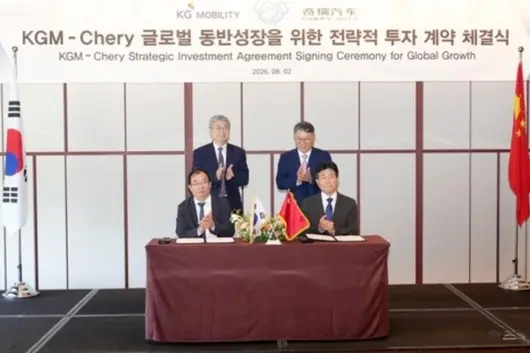
On August 2, at the signing ceremony at Grand Hyatt Hotel, Yongsan District, Seoul, Chery Automobile Chairman Yin Tongyue presented a robot dog to KG Mobility Chairman Kwak Jae-seon.
Behind this tech-savvy gift lies a $75 million strategic investment made by Chery through the purchase of convertible bonds issued by KG Mobility (converted at the current exchange rate, approx. 507 million RMB). If Chery converts all bonds upon maturity in July 2029, it will hold approximately 10% of KG Mobility's shares, becoming a key shareholder.

KG Mobility, formerly known as SsangYong Motor, is the third largest local automobile brand in South Korea after Hyundai and Kia. It's worth mentioning that SsangYong Motor has strong ties with the Chinese automotive industry. Back in October 2004, SAIC Group acquired 48.9% of SsangYong Motor for $500 million, becoming its largest shareholder and opening the trend of Chinese automakers acquiring foreign automakers.
However, the story between KG Mobility and Chery goes back even further.
In October 2024, both parties signed a strategic cooperation and platform licensing agreement. In April 2025, the 'SE-10' project was officially launched. This model, positioned as the successor to the Rexton, will be equipped with Chery's T2X platform developed specifically for plug-in hybrids, and will also offer a 2.0L gasoline version, scheduled to debut in January 2027. This is just an appetizer. The second global model is already on the way, and range-extended electric vehicles are also on the agenda.

The boundaries of cooperation are extending beyond whole vehicle manufacturing. Both parties decided to set up a special task force in the fields of robotics and automotive chips to explore the possibilities of joint verification and commercialization; regarding semiconductors, joint investment and development of automotive-grade chips will be discussed. Ambassador Dai Bing of the Chinese Embassy in South Korea commented on the spot, 'Economic cooperation between South Korea and China has shifted from existing vertical division of labor to a horizontal cooperation structure. The community of interests involving competition within cooperation and cooperation within competition is becoming the new normal.'
Money is spent, technology is given, what does Chery aim for?
Chery Automobile Vice President Zhang Guibing's answer was reserved. In an interview with Korean media, he stated, 'If there is a significant demand from Korean consumers to purchase vehicles, we will enter the South Korean market. However, at this stage, our primary goal is to rely on this cooperation to let KGM gain consumer recognition. The consumer atmosphere in Korean society, which values differentiation and pursues personal characteristics, is growing stronger. If Chery's sub-brands land in Korea, we can also tap into a consumer group with different preferences from KGM.'
When discussing the possibility of Chery models being produced at KG Mobility factories, he responded, 'Chery has multiple production bases globally. We believe these bases could become important areas of cooperation between the two companies in the future. For example, we can explore sharing global production capacity and carry out multi-faceted cooperation in the manufacturing field.'
After Geely obtained 34.02% shares in Renault Korea through subscription for capital increase, the Polestar 4 has already rolled off the production line at the Busan factory, handling both domestic sales and exports without missing a beat. With this precedent, Chery's calculations are not hard to guess.
And more than two months ago in Tokyo, Chery played a different game.
On May 27, the new brand EMTA was launched quietly. Chery did not stand in the spotlight, but instead partnered with Jiangsu Yueda Automobile Group, Autobacs, Gotion High-tech, and Anest Iwata to form a joint venture company in Singapore, with Chery holding 27.27% shares. The brand is Japanese, the design is done by a Japanese team, and even the sales channels use over 600 Autobacs stores in Japan, starting with setting up 100 branches.
But if you lift the lid and look, the three-electric system is Chery's, intelligent driving is Chery's, and whole vehicle production is placed in Yancheng, Jiangsu. The so-called 'Japanese shell, Chinese heart, global chain' is basically bypassing the hurdle of 'foreign brands are not trusted'.
Chery is targeting the fattest and most stubborn piece of cake in the Japanese market — the K-Car.
In recent years, the sub-market with annual sales exceeding 1.5 million units has been firmly held by Honda N-BOXes. Chery's approach is very direct: pure electric K-Car, rumored range between 155 and 220 km, with pricing on par with fuel version K-Cars. Deliveries are planned for spring 2027, rolling out four models by 2029.

This 'shell borrowing' strategy is essentially bypassing the trust barriers Japanese consumers have towards foreign brands. The Japanese automotive market has long been monopolized by domestic giants like Toyota, Honda, and Nissan, making it one of the most closed automotive markets in the world. Zhang Guibing, head of Chery's overseas business, previously told Japanese media that the enterprise will compete relying on differentiated characteristic products that Japanese automakers do not yet possess.
South Korean capital enters, Japanese brand incubates, behind these two strategies lies Chery's unhidden ambition to go global.
Chery official data shows that in 2025, the group's total sales reached 2.806 million units, of which exports were 1.344 million units, ranking first among Chinese brand passenger car exports for 23 consecutive years. Entering 2026, Chery's global expansion pace accelerated further. Cumulative exports from January to July reached 1.146 million units, a year-on-year increase of 71%; global market share in the first half reached 4.1%, tied with Ford for ninth globally.
The wind direction in nearby markets is indeed changing. First, look at South Korea.
According to South Korean automotive data agency Carisyou, from January to May 2026, a total of 146,278 new cars were registered in the South Korean passenger car import market, among which BYD reached 7,023 units, accounting for 4.8%, ranking fourth, just behind Tesla, BMW, and Mercedes-Benz, even surpassing the Japanese luxury brand Lexus.
Among the 70,078 new passenger cars registered in South Korea in the first quarter of 2026, 25,595 were produced in China, accounting for 36.5%. This includes not only Chinese brands but also Teslas produced at the Shanghai Superfactory — the latter significantly cut prices relying on the cost advantages of the Chinese supply chain, directly boosting sales growth.
The Japanese market is slower, but the ice surface is also cracking.
BYD opened its first store in Tokyo in January 2023, becoming the first Chinese brand to fully enter the Japanese passenger car market. In 2025, BYD's pure electric vehicle sales in Japan were about 3,870 units, a year-on-year increase of 62%; entering 2026, the growth speed accelerated further, with February single-month sales reaching 439 units, a surge of 153% year-on-year.
Of course, the road won't be too smooth.
In the subsidy list released by the South Korean Ministry of Environment at the end of June, BYD was excluded. Buying BYD after July 1 will not get government subsidies. The reason is low localization rate and limited contribution to local employment. Japan's subsidy policies have also been pointed out as 'double standards', the subsidy amount Chinese brands can get is far behind local brands. These are all obstacles on the surface.
But some things cannot be stopped by subsidies. Lee Hye-min, the sales section chief of BYD Seoul Mapo store, said a frank truth in an interview: 'Bias against Chinese brands still exists among South Korean consumers, but they are not stupid, and the proportion of consumers who decide to purchase after test driving is quite high.'
From BYD tearing open a gap with cost-performance, to Zeekr moving upmarket, and then to Chery walking on two legs with capital and technology, Chinese automakers in these two traditional automotive strongholds of South Korea and Japan are gradually turning 'impossible' into 'possible'.
Source: Car Observation

In Malaysia's SUV market, many buyers compare Perodua Ativa and Mitsubishi Xforce when choosing a car. These two models are quite close in price and positioning, so today we will make a detailed comparison from multiple aspects to help you save time on research.
Perodua Ativa's OTR price in Malaysia is RM 62,500 - 73,400, with a total of 3 versions, including 1.0L Turbo X (RM 62,500), 1.0L Turbo H (RM 67,300), 1.0L Turbo AV (RM 73,400), etc.
Mitsubishi Xforce's OTR price in Malaysia is RM 109,930 - 119,930, with a total of 2 versions, including 2026 1.5L Ultimate (RM 119,930), 2026 1.5L Urban (RM 109,930), etc.
In terms of price, Perodua Ativa's starting price is indeed RM 47,430 cheaper than Mitsubishi Xforce. If your budget is limited, Perodua's entry-level version can already meet daily needs. However, be aware that the cheaper few thousand might involve trade-offs in features, depending on your specific needs.

Perodua Ativa body length 4400 mm, trunk 400 L.
Mitsubishi Xforce body length 4400 mm, trunk 400 L.
The dimensions of both cars are almost identical, and the interior space difference is not significant. For a car at this level, it is fully sufficient for daily use.

Perodua Ativa warranty 5 years/150,000km, service interval every 10,000km or 6 months.
Mitsubishi Xforce warranty 3 years/100,000km, service interval every 10,000km or 6 months.

Perodua Ativa and Mitsubishi Xforce are both mainstream choices in the Malaysia market, suitable for family use and daily commuting. If you value brand reputation and resale value more, prioritize the one with better reputation; if you care more about value for money and features, choose the one with more configurations. Ultimately, it is recommended to test drive both, as personal experience is the most important.

Overall, Perodua Ativa and Mitsubishi Xforce are both very good car models in the Malaysia market. Which one to choose depends mainly on your personal needs and budget. It is recommended to do your homework, compare quotes from several dealerships, and then test drive to make a final decision. Buying a car is a big matter, spending some time doing research is never wrong.

In the Malaysian SUV market, many buyers compare Perodua Aruz and Proton X50 when choosing a car. These two cars are quite close in price and positioning. Today, we will do a detailed comparison from multiple aspects to help you save time doing research.
The OTR price for Perodua Aruz in Malaysia is RM 72,900 - 77,900, with a total of 2 versions, including 1.5L X (RM 72,900), 1.5L AV (RM 77,900), etc.
The OTR price for Proton X50 in Malaysia is RM 89,800 - 113,300, with a total of 4 versions, including 1.5T Executive (RM 89,800), 1.5T Premium (RM 101,800), 1.5T Flagship (RM 113,300), etc.
From a price perspective, the starting price of Perodua Aruz is indeed RM 16,900 cheaper than Proton X50. If your budget is limited, Perodua's entry-level version is already enough to meet daily needs. But keep in mind, the few thousand ringgit cheaper, there might be trade-offs in features, it depends on your specific needs.

Perodua Aruz is equipped with a 1.5L 4-cyl, 105 hp. Official fuel consumption 6.0 L/100km.
Proton X50 is equipped with a 1.5L 4-cyl, 105 hp. Official fuel consumption 6.0 L/100km.
Both cars use the same powertrain, the driving experience is basically no difference. Fuel consumption is also similar, no need to worry too much about this point.

Perodua Aruz safety rating is 5★ (ASEAN NCAP), active safety systems include.
Proton X50 safety rating is 5★ (ASEAN NCAP), active safety systems include ADAS (ACC, AEB, LKA, LDA, BSM, RCTA).
Both cars have the same safety rating, safety features in this class are quite complete. New cars now have good safety, no need to worry too much about this.
Perodua Aruz body length 4400 mm, trunk 400 L.
Proton X50 body length 4400 mm, trunk 400 L.
The dimensions of both cars are almost the same, interior space difference is not large. Cars in this class are fully enough for daily use.

Perodua Aruz warranty 5 years/150,000km, maintenance interval every 10,000km or 6 months.
Proton X50 warranty 5 years/150,000km, maintenance interval every 10,000km or 6 months.
Warranty conditions for both cars are the same, no need to worry about this. Actual maintenance cost also depends on the brand's service network and parts prices, suggest asking real car owners in car owner groups for experience.
Overall, Perodua Aruz and Proton X50 are both very good models in the Malaysian market. Choosing which one depends on your personal needs and budget. We suggest doing research, compare quotes from several car dealerships, then test drive to make a final decision. Buying a car is a big deal, spending time on research will definitely not go wrong.

© 2024 Bitauto.com. All Rights Reserved.
Bitauto (www.yiche.com and www.bitauto.com) is one of the most visited automotive websites in China. We provide detailed info on Chinese car brands available in your area. Please note that the information provided on this website is based on publicly available data and is for reference only. It may not be fully updated or accurate at all times.

Help us improve our website


