

HomePerodua Kenari

Search History
Popular Searches
Dealer Login / Sign Up


唔好只以中國最強合資車企即將誕生嘅視角,切入眼前嘅一切。
雖然,近幾年間,南北豐田合併嘅話題被頻繁提及,並且有大量嘅事實性證據進行支撐。但,當涉及到一汽集團同廣汽集團之間目前嘅新結盟話題時,佢只係表象上嘅意義,而非真正嘅內核。
小市民鍾意算小賬,而真正能夠改變生活同事物原本運行規律嘅,係一本大賬。
簡單嚟講,係一本南北雙贏嘅賬。
一份規劃,一場發布會,清晰嘅信號
9 月 14 日,廣汽集團股價暴漲,當晚,廣汽集團發出公告,公司同中國第一汽車股份有限公司簽署《意向協議》,籌劃以發行股份方式購買一汽股份持有嘅某整車合資公司部分股權,並募集配套資金。本次交易預計構成重大資產重組及關聯交易,不構成實際控制人變更及重組上市。

汽車行業對此嘅普遍解讀為,一汽豐田、廣汽豐田可能按照此前嘅合併計劃進行推進,如今新一輪嘅股權結構將打破之前嘅好多難題。但事實上,如果更宏觀嘅角度來睇,呢點係捨本逐末。
2026 年 9 月 9 日,工業和信息化部等九部委聯合印發嘅《智能聯網新能源汽車產業發展“十五五”規劃》,其中好重點嘅一條係,“加大汽車企業依法兼併重組同跨區域整合力度,深入推進汽車生產企業集團化管理改革。”

2 日後嘅 9 月 11 日,工業和信息化部舉行新聞發布會,有關司局明確表示將積極支持大型企業集團開展改革,以市場化、法制化方式推進企業間兼併重組,支持骨幹企業有效整合研發、生產等資源,避免在產品設計、技術研發等方面開展同質化競爭。
廣汽集團同一汽集團進行股權合作,無疑係貫徹落實部署要求嘅實際行動同具體舉措,將對國內智能聯網新能源汽車產業資源整合優化起到示範引領作用。
再由結盟嘅角度嚟睇,這唔屬於此前發生過嘅股權交叉,或者係渠道互用等。而係,國有資產嘅深度協同調配。
 簡言之,係中央同地方國企探索輕量化股權綁定、深度協同嘅新模式。也就係,去除各自為戰嘅模式,整合成集團軍嘅模式,加速中國汽車產業嘅健康發展,以及在全球破題嘅速度。
國有車企長期存在布局分散、產能錯配、研發碎片化、同質化競爭等問題,各家喺新能源、智駕、車規芯片賽道獨立投入,技術成果難以共享,核心技術攻關效率偏低。一汽、廣汽跨層級整合,契合汽車產業高質量發展及“十五五”升級方向,為國有車企資源整合提供示範。雙方將形成年產銷超 500 萬輛嘅產業聯合體,統籌南北產能,優化存量,嚴控新增低效產能,緩解低端過剩、高端供給不足嘅結構性矛盾。集中資源攻關固態電池、智能輔助駕駛、車載操作系統、車規芯片等關鍵領域,補齊產業短板。
上述嘅一切,無疑都係顯性答案。

一汽深耕北方市場,擁有紅旗、解放同優質合資體系,整車底盤同可靠性研發實力突出;廣汽立足華南,依托傳祺、埃安、昊鉑、啟境等自主品牌打造成熟新能源體系,電池、純電平台、智能座艙同海外市場化運營優勢明顯。實施戰略合作後,市場端依托南北渠道互補,完善全國布局,規避同質化競爭;供應鏈集中採購提升議價能力,增強產業鏈韌性。海外統籌乘用車同商用車出海,統一策略,避免低價惡性競爭,加快品牌國際化,提升企業盈利水平同抗週期能力。
點樣算清,南北共贏呢本賬?
大嘅時代特徵係,依托合資、燃油車、傳統豪華品牌等等發展模式,愈發勢弱。
南北共贏,兩者各有自己嘅王牌。1+1 大過 2 嘅特徵已經顯性化,首先係喺用戶認知方面,兩者喺分別深耕中國南北方嘅同時,都喺優勢地區有着充分嘅認知度同用戶依賴度。其次係喺頂層品牌方面,紅旗能夠帶嚟嘅認知賦能同傳唱度。再次係,兩者相加之下帶嚟嘅用戶可信度。而除咗呢啲之外,仲有更深度嘅共贏特性。
以廣汽集團為分析樣本,佢嘅特點大體上包括:出海、技術、標準等幾大塊。

出海部分,1-8 月廣汽集團累計出口量 17.2 萬輛,同比增長 136%,其中 8 月廣汽海外業務繼續保持三位數增速,自主品牌出口近 2.7 萬輛,同比增長 177%。且,廣汽已從早期嘅產品貿易出口,轉向咗深度本地化運營。截至今年上半年,已建成 7 座海外 KD 工廠(覆蓋泰國、馬來西亞、尼日利亞、奧地利、印尼、柬埔寨、哈薩克斯坦)、9 大海外零部件倉庫,同時首個海外自主電池 PACK 工廠已經開始建設。
事實上,“海外版廣汽”已然初步成型。
技術角度睇,分成外部同內部兩大塊。外部,目前進入前瞻跨界佈局同投融資戰略進入回報期,2026 年至今長鑫科技、Momenta 等 20 家參投企業陸續上市。喺內部,廣汽集團本身係國內汽車行業少有嘅喺三電同智能聯網領域具備全棧自研能力嘅企業之一。

最新成果顯示,喺 2026 年 4 月舉辦嘅廣汽科技日,廣汽集團集中發布包括全新星源動力、星艦車身、星河智艙、星靈架構 4.0 及芯片生態領域嘅最新成果,全面覆蓋動力系統、車身安全、智能座艙同電子電氣架構等核心領域。其中,星源動力最新技術喺發布後兩個月內,即搭載傳祺嚮往 E8 PHEV、M8 PHEV L 等車型實現量產落地;星艦車身技術則喺發布後首月,隨昊鉑 S600 等車型完成量產裝車;最新嘅星河智艙 ADiGO 7.0,則喺 8 月透過傳祺越 7 首發量產搭載。

另外,喺更多嘅前瞻技術方面,今年上半年廣汽集團深度佈局嘅具身智能、飛行汽車同 Robotaxi 等前瞻賽道,已經開始由技術研發轉向商業化試運行。廣汽集團孵化成立嘅人形機器人公司慧侖科技已完成超 1 億圓融資,其商業化主力產品 GoMate Mini 已經進入常態化商業運營,喺 7 大場景部署近 50 台,獲得近千萬元訂單,並被正式納入中國保安體系。飛行汽車方面,上半年高域科技黃埔工廠已投產,首台飛行汽車 GOVY AirCab 同步下線。Robotaxi 方面,廣汽聯合滴滴打造嘅 Robotaxi R2 已於年初交付,並取得北京、廣州道路測試資質,同時透過旗下智慧出行平台如祺出行喺粵港澳大灣區多個核心區域運營 Robotaxi 超 550 輛,服務站點已超 2 萬個,並規劃 5 年內透過開放合作模式構建萬輛規模 Robotaxi 車隊,服務拓展至全國 100 個城市。
據廣汽資本官方資料,廣汽此前已圍繞汽車芯片、自動駕駛、動力電池等核心環節投資超 140 家企業。2026 年以來已有長鑫科技、Momenta、基本半導體、琻捷電子、惠科股份、天海電子等 20 家參投企業先後上市。至此,廣汽累計已有 49 家參投企業登陸資本市場。
而此前投資佈局嘅 140 家企業,就包括地平線、粵芯半導體、基本半導體、小馬智行、文遠知行、長鑫科技、Momenta、清陶科技等科技公司。由投資名單睇落,廣汽已將核心芯片、自動駕駛、動力電池等關鍵環節「投」咗一遍,這唔僅係財務投資,更係一張「產業安全網」。

而除咗之外,2025 年 4 月,廣汽集團發布咗由 12 款車規級芯片構成嘅芯片產品矩陣,並正式發起國內首個「汽車芯片應用生態共建計劃」。
呢套「整車定義 - 聯合研發 - 場景驗證」嘅端到端機制,為後續國產車規芯片嘅快速開發與上車驗證提供咗完整嘅體系支撐,大幅縮短咗芯片由實驗室到量產車嘅落地週期。僅一年時間,廣汽聯合國內頂尖科研力量,成功開發出 51 款行業領先嘅芯片產品,填補多項行業空白。目前,廣汽已攜手 105 家生態夥伴,完成近 400 款芯片嘅聯合定義開發同應用驗證,並首創搭建端到端聯動驗證平台。
再有,如今喺 L3 級自動駕駛方面表現領先嘅啟境品牌第二款新車即將推出,大機會改變 L3 級真正大規模商用化時嘅價格制定標準。
寫喺最後:
借鑒由此,都可以推測中國汽車產業嘅轉折嚟到。
無論係今年上半年嘅吉利汽車,定係零跑汽車,兩者能夠喺而家嚴酷嘅全球汽車市場入面交出高分答卷,均因為佢哋整合同效率上嘅思維破題。
好明顯,眼前廣汽同一汽嘅新結盟,亦都係喺喺行相同嘅思考。
至於帶嚟點樣嘅轉折點。
首先係,廣汽同一汽之間嘅新結盟,一旦能夠打破資本、運行方式上嘅傳統壁壘,將會成為整個汽車市場全新整合可能性嘅新學習範本。
其次係,技術上嘅融合程度,本身都係各有特色嘅領域專家,如果能夠打破入面嘅眾多壁壘,爆發力同持續性都會係史上少有。

美国又动真格了。这一次,不再只盯着中国。一场覆盖全球、横跨所有轮胎品类的进口大调查,正被推上谈判桌。对把 "海外建厂" 当作避税妙计的国内轮胎企业来说,这可能是近十年最危险的一道坎。
美国枪口对准中国海外轮胎工厂
9月14日,美国钢铁工人联合会(USW)国际主席罗克珊・布朗致信美国贸易代表杰米森・格里尔,正式提出一项重磅申请:依据《1974年贸易法》第201条,对全品类进口轮胎发起全球保障调查。
与以往大家熟悉的双反、专项特保不同,本次申请最大的变化,是跳出 “针对某一个国家” 的传统思路,将乘用车&轻卡胎、卡客车胎、非公路工程胎、飞机轮胎全部纳入调查范围。
工会直言,过去零散、碎片化的贸易救济措施,早已跟不上产业转移的现实。

简单来说:以前美国对A国轮胎加征关税,企业就把产能转移到不受关税约束的B国,换个原产地继续出口美国。关税壁垒,被产能搬家轻松绕开。
信函数据显示,塞尔维亚、柬埔寨、秘鲁等国轮胎输美量最高增幅达到429%。这正是USW最忌惮的 “漏洞循环”。
尤其中国大量轮胎企业选择海外建厂,就是为了规避原有贸易壁垒。而本次201条款申请,瞄准的就是这条曲线出海路线。
美国工会口中的行业危机
USW 在公开信中反复强调,美国本土轮胎产业已经陷入危机,甚至将轮胎制造上升到国家安全层面。轮胎是交通、农业、采矿、工业运转的基础保障,本土产能持续下滑会直接冲击供应链安全。
一组核心数据值得关注:
中国是工会论点的核心。据USW信函,中国产能持续放大——2025 年汽车轮胎产量约8.65亿条,总产能超10亿条。

回顾历史,早在2009年USW就推动了针对中国轮胎的421特保案,也是该条款唯一成功案例,但措施在2012年到期。后续发起的多起双反案件,都遇到同一个难题:限制一国出口,产能迅速转移,贸易限制效果大打折扣。
也正因如此,工会不再满足于单点打击,诉求升级为全球性分级进口限制,同时配套扶持本土产业方案,包括本土生产资本补贴、政府优先采购本土轮胎等。
进口轮胎小幅回落,但风险不在短期
最新海关统计,2026 年前7个月美国进口轮胎合计16234万条,同比下降3.9%。
乘用车胎:9802 万条,同比 - 2%
卡客车胎:3452 万条,同比 - 8%
航空器轮胎:18.3 万条,同比 + 18%
摩托车胎:207 万条,同比 - 9%
自行车胎:467 万条,同比 + 20%
美国轮胎制造商协会(USTMA)7月预测,2026年美国轮胎总出货量3.303亿条,同比下滑1.8%,市场需求本身偏弱。
USW也清楚,短期进口数据有所回落,但他们关注的是产能转移带来的长期供给冲击,而非单一年份的涨跌。只要全球过剩产能可以持续转移到无壁垒国家,美国本土工厂关停的趋势就难以逆转。
对国内轮胎企业的影响,一定要看懂
目前本次调查仅为工会申请,尚未正式立案。后续需经过USTR评估、ITC产业损害调查,最终措施落地由美国总统裁定,整体存在较大不确定性。
但一旦立案并落地保障措施,影响将远超以往贸易摩擦。不同于国别双反、特保,201条款为全球保障措施,不分原产地,中国本土轮胎、泰国/柬埔寨/塞尔维亚等中资海外基地生产的轮胎,对美出口均会被统一约束,彻底冲击行业沿用十余年的海外建厂、转口避税核心模式。
国内轮胎工厂本就受高额对华关税限制,本次直接冲击有限;中资海外产能将成为主要承压主体。

更关键的是,本次201调查是继232(25%关税)、301关税后,美国轮胎贸易壁垒的第三重核心工具。若USTR受理立案,将形成232+301+201三重关税壁垒架构,让国内及海外轮胎对美出口陷入系统性风险。
同时墨西哥、加拿大依托USMCA协议享有贸易豁免优势,北美轮胎供应格局或将迎来重塑。未来30天USTR立案结果,是决定全球轮胎贸易走向的核心关键变量。
结语
从2009年单一国家特保,到如今谋求全球范围全品类轮胎保障调查,再到可能落地的 "三重关税架构",美国轮胎贸易保护的网,正越织越密。
这不再是简单针对某个国家的贸易摩擦,而是试图搭建一张覆盖全球的防护网,堵住产能转移的漏洞。对于国内轮胎行业而言,这是一次重大预警。出海布局,不能再只把 "换产地" 当成万能避险方案。
市场博弈仍在继续,后续立案、调查、裁定每一步,都值得轮胎人持续紧盯。


喺馬來西亞嘅 SUV 市場,好多買家喺揀車嘅時候都會拿 Honda CR-V 同 Chery Tiggo 9 嚟做比較。這兩台車喺價格同定位上都幾接近,今日我哋就從多個方面做一個詳細嘅比較,幫你省卻做功課嘅時間。
Honda CR-V 喺馬來西亞嘅 OTR 售價係 RM 178,200 - 195,900,總共有 4 個版本,包括 2026 e:HEV 2.0L 2WD RS(RM 195,900)、2026 1.5T 4WD V(RM 181,900)、2026 e:HEV 2.0L 2WD E(RM 178,200)等。
Chery Tiggo 9 喺馬來西亞嘅 OTR 售價係 RM 166,800 - 179,800,總共有 1 個版本,包括 2026 2.0T Standard(RM 179,750)等。
由價錢睇落,Chery Tiggo 9 嘅起步價比 Honda CR-V 平咗 RM 11,400。老實講,喺呢個價段,幾千蚊嘅差距其實唔算大,關鍵始終睇整體嘅性價比同長期使用成本。

Honda CR-V 配備 2.0L 4-cyl,馬力 170 hp。官方油耗 8.0 L/100km。
Chery Tiggo 9 配備 2.0L 4-cyl,馬力 170 hp。官方油耗 8.0 L/100km。
兩款車用嘅係同一套動力系統,日常開落嚟嘅感覺基本冇咩分別。油耗方面也差不多,唔使太糾結這一點。

Honda CR-V 車身長 4500 mm,後行李廂 450 L。
Chery Tiggo 9 車身長 4400 mm,後行李廂 400 L。
空間方面,Honda CR-V 嘅車身比 Chery Tiggo 9 長咗 100 mm,車內乘客空間會稍微闊少少,尤其係後座腳部空間。如果你經常載家人或者需要放嬰兒車,大少少嘅車身的確更實用。

Honda CR-V 保修 5 年/無限里程,保養間隔 每 10,000km 或 6 個月。
Chery Tiggo 9 保修 3 年/100,000km,保養間隔 每 10,000km 或 6 個月。

總體嚟講,Honda CR-V 同 Chery Tiggo 9 都係馬來西亞市場好好嘅車款。揀邊一台,關鍵始終睇你個人需要同預算。建議大家做好功課,多比較間間車行嘅報價,再去試駕做最後決定。買車係件大事,花少少時間做功課絕對唔會錯。


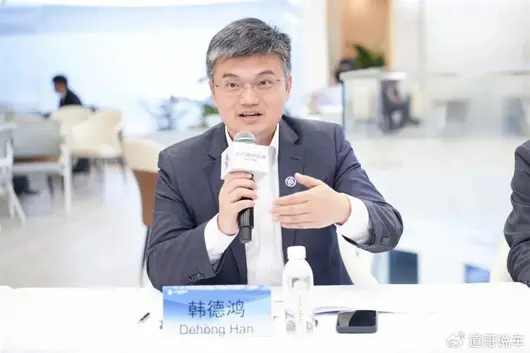
[Written by / Finance Circle & Dao Ge Auto Talk Ma Jianyu] Recently, SAIC-GM-Wuling completed a low-profile personnel adjustment. Han Dehong replaced Yao Zuoping as the Party Secretary of the company, and Yao Zuoping was transferred to serve as the General Manager Consultant of SAIC-GM-Wuling and the Director of the Technical Committee of the Smart Island Manufacturing System. According to public reports online, this adjustment took place at least half a month ago. However, the official side did not release relevant announcements, nor did it attract much media attention to the matter.
Public data shows that Yao Zuoping is now 62 years old, exceeding the statutory retirement age, and this job adjustment seems to be a transition towards retirement. Han Dehong, on the other hand, is a young-generation executive of SAIC-GM-Wuling, 44 years old this year, and is in the prime of his career. Before this adjustment, Han Dehong's public identity was the Deputy Party Secretary and General Manager of SAIC-GM-Wuling.
 In other words, Han Dehong's rank was further elevated after this adjustment. At the same time, considering that SAIC-GM-Wuling belongs to the SOE system, the step from "Deputy Secretary" to "Full Secretary" carries significant weight. Han Dehong, who is in the prime of his career, started serving as the Party Secretary of SAIC-GM-Wuling and concurrently as the Deputy General Manager, which also shows SAIC-GM-Wuling's emphasis on this young-generation executive.
It is worth mentioning that from Han Dehong's past experience, his appointment as the Party Secretary of SAIC-GM-Wuling also has greater practical significance in the background of the automotive sales "hot abroad but cold at home".
Over 20 Years of Service Young "Veteran" Upgraded
Public data shows that Han Dehong was born in 1982, is 44 years old this year, and there are no public records available regarding his educational background.
But his connection with SAIC-GM-Wuling is deep. In a media report from June 2025, Han Dehong recounted that he "just entered the company in 2005". In other words, the time Han Dehong entered SAIC-GM-Wuling has exceeded 20 years.
From his resume, Han Dehong has rich experience on the front lines of sales and brand communication. In June 2016, Han Dehong began to serve as the Deputy General Manager of SAIC-GM-Wuling Sales Company. After the launch of the New Baojun brand in 2019, he served as the Deputy General Manager of New Baojun Sales Company, and subsequently held positions such as Director of New Baojun Brand Communication, Deputy Party Secretary of SAIC-GM-Wuling, and General Manager Assistant, among others.
 Since September 2024, Han Dehong appeared publicly in the capacity of Deputy General Manager of SAIC-GM-Wuling. In terms of achievements, during Han Dehong's tenure as Deputy General Manager of SAIC-GM-Wuling Sales Company, SAIC-GM-Wuling consistently maintained the market position of the number one single automobile company in China. After the launch of the New Baojun brand, Han Dehong, as the core operator of New Baojun, helped New Baojun establish the brand positioning of "Pioneer of Smart Cars".
At the same time, Han Dehong repeatedly emphasized in public occasions that the mission of New Baojun is to "let intelligence no longer be the privilege of high-end cars", bringing higher-level automotive technology and products into a more affordable price range. It is worth noting that looking back from today's perspective, the brand positioning proposed by the New Baojun team represented by Han Dehong at that time was highly forward-looking. After 2020, the Chinese automobile market gradually began the trend of democratization of smart technology, and the weight of intelligence in influencing consumers' car purchase choices has become increasingly important.
After serving as the Deputy Party Secretary and Deputy General Manager of SAIC-GM-Wuling in 2024, Han Dehong became more like a "jack-of-all-trades". According to information released on the official WeChat account of SAIC-GM-Wuling, Han Dehong deeply participated in manufacturing, government-enterprise collaboration, Sino-foreign exchange, talent cultivation, ideological construction, marketing, etc., and made important contributions to the development of SAIC-GM-Wuling.
"Overseas Experience" Highly Aligned with Wuling's Business Focus
Placed in today's market background, what is most worth attention about Han Dehong is his experience in overseas markets. Public data shows that around 2010, Han Dehong was dispatched to India to serve as the Assistant General Manager of the Indian Joint Venture (General Motors India), following Yao Zuoping, then Deputy General Manager of SAIC-GM-Wuling, to jointly explore the Indian market.
In February 2021, Han Dehong was transferred to SAIC-GM-Wuling Indonesia Branch as Assistant General Manager, and was later promoted to Deputy General Manager of SAIC-GM-Wuling Indonesia Automotive Co., Ltd., responsible for the expansion and operation of the Indonesian market. In other words, whether it is the exploration of early markets or the expansion of overseas markets in the later new energy era, Han Dehong has relatively rich experience.
And this experience is particularly important in the current Chinese automobile industry. Data released by the China Association of Automobile Manufacturers on September 10 shows that the domestic market continues to face pressure, with the month-on-month decline in monthly sales exceeding 20% for 5 consecutive months; exports continue to maintain high growth, with monthly exports exceeding 1 million units for 3 consecutive months, becoming a key increment to stabilize the industry's overall performance.
 Specifically, from January to August, domestic automobile sales were 13.162 million units, a year-on-year decline of 21.8%; from January to August, automobile exports were 7.153 million units, a year-on-year increase of 66.7%. For most domestic automobile companies, seeking growth in overseas markets is no longer a choice question, but a mandatory question. According to official information from SAIC-GM-Wuling, in August, SAIC-GM-Wuling achieved sales of 130,870 units, among which the overseas market contributed 38,660 units/sets. At the same time, its cumulative overseas sales broke through 1.6 million units.
It is worth noting that the overseas market is one of SAIC-GM-Wuling's current business focuses. This year, SAIC-GM-Wuling formulated the "Overseas Doubling Project", anchoring an annual sales target of 400,000 units. Then, in this context, it has more practical significance for Han Dehong, who has "overseas experience", to serve as the Party Secretary of SAIC-GM-Wuling.
Furthermore, from the public activities Han Dehong appeared in throughout the year in recent years, those related to overseas business are also not few: attended the signing ceremony between SAIC-GM-Wuling and Saudi United Motors Group (UMG) on April 24; on April 3, received Glenn G.Peñaranda, Commercial Counselor of the Philippine Embassy in China, and a row of Wuling Automobile Philippines dealers to visit SAIC-GM-Wuling Liuzhou headquarters for field inspection and exchange... In September last year, SAIC-GM-Wuling management visited the Mexican market, Han Dehong was also among them.
Today, overseas markets have become a new track that Chinese automobile companies must participate in. With Han Dehong, who has "overseas experience", taking over as the Party Secretary of SAIC-GM-Wuling, what new ideas will it bring to SAIC-GM-Wuling's overseas business breakthrough?

喺馬來西亞嘅 SUV 市場,好多買家在揀車嘅時候都會拿 Honda CR-V 同 Chery Tiggo 7 Pro 做比較。這兩款車喺價錢同定位上都好接近,今日我哋就從多個方面做一個詳細比較,幫你省返做功課嘅時間。
Honda CR-V 喺馬來西亞嘅 OTR 售價係 RM 178,200 - 195,900,合共有 4 個版本,包括 2026 e:HEV 2.0L 2WD RS(RM 195,900)、2026 1.5T 4WD V(RM 181,900)、2026 e:HEV 2.0L 2WD E(RM 178,200) 等。
Chery Tiggo 7 Pro 喺馬來西亞嘅 OTR 售價係 RM 123,750 - 123,750,合共有 2 個版本,包括 1.6L Turbo Standard(RM 125,000)、1.6L Turbo Premium(RM 140,000) 等。
從價錢睇,Chery Tiggo 7 Pro 嘅入手價比 Honda CR-V 平咗 RM 54,450。講真,喺呢個價位段,幾千塊嘅差距其實唔算大,關鍵都係睇整體嘅性價比同長期使用成本。
Honda CR-V 嘅安全评分係 5★ (ASEAN NCAP),主動安全系統包括 Honda SENSING (ACC, CMBS, LKAS, RDM)。
Chery Tiggo 7 Pro 嘅安全评分係 TBD,主動安全系統包括 Basic。
安全配備方面,兩款車都揾到唔錯嘅評分。不過 Honda CR-V 嘅 Honda SENSING (ACC, CMBS, LKAS, RDM) 同 Chery Tiggo 7 Pro 嘅 Basic 喺功能上有些差異,如果你比較重視主動安全嘅話,可以仔細對比下兩者嘅功能列表。
Honda CR-V 採用 FWD 驅動方式。
Chery Tiggo 7 Pro 採用 FWD 驅動方式。
兩款車嘅驅動方式一樣,都係 FWD,日常駕駛感受唔會有太大分別。
Honda CR-V 保養 5 年/無限里程,保養間隔 每 10,000km 或 6 個月。
Chery Tiggo 7 Pro 保養 3 年/100,000km,保養間隔 每 10,000km 或 6 個月。
Honda CR-V 同 Chery Tiggo 7 Pro 都係馬來西亞市場嘅主流選擇,適合家庭使用、日常通勤。如果你更重視品牌口碑同二手價,可以優先考慮口碑更好嗰款;如果你更在意性價比同配備,嗰就揀配置更豐富嗰款。最終都係建議兩款都去試駕,親自體驗先係最重要。
總體嚟講,Honda CR-V 同 Chery Tiggo 7 Pro 都係馬來西亞市場好好嘅車型。揀邊輛,關鍵仲係要睇你嘅個人需求同預算。建議大家做好功課,多比較幾間車行嘅報價,先去試駕先做最終決定。買車係件大事,花少少時間做功課絕對無錯。

喺馬來西亞嘅 SUV 市場,好多買家喺揀車嗰陣都會拿本田 CR-V 同馬自達 CX-80 做比較。這兩款車喺價位同定位上都好接近,而家我哋就從多個方面做一次詳細比較,幫手節省做功課嘅時間。
本田 CR-V 喺馬來西亞嘅 OTR 售價係 RM 178,200 - 195,900,一共有 4 個版本,包括 2026 e:HEV 2.0L 2WD RS(RM 195,900)、2026 1.5T 4WD V(RM 181,900)、2026 e:HEV 2.0L 2WD E(RM 178,200) 等。
馬自達 CX-80 喺馬來西亞嘅 OTR 售價係 RM 296,610 - 296,610,一共有 1 個版本,包括 2025 2.5L 65km High Plus(RM 296,610) 等。
從價錢睇落去,本田 CR-V 嘅起步價確實比馬自達 CX-80 平咗 RM 118,410。如果你預算唔多,本田嘅入門版已經可以滿足日常需要。但都要注意,平咗嘅幾千蚊,可能喺配備上面會有取舍,具體要睇返你嘅需要。
本田 CR-V 配備 2.0L 4-cyl,馬力 170 hp。官方油耗 8.0 L/100km。
馬自達 CX-80 配備 2.0L Turbo,馬力 220 hp。官方油耗 9.5 L/100km。
動力方面,馬自達 CX-80 嘅 2.0L Turbo 比本田 CR-V 嘅 2.0L 4-cyl 多咗 50 匹馬力。不過日常喺市區開,兩款車嘅動力都夠用,唔會覺得唔夠力。
本田 CR-V 嘅安全评分係 5★ (ASEAN NCAP),主動安全系統包括本田 SENSING (ACC, CMBS, LKAS, RDM)。
馬自達 CX-80 嘅安全评分係 5★ (ASEAN NCAP),主動安全系統包括 Brand ADAS。
兩款車嘅安全评分一樣,喺呢個級別入面安全配備都算給得好齊全。而家嘅新車安全性都唔差,唔使太擔心這一點。
本田 CR-V 保用 5 年/無限里程,保養間隔 每 10,000km 或 6 個月。
馬自達 CX-80 保用 5 年/150,000km,保養間隔 每 10,000km 或 6 個月。

總括嚟講,本田 CR-V 同馬自達 CX-80 都係馬來西亞市場好唔錯嘅車型。揀邊一輛,關鍵都要睇返你個人嘅需要同預算。建議大家做好功課,多比較幾間車行嘅報價,再去試駕做最後決定。買車係件大事,花點時間做功課絕對唔會有錯。

In the Malaysian SUV market, many buyers compare Honda CR-V and Mazda CX-30 when choosing a car. These two models are quite close in price and positioning. Today, we will make a detailed comparison from multiple aspects to help you save time on research.
Honda CR-V is priced at RM 178,200 - 195,900 OTR in Malaysia, with a total of 4 versions, including 2026 e:HEV 2.0L 2WD RS (RM 195,900), 2026 1.5T 4WD V (RM 181,900), 2026 e:HEV 2.0L 2WD E (RM 178,200), etc.
Mazda CX-30 is priced at RM 122,409 - 146,409 OTR in Malaysia, with a total of 4 versions, including 2025 2.0L High+ Premium (RM 146,409), 2025 2.0L High+ (RM 138,409), 2025 2.0L High (RM 130,409), etc.
From a price perspective, Mazda CX-30's starting price is RM 55,791 cheaper than Honda CR-V. Honestly, at this price point, the difference of a few thousand is not that big, the key is to look at overall cost-effectiveness and long-term usage costs.
Honda CR-V comes with a 2.0L 4-cyl, 170 hp. Official fuel consumption 8.0 L/100km.
Mazda CX-30 comes with a 1.5L Turbo, 140 hp. Official fuel consumption 7.0 L/100km.
In terms of power, Honda CR-V's 2.0L 4-cyl has 30 more horsepower than Mazda CX-30's 1.5L Turbo, providing more confidence in mid-range acceleration, especially when overtaking on highways. However, Mazda CX-30's fuel consumption might be more friendly, with little difference in daily city commuting.
Honda CR-V safety rating is 5★ (ASEAN NCAP), active safety systems include Honda SENSING (ACC, CMBS, LKAS, RDM).
Mazda CX-30 safety rating is 5★ (ASEAN NCAP), active safety system includes i-Activsense.
Both cars have the same safety rating, safety features are quite comprehensive in this class. New cars nowadays are not lacking in safety, no need to worry too much about this.
Honda CR-V body length 4500 mm, trunk 450 L.
Mazda CX-30 body length 4500 mm, trunk 450 L.
The dimensions of both cars are almost identical, interior space difference is not large. Cars in this class are more than enough for daily use.

Honda CR-V warranty 5 years/unlimited mileage, maintenance interval every 10,000km or 6 months.
Mazda CX-30 warranty 5 years/150,000km, maintenance interval every 10,000km or 6 months.

Overall, Honda CR-V and Mazda CX-30 are both very good models in the Malaysian market. Choosing which one depends mainly on your personal needs and budget. We recommend doing your research, comparing quotes from multiple dealers, and then test driving to make the final decision. Buying a car is a big matter, spending time on research will definitely not be wrong.
In the Malaysian SUV market, many buyers compare Honda CR-V and Mazda CX-30 when choosing a car. These two models are quite close in price and positioning. Today, we will make a detailed comparison from multiple aspects to save you time on research.
The OTR price of Honda CR-V in Malaysia is RM 178,200 - 195,900, with a total of 4 versions, including 2026 e:HEV 2.0L 2WD RS (RM 195,900), 2026 1.5T 4WD V (RM 181,900), 2026 e:HEV 2.0L 2WD E (RM 178,200), etc.
The OTR price of Mazda CX-30 in Malaysia is RM 122,409 - 146,409, with a total of 4 versions, including 2025 2.0L High+ Premium (RM 146,409), 2025 2.0L High+ (RM 138,409), 2025 2.0L High (RM 130,409), etc.
In terms of price, the starting price of Mazda CX-30 is RM 55,791 cheaper than Honda CR-V. To be honest, in this price range, a difference of a few thousand is not really significant; the key is to look at overall value for money and long-term ownership costs.
Honda CR-V safety rating is 5★ (ASEAN NCAP), active safety systems include Honda SENSING (ACC, CMBS, LKAS, RDM).
Mazda CX-30 safety rating is 5★ (ASEAN NCAP), active safety systems include i-Activsense.
Both cars have the same safety rating, and safety features are quite comprehensive for this level. New car safety nowadays is not bad, no need to worry too much about this.
Honda CR-V body length is 4500 mm, trunk 450 L.
Mazda CX-30 body length is 4500 mm, trunk 450 L.
The dimensions of both cars are almost the same, and the interior space difference is not significant. For this class of cars, it is completely sufficient for daily use.
Honda CR-V warranty 5 years/unlimited mileage, maintenance interval every 10,000km or 6 months.
Mazda CX-30 warranty 5 years/150,000km, maintenance interval every 10,000km or 6 months.
Both Honda CR-V and Mazda CX-30 are mainstream choices in the Malaysian market, suitable for family use and daily commuting. If you value brand reputation and resale value more, you can prioritize the one with better reputation; if you care more about value for money and features, choose the one with richer configurations. Ultimately, it is recommended to test drive both, as personal experience is the most important.
Overall, both Honda CR-V and Mazda CX-30 are very good models in the Malaysian market. Choosing which one depends mainly on your personal needs and budget. It is recommended that everyone do their research, compare quotes from several dealerships, and then test drive to make the final decision. Buying a car is a big matter, spending time on research will never be wrong.

Dalam pasaran SUV di Malaysia, ramai pembeli sering membandingkan Honda CR-V dan Mazda CX-8 ketika memilih kereta. Kedua-dua kereta ini mempunyai harga dan posisi pasaran yang agak hampir. Hari ini, kita akan buat perbandingan terperinci dari pelbagai aspek untuk membantu anda jimatkan masa membuat kajian.
Honda CR-V dijual di Malaysia dengan harga OTR antara RM 178,200 - 195,900, terdapat 4 varian, termasuk 2026 e:HEV 2.0L 2WD RS (RM 195,900), 2026 1.5T 4WD V (RM 181,900), 2026 e:HEV 2.0L 2WD E (RM 178,200) dan lain-lain.
Mazda CX-8 dijual di Malaysia dengan harga OTR antara RM 165,360 - 201,360, terdapat 5 varian, termasuk 2025 2.5T 4WD High Plus Petrol (RM 201,360), 2025 2.2L 2WD High Plus Diesel (RM 193,123), 2025 2.5L 2WD High Plus Petrol (RM 186,360) dan lain-lain.
Dari segi harga, harga permulaan Mazda CX-8 lebih murah RM 12,840 berbanding Honda CR-V. Jujur berkata, dalam julat harga ini, perbezaan beberapa ribu ringgit sebenarnya tidak besar, yang penting adalah nilai perbandingan keseluruhan dan kos penggunaan jangka panjang.
Honda CR-V ditenagai enjin 2.0L 4-silinder, kuasa 170 hp. Konsumsi bahan api rasmi 8.0 L/100km.
Mazda CX-8 ditenagai enjin 2.0L 4-silinder, kuasa 170 hp. Konsumsi bahan api rasmi 8.0 L/100km.
Kedua-dua kereta menggunakan sistem kuasa yang sama, rasa pemanduan harian hampir tiada beza. Dari segi konsumsi bahan api juga hampir sama, tiada perlu terlalu risau tentang hal ini.
Honda CR-V panjang badan 4500 mm, ruang bagasi 450 L.
Mazda CX-8 panjang badan 4500 mm, ruang bagasi 450 L.
Saiz kedua-dua kereta hampir sama, ruang dalam kenderaan tidak banyak berbeza. Untuk kereta dalam tahap ini, penggunaan harian sudah cukup memadai.
Honda CR-V dan Mazda CX-8 adalah pilihan utama di pasaran Malaysia, sesuai untuk kegunaan keluarga dan perjalanan harian. Jika anda lebih mementingkan reputasi jenama dan harga jual semula, boleh memilih model yang mempunyai reputasi lebih baik terlebih dahulu; jika anda lebih mementingkan nilai perbandingan dan kelengkapan, pilihlah model yang mempunyai spesifikasi lebih lengkap. Akhir sekali, disyorkan untuk ujian memandu kedua-dua model, pengalaman langsung adalah yang paling penting.

Secara keseluruhan, Honda CR-V dan Mazda CX-8 adalah model kereta yang sangat baik di pasaran Malaysia. Memilih yang mana, penting bergantung pada keperluan dan bajet peribadi anda. Kami menasihatkan anda membuat kajian terlebih dahulu, bandingkan lebih banyak tawaran dari beberapa dealer, kemudian buat ujian memandu untuk membuat keputusan akhir. Membeli kereta adalah perkara besar, mengambil masa membuat kajian pasti tidak akan salah.

喺馬來西亞嘅 SUV 市場,好多買家喺揀車嘅時候都會將 Honda CR-V 同 Mazda CX-5 嚟做比較。這兩款車喺價位同定位上都幾接近嘅,今日我哋就從多個方面做一個詳細比較,幫你節省做功課嘅時間。
Honda CR-V 喺馬來西亞嘅 OTR 售價係 RM 178,200 - 195,900,總共有 4 個版本,包括 2026 e:HEV 2.0L 2WD RS(RM 195,900)、2026 1.5T 4WD V(RM 181,900)、2026 e:HEV 2.0L 2WD E(RM 178,200)等。
Mazda CX-5 喺馬來西亞嘅 OTR 售價係 RM 135,469 - 166,760,總共有 3 個版本,包括 2025 2.0L AT 35th Anniversary(RM 316,154)、2025 2.0L AT(RM 296,154)、2025 2.0L MT(RM 294,154)等。
從價錢嚟睇,Mazda CX-5 嘅起步價比 Honda CR-V 平咗 RM 42,731。實講,喺呢個價位段,幾千塊嘅差距其實唔算大,關鍵仲要睇整體嘅性價比同長遠使用成本。
Honda CR-V 嘅安全評級係 5★ (ASEAN NCAP),主動安全系統包括 Honda SENSING (ACC, CMBS, LKAS, RDM)。
Mazda CX-5 嘅安全評級係 5★ (ASEAN NCAP),主動安全系統包括。
兩款車嘅安全評級一樣,喺呢個級別裡面安全配備都算好齊全。而家嘅新車安全性都唔差,唔使太擔心這一點。
Honda CR-V 採用 FWD 驅動方式。
Mazda CX-5 採用 FWD 驅動方式。
兩款車嘅驅動方式一樣,都係 FWD,日常駕駛感受唔會有太大區別。
Honda CR-V 同 Mazda CX-5 都係馬來西亞市場嘅主流選擇,適合家庭使用、日常通勤。如果你更睇重品牌口碑同二手價,可以優先考慮口碑更好嗰款;如果你更在意性價比同配備,那就揀配備更豐富嗰款。最終始終建議兩款都去試駕,親自體驗先至最緊要。

總體嚟講,Honda CR-V 同 Mazda CX-5 都係馬來西亞市場幾好嘅車型。揀邊一輛,關鍵仲要睇你嘅個人需求同預算。建議大家做好功課,多比較幾間車行嘅報價,先去試駕先至做最終決定。買車係件大事,花少少時間做功課絕對唔會錯。


Pasar kereta Thailand mempunyai kesepakatan tidak terang-terangan: MPV adalah kawasan dominasi kereta Jepun.
Selepas lebih daripada setengah abad, dari hulu hingga hujung rantaian pengeluaran, jenama Jepun telah menenun satu rangkaian yang ketat di sini. Pangsa pasaran sentiasa dikekalkan di atas 80%, ia bukan soal "keutamaan", tetapi "tiada pilihan lain". Kehadiran Toyota Alphard di jalan raya Thailand dan di lorong hotel kelas tinggi, hampir setara dengan kategori itu sendiri.
Oleh itu, apabila Starlight 730 (WULING DARION EV) meraih kejuaraan jualan MPV semua kategori di Thailand pada bulan Ogos, kepentingan acara ini jauh melebihi kejuaraan jualan bulanan biasa. Ia bermaksud, peraturan pasaran yang ditakrifkan oleh kereta Jepun selama lebih daripada setengah abad, untuk pertama kalinya ditulis semula secara nyata oleh sebuah kereta China.

Mari lihat satu set data yang mudah diabaikan: Dalam kalangan pemilik Starlight 730 di Thailand, usahawan, kakitangan syarikat dan pegawai kerajaan bersama-sama mewakili 87%, 63% pendapatan bulanan melebihi 10,000 Yuan, hampir separuh memilih untuk membayar tunai. Dengan kata lain, ini bukan jualan yang dibina oleh pengguna yang sensitif harga, tetapi oleh kalangan individu bernilai tinggi yang mempunyai keupayaan pembayaran, penilaian, dan pengaruh rangkaian sosial dalam masyarakat Thailand, yang menggunakan wang tunai sebenar untuk mengundi.

Inilah bahagian yang paling sukar untuk diterobos oleh monopoli Jepun. Dalam pasaran kereta matang, pewarisan persepsi jenama antara generasi sangat kukuh—ayah memandu Toyota, anak kemungkinan besar juga memandu Toyota, apatah lagi pengguna Thailand sebelum ini benar-benar tiada rujukan "perbandingan ke atas" yang banyak. Apa yang perlu dilakukan Starlight 730 bukan mengorbankan harga ke 70% harga kereta Jepun, tetapi membuat seorang doktor atau usahawan Thailand rasa: Kereta ini apabila dikeluarkan, tidak memalukan untuk menjemput klien, mengambil keluarga melancong tidak rugi keselesaan, penggunaan harian tidak terkebelakang daripada Alphard.
Dari segi hasil, ia telah melakukannya. Pembekalan kerajaan dan perniagaan, kerjasama hotel kelas tinggi, ulasan positif kolektif media, di bawah gabungan sokongan kepercayaan pelbagai lapisan, Starlight 730 telah berjaya melompat dari "wajah baru" ke "pilihan utama" di pasaran Thailand.


Dan di pasaran domestik, Starlight 730 juga tidak memberi terlalu banyak ruang kepada pesaing. Dalam 10 bulan selepas pelancaran, jualan kumulatif menembusi 65,000 unit, merangkul kejuaraan jualan MPV di bawah 150,000 selama 10 bulan berturut-turut, menduduki TOP1 jualan MPV自主品牌 (jenama sendiri) pada Januari hingga Ogos 2026. Ini bukan satu kesilapan suka-suka kereta tertentu dalam pasaran berspesifik tertentu, tetapi satu proses definisi produk yang disahkan secara meluas. Penjualan panas berterusan di pasaran domestik menunjukkan bahawa pemahaman Starlight 730 terhadap "MPV keluarga serba boleh", tepat mengena pada kekecewaan penggunaan kereta yang paling真实 (asli) bagi keluarga multigenerasi di China.

Keluarga China yang mempunyai ramai anak dan keluarga Thailand bernilai tinggi, secara kasarnya kelihatan sangat berbeza dalam logik pembelian kereta. Yang前者 (sebelum)重视 kos perjalanan, kegunaan ruang, nisbah harga ke persediaan; yang后者 (selepas) ambil berat mengenai keupayaan menjemput, kebolehpercayaan kualiti, pengiktirafan kitaran. Tetapi Starlight 730 di kedua-dua pasaran meraih hasil yang sama: Pertama.
Ini sebaliknya menjelaskan satu perkara—paksi persaingan pasaran MPV sedang mengalami perpindahan. Pada masa ini kategori ini dibina sekitar "sambutan perniagaan", Alphard dan lain-lain menggunakan bahagian hadapan yang pelik dan kerusi kapten untuk mentakrifkan semua imaginasi MPV kelas tinggi. Apabila pengguna keluarga menjadi kekuatan tambah utama, daya produk sebenar berubah menjadi formula lain: Bolehkah baris ketiga duduk selesa? Adakah pintu geser sisi cukup便利 (mudah)? Bolehkah kos penggunaan membuatkan perjalanan harian tidak menyakitkan hati? Adakah persediaan pintar "ada" bukan "hiasan"?
Dalam kalangan pengguna membeli Starlight 730 di Thailand, pintu geser elektrik, susunan 7 kerusi, bentuk luaran, sebagai 3 persediaan paling penting dengan tahap perhatian sama rata 23%. Data ini mempunyai makna maklumat yang tinggi: Pengguna Thailand tidak mengambil berat tentang parameter kuasa atau darah jenama, tetapi "keperikemanusiaan+kepraktisan" yang paling asas. Dan Starlight 730 memberikan jawapan setaraf lebih tinggi pada ketiga-tiga perkara ini—pintu geser elektrik tunggal dalam kelasnya, susunan 7 kerusi sebenar 2+2+3, dan bahasa reka bentuk yang "tidak merosakkan imej" dalam sebarang suasana.

Yang lebih menarik untuk dimainkan adalah struktur jenama pembanding. Dalam pilihan pesaing utama ketika pengguna Thailand membeli kereta, Maxus mewakili 46%, BYD 28%, sedangkan rujukan Jepun Alphard sebaliknya dimasukkan ke dalam kempen "telah ditakluki". Ini mendedahkan perubahan mendalam: Dalam minda pengguna baharu Thailand, perbandingan mendatar antara jenama China telah menggantikan "piawai Jepun" sebagai sistem koordinat keputusan baru. Dengan kata lain, peraturan benar-benar telah ditulis semula.
Dari "Mengeksport" ke "Menentukan Standard", berapa jauh lagiStarlight 730 kini telah mendarat di Indonesia, Kazakhstan, Thailand dan 25 pasaran asing lain. Secara kasarnya angka ini, keeksportan syarikat kereta China sudah bukan naratif segar lagi. Tetapi antara "memasuki pasaran" dan "menentukan standard", terdapat jurang yang perlu dilalui dengan pemenuhan daya produk yang berterusan.

Kejuaraan jualan Thailand yang patut menjadi tumpuan ulasan industri, bukan pada berapa ratus unit kereta dijual, tetapi pada ia mengesahkan satu命题 (soalan) yang sebelum ini tidak terbukti: Jenama China boleh di pasaran matang yang dijinakkan secara mendalam oleh Jepun, dengan daya produk bukan perang harga, meraih pilihan aktif pengguna bernilai tinggi. Ini adalah sampel bersejarah kepada keeksportan kereta China dari "jenis perdagangan" beralih ke "jenis jenama".
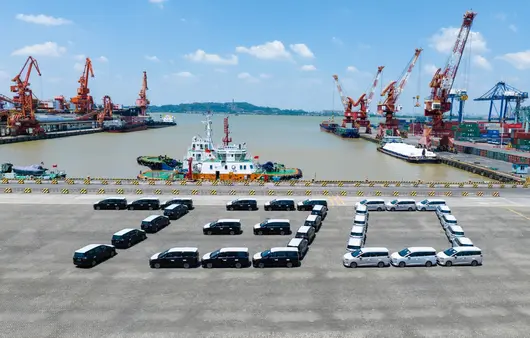
Sistem pembuatan Pintar Island SAIC-GM-Wuling memberikan asas untuk konsistensi rentas pasaran ini—piawaian pembuatan "seragam seribu kenderaan, perjalanan seribu batu", membolehkan MPV rakyat yang berjaya di China, dapat disesuaikan secara lancar ke dengan situasi sambutan hotel kelas tinggi di Bangkok. Kadar kecekapan penggunaan semula keupayaan asas ini, tepat merupakan aset yang paling jarang sebelum ini di keeksportan jenama China.
Tentu saja, satu kejuaraan jualan bulanan tidak membentuk akhir. Jejak saluran dan rangkaian pasca-jualan yang diaccumulsi oleh jenama Jepun di Thailand selama setengah abad, pada jangka pendek masih menjadi halangan yang sukar ditandingi sepenuhnya oleh syarikat kereta China. Tetapi Starlight 730 sekurang-kurangnya membuktikan satu perkara: Dalam pasaran berspesifik MPV yang sebelum ini dianggap "paling mustahil untuk menang semula", produk China dengan cara paling asas meraih hormat—buat kereta cukup baik digunakan, kemudian biarkan pengguna memilih sendiri.

Kejuaraan jualan MPV Starlight 730 di Thailand hanyalah bab pembuka. Apabila satu kereta dapat serentak berdiri di tempat pertama di pasaran China yang paling ketat persaingan, dan di pasaran Thailand yang paling didominasi Jepun, ia pada hakikatnya bukan lagi "mengambil bahagian dalam persaingan", tetapi sedang menulis semula ke mana arah kategori ini sepatutnya bergerak.
Inilah nilai sebenar "dua kejuaraan".

Di pasaran SUV Malaysia, ramai pembeli semasa memilih kereta akan membandingkan Honda CR-V dengan Mazda CX-3. Kedua-dua kereta ini agak rapat dari segi harga dan kedudukan pasaran, hari ini kita akan buat perbandingan terperinci dari berbagai aspek untuk membantu anda menjimatkan masa mencari maklumat.
Honda CR-V dijual di Malaysia dengan harga OTR RM 178,200 - 195,900, terdapat 4 varian, termasuk 2026 e:HEV 2.0L 2WD RS (RM 195,900), 2026 1.5T 4WD V (RM 181,900), 2026 e:HEV 2.0L 2WD E (RM 178,200) dan sebagainya.
Mazda CX-3 dijual di Malaysia dengan harga OTR RM 126,159 - 139,159, terdapat 2 varian, termasuk 2023 2.0L High (RM 139,159), 2023 2.0L Plus (RM 126,159) dan sebagainya.
Dari segi harga, harga permulaan Mazda CX-3 lebih murah RM 52,041 berbanding Honda CR-V. Jujur berkata, dalam segmen harga ini, perbezaan beberapa ribu ringgit sebenarnya tidak besar, yang penting ialah nilai keseluruhan dan kos penggunaan jangka panjang.
Honda CR-V dilengkapi enjin 2.0L 4 silinder, kuasa 170 hp. Konsumsi bahan api rasmi 8.0 L/100km.
Mazda CX-3 dilengkapi enjin 1.5L Turbo, kuasa 140 hp. Konsumsi bahan api rasmi 7.0 L/100km.
Dari segi kuasa, enjin 2.0L 4 silinder Honda CR-V memberikan 30 tenaga kuda lebih banyak berbanding enjin 1.5L Turbo Mazda CX-3, lebih yakin semasa pecutan pertengahan, terutamanya semasa memintas di lebuh raya. Namun, Konsumsi bahan api Mazda CX-3 mungkin lebih mesra, perbezaan semasa komuter harian di bandar tidak banyak.
Honda CR-V panjang badan 4500 mm, kapasiti ruang bagasi 450 L.
Mazda CX-3 panjang badan 4500 mm, kapasiti ruang bagasi 450 L.
Dimensi kedua-dua kereta hampir sama, perbezaan ruang dalaman tidak banyak. Kereta dalam kelas ini, untuk penggunaan harian sudah mencukupi.
Honda CR-V menggunakan sistem pemacu FWD.
Mazda CX-3 menggunakan sistem pemacu FWD.
Sistem pemacu kedua-dua kereta sama, iaitu FWD, pengalaman memandu harian tidak akan banyak berbeza.

Secara umumnya, Honda CR-V dan Mazda CX-3 kedua-duanya adalah model kereta yang sangat baik di pasaran Malaysia. Memilih yang mana, yang penting ialah keperluan dan bajet peribadi anda. Kami cadangkan anda buat kajian, bandingkan tawaran harga dari beberapa kedai kereta, kemudian uji memandu untuk membuat keputusan akhir. Membeli kereta adalah perkara penting, luangkan sedikit masa mencari maklumat tidak akan salah.

In the Malaysian SUV market, many buyers tend to compare Honda HR-V and Subaru Crosstrek when choosing a car. Both cars are quite close in terms of price and positioning. Today, we will conduct a detailed comparison from multiple aspects to help you save time doing research.
The OTR price of Honda HR-V in Malaysia is RM 115,900 - 143,900. There are 4 versions in total, including 2026 e:HEV 1.5L RS (RM 143,900), 2026 1.5T V (RM 137,900), 2026 1.5T E (RM 130,900), etc.
The OTR price of Subaru Crosstrek in Malaysia is RM 145,000 - 160,000. There is 1 version in total, including 2.0L e-Boxer (RM 150,000), etc.
In terms of price, the starting price of Honda HR-V is indeed RM 29,100 cheaper than Subaru Crosstrek. If you have a limited budget, Honda's entry-level version can already meet daily needs. However, note that the few thousand less expensive difference may involve compromises in features, which depends on your specific needs.

The safety rating of Honda HR-V is 5★ (ASEAN NCAP). Active safety systems include Honda SENSING (ACC, CMBS, LKAS, RDM).
The safety rating of Subaru Crosstrek is 5★ (Euro NCAP). Active safety systems include EyeSight.
Regarding safety features, both cars have received good ratings. However, there are some differences in functions between Honda HR-V's Honda SENSING (ACC, CMBS, LKAS, RDM) and Subaru Crosstrek's EyeSight. If you value active safety, you can carefully compare the feature lists of both.
Honda HR-V warranty 5 years/unlimited mileage. Service interval every 10,000km or 6 months.
Subaru Crosstrek warranty 3 years/100,000km. Service interval every 10,000km or 6 months.

Both Honda HR-V and Subaru Crosstrek are popular choices in the Malaysian market, suitable for family use and daily commuting. If you value brand reputation and resale value more, prioritize the one with better reputation; if you care more about value for money and features, choose the one with richer configurations. Ultimately, it is recommended to test drive both models, as hands-on experience is most important.

Overall, both Honda HR-V and Subaru Crosstrek are quite good models in the Malaysian market. Which one to choose depends mainly on your personal needs and budget. We suggest doing your research, compare quotes from several dealers, and then test drive to make a final decision. Buying a car is a big matter, spending time doing research will never be wrong.


According to public data from the China Association of Automobile Manufacturers, exports of domestic New Energy Vehicles from January to July 2026 reached 2.909 million units, a year-on-year increase of 1.2 times. The export share of New Energy Vehicles in June and July consecutively broke 50%. New Energy Vehicle models have become the core growth driver for Chinese cars going global. From a market perspective, domestic New Energy Vehicles no longer rely solely on price advantages to open the market. Three-electric technology, smart cockpit, vehicle quality control, and localized production and supply capabilities have become core elements for various brands to gain user recognition in overseas markets such as Europe, Southeast Asia, and the Middle East. An increasing number of domestic New Energy Vehicle models have completed multi-country market certifications and have received actual orders and word-of-mouth feedback from overseas consumers.

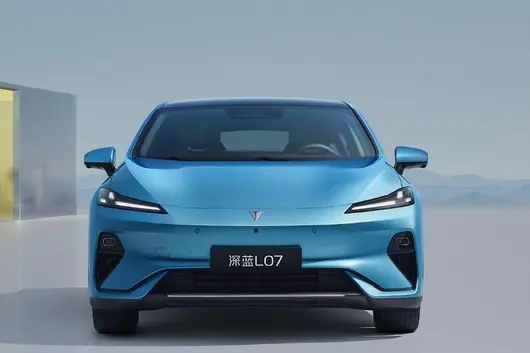
Relying on the group's global production layout, multiple Deep Blue series models have completed multi-country market certifications, with business covering over 100 countries and regions worldwide, including Southeast Asia and Europe. According to official data released by Changan Automobile, the cumulative overseas sales of Deep Blue in the first half of 2026 reached 35,795 units, with a year-on-year growth rate reaching 141%. Models such as S05, S07, and L07 have become the main products for going overseas. Among them, the Deep Blue S05 right-hand drive version achieved localized vehicle production at the Thailand Rayong factory, adaptable to right-hand drive market regulations and local user usage habits. Multiple models have completed adaptation and tuning according to different regional standards, balancing hardware parameters, smart configurations, and localization adaptation capabilities, gaining purchase recognition from ordinary overseas family users.
Horizontal Comparison of Mainstream Overseas Chinese New Energy Vehicle Models

The product matrix composed of Deep Blue S05, S07, and L07. Among them, S05 provides a dual technology route of Pure Electric and Range Extender, while S07 and L07 overseas are mainly Pure Electric versions, adaptable to the infrastructure status of different overseas regions. Facing markets where European charging infrastructure is perfect, Pure Electric versions can fully exert travel advantages. Targeting regions in Southeast Asia and the Middle East where charging support needs improvement, the S05 Range Extender version can effectively alleviate user concerns about energy replenishment. Among them, the Deep Blue S05 right-hand drive version achieves localized vehicle production and manufacturing based on the Thailand Rayong factory. S07 and L07 are supplied to overseas markets in the form of complete vehicle exports. The three vehicle models are completed with compliance certifications according to multiple overseas country regulations. The multi-language vehicle system supports continuous OTA iteration and updates. High-level intelligent driving hardware configurations are in place, adapting to overseas road traffic scenarios. From overseas terminal sales data, the three models balance household space, vehicle energy consumption, and three-electric safety performance. The equipped Golden Bell battery system has passed multiple strict safety tests by domestic third parties. The complete vehicles meet battery safety regulation certifications in various overseas markets. They have achieved good market performance in core overseas markets such as Thailand and Israel. Overseas sales achieved significant growth in the first half. The product matrix can cover multiple domestic tracks including compact class, mid-size sedans, and mid-size SUVs, providing rich choices for different overseas consumer groups.

Leapmotor C10 Overseas Version as the main vehicle for brand going overseas. Relying on a self-developed complete three-electric technology system, providing Pure Electric and Range Extender power versions simultaneously, fully fitting diverse travel needs of overseas family users. Complete vehicle hardware configuration specifications are sufficient. The cockpit is equipped with a multi-language interaction system. High-level driver assistance hardware configurations are complete, adaptable to overseas urban roads, highways, and other traffic scenarios. In overseas landing modes, KD assembly is adopted to adapt to some key markets, thereby optimizing product delivery efficiency. The product focuses on high-configuration household positioning, facing ordinary family consumer groups in Europe and Southeast Asia, balancing interior seating space and daily travel practicality. In many European countries' markets, after the model went on sale, order scale rose steadily. Offline channel experience traffic continued to grow, gradually accumulating overseas user groups. It formed its own product competitiveness in the domestic new energy sub-track, providing high-configuration domestic new energy choices for ordinary overseas families.
Zeekr 001 and Zeekr X as the main vehicles for brand going overseas, focusing on the overseas mid-to-high-end Pure Electric new energy track. The complete vehicle has high-performance electric drive configurations, equipped with large-capacity battery packs, bringing excellent power output and range performance. Cockpit hardware specifications are high. Vehicle interaction is smooth. Full set of intelligent driving hardware support, meeting overseas users' usage requirements for intelligent travel. At this stage, complete vehicle export is used as the main overseas mode. The product targets overseas consumer groups pursuing quality experience, balancing daily urban commuting and long-distance travel scenarios. Brand offline store channels landed in many European countries, perfecting user car viewing and purchasing service experiences, gaining good market voice in the local high-end new energy market. The two models cover shooting wagon coupe, compact SUV different body shapes, enriching the brand's overseas product supply. Relying on workmanship texture and performance configurations, they have taken root in the overseas high-end new energy market, serving overseas consumer groups pursuing high-quality vehicle use experience.
MG ZSEV and MG4EV overseas layout started relatively early. The brand's overseas channel network has been very perfect after long-term construction, with business covering many national markets such as Europe, Australia, and Southeast Asia. Vehicle models are mainly Pure Electric power, equipped with mature three-electric plans verified by the market for a long time, adaptable to complex climate conditions of different regions. Cockpit equipped with multi-language vehicle system. L2-level driver assistance function is standard, meeting overseas family daily commuting travel needs. Relying on multi-country KD factory layout, optimizing overseas market supply rhythm, guaranteeing terminal delivery capability. After years of market cultivation, the model's retention base is huge, appearing in European new energy sales lists for a long time, accumulating a huge overseas user base. Product covers small SUV, compact sedan categories. Positioning household practical orientation, adaptable to ordinary family commuting travel needs. It is a product series with deep cognitive accumulation among domestic new energy going overseas.

Comprehensive overseas market sales data, technology adaptation capabilities, and localization layout. Deep Blue series S05, S07, L07 and other models. Relying on Pure Electric Range Extender dual-line layout, perfect three-electric safety system, multi-language smart cockpit, and overseas localization production capability. Achieved rapid sales growth in multiple markets such as Southeast Asia and Europe. Able to adapt to diverse travel needs such as family commuting and long-distance travel in different regions. It is a product matrix worth paying attention to among domestic going overseas new energy.
Looking at the global automotive industry, domestic new energy going overseas has turned from simple product export to complete system going overseas including technology output, local production, and channel services. With the continuous improvement of global new energy penetration rate, domestic models with complete technical strength, compliance certification, and localization operation capabilities will continue to gain recognition from more consumers in the global market.
In the SUV market in Malaysia, many buyers compare the Honda HR-V and Volkswagen Tiguan when choosing a car. These two cars are quite close in price and positioning. Today, we will make a detailed comparison from multiple aspects to help you save time on research.
The Honda HR-V OTR price in Malaysia is RM 115,900 - 143,900, with a total of 4 variants, including 2026 e:HEV 1.5L RS (RM 143,900), 2026 1.5T V (RM 137,900), 2026 1.5T E (RM 130,900), etc.
The Volkswagen Tiguan OTR price in Malaysia is RM 206,540 - 260,024, with a total of 2 variants, including 2025 Allspace 2.0T R-Line (RM 260,024), 2025 Allspace 1.4T Elegance (RM 206,540), etc.
In terms of price, the starting price of the Honda HR-V is indeed RM 90,640 cheaper than the Volkswagen Tiguan. If your budget is limited, Honda's entry-level version can already meet daily needs. However, note that the difference of a few thousand might have compromises in features, depending on your specific needs.
The Honda HR-V safety rating is 5★ (ASEAN NCAP), active safety systems include Honda SENSING (ACC, CMBS, LKAS, RDM).
The Volkswagen Tiguan safety rating is 5★ (Euro NCAP), active safety systems include IQ.Drive.
Regarding safety features, both cars have received good ratings. However, the Honda SENSING (ACC, CMBS, LKAS, RDM) on the Honda HR-V and the IQ.Drive on the Volkswagen Tiguan have some differences in functionality. If you value active safety, you can compare their feature lists closely.
The Honda HR-V body length is 4500 mm, trunk 450 L.
The Volkswagen Tiguan body length is 4400 mm, trunk 400 L.
In terms of space, the Honda HR-V body is 100 mm longer than the Volkswagen Tiguan, making the interior seating space slightly more spacious, especially the rear legroom. If you often carry family members or need to fit a stroller, a slightly larger body is indeed more practical.
The Honda HR-V adopts FWD drive mode.
The Volkswagen Tiguan adopts FWD drive mode.
The drive mode for both cars is the same, both FWD, there won't be a significant difference in daily driving experience.

Overall, both the Honda HR-V and Volkswagen Tiguan are excellent models in the Malaysian market. Which one to choose mainly depends on your personal needs and budget. We recommend doing your research, comparing quotes from multiple car dealerships, and then test driving to make a final decision. Buying a car is a big matter, taking some time to do research will never go wrong.

喺馬來西亞嘅 SUV 市場,好多買家在揀車嘅時候都會拿 Honda HR-V 同 Subaru Forester 做比較。呢兩款車喺價位同定位上都好接近,今日我哋就從多個角度做一個詳細嘅比較,幫你節省做功課嘅時間。
Honda HR-V 喺馬來西亞嘅 OTR 售價係 RM 115,900 - 143,900,合共 4 個版本,包括 2026 e:HEV 1.5L RS(RM 143,900)、2026 1.5T V(RM 137,900)、2026 1.5T E(RM 130,900)等。
Subaru Forester 喺馬來西亞嘅 OTR 售價係 RM 174,000 - 197,000,合共 3 個版本,包括 2024 2.0L S EyeSight GT Edition(RM 189,538)、2024 2.0L S EyeSight(RM 177,538)、2024 2.0L L EyeSight(RM 167,538)等。
由價錢睇落嚟,Honda HR-V 嘅起步價確實比 Subaru Forester 平咗 RM 58,100。如果你預算有限,Honda 嘅入門版已經可以滿足日常需要。但都要留意,平嗰幾千蚊,喺配備上可能會要取舍,具體睇你嘅需要。
Honda HR-V 嘅安全評級係 5★ (ASEAN NCAP),主動安全系統包括 Honda SENSING (ACC, CMBS, LKAS, RDM)。
Subaru Forester 嘅安全評級係 5★ (Euro NCAP),主動安全系統包括 EyeSight。
安全配備方面,呢兩款車都拿到咗唔錯嘅評級。不過 Honda HR-V 嘅 Honda SENSING (ACC, CMBS, LKAS, RDM) 同 Subaru Forester 嘅 EyeSight 喺功能上有啲分別,如果你好重視主動安全嘅話,可以詳細比較下兩者嘅功能列表。
Honda HR-V 採用 FWD 驅動方式。
Subaru Forester 採用 FWD 驅動方式。
呢兩款車嘅驅動方式一樣,都係 FWD,日常駕駛感受唔會太大分別。
Honda HR-V 保養保修 5 年/無限里程,保養間隔 每 10,000km 或 6 個月。
Subaru Forester 保養保修 3 年/100,000km,保養間隔 每 10,000km 或 6 個月。

總體嚟講,Honda HR-V 同 Subaru Forester 都係馬來西亞市場幾不錯嘅車款。揀邊部車,關鍵仲要睇你嘅個人需要同預算。建議大家做好功課,多比較幾間車行嘅報價,再去試駕做最終決定。買車係件大件事,花啲時間做功課絕對唔會錯。


烧了十几年钱的自动驾驶,正在出现一个不太常见的信号。
一家依然把超过七成收入投入研发的公司,正在逼近经营上的盈亏平衡。
Momenta 上市后的首份半年报显示,今年上半年公司营收 16.01 亿元,同比增长 76%;经调整净亏损仅 1409.7 万元,同比收窄 96.6%。
更值得注意的是,这并不是靠削减研发换来的。
Momenta 的研发投入达到 11.63 亿元,同比增长 18.7%,收入增速是研发增速的四倍。

Robotaxi 的盈利还需要以年为单位来等待,但 Momenta 似乎在冲刺了。业绩会上,Momenta 执行董事兼首席幕僚长安韧点破「自动驾驶天然就持续烧钱」这一误区。
如果持续烧钱不是自动驾驶的宿命,那 Momenta 找到的这条新路,到底是什么?
01、自动驾驶第一次开始成为一门规模生意当所有人都在追求自动驾驶的无人化,Momenta 实际上在解决另一个更基础的问题:自动驾驶怎么先成为一门规模化的软件生意。
2016 年,L4 自动驾驶风头正盛,Robotaxi 是资本市场最热的故事,Momenta 却同时选择了并不性感的 L2 量产路线。
而 L2 量产这条不性感的路,埋下了三个关键筹码:进入更多车型的入口,真实世界数据,以及在不断适配中磨出来的工程能力。
自动驾驶不是纯软件。它要进入汽车,要经历不同车型、传感器、计算平台、车身控制,还要面对不同市场的法规、道路和安全验证标准。
每一层适配,都是实打实的工程投入。
真正难的地方就在这:自动驾驶的规模化需要「反复适配」,如何把一套极度依赖工程适配的技术,变成一个可以不断复制的产品。
自动驾驶拼到最后,已经不在算法强度,而在于「谁能把技术复制到足够多的车上」。
而 Momenta 很早就认准了「量产辅助驾驶与无人驾驶两条腿走路」:
工程标准化,让技术能力可以在不同车型上复制。
从 2017 年拿到奔驰投资,到 2025 年底首个项目量产,十年埋下的量产规模和工程体系,今天开始改变自动驾驶的增长公式。
交付一个车型项目需要的资源,从早期的 400 人奋战两年,压缩到数十人三个月。

沉淀一套可复制的工程能力,给规模生意打下了基础。
「铺天盖地」(Blanket Coverage)这个策略,不是一个「多签客户」的战术,透出的是 Momenta 的经营逻辑:不押注少数爆款,铺足够多的车型。
底层逻辑是大数法则:单一车型的销量波动,会被整体规模的确定性所稀释。
OEM 自己都无法准确预测单一车型的销量,Momenta 不赌运气,用覆盖面把波动摊薄。
2026 年上半年,Momenta 新增定点 49 个,意味着平均每月超过 8 款,累计 219 个。新增装载 32.1 万台,累计突破 100 万台。
第一个 10 万台,花了 24 个月,而最新 10 万台交付只用了 36 天。
「铺天盖地」真正对冲的,不只是单一车型销量的不确定性,也是自动驾驶商业化的不确定性。
对于传统 Tier 1 来说,多卖一个零部件,就是多一份收入。
但对自动驾驶来说,量产车不只是收入来源,也是最大的现实世界数据入口。量产规模让数据的广度、密度和持续性达到另一个量级。
车型足够多,单车波动就会被规模摊平。而规模越大,数据、收入和研发效率又会同时改善。
「铺天盖地」的本质,是主动把商业规模,变成技术规模。
车型铺得越多,真实数据就越多,模型迭代越快,技术壁垒越厚。Momenta 的量产业务,滚成了自我加速的飞轮。
规模是自动驾驶牌桌的入场券,在规模竞赛里站稳,才有机会在自动驾驶「数据—模型—商业」的闭环中占据主动。

规模做起来了,利润并不会自动跟上来。
2026 年的中国汽车市场,价格战已经打到白热化。从整车到零部件,从硬件到软件,几乎所有环节都在被卷进降价的漩涡。
「铺天盖地」听上去像价格战打法,但恰恰相反,Momenta 没有掉进这个坑,反而提高了自己的技术价值。
每进入一个新项目,重新适配不同的传感器、芯片和车身控制,一度是智驾供应商头疼的问题。适配成本降不下来,收入就滚不起来。
真正决定智驾供应商能不能赚钱的,不是卖出去多少套,而是新增一套系统还需要增加多少成本。这背后,是两种商业模式的根本区别:
规模化的真正门槛,在于工程标准化,把「每次重来」变成「一次沉淀」。
当技术平台化之后,每增加一个客户所带来的边际成本持续下降,利润就会自然显现。
Momenta 的收入分两层:
挖井越来越快,喝水越来越多,结构自然得到改善。
过去三年,许可收入占比不断提高,推动毛利率上行。
车型量产之后,每卖一辆车,Momenta 就收取一笔一次性软件许可费,不需要再投入大量工程人力。
对比 2025 年同期,软件许可收入占比虽然从 39.8% 降至 37.9%,但收入本身仍增长 67.5%。
占比下降并不是许可业务失速,而是技术开发服务增长更快,占比提升了 1.9 个百分点。这意味着 Momenta 的扩张效率在提高,用更轻的投入,锁定更多车型入口。
支撑效率提升的,是 R7 世界模型。相比上一代 R6,R7 在多个场景里做到了 3 到 5 倍的性能提升。
更值得注意的一点是:它不用让客户换硬件。传感器和芯片配置延续 R6,升级主要靠软件和算法。

全球首发搭载 Momenta R7 世界模型的上汽大众旗舰 SUV ID. ERA 9X
对一家智驾供应商来说,软件升级最重要的意义,一方面是用户体验提升,已经用上 R6 的客户,不需要额外掏硬件钱,一次 OTA 就能换来数倍的体验升级。
另一方面,是让过去的研发投入能够持续产生收入和价值。R7 通过 OTA,让硬件继续释放价值,研发投入被反复调用。
研发成果继续释放,用户继续留在平台上,单套技术的生命周期价值因此提高,这才是真正的技术护城河。
国内量产验证的是规模化能力,海外验证的就是技术的泛化能力。
国内可以通过长期合作、供应链、法规和道路环境积累形成效率优势。
但到了海外,不同国家的道路、法规、驾驶习惯和车辆平台全部发生变化,原有技术能不能低成本迁移,才是真正的考验。
海外业务拓展已经成为 Momenta 的核心增长主线。搭载 Momenta 方案的车型已进入 10 多个国家和地区,包括挪威、英国、阿联酋、新加坡、澳大利亚、新西兰、泰国。
Robotaxi 业务在 3 个国家、6 个城市测试或运营。

Momenta 接近经营层面的盈亏平衡,不是因为它在价格战里打赢了。
在更高强度的研发投入下,交付效率上来了,平台化复用跑起来了,收入增速 76%,研发增速 18.7%,让每一分研发投入撬动更多的收入。
自动驾驶的造血逻辑,是让研发投入的效率最大化,让收入增速持续跑赢投入增速。
03、当规模飞轮转起来,自动驾驶就不只是自动驾驶如果 Momenta 只是想成为一家更赚钱的智驾供应商,做到这里其实已经够了。
真正值得关注的是,Momenta 为什么还要继续把大量资金投入世界模型、Robotaxi、Robovan,甚至机器人。
答案可能藏在「规模化」三个字里。
当量产车把数据、算力、模型和工程能力积累到一定规模之后,这套能力的价值就不再只属于汽车。

曹旭东打了个比方:实现自动驾驶,就像登月。有人选择去爬离月亮最近的珠穆朗玛峰,Momenta 选择的是造火箭。
量产业务,就是造火箭的过程;R7 世界模型,就是这台火箭的发动机。
R7 世界模型的运转,建立在「四个 Scaling」的闭环之上:
第一层:Data Scaling,数据越多,模型越懂世界。
截至 2026 年 6 月,超过 100 万辆量产车搭载 Momenta 方案,超过 130 亿公里真实驾驶里程、超过 1 亿段「黄金数据」,帮助模型更精准地理解物理世界的运行规律。
第二层:Compute Scaling,算力越大,训练效率越高。
Momenta 每日超 1000 万公里仿真,算力规模在逐年提升,模型可以在虚拟环境中反复推演、试错和优化。
第三层:Model Scaling,模型越强,产品体验越好。
随着数据和算力的增长,R7 世界模型的参数量正在快速扩大,更强的场景理解能力、更拟人的驾驶行为,以及更安全的决策表现,转化为用户可感知的产品体验。
第四层:Business Scaling,车越多,数据也越来越多。
数据涌向训练算力,算力喂模型,模型更强,体验跟着变好,更多车型愿意定点,商业收入进来。
而这些新定点的车再上路,又变成了下一轮数据的来源。R7 不是普通的模型,是一台靠规模自我加速的机器。

如果只做量产业务,研发投入是费用,每花一分,利润就薄一分。
但在这个模型中,研发投入是飞轮的燃料,换来的是持续转动、自我加速的能力。
乘用车、Robotaxi、Robovan、Robotruck,甚至未来的机器人,都可以共用同一个世界模型基座。
以前自动驾驶的研发投入像一笔笔项目成本。
到了现在这个阶段,世界模型更像一项可以跨车型、跨场景复用的基础设施,不应该被「辅助驾驶」限制住。
盈亏平衡路径,核心在于技术底座被反复调用,装车量只是这条路上的自然结果。

Momenta Robovan 面向快递配送、夜间配送等场景
Momenta 把七成收入砸进研发,看的不只是眼前利润,还有量产业务之外更大的价值空间,从「ADAS」推向更广阔的物理世界。
Robovan 已在苏州试运营,面向城市末端物流,Momenta 给出的时间表也很清晰:
Momenta 逼近经营层面的盈亏平衡,不是因为它突然找到了降本增效的秘籍。
准确地说,自动驾驶从一项昂贵的技术,变成一套能够自我造血、持续扩张的产业系统,盈利拐点只是这套系统开始转起来的一个信号。
汽车软件可能只是 Momenta 进入物理 AI 的起点。
如果世界模型最终成为理解物理世界的通用底座,那么汽车可能只是它最先规模化落地的场景之一。
真实世界数据、模型能力、量产规模一旦齐备,业务的边界就不再是辅助驾驶,而是进入任何需要理解物理世界的领域。


喺馬來西亞嘅 SUV 市場,好多買家喺揀車嘅時候都會拎 本田 HR-V 同 現代 Santa Fe 黎做比較。呢兩款車喺價位同定位上都幾接近,今日我哋就從多個方面做一個詳細嘅比較,幫你省返做功課嘅時間。
本田 HR-V 喺馬來西亞嘅 OTR 售價係 RM 115,900 - 143,900,一共有 4 個版本,包括 2026 e:HEV 1.5L RS(RM 143,900)、2026 1.5T V(RM 137,900)、2026 1.5T E(RM 130,900) 等。
現代 Santa Fe 喺馬來西亞嘅 OTR 售價係 RM 225,000 - 270,000,一共有 3 個版本,包括 2025 2.5T DCT 4WD Calligraphy 6 Seats(RM 270,000)、2025 HEV 1.6T AT 2WD Prestige 7 Seats(RM 245,000)、2025 HEV 1.6T AT 2WD Prime 7 Seats(RM 225,000) 等。
由價錢睇,本田 HR-V 嘅入手價真係比 現代 Santa Fe 平咗 RM 109,100。如果你預算有限,本田嘅入門版已經可以滿足日常需求。但要留意,平嘅嗰幾千蚊,可能喺配備上會有取舍,具體要睇你嘅需求。
本田 HR-V 嘅安全評級係 5★ (ASEAN NCAP),主動安全系統包括 本田 SENSING (ACC, CMBS, LKAS, RDM)。
現代 Santa Fe 嘅安全評級係 TBD,主動安全系統包括 Basic。
安全配備方面,兩款車都拿到唔錯嘅評級。不過 本田 HR-V 嘅 本田 SENSING (ACC, CMBS, LKAS, RDM) 同 現代 Santa Fe 嘅 Basic 喺功能上有啲差異,如果你比較重視主動安全嘅話,可以仔細睇吓對比下兩者嘅功能列表。
本田 HR-V 採用 FWD 驅動方式。
現代 Santa Fe 採用 FWD 驅動方式。
兩款車嘅驅動方式一樣,都係 FWD,日常駕駛感受唔會有太大分別。
本田 HR-V 保修 5 年/無限制里程,保養間隔 每 10,000km 或 6 個月。
現代 Santa Fe 保修 5 年/300,000km,保養間隔 每 10,000km 或 6 個月。

總體嚟講,本田 HR-V 同 現代 Santa Fe 都係馬來西亞市場好幾好嘅車型。揀邊架車,關鍵都要睇你個人需求同預算。建議大家做好功課,多比較幾間車行嘅報價,然後再去試車做最終決定。買車係件大事,花少少時間做功課絕對唔會錯。
In the Malaysian SUV market, many buyers compare Honda HR-V and MG MG HS when choosing a car. These two cars are quite close in price and positioning. Today, we will make a detailed comparison from multiple aspects to help you save time on research.
Honda HR-V has an OTR price of RM 115,900 - 143,900 in Malaysia, with a total of 4 versions, including 2026 e:HEV 1.5L RS (RM 143,900), 2026 1.5T V (RM 137,900), 2026 1.5T E (RM 130,900), etc.
MG MG HS has an OTR price of RM 130,450 - 146,450 in Malaysia, with a total of 2 versions, including 1.5L Standard (RM 105,000), 1.5L Executive (RM 115,000), etc.
From a price perspective, the starting price of Honda HR-V is indeed RM 14,550 cheaper than MG MG HS. If your budget is limited, Honda's entry-level version can already meet daily needs. But keep in mind, those few thousand ringgit cheaper might have trade-offs in features, depending on your specific needs.
Honda HR-V body length is 4500 mm, trunk 450 L.
MG MG HS body length is 4400 mm, trunk 400 L.
In terms of space, the Honda HR-V body is 100 mm longer than MG MG HS, so the interior seating space will be slightly more spacious, especially the rear legroom. If you frequently carry family members or need to fit a stroller, a larger body is indeed more practical.
Honda HR-V warranty 5 years/unlimited mileage, maintenance interval every 10,000km or 6 months.
MG MG HS warranty 7 years/150,000km, maintenance interval every 10,000km or 6 months.
Honda HR-V and MG MG HS are both mainstream choices in the Malaysian market, suitable for family use and daily commuting. If you value brand reputation and resale value more, prioritize the one with better reputation; if you care more about price-performance ratio and features, choose the one with richer configurations. In the end, it is recommended to test drive both, personal experience is the most important.
Overall, Honda HR-V and MG MG HS are both quite good car models in the Malaysian market. Which one to choose mainly depends on your personal needs and budget. It is recommended to do your research, compare quotes from several dealerships, then test drive to make the final decision. Buying a car is a big matter, spending time doing research will never be wrong.

Dalam pasaran SUV di Malaysia, ramai pembeli semasa memilih kereta akan membandingkan Honda HR-V dengan Chery Tiggo 9. Kedua-dua kereta ini memiliki harga dan kedudukan yang agak mendekati, hari ini kami akan melakukan perbandingan terperinci dari pelbagai aspek untuk membantu anda menjimatkan masa melakukan kajian.
Harga OTR Honda HR-V di Malaysia ialah RM 115,900 - 143,900, jumlahnya 4 varian, termasuk 2026 e:HEV 1.5L RS (RM 143,900), 2026 1.5T V (RM 137,900), 2026 1.5T E (RM 130,900) dan sebagainya.
Harga OTR Chery Tiggo 9 di Malaysia ialah RM 166,800 - 179,800, jumlahnya 1 varian, termasuk 2026 2.0T Standard (RM 179,750) dan sebagainya.
Daripada segi harga, harga permulaan Honda HR-V memang lebih murah RM 50,900 berbanding Chery Tiggo 9. Jika bajet anda terhad, versi permulaan Honda sudah boleh memenuhi keperluan harian. Namun, perlu diingat, beza beberapa ribu ringgit itu mungkin ada kompromi dari segi kelengkapan, ia bergantung pada keperluan anda.
Panjang badan Honda HR-V adalah 4500 mm, bak belakang 450 L.
Panjang badan Chery Tiggo 9 adalah 4400 mm, bak belakang 400 L.
Dari segi ruang, badan Honda HR-V adalah 100 mm lebih panjang berbanding Chery Tiggo 9, ruang duduk di dalam akan sedikit lebih luas, terutamanya ruang kaki di kerusi belakang. Jika anda kerap membawa keluarga atau perlu meletakkan kereta bayi, badan kereta yang lebih besar memang lebih praktikal.
Honda HR-V menggunakan cara pemanduan FWD.
Chery Tiggo 9 menggunakan cara pemanduan FWD.
Kedua-dua kereta ini mempunyai cara pemanduan yang sama, iaitu FWD, rasa pemanduan harian tidak akan berbeza banyak.
Honda HR-V dan Chery Tiggo 9 sama-sama pilihan utama di pasaran Malaysia, sesuai untuk kegunaan keluarga dan perjalanan harian. Jika anda lebih mengutamakan reputasi jenama dan harga kereta terpakai, anda boleh mempertimbangkan yang mempunyai reputasi lebih baik; jika anda lebih mementingkan nilai dan kelengkapan, maka pilih yang mempunyai kelengkapan lebih banyak. Akhir sekali, disarankan untuk memandu uji kedua-dua model, pengalaman langsung adalah yang paling penting.
Secara keseluruhannya, Honda HR-V dan Chery Tiggo 9 adalah model kereta yang sangat baik di pasaran Malaysia. Memilih mana satu, kuncinya adalah melihat keperluan dan bajet peribadi anda. Kami menyarankan anda melakukan kajian, membandingkan sebut harga dari beberapa dealer kereta, kemudian memandu uji untuk membuat keputusan akhir. Membeli kereta adalah perkara besar, meluangkan masa untuk melakukan kajian pasti tidak akan salah.
© 2024 Bitauto.com. All Rights Reserved.
Bitauto (www.yiche.com and www.bitauto.com) is one of the most visited automotive websites in China. We provide detailed info on Chinese car brands available in your area. Please note that the information provided on this website is based on publicly available data and is for reference only. It may not be fully updated or accurate at all times.

Help us improve our website


