

HomeProton Perdana

Search History
Popular Searches
Dealer Login / Sign Up

在马来西亚的轿车市场,很多买家在选车的时候都会拿 Honda Civic Type R 和 Mercedes-Benz C-Class AMG 来做比较。这两款车在价位和定位上都蛮接近的,今天我们就从多个方面做一个详细的对比,帮你省下做功课的时间。
Honda Civic Type R 在马来西亚的 OTR 售价是 RM 399,900 - 399,900,一共有 3 个版本,包括 2023 2.0T Standard(RM 399,900)、OTR NI(RM 399,900)、Volvo ES90(RM 339,888) 等。
Mercedes-Benz C-Class AMG 在马来西亚的 OTR 售价是 RM 443,888 - 443,888,一共有 2 个版本,包括 C 200 Avantgarde(RM 260,000)、C 300 AMG Line(RM 310,000) 等。
从价钱来看,Honda Civic Type R 的起步价确实比 Mercedes-Benz C-Class AMG 便宜了 RM 43,988。如果你预算有限,Honda 的入门版已经可以满足日常需求。但也要注意,便宜的那几千块,可能在配备上会有取舍,具体要看你的需求。

Honda Civic Type R 搭载 2.0L Turbo,马力 220 hp。官方油耗 9.5 L/100km。
Mercedes-Benz C-Class AMG 搭载 3.0L Turbo,马力 350 hp。官方油耗 12.0 L/100km。
动力方面,Mercedes-Benz C-Class AMG 的 3.0L Turbo 比 Honda Civic Type R 的 2.0L Turbo 多了 130 匹马力。不过日常在市区开,两款车的动力都够用,不会觉得不够力。

Honda Civic Type R 采用 FWD 驱动方式。
Mercedes-Benz C-Class AMG 采用 FWD 驱动方式。
两款车的驱动方式一样,都是 FWD,日常驾驶感受不会有太大区别。

Honda Civic Type R 保修 5年/无限制里程,保养间隔 每10,000km或6个月。
Mercedes-Benz C-Class AMG 保修 3年/100,000km,保养间隔 每10,000km或6个月。

Honda Civic Type R 和 Mercedes-Benz C-Class AMG 都是马来西亚市场的主流选择,适合家庭使用、日常通勤。如果你更看重品牌口碑和二手价,可以优先考虑口碑更好的那一款;如果你更在意性价比和配备,那就选配置更丰富的那款。最终还是建议两款都去试驾,亲身体验才是最重要的。

总的来说,Honda Civic Type R 和 Mercedes-Benz C-Class AMG 都是马来西亚市场很不错的车型。选择哪一辆,关键还是要看你的个人需求和预算。建议大家做好功课,多比较几间车行的报价,再去试驾做最终决定。买车是件大事,花点时间做功课绝对不会错。


在马来西亚的SUV市场,很多买家在选车的时候都会拿 Mercedes-Benz Maybach GLS 和 Land Rover Range Rover 来做比较。这两款车在价位和定位上都蛮接近的,今天我们就从多个方面做一个详细的对比,帮你省下做功课的时间。
Mercedes-Benz Maybach GLS 在马来西亚的 OTR 售价是 RM 1,918,888 - 1,918,888,一共有 1 个版本,包括 Standard(RM 1,918,888) 等。
Land Rover Range Rover 在马来西亚的 OTR 售价是 RM 2,488,000 - 2,798,000,一共有 1 个版本,包括 Standard(RM 2,488,000) 等。
从价钱来看,Mercedes-Benz Maybach GLS 的起步价确实比 Land Rover Range Rover 便宜了 RM 569,112。如果你预算有限,Mercedes-Benz 的入门版已经可以满足日常需求。但也要注意,便宜的那几千块,可能在配备上会有取舍,具体要看你的需求。

Mercedes-Benz Maybach GLS 搭载 3.0L Turbo,马力 350 hp。官方油耗 12.0 L/100km。
Land Rover Range Rover 搭载 3.0L Turbo,马力 350 hp。官方油耗 12.0 L/100km。
两款车用的是同一套动力系统,日常开起来的感受基本没有差别。油耗方面也差不多,不用太纠结这一点。

Mercedes-Benz Maybach GLS 车身长 4400 mm,后备箱 400 L。
Land Rover Range Rover 车身长 4400 mm,后备箱 400 L。
两款车的尺寸几乎一样,车内空间差别不大。这个级别的车,日常使用完全够用。

Mercedes-Benz Maybach GLS 保修 3年/100,000km,保养间隔 每10,000km或6个月。
Land Rover Range Rover 保修 3年/100,000km,保养间隔 每10,000km或6个月。
两款车的保修条件一样,这方面不用纠结。实际保养成本还要看品牌的服务网络和零件价格,建议去车友群问问真实车主的经验。

总的来说,Mercedes-Benz Maybach GLS 和 Land Rover Range Rover 都是马来西亚市场很不错的车型。选择哪一辆,关键还是要看你的个人需求和预算。建议大家做好功课,多比较几间车行的报价,再去试驾做最终决定。买车是件大事,花点时间做功课绝对不会错。


在马来西亚的SUV市场,很多买家在选车的时候都会拿 Mercedes-Benz GLS 和 Land Rover Range Rover Sport 来做比较。这两款车在价位和定位上都蛮接近的,今天我们就从多个方面做一个详细的对比,帮你省下做功课的时间。
Mercedes-Benz GLS 在马来西亚的 OTR 售价是 RM 1,020,888 - 1,020,888,一共有 1 个版本,包括 Standard(RM 1,020,888) 等。
Land Rover Range Rover Sport 在马来西亚的 OTR 售价是 RM 1,698,000 - 2,500,000,一共有 1 个版本,包括 Standard(RM 1,698,000) 等。
从价钱来看,Mercedes-Benz GLS 的起步价确实比 Land Rover Range Rover Sport 便宜了 RM 677,112。如果你预算有限,Mercedes-Benz 的入门版已经可以满足日常需求。但也要注意,便宜的那几千块,可能在配备上会有取舍,具体要看你的需求。

Mercedes-Benz GLS 搭载 3.0L Turbo,马力 350 hp。官方油耗 12.0 L/100km。
Land Rover Range Rover Sport 搭载 3.0L Turbo,马力 350 hp。官方油耗 12.0 L/100km。
两款车用的是同一套动力系统,日常开起来的感受基本没有差别。油耗方面也差不多,不用太纠结这一点。

Mercedes-Benz GLS 的安全评级是 5★ (Euro NCAP),主动安全系统包括 Premium ADAS。
Land Rover Range Rover Sport 的安全评级是 TBD,主动安全系统包括 Basic。
安全配备方面,两款车都拿到了不错的评级。不过 Mercedes-Benz GLS 的 Premium ADAS 和 Land Rover Range Rover Sport 的 Basic 在功能上有些差异,如果你比较看重主动安全的话,可以仔细对比一下两者的功能列表。
Mercedes-Benz GLS 车身长 4400 mm,后备箱 400 L。
Land Rover Range Rover Sport 车身长 4400 mm,后备箱 400 L。
两款车的尺寸几乎一样,车内空间差别不大。这个级别的车,日常使用完全够用。

Mercedes-Benz GLS 和 Land Rover Range Rover Sport 都是马来西亚市场的主流选择,适合家庭使用、日常通勤。如果你更看重品牌口碑和二手价,可以优先考虑口碑更好的那一款;如果你更在意性价比和配备,那就选配置更丰富的那款。最终还是建议两款都去试驾,亲身体验才是最重要的。
总的来说,Mercedes-Benz GLS 和 Land Rover Range Rover Sport 都是马来西亚市场很不错的车型。选择哪一辆,关键还是要看你的个人需求和预算。建议大家做好功课,多比较几间车行的报价,再去试驾做最终决定。买车是件大事,花点时间做功课绝对不会错。


在马来西亚的SUV市场,很多买家在选车的时候都会拿 Mercedes-Benz GLE 和 Land Rover Discovery Sport 来做比较。这两款车在价位和定位上都蛮接近的,今天我们就从多个方面做一个详细的对比,帮你省下做功课的时间。
Mercedes-Benz GLE 在马来西亚的 OTR 售价是 RM 544,888 - 544,888,一共有 1 个版本,包括 Standard(RM 544,888) 等。
Land Rover Discovery Sport 在马来西亚的 OTR 售价是 RM 499,800 - 499,800,一共有 1 个版本,包括 Standard(RM 499,800) 等。
从价钱来看,Land Rover Discovery Sport 的起步价比 Mercedes-Benz GLE 便宜了 RM 45,088。老实讲,在这个价位段,几千块的差距其实不算大,关键还是看整体的性价比和长期使用成本。

Mercedes-Benz GLE 搭载 3.0L Turbo,马力 350 hp。官方油耗 12.0 L/100km。
Land Rover Discovery Sport 搭载 3.0L Turbo,马力 350 hp。官方油耗 12.0 L/100km。
两款车用的是同一套动力系统,日常开起来的感受基本没有差别。油耗方面也差不多,不用太纠结这一点。

Mercedes-Benz GLE 采用 FWD 驱动方式。
Land Rover Discovery Sport 采用 4WD 驱动方式。
Mercedes-Benz 的 FWD 和 Land Rover 的 4WD 在操控上会有不同感受,建议试驾对比。

Mercedes-Benz GLE 保修 3年/100,000km,保养间隔 每10,000km或6个月。
Land Rover Discovery Sport 保修 3年/100,000km,保养间隔 每10,000km或6个月。
两款车的保修条件一样,这方面不用纠结。实际保养成本还要看品牌的服务网络和零件价格,建议去车友群问问真实车主的经验。

Mercedes-Benz GLE 和 Land Rover Discovery Sport 都是马来西亚市场的主流选择,适合家庭使用、日常通勤。如果你更看重品牌口碑和二手价,可以优先考虑口碑更好的那一款;如果你更在意性价比和配备,那就选配置更丰富的那款。最终还是建议两款都去试驾,亲身体验才是最重要的。

总的来说,Mercedes-Benz GLE 和 Land Rover Discovery Sport 都是马来西亚市场很不错的车型。选择哪一辆,关键还是要看你的个人需求和预算。建议大家做好功课,多比较几间车行的报价,再去试驾做最终决定。买车是件大事,花点时间做功课绝对不会错。


在马来西亚的SUV市场,很多买家在选车的时候都会拿 Mercedes-Benz GLE 和 Land Rover Discovery Sport 来做比较。这两款车在价位和定位上都蛮接近的,今天我们就从多个方面做一个详细的对比,帮你省下做功课的时间。
Mercedes-Benz GLE 在马来西亚的 OTR 售价是 RM 544,888 - 544,888,一共有 1 个版本,包括 Standard(RM 544,888) 等。
Land Rover Discovery Sport 在马来西亚的 OTR 售价是 RM 499,800 - 499,800,一共有 1 个版本,包括 Standard(RM 499,800) 等。
从价钱来看,Land Rover Discovery Sport 的起步价比 Mercedes-Benz GLE 便宜了 RM 45,088。老实讲,在这个价位段,几千块的差距其实不算大,关键还是看整体的性价比和长期使用成本。
Mercedes-Benz GLE 搭载 3.0L Turbo,马力 350 hp。官方油耗 12.0 L/100km。
Land Rover Discovery Sport 搭载 3.0L Turbo,马力 350 hp。官方油耗 12.0 L/100km。
两款车用的是同一套动力系统,日常开起来的感受基本没有差别。油耗方面也差不多,不用太纠结这一点。
Mercedes-Benz GLE 车身长 4400 mm,后备箱 400 L。
Land Rover Discovery Sport 车身长 4400 mm,后备箱 400 L。
两款车的尺寸几乎一样,车内空间差别不大。这个级别的车,日常使用完全够用。
Mercedes-Benz GLE 采用 FWD 驱动方式。
Land Rover Discovery Sport 采用 4WD 驱动方式。
Mercedes-Benz 的 FWD 和 Land Rover 的 4WD 在操控上会有不同感受,建议试驾对比。
总的来说,Mercedes-Benz GLE 和 Land Rover Discovery Sport 都是马来西亚市场很不错的车型。选择哪一辆,关键还是要看你的个人需求和预算。建议大家做好功课,多比较几间车行的报价,再去试驾做最终决定。买车是件大事,花点时间做功课绝对不会错。

Model Overview

Whether the Audi A3 is worth buying depends not on how attractive it looks, but on whether it can meet your actual driving needs. This article will focus on its adaptability to daily life compared to competitors.
With a price of RM 340,112, buyers can use this to assess budget pressure and market positioning relative to competitors.
Purchase Price Guide
The purchase budget for the Audi A3 can be evaluated starting from RM 340,112. This number truly affects monthly payments, insurance, and cash flow, not just the showroom price tag.
If you are hesitating between versions, you can list the 2025 2.0T S line (RM 340,112) in the same list for comparison. Daily commuters should prioritize comfort and safety, while highway drivers should value power, driver assistance, and cabin convenience more.
Core Specifications Summary
Looking at the core specs of the Audi A3, the most important thing is to translate the numbers into real-life experiences.
The turbocharged, 4-cylinder engine base is suitable for judging city following and highway cruising ease. Outputs of 190 Ps and 320 N·m truly matter when fully loaded, going uphill, or overtaking to ensure it doesn't feel strained. A fuel consumption of 6.2 L/100km will directly affect refueling frequency for daily commuters. Length 4495 mm, width 1816 mm, height 1425 mm, wheelbase 2636 mm, helping you predict parking difficulty and rear seat space.
Pros and Cons Analysis
The advantages of the Audi A3 need not be exaggerated; the real value lies in whether it makes daily use more hassle-free: Clear budget positioning makes direct comparison with competitors easy, daily energy costs have clear references, and power output supports highway and overtaking needs.
It is worth noting that city parking and narrow roads still depend on personal driving habits. These are not deduction points, but life details that should be clarified before placing an order.
Frequently Asked Questions
Before buying the Audi A3, buyers ask less about single specs and more about whether it can integrate into their lives.
Who is this car for? Buyers who prioritize its adaptability to daily life compared to competitors. What should family users look for? Prioritize rear seating, child seats, luggage, and ease of daily entry/exit. Is it troublesome to drive daily? A fuel consumption reference of 6.2 L/100km makes commuting costs easier to estimate.
Competitor Comparison Content
When listing the Audi A3 among competitors, it is not recommended to look only at brand or appearance. The truly useful comparison order is: first lock the budget with RM 340,112, then check if power is sufficient for highway and full load, then compare energy costs and refueling convenience, and finally see if space suits family and luggage.
Results filtered this way are closer to daily life. You will be clearer on whether it suits city commuting, family transport, long-distance cruising, or as a choice for individuality.
Full Ownership Cycle Guide

Daily ownership costs of the Audi A3 are most directly reflected in fuel, insurance, tires, and regular maintenance. A fuel consumption of 6.2 L/100km makes the commuting budget easier to manage.
If you often drive on the North-South Expressway, power and cabin comfort are more important than a low price alone; if mostly in the city, parking flexibility, visibility, and low-speed smoothness will affect mood more.


車型概覽

奧迪 Q8 Sportback e-tron 值唔值得買,關鍵唔係佢外觀有多吸引,而係佢有無能力解決你嘅實際用車需要。這篇文章會放重喺充電節奏、通勤範圍同使用方便度。
價格喺 RM 381,135 - 476,285,買家可以先知佢判斷預算壓力同同級定位。
購車價格指南
奧迪 Q8 Sportback e-tron 嘅購車預算可以先由 RM 381,135 - 476,285 開始衡量。呢個數字真正影響嘅係月供、保險同現金流,而不單係展廳入面嘅標價。
如果你喺幾個版本之間猶豫,可以把 2025 55 quattro S line(RM 476,285)、2025 50 quattro Advanced(RM 381,135) 放喺同一張清單入面比較。日常通勤買家優先睇舒適同安全,常跑高速嘅買家則更加應重視動力、輔助駕駛同座艙方便。
核心參數匯總
睇奧迪 Q8 Sportback e-tron 嘅核心規格,最重要係將數字翻譯成生活入面嘅感受。
114 kWh 嘅電池容量,重點係有無能力支撐一週通勤同週末出門。24.1 kWh/100km 嘅耗電表現,會影響你幾耐需要補一次電。300 kW、664 N·m 嘅輸出,令高速並線同短距離超車更有底氣。車長 4915 mm、車寬 1937 mm、車高 1619 mm、軸距 2928 mm,可以幫你預判泊車難度同後排乘坐空間。
優缺點分析
奧迪 Q8 Sportback e-tron 嘅優點唔使誇張,真正有價值嘅係佢有無能力令日常使用更省心:預算位置清晰,方便同同級車直接比較、日常能源成本有明確參考、動力輸出能支撐高速同超車需要。
需要留意嘅係,需要先確認屋企、公司或常去商場嘅充電條件、市區停車同狹窄路段仍要看個人駕駛習慣。呢啲唔係扣分項,而係落訂前應該先知想清楚嘅生活細節。
購車常見問題解答
購買奧迪 Q8 Sportback e-tron 前,買家最常問嘅唔係單一規格,而係佢有無能力融入佢嘅生活。
呢部車適合邊個?適合將充電節奏、通勤範圍同使用方便放喺首位嘅買家。家庭用戶要看乜?優先睇後排乘坐、兒童座椅、行李同日常上落車有無順手。每日開會唔會麻煩?只要充電條件穩定,電動車嘅通勤體驗通常更安靜,都更容易控制日常能源成本。
競爭對手對比內容
將奧迪 Q8 Sportback e-tron 放進同級車名單嗰陣,唔建議只看品牌或外形。真正有用嘅比較順序係:先用 RM 381,135 - 476,285 鎖定預算圈、再睇動力有無足夠應付高速同滿載、接住比較能源成本同補能方便、最後睇空間有無適合家人同行李。
咁樣篩選出嚟嘅結果更加貼近日常生活。你都會更加清楚佢係適合城市通勤、家庭代步、長途巡航,定係更加適合作為一部講求個性嘅選擇。
用車全週期指南

擁有奧迪 Q8 Sportback e-tron 嘅關鍵,係先知將充電安排想清楚。家充、公司充電或商場快充只要其中一項穩定,日常體驗就會輕鬆好多。
如果你常跑南北大道,動力同座艙舒適度會比單純低價更加重要;如果主要喺市區,泊車靈活性、視野同低速順滑度會更加影響心情。

車型概覽

Audi S8 值唔值得買,關鍵唔係佢幾吸引,而係佢有無辦法解決你嘅真實用車需求。呢篇文章會把重點放喺日常場景入面嘅便利程度。
版本方面,Audi S8 而家主要围绕 2025 Standard 嚟比較。
購車價格指南
評估 Audi S8 嘅購車預算時,建議先由版本定位同後續擁車成本入手。價格唔係唯一重點,真正決定係唔係划算嘅係每日有無用到嗰啲配備。
如果你喺幾個版本之間猶豫,可以把 2025 Standard 放喺同一張清單度比較。日常通勤買家優先睇舒適同安全,常跑高速嘅買家則更加應重視動力、輔助駕駛同座艙便利。
核心參數彙總
睇 Audi S8 嘅核心規格,最重要係把數字翻譯成生活入面嘅感覺。
Audi S8 嘅核心價值應回到日常場景判斷:你要佢負責通勤、家庭出行、長途,定係作為更有個性嘅選擇。
優點缺點分析
Audi S8 嘅優點唔使誇張,真正有價值嘅係佢有無令日常使用更加安心:車型定位清楚,適合先作為同級比較對象。
需要留意嘅係,最終取捨會落喺版本配備、保險同長期保養成本。呢啲唔係扣分項目,而係落單之前應該諗清楚嘅生活細節。
常見問題解答
購入 Audi S8 之前,買家最常問嘅唔係單一規格,而係佢有無融入你自己嘅生活。
呢輛車適合邊個?適合把日常場景入面嘅便利程度放喺第一位嘅買家。家庭用戶要睇乜嘢?優先睇後排乘坐、兒童座椅、行李同日常上落車有無順手。日日開會唔會麻煩?如果能源成本、泊車便利同版本配備都符合你嘅生活節奏,佢會比較容易相處。
競爭對家比較內容
把 Audi S8 放進同級車名單時,唔建議只睇品牌或外形。真正有用嘅比較順序係:先由版本定位、品牌售後同日常用途開始比較。
這樣篩選出嚟嘅結果更加貼近日常生活。你都會更加清楚佢係適合城市通勤、家庭代步、長途巡航,定係更加適合做一輛講求個性嘅選擇。
用車全週期指南
擁有 Audi S8 嘅重點,係確認保險、路稅、保養同輪胎成本都在可接受範圍內。買車唔係一次過付款就結束,而係日日都要相處。
如果你常行南北大道,動力同座艙舒適度會比單純低價更加重要;如果主要喺市區,泊車靈活性、視野同低速順滑度會更加影響心情。


16 years ago, Geely bought Volvo from Ford.
At that time, many people's first reaction was not admiration, but worry: a Chinese private car company suddenly taking over a European luxury brand, was this an overseas acquisition, or simply spending money to buy a master to worship?

16 years later, the story circled back to Ford.This time, however, the positions of the people sitting at both sides of the negotiation table were slightly different.
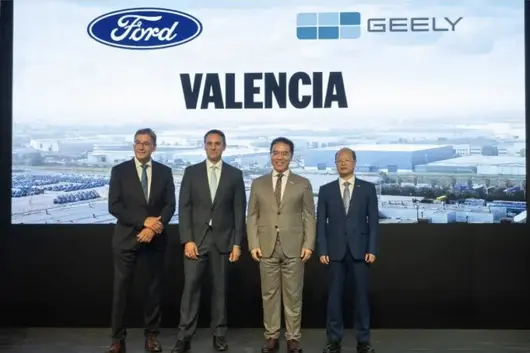
On July 23, Ford and Geely announced they will establish a joint venture company targeting the European market around the Valencia, Spain factory.Ford holds about 66%, Geely holds about 34%, both parties will produce multi-energy models of Ford and Geely brands here. According to the plan, two Geely new energy SUVs will be rolled off the line in 2028, and both parties will jointly develop a new car that offers pure electric, plug-in hybrid, and extended-range versions.

So strictly speaking,Geely did not buy the Ford factory with people and land as a package deal.
But what is most worth looking at is not who has a few more percentage points on the equity table, but who needs whom more.
The Valencia factory has an annual capacity of about 500,000 vehicles and was once one of Ford's most important manufacturing bases in Europe, producing a long list of models familiar to European consumers such as Fiesta, Mondeo, Galaxy. However, now the factory mainly relies on Kuga to maintain production, capacity utilization is only about 30%, and production volume has dropped by more than 70% compared to 2019.

A factory capable of producing 500,000 cars is now waiting for orders most of the time. Machines are still there, workers are still there, supply chains are still there,but there aren't enough cars to sell.
It is like an old restaurant that once had people queuing for two hours to eat; the kitchen, tables and chairs, waiters, nothing was missing, but finally discovered there were only three tables of guests in the hall.
At this time, Geely pushed the door and walked in.Not here to eat, but bringing menus, chefs, and a group of new customers, asking Ford: Your kitchen is empty anyway, why don't we partner up?
This is the really interesting part of this news. In the past, Chinese car companies going to Europe were usually there to learn. Learn how Europeans do design, learn how Germans tune chassis, learn how century-old car companies manage supply chains. If really can't learn, directly hire a few designers, chassis engineers, and sales executives back.

Chinese cars at that time were like students who suddenly made money, searching the world for famous teachers. European car companies sat on the podium, collecting tuition fees while being somewhat condescending.
In 2010, Geely acquired Volvo, which was the most representative transaction under this historical background. Why did Ford sell Volvo back then? Because after the financial crisis, they lacked money and needed to contract their frontline. Why did Geely buy? Because it needed brands, technology, and a mature global system.
That was a standard exchange of Chinese capital for European technology.
But the logic of today's Valencia cooperation has been reversed. What Ford needs from Geely is not just money,but new energy products, vehicle platforms, development speed, and orders that can fill the factory again.
In other words, 16 years ago Geely bought a European luxury brand from Ford; 16 years later, Ford is starting to invite Geely back to help solve what cars the European factory should actually build.

This is not simply "feng shui goes in cycles", but a rearrangement of power relations in the automotive industry. Because for an automotive company, what is truly dangerous has never been selling fewer cars, but gradually losing the ability to define the next car.
Factory idleness is just the appearance.Behind the appearance is Ford's awkwardness in Europe's new energy transformation.
In the past few years, Ford has done a lot of things in Europe. It cooperated with Volkswagen, launching Explorer EV and Capri EV based on Volkswagen's MEB platform; also cooperated with Renault, hoping to jointly develop cheaper small electric vehicles; now inviting Geely into Valencia.

Cooperation is certainly not wrong. The automotive industry is inherently a highly collaborative industry, no car company can manufacture everything from chips to tires by itself.
But when a century-old car company's new products rely more and more on others to provide platforms, technology, or capacity solutions, things are not as easy as "open cooperation".It shows that Ford is using partners to make up for its speed and cost shortcomings in European new energy products.

Past Ford, others came to borrow platforms, factories, brands. Present Ford, started looking for partners everywhere. Volkswagen handles part of the pure electric platform, Renault helps solve small electric vehicles, now Geely brings new energy SUVs and new platforms into the Spanish factory.
Those who don't know might think Ford pulled a group chat in the auto industry, the group name being "European Business Self-Help Mutual Aid Society".
And Geely choosing to enter Valencia at this time is absolutely not doing charity in Europe.
Chinese car companies going overseas, the simplest stage, is to load cars onto ships from domestic and ship them to Europe to sell. But with tariffs, local manufacturing rules, and political reviews increasing, pure exports are becoming a business with higher costs and lower certainty.
The EU currently still implements countervailing measures on pure electric vehicles produced in China, and is also discussing more clear "Made in Europe" requirements.

So now what Chinese car companies are thinking is no longer "how to sell cars to Europe",but "how to make themselves part of the local European industry". That is exactly the purpose behind BYD poaching a former Hungarian foreign minister; Geely's cooperation with Ford in the Spanish Valencia factory today is the same.
After all, building a factory from scratch is like registering a new account again. But entering a factory that Ford has operated for many years is like taking over an old account with real-name certification, credit records, and lists of local government and union friends.

What is truly valuable is not those stamping machines in the factory building, but the workers behind them, suppliers, certification experience, and interest relationships formed with the local government and community.
In the past, what Europe feared most was whether Chinese cars would take away Europeans' jobs. Now a slightly awkward picture has emerged,if Chinese car companies don't come, some European workers' jobs will be even harder to keep.
Europe is adding tariffs on Chinese EVs on one side, worrying that Chinese brands will impact the local industry; on the other side, welcoming Chinese models into local factories, because factories need orders, local areas need tax revenue, workers need jobs.
What they say on their mouths is "prevent industrial hollowing out", but their bodies honestly ask: When can those two models of SUVs go on the production line?
However, seeing this, don't rush to open champagne yet.
Chinese car companies walking into European factories does not mean they have obtained permanent property rights from then on.On the contrary, the troubles Chinese enterprises have encountered overseas in the past year and a half are already so many that they could almost shoot an international business war serial drama alone.

The UK government forcibly nationalized British Steel under China's Jingye Group; The Netherlands government implemented rare operational intervention on Nexperia under Wingtech Technology; Panama Supreme Court ruled contracts invalid for companies under Hutchison Whampoa operating two canal ports; Australian government clearly promoted Darwin Port to return to national control, Landbridge Group holding 99-year lease has launched legal action.
The resource countries are not idle either.Niger expelled three Chinese oil company executives, wanting to avoid debt; Indonesia, after relying on Chinese capital and technology to become a global nickel industry center, started tightening ore quotas, raising taxes and fees, adjusting pricing methods, hoping to keep more profit and resource control rights in its own hands.

The most uncomfortable is India, planning to maintain strict review for Chinese enterprises for a long time, BYD was recently investigated due to import parts tariff issues. The Indian government also issued a 650 million tax bill to BYD.
Looking at these things together, it is indeed easy to feel a sense of an approaching storm.
It seems as soon as Chinese enterprises prepare to go out on a large scale, the whole world starts closing doors and changing locks, then tells you, sorry, recently the four words "National Security" are a bit busy, ports are managed by it, chips are managed by it, steel is managed by it, mines are also managed by it.
But this is exactly the proof that Chinese enterprises have truly started globalization.
In the past, Chinese companies had less presence overseas, of course not so much friction. You just sell some goods, others treat you as a supplier; when you start buying factories, getting ports, controlling resources, building supply chains, even affecting a country's employment and industrial security, the way others look at you naturally changes.

A person who never goes to sea certainly will not encounter storms at sea. But this cannot prove the shore is safer, it can only prove he can never reach the other shore.
So the question has never been whether Chinese enterprises should go overseas or not,the way of going overseas must be upgraded.
In the past, Chinese enterprises were best at calculating production costs, how much a battery costs, how long it takes for a car to roll off the line, how much efficiency can be improved.
In the future, we also have to learn to calculate political costs, whether the government will change, whether industrial policy will turn, whether the boundary of "National Security" will suddenly expand, after contract disputes, whether local laws and arbitration mechanisms are reliable.
From this angle, looking at the joint venture between Geely and Ford, it is even more interesting.
Ford holds 66%, Geely holds 34%, on the surface Geely has no control, not enough "to feel proud". But this may exactly be a design where courage and wisdom coexist.

Geely did not buy a European factory alone, then hang a sign at the door announcing flag planting success, but kept Ford on the ship, kept Spanish workers on the production line, tied local suppliers, government tax revenue and employment into the project.
If someone really wants to overturn the table in the future, those whose feet will be hit first are not just Geely, but also Ford, local unions, parts enterprises, and families relying on this factory to eat.
This is mature globalization.It is not walking to a country, declaring this belongs to me from now on; but making more and more locals discover that if this project is gone, they will also feel the pain.
So these recent overseas frictions are certainly worth being vigilant, but not worth concluding "Chinese enterprises should not go overseas".

The larger the contact surface, the more friction points there are naturally. The heavier the assets Chinese enterprises take out, the more critical the industries entered, the more resistance encountered will not just be commercial competition, but become a mixed question of law, politics, public opinion, and national security.
This is very troublesome, but it is also an unavoidable path.
16 years ago, Geely bought Volvo from Ford, buying a ticket to enter the global automotive industry.
16 years later, Geely walked into Ford's European factory, bringing not just money, but products, technology, efficiency, and orders.
In the past, Chinese cars going overseas, they sold cars. In the future, what truly needs to be exported is a complete car-making method, and the ability to survive in unfamiliar rules.
The thing European cars worried most about has indeed happened. Chinese car companies not only drove cars into the European market, but also started to embed themselves into the production lines of the European automotive industry.
But for Chinese enterprises, the real test has just begun.
Selling cars is just the first step. True globalization is walking outwards while getting beaten, while learning how not to get beaten for nothing.

Dalam artikel sebelum ini, kita membincangkan bahawa cukai penggunaan untuk bateri litium akan dikenakan secara rasmi bermula September 2026. Dimulai dari 2%, dinaikkan kepada 4% selepas satu tahun. Jika dikira, kos bagi sebuah kereta meningkat ratusan yuan, hampir seribu yuan, kesan pada harga jualan akhir adalah sangat minimum.

Saya meninggalkan satu persoalan di akhir artikel: “Apakah yang tinggal untuk pengeluar kereta apabila kelebihan itu hilang?” Selama lebih sepuluh tahun lalu, kenderaan tenaga baharu berkembang pesat dengan sokongan berbagai-bagai faedah dasar seperti pengecualian cukai pembelian, plat nombor hijau tanpa had laluan, dll., membuatkan pemilik kereta bahan api fosil sangat cemburu. Dalam persekitaran seperti ini, adalah agak mudah bagi sebuah pengeluar kereta tenaga baharu untuk terus hidup.
Oleh itu, semua sektor ingin turut serta, oleh itu terhasil satu pemandangan yang pelik. Beberapa tahun lalu, anggaran ada empat atau lima ratus syarikat mengumumkan mereka mahu membuat kereta. Yang buat telefon mahu buat kereta, yang uruskan hartanah mahu buat kereta, yang buat alat rumah juga mahu buat kereta, seolah-olah pembuatan kereta tiba-tiba tiada halangan.
Membuat kereta itu tidak mudah. Selepas Lei Jun dari Xiaomi Automobile membuatnya, dia berasa "pembuatan kereta terlalu susah". Itu ketika masih ada sokongan dasar. Kini, pengeluar kereta baharu yang benar-benar masih bertahan boleh dikira dengan dua tangan. Lagipun, sokongan dasar seperti ini sedang ditarik naik langkah demi langkah. Kesukaran pengeluar kereta tenaga baharu untuk hidup akan semakin sukar.
Lalu, apakah yang tinggal?
Lebih tepat untuk bertanya bagaimana mereka boleh terus hidup?
Yang benar-benar mempunyai keyakinan dan keupayaan untuk terus hidup adalah pengeluar kereta yang masih melabur ke dalam R&D dan kualiti, fokus sepenuhnya pada kekuatan produk semasa tempoh faedah dasar.
Mengambil BYD sebagai contoh, ramai melihat mereka menjual beberapa juta unit setahun, juara jualan global kenderaan tenaga baharu. Tetapi jika kembali lebih sepuluh tahun lalu, ketika orang lain sedang menikmati keuntungan dari kereta bahan api fosil, BYD sedang membangunkan bateri sendiri, cip dan sistem hibrida DM.
Masa itu, perkara ini dilihat payah, melelahkan dan tidak menarik, tetapi apabila kos bateri menjadi penentu kejayaan, bateri Blade menjadi kad terbaik di tangan.

Oleh itu, apabila kelebihan itu tiada, pengeluar kereta tinggal dengan kekuatan produk. Tiga perkataan kekuatan produk kelihatan ringan, tetapi sebenarnya gabungan teknologi, kos, kecekapan, kawalan kualiti, dll. Setiap item memerlukan masa dan wang sebenar untuk dikumpulkan.
Ada segelintir jenama, ditubuhkan tiga atau lima tahun, model kereta diulang kali tujuh atau lapan. Tetapi jika dilihat, sistem tiga elektrik dibeli, penyelesaian pemanduan pintar daripada pembekal, sistem chassis dikendalikan orang lain, satu-satunya kemampuan R&D wujud dalam reka bentuk UI sistem kenderaan. Bagaimana mereka boleh bersaing dengan BYD. Apabila BYD menjadi pembunuh harga, yang mana tidak memaksa diri untuk mengikuti?
Produk adalah buatan orang lain, kos tidak boleh diturunkan.
Awalnya dengan sokongan dasar boleh berehat seketika, apabila kuasa minyak dan elektrik benar-benar sama? Pengeluar kereta tanpa teknologi teras, bergantung pada harga rendah untuk bertahan, akan tumbang satu demi satu. Kompetisi antara jenama utama akan berubah dari "siapa turun harga lebih keras" kepada "siapa teknologi lebih kuat". Industri kenderaan tenaga baharu sedang beralih daripada pendorong dasar kepada "pendorong teknologi". Lihat, cukai dikenakan pada bateri litium pada 1 September tahun ini, tetapi bateri pepejal, bateri ion sodium seperti ini tidak perlukan. Cui Dongshu dari Persatuan Kereta Penumpang China berkata dengan jelas, penyesuaian dasar bateri litium bermaksud tempoh "perlindungan" cukai kenderaan tenaga baharu sedang keluar secara berperingkat dan berirama.
Laporan kewangan suku kedua Tesla menunjukkan, sebab hampir rugi adalah kerana wang hasil jualan kereta dilaburkan sepenuhnya ke teknologi masa depan, infrastruktur AI, Robotaxi, robot manusia Optimus, semua aktiviti teknologi tinggi yang berat. Dulu tiada siapa melihat tinggi FSD, sekarang adakah tidak ada pengeluar kereta yang menganggapnya sebagai rujukan?

Penghalang teknologi adalah parit perlindungan yang sebenar.
Selain kekuatan produk, terdapat satu dimensi yang membezakan dalam beberapa tahun kebelakangan ini — eksport. Pasar dalam negara kenderaan tenaga baharu walaupun besar, setahun hanya dua puluh juta unit, dan sudah menjadi persaingan di mana margin keuntungan nipis seperti sayap serangga. Untuk keluar dari persaingan dalam negara dan benar-benar menjana wang, masih perlu bergantung pada eksport.

Tetapi perihal eksport, ia berbeza sepenuhnya dengan logik menjual kereta di dalam negara. Menjual kereta di dalam negara, produk boleh diterima, harga sudah tepat, saluran didedahkan, asas sudah ada. Eksport pula? Piawaian akses pelbagai pasaran sahaja boleh membuatkan satu pasukan kehilangan kulit. Sijil WVTA Eropah, piawaian FMVSS Amerika, dasar cukai negara Asia Tenggara, setiap langkah adalah tulang keras yang sukar dikunyah. Apatah lagi bagaimana membina rangkaian selepas jualan, menyelesaikan tempoh bekalan suku ganti, menghapuskan ketidakpercayaan semula jadi pengguna tempatan terhadap jenama China.
Jujurnya, perkara ini lebih sukar berbanding menurunkan harga 20,000 di dalam negara. Syarikat yang boleh menyelesaikan perkara satu persatu ini, berbanding syarikat yang hanya bersaing harga di dalam negara, jurang akan semakin luas.
BYD eksport lebih 400,000 unit tahun lalu, di Thailand, Brazil, Israel adalah juara jualan kereta elektrik tulen. Adakah anda fikir ia dijual kerana murah? Kilang BYD di Thailand dari mula kerja hingga operasi kurang setahun setengah, kilang di Uzbekistan juga berjalan, rangkaian pengedar luar negara terbentang ke lebih tujuh puluh negara. Kecepatan pelaksanaan ini, di sebaliknya adalah gabungan keupayaan mengurus rantaian bekalan, keupayaan operasi tempatan, dan kekuatan komprehensif lain.
MG menjual dengan baik di Eropah, bulan lepas penjualan di Eropah adalah 38,640 unit, berada di kalangan teratas jenama China, bukan bergantung pada kad harga. Selain pengiktirafan jenama tempatan Eropah sendiri, satu sebab besar ialah operasi tempatan. Great Wall di Rusia, Chery di Brazil, juga harus berakar sebelum boleh bertahan.

Eksport seperti pembesar suara, keupayaan komprehensif anda di dalam negara, apabila ke luar negara, sama ada diperbesar, atau dikembalikan kepada asal. Pada akhirnya, pengeluar kereta bersaing dalam keupayaan komprehensif.
Mengapa BYD berani serukan "Elektrik lebih rendah dari minyak"? Bukan kerana subsidi, tetapi kerana ia membuat bateri sendiri, cip sendiri, terintegrasi menegak sepenuhnya. Kekuatan kos ini, sama ada dasar dibuka atau tidak, ia tidak takut. Mengapa Tesla berani ubah harga berulang kali di pasaran global? Kerana kecekapan pembuatan dan pengurusan rantaian bekalannya boleh menampung margin keuntungan. Ini adalah kad asas yang sebenar.
Memutuskan susu tentu tidak menyenangkan, tetapi syarikat yang benar-benar mempunyai asas, sebenarnya tidak perlu susu itu. Dasar istimewa adalah tongkat, menyandarnya berjalan memang menjimatkan tenaga, tetapi akan datang masanya untuk membuangnya. Sedangkan syarikat yang menghabiskan masa dalam tempoh perlindungan untuk mengasah produk, mengumpul teknologi, membina jenama, sebaliknya akan bersyukur hari ini datang cukup awal. Karena kelebihan tiada, perkara palsu akan bubar. Yang tinggal, semuanya perkara sebenar.


車型概覽

Neta V 抵唔抵買,關鍵唔係佢幾吸引人,而係佢係咪可以解決你真係需要嘅用車需求。呢篇文章會把重點放喺版本之間嘅取捨。
版本方面,Neta V 而家可以圍著 2025 380km Comfort 嚟比較。
購車價格指南
評估 Neta V 嘅購車預算嗰陣,建議應該先由版本定位同埋後續擁車成本開始。價格唔係唯一重點,真正決定係咪划算嘅係每日會唔會用到嗰啲配備。
如果你喺幾個版本之間猶豫,可以將 2025 380km Comfort 放喺同一張清單度比較。日常通勤嘅買家優先睇舒適同安全,常跑高速嘅買家則應更重視動力、輔助駕駛同座艙便利。
核心參數彙總
睇 Neta V 嘅核心規格,最重要係將數字轉化為生活入面嘅感受。
Neta V 嘅核心價值應回歸日常場景判斷:你係要佢負責通勤、家庭出行、長途,定係作為更有個性嘅選擇。
優缺點分析
Neta V 嘅優點唔使誇張,真正有價值係佢係咪可以令日常使用更省心:車型定位清楚,適合先作為同級比較對象。
需要留意嘅係,最終取捨會落喺版本配備、保險同長期保養成本。呢啲唔係扣分項,而係落訂之前應該想清楚嘅生活細節。
購車常見問題解答
購買 Neta V 之前,買家最常問嘅唔係單一規格,而係佢係咪融入得到自己嘅生活。
呢架車適合邊個?適合將版本之間嘅取捨放在首位嘅買家。 家庭用戶要看啲乜?優先睇後排乘坐、兒童座椅、行李同日常上下車係唔係順手。 每日開會唔會麻煩?如果能源成本、停車便利同版本配置都符合你嘅生活節奏,佢會比較容易相處。
競爭對手對比內容
將 Neta V 放落同級車名單嘅時候,唔建議只睇品牌或者外形。真正有用嘅比較順序係:先由版本定位、品牌售後同日常用途開始比較。
咁樣篩選出嚟嘅結果更貼近日常生活。你會更清楚佢係適合城市通勤、家庭代步、長途巡航,定係更適合作為一輛講求個性嘅選擇。
用車全週期指南

擁有 Neta V 嘅重點,係確認保險、路稅、保養同輪胎成本都喺可接受範圍內。買車唔係一次付款完事,而係每天都要相處。
如果你常跑南北大道,動力同座艙舒適度會比單純低價更重要;如果主要喺市區,停車靈活性、視野同低速順滑度會更影響心情。

文|万湑龙
7月20日,本田与广汽集团宣布将合资协议延长至2038年。
原本的合资协议要到2028年才到期。本田选择在2026年提前两年完成续约,海外财经界的主流分析认为,此举意在强行消除外界对合资企业未来的不确定性。
过去一年里,关于广汽本田关停落后产线以及缩减产能的传言在市场上持续发酵。海外资本市场甚至一度将这些动作解读为日系巨头准备战略性撤退的前兆。这份提前落笔的新约确实打消了所谓“撤退”的顾虑。
这份新协议,它在期限和股比上充满了现实的博弈考量。
本田放弃了1998年建厂时那种长达30年的宏大叙事,将期限克制地设定为10年。在智能电动汽车技术极速迭代的今天,预测30年后的行业终局毫无意义。10年恰好能够覆盖传统燃油车向新能源彻底过渡的洗牌期。

中国市场也早已越过单纯的利润中心阶段,演变成了全球最高效的智能驾驶测试场和三电技术策源地。本田其实是用10年时间扛过落后产能出清的阵痛,依靠中国庞大的供应链完成底层技术重构,这是其在新能源时代生存下去的底牌。
另一方面,新协议依然维持了50对50的对等股比。在合资股比全面放开的大背景下,跨国车企普遍谋求绝对控股以获取更多利润。本田选择在股权上按兵不动,显然有着截然不同的想法。
燃油车时代的内燃机技术壁垒旧体系已如同朽木。面对全新的电动化底层架构,本田急需仰仗中国本土极度内卷的智驾算法和三电供应链体系。维持对等股比,代表着中国本土汽车工业在核心技术领域全面爆发后,用技术赋能换取的一份全新制衡契约。这场看似是稳定军心的续约,实际却也代表了单向技术输入时代的终结。未来,中方主导新能源架构配合外方品牌品控的“合资2.0”模式,将真正决定合资车企的未来。
底层模式的翻转
在这份为期10年的新合约所创造的窗口期里,广汽本田需要经历一场痛苦且彻底的蜕变。它正从本田全球战略的一个纯粹制造执行单元,转变为一个高度依赖中国本土技术赋能的共创研发中心。
1999年广汽本田将第六代雅阁同步引入中国市场,一举打破了进口豪华轿车的价格垄断。随后二十余年间,广汽本田一路狂飙。飞度、奥德赛、凌派以及缤智等多款重磅产品接连问世,最终在2020年创下了年销量80.89万辆的历史巅峰。

支撑这种溢价与销量的,是本田在内燃机与车辆工程维度的优势,与当时国内市场有着极高的匹配度。这些技术不仅赢得了销量,更在中国市场确立了长达二十年的行业标准。
在动力系统领域,本田曾被民间戏称为买发动机送车。从VTEC到后来的i-VTEC技术,再到涡轮增压与混动时代的地球梦科技系列发动机,凭借高效燃烧技术,在输出澎湃动力的同时实现了极低的油耗。i-MMD双电机混合动力系统,更是以超过40%的热效率直接拉高了整个中国混动市场的技术门槛。在那个阶段,本田的发动机参数就是中国本土车企在动力研发上必须追赶的行业标杆。
在机械空间利用率上,本田推行的人乘坐的空间最大化、机械占用的空间最小化理念同样深刻重塑了中国家用车市场。中国消费者对车内空间有着极度的渴求。依靠极其精巧的底盘悬挂布局与空间挖潜,飞度等小型车都有着同级产品中最为出色乘坐体验,奥德赛则直接开创了中国家用MPV的黄金空间标准。这种越级的空间表现力,迫使所有试图进入中国市场的汽车品牌都必须将空间优化作为造车的第一要务。
但如今,燃油车时代引以为傲的机械护城河,在三电系统与高阶智驾面前迅速失去了防护效能。面对中国市场极度严苛的迭代节奏,外方终于意识到闭门造车式的全球平台根本无法生存。
技术赋能的方向发生了历史性的倒转。譬如说在广汽本田如今的新能源技术谱系里,底层的Architecture W架构已经完全向中国本土供应链敞开。电池包直接采用了宁德时代的三元锂电池,智能座舱接入了科大讯飞与华为的技术生态,高阶智驾系统也开始向Momenta等本土算法公司抛出橄榄枝。
或许你会有疑问,这种技术重心的迁移,在诸多合资品牌身上已经是几年前的旧新闻,为什么之前二十多年对于中国市场洞察深入,诞生过不少贴合国内消费者需求的爆款车型的广汽本田却似乎转向速度缓慢?核心原因在于,一套旧的供应链体系,掣肘之深远非我们所能理解。
打碎的经连会体系
底层模式的翻转伴随着剧烈的撕裂感。广汽本田今年上半年的终端销量遭遇了超过百分之五十的严重下滑。路透社与日本经济新闻在近期的报道中指出,这绝非单纯的宏观经济周期波动,一场不可逆的结构性崩塌正在日系合资品牌身上真实发生。这场崩塌的表象是落后产能的过剩,其内核源于旧有供应链体系的彻底失灵。
过去几十年本田或者说日本汽车工业在世界范围内所向披靡,在供应链层面的核心底牌是一种被称为经连会的封闭体系。

这套体系由主机厂居中调度,各级零部件企业通过交叉持股形成利益共同体。在本田内部,京滨主攻发动机控制,昭和主攻底盘悬架,日信工业主攻制动系统,这三家核心供应商构成了本田独有的零部件御三家。
经连会模式最显著的特征是客座工程师提前数年进驻主机厂研发中心的Design-in联合开发机制。这种软硬件高度绑定的开发模式,将零部件制造成本压缩到了极致,并用严苛的内部协同确保了百万辆级别的物理品控一致性。本田能够以极高的可靠性征服全球市场,完全仰仗这道由御三家筑起的坚固城墙。
在中国市场,这套模式曾被广汽本田完美复刻。建厂初期本田将体系内的日系零部件巨头悉数引入广州黄埔,形成了一个水泼不进的封闭采购生态。中方供应商极难打入这个固化的零部件名录。这种高度封闭的协同开发机制曾帮助广汽本田迅速拉齐全球制造标准,并在随后的二十年里确立了统治级的市场地位。
进入智能电动汽车时代,这种方式就显出了体系化的僵硬与滞涩。
经连会模式建立在内燃机与机械硬件的渐进式改良之上,其核心是软硬件高度一体化的机械调校。智能电动车要求的则是软硬件解耦与中央计算架构。面对电池化学材料的跃进以及智驾算法的爆发,日系零部件巨头根本无法孵化出具备全球竞争力的三电技术。
更致命的矛盾在于开发节奏的错位。日系传统供应链习惯于走完长达36至48个月的耐久性闭环验证流程,以确保零部件绝对可靠。中国新能源市场的技术半衰期已经缩短至一年以内,中国本土车企利用开放供应链将整车开发周期压缩到了18至24个月。面对每月都在推进代码升级的中国市场,漫长的验证流程变成了束缚日系车企的枷锁。
即便本田在跨国层面试图自救,将京滨、昭和、日信工业与日立汽车系统合并重组为日立安斯泰莫,并计划在今年将其持股比例提升至61%,以统一指挥资源强攻AI和软件开发。这种内部整合的缓慢速度依然无法跟上中国本土的迭代节奏。
广汽本田要活下去,必须亲手打碎这道由日系供应商构筑的封闭高墙。
面对销量的狂跌与燃油车基本盘的消融,广汽本田正在经历一场残酷的产能出清与供应链破壁。在逐步关停广州部分老旧燃油车产线的同时,位于广州黄埔具备十二万辆初始年产能的全新新能源专属工厂正处于产能爬坡的关键期。用高昂的新增重资产去替换掉原本可以持续造血的旧资产,这种破与立的交替极度消耗企业的现金流。
与产能出清同步进行的,是采购权力的彻底解放。
在接下来的全新电动车型上,广汽本田果断绕过了传统日系供应链,将中国本土头部的科技企业深度整合进自身的研发体系。车辆的核心动力电池包直接切换为宁德时代的成熟方案。智能座舱底层全面接入了科大讯飞与华为的技术生态。高阶智驾算法则直接采用了中国初创公司初速度提供的端到端大模型。
彻底打碎经连会体系的利益堡垒,将中国最顶级的本土三电与智驾企业纳入自身的底层架构,这是广汽本田适应中国市场残酷进化节奏的唯一路径。合资车企正是在这种破旧立新的阵痛中,寻找着重获生机的可能。

留在最残酷的健身房里
本田选择在当下这个时间节点完成续签,本质上是为了把自己强行留在全世界最残酷的商业健身房里。在这个市场里,智能座舱的响应速度、高阶智驾的泛化能力以及动力电池的热效率,每天都在被几百家本土车企和数以千万计的消费者反复极限施压。这种高强度的竞争环境,是任何跨国车企在其本土市场或欧美大本营都无法复制的产业生态。
如果选择在此时战略性撤退或者收缩战线,本田确实可以保住短期的财务报表,但其将彻底丧失感知全球最前沿智能电动化趋势的触角。一旦脱离了中国这个超级技术孵化器,本田的研发体系将在随后的三到五年内迅速退化,沦为一座与全球顶级三电和软件供应链彻底断链的孤岛。
留在牌桌上,不仅关乎在中国的市场份额,更关乎本田在全球层面的防守能力。
中国本土新能源汽车的强势出海已经全面开启。在东南亚、中东以及南美等传统上被日系车企牢牢把控的优势市场,中国汽车品牌正携带着由极度内卷打磨出的高维产品力发起猛烈冲击。本田在泰国、印尼等地的利润高地正面临前所未有的压力。
为了在全球战场上抵御这种降维打击,本田必须在中国本土培养出能够与中国品牌正面抗衡的产品研发能力。这正是逆向合资模式的核心战略价值所在。
广汽本田等合资企业正在承担极其关键的技术反哺角色。本田通过在中国合资体系内深度整合宁德时代的电池、华为的生态以及本土初创公司的智驾算法,不仅是为了造出几台适合中国消费者口味的特供车。其真实意图是利用中方的底层技术架构,快速迭代出一套具备全球竞争力的新能源解决方案。

近期本田与日产在电动化与智能化维度的罕见结盟,同样印证了这种全球防守焦虑的蔓延。面对中国车企的技术狂奔,日系巨头们已经放弃了单打独斗的幻想。广汽本田在这个庞大的防守网络中,扮演着连接中国顶级供应链与日系全球化制造体系的关键枢纽。
中国市场正在重塑本田的技术底座。广汽本田的这份10年续约协议,彻底终结了用外资技术换取中国市场的单向叙事。合资车企正蜕变为跨国巨头汲取中国先进产业链营养的核心管道。这场关乎生死的自我革命,将最终决定本田能否在未来的全球智能汽车版图中保住一席之地。

Di pasaran SUV Malaysia, ramai pembeli ketika memilih kereta akan membandingkan Proton X50 dan Honda CR-V. Kedua-dua kereta ini berada pada kedudukan dan julat harga yang hampir sama, hari ini kita akan membuat perbandingan terperinci dari pelbagai aspek, membantu anda menjimatkan masa membuat penyelidikan.
Proton X50 di Malaysia dijual pada harga OTR RM 89,800 - 113,300, terdapat keseluruhan 4 varian, termasuk 1.5T Executive (RM 89,800), 1.5T Premium (RM 101,800), 1.5T Flagship (RM 113,300) dan lain-lain.
Honda CR-V di Malaysia dijual pada harga OTR RM 178,200 - 195,900, terdapat keseluruhan 4 varian, termasuk 2026 e:HEV 2.0L 2WD RS (RM 195,900), 2026 1.5T 4WD V (RM 181,900), 2026 e:HEV 2.0L 2WD E (RM 178,200) dan lain-lain.
Dari segi harga, harga permulaan Proton X50 sebenarnya lebih murah RM 88,400 berbanding Honda CR-V. Jika bajet anda terhad, varian permulaan Proton sudah boleh memenuhi keperluan harian. Tetapi perlu diingat, beberapa ribu ringgit yang lebih murah itu, mungkin ada pengorbanan dari segi peralatan, bergantung pada keperluan anda.

Proton X50 dilengkapi enjin 1.5L 4-cyl, kuasa 105 hp. Penggunaan bahan api rasmi 6.0 L/100km.
Honda CR-V dilengkapi enjin 2.0L 4-cyl, kuasa 170 hp. Penggunaan bahan api rasmi 8.0 L/100km.
Dari segi kuasa, 2.0L 4-cyl Honda CR-V mempunyai 65 kuasa kuda lebih daripada 1.5L 4-cyl Proton X50. Namun untuk penggunaan harian di bandar, kedua-dua kereta mempunyai kuasa yang mencukupi, anda tidak akan berasa kurang kuasa.

Penghargaan keselamatan Proton X50 ialah 5★ (ASEAN NCAP), sistem keselamatan aktif termasuk ADAS (ACC, AEB, LKA, LDA, BSM, RCTA).
Penghargaan keselamatan Honda CR-V ialah 5★ (ASEAN NCAP), sistem keselamatan aktif termasuk Honda SENSING (ACC, CMBS, LKAS, RDM).
Penghargaan keselamatan kedua-dua kereta adalah sama, dalam kategori ini peralatan keselamatan dianggap sangat lengkap. Keselamatan kereta baharu sekarang tidak buruk, anda tidak perlu terlalu risau tentang perkara ini.

Proton X50 panjang badan 4400 mm, ruang muatan 400 L.
Honda CR-V panjang badan 4500 mm, ruang muatan 450 L.
Dari segi ruang, badan Honda CR-V lebih panjang 100 mm daripada Proton X50, ruang penumpang lebih unggul. Namun Proton X50 lebih fleksibel untuk parkir di bandar, masing-masing ada pengorbanan.

Proton X50 jaminan 5 tahun/150,000km, selang penyelenggaraan setiap 10,000km atau 6 bulan.
Honda CR-V jaminan 5 tahun/jarak tanpa had, selang penyelenggaraan setiap 10,000km atau 6 bulan.

Secara keseluruhannya, Proton X50 dan Honda CR-V adalah model yang sangat bagus di pasaran Malaysia. Memilih yang mana, penting melihat keperluan dan bajet peribadi anda. Kami cadangkan membuat penyelidikan, membandingkan beberapa tawaran dari dealer kereta berbeza, kemudian buat ujian memandu untuk membuat keputusan akhir. Membeli kereta adalah perkara besar, meluangkan masa membuat penyelidikan tidak akan salah.


Dalam pasaran SUV di Malaysia, ramai pembeli membandingkan Perodua Aruz dan Subaru Crosstrek semasa memilih kereta. Kedua-dua kereta ini mempunyai harga dan kedudukan pasaran yang hampir sama. Hari ini, kita akan membuat perbandingan terperinci dari pelbagai aspek untuk membantu anda menjimatkan masa membuat kajian.
Perodua Aruz dijual dengan harga OTR di Malaysia dari RM 72,900 hingga RM 77,900, dengan 2 variasi, termasuk 1.5L X (RM 72,900) dan 1.5L AV (RM 77,900) dan sebagainya.
Subaru Crosstrek dijual dengan harga OTR di Malaysia dari RM 145,000 hingga RM 160,000, dengan 1 variasi, termasuk 2.0L e-Boxer (RM 150,000) dan sebagainya.
Dari segi harga, harga permulaan Perodua Aruz memang lebih murah RM 72,100 berbanding Subaru Crosstrek. Jika bajet anda terhad, versi pemula Perodua sudah cukup untuk memenuhi keperluan harian. Namun, perlu diambil perhatian, perbezaan harga beberapa ribu itu mungkin melibatkan kompromi pada kelengkapan, bergantung pada keperluan anda.

Perodua Aruz mendapat penarafan keselamatan 5★ (ASEAN NCAP), sistem keselamatan aktif merangkumi.
Subaru Crosstrek mendapat penarafan keselamatan 5★ (Euro NCAP), sistem keselamatan aktif termasuk EyeSight.
Panjang badan Perodua Aruz 4400 mm, bak bagasi 400 L.
Panjang badan Subaru Crosstrek 4400 mm, bak bagasi 400 L.
Saiz kedua-dua kereta itu hampir sama, ruang dalaman tidak banyak berbeza. Kereta dalam kelas ini cukup untuk kegunaan harian.

Perodua Aruz mempunyai jaminan 5 tahun/150,000km, selang servis setiap 10,000km atau 6 bulan.
Subaru Crosstrek mempunyai jaminan 3 tahun/100,000km, selang servis setiap 10,000km atau 6 bulan.

Secara keseluruhan, Perodua Aruz dan Subaru Crosstrek adalah model yang sangat bagus di pasaran Malaysia. Memilih mana satu, kuncinya bergantung pada keperluan dan bajet peribadi anda. Kami sarankan anda membuat kajian yang baik, bandingkan harga di beberapa kedai kereta, kemudian uji pandu untuk membuat keputusan akhir. Membeli kereta adalah perkara besar, meluangkan masa untuk membuat kajian tidak akan salah.


Dalam pasaran SUV di Malaysia, ramai pembeli membandingkan Perodua Aruz dan Hyundai Tucson semasa memilih kereta. Kedua-dua kereta ini mempunyai harga dan penarafan yang agak dekat. Hari ini, kita akan membuat perbandingan terperinci dari pelbagai aspek untuk membantu anda menjimatkan masa membuat kajian.
Perodua Aruz di Malaysia dijual pada harga OTR sebanyak RM 72,900 - 77,900, terdapat 2 variasi, termasuk 1.5L X (RM 72,900), 1.5L AV (RM 77,900) dan lain-lain.
Hyundai Tucson di Malaysia dijual pada harga OTR sebanyak RM 143,888 - 197,888, terdapat 5 variasi, termasuk 2025 HEV 1.6T AT 2WD Prestige (RM 197,888), 2025 1.6T DCT 4WD Prestige (RM 186,888), 2025 1.6T DCT 2WD Prime (RM 164,888) dan lain-lain.
Daripada segi harga, harga permulaan Perodua Aruz memang lebih murah RM 70,988 berbanding Hyundai Tucson. Jika bajet anda terhad, varian permulaan Perodua sudah boleh memenuhikan keperluan harian. Tetapi perlu diingat, perbezaan harga yang sedikit mungkin melibatkan pengurangan spesifikasi, bergantung pada keperluan anda.
Perodua Aruz dilengkapi enjin 1.5L 4-silinder, kuasa 105 hp. Penggunaan minyak rasmi 6.0 L/100km.
Hyundai Tucson dilengkapi enjin 1.5L Turbo, kuasa 140 hp. Penggunaan minyak rasmi 7.0 L/100km.
Dari segi kuasa, 1.5L Turbo Hyundai Tucson mempunyai 35 hp lebih berbanding 1.5L 4-silinder Perodua Aruz. Namun untuk penggunaan harian dalam bandar, kedua-dua kereta mempunyai kuasa yang mencukupi dan tidak berasa kurang tenaga.
Perodua Aruz panjang badan 4400 mm, kapasiti bagasi 400 L.
Hyundai Tucson panjang badan 4400 mm, kapasiti bagasi 400 L.
Saiz kedua-dua kereta hampir sama, ruang dalam kenderaan tidak banyak beza. Kereta dalam kelas ini sudah mencukupi untuk penggunaan harian.
Perodua Aruz menggunakan cara penggerak FWD.
Hyundai Tucson menggunakan cara penggerak FWD.
Kedua-dua kereta mempunyai cara penggerak yang sama, iaitu FWD, pengalaman memandu harian tidak akan berbeza banyak.

Secara keseluruhannya, Perodua Aruz dan Hyundai Tucson adalah model yang agak baik di pasaran Malaysia. Memilih mana satu, penting untuk lihat keperluan dan bajet peribadi anda. Kami cadangkan anda membuat kajian terlebih dahulu, bandingkan harga daripada beberapa showroom, kemudian buat ujian memandu untuk membuat keputusan akhir. Membeli kereta adalah perkara besar, meluangkan masa untuk membuat kajian tidak akan salah.

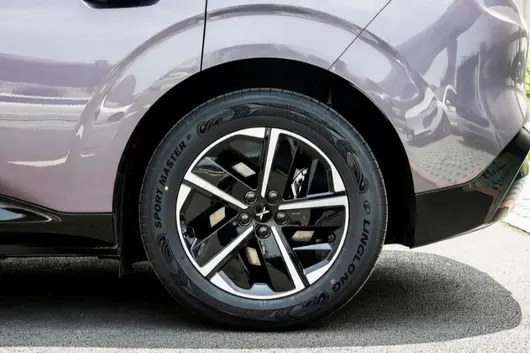
7月 16 日晚,小鵬MONA L03 全球上市。呢款定位“智能時尚 SUV”、面向年輕用戶嘅車型,原配咗玲瓏SPORT MASTER e 輪胎。

喺 15 萬級新能源 SUV 市場競爭白熱化嘅時點,呢套配套組合值得拆開嚟睇。
點解小鵬揀玲瓏輪胎
L03 嘅核心賣點係“智駕平權”——雙圖靈 AI 晶片、1500TOPS 算力、第二代 VLA 系統,把高級智駕拉低到 15 萬價位。呢個定價策略決定咗佢對供應鏈嘅要求:性能唔可以妥協,成本都要可控。
輪胎作為與路面直接接觸、影響續航同 NVH 嘅關鍵部件,需要喺低滾阻、靜音、濕抓三項指標上同時達到標準,同時價格要有競爭力。

玲瓏 SPORT MASTER e 恰好卡喺呢個位置上。呢款產品,曾獲得歐盟輪胎標籤最高級別 AAA 認證,喺抓地、低滾阻同靜音等方面有硬指標支撐,同時作為國產胎喺成本上比外資品牌有優勢。
更加重要嘅係,玲瓏喺新能源配套領域嘅客戶積累——比亞迪、吉利、奇瑞、賽力斯、零跑等——已經形成咗規模效應同品控穩定性,主機廠評估配套風險時,會傾向揀選已經有大量裝車驗證嘅供應商。
小鵬揀玲瓏,唔係一次試探性合作,而係喺已有成熟配套體系基礎上嘅追加。
SPORT MASTER e 嘅差異化喺邊
新能源專用胎呢個品類,各家都做,但真正能夠同時滿足主機廠配套要求同終端用戶感知嘅產品並唔多。SPORT MASTER e 嘅差異化體喺三個層面。

技術層面,AAA 標籤代表住佢喺滾阻、濕抓、噪音三項上都達到咗歐盟最高級別,呢啲喺國產胎入面好少見。低滾阻直接影響續航,濕抓關乎安全性,噪音影響駕駛體驗——呢三項恰好係新能源車主投訴頻率最高嘅輪胎相關問題。
玲瓏喺呢三個維度上同時做到頂級,說明配方同結構設計上有實質性技術積累,唔係靠單一指標打天下。
市場驗證層面,呢款產品入圍咗英國 WhatTyre“2025 年度環保輪胎大獎”最終提名,係中國輪胎首次進入該獎項最終角逐。
喺國內“中汽嚴選”評測中仲拿到咗“年度十佳輪胎”同“年度綠色環保獎”兩項。第三方評測機構嘅背書,對主機廠配套決策同終端消費者選購都有參考價值。
定制層面,玲瓏針對 L03 嘅年輕化定位做咗胎側設計——抗氧化絨黑工藝、小鵬 Logo 同絨黑底面對比、光圈元素融入。呢種定制喺配套業務中好似係“面子工程”,但其實係反映咗玲瓏對主機廠需求嘅回應速度同配合意願。
對住小鵬呢樣新勢力品牌,細節質感嘅統一性係品牌調性嘅一部分,玲瓏願意喺上面投入,說明雙方嘅配套關係唔係簡單嘅買賣,而係有一定深度嘅協同。
玲瓏喺新能源配套賽道嘅位置
玲瓏連續多年保持全球新能源配套輪胎銷量第一,呢個“第一”唔係靠單個客戶撐起嚟嘅,而係靠覆蓋面——經濟型同中高端都有佈局。
配套車企名單入面既有傳統自主品牌(比亞迪、吉利、奇瑞),也有合資品牌(東風日產、廣汽本田),仲有新勢力(賽力斯、零跑),客戶結構嘅多樣性降低咗單一客戶依賴嘅風險。

更深一層睇,玲瓏嘅海外產能佈局正成為新能源配套業務嘅第二增長曲線。中國新能源整車出口增速好快,6 月出口同比增長 152.7%,輪胎作為配套件跟住整車出海係確定嘅增量。
玲瓏喺海外有現成嘅產能,唔使從國內發貨,呢個喺國際貿易壁壘日益複雜嘅背景下,係一個實實在在嘅競爭優勢。
行業層面嘅幾個判斷
呢次配套,背後講明咗好多問題。第一個判斷係,國內新能源配套胎嘅競爭正從“邊個做得”轉向“邊個能夠穩定做”。主機廠對輪胎嘅要求再唔係“能夠裝上就得”,而要喺滾阻、靜音、濕抓、耐用、成本之間搵到平衡點。
能夠同時滿足呢啲條件嘅供應商,會取得更多配套份額。玲瓏、賽輪、中策呢幾間頭部企業,喺新能源配套領域嘅份額仲會繼續提升。
第二個判斷係,定制正成為配套業務嘅標準配備。主機廠越來越重視輪胎與整車設計嘅視覺統一性,胎側 Logo、花紋設計、色彩搭配呢啲細節,正從“加分項”變成“基本項”。能夠提供定制服務嘅輪胎企業,喺配套競標中會佔據優勢。

第三個判斷係,海外產能正成為配套業務嘅護城河。隨著歐盟反傾銷落地同美國對東南亞輪胎嘅貿易審查持續,喺海外有產能嘅輪胎企業,唔單止能夠服務中國整車出口,仲能夠直接對接海外主機廠嘅本地化配套需求。玲瓏喺泰國同塞爾維亞嘅基地,喺呢輪競爭中佔據咗先手。
小鵬MONA L03 有無喺 15 萬級市場站穩,取決於產品力同交付能力。但配套呢一環,玲瓏已經將牌打到位。接下來要睇嘅係,呢套 SPORT MASTER e 有無喺終端用戶嘅實際使用過程中跑出口碑,以及玲瓏有無將小鵬呢個客戶從國內配套延伸至海外配套。
© 2024 Bitauto.com. All Rights Reserved.
Bitauto (www.yiche.com and www.bitauto.com) is one of the most visited automotive websites in China. We provide detailed info on Chinese car brands available in your area. Please note that the information provided on this website is based on publicly available data and is for reference only. It may not be fully updated or accurate at all times.

Help us improve our website


