

HomeProton Persona

Search History
Popular Searches
Dealer Login / Sign Up
喺馬來西亞嘅 SUV 市場,好多買家喺揀車嘅時候都會揀 Proton X50 同 Mazda CX-8 嚟做比較。呢兩款車喺價位同定位上都幾接近,今日我哋就由多個方面做一個詳細嘅比較,幫你節省咗做功課嘅時間。
Proton X50 喺馬來西亞嘅 OTR 售價係 RM 89,800 - 113,300,合共有 4 個版本,包括 1.5T Executive(RM 89,800)、1.5T Premium(RM 101,800)、1.5T Flagship(RM 113,300) 等等。
Mazda CX-8 喺馬來西亞嘅 OTR 售價係 RM 165,360 - 201,360,合共有 5 個版本,包括 2025 2.5T 4WD High Plus Petrol(RM 201,360)、2025 2.2L 2WD High Plus Diesel(RM 193,123)、2025 2.5L 2WD High Plus Petrol(RM 186,360) 等等。
由價錢睇,Proton X50 嘅起價真係比 Mazda CX-8 平咗 RM 75,560。如果你預算有限,Proton 嘅入門版已經可以滿足日常需要。但都要留意,平嗰幾千蚊,喺配備上可能會有所取捨,具體就要睇你嘅需要。

Proton X50 嘅安全評級係 5★ (ASEAN NCAP),主動安全系統包括 ADAS (ACC, AEB, LKA, LDA, BSM, RCTA)。
Mazda CX-8 嘅安全評級係 5★ (ASEAN NCAP),主動安全系統包括 Brand ADAS。
兩款車嘅安全評級一樣,喺呢個級數入面安全配備都算給得好齊全。而家嘅新車安全性都唔差,唔使太擔心呢一點。

Proton X50 車身長 4400 mm,尾箱 400 L。
Mazda CX-8 車身長 4500 mm,尾箱 450 L。
空間方面,Mazda CX-8 嘅車身比 Proton X50 長咗 100 mm,乘坐空間更有優勢。不過 Proton X50 喺城度停車會靈活啲,各有取捨。

Proton X50 保修 5 年/150,000km,保養間隔 每 10,000km 或 6 個月。
Mazda CX-8 保修 5 年/150,000km,保養間隔 每 10,000km 或 6 個月。
兩款車嘅保修條件一樣,呢方面唔使糾結。實際保養成本仲要睇品牌嘅服務網絡同零件價格,建議去車友群問下真實車主嘅經驗。

Proton X50 同 Mazda CX-8 都係馬來西亞市場嘅主流選擇,適合家庭使用、日常通勤。如果你更睇重品牌口碑同二手價,可以優先考慮口碑更好嗰款;如果你更在意性價比同配備,那就揀配備更豐富嗰款。最終都係建議兩款都去試駕,親身體驗先至係最重要嘅。

總體嚟講,Proton X50 同 Mazda CX-8 都係馬來西亞市場好幾唔錯嘅車型。揀邊架,關鍵仲係要睇你嘅個人需求同預算。建議大家做好功課,多比較幾間車行嘅報價,再嚟試駕做最終決定。買車係件大事,花少少時間做功課絕對唔會錯。


In the Malaysian SUV market, many buyers often compare Proton X50 and Mazda CX-3 when choosing a car. These two cars are quite close in price and positioning. Today we will make a detailed comparison from multiple aspects to save you time doing research.
The OTR price of Proton X50 in Malaysia is RM 89,800 - 113,300, with a total of 4 versions, including 1.5T Executive (RM 89,800), 1.5T Premium (RM 101,800), 1.5T Flagship (RM 113,300), etc.
The OTR price of Mazda CX-3 in Malaysia is RM 126,159 - 139,159, with a total of 2 versions, including 2023 2.0L High (RM 139,159), 2023 2.0L Plus (RM 126,159), etc.
Looking at the price, the starting price of Proton X50 is indeed RM 36,359 cheaper than Mazda CX-3. If your budget is limited, Proton's entry-level version can already meet daily needs. But also note, the difference of a few thousand might involve trade-offs in features, which depends on your specific needs.
Proton X50 is equipped with 1.5L 4-cyl, 105 hp. Official fuel consumption 6.0 L/100km.
Mazda CX-3 is equipped with 1.5L Turbo, 140 hp. Official fuel consumption 7.0 L/100km.
In terms of performance, the 1.5L Turbo of Mazda CX-3 has 35 more horsepower than the 1.5L 4-cyl of Proton X50. However, for daily city driving, both cars have sufficient power, and you won't feel underpowered.
Proton X50 adopts a 4WD drive system.
Mazda CX-3 adopts a FWD drive system.
Proton's 4WD and Mazda's FWD will offer different handling sensations, a test drive comparison is recommended.
Proton X50 warranty 5 years/150,000km, maintenance interval every 10,000km or 6 months.
Mazda CX-3 warranty 5 years/150,000km, maintenance interval every 10,000km or 6 months.
The warranty conditions for both cars are the same, no need to worry about this aspect. Actual maintenance costs depend on the brand's service network and parts prices, recommend asking real owners in car clubs for experience.

Proton X50 and Mazda CX-3 are mainstream choices in the Malaysian market, suitable for family use and daily commuting. If you value brand reputation and resale value more, prioritize the one with better reputation; if you care more about value for money and features, choose the one with richer configurations. Finally, it is recommended to test drive both, personal experience is the most important.

Overall, Proton X50 and Mazda CX-3 are both very good models in the Malaysian market. Choosing which one depends mainly on your personal needs and budget. We suggest doing research, comparing quotes from multiple dealerships, and then test driving to make the final decision. Buying a car is a major event, spending time on research will definitely not be wrong.
In Malaysia's SUV market, many buyers compare Proton X50 and Mazda CX-3 when choosing a car. These two cars are quite close in price and positioning. Today, we will do a detailed comparison from multiple aspects to help you save time doing research.
The OTR price for Proton X50 in Malaysia is RM 89,800 - 113,300. There are a total of 4 versions, including 1.5T Executive (RM 89,800), 1.5T Premium (RM 101,800), 1.5T Flagship (RM 113,300), etc.
The OTR price for Mazda CX-3 in Malaysia is RM 126,159 - 139,159. There are a total of 2 versions, including 2023 2.0L High (RM 139,159), 2023 2.0L Plus (RM 126,159), etc.
From a price perspective, the starting price of Proton X50 is indeed RM 36,359 cheaper than Mazda CX-3. If your budget is limited, the entry-level version of Proton is already enough for daily needs. However, also note that the cheaper few thousand might require trade-offs in features, depending on your needs.
Proton X50 features a 1.5L 4-cylinder engine, 105 hp. Official fuel consumption 6.0 L/100km.
Mazda CX-3 features a 1.5L Turbo engine, 140 hp. Official fuel consumption 7.0 L/100km.
Regarding power, the 1.5L Turbo of Mazda CX-3 has 35 more horsepower than the 1.5L 4-cylinder of Proton X50. However, for daily driving in the city, both cars have enough power, you won't feel it's underpowered.
Proton X50 safety rating is 5★ (ASEAN NCAP), active safety systems include ADAS (ACC, AEB, LKA, LDA, BSM, RCTA).
Mazda CX-3 safety rating is 5★ (ASEAN NCAP), active safety systems include i-Activsense.
Both cars have the same safety rating. In this segment, safety features are quite comprehensive. New car safety these days is not bad, no need to worry too much about this.
Proton X50 warranty 5 years/150,000km, maintenance interval every 10,000km or 6 months.
Mazda CX-3 warranty 5 years/150,000km, maintenance interval every 10,000km or 6 months.
Both cars have the same warranty conditions, no need to worry about this aspect. Actual maintenance costs depend on the brand's service network and parts prices. Suggest asking experienced owners in car communities.
Proton X50 and Mazda CX-3 are both mainstream choices in the Malaysian market, suitable for family use and daily commuting. If you value brand reputation and resale value more, consider the one with better reputation; if you care more about value for money and features, choose the one with richer configuration. Finally, it is recommended to test drive both models, personal experience is the most important.
Overall, Proton X50 and Mazda CX-3 are both very good models in the Malaysian market. Which one to choose depends mainly on your personal needs and budget. We suggest doing your research, comparing quotes from several dealerships, and then test driving to make the final decision. Buying a car is a big matter, spending time doing research will never be wrong.
In Malaysia's SUV market, many buyers compare Proton X50 and Mazda CX-30 when choosing a car. These two cars are quite close in price and positioning. Today, we will make a detailed comparison from multiple aspects to help you save time on research.
Proton X50's OTR price in Malaysia is RM 89,800 - 113,300, with a total of 4 versions, including 1.5T Executive (RM 89,800), 1.5T Premium (RM 101,800), 1.5T Flagship (RM 113,300), etc.
Mazda CX-30's OTR price in Malaysia is RM 122,409 - 146,409, with a total of 4 versions, including 2025 2.0L High+ Premium (RM 146,409), 2025 2.0L High+ (RM 138,409), 2025 2.0L High (RM 130,409), etc.
From a price perspective, Proton X50's starting price is indeed RM 32,609 cheaper than Mazda CX-30. If your budget is limited, Proton's entry-level version can already meet daily needs. But also note, the few thousand cheaper might involve trade-offs in features, depending on your specific needs.
Proton X50 is equipped with 1.5L 4-cyl, 105 hp power. Official fuel consumption 6.0 L/100km.
Mazda CX-30 is equipped with 1.5L Turbo, 140 hp power. Official fuel consumption 7.0 L/100km.
In terms of power, Mazda CX-30's 1.5L Turbo has 35 more horsepower than Proton X50's 1.5L 4-cyl. However, for daily city driving, both cars have sufficient power, you won't feel underpowered.
Proton X50's safety rating is 5★ (ASEAN NCAP), active safety systems include ADAS (ACC, AEB, LKA, LDA, BSM, RCTA).
Mazda CX-30's safety rating is 5★ (ASEAN NCAP), active safety systems include i-Activsense.
Both cars have the same safety rating, and safety features are quite complete in this class. New car safety is generally good nowadays, no need to worry too much about this.
Proton X50 body length is 4400 mm, trunk 400 L.
Mazda CX-30 body length is 4500 mm, trunk 450 L.
In terms of space, Mazda CX-30's body is 100 mm longer than Proton X50, with an advantage in passenger space. However, Proton X50 is slightly more flexible for parking in the city, each has its trade-offs.

Proton X50 adopts 4WD drive mode.
Mazda CX-30 adopts FWD drive mode.
Proton's 4WD and Mazda's FWD will have different handling experiences, test drives are recommended for comparison.

Overall, Proton X50 and Mazda CX-30 are both very good models in the Malaysia market. Which one to choose depends mainly on your personal needs and budget. We recommend doing your research, compare quotes from several dealerships, and then go for a test drive to make the final decision. Buying a car is a major event, taking time to research is never wrong.

Di pasaran SUV Malaysia, ramai pembeli sering membandingkan Proton X70 dengan Toyota Corolla Cross ketika memilih kereta. Kedua-dua kereta ini mempunyai harga dan pelaran yang hampir sama, hari ini kita akan buat perbandingan terperinci dari pelbagai aspek untuk membantu anda menjimatkan masa menyiapkan maklumat.
Proton X70 di Malaysia mempunyai harga OTR sebanyak RM 106,800 - 122,300, terdapat 3 varian, termasuk 1.5L Standard 2WD (RM 106,800), 1.5L Executive 2WD (RM 115,800), 1.5L Premium 2WD (RM 122,300) dan lain-lain.
Toyota Corolla Cross di Malaysia mempunyai harga OTR sebanyak RM 133,800 - 148,800, terdapat 3 varian, termasuk 2026 HEV 1.8L GR Sport (RM 148,800), 2026 HEV 1.8L Standard (RM 140,800), 2026 1.8L Standard (RM 133,800) dan lain-lain.
Dari segi harga, harga permulaan Proton X70 memang RM 27,000 lebih murah daripada Toyota Corolla Cross. Jika bajet anda terhad, varian permulaan Proton sudah memadai untuk keperluan harian. Tetapi perhatikan, beribu-ribu ringgit lebih murah itu mungkin memerlukan pengorbanan dari segi pelengkapan, bergantung pada keperluan anda sendiri.

Proton X70 dilengkapi enjin 1.5L Turbo, kuasa 140 hp. Penggunaan minyak rasmi 7.0 L/100km.
Toyota Corolla Cross dilengkapi enjin 1.5L Turbo, kuasa 140 hp. Penggunaan minyak rasmi 7.0 L/100km.
Kedua-dua kereta menggunakan sistem kuasa yang sama, pengalaman memandu sehari-hari pada dasarnya tiada perbezaan. Dari segi penggunaan minyak pun hampir sama, tidak perlu terlalu bimbang mengenainya.
Peringkat keselamatan Proton X70 ialah 5★ (ASEAN NCAP), sistem keselamatan aktif termasuk ADAS (ACC, AEB, LKA, LDA, BSM, RCTA).
Peringkat keselamatan Toyota Corolla Cross ialah 5★ (ASEAN NCAP), sistem keselamatan aktif termasuk TSS (PCS, LDA, ACC, LTA).
Peringkat keselamatan kedua-dua model sama, dalam kategori ini perbekalan keselamatan dianggap cukup lengkap. Kereta baru sekarang tidak kurang dari segi keselamatan, tidak perlu terlalu bimbang mengenai perkara ini.

Proton X70 menggunakan gaya pemacu FWD.
Toyota Corolla Cross menggunakan gaya pemacu FWD.
Gaya pemacu kedua-dua model sama, kedua-duanya FWD, pengalaman memandu sehari-hari tidak akan berbeza banyak.
Proton X70 dan Toyota Corolla Cross adalah pilihan utama pasaran Malaysia, sesuai untuk kegunaan keluarga, perjalanan harian. Jika anda lebih mengutamakan reputasi jenama dan harga jualan semula, pilih yang mempunyai reputasi lebih baik; jika anda lebih mengutamakan nilai wang dan pelengkapan, pilih yang lebih kaya dengan spesifikasi. Pada akhirnya disarankan untuk membandingkan kedua-duanya dengan ujian jalan, pengalaman sendiri adalah yang paling penting.
Secara keseluruhannya, Proton X70 dan Toyota Corolla Cross adalah model yang sangat baik di pasaran Malaysia. Memilih mana satu, kunci utamanya bergantung pada keperluan peribadi dan bajet anda. Cadangan, sila sediakan maklumat, bandingkan beberapa tawaran dari kedai kereta, kemudian buat keputusan akhir selepas ujian jalan. Membeli kereta adalah perkara besar, meluangkan masa menyediakan maklumat sememangnya tidak akan salah.

Di pasaran SUV Malaysia, ramai pembeli membandingkan Proton X70 dan Toyota Corolla Cross semasa memilih kereta. Kedua-dua kereta ini hampir sama dari segi harga dan penempatan pasaran. Hari ini kita buat perbandingan terperinci dari pelbagai aspek untuk membantu anda menjimatkan masa membuat kajian.
Harga OTR Proton X70 di Malaysia adalah RM 106,800 - 122,300, ada 3 varian, termasuk 1.5L Standard 2WD (RM 106,800), 1.5L Executive 2WD (RM 115,800), 1.5L Premium 2WD (RM 122,300) dan lain-lain.
Harga OTR Toyota Corolla Cross di Malaysia adalah RM 133,800 - 148,800, ada 3 varian, termasuk 2026 HEV 1.8L GR Sport (RM 148,800), 2026 HEV 1.8L Standard (RM 140,800), 2026 1.8L Standard (RM 133,800) dan lain-lain.
Dari segi harga, harga permulaan Proton X70 memang RM 27,000 lebih murah daripada Toyota Corolla Cross. Jika bajet anda terhad, varian asas Proton sudah boleh penuhi keperluan harian. Tapi perhatikan, beberapa ribu ringgit yang lebih murah itu mungkin ada pengorbanan dari segi kelengkapan, bergantung pada keperluan anda.
Proton X70 dilengkapi enjin 1.5L Turbo, kuasa 140 hp. Konsumsi minyak rasmi 7.0 L/100km.
Toyota Corolla Cross dilengkapi enjin 1.5L Turbo, kuasa 140 hp. Konsumsi minyak rasmi 7.0 L/100km.
Kedua-dua kereta menggunakan sistem kuasa yang sama, rasa memandu sehari-hari pada dasarnya tiada perbezaan. Dari segi penggunaan minyak juga hampir sama, tidak perlu terlalu bimbang mengenai hal ini.
Proton X70 waranti 5 tahun/150,000km, selang penyelenggaraan setiap 10,000km atau 6 bulan.
Toyota Corolla Cross waranti 5 tahun/tanpa had, selang penyelenggaraan setiap 10,000km atau 6 bulan.
Proton X70 dan Toyota Corolla Cross adalah pilihan utama di pasaran Malaysia, sesuai untuk kegunaan keluarga dan perjalanan harian. Jika anda lebih mementingkan jenama dan reputasi serta harga jualan semula, boleh utamakan yang lebih reputasi; jika anda lebih mementingkan nisbah harga dan kelengkapan, maka pilih yang konfigurasinya lebih kaya. Pada akhirnya disarankan anda uji tawar kedua-dua kereta, pengalaman sendiri adalah yang paling penting.
Secara keseluruhan, Proton X70 dan Toyota Corolla Cross adalah model kereta yang cukup baik di pasaran Malaysia. Memilih kereta mana satu, yang utama adalah keperluan dan bajet peribadi anda. Disarankan anda buat kajian, bandingkan harga daripada beberapa pengedar kereta, kemudian buat ujian memandu untuk keputusan akhir. Membeli kereta adalah perkara besar, meluangkan masa membuat kajian tidak akan salah.

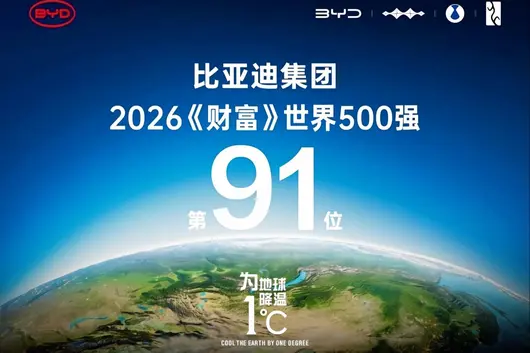
7 月 28 日,《財富》世界 500 強榜單公布。比亞迪位列第 91 位。呢個係佢連續第五年留喺呢個位置。喺全球車輛與零部件板塊嘅 35 家上榜企業入面,呢個名次意味著佢守咗世界百強陣營嘅門檻。

過去一年,全球汽車行業並唔好過,榜單上面有 7 家整車企業出現虧損。喺呢種大環境下,名次冇動,本身就已经係一種抗壓能力嘅體現。
錢花喺邊,命脈就喺邊
外界常盯着利潤表,但翻開比亞迪去年嘅帳本,有一筆支出更加值得玩味:研發投入 634 億元,呢個比佢同期嘅純利潤高出近一倍。可以咁樣講,呢個唔係燒錢,係喺買唔俾人卡住頸嘅資格。截至去年年底,比亞迪全球累計申請專利超過 7.1 萬項。呢啲專利轉化成咗第二代刀片電池、兆瓦級閃充技術,仲有嗰套天神之眼輔助駕駛系統。當一家車企掌握咗從電芯到芯片嘅全棧技術,佢喺全球供應鏈議價嗰陣,腰骨自然就硬晒。
出海,唔再係簡單嘅賣車
去年,比亞迪海外銷量突破 100 萬輛,同比增長 145%。喺巴西,唔單建成咗乘用車工廠,雲軌都通車營運緊;喺泰國,投產兩年嘅工廠已經成為區域製造中心;喺日本,推出咗專門針對 K-Car 市場嘅專屬車型海獺。呢種「造車 + 修路 + 本土化適應」嘅組合拳,標誌住中國車企嘅出海邏輯,正從單純嘅商品貿易,轉向產業鏈嘅整體輸出。
第 91 位嘅含金量
再回頭睇返呢個第 91 位。透過佢,可以睇到每日 1.74 億元嘅研發投入,可以睇到覆蓋 121 個國家同地區嘅銷售體系,亦可以睇到八艘自建滾裝船穿梭喺大洋之上嘅身影。呢種「技術 + 製造 + 物流」嘅全鏈條掌控力,先係世界百強真正嘅底色。
榜單年年翻,名次會變。但只要呢套垂直整合嘅體系運作不停,比亞迪喺全球產業鏈博弈中嘅棋子,就會越嚟越活。

喺馬來西亞嘅 SUV 市場,好多買家喺揀車嗰陣都會拎 寶騰 X70 同 豐田 Corolla Cross 嚟做比較。呢兩部車喺價位同定位上都好接近,今日我哋就由多個角度做一個詳細比較,幫你節省做功課嘅時間。
寶騰 X70 喺馬來西亞嘅 OTR 售價係 RM 106,800 - 122,300,合共 3 個版本,包括 1.5L Standard 2WD(RM 106,800)、1.5L Executive 2WD(RM 115,800)、1.5L Premium 2WD(RM 122,300) 等。
豐田 Corolla Cross 喺馬來西亞嘅 OTR 售價係 RM 133,800 - 148,800,合共 3 個版本,包括 2026 HEV 1.8L GR Sport(RM 148,800)、2026 HEV 1.8L Standard(RM 140,800)、2026 1.8L Standard(RM 133,800) 等。
從價錢睇落,寶騰 X70 嘅起步價真係比 豐田 Corolla Cross 平咗 RM 27,000。如果你預算有限,寶騰嘅入門版已經可以滿足日常需要。但亦要注意,平嗰幾千蚊,可能喺配備方面有取捨,具體睇你嘅需要。
寶騰 X70 搭載 1.5L Turbo,馬力 140 hp。官方油耗 7.0 L/100km。
豐田 Corolla Cross 搭載 1.5L Turbo,馬力 140 hp。官方油耗 7.0 L/100km。
呢兩部車用嘅係同一套動力系統,日常開起嚟嘅感受基本無分別。油耗方面都幾似,唔使太糾結這一點。
寶騰 X70 車身長度 4400 mm,尾箱 400 L。
豐田 Corolla Cross 車身長度 4400 mm,尾箱 400 L。
呢兩部車嘅尺寸幾近一樣,車廂內空間分別唔大。呢個級別嘅車,日常使用完全夠用。
寶騰 X70 採用 FWD 驅動方式。
豐田 Corolla Cross 採用 FWD 驅動方式。
呢兩部車嘅驅動方式一樣,都係 FWD,日常駕駛感受唔會有太大分別。
寶騰 X70 同 豐田 Corolla Cross 都係馬來西亞市場嘅主流選擇,適合家庭使用、日常通勤。如果你更睇重品牌口碑同二手價,可以優先考慮口碑更好嗰一款;如果你更在意性價比同配備,那就揀配置更豐富嗰款。最終仲係建議兩部車都去試駕,親自體驗先至係最重要。
總括嚟講,寶騰 X70 同 豐田 Corolla Cross 都係馬來西亞市場幾唔錯嘅車型。揀邊一部,關鍵都係要睇你嘅個人需要同預算。建議大家做好功課,多比較幾間車行嘅報價,先至去試駕做最終決定。買車係件大事,花少少時間做功課絕對唔會錯。

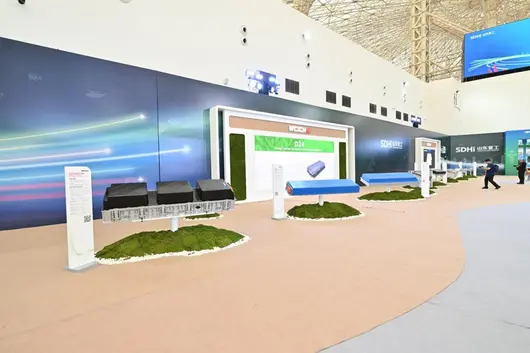
22 Julai, Mesyuarat Pasukan Rakan Kongsi Global Weichai 2026 telah diadakan di Hanoi, Vietnam. Semasa itu, Paparan Produk Hijau Pintar Kumpulan Industri Berat Shandong telah dilangsungkan dengan meriah di Pusat Konvensyen dan Eksport Negara Vietnam (VEC). Sebagai sektor perniagaan utama Kumpulan Industri Berat Shandong, Weichai mempersembahkan secara berkumpulan semua produk dan penyelesaian hijau pintar, menyampaikan tekad Weichai untuk mendalami bidang tenaga baharu serta melancarkan pasaran Vietnam dan Asia Tenggara kepada rakan kongsi global.

Sementara ini, gelombang Neutraliti Karbon global diteruskan, dan Asia Tenggara sedang naik sebagai hab pertumbuhan utama pasaran kenderaan niaga tenaga baharu. Vietnam dan negara-negara Asia Tenggara telah mengumumkan dasar sokongan berkaitan penggeraan pengangkutan, penjimatan tenaga dan pengurangan pelepasan. Disokong oleh harga minyak kawasan yang tinggi, keperluan operasi sken tetap yang meningkat, serta kelebihan semula jadi bekalan tenaga bersih pelbagai di Vietnam, potensi pasaran tenaga baharu kawasan ini terus dilepaskan. Pelaksanaan mesyuarat ini akan menjadi platform penting untuk Weichai dan rakan kongsi global menjelajah peluang transformasi hijau kawasan serta meluaskan ruang pasaran baharu.
Pemberian kuasa seluruh rantaian, penyesuaian tepat, membina piawaian kuasa hijau baharu Asia Tenggara
Berdasarkan keperluan utama pasaran kawasan Asia Tenggara, Weichai telah menyelesaikan布局 produk tenaga baharu pelbagai bidang secara menyeluruh. Bergantung pada teknologi teras 'tiga sistem elektrik' bateri, motor dan pengawalan yang dibangunkan sendiri, ia telah membina matriks produk lengkap meliputi kenderaan niaga tenaga baharu berat, ringan, jentera kejuruteraan dan bas, membentuk penyelesaian hijau sken penuh dan kelas penuh.
Menepati iklim unik panas dan lembap Asia Tenggara, Weichai telah melaksanakan penyesuaian tempatan dan pengoptimuman untuk semua produk tenaga baharu. Ia tumpu pada perkuasaan prestasi teras seperti pengurusan haba bateri dan perlindungan kelembapan sistem pengawalan. Ini telah berjaya menyelesaikan kesukaran industri seperti penurunan jarak tempuh dan kegagalan kerap yang mudah berlaku pada model elektrik tulen biasa dalam persekitaran tropika, menjadikan produk lebih sesuai dengan sken operasi sebenar kawasan.
Dalam bidang kenderaan niaga, kenderaan niaga berat dan ringan tenaga baharu yang dilengkapi teknologi teras 'tiga sistem elektrik' Weichai, menunjukkan kelebihan ketara dalam operasi sken penuh seperti pelabuhan, taman, logistik bandar, dan lori pelupusan sisa. Ia bukan sahaja mengurangkan kos operasi yang dibawa oleh penggunaan minyak secara mendadak, tetapi juga mengurangkan pencemaran bunyi dan meningkatkan kecekapan operasi. Ia secara beransur-ansur menggantikan kenderaan minyak tradisional, membantu pelanggan mencapai sasaran ganda penjimatan kos dan operasi hijau.
Bas Yaxing di bawah Weichai telah berjaya mengeksport secara massal ke Asia Tenggara. Pelbagai model yang dilengkapi sistem 'tiga sistem elektrik' Weichai telah mendapat pengiktirafan luas pelanggan tempatan kerana prestasi yang stabil dan kemampuan jarak jauh yang cemerlang. Serentak itu, pelbagai produk berjaya mendapat sijil WVTA EU dan berjaya memasuki pasaran premium Eropah, secara penuh menunjukkan daya saing antarabangsa teknologi tenaga baharu Weichai dan kekuatan produk yang kukuh.
Selain itu, Weichai juga memperdalam kerjasama strategik dengan Kumpulan Changhai Vietnam, membangunkan secara bersama kenderaan niaga tenaga baharu yang sesuai untuk sken logistik tempatan dan pengangkutan penumpang, mempercepatkan lagi penyerapan pasaran kawasan dan membina asas pasaran kerjasama kemenangan untuk kedua-dua pihak.
Dalam bidang maritim, Weichai mengikuti trend transformasi hijau maritim global, menyambung tepat keperluan pengangkutan kawasan, dan memperkenalkan produk bahan api alternatif pelbagai seperti enjin metanol dan biodiesel, membina penyelesaian kuasa rendah karbon untuk bidang maritim.
Di antaranya, enjin metanol Weichai dengan kelebihan teras kecekapan tinggi dan bersih, bahan api mudah didapati, serta kecekapan penyesuaian yang kuat, boleh langsung disesuaikan dengan sken utama seperti pengangkutan sungai dalam dan pengangkutan laut dekat Vietnam. Pembakaran bahan api yang lengkap, pelepasan karbon jauh lebih rendah berbanding enjin minyak tradisional, serentak dengan sempurna menyesuaikan dengan sistem bekalan bahan api metanol tempatan, mengimbangi pengawalan kos operasi dan keperluan alam sekitar, menjadikannya pilihan utama untuk transformasi hijau syarikat kapal tempatan.
Mac tahun ini, di Pameran Maritim Asia Pasifik (APM) di Singapura, Weichai secara rasmi memulakan seri produk baharu Biofuel B100. Di mesyuarat itu, upacara lengkap ujian laut 1000 jam kapal biofuel B100 yang dilengkapi kuasa teras Weichai telah disempurnakan dengan lancar. Universiti Teknologi Nanyang, Cangkuk Klasifikasi China Cawangan Singapura, Pinnacle Marine dan rakan kongsi lain bersama-sama menyaksikan saat ini.

Dari penandatanganan projek 2024 ke pelepasan kapal sebenar 2025, ini adalah projek ujian laut 1000 jam kapal sebenar B100 pertama di Singapura. Pengesahan kitaran penuh ini telah menyediakan contoh dan sokongan data penting untuk industri menjelajah aplikasi bahan api rendah karbon. Seri produk baharu ini melengkapi enjin metanol, memperkayakan lagi matriks kuasa hijau Weichai, dan menyediakan laluan rendah karbon yang boleh dilaksanakan dan disalin untuk transformasi hijau di bidang maritim.
40 Tahun Pengusahaan, Asas Reputasi, Memperkuasai Daya Saing Utama Pasaran Asia Tenggara
Dalam mendalami pasaran Vietnam selama empat dekad, Weichai sentiasa berorientasikan keperluan pelanggan. Dengan produk berkualiti tinggi dan servis yang lengkap, ia telah mendalami pasaran kawasan, lama sekali memperkuasakan asas pasaran yang kukuh, serta meraih pengiktirafan luas dan reputasi baik pelanggan tempatan. Sehingga kini, jumlah enjin Weichai yang telah diserahkan di Vietnam mencecah 160,000 unit. Pangsa pasaran enjin kapal dan bas kekal sebagai nombor satu kawasan. Dengan kualiti produk yang boleh dipercayai dan sistem servis selepas jualan yang lengkap, ia telah terintegrasi dengan mendalam dalam bidang utama pengangkutan, maritim, dan jentera kejuruteraan tempatan, menjadi jenama kuasa yang sangat berpengaruh di pasaran Vietnam.
Amanah pasaran mendalam selama empat dekad ini, bukan sahaja merupakan gambaran直观 kekuatan produk dan pengaruh jenama Weichai, malah membina asas pelanggan dan kepercayaan pasaran yang kukuh untuk promosi perniagaan tenaga baharu Weichai di kawasan Asia Tenggara pada masa hadapan. Dari kuasa tradisional ke tenaga baharu hijau pintar, Weichai sentiasa mengikuti langkah pembangunan pasaran kawasan, secara berterusan mengoptimumkan produk dan servis, mencapai pembangunan bersama dengan pasaran dan pelanggan tempatan.

Pel布局 Weichai di pasaran tenaga baharu Asia Tenggara, bukan sahaja merupakan pilihan strategik yang sesuai dengan tren global hijau dan merespons arahan dasar kawasan, malah merupakan langkah praktikal yang berlandaskan keperluan pelanggan untuk mencapai kemenangan berkali-kali antara syarikat dan rakan kongsi. Pada masa hadapan, Weichai akan berterusan menjadikan teknologi hijau pintar sebagai teras, memanfaatkan kelebihan teknologi seluruh rantaian industri, memperdalam kerjasama koordinasi dengan rakan kongsi global, dan seterusnya menyempurnakan sistem pengeluaran, jualan, dan servis tempatan. Ia akan menyambung tepat keperluan transformasi hijau kawasan Asia Tenggara, membantu Vietnam dan kawasan Asia Tenggara mencapai sasaran pertumbuhan hijau dan komitmen sifar emisi.

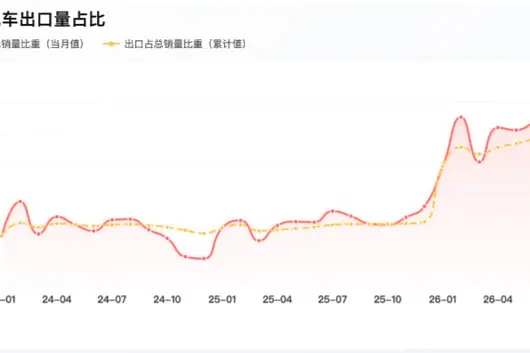
国内汽车市场竞争日趋内卷,车企盈利空间持续承压,开拓海外市场已经从可选布局转变为生存发展的必由之路。最新行业数据显示,2026年上半年我国汽车出口迎来爆发式增长,出口量、出口总额双双创下新高,但海外贸易壁垒持续增多,本土化生产成为车企突围核心方案。
根据中汽协相关统计,2026年6月国内汽车出口104万辆,同比上涨75%,首次实现单月出口破百万。上半年汽车累计出口510万辆,同比增长65%,半年出口量首次突破500万辆;整车出口金额折合人民币超6000亿元。如今汽车出口占国内总销量比重提升至35%。对比国内微薄利润,海外市场拥有更高毛利率,众多车企依靠海外盈利反哺国内业务,对冲本土低价竞争带来的盈利压力。
上半年各大车企海外销量梯队清晰。奇瑞以93.9万辆出口量位居首位,海外销量占总销量74%;比亚迪79.2万辆紧随其后,海外工厂本地化生产能够有效提升单车利润;上汽、吉利分别位列第三、四名。其中吉利新能源出口增长迅猛,新能源车占到其出口总量六成。长安、长城同样保持稳定海外输出。各大车企持续加码海外产能建设,通过海外建厂巩固市场份额,应对持续变化的海外政策环境。
亮眼出口成绩背后,外部挑战接踵而至。欧盟对中国电动车征收反补贴税,还计划将限制范围延伸至插混车型,同时推出相关法案抬高外资投资门槛。巴西上调进口电动车关税,泰国推行产能对赌政策,多重规则大幅抬高整车直接出口成本。单纯依靠整车出口的模式风险越来越高。
加速本土化建厂,车企探寻破局之路面对贸易壁垒,国内车企选择加速海外本地化生产,形成两种发展路径。奇瑞采用反向合资模式,借助本土品牌获取生产资质,降低市场抵触;比亚迪选择全资自建工厂,完整掌控供应链与生产环节。不少企业抓紧窗口期收购欧洲工厂,规避政策限制。
、中国汽车出海迎来高速增长周期,但前路挑战长期存在。海外市场既是增量蓝海,也是博弈赛场。各大车企持续完善海外产业布局,依靠本土化生产化解贸易阻碍。未来,谁能更好扎根海外市场、平衡政策与经营,有望在全球汽车竞争中抢占更多席位。

喺馬來西亞嘅 SUV 市場,好多買家喺揀車嘅時候都會拿 Proton X50 同 Chery Tiggo 8 Pro 嚟做比較。這兩款車喺價位同定位上都蠻接近嘅,今日我就從多個方面做一個詳細嘅對比,幫你省下做功課嘅時間。
Proton X50 喺馬來西亞嘅 OTR 售價係 RM 89,800 - 113,300,一共有 4 個版本,包括 1.5T Executive(RM 89,800)、1.5T Premium(RM 101,800)、1.5T Flagship(RM 113,300) 等。
Chery Tiggo 8 Pro 喺馬來西亞嘅 OTR 售價係 RM 159,750 - 159,750,一共有 2 個版本,包括 1.6L Turbo Standard(RM 130,000)、1.6L Turbo Premium(RM 145,000) 等。
從價錢嚟睇,Proton X50 嘅起步價確實比 Chery Tiggo 8 Pro 便宜咗 RM 69,950。如果你預算有限,Proton 嘅入門版已經可以滿足日常需求。但都要留意,便宜嗰幾千蚊,可能喺配備上會有取捨,具體要看你嘅需求。
Proton X50 搭載 1.5L 4-cyl,馬力 105 hp。官方油耗 6.0 L/100km。
Chery Tiggo 8 Pro 搭載 2.0L 4-cyl,馬力 170 hp。官方油耗 8.0 L/100km。
動力方面,Chery Tiggo 8 Pro 嘅 2.0L 4-cyl 比 Proton X50 嘅 1.5L 4-cyl 多咗 65 匹馬力。不過日常喺市區開,兩款車嘅動力都夠用,唔會覺得唔夠力。
Proton X50 車身長 4400 mm,尾箱 400 L。
Chery Tiggo 8 Pro 車身長 4400 mm,尾箱 400 L。
兩款車嘅尺寸幾乎一樣,車內空間差別唔大。呢個級別嘅車,日常使用完全夠用。
Proton X50 同 Chery Tiggo 8 Pro 都係馬來西亞市場嘅主流選擇,適合家庭使用、日常通勤。如果你更睇重品牌口碑同二手價,可以優先考慮口碑更好嗰一款;如果你更在意性價比同配備,就選配置更豐富嗰款。最終都係建議兩款都去試駕,親身體驗先係最重要嘅。
總嘅嚟講,Proton X50 同 Chery Tiggo 8 Pro 都係馬來西亞市場好唔錯嘅車型。揀邊一輛,關鍵都係要看你嘅個人需求同預算。建議大家做好功課,多比較幾間車行嘅報價,先去試駕做最終決定。買車係件大事,花少少時間做功課絕對唔會錯。

In the Malaysian SUV market, many buyers compare Proton X50 and Chery Tiggo 8 Pro when choosing a car. These two models are quite close in price and positioning. Today, we will make a detailed comparison from multiple aspects to help you save time on research.
The OTR price of Proton X50 in Malaysia is RM 89,800 - 113,300, with a total of 4 versions, including 1.5T Executive (RM 89,800), 1.5T Premium (RM 101,800), 1.5T Flagship (RM 113,300), etc.
The OTR price of Chery Tiggo 8 Pro in Malaysia is RM 159,750 - 159,750, with a total of 2 versions, including 1.6L Turbo Standard (RM 130,000), 1.6L Turbo Premium (RM 145,000), etc.
From a price perspective, the starting price of Proton X50 is indeed RM 69,950 cheaper than Chery Tiggo 8 Pro. If your budget is limited, the entry-level version of Proton is already sufficient for daily needs. But be aware, the few thousand Ringgit difference might involve compromises in features, it depends on your specific needs.
Proton X50 is equipped with a 1.5L 4-cyl engine, 105 hp. Official fuel consumption 6.0 L/100km.
Chery Tiggo 8 Pro is equipped with a 2.0L 4-cyl engine, 170 hp. Official fuel consumption 8.0 L/100km.
In terms of power, Chery Tiggo 8 Pro's 2.0L 4-cyl has 65 hp more than Proton X50's 1.5L 4-cyl. However, for daily city driving, the power of both cars is sufficient and won't feel underpowered.
Proton X50 warranty 5 years/150,000km, maintenance interval every 10,000km or 6 months.
Chery Tiggo 8 Pro warranty 3 years/100,000km, maintenance interval every 10,000km or 6 months.
Both Proton X50 and Chery Tiggo 8 Pro are mainstream choices in the Malaysian market, suitable for family use and daily commuting. If you value brand reputation and resale value more, prioritize the one with better reputation; if you care more about cost-performance ratio and features, choose the one with richer configuration. Ultimately, it is recommended to test drive both, as personal experience is the most important.
Overall, both Proton X50 and Chery Tiggo 8 Pro are quite good models in the Malaysian market. Which one to choose depends on your personal needs and budget. It is recommended to do your research, compare quotes from multiple car dealers, and then test drive to make the final decision. Buying a car is a big matter, spending time on research will definitely not go wrong.
喺馬來西亞嘅 SUV 市場,好多買家喺揀車嘅時候都會拿 Proton X50 同 Chery Tiggo 9 嚟做比較。呢兩款車喺價位同定位上都好接近,今日我哋就從多個方面做一個詳細嘅對比,幫你省咗做功課嘅時間。
Proton X50 喺馬來西亞嘅 OTR 售價係 RM 89,800 - 113,300,一共有 4 個版本,包括 1.5T Executive(RM 89,800)、1.5T Premium(RM 101,800)、1.5T Flagship(RM 113,300) 等。
Chery Tiggo 9 喺馬來西亞嘅 OTR 售價係 RM 166,800 - 179,800,一共有 1 個版本,包括 2026 2.0T Standard(RM 179,750) 等。
從價錢睇嚟,Proton X50 嘅起步價確實比 Chery Tiggo 9 平咗 RM 77,000。如果你預算有限,Proton 嘅入門版已經可以滿足日常需求。但都要注意,平嗰幾千蚊,可能喺配備上會有取捨,具體要看你嘅需求。
Proton X50 採用 4WD 驅動方式。
Chery Tiggo 9 採用 FWD 驅動方式。
Proton 嘅 4WD 同 Chery 嘅 FWD 喺操控上會有唔同感受,建議試駕比較。
Proton X50 保修 5 年/150,000km,保養間隔 每 10,000km 或 6 個月。
Chery Tiggo 9 保修 3 年/100,000km,保養間隔 每 10,000km 或 6 個月。
Proton X50 同 Chery Tiggo 9 都係馬來西亞市場嘅主流選擇,適合家庭使用、日常通勤。如果你更睇重品牌口碑同二手價,可以優先考慮口碑更好嗰款;如果你更在意性價比同配備,那就揀配置更豐富嗰款。最終都係建議兩款都去試駕,親身體驗先至最重要。

總嘅嚟講,Proton X50 同 Chery Tiggo 9 都係馬來西亞市場幾唔錯嘅車型。揀邊一輛,關鍵都要睇你嘅個人需求同預算。建議大家做好功課,多比較幾間車行嘅報價,再去試駕做最終決定。買車係件大事,花啲時間做功課絕對唔會錯。
喺馬來西亞嘅 SUV 市場,好多買家喺揀車嘅時候都會用 Proton X50 同 Chery Tiggo 9 嚟比較。呢兩款車喺價位同定位上都幾接近,而家我哋就從多個方面做一個詳細嘅比較,幫你節省咗做功課嘅時間。
Proton X50 喺馬來西亞嘅 OTR 售價係 RM 89,800 - 113,300,一共有 4 個版本,包括 1.5T Executive(RM 89,800)、1.5T Premium(RM 101,800)、1.5T Flagship(RM 113,300) 等。
Chery Tiggo 9 喺馬來西亞嘅 OTR 售價係 RM 166,800 - 179,800,一共有 1 個版本,包括 2026 2.0T Standard(RM 179,750) 等。
從價錢嚟睇,Proton X50 嘅起步價確實比 Chery Tiggo 9 平咗 RM 77,000。如果你預算有限,Proton 嘅入門版已經可以滿足日常需求。但都要注意,平嗰幾千塊,可能就喺配備上面會有取捨,具體就要睇你嘅需求。
Proton X50 搭載 1.5L 4-cyl,馬力 105 hp。官方油耗 6.0 L/100km。
Chery Tiggo 9 搭載 2.0L 4-cyl,馬力 170 hp。官方油耗 8.0 L/100km。
動力方面,Chery Tiggo 9 嘅 2.0L 4-cyl 比 Proton X50 嘅 1.5L 4-cyl 多咗 65 匹馬力。不過日常喺市區開,兩款車嘅動力都夠用,唔會覺得唔夠力。
Proton X50 嘅安全評級係 5★ (ASEAN NCAP),主動安全系統包括 ADAS (ACC, AEB, LKA, LDA, BSM, RCTA)。
Chery Tiggo 9 嘅安全評級係 TBD,主動安全系統包括 Basic。
安全配備方面,兩款車都拿到唔錯嘅評級。不過 Proton X50 嘅 ADAS (ACC, AEB, LKA, LDA, BSM, RCTA) 同 Chery Tiggo 9 嘅 Basic 喺功能上有些差異,如果你比較睇重主動安全嘅話,可以仔細對比一輪佢哋嘅功能列表。
Proton X50 保修 5 年/150,000km,保養間隔 每 10,000km 或 6 個月。
Chery Tiggo 9 保修 3 年/100,000km,保養間隔 每 10,000km 或 6 個月。
總括嚟講,Proton X50 同 Chery Tiggo 9 都係馬來西亞市場幾唔錯嘅車。揀邊台,關鍵係要睇你嘅個人需求同預算。建議大家做好功課,多比較多間車行嘅報價,先去試駕做最終決定。買車係件大事,花少少時間做功課絕對無錯。

喺馬來西亞嘅 SUV 市場,好多買家喺揀車嘅時候都會拿 Proton X50 同 Chery Tiggo 9 來做比較。呢兩款車喺價位同定位上都幾接近,今日我哋就從多個方面做一個詳細嘅比較,幫你慳返做功課嘅時間。
Proton X50 喺馬來西亞嘅 OTR 售價係 RM 89,800 - 113,300,合共有 4 個版本,包括 1.5T Executive(RM 89,800)、1.5T Premium(RM 101,800)、1.5T Flagship(RM 113,300)等。
Chery Tiggo 9 喺馬來西亞嘅 OTR 售價係 RM 166,800 - 179,800,合共有 1 個版本,包括 2026 2.0T Standard(RM 179,750)等。
從價錢來看,Proton X50 嘅起步價的確比 Chery Tiggo 9 平咗 RM 77,000。如果你預算有限,Proton 嘅入門版已經可以滿足日常需要。但都要留意,平少少嘅幾千蚊,可能喺配備上會有取舍,具體要睇你嘅需要。
Proton X50 配備 1.5L 4-cyl,馬力 105 hp。官方油耗 6.0 L/100km。
Chery Tiggo 9 配備 2.0L 4-cyl,馬力 170 hp。官方油耗 8.0 L/100km。
動力方面,Chery Tiggo 9 嘅 2.0L 4-cyl 比 Proton X50 嘅 1.5L 4-cyl 多咗 65 匹馬力。不過日常喺市區行,兩款車嘅動力都夠用,唔會覺得唔夠力。
Proton X50 嘅安全評級係 5★ (ASEAN NCAP),主動安全系統包括 ADAS (ACC, AEB, LKA, LDA, BSM, RCTA)。
Chery Tiggo 9 嘅安全評級係 TBD,主動安全系統包括 Basic。
安全配備方面,兩款車都拿咗唔錯嘅評級。不過 Proton X50 嘅 ADAS (ACC, AEB, LKA, LDA, BSM, RCTA) 同 Chery Tiggo 9 嘅 Basic 喺功能上有些分別,如果你比較看重主動安全嘅話,可以仔細對比下兩者嘅功能列表。
Proton X50 車身長 4400 mm,行李廂 400 L。
Chery Tiggo 9 車身長 4400 mm,行李廂 400 L。
呢兩款車嘅尺寸幾乎一樣,車內空間差別唔大。呢個級別嘅車,日常使用完全夠用。
Proton X50 保養 5 年/150,000km,保養間隔 每 10,000km 或 6 個月。
Chery Tiggo 9 保養 3 年/100,000km,保養間隔 每 10,000km 或 6 個月。
總體嚟講,Proton X50 同 Chery Tiggo 9 都係馬來西亞市場幾唔錯嘅車型。揀邊一輛,關鍵始終係要睇你嘅個人需要同預算。建議大家做好功課,多比較幾間車行嘅報價,再去試駕先做最終決定。買車係件大事,花少少時間做功課絕對無錯。

In the Malaysian SUV market, many buyers compare the Proton X50 and Subaru Forester when choosing a car. Both cars are quite similar in price and positioning, so today we will make a detailed comparison from multiple aspects to help you save time on research.
The Proton X50's OTR price in Malaysia is RM 89,800 - 113,300, with a total of 4 versions, including 1.5T Executive (RM 89,800), 1.5T Premium (RM 101,800), 1.5T Flagship (RM 113,300), etc.
The Subaru Forester's OTR price in Malaysia is RM 174,000 - 197,000, with a total of 3 versions, including 2024 2.0L S EyeSight GT Edition (RM 189,538), 2024 2.0L S EyeSight (RM 177,538), 2024 2.0L L EyeSight (RM 167,538), etc.
From a price perspective, the starting price of the Proton X50 is indeed RM 84,200 cheaper than the Subaru Forester. If your budget is limited, Proton's entry-level version can already meet daily needs. However, keep in mind that the savings of a few thousand might involve trade-offs in features, depending on your needs.
The Proton X50 is equipped with a 1.5L 4-cyl, 105 hp. Official fuel consumption is 6.0 L/100km.
The Subaru Forester is equipped with a 2.0L 4-cyl, 170 hp. Official fuel consumption is 8.0 L/100km.
Regarding power, the 2.0L 4-cyl of the Subaru Forester has 65 more horsepower than the 1.5L 4-cyl of the Proton X50. However, for daily city driving, the power of both cars is sufficient and won't feel lacking.
The Proton X50's safety rating is 5★ (ASEAN NCAP), active safety systems include ADAS (ACC, AEB, LKA, LDA, BSM, RCTA).
The Subaru Forester's safety rating is 5★ (Euro NCAP), active safety systems include EyeSight.
In terms of safety features, both cars received good ratings. However, the ADAS (ACC, AEB, LKA, LDA, BSM, RCTA) of the Proton X50 and the EyeSight of the Subaru Forester have some differences in functionality. If you value active safety, you can compare their feature lists in detail.
The Proton X50 body length is 4400 mm, trunk capacity 400 L.
The Subaru Forester body length is 4400 mm, trunk capacity 400 L.
The dimensions of both cars are almost the same, with little difference in interior space. For a car in this class, it is more than enough for daily use.

The Proton X50 uses a 4WD drive method.
The Subaru Forester uses a FWD drive method.
There will be different handling experiences between Proton's 4WD and Subaru's FWD, a test drive comparison is recommended.
In general, both the Proton X50 and Subaru Forester are excellent models in the Malaysian market. Which one to choose depends on your personal needs and budget. We recommend doing your homework, comparing quotes from multiple dealerships, and then test driving to make the final decision. Buying a car is a big matter, spending time on research is never a mistake.

In Malaysia's SUV market, many buyers compare the Proton X50 and Subaru Forester when choosing a car. Both cars are quite close in price and positioning. Today we will do a detailed comparison from multiple aspects, to help save you time on research.
The Proton X50's OTR price in Malaysia is RM 89,800 - 113,300, with a total of 4 versions, including 1.5T Executive (RM 89,800), 1.5T Premium (RM 101,800), 1.5T Flagship (RM 113,300), etc.
The Subaru Forester's OTR price in Malaysia is RM 174,000 - 197,000, with a total of 3 versions, including 2024 2.0L S EyeSight GT Edition (RM 189,538), 2024 2.0L S EyeSight (RM 177,538), 2024 2.0L L EyeSight (RM 167,538), etc.
In terms of price, the starting price of the Proton X50 is indeed RM 84,200 cheaper than the Subaru Forester. If your budget is limited, the Proton's entry-level version can already meet daily needs. However, be aware, the few thousand cheaper might involve trade-offs in features, it depends on your needs.
Proton X50 is equipped with 1.5L 4-cyl, horsepower 105 hp. Official fuel consumption 6.0 L/100km.
Subaru Forester is equipped with 2.0L 4-cyl, horsepower 170 hp. Official fuel consumption 8.0 L/100km.
In terms of power, Subaru Forester's 2.0L 4-cyl has 65 more horsepower than Proton X50's 1.5L 4-cyl. However, for daily city driving, both cars have enough power, you won't feel underpowered.
Proton X50's safety rating is 5★ (ASEAN NCAP). Active safety systems include ADAS (ACC, AEB, LKA, LDA, BSM, RCTA).
Subaru Forester's safety rating is 5★ (Euro NCAP). Active safety systems include EyeSight.
Regarding safety features, both cars have received good ratings. However, the ADAS (ACC, AEB, LKA, LDA, BSM, RCTA) of the Proton X50 and Subaru Forester's EyeSight have some functional differences. If you value active safety, you can compare their feature lists carefully.
Proton X50 body length 4400 mm, trunk 400 L.
Subaru Forester body length 4400 mm, trunk 400 L.
The dimensions of both cars are almost the same, interior space difference is small. Cars in this class, daily use is completely sufficient.
Proton X50 warranty 5 years/150,000km, maintenance interval every 10,000km or 6 months.
Subaru Forester warranty 3 years/100,000km, maintenance interval every 10,000km or 6 months.
Overall, both Proton X50 and Subaru Forester are very good car models in the Malaysian market. Choosing which one, the key is to look at your personal needs and budget. We suggest doing research, compare quotes from several dealerships, then go for a test drive to make the final decision. Buying a car is a big matter, spending some time doing research will definitely not be wrong.
Di pasaran SUV di Malaysia, ramai pembeli semasa memilih kereta akan membandingkan Proton X70 dan Honda HR-V. Kedua-dua kereta ini agak hampir dari segi harga dan penjenamaan, hari ini kita akan membuat perbandingan terperinci dari pelbagai aspek untuk membantu anda menjimatkan masa membuat kajian.
Proton X70 di Malaysia, harga OTR adalah RM 106,800 - 122,300, terdapat 3 versi, termasuk 1.5L Standard 2WD (RM 106,800), 1.5L Executive 2WD (RM 115,800), 1.5L Premium 2WD (RM 122,300) dan lain-lain.
Honda HR-V di Malaysia, harga OTR adalah RM 115,900 - 143,900, terdapat 4 versi, termasuk 2026 e:HEV 1.5L RS (RM 143,900), 2026 1.5T V (RM 137,900), 2026 1.5T E (RM 130,900) dan lain-lain.
Dari segi harga, harga permulaan Proton X70 memang lebih murah RM 9,100 daripada Honda HR-V. Jika bajet anda terhad, versi masuk Proton sudah boleh memenuhi keperluan harian. Tetapi perlu diingat, perbezaan harga beberapa ribu ini mungkin melibatkan kompromi pada kelengkapan, bergantung kepada keperluan anda.

Proton X70 mempunyai penilaian keselamatan 5★ (ASEAN NCAP), sistem keselamatan aktif termasuk ADAS (ACC, AEB, LKA, LDA, BSM, RCTA).
Honda HR-V mempunyai penilaian keselamatan 5★ (ASEAN NCAP), sistem keselamatan aktif termasuk Honda SENSING (ACC, CMBS, LKAS, RDM).
Kedua-dua kereta mempunyai penilaian keselamatan yang sama, dalam kelas ini kelengkapan keselamatan dianggap sangat lengkap. Keselamatan kereta baharu masa kini tidak teruk, tiada perlu bimbang mengenai perkara ini.
Panjang badan Proton X70 adalah 4400 mm, kapasiti bagasi 400 L.
Panjang badan Honda HR-V adalah 4500 mm, kapasiti bagasi 450 L.
Dari segi ruang, badan Honda HR-V lebih panjang 100 mm daripada Proton X70, ruang tempat duduk lebih unggul. Namun Proton X70 lebih fleksibel ketika memarkir di bandar, masing-masing ada komprominya sendiri.
Jaminan Proton X70 5 tahun/150,000km, selang penyelenggaraan setiap 10,000km atau 6 bulan.
Honda HR-V jaminan 5 tahun/jarak tanpa had, selang penyelenggaraan setiap 10,000km atau 6 bulan.
Secara keseluruhan, Proton X70 dan Honda HR-V kedua-duanya merupakan model kereta yang sangat baik di pasaran Malaysia. Memilih yang mana, bergantung kepada keperluan dan bajet peribadi. Kami menyarankan anda membuat kajian, bandingkan harga dari beberapa dealer kereta, kemudian ujian memandu untuk membuat keputusan akhir. Membeli kereta adalah urusan besar, meluangkan masa membuat kajian pasti tidak akan salah.



On March 28, 2010, Geely Holding Group and Ford Motor Company signed an agreement in Gothenburg, Sweden, to acquire 100% of Volvo Cars.
At that time, the question almost everyone was concerned about was the same: Could a Chinese private automaker founded only a decade earlier handle a European luxury car brand with deep historical accumulation? For Ford, handing over Volvo was not just completing a transaction, but also entrusting the future of a brand to a Chinese company that had not yet been fully understood by the global automotive industry.
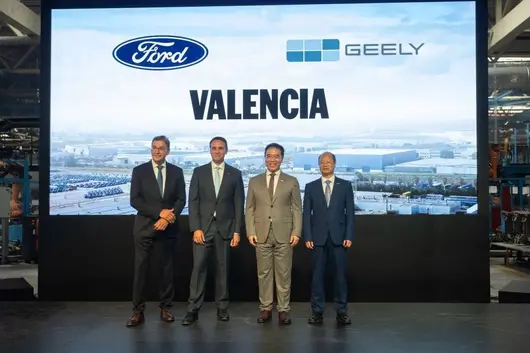
Sixteen years later, on July 23, 2026, in Valencia, Spain, Geely and Ford signed another agreement.
This time, the two sides were no longer buyer and seller, but joint venture partners. According to the plan, both parties will establish a joint venture company at Ford's Valencia plant, share capacity, and produce new energy vehicles for their respective brands for the European market. Geely plans to launch two new energy vehicle models, while Ford plans to produce three new energy vehicle models, with the first product expected to come off the line in 2028.
From Gothenburg to Valencia, from equity acquisition to capacity sharing, sixteen years separate the two handshakes between Geely and Ford. On the surface, these appear to be two independent business collaborations; but what truly connects them is a business credit verified by time and mutual recognition between the two parties.
Looking back at the 2010 acquisition, the biggest test for Geely was not whether it could complete the capital transaction, but whether it could manage the relationship after the acquisition: how to continue respecting Volvo's brand traditions, operational systems, and development laws after obtaining ownership.
Geely ultimately chose to "release the tiger back to the mountains". It did not simply transform Volvo into a brand within the Geely system, nor did it rush to prove its control through integration; instead, it kept its promises, provided space for long-term development based on maintaining Volvo's brand independence.
This approach not only helped Volvo's subsequent brand revival, but also allowed Ford to clearly see how Geely treats an international enterprise, how it understands and practices contracts, and how it fulfills commitments made during transactions.
Commercial trust is rarely truly established at the negotiation table. What contracts can define are nothing more than the boundaries of responsibility between the two parties, but they cannot predict a company's true actions over ten years or even longer. True trust is rooted in specific and minute choices time after time: whether maintaining restraint when facing short-term interests, whether upholding respect when facing cultural differences, and whether sticking to long-term commitments.

In 2010, Geely entered the core stage of the global automotive industry for the first time by acquiring Volvo from Ford; sixteen years later in 2026, Ford was willing to share European manufacturing resources with Geely, regarding Geely as an industrial partner to improve product development efficiency, supply chain capabilities, and global scale. This is not only a "reunion of old friends", but also a business cooperation legend spanning time cycles, rooted in trust accumulation, which is the return of brand credit.
Li Shufu once stated that the fun of business lies in making friends and doing transactions simultaneously, making every transaction achieve win-win or multi-win, and leaving pleasant memories. He believes that business is the most equal and beautiful form of human civilization expression. Placed in the sixteen-year relationship between Geely and Ford, they actually point to a very realistic business logic: the value of a transaction depends not only on what was gained at signing, but also on whether, many years later, the transaction partner is still willing to sit down with you hand in hand.
Jim Baum, Ford's President of Europe, made a clear summary of both sides' capabilities: Geely possesses world-class electrification capabilities, development speed, and global scale; Ford possesses over a century of engineering experience, a European market foundation, and a mature manufacturing team. The combination of the two will form a new competitive advantage. The importance of this statement lies not only in Ford's affirmation of Geely's capabilities, but more importantly in the substantial change that has occurred in the cooperation relationship between the two parties.
In the past, joint ventures in the Chinese automotive industry often involved foreign parties exporting brands, technology, and products, while Chinese parties provided markets, production, and channels. However, in Valencia, the roles of both parties have undergone a "qualitative change": Ford provides a mature European manufacturing foundation to assist Geely's localization production. In the era of new globalization which is regionalized and fragmented, Chinese brands are no longer simply exporting products, but exploring how to serve regional markets with global resources and win global competition with local capabilities.

In the first half of 2026, Geely Auto's overseas sales reached 474,000 units, a year-on-year increase of 158%; among them, new energy product exports reached 277,000 units, a year-on-year increase of 585%, and the proportion of new energy vehicle models reached 58%. These data mean that Geely entering the European local manufacturing stage is not just to circumvent the limitations of product exports, but to further establish long-term operating capabilities after a certain scale has been formed in the overseas market.
But the larger the scale, the more it is needed to answer a more fundamental question: How should Chinese automakers enter the global market? For a long period in the past, going overseas was often described as "entering", "occupying", or even "conquering". This narrative emphasizes sales, share, and competition, but it is easy to ignore the other side of globalization: for a company to exist long-term in an unfamiliar market, it cannot only prove how many products it can sell, but also prove that it can respect local rules, integrate into local industries, and form stable common interests with partners.

From this perspective, Geely's choice to share the Valencia factory with Ford is more worthy of attention than simply building a new factory. It is not about completely copying a mature system from home to Europe, but utilizing Ford's local manufacturing capabilities to collaborate with local existing industrial foundations, employee systems, and market experience.
This is also the latest practice of Geely's globalization thinking. From co-building the Malaysian Automotive High-Tech Valley with Proton, to establishing Holley Power with Renault, to both parties expanding cooperation in regional markets such as South Korea and Brazil, Geely relies less on a single enterprise "going deep alone", but instead recombines technology, capacity, brands, and regional resources by finding partners. This kind of globalization may not be as dramatic as a large-scale acquisition, but it may be closer to the cooperation method truly needed by the global automotive industry today: not one replacing the other, nor one attaching to the other, but putting each other's most valuable capabilities together when both need transformation.
Therefore, Geely and Ford's second handshake fully illustrates one thing: a transaction sixteen years ago did not end with the equity transfer. How Geely treated Volvo that year determined how Ford views Geely today; how Geely fulfilled commitments in the past is also influencing what global cooperation opportunities it can obtain today. Trust might be the most chronic asset in the business world. It cannot be established through a single press conference, nor can it be obtained by a slogan, but can only be accumulated through cooperation and fulfillment time after time.
In 2010, Geely proved through an acquisition that Chinese enterprises have the ability to handle a world-class automotive brand; in 2026, Ford and Geely established a joint venture company, proving that the choice sixteen years ago withstood the test of time. There are no shortcuts between the two handshakes, only the respect and fulfillment of the spirit of contracts. For Chinese automotive enterprises that are entering the deep waters of globalization, this may be more important than any set of sales figures.

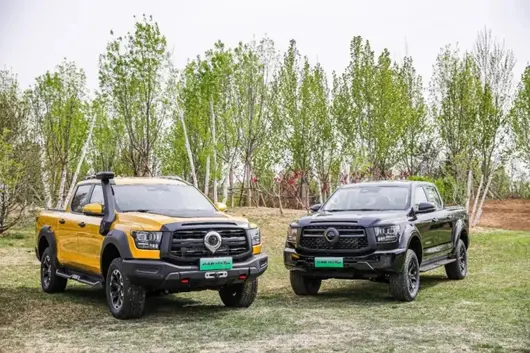
Di bawah tolakan bersama transformasi tenaga baru dan pertumbuhan permintaan luar negara, jualan pasaran Pickup meningkat secara stabil. Data borong yang dipaparkan oleh Bahagian Pembindahan Persatuan Pengedaran Kenderaan China (termasuk eksport) menunjukkan (Januari - Jun 2026), jumlah kumulatif jualan Pickup di negara kita sebanyak 343,000 buah, meningkat 11.9% secara tahunan, di mana eksport sebanyak 188,000 buah, meningkat 34%, nisbah jualan luar negara meningkat ke 55%, telah menjadi enjin penting menarik pertumbuhan pasaran keseluruhan; jualan kumulatif Pickup Tenaga Baru sebanyak 45,000 buah, meningkat sedikit 8% secara tahunan.

Dari segi prestasi perusahaan, Top 10 pengeluar jualan Pickup Semi Tahun 2026 mempunyai ciri pembezaan yang ketara. Great Wall Motor累计销售 Pickup 92,512 buah, menurun sedikit 3.9% secara tahunan, kekal berada di posisi pertama industri; SAIC MAXUS累计销售 36,804 buah, meningkat 28.1%, dari posisi ketiga tempoh sama tahun lalu naik ke posisi kedua; Changan累计销售 35,734 buah, meningkat 43.9%, posisi naik ke ketiga industri; JAC, Nissan Zhengzhou isi padu jualan hampir sama, menempati keempat, kelima, di mana Nissan Zhengzhou dengan peningkatan tahunan 51% memimpin sepuluh syarikat industri.
JMC menjual Pickup 28,704 buah menempati keenam, Foton 23,288 buah ketujuh; jualan BYD 20,037 buah kedelapan; Radar Tenaga Baru 11,111 buah meningkat 40.5%, lampaui Jiangxi Isuzu masing-masing menduduki kesembilan, kesepuluh.
Dibandingkan dengan senarai tempoh yang sama tahun lalu, posisi pasaran menunjukkan penyesuaian jelas, layout eksport awal, produk tenaga baru lengkap perusahaan mencapai pertumbuhan cepat, fokus ke pasaran minyak domestik, jalan transformasi lambat brand jualan tertekan, struktur persaingan industri Pickup menghadapi penyesuaian struktur.
Semi Tahun 2026, jualan borong Pickup negara kita secara keseluruhan meningkat. Great Wall Pickup sebagai pemimpin industri, Semi Tahun 累计销售 Pickup 92,512 buah, meskipun menurun 3.9% secara tahunan, dengan kelebihan mutlak kekal di posisi pertama industri. Sebagai jenama terkemuka Pickup domestik, Great Wall Pickup bersandar layout harga semua siri produk 70,000-300,000 RMB, di perniagaan, penumpang, off-road, tenaga baru dan eksport bergerak seiring, membina kelebihan sistem.

Posisi kedua SAIC MAXUS, Semi Tahun 累计销售 Pickup 36,804 buah, meningkat 28.1%, dari posisi ketiga industri tempoh sama tahun lalu naik ke kedua. Kelebihan eksport berkembang berterusan adalah kunci lonjakan posisi SAIC MAXUS, skala eksort Pickup Mei mencapai posisi pertama industri. Jualan sebulan Jun 7,871 buah, meningkat 83%, kelajuan pertumbuhan memimpin segmen khusus Pickup domestik.
Prestasi pasaran Changan juga cemerlang, Semi Tahun 累计销售 Pickup 35,734 buah, meningkat 43.9%, posisi dari posisi keenam industri tempoh sama tahun lalu naik ke ketiga. Jualan sebulan Mac Changan Pickup mengatasi 10,000 buah, meningkat 112.4%; jualan Jun 6,595 buah, meningkat 42.7%. Pelancaran produk baharu seperti Changan Hunter K50, digabungkan dengan pengembangan berterusan pasaran eksport, sama-sama mendorong pemulihan jualan Changan Pickup.
Posisi keempat JAC Pickup Semi Tahun 33,188 buah, meningkat sedikit 0.8% tahunan, menanamkan diri mendalam dalam segmen khusus pertanian, kehutanan, kejuruteraan perniagaan, pelanggan sedia ada stabil, namun kelajuan pengulangan model tenaga baru agak perlahan, sokongan peningkatan baharu tidak mencukupi, keluar dari tiga teratas industri.
Nissan Zhengzhou posisi kelima industri, Semi Tahun 32,987 buah, meningkat 51%. Jenama memajukan secara serentak off-road, tenaga baru, layout antarabangsa, dalam tahun kemas kini Jinruiqi, Navara jenis minyak, melancarkan Fengtan Hybrid Plug-in, Ruiqi elektrik Pickup melengkapi matriks kuasa; jualan model tenaga baru kadar kenaikan mencolok, siri Fengtan eksport kuantiti besar dan mendapatkan tempahan pelbagai negara Amerika Selatan, produk dan saluran luar negara bersama-sama menarik peningkatan jualan.

JMC Semi Tahun 28,704 buah, meningkat 1.0%, posisi dari posisi keempat industri tempoh sama tahun lalu turun ke keenam. JMC Semi Tahun sekali keluar Baodian, Dadai dua model teras, namun tidak membalikkan corak pasaran. Baodian Baru menghadapi persaingan harga dalam pasaran kereta alat perkakas perniagaan; Dadai siri walaupun kuasa produk jelas naik, namun masa keluaran agak lewat, digabungkan prestasi eksport tidak baik, jualan keseluruhan tertekan.
Foton Semi Tahun 23,288 buah, meningkat 21.6%, posisi ketujuh. Eksport menjadi pemacu utama pertumbuhan Foton Pickup, data awam menunjukkan, Januari - Mei 2026 eksport Pickup melebihi 15,000 buah, meningkat pesat secara tahunan, fokus mendalam pasaran rantau Amerika Latin, Afrika, Oceania.
BYD Semi Tahun 20,037 buah, menurun 25.8%, posisi dari posisi kelima industri tempoh sama tahun lalu jatuh ke kelapan. Sebagai pemasuk baharu industri Pickup, BYD sebelum ini terutama bergantung eksport luar negara menarik jualan, namun sejak 2026 persaingan pasaran eksport semakin sengit, digabungkan "Hiiu" Pickup belum dikeluarkan dalam skala besar domestik, menyebabkan jualan keseluruhan tertekan. Namun dari dimensi tenaga baru, BYD tetap kekuatan penting pasaran Pickup, jualan luar negara Pickup Tenaga Baru Jun 4,000 buah, kekal kepimpinan dalam bidang khusus Pickup Tenaga Baru.

Di bawah Geely Radar Kenderaan Listrik, Semi Tahun 11,111 buah, meningkat 40.5%, lampaui Jiangxi Isuzu naik ke kesembilan industri. Tahun ini, Geely Radar melancarkan Jingkang EV Pickup Elektrik, untuk senario perniagaan pertanian, bandar dan bandar luar, banyak tempat di seluruh negara penyebar, serentak layout Thailand, Filipina pasaran luar negara, mencapai bahagian pasaran khusus terus naik.
Jiangxi Isuzu Semi Tahun 11,008 buah, menurun sedikit 0.8%, jatuh ke kesepuluh industri. Jiangxi Isuzu bersandar pada Pickup Diesel Tegas mantapkan pelanggan tetap kejuruteraan, off-road, namun perkembangan ada sekatan pelbagai: kelajuan pengemaskinian kenderaan lengkap agak perlahan, kelajuan pelaksanaan model tenaga baru ketinggalan rakan, sekaligus harga produk kurang daya saing, kekurangan sokongan pertumbuhan berkesan, ruang pertumbuhan keseluruhan sukar dibuka.
© 2024 Bitauto.com. All Rights Reserved.
Bitauto (www.yiche.com and www.bitauto.com) is one of the most visited automotive websites in China. We provide detailed info on Chinese car brands available in your area. Please note that the information provided on this website is based on publicly available data and is for reference only. It may not be fully updated or accurate at all times.

Help us improve our website


