

HomeProton Persona

Search History
Popular Searches
Dealer Login / Sign Up

In the Malaysian SUV market, many buyers compare Proton X50 and Chery Tiggo 9 when choosing a car. These two models are quite close in price and positioning. Today, we will make a detailed comparison from multiple aspects to save you time on research.
The OTR price of Proton X50 in Malaysia is RM 89,800 - 113,300, with a total of 4 variants, including 1.5T Executive (RM 89,800), 1.5T Premium (RM 101,800), 1.5T Flagship (RM 113,300), etc.
The OTR price of Chery Tiggo 9 in Malaysia is RM 166,800 - 179,800, with a total of 1 variant, including 2026 2.0T Standard (RM 179,750), etc.
Looking at the price, the entry price of Proton X50 is indeed RM 77,000 cheaper than Chery Tiggo 9. If you have a limited budget, the Proton entry-level version can already meet daily needs. But be aware, that savings of a few thousand ringgit might involve trade-offs in equipment, depending on your specific needs.

Proton X50's safety rating is 5★ (ASEAN NCAP), active safety systems include ADAS (ACC, AEB, LKA, LDA, BSM, RCTA).
Chery Tiggo 9's safety rating is TBD, active safety systems include Basic.
In terms of safety features, both cars received good ratings. However, there are some differences in functionality between Proton X50's ADAS (ACC, AEB, LKA, LDA, BSM, RCTA) and Chery Tiggo 9's Basic. If you value active safety highly, you can compare the feature lists of both carefully.

Proton X50 warranty 5 years/150,000km, maintenance interval every 10,000km or 6 months.
Chery Tiggo 9 warranty 3 years/100,000km, maintenance interval every 10,000km or 6 months.

Both Proton X50 and Chery Tiggo 9 are mainstream choices in the Malaysian market, suitable for family use and daily commuting. If you value brand reputation and resale value more, you can prioritize the one with a better reputation; if you care more about value for money and features, choose the one with richer configurations. Ultimately, it is recommended to test drive both, as experiencing it firsthand is the most important.

Overall, both Proton X50 and Chery Tiggo 9 are very good models in the Malaysian market. Which one to choose mainly depends on your personal needs and budget. We suggest doing your homework, comparing quotes from several dealerships, and then test driving to make a final decision. Buying a car is a big deal, spending some time researching will never be wrong.


In the Malaysian SUV market, many buyers compare Proton X50 and Chery Tiggo 9 when choosing a car. These two models are quite close in price and positioning. Today, we will do a detailed comparison from multiple aspects to save you time doing research.
The OTR price of Proton X50 in Malaysia is RM 89,800 - 113,300, with a total of 4 versions, including 1.5T Executive (RM 89,800), 1.5T Premium (RM 101,800), 1.5T Flagship (RM 113,300), etc.
The OTR price of Chery Tiggo 9 in Malaysia is RM 166,800 - 179,800, with a total of 1 version, including 2026 2.0T Standard (RM 179,750), etc.
From a price perspective, the starting price of Proton X50 is indeed RM 77,000 cheaper than Chery Tiggo 9. If your budget is limited, Proton's entry-level version can already meet daily needs. However, also note that with the lower cost of a few thousand, there might be trade-offs in specifications, depending on your specific needs.
Proton X50's safety rating is 5★ (ASEAN NCAP), active safety systems include ADAS (ACC, AEB, LKA, LDA, BSM, RCTA).
Chery Tiggo 9's safety rating is TBD, active safety systems include Basic.
Regarding safety features, both vehicles received decent ratings. However, there are some differences in functionality between Proton X50's ADAS (ACC, AEB, LKA, LDA, BSM, RCTA) and Chery Tiggo 9's Basic. If you value active safety, you can compare the feature lists of both in detail.
Proton X50 body length is 4400 mm, trunk 400 L.
Chery Tiggo 9 body length is 4400 mm, trunk 400 L.
The dimensions of the two vehicles are almost the same, with little difference in interior space. For cars in this class, daily use is completely sufficient.
Proton X50 adopts 4WD drive mode.
Chery Tiggo 9 adopts FWD drive mode.
Proton's 4WD and Chery's FWD will have different handling experiences, it is recommended to test drive and compare.
Overall, Proton X50 and Chery Tiggo 9 are both quite good models in the Malaysian market. Which one to choose depends on your personal needs and budget. It is recommended to do your research, compare quotes from several dealerships, and then test drive to make the final decision. Buying a car is a big deal, spending time on research will definitely not be wrong.

喺馬來西亞嘅 SUV 市場,好多買家喺揀車嘅時候都會拎 Proton X50 同 Kia Sportage 嚟做比較。呢兩款車喺價位同定位上都幾接近,今日我哋就由多個方面做一個詳細嘅對比,幫你節省做功課嘅時間。
Proton X50 喺馬來西亞嘅 OTR 售價係 RM 89,800 - 113,300,一共有 4 個版本,包括 1.5T Executive(RM 89,800)、1.5T Premium(RM 101,800)、1.5T Flagship(RM 113,300)等。
Kia Sportage 喺馬來西亞嘅 OTR 售價係 RM 129,639 - 179,320,一共有 4 個版本,包括 2025 1.6T DCT 4WD High(RM 179,320)、2025 1.6T DCT 2WD High(RM 159,320)、2025 2.0L AT 2WD High(RM 139,639)等。
從價錢睇,Proton X50 嘅起步價確實比 Kia Sportage 平咗 RM 39,839。如果你預算有限,Proton 嘅入門版已經可以滿足日常需求。但都係要注意,平嘅嗰幾千蚊,可能喺配備上會有取捨,具體睇你嘅需求。
Proton X50 嘅安全評級係 5★ (ASEAN NCAP),主動安全系統包括 ADAS (ACC, AEB, LKA, LDA, BSM, RCTA)。
Kia Sportage 嘅安全評級係 5★ (ASEAN NCAP),主動安全系統包括 Drive Wise。
兩款車嘅安全評級一樣,喺呢個級數入面安全配備都算俾晒咗。而家嘅新車安全性都唔差,唔使太擔心呢一點。
Proton X50 採用 4WD 驅動方式。
Kia Sportage 採用 FWD 驅動方式。
Proton 嘅 4WD 同 Kia 嘅 FWD 喺操控上會有唔同感覺,建議試駕對比。
Proton X50 同 Kia Sportage 都係馬來西亞市場嘅主流選擇,適合家庭使用、日常通勤。如果你更睇重品牌口碑同二手價,可以優先考慮口碑更好嗰款;如果你更計較性價比同配備,那就揀配置更豐富嗰款。最終都係建議兩款都去試駕,親身體驗先係最重要嘅。

總而言之,Proton X50 同 Kia Sportage 都係馬來西亞市場幾唔錯嘅車型。揀邊一部,關鍵仲係要睇你嘅個人需求同預算。建議大家做足功課,多比較幾間車行嘅報價,再去試駕先做最終決定。買車係件大事,花少少時間做功課絕對無錯。
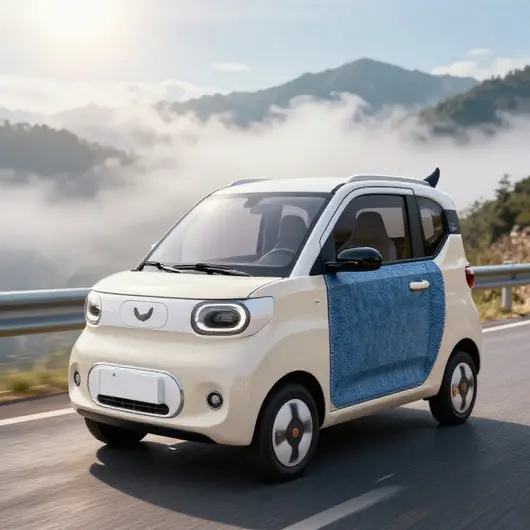
In Malaysia's SUV market, many buyers compare Proton X50 and Mitsubishi Xforce when choosing a car. These two cars are quite close in price and positioning. Today, we will make a detailed comparison from multiple aspects to help you save time on research.
Proton X50 has an OTR price of RM 89,800 - 113,300 in Malaysia, with a total of 4 versions, including 1.5T Executive (RM 89,800), 1.5T Premium (RM 101,800), 1.5T Flagship (RM 113,300), etc.
Mitsubishi Xforce has an OTR price of RM 109,930 - 119,930 in Malaysia, with a total of 2 versions, including 2026 1.5L Ultimate (RM 119,930), 2026 1.5L Urban (RM 109,930), etc.
From a price perspective, the starting price of Proton X50 is indeed RM 20,130 cheaper than Mitsubishi Xforce. If your budget is limited, Proton's entry-level version can already meet daily needs. But note, the few thousand cheaper might involve trade-offs in features, depending on your specific needs.
Proton X50 safety rating is 5★ (ASEAN NCAP), active safety systems include ADAS (ACC, AEB, LKA, LDA, BSM, RCTA).
Mitsubishi Xforce safety rating is 5★ (ASEAN NCAP), active safety systems include MI-PILOT.
The safety ratings for both cars are the same, and safety features are quite comprehensive at this level. New cars nowadays are generally safe, no need to worry too much about this.
Proton X50 uses 4WD drive system.
Mitsubishi Xforce uses FWD drive system.
Proton's 4WD and Mitsubishi's FWD will feel different in handling, a test drive comparison is recommended.
Proton X50 warranty 5 years/150,000km, service interval every 10,000km or 6 months.
Mitsubishi Xforce warranty 3 years/100,000km, service interval every 10,000km or 6 months.

Overall, Proton X50 and Mitsubishi Xforce are both excellent car models in the Malaysian market. Which one to choose mainly depends on your personal needs and budget. We suggest doing research, comparing quotes from several dealerships, and then test driving to make a final decision. Buying a car is a big matter, spending time on research will definitely not go wrong.

In the Malaysian SUV market, many buyers compare Proton X50 and Mitsubishi Xforce when choosing a car.
Proton X50 OTR price in Malaysia is RM 89,800 - 113,300, with a total of 4 versions, including 1.5T Executive (RM 89,800), 1.5T Premium (RM 101,800), 1.5T Flagship (RM 113,300), etc.
Mitsubishi Xforce OTR price in Malaysia is RM 109,930 - 119,930, with a total of 2 versions, including 2026 1.5L Ultimate (RM 119,930), 2026 1.5L Urban (RM 109,930), etc.
From a price perspective, the starting price of Proton X50 is indeed RM 20,130 cheaper than Mitsubishi Xforce. If your budget is limited, Proton's entry-level version is already enough to meet daily needs. But also note, the few thousand cheaper, might have trade-offs in features, it depends on your needs.
Proton X50 safety rating is 5★ (ASEAN NCAP), active safety systems include ADAS (ACC, AEB, LKA, LDA, BSM, RCTA).
Mitsubishi Xforce safety rating is 5★ (ASEAN NCAP), active safety systems include MI-PILOT.
Both cars have the same safety rating, safety features in this level are quite comprehensive. New cars nowadays are not poor in safety, no need to worry too much about this.
Proton X50 body length 4400 mm, trunk 400 L.
Mitsubishi Xforce body length 4400 mm, trunk 400 L.
The dimensions of both cars are almost the same, interior space difference is not significant. Cars in this level are completely sufficient for daily use.
Proton X50 warranty 5 years/150,000km, maintenance interval every 10,000km or 6 months.
Mitsubishi Xforce warranty 3 years/100,000km, maintenance interval every 10,000km or 6 months.
Both Proton X50 and Mitsubishi Xforce are mainstream choices in the Malaysian market, suitable for family use, daily commuting. If you value brand reputation and resale value more, you can prioritize the one with better reputation; if you care more about cost-performance and features, choose the one with richer configuration. Ultimately, it is recommended to test drive both, personal experience is the most important.

Overall, Proton X50 and Mitsubishi Xforce are both very good car models in the Malaysian market. Which one to choose, it depends on your personal needs and budget. It is recommended to do research, compare quotes from several car dealerships, and then test drive to make the final decision. Buying a car is a big deal, spending some time doing research will never be wrong.

喺馬來西亞嘅 SUV 市場,好多買家喺揀車嗰陣都會拎 Proton X50 同 Subaru Forester 嚟做比較。這兩款車喺價位同埋定位上都幾接近,今日我哋就從多個方面做一次詳細嘅比較,幫你省返做功課嘅時間。
Proton X50 喺馬來西亞嘅 OTR 售價係 RM 89,800 - 113,300,一共有 4 個版本,包括 1.5T Executive(RM 89,800)、1.5T Premium(RM 101,800)、1.5T Flagship(RM 113,300) 等。
Subaru Forester 喺馬來西亞嘅 OTR 售價係 RM 174,000 - 197,000,一共有 3 個版本,包括 2024 2.0L S EyeSight GT Edition(RM 189,538)、2024 2.0L S EyeSight(RM 177,538)、2024 2.0L L EyeSight(RM 167,538) 等。
從價錢睇,Proton X50 嘅起步價確實比 Subaru Forester 平咗 RM 84,200。如果你預算有限,Proton 嘅入門版已經可以滿足日常需求。但都要注意,平嗰幾千蚊,可能喺配備上會有取舍,具體要看你嘅需求。
Proton X50 嘅安全評級係 5★ (ASEAN NCAP),主動安全系統包括 ADAS (ACC, AEB, LKA, LDA, BSM, RCTA)。
Subaru Forester 嘅安全評級係 5★ (Euro NCAP),主動安全系統包括 EyeSight。
安全配備方面,兩款車都拿到唔錯嘅評級。不過 Proton X50 嘅 ADAS (ACC, AEB, LKA, LDA, BSM, RCTA) 同 Subaru Forester 嘅 EyeSight 喺功能上有些差異,如果你比較看重主動安全嘅話,可以仔細對比下兩者嘅功能列表。
Proton X50 採用 4WD 驅動方式。
Subaru Forester 採用 FWD 驅動方式。
Proton 嘅 4WD 同 Subaru 嘅 FWD 喺操控上會有唔同感受,建議試駕對比。
Proton X50 同 Subaru Forester 都係馬來西亞市場嘅主流選擇,適合家庭使用、日常通勤。如果你更係看重品牌口碑同埋二手價,可以優先考慮口碑更好嗰一款;如果你更係在意性價比同配備,那就揀配置更豐富嗰款。最終都係建議兩款都去試駕,親身體驗先係最重要。

總之,Proton X50 同 Subaru Forester 都係馬來西亞市場幾唔錯嘅車型。揀邊一輛,關鍵都要睇你嘅個人需求同預算。建議大家做好功課,多比較幾間車行嘅報價,先去試駕做最終決定。買車係件大事,花啲時間做功課絕對唔會錯。

喺馬來西亞嘅汽車市場,好多買家喺揀車嘅時候都會拿 Proton S70 同 Mazda Mazda 2 做比較。今日我哋由多個方面做一个詳細嘅比較,幫你節省做功課嘅時間。

Proton S70 喺馬來西亞嘅 OTR 售價係 RM 73,800 - 94,800,一共有 5 個版本,包括 2026 1.5T Flagship X(RM 94,800)、2026 1.5T Flagship(RM 89,800)、2026 1.5T Premium(RM 79,800) 等。
Mazda Mazda 2 喺馬來西亞嘅 OTR 售價係 RM 108,670 - 108,670,一共有 1 個版本,包括 1.5L SkyActiv-G(RM 108,670) 等。
由價錢睇嚟,Proton S70 嘅起步價確實比 Mazda Mazda 2 平咗 RM 34,870。如果你預算有限,Proton 嘅入門版已經可以滿足日常需求。但都要注意,平嗰幾千蚊,可能喺配備上會有取舍,具體要看你嘅需求。

Proton S70 搭載 1.5L 4-cyl,馬力 105 hp。官方油耗 6.0 L/100km。
Mazda Mazda 2 搭載 1.5L Turbo,馬力 140 hp。官方油耗 7.0 L/100km。
動力方面,Mazda Mazda 2 嘅 1.5L Turbo 比 Proton S70 嘅 1.5L 4-cyl 多出 35 匹馬力。不過日常喺市區開嘅話,兩款車嘅動力都夠用,唔會覺得唔夠力。

Proton S70 車身長 4400 mm,後尾箱 400 L。
Mazda Mazda 2 車身長 4400 mm,後尾箱 400 L。
兩款車嘅尺寸幾乎一樣,車內空間分別唔大。呢個級別嘅車,日常使用完全夠用。
Proton S70 同 Mazda Mazda 2 都係馬來西亞市場嘅主流選擇,適合家庭使用、日常通勤。如果你更睇重品牌口碑同二手價,可以優先考慮口碑更好嗰一款;如果你更在意性價比同配備,就揀配置更豐富嗰款。最後都係建議兩款都去試駕,親身感受先係最重要嘅。
總體嚟講,Proton S70 同 Mazda Mazda 2 都係馬來西亞市場幾唔錯嘅車型。揀邊一部,關鍵都要睇你嘅個人需求同預算。建議大家做好功課,多比較幾間車行嘅報價,再去試駕做最後決定。買車係件大事,花少少時間做功課絕對唔會錯。


喺馬來西亞嘅汽車市場,好多買家喺揀車嘅時候都會拿 Honda Civic 同 Toyota Vios 嚟做比較。今日我哋從多個方面做個詳細對比,幫你省返做功課嘅時間。


Honda Civic 喺馬來西亞嘅 OTR 售價係 RM 133,900 - 167,900,總共 5 個版本,包括 2025 e:HEV 2.0L RS(RM 167,900)、2025 1.5T RS(RM 149,900)、2025 1.5T V(RM 144,900) 等。
Toyota Vios 喺馬來西亞嘅 OTR 售價係 RM 90,600 - 109,900,總共 4 個版本,包括 2026 1.5L G(RM 96,600)、2026 1.5L E(RM 90,600)、2026 HEV 1.5L GR Sport(RM 109,900) 等。
睇返價錢,Toyota Vios 嘅起步價比 Honda Civic 平咗 RM 43,300。坦白講,喺呢個價位段,幾千蚊嘅差距其實唔算大,關鍵仲係睇整體嘅性價比同長期使用成本。

Honda Civic 搭載 1.5L Turbo,馬力 140 hp。官方油耗 7.0 L/100km。
Toyota Vios 搭載 1.5L 4-cyl,馬力 105 hp。官方油耗 6.0 L/100km。
動力方面,Honda Civic 嘅 1.5L Turbo 比 Toyota Vios 嘅 1.5L 4-cyl 多咗 35 匹馬力,中段加速會更有信心,特別係行高速超車嘅時候。但係 Toyota Vios 嘅油耗表現可能更好,日常市區通勤嘅話分別唔會太明顯。

Honda Civic 車身長 4450 mm,尾箱 470 L。
Toyota Vios 車身長 4450 mm,尾箱 470 L。
兩款車嘅尺寸差唔多,車內空間分別唔大。呢個級別嘅車,日常使用完全夠用。

Honda Civic 保養 5 年/無限制里程,保養間隔 每 10,000km 或 6 個月。
Toyota Vios 保養 5 年/無限制里程,保養間隔 每 10,000km 或 6 個月。
兩車嘅保修條件一樣,呢方面唔使諗頭。實際保養成本仲要睇品牌嘅服務網絡同零件價錢,建議去車友群問下真實車主嘅經驗。
總括嚟講,Honda Civic 同 Toyota Vios 都係馬來西亞市場幾不錯嘅車型。揀邊架,關鍵仲係要睇你嘅個人需要同預算。建議大家做好功課,多比較幾間車行嘅報價,再去試駕做最後決定。買車係件大事,花少少時間做功課絕對唔錯。


Di pasaran SUV Malaysia, ramai pembeli yang membandingkan Proton X50 dan Hyundai Tucson semasa memilih kereta. Kedua-dua kereta ini hampir sama dari segi harga dan posisi, hari ini kita akan membuat perbandingan terperinci dari pelbagai aspek, membantu anda menjimatkan masa membuat penyelidikan.
Harga OTR Proton X50 di Malaysia ialah RM 89,800 - 113,300, terdapat 4 versi, termasuk 1.5T Executive (RM 89,800), 1.5T Premium (RM 101,800), 1.5T Flagship (RM 113,300) dan lain-lain.
Harga OTR Hyundai Tucson di Malaysia ialah RM 143,888 - 197,888, terdapat 5 versi, termasuk 2025 HEV 1.6T AT 2WD Prestige (RM 197,888), 2025 1.6T DCT 4WD Prestige (RM 186,888), 2025 1.6T DCT 2WD Prime (RM 164,888) dan lain-lain.
Dari segi harga, harga permulaan Proton X50 memang RM 54,088 lebih murah daripada Hyundai Tucson. Jika bajet anda terbatas, model permulaan Proton sudah boleh memenuhi keperluan harian. Tetapi perlu diingat, beberapa ribu ringgit yang lebih murah itu mungkin melibatkan pengorbanan dari segi kelengkapan, bergantung pada keperluan anda.
Penarafan keselamatan Proton X50 ialah 5★ (ASEAN NCAP), sistem keselamatan aktif termasuk ADAS (ACC, AEB, LKA, LDA, BSM, RCTA).
Penarafan keselamatan Hyundai Tucson ialah 5★ (ASEAN NCAP), sistem keselamatan aktif termasuk SmartSense.
Penarafan keselamatan kedua-dua kereta adalah sama, dalam kelas ini kelengkapan keselamatan dianggap cukup lengkap. Keselamatan kereta baharu sekarang tidak teruk, tiada perlu terlalu risau mengenai perkara ini.
Proton X50 menggunakan sistem pemacu 4WD.
Hyundai Tucson menggunakan sistem pemacu FWD.
Pengalaman pengendalian Proton 4WD dan Hyundai FWD akan berbeza, disyorkan untuk membandingkan melalui ujian memandu.
Proton X50 dan Hyundai Tucson adalah pilihan utama pasaran Malaysia, sesuai untuk kegunaan keluarga dan perjalanan harian. Jika anda lebih mengutamakan reputasi jenama dan harga jual semula, boleh pertimbangkan dahulu yang mempunyai reputasi lebih baik; jika anda lebih mementingkan nilai dan kelengkapan, pilih yang lebih kaya kelengkapan. Akhir sekali disyorkan kedua-duanya disemak melalui ujian memandu, pengalaman peribadi adalah yang paling penting.

Secara keseluruhan, Proton X50 dan Hyundai Tucson adalah model kereta yang sangat baik di pasaran Malaysia. Memilih mana satu, kunci utamanya bergantung pada keperluan dan bajet peribadi anda. Disyorkan para pembaca buat penyelidikan, bandingkan tawaran dari beberapa kedai kereta, kemudian buat keputusan akhir melalui ujian memandu. Membeli kereta adalah perkara penting, meluangkan masa membuat penyelidikan tidak akan meleset.

在马来西亚的汽车市场,很多买家在选车的时候都会拿 Honda Civic Type R 和 Mercedes-Benz E-Class PHEV 来做比较。今天我们从多个方面做一个详细的对比,帮你省下做功课的时间。


Honda Civic Type R 在马来西亚的 OTR 售价是 RM 399,900 - 399,900,一共有 3 个版本,包括 2023 2.0T Standard(RM 399,900)、OTR NI(RM 399,900)、Volvo ES90(RM 339,888) 等。
Mercedes-Benz E-Class PHEV 在马来西亚的 OTR 售价是 RM 427,888 - 427,888,一共有 2 个版本,包括 E 200 Avantgarde(RM 350,000)、E 300 AMG Line(RM 400,000) 等。
从价钱来看,Honda Civic Type R 的起步价确实比 Mercedes-Benz E-Class PHEV 便宜了 RM 27,988。如果你预算有限,Honda 的入门版已经可以满足日常需求。但也要注意,便宜的那几千块,可能在配备上会有取舍,具体要看你的需求。

Honda Civic Type R 搭载 2.0L Turbo,马力 220 hp。官方油耗 9.5 L/100km。
Mercedes-Benz E-Class PHEV 搭载 Hybrid,马力 170 hp。官方油耗 4.5 L/100km。
动力方面,Honda Civic Type R 的 2.0L Turbo 比 Mercedes-Benz E-Class PHEV 的 Hybrid 多了 50 匹马力,中段加速会更有信心,尤其是跑高速公路超车的时候。但 Mercedes-Benz E-Class PHEV 的油耗表现可能更好,日常市区通勤的话差别不会太明显。

Honda Civic Type R 的安全评级是 5★ (ASEAN NCAP),主动安全系统包括 Brand ADAS。
Mercedes-Benz E-Class PHEV 的安全评级是 5★ (Euro NCAP),主动安全系统包括 Premium ADAS。
安全配备方面,两款车都拿到了不错的评级。不过 Honda Civic Type R 的 Brand ADAS 和 Mercedes-Benz E-Class PHEV 的 Premium ADAS 在功能上有些差异,如果你比较看重主动安全的话,可以仔细对比一下两者的功能列表。

Honda Civic Type R 保修 5年/无限制里程,保养间隔 每10,000km或6个月。
Mercedes-Benz E-Class PHEV 保修 3年/100,000km,保养间隔 每10,000km或6个月。

总的来说,Honda Civic Type R 和 Mercedes-Benz E-Class PHEV 都是马来西亚市场很不错的车型。选择哪一辆,关键还是要看你的个人需求和预算。建议大家做好功课,多比较几间车行的报价,再去试驾做最终决定。买车是件大事,花点时间做功课绝对不会错。


在马来西亚的汽车市场,很多买家在选车的时候都会拿 Mercedes-Benz GLB 和 Land Rover Discovery Sport 来做比较。今天我们从多个方面做一个详细的对比,帮你省下做功课的时间。


Mercedes-Benz GLB 在马来西亚的 OTR 售价是 RM 299,888 - 352,888,一共有 1 个版本,包括 Standard(RM 299,888) 等。
Land Rover Discovery Sport 在马来西亚的 OTR 售价是 RM 499,800 - 499,800,一共有 1 个版本,包括 Standard(RM 499,800) 等。
从价钱来看,Mercedes-Benz GLB 的起步价确实比 Land Rover Discovery Sport 便宜了 RM 199,912。如果你预算有限,Mercedes-Benz 的入门版已经可以满足日常需求。但也要注意,便宜的那几千块,可能在配备上会有取舍,具体要看你的需求。

Mercedes-Benz GLB 的安全评级是 5★ (Euro NCAP),主动安全系统包括 Premium ADAS。
Land Rover Discovery Sport 的安全评级是 TBD,主动安全系统包括 Basic。
安全配备方面,两款车都拿到了不错的评级。不过 Mercedes-Benz GLB 的 Premium ADAS 和 Land Rover Discovery Sport 的 Basic 在功能上有些差异,如果你比较看重主动安全的话,可以仔细对比一下两者的功能列表。

Mercedes-Benz GLB 保修 3年/100,000km,保养间隔 每10,000km或6个月。
Land Rover Discovery Sport 保修 3年/100,000km,保养间隔 每10,000km或6个月。
两款车的保修条件一样,这方面不用纠结。实际保养成本还要看品牌的服务网络和零件价格,建议去车友群问问真实车主的经验。

Mercedes-Benz GLB 和 Land Rover Discovery Sport 都是马来西亚市场的主流选择,适合家庭使用、日常通勤。如果你更看重品牌口碑和二手价,可以优先考虑口碑更好的那一款;如果你更在意性价比和配备,那就选配置更丰富的那款。最终还是建议两款都去试驾,亲身体验才是最重要的。

总的来说,Mercedes-Benz GLB 和 Land Rover Discovery Sport 都是马来西亚市场很不错的车型。选择哪一辆,关键还是要看你的个人需求和预算。建议大家做好功课,多比较几间车行的报价,再去试驾做最终决定。买车是件大事,花点时间做功课绝对不会错。


在马来西亚的轿车市场,很多买家在选车的时候都会拿 Volkswagen Arteon 和 Mercedes-Benz E-Class PHEV 来做比较。这两款车在价位和定位上都蛮接近的,今天我们就从多个方面做一个详细的对比,帮你省下做功课的时间。
Volkswagen Arteon 在马来西亚的 OTR 售价是 RM 300,962 - 300,962,一共有 2 个版本,包括 2025 2.0T R-Line(RM 300,962)、DCT(RM 240,848) 等。
Mercedes-Benz E-Class PHEV 在马来西亚的 OTR 售价是 RM 427,888 - 427,888,一共有 2 个版本,包括 E 200 Avantgarde(RM 350,000)、E 300 AMG Line(RM 400,000) 等。
从价钱来看,Volkswagen Arteon 的起步价确实比 Mercedes-Benz E-Class PHEV 便宜了 RM 126,926。如果你预算有限,Volkswagen 的入门版已经可以满足日常需求。但也要注意,便宜的那几千块,可能在配备上会有取舍,具体要看你的需求。

Volkswagen Arteon 的安全评级是 TBD,主动安全系统包括 Basic。
Mercedes-Benz E-Class PHEV 的安全评级是 5★ (Euro NCAP),主动安全系统包括 Premium ADAS。
安全配备方面,两款车都拿到了不错的评级。不过 Volkswagen Arteon 的 Basic 和 Mercedes-Benz E-Class PHEV 的 Premium ADAS 在功能上有些差异,如果你比较看重主动安全的话,可以仔细对比一下两者的功能列表。

Volkswagen Arteon 采用 FWD 驱动方式。
Mercedes-Benz E-Class PHEV 采用 FWD 驱动方式。
两款车的驱动方式一样,都是 FWD,日常驾驶感受不会有太大区别。

Volkswagen Arteon 和 Mercedes-Benz E-Class PHEV 都是马来西亚市场的主流选择,适合家庭使用、日常通勤。如果你更看重品牌口碑和二手价,可以优先考虑口碑更好的那一款;如果你更在意性价比和配备,那就选配置更丰富的那款。最终还是建议两款都去试驾,亲身体验才是最重要的。
总的来说,Volkswagen Arteon 和 Mercedes-Benz E-Class PHEV 都是马来西亚市场很不错的车型。选择哪一辆,关键还是要看你的个人需求和预算。建议大家做好功课,多比较几间车行的报价,再去试驾做最终决定。买车是件大事,花点时间做功课绝对不会错。


在马来西亚的轿车市场,很多买家在选车的时候都会拿 Honda Civic Type R 和 Mercedes-Benz E-Class PHEV 来做比较。这两款车在价位和定位上都蛮接近的,今天我们就从多个方面做一个详细的对比,帮你省下做功课的时间。
Honda Civic Type R 在马来西亚的 OTR 售价是 RM 399,900 - 399,900,一共有 3 个版本,包括 2023 2.0T Standard(RM 399,900)、OTR NI(RM 399,900)、Volvo ES90(RM 339,888) 等。
Mercedes-Benz E-Class PHEV 在马来西亚的 OTR 售价是 RM 427,888 - 427,888,一共有 2 个版本,包括 E 200 Avantgarde(RM 350,000)、E 300 AMG Line(RM 400,000) 等。
从价钱来看,Honda Civic Type R 的起步价确实比 Mercedes-Benz E-Class PHEV 便宜了 RM 27,988。如果你预算有限,Honda 的入门版已经可以满足日常需求。但也要注意,便宜的那几千块,可能在配备上会有取舍,具体要看你的需求。
Honda Civic Type R 搭载 2.0L Turbo,马力 220 hp。官方油耗 9.5 L/100km。
Mercedes-Benz E-Class PHEV 搭载 Hybrid,马力 170 hp。官方油耗 4.5 L/100km。
动力方面,Honda Civic Type R 的 2.0L Turbo 比 Mercedes-Benz E-Class PHEV 的 Hybrid 多了 50 匹马力,中段加速更有信心,尤其是跑高速公路超车的时候。不过 Mercedes-Benz E-Class PHEV 的油耗可能更友好,日常市区通勤差别不会太大。
Honda Civic Type R 车身长 4450 mm,后备箱 470 L。
Mercedes-Benz E-Class PHEV 车身长 4400 mm,后备箱 400 L。
空间方面,Honda Civic Type R 的车身比 Mercedes-Benz E-Class PHEV 长了 50 mm,车内乘坐空间会稍微宽裕一些,尤其是后座腿部空间。如果你经常载家人或者需要放婴儿车,大一点的车身确实更实用。
Honda Civic Type R 采用 FWD 驱动方式。
Mercedes-Benz E-Class PHEV 采用 FWD 驱动方式。
两款车的驱动方式一样,都是 FWD,日常驾驶感受不会有太大区别。
总的来说,Honda Civic Type R 和 Mercedes-Benz E-Class PHEV 都是马来西亚市场很不错的车型。选择哪一辆,关键还是要看你的个人需求和预算。建议大家做好功课,多比较几间车行的报价,再去试驾做最终决定。买车是件大事,花点时间做功课绝对不会错。

在马来西亚的SUV市场,很多买家在选车的时候都会拿 Mercedes-Benz Maybach GLS 和 Land Rover Range Rover 来做比较。这两款车在价位和定位上都蛮接近的,今天我们就从多个方面做一个详细的对比,帮你省下做功课的时间。
Mercedes-Benz Maybach GLS 在马来西亚的 OTR 售价是 RM 1,918,888 - 1,918,888,一共有 1 个版本,包括 Standard(RM 1,918,888) 等。
Land Rover Range Rover 在马来西亚的 OTR 售价是 RM 2,488,000 - 2,798,000,一共有 1 个版本,包括 Standard(RM 2,488,000) 等。
从价钱来看,Mercedes-Benz Maybach GLS 的起步价确实比 Land Rover Range Rover 便宜了 RM 569,112。如果你预算有限,Mercedes-Benz 的入门版已经可以满足日常需求。但也要注意,便宜的那几千块,可能在配备上会有取舍,具体要看你的需求。

Mercedes-Benz Maybach GLS 的安全评级是 5★ (Euro NCAP),主动安全系统包括 Premium ADAS。
Land Rover Range Rover 的安全评级是 TBD,主动安全系统包括 Basic。
安全配备方面,两款车都拿到了不错的评级。不过 Mercedes-Benz Maybach GLS 的 Premium ADAS 和 Land Rover Range Rover 的 Basic 在功能上有些差异,如果你比较看重主动安全的话,可以仔细对比一下两者的功能列表。

Mercedes-Benz Maybach GLS 采用 FWD 驱动方式。
Land Rover Range Rover 采用 4WD 驱动方式。
Mercedes-Benz 的 FWD 和 Land Rover 的 4WD 在操控上会有不同感受,建议试驾对比。

Mercedes-Benz Maybach GLS 保修 3年/100,000km,保养间隔 每10,000km或6个月。
Land Rover Range Rover 保修 3年/100,000km,保养间隔 每10,000km或6个月。
两款车的保修条件一样,这方面不用纠结。实际保养成本还要看品牌的服务网络和零件价格,建议去车友群问问真实车主的经验。

Mercedes-Benz Maybach GLS 和 Land Rover Range Rover 都是马来西亚市场的主流选择,适合家庭使用、日常通勤。如果你更看重品牌口碑和二手价,可以优先考虑口碑更好的那一款;如果你更在意性价比和配备,那就选配置更丰富的那款。最终还是建议两款都去试驾,亲身体验才是最重要的。

总的来说,Mercedes-Benz Maybach GLS 和 Land Rover Range Rover 都是马来西亚市场很不错的车型。选择哪一辆,关键还是要看你的个人需求和预算。建议大家做好功课,多比较几间车行的报价,再去试驾做最终决定。买车是件大事,花点时间做功课绝对不会错。


在马来西亚的SUV市场,很多买家在选车的时候都会拿 Mercedes-Benz GLS 和 Land Rover Range Rover Sport 来做比较。这两款车在价位和定位上都蛮接近的,今天我们就从多个方面做一个详细的对比,帮你省下做功课的时间。
Mercedes-Benz GLS 在马来西亚的 OTR 售价是 RM 1,020,888 - 1,020,888,一共有 1 个版本,包括 Standard(RM 1,020,888) 等。
Land Rover Range Rover Sport 在马来西亚的 OTR 售价是 RM 1,698,000 - 2,500,000,一共有 1 个版本,包括 Standard(RM 1,698,000) 等。
从价钱来看,Mercedes-Benz GLS 的起步价确实比 Land Rover Range Rover Sport 便宜了 RM 677,112。如果你预算有限,Mercedes-Benz 的入门版已经可以满足日常需求。但也要注意,便宜的那几千块,可能在配备上会有取舍,具体要看你的需求。

Mercedes-Benz GLS 搭载 3.0L Turbo,马力 350 hp。官方油耗 12.0 L/100km。
Land Rover Range Rover Sport 搭载 3.0L Turbo,马力 350 hp。官方油耗 12.0 L/100km。
两款车用的是同一套动力系统,日常开起来的感受基本没有差别。油耗方面也差不多,不用太纠结这一点。

Mercedes-Benz GLS 车身长 4400 mm,后备箱 400 L。
Land Rover Range Rover Sport 车身长 4400 mm,后备箱 400 L。
两款车的尺寸几乎一样,车内空间差别不大。这个级别的车,日常使用完全够用。
Mercedes-Benz GLS 保修 3年/100,000km,保养间隔 每10,000km或6个月。
Land Rover Range Rover Sport 保修 3年/100,000km,保养间隔 每10,000km或6个月。
两款车的保修条件一样,这方面不用纠结。实际保养成本还要看品牌的服务网络和零件价格,建议去车友群问问真实车主的经验。

总的来说,Mercedes-Benz GLS 和 Land Rover Range Rover Sport 都是马来西亚市场很不错的车型。选择哪一辆,关键还是要看你的个人需求和预算。建议大家做好功课,多比较几间车行的报价,再去试驾做最终决定。买车是件大事,花点时间做功课绝对不会错。


在马来西亚的SUV市场,很多买家在选车的时候都会拿 Mercedes-Benz GLC 和 Land Rover Discovery Sport 来做比较。这两款车在价位和定位上都蛮接近的,今天我们就从多个方面做一个详细的对比,帮你省下做功课的时间。
Mercedes-Benz GLC 在马来西亚的 OTR 售价是 RM 336,888 - 336,888,一共有 2 个版本,包括 GLC 200(RM 290,000)、GLC 300(RM 340,000) 等。
Land Rover Discovery Sport 在马来西亚的 OTR 售价是 RM 499,800 - 499,800,一共有 1 个版本,包括 Standard(RM 499,800) 等。
从价钱来看,Mercedes-Benz GLC 的起步价确实比 Land Rover Discovery Sport 便宜了 RM 162,912。如果你预算有限,Mercedes-Benz 的入门版已经可以满足日常需求。但也要注意,便宜的那几千块,可能在配备上会有取舍,具体要看你的需求。
Mercedes-Benz GLC 的安全评级是 5★ (Euro NCAP),主动安全系统包括 Premium ADAS。
Land Rover Discovery Sport 的安全评级是 TBD,主动安全系统包括 Basic。
安全配备方面,两款车都拿到了不错的评级。不过 Mercedes-Benz GLC 的 Premium ADAS 和 Land Rover Discovery Sport 的 Basic 在功能上有些差异,如果你比较看重主动安全的话,可以仔细对比一下两者的功能列表。
Mercedes-Benz GLC 车身长 4400 mm,后备箱 400 L。
Land Rover Discovery Sport 车身长 4400 mm,后备箱 400 L。
两款车的尺寸几乎一样,车内空间差别不大。这个级别的车,日常使用完全够用。
Mercedes-Benz GLC 和 Land Rover Discovery Sport 都是马来西亚市场的主流选择,适合家庭使用、日常通勤。如果你更看重品牌口碑和二手价,可以优先考虑口碑更好的那一款;如果你更在意性价比和配备,那就选配置更丰富的那款。最终还是建议两款都去试驾,亲身体验才是最重要的。
总的来说,Mercedes-Benz GLC 和 Land Rover Discovery Sport 都是马来西亚市场很不错的车型。选择哪一辆,关键还是要看你的个人需求和预算。建议大家做好功课,多比较几间车行的报价,再去试驾做最终决定。买车是件大事,花点时间做功课绝对不会错。


Di pasaran SUV Malaysia, ramai pembeli membandingkan Proton X50 dan Chery Tiggo 9 semasa memilih kereta. Kedua-dua model ini hampir sama dalam harga dan penarafan, hari ini kita akan membuat perbandingan terperinci dari pelbagai aspek, membantu anda menjimatkan masa membuat kajian.
Proton X50 dijual pada harga OTR RM 89,800 - 113,300 di Malaysia, terdapat 4 varian, termasuk 1.5T Executive (RM 89,800), 1.5T Premium (RM 101,800), 1.5T Flagship (RM 113,300) dan lain-lain.
Chery Tiggo 9 dijual pada harga OTR RM 166,800 - 179,800 di Malaysia, terdapat 1 varian, termasuk 2026 2.0T Standard (RM 179,750) dan lain-lain.
Dari segi harga, harga permulaan Proton X50 memang lebih murah RM 77,000 berbanding Chery Tiggo 9. Jika bajet anda terhad, versi masuk Proton sudah boleh memenuhi keperluan harian. Tetapi perhatikan, perbezaan harga beberapa ribu itu mungkin ada kompromi dalam kelengkapan, bergantung pada keperluan anda.
Proton X50 dilengkapi enjin 1.5L 4-silinder, kuasa 105 hp. Penggunaan minyak rasmi 6.0 L/100km.
Chery Tiggo 9 dilengkapi enjin 2.0L 4-silinder, kuasa 170 hp. Penggunaan minyak rasmi 8.0 L/100km.
Dari segi kuasa, enjin 2.0L 4-silinder Chery Tiggo 9 mempunyai 65 hp lebih banyak berbanding enjin 1.5L 4-silinder Proton X50. Tetapi untuk penggunaan harian di bandar, kedua-dua kereta mempunyai kuasa yang mencukupi, tidak berasa kurang tenaga.
Penarafan keselamatan Proton X50 ialah 5★ (ASEAN NCAP), sistem keselamatan aktif termasuk ADAS (ACC, AEB, LKA, LDA, BSM, RCTA).
Penarafan keselamatan Chery Tiggo 9 ialah TBD, sistem keselamatan aktif termasuk Basic.
Dari segi peralatan keselamatan, kedua-dua model mendapat penarafan yang baik. Namun Proton X50 ADAS (ACC, AEB, LKA, LDA, BSM, RCTA) dan Chery Tiggo 9 Basic mempunyai perbezaan dalam fungsi, jika anda mengutamakan keselamatan aktif, bandingkan senarai fungsi kedua-dua.
Proton X50 menggunakan pemacu 4WD.
Chery Tiggo 9 menggunakan pemacu FWD.
Pemacu 4WD Proton dan FWD Chery mempunyai pengalaman memandu yang berbeza, disarankan untuk ujian pemanduan membandingkan.
Proton X50 dan Chery Tiggo 9 kedua-duanya pilihan utama pasaran Malaysia, sesuai untuk kegunaan keluarga, perjalanan harian. Jika anda lebih mengutamakan reputasi merek dan harga kedua, pilih model yang lebih berprestasi; jika anda lebih mementingkan nilai dan kelengkapan, pilih model yang lebih kaya dengan kelengkapan. Akhir sekali disyorkan kedua-dua model untuk dicuba pemanduan, pengalaman sendiri yang paling penting.

Secara keseluruhan, Proton X50 dan Chery Tiggo 9 kedua-duanya model kereta yang sangat bagus di pasaran Malaysia. Memilih yang mana, kunci bergantung pada keperluan dan bajet peribadi anda. Disyorkan lakukan kajian, bandingkan sebut harga beberapa kedai kereta, kemudian buat ujian pemanduan untuk membuat keputusan akhir. Membeli kereta ialah perkara besar, meluangkan masa untuk kajian tidak akan salah.

"The recent wind direction seems a bit off."
A senior executive of an automaker responsible for the Southeast Asian market told Auto Industry Chronicle.
Starting July 1 this year, all electric vehicles imported fully into Malaysia (CBU) must simultaneously meet two new conditions: a minimum landed price of not less than 200,000 Ringgit (approx. 330,000 RMB), and motor power of no less than 180kW.
This does not include the restored import tax, consumption tax, and sales tax.
The reasons provided by the other party are also very sound: first, to protect local automotive brands and create space for their development, and second, to prevent Malaysia from becoming a dumping ground for excess electric vehicle production capacity from other countries.
When the model of relying on price advantages to quickly distribute goods several years ago no longer works, it also means that Chinese brands must readjust their layout thinking: either accelerate localization production or be squeezed out of the market by high tariffs.
From "Tax Exemption Dividends" to "Additional Clauses"From 2022 to 2025, to support the rapid popularization of the electric vehicle industry, Malaysia issued a temporary relaxation policy: for electric vehicles above 100,000 Ringgit, import tax and domestic tax were exempted, only 10% sales tax was levied.

Top 20 Malaysian Electric Vehicle Brand Registrations in 2025
The generous policy dividends also attracted many Chinese brands to enter quickly.
In the top 10 Malaysia Electric Vehicle Sales Rankings for 2025, BYD, Zeekr, Chery, XPeng, and Denza all made the list (Proton ranked 2nd is strategically controlled by Geely).
BYD had held the title of local electric vehicle sales champion for three consecutive years. Taking advantage of the hot sales momentum, in August 2025, BYD announced the landing of a CKD complete vehicle assembly factory at KLK Science Park, Tanjung Malim, Perak, with a planned annual capacity of 50,000 units and an estimated investment of about 1.3 billion Ringgit.
After obtaining the temporary manufacturing permit at the end of September of the same year, the project progress advanced rapidly.
However, an accident occurred.
In March 2026, local media reported that BYD's Tanjung Malim factory construction showed "signs of suspension".
"Government requires BYD factory 80% capacity must be exported" and "Local selling price must not be less than 200,000 Ringgit" once circulated on the internet.
In response, the Malaysian Ministry of Investment, Trade and Industry (MITI) issued a special clarification. The rumor of "80% capacity must be exported" was actually an additional clause limitation:
The annual local sales cap for this factory is 10,000 units, and this quota exactly accounts for 20% of the project's planned total capacity, and the 10,000 unit quota is a production framework jointly agreed upon by multiple parties.
Additionally, the on-road price of locally assembled CKD vehicles must not be less than 100,000 Ringgit, not 200,000.
MITI repeatedly emphasized, the additional clauses were not targeting BYD, but applied to all new automotive investment projects in Malaysia starting from September 2025, except for projects using existing local assembly facilities.

BYD Dolphin Right-Hand Drive Version
But the policy implementation node happened to coincide with BYD's factory construction cycle, inevitably leading to speculation.
After winning the local electric vehicle sales champion for three consecutive years, BYD started factory construction in September 2025, the timing was exactly covered by the new rules. Meanwhile, BYD's popular Dolphin, Atto 2, Seal models locally were priced around 100,000 Ringgit.
In the view of industry insiders, on one hand, they cannot launch models below 100,000 Ringgit, on the other hand, they are constrained by an annual domestic sales cap of 10,000 units, and the additional clauses also require the complete vehicle assembly process to be in local supporting welding workshops, coating workshops, and final assembly workshops, obviously increasing costs. The three major limits force BYD to reconsider the value of this project.
It is not only BYD affected by this.
"The additional clauses came out particularly suddenly. We were supposed to start work on local layout in Malaysia this year, now we are negotiating adjustments again." A senior executive of a central enterprise overseas told Auto Industry Chronicle candidly.
NO.2Were We Targeted?
So, were Chinese brands deliberately targeted?
In fact, behind the additional constraint clauses issued by Malaysia lies a macro consideration based on the domestic industrial chain and employment stability.
Malaysian Minister of Investment, Trade and Industry Zahari Abdul Ghani explained that the relevant clauses treat all countries and brands equally, aiming to drive local assembly production capacity towards sustainable, high-value-added market segments, while avoiding replacement shocks to the existing local supplier ecosystem.
At the same time, the clause is export-oriented as its core, aiming to enable foreign investment to help Malaysia balance trade income and expenditure and deeply integrate into the global supply chain.
Industry insiders pointed out that this does not limit the total factory capacity, but is a strategic policy guiding enterprises to develop with exports as the core.
Malaysia hopes to get rid of the pure "import selling" model and expand the added value of local industries.
Currently, local brands Perodua and Proton have long occupied more than 60% of the mainstream share of the passenger car market. The industrial system supporting hundreds of parts manufacturers provides over 700,000 employment positions and is the cornerstone of stable local industrial development. Introducing advanced Chinese electric vehicle technology and industrial systems helps to quickly improve the development level of the local industrial chain.
As MITI also emphasized, projects using existing local assembly facilities are not subject to the newly issued additional clauses.
NO.3Chinese Brands Have Their Own "Tricks"
The localization layout of Chinese automakers is showing differentiation: some are trying to build independent capacity, while others choose to "borrow a boat to go overseas", embedding into the local industrial chain with lower policy risk through joint ventures or shared local production lines.
Just not far from Tanjung Malim, in Beringin High-Tech Automotive Valley, Selangor State, construction progress has never stopped.
In 2025, Chery adopted a joint venture model with local capital to build a smart automotive industrial park, with the first phase planning an annual capacity of 100,000 units, expandable to 300,000 units, and expected to start production in the second half of 2026.

Chery iCar officially rolls off the production line
Chery is one of the earlier Chinese automakers to obtain formal complete vehicle manufacturing qualifications in Malaysia. Besides the smart automotive industrial park under construction, it currently owns two production bases in the local area:
One is a CKD contract factory in cooperation with local enterprise Inokom, mainly responsible for fuel and hybrid model assembly production; the other is a wholly-owned complete vehicle factory located in Shah Alam, Selangor State, officially put into production in 2024, focusing on Jaecoo, Omoda high-end series and iCar new energy vehicle models.

Proton e.MAS 5
Geely did not build a factory, but chose the cooperation route.
In 2017, Geely entered the market by acquiring a 49.9% stake in the local automaker Proton. After years of development, relying on local CKD assembly and Geely technology empowerment, Proton's new energy sub-brand e.MAS series has flexible pricing space, with the entry-level pure electric model e.MAS 5 starting price only 56,800 Ringgit.
In 2025, Proton pure electric models registered 8,890 units, ranking second; from January to May 2026, cumulative registration was 11,642 units, climbing to the sales top with significant advantages.
Zeekr, as a high-end pure electric brand under Geely, focuses on SUV and MPV as the core promoted models in the Malaysian market.
Relying on the strategic cooperation between Geely and Proton to share local production lines, it does not need to build a new factory. Recently, Zeekr 7X will also undergo local CKD assembly, completing the transformation from pure complete vehicle import to localization production.
XPeng also chose to borrow local factories and existing production lines, adopting the CKD loose assembly mode for vehicle assembly. Just the day before yesterday, XPeng Automotive announced that its EPMB factory located in Malacca, Malaysia officially started production, and the first batch of G6s also officially rolled off the production line.
A head of a certain automaker preparing to enter the Malaysian market sighed that the local automotive consumption market volume is considerable, and relying on the ASEAN Free Trade Agreement, vehicles produced locally for export to neighboring countries such as Vietnam and Indonesia can enjoy preferential tariffs, and as an export track it still has stable development space.
"But adjustments to the implementation rhythm and plan are necessary."
NO.4The Market is Huge, but Risks are Not Small Either
In recent years, Chinese automakers have gone overseas in groups to seek new growth breakthroughs.
Southeast Asia has become the first stop for overseas expansion for many brands. The gasoline vehicle market here has long been monopolized by Japanese brands, electrification started relatively late, and the local industrial chain is weak. Chinese automakers, relying on the generational advantage in tri-electric technology, cost control, and intelligence, can quickly fill the market gap and form dimensional reduction strikes.
On the other hand, these countries are also willing to open their doors wide to attract investment.
Taking Thailand as an example, its Board of Investment (BOI) provided heavy benefits such as 10-13 years exemption on corporate income tax for landing automakers, which also attracted many overseas automakers to enter.
But, there is no free lunch in the world.
BOI also set strict performance conditions; automakers need to complete indicators such as specified investment amount, localization procurement ratio, annual production, etc. If standards are not met, BOI can adjust or revoke some incentives and demand recovery of tax benefits already enjoyed plus penalty interest.
"This year is the concentrated expiration node of performance agreements. To complete indicators, Chinese automakers have also started price wars in Thailand. The industry 'involution externalization' phenomenon is obvious." A head of an automaker said.
With the improvement of local industrial chain maturity, the tightening of foreign investment import, factory construction, and export related rules has become a long-term trend, and the development space relying on low prices and high volume is being continuously compressed.
"Automakers going overseas cannot only see short-term market dividends; they must assess long-term policy restrictions in advance." This head said.
NO.5Written at the End
For Chinese automakers, the window period for overseas "low price high volume" is narrowing.
Local policies will definitely continue to adjust, and the market pattern is far from set.
Although Southeast Asia is becoming a new battlefield for Chinese automakers to seek overseas growth, however, is this battlefield really easy to capture?

Model Overview

Whether the Audi A5 is worth buying depends not on how attractive it looks, but on whether it can solve your actual driving needs. This article will focus on the trade-offs between versions.
The price is RM 442,112; buyers can first use this to judge budget pressure and peer positioning.
Purchase Price Guide
The purchase budget for the Audi A5 can start from RM 442,112. This number truly affects monthly payments, insurance, and cash flow, not just the showroom sticker price.
If you are hesitating between several versions, you can include the 2025 Sportback 2.0T quattro S line (RM 442,112) on the same list for comparison. Daily commuters should prioritize comfort and safety, while frequent highway drivers should place more emphasis on power, driver assistance, and cabin convenience.
Core Specifications Summary
When reviewing the core specifications of the Audi A5, the most important thing is to translate the numbers into real-life experiences.
The power base with turbocharging, 4-cylinder, and 1984 mL displacement is suitable for judging whether city following and highway cruising are effortless. Output of 249 PS and 370 N·m is truly significant in terms of not being too strenuous when fully loaded, going uphill, and overtaking. 7.1 L/100km fuel consumption directly affects refueling frequency for daily commuters. Vehicle length 4757 mm, width 1843 mm, height 1386 mm, wheelbase 2824 mm can help you predict parking difficulty and rear passenger space.
Pros and Cons Analysis
The advantages of the Audi A5 do not need exaggeration; what is truly valuable is whether it can make daily use more hassle-free: Budget position is clear, convenient for direct comparison with peer vehicles, daily energy costs have clear references, power output can support highway and overtaking needs.
Note that city parking and narrow road sections still depend on individual driving habits. These are not deduction points, but life details that should be clarified before placing the order.
Frequently Asked Questions
Before purchasing the Audi A5, what buyers ask most frequently is not about a single specification, but whether it can fit into their lives.
Who is this car suitable for? Suitable for buyers who put the trade-offs between versions first. What should family users look for? Prioritize rear seating, child seats, luggage, and whether getting in and out daily is convenient. Is driving daily troublesome? The 7.1 L/100km fuel consumption reference makes commuting costs easier to estimate.
Competitor Comparison
When adding the Audi A5 to the list of peer vehicles, it is not recommended to look only at brand or appearance. The truly useful comparison order is: first lock the budget range with RM 442,112, then check if power is sufficient to handle highway and full load, then compare energy costs and refueling convenience, and finally see if space is suitable for family and luggage.
Results screened this way are closer to daily life. You will be clearer whether it is suitable for city commuting, family transportation, long-distance cruising, or more suitable as a choice emphasizing personality.
Ownership Cycle Guide

The daily cost of owning the Audi A5 will most directly reflect in fuel, insurance, tires, and regular maintenance. 7.1 L/100km fuel consumption makes the commuting budget easier to manage.
If you frequently drive the North-South Expressway, power and cabin comfort are more important than a simple low price; if primarily in the city, parking flexibility, visibility, and low-speed smoothness will affect your mood more.


Model Overview
Whether the Audi A5 is worth buying depends not on how attractive it looks, but on whether it can meet your actual driving needs. This article will focus on highway cruising, lane changing, and overtaking confidence.
The price is RM 442,112. Buyers can use this to judge budget pressure and positioning within the same class.
Purchase Price Guide
The purchase budget for the Audi A5 can start at RM 442,112. This number truly affects monthly payments, insurance, and cash flow, not just the display price in the showroom.
If you are hesitating between several versions, you can compare the 2025 Sportback 2.0T quattro S line (RM 442,112) on the same list. Daily commuters should prioritize comfort and safety, while frequent highway drivers should pay more attention to power, driver assistance, and cabin convenience.
Core Specifications Summary
Looking at the Audi A5's core specifications, the most important thing is to translate the numbers into real-life feelings.
The turbocharged, 4-cylinder, 1984 mL displacement power base is suitable for judging whether city following and highway cruising are easy. The output of 249 Ps and 370 N·m truly means not feeling too straining when fully loaded, going uphill, or overtaking. The fuel consumption of 7.1 L/100km directly affects refueling frequency for daily commuters. Car length 4757 mm, width 1843 mm, height 1386 mm, wheelbase 2824 mm can help you predict parking difficulty and rear passenger space.
Pros and Cons Analysis
The Audi A5's advantages don't need exaggeration; what is truly valuable is whether it makes daily use more worry-free: clear budget positioning facilitates direct comparison with cars in the same class, clear reference for daily energy costs, and power output capable of supporting highway and overtaking needs.
It needs to be noted that city parking and narrow sections still depend on personal driving habits. These are not penalty points, but life details that should be clarified before placing an order.
Purchase FAQ
Before purchasing an Audi A5, what buyers ask most is not about a single specification, but whether it can fit into their lives.
Who is this car for? Buyers who prioritize highway cruising, lane changing, and overtaking confidence. What should family users look for? Prioritize rear seat seating, child seats, luggage, and whether daily entry/exit is convenient. Will driving it daily be troublesome? The 7.1 L/100km fuel consumption reference makes commuting costs easier to estimate.
Competitor Comparison Content
When putting the Audi A5 into the same class car list, it is not recommended to just look at brand or appearance. The truly useful comparison order is: first lock the budget circle at RM 442,112, then check if power is enough to handle highway and full load, then compare energy costs and refueling convenience, and finally look at whether space is suitable for family and luggage.
The results filtered this way are closer to daily life. You will be clearer whether it is suitable for city commuting, family transportation, long-distance cruising, or more suitable as a choice that emphasizes personality.
Full Usage Cycle Guide
The daily cost of owning an Audi A5 is most directly reflected in fuel, insurance, tires, and regular maintenance. The 7.1 L/100km fuel consumption makes the commuting budget easier to grasp.
If you often drive on the North-South Expressway, power and cabin comfort are more important than a purely low price; if mostly in the city, parking flexibility, visibility, and low-speed smoothness will affect mood more.
© 2024 Bitauto.com. All Rights Reserved.
Bitauto (www.yiche.com and www.bitauto.com) is one of the most visited automotive websites in China. We provide detailed info on Chinese car brands available in your area. Please note that the information provided on this website is based on publicly available data and is for reference only. It may not be fully updated or accurate at all times.

Help us improve our website


