

HomeProton Wira

Search History
Popular Searches
Dealer Login / Sign Up

In Malaysia's SUV market, many buyers compare the Proton X70 and Mazda CX-5 when choosing a car. These two cars are quite close in price and positioning. Today, we will do a detailed comparison from multiple aspects to help you save time on research.
Proton X70 OTR price in Malaysia is RM 106,800 - 122,300, with a total of 3 versions, including 1.5L Standard 2WD (RM 106,800), 1.5L Executive 2WD (RM 115,800), 1.5L Premium 2WD (RM 122,300), etc.
Mazda CX-5 OTR price in Malaysia is RM 135,469 - 166,760, with a total of 3 versions, including 2025 2.0L AT 35th Anniversary (RM 316,154), 2025 2.0L AT (RM 296,154), 2025 2.0L MT (RM 294,154), etc.
From a price perspective, the starting price of Proton X70 is indeed RM 28,669 cheaper than Mazda CX-5. If your budget is limited, Proton's entry-level version can already meet daily needs. But also note, the few thousand cheaper might involve trade-offs in features, it depends on your specific needs.

Proton X70 safety rating is 5★ (ASEAN NCAP), active safety system includes ADAS (ACC, AEB, LKA, LDA, BSM, RCTA).
Mazda CX-5 safety rating is 5★ (ASEAN NCAP), active safety system includes .
Both cars have the same safety rating. Safety features in this class are considered very complete. New cars nowadays do not have poor safety, so no need to worry too much about this.

Proton X70 uses FWD drive mode.
Mazda CX-5 uses FWD drive mode.
Both cars have the same drive mode, both are FWD, there will not be much difference in daily driving feel.

Proton X70 warranty 5 years/150,000km, maintenance interval every 10,000km or 6 months.
Mazda CX-5 warranty 5 years/150,000km, maintenance interval every 10,000km or 6 months.
Both cars have the same warranty conditions, no need to dwell on this aspect. Actual maintenance costs depend on the brand's service network and parts prices, it is recommended to ask real owners in car owner groups for their experience.
Overall, Proton X70 and Mazda CX-5 are both very good car models in the Malaysia market. Which one to choose, key depends on your personal needs and budget. We suggest doing research, comparing quotes from several dealerships, and then test driving to make the final decision. Buying a car is a big matter, spending some time on research will definitely not be wrong.


In the Malaysian SUV market, many buyers compare the Proton X70 and Mazda CX-3 when choosing a car. These two cars are quite close in price and positioning. Today, we will make a detailed comparison from multiple aspects to help you save time on research.
The Proton X70's OTR price in Malaysia is RM 106,800 - 122,300, with a total of 3 versions, including 1.5L Standard 2WD (RM 106,800), 1.5L Executive 2WD (RM 115,800), 1.5L Premium 2WD (RM 122,300), etc.
The Mazda CX-3's OTR price in Malaysia is RM 126,159 - 139,159, with a total of 2 versions, including 2023 2.0L High (RM 139,159), 2023 2.0L Plus (RM 126,159), etc.
From a price perspective, the Proton X70's starting price is indeed RM 19,359 cheaper than the Mazda CX-3. If your budget is limited, the Proton's entry-level version can already meet daily needs. However, note that the few thousand ringgit cheaper might involve compromises in features, depending on your specific needs.

The Proton X70 safety rating is 5★ (ASEAN NCAP), active safety systems include ADAS (ACC, AEB, LKA, LDA, BSM, RCTA).
The Mazda CX-3 safety rating is 5★ (ASEAN NCAP), active safety systems include i-Activsense.
Both cars have the same safety rating, and safety features are quite comprehensive in this class. New car safety is generally not poor these days, so there is no need to worry too much about this point.

The Proton X70 adopts FWD drive configuration.
The Mazda CX-3 adopts FWD drive configuration.
Both cars have the same drive configuration, both are FWD, and there won't be much difference in daily driving experience.

Proton X70 warranty 5 years/150,000km, servicing interval every 10,000km or 6 months.
Mazda CX-3 warranty 5 years/150,000km, servicing interval every 10,000km or 6 months.
Both cars have the same warranty conditions, no need to worry about this aspect. Actual maintenance costs also depend on the brand's service network and spare part prices; it is recommended to ask real owners in car enthusiast groups for their experience.
Both Proton X70 and Mazda CX-3 are mainstream choices in the Malaysian market, suitable for family use and daily commuting. If you value brand reputation and resale value more, prioritize the one with better reputation; if you care more about cost-performance and features, choose the one with richer configuration. Ultimately, it is recommended to test drive both; experiencing it personally is most important.
Overall, both Proton X70 and Mazda CX-3 are very good car models in the Malaysian market. Which one to choose depends mainly on your personal needs and budget. It is recommended to do research, compare quotes from several car dealers, and then test drive to make a final decision. Buying a car is a big matter; spending some time researching will definitely not go wrong.


喺馬來西亞嘅 SUV 市場,好多買家喺揀車嘅時候都會拿 Perodua Aruz 同 Kia Sportage 嚟做比較。這兩款車喺價錢同定位上都幾接近,今日我哋就從多個方面做一個詳細嘅對比,幫你省做做功課嘅時間。
Perodua Aruz 喺馬來西亞嘅 OTR 售價係 RM 72,900 - 77,900,一共有 2 個版本,包括 1.5L X(RM 72,900)、1.5L AV(RM 77,900) 等。
Kia Sportage 喺馬來西亞嘅 OTR 售價係 RM 129,639 - 179,320,一共有 4 個版本,包括 2025 1.6T DCT 4WD High(RM 179,320)、2025 1.6T DCT 2WD High(RM 159,320)、2025 2.0L AT 2WD High(RM 139,639) 等。
睇價錢,Perodua Aruz 嘅起步價確實比 Kia Sportage 平咗 RM 56,739。如果你預算有限,Perodua 嘅入門版已經可以滿足日常需要。但都要注意,平嗰幾千蚊,可能喺配備上會有取舍,具體要看你嘅需求。

Perodua Aruz 搭載 1.5L 4-cyl,馬力 105 hp。官方油耗 6.0 L/100km。
Kia Sportage 搭載 1.5L Turbo,馬力 140 hp。官方油耗 7.0 L/100km。
動力方面,Kia Sportage 嘅 1.5L Turbo 比 Perodua Aruz 嘅 1.5L 4-cyl 多咗 35 匹馬力。不過日常喺市區開,兩款車嘅動力都夠用,唔會覺得唔夠力。

Perodua Aruz 車身長 4400 mm,後備箱 400 L。
Kia Sportage 車身長 4400 mm,後備箱 400 L。
兩款車嘅尺寸幾乎一樣,車內空間差別唔大。呢個級別嘅車,日常使用完全夠用。

Perodua Aruz 採用 FWD 驅動方式。
Kia Sportage 採用 FWD 驅動方式。
兩款車嘅驅動方式一樣,都係 FWD,日常駕駛感受唔會有太大區別。

總括嚟講,Perodua Aruz 同 Kia Sportage 都係馬來西亞市場幾唔錯嘅車型。揀邊一部,關鍵仲係要看你嘅個人需要同預算。建議大家做好做功課,多比較幾間車行嘅報價,再去試駕做最後決定。買車係件大事,花點時間做功課絕對唔會錯。

Dalam pasaran SUV di Malaysia, ramai pembeli membandingkan Proton X70 dan Mazda CX-60 semasa memilih kereta. Kedua-dua kereta ini mempunyai harga dan kedudukan pasaran yang agak hampir. Hari ini, kita akan melakukan perbandingan terperinci dari pelbagai aspek untuk membantu anda menjimatkan masa mencari maklumat.
Proton X70 mempunyai harga OTR di Malaysia antara RM 106,800 - 122,300. Terdapat 3 versi, termasuk 1.5L Standard 2WD (RM 106,800), 1.5L Executive 2WD (RM 115,800), 1.5L Premium 2WD (RM 122,300), dan lain-lain.
Mazda CX-60 mempunyai harga OTR di Malaysia antara RM 200,510 - 252,873. Terdapat 2 versi, termasuk 2026 3.3T 4WD High Plus (RM 252,873), 2025 2.5L 2WD High (RM 200,510), dan lain-lain.
Dari segi harga, harga permulaan Proton X70 memang RM 93,710 lebih murah daripada Mazda CX-60. Jika anda mempunyai bajet terhad, model permulaan Proton sudah boleh memenuhi keperluan harian. Namun, perlu diingat bahawa perbezaan harga yang lebih rendah mungkin melibatkan pengorbanan pada peralatan, bergantung sepenuhnya kepada keperluan anda.

Proton X70 digerakkan enjin 1.5L Turbo, kuasa 140 hp. Penggunaan bahan api rasmi 7.0 L/100km.
Mazda CX-60 digerakkan enjin 2.0L 4-silinder, kuasa 170 hp. Penggunaan bahan api rasmi 8.0 L/100km.
Dari segi kuasa, enjin 2.0L 4-silinder Mazda CX-60 mempunyai 30 hp lebih daripada 1.5L Turbo Proton X70. Walau bagaimanapun, untuk memandu harian di bandar, kedua-dua kereta mempunyai kuasa yang mencukupi dan tidak akan berasa kurang tenaga.

Proton X70 mempunyai panjang badan 4400 mm, ruang trunk 400 L.
Mazda CX-60 mempunyai panjang badan 4500 mm, ruang trunk 450 L.
Dari segi ruang, badan Mazda CX-60 100 mm lebih panjang daripada Proton X70, memberikan kelebihan ruang penumpang. Namun, Proton X70 lebih fleksibel untuk parkir di bandar; setiap satu ada kelebihan dan kekurangannya sendiri.

Proton X70 mempunyai jaminan 5 tahun/150,000km, selang penyelenggaraan setiap 10,000km atau 6 bulan.
Mazda CX-60 mempunyai jaminan 5 tahun/150,000km, selang penyelenggaraan setiap 10,000km atau 6 bulan.
Syarat jaminan kedua-dua kereta adalah sama, jadi tidak perlu bimbang tentang perkara ini. Kos penyelenggaraan sebenar bergantung kepada rangkaian servis dan harga spare part syarikat. Cadangan kami adalah bertanya kepada pemilik sebenar di komuniti peminat kereta untuk pengalaman mereka.
Secara keseluruhan, Proton X70 dan Mazda CX-60 adalah model kereta yang sangat baik di pasaran Malaysia. Memilih antara dua kereta ini, kuncinya terletak pada keperluan peribadi dan bajet anda. Kami menasihatkan anda untuk mencari maklumat terlebih dahulu, bandingkan sebut harga dari beberapa diler kereta, dan lakukan ujian memandu sebelum membuat keputusan akhir. Membeli kereta adalah perkara besar, meluangkan masa untuk mencari maklumat tidak akan salah.


In the Malaysian SUV market, many buyers tend to compare the Perodua Aruz and Mitsubishi Xforce when choosing a car. These two models are quite close in terms of price and positioning. Today, we will make a detailed comparison from multiple aspects to help you save time doing research.
The Perodua Aruz OTR price in Malaysia is RM 72,900 - 77,900, with 2 versions in total, including 1.5L X (RM 72,900), 1.5L AV (RM 77,900), etc.
The Mitsubishi Xforce OTR price in Malaysia is RM 109,930 - 119,930, with 2 versions in total, including 2026 1.5L Ultimate (RM 119,930), 2026 1.5L Urban (RM 109,930), etc.
From a price perspective, the Perodua Aruz starting price is indeed RM 37,030 cheaper than the Mitsubishi Xforce. If your budget is limited, the Perodua entry-level version can already meet daily needs. However, be aware that the cheaper price might involve trade-offs in features, depending on your specific needs.
The Perodua Aruz is equipped with a 1.5L 4-cylinder engine, producing 105 hp. Official fuel consumption is 6.0 L/100km.
The Mitsubishi Xforce is equipped with a 1.5L Turbo engine, producing 140 hp. Official fuel consumption is 7.0 L/100km.
In terms of power, the Mitsubishi Xforce 1.5L Turbo has 35 more horsepower than the Perodua Aruz 1.5L 4-cylinder. However, for daily city driving, both cars have sufficient power and will not feel underpowered.
The Perodua Aruz body length is 4400 mm, boot space 400 L.
The Mitsubishi Xforce body length is 4400 mm, boot space 400 L.
The dimensions of both cars are almost the same, with little difference in interior space. For daily use, a car in this class is more than sufficient.
The Perodua Aruz uses FWD drive configuration.
The Mitsubishi Xforce uses FWD drive configuration.
Both cars have the same drive configuration, both are FWD, so there won't be a huge difference in daily driving experience.

The Perodua Aruz warranty is 5 years / 150,000km, service interval every 10,000km or 6 months.
The Mitsubishi Xforce warranty is 3 years / 100,000km, service interval every 10,000km or 6 months.

Overall, both the Perodua Aruz and Mitsubishi Xforce are very good models in the Malaysian market. Which one to choose ultimately depends on your personal needs and budget. We suggest doing your research, comparing quotes from multiple dealerships, and going for a test drive to make the final decision. Buying a car is a significant decision, spending some time on research will never go wrong.

In Malaysia's SUV market, many buyers compare Perodua Aruz and Subaru Crosstrek when choosing a car. These two models are quite close in price and positioning. Today, we will make a detailed comparison from multiple aspects to help you save time on research.
Perodua Aruz's OTR price in Malaysia is RM 72,900 - 77,900, with a total of 2 versions, including 1.5L X (RM 72,900), 1.5L AV (RM 77,900), etc.
Subaru Crosstrek's OTR price in Malaysia is RM 145,000 - 160,000, with a total of 1 version, including 2.0L e-Boxer (RM 150,000), etc.
From the price perspective, the starting price of Perodua Aruz is indeed RM 72,100 cheaper than Subaru Crosstrek. If your budget is limited, Perodua's entry-level version can already meet daily needs. But note, the few thousand cheaper might involve trade-offs in features, depending on your specific needs.
Perodua Aruz safety rating is 5★ (ASEAN NCAP), active safety systems include.
Subaru Crosstrek safety rating is 5★ (Euro NCAP), active safety systems include EyeSight.
Perodua Aruz adopts FWD drive mode.
Subaru Crosstrek adopts FWD drive mode.
Both cars have the same drive mode, both are FWD, daily driving experience will not have much difference.
Perodua Aruz and Subaru Crosstrek are both mainstream choices in the Malaysian market, suitable for family use and daily commuting. If you value brand reputation and resale value more, prioritize the one with better reputation; if you care more about cost-performance and features, choose the one with richer configurations. Ultimately, it is recommended to test drive both, personal experience is the most important.

Overall, Perodua Aruz and Subaru Crosstrek are both excellent models in the Malaysian market. Which one to choose depends on your personal needs and budget. We recommend doing your homework, comparing quotes from several dealerships, and then test driving to make the final decision. Buying a car is a big deal, spending time on research will never be wrong.

Good News Keeps Coming in Asia Pacific 🎉 June 2026
Tesla Sets New Record for Single-Month Deliveries in Singapore
Model Y Became Singapore's Best-Selling SUV 🚗
Innovated in China 💡 Setting Sail for the World 🌏
Thank you to every owner for your support ❤️



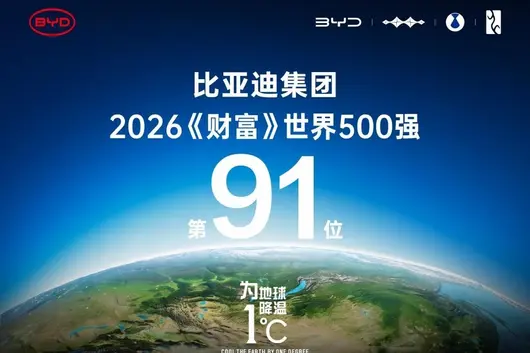
中国车企杀疯了!7月28日,2026《财富》世界500强排名刚出,比亚迪直接干到全球第91位!

连续5年上榜,稳居全球百强。知道这意味着什么吗?在全世界所有车企里,比亚迪是排名最高的中国车企,也是唯一杀入百强的中国汽车品牌!
有人可能要说了,排91位有啥好吹的?来,我给你们算笔账。
2025年,比亚迪全年营收8040亿,净利润326亿。全年卖出460万辆新能源汽车,蝉联全球新能源汽车销量冠军、中国市场车企销量冠军等,是全球新能源汽车标杆企业。今年上半年又干出180多万辆,7月份第1700万辆新车下线,是全球第一家达成这个数字的车企!
你以为这就完了?最狠的是研发投入。
比亚迪始终坚持“技术为王,创新为本”的发展理念。2025年研发砸了634亿!同比增长17%,连续两年A股上市公司第一。今年一季度又砸了113亿。到现在累计研发投入突破2500亿!什么概念?很多车企一年的营收都没这么多。
钱砸哪了?今年3月发布的第二代刀片电池+闪充技术。年底前全国要建2万座闪充站,海外再搞6000座。5月份更狠,全系车型都能搭载天神之眼B辅助驾驶激光版,还承诺城市领航安全兜底1年,智能泊车全面兜底,开创全民城市领航时代。
海外市场也在疯狂扩张。2025年海外销量首破100万辆,暴涨145%。今年上半年又卖了78万辆。比亚迪的出海战略已经形成“拉美领跑、欧洲突破、亚太多点开花”的格局。今年,比亚迪首条海外云轨在巴西开通,巴西工厂达成第10万辆新能源汽车下线;腾势Z、Z9GT与D9共同开启欧洲科技新豪华篇章;比亚迪首款海外专研车型海獭(BYD RACCO)落地日本;泰国工厂迎来投产两周年。比亚迪正加速迈入深耕本土、高质量发展的全球化新阶段。截至目前,比亚迪的业务已遍布全球121个国家及地区。
还有一个细节:截至6月30日,比亚迪新能源汽车累计碳减排1.49亿吨,相当于植树24.8亿棵。在社会责任践行方面,比亚迪启动30亿元教育慈善基金,并与全国127所高校达成捐赠协议,激励超6000名学子。
从一家造电池的小厂,到全球百强车企,比亚迪走了20年。有人说中国品牌不行。有人说中国车企只能在国内卷。结果呢? 全球数百个国家都能看见比亚迪的身影,欧洲人在排队买腾势,专门为日本市场开发了新车型。那些当年看不起中国汽车的人,现在什么表情?
8040亿营收、460万销量、634亿研发、1700万辆车下线,这串数字背后的故事就一句:中国汽车,真的站起来了!
作为全球新能源汽车领导者,比亚迪稳居世界百强阵营,是其坚持技术创新与全球突破的成果。展望未来,比亚迪将继续坚定不移秉持可持续发展理念,以更前沿的科技和更完善的全球布局,为地球降温1℃。

In the Malaysian SUV market, many buyers compare Proton X50 and Honda WR-V when choosing a car. These two models are quite close in price and positioning. Today, we will conduct a detailed comparison from multiple aspects to help you save time on research.
Proton X50 OTR price in Malaysia is RM 89,800 - 113,300, with a total of 4 versions, including 1.5T Executive (RM 89,800), 1.5T Premium (RM 101,800), 1.5T Flagship (RM 113,300), etc.
Honda WR-V OTR price in Malaysia is RM 89,900 - 107,900, with a total of 4 versions, including 2023 1.5L V (RM 99,900), 2023 1.5L E (RM 95,900), 2023 1.5L S (RM 89,900), etc.
From a price perspective, the Proton X50's starting price is indeed RM 100 cheaper than the Honda WR-V. If your budget is limited, Proton's entry-level version can already meet daily needs. However, be aware that the few thousand difference might involve trade-offs in features, depending on your specific needs.

Proton X50 is equipped with 1.5L 4-cyl, 105 hp. Official fuel consumption 6.0 L/100km.
Honda WR-V is equipped with 1.5L 4-cyl, 105 hp. Official fuel consumption 6.0 L/100km.
Both cars use the same powertrain system, and the driving experience is basically the same in daily use. Fuel consumption is also similar, no need to worry too much about this.
Proton X50 safety rating is 5★ (ASEAN NCAP), active safety system includes ADAS (ACC, AEB, LKA, LDA, BSM, RCTA).
Honda WR-V safety rating is 5★ (ASEAN NCAP), active safety system includes Honda SENSING.
Both cars have the same safety rating, and safety features in this segment are quite comprehensive. New car safety standards are generally good nowadays, no need to worry too much about this.

Proton X50 Warranty 5 years/150,000km, maintenance interval every 10,000km or 6 months.
Honda WR-V Warranty 5 years/Unlimited mileage, maintenance interval every 10,000km or 6 months.

Proton X50 and Honda WR-V are both mainstream choices in the Malaysian market, suitable for family use and daily commuting. If you value brand reputation and resale value more, consider the one with better reputation first; if you care more about value for money and features, choose the one with richer configurations. Ultimately, it is recommended to test drive both, as firsthand experience is the most important.
Overall, Proton X50 and Honda WR-V are both quite good models in the Malaysian market. Which one to choose ultimately depends on your personal needs and budget. It is recommended to do your research, compare quotes from several dealerships, and then test drive to make the final decision. Buying a car is a big matter, spending time doing research will never be wrong.

喺馬來西亞嘅 SUV 市場,好多買家喺揀車嘅時候都會攞 Proton X50 同 Honda CR-V 嚟做比較。呢兩款車喺價位同定位上都幾接近,今日我哋就由多個方面做一個詳細嘅對比,幫你省返做功課嘅時間。
Proton X50 喺馬來西亞嘅 OTR 售價係 RM 89,800 - 113,300,一共有 4 個版本,包括 1.5T Executive(RM 89,800)、1.5T Premium(RM 101,800)、1.5T Flagship(RM 113,300) 等等。
Honda CR-V 喺馬來西亞嘅 OTR 售價係 RM 178,200 - 195,900,一共有 4 個版本,包括 2026 e:HEV 2.0L 2WD RS(RM 195,900)、2026 1.5T 4WD V(RM 181,900)、2026 e:HEV 2.0L 2WD E(RM 178,200) 等等。
由價錢睇落去,Proton X50 嘅起跳價確實比 Honda CR-V 平咗 RM 88,400。如果你預算有限,Proton 嘅入門版已經可以滿足日常需要。但亦都要注意,平嗰幾千塊,可能喺配備上會有取捨,具體要看你嘅需要。
Proton X50 搭載 1.5L 4-cyl,馬力 105 hp。官方油耗 6.0 L/100km。
Honda CR-V 搭載 2.0L 4-cyl,馬力 170 hp。官方油耗 8.0 L/100km。
動力方面,Honda CR-V 嘅 2.0L 4-cyl 比 Proton X50 嘅 1.5L 4-cyl 多咗 65 匹馬力。不過日常喺市區開,兩款車嘅動力都夠用,唔會覺得唔夠力。
Proton X50 保修 5 年/150,000km,保養間隔 每 10,000km 或 6 個月。
Honda CR-V 保修 5 年/無限制里程,保養間隔 每 10,000km 或 6 個月。
Proton X50 同 Honda CR-V 都係馬來西亞市場嘅主流選擇,適合家庭使用、日常通勤。如果你更重視品牌口碑同二手價,可以優先考慮口碑更好嗰一款;如果你更介意性價比同配備,那就揀配置更豐富嗰款。最終都係建議兩款都去試駕,親身體驗先係最緊要。

總括嚟講,Proton X50 同 Honda CR-V 都係馬來西亞市場幾唔錯嘅車型。揀邊部車,關鍵都要睇你嘅個人需要同預算。建議大家做好功課,多比較幾間車行嘅報價,再去試駕做最後決定。買車係件大事,花少少時間做功課絕對無錯。

Dalam pasaran SUV di Malaysia, ramai pembeli semasa memilih kereta sering membandingkan Proton X70 dan Mazda CX-30. Kedua-dua kereta ini dalam harga dan kedudukan agak serupa. Hari ini, kita akan membuat perbandingan terperinci dari pelbagai aspek untuk membantu anda menjimatkan masa untuk membuat kajian.
Proton X70 mempunyai harga OTR di Malaysia dari RM 106,800 - 122,300, sebanyak 3 varian, termasuk 1.5L Standard 2WD (RM 106,800), 1.5L Executive 2WD (RM 115,800), 1.5L Premium 2WD (RM 122,300) dan lain-lain.
Mazda CX-30 mempunyai harga OTR di Malaysia dari RM 122,409 - 146,409, sebanyak 4 varian, termasuk 2025 2.0L High+ Premium (RM 146,409), 2025 2.0L High+ (RM 138,409), 2025 2.0L High (RM 130,409) dan lain-lain.
Dari segi harga, harga permulaan Proton X70 memang lebih murah RM 15,609 daripada Mazda CX-30. Jika bajet anda terhad, varian pemula Proton sudah mampu memenuhi keperluan harian. Namun perlu diingat, beberapa ringgit yang lebih murah mungkin ada pengorbanan dalam peralatan, bergantung pada keperluan anda.

Proton X70 menggunakan sistem penggerak FWD.
Mazda CX-30 menggunakan sistem penggerak FWD.
Kedua-dua kereta ini menggunakan cara yang sama iaitu FWD, pengalaman memandu harian tidak akan berbeza secara ketara.
Proton X70 mempunyai waranti 5 tahun/150,000km, selang penyelenggaraan setiap 10,000km atau 6 bulan.
Mazda CX-30 mempunyai waranti 5 tahun/150,000km, selang penyelenggaraan setiap 10,000km atau 6 bulan.
Syarat waranti kedua-dua kereta adalah sama, jangan bimbang tentang perkara ini. Kos penyelenggaraan sebenar bergantung pada rangkaian perkhidmatan jenama dan harga suku cadang, disyorkan bertanya pengalaman pemilik sebenar dalam komuniti peminat kereta.
Proton X70 dan Mazda CX-30 adalah pilihan utama pasaran Malaysia, sesuai untuk kegunaan keluarga dan perjalanan harian. Jika anda lebih memprioritaskan reputasi jenama dan nilai jual semula, pertimbangkan dahulu model yang mempunyai reputasi lebih baik; jika anda lebih mengutamakan nilai harga dan peralatan, pilih model yang lebih lengkap peralatannya. Akhirnya, disyorkan untuk kedua-duanya diuji jalan, pengalaman peribadi adalah yang paling penting.
Secara keseluruhan, Proton X70 dan Mazda CX-30 adalah model kereta yang sangat baik di pasaran Malaysia. Memilih mana satu, terutamanya bergantung pada keperluan dan bajet peribadi anda. Disarankan melakukan kajian terlebih dahulu, membandingkan tawaran daripada beberapa pengedar, kemudian uji jalan untuk membuat keputusan akhir. Membeli kereta adalah perkara besar, meluangkan masa untuk kajian pasti tidak akan salah.



The most "BMW" car is no longer BMW's most important car.
By|Hu Chengxu Edit|Mao Shiyan
Auto Pixel (ID:autopix)Original
BMW's best news and worst news arrived at almost the same time.
At the end of July, BMW reached a milestone in Debrecen, Hungary. The group's first all-electric exclusive factory produced its 50,000th Neue Klasse iX3.
Orders are growing faster than production ramp-up. From production start to the 50,000th unit roll-off, it took only nine months, while iX3 orders in Europe are approaching 100,000. BMW disclosed that for every three new electric vehicle orders in Europe, one belongs to the iX3.
To catch up with demand, the Debrecen factory started a second shift earlier, and hundreds of employees were transferred from the China factory for support.
In the first half of 2026, the iX3 also swept the World Car of the Year and World Electric Vehicle awards.

This is probably BMW's best new product start in the last decade. However, within the same period, several other things happened.
On July 29, BMW reached an agreement with the Works Council to launch a voluntary redundancy plan starting in October, cutting approximately 8,000 jobs globally by the end of 2027, accounting for 5.2% of its 154,500 employees. The cuts fell on R&D, planning, and functional departments in Germany, effectively slicing off one-fifth of BMW's white-collar jobs in Germany.
On July 30, BMW released its financial report for the first half of 2026. Net profit attributable to shareholders was 2.858 billion euros, down 25.75%. Pre-tax profit in the second quarter was 1.7 billion euros, a year-on-year decline of 35.1%.
The automotive business operating profit margin dropped by more than half year-on-year, and free cash flow decreased by 73.4%. These factors caused BMW's stock price to fall by about 39% this year, touching a 52-week low in late July.
The huge hole dragging down BMW's performance is in China. In the first half, BMW China's sales fell 20.4% year-on-year, and the second quarter's decline widened to 30.2%. With sales continuing to lose speed, China's record of consistently being BMW's largest single market for 12 consecutive years was ended, and its share of BMW's global sales dropped from a peak of 33.5% to 25.5%.
But in China, where BMW's new energy transformation needs to be tested the most, new cars arrived the latest. The domestic version of iX3 will be launched in the fourth quarter of this year.
Thus, strong sales in Europe are a good start, but it cannot yet prove it is the answer. The old market is losing speed, and the new anchor has not yet completed the hardest verification.
01
BMW Once Only Needed One Car
The last time BMW used the name "Neue Klasse" was in 1962. That time, it saved the company.
Before that, BMW had walked to the edge of being absorbed. Daimler-Benz proposed a takeover and restructuring plan. Before the December 1959 shareholder meeting, the deal was once considered a foregone conclusion. It was not until minority shareholders and employee representatives opposed it on the spot that the plan was vetoed, and BMW barely retained independence.
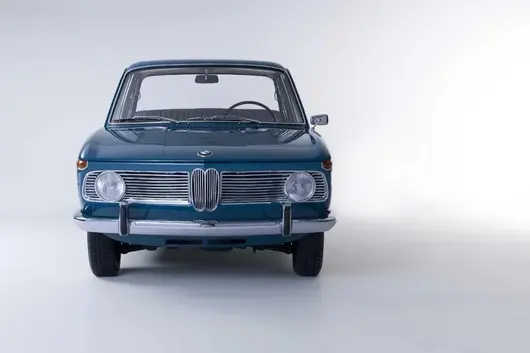
At that time, its product line was almost severed in the middle. One end was cheap micro-cars and motorcycles like the Isetta, while the other end was expensive V8 sedans like the 501 and 502. In the middle, there was no mainstream product that could contribute scale and profits simultaneously.
Marketing Director Paul Hahnemann saw this gap: a family sedan with displacement between 1.5 and 2.0 liters, high quality, and a sports character.
At the 1961 Frankfurt Motor Show, the BMW 1500 made its debut. This series was called "Neue Klasse".

▍BMW 1500 at the 1961 Frankfurt Motor Show
The four-door body abandoned the 501's elaborate styling and turned towards a more restrained, function-focused design. Von Falkenhausen developed the M10 engine for it and persuaded management to increase the displacement from the initial idea of 1.3 liters to 1.5 liters, while leaving space for expansion to 2.0 liters.
On the rear side of this car, at the junction of the C-pillar and the body, the "Hofmeister kink", a fold line turning forward, appeared for the first time, which later became BMW's signature.
But these elements that later defined BMW did not immediately bring a sales legend. The 1500 was produced for over two years, with full lifecycle sales of 23,800 units. What truly changed BMW's fate was the product template it provided. The four-door Neue Klasse was produced cumulatively for 339,800 units. The 02 series, shortened and simplified from it, sold over 820,000 units.
From 1960 to 1970, BMW's sales tripled, and revenue growth exceeded seven times. In 1963, nearly two decades after the dividend suspension, BMW resumed dividends to shareholders.
The M10 engine was produced until 1988, cumulatively exceeding 3.5 million units, and later spawned M12 and M13 turbocharged models for the F1 arena. In 1966, it lapped the Nürburgring Nordschleife in under 10 minutes.
That same year, BMW put the Neue Klasse technology and sports character into a more compact and cheaper car, and the 02 series was born. In 1975, its successor officially adopted a new name: the 3 Series.
From 1975 to now, the 3 Series has cumulatively sold over 16 million units, making it BMW's best-selling series. Luxury mid-size sedans have long used the 3 Series as the benchmark; Audi A4, Mercedes-Benz C-Class, Lexus IS, and even the later NIO ET5 all treated it as an archnrival.
More importantly, it turned sports character into a product logic that BMW could replicate generation after generation.
BMW's official positioning of the 3 Series has always been clear. In 2024, the wording was that for nearly 50 years, the 3 Series has always represented the core (the core of the BMW brand) of the BMW brand; in 2022, it was called the heart (the heart of the BMW brand) of the brand; when the new i3 was released in 2026, the 3 Series was still emphasized as the essence (the essence of the BMW brand) of the BMW brand.
These are not just rhetoric. Over the past few decades, many of BMW's key technologies and product concepts first became complete cars on the 3 Series before spreading to other products.
In 1985, the second-generation 3 Series E30 launched the 325iX, becoming BMW's first four-wheel-drive sedan, laying the starting point for the xDrive that later covered the entire series.

▍Third-generation 3 Series from 1990 to 1998
By the third-generation 3 Series E36, the 3 Series began to define BMW's driving experience more deeply. The Z-link multi-link rear suspension was extended to sedan, two-door, and wagon versions, and the center console was also significantly tilted towards the driver. "Driver-oriented" was established as a replicable cockpit layout.
In the past six decades, BMW's method of expanding its product line was essentially to replicate the 3 Series, scale it up to 5 Series and 7 Series, scale it down to 1 Series, and elevate it to X3 and X5. As long as the answer of the 3 Series stands, BMW's product line stands.
But in the EV era, BMW took the premiere rights of "Neue Klasse" from the 3 Series, and also took away the power to define the next generation of BMW.
02
The Next Generation BMW,
No Longer Starting with the 3 Series
In September 2025, BMW reactivated the "Neue Klasse" name at the Munich IAA. But the first car was not the i3, but the iX3. Six months later, the i3 was released, officially referred to only as the "second Neue Klasse model".
Technical premiere rights were also moved. The Driving Super Brain Heart of Joy, which best embodies BMW's differentiation, as well as sixth-generation electric drive, large-format cylindrical cells, and Panoramic iDrive, were all first deployed on the iX3.
The i3 launched next year, every technology it receives, was received by the iX3 first.
In terms of wording, the change in status can even be seen. For example, for a certain function, the official wording for the iX3 was "the smoothest parking process in BMW history", while the i3 was described as "the smoothest parking process in 3 Series history", the scope was proactively narrowed.

In Q1 2026, global deliveries of the 3 Series and 4 Series totaled 103,800 units, down 11.8% year-on-year; X3 grew by 18.5% year-on-year, of which a considerable proportion came from the iX3. Analysts believe the iX3 could push the X3 family to the top of BMW's sales list by the end of 2026.
BMW's definition of the i3 has also regressed from "defining the entire series" back to "continuing 3 Series DNA", and the task of defining the next generation of products has been handed over to the SUV.
BMW is not the first to do this.
Tesla had the sedan Model 3 first in 2017, and the SUV form Model Y only in 2020, but the latter is the anchor that determines Tesla's product configuration. Model Y is not only Tesla's best-selling car globally, but also the foundation for its subsequent products, such as Cybercab.
Li Auto is even more thorough, and has not yet launched a sedan.
Behind this is first the engineering reality. The BEV platform lays a battery about 10 cm thick under the floor, which is naturally more suitable for higher-bodied SUVs. The battery gives SUVs the low center of gravity that sedans once had exclusively, but it does not give sedans the space of SUVs. Therefore, the mainstream configuration of the new energy era tilts towards SUVs.
But more importantly, the "driving dynamics" represented by sedans could almost support all of BMW's value in the ICE era; in the EV era, it is still important, but only one layer of product capability. Space, comfort, and cockpit experience, SUVs are rather easier to make comprehensive.
This means the 3 Series can no longer represent the Neue Class BMW. But the 3 Series stepping down does not mean the iX3 has completed the succession.
Beyond driving dynamics, the intelligent driving, cockpit, and ecosystem that determine the victory or defeat of new energy vehicles in China, BMW relies heavily on public suppliers. The China-spec iX3 adopts Momenta intelligent driving, while Momenta also supplies Mercedes, Audi, and IM Motors. In the capabilities consumers value most, BMW stands on the same foundation as rivals.
To re-establish differentiation, BMW almost rewrote the domestic iX3. 70% of the OS code was rewritten by the Chinese team, intelligent driving was co-developed again, and the cockpit integrated Alibaba, DeepSeek, Huawei, and Gaode.
The trade-off was time. The overseas version was delivered this March, and the domestic version will be launched in the fourth quarter.

Peculiarly, the market where BMW has the deepest problems, the new product arrived the latest. Mercedes has already compressed the pure electric GLC to 299,900 yuan, and Chinese new EV players have also completed several rounds of iteration in the same price range.
Meanwhile, starting from July this year, the domestic i3 and iX1 entered the production halt process, and i5 production was suspended. BMW cleaned up the previous generation of electric products to free up production lines and resources for the Neue Class models.
This led to it having virtually no domestic pure electric models for sale, with a new energy penetration rate in China of only about 6% in the first quarter, while the overall market in China has already exceeded 50%.
So, the iX3 has not yet taken the most critical exam. Its success in Europe can only prove that BMW made a decent car, but it has not yet proven in the global competition's most fierce and cutting-edge new energy market that it is sufficient to become the anchor of the next generation of BMW.
03
iX3 Is Not Yet The New Anchor
In 2020, BMW also made an iX3.
It rolled off the line at the Shenyang Dadong Plant, it was BMW Brilliance's first truly global model. All iX3s sold worldwide came from the same plant and were all the same car.
Six years later, the new generation iX3 has two versions. The standard wheelbase version is produced in Debrecen, Hungary, for Europe and the US; the long wheelbase version is produced in Shenyang, for China, as well as India, Thailand, Indonesia, and Malaysia.
With the same car name, selling one car globally has become two distinctly different products.
In the ICE era, domestic BMWs would also be lengthened. At that time, the long wheelbase version and standard wheelbase version still shared the same core technology, just different dimensions. Now operating systems, intelligent driving solutions, AI engines, and ecosystem systems have all gone down different paths.
The fundamental divergence is demand. The 3 Series can be unified globally because the market demand for good-handling mid-size sedans is consistent. For the new energy market where the iX3 belongs, the demands on both sides are already different; the Chinese market values intelligence, rear seat experience, and ecosystem connectivity more.
This also pushes the problem to a deeper level. If a car entrusted with a global anchor role must be rewritten after entering the most competitive market, can it still represent globally?
Furthermore, the victory won by the iX3 in Europe, the time may not be plentiful.

In April this year, the sales share of Chinese brands in the European electric vehicle market exceeded 15% for the first time, and the overall market share rose to 9.8%. In May, monthly new car registrations of Chinese automakers in Europe exceeded Japanese automakers for the first time. In the first quarter, exports to Europe reached 438,400 units, a year-on-year increase of 84.7%.
What mainly blocks domestic carmakers is tariffs. The combined tax rate for some domestic new energy vehicles in Europe reaches up to 45.3%. Even bearing high tariffs, the BYD Dolphin Surf (corresponds to the domestic Dolphin) is still cheaper than the same-class Renault 5 in Germany.
And this barrier is being bypassed. BYD, Chery, and Geely are turning tariffs from long-term barriers into phased costs by building factories in Europe or utilizing existing capacity.
More critically, the iX3 is absent from not just an ordinary market, but a place where global new energy competition premiered early. The demand changes happening in China today may well be the preview for other markets in the coming years.
This consolidation has already begun. Geely's G-ASD became the first Chinese driver assistance system to pass EU certification; XPeng has also brought intelligence into Europe as a lever for future competition.
They are betting on Europe's next stage. After electrification, competition will continue to migrate towards intelligence, and gradually approach today's China.
This means the China-spec iX3 is not just BMW's catch-up for a regional market, but also verifying the answer for the next round of global competition for it. The problem is that this verification has not started, and the time and profit space left for BMW have tightened simultaneously.
The semi-annual report released on July 30 maintained the automotive business profit margin guidance of 1% to 3%, this range was significantly reduced from 4% to 6% in June.
BMW's "voluntary redundancy plan" will last from October this year to the end of 2027, and true improvement in profitability will not come until 2028. The product battle that decides victory or defeat, however, has already started from Q4 2026.
BMW is not without the conditions to make long-term decisions. In 1962, Herbert Quandt dared to bet the entire company, and the governance structure relied upon that by stable family holding, allowing enterprises to bet across cycles still exists, and the Quandt family still holds about half of BMW's shares.
But things have changed.
In 1962, BMW had just walked out from the edge of being acquired. The Neue Class of that year was its all-in direction.
In 2025, BMW's global deliveries were about 2.17 million units. The iX3 is just the first of 40 future Neue Class products.
Today's BMW can no longer complete its transformation by relying on one car, one market, and one set of answers. This is where BMW is safer than in 1962, and also where it is harder than in 1962.

This article is original content from Auto Pixel (autopix)
Unauthorized reproduction is prohibited

喺馬來西亞嘅 SUV 市場,好多買家喺揀車嘅時候都會拿 Proton X50 同 Toyota Corolla Cross 來做比較。呢兩款車喺價位同定位上都幾接近,今日我哋就由多個方面做個詳細嘅比較,幫你省下做功課嘅時間。
Proton X50 喺馬來西亞嘅 OTR 售價係 RM 89,800 - 113,300,一共 4 個版本,包括 1.5T Executive(RM 89,800)、1.5T Premium(RM 101,800)、1.5T Flagship(RM 113,300) 等。
Toyota Corolla Cross 喺馬來西亞嘅 OTR 售價係 RM 133,800 - 148,800,一共 3 個版本,包括 2026 HEV 1.8L GR Sport(RM 148,800)、2026 HEV 1.8L Standard(RM 140,800)、2026 1.8L Standard(RM 133,800) 等。
從價錢睇落,Proton X50 嘅起步價確實比 Toyota Corolla Cross 平咗 RM 44,000。如果你預算有限,Proton 嘅入門版已經可以滿足日常需求。但都要注意,平嗰幾千蚊,可能喺配備上會有取舍,具體要睇你嘅需求。
Proton X50 搭載 1.5L 4-cyl,馬力 105 hp。官方油耗 6.0 L/100km。
Toyota Corolla Cross 搭載 1.5L Turbo,馬力 140 hp。官方油耗 7.0 L/100km。
動力方面,Toyota Corolla Cross 嘅 1.5L Turbo 比 Proton X50 嘅 1.5L 4-cyl 多咗 35 匹馬力。不過日常喺市區開,兩款車嘅動力都夠用,唔會覺得唔夠力。
Proton X50 保修 5 年/150,000km,保養間隔 每 10,000km 或 6 個月。
Toyota Corolla Cross 保修 5 年/無限制里程,保養間隔 每 10,000km 或 6 個月。
Proton X50 同 Toyota Corolla Cross 都係馬來西亞市場嘅主流選擇,適合家庭使用、日常通勤。如果你更睇重品牌口碑同二手價,可以優先考慮口碑更好嗰一款;如果你更在意性價比同配備,就揀配置更豐富嗰款。最後都係建議兩款都去試駕,親身感受先係最重要。

總體嚟講,Proton X50 同 Toyota Corolla Cross 都係馬來西亞市場好唔錯嘅車型。揀邊輛,關鍵都係睇你嘅個人需求同預算。建議大家做好功課,多比較幾間車行嘅報價,再去試駕做最終決定。買車係件大事,花啲時間做功課絕對唔錯。
Dalam pasaran SUV Malaysia, ramai pembeli membandingkan Proton X70 dan Toyota Fortuner semasa memilih kereta. Kedua-dua kereta ini mempunyai harga dan segmen yang hampir sama. Hari ini kami akan buat perbandingan terperinci dari pelbagai aspek, membantu anda menjimatkan masa membuat kajian.
Harga OTR Proton X70 di Malaysia ialah RM 106,800 - 122,300, terdapat 3 varian, termasuk 1.5L Standard 2WD (RM 106,800), 1.5L Executive 2WD (RM 115,800), 1.5L Premium 2WD (RM 122,300) dan lain-lain.
Harga OTR Toyota Fortuner di Malaysia ialah RM 195,880 - 241,880, terdapat 3 varian, termasuk 2024 2.8T VRZ Diesel (RM 241,880), 2024 2.7L SRZ Petrol (RM 202,880), 2024 2.4L Standard Diesel (RM 195,880) dan lain-lain.
Dari segi harga, harga permulaan Proton X70 memang RM 89,080 lebih murah berbanding Toyota Fortuner. Jika bajet anda terhad, varian permulaan Proton sudah memadai untuk keperluan harian. Tetapi berhati-hati, perbezaan harga beberapa ribu itu mungkin melibatkan kompromi pada kelengkapan, bergantung pada keperluan anda.

Penarafan keselamatan Proton X70 ialah 5★ (ASEAN NCAP), sistem keselamatan aktif termasuk ADAS (ACC, AEB, LKA, LDA, BSM, RCTA).
Penarafan keselamatan Toyota Fortuner ialah 5★ (ASEAN NCAP), sistem keselamatan aktif termasuk .
Penarafan keselamatan kedua-dua kereta sama, kelengkapan keselamatan pada segmen ini dianggap lengkap. Keselamatan kereta baru sekarang tidak lemah, tiada perlu risau tentang perkara ini.
Proton X70 menggunakan sistem pemanduan FWD.
Toyota Fortuner menggunakan sistem pemanduan FWD.
Sistem pemanduan kedua-dua kereta sama, semuanya FWD, tiada perbezaan besar dalam pengalaman memandu harian.
Proton X70 jaminan 5 tahun/150,000km, selang servis setiap 10,000km atau 6 bulan.
Toyota Fortuner jaminan 5 tahun/tanpa had jarak, selang servis setiap 10,000km atau 6 bulan.
Proton X70 dan Toyota Fortuner kedua-duanya adalah pilihan utama pasaran Malaysia, sesuai untuk kegunaan keluarga, perjalanan harian. Jika anda lebih mengutamakan reputasi jenama dan nilai jual semula, utamakan yang mempunyai reputasi lebih baik; jika anda lebih prihatin dengan nilai wang dan kelengkapan, pilih yang mempunyai konfigurasi lebih lengkap. Akhir sekali, cadangan terbaik ialah kedua-dua model untuk dicuba secara langsung, pengalaman peribadi adalah yang paling penting.
Secara keseluruhan, Proton X70 dan Toyota Fortuner kedua-duanya adalah model yang sangat baik di pasaran Malaysia. Memilih mana satu, ia bergantung kepada keperluan peribadi dan bajet anda. Kami cadangkan anda sediakan maklumat, bandingkan harga di beberapa pengedar kereta, kemudian uji pandu untuk buat keputusan akhir. Membeli kereta adalah urusan besar, meluangkan masa membuat kajian pasti tidak salah.


Di pasaran SUV Malaysia, ramai pembeli ketika memilih kereta akan membandingkan Proton X70 dan Toyota Fortuner. Kedua-dua kereta ini dari segi harga dan kedudukan agak hampir, hari ini kita akan membuat perbandingan terperinci dari pelbagai aspek, membantu anda menjimatkan masa membuat kajian.
Harga OTR Proton X70 di Malaysia ialah RM 106,800 - 122,300, terdapat 3 versi, termasuk 1.5L Standard 2WD (RM 106,800), 1.5L Executive 2WD (RM 115,800), 1.5L Premium 2WD (RM 122,300) dan lain-lain.
Harga OTR Toyota Fortuner di Malaysia ialah RM 195,880 - 241,880, terdapat 3 versi, termasuk 2024 2.8T VRZ Diesel (RM 241,880), 2024 2.7L SRZ Petrol (RM 202,880), 2024 2.4L Standard Diesel (RM 195,880) dan lain-lain.
Dari segi harga, harga permulaan Proton X70 memang RM 89,080 lebih murah daripada Toyota Fortuner. Jika bajet anda terhad, versi masuk Proton sudah boleh memenuhi keperluan harian. Tetapi perlu juga mengambil kira, perbezaan harga beberapa ribu itu, mungkin ada kompromi pada kelengkapan, secara spesifik bergantung pada keperluan anda.
Proton X70 dilengkapi enjin 1.5L Turbo, kuasa 140 hp. Jimat bahan api rasmi 7.0 L/100km.
Toyota Fortuner dilengkapi enjin 2.5L Diesel, kuasa 187 hp. Jimat bahan api rasmi 8.5 L/100km.
Dari segi tenaga, enjin 2.5L Diesel Toyota Fortuner mempunyai 47 kuasa kuda lebih daripada enjin 1.5L Turbo Proton X70. Namun memandu harian di bandar, tenaga kedua-dua kereta ini sudah cukup, tiada rasa kurang kuasa.
Penilaian keselamatan Proton X70 ialah 5★ (ASEAN NCAP), sistem keselamatan aktif termasuk ADAS (ACC, AEB, LKA, LDA, BSM, RCTA).
Penilaian keselamatan Toyota Fortuner ialah 5★ (ASEAN NCAP), sistem keselamatan aktif termasuk.
Penilaian keselamatan kedua-dua kereta adalah sama, dalam kelas ini kelengkapan keselamatan dianggap cukup lengkap. Keselamatan kereta baharu sekarang tidak teruk, tidak perlu risau terlalu banyak tentang hal ini.
Proton X70 menggunakan sistem pemacu FWD.
Toyota Fortuner menggunakan sistem pemacu FWD.
Sistem pemacu kedua-dua kereta adalah sama, iaitu FWD, pengalaman memandu harian tiada perbezaan besar.
Proton X70 dan Toyota Fortuner adalah pilihan utama di pasaran Malaysia, sesuai untuk kegunaan keluarga, perjalanan harian. Jika anda lebih mengutamakan kredit jenama dan harga jual semula, boleh pertimbangkan dahulu jenama yang mempunyai kredit lebih baik; jika anda lebih prihatin pada nilai berbanding harga dan kelengkapan, pilihlah versi dengan kelengkapan lebih banyak. Akhirnya kami cadangkan cuba memandu kedua-duanya, pengalaman langsung adalah yang paling penting.
Secara keseluruhannya, Proton X70 dan Toyota Fortuner adalah model kereta yang sangat baik di pasaran Malaysia. Memilih yang mana satu, kuncinya bergantung pada keperluan dan bajet peribadi anda. Kami sarankan anda buat kajian, bandingkan lebihan harga dari beberapa pengedar, baru buat ujian memandu untuk keputusan akhir. Membeli kereta adalah urusan besar, meluangkan masa membuat kajian pasti tidak akan salah.

喺馬來西亞嘅 SUV 市場,好多買家喺揀車嘅時候都會拿 寶騰 X70 同 馬自達 CX-60 做比較。呢兩款車喺價位同定位上都好接近,今日我哋就從多個方面做一個詳細嘅比較,幫你省下做功課嘅時間。
寶騰 X70 喺馬來西亞嘅 OTR 售價係 RM 106,800 - 122,300,一共有 3 個版本,包括 1.5L Standard 2WD(RM 106,800)、1.5L Executive 2WD(RM 115,800)、1.5L Premium 2WD(RM 122,300) 等。
馬自達 CX-60 喺馬來西亞嘅 OTR 售價係 RM 200,510 - 252,873,一共有 2 個版本,包括 2026 3.3T 4WD High Plus(RM 252,873)、2025 2.5L 2WD High(RM 200,510) 等。
從價錢來看,寶騰 X70 嘅起步價確實比 馬自達 CX-60 便宜咗 RM 93,710。如果你預算有限,寶騰嘅入門版已經可以滿足日常需求。但要記住,便宜嘅幾千塊,可能喺配備上會有取舍,具體要看你嘅需求。
寶騰 X70 採用 FWD 驅動方式。
馬自達 CX-60 採用 FWD 驅動方式。
兩款車嘅驅動方式一樣,都係 FWD,日常駕駛感受唔會有太大區別。
寶騰 X70 保修 5 年/150,000km,保養間隔 每 10,000km 或 6 個月。
馬自達 CX-60 保修 5 年/150,000km,保養間隔 每 10,000km 或 6 個月。
兩款車嘅保修條件一樣,呢方面唔使困擾。實際保養成本仲要睇品牌嘅服務網絡同零件價格,建議去車友群問問真實車主嘅經驗。
寶騰 X70 同 馬自達 CX-60 都係馬來西亞市場嘅主流選擇,適合家庭使用、日常通勤。如果你更睇重品牌口碑同二手價,可以優先考慮口碑更好嗰一款;如果你更在意性價比同配備,嗰度就揀配置更豐富嗰款。最終都係建議兩款都去試駕,親身體驗先係最重要嘅。
總體嚟講,寶騰 X70 同 馬自達 CX-60 都係馬來西亞市場好唔錯嘅車型。揀邊一輛,關鍵都要睇你嘅個人需求同預算。建議大家做好功課,多比較幾間車行嘅報價,再去做試駕做最終決定。買車係件大事,花少少時間做功課絕對唔會錯。

In the Malaysian SUV market, many buyers compare the Proton X50 and Honda HR-V when choosing a car. These two models are quite close in price and positioning. Today we will make a detailed comparison from multiple aspects to help you save time on research.
The OTR price of the Proton X50 in Malaysia is RM 89,800 - 113,300, with a total of 4 versions, including 1.5T Executive (RM 89,800), 1.5T Premium (RM 101,800), 1.5T Flagship (RM 113,300), etc.
The OTR price of the Honda HR-V in Malaysia is RM 115,900 - 143,900, with a total of 4 versions, including 2026 e:HEV 1.5L RS (RM 143,900), 2026 1.5T V (RM 137,900), 2026 1.5T E (RM 130,900), etc.
From a price perspective, the entry price of the Proton X50 is indeed RM 26,100 cheaper than the Honda HR-V. If your budget is limited, Proton's entry-level version can already meet daily needs. However, also note that the few thousand ringgit difference might involve trade-offs in features, depending on your specific requirements.
The safety rating of the Proton X50 is 5★ (ASEAN NCAP), with active safety systems including ADAS (ACC, AEB, LKA, LDA, BSM, RCTA).
The safety rating of the Honda HR-V is 5★ (ASEAN NCAP), with active safety systems including Honda SENSING (ACC, CMBS, LKAS, RDM).
Both cars have the same safety rating, and safety features are quite comprehensive for this class. New cars nowadays generally have good safety, so there is no need to worry too much about this.
The Proton X50 uses 4WD drive mode.
The Honda HR-V uses FWD drive mode.
Proton's 4WD and Honda's FWD will feel different in handling. A test drive comparison is recommended.
The Proton X50 has a warranty of 5 years/150,000km, with maintenance intervals of every 10,000km or 6 months.
The Honda HR-V has a warranty of 5 years/unlimited mileage, with maintenance intervals of every 10,000km or 6 months.

Both the Proton X50 and Honda HR-V are mainstream choices in the Malaysian market, suitable for family use and daily commuting. If you value brand reputation and resale value more, consider the one with the better reputation. If you care more about cost-performance and features, choose the one with richer configuration. Ultimately, it is recommended to test drive both; personal experience is the most important.
Overall, both the Proton X50 and Honda HR-V are very good models in the Malaysian market. Which one to choose depends on your personal needs and budget. We recommend doing your research, comparing quotes from several dealerships, and then test driving before making a final decision. Buying a car is a major matter; spending time researching is never wrong.
In the Malaysian SUV market, many buyers compare Proton X50 and Honda CR-V when choosing a car. These two cars are quite close in price and positioning. Today, we will make a detailed comparison from multiple aspects to save you time on research.
The OTR price of Proton X50 in Malaysia is RM 89,800 - 113,300, with a total of 4 versions, including 1.5T Executive (RM 89,800), 1.5T Premium (RM 101,800), 1.5T Flagship (RM 113,300), etc.
The OTR price of Honda CR-V in Malaysia is RM 178,200 - 195,900, with a total of 4 versions, including 2026 e:HEV 2.0L 2WD RS (RM 195,900), 2026 1.5T 4WD V (RM 181,900), 2026 e:HEV 2.0L 2WD E (RM 178,200), etc.
From a price perspective, the starting price of Proton X50 is indeed RM 88,400 cheaper than Honda CR-V. If your budget is limited, Proton's entry-level version can already meet daily needs. However, note that the few thousand ringgit saved may involve trade-offs in features, depending on your specific needs.
The Proton X50 is equipped with a 1.5L 4-cyl, 105 hp. Official fuel consumption is 6.0 L/100km.
Honda CR-V is equipped with a 2.0L 4-cyl, 170 hp. Official fuel consumption is 8.0 L/100km.
In terms of power, Honda CR-V's 2.0L 4-cyl has 65 hp more than Proton X50's 1.5L 4-cyl. However, for daily city driving, the power of both cars is sufficient, and you won't feel a lack of power.
The safety rating of Proton X50 is 5★ (ASEAN NCAP). Active safety systems include ADAS (ACC, AEB, LKA, LDA, BSM, RCTA).
The safety rating of Honda CR-V is 5★ (ASEAN NCAP). Active safety systems include Honda SENSING (ACC, CMBS, LKAS, RDM).
Both cars have the same safety rating, and safety features are quite comprehensive in this class. New cars nowadays are generally safe, so there is no need to worry too much about this.
Proton X50 warranty is 5 years/150,000km, maintenance interval every 10,000km or 6 months.
Honda CR-V warranty is 5 years/unlimited mileage, maintenance interval every 10,000km or 6 months.
Both Proton X50 and Honda CR-V are popular choices in the Malaysian market, suitable for family use and daily commuting. If you value brand reputation and resale value more, prioritize the one with better reputation; if you care more about value for money and features, choose the one with richer configurations. Ultimately, it is recommended to test drive both, as personal experience is most important.

Overall, both Proton X50 and Honda CR-V are very good car models in the Malaysian market. Which one to choose depends on your personal needs and budget. We recommend doing your research, comparing quotes from several dealerships, and then test driving to make a final decision. Buying a car is a major event; spending some time on research will never be wrong.

喺馬來西亞嘅 SUV 市場,好多買家喺揀車嘅時候都會拿寶騰 X70 同馬自達 CX-30 嚟做比較。這兩款車喺價位同定位上都幾接近,今日我就由多個方面做一個詳細對比,幫你攞低做功課嘅時間。
寶騰 X70 喺馬來西亞嘅 OTR 售價係 RM 106,800 - 122,300,合共 3 個版本,包括 1.5L Standard 2WD(RM 106,800)、1.5L Executive 2WD(RM 115,800)、1.5L Premium 2WD(RM 122,300) 等。
馬自達 CX-30 喺馬來西亞嘅 OTR 售價係 RM 122,409 - 146,409,合共 4 個版本,包括 2025 2.0L High+ Premium(RM 146,409)、2025 2.0L High+(RM 138,409)、2025 2.0L High(RM 130,409) 等。
由價錢嚟睇,寶騰 X70 嘅起步價確實比馬自達 CX-30 平咗 RM 15,609。如果你預算有限,寶騰嘅入門版已經可以滿足日常需要。但都要留意,平嗰啲幾千蚊,可能喺配備方面要有取舍,具體要睇你嘅需要。
寶騰 X70 採用 FWD 驅動方式。
馬自達 CX-30 採用 FWD 驅動方式。
兩款車嘅驅動方式一樣,都係 FWD,日常駕駛感受唔會有太大分別。
寶騰 X70 保用 5 年/150,000km,保養間隔 每 10,000km 或 6 個月。
馬自達 CX-30 保用 5 年/150,000km,保養間隔 每 10,000km 或 6 個月。
兩款車嘅保用條件一樣,呢方面唔使糾結。實際保養成本仲要睇品牌嘅服務網絡同零件價格,建議去車友群問吓真實車主嘅經驗。
寶騰 X70 同馬自達 CX-30 都係馬來西亞市場嘅主流選擇,適合家庭使用、日常通勤。如果你更睇重品牌口碑同二手價,可以優先考慮口碑更好嗰一款;如果你更在意性價比同配備,就揀配置更豐富嗰款。最後始終建議兩款都去試駕,親身體驗先係最重要。
總體嚟講,寶騰 X70 同馬自達 CX-30 都係馬來西亞市場幾唔錯嘅車型。揀邊架,關鍵仲係睇返你嘅個人需要同預算。建議大家做好功課,多比較幾間車行嘅報價,再去試駕先做最終決定。買車係件大事,花少少時間做功課絕對唔會錯。

喺馬來西亞嘅 SUV 市場,好多買家喺揀車嗰陣都會拎 寶騰 X70 同 馬自達 CX-3 嚟做比較。呢兩款車喺價位同定位上都幾接近,今日我哋就從多個方面做一個詳細嘅比較,幫你省咗做功課嘅時間。
寶騰 X70 喺馬來西亞嘅 OTR 售價係 RM 106,800 - 122,300,一共有 3 個版本,包括 1.5L Standard 2WD(RM 106,800)、1.5L Executive 2WD(RM 115,800)、1.5L Premium 2WD(RM 122,300) 等。
馬自達 CX-3 喺馬來西亞嘅 OTR 售價係 RM 126,159 - 139,159,一共有 2 個版本,包括 2023 2.0L High(RM 139,159)、2023 2.0L Plus(RM 126,159) 等。
從價錢來看,寶騰 X70 嘅起價確實比 馬自達 CX-3 平咗 RM 19,359。如果你預算有限,寶騰嘅入門版已經可以滿足日常需求。但都要留意,平嗰幾千蚊,可能喺配備上面會有取捨,具體要看你嘅需求。
寶騰 X70 搭載 1.5L Turbo,馬力 140 hp。官方油耗 7.0 L/100km。
馬自達 CX-3 搭載 1.5L Turbo,馬力 140 hp。官方油耗 7.0 L/100km。
兩款車用緊同一套動力系統,日常開起身嘅感覺基本冇分別。油耗方面都差唔多,唔使太糾結這一點。
寶騰 X70 嘅安全評級係 5★ (ASEAN NCAP),主動安全系統包括 ADAS (ACC, AEB, LKA, LDA, BSM, RCTA)。
馬自達 CX-3 嘅安全評級係 5★ (ASEAN NCAP),主動安全系統包括 i-Activsense。
兩款車嘅安全評級一樣,喺呢個級別裡面安全配備都算好齊全了。而家嘅新車安全性都唔差,唔使太擔心這一點。
寶騰 X70 採用 FWD 驅動方式。
馬自達 CX-3 採用 FWD 驅動方式。
兩款車嘅驅動方式一樣,都係 FWD,日常駕駛感覺唔會有太大分別。
寶騰 X70 同 馬自達 CX-3 都係馬來西亞市場嘅主流選擇,適合家庭使用、日常通勤。如果你更睇重品牌口碑同二手價,可以優先考慮口碑更好嗰一款;如果你更在意性價比同配備,嗰就揀配置更豐富嗰款。最後都係建議兩款都去試駕,親身體驗先係最重要嘅。
總體嚟講,寶騰 X70 同 馬自達 CX-3 都係馬來西亞市場幾唔錯嘅車型。揀邊一輛,關鍵都要睇你嘅個人需求同預算。建議大家做好功課,多比較幾間車行嘅報價,再去試駕做最後決定。買車係件大事,花點時間做功課絕對唔會錯。
© 2024 Bitauto.com. All Rights Reserved.
Bitauto (www.yiche.com and www.bitauto.com) is one of the most visited automotive websites in China. We provide detailed info on Chinese car brands available in your area. Please note that the information provided on this website is based on publicly available data and is for reference only. It may not be fully updated or accurate at all times.

Help us improve our website


