

HomeProton Wira

Search History
Popular Searches
Dealer Login / Sign Up

喺馬來西亞嘅 SUV 市場,好多買家喺揀車嗰陣都會拿 Honda WR-V 同 Toyota Yaris Cross 嚟做比較。呢兩款車喺價位同定位上都幾相近,而家我哋就從多方面做一次詳細比較,幫你省返做功課嘅時間。
Honda WR-V 喺馬來西亞嘅 OTR 售價係 RM 89,900 至 107,900,一共有 4 個版本,包括 2023 1.5L V(RM 99,900)、2023 1.5L E(RM 95,900)、2023 1.5L S(RM 89,900)等等。
Toyota Yaris Cross 喺馬來西亞嘅 OTR 售價係 RM 99,900 至 109,900,一共有 2 個版本,包括 2026 1.5L Standard(RM 99,900)、2026 HEV 1.5L Standard(RM 109,900)等等。
從價錢嚟睇,Honda WR-V 嘅起步價的確比 Toyota Yaris Cross 平咗 RM 10,000。如果你預算有限,Honda 嘅入門版已經可以滿足日常需要。但都要記住,平嘅嗰幾千蚊,可能喺配備上會有取捨,具體就要睇你嘅需要啦。

Honda WR-V 車身長 4400 mm,行李箱 400 L。
Toyota Yaris Cross 車身長 4400 mm,行李箱 400 L。
兩款車嘅尺寸幾乎一樣,車內空間分別唔大。呢個級別嘅車,日常使用完全夠用。

Honda WR-V 採用 FWD 驅動方式。
Toyota Yaris Cross 採用 FWD 驅動方式。
兩款車嘅驅動方式一樣,都係 FWD,日常駕駛感受唔會有太大分別。

Honda WR-V 同 Toyota Yaris Cross 都係馬來西亞市場嘅主流選擇,適合家庭用途、日常通勤。如果你更加重視品牌聲譽同二手價,可以優先考慮聲譽更好嗰款;如果你更加在意性價比同配備,就揀配備更豐富嗰款。最後都係建議兩款都去試駕,親身體驗先係最重要。

總體嚟講,Honda WR-V 同 Toyota Yaris Cross 都係馬來西亞市場幾唔錯嘅車型。揀邊架,關鍵仲要睇你嘅個人需要同預算。建議大家做好功課,多比較幾間車行嘅報價,先至去試駕做最終決定。買車係件大事,花少少時間做功課絕對無錯。

喺馬來西亞嘅 SUV 市場,好多買家喺揀車嘅時候都會拿 Honda WR-V 同 Toyota Yaris Cross 黎做比較。呢兩款車喺價位同定位上都幾接近嘅,今日我哋就從多方面做一個詳細嘅比較,幫佢哋省咗做功課嘅時間。
Honda WR-V 喺馬來西亞嘅 OTR 售價係 RM 89,900 - 107,900,一齊共有 4 個版本,包括 2023 1.5L V(RM 99,900)、2023 1.5L E(RM 95,900)、2023 1.5L S(RM 89,900)等等。
Toyota Yaris Cross 喺馬來西亞嘅 OTR 售價係 RM 99,900 - 109,900,一齊共有 2 個版本,包括 2026 1.5L Standard(RM 99,900)、2026 HEV 1.5L Standard(RM 109,900)等等。
由價錢嚟睇,本田 WR-V 嘅起步價的確比豐田 Yaris Cross 平咗 RM 10,000。如果你預算有限,本田嘅入門版已經可以滿足日常需求。但都要注意,平嗰幾千蚊,可能喺配備上會有取捨,具體要睇你嘅需求。
本田 WR-V 嘅安全評級係 5★ (ASEAN NCAP),主動安全系統包括本田 SENSING。
豐田 Yaris Cross 嘅安全評級係 5★ (ASEAN NCAP),主動安全系統包括 TSS。
兩款車嘅安全評級一樣,喺呢個級別入面安全配備都算畀得好齊全。而家嘅新車安全性都唔錯,唔使太擔心這一點。
本田 WR-V 採用 FWD 驅動方式。
豐田 Yaris Cross 採用 FWD 驅動方式。
兩款車嘅驅動方式一樣,都係 FWD,日常駕駛感受唔會有太大分別。
本田 WR-V 同豐田 Yaris Cross 都係馬來西亞市場嘅主流選擇,適合家庭使用、日常通勤。如果你更看重品牌口碑同二手價,可以優先考慮口碑更好嗰一款;如果你更在意性價比同配備,那就揀配置更豐富嗰款。最後都建議兩款都去試駕,親身體驗先係最重要嘅。
總體嚟講,本田 WR-V 同豐田 Yaris Cross 都係馬來西亞市場幾唔錯嘅車型。揀邊輛,關鍵始終睇你嘅個人需求同預算。建議大家做好功課,多比較幾間車行嘅報價,再去試駕做最終決定。買車係件大事,花少少時間做功課絕對唔會錯。

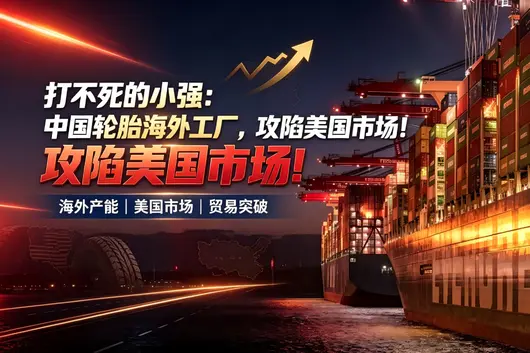
Berdasarkanmenurut data terkini daripada Kementerian Perdagangan Amerika Syarikat, corak import tayar Amerika Syarikat pada paruh pertama 2026 sedang mengalami penstrukturan semula yang ketara.
Walaupun Thailand terus kekal sebagai negara sumber utama pertama, tetapiKemboja dengan pelaburan terkumpul kilang tayar China, telah melangkau Mexico dan Vietnam untuk melonjak ke kedudukan kedua.

Pada masa yang sama, ketiga-tiga kategori terasing menunjukkan harga kastam purata yang diisytiharkan mengalami penurunan, mencerminkan bahawa kesan penghantaran harga bagi pengembangan keupayaan tayar global China ke pasaran Amerika telah mula kelihatan dengan lebih pesat.
Kemboja Bangkit: Pengeluaran Terkumpul Kilang China
Prestasi Kemboja tahun ini paling mencetuskan perhatian. Pada 2024, Kemboja masih negara sumber tayar kelapan terbesar AS; pada 2025 naik ke keempat; paruh pertama 2026 telah melonjak ke kedua, hanya selepas Thailand.

Pendorong langsung lonjakan ini ialahpelaburan terkumpul kilang tayar China di Kemboja.
Syarikat Tayar Shouguang Focus, Syarikat Tayar Wanli Berhad dan Syarikat Tayar Zhengdao Berhad semuanya memulakan pengeluaran dalam tempoh setahun yang lepas, jumlah keupayaan ketiga-tiga syarikat ini akan menambah 34 juta tayar untuk pasaran.
Selain itu, kilang baharu Syarikat Getah Huasheng Shandong juga akan memulakan pengeluaran.Kemboja kini mempunyai 8 kilang tayar, dan kesemuanya dimiliki oleh pengilang China.
Dari segi kategori, kategori tayar kenderaan penumpang di Kemboja menduduki tangga ketiga, eksport paruh pertama meningkat 46.6%, kira-kira 2.8 juta keping; kategori tayar truk ringan menduduki tangga kedua, eksport meningkat 39.7%.

Sementara itu, perusahaan tayar China melalui kilang luar di Asia Tenggara, Afrika Utara, dll. membekalkan kepada pasaran Amerika dengan harga yang lebih kompetitif.
Data dari Kementerian Perdagangan AS menunjukkan, harga kastam purata yang diisytiharkan bagi ketiga-tiga kategori terasing pada paruh pertama 2026 adalah lebih rendah berbanding tempoh yang sama pada 2025.
Di antaranya, harga purata tayar kenderaan penumpang turun ke $53.76,turun 3.63 dolar secara tahunan; harga purata tayar truk ringan turun ke $75.33,turun 5.35 dolar secara tahunan.
Tayar Kenderaan Penumpang: Thailand Kekal Pertama, Moroko Muncul Cemerlang
Jumlah import tayar kenderaan penumpang AS pada paruh pertama berkurang sedikit kira-kira 500,000 keping berbanding tempoh yang sama pada 2025.
Di antaranya, eksport Thailand turun 11%, tetapi pada paruh pertama masih kekal pertama dengan skala kira-kira 20 juta keping. Mexico menduduki kedua, sahsah pasaran meningkat 6.7%, menambah kira-kira 800,000 keping, pertumbuhan disokong oleh pelaburan kilang baharu Sailun dan peningkatan keupayaan pengilang sedia ada.

Cemerlang utama kategori ini datang dari Moroko,dengan peningkatan 542%, Moroko memasuki sepuluh teratas buat pertama kali, eksport paruh pertama 1.9 juta keping, berbanding hanya kira-kira 300,000 keping pada tempoh yang sama pada 2025.
Letupan ini disifatkan kepada Syarikat Tayar Sentinel China——syarikat ini membuka kilang dengan keupayaan tahunan 12 juta keping di Moroko pada akhir 2024, ini juga satu-satunya kilang tayar di Moroko.
Selain itu, Syarikat Tayar Guizhou merancang sebuah kilang di Moroko dengan keupayaan tahunan 6 juta tayar radial kenderaan penumpang.Moroko kini menjadi pangkalan strategik baharu lagi bagi perusahaan tayar China untuk menerobos pasaran Eropah dan Amerika.
Tayar Truk Ringan, Truk Sederhana, Turun Secara Tahunan
Jumlah kategori tayar truk ringan turun kira-kira 1 juta keping. Thailand terus memimpin, diikuti oleh Kemboja, Vietnam, Kanada dan Mexico.
Di antara lima negara eksport teratas, Thailand (-11.9%) dan Mexico (-18.1%) menurunkan jumlah penghantaran, Kemboja (39.7%), Vietnam (4.2%) dan Kanada (31.3%) mencapai pertumbuhan. Ketiga-tiga negara ini secara keseluruhannya menambah 1.9 juta keping berbanding paruh pertama 2025.

Kategori tayar truk sederhana menunjukkan penurunan paling ketara pada paruh pertama, berkurang hampir 2 juta keping berbanding tempoh yang sama pada 2025. Thailand dan Vietnam sebagai sumber pertama dan kedua paling terjejas—pada paruh pertama 2025, kedua-dua negara ini menyuplai 5.35 juta keping, pada tempoh yang sama 2026 turun ke 3.74 juta keping.
Di antara sepuluh pembekal, hanya empat mencapai pertumbuhan: Jepun (Ketiga), Indonesia (Keenam), Brazil (Ketujuh) dan Korea Selatan (Kedelapan).

Jepun mempunyai增量 unit terbesar, menambah 150,000 keping (pertumbuhan 9.5%). Tetapi Indonesia mempunyai peningkatan peratusan terbesar, setinggi 559.6%, daripada 70,727 keping pada paruh pertama 2025 ke 466,537 keping tahun ini.
Pertumbuhan ini terutama disumbang olehkilang di Indonesia yang baru memulakan pengeluaran oleh Kumpulan Zhongce dan Kumpulan Sailun. Julai, Zhongce melaporkan projek fasa satu kilang Indonesia telah siap, mempunyai keupayaan pengeluaran tahunan 1 juta tayar.
Melihat ke Sempadan: Jangkaan Jumlah Dikurangkan, Corak Terus Berubah
Melihat ke paruh kedua tahun, Persatuan Pengilang Tayar AS (USTMA) meramalkan pada Julai, jumlah penghantaran tayar AS 2026 kira-kira 330.3 juta keping, lebih rendah daripada 336.3 juta keping pada 2025, dan juga lebih rendah daripada tahap ramalan USTMA pada Mac. Penurunan inimencerminkan keadaan lemah pada permintaan pasaran AS.
Dari sudut bekalan,布局 keupayaan global perusahaan tayar China masih dipercepatkan. Kilang di Kemboja, Mexico, Moroko, Indonesia akan terus membebaskan keupayaan, struktur sumber import tayar AS akan semakin berbilang.

Walaupun Thailand masih di tempat pertama, sahsah pasarnya dimakan oleh sumber baharu seperti Kemboja dan Mexico. Trend harga purata ke bawah sukar diubah dalam masa dekat, persaingan harga pasaran tayar AS akan semakin sengit.
Bagi perusahaan tayar China, strategi membina kilang di luar negara untuk mengelak halangan perdagangan sedang berkesan, tetapi menghadapi cabaran baharu: keupayaan Asia Tenggara hampir mencapai had maksimum, tempoh pulangan pelaburan untuk kilang baharu semakin panjang, risiko polisi negara destinasi juga perlu dipertimbangkan.
Bagaimana mencari keseimbangan antara布局 global dan operasi tempatan, merupakan topik yang mesti dihadapi oleh perusahaan tayar China dalam beberapa tahun akan datang.

In the Malaysian SUV market, many buyers compare Proton X90 and Hyundai Tucson when choosing a car. These two cars are quite close in price and positioning. Today, we will do a detailed comparison from multiple aspects to help you save time on research.
Proton X90 OTR price in Malaysia is RM 106,800 - 122,800, with a total of 4 variants, including 2026 1.5T Prime X (RM 122,800), 2026 1.5T Prime (RM 116,800), 2026 1.5T Lite (RM 106,800), etc.
Hyundai Tucson OTR price in Malaysia is RM 143,888 - 197,888, with a total of 5 variants, including 2025 HEV 1.6T AT 2WD Prestige (RM 197,888), 2025 1.6T DCT 4WD Prestige (RM 186,888), 2025 1.6T DCT 2WD Prime (RM 164,888), etc.
From a price perspective, the Proton X90 starting price is indeed RM 37,088 cheaper than Hyundai Tucson. If your budget is limited, Proton's entry-level version can already meet daily needs. But also note, for those few thousand cheaper, there might be trade-offs in equipment, depending on your specific needs.

Proton X90 safety rating is 5★ (ASEAN NCAP), active safety system includes ADAS (ACC, AEB, LKA, LDA, BSM, RCTA).
Hyundai Tucson safety rating is 5★ (ASEAN NCAP), active safety system includes SmartSense.
Both cars have the same safety rating, safety equipment in this class is considered quite complete. New cars nowadays do not lack in safety, no need to worry too much about this point.

Proton X90 body length 4400 mm, trunk 400 L.
Hyundai Tucson body length 4400 mm, trunk 400 L.
The dimensions of both cars are almost the same, interior space difference is not significant. For cars in this class, daily use is completely sufficient.

Proton X90 adopts FWD drive way.
Hyundai Tucson adopts FWD drive way.
Both cars drive way is the same, both are FWD, daily driving feel will not have a huge difference.

Overall, Proton X90 and Hyundai Tucson are both very good models in the Malaysian market. Which one to choose mainly depends on your personal needs and budget. We suggest you do your research, compare quotes from multiple dealerships, then go for a test drive to make a final decision. Buying a car is a big deal, spending time doing research will definitely not be wrong.



在行業從規模競爭進入利潤競爭、從價格競爭進入價值競爭、從單點產品競爭進入體系競爭之後,決定一家车企上限的因素,已經從單款爆款、單次資本運作或者單位時間的銷量衝刺,轉向組織效率、戰略定力、技術複用能力和全球經營能力。李書福用他獨特的方式完成了又一次「戰略轉型」——從企業家到制度設計者的轉型。
文 | 智駕網 零醬
編輯 | 浪浪山與明知山
63 歲的李書福在 8 月 17 日又佔據了一步先手。
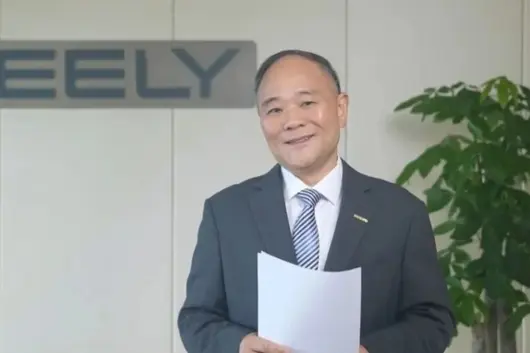
他在吉利汽車在港交所上市的第 21 個年頭宣佈退居幕後,將接力棒交給了吉利自己培養的繼承人安聰慧,安聰慧生於 1970 年,今年 56 歲。
中國最大的民營汽車集團之一吉利率先完成了去家族化管理的歷史性一步。
01.
李書福的成績單
有「汽車狂人」之稱的李書福在自己卸任吉利控股董事長的講話中為自己的業績做了一段簡單的總結:
2005 年 5 月 19 日,吉利汽車正式在港交所上市交易,股票價格從 2005 年 5 月 19 日的 0.4 元港幣,到 2026 年 8 月 12 日的 18.06 元港幣。公司市值從 16 億港幣,到 2026 年 8 月 12 日的 1948 億。分紅從 2005 年的 4000 萬港元到 2025 年的 54 億港元。
李書福言下之意,吉利的業績對得起股東和投資人。

在辭任吉利汽車控股董事會主席及執行董事之後,李書福依然保留了終身榮譽主席一職,與此同時,安聰慧接任董事會主席,桂生悅轉任董事會副主席,淦家閱出任行政總裁。

對於李書福的離任,吉利汽車董事會副主席桂生悅將其定義稱為「吉利汽車戰略級的組織進化宣言」:
「李書福的卸任(董事會主席)和安聰慧的接任,是一場去家族化的宣言,標誌著吉利汽車已經從創始人驅動的創業期和發展期,邁向了由制度和團隊驅動的成熟期。」
「企業將不再依賴個人魅力和權威,而是依賴組織系統和人才梯隊。它意味著吉利汽車未來治理將更加透明,管理更加科學。對於內部人才而言,也是打破天花板的信號。有利於讓企業給股東帶來更大回報,為國家作出更大貢獻。」
當然,63 歲的李書福並未完全離開。
他將繼續擔任浙江吉利控股集團董事長,同時在該集團旗下的其他職位暫時保持不變。
對於為何選擇在此時退出一線,李書福直言,「汽車產業是沒有盡頭的馬拉松,企業傳承與價值觀取向決定企業的可持續發展能力」,而「人是決定企業文化傳承、價值觀取向的核心要素。」
對於一家橫跨多個品牌、多個技術路線、多個海外市場的大型车企來說,戰略定力仍然需要強中樞,經營執行則需要職業化分權。
眼下吉利的結構,更接近「創始人定方向,經理人跑系統」,既保證了企業戰略的連續性,又為職業經理人團隊騰出了充分的經營自主權。
而一個更深的背景是,李書福認為,「全球經濟一體化、投資貿易自由化的時代已經結束了。新的經濟全球化時代正在形成。吉利要扎根中國市場,加速佈局全球市場。」
而要实现 2/3 的銷量來自海外,李書福給安聰慧留下了一個遍佈歐盟、英國、馬來西亞等地的本土化生產網絡,但要完成這一願景需要新生代完成。
正如桂生悅所說言:
「任何事業都需要更為年輕的身體,也更為年輕的智慧。」
豐田、大眾曾經是吉利追趕學習的目標,但李書福比豐田喜一郎走的更远,他在自己任上完成了公司的去家族化;在 2024 年初,安聰慧喊出「做新能源時代的大眾」之後,在當年 9 月,李書福敏銳機警的發布了振聾發聵的《台州宣言》,開啟了戰略整合、收縮擴張,對多品牌模式進行反思調整持續至今的「一個吉利」。

李書福的卸任選擇了一個恰當的時機,他以吉利上市以為最好的一份半年報收尾:
上半年,吉利汽車實現營收 1736 億元,同比增長 15%;核心歸母淨利潤 96.8 億元,同比增長 46%;毛利率提升至 17.9%;海外銷量 47.4 萬輛,同比增長 158%。
這份「量價利齊升」的半年報,恰恰是在李書福逐步退出日常管理、職業經理人全面接棒後交出的首份成績單。
業績兌現與治理切換的同一時間窗口落地驗證了一個關鍵命題:當創始人主動讓渡管理權杖、企業完成從「家族驅動」到「制度驅動」的蛻變,經營質量反而實現了躍升。
02.
「李書福的吉利」變成「制度的吉利」
據全國工商聯數據,中國民營企業中約有 80% 為家族企業,而改革開放第一代創業者已普遍進入 60 至 70 歲的年齡區間,「創一代」向「企二代」的權力交接正在批量發生。
在民營企業中,「創始人退出」往往伴隨著「二代接班」的劇本,但吉利選擇了完全不同的路徑。
李書福之子李星星雖為吉利控股監事和股東,但近年來未在吉利體系核心出現;女兒李妮也未進入吉利核心管理層,主要经营圍繞吉利的配套生意。
這意味著,李書福選擇的不是「子承父業」的傳統路徑,而是依托職業經理人團隊實現企業的現代化治理與可持續發展。
事實上,吉利的去家族化早在二十年前就已啟動。
2002 年 5 月,吉利集團進行公司制改造,李書福的三個兄弟完全退出決策層,職業經理人開始進入高管層。2003 年 3 月,浙江吉利控股集團有限公司正式成立。
而李書福本人的的退出路徑,也呈現出清晰的「由淺入深、由局部到全局」的特徵。
2021 年 7 月,李書福卸任吉利汽車集團有限公司董事長。
2022 年 3 月,退出浙江吉利汽車有限公司董事。
2026 年 6 月,李書福在重慶論壇上曾系統闡述企業傳承理念,明確表示構建「治理架構更加清晰、權責更加明確、運轉高效、全球合規的現代企業運營體系」,從治理架構、人事調整、內生人才培養到《台州宣言》發布,傳承工作已在有序推進。
李書福當月卸任極氪智能科技董事長,領克汽車董事長同步變更。
從家族制企業到現代股份制企業,吉利走了二十多年,到今天終於完成了最关键的一步,也是最具象徵意義的一步。
03.
「一個吉利」下的平台企業
在吉利的官方公告中,將此次的管理層調整定義為:
「根据公司治理要求和幹部梯隊建設規劃,進一步完善職業經理人授權經營機制,推進公司可持續健康發展」,目標是「以現代企業治理體系做强『一個吉利』」。
也就是說,創始人退出與「一個吉利」戰略是一體兩面。
吉利的「一個吉利」啟動,始于 2024 年 9 月發布的《台州宣言》。
當時這份宣言的核心,不是簡單收縮戰線,而是面對行業價格戰、技術路線重疊和多品牌並行帶來的資源分散,開始系統推動戰略聚焦、內部整合和協同提效。
到 2025 年 1 月,吉利進一步把《台州宣言》具體化為「一三三」思路和「兩橫七縱」架構:
吉利汽車集團整合吉利、銀河、雷達、翼真等主流業務,極氪科技集團整合極氪與領克,高端新能源板塊由此歸入同一主體,技術、產品、供應鏈和組織體系開始按統一邏輯重組。
隨後,極氪與領克的股權整合落地,標誌著「一個吉利」從業務協同推進到資本層面的實質整合;再往後,極氪私有化、從紐交所退市並重新回歸吉利汽車主平台,則進一步把分散在外部資本市場的高端新能源資產重新收攏到統一上市體系之內。
進入 2026 年後,吉利又提出「一個吉利,全面領先」2030 戰略目標,並著手理順吉利汽車集團與吉利汽車控股關係、關停並轉冗餘主體。
在今天之前,「一個吉利」經歷了從戰略宣示、品牌整合、股權重組和資本歸攏,而到了今年中報與管理層調整這一時點,它開始表現出更清晰的制度含義:
只有創始人不再執著於對各個子公司的直接控制,體系化整合才能真正落地。
吉利正在成為一個資源配置更集中、協同效率更高、全球化能力更強的统一平台。
它選擇了在最好的時候,完成最具戰略性的組織調整。

2026 年上半年,吉利汽車的經營規模與盈利質量同步提升,總銷量突破 142 萬輛創同期新高;總收入超 1700 億元,同比增長 15%,連續六年正增長;核心歸母淨利潤達 96.8 億元,同比增長 46%,顯著跑贏營收增速;毛利率提升至 17.9%,單車核心歸母淨利潤同比提升 45% 至 6806 元。
極氪上半年銷量超 17.8 萬輛,僅佔總銷量的 12.5%,卻貢獻了 31.7% 的營業收入,平均客單價約 35 萬元,已超越 BBA 等傳統豪華品牌。
吉利銀河上半年銷量近 52 萬輛,躋身全球新能源前三;中國星上半年銷量超 58 萬輛,連續第 10 年蟬聯中國品牌燃油乘用車銷量冠軍。
這種「高端樹品牌、主流走規模」的雙輪驅動格局,正是職業經理人團隊在「一個吉利」框架下統籌資源的結果。
而伴隨「一個吉利」戰略深化落實,行政費用率同比下降 0.2 百分點至 1.7%,研發投入比下降 0.3 百分點至 5.2%,而研發投入絕對值卻同比提升 8% 至 90.6 億元,在加大技術投入的同時,通過平台化協同和採購集中顯著提升了資源使用效率。
高質量增長為吉利帶來充裕的資金儲備,截至 2026 年 6 月末,資金儲備達 695.6 億元。
但吉利管理層自己並沒有把這份財報包裝成狂飆式勝利,業績會上,桂生悅將其定義為「亮眼但不驚豔的財報」。
在這個定位背後,2026 年上半年,中國新能源汽車銷量達到 744.6 萬輛,汽車出口達到 509.6 萬輛,規模還在擴張;但行業利潤持續承壓。
國家統計局數據顯示,上半年汽車行業營業收入約 5.19 萬億元,同比增長 1.8%;營業成本約 4.61 萬億元,同比增長 2.8%;利潤總額約 1954 億元,同比下降 20%,銷售利潤率僅 3.8%。
而根據中國汽車流通協會的公開分析,2026 年 1—5 月汽車行業利潤率只有 3.4%,處於偏低水平。
中汽協的數據則更為刺眼:上半年行業平均利潤率已壓到 1.6%。
儘管幾個口徑之間有統計範圍和時間窗口差異,但結論一致:
中國汽車業仍在增長,但賺錢難度顯著上升。
在管理層看來,2026 年的吉利儘管跑贏了行業,沒有脫離週期;盈利質量在改善,但行業的下行壓力、國內需求承壓、晶片和原材料價格上漲、競爭白熱化,這些變量仍然存在。
在中期業績會上,吉利管理層將 AI 實力認定為吉利應對市場變局的最新抓手,全域 AI 將賦能智擎混動、數字底盤、電驅、儲能等多個環節,推動汽車向「智慧生命體」進化。

AI 將成為吉利一條足夠長的技术主線,把銀河、極氪、領克等不同品牌,以及研發、製造、供應鏈和海外業務組織到同一個平台框架中,形成跨品牌、跨業務、跨市場的能力複用,從而更有機會守住利潤和估值。
「一個吉利」正式這套平台中最底層的規模基礎。
04.
「從未失敗」的安聰慧
如果说李書福是「一個吉利」的戰略設計師,那麼安聰慧就是這一藍圖最忠實的執行者和最堅定的推進者。
1996 年加入吉利、從審計員起步的安聰慧,用三十年時間走完了從基層到董事會主席的完整路徑:
他親手打造了累計銷量超 380 萬輛的帝豪 EC7,牽頭完成了吉利併購沃爾沃後的「消化」過程,主導研發了 SEA 浩瀚架構,創立了領克和極氪兩大高端品牌。
這樣的履歷,使他在吉利內部並不僅僅是一個管理者,更熟悉這家公司過去二十多年能力積累的形成過程。
李書福曾如此評價這位接班人:
「安聰慧总在挑戰最難的任務,且從未失敗。」

今天,繼任者安聰慧接過的,不僅是一個年銷 142 萬輛、營收 1736 億元的汽車集團,更是一份關於「全球化」與「智能化」的戰略遺產。
在出海維度,李書福用二十年時間為吉利鋪就了「產業共生型」的全球化路基:從收購沃爾沃獲得歐洲製造與品牌基因,到與寶騰、雷諾、福特建立合作夥伴關係,再到 12 座海外工廠、2000 家海外渠道、114 個核心市場的佈局。
安聰慧要做的,是將這份戰略遺產從「佈局期」推向「收穫期」。
他在業績發布會上明確表示,吉利未來超六成銷量將來自海外市場,沃爾沃歐洲工廠將於 2028 年起承接吉利體系內高檔豪華車的生產,與福特合資的西班牙工廠同樣將於 2028 年投產。
安聰慧正在將李書福「買下來」的全球資產,轉化為吉利「走出去」的製造能力和品牌能力。

而在相對抽象的技術領域,李書福為吉利搭起了天地一體化的科技生態,包括晶片、大模型、衛星、具身智能機器人,WAM 世界行為模型,1+2+N 多智能體協同框架,完成了技術的「從 0 到 1」和生態的「從 1 到 N」。
安聰慧則需要將這 N 多的技術生態推向市場:讓千里浩瀚 G-ASD 的智駕能力、WAM 世界行為模型的 AI 底座、2030 實驗室的前瞻技術,真正嵌入到每一款量產車型中,轉化為用戶的付費意願和資本市場的估值認可。
在業績會上,桂生悅還代表管理層向股東表態:
「吉利汽車將是安聰慧唯一擔任主席的上市公司,這意味著吉利將進一步落實《台州宣言》,落實『一個吉利』戰略。」
這一現場解讀向外界傳遞兩個信號:一是安聰慧將全身心聚焦 0175.HK,二是吉利所有汽車主業資源將向港股上市主體進一步集中。
安聰慧這位從審計員成長為董事會主席的職業經理人,始終是「一個吉利」最堅定的操盤手——他既是這一戰略的受益者(從極氪 CEO 升任控股集團 CEO 再任上市公司董事會主席),也是這一戰略最徹底的執行者。
他或許正在證明:李書福最好的戰略遺產,不是某一个品牌、某一項技術或某一座工廠,而是一個能夠自我進化、自我傳承的現代企業治理體系。
而他自己,正是這一體系培育出的第一個「成品」。
「要做實做強做大 0175。」
這是新晉掌舵人的第一個目標,希望李書福的判斷依然準確,安聰慧「從未失敗」。
寫在最後:
2026 年是吉利控股集團創立四十週年。
四十年來,從台州一家民營小廠到年銷百萬輛級的全球化汽車集團,吉利的成長史是中國汽車工業崛起的縮影。
而今,當李書福將管理權杖交予安聰慧、淦家閱等職業經理人團隊,吉利正在完成一次更為深刻的蛻變:
從「李書福的吉利」變成「制度的吉利」,從「中國的吉利」變成「世界的吉利」。
當然,就現今行業形勢來看,全年 345 萬輛的銷量目標、衝刺 100 萬輛的海外目標、全域 AI 技術的商業化落地,吉利下半年的挑戰依然艱巨。
而在行業從規模競爭進入利潤競爭,從價格競爭進入價值競爭,從單點產品競爭進入體系競爭之後,決定一家车企上限的因素,已經從單款爆款、單次資本運作或者單位時間的銷量衝刺,轉向組織效率、戰略定力、技術複用能力和全球經營能力。
吉利在這一輪中交出的答案,是用一份盈利質量改善的中報,去托舉一場治理重組;再用一場治理重組,為下一輪增長騰挪出更穩定的組織底盤。
對李書福而言,這意味著他用中國民營企業少有的方式完成了從企業家到制度設計者的又一次「戰略轉型」。
對吉利而言,這意味著「一個吉利」開始從戰略口號進入制度階段。
而對於行業而言,這意味著中國頭部民營車企的競爭,正在從產品和市場層面,進一步延伸到治理和組織層面。

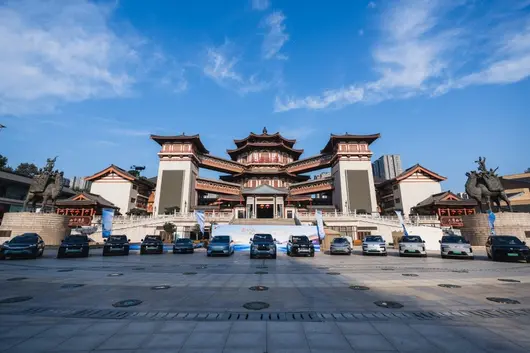
August 14, the 2026 Silk Road 10,000 Mile Journey · Enlightenment Road event concluded at the BYD History Museum in Shenzhen. Spanning 33 days and crossing 7 provinces and 15 cities, this new energy vehicle fleet composed of BYD Dynasty Ocean, DENZA, FANG CHENG BAO, and YANGWANG, five networks and four brands, departed from Xi'an Datang Western Market, headed east along the four major Silk Road Intangible Cultural Heritage collection nodes of Bozhou Fragrant Medicine, Jingdezhen Porcelain, Hangzhou Silk, and Wuyishan Tea, finally arriving in Shenzhen, completing a 10,000-mile journey connecting the land and sea Silk Roads and spanning a millennium of civilization and modern technology.


From Xi'an to Shenzhen, this route echoes the ancient Silk Road across time and space. A millennium ago, Persian spices and Western jewels traveled east from afar, while Chinese porcelain, tea, and silk traveled west or south along the land and sea Silk Roads. Today, a new energy fleet powered by Chinese smart manufacturing retraces the ancient road — the difference is that the fleet carries not single commodities, but whole vehicles as carriers, outputting new technologies, new techniques, and a complete Chinese solution for smart mobility.
Two Major Technical Pillars Escorting the 10,000-Mile Journey
A 10,000-mile expedition places rigorous demands on vehicle stability, energy replenishment efficiency, and adaptability to complex environments. BYD provides protection throughout the journey with Flash Charging and Intelligent Driving as two major technical pillars.

Regarding energy replenishment, BYD's 2nd Generation Blade Battery and Flash Charging technology provide the foundation for the 10,000-mile journey. A charging speed of "Charge well in 5 minutes, Charge full in 9 minutes" significantly shortens energy replenishment duration. As of June 30, 2026, BYD has cumulatively built 7,018 Flash Charging stations, covering 325 cities. Relying on highway networks, scenic spots, and service areas to create a high-density grid-like energy replenishment network, just like waystations along the ancient Silk Road, providing uninterrupted supply support for long-distance travel. Xi'an Lintong Service Area, Bozhou Yingquan Service Area, Hefei Grand Theatre, Shengzhou BYD Raceway, Wuyishan Expressway Exit, Longkangwei Service Area — 7 Major Flash Charging Experience stations run through the whole journey, making "Travel China with Flash Charging" go from vision to reality.

Regarding assisted driving, facing multiple complex road conditions such as city, highway, and mountain areas, BYD's "Divine Eye" assisted driving system escorts the whole journey. Relying on a real driving data loop of over 210 million kilometers daily, the system continuously evolves and "gets better with use", effectively alleviating driving fatigue while building an intelligent defense line with precise and reliable decision-making capabilities to ensure the fleet moves safely. As the first global automaker to achieve "Dual Safety Net" for City Pilot and Smart Parking, BYD uses a dual defense line of technical protection and responsibility guarantee, allowing every companion to enjoy the journey immersively.
Five Networks Four Brands All-Terrain Capability Validation

The fleet is composed of four major brands: Dynasty Ocean, DENZA, FANG CHENG BAO, and YANGWANG. Departing from Xi'an, it proceeds along the four major Silk Road Intangible Cultural Heritage collection nodes of Bozhou Fragrant Medicine, Jingdezhen Porcelain, Hangzhou Silk, and Wuyishan Tea. Urban paved roads, highway trunks, mountain winding roads, coastal highways — multi-terrain testing throughout, completely covering all scenario vehicle usage needs.


The Zhengzhou and Shengzhou racing circuits became stages for extreme performance exhibitions: DENZA Z9GT drifting, FANG CHENG BAO off-road cross-axle test, YANGWANG U8 U-turn. The technical ceiling of BYD's full range of models is fully presented here.
Epoch Leap from Product Export to Technology Export

From camel bells and sail shadows to the rolling wheels of "Made in China", the gene of connectivity of the ancient Silk Road continues to this day, yet the carrier of exchange has already completed its era transformation. A millennium ago, China pushed silk, porcelain, and tea to the world; today, the "New Three" — batteries, new energy vehicles, solar and energy storage — with leading technology and complete industrial chains — take turns to export.

Data is writing footnotes for this historic change. In the first half of 2026, China's automobile export volume first broke through 5 million units, reaching 5.096 million units, up 65.3% year-on-year. BYD, who has held the champion of global new energy passenger car sales for 4 consecutive years, broke 789,000 units in overseas passenger car and pickup sales in the first half, with strong growth momentum, operational footprints covering more than 100 countries and regions.

More importantly, China's automobile export today is no longer just products going out, but exporting new energy vehicles, technology, and industrial chain ecosystems in coordination. BYD landed the first Flash Charging station in Europe, built exclusive energy replenishment networks in Uzbekistan, laid out localized production bases in Thailand and Brazil, and brought the "Solar-Storage-Charging" integrated power station solution to Central Asia. This "Teaching to Fish" ecosystem co-construction concept is rapidly landing in the global market. The Rayong factory in Thailand has achieved dual localization of parts and employees; factories in Brazil and Hungary are laid out synchronously — the "Domestic R&D + Overseas Localized Production + Global Sea Transport" export loop is taking shape.
Millennium Silk Road: The New Business Card of Chinese Manufacturing

From Xi'an to Shenzhen, from the starting point of the ancient Silk Road to the sea Silk Road port, this 10,000-mile journey is not only a review of civilization, but also a strength manifesto of the Chinese new energy industry going global. When the Fragrant Medicine, Porcelain, Silk, and Tea of the ancient Silk Road meet the "New Three" going overseas here, witnessing is not only the epoch leap from product output to the integrated export of technology, vehicles, and energy replenishment systems — but also the new business card of Chinese manufacturing reshaping a new order of global sustainable development with green technology as the bond.
The wheels measure not only the magnificent 10,000-mile mountains and rivers, but also the vivid practice of innovation and development of the Silk Road in the new era. BYD is making Chinese new energy vehicles the brand new business card on this ancient business route with continuously evolving green technology.

喺馬來西亞嘅 SUV 市場,好多買家喺揀車嗰陣都會拿 Proton X90 同 Kia Sportage 嚟做比較。呢兩款車喺價位同定位上都幾接近,今日我哋就從多個角度做一個詳細比較,幫你省做功課嘅時間。
Proton X90 喺馬來西亞嘅 OTR 售價係 RM 106,800 - 122,800,一共有 4 個版本,包括 2026 1.5T Prime X(RM 122,800)、2026 1.5T Prime(RM 116,800)、2026 1.5T Lite(RM 106,800) 等。
Kia Sportage 喺馬來西亞嘅 OTR 售價係 RM 129,639 - 179,320,一共有 4 個版本,包括 2025 1.6T DCT 4WD High(RM 179,320)、2025 1.6T DCT 2WD High(RM 159,320)、2025 2.0L AT 2WD High(RM 139,639) 等。
由價錢嚟睇,Proton X90 嘅起價的確比 Kia Sportage 平咗 RM 22,839。如果你預算有限,Proton 嘅入門版已經可以滿足日常需要。但都要注意,平嗰幾千蚊,可能喺配備上會有取捨,具體要睇你嘅需要。
Proton X90 搭載 1.5L Turbo,馬力 140 hp。官方油耗 7.0 L/100km。
Kia Sportage 搭載 1.5L Turbo,馬力 140 hp。官方油耗 7.0 L/100km。
呢兩款車用嘅係同一套動力系統,日常開落嚟嘅感受基本冇分別。油耗方面都差不多,唔使太糾結這一點。
Proton X90 車身長 4400 mm,行李箱 400 L。
Kia Sportage 車身長 4400 mm,行李箱 400 L。
呢兩款車嘅尺寸幾乎一樣,車內空間分別唔大。呢個級別嘅車,日常使用完全夠用。
Proton X90 保修 5 年/150,000km,保養間隔 每 10,000km 或 6 個月。
Kia Sportage 保修 5 年/300,000km,保養間隔 每 10,000km 或 6 個月。

總體嚟講,Proton X90 同 Kia Sportage 都係馬來西亞市場幾唔錯嘅車型。揀邊輛,關鍵都係要睇你嘅個人需要同預算。建議大家做足功課,多比較幾間車行嘅報價,先至去試駕做最後決定。買車係件大事,花少少時間做功課絕對唔會錯。

喺馬來西亞嘅 SUV 市場,好多買家在揀車嗰陣都會用 Proton X90 同 Mitsubishi Xforce 嚟做比較。呢兩款車喺價位同定位上都好接近,今日我哋就由多個方面做一個詳細比較,幫你節省做足功課嘅時間。
Proton X90 喺馬來西亞嘅 OTR 售價係 RM 106,800 - 122,800,總共 4 個版本,包括 2026 1.5T Prime X(RM 122,800)、2026 1.5T Prime(RM 116,800)、2026 1.5T Lite(RM 106,800) 等。
Mitsubishi Xforce 喺馬來西亞嘅 OTR 售價係 RM 109,930 - 119,930,總共 2 個版本,包括 2026 1.5L Ultimate(RM 119,930)、2026 1.5L Urban(RM 109,930) 等。
從價錢睇落去,Proton X90 嘅入門價確實比 Mitsubishi Xforce 平咗 RM 3,130。如果你預算有限,Proton 嘅入門版已經可以滿足日常需要。但都要留意,平嗰幾千蚊,可能喺配備上會有取捨,具體要睇你嘅需求。
Proton X90 配備 1.5L Turbo,馬力 140 hp。官方油耗 7.0 L/100km。
Mitsubishi Xforce 配備 1.5L Turbo,馬力 140 hp。官方油耗 7.0 L/100km。
兩款車用同一套動力系統,日常開出嚟嘅感受基本冇乜分別。油耗方面都差不多,唔使太糾結呢一點。
Proton X90 嘅安全评分係 5★ (ASEAN NCAP),主動安全系統包括 ADAS (ACC, AEB, LKA, LDA, BSM, RCTA)。
Mitsubishi Xforce 嘅安全评分係 5★ (ASEAN NCAP),主動安全系統包括 MI-PILOT。
兩款車嘅安全评分一樣,喺呢個級別入面安全配備都算好齊全。依家嘅新車安全性都唔差,唔使太擔心呢一點。
Proton X90 採用 FWD 驅動方式。
Mitsubishi Xforce 採用 FWD 驅動方式。
兩款車嘅驅動方式一樣,都係 FWD,日常駕駛感受唔會有太大分別。

Proton X90 同 Mitsubishi Xforce 都係馬來西亞市場嘅主流選擇,適合家庭使用、日常通勤。如果你更重視品牌口碑同二手價,可以優先考慮口碑更好嗰一款;如果你更在意性價比同配備,那就揀配備更豐富嗰款。最終都建議兩款都去試駕,親身體驗先至係最緊要。
總體嚟講,Proton X90 同 Mitsubishi Xforce 都係馬來西亞市場好唔錯嘅車型。揀邊一輛,關鍵仲係要睇你嘅個人需要同預算。建議大家做好功課,多比較幾間車行嘅報價,先去試駕做最終決定。買車係件大事,花少少時間做功課絕對唔會錯。

In the Malaysian SUV market, many buyers often compare the Proton X90 and Chery Tiggo 7 PHEV when choosing a car. These two cars are quite close in price and positioning. Today we will do a detailed comparison from multiple aspects to save you time doing research.
The Proton X90 has an OTR price of RM 106,800 - 122,800 in Malaysia, with a total of 4 versions, including 2026 1.5T Prime X (RM 122,800), 2026 1.5T Prime (RM 116,800), 2026 1.5T Lite (RM 106,800), etc.
The Chery Tiggo 7 PHEV has an OTR price of RM 129,750 - 129,750 in Malaysia, with a total of 2 versions, including 2025 1.5T 90km CSH (RM 129,750), What charging methods does the Tiggo 7 PHEV support? Can it be charged using a home power socket? (RM 117,478), etc.
From a price perspective, the Proton X90's starting price is indeed RM 22,950 cheaper than the Chery Tiggo 7 PHEV. If your budget is limited, Proton's entry-level version can already meet daily needs. However, note that the few thousand less expensive might involve trade-offs in features, specifically depending on your needs.
Proton X90 body length is 4400 mm, trunk 400 L.
Chery Tiggo 7 PHEV body length is 4400 mm, trunk 400 L.
The dimensions of both cars are almost the same, with little difference in interior space. Cars in this class are completely sufficient for daily use.
Proton X90 adopts FWD drive mode.
Chery Tiggo 7 PHEV adopts FWD drive mode.
The drive modes of both cars are the same, both are FWD, there won't be much difference in daily driving experience.
Both Proton X90 and Chery Tiggo 7 PHEV are mainstream choices in the Malaysian market, suitable for family use and daily commuting. If you value brand reputation and resale value more, you can prioritize the one with better reputation; if you care more about cost-performance ratio and specifications, choose the one with richer configurations. Ultimately, it is recommended to test drive both, as personal experience is the most important.

In general, both Proton X90 and Chery Tiggo 7 PHEV are very good car models in the Malaysian market. Which one to choose mainly depends on your personal needs and budget. It is recommended to do research, compare quotes from several dealerships, and then test drive to make a final decision. Buying a car is a major matter, taking time to do research will never be wrong.


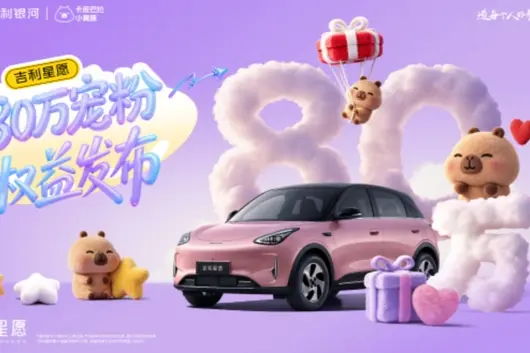
Only 21 months since launch, cumulative sales exceeded 800,000 units—Geely Xingyuan, with its "Xingyuan Speed" of "1 unit delivered per minute on average," once again shattered growth records in the Chinese new energy vehicle market. On August 10, Geely Xingyuan officially launched exclusive fan appreciation rights for 800,000 users: Starting August 11, 800,000 owners can log in to the Geely Galaxy APP to draw benefits such as Capybara IP merchandise, car accessories, charging service fee discount coupons, etc. All gifts come from the real demands of previous user research. Meanwhile, for users waiting more than (including) 28 days for delivery, Xingyuan specially sets exclusive [Xingyi Gifts], ensuring every expectation receives a response.
Behind the choice of 800,000 users lies the mutual pursuit of "Champion Strength" and "Champion Fan Appreciation Power"

The sustained hot sales of Geely Xingyuan do not rely on impulse growth catalyzed by short-term traffic, but rather a long-term value realization. In 2025, Geely Xingyuan won the sales champion in all categories of the Chinese auto market; in the first half of 2026, cumulative sales exceeded 249,000 units, up 21% year-over-year, firmly securing the sales champion position in all categories. In the A0-level pure electric sub-segment, its market share exceeds 30%—among every 3 users who choose an A0 pure electric sedan, 1 chooses Geely Xingyuan. In the first quarter of this year, Geely Xingyuan even made it into the top three global new energy vehicle sales, becoming the only model from a Chinese brand to enter this list.
Meanwhile, Geely Xingyuan has entered over 30 countries and regions globally, ranking in the top 2 for Chinese new energy hatchback exports from January to June 2026. In Brazil, sales exceeded 10,000 within just 5 months of launch, ranking first in Thai new energy sales in June. On August 5, Xingyuan officially launched in Australia, and will enter the EU and UK in the third quarter. From emerging markets to developed markets, Xingyuan is becoming a flowing Chinese business card.
Hard-core strength is the "Champion Confidence": "Good Battery, Good Handling, Great Safety, Great Comfort" are indispensable

Behind the 800,000 sales, there are no shortcuts. Geely Xingyuan turned all user concerns about small cars into product certainty.
Regarding the tri-electric reliability that users care about most, Geely Xingyuan gave the most direct response with "Good Battery". The entire series is equipped with CATL cells, regardless of version or batch, users don't have to open blind boxes. Coupled with the Shendun Battery Security System and full-domain liquid cooling temperature control technology, 30% to 80% fast charging takes only 19 minutes, CLTC maximum range 480 km, the capacity of Xingyuan batteries still remains 96.5% after 84,000 km of actual testing—using hard-core data to dispel user concerns about pure electric travel.

In terms of "Good Handling", Geely Xingyuan not only adopts the rear-wheel drive + independent suspension architecture same as luxury cars, but also welcomes the deep empowerment from the "Chassis Master" Lotus Engineering Team. In January this year, Xingyuan partnered with the Lotus Engineering Team to fully participate in winter chassis tuning carried out in Sweden. In the icy and snowy environment below minus 30 degrees, around the ESC electronic stability control system, G-TCS all-weather anti-skid system, torque control, and whole vehicle dynamic performance, multiple rounds of strict testing and calibration were conducted. What Lotus brought to Xingyuan was not the aggression of a sports car, but the precision, balance, and stability precipitated from a hundred years of track tuning experience. Tracks pursue limits, while home use emphasizes discretion. Xingyuan converts limit capabilities into peace of mind all the way, bringing a driving control experience that is easy to handle, stable, and not car sick, allowing beginners to get started easily. This chassis system also helped Xingyuan complete the 130 km/h hook test and 80.7 km/h moose test that small cars of the same class never passed before, leaving extreme safety margins for users. Previously, a car owner in Wenzhou encountered a vehicle going the wrong way suddenly in dense fog, twice emergency handling to turn danger into safety, which is precisely the strength endorsement of this "Track-level Tuning" chassis under extreme scenarios.
Good handling is the confidence for active risk avoidance, while "Great Safety" is the last line of defense for protecting users. Geely Xingyuan partnered with CCTV to successfully challenge continuous collision tests of 50 km/h front and 55 km/h side, and smoothly passed AEB 120 km/h braking stop + AES 130 km/h active avoidance. A car owner in Chengdu, after an accident where the vehicle was sandwiched front and back by a truck and nearly totaled, found the A and B pillars intact, zero intrusion into the passenger compartment, doors opened normally, and the owner safe and sound—afterwards he chose Xingyuan again without hesitation. This trust from real users outweighs any safety certification.

Beyond hard power, "Great Comfort" is a longer promise from Geely Xingyuan to users. In terms of products, Xingyuan for the first time downgraded the Thousand Miles Ocean Auxiliary Driving H3 solution from high-end cars to the A0-level market, covering highway NOA, 300+ scenario automatic parking, and 25 active safety functions. Coupled with Flyme Auto2 smart cockpit and quasi-B class spacious space, 70L super large front storage box and 10L co-pilot drawer, let small car users equally enjoy the comfortable large space of free storage.
On the service side, relying on Geely Group's comprehensive user system, over 2,300 self-built charging stations cover 220 cities, over 2,600 service networks across the country achieve full coverage for cities above the fourth tier, first non-operational owners enjoy a lifetime warranty for the tri-electric system—providing full-link guarantee from energy replenishment to after-sales, allowing users to buy with peace of mind and use with comfort.
"Galaxy-Style Fan Appreciation" continues to upgrade, going to beauty together with 800,000 users

Good products are the cornerstone, but what truly let Geely Xingyuan change from "1 car" to "800,000 users' common choice" is the emotional connection of mutual pursuit with users. From the beginning of launch giving Haagen-Dasz upon arrival to the dealership, Harbin Ice and Snow Carnival, to partnering with the World's No. 1 Wealth God Temple to send wealth blessings; from "Island Lie Flat Gift Pack" to Capybara surprise benefits, to today's 800,000 exclusive fan appreciation rights—Xingyuan has always played with users.
This emotion is also converting into more beautiful value. Relying on the "Our Xingyuan" charity plan, Xingyuan and car owners lit up the basketball court for basketball teenagers in Daliangshan, Sichuan, helped football children realize their dreams in the green field in Qiannan, Guizhou. This summer, Xingyuan joined forces with car owners to launch the "North Melon South Move" action, helping Henan melon farmers broaden sales channels, while sending cooling relief to outdoor workers under high temperatures. User kindness is gathered into concrete actions, making every choice become a power to convey beauty.
21 months since launch, sales exceeded 800,000 units—this is a hard-core answer paper that Geely Xingyuan has handed to the market and users, and even more a vivid witness to the value progression of Chinese new energy small cars. In the future, Geely Xingyuan will continue to take user needs as the core, uphold the "Good Battery, Good Handling, Great Safety, Great Comfort" champion product strength, especially based on the chassis tuning tempered by ice and snow of the Lotus Engineering Team, continuously refreshing the value standards of pure electric small cars, together with thousands of users, going to a new journey of beauty.
In Malaysia's SUV market, many buyers compare the Proton X90 and Chery Tiggo 7 PHEV when choosing a car. These two models are quite close in price and positioning. Today, we will make a detailed comparison from multiple aspects to save you time doing your research.
The Proton X90's OTR price in Malaysia is RM 106,800 - 122,800, with a total of 4 variants, including 2026 1.5T Prime X (RM 122,800), 2026 1.5T Prime (RM 116,800), 2026 1.5T Lite (RM 106,800), etc.
Chery Tiggo 7 PHEV's OTR price in Malaysia is RM 129,750 - 129,750, with a total of 2 variants, including 2025 1.5T 90km CSH (RM 129,750), What charging methods does the Tiggo 7 PHEV support? Can it be charged using a home power socket? (RM 117,478), etc.
From a price perspective, Proton X90's starting price is indeed RM 22,950 cheaper than Chery Tiggo 7 PHEV. If your budget is limited, Proton's entry-level version can already meet daily needs. But keep in mind, the few thousand dollars cheaper, there might be trade-offs in specifications, depends on your specific needs.
Proton X90 is equipped with 1.5L Turbo, horsepower 140 hp. Official fuel consumption 7.0 L/100km.
Chery Tiggo 7 PHEV is equipped with Hybrid, horsepower 170 hp. Official fuel consumption 4.5 L/100km.
In terms of power, Chery Tiggo 7 PHEV's Hybrid has 30 more horsepower than Proton X90's 1.5L Turbo. However, for daily driving in the city, both cars have sufficient power, won't feel underpowered.
Proton X90 body length 4400 mm, trunk 400 L.
Chery Tiggo 7 PHEV body length 4400 mm, trunk 400 L.
The dimensions of both cars are almost the same, interior space difference is not significant. For cars of this class, daily use is more than enough.
Proton X90 warranty 5 years/150,000km, service interval every 10,000km or 6 months.
Chery Tiggo 7 PHEV warranty 3 years/100,000km, service interval every 10,000km or 6 months.
Overall, Proton X90 and Chery Tiggo 7 PHEV are both very good models in the Malaysia market. Which one to choose depends on your personal needs and budget. We recommend doing your research, comparing quotes from several car dealerships, and then test driving to make the final decision. Buying a car is a big deal, spending time doing research is never wrong.

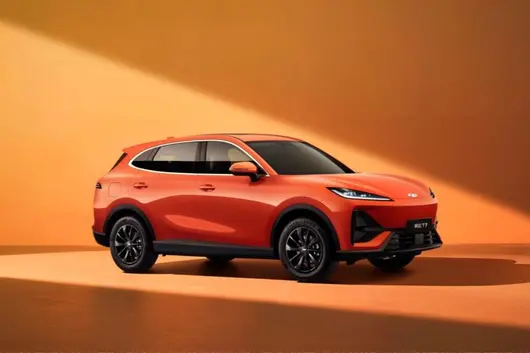
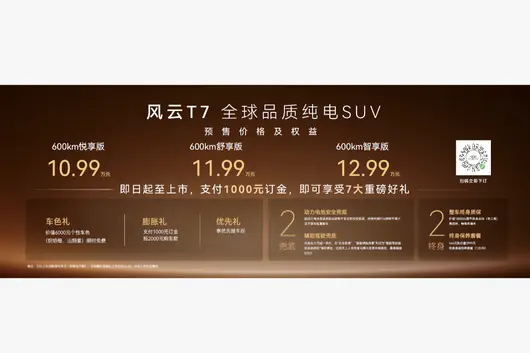
Recently, Chery Fengyun T7 officially started pre-sale. The new car launches 3 configuration versions, pre-sale range 109,900-129,900 Yuan, simultaneously releasing 7 car purchasing benefits. Unlike most domestic models that launch locally first then go overseas, Fengyun T7 takes a reverse overseas route. The source model Lepas L6 has already landed in Thailand, South Africa markets, and appeared at Milan Design Week, completing overseas market trial before being launched to the domestic market.

This development logic means the whole vehicle from design, testing to parts standards directly benchmarks overseas market regulations and usage environments. In the 100,000-level pure electric SUV track, many models show range and battery specifications gaps between high and low configurations. Fengyun T7 chooses full range equality across all series, making core hardware unified. This product concept is the most worth disassembling part of this car.
Fengyun T7 positions as compact 5-seat pure electric SUV, Body dimensions 4570×1852×1694mm, Wheelbase 2700mm, Motor max power 178kW, Max speed 180km/h, 100km electricity consumption 12.9kWh, Battery supplier is Gotion, Equipped with 65.05kWh Rhino Lithium Iron Phosphate battery, The three version battery specs are completely consistent, CLTC range 600km, Official provides actual range data over 667km, 30%-80% fast charge time 20 minutes.

Exterior level, Participated in development by Chery 10 global design centers, Initially collected over 5,000 overseas and domestic user feedback, Offering Flame Orange, Mountain Smoke Purple, Cloud Pink Beige, Flowing Light Silver, Green Bamboo Gray, Ink Stone Black 6 body paint colors, Paint surface executes overseas weatherability test standards, Reducing fading and loss of luster problems after long-term sun exposure and rain.

Interior offers Warm Black Brown, Polar Night Obsidian two color schemes, Cockpit adopts Cloud Wing Surround layout, Large area soft material wrapping inside the car, Equipped with Pebble-shaped Floating Speakers, Diamond Quilting craftsmanship. Official data marks, Interior leather, sealing strips, plastic part raw materials underwent aging tests, Reducing hardening, color change probability after long-term use, This part belongs to unseen material usage standards, Directly affecting vehicle 3-5 years later interior condition.

Safety is the high R&D investment proportion section of this car. Project cycle is 2 years planning, 3 years R&D, Invested 81 exclusive durability test vehicles, Whole vehicle cumulative test mileage over 6 million km, Among them durability special test 1.45 million km, Test scenarios cover Southeast Asia rainy season, Middle East high temp sun exposure, Indonesia high humidity environment etc overseas typical working conditions, Doing cross-regional limit verification. Whole vehicle developed according to 2026 Version E-NCAP 5-star safety target, Functional safety reaches ASIL-D highest level. Body structure uses 9 Cross 5 Longitudinal Cage Body, High Strength Steel proportion 80%, Hot Formed Steel proportion 18.84%, Using shotgun structure, Double Frame Subframe + Pack Bumper Beam; Collision force transmission paths divided into front 9 lines, side 6 lines, Used to disperse impact energy, protect passenger cabin survival space. Airbag quantity 9 units, Including 48L Dual Chamber Far-end Airbag and rear side airbag, Achieving full cabin seat coverage.

Battery safety aspect, Full series Rhino Battery equipped with 6D Protection System, Battery protection grade IP68, Water resistance capability is 96 times national standard requirement, Dealing with heavy rain accumulation, outdoor wading scenes. Official published two guaranteed benefits: Power battery self-reason caused thermal runaway whole vehicle damage, Compensate same model new car; Within 1 year of purchase, Parking, Nav Assist scenes, Smart Drive System responsibility causing accident, Up to 5 million compensation, Further stacked whole vehicle including Three-electric lifetime warranty (wearing parts excluded), 666 Yuan select lifetime basic maintenance package, This is also the core guarantee part inside 7 car purchasing benefits.
Range and Thermal Control System, are the most concerned parts for home pure electric users. Fengyun T7 full series unified 65.05kWh battery, No situation of low config cutting battery capacity exists. Thermal management config full domain integrated thermal management system, Dual Source Wide Heat Pump AC matched with High Voltage PTC, Working temp range -30°C to 55°C. Low temp environment relies on heat pump to lower electricity consumption, High temp environment improves heat dissipation efficiency, Solving North winter range decay, South summer battery overheat pain points. Hardware also has AGS Intelligent Grille, Matching 14 body low wind resistance optimizations, Used to control energy consumption performance under different speeds. This config placed in 100,000-130,000 price range, Most same price models will treat heat pump AC as high config exclusive, Fengyun T7 achieves full series standard, For cross-regional usage, Winter high frequency usage users, Hardware differences will directly reflect on actual range.

Intelligence aspect, Fengyun T7 equipped with Cockpit-Drive Integrated 8775 Chip, 4nm Process, Computing Power 72TOPS, System Response 80ms, Whole machine boot speed increases 33%, Cockpit and Smart Drive Domain Controller integrated into same chip, Reduce multi-domain communication delay. Center screen is 15.6-inch 2.5K screen, Possesses anti-glare, anti-reflect, anti-fingerprint physical properties, Supports CarPlay, HUAWEI HiCar, CarLink wireless screen projection, Adapt to most mobile phone devices on the market. Linxi Cockpit 2.0 System built-in 6 voice interaction personas, Simultaneously provide Nap, Camping, Pet, Wake up etc 6 whole vehicle scene modes, After switching modes it will link AC, Lights, Car logic, Adapt to car rest, taking pets travel, Camping parking etc scenes.

Assist Drive Hardware is Falcon 500 Assist Drive System, Sensor config 3 mmWave Radars, 7 Cameras, 12 Ultrasonic Radars, Total 22 Sensors, Supports High-speed NOA Nav Assist, Auto Parking covers 300+ scenarios, Including Dead-end Parking, Cross-floor Memory Parking, One-key Trace Reverse, Solving narrow parking space, Underground multi-floor garage parking difficulties. Need to note, This set is L2 Level Assist Drive, not Auto Drive, All functions still need Driver takeover.
Space and Chassis aspect, Interior utilization rate 84%, Rear pure flat floor, Rear leg space 911mm. Standard trunk volume 450L, After rear seats fold down, storage space expands to 1,550L, Internal max can get 1,955mm pure flat space, Can satisfy Camping lying, Large item loading. Car interior sets 38 storage spots, Car body reserved 4 max load 300kg Rivet Rings, 2 max load 3kg Hooks, Convenient for fixing camping equipment, goods. Seats use 9-layer structure fillers, High config version provides Seat Vent, Seat Heat; Heat supports 3-gear temp control, -20°C environment, 5 mins seat surface temp rise to 30°C; Vent uses intake structure, Reduce Summer back sweat buildup.

Chassis tuning completed by International team led by Maserati former chassis tuning expert, Suspension structure is Front MacPherson, Rear Multi-link Independent Suspension, Axle load ratio 50.8:49.2, Improve steering understeer, oversteer phenomenon, Improve cornering stability and straight driving stability. Chery from 2009 owns self-developed Ground Mobile Dual Axle K&C Test Bench, Chassis tuning accumulation 26 years, Hardware parameters above, this chassis belongs to same price mainstream high level, Actual shock absorption performance needs to wait for real car test drive verification.
In Closing:
Fengyun T7's product logic is very clear: In 109,900-129,900 Yuan this range, Make Range, Battery, Thermal Management, Body Safety these core hardware do full series unified, Don't do high-low config hardware segmentation, Then stack overseas standard test verification and guaranteed car purchase benefits. Comprehensive view, Fengyun T7 targets is Family Commute, Short Trip Self Drive, Outdoor Camping mainstream users, Target users value range no shrinkage, whole vehicle safety, Cold Hot regions can all use stably, Don't want to sacrifice Battery, Thermal Control this kind of unseen hardware for low price.

Pasaran SUV di Malaysia, ramai pembeli semasa memilih kenderaan membandingkan Proton X90 dan MG MG HS. Kedua-dua kereta ini hampir sama dari segi harga dan pelan, hari ini kita akan membuat perbandingan terperinci dari pelbagai aspek, membantu anda menjimatkan masa membuat kajian.
Proton X90 di Malaysia harga OTR adalah RM 106,800 - 122,800, sebanyak 4 varian, termasuk 2026 1.5T Prime X (RM 122,800), 2026 1.5T Prime (RM 116,800), 2026 1.5T Lite (RM 106,800) dan lain-lain.
MG MG HS di Malaysia harga OTR adalah RM 130,450 - 146,450, sebanyak 2 varian, termasuk 1.5L Standard (RM 105,000), 1.5L Executive (RM 115,000) dan lain-lain.
Dari segi harga, harga permulaan Proton X90 memang lebih murah RM 23,650 berbanding MG MG HS. Jika bajet terhad, varian permulaan Proton sudah memadai untuk keperluan harian. Namun, perlu ambil tahu, perbezaan harga beberapa ribu itu mungkin ada kompromi dari segi peralatan, perlu lihat keperluan anda secara spesifik.
Proton X90 dilengkapi enjin 1.5L Turbo, kuasa 140 hp. Konsumsi bahan api rasmi 7.0 L/100km.
MG MG HS dilengkapi enjin 1.5L Turbo, kuasa 140 hp. Konsumsi bahan api rasmi 7.0 L/100km.
Kedua-dua kereta menggunakan sistem pemacu yang sama, rasa semasa memandu harian pada dasarnya tiada perbezaan. Dari segi konsumsi bahan api juga hampir sama, tidak perlu terlalu bimbang dengan hal ini.
Penarafan keselamatan Proton X90 adalah 5★ (ASEAN NCAP), sistem keselamatan aktif termasuk ADAS (ACC, AEB, LKA, LDA, BSM, RCTA).
Penarafan keselamatan MG MG HS adalah TBD, sistem keselamatan aktif termasuk Basic.
Dari segi peralatan keselamatan, kedua-dua kereta mendapat penarafan yang baik. Tetapi ADAS (ACC, AEB, LKA, LDA, BSM, RCTA) Proton X90 dan Basic MG MG HS ada perbezaan dari segi fungsi, jika anda lebih mementingkan keselamatan aktif, boleh bandingkan senarai fungsi kedua-duanya dengan teliti.
Proton X90 menggunakan cara pemacu FWD.
MG MG HS menggunakan cara pemacu FWD.
Kedua-dua kereta sama cara pemacu, semuanya FWD, rasa semasa memandu harian tidak akan ada perbezaan besar.
Proton X90 dan MG MG HS sama-sama pilihan utama pasaran Malaysia, sesuai untuk kegunaan keluarga dan perjalanan harian. Jika anda lebih mementingkan reputasi jenama dan nilai jual semula, boleh utamakan yang lebih baik reputasinya; jika lebih mementingkan nilai dan peralatan, maka pilih yang lebih banyak peralatannya. Akhir sekali disarankan kedua-dua model untuk uji pandu, pengalaman sendiri yang paling penting.
Secara keseluruhan, Proton X90 dan MG MG HS sama-sama model yang bagus di pasaran Malaysia. Memilih yang mana, utamanya bergantung pada keperluan peribadi dan bajet anda. Disarankan anda sediakan maklumat, bandingkan beberapa tawaran peniaga kenderaan, kemudian uji pandu untuk membuat keputusan akhir. Membeli kereta adalah perkara penting, meluangkan masa untuk kajian tidak akan salah.

Di pasaran SUV Malaysia, ramai pembeli membandingkan Proton X90 dan MG MG HS semasa memilih kereta. Kedua-dua kereta ini dalam harga dan kategori adalah cukup hampir, hari ini kita akan buat perbandingan terperinci dari pelbagai aspek, bantu anda menjimatkan masa membuat kajian.
Proton X90 dijual pada harga OTR di Malaysia sebanyak RM 106,800 - 122,800, terdapat 4 varian, termasuk 2026 1.5T Prime X (RM 122,800), 2026 1.5T Prime (RM 116,800), 2026 1.5T Lite (RM 106,800) dan lain-lain.
MG MG HS dijual pada harga OTR di Malaysia sebanyak RM 130,450 - 146,450, terdapat 2 varian, termasuk 1.5L Standard (RM 105,000), 1.5L Executive (RM 115,000) dan lain-lain.
Dari segi harga, harga permulaan Proton X90 memang lebih murah RM 23,650 berbanding MG MG HS. Jika bajet anda terhad, versi permulaan Proton sudah boleh memenuhi keperluan harian. Namun perlu diingat, beratus ringgit yang lebih murah itu mungkin ada kompromi pada peralatan, ia bergantung pada keperluan anda.
Proton X90 panjang badan 4400 mm, ruang stor belakang 400 L.
MG MG HS panjang badan 4400 mm, ruang stor belakang 400 L.
Saiz kedua-dua kereta hampir sama, ruang dalaman tidak banyak bezanya. Kereta dalam kategori ini, cukup untuk penggunaan harian.
Proton X90 menggunakan cara pemacu FWD.
MG MG HS menggunakan cara pemacu FWD.
Cara pemacu kedua-dua kereta sama, iaitu FWD, pengalaman memandu harian tidak akan berbeza jauh.
Proton X90 dan MG MG HS adalah pilihan utama di pasaran Malaysia, sesuai untuk kegunaan keluarga dan perjalanan harian. Jika anda mengutamakan reputasi jenama dan harga second-hand, pilih yang memiliki reputasi lebih baik; jika anda lebih mengambil kira nisbah harga-kualiti dan peralatan, pilih yang mempunyai peralatan lebih lengkap. Pada akhirnya disarankan kedua-dua model untuk dicuba, pengalaman langsung adalah paling penting.
Secara keseluruhan, Proton X90 dan MG MG HS adalah model yang sangat baik di pasaran Malaysia. Memilih yang mana, bergantung pada keperluan dan bajet peribadi anda. Kami nasihatkan anda buat persiapan, bandingkan sebut harga dari beberapa kedai kereta, kemudian buat ujian memandu untuk membuat keputusan akhir. Membeli kereta adalah perkara besar, mengambil masa untuk membuat persiapan tidak akan pernah salah.
喺馬來西亞嘅SUV市場,好多買家喺揀車嗰陣都會拿 Proton X90 同 GWM Haval H6 嚟做比較。這兩款車喺價錢同定位上都幾接近,今日我哋就從多個方面做一個詳細嘅對比,幫你節省做功課嘅時間。
Proton X90 喺馬來西亞嘅 OTR 售價係 RM 106,800 - 122,800,合共 4 個版本,包括 2026 1.5T Prime X(RM 122,800)、2026 1.5T Prime(RM 116,800)、2026 1.5T Lite(RM 106,800) 等。
GWM Haval H6 喺馬來西亞嘅 OTR 售價係 RM 139,750 - 139,750,合共 2 個版本,包括 1.5L Turbo Standard(RM 140,000)、1.5L Turbo Premium(RM 155,000) 等。
由價錢睇,Proton X90 嘅起價確實比 GWM Haval H6 平咗 RM 32,950。如果你預算有限,Proton 嘅入門版已經可以滿足日常需求。但都要注意,平嗰幾千塊,可能喺配備上會有取捨,具體就要睇你嘅需求。
Proton X90 搭載 1.5L Turbo,馬力 140 hp。官方油耗 7.0 L/100km。
GWM Haval H6 搭載 Hybrid,馬力 170 hp。官方油耗 4.5 L/100km。
動力方面,GWM Haval H6 嘅 Hybrid 比 Proton X90 嘅 1.5L Turbo 多咗 30 匹馬力。不過日常喺市區行,兩款車嘅動力都夠用,唔會覺得唔夠力。
Proton X90 保用 5年/150,000km,保養間隔 每10,000km或6個月。
GWM Haval H6 保用 7年/150,000km,保養間隔 每10,000km或6個月。
Proton X90 同 GWM Haval H6 都係馬來西亞市場嘅主流選擇,適合家庭使用、日常通勤。如果你更睇重品牌口碑同二手價,可以優先考慮口碑更好嗰一款;如果你更在意性價比同配備,那就揀配置更豐富嗰款。最終都係建議兩款都去試駕,親身體驗先係最重要嘅。
總體嚟講,Proton X90 同 GWM Haval H6 都係馬來西亞市場幾唔錯嘅車型。揀邊一輛,關鍵都係要睇你嘅個人需求同預算。建议大家做足功課,多比較幾間車行嘅報價,再去試駕做最終決定。買車係件大事,花點時間做功課絕對唔會錯。

喺馬來西亞嘅 SUV 市場,好多買家喺揀車嗰陣都會拿 寶騰 X90 同 奇瑞 Tiggo 7 PHEV 嚟做比較。兩款車喺價位同定位上都幾接近,今日我哋就從多個方面做個詳細比較,幫你慳返做功課嘅時間。
寶騰 X90 喺馬來西亞嘅 OTR 售價係 RM 106,800 - 122,800,合共有 4 個版本,包括 2026 1.5T Prime X(RM 122,800)、2026 1.5T Prime(RM 116,800)、2026 1.5T Lite(RM 106,800) 等。
奇瑞 Tiggo 7 PHEV 喺馬來西亞嘅 OTR 售價係 RM 129,750 - 129,750,合共有 2 個版本,包括 2025 1.5T 90km CSH(RM 129,750)、Tiggo 7 PHEV 支持邊種充電方法?可以用家用電源插座充電嗎?(RM 117,478) 等。
從價錢睇嚟,寶騰 X90 嘅起步價確實較 奇瑞 Tiggo 7 PHEV 平咗 RM 22,950。如果你預算有限,寶騰嘅入門版已經可以滿足日常需要。但都要注意,平嗰幾千蚊,可能喺配備上會有取捨,具體就要睇你嘅需求。
寶騰 X90 嘅安全評級係 5★ (ASEAN NCAP),主動安全系統包括 ADAS (ACC, AEB, LKA, LDA, BSM, RCTA)。
奇瑞 Tiggo 7 PHEV 嘅安全評級係 TBD,主動安全系統包括 Basic。
安全配備方面,兩款車都拿到唔錯嘅評級。不過 寶騰 X90 嘅 ADAS (ACC, AEB, LKA, LDA, BSM, RCTA) 同 奇瑞 Tiggo 7 PHEV 嘅 Basic 喺功能上有少少分別,如果你比較看重主動安全嘅話,可以仔細對比下兩者嘅功能列表。
寶騰 X90 車身長 4400 mm,尾箱 400 L。
奇瑞 Tiggo 7 PHEV 車身長 4400 mm,尾箱 400 L。
兩款車嘅尺寸差唔多,車內空間差唔多大。呢個級別嘅車,日常使用完全夠用。
寶騰 X90 採用 FWD 驅動方式。
奇瑞 Tiggo 7 PHEV 採用 FWD 驅動方式。
兩款車嘅驅動方式一樣,都係 FWD,日常駕駛感受唔會有太大分別。
總括嚟講,寶騰 X90 同 奇瑞 Tiggo 7 PHEV 都係馬來西亞市場幾唔錯嘅車型。揀邊一輛,關鍵仲係睇你個人需要同預算。建議大家做好功課,多比較幾間車行嘅報價,再去試駕做最終決定。買車係件大事,花少少時間做功課絕對唔會錯。
In the SUV market in Malaysia, many buyers compare Proton X90 and Chery Tiggo 8 PHEV when choosing a car. These two cars are quite close in price and positioning. Today, we will make a detailed comparison from multiple aspects to save you time doing your research.
The OTR price for Proton X90 in Malaysia is RM 106,800 - 122,800, with a total of 4 versions, including 2026 1.5T Prime X (RM 122,800), 2026 1.5T Prime (RM 116,800), 2026 1.5T Lite (RM 106,800), etc.
The OTR price for Chery Tiggo 8 PHEV in Malaysia is RM 159,750 - 159,750, with a total of 2 versions, including 1.6L Turbo Standard (RM 130,000), 1.6L Turbo Premium (RM 145,000), etc.
Looking at the price, Proton X90's starting price is indeed RM 52,950 cheaper than Chery Tiggo 8 PHEV. If your budget is limited, Proton's entry-level version can already meet daily needs. But also note, those few thousand cheaper might mean trade-offs in features, it depends on your specific needs.
Proton X90 is equipped with 1.5L Turbo, 140 hp. Official fuel consumption 7.0 L/100km.
Chery Tiggo 8 PHEV is equipped with Hybrid, 170 hp. Official fuel consumption 4.5 L/100km.
In terms of power, Chery Tiggo 8 PHEV's Hybrid has 30 more horsepower than Proton X90's 1.5L Turbo. However, for daily city driving, both cars have sufficient power and won't feel lacking.
Proton X90 warranty 5 years/150,000km, service interval every 10,000km or 6 months.
Chery Tiggo 8 PHEV warranty 3 years/100,000km, service interval every 10,000km or 6 months.
Both Proton X90 and Chery Tiggo 8 PHEV are mainstream choices in the Malaysian market, suitable for family use and daily commuting. If you value brand reputation and resale value more, consider the one with better reputation first; if you care more about value for money and features, choose the one with richer configuration. Ultimately, it is recommended to test drive both, experiencing it firsthand is the most important.
Overall, Proton X90 and Chery Tiggo 8 PHEV are very good models in the Malaysian market. Which one to choose depends mainly on your personal needs and budget. It is recommended that everyone do their research, compare quotes from multiple car dealers, and then test drive to make the final decision. Buying a car is a big matter, spending time doing research will definitely not be wrong.

In Malaysia's SUV market, many buyers compare Proton X90 and Chery Tiggo 7 Pro when choosing a car. The price and positioning of these two cars are quite similar. Today, we will make a detailed comparison from multiple aspects to help you save time on research.
The OTR price of Proton X90 in Malaysia is RM 106,800 - 122,800, with a total of 4 versions, including 2026 1.5T Prime X (RM 122,800), 2026 1.5T Prime (RM 116,800), 2026 1.5T Lite (RM 106,800), etc.
The OTR price of Chery Tiggo 7 Pro in Malaysia is RM 123,750 - 123,750, with a total of 2 versions, including 1.6L Turbo Standard (RM 125,000), 1.6L Turbo Premium (RM 140,000), etc.
From a price perspective, the starting price of Proton X90 is indeed RM 16,950 cheaper than Chery Tiggo 7 Pro. If your budget is limited, Proton's entry-level version can already meet daily needs. However, please note that the cheaper few thousand might have trade-offs in features, which depends on your specific needs.
Proton X90 is equipped with 1.5L Turbo, 140 hp. Official fuel consumption 7.0 L/100km.
Chery Tiggo 7 Pro is equipped with 1.5L Turbo, 140 hp. Official fuel consumption 7.0 L/100km.
Both cars use the same powertrain, so the driving experience feels basically the same. Fuel consumption is also similar, so there is no need to worry too much about this point.
Proton X90's safety rating is 5★ (ASEAN NCAP), active safety systems include ADAS (ACC, AEB, LKA, LDA, BSM, RCTA).
Chery Tiggo 7 Pro's safety rating is TBD, active safety systems include Basic.
In terms of safety features, both cars received decent ratings. However, there are some differences in functionality between Proton X90's ADAS (ACC, AEB, LKA, LDA, BSM, RCTA) and Chery Tiggo 7 Pro's Basic. If you value active safety, you can compare the feature lists of both carefully.
Proton X90 body length 4400 mm, trunk 400 L.
Chery Tiggo 7 Pro body length 4400 mm, trunk 400 L.
The dimensions of both cars are almost identical, and the interior space difference is not significant. For a car of this class, it is more than enough for daily use.
Proton X90 adopts FWD drive type.
Chery Tiggo 7 Pro adopts FWD drive type.
Both cars have the same drive type, both are FWD, so the daily driving experience will not be much different.
Overall, Proton X90 and Chery Tiggo 7 Pro are both excellent models in the Malaysian market. Which one to choose depends mainly on your personal needs and budget. It is recommended to do your research well, compare quotes from several car dealers, and then test drive to make the final decision. Buying a car is a big matter, spending some time on research will never be wrong.

12 Ogos, Chery Fengyun T7 secara rasmi membuka jualan pra-pelancaran. Penganjuran majlis dengan tema "Kerja Teliti Membina Kereta Bagus, Maaf Telah Menunggu Lama" menyalurkan konsep pembangunan Chery Fengyun T7 yang memegang prinsip jangka panjang, memaparkan SUV Elektrik Penuh yang menenangkan yang dibina untuk keluarga global di hadapan pengguna dengan tegas. Kereta baharu ini mengilangkan tiga model iaitu Versi Kemakmuran 600km, Versi Kenyamanan, dan Versi Kecerdasan, harga panduan pra-pelancaran 109,900 - 129,900 Yuan, dari kini sehingga tempoh pelancaran membayar deposit 1,000 Yuan, boleh menikmati 7 faedah pra-pelancaran termasuk jaminan seumur hidup untuk kenderaan penuh, 1,000 menjadi 2,000 untuk pembesaran pembelian, jaminan pemanduan pintar 5 juta, dll.

Kualiti Global, Kekuatan Inti Keluar Pasaran Dahulu, Kembali ke Negara
Dalam industri yang secara meluas mengejar "membina kereta pantas, pengulangan pantas", Chery Fengyun T7 memilih laluan yang sangat berbeza: keluar negara dahulu, kemudian kembali. Model asal Lepas L6 telah dibuka pra-pelancaran di Afrika Selatan, diperkenalkan rasmi di Thailand, muncul di Minggu Reka Bentuk Milan menerima penilaian antarabangsa yang baik, kemudian akan mendarat di pasaran global teras seperti Kesatuan Eropah, Australia dan New Zealand, United Kingdom, Israel, dll. Ini bermakna Chery Fengyun T7 bukan sekadar model khas tempatan, tetapi kereta global sebenar yang menepati lima sistem teras iaitu penyelidikan global, ujian global, pengguna global, ketahanan global, dan pengilangan kualiti global sejak dari awal penyelidikan.

Kekuatan ini berasal dari akumulasi globalisasi Chery yang mendalam. Penduduk 23 tahun berturut-turut di tempat pertama eksport kereta penumpang jenama China, pengguna global melebihi 20 juta, produk dijual ke lebih 130 pasaran luar negara - Chery telah lengkap membina sistem pembangunan kenderaan yang mengintegrasikan penyelidikan global, piawaian global, pengesahan global, kualiti global. Chery Fengyun T7 ialah hasil terbaru sistem ini, ia serasi dengan keperluan kenderaan 210 negara dan rantau secara serentak.

Kerja Teliti, Catatan Hidup Pemikiran Jangka Panjang Pembangunan Kenderaan
"Perlahan" ialah warna yang paling kukuh bagi Chery Fengyun T7. 2 tahun perancangan, 3 tahun penyelidikan, direka mengikut piawaian keselamatan 5 bintang E-NCAP Versi 2026, keselamatan fungsi mencapai tahap tinggi ASIL D; disiapkan tinjauan 5,000+ pengguna global, lawatan mendalam 15 negara tipikal; 81 unit kereta tahan khas ujian jalan selari, jumlah jarak ujian kenderaan penuh lebih 6 juta kilometer, ujian khusus ketahanan 1.45 juta kilometer, meliputi lebih 100 jenis persekitaran jalan ekstrem.

Dari kedinginan ekstrem Eropah Utara -40℃ hingga panas terik Timur Tengah 55℃, dari takuk pecut tinggi Brazil hingga jalan batu kali Mexico, dari lebuhraya Jerman keluk kelengkungan tinggi hingga jalan lumpur tidak berpaving Afrika Selatan - Chery Fengyun T7 hampir melintasi semua jalan sukar di Bumi. Dalam keadaan kedinginan ekstrem Eropah Utara, pam haba suhu luas dua sumber + sistem PTC menjamin operasi stabil -30℃; di kawasan tropika yang banyak hujan, kedalaman air 500mm tahap sukan luar dicapai, jauh melebihi piawaian negara 150mm. Pelaburan yang tidak kelihatan ini membentuk sebab sebenar "kereta global tak boleh laju langsung" Chery Fengyun T7.
6 Keperluan Wajib Utama Dipenuhi Sekaligus, Menyelaraskan Skala Nilai Kereta Elektrik Keluarga
Chery Fengyun T7 telah mematahkan amalan industri "jarak jauh, keselamatan tinggi, ruang luas, pemanduan pintar kuat, pengendalian selesa" yang sering terbahagi dalam pasaran elektrik keluarga, menggunakan satu kenderaan untuk menutup sepenuhnya enam keperluan utama iaitu perjalanan, keselamatan, pintar, kenangan, pengendalian, rupa.

Siri penuh dilengkapi bateri Rhinoceros 65.05kWh, jarak CLTC 600km, ujian sebenar mampu 667km, tiada penanda palsu; pengisian cepat 30%—80% hanya 22 minit, hayat kitaran bateri melebihi 2,500 kali, kenderaan penuh 15 tahun tidak perlu tukar bateri. Dari segi keselamatan, badan keluli kuat 80% bersama keluli bentuk panas 18.84%, struktur kenderaan sangkar 9 mendatar 5 menegak, 9 beg udara paling banyak di kelas, bateri Rhinoceros menggunakan perisai rantai 6D 31 lapisan perlindungan, anti-air IP68 mencapai 96 kali piawaian negara. Dari segi pintar, pelancaran peringkat kelas 4nm proses 8775 cip gabungan kabin-perjalanan, 72TOPS kuasa NPU, pemanduan pintar Falcon 500 dilengkapi 22 sensor ketepatan tinggi, menyokong parkir automatik 200+ semua senario. Dari segi kenangan, badan 4570×1852×1694mm bersama jarak paksi 2700mm, kadar ruang dalaman mencapai 84%; kerusi awan 9 lapisan komposit membawa 3 taraf pemanasan dan pengudaraan, mod katil rata terbesar di kelas mencapai 1955×1310mm, ruang muatan boleh diperluas hingga 1550L. Dari segi rupa, 8 Pusat R&D dan Reka Bentuk Global bekerjasama dibangunkan, 6 warna cat Keanggunan Timur bersama teknik cat tahap kereta mewah, interior sayap awan merangkul ringkas, telus dan mewah.

Penutup
Harga pra-pelancaran bermula 109,900 Yuan, ditambah jaminan seumur hidup untuk kenderaan penuh, jaminan pemanduan pintar 5 juta dan lain-lain 7 faedah, diletakkan dalam kombinasi "R&D Global + Pengesahan 1.45 juta km + Siri Penuh 600km + Cip 4nm 8775 + 9 Beg Udara", kelihatan tegas dan berkuasa. Jualan pra-pelancaran rasmi Chery Fengyun T7 menandakan strategi pelaburan Chery dalam pasaran elektrik global memasuki fasa baru - dalam hari ini yang persaingan elektrik tulen bergerak daripada bahagian pertama pengumpulan bahan ke bahagian kedua kualiti, kenderaan yang benar-benar boleh melalui ujian global yang berat, baru layak dengan kata "keluarga". Kerja teliti membina kereta bagus, kali ini tidak perlu menunggu lama lagi.


Written By | Du Yongfang
Editor | Huang Dalu
Designer | Zhen Youmei
Featured Image | AI Xiao Xuan
The cars are still driving on the road, but the company that made them collapsed first.
In Neta owner groups, a helpless self-mockery circulates: Now when driving on the road, one fears bumping into others, and fears being bumped into — being hit, you might wait forever for parts; hitting someone, next year you might even struggle to buy insurance.
This dilemma is not an isolated case. In recent years, brands such as WM Motor, Aiways, HiPhi, Jiyue, and Neta have successively fallen into bankruptcy reorganization, halted operations, or contracted after-sales systems. After enterprises exit the market, a large number of vehicles continue to operate, but parts supply, repair authorization, internet car services, and "Three Guarantees" responsibilities may simultaneously be left hanging.
The problem is growing rapidly.
As of the end of 2025, the stock of new energy vehicles in China has reached 43.97 million, whereas at the end of 2014 it was only 120,000.
Over the past decade, new energy vehicles completed a textbook-scale expansion, but the supporting repair service system did not mature synchronously: parts cannot be sourced on time, diagnostic permissions are not granted, technicians with deep repair capabilities for "Three Electrics" are insufficient, and insurance institutions also worry about high payout risks.
Every car sold is a long-term bill for the after-sales system. Now, the first batch of mass-delivered new energy vehicles is approaching their warranty periods, and this bill is starting to mature en masse.
On June 23, 2026, the Ministry of Commerce and eight other departments published the "Notice on Several Measures to Cultivate and Expand the After-Market Consumption of the Automotive Industry," proposing 17 measures around six major areas.
Among them, "optimizing automobile repair and insurance services" was listed separately: whole vehicle enterprises shall not refuse to bear statutory "Three Guarantees" responsibilities on the grounds that consumers choose their own repair enterprises; the policy also proposes guiding whole vehicle and power battery enterprises to open repair technology authorization, encouraging "repair instead of replacement," and exploring "Vehicle-Battery Separation" insurance models.
This is not the first time the national level has prescribed a remedy for new energy vehicle repair.
The new version of the "Provisions on the Liability for Repair, Replacement, and Return of Household Automobile Products" published in 2021 incorporated dedicated parts for new energy vehicles such as power batteries and drive motors into the "Three Guarantees" scope, and clearly stated that operators shall not refuse to bear responsibilities solely on the grounds that consumers have not maintained them at designated repairers.
In 2023, the Ministry of Commerce and eight other departments released the automotive after-market guidance opinion, again proposing to accelerate the construction of repair technology standard systems.
The power battery recycling and utilization management measures implemented from April 2026 also further opened up paths for querying battery-related technical information in the repair and disassembly links.
Rules are constantly being perfected, but why are cars in reality still difficult to repair? More importantly, when a car manufacturer exits the market, who will take over the responsibilities left behind?
Behind the frenzied sales volume, the capacity to bottom out stock vehicles is under test. A simple truth repeatedly emphasized by traditional car manufacturers is reappearing in significance: making a car is not difficult; what is difficult is providing parts, repair, and services continuously over the decades that follow.
For the new energy vehicle industry, true long-termism is reflected not only in product updates and sales growth, but also in whether enterprises can be responsible for every car already sold.

Dilemma of Repair Rights:
The After-Market Locked by Software-Hardware Closed Loops

Source: Consumer Reports
In the fuel vehicle era, an independent repair shop could cover multiple brands relying on repair manuals, general diagnostic equipment, and mature parts supply chains. New energy vehicles changed this logic.
Today, a new energy vehicle is both a mechanical product and a digital terminal composed of power batteries, electronic control systems, sensors, vehicle software, and cloud services. After parts replacement, software matching, fault code clearing, and online authorization are often required.
Lang Xuehong, Deputy Secretary-General of the China Association of Automobile Distributors, said: "If you replace a certain part, even a tire, without the OEM's dedicated diagnostic equipment and corresponding software, you might not be able to clear the fault or complete the matching."
Therefore, "allowing consumers to choose where to get repaired" is only the first step. Whether independent repair enterprises can obtain continuously updated technical data, diagnostic tools, software permissions, and compliant parts truly determines if owners have a choice.
Compared to the fuel vehicle era, new energy vehicle manufacturers control not only parts supply, but also software OTA, underlying communication protocols, fault diagnosis permissions, and cloud account systems. Hardware, software, and data are encapsulated within the same technical closed loop; manufacturers effectively control the entry point for whether a vehicle can be identified, matched, and repaired.
The "data hegemony" referred to in the industry points precisely to this inequality of capability: owners nominally own the vehicles, and independent repair enterprises have operating qualifications, but as long as they cannot obtain necessary data and authorization, both parties cannot fully exercise "repair rights."
This closed model protects the manufacturer's technical security and service quality, but it may also block independent repair shops outside the system, leaving consumers with less bargaining power and bearing higher repair costs after the original factory exits.
Data openness does not equal having no boundaries. Vehicle safety, personal privacy, and network security all require protection. What truly needs to be established is a hierarchical, compliant, and traceable authorization mechanism: which data is necessary to complete repairs, who is qualified to obtain it, how to record the usage process, and within what timeframe manufacturers should provide it. Only by turning these questions into executable rules will "repair choice rights" not remain on paper.
Currently, there are about 20,000 to 30,000 enterprises nationwide with new energy vehicle repair service capabilities, far fewer than traditional fuel vehicle repair enterprises; among them, the proportion of stores capable of conducting "Three Electrics" system deep detection and repair is even lower.
The talent gap is also obvious; many social repair stations can only handle tires, sheet metal painting, and routine maintenance. Once involving battery packs, electronic control systems, or intelligent driving components, they must revert to the authorized system.

Source: Pixabay
The iteration speed of new energy vehicles is far faster than that of fuel vehicles. Different batches of the same car model may have changes in battery cells, modules, sensors, and software versions. Independent repair enterprises not only find it difficult to "anticipate" by stocking up on parts, but must also continuously invest in high-voltage safety equipment, diagnostic systems, and personnel training. For small and medium-sized stores, this is a cost they cannot bear alone.
When the original factory system is still operating normally, these problems can still be solved through 4S stores. Once a car manufacturer collapses, the repair capabilities originally sealed within the enterprise may also disappear.
Owners of abandoned cars first face parts supply cutoff. Key components affecting driving safety are out of stock; from ordering to installation often requires waiting months; helplessly, some owners can only seek dismantled parts or counterfeit parts. Originally promised long-term warranties for power batteries and electric drive systems may also disappear due to the responsible subject losing the ability to perform, ultimately forcing owners to pay tens of thousands of yuan for repairs themselves.
More troublesome than hardware is software. Third-party service providers not receiving fees may lead to internet of vehicles service interruptions; mobile phone keys, remote air conditioning control, and vehicle location functions fail accordingly. Some owners have to purchase data traffic from service providers themselves to maintain basic vehicle connectivity.
Insurance will quickly perceive these risks. Parts scarcity, opaque repair prices, and declining vehicle residual value will all push up the uncertainty of payouts.
In 2025, China's insurance industry underwrote 43.58 million new energy vehicles, with insurance premium income of 190 billion yuan, while the underwriting end still lost 5.6 billion yuan. Faced with brands that have already lost original factory after-sales support, insurance institutions are naturally more cautious.
In January 2025, the National Financial Regulatory Administration and three other departments issued new energy vehicle insurance guidance opinions. The "Good Car Insurance" platform was subsequently launched, providing underwriting channels for new energy vehicles that find it difficult to insure through conventional channels. The platform requires relevant insurance companies to refuse to insure vehicles meeting conditions, alleviating the dilemma of some owners "having no insurance to buy."
But getting a vehicle an insurance policy cannot solve where parts come from or who repairs it after an accident. Insurance difficulty is the phenomenon; the rupture of after-sales capability is the root cause.

Post-Bankruptcy Vacuum:
Car Manufacturers Exit, Responsibilities Cannot Be Cleared
The after-sales for abandoned cars currently rely on a self-formed system to maintain itself.
Some original factory dealers and technical personnel have not completely disappeared after the car manufacturer halted operations; instead, they have transformed into social repair stations, continuing to undertake original brand vehicles. They are familiar with the car models and master certain parts channels and repair experience, partially filling the void left by the original factory's exit.
Owners are also building their own "folk repair networks." They exchange parts information in chat groups, look for original factory technicians still willing to take orders, and even save repair manuals that the manufacturer stopped updating, then instruct local repair shops to disassemble gradually.
However, whether this self-rescue system can operate largely depends on brand stock. The larger the stock, the easier it is for dismantled parts to circulate, and the more likely it is to sustain a group of technicians specializing in repairing that brand.
Neta's cumulative sales are relatively high, and some parts and repair resources can still be found in the market. After Jiyue halted operations, shareholders Geely and Baidu jointly proposed follow-up arrangements, and Geely also opened some after-sales outlets to undertake maintenance.

In 2023, Neta Automotive Thailand factory held the Neta V-II exit ceremony
Source: Autodang
Even more difficult are those brands with small stock sizes and no shareholders or supply chain entities willing to take over after-sales. Vehicles are scattered across the country, dismantled parts cannot form a stable market, original factory technical personnel are limited in number, and social repair enterprises lack the commercial motivation to invest in training and equipment. These owners are most easily forgotten by the entire service system.
According to current automobile sales management regulations, suppliers shall guarantee parts supply within a certain period after a model is discontinued or sales stop. But when enterprise cash flow dries up or bankruptcy proceedings begin, how paper obligations continue to be fulfilled remains a realistic difficulty.
Parts are just one item. Intelligent cars also bring new problems not present in the fuel vehicle era: who will migrate vehicle accounts and cloud data? Who will maintain mobile applications? Who will open diagnostic permissions? Can features already sold to consumers disappear because the server stops running?
The WM Motor bankruptcy reorganization case added a key judicial puzzle piece to this institutional vacuum.
In this case, to maintain internet car services and necessary after-sales operations, relevant enterprises and investors advanced service fees. The reorganization plan recognized these fees as common benefit debt, to be paid off first in bankruptcy proceedings. Later, the reorganization team also promoted vehicle data migration, key parts supply, and software updates.

In 2018, WM Motor's booth at the Shenzhen Auto Show
Source: Internet
The important significance of this case is not that all repair or "Three Guarantees" claims filed by ordinary owners will be prioritized for compensation, but that the Supreme People's Court, in the form of a reference case, clarified: maintaining internet car and after-sales operations is not just an ancillary affair after enterprise bankruptcy, but also relates to the basic usage rights of a large number of owners, vehicle safety, enterprise brand value, and reorganization possibilities. Necessary expenditures incurred for this can be included as common benefit debt and obtain priority compensation in bankruptcy proceedings under qualified conditions.
This changed the position of after-sales services in bankruptcy proceedings. In the past, it was easily regarded as ordinary costs that can be compressed after enterprises stop operations; in the WM Motor case, it was regarded as necessary expenditures to preserve enterprise operational value and protect the interests of all relevant subjects.
For "abandoned cars" still driving on the road, this is a realistic path to stay alive; for future car manufacturer reorganization cases that may appear, it is also a institutional sample that administrators, investors, and courts can refer to when arranging after-sales guarantees.
But judicial cases cannot replace a universally applicable exit system. Not every car manufacturer in difficulty can find investors, nor is every bankruptcy reorganization guaranteed to retain enough funds for the after-sales system.
Current regulations more stipulate what responsibilities an enterprise should bear during normal operation, but rarely answer how responsibilities and data should be transferred after an enterprise loses the ability to perform. If repair data, software permissions, and parts drawings are still sealed within the enterprise until bankruptcy, even if administrators are willing to maintain after-sales, they may have nowhere to start.
New energy vehicles need not only a production access system, but also an executable exit aftercare system.

How to Insure the Pricey Battery:
Capabilities and Boundaries of Financial Instruments
The new policy proposed exploring "Vehicle-Battery Separation" insurance models because power batteries have become one of the biggest variables in new energy vehicle insurance payouts.
Power batteries have high value, and detection and repair require high specialization. Once an accident occurs, insurance institutions not only need to judge whether the battery is damaged but also know whether the battery can be repaired and how much the repair will cost. Without unified inspection standards and real repair data, replacing the entire battery pack often becomes the simplest and most expensive option.
"Vehicle-Battery Separation" can have two layers of meaning. One is property rights separation, meaning the body belongs to the owner and the battery belongs to the battery asset company; the other is determining premiums and rates separately for the vehicle and battery in the policy even when property rights are not separated.
Nio's BaaS mode is a more typical sample of the former mode. Users purchase vehicles without batteries; batteries are held by the asset company and used, detected, and repaired through the battery swap system. This arrangement helps centralize battery risk management and makes it easier to split insurance responsibilities.

Source: Nio Automotive
However, for the vast majority of models sold as whole vehicles with batteries, "pricing separation" in the short term is still more realistic. For insurance institutions to price batteries separately, they must first obtain trustworthy battery health status, accident data, and repair costs.
This brings us back to the same origin: whether car manufacturers and battery companies are willing to open data, and whether the independent repair system has the ability to detect and repair.
Some car manufacturers are also trying to open up vehicle data, parts supply, and repair services through insurance business. Car manufacturers have more complete data on driving behavior, parts prices, and repair costs; theoretically, this can improve pricing efficiency and reduce sales and claims costs.
But this model is also difficult to replicate universally. Insurance license thresholds are high, and car manufacturers themselves must bear capital occupation and business cycle risks. More importantly, if a car manufacturer is already in operational crisis, sealing insurance, repair, and software services entirely within the enterprise might instead cause owners to suffer more thorough service interruptions when the enterprise exits.
Whether "taking the battery out" or including insurance into the car manufacturer's service system, all can only solve how risks are identified and priced. Insurance can compensate for losses but cannot produce discontinued parts out of thin air, nor can it replace a repair system that has lost authorization and data.

After-Market Filling the Gap:
A Race with the Vehicle's Insurance Expiration Speed

Xpeng Automotive highly automated factory in Zhaoqing, China
Source: THE NEW YORK TIMES
The new energy vehicle after-market has begun to fill the gap.
Top-chain repair enterprises are establishing authorized cooperation with whole vehicle manufacturers and power battery companies to obtain parts, technical data, and in-warranty repair qualifications; power battery manufacturers, relying on technology and supply chain advantages, are extending into after-sales, building battery detection and repair networks. Some professional stores transformed from original factory technicians are also beginning to concentrate on digging deep into a few brands.
These explorations will gradually improve the capacity of the social repair system, but the market can only enter places with commercial value. Brands with large stock sizes and cities with dense demand are more likely to obtain services; brands with small stock sizes and scattered vehicles, still abandoned brands, may still have no one willing to take over.
True bottom-out mechanisms should prepare for the worst during normal enterprise operations.
For example, during model launch and continuous sales periods, establish exit plans covering parts, repair technology, software permissions, and internet car services; for technical data relating to vehicle safety and basic use, independent institutions can be explored to hold them in trust, to be legally activated when the car manufacturer stops operations or loses the ability to perform; the supply period, inventory arrangement, and replacement production responsibility of discontinued parts also need clearer execution and accountability mechanisms.
After entering bankruptcy proceedings, the public value of the after-sales system should be identified as early as possible. Funds required to maintain necessary internet car services, open repair data, migrate owner accounts, and guarantee key parts supply should not be seen only when enterprise asset disposal is nearing its end.
For enterprises with reorganization value, these investments can maintain brand and vehicle residual value; for enterprises ultimately liquidating, they also relate to whether tens of thousands of vehicles can continue to drive safely.
Between car manufacturers, battery companies, insurance institutions, and the social repair system, there also needs to be a responsibility handover. Car manufacturers exiting should not mean repair data and software permissions for sold vehicles permanently disappear; suppliers stopping cooperation should not let safety-critical components completely lose their source.
In the past ten years, China's new energy vehicles solved the problem of "whether they exist" and "how fast they sell." Next, it must prove it can also solve "how long they can be used" and "what to do if the enterprise is gone."
43.97 million new energy vehicles are still very young. Currently, the average age of new energy passenger vehicles is not high, and deep repair needs have not been fully released, leaving a window period to complete the after-sales system. But this window period will not last long. As early vehicles go out of warranty one after another, repair, parts, and insurance demand will all grow rapidly.
The speed of "making up lessons" must be faster than the speed of stock vehicles going out of warranty, and also faster than the speed of the next car manufacturer collapsing. After all, companies can exit the market, but cars still need to drive on the road every day.
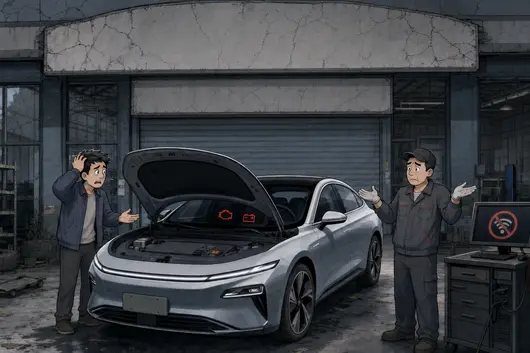
© 2024 Bitauto.com. All Rights Reserved.
Bitauto (www.yiche.com and www.bitauto.com) is one of the most visited automotive websites in China. We provide detailed info on Chinese car brands available in your area. Please note that the information provided on this website is based on publicly available data and is for reference only. It may not be fully updated or accurate at all times.

Help us improve our website


