

HomeProton X50

Search History
Popular Searches
Dealer Login / Sign Up

Model Overview

Whether the Audi SQ8 Sportback e-tron is worth buying depends less on how attractive it looks and more on whether it can meet your actual vehicle needs. This article will focus on whether it easily integrates into daily life.
Regarding versions, the Audi SQ8 Sportback e-tron can currently be compared based on the 2025 471km quattro.
Car Purchase Price Guide
When evaluating the purchase budget for the Audi SQ8 Sportback e-tron, it is recommended to start with version positioning and subsequent ownership costs. Price is not the only focus; what truly determines value is whether you will use those features daily.
If you are hesitating between several versions, you can list the 2025 471km quattro together for comparison. Daily commuters should prioritize comfort and safety, while frequent highway drivers should place more emphasis on power, driver assistance, and cabin convenience.
Core Specifications Summary
Looking at the core specifications of the Audi SQ8 Sportback e-tron, the most important thing is to translate the numbers into real-life experiences.
The 114 kWh battery capacity, the focus is on whether it can support a week of commuting and weekend trips. The 25.3 kWh/100km consumption performance will affect how often you need to recharge. The 370 kW, 973 N·m output gives more confidence in highway lane changes and short-distance overtaking. The length 4915 mm, width 1976 mm, height 1617 mm, and wheelbase 2928 mm can help you predict parking difficulty and rear seating space.
Pros and Cons Analysis
The advantages of the Audi SQ8 Sportback e-tron do not need exaggeration; what is truly valuable is whether it makes daily use more trouble-free: clear reference for daily energy costs, power output that supports highway and overtaking needs, and space/car dimensions that help family buyers predict practicality.
What needs attention is confirming charging conditions at home, work, or frequently visited malls; city parking and narrow roads still depend on personal driving habits. These are not penalty items, but lifestyle details that should be clarified before placing an order.
Common Purchase Questions and Answers
Before purchasing the Audi SQ8 Sportback e-tron, what buyers ask most often is not about a single specification, but whether it can integrate into their own lives.
Who is this car suitable for? Buyers who prioritize how easily it integrates into daily life. What should family users look for? Prioritize rear seating, child seats, luggage, and whether daily entry/exit is convenient. Will daily driving be troublesome? As long as charging conditions are stable, the electric vehicle commuting experience is usually quieter and easier to control daily energy costs.
Competitor Comparison Content
When including the Audi SQ8 Sportback e-tron in the same-segment vehicle list, it is not recommended to look only at the brand or appearance. The truly useful comparison order is: first check if power is sufficient for highways and full load, then compare energy costs and recharging convenience, and finally see if space is suitable for family and luggage.
The results filtered this way are closer to daily life. You will be clearer whether it is suitable for city commuting, family transportation, long-distance cruising, or is more suitable as a choice that pursues personality.
Full Lifecycle Usage Guide
The key to owning the Audi SQ8 Sportback e-tron is to figure out the charging arrangement first. Home charging, company charging, or mall fast charging, as long as one of these is stable, the daily experience will be much easier.
If you frequently drive on the North-South Expressway, power and cabin comfort will be more important than just low price; if mainly in the city, parking flexibility, visibility, and low-speed smoothness will affect your mood more.


車型總覽

奧迪 Q8 Sportback e-tron 值唔值得買,關鍵唔係佢睇落幾吸引,而係佢係咪能夠解決你嘅實際用車需求。呢篇文章會把重點放喺整體買車判斷。
價錢喺 RM 381,135 - 476,285,買家可以先用它判斷預算壓力同埋同級定位。
買車價錢指南
奧迪 Q8 Sportback e-tron 嘅買車預算可以先由 RM 381,135 - 476,285 開始衡量。呢個數字真正影響緊嘅係月供、保險同埋現金流,而不只係展廳入面嘅標示價。
如果你喺幾個版本之間糾結,可以把 2025 55 quattro S line(RM 476,285)、2025 50 quattro Advanced(RM 381,135) 放喺同一張清單度比較。日常通勤買家優先睇舒適同安全,經常跑高速嘅買家就要更重視動力、輔助駕駛同座艙便利。
核心參數匯總
睇奧迪 Q8 Sportback e-tron 嘅核心規格,最緊要係將數字譯做生活入面嘅感受。
114 kWh 嘅電池容量,重點係唔係能夠支撐一星期通勤同週末出遊。24.1 kWh/100km 嘅耗電表現,會影響你幾耐就要補一次電。300 kW、664 N·m 嘅輸出,令高速變線同短距離超車更有底氣。車身長 4915 mm、車寬 1937 mm、車高 1619 mm、軸距 2928 mm,可以幫助你預判停車難度同後排乘坐空間。
優缺點分析
奧迪 Q8 Sportback e-tron 嘅優點唔使誇張,真正有價值嘅係佢係咪能夠令日常使用更加省心:預算位置清楚,方便同同級車直接比較、日常能源成本有明確參考、動力輸出能夠支撐高速同超車需求。
需要留意嘅係,需要先確認屋企、公司或者經常去嘅商場嘅充電條件、市區停車同狹窄路段要睇返個人駕駛習慣。呢啲唔係扣分項,係落訂前應該要諗清楚嘅生活細節。
買車常見問題解答
購買奧迪 Q8 Sportback e-tron 前,買家最頻繁問嘅唔係單一規格,而係佢係咪能夠融入自己嘅生活。
呢部車適合邊個?適合把整體買車判斷放喺第一位嘅買家。家庭用戶要睇啲咩?優先睇後排乘坐、兒童座椅、行李同埋日常上落車係咪順手。每日開會不會麻煩?只要充電條件穩定,電動車嘅通勤體驗通常更加安靜,也更加容易控制日常能源成本。
競爭對手比較內容
當將奧迪 Q8 Sportback e-tron 放喺同級車名單嗰陣,唔建議淨係睇品牌或外形。真正有用嘅比較順序係:先用 RM 381,135 - 476,285 鎖定預算圈、再睇動力係咪足夠應付高速同滿載、接着比較能源成本同補能便利、最後睇空間係咪適合家人同行李。
咁樣篩選出來嘅結果更加貼近日常生活。你會更清楚佢係適合城市通勤、家庭代步、長途巡航,定係更加適合作為一輛講求個性嘅選擇。
用車全週期指南

擁有奧迪 Q8 Sportback e-tron 嘅關鍵,係要而家先把充電安排諗清楚。家充、公司充電或者商場快充只要其中一項穩定,日常體驗就會輕鬆好多。
如果你經常跑南北大道,動力同座艙舒適度會比單純低價更加重要;如果主要喺市區,停車靈活性、視野同低速順滑度會更加影響心情。

Vehicle Overview
Whether the Audi Q8 Sportback e-tron is worth buying depends not on how attractive it looks, but on whether it can meet your actual driving needs. This article will focus on budget, loan pressure, and value against peer vehicles.
Prices range from RM 381,135 - 476,285. Buyers can use this to assess budget pressure and positioning against peers.
Purchase Price Guide
The purchase budget for the Audi Q8 Sportback e-tron can start being evaluated from RM 381,135 - 476,285. This number truly affects monthly payments, insurance, and cash flow, not just the showroom sticker price.
If you are hesitating between several versions, you can put the 2025 55 quattro S line (RM 476,285) and 2025 50 quattro Advanced (RM 381,135) on the same list to compare. Daily commuters should prioritize comfort and safety, while buyers who frequently drive on highways should prioritize power, assisted driving, and cabin convenience.
Core Specifications Summary
When looking at the core specs of the Audi Q8 Sportback e-tron, the most important thing is to translate the numbers into real-life experience.
114 kWh battery capacity, the focus is on whether it can support a week of commuting and weekend trips. 24.1 kWh/100km consumption affects how often you need to recharge. 300 kW, 664 N·m output gives more confidence for highway lane changes and short-distance overtaking. Length 4915 mm, width 1937 mm, height 1619 mm, wheelbase 2928 mm, helps you predict parking difficulty and rear seating space.
Pros and Cons Analysis
The pros of the Audi Q8 Sportback e-tron need not be exaggerated; what is truly valuable is whether it makes daily use more hassle-free: clear budget positioning facilitates direct comparison with peer vehicles, daily energy costs have clear references, and power output can support highway driving and overtaking needs.
It needs attention that you first confirm charging conditions at home, work, or malls you frequent. City parking and narrow roads still depend on personal driving habits. These are not negative points, but lifestyle details you should clarify before placing an order.
Common Purchase Questions and Answers
Before purchasing the Audi Q8 Sportback e-tron, what buyers ask most often is not about a single specification, but whether it can integrate into their lives.
Who is this car suitable for? Suitable for buyers who prioritize budget, loan pressure, and value against peers. What should family users look for? Prioritize rear seating, child seats, luggage, and daily ingress/egress convenience. Will driving it daily be troublesome? As long as charging conditions are stable, the EV commuting experience is typically quieter and easier to control in terms of daily energy costs.
Competitor Comparison Content
When listing the Audi Q8 Sportback e-tron among peer vehicles, it is not recommended to only look at the brand or appearance. The truly useful comparison order is: first lock the budget range with RM 381,135 - 476,285, then check if power is sufficient for highways and full loads, next compare energy costs and recharging convenience, and finally check if space suits family and luggage.
The results filtered this way are closer to daily life. You will be clearer on whether it suits city commuting, family transportation, long-distance cruising, or is better suited as a choice emphasizing personality.
Ownership Guide: Full Lifecycle
The key to owning the Audi Q8 Sportback e-tron is to clarify charging arrangements first. Whether home charging, company charging, or mall fast charging, as long as one is stable, the daily experience will be much easier.
If you often drive on the North-South Expressway, power and cabin comfort are more important than just a low price; if primarily in the city, parking flexibility, visibility, and low-speed smoothness will affect mood more.
車型概覽

比亞迪 M6 值唔值買,關鍵唔係佢睇落幾吸引,而係有無解決到你嘅真實用車需要。呢篇文章會將重點放喺預算、供款壓力同埋同級價值。
價格喺 RM 110,550 - 124,610,買家可以先用佢判斷預算壓力同埋同級定位。
購車價格指南
比亞迪 M6 嘅購車預算可以先從 RM 110,550 - 124,610 開始衡量。呢個數字真正影響嘅係月供、保險同埋現金流,而唔只係車展入面嘅標示價。
如果你喺幾個版本之間猶豫,可以把 2026 530km Extended(RM 124,610)、2026 420km Standard(RM 110,550)、2025 530km Extended(RM 124,450)、2025 420km Standard(RM 110,450) 放喺同一張清單度比較。日常通勤買家優先睇舒適同安全,頻繁行高速嘅買家則更要重視動力、輔助駕駛同車廂便利性。
核心參數匯總
睇比亞迪 M6 嘅核心規格,最重要係將數字轉化做生活裏面嘅感受。
71.8 kWh 嘅電池容量,重點係有無支撐一星期通勤同埋週末出街。150 kW、310 N·m 嘅輸出,令高速超車同短距離超車更有信心。車長 4710 mm、車闊 1810 mm、車高 1690 mm、軸距 2800 mm,可以幫你預判泊車難度同後排乘坐空間。固定齒比波箱、前輪驅動佈局嘅設定,會影響起步順滑度、濕地穩定感同長途巡航感。
優缺點分析
比亞迪 M6 嘅優點唔使誇張,真正有價值嘅係有無令日常使用更省心:預算位置清晰,方便同埋同級車直接比較、動力輸出能撐住高速同超車需要、空間同車身尺寸方便家庭買家預判實用性。
需要留意嘅係,需要先確認屋企、公司或常去商場嘅充電條件、市區停車同狹窄路段仍要睇個人駕駛習慣。呢啲唔係扣分項,而係落訂前應該先諗清楚嘅生活細節。
購車常見問題解答
購買比亞迪 M6 前,買家最常問唔係單一規格,而係佢有無融入自己嘅生活。
呢輛車適合邊個?適合將預算、供款壓力同埋同級價值放喺首位嘅買家。家庭用戶要睇咩?優先睇後排乘坐、兒童座椅、行李同日常上下車係咪順手。每日開會唔會麻煩?只要充電條件穩定,電動車嘅通勤體驗通常更靜,亦都更容易控制日常能源開支。
競爭對手對比內容
把比亞迪 M6 放進同級車名單時,唔建議只睇品牌或外形。真正有用嘅比較順序係:先用 RM 110,550 - 124,610 鎖定預算範圍、再睇動力係咪足夠應付高速同滿載、接着比較能源成本同補能便利、最後睇空間係咪適合家人同行李。
咁樣篩選出嚟嘅結果更貼近日常生活。你會更清楚佢係適合城市通勤、家庭代步、長途巡航,定係更適合作為一輛講求個性嘅選擇。
用車全周期指南

擁有比亞迪 M6 嘅關鍵,係首先將充電安排諗清楚。家充、公司充電或商場快充只要其中一項穩定,日常體驗就會輕鬆好多。
如果你頻繁行南北大道,動力同車廂舒適度會比單純平更重要;如果主要喺市區,泊車靈活性、視野同低速順滑度會更影響心情。

車款概覽

Kia EV5 值唔值到買,重點唔係佢睇落嚟幾吸引,而係佢有無解決你嘅真實用車需要。這篇文章會著眼喺版本之間嘅取捨。
版本方面,Kia EV5 而家可圍繞 2026 4WD Standard、2026 FWD Standard 嚟比較。
買車價錢指南
評估 Kia EV5 嘅買車預算時,建議由版本定位同後續養車成本著手。價錢唔係唯一重點,真正決定係唔抵數嘅係日日會唔會用到那些配備。
如果你喺幾個版本之間猶豫,可以將 2026 4WD Standard、2026 FWD Standard 放喺同一張清單入面比較。日常通勤嘅買家優先睇舒適同安全,頻繁行高速嘅買家則更應重視動力、輔助駕駛同車廂方便。
核心參數總覽
睇 Kia EV5 嘅核心規格,最重要係將數字轉化喺生活中嘅感受。
230 kW、480 N·m 嘅輸出,令高速變線同短距離超車更有底氣。固定齒比波箱、四輪驅動佈局嘅設定,會影響起步順暢度、濕地穩定感同長途巡航感。
優缺點分析
Kia EV5 嘅優點唔使誇張,真正有價值嘅係佢有無令日常使用更放心:動力輸出能支撐高速同超車需要。
需要留意嘅係,要先確認屋企、公司或者常去商場嘅充電條件。這些唔係扣分項,而係落訂前應該先諗清楚嘅生活細節。
買車常見問題解答
購買 Kia EV5 前,買家最常問唔係單一規格,而係佢有無融入佢哋嘅生活。
適合邊類人?適合將版本之間嘅取捨放喺首位嘅買家。家庭用戶要睇啲乜嘢?優先睇後排乘搭、兒童座椅、行李同日常上落車係咪順手。日日開有無麻煩?只要充電條件穩定,電動車嘅通勤體驗通常更寧靜,也更容易控制日常能源成本。
競爭對手對比內容
當將 Kia EV5 列入同級車名單時,唔建議只睇品牌或者外形。真正有用嘅比較順序係:再睇動力有無足夠應付高速同滿載。
經過這樣篩選出嚟嘅結果更貼近日常生活。你會更清楚佢係適合城市通勤、家庭代步、長途巡航,定係更適合作為一款講求個性嘅選擇。
用車全週期指南

擁有 Kia EV5 嘅關鍵,係要先將充電安排諗清楚。家用充電、公司充電或者商場快充只要其中一項穩定,日常體驗就會輕鬆好多。
如果你頻繁行南北大道,動力同座艙舒適度會比單純低價更重要;如果主要喺市區,停車靈活性、視野同低速順暢度會更影響心情。


車款概覽

MG S5 值唔值買,關鍵唔係佢睇落幾吸引,而係佢係咪能夠解決你真實嘅用車需求。呢篇文章會將重點放喺整體購車判斷上。近期圍繞呢部車嘅討論包括「KLIMS 2026: MG S5 EV and the CKD Value Play in Malaysia's Electric SUV Race」,說明佢喺本地買家視野入面仍有關注度。
價格落喺 RM 117,478,買家可以先用佢判斷預算壓力同同級定位。
購車價格指南
MG S5 嘅購車預算可以先由 RM 117,478 開始衡量。呢個數字真正影響嘅係月供、保險同現金流,而不係只係展廳入面嘅標價。
如果你喺幾個版本之間猶豫,可以將 2026 446km Luxury(RM 117,478)、2025 425km Luxury Long Range、2025 430km Comfort Long Range、2025 340km Comfort 放喺同一張清單入面比較。日常通勤買家優先睇舒適同安全,常跑高速嘅買家則應更重視動力、輔助駕駛同座艙便利。
核心參數匯總
睇 MG S5 嘅核心規格,最重要係把數字翻譯成生活入面嘅感受。
62 kWh 嘅電池容量,重點係咪能夠支撐一週通勤同週末出門。151 kW、350 N·m嘅輸出,令高速併線同短距離超車更有底氣。車長 4476 mm、車寬 1849 mm、車高 1621 mm、軸距 2730 mm,可以幫助你預判停車難度同後排乘坐空間。固定齒比變速箱、後輪驅動佈局嘅設定,會影響起步順滑度、濕地穩定感同長途巡航感。
優缺點分析
MG S5 嘅優點唔使誇張,真正有價值係佢係咪讓日常使用更省心:預算位置清楚,方便同同級車直接比較、動力輸出能支撐高速同超車需求、空間同車身尺寸便於家庭買家預判實用性。
需要留意係,需要先確認家裡、公司或常去商場嘅充電條件、市區停車同狹窄路段仍要睇個人駕駛習慣。呢啲唔係扣分項,而係下訂前應該諗清楚嘅生活細節。
購車常見問題解答
購買 MG S5 前,買家最常問嘅不係單一規格,而係佢係咪能夠融入自己嘅生活。
呢部車適合邊個?適合把整體購車判斷放在首位嘅買家。家庭用戶要睇咩?優先睇後排乘坐、兒童座椅、行李同日常上下車係唔係順手。每日開會唔會麻煩?只要充電條件穩定,電動車嘅通勤體驗通常更安靜,也容易控制日常能源成本。
競爭對手對比內容
把 MG S5 放進同級車名單嗰陣,唔建議只看品牌或外形。真正有用嘅比較順序係:先用 RM 117,478 鎖定預算圈、再睇動力係咪足夠應付高速同滿載、接著比較能源成本同補能便利、最後睇空間係咪適合家人同行李。
咁樣篩選出嚟嘅結果更貼近日常生活。你會更清楚佢係適合城市通勤、家庭代步、長途巡航,定係更適合作為一輛講求個性嘅選擇。
用車全周期指南

擁有 MG S5 嘅關鍵,係先把充電安排想清楚。家充、公司充電或商場快充只要其中一項穩定,日常體驗就會輕鬆好多。
如果你常跑南北大道,動力同座艙舒適度會比單純低價更重要;如果主要喺市區,停車靈活性、視野同低速順滑度會更影響心情。

車型概覽

Mercedes-Benz CLA 值唔值得買,關鍵唔係佢睇落幾吸引,而係佢有無解決你嘅真實用車需求。呢篇文章會把重點放喺佢係咪容易融入日常生活。
版本方面,Mercedes-Benz CLA 而家主要可以圍繞 2025 Standard 嚟比較。
購車價格指南
評估 Mercedes-Benz CLA 嘅購車預算時,建議首先從版本定位同埋後續擁車成本入手。價錢唔係唯一重點,真正決定係咪抵計嘅係每日會唔會用到嗰啲配置。
如果你喺幾個版本之間猶豫,可以將 2025 Standard 擺喺同一份清單入面比較。日常通勤嘅買家優先睇舒適同安全,常跑高速嘅買家則更應重視動力、輔助駕駛同座艙便利。
核心參數匯總
睇 Mercedes-Benz CLA 嘅核心規格,最重要係將數字翻成生活入面嘅感覺。
Mercedes-Benz CLA 嘅核心价值應回到日常場景判斷:你要佢負責通勤、家庭出行、長途,定係作為更具個性嘅選擇。
優點缺點分析
Mercedes-Benz CLA 嘅優點唔使誇張,真正有价值嘅係佢有無令日常使用更省心:車型定位清楚,適合先作為同級比較對象。
需要留意嘅係,最終取舍會落喺版本配置、保險同長期保養成本。呢啲唔係扣分項,而係落單前應該要諗清楚嘅生活細節。
購車常見問題解答
購買 Mercedes-Benz CLA 前,買家最常問嘅唔係單一規格,而係佢有無融入你自己嘅生活。
呢部車適合邊個?適合將佢係咪容易融入日常生活放喺第一位嘅買家。 家庭用戶要看乜?優先睇後排乘坐、兒童座椅、行李同日常上下車係咪順手。 每日開車會唔會麻煩?如果能源成本、停車便利同版本配置都符合你嘅生活節奏,佢會比較容易相處。
競爭對手對比內容
將 Mercedes-Benz CLA 放入同級車名單時,唔建議淨係睇品牌或外形。真正有用嘅比較順序係:首先從版本定位、品牌售後同日常用途開始比較。
咁樣篩選出嚟嘅結果更貼近日常生活。你會更清楚佢係適合城市通勤、家庭代步、長途巡航,定係更適合作為一輛講求個性嘅選擇。
用車全周期指南

擁有 Mercedes-Benz CLA 嘅重點,係確認保險、路稅、保養同輪胎成本都喺可接受範圍內。買車唔係一次付款就結束,而係每日都要相處。
如果你常跑南北大道,動力同座艙舒適度會比單純低價更重要;如果主要喺市區,停車靈活性、視野同低速順滑度會更影響心情。

車型概覽

Maserati GranCabrio 值唔值唔值得買,重點唔係佢睇嚟幾吸引人,而係佢有無能夠解決你嘅真實用車需求。這篇文章會放重點喺油耗、加油次數同埋長遠成本。
版本方面,Maserati GranCabrio 而家可以圍住 2025 3.0T Trofeo、2025 3.0T Standard、2024 3.0T Trofeo 嚟比較。
買車價格指南
評估 Maserati GranCabrio 嘅買車預算嗰陣,建議先從版本定位同後續擁車成本著手。價格唔係唯一重點,真正決定邊邊好抵嘅係成日會唔會用到嗰啲配備。
如果你喺幾個版本之間諗唔定,可以把 2025 3.0T Trofeo、2025 3.0T Standard、2024 3.0T Trofeo 放喺同一張清單入面比較。日常通勤買家優先睇舒適同安全,常行高速嘅買家則更加應重視動力、輔助駕駛同車廂便利。
核心參數匯總
睇 Maserati GranCabrio 嘅核心規格,最重要係將數字翻譯成生活嘅感受。
Twin-Turbocharged、6 缸嘅動力底子,適合拿來判斷市區跟車同高速巡航係咪輕鬆。404 kW、650 N·m嘅輸出,真正意義係載滿、爬坡同超車嗰陣唔會太吃力。10.4 L/100km 嘅油耗,對成日通勤嘅人嚟講會直接影響加油頻密。車長 4966 mm、車寬 1957 mm、車高 1365 mm、軸距 2929 mm,可以幫你預判泊車難度同後排坐位空間。
優點缺點分析
Maserati GranCabrio 嘅優點唔使誇張,真正有價值嘅係佢有無可以令日常使用更省心:日常能源成本有明確參考、動力輸出能支撐高速同超車需求、空間同車身尺寸方便家庭買家預判實用性。
要留意嘅係,市區泊車同狹窄路段仍要看個人駕駛習慣。呢啲唔係扣分項,而係落訂前應該諗清楚嘅生活細節。
買車常見問題解答
購買 Maserati GranCabrio 前,買家最常問唔係單一規格,而係佢有無可以融入自己生活。
邊種人適合這輛車?適合將油耗、加油次數同長遠成本放在首位嘅買家。家庭用戶要睇邊樣?優先睇後排坐位、兒童座椅、行李同日常上下車係咪顺手。成日開係咪麻煩?10.4 L/100km 嘅油耗參考讓通勤成本更容易預估。
競品對比內容
將 Maserati GranCabrio 放喺同級車名單嗰陣,唔建議只睇品牌或外形。真正有用嘅比較順序係:再睇動力有無足夠應付高速同載滿、接著比較能源成本同補能便利、最後睇空間係咪適合家人同行李。
咁樣篩選出嚟嘅結果更貼近日常生活。你會更清楚佢係適合城市行車、家庭代步、長途巡航,定係更加適合作為一個講求個性嘅選擇。
用車全周期指南
擁有 Maserati GranCabrio 嘅日常成本,最直接會反映喺燃油、保險、輪胎同定期保養上。10.4 L/100km 嘅油耗讓通勤預算更容易掌握。
如果你常跑南北大道,動力同車廂舒適度會比單純平靚正更重要;如果主要喺市區,泊車靈活性、視野同低速順滑度會更影響心情。


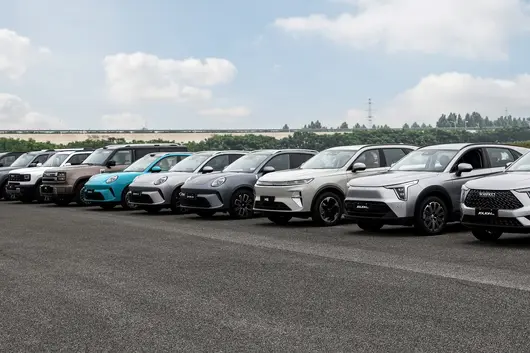
7 月 21 日,汽車圈有件大嘢——長城歐拉將全球嘅投資人請到保定老家,舉辦一場聲勢浩大嘅歐拉「家庭派對」——海外全球投資人峰會。這唔係一次簡單嘅會議參觀走訪,更似一場中國智造嘅「超級路演」。當睇慣咗奔馳、寶馬嘅海外投資人喺徐水試車場對住一輛中國車頻頻點頭時,反映咗其實係一個無可爭辯嘅事實:中國汽車出海嘅故事,真係翻篇咗。

小標題:當全球投資人走進保定,佢哋睇到咩?
7 月嘅保定,因為呢場峰會變得特別火熱。來自全球各地嘅投資人,冇去五星级酒店度假,而係直奔長城嘅技術中心同徐水試車場,展開一場超級「硬核」嘅造車版圖「長城」深度遊。
對於呢啲見慣咗大場面嘅投資人嚟講,PPT 上嘅參數遠唔如賽道上嘅實測嚟得真實具體。喺徐水專業試車場,佢哋深度體驗咗本次活動嘅 C 位主角——長城歐拉 5。更關鍵嘅係,長城歐拉 5 亮出咗「一車多動力」嘅王牌:純電、混合動力、燃油三個版本一字排開,任君挑選。

小標題:點解一款車要搞「一車多動力」?呢係歐拉品牌嘅全球大局觀
好多朋友可能會問,而家唔係都喺度講純電嗎?點解長城歐拉 5 仲要大費周章搞燃油同混合動力?
呢正係歐拉最聰明嘅地方——佢讀懂咗全球市場嘅差異。
我哋來看看數據:長城歐拉 5 喺巴西,首批 2,000 輛 24 小時售罄;喺泰國,訂單突破 5,000 輛且混合動力版供唔應求。巴西同泰國嘅基礎設施能好似中國一線城市一樣遍地超充樁嗎?唔得。所以,歐拉冇固執咁只推純電,而係依托「歸元平台」嘅強大兼容性,推出咗「一車多動力」。

呢種戰略被形象咁稱為「按需定制,自由出行」:
· 純電版(480km/580km 續航),搭載 Coffee OS 3 智能座艙,主打「超級智能」,劍指歐洲等成熟嘅純電市場;
· 混合動力版,搭載 Hi2 智能混合動力系統,實現「三擎六模」智能切換,主打「省 + 順」,精準狙擊東南亞、南美等正在轉型中嘅市場;
· 燃油版,則覆蓋基建尚在完善嘅新興市場。
簡單嚟講,長城歐拉 5 唔再係一款車打天下,而係一個平台,衍生出三種動力,精準卡位不同國家嘅能源政策同消費習慣。呢種靈活嘅身段,正係佢撬動全球市場嘅「芝麻開門」金鑰匙。
小標題:從「中國製造」到「全球品質」,歐拉做咗啱咗乜?

過去,中國車出海總係畀人留下「低價走量」嘅印象。但今次峰會,我哋明顯感覺到風向變咗。
6 月份,歐拉品牌銷量暴漲 229.15%,突破萬台大關。這唔僅係銷量嘅勝利,更係品牌溢價嘅勝利。喺西班牙,歐拉聯手 ACB 籃球聯賽搞體育營銷;喺意大利,長城歐拉 5 開啟浪漫之旅。歐拉正用高顏值嘅設計、唔輸豪華車嘅底盤調校,同越級嘅智能體驗,告訴世界:中國車唔再係「廉價」嘅代名詞,而係「質優價美」嘅「Right Car」。
呢種底氣,來源於長城歐拉 5 對全球品質嘅堅持。無論係銷往巴西、泰國仲係歐洲,長城歐拉 5 都共享同樣嘅設計語言、同樣嘅智能座艙同同樣嘅舒適標準。呢種「無差別嘅高品質」,正係打破海外用戶固有偏見嘅最強武器。
小標題:年輕人嘅第一台車,點解唔可以係「全球車」?
最後,我哋把視角拉返返去國內。好多年輕人覺得,剛上班買個代步車,將就一下得咗。

長城歐拉 5 告訴你,唔使將就。佢擁有極簡圓潤嘅「自然美學」外觀,一眼驚艷;佢擁有唔輸高端電車嘅智能座艙同大模型語音系統;最關鍵嘅係,你可以根据自己嘅錢包同充電條件,選擇純電、混合動力或燃油。佢既係年輕人嘅第一台高顏值座駕,亦係家庭嘅增購換購首選。
車尚語錄:
當全球投資人排隊試駕、紛紛點贊中國智駕時,長城歐拉 5 已經唔僅僅係一款車,佢代表咗中國車企出海嘅新範式——唔盲目追隨,唔閉門造車,而係用「全球品質」去適應「全球需求」。
7 月起,長城歐拉 5 即將落地上澳洲、南非、印尼……#長城歐拉 5 全球車全球讚# 這唔僅係一個話題,更係中國汽車工業走向世界舞臺中央嘅鏗鏘腳步聲。這盤全球化嘅大棋,歐拉唔僅落子無悔,而且落子落得靚!

 作者|錢晶
編輯|陳肖冉
7 月 22 日,東山精密(002384.SZ)就海外倉庫光模組失竊傳聞作出官方回應,證實事件屬實,但損失規模遠低於網傳版本,未達到法定披露標準。
這一插曲恰逢公司業績爆發期。2026 年上半年,東山精密業績預增近三倍,光模組一躍成為核心利潤支柱。
風波釐清受風波影響,截至 7 月 22 日收市,東山精密報 217.50 元,下跌 5.84%,總市值 3984 億元。
財聯社通過投資者熱線向公司證券部核實,海外倉庫光模組被盜事件真實存在,網傳數千萬美元損失存在明顯誇大。
東山精密解釋,市場流傳金額按照終端銷售價格測算,而企業實際賬面成本偏低,本次失竊造成的利潤影響較小,沒有觸及交易所信息披露閾值,因此未發布專項公告。
在 AI 算力產業鏈高度火熱的背景下,高速光模組市場供不應求,海外倉儲失竊現象並非個例。據行業從業人員透露,800G、1.6T 光模組流通價值高、體積小巧,海外物流與倉庫管控漏洞容易出現貨物流失。
對於東山精密而言,失竊本身金額雖小,卻折射出全球化運營的管理短板。
公司光模組產能持續向北美傾斜,索爾思光電產品直接發往 Meta、谷歌等雲廠商,海外倉庫分散佈局,安防管理難度大幅提升。若規模化出貨後管理仍滯後,損耗將持續蠶食利潤。
結合半年業績預告,公司 2026 年上半年歸母公司股東淨利潤區間為 29 億元至 30 億元,同比增幅 282.58% 至 295.78%,第二季度單季利潤環比上漲 65.8%,增長節奏持續提速。
這一爆發式增長始於 2025 年對索爾思光電的收購,光模組業務首次現身東山精密年報,雖營收貢獻僅 3.58%,但板塊毛利率可達 36.74%,遠高於傳統電子電路業務 17.59% 的盈利水平。
依托索爾思光電 EML 光芯片 IDM 產線,芯片自給率接近 99%,也是東山精密在行業內卷環境下維持高毛利的關鍵底牌。
本次失竊金額雖不大,但也暴露出海外供應鏈管控的漏洞,如果後續規模化出貨之後管理跟不上,零散損耗會持續侵蝕利潤水平。
業務迭代從傳統果鏈 PCB 廠商轉型算力硬件平台,東山精密依靠連續併購完成業務重塑。
三大板塊形成分工明確的運作模式,PCB 柔性硬板業務穩住現金流基盤,光模組承擔業績彈性,新能源精密結構件平滑行業週期波動。
東山精密是全球第二大 FPC 柔性線路板廠商、全球第三大 PCB 製造商,邊緣 AI 服務器 PCB 市佔率达到 26.9%,位列全球首位。公司深度綁定蘋果、英偉達、特斯拉三大產業賽道,前五大客戶營收佔比超過 60%,其中第一大客戶近 50%。
2025 年完成索爾思光電收購並表之後,東山精密正式躋身全球光模組前十行列,也是中國少數掌握 200G 磷化銦光芯片自研量產能力的企業。
在行業產品迭代節奏上,東山精密判斷 1.6T 光模組在 2028 年之前依舊是市場主流,3.2T 產品大規模商用仍需較長週期,企業採取 EML 與硅光兩條技術路線並行推進。
2026 年第二季度,東山精密 800G 光模組出貨量約 100 萬只,400G 產品出貨 70 萬只,疊加十二億美元擴產計劃落地,泰國生產基地加速建設,就近滿足北美客戶交付要求,以此降低物流成本與地緣風險。
LightCounting 數據顯示,2026 年全球光模組市場規模將達到 285 億美元,同比增長 60%,數通場景貢獻七成以上增量。
中國廠商佔據全球約 70% 的市場份額,中際旭創、新易盛穩居第一梯隊,東山精密處在第二梯隊,差異化優勢在於全產業鏈協同。
PCB 板塊能夠為 AI 服務器配套供貨,光模組自帶自研芯片,業務之間形成聯動效應,這是絕大多數同行不具備的條件。
傳統電子製造業務增長平緩,AI 硬件成為未來三年的核心驅動力。機構普遍認為,東山精密估值邏輯已經從消費電子切換為算力產業鏈標的。
多重憂慮賽道高景氣並不等於企業高枕無憂。
光模組行業維持高景氣週期的同時,企業自身經營短板與賽道潛在風險持續凸顯,亦為當前機構對其估值分歧持續加劇的核心根源。
東山精密負有較重的債務與商譽壓力。截至 2026 年 3 月末,資產負債率達 63.69%,整體負債規模突破 400 億元。同時,公司賬面商譽餘額 47.69 億元,僅收購索爾思光電形成的商譽就高達 28 億元。
自 2024 年以來,公司長期依托併購模式完成業務擴張,累計併購投入超 150 億元,持續產生大額利息支出,若後續光模組行業景氣度下行,公司將直面集中性商譽減值與債務承壓風險。
客戶集中度偏高、全球化運營管控薄弱,是東山精密另一大經營隱患。
其中,蘋果相關業務貢獻公司近五成營收,疊加光模組核心客戶集中於北美雲廠商,高度依賴海外市場的服務業結構,極易受地緣政策、海外貿易環境變動衝擊,訂單穩定性存在不確定性。
此次海外倉庫光模組失竊事件,正是東山精密全球化佈局後運營管理漏洞的直觀體現。隨着海外產能持續擴張,跨區域倉儲維運、物流調度、本土化用工管理難度持續攀升,運營管控短板進一步凸顯。
行業競爭格局同樣趨於白熱化。800G 光模組賽道已陷入價格廝殺,頭部企業通過鎖定上游光芯片長協資源穩固盈利優勢,擠壓中小廠商利潤空間。即便東山精密具備光芯片自研能力,但 1.6T 高端產品落地放量節奏不及行業龍頭,長期市場份額拓展面臨明顯阻力。
AI 產業鏈資本開支具備階段性波動特徵,海外雲廠商會根據大模型研發、算力部署進度動態調整採購需求,意味着光模組行業高增長態勢不具備永續性。
當前板塊整體估值處於高位,若東山精密無法持續落地高端迭代產品、優化產品結構,整體毛利率將面臨下行壓力。
同時東山精密傳統主業增長乏力,消費電子 PCB 業務復甦疲軟,新能源業務尚未形成規模增量,難以對沖算力賽道的週期性波動。
因此,東山精密依托光模組賽道紅利實現業績高速增長,但高負債、大額商譽、客戶集中、海外運營管理不足等結構性問題亟待優化。
在行業加速分化的背景下,唯有持續迭代高端產品、填補經營短板,才能穿越行業週期,單純依靠賽道紅利難以維繫長期穩健的增長態勢。
敬告讀者:本文基於公開資料信息或受訪者提供的相关内容撰寫,《不慌實驗室》及文章作者不保證相關信息資料的完整性及準確性。無論任何情況下,本文內容均不構成投資建議。市場有風險,投資需謹慎!未經許可不得轉載、抄襲!


作者|钱晶
编辑|陈肖冉
7月22日,东山精密(002384.SZ)就海外仓库光模块失窃传闻作出官方回应,证实事件属实,但损失规模远低于网传版本,未达到法定披露标准。
这一插曲恰逢公司业绩爆发期。2026年上半年,东山精密业绩预增近三倍,光模块一跃成为核心利润支柱。
风波厘清受风波影响,截至7月22日收盘,东山精密报217.50元,下跌5.84%,总市值3984亿元。
财联社通过投资者热线向公司证券部核实,海外仓库光模块被盗事件真实存在,网传数千万美元损失存在明显夸大。
东山精密解释,市场流传金额按照终端销售价格测算,而企业实际账面成本偏低,本次失窃造成的利润影响较小,没有触及交易所信息披露阈值,因此未发布专项公告。
在AI算力产业链高度火热的背景下,高速光模块市场供不应求,海外仓储失窃现象并非个例。据行业从业者透露,800G、1.6T光模块流通价值高、体积小巧,海外物流与仓库管控漏洞容易出现货物流失。
对于东山精密而言,失窃本身金额虽小,却折射出全球化运营的管理短板。
公司光模块产能持续向北美倾斜,索尔思光电产品直接发往Meta、谷歌等云厂商,海外仓库分散布局,安防管理难度大幅提升。若规模化出货后管理仍滞后,损耗将持续蚕食利润。
结合半年业绩预告,公司2026年上半年归母净利润区间为29亿元至30亿元,同比增幅282.58%至295.78%,二季度单季利润环比上涨65.8%,增长节奏持续提速。
这一爆发式增长始于2025年对索尔思光电的收购,光模块业务首次现身东山精密年报,虽营收贡献仅3.58%,但板块毛利率可达36.74%,远高于传统电子电路业务17.59%的盈利水平。
依托索尔思光电EML光芯片IDM产线,芯片自给率接近99%,也是东山精密在行业内卷环境下维持高毛利的关键底牌。
本次失窃金额虽不大,但也暴露出海外供应链管控的漏洞,如果后续规模化出货之后管理跟不上,零散损耗会持续侵蚀利润水平。
业务迭代从传统果链PCB厂商转型算力硬件平台,东山精密依靠连续并购完成业务重塑。
三大板块形成分工明确的运转模式,PCB柔性硬板业务稳住现金流底盘,光模块承担业绩弹性,新能源精密结构件平滑行业周期波动。
东山精密是全球第二大FPC柔性线路板厂商、全球第三大PCB制造商,边缘AI服务器PCB市占率达到26.9%,位列全球首位。公司深度绑定苹果、英伟达、特斯拉三大产业赛道,前五大客户营收占比超过60%,其中第一大客户近50%。
2025年完成索尔思光电收购并表之后,东山精密正式跻身全球光模块前十行列,也是中国少数掌握200G磷化铟光芯片自研量产能力的企业。
在行业产品迭代节奏上,东山精密判断1.6T光模块在2028年之前依旧是市场主流,3.2T产品大规模商用仍需要较长周期,企业采取EML与硅光两条技术路线并行推进。
2026年二季度,东山精密800G光模块出货量约100万只,400G产品出货70万只,叠加十二亿美元扩产计划落地,泰国生产基地加速建设,就近满足北美客户交付要求,以此降低物流成本与地缘风险。
LightCounting数据显示,2026年全球光模块市场规模将达到285亿美元,同比增长60%,数通场景贡献七成以上增量。
中国厂商占据全球约70%的市场份额,中际旭创、新易盛稳居第一梯队,东山精密处在第二梯队,差异化优势在于全产业链协同。
PCB板块能够为AI服务器配套供货,光模块自带自研芯片,业务之间形成联动效应,这是绝大多数同行不具备的条件。
传统电子制造业务增长平缓,AI硬件成为未来三年的核心驱动力。机构普遍认为,东山精密估值逻辑已经从消费电子切换为算力产业链标的。
多重隐忧赛道高景气并不等于企业高枕无忧。
光模块行业维持高景气周期的同时,企业自身经营短板与赛道潜在风险持续凸显,也是当前机构对其估值分歧持续加剧的核心根源。
东山精密背负较重的债务与商誉压力。截至2026年3月末,资产负债率达63.69%,整体负债规模突破400亿元。同时,公司账面商誉余额47.69亿元,仅收购索尔思光电形成的商誉就高达28亿元。
自2024年依赖,公司长期依托并购模式完成业务扩张,累计并购投入超150亿元,持续产生大额利息支出,若后续光模块行业景气度下行,公司将直面集中性商誉减值与债务承压风险。
客户集中度偏高、全球化运营管控薄弱,是东山精密另一大经营隐患。
其中,苹果相关业务贡献公司近五成营收,叠加光模块核心客户集中于北美云厂商,高度依赖海外市场的业务结构,极易受地缘政策、海外贸易环境变动冲击,订单稳定性存在不确定性。
此次海外仓库光模块失窃事件,正是东山精密全球化布局后运营管理漏洞的直观体现。伴随海外产能持续扩张,跨区域仓储运维、物流调度、本土化用工管理难度持续攀升,运营管控短板进一步凸显。
行业竞争格局同样趋于白热化。800G光模块赛道已陷入价格厮杀,头部企业通过锁定上游光芯片长协资源稳固盈利优势,挤压中小厂商利润空间。即便东山精密具备光芯片自研能力,但1.6T高端产品落地放量节奏不及行业龙头,长期市场份额拓展面临明显阻力。
AI产业链资本开支具备阶段性波动特征,海外云厂商会根据大模型研发、算力部署进度动态调整采购需求,意味着光模块行业高增长态势不具备永续性。
当前板块整体估值处于高位,若东山精密无法持续落地高端迭代产品、优化产品结构,整体毛利率将面临下行压力。
同时东山精密传统主业增长乏力,消费电子PCB业务复苏疲软,新能源业务尚未形成规模增量,难以对冲算力赛道的周期性波动。
因此,东山精密依托光模块赛道红利实现业绩高速增长,但高负债、大额商誉、客户集中、海外运营管理不足等结构性问题亟待优化。
在行业加速分化的背景下,唯有持续迭代高端产品、补齐经营短板,才能穿越行业周期,单纯依靠赛道红利难以维系长期稳健的增长态势。
敬告读者:本文基于公开资料信息或受访者提供的相关内容撰写,《不慌实验室》及文章作者不保证相关信息资料的完整性和准确性。无论何种情况下,本文内容均不构成投资建议。市场有风险,投资需谨慎!未经许可不得转载、抄袭!
On July 20, at the largest foreign trade port of the Yangtze River -- Taicang Port, a ro-ro ship loaded with over a thousand domestically produced cars sounded its horn and set sail for overseas markets.
Such scenes occurred 192 times here in the first half of the year, with an average of 7 ro-ro ships leaving the port weekly and 2.5 cars exported per minute. According to Taicang Customs data, from January to June 2026, nearly 650,000 vehicles were exported from the Taicang port to 166 countries and regions worldwide, setting a historic record. This is equivalent to 1 out of every 8 cars exported from China departing from Taicang Port.
The busyness of Taicang Port is just a microcosm. According to China Association of Automobile Manufacturers data, total vehicle exports reached 5.096 million units in the first half of the year, a year-on-year increase of 65.3%, marking the first time the half-year export volume broke the 5 million unit threshold. June's single-month exports reached 1.037 million units, a year-on-year increase of 75.1%, also breaking the 1 million unit threshold for the first time. Customs General Administration data shows automotive export value reached $91.8 billion in the first half of the year, a year-on-year increase of 54%.
However, at the same time, cumulative domestic car sales dropped significantly by 21.1% year-on-year to 9.921 million units. Converted, this means an average of 12,000 fewer cars sold per day compared to last year.
Amidst this contrast of cold and heat, the Chinese auto industry stands at a crossroads never seen before.
Sales Deceleration: 600 New Models in Half a Year, 10,000 Fewer Sales Per Day
Domestic sales in the first half fell by 20%, with the fuel-powered vehicle market hit hardest. Traditional fuel passenger car domestic sales in the first half were 3.694 million units, a year-on-year decrease of 1.732 million units, down 31.9%; June's single-month traditional fuel passenger car domestic sales were nearly "halved" year-on-year, down 49.9%.
More alarming than the sales decline is the collapse of profits. Now in the fourth year of price wars, corporate profits have been compressed to the limit. CAAM data shows the average profit margin in the vehicle manufacturing sector fell to 1.5% in the first half, the lowest in nearly a decade. Calculated on this basis, for a new car priced at 200,000 yuan, the vehicle manufacturer's net profit is only 3,000 yuan. Some manufacturers are even operating at a loss, facing the dilemma of losing money on every unit sold.

The cold chill on the demand side sharply contrasts with the heatwave on the supply side. According to industry statistics, approximately 630 new car models were launched domestically in the first half, averaging more than 3 per day. BYD Executive Vice President He Zhiqi explicitly stated on social media on July 14 that it is "completely crazy." He shared internal statistics charts showing that the Chinese market launched a cumulative total of 542 new car models from January to May.
Investment costs often exceed 1 billion with development cycles over 2 years, yet market enthusiasm lasts no more than 3 months after launch. New model lifecycles have compressed from "annual basis" to "monthly basis", with joint ventures and independent brands, new forces and traditional giants clashing in every sub-market.
Under the inverted supply and demand, listed car companies collectively flashed red on their semi-annual reports. From the beginning of the year to date, the A-share automotive complete vehicle sector accumulated a drop of 27.87%, evaporating nearly 900 billion yuan in half a year; the HK stock new energy vehicle sector accumulated a drop of 23.78%; in the first half of 2026, none of the 16 mainstream car manufacturers exceeded a 50% sales target completion rate.
On July 15, the CAAM joined forces with 18 mainstream car manufacturers to release the first set of domestic vehicle cost calculation rule standards, attempting to draw a bottom line for disorderly competition. However, the collective anxiety of "iterate or perish" continues to spread, with no company daring to hit the brakes first, as the party that slows down first will likely be the first to endure the pain of accelerating sales decline.
It can be said that the competition in the Chinese auto market has fully transitioned from a "ranking race in the growth era" to a "survival race in the stock era".
Surge Overseas: Significant "Temperature Difference" in Global Markets After 5 Million Units
In sharp contrast to the chill in the domestic market, overseas markets are surging forward with the momentum of burning oil.
Consulting firm AlixPartners predicts that China's automotive export volume will increase to nearly 10 million units in 2026, a significant rise from 7.1 million units in 2025, marking the highest annual export record for a single country in human history. Among them, new energy vehicles have become the biggest engine for export growth. In the first half of this year alone, new energy vehicle exports reached 2.355 million units, a year-on-year increase of 1.2 times, meaning that for every two Chinese cars exported, one is a new energy vehicle.
Some say: Under the pressure of the domestic market, going overseas has become a practical choice for more and more car companies; car exports are turning into a gamble with no way back. However, on the other side of these impressive numbers, high walls are being built in global regional markets.

The United States has already closed its market to Chinese cars, with Europe following closely, building high walls with regulatory tools. After the EU anti-subsidy tariff on Chinese pure EVs plus a 10% base tariff, the total can reach up to 45.3%. The "Minimum Price Commitment" mechanism agreed upon in January 2026 has caused Chinese car companies to lose the cost-performance card; they must prove premium capability in software, design, and service. In March 2026, the EU submitted the "Industrial Accelerator Act," adding layers of clauses such as foreign equity share not exceeding 49%, mandatory technology transfer, and prioritizing "EU Origin" in public procurement. Anti-subsidy tariffs will also expand from pure EVs to plug-in hybrids. Experts judge that Europe will become the next overseas market to close to Chinese cars after the United States.
Southeast Asia follows a different logic, with the path of "sell cars first, build factories later" blocked by policy. Thailand's EV3.5 policy clearly requires a link between imported complete vehicles and local production capacity ratios; for every 1 imported vehicle, 2 must be produced locally; starting July 2026, Malaysia requires the CIF price of imported electric vehicles not to be lower than 330,000 yuan; Indonesia requires a localization rate of at least 40% in 2026.
South America is also erecting barriers. Since July 1, 2026, Brazil has uniformly raised tariffs on all imported electric vehicles to 35%, canceling the special low tax rates previously enjoyed by SKD and CKD semi-knocked-down assembly kits. Argentina levies a 35% tariff on imported complete vehicles while implementing foreign exchange controls.
As tariff barriers, data compliance, and localization production thresholds continue to rise, the path of Chinese car companies going overseas is filled with uncertainty.
When the old domestic path of "exchanging price for volume" reaches its end, the new overseas path of "exchanging space for time" is filled with thorns. Chinese car companies are facing a set of multiple-choice questions with no standard answers: How to stabilize the basic domestic sales market? How to make overseas growth sustainable? Can the booming overseas market truly offset the deficit in the domestic market?
On August 21, the "2026 Automotive Pioneer Thinking Salon", guided by the Automotive Branch of the China Council for the Promotion of International Trade and organized by the Chengdu International Auto Show Organizing Committee and Auto Observer, has broadly invited industry experts to provide in-depth interpretation and sharing. Stay tuned.

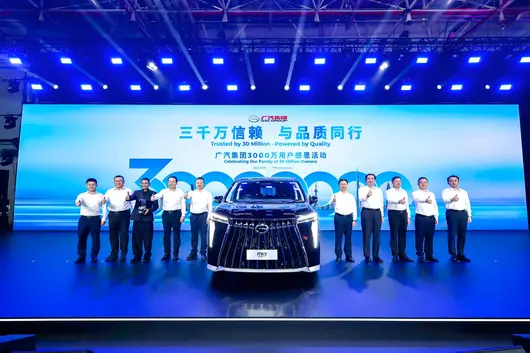
From thousands of selections to millions of trusts, every choice is the best testimony to brand growth. On July 16, the GAC Group 30 Million User Gratitude Ceremony was grandly held at the GAC Trumpchi factory. Government and enterprise leaders, industry giants, industry chain partners, domestic and overseas owners, media, and employee representatives gathered on site to jointly witness the highly significant 30 million whole vehicle delivery milestone in GAC's development history, unlocking a brand new chapter of high-quality development of Chinese car brands.

[Meeting Guests Witness GAC Welcoming 30 Million User Milestone Moment]
After 29 years of hard work, GAC has progressed from the first whole vehicle rolled off the line to a cumulative 30 million whole vehicles delivered. The digital leap is not only a breakthrough in scale but also an accumulation of reputation from millions of users. This milestone is not only proof of GAC's adherence to the original quality intention and accelerated smart new energy transformation, but also a vivid vignette of the Chinese automotive industry moving from scale expansion to value leap.
This ceremony showed GAC's strong transformation vitality and global strength in the form of all-domain linkage. At the event, GAC's multiple global production bases were linked via cloud, and GAC Honda P7, GAC Toyota bZ7, Qijing GT7, GAC AION N60, GAC Hyper S600, and many other new energy models rolled off the line sequentially, fully presenting GAC's full-coverage, diversified smart new energy product matrix.

[GAC Smart New Energy Matrix Shines on Stage]
The highly anticipated 30 millionth whole vehicle—Right-hand drive version GAC Trumpchi M8 PHEV officially debuted and rolled off the line, highlighting GAC's firm layout in the global market. GAC Group Chairman Feng Xingya handed over the new car keys to Thai owner Tony Jaa. This two-way rush across mountains and seas vividly interprets GAC brand's hardcore strength and warmth based in China and going global.

[GAC's 30 Millionth Whole Vehicle - Right-Hand Drive GAC Trumpchi M8 PHEV Rolls off the Production Line]

[Feng Xingya (Left) Delivers New Car Keys to Thai Owner Tony Jaa (Right)]
Solid product layout boosts steady sales growth. Data shows that in the first half of this year, GAC Group's cumulative sales reached 773,100 vehicles, a year-on-year growth of 2.35%; new energy vehicle sales skyrocketed by 68.8% year-on-year, highlighting transformation results. The overseas market also saw explosive growth, with export volume surpassing 120,000, a year-on-year increase of as high as 132%, running out a steady upward growth curve during the industry's deep adjustment period.
"Quality is the bottom line GAC will never compromise." Deeply cultivating the industry for nearly 30 years, GAC has always adhered to the core philosophy of "Quality First", integrating Honda's Total Quality Management, Toyota's Lean Production Model, combined with local market characteristics to build an exclusive integrated innovative quality management system, ensuring quality runs through the entire R&D, production, and delivery process.

[Witnesses of Important Nodes in GAC Development History Share GAC's Story of Walking Together with Quality]

["National Distinguished Engineer Team" GAC Powertrain Independent R&D Team Shares R&D Innovation Process]

[GAC Styling Design Team Shares Design Innovation Process]
Strict quality control standards are the core guarantee of quality. All new cars of the GAC series must undergo "Five Highs, One Mountain, One Dust" extreme environment testing, complete "Two Winters, One Summer" full-scenario on-site road testing, pass 12 major categories of whole vehicle verification and over 1,500 items of strict verification, comprehensively adapt to complex road conditions and diverse travel scenarios. Relying on the global first new energy vehicle lighthouse factory - GAC AION Smart Eco Factory, with a digital, intelligent production system, achieving stable and controllable quality of mass-produced models.

[GAC AION Smart Eco Factory]
In the field of safety technology, GAC has built all-around protection barriers. The self-developed Star Spirit Safety Guardian System covers smart chassis, active/passive safety, battery safety, and smart driving four dimensions. Eight key systems adopt double redundancy design, cumulatively avoiding 6.28 million potential travel risks, protecting the travel safety of nearly 2 million users. The Ace Bulletproof Battery has cumulatively loaded 1.5 million units, with safe driving mileage exceeding 160 billion kilometers. At the same time, the industry's first brand-owned "Three Responsibilities" policy was launched, proactively covering user pain points of batteries and intelligent driving assistance to completely eliminate user concerns about vehicle use.

[GAC Star Spirit Safety Guardian System]
Always being user-centric is the core code for GAC to continuously lead. Adhering to the corporate philosophy of "People First, Integrity as Path, Innovation as Priority", GAC integrates user needs into brand development genes, building a full-cycle, full-scenario, closed-loop user service system.

[GAC "All Users Speaking" Event Site]
To listen to real user voices, GAC regularly carries out "All Users Speaking" activities, facing user demands, absorbing user suggestions, through an exclusive user insight department, achieving responses for every user issue and implementation for every matter. Service channels continue to sink, with plans to add 1,000 county-level authorized stores this year, breaking through grassroots service barriers; relying on the "Super Butler" service system, achieving 5-second quick response and 2-hour request completion, greatly improving service efficiency.
Energy replenishment ecology continues to improve. GAC has built a "9 Verticals and 10 Horizontals" national energy replenishment network, covering 31 provinces and 213 cities nationwide, owning over 27,000 charging piles and over 20,000 supercharging piles, achieving "within 1 kilometer straight line must have station" in core urban areas, bringing convenient and efficient energy replenishment experience for new energy users.

[GAC Energy "9 Verticals 10 Horizontals" Energy Replenishment Network]
To thank 30 million users for their company all the way, GAC officially launched the "30 Million Vehicle Delivery · Refresh Gratitude Season". Subsidiaries GAC Honda, GAC Toyota, GAC Trumpchi, GAC AION, GAC Hyper, and Qijing Auto six major brands simultaneously launched exclusive benefit policies for new purchase, trade-in, and add-on purchase, returning million users' trust with full sincerity.

[GAC Group 30 Million Vehicle Delivery · Refresh Gratitude Season Officially Launched]
30 million is a milestone, and even more a brand new starting point. Based on the brand new development stage, GAC takes technological innovation as the core driving force, continuously deepening powertrain, three-electric, and intelligent connected core technologies, accelerating transformation into an ecological technology enterprise.
In the powertrain field, the GAC Star Source Power System covers three technology routes: Extended Range, Plug-in Hybrid, and Super Twin Engine. Undergone 100,000 hours of bench testing and over 10 million km of whole vehicle verification, full-scenario performance is stable and powerful, bringing efficient and worry-free travel experience for users. In the three-electric field, GAC continues to tackle industry pain points, built a full solid-state battery pilot production line, the self-developed Quark electric drive motor efficiency breakthrough 99%, reaching industry top levels.

[GAC Star Source Power Makes Users Choose "No More Compromises"]
In the intelligent field, the Star Spirit architecture comprehensively iterates, connecting driving, cockpit, powertrain, chassis, and other six major core systems, whole vehicle comprehensive performance increased by 40%; the Galaxy Smart Cockpit achieves end-cloud integration, building a humanized, intelligent mobile travel space. Meanwhile, GAC partners with Huawei, CATL, Tencent, Alibaba, and other industry leading enterprises to jointly build an AI intelligent travel ecology, continuously unlocking new possibilities for future travel.
Deepening R&D technology, building solid innovation confidence. Currently, GAC's cumulative R&D investment exceeds 62 billion yuan, assembling a global R&D team of over 6,800 people, continuously empowering product upgrades and experience upgrades with hardcore technology. In the future, GAC will adhere to quality original intention, deepen user value, persist in technological innovation, accelerate global layout, forge new tracks in intelligence, green, and globalization with a steady posture, walking shoulder to shoulder with 10 million users, embarking on the next brand new journey.

In the new energy market arena, a brand once universally questioned is now playing a surprisingly good hand.
In July 2026, Deepal Automobiles delivered an impressive semi-annual performance report: January–June global cumulative sales reached 164,000 units, a year-on-year increase of 14.6%. Among them, June single-month sales were 33,600 units, exceeding 30,000 units for four consecutive months. Overseas market first-half cumulative exports were 35,800 units, a year-on-year increase of 141%.

However, just a few months ago, Deepal was far from this scene.
Q1 2026, Deepal sales year-on-year declined by over 17%, January deliveries dropped month-on-month, February didn't even directly publish total series sales. Full-year 2025 sales settled at 333,100 units, although the adjusted target was completed, but built on the basis of the annual target actively being downward-adjusted from an initial 500,000 units to 360,000 units — this is the third consecutive year Deepal failed to complete the originally set annual target.
More troublesome than sales is the profit dilemma: By end of October 2025, Deepal cumulative loss was as high as 13.53 billion RMB, asset-liability ratio reached 114.3%, and it has been insolvent for consecutive years. At that time, Deepal was regarded by outsiders as one of the brands most likely to fail in new energy "fierce competition".

However, from being viewed negatively to consecutive monthly sales exceeding 30,000, what did Deepal rely on to complete this "comeback"?
The most direct answer is hidden in the product structure. Deepal S05, L06, S07 three main models constitute a stable "sales triangle", rather than relying on a single blockbuster. Deepal S05 is the absolute "sales leader" — June global sales 18,400 units, year-on-year growth 78.86%, cumulative sales already over 240,000 units. Deepal L06 staged a "V-shaped turnaround", from a January low of only 1,656 units, to June climbing to 7,977 units, exceeding 5,000 units for four consecutive months, winning the 130,000–200,000 RMB new energy medium-sized car quarterly sales champion. Deepal S07 remained steady, June sales 6,994 units.

But the formation of product structure is just the appearance. What truly supports this matrix to run is the clear logic Deepal has on technology inclusiveness, its official summary being, "Not competing on price, competing on technology, bringing high-tech to a more suitable price interval." Such as L06's magnetorheological suspension and LiDAR, S05's 3C super charging and full series standard L2+ intelligent driving, S07's Huawei Qiankun intelligent driving solution. These technologies taken alone are not fresh, but concentrated on 150,000 RMB tier models, almost impossible to find a second at the same price level.
It is worth mentioning, behind this is not relying on "loss-making" to hold up, but a verified supply chain logic: Deepal uses scale to exchange for cost, uses cost to exchange for configuration, uses configuration to exchange for sales — then sales feedback scale, forming a positive cycle.

Additionally, the explosion in overseas markets provides another growth logic. Domestic new energy market growth rate has dropped to single digits, stock characteristics are becoming more obvious, which means every incremental unit must come from competitor shares. Based on this, Deepal extends the battlefield outward, its first half overseas sales 35,800 units, year-on-year growth 141%, business covers over 100 countries and regions, Thailand factory and five KD workshops have been put into operation. Overseas is not only a sales supplement, but also a kind of risk hedging: When domestic price wars fight to the extreme, the overseas market gross margin space and brand premium ability provide Deepal with larger maneuvering room.

But under the halo of sales numbers, some deeper questions are equally unavoidable.
First is profit. By end of October 2025, Deepal cumulative loss 13.53 billion RMB, asset-liability ratio 114.3% — the situation of selling one losing one although is narrowing, but the distance from real self-sustaining is still there. Standing at 30,000 units for four consecutive months just touched the "threshold" of break-even, crossing this threshold requires continuous stable scale output, rather than several months of volume push.
Second is the moat. Deepal current competitive advantage is using supply chain integration to put high-end configuration down to 150,000 RMB tier, its essence is a kind of "efficiency advantage", rather than "technology generation gap". Efficiency advantage can be imitated, chased, even surpassed. When competitors also put LiDAR, magnetorheological suspension to this price level, what is Deepal's next differentiation weapon?
Additionally, there is overseas market uncertainty. 35,800 units half-year export is only a beginning. Overseas growth depends on local capacity, channel network, and brand cognition continuous investment, any link's delay may change the growth curve's slope. At the same time, overseas market policy risk, local opponent counterattack, brand cognition long accumulation, are variables Deepal must face.

Six months ago, Deepal was still questioned whether it could survive; six months later, it gave the answer with 164,000 units performance. But this answer is just phased. Profit realization, thickness of technology barrier, overseas expansion variables — these three exam questions, Deepal has not finally submitted answers yet.
And this, is exactly the core exam question of the new energy industry's second half: First half, competed on whether can make the car out, sell out; second half, competes on whether can sustain profit, whether can build brand, whether can stand firm on global market. Now, Deepal's first half report is not bad, and the second half's curtain, has just been pulled open.
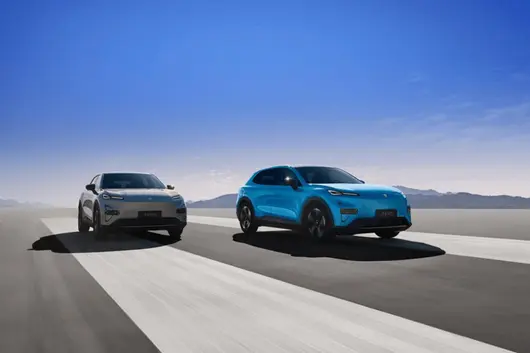
20 Julai, laman web rasmi Honda China menerbitkan satu maklumat secara senyap: Honda dan GAC secara rasmi menandatangani perjanjian pembaruan strategik, memperpanjang tempoh kerjasama perkongsian Honda GAC sehingga tahun 2038. Nisbah ekuiti tidak berubah, 50:50, hanya membendung semula kontrak yang akan tamat pada tahun 2028 selama sepuluh tahun lagi.

Orang dalam industri memanggil pembaruan kali ini sebagai "pertaruhan strategik demi kelangsungan hidup". GAC Honda tahun 2026 adalah tahun "mengumpulkan tenaga". Sepanjang tahun ini tidak ada produk baharu besar yang dilancarkan, pada tahun 2027 baru dirancang tiga produk baharu—Accord baharu, produk hibrid baharu yang memaparkan teknologi hibrid terunggul Honda, dan model reka bentuk sendiri yang dibina berdasarkan platform tenaga baharu khusus China. Dengan kata lain, sekurang-kurangnya perlu bertahan setahun lagi.

Menariknya, pada hari yang sama dengan Honda membarukan kontrak, satu adegan lain juga sedang berlaku di seluruh dunia—hanya watak utama yang telah bertukar kepada syarikat automoter China.
Chery secara rasmi mengambil alih sebuah kilang Nissan yang terletak di Rosslyn, Afrika Selatan pada awal Julai, mengambil alih sepenuhnya lebih daripada 600 orang pekerja. Seragam kerja ditukar, meja permainan ditukar. Selain itu, Chery telah memulakan penggunaan semula kilang lama Nissan untuk menghasilkan produk baharu di Barcelona, Sepanyol, dan menandatangani Perjanjian Persefahaman dengan Nissan—kilang Sunderland, United Kingdom akan memulakan pembuatan kereta lengkap stereng kanan untuk Chery bermula April 2027. Ini ialah pertama kalinya syarikat automoter utama Jepun melakukan pembuatan pihak ketiga di pasaran teras Eropah untuk jenama automoter tempatan China. Bayangkan adegan ini: kilang Nissan, pekerja Nissan, bermula dari tahun 2027 akan membuat kereta untuk Chery.

Kilang Szeged, Hungary BYD memasuki sprint sebelum pengeluaran massal, pelaburan keseluruhan kira-kira 4 bilion Euro, kapasiti pengeluaran maksimum 300,000 kenderaan setahun, pada suku keempat dirancang untuk memulakan pengeluaran model Dolphin Surf. Bekas Menteri Luar Hungary Szijjártó bahkan mengumumkan menyertai BYD, memegang jawatan eksekutif tinggi—ia menulis di media sosial: "BYD adalah salah satu syarikat paling berjaya dalam industri automotif 20 tahun kebelakangan ini." Leapmotor借用 Stellantis di kilang kereta lengkap Zaragoza, Sepanyol, SUV baharu tenaga murni B10 terus dihasilkan di laluan pengeluaran Eropah. SAIC sedang membina kilang dengan kapasiti pengeluaran 120,000 kenderaan setahun di Galicia, Sepanyol. XPeng melancarkan pengeluaran G6 di Melaka, Malaysia secara rasmi pada Jun.

Hingga pertengahan 2026, kira-kira sepuluh syarikat automoter utama China telah mengembangkan kapasiti pengeluaran di luar negara melalui pembinaan sendiri, perkongsian, pembelian semula laluan pengeluaran, dll. Penyebaran kapasiti pengeluaran luar negara syarikat automoter tenaga baharu China telah meliputi pasaran sasaran utama Eropah, Asia Tenggara, dan Amerika Selatan. Rangkaian bateri kuasa juga keluar negara—CATL, EVE Energy, Sunwoda telah menyusun kilang bateri di Hungary, pelaburan fasa pertama projek bateri kuasa Sunwoda kira-kira 1.9 bilion Yuan.
Apabila dua adegan ini dilihat bersama, terdapat perasaan kitaran sejarah. Dahulu, apabila peralatan rumah tangga Jepun dan Korea keluar, syarikat China juga mengambil laluan pengeluaran dengan cara serupa. Hanya kali ini senario telah bertukar watak utama—jenama Jepun yang pernah mendominasi pasaran China, sekarang di pasaran global diambil alih kilang dan direbut bahagian pasarnya oleh syarikat automoter China.

Penarikan balik kolektif raksasa melintas sempadan menunjukkan lagi kedalaman peralihan struktur ini. Stellantis menetapkan 22.2 bilion Euro untuk kerugian penstrukturan semula dan pengElektrifikasian, rugi bersih sepanjang tahun, harga saham jatuh teruk 23% sehari; Kumpulan Volkswagen merancang untuk memecat 50,000 jawatan dan menutup 4 kilang Jerman di Jerman sehingga 2030, bilangan model最多 berkurang 50%; Keuntungan operasi sebelum faedah dan cukai Mercedes selepas penyesuaian jatuh teruk 40%, keuntungan bersih hampir setengah kepada 5.3 bilion Euro; Porsche merancang untuk memecat 3,900 orang sehingga 2029; BMW menurunkan jangkaan pertumbuhan jualan kenderaan elektrik. Bidang komponen Eropah dua tahun terkini pemecatan tenaga kerja melebihi 100,000 orang.

Teknologi juga mempercepatkan serentak. 13 Julai, industri bateri pepejal menerima satu suara kolektif yang sangat padat maklumat: Pusat R&D Bateri Pepejal Chery menandatangani kontrak dan ditetapkan, Makmal Baihuhu menyiapkan ujian percubaan sel bateri besar kapasiti 20Ah, Gotion mengumumkan reka bentuk laluan pengeluaran massal hampir siap, BYD memperoleh paten bahan katod asas litium-mangan yang dibalut berlapis. Tenaga densiti sel bateri pepejal Chery reka bentuk sendiri telah mencapai 400Wh/kg, menuju 600Wh/kg, sasaran jarak jauh melebihi 1,500 kilometer, perbelanjaan penyelidikan khas kumulatif melebihi 10 bilion Yuan; Tenaga densiti bateri pepejal generasi baharu Dongfeng 350Wh/kg, jarak jauh merentas 1,000 kilometer, pengeluaran massal pada setengah tahun kedua pemasangan pertama Yipai 007; Laluan ujian perintis bateri pepejal penuh sulfida BYD telah dihasil di Pingshan, Shenzhen, ujian sebenar kereta prototaip jarak jauh 1,218 kilometer. Pendapat "Majalah Kereta Automotif China" ialah: pengkomersialan masih jauh, pertarungan kedudukan telah tiba.

Tetapi di bawah kegemilangan masih ada bahaya tersembunyi. Cukai komprehensif tertinggi Kesatuan Eropah terhadap kenderaan elektrik China mencapai 45.3%, dan merancang untuk mengenakan cukai tambahan terhadap kenderaan hibrid penyambung; Cip penyimpanan tahap automotif tiga bulan terkini kenaikan harga 180%, kos kenderaan dilengkapi pemanduan pintar tinggi menanggung tekanan; Data penilaian Jerman menunjukkan kadar susut nilai kenderaan elektrik China dua kali ganda pesaing, syarikat sewaan tidak berani melakukan pembelian besar-besaran; NIO di Jerman pada setengah tahun pertama hanya menjual 15 kenderaan, pembinaan stesen penukaran bateri ditangguhkan. Membina kilang tempatan bukan penamat—serikat pekerja Eropah menuntut kerja 35 jam seminggu, gaji yang sama untuk kerja yang sama, kepatuhan ESG adalah halangan tersirat terbesar. Kilang Hungary CATL kerana perdebatan alam sekitar menyebabkan kelewatan pemuliharaan pengeluaran.

Dalam industri ada orang berkata, separuh masa pertama saingan siapa yang boleh membina kilang di luar negara, separuh masa kedua saingan siapa yang boleh benar-benar berkukuh di tempatan. Honda membarukan kontrak sepuluh tahun, adalah mempertahankan garis pertahanan terakhir di laluan lama; Syarikat automoter China membina kilang di seluruh dunia, adalah mengejar di kilometer pertama di laluan baharu. Dua laluan, dua arah, dua takdir.
Apakah anda fikir Honda membarukan kontrak sepuluh tahun adalah pilihan rasional atau tindakan terpaksa? Cabaran terbesar syarikat automoter China membina kilang di luar negara adalah apa? Selamat datang untuk berbual di ruang komen.
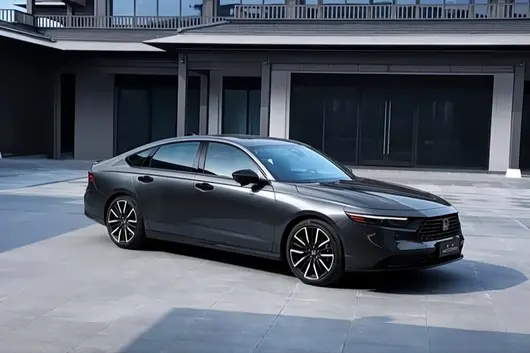


Dalam pasaran SUV Malaysia, banyak pembeli yang membandingkan Perodua Aruz dan Hyundai Tucson ketika memilih kereta. Kedua-dua kereta ini agak hampir dari segi harga dan penempatan, hari ini kita akan membuat perbandingan terperinci dari pelbagai aspek, membantu anda menjimatkan masa untuk mencari maklumat.
Harga OTR Perodua Aruz di Malaysia ialah RM 72,900 - 77,900, terdapat 2 varian, termasuk 1.5L X (RM 72,900), 1.5L AV (RM 77,900) dan lain-lain.
Harga OTR Hyundai Tucson di Malaysia ialah RM 143,888 - 197,888, terdapat 5 varian, termasuk 2025 HEV 1.6T AT 2WD Prestige (RM 197,888), 2025 1.6T DCT 4WD Prestige (RM 186,888), 2025 1.6T DCT 2WD Prime (RM 164,888) dan lain-lain.
Dari segi harga, harga permulaan Perodua Aruz memang lebih murah RM 70,988 berbanding Hyundai Tucson. Jika bajet anda terhad, varian permulaan Perodua sudah boleh memenuhi keperluan harian. Tetapi perlu diingat, beberapa ribu ringgit yang lebih murah ini mungkin ada pengorbanan dari segi kelengkapan, lihatlah keperluan anda secara spesifik.

Perodua Aruz dilengkapkan dengan enjin 1.5L 4-silinder, kuasa 105 hp. Penggunaan minyak rasmi 6.0 L/100km.
Hyundai Tucson dilengkapkan dengan enjin 1.5L Turbo, kuasa 140 hp. Penggunaan minyak rasmi 7.0 L/100km.
Dari segi kuasa, 1.5L Turbo Hyundai Tucson mempunyai 35 hp lebih berbanding 1.5L 4-silinder Perodua Aruz. Walau bagaimanapun, untuk penggunaan harian di bandar, kuasa kedua-dua kereta sudah memadai dan tidak akan terasa kurang tenaga.

Taraf keselamatan Perodua Aruz ialah 5★ (ASEAN NCAP), sistem keselamatan aktif termasuk.
Taraf keselamatan Hyundai Tucson ialah 5★ (ASEAN NCAP), sistem keselamatan aktif termasuk SmartSense.
Taraf keselamatan kedua-dua kereta adalah sama, pada tahap ini kelengkapan keselamatan dianggap sangat lengkap. Keselamatan kereta baharu sekarang tidak buruk, tiada perlu risau terlalu banyak tentang hal ini.

Perodua Aruz menggunakan cara pemacu FWD.
Hyundai Tucson menggunakan cara pemacu FWD.
Kedua-dua kereta menggunakan cara pemacu yang sama, iaitu FWD, pengalaman memandu harian tidak akan berbeza banyak.

Perodua Aruz dan Hyundai Tucson kedua-duanya adalah pilihan utama pasaran Malaysia, sesuai untuk kegunaan keluarga dan perjalanan harian. Jika anda lebih mengutamakan reputasi jenama dan harga jual semula, pertimbangkan yang mempunyai reputasi lebih baik; jika anda lebih mementingkan nilai untuk wang dan kelengkapan, pilih yang mempunyai konfigurasi lebih lengkap. Akhir sekali disyorkan untuk memandu uji kedua-duanya, pengalaman peribadi adalah yang paling penting.

Secara keseluruhannya, Perodua Aruz dan Hyundai Tucson kedua-duanya adalah model kereta yang sangat baik di pasaran Malaysia. Memilih yang mana satu, kuncinya bergantung kepada keperluan dan bajet peribadi anda. Disyorkan membuat persediaan dengan teliti, bandingkan beberapa harga dari dealer kereta berbeza, kemudian buat keputusan akhir setelah memandu uji. Membeli kereta adalah perkara besar, menghabiskan masa mencari maklumat pasti tidak akan salah.

© 2024 Bitauto.com. All Rights Reserved.
Bitauto (www.yiche.com and www.bitauto.com) is one of the most visited automotive websites in China. We provide detailed info on Chinese car brands available in your area. Please note that the information provided on this website is based on publicly available data and is for reference only. It may not be fully updated or accurate at all times.

Help us improve our website


