

Homeculinary

Search History
Popular Searches
Dealer Login / Sign Up

2021年全年,中國汽車出口345億美元。五年後的今天,僅2026年上半年,這個數字就達到了918億美元,逼近千億美元大關。
從345億到半年918億,中國汽車只用五年時間便走完了許多國家數十年的路程。
汽車改寫中國出口基因
海關總署數據顯示,2026年1至6月,中國商品貿易出口總額為21258億美元,同比增長17%。其中汽車整車出口918億美元,同比大幅增長54%;6月單月出口182億美元,同比增幅升至70%。

圖片來源:花瓣網
在量的維度上,中國汽車的成就依舊亮眼:中汽協統計顯示,上半年汽車出口509.6萬輛,同比增長65.3%,半年度出口量歷史上首次突破500萬輛大關。6月單月出口103.7萬輛,同比增長75.1%,單月出口量首次突破百萬輛。
整體出口增速17%,汽車出口增速54%——接近三倍的"剪刀差"背後,是中國出口引擎正在發生的深刻切換。乘聯會副秘書長崔東樹將這種變化概括為:"汽車出口近幾年表現極其優秀,從2021年的345億美元上升到2024年的1174億美元,形成了爆發增長態勢。"2025年全年達到1424億美元。而2026年僅上半年已達918億美元,全年突破1500億美元幾無懸念。

圖片來源:花瓣網
真正改寫出口格局的,不只是汽車一個品類。海關數據顯示,上半年鋰電池出口487億美元,同比增長43%;太陽能電池出口329億美元,同比增長24%。"新三樣"合計出口同比增加51.6%至1183.5億美元。三者之中,電動汽車增速最高,上半年累計出口521億美元,同比增加75.1%。中國汽車"依托新能源先發優勢和智能化創新實力,不僅實現了出口規模的躍升,更與人工智能深度融合,成為推動全球汽車研發與設計創新的重要力量。
從服裝、家電到汽車、鋰電池、太陽能電池,中國出口的"主力陣容"正在被重新定義。而汽車,無疑是這支新陣容裡的絕對核心。
誰在驅動這場"狂飆"?
量額齊增的數字只是第一層敘事。真正值得追問的是:這股增長勢能從何而來?
答案就藏在新能源汽車的爆發之中。
中汽協數據顯示,上半年新能源汽車出口235.5萬輛,同比增長1.2倍,佔整體汽車出口的比例超過46%。6月單月,新能源汽車出口52.3萬輛,同比增長1.6倍。中汽協副秘書長陳士華在月度信息發布會上表示,上半年汽車出口"超預期增長,形成穩定支撐"。
具體來看,乘用車板塊6月出口145億美元,同比增幅84%,較2021年同期增長658%。而其中,新能源汽車正是拉動乘用車出口狂奔的那駕"主力戰車"。上半年新能源汽車出口235.5萬輛,同比增長1.2倍,佔整體汽車出口的比例超過46%。中國新能源產業鏈從礦產加工、電池製造到整車集成,形成了全球最完整、最具成本競爭力的閉環。如果說過往中國汽車出口靠的是性價比,如今拼的是技術代差。
不少專業人士如此判斷:中國汽車出海正迎來從"規模擴張"向"價值出海"的關鍵跨越,從過去講求性價比的方向,轉向技術代差的趨勢。中國新能源車三電系統、智能化供應鏈在海外具備了更強的產品競爭力。

圖片來源:吉利汽車
出口市場的分化格局進一步印證了這一趨勢。2026年1至5月,巴西以37.2萬輛乘用車出口量、同比增長178.7%的成績,超越俄羅斯成為中國第一大出口市場;俄羅斯以35.1萬輛、同比增長139.8%緊隨其後。
兩國合計佔中國乘用車出口前十總量的四成以上。英國、比利時、義大利、澳洲等市場同樣保持快速增長。蓋世汽車研究院分析指出,歐洲市場"全面開花,若計入俄羅斯,歐洲在中國乘用車出口佔比已超半數"。
新能源方面,2026年1至5月,中國新能源乘用車出口的前五大目的地中,巴西以28.3萬輛位居榜首,比利時、英國分列二三位。義大利和德國新能源出口同比分別暴增365.3%和211.2%——中國新能源車已成功打入傳統工業強國的腹地。
與此同時,中國汽車出口的全球版圖也正在發生重構。拉美市場呈現兩極分化——巴西因7月關稅上調預期引發提前採購潮,推動銷量激增;而墨西哥受年初關稅上漲及北美貿易政策收緊影響,出口同比下滑40%。阿聯酋等中東市場也進入調整期,同比下降32.6%。這種分化從一定程度上說明,中國汽車出口已從"一窩蜂"式的粗放擴張,進入了精細化運營的新階段。

圖片來源:奇瑞汽車
企業層面的變化同樣值得關注。乘聯會數據顯示,上半年出口前十車企中,奇瑞汽車以93.15萬輛居首,同比增長70.9%;比亞迪76.93萬輛緊隨其後,同比增長73.6%。兩家合計佔前十總量的近四成。吉利汽車上半年出口47.25萬輛,同比增長158.3%;上汽車乘40.42萬輛;長城汽車25.6萬輛;特斯拉中國22.9萬輛。
更值得審視的是出口佔比這一指標。奇瑞出口佔其總銷量74.3%——意味著這家企業七成以上的車賣到了海外;比亞迪海外銷量佔比超四成;長城汽車出口佔比也達五成。上半年汽車出口佔國內銷量比例已升至37%,而去年同期僅為19%。"出海"已從個別企業的"選修課"變為全行業的"必修課",海外市場正從"錦上添花"走向"半壁江山"。
盛景之下的暗湧與出路
高增長的數字確實令人振奮,但數據之下所藏著的不容迴避的結構性矛盾也值得關注。
其中,最突出的是整車與零部件之間的"冰火兩重天"。上半年整車出口918億美元,同比增長54%;零部件出口513億美元,同比僅增長7%。"剪刀差"顯而易見。
中國機電產品進出口商會汽車分會秘書長陳菁晶接受媒體採訪時指出,汽車零部件出口聚集地"基本都是傳統汽車製造強國,以美國、歐盟為代表,目前對中國出口產品的限制措施持續落地"。這與整車出口"基本不去美國"形成鮮明對照。
陳菁晶進一步警告,中國汽車出海"已告別單純貿易驅動階段,未來必須轉向本地化、體系化深耕"。她特別指出,國內出海企業普遍存在"重銷售、輕售後"的短板,"短期沖量只會透支品牌,售後、備件、用戶復購、本地口碑,才是長期深耕海外市場的核心生命線"。崔東樹的判斷則更為直接,表示"要跟隨自主整車企業發展"。
整車出口的高增長固然可喜,但若零部件長期"掉隊",中國汽車出海的"自主可控"將面臨空心化風險。
另外,貿易壁壘的持續升級是另一重現實壓力。歐盟自2024年10月起對華純電動汽車徵收為期五年的最終反補貼稅,在10%基礎關稅之上疊加7.8%至35.3%不等的額外稅負。比亞迪、吉利和上汽分別被加徵17%、18.8%和35.3%的稅率。2026年6月,歐盟委員會計劃將反補貼稅範圍擴大至插電式混合動力汽車。新華財經報道指出,新規可能參照純電標準,最高綜合稅率同樣可超過45%。
非關稅壁壘同樣也在升級,歐盟計劃於2026年9月推出"供應鏈多元化工具"和《公共採購法案》,擬要求敏感行業企業在關鍵領域建立多元化供應渠道,對單一供應商採購比例設置30%至40%的上限。
與此同時,巴西自7月1日起已對進口電動車關稅統一上調至35%。泰國實施"產能對賭"機制,要求車企以出口額換取本地化生產指標。關稅與非關稅壁壘正合攏強化。
面對日益高築的"牆",中國車企的答案不是"繞",而是"紮"——從"貿易出海"走向"產業出海"。
例如,國內一家新能源整車企業在巴西的工廠便就是最典型的樣本。該工廠已於7月迎來第10萬輛新能源汽車下線。據悉,工廠一期規劃年產能15-20萬輛,遠期目標擴至50萬輛以上,並計劃2027年初將本土化採購率提升至50%。

圖片來源:奇瑞汽車
在歐洲,奇瑞的佈局同樣具有標誌性意義。2026年6月,奇瑞與西班牙埃夫羅汽車集團在巴塞羅那自由貿易區合資運營的工廠啟用全新M1生產線。該生產線全長696米,設有97個工作站,單車生產週期約75分鐘。埃夫羅汽車集團總裁拉斐爾·魯伊斯表示,公司選擇中企作為技術合作夥伴,意在"將汽車領域的新技術和產業經驗引入西班牙,並轉化為本地工業能力和就業機會"。
從產品出口到產能、品牌、供應鏈的全鏈條本地化,正成為中國汽車出海從"上半場"走向"下半場"的必經之路,這一趨勢被業界概括為"生態出海"。在新能源與智能化技術優勢的帶動下,中國汽車出口的形態正在發生變化:整車企業率先佈局海外產能,供應鏈企業緊隨其後,零部件的海外倉和售後服務網絡也在同步完善。
產品出口只是第一步,產能、品牌、供應鏈的全面本地化,才是決定中國汽車能否在海外真正立足的關鍵。
基於上半年509.6萬輛的出口規模,全年突破1000萬輛幾乎沒有懸念。據國際專業機構預測,2026年中國汽車出口量將同比增長41%,達到1000萬輛,成為世界上第一個出口千萬輛汽車的國家,相當於日本汽車出口量的約2.5倍。
結語
回望2021年,中國汽車出口尚不足350億美元,在國際貿易版圖中不過是一個不起眼的注腳。五年後的今天,僅半年時間便逼近千億美元量級——918億美元。在這背後,是中國製造業數十年積累的系統性爆發,是全球產業格局重新洗牌的歷史性窗口。
但數字的光環之下,結構性的隱憂同樣清晰可見。零部件與整車的"斷檔"、貿易壁壘的全面合攏、本地化能力的真實考驗——每一道都是繞不開的門檻。從"貿易出海"到"產業出海",從"規模擴張"到"價值深耕",這條路剛剛鋪開,但遠未到平坦處。
918億美元,既是一張成績單,更是一張入場券。中國汽車要真正從"大"走向"強",決定性的一章,還在後面。
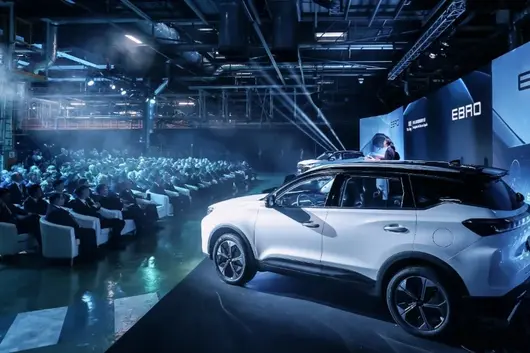

July 16, Geely Galaxy unveiled the "Thunder 16-in-1 Smart Electric Drive" at a press conference named "Star Drive Era" to the world.
This not only announces that electric drive technology has officially entered a new era of high integration, but also pushes a company established only 5 years ago—Xingqu Technology—from behind the scenes to the center of the spotlight.
As the core ace of Geely's electric drive technology, Xingqu Technology uses its all-stack self-research hard power to connect the complete chain of electric drive technology. Although it is the first formal public debut, the market dominance of this young enterprise is already impossible to ignore: 2026 revenue is expected to exceed 20 billion yuan, firmly staying in the top tier of domestic electric drives.

As early as its inception, the goal of Xingqu Technology was clear: to set a technical benchmark for global electric drives and make electric drive solutions of "Made in China" the world standard.
Although the press conference has concluded, a judgment has become clearer: on the electric drive track, Xingqu Technology has the strength to become the next "CATL".
How deep has Xingqu dug this technological moat?
At this press conference, Geely Galaxy TT made its debut. Relying on extreme energy efficiency and handling performance, this coupe set two Guinness World Records: "Lowest energy consumption for driving a mass-produced pure electric sedan around Qinghai Lake" and "Longest continuous dual-car drift on wet roads".
Low energy consumption and strong handling are often difficult to achieve simultaneously in the electric vehicle era, why can Galaxy TT achieve it?
The answer lies in its "power heart".
Providing core power for Geely Galaxy TT is exactly the protagonist of this press conference: Thunder 16-in-1 Smart Electric Drive. This system achieves deep cross-domain integration of 16 core hardware and functions such as motors, motor controllers, gearboxes, etc., and the whole system weighs only 75kg.

Behind the successful mass production and release of the Thunder 16-in-1 Smart Electric Drive is the deep technical accumulation of Geely's core ecosystem partner—Xingqu Technology—and the strength of the global industrial system.
As the electric drive technology ace of Geely, Xingqu Technology has been redefining the boundaries of electric drive technology:

In 2021, it pioneered self-developed 400V silicon carbide electric drive, equipped on Zeekr 001, and remains a classic benchmark for electric drive efficiency and performance; In 2024, it was the industry's first to launch ultra-high integrated 11-in-1 smart electric drive, becoming the lightest weight, smallest volume, and highest comprehensive efficiency electric drive product in the industry at that time; In 2025, it released the world's first 900V high-performance magnesium alloy coaxial dual electric drive, setting records for the highest power density and highest torque density of mass-produced magnesium alloy dual electric drive assemblies in the industry.
Xingqu Technology defining a new benchmark for global electric drive technology is not just a slogan, but a systemic capability based on a full-stack technical moat where "mass production + pre-research" advance in tandem.
At the mass production level, 900V high-voltage magnesium aluminum alloy electric drive assemblies, all-series silicon carbide motor controllers, and X-pin platform motors have been mass-produced, proving reliability and advancement in large-scale market verification; At the pre-research level, next-generation technologies such as amorphous alloy motors, three-level motor controllers, and embedded motor controllers have completed reserves, leaving sufficient "technical margin" for subsequent product iterations.
In addition, Xingqu Technology has also extended its technical map to the fields of intelligent driving and energy replenishment—the 1400 TOPS computing power ADCU Ultra intelligent driving super brain, and the HPC V4.0 liquid-cooled supercharging equipment capable of achieving 5-minute rapid energy replenishment, are providing comprehensive empowerment for the next generation of intelligent travel experiences.
Overall, Xingqu Technology's business segments cover the full-chain development from underlying software to hardware integration, deeply cultivating the new energy core power field, mainly operating pure electric and hybrid system electric drives, power supplies, and electronic products, and proactively planning multi-power scenarios such as intelligent driving, charging and energy replenishment, battery management, AI power, and low-altitude flight.
Revenue to exceed 20 billion, what supports it?
The thickness of technology must ultimately be measured by the speed of the market.
Xingqu Technology used a set of numbers to outline a growth curve that is steep to the point of being unbelievable:
2022 revenue 40 million, 2023 leaped to 600 million, 2024 broke through 1.7 billion, 2025 reached 14.8 billion directly. From 1.7 billion to breaking 10 billion, it took only 1 year, nearly 6 times annual growth, which is rare in the auto parts industry. According to predictions, in 2026, Xingqu Technology revenue will exceed 20 billion yuan.
What justifies such speed?
The first keyword is manufacturing implementation capability.
Xingqu Technology has deployed five major intelligent manufacturing bases in Wuxi, Jiaxing, Hangzhou, Ningbo, and Quzhou, adopting highly automated production lines leading both domestically and internationally, with core assembly process precision controlled at ±25 microns.

Even more amazing is its factory construction speed. Signed in Wuxi in 2022, achieving signing, breaking ground, topping out, production, and invoicing throughout the entire process in that year, running the industry record of "signing in the year, production in the year" in 352 days; 2025 Phase III project, signed in August, topped out in November, taking only 90 days.
This replicable ultra-fast implementation capability is the hardest bottom-line support for "Xingqu Speed".
In the first half of this year, the installation volume of Xingqu Technology's motor and electronic control firmly stays in the industry top 3, and technical strength ranks in the world's first echelon.
The second keyword is the full industry chain layout.
It is reported that Xingqu Technology covers the full-chain development from underlying software to hardware integration: at the core component level, motors, electronic controls, and gearboxes are all independently developed; at the assembly system level, it has the ability to integrate the full value chain of multi-in-one electric drive assemblies.
On the software side, the dual motor controller software development process has met ASPICE L3 certification, and functional safety reaches ASIL D level; On the hardware side, self-built shaft gear machining lines, SMT surface mount lines, stator-rotor lines, assembly lines and other automated production lines, realizing the self-research and self-production of key components such as shaft gears and PCBA boards.
From chips to electronic control, from software algorithms to hardware assemblies—Xingqu Technology has built a complete and independently controllable technical closed loop.
Behind this, Xingqu Technology's supply chain system also provided key support. It is reported that Xingqu Technology takes "ecosystem synergy" as its core strategy, and has built a deep cooperation network with global and local partners. Not only has it established deep cooperation with global top semiconductor and energy giants such as Infineon, Onsemi, Shell, but it has also actively built a localized supply chain ecosystem.
Global customers, why do they all stick with Xingqu?
If doing it, do global electric drive technology! This is the creed Xingqu Technology has set since its inception, and also the most concise footnote to its globalization strategy.
Speaking with hard-core technology, dealing with the world with a global layout, Xingqu Technology is turning ambition into reality.
Starting from all Geely brands, Xingqu Technology quickly opened the situation and has become the electric drive partner chosen and recognized by global top automakers together.
So, why do global customers choose Xingqu Technology one after another? The answer is simple: it can withstand the strictest tests.

Such capabilities have been repeatedly proven in cooperation with global top clients time and again.
This year, Xingqu Technology won an order from a European luxury brand client. The counterpart set out over 9,000 test indicators, among which one was particularly harsh: requiring a large SUV to achieve 107% gradeability—calculated down, the grade angle is about 47 degrees. As a reference, ordinary family sedan gradeability is usually between 15 to 20 degrees, professional off-road vehicles between 30 to 40 degrees, and mass-produced models that can reach 45 degrees are extremely rare.
Xingqu Technology achieved it.
It is precisely this ability to "dare to take the hardest questions and submit the best answer sheets" that made Xingqu Technology gain the trust of global top automakers within a few short years.
Currently, Xingqu has smoothly entered the supply chain system of Volvo, Polestar, Renault, Jaguar Land Rover and other global well-known vehicle plants, and multiple deep cooperation projects are being steadily promoted. It is understood that Xingqu Technology has signed 30 billion overseas orders, and the export in 2026 is expected to increase by 100%.
Behind the orders is a global layout map that is becoming more and more perfect. Currently, Xingqu Technology has established R&D and after-sales service centers in Gothenburg, Sweden and many places around the world, with Chinese and European teams relaying cooperation, possessing the ability to respond in time serving global clients 24 hours.
As early as its inception, Xingqu Technology has established a top-notch R&D and project management team in Europe, and the current scale has approached nearly 100 people.
To overcome the natural barriers of time difference, language, and culture, Xingqu Technology independently developed the "World Tree" cloud collaborative development platform, through which Chinese and European teams completed the deep collaborative development of software, hardware, and algorithms in the cloud.
It is worth noting that the globalization of Xingqu Technology is also accelerating. According to public reports, Xingqu Technology's first overseas factory located in Malaysia will be put into production in 2026, becoming a bridgehead radiating the Southeast Asian market.

Conclusion:
In the new energy vehicle era, the power core has switched from internal combustion engines to electric drives, and in this global competition, China is already running at the very front.
The original industrial logic is being rewritten by enterprises such as Xingqu Technology.
When a Chinese electric drive enterprise established only 5 years ago, uses a combination punch of technical depth, manufacturing speed, and global vision, to complete the road of traditional giants for decades, it proves one thing: the power structure of the global automotive supply chain is being reshaped.
On the electric drive track, as the invisible champion of the Chinese automotive industry chain breaking out upward, Xingqu Technology has the strength to become the next "CATL".
(All images in this article are from Geely)

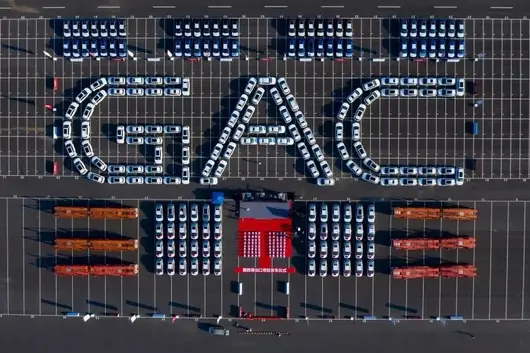
[Intro: GAC's 30 million vehicles gather the spectacular years of every tributary. 30 million vehicles are not cold data; they are the energy of 30 million engines starting, the choices and trust of 30 million users. The river flows endlessly, and memories stretch on forever. 30 million vehicles are also a brand new starting point. GAC, with even more surging new energy waves and brighter lights of intelligence, rushes towards the stars and the sea.]
Author: Li Suwan
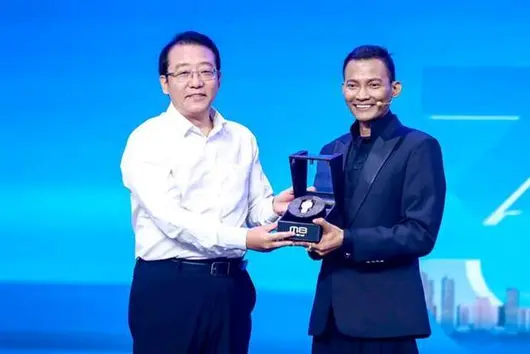
On July 16, 2026, GAC Group welcomed the historic moment of 30 million vehicles rolling off the line. Leading the way were GAC Honda P7, GAC Toyota Platinum Wisdom 7, Qijing GT7, GAC AION N60, and GAC Hyper S600, rolling off the line as vehicles 29,999,995 to 29,999,999 respectively. The long-awaited 30-millionth new vehicle was a right-hand drive version of the GAC Trumpchi M8 PHEV at the press conference scene. The owner was Tony Jaa, an international action superstar from Thailand.

This releases some signals: GAC is advancing electrification and intelligence transformation at full speed, accelerating from Guangzhou to the world. The internationalization of its independent brand has become one of the main themes of the future.
GAC Group Chairman Feng Xingya talked at the press conference with emotion: "From 0 to 30 million, we only used 29 years."
In fact, counting from the first Accord sedan of GAC Honda rolling off the line on March 26, 1999, it took GAC Group only 27 years to realize the leap from 1 to 30 million vehicles. In these years, seasons change. Whether it is the Chinese automobile industry or GAC, tremendous changes have taken place. The Chinese automobile industry has experienced the shift from "chasing" to "keeping pace" and then to "leading" in some areas, while GAC has undergone a transformation from fuel vehicles to electric vehicles, and from "introducing in" to "going out".
Behind the 30 Million Vehicles, A Relentless Flow
Behind 30 million vehicles, just how many memories are hidden? The Accord created the myth of "highly sought-after vehicles" and GAC Honda pioneered the domestic "4S" automobile sales service model. The Camry soared to success, realizing GAC Toyota's myth of "produced and profitable in the same year". The GS4 became instantly popular, staging the Trumpchi myth. AION, relying on pure electric models like AION Y, once achieved monthly sales surpassing Tesla and joined the new energy BAT. Hyper SSR became China's first mass-produced million-level pure electric supercar. Qijing GT7 opened the door to the first realm... In the wave of fierce competition in the automotive industry, GAC has moved forward courageously time and time again. In the process of the development of the Chinese automobile industry, although GAC was not the earliest starting company nor the largest one, it has still left a heavy touch, and its status is indispensable.

Currently, the electrification and intelligence transformation in the automotive industry is continuing to deepen, and the market pattern is accelerating reconstruction. GAC faces multiple challenges such as joint venture pressure, industry involution, and technical breakthroughs, while also welcoming a new window period for development. The situation where GAC relied on GAC Honda and GAC Toyota as "cash cows" to earn substantial profits has changed. Due to intensified domestic market competition, declining overall industry sales, and price wars among major car companies, affected by factors such as declining terminal sales, continued increase in sales investment, and rising raw material costs, the investment income of GAC's joint ventures decreased year-on-year. Meanwhile, to seize the market, sales investment surged, combined with rising raw material costs, the independent brand's profits also declined year-on-year. In the first half of 2026, GAC Group expects a net attributable loss of 4.06 billion to 4.57 billion yuan.
GAC, undergoing pain amidst the turbulent changes, is gathering strength for transformation and seeking a breakthrough. Faced with the sudden changes in the domestic car market, GAC adopted the strategy of "trading profits for volume", which has begun to show results. In the first half of 2026, GAC's cumulative sales reached 773,100 units, an increase of 2.35% year-on-year. The rapid growth of the independent sector and the doubling breakthrough of overseas markets are not only the answer sheet given by the market but also the votes of confidence given by users.
With the positive effects of the "Panyu Action" reform transmitting to the market, GAC's independent brands have shown strong growth momentum. In the first half of the year, cumulative sales reached 346,000 units, an increase of 35.69% year-on-year, with a new energy penetration rate reaching 62.82%. AION successfully shook off the ride-hailing label, models like AION i60 were hot-selling, household model sales were high, and the C-end share broke through 80%. Trumpchi relied on M8 to continuously secure its place in the domestic MPV top tier. Hyper deeply cultivated the high-end new energy market. In addition, GAC joined hands with Huawei for in-depth cooperation to create the Qijing brand. The first car, Qijing GT7, received 5,200 major deposits on the first day of the launch, successfully knocking on the door of the 200,000 to 350,000 yuan high-end intelligent new energy market. Relying on Huawei's technological momentum, GAC jumped out of the shortcoming of slow intelligent research and development of traditional car companies, got the entry ticket to the AI car era, and reshaped the upper limit of brand value. At the same time, Qijing obtained the support of CATL and central state-owned capital, laying a solid financial foundation for future development. AION, Trumpchi, Hyper, and Qijing form a tiered layout, and the independent sector is becoming the core momentum of GAC's growth.

Meanwhile, GAC's joint venture sector still has chassis advantages and deep system foundations. GAC Toyota's transformation results are outstanding. Platinum Wisdom 3X has become the sales champion of joint venture pure electric vehicles. Camry and Sienna continued to sell well. Honda Accord has consistently maintained a C-IASI G-level safety rating. Its resale value has led the industry for years. The deep user reputation, million-kilometer owners' recognition, and perfect dealer network remain valuable assets. In addition, GAC Honda is implementing localized electric vehicle models. The joint venture sector can still stabilize the basic platform and empower each other with the independent sector.
A Time Will Come When I'll Cut the Wind and Ride the Waves
Current sales growth is only the surface appearance. Behind GAC are hidden currents of deep-seated transformation, forming a new competitive system.
Memories are a river. GAC ferries on it, not only on the boats but also in silently caring for the warmth and cold of every passenger. Offline channels like tributaries meandering into the depths of counties intend to set up a thousand stores within the year; 600 outlet certifications were already completed in half a year, bringing convenient services such as car viewing and maintenance closer to more users. Online "Super Butler" acts like a swift vessel on the river, sending demands directly to the hub, ensuring every matter has a response. The energy replenishment network is the lighthouses deployed along the river. "9 Vertical and 10 Horizontal" traverse north and south. 27,000 self-operated charging piles are scattered like sparks. There must be a station within one kilometer in core urban areas, melting the anxiety of long-distance travelers in the reachable warm light along the way. As for safety, it is the most calm color of this river — the domestic "Three Responsibilities" promise is its solemn answer to wind and waves. The Star Spirit Guard System has already served nearly 2 million users, cumulatively preventing potential accidents 6.28 million times. The Magazine Battery has supported the safety of 1.5 million new energy vehicles, cumulatively driving over 160 billion kilometers, supporting the peace of mind of every journey. Thus, GAC's service is like the long-flowing river. It is quiet, yet it reaches everywhere.

GAC is making every effort to protect user driving safety, starting from the source of products. Quality is the foundation of GAC's existence and the bottom-line support that 30 million users trust. From the lean manufacturing experience accumulated during the joint venture cooperation period to the technological breakthrough and upgrading in the stage of independent innovation, the extreme pursuit of quality has always run through the full lifecycle of products from research and development to delivery. The river of memories carries sweat, blueprints, extreme weather on the test track, and countless nights solving bottleneck technologies. As one of the world's first new energy vehicle lighthouse factories, GAC AION Intelligent Ecosystem Factory can roll off a vehicle every 53 seconds, meeting the mixed-line production of over 100,000 personalized configurations and more than 20 types of car colors and models. Production and testing links deeply integrate Huawei's cutting-edge intelligent technologies and use digital means such as AI vision inspection and AI anomaly sound analysis to comprehensively guarantee the quality stability of every vehicle rolling off the line. Before the launch of each new GAC vehicle, it must undergo verification by over 500 engineers, over a thousand days and nights, nearly 10,000 test validations, with a cumulative equivalent test mileage of over 13 million kilometers, comprehensively covering all kinds of extreme usage scenarios.

In the technical navigation lane, GAC has the posture of accumulated strength for a breakthrough. In the early years, it was one of the pioneers of the Three-Electric layout. The paddle sound entered the water, but at the forefront of intelligence, it seemed to slow down half a step, and the strength of self-research did not stir up waves at the time. However, the navigation of this car company has always taken safety as the bottom line — not eager for splashes of waves at the moment, but seeking steady crossing and long-distance travel in a long river. The Star Spirit Safety Guard System is the strong defense line hidden underwater, with four dimensions setting defenses layer by layer and eight systems dual redundancy standing together. With double investment, the shore of travel is built solid in unseen places. At the same time, it does not paddle alone on a lonely boat. It cooperates with excellent tech partners such as Huawei to expand navigation channels together, converge and advance together, hoping for a surging momentum of 1+1>2. The sea accepts rivers. GAC embraces new opportunities with an open attitude, knocks on the door of the new car era, and leads the future with hard-core technology. Meanwhile, GAC seeks new navigation channels with the force of the rising tide. Solid-state batteries, Robotaxi, flying cars, humanoid robots, etc., are becoming its earnest new tributaries, planning a longer-term flow.

When the old channel becomes increasingly crowded, GAC carves out a new seaport. The "One GAC 2.0" strategy is the new compass, guiding product exports to shift to systemic exports. In the first half of 2026, the export volume of GAC's independent brands reached 121,500 units, a year-on-year surge of 132%, accelerating the injection of strong growth momentum into the 30-million-user map for the world. Currently, GAC's international business has covered 110 countries and regions in Asia-Pacific, the Middle East, the Americas, Europe, and other five major sectors, built 746 sales and service outlets, 6 overseas production plants, and 9 overseas parts warehouses, forming a localized operating capability covering the full value chain of research and development, production, supply, and sales, transporting mature domestic hybrid and pure electric products to the global market, avoiding the quagmire of domestic price wars, and opening up new space for long-term growth at a wider seaport.

The waters of the Pearl River flow forward. On one side is the ancient city culture; on the other is the prosperity of the new city. Located on the banks of the Pearl River, GAC Group, since the day it was built on the ruins of GAC Peugeot, was destined to undergo many twists and turns in fate, like the tides rising and falling, rising and falling. 30 million vehicles form another river, with bustling traffic flowing endlessly. In the waves of the times, opportunities and challenges have always gone hand in hand. In GAC's journey forward, sometimes the river surface is calm and clear, flowing peacefully; sometimes it encounters reefs, surging and churning. A time will come when I'll cut the wind and ride the waves, hoist my cloud sail to cross the vast sea. For GAC, although it is currently facing the pain of transformation and short-term challenges, its series of layouts for the future are gradually becoming clear. It is gathering strength in the new wave and pushing the boat towards a further sea.
Commentary
The automotive industry is in a period of change, with severe screening and continuous ups and downs. Although GAC encountered many challenges in the current stage, it possesses nearly 30 years of manufacturing foundation, advantages in domestic and international leading technology cooperation, and global incremental space. In the future, by accelerating the pace of joint venture innovation, independent self-sustaining growth, and overseas expansion, as well as accelerating the transformation towards electrification and intelligence, it can navigate industry cycles. 30 million vehicles is a brand new starting point for GAC.
(This article is an original of Heyan Yueche. Reproduction is not allowed without authorization)

2026 年 7 月 16 日,廣汽傳祺工廠,一輛右舵版傳祺 M8 PHEV 緩緩駛落生產線。泰國動作巨星 Tony Jaa 先生從廣汽集團董事長馮興亞手中接過車匙,成為廣汽第 3000 萬輛整車嘅車主。

【馮興亞(左)為泰國車主 Tony Jaa(右)交付新車匙】
由 1997 年喺一片質疑聲中起步,到如今累計產銷突破 3000 萬輛,廣汽用咗 29 年。呢個數字背後,唔只係一個企業嘅增長故事,更係中國汽車工業從「跟跑」到「並跑」、從規模擴張到價值躍升嘅時代註腳。

【廣汽第 3000 萬輛整車——右舵版廣汽傳祺 M8 PHEV 駛落生產線】
品質係永遠唔會退讓嘅底線
「品質係廣汽永遠唔會讓渡嘅底線。」馮興亞喺活動現場嘅呢句話,或許係對廣汽 29 年發展歷程最凝練嘅概括。
喺追求「短平快」嘅行業語境入面,廣汽選擇咗一條更「笨」嘅路。每款新車上市前,必須經歷「兩冬一夏」嘅實地路試,喺高寒、高溫、高原、高濕、高腐、山區、沙塵嘅「五高一山一塵」極端環境入面反覆打磨。整車 12 個大項、1500 多項驗證子項,累計等效測試里程超 1300 萬公里,核心部件需通過「設計壽命 30 萬公里×1.X 倍係數」嘅強化驗證。

【「國家卓越工程師團隊」廣汽動力總成自主研發團隊講述研發創新歷程】
呢種近乎「自虐」嘅驗證標準,源於一個樸素嘅認知:有啲極限工況,用戶可能一輩子都遇唔到,但車企必須佢哋提前驗證。當工信部新制抬高行業準入門檻、遏制過度壓縮開發週期時,廣汽多年來構建嘅「極致驗證」試驗體系,反而從成本變成咗競爭壁壘。

【廣汽發展歷程重要節點見證者講述廣汽與品質同行嘅故事】
品質嘅底氣,最終體現喺市場端。彈匣電池累計裝車 150 萬輛,安全行駛超 1600 億公里;星靈安全守護體系服務近 200 萬用戶,規避 628 萬次潛在出行風險。2025 年 12 月,廣汽更喺行業內率先推出自主品牌「三擔責」政策,對三電問題自燃、電池衰減超限、智能泊車事故主動兜底。敢把承諾延伸到用車全生命週期,本身就係對品質嘅自信。
從「工程師思維」到「用戶思維」
如果話品質係廣汽嘅立身之本,那麼「以用戶為中心」則係其增長嘅另一重引擎。
2024 年,廣汽將總部遷至番禺,啟動「番禺行動」改革,核心目標之一就係完成從工程師思維到用戶思維嘅躍遷。過去,車企習慣站喺技術角度打磨產品;今日,廣汽成立咗專屬用戶洞察部門,常態化舉辦「用戶全開麥」活動,令研發負責人直面用戶痛點,將真實反饋轉化為產品優化重點。

【廣汽「用戶全開麥」活動現場】

【廣汽星源動力令用戶選擇「唔再屈就」】
呢種思維轉變,喺渠道同服務端同樣可見。廣汽正推進服務網絡下沉縣域,計劃年內新增 1000 家授權門店;線上「超級管家」承諾 5 秒響應、2 小時辦結;補能端已建成「9 縱 10 橫」網絡,覆蓋 213 座城市,核心城區「直線 1 公里必有站」。

【廣汽能源「9 縱 10 橫」補能網絡】
從「造車者」到「同行者」,廣汽試圖令 3000 萬唔只係一個冰冷嘅數字,而成為有溫度嘅品牌資產。
全球化係檢驗成色嘅試金石
當中國汽車出海從「產品輸出」升級為「體系輸出」,廣汽嘅全球化步伐同樣印證住 3000 萬輛嘅含金量。
2026 年上半年,廣汽自主品牌出口量達 12.15 萬輛,同比增長 132%,已接近去年全年水平。國際化業務覆蓋 110 個國家同地區,建成 746 家銷售服務網點、7 座海外工廠。喺泰國,6 月銷量環比勁增 207%;喺歐洲,新能源產品已穩步進入核心國家市場。

【廣汽智能新能源陣列閃亮登場】
第 3000 萬輛整車選擇右舵版傳祺 M8 PHEV,並由一位泰國車主見證交付,本身就傳遞咗一個明確訊號:廣汽嘅視野,早已唔止於中國市場。
結語
從 0 到 1000 萬輛,廣汽用咗 20 年;從 1000 萬到 3000 萬輛,僅用 9 年。但比速度更值得關注嘅,係支撐呢個速度嘅底層邏輯——對品質嘅敬畏、對用戶嘅誠意、對長期主義嘅堅守。
3000 萬係里程碑,更係新起點。當行業從「捲價格」走向「捲實力」,廣汽 29 年攞下嘅家底,或許先至開始釋放價值。

【廣汽集團 3000 萬輛下線·煥新感恩季正式啟動】

Dalam pasaran SUV di Malaysia, ramai pembeli membandingkan Perodua Aruz dan MG MG HS ketika memilih kereta. Kedua-dua kereta ini mempunyai harga dan lokasi pasaran yang hampir sama. Hari ini kita akan membuat perbandingan terperinci dari pelbagai aspek untuk membantu anda menjimatkan masa membuat kajian.
Perodua Aruz dijual di Malaysia dengan harga OTR RM 72,900 - 77,900. Terdapat 2 versi, termasuk 1.5L X (RM 72,900), 1.5L AV (RM 77,900) dan sebagainya.
MG MG HS dijual di Malaysia dengan harga OTR RM 130,450 - 146,450. Terdapat 2 versi, termasuk 1.5L Standard (RM 105,000), 1.5L Executive (RM 115,000) dan sebagainya.
Dari segi harga, harga permulaan Perodua Aruz memang RM 57,550 lebih murah daripada MG MG HS. Jika bajet anda terhad, versi asas Perodua sudah dapat memenuhi keperluan harian. Namun, perlu diingat, perbezaan harga yang sedikit ini mungkin melibatkan kompromi dalam kelengkapan, bergantung pada keperluan anda.

Perodua Aruz panjang kenderaan 4400 mm, kapasiti bagasi 400 L.
MG MG HS panjang kenderaan 4400 mm, kapasiti bagasi 400 L.
Saiz kedua-dua kereta hampir sama, ruang dalaman tidak banyak perbezaan. Kereta dalam kategori ini, cukup untuk kegunaan harian.

Perodua Aruz jaminan 5 tahun/150,000km, selang penyelenggaraan setiap 10,000km atau 6 bulan.
MG MG HS jaminan 7 tahun/150,000km, selang penyelenggaraan setiap 10,000km atau 6 bulan.

Perodua Aruz dan MG MG HS adalah pilihan utama dalam pasaran Malaysia, sesuai untuk kegunaan keluarga dan perjalanan harian. Jika anda lebih mengutamakan reputasi jenama dan nilai jual semula, bolehlah utamakan yang mempunyai reputasi lebih baik. Jika anda lebih mengutamakan nilai dan kelengkapan, maka pilih yang mempunyai kelengkapan lebih banyak. Pada akhirnya, disyorkan untuk memandu kedua-duanya, pengalaman langsung adalah yang paling penting.
Secara keseluruhan, Perodua Aruz dan MG MG HS adalah model kereta yang sangat bagus dalam pasaran Malaysia. Memilih mana satu, ia bergantung pada keperluan dan bajet peribadi anda. Kami sarankan anda membuat kajian, bandingkan sebutan harga daripada beberapa pengedar, kemudian buat ujian memandu untuk membuat keputusan akhir. Membeli kereta adalah perkara besar, meluangkan masa untuk membuat kajian pasti tidak salah.


16 Julai, aktiviti syukur pengguna 30 juta Kumpulan GAC diadakan di Pabrik GAC Trumpchi. Pimpinan daripada Wilayah Guangdong, Bandar Raya Guangzhou, Daerah Panyu, Fu Bingfeng, Timbalan Presiden Tetap dan Setiausaha Agung Persatuan Industri Automobilia China, Feng Xingya, Presiden Kumpulan GAC, Pengurus Agung Ge Xianqing, serta pemimpin kumpulan lain, wakil rakan kongsi industri, pembekal dan pengedar, wakil pemilik dan pekerja dalam dan luar negara, serta wakil media hadir bersama, menyaksikan momen bersejarah GAC menerima pengguna ke-30 juta.
Dari kereta pertama turun dari talian pengeluaran hingga penghantaran unit ke-30 juta, GAC telah melalui 29 tahun pembangunan. Di sebalik nombor 30 juta ini, terdapat pilihan dan kepercayaan puluhan juta pengguna, keteguhan GAC dalam menjaga kualiti dan keselamatan, tekad untuk beralih ke elektrifikasi dan kecerdasan, serta cerminan industri automobilia China berkembang daripada besar ke kuat, dari pengembangan skala kepada lompatan nilai.
Selaras Global, Matriks Energi Baharu Pintar Menunjukkan Proses Transformasi
Di tapak aktiviti, pelbagai tapak pengeluaran GAC di seluruh dunia disambungkan serentak. GAC Honda P7, GAC Toyota Platinum Smart 7, Qijing GT7, GAC AION N60, dan GAC Hyper S600 turun dari talian pengeluaran sebagai unit ke-29,999,995 hingga ke-29,999,999 GAC. Akhir sekali, GAC Trumpchi M8 PHEV Versi Stereng Kanan muncul di pentas sebagai unit ke-30 juta. Penampilan kolektif matriks model turun dari talian pengeluaran seluruh garis produk energi baharu, menjadi pengesahan langsung GAC memacu transformasi elektrifikasi dan kecerdasan.
Seterusnya, Feng Xingya menyerahkan kunci unit ke-30 juta kepada Tony Jaa, pemilik dari Thailand. Saat ini bukan sekadar nombor, tetapi bukti kehangatan perjalanan dua hala GAC dengan pengguna global.
Kepercayaan merentasi gunung dan laut ini adalah keyakinan GAC untuk keluar dari krisis dalam perubahan industri. Pada setengah tahun pertama tahun ini, jualan Kumpulan GAC mencapai 773,100 unit, naik 2.35% berbanding tempoh sama. Jualan kereta energi baharu naik 68.8%; eksport luar negara melebihi 120,000 unit, naik besar 132% berbanding tempoh sama, memacu irama stabil dalam tempoh pembentukan semula industri secara mendalam.
Kualiti sebagai Asas, Membina Kekuatan Keyakinan Perjalanan Pengguna Puluhan Juta
"Kualiti adalah garis batas GAC yang tidak boleh dipulangkan." ujar Feng Xingya dalam ucapan penutup. Dalam pembangunan GAC, pertumbuhan skala sentiasa berlatarkan kualiti. Selama bertahun-tahun, Kumpulan GAC mengamalkan prinsip "Kualiti Pertama", menggabungkan Pengurusan Kualiti Penuh Honda (TQM), Cara Pembuatan Lepan Toyota (TPS) dan Budaya Lingnan, membina mod pengurusan kualiti berpusat "Inovasi Perpaduan". Semua tujuan akhir adalah menghasilkan kereta yang memandu dengan yakin, menggunakan dengan mudah, dan duduk dengan selesa.
Dari pusat penyelidikan hingga pembuatan, GAC membina sistem pengawalseliaan kualiti yang ketat merangkumi rantai penuh: setiap kereta baharu perlu melalui ujian persekitaran ekstrem "lima tinggi, satu gunung, satu debu" (sejuk beku, panas tinggi, altitud tinggi, kelembapan tinggi, perosakkan tinggi, gunung, debu) sebelum pelancaran, dan menyelesaikan ujian lapan lapangan "dua musim sejuk dan satu musim panas"; dengan tapak ujian dan makmal yang merangkumi 12 item utama, 1500 sub-item pengesahan kenderaan, mencapai pengesahan kualiti berstruktur; Pabrik Ekosistem Pintar GAC AION sebagai "Pabrik Lighthouse Kereta Energi Baharu Pertama di Dunia", menjamin kualiti produk stabil melalui sistem pembuatan pintar digital.
Dalam tahap keselamatan teras, Sistem Penjagaan Keselamatan Xingling membina empat dimensi perlindungan, lapan sistem penting menggunakan reka bentuk gandaan berlebihan, telah menjaga 2 juta pengguna, mengelak 6.28 juta risiko perjalanan berpotensi; Bateri Magasin dipasang 1.5 juta unit, jarak perjalanan selamat melebihi 160 bilion kilometer; penyediaan perkhidmatan serentak ditingkatkan, GAC menjadi yang pertama dalam industri melancarkan dasar "tiga tanggungjawab" jenama sendiri, melindungi proaktif pengguna dari kebimbangan bateri dan bantuan pemanduan pintar. Justu, garisan pertahanan keselamatan dan janji perkhidmatan ini menopang keyakinan jenama di sebalik jualan 30 juta GAC.
Berorientasikan Pengguna, Membina Sistem Perkhidmatan Hangat Sepenuh Kitaran
"Apa yang pengguna prihatinkan, kami letakkan di hati; apa yang pengguna harapkan, kami berusaha sekuat hati." ujar Feng Xingya. Prinsip berpusat pengguna ini telah mendalam dalam gen GAC. Selama bertahun-tahun, Kumpulan GAC mengamalkan prinsip "Manusia sebagai asas, Kepercayaan sebagai jalan, Inovasi sebagai prioritas", di mana teras "Manusia sebagai asas" adalah pengguna sebagai asas.
Di satu pihak, untuk menghadapi masalah dan mendengar suara pengguna, GAC menganjurkan aktiviti "Aktiviti Pengguna Berbuka Mikrofon" secara biasa, mengundang pengguna ke "rumah", komunikasi bersemuka. Pada masa sama, membina sistem pengurusan litar tertutup proses penuh, memastikan setiap cadangan ditangani dengan betul, masalah biasa dioptimumkan untuk semua pengguna pada masa pertama.
Di samping itu, GAC juga menubuhkan bahagian penglihatan pengguna khas, memajukan perubahan proses penuh dari penemuan penyelesaian masalah, menjamin setiap tuntutan pengguna dibalas, setiap urusan diselesaikan dari segi mekanisme organisasi.
Disebelah pihak, rangkaian perkhidmatan juga disegerakan penyusupannya. Di hujung saluran, memajukan rangkaian perkhidmatan turun ke daerah, merancang menambah 1000 kedai berlesen daerah pada tahun ini; di hujung respons, melancarkan perkhidmatan "Pengurus Super", mencapai respons 5 saat, urusan diselesaikan 2 jam, menjamin tuntutan pengguna langsung dan segera. Di hujung pengisian tenaga, membina rangkaian pengisian tenaga "9 menegak, 10 melintang", telah merangkumi 31 wilayah 213 bandar, bandar utama mencapai "tiang pasti ada dalam 1 kilometer lurus", jumlah stesen pengecas sendiri melebihi 27,000 batang, di mana stesen pengecas pantas melebihi 20,000 batang, menyediakan perkhidmatan pengisian tenaga yang mudah untuk pemilik kereta energi baharu.
Tema utama aktiviti syukur kali ini ialah mengucapkan terima kasih dan balasan tulus kepada sokongan jangka panjang pengguna 30 juta. Di tapak aktiviti, Feng Xingya mengumumkan, bermula hari ini, GAC secara rasmi memulakan "GAC Group 30 Juta Unit Turun·Musim Syukur Pembaruan". Enam jenama kenderaan penumpang GAC Honda, GAC Toyota, GAC Trumpchi, GAC AION, GAC Hyper dan Qijing Motors, akan menawarkan dasar ciri di sekitar pembelian baharu, penukaran hingga pembelian tambahan, membalas setiap penyertaan dan sokongan.
Teknologi Berpusat, Memberi Kuasa Teknologi Terdekat pada Perjalanan Benar
Dengan 30 juta sebagai permulaan baharu, GAC akan memacu inovasi, menuju perjalanan baharu elektrifikasi dan kecerdasan, menjadikan teknologi hadapan benar-benar bertukar menjadi kepercayaan dan kemudahan yang boleh dirasakan pengguna.
Dalam bidang kuasa, Tenaga Xingyuan yang dibangunkan oleh "Pasukan Jurutera Unggul Negara", merangkumi tiga teknologi Xingyuan E-Range, Xingyuan Plug-in Hybrid, dan Xingyuan Super Dual Engine, akan dilengkapi pada lebih model untuk pengeluaran. Setiap produk perlu melalui 100,000 jam ujian kerangka dan pengesahan kenderaan penuh, jarak setara melebihi 10 juta kilometer, memastikan prestasi sentiasa kuat seperti batu di bawah semua skenario dan kawasan.
Dalam bidang "tiga sistem elektrik", GAC terus mengatasi kesakitan industri pengecas pantas bateri dan sisa daya suhu rendah, telah membina talian percubaan skala sederhana bateri pepejal penuh, melancarkan teknologi tenaga muktamad, kecekapan tertinggi motor Drive Quark melebihi 99%, tahap tertinggi industri.
Dalam bidang rangkaian pintar, Arsitektur Xingling Otak Super terus berkembang, menyambungkan bantuan pemanduan pintar, kabinet pintar, kuasa, lantai, badan, rangkaian kenderaan enam sistem, mencapai "satu otak mengawal seragam", keperformance gabungan meningkat 40%; Kabinet Pintar Star River mencapai satuan hujung awan, menjadikan kereta benar-benar rakan "berfikir, faham hati". GAC juga akan berkerjasama dengan Huawei, CATL, Didi, Tencent, Alibaba dan rakan utama lain, membina ekosistem pintar AI yang lebih kuat.
Setakat kini, Kumpulan GAC telah melabur R&D melebihi 620 bilion yuan, pasukan pembangunan global melebihi 6800 orang. Pelaburan teknologi berterusan, sedang memajukan produk GAC daripada alat pengangkutan kepada rakan perjalanan pintar, ruang bijak bergerak, ekosistem tenaga hijau.
Menghadap masa depan, GAC akan terus menjadikan keperluan pengguna sebagai titik jangkar, kualiti sebagai asas, inovasi teknologi sebagai pemacu utama,布局 global sebagai lalu jalan pembangunan, mempercepat GAC Teknologi Ekosistem bertingkat, berjalan bersama dengan lebih banyak pengguna, berjaya antara satu sama lain, sama-sama menuju masa depan yang lebih pintar, lebih hijau, lebih luas.
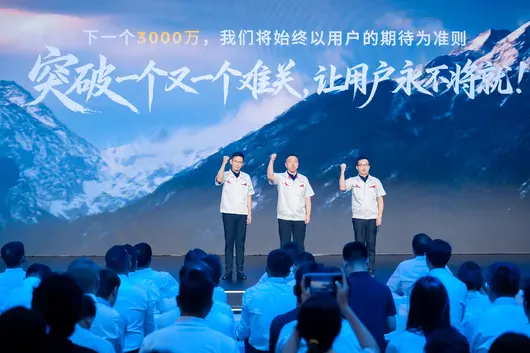

三项吉尼斯纪录在手!吉利“雷霆16合1”电驱,把全球电驱天花板焊死了

7月16日,吉利汽车集团正式发布吉利银河全球首款“雷霆16合1智能电驱”,依托星驱科技多年的技术积累和完整的产业布局,这款全新电驱在节能、性能、可靠性上实现了代际级突破,直接把纯电车的日常使用体验拉到了新高度。首搭这款电驱的吉利银河TT,一口气拿下两项吉尼斯世界纪录:“驾驶量产纯电轿车环青海湖能耗最低”和“湿滑路面最长连续双车漂移(电动汽车)”,用实打实的成绩证明了中国品牌在电驱领域的全球领先实力。

这次发布的“雷霆16合1智能电驱”,最直观的特点就是把以往分散的16个硬件和软件功能全部整合到了一起,相当于把过去好几件独立工作的设备打包成了一个高度协同的整体,不仅少了180多个零散零部件,重量也比行业主流产品轻了15%,还能给车内多腾出28L的后备箱空间,对普通车主来说,装下更多行李、日常出行更实用。

在大家最关心的省电这件事上,这款电驱做到了行业量产同级第一的93.8%综合效率。简单来说,就是从电流传输、能量转换到日常全场景行驶,每一个环节都在“抠细节”减少浪费:800V高压平台加上缩短的传导路径,直接把电流传输损耗降低了80%;更先进的碳化硅芯片、更薄的硅钢片和高精度齿轮,又进一步把电、磁、力转换过程中的损耗压到最低;再加上吉利星睿AI云动力智能能量管理大模型的加持,冬天开暖风、高速跑长途、城市早晚高峰通勤,系统都会自动找到最省电的运行方式,不用车主刻意控制脚法,就能在舒适和省电之间找到平衡。也正是靠着这套极致的节能设计,银河TT在环青海湖的实测中跑出了8.20 kWh/100km的超低电耗,创下了量产纯电轿车环青海湖能耗最低的吉尼斯纪录。

动力性能上,它更是做到了同级第一梯队的水准。四驱版本综合功率达到425kW,零百加速仅需3.8秒,最难得的是“快而稳”:传统电驱的指令响应平均要40毫秒,它靠一芯集成的设计直接压缩到最快2毫秒,踩下电门的瞬间动力就跟上,真正做到了“指哪打哪”;AI算法还能把实时扭矩偏差从3%降到1%,车轮的动力输出精准度大幅提升;再加上54路定向冷却技术,电机最高温度能降低15摄氏度,哪怕长时间激烈驾驶,也不会出现动力衰减、被系统限扭的情况。

正是靠着这份“全程不掉线”的性能,银河TT在湿滑路面上完成了超46公里的连续双车漂移,打破了保时捷2020年创下的纪录。很多人可能不知道,纯电车漂移比燃油车难度高得多:起漂瞬间要在毫秒间爆发出精准扭矩,让车身顺利进入滑移状态;漂移过程中还要时刻微调动力输出,稍有偏差就会失控;连续几十公里的极限工况下,电驱还得扛住持续的高转速和高热负荷,不能因为过热触发保护。这次挑战成功,相当于给所有普通车主吃了一颗定心丸:哪怕遇到暴雨湿滑路面、连续爬坡或者长时间激烈驾驶,这套电驱也能稳定输出,不会掉链子。

在可靠性方面,这款电驱更是经过了“超纲级”考验。从单个零件到完整的电驱总成,再到整车上路,覆盖15个领域的9000多项测试,累计完成了500万公里的耐久验证,还拿到了中汽中心“高品质电驱”的权威认证。它还自带一个云端“在线医生”——智慧健康管理系统,靠AI寿命预测模型主动给关键部件做“体检”,不等零件出故障就提前预警保养,把过去“坏了再修”变成了“主动呵护”,从根源上降低了用车过程中的故障概率。

发布当天,星驱科技也首次对外开放,向外界展示了吉利完整的电驱研发、智能制造和全链条产业布局。目前星驱科技的研发制造网络横跨中国多座城市以及瑞典、马来西亚,累计申请专利超1000项,五大智能制造基地最高自动化率超过95%,生产精度达到微米级,每一台电驱的全流程都能智能追溯。今年上半年,星驱科技的电机装机量已经稳居行业TOP3,产品不仅服务吉利银河、极氪等国内品牌,还供应给沃尔沃、捷豹路虎、雷诺等众多国际车企,和欧洲多家头部车企签订了长期订单。

至此,吉利已经在混动、电池、电驱三大核心领域,培育出了浩思动力、吉曜通行、星驱科技三家“隐形冠军”企业,形成了全链条自主可控的三电技术体系。从之前雷神电混创下的超2608km续航吉尼斯纪录,到这次雷霆16合1智能电驱拿下的两项新纪录,吉利正在用实打实的技术突破,重塑全球新能源汽车的动力技术标准,为全球新能源产业的创新升级注入强劲的中国动力。

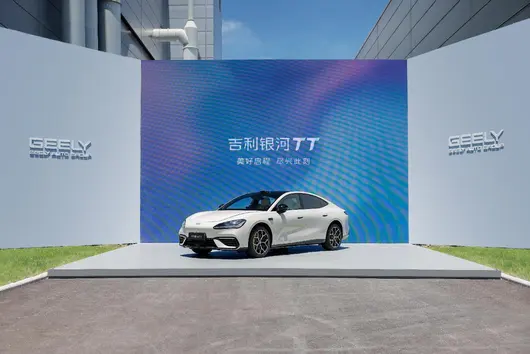
Pada pasaran SUV di Malaysia, ramai pembeli membuat perbandingan antara Perodua Aruz dan Chery Tiggo 7 PHEV ketika memilih kereta. Kedua-dua kereta ini mempunyai harga dan kedudukan yang agak hampir. Hari ini, kita akan membuat perbandingan terperinci dari pelbagai aspek untuk membantu anda menjimatkan masa membuat kajian.
Harga OTR Perodua Aruz di Malaysia adalah RM 72,900 - 77,900, terdapat 2 versi, termasuk 1.5L X (RM 72,900), 1.5L AV (RM 77,900) dan lain-lain.
Harga OTR Chery Tiggo 7 PHEV di Malaysia adalah RM 129,750 - 129,750, terdapat 2 versi, termasuk 2025 1.5T 90km CSH (RM 129,750), Apakah kaedah pengecasan yang disokong oleh Tiggo 7 PHEV? Bolehkah ia dicas menggunakan soket kuasa rumah? (RM 117,478) dan lain-lain.
Dari segi harga, harga permulaan Perodua Aruz memang lebih murah RM 56,850 berbanding Chery Tiggo 7 PHEV. Jika bajet anda terbatas, versi permulaan Perodua sudah dapat memenuhi keperluan harian. Namun perlu diingat, beberapa ribu ringgit yang lebih murah itu mungkin melibatkan kompromi dalam kelengkapan, bergantung pada keperluan anda.
Perodua Aruz dilengkapi enjin 1.5L 4-silinder, kuasa 105 hp. Penggunaan minyak rasmi 6.0 L/100km.
Chery Tiggo 7 PHEV dilengkapi Hybrid, kuasa 170 hp. Penggunaan minyak rasmi 4.5 L/100km.
Dari segi kuasa, Hybrid pada Chery Tiggo 7 PHEV mempunyai 65 hp lebih berbanding 1.5L 4-silinder pada Perodua Aruz. Namun, untuk penggunaan harian di bandar, kuasa kedua-dua kereta adalah mencukupi, tidak akan terasa kurang tenaga.
Perodua Aruz panjang badan 4400 mm, ruang bagasi 400 L.
Chery Tiggo 7 PHEV panjang badan 4400 mm, ruang bagasi 400 L.
Dimensi kedua-dua kereta hampir sama, ruang dalam kabin tiada perbezaan besar. Untuk kereta pada tahap ini, sangat memadai untuk penggunaan harian.
Perodua Aruz menggunakan cara penggerak FWD.
Chery Tiggo 7 PHEV menggunakan cara penggerak FWD.
Kedua-dua kereta menggunakan cara penggerak yang sama, iaitu FWD, pengalaman memandu harian tidak akan banyak berbeza.

Secara keseluruhannya, Perodua Aruz dan Chery Tiggo 7 PHEV adalah model yang sangat baik di pasaran Malaysia. Memilih yang mana satu, kunci utamanya adalah keperluan dan bajet peribadi anda. Kami syorkan anda membuat kajian, bandingkan harga daripada beberapa kedai kereta, kemudian buat ujian memandu untuk membuat keputusan akhir. Membeli kereta adalah perkara penting, meluangkan masa untuk membuat kajian tidak akan salah.

July, the European Tire Association released a position paper targeting the EU's "Industrial Acceleration Act". The Association welcomes the EU's recognition of tire manufacturing as a "strategic, energy-intensive industry", but believes the draft has critical gaps in "market scope, demand-side incentives, investment support, and regulatory coordination".

The core message of this statement from the Association is clear: the European tire industry is using policy tools to "de-Chinese" this product.
Continued Loss of Market Share, Import Surge is the Main Cause
The data provided by the Association is quite direct. Since 2018, EU tire manufacturers have lost over 12% of their domestic market share.
Regarding passenger car tires, the EU domestic share dropped from 71% in 2018 to 59.6% in 2025; truck and bus tire share dropped from 72% to 60.8%. However, imports surged by 195%, mainly driven by China.

A number often overlooked is: replacement tires account for 75% of total tire sales in the EU, but the current "Industrial Acceleration Act" draft offers no support for the replacement market.
The Association's logic is that the Original Equipment (OE) market is bound to car manufacturers, while the replacement market is the core base for European tire companies. If policies only protect OE but not replacement, the resilience of the European automotive value chain cannot be built.
The main breakthrough point for Chinese tires in the EU is precisely the replacement market. The Association elevated the replacement market to the level of a "strategic component", aiming to pave the way for subsequent demand-side incentives.
The Association's Five Policy Demands
At the same time, the Association proposed a set of targeted demands regarding the draft's gaps, essentially adding a protective layer for European manufacturing.
The first is identity upgrading. Recognizing tires as "strategic components" in both OE and replacement markets, not just as ancillary parts for car manufacturers. This step is to let tires hitch a ride on the industrial support of the "Industrial Acceleration Act".

The second is rules of origin plus procurement priority. The Association supports current customs rules, but requires priority layering on top of this—in public procurement and public support programs, prioritize EU manufacturing, followed by customs union countries, then followed by countries meeting equivalent trade and procurement standards.
This means that even if vulcanized in Vietnam or Thailand, as long as it is not in the EU, customs union, or equivalent country, it is ranked third.
The third is support for retreaded tires. In the commercial vehicle sector, the Association calls for support for EU-manufactured retreaded truck and bus tires. Retreading reduces emissions by 52% compared to new tires, allowing it to carry a decarbonization label while protecting the truck and bus tire industry chain in Europe. Chinese truck and bus tires remain a main import source in the EU; retread support is a lever for European companies to fight the new tire price war.

The fourth is upgrading tire labels and linking them to public procurement. The Association cites Commission data stating that EU tire labels save 45 terawatt-hours of electricity annually and reduce 15 million tons of CO2 emissions. Tires account for only 2% to 3% of the value of a complete vehicle, yet affect vehicle energy efficiency by 20% to 30%. The subtext is: public procurement should prioritize buying high-performance labeled tires and European tires, using demand-side boosting to drive European manufacturing.
The fifth is decarbonization funding and permitting acceleration. The Association demands stronger fiscal support for industrial decarbonization projects, accelerate permitting procedures, and clarify governance rules for "Industrial Manufacturing Acceleration Zones". These are hard requirements for European tire plants to cope with high energy and carbon costs.
This Strategy Aligns with Anti-Dumping Measures
The EU "Industrial Acceleration Act" was originally positioned as a pan-industrial policy, and the tire industry wants to fit itself into a strategic cage, getting decarbonization funds, procurement preferences, and rules of origin protection. This strategy aligns with the EU's implemented anti-dumping and pending anti-subsidy measures on tires from China—trade relief manages "blocking", industrial policy manages "supporting".
But this European self-rescue also has hard constraints. First is cost. European energy, labor, and compliance costs are what they are; policies can boost demand and provide funds, but it is hard to level manufacturing costs to the level of China and Southeast Asia.

Second is the spillover form of Chinese capacity. The Association's "priority layering" can block some, but not all. If Chinese companies build plants in regions with EU tariff preferences such as Serbia and Morocco, the rules of origin issue becomes more complex.
Third is how much the draft will ultimately concede is still unknown. Car manufacturers within the EU may not be willing to be bound by "European priority procurement", and cost pressure will be passed back to vehicles. The Tire Association and vehicle manufacturing interests are not fully aligned.
For Chinese companies, several things need to be done in advance. Overseas origins must withstand scrutiny, and supply chains must withstand tracing. High-end performance, green indicators, and new energy vehicle support are the only viable currency to bypass discrimination. Retreading and service systems can be looked at in advance; once the European truck and bus tire retreading loop is leveraged by policy, tire body supply and retreading cooperation might be new entry points.

This statement from the European Tire Association is not the end of the trade war, it is the prologue to industrial policy wars. For Chinese tires, the EU, this largest export market, the game has upgraded from competing on price to competing on origin, green, and high-end.
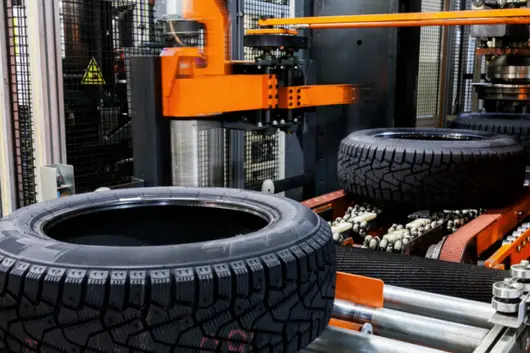

【CNMO科技消息】中国汽车在海外市场的势头仍在加速。根据澳大利亚联邦汽车工业协会公布的最新数据,今年6月,来自中国的汽车在澳大利亚市场以46600辆的销量登顶,首次超越日本成为澳大利亚第一大汽车进口来源国。

比亚迪汽车
具体数据显示,6月澳大利亚汽车市场总销量中,中国产汽车(含上海生产的特斯拉约8600辆)以46600辆的成绩占据35.5%的市场份额,排名第一。日本产汽车以27100辆的销量占据20.7%的份额,位列第二。泰国产汽车以23300辆占据17.8%的份额排名第三,韩国产汽车以14900辆占据11.3%排名第四,德国产汽车以5731辆占据4.4%排名第五。
从品牌维度来看,丰田以19100辆的月销量继续位居澳大利亚汽车品牌销量榜首,但优势已十分微弱。紧随其后的是比亚迪,以18900辆的销量排名第二,两者仅相差200辆。福特、起亚、现代分列第三至第五名,月销量均未破万。中国品牌在澳大利亚的整体表现已经形成集群效应,正在对传统日系和韩系品牌构成实质性挑战。
目前,进入澳大利亚市场的中国汽车品牌已超过十家,包括小鹏汽车、长城汽车、奇瑞汽车、广汽集团、比亚迪等主流厂商,超过十余款中国车型在澳大利亚市场销售。乘联分会的数据显示,今年5月中国汽车对澳大利亚出口量同比增长80%,月出口汽车均价为23100美元。这一价格水平表明,中国汽车在澳大利亚市场并非仅靠低价竞争,而是在中端市场也已经建立起了品牌认知度。
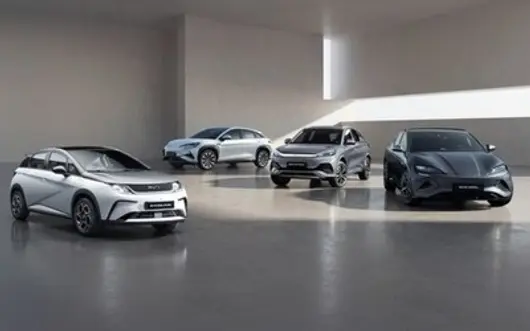

Di pasaran SUV Malaysia, ramai pembeli sering membandingkan Perodua Aruz dan Mazda CX-30 semasa memilih kereta. Kedua-dua kenderaan ini mempunyai harga dan kedudukan yang hampir sama. Hari ini, kami akan membandingkan secara terperinci dari pelbagai aspek untuk membantu anda menjimatkan masa membuat kajian.
Harga OTR Perodua Aruz di Malaysia adalah RM 72,900 - 77,900, terdapat 2 varian, termasuk 1.5L X (RM 72,900), 1.5L AV (RM 77,900) dan lain-lain.
Harga OTR Mazda CX-30 di Malaysia adalah RM 122,409 - 146,409, terdapat 4 varian, termasuk 2025 2.0L High+ Premium (RM 146,409), 2025 2.0L High+ (RM 138,409), 2025 2.0L High (RM 130,409) dan lain-lain.
Dari segi harga, harga permulaan Perodua Aruz memang RM 49,509 lebih murah daripada Mazda CX-30. Jika bajet anda terhad, varian asas Perodua sudah boleh memenuhi keperluan harian. Tetapi perlu diingat, perbezaan harga beberapa ribu ini mungkin melibatkan kompromi pada peralatan, bergantung pada keperluan anda.
Penilaian keselamatan Perodua Aruz adalah 5★ (ASEAN NCAP), sistem keselamatan aktif mencakup.
Penilaian keselamatan Mazda CX-30 adalah 5★ (ASEAN NCAP), sistem keselamatan aktif mencakup i-Activsense.
Penilaian keselamatan kedua-dua kereta sama, peralatan keselamatan di kategori ini dianggap lengkap. Keselamatan kereta baharu sekarang tidak kurang, tidak perlu terlalu bimbang tentang hal ini.
Perodua Aruz menggunakan penggerak roda hadapan FWD.
Mazda CX-30 menggunakan penggerak roda hadapan FWD.
Cara penggerak kedua-dua kereta sama, iaitu FWD, pengalaman pemanduan harian tidak akan terlalu berbeza.
Perodua Aruz jaminan 5 tahun/150,000km, selang penyelenggaraan setiap 10,000km atau 6 bulan.
Mazda CX-30 jaminan 5 tahun/150,000km, selang penyelenggaraan setiap 10,000km atau 6 bulan.
Syarat jaminan kedua-dua kereta sama, tidak perlu bimbang tentang hal ini. Kos penyelenggaraan sebenar bergantung pada rangkaian perkhidmatan jenama dan harga komponen, disarankan bertanya pengalaman pemilik sebenar di kumpulan peminat kereta.

Perodua Aruz dan Mazda CX-30 adalah pilihan utama pasaran Malaysia, sesuai untuk kegunaan keluarga, perjalanan harian. Jika anda lebih mengutamakan reputasi jenama dan nilai jual semula, bolehutamakan yang mempunyai reputasi lebih baik; jika anda lebih mengutamakan nilai berbanding harga dan peralatan, pilih yang mempunyai konfigurasi lebih kaya. Akhir sekali disarankan kedua-dua jenis dipandu sendiri, pengalaman langsung yang paling penting.

Secara keseluruhan, Perodua Aruz dan Mazda CX-30 adalah model yang sangat baik di pasaran Malaysia. Memilih yang mana, bergantung kepada keperluan peribadi dan bajet anda. Disarankan untuk membuat kajian, membandingkan harga di beberapa showroom, kemudian memandu sebelum membuat keputusan akhir. Membeli kereta adalah perkara besar, meluangkan masa membuat kajian tidak akan salah.

Dalam pasaran SUV di Malaysia, ramai pembeli membandingkan Perodua Aruz dan Mazda CX-30 ketika memilih kereta. Kedua-dua kereta ini mempunyai harga dan sasaran yang agak hampir. Hari ini kita akan membuat perbandingan terperinci dari pelbagai aspek untuk membantu anda menjimatkan masa membuat kajian.
Harga OTR Perodua Aruz di Malaysia ialah RM 72,900 - 77,900, terdapat 2 varian keseluruhan, termasuk 1.5L X (RM 72,900), 1.5L AV (RM 77,900) dan lain-lain.
Harga OTR Mazda CX-30 di Malaysia ialah RM 122,409 - 146,409, terdapat 4 varian keseluruhan, termasuk 2025 2.0L High+ Premium (RM 146,409), 2025 2.0L High+ (RM 138,409), 2025 2.0L High (RM 130,409) dan lain-lain.
Dari segi harga, harga permulaan Perodua Aruz memang lebih murah RM 49,509 berbanding Mazda CX-30. Jika bajet anda terhad, varian masuk Perodua sudah boleh memenuhi keperluan harian. Tetapi perlu diingat, perbezaan harga beberapa ribu ringgit ini mungkin melibatkan pengorbanan pada kelengkapan, bergantung pada keperluan spesifik anda.
Perodua Aruz dilengkapi enjin 1.5L 4-silinder, kuasa 105 hp. Penggunaan bahan api rasmi 6.0 L/100km.
Mazda CX-30 dilengkapi enjin 1.5L Turbo, kuasa 140 hp. Penggunaan bahan api rasmi 7.0 L/100km.
Dari segi kuasa, Turbo 1.5L Mazda CX-30 mempunyai 35 hp lebih berbanding 1.5L 4-silinder Perodua Aruz. Namun untuk memandu harian di bandar, kuasa kedua-dua kereta adalah mencukupi dan anda tidak akan merasa kurang kuasa.
Penilaian keselamatan Perodua Aruz ialah 5★ (ASEAN NCAP), sistem keselamatan aktif termasuk.
Penilaian keselamatan Mazda CX-30 ialah 5★ (ASEAN NCAP), sistem keselamatan aktif termasuk i-Activsense.
Penilaian keselamatan kedua-dua kereta adalah sama, peralatan keselamatan di tahap ini adalah cukup lengkap. Keselamatan kereta baru sekarang tidak buruk, anda tidak perlu terlalu risau tentang perkara ini.
Panjang badan Perodua Aruz 4400 mm, ruang muatan 400 L.
Panjang badan Mazda CX-30 4500 mm, ruang muatan 450 L.
Dari segi ruang, badan Mazda CX-30 lebih panjang 100 mm berbanding Perodua Aruz, ruang penumpang lebih menguntungkan. Namun, Perodua Aruz lebih fleksibel untuk memarkir kereta di bandar, masing-masing ada pengorbanan.
Perodua Aruz waranti 5 tahun/150,000 km, selang penyelenggaraan setiap 10,000 km atau 6 bulan.
Mazda CX-30 waranti 5 tahun/150,000 km, selang penyelenggaraan setiap 10,000 km atau 6 bulan.
Syarat waranti kedua-dua kereta adalah sama, tidak perlu bimbang tentang ini. Kos penyelenggaraan sebenar bergantung pada rangkaian perkhidmatan jenama dan harga bahagian, disyorkan untuk bertanya pengalaman pemilik sebenar dalam kumpulan pemilik kereta.
Secara keseluruhan, Perodua Aruz dan Mazda CX-30 adalah model kereta yang sangat bagus di pasaran Malaysia. Memilih yang mana, kunci utama masih bergantung pada keperluan dan bajet peribadi anda. Disyorkan untuk membuat kajian yang baik, membandingkan kutipan harga di beberapa peniaga kereta, kemudian melakukan ujian pemacu untuk membuat keputusan akhir. Membeli kereta adalah perkara besar, meluangkan masa untuk membuat kajian tidak akan salah.
Di pasaran SUV di Malaysia, ramai pembeli membandingkan Perodua Aruz dan Mazda CX-3 semasa memilih kereta. Kedua-dua kereta ini agak hampir dari segi harga dan sasaran. Hari ini kita akan buat perbandingan terperinci dari pelbagai aspek, membantu anda menjimatkan masa membuat penyelidikan.
Harga OTR Perodua Aruz di Malaysia adalah RM 72,900 - 77,900, terdapat 2 versi, termasuk 1.5L X (RM 72,900), 1.5L AV (RM 77,900) dan lain-lain.
Harga OTR Mazda CX-3 di Malaysia adalah RM 126,159 - 139,159, terdapat 2 versi, termasuk 2023 2.0L High (RM 139,159), 2023 2.0L Plus (RM 126,159) dan lain-lain.
Dari segi harga, harga permulaan Perodua Aruz memang lebih murah RM 53,259 berbanding Mazda CX-3. Jika bajet anda terhad, versi permulaan Perodua sudah boleh memenuhi keperluan harian. Tetapi perhatikan juga, ribuan ringgit yang lebih murah itu, mungkin ada pertukaran dari segi kelengkapan, bergantung pada keperluan anda.
Perodua Aruz dilengkapi enjin 1.5L 4-cyl, 105 hp. Konsumsi bahan api rasmi 6.0 L/100km.
Mazda CX-3 dilengkapi enjin 1.5L Turbo, 140 hp. Konsumsi bahan api rasmi 7.0 L/100km.
Dari segi kuasa, 1.5L Turbo Mazda CX-3 mempunyai 35 hp lebih berbanding 1.5L 4-cyl Perodua Aruz. Namun untuk penggunaan harian di bandar, kuasa kedua-dua kereta mencukupi, tidak terasa kurang tenaga.
Panjang badan Perodua Aruz 4400 mm, muatan bagasi 400 L.
Panjang badan Mazda CX-3 4500 mm, muatan bagasi 450 L.
Dari segi ruang, badan Mazda CX-3 lebih panjang 100 mm berbanding Perodua Aruz, ruang penumpang lebih menguntungkan. Namun Perodua Aruz lebih mudah diparkir di bandar, kedua-duanya ada kelebihan dan kekurangan.
Perodua Aruz menggunakan cara pemacu FWD.
Mazda CX-3 menggunakan cara pemacu FWD.
Kedua-dua kereta menggunakan cara pemacu yang sama, FWD, pengalaman memandu harian tidak akan terlalu berbeza.

Secara keseluruhan, Perodua Aruz dan Mazda CX-3 adalah model kereta yang sangat bagus di pasaran Malaysia. Memilih yang mana, kunci utamanya ialah keperluan dan bajet peribadi anda. Kami cadangkan anda membuat penyelidikan, bandingkan beberapa tawaran daripada dealer kereta, kemudian buat ujian memandu untuk membuat keputusan akhir. Membeli kereta adalah perkara penting, meluangkan masa membuat penyelidikan tidak akan salah.
Dalam pasaran SUV di Malaysia, ramai pembeli membandingkan Perodua Aruz dan Toyota Yaris Cross semasa memilih kereta. Kedua-dua kereta ini hampir sama dari segi harga dan kedudukan pasaran, hari ini kita akan membuat perbandingan terperinci dari pelbagai aspek untuk membantu anda menjimatkan masa membuat kajian.
Harga OTR Perodua Aruz di Malaysia ialah RM 72,900 - 77,900, terdapat 2 varian, termasuk 1.5L X (RM 72,900), 1.5L AV (RM 77,900) dan lain-lain.
Harga OTR Toyota Yaris Cross di Malaysia ialah RM 99,900 - 109,900, terdapat 2 varian, termasuk 2026 1.5L Standard (RM 99,900), 2026 HEV 1.5L Standard (RM 109,900) dan lain-lain.
Dari segi harga, harga permulaan Perodua Aruz memang RM 27,000 lebih murah berbanding Toyota Yaris Cross. Jika bajet anda terhad, varian permulaan Perodua sudah memadai untuk keperluan harian. Tetapi perlu diingat, perbezaan harga tersebut mungkin melibatkan kompromi dalam kelengkapan, bergantung kepada keperluan anda.
Pensijilan keselamatan Perodua Aruz ialah 5★ (ASEAN NCAP), sistem keselamatan aktif termasuk.
Pensijilan keselamatan Toyota Yaris Cross ialah 5★ (ASEAN NCAP), sistem keselamatan aktif termasuk TSS.
Kedua-dua kereta ini mempunyai pensijilan keselamatan yang sama, kelengkapan keselamatan dalam kelas ini adalah cukup lengkap. Keselamatan kereta baru sekarang tidak buruk, tidak perlu risau tentang perkara ini.
Panjang badan Perodua Aruz 4400 mm, ruang bagasi 400 L.
Panjang badan Toyota Yaris Cross 4400 mm, ruang bagasi 400 L.
Saiz kedua-dua kereta ini hampir sama, ruang dalam kereta hampir tidak berbeza. Untuk kereta dalam kelas ini, penggunaan harian sudah memadai.
Perodua Aruz jaminan 5 tahun/150,000km, selang servis setiap 10,000km atau 6 bulan.
Toyota Yaris Cross jaminan 5 tahun/jarak tanpa had, selang servis setiap 10,000km atau 6 bulan.

Perodua Aruz dan Toyota Yaris Cross adalah pilihan utama pasaran Malaysia, sesuai untuk kegunaan keluarga, perjalanan harian. Jika anda lebih menghargai reputasi jenama dan harga jualan semula, boleh utamakan yang mempunyai reputasi lebih baik; jika anda lebih mementingkan nilai harga dan kelengkapan, pilih yang mempunyai kelengkapan lebih lengkap. Pada akhirnya adalah disarankan untuk memandu kedua-dua kereta, pengalaman sendiri yang paling penting.
Secara keseluruhannya, Perodua Aruz dan Toyota Yaris Cross adalah model kereta yang bagus di pasaran Malaysia. Memilih mana satu, ia bergantung pada keperluan dan bajet peribadi anda. Disarankan agar anda membuat kajian, membandingkan beberapa tawaran dari dealer, kemudian test drive untuk membuat keputusan akhir. Membeli kereta adalah urusan besar, meluangkan masa untuk kajian pasti tidak rugi.

Dalam pasaran SUV Malaysia, ramai pembeli membandingkan Perodua Aruz dan Toyota Yaris Cross semasa memilih kereta. Kedua-dua kereta ini mempunyai harga dan kedudukan pasaran yang agak dekat, hari ini kita akan buat perbandingan terperinci dari pelbagai aspek untuk membantu anda menjimatkan masa membuat kajian.
Harga OTR Perodua Aruz di Malaysia adalah RM 72,900 - 77,900, terdapat 2 versi, termasuk 1.5L X (RM 72,900), 1.5L AV (RM 77,900) dan lain-lain.
Harga OTR Toyota Yaris Cross di Malaysia adalah RM 99,900 - 109,900, terdapat 2 versi, termasuk 2026 1.5L Standard (RM 99,900), 2026 HEV 1.5L Standard (RM 109,900) dan lain-lain.
Dari segi harga, harga permulaan Perodua Aruz memang lebih murah RM 27,000 berbanding Toyota Yaris Cross. Jika bajet anda terhad, versi asas Perodua sudah boleh memenuhi keperluan harian. Tetapi perlu diingat, perbezaan harga ribuan itu mungkin melibatkan kompromi pada peralatan, bergantung kepada keperluan anda.
Penilaian keselamatan Perodua Aruz ialah 5★ (ASEAN NCAP), sistem keselamatan aktif termasuk.
Penilaian keselamatan Toyota Yaris Cross ialah 5★ (ASEAN NCAP), sistem keselamatan aktif termasuk TSS.
Kedua-dua kereta mempunyai penilaian keselamatan yang sama, dalam kelas ini peralatan keselamatan diberikan dengan cukup lengkap. Keselamatan kereta baru sekarang tidak buruk, tiada perlu risau mengenai perkara ini.
Perodua Aruz menggunakan cara pemanduan FWD.
Toyota Yaris Cross menggunakan cara pemanduan FWD.
Cara pemanduan kedua-dua kereta sama, iaitu FWD, tiada perbezaan besar dalam pengalaman memandu harian.
Perodua Aruz dan Toyota Yaris Cross adalah pilihan utama pasaran Malaysia, sesuai untuk kegunaan keluarga, perjalanan harian. Jika anda lebih mengutamakan reputasi jenama dan harga sara, pilih yang mempunyai reputasi lebih baik; jika anda lebih mengutamakan nilai harga dan peralatan, maka pilih yang mempunyai lebih banyak konfigurasi. Pada akhirnya disarankan untuk memandu uji kedua-duanya, pengalaman sendiri adalah yang paling penting.
Secara keseluruhannya, Perodua Aruz dan Toyota Yaris Cross adalah model kereta yang sangat baik di pasaran Malaysia. Memilih yang mana satu, penting untuk melihat keperluan dan bajet anda sendiri. Disarankan membuat kajian terlebih dahulu, bandingkan harga dari banyak dealer, kemudian uji pemandu untuk membuat keputusan akhir. Membeli kereta adalah perkara besar, meluangkan masa untuk kajian tidak akan salah.

Dalam pasaran SUV di Malaysia, ramai pembeli membandingkan Perodua Aruz dan Proton X90 apabila memilih kereta. Kedua-dua kereta ini mempunyai harga dan kedudukan pasaran yang agak dekat, hari ini kita akan buat perbandingan terperinci dari pelbagai aspek, untuk membantu anda menjimatkan masa membuat kajian.
Perodua Aruz dijual di Malaysia dengan harga OTR RM 72,900 - 77,900, terdapat 2 varian, termasuk 1.5L X (RM 72,900), 1.5L AV (RM 77,900) dan lain-lain.
Proton X90 dijual di Malaysia dengan harga OTR RM 106,800 - 122,800, terdapat 4 varian, termasuk 2026 1.5T Prime X (RM 122,800), 2026 1.5T Prime (RM 116,800), 2026 1.5T Lite (RM 106,800) dan lain-lain.
Dari segi harga, Perodua Aruz memang lebih murah RM 33,900 berbanding Proton X90. Jika bajet anda terhad, model permulaan Perodua sudah boleh memenuhi keperluan harian. Namun harus diingat, beza beberapa ribu ringgit itu mungkin melibatkan kompromi pada peralatan, bergantung pada keperluan anda.
Perodua Aruz dilengkapi enjin 1.5L 4-cyl, kuasa 105 hp. Jimatan minyak rasmi 6.0 L/100km.
Proton X90 dilengkapi enjin 1.5L Turbo, kuasa 140 hp. Jimatan minyak rasmi 7.0 L/100km.
Dari segi kuasa, 1.5L Turbo pada Proton X90 mempunyai 35 hp lebih berbanding 1.5L 4-cyl pada Perodua Aruz. Namun untuk pemanduan harian di bandar, kuasa kedua-dua kereta sudah memadai, tidak rasa kurang tenaga.
Perodua Aruz menggunakan cara pemanduan FWD.
Proton X90 menggunakan cara pemanduan FWD.
Kedua-dua kereta menggunakan cara pemanduan yang sama, iaitu FWD, tiada perbezaan besar dalam pengalaman pemanduan harian.
Perodua Aruz memiliki jaminan 5 tahun/150,000km, selang servis setiap 10,000km atau 6 bulan.
Proton X90 memiliki jaminan 5 tahun/150,000km, selang servis setiap 10,000km atau 6 bulan.
Kedua-dua kereta mempunyai syarat jaminan yang sama, tidak perlu bimbang mengenai aspek ini. Kos penyelenggaraan sebenar bergantung pada rangkaian perkhidmatan jenama dan harga bahagian, disarankan bertanya pemilik kereta sebenar dalam komuniti kereta.

Perodua Aruz dan Proton X90 adalah pilihan utama dalam pasaran Malaysia, sesuai untuk penggunaan keluarga dan perjalanan harian. Jika anda lebih menghargai reputasi jenama dan harga jual semula, pertimbangkan yang mempunyai reputasi lebih baik; jika anda lebih mementingkan nisbah harga dan nilai serta peralatan, pilih yang mempunyai konfigurasi lebih lengkap. Pada akhirnya disarankan untuk menguji kedua-dua kereta, pengalaman sendiri adalah yang paling penting.
Secara keseluruhannya, Perodua Aruz dan Proton X90 adalah model kereta yang sangat bagus dalam pasaran Malaysia. Memilih mana satu, penting untuk lihat keperluan dan bajet peribadi anda. Disarankan melakukan kajian dengan menjejaki harga dari beberapa dealer kereta, kemudian buat ujian memandu untuk membuat keputusan akhir. Membeli kereta adalah perkara besar, meluangkan masa untuk kajian tidak akan salah.
© 2024 Bitauto.com. All Rights Reserved.
Bitauto (www.yiche.com and www.bitauto.com) is one of the most visited automotive websites in China. We provide detailed info on Chinese car brands available in your area. Please note that the information provided on this website is based on publicly available data and is for reference only. It may not be fully updated or accurate at all times.

Help us improve our website


