

Homeeveryone

Search History
Popular Searches
Dealer Login / Sign Up

美國又動真格啦。今次,唔再只睇住中國。一場覆蓋全球、橫跨所有輪胎品類嘅進口大調查,正俾推上談判桌。對把 "海外建廠" 當做避稅妙計嘅國內輪胎企業嚟講,這可能係近十年最危險嘅一道坎。
美國槍口對準中國海外輪胎工廠
9 月 14 日,美國鋼鐵工人聯合會(USW)國際主席羅克珊・布朗致信美國貿易代表傑米森・格里爾,正式提出一項重磅申請:依據《1974 年貿易法》第 201 條,對全品類進口輪胎發起全球保障調查。
與以往大家熟悉嘅雙反、專項特保唔同,本次申請最大嘅變化,係跳出 "針對某一個國家" 嘅傳統思路,將乘用車&輕卡胎、卡客車胎、非公路工程胎、飛機輪胎全部納入調查範圍。
工會直言,過去零散、碎片化嘅貿易救濟措施,早已跟不上產業轉移嘅現實。

簡單嚟講:以前美國對 A 國輪胎加徵關稅,企業就將產能轉移俾唔受關稅約束嘅 B 國,換個原產地繼續出口美國。關稅壁壘,被產能搬家輕鬆繞開。
信函數據顯示,塞爾維亞、柬埔寨、秘魯等國輪胎輸美量最高增幅達到 429%。正係 USW 最忌憚嘅 "漏洞循環"。
尤其中國大量輪胎企業選擇海外建廠,就係為咗規避原有貿易壁壘。而本次 201 條款申請,瞄準嘅就係這條曲線出海路線。
美國工會口中嘅行業危機
USW 喺公開信中反覆強調,美國本土輪胎產業已經陷入危機,甚至將輪胎製造上升到國家安全層面。輪胎係交通、農業、採礦、工業運轉嘅基礎保障,本土產能持續下滑會直接衝擊供應鏈安全。
一組核心數據值得關注:
中國係工會論點嘅核心。據 USW 信函,中國產能持續放大——2025 年汽車輪胎產量約 8.65 億條,總產能超 10 億條。

回顧歷史,早在 2009 年 USW 就推動咗針對中國輪胎嘅 421 特保案,都係該條款唯一成功案例,但措施喺 2012 年到期。後續發起嘅多起雙反案件,都遇到同一個難題:限制一國出口,產能迅速轉移,貿易限制效果大打折扣。
正因為如此,工會不再滿足於單點打擊,訴求升級為全球性分級進口限制,同時配套扶持本土產業方案,包括本土生產資本補貼、政府優先採購本土輪胎等。
進口輪胎小幅回落,但風險唔喺短期
最新海關統計,2026 年前 7 個月美國進口輪胎合計 16234 萬條,同比下跌 3.9%。
乘用車胎:9802 萬條,同比 - 2%
卡客車胎:3452 萬條,同比 - 8%
航空器輪胎:18.3 萬條,同比 + 18%
摩托車胎:207 萬條,同比 - 9%
自行車胎:467 萬條,同比 + 20%
美國輪胎製造商協會(USTMA)7 月預測,2026 年美國輪胎總出貨量 3.303 億條,同比下滑 1.8%,市場需求本身偏弱。
USW 都清楚,短期進口數據有所回落,但佢哋關注嘅係產能轉移帶來嘅長期供應衝擊,而非單一年份嘅漲跌。只要全球過剩產能可以持續轉移俾無壁壘國家,美國本土工廠關停嘅趨勢就難以逆轉。
對國內輪胎企業嘅影響,一定要睇明
目前本次調查僅為工會申請,尚未正式立案。後續需經過 USTR 評估、ITC 產業損害調查,最終措施落地由美國總統裁定,整體存在較大不確定性。
但一旦立案並落地保障措施,影響將遠超以往貿易摩擦。唔同於國別雙反、特保,201 條款為全球保障措施,唔分原產地,中國本土輪胎、泰國/柬埔寨/塞爾維亞等中資海外基地生產嘅輪胎,對美出口均會被統一約束,徹底衝擊行業沿用十幾年嘅海外建廠、轉口避稅核心模式。
國內輪胎工廠本就受高額對華關稅限制,本次直接衝擊有限;中資海外產能將成為主要承壓主體。

更關鍵嘅係,本次 201 調查係繼 232(25% 關稅)、301 關稅後,美國輪胎貿易壁壘嘅第三重核心工具。若 USTR 受理立案,將形成232+301+201 三重關稅壁壘架構,讓國內及海外輪胎對美出口陷入系統性風險。
同時墨西哥、加拿大依托 USMCA 協議享有貿易豁免優勢,北美輪胎供應格局或將迎來重塑。未來 30 天 USTR 立案結果,係決定全球輪胎貿易走向嘅核心關鍵變數。
結語
從 2009 年單一國家特保,到如今謀求全球範圍全品類輪胎保障調查,再到可能落地嘅 "三重關稅架構",美國輪胎貿易保護嘅網,正越織越密。
這不再係簡單針對某個國家嘅貿易摩擦,而係試圖搭建一張覆蓋全球嘅防護網,堵住產能轉移嘅漏洞。對於國內輪胎行業而言,這是一次重大預警。出海佈局,不能再只把 "換產地" 當做萬能避險方案。
市場博弈仍在繼續,後續立案、調查、裁定每一步,都值得輪胎人持續緊盯。


Di pasaran SUV Malaysia, ramai pembeli membandingkan Honda CR-V dan Chery Tiggo 7 Pro semasa memilih kereta. Kedua-dua kenderaan ini mempunyai harga dan segment yang hampir sama, hari ini kita akan membandingkan secara terperinci dari pelbagai aspek untuk membantu anda menjimatkan masa membuat kajian.
Harga OTR Honda CR-V di Malaysia adalah RM 178,200 - 195,900, terdapat 4 varian, termasuk 2026 e:HEV 2.0L 2WD RS (RM 195,900), 2026 1.5T 4WD V (RM 181,900), 2026 e:HEV 2.0L 2WD E (RM 178,200) dan lain-lain.
Harga OTR Chery Tiggo 7 Pro di Malaysia adalah RM 123,750 - 123,750, terdapat 2 varian, termasuk 1.6L Turbo Standard (RM 125,000), 1.6L Turbo Premium (RM 140,000) dan lain-lain.
Dari segi harga, harga permulaan Chery Tiggo 7 Pro adalah RM 54,450 lebih murah berbanding Honda CR-V. Secara jujur, dalam segmen harga ini, perbezaan beberapa ribu sebenarnya tidak begitu besar, yang penting adalah melihat nilai keseluruhan dan kos penggunaan jangka panjang.

Penilaian keselamatan Honda CR-V adalah 5★ (ASEAN NCAP), sistem keselamatan aktif termasuk Honda SENSING (ACC, CMBS, LKAS, RDM).
Penilaian keselamatan Chery Tiggo 7 Pro adalah TBD, sistem keselamatan aktif termasuk Basic.
Dari segi kelengkapan keselamatan, kedua-dua kenderaan mendapat penilaian yang baik. Walau bagaimanapun, Honda SENSING (ACC, CMBS, LKAS, RDM) pada Honda CR-V dan Basic pada Chery Tiggo 7 Pro mempunyai perbezaan dari segi fungsi, jika anda lebih mementingkan keselamatan aktif, anda boleh bandingkan senarai fungsi kedua-dua secara teliti.

Honda CR-V menggunakan sistem memacu FWD.
Chery Tiggo 7 Pro menggunakan sistem memacu FWD.
Sistem memacu kedua-dua kenderaan adalah sama, iaitu FWD, pengalaman memandu harian tidak akan berbeza banyak.

Jaminan Honda CR-V adalah 5 tahun/jarak tiada had, selang penyelenggaraan setiap 10,000km atau 6 bulan.
Jaminan Chery Tiggo 7 Pro adalah 3 tahun/100,000km, selang penyelenggaraan setiap 10,000km atau 6 bulan.
Secara keseluruhannya, Honda CR-V dan Chery Tiggo 7 Pro adalah model kenderaan yang sangat bagus di pasaran Malaysia. Memilih mana satu, yang penting adalah melihat keperluan dan bajet peribadi anda. Kami mengesyorkan anda membuat kajian, bandingkan harga beberapa kedai kereta, kemudian buat ujian memandu untuk membuat keputusan akhir. Membeli kenderaan adalah perkara penting, meluangkan masa membuat kajian tidak akan menjadi salah.


喺馬來西亞嘅 SUV 市場,好買家喺揀車嗰陣都會拿 Honda CR-V 同 Mazda CX-9 嚟做比較。
Honda CR-V 喺馬來西亞嘅 OTR 售價係 RM 178,200 - 195,900,合共 4 個版本,包括 2026 e:HEV 2.0L 2WD RS(RM 195,900)、2026 1.5T 4WD V(RM 181,900)、2026 e:HEV 2.0L 2WD E(RM 178,200) 等等。
Mazda CX-9 喺馬來西亞嘅 OTR 售價係 RM 328,810 - 345,810,合共 2 個版本,包括 2023 2.5T 4WD(RM 345,810)、2023 2.5T 2WD(RM 328,810) 等等。
由價錢睇,Honda CR-V 嘅起步價的確比 Mazda CX-9 平咗 RM 150,610。如果你預算有限,Honda 嘅入門版已經可以滿足日常需要。不過都要留意,平嘅嗰幾千蚊,可能喺配備上會有取舍,具體就要睇你嘅需求啦。
Honda CR-V 配備 2.0L 4-cyl,馬力 170 hp。官方油耗 8.0 L/100km。
Mazda CX-9 配備 2.0L Turbo,馬力 220 hp。官方油耗 9.5 L/100km。
動力方面,Mazda CX-9 嘅 2.0L Turbo 比 Honda CR-V 嘅 2.0L 4-cyl 多咗 50 匹馬力。不過日常喺市區行,兩款車嘅動力都夠用,唔會覺得唔夠力。
Honda CR-V 嘅安全評級係 5★ (ASEAN NCAP),主動安全系統包括 Honda SENSING (ACC, CMBS, LKAS, RDM)。
Mazda CX-9 嘅安全評級係 5★ (ASEAN NCAP),主動安全系統包括 Brand ADAS。
兩款車嘅安全評級一樣,喺呢個級數入面安全配備都算畀得好齊全。而家嘅新車安全性都唔差,唔使太擔心呢一點。
Honda CR-V 車身長度 4500 mm,尾箱 450 L。
Mazda CX-9 車身長度 4500 mm,尾箱 450 L。
兩款車嘅尺寸幾近一樣,車廂內空間差別唔大。呢個級數嘅車,日常使用完全夠用。

Honda CR-V 同 Mazda CX-9 都係馬來西亞市場嘅主流選擇,適合家庭使用、日常通勤。如果你更加重視品牌口碑同二手價,可以優先考慮口碑更好嗰一款;如果你更加在意性價比同配備,就揀配置更豐富嗰款。最終都建議兩款都去試駕,親身體驗先至係最重要嘅。

總括嚟講,Honda CR-V 同 Mazda CX-9 都係馬來西亞市場好唔錯嘅車型。揀邊一輛,關鍵始終要睇你個人需求同預算。建議大家做好功課,多比較幾間車行嘅報價,再嚟試駕先做最終決定。買車係件大事,花少少時間做功課絕對唔會錯。

In Malaysia's SUV market, many buyers compare Honda CR-V and Mazda CX-5 when choosing a car. These two cars are quite close in price and positioning. Today we will make a detailed comparison from multiple aspects to help save you the time of doing homework.
The Honda CR-V OTR price in Malaysia is RM 178,200 - 195,900, with a total of 4 versions, including 2026 e:HEV 2.0L 2WD RS (RM 195,900), 2026 1.5T 4WD V (RM 181,900), 2026 e:HEV 2.0L 2WD E (RM 178,200) etc.
The Mazda CX-5 OTR price in Malaysia is RM 135,469 - 166,760, with a total of 3 versions, including 2025 2.0L AT 35th Anniversary (RM 316,154), 2025 2.0L AT (RM 296,154), 2025 2.0L MT (RM 294,154) etc.
From a price perspective, the Mazda CX-5 starts RM 42,731 cheaper than the Honda CR-V. To be honest, in this price segment, a difference of a few thousand is not actually that big, the key is to look at overall cost-effectiveness and long-term usage costs.
Honda CR-V is equipped with 2.0L 4-cyl, 170 hp. Official fuel consumption 8.0 L/100km.
Mazda CX-5 is equipped with 1.5L Turbo, 140 hp. Official fuel consumption 7.0 L/100km.
In terms of power, Honda CR-V's 2.0L 4-cyl has 30 more horsepower than Mazda CX-5's 1.5L Turbo, with more confidence in mid-range acceleration, especially when overtaking on highways. However, Mazda CX-5's fuel consumption might be friendlier, daily city commute difference will not be too big.
Honda CR-V safety rating is 5★ (ASEAN NCAP), active safety systems include Honda SENSING (ACC, CMBS, LKAS, RDM).
Mazda CX-5 safety rating is 5★ (ASEAN NCAP), active safety systems include .
Both cars' safety ratings are the same, safety features in this class are considered very complete. New car safety nowadays is not bad, no need to worry too much about this point.
Honda CR-V warranty 5 years/unlimited mileage, service interval every 10,000km or 6 months.
Mazda CX-5 warranty 5 years/150,000km, service interval every 10,000km or 6 months.

Overall, Honda CR-V and Mazda CX-5 are both very good models in the Malaysian market. Which one to choose depends on your personal needs and budget. It is suggested to do homework, compare quotes from several dealerships, and then go for test drives to make final decision. Buying a car is a big matter, spending some time doing research is absolutely no mistake.

Dalam pasaran SUV di Malaysia, ramai pembeli yang membandingkan Honda CR-V dan Mazda CX-60 apabila memilih kereta. Kedua-dua kereta ini sangat hampir dari segi harga dan penarafan, hari ini kita akan membuat perbandingan terperinci dari pelbagai aspek untuk membantu anda menjimatkan masa melakukan penyelidikan.
Harga OTR Honda CR-V di Malaysia ialah RM 178,200 - 195,900, terdapat 4 varian, termasuk 2026 e:HEV 2.0L 2WD RS (RM 195,900), 2026 1.5T 4WD V (RM 181,900), 2026 e:HEV 2.0L 2WD E (RM 178,200) dan lain-lain.
Harga OTR Mazda CX-60 di Malaysia ialah RM 200,510 - 252,873, terdapat 2 varian, termasuk 2026 3.3T 4WD High Plus (RM 252,873), 2025 2.5L 2WD High (RM 200,510) dan lain-lain.
Dilihat dari segi harga, harga permulaan Honda CR-V memang lebih murah RM 22,310 berbanding Mazda CX-60. Jika bajet anda terhad, versi entry level Honda sudah memadai untuk keperluan harian. Tetapi perlu diingat, perbezaan harga beberapa ribu itu, mungkin mempunyai kompromi dari segi kelengkapan, bergantung pada keperluan anda.
Honda CR-V dilengkapi enjin 2.0L 4-silinder, kuasa 170 hp. Penggunaan minyak rasmi 8.0 L/100km.
Mazda CX-60 dilengkapi enjin 2.0L 4-silinder, kuasa 170 hp. Penggunaan minyak rasmi 8.0 L/100km.
Kedua-dua kereta menggunakan sistem enjin yang sama, pengalaman memandu sehari-hari pada asasnya tiada beza. Dari segi penggunaan minyak juga sama, tidak perlu terlalu bimbang tentang ini.
Jaminan Honda CR-V 5 tahun / tanpa had jarak, jarak servis 10,000km atau 6 bulan sekali.
Jaminan Mazda CX-60 5 tahun/150,000km, jarak servis 10,000km atau 6 bulan sekali.
Honda CR-V dan Mazda CX-60 adalah pilihan utama pasaran Malaysia, sesuai untuk kegunaan keluarga, perjalanan harian. Jika anda lebih mementingkan reputasi jenama dan harga kereta terpakai, bolehutamakan yang mempunyai reputasi lebih baik; jika anda lebih mengutamakan nilai dan kelengkapan, pilih yang mempunyai kelengkapan lebih banyak. Pada akhirnya disyorkan untuk memandu kedua-duanya, pengalaman sendiri adalah yang paling penting.

Secara keseluruhan, Honda CR-V dan Mazda CX-60 adalah model yang cukup bagus di pasaran Malaysia. Memilih yang mana, perkara utama adalah bergantung pada keperluan dan bajet peribadi anda. Kami mengesyorkan agar anda melakukan kajian, bandingkan pelbagai tawaran dari premis kereta, kemudian lakukan uji memandu untuk membuat keputusan akhir. Membeli kereta adalah perkara besar, mengambil masa untuk membuat kajian tidak akan salah.

喺馬來西亞嘅 SUV 市場,好多買家喺揀車嘅時候都會拿 本田 CR-V 同 馬自達 CX-5 嚟做比較。這兩款車喺價位同定位上都幾接近,今日我哋就從多個方面做一個詳細嘅比較,為你省返做功課嘅時間。
本田 CR-V 喺馬來西亞嘅 OTR 售價係 RM 178,200 - 195,900,合共 4 個版本,包括 2026 e:HEV 2.0L 2WD RS(RM 195,900)、2026 1.5T 4WD V(RM 181,900)、2026 e:HEV 2.0L 2WD E(RM 178,200) 等。
馬自達 CX-5 喺馬來西亞嘅 OTR 售價係 RM 135,469 - 166,760,合共 3 個版本,包括 2025 2.0L AT 35th Anniversary(RM 316,154)、2025 2.0L AT(RM 296,154)、2025 2.0L MT(RM 294,154) 等。
從價錢睇落,馬自達 CX-5 嘅起步價比 本田 CR-V 平咗 RM 42,731。講真,喺呢個價位段,幾千蚊嘅差距其實唔算大,關鍵都係睇整體嘅性價比同長遠使用成本。
本田 CR-V 搭載 2.0L 4-cyl,馬力 170 hp。官方油耗 8.0 L/100km。
馬自達 CX-5 搭載 1.5L Turbo,馬力 140 hp。官方油耗 7.0 L/100km。
動力方面,本田 CR-V 嘅 2.0L 4-cyl 比 馬自達 CX-5 嘅 1.5L Turbo 多咗 30 匹馬力,中段加速更有信心,尤其係跑高速超車嗰陣。不過 馬自達 CX-5 嘅油耗可能更抵,日常市區通勤分別唔會好大。
本田 CR-V 車身長 4500 mm,車尾箱 450 L。
馬自達 CX-5 車身長 4500 mm,車尾箱 450 L。
兩款車嘅尺寸差唔多一樣,車廂空間分別唔大。呢個級別嘅車,日常使用完全夠用。
本田 CR-V 採用 FWD 驅動方式。
馬自達 CX-5 採用 FWD 驅動方式。
兩款車嘅驅動方式一樣,都係 FWD,日常駕駛感受唔會有太大分別。
本田 CR-V 同 馬自達 CX-5 都係馬來西亞市場嘅主流選擇,適合家庭使用、日常通勤。如果你更加重視品牌口碑同二手價,可以優先考慮口碑更好嗰款;如果你更加在意性價比同配備,就揀配備更豐富嗰款。最後都建議兩款都去試駕,親身體驗先至最重要。

總括嚟講,本田 CR-V 同 馬自達 CX-5 都係馬來西亞市場幾幾不錯嘅車型。揀邊輛,關鍵都係睇你嘅個人需求同預算。建議大家做好功課,多比較幾間車行嘅報價,先去試駕做最後決定。買車係件大事情,花少少時間做功課絕對唔會錯。

In the Malaysian SUV market, many buyers compare the Honda CR-V and Mazda CX-3 when choosing a car. These two cars are quite close in price and positioning. Today, we will make a detailed comparison from multiple aspects to help you save time on research.
The Honda CR-V OTR price in Malaysia is RM 178,200 - 195,900, with a total of 4 versions, including 2026 e:HEV 2.0L 2WD RS (RM 195,900), 2026 1.5T 4WD V (RM 181,900), 2026 e:HEV 2.0L 2WD E (RM 178,200), etc.
The Mazda CX-3 OTR price in Malaysia is RM 126,159 - 139,159, with a total of 2 versions, including 2023 2.0L High (RM 139,159), 2023 2.0L Plus (RM 126,159), etc.
In terms of price, the starting price of the Mazda CX-3 is RM 52,041 cheaper than the Honda CR-V. To be honest, in this price range, a difference of a few thousand isn't really significant. The key is to look at the overall value for money and long-term ownership costs.
The Honda CR-V safety rating is 5★ (ASEAN NCAP). Active safety systems include Honda SENSING (ACC, CMBS, LKAS, RDM).
The Mazda CX-3 safety rating is 5★ (ASEAN NCAP). Active safety systems include i-Activsense.
Both cars have the same safety rating. Safety features in this class are considered quite comprehensive. New car safety standards are generally good nowadays, so there is no need to worry too much about this.
The Honda CR-V uses FWD drive mode.
The Mazda CX-3 uses FWD drive mode.
Both cars use the same drive mode, which is FWD. There should not be much difference in the daily driving experience.
Honda CR-V warranty is 5 years / unlimited mileage. Service intervals are every 10,000km or 6 months.
Mazda CX-3 warranty is 5 years / 150,000km. Service intervals are every 10,000km or 6 months.

Both the Honda CR-V and Mazda CX-3 are mainstream choices in the Malaysian market, suitable for family use and daily commuting. If you value brand reputation and resale value more, you can prioritize the one with better reputation. If you care more about value for money and features, then choose the one with richer configurations. Ultimately, it is recommended to test drive both. Experiencing it firsthand is the most important.

Overall, both the Honda CR-V and Mazda CX-3 are very good car models in the Malaysian market. Choosing which one depends mainly on your personal needs and budget. It is recommended to do your research, compare quotes from several dealerships, and then go for a test drive to make a final decision. Buying a car is a big matter, and spending some time doing research will never be wrong.

Meraih pengiktirafan dunia melalui keupayaan produk! BYD sedang meraih pengiktirafan meluas di seluruh dunia, menerusi kualiti sebenar menempuh jalan keluar untuk kereta baharu elektrik Tiongkok.

Tidak sekadar pengiktirafan daripada industri luar negara, kekuatan teknikal dan nilai industri BYD juga diperoleh pengesahan daripada pemimpin negara-negara bertingkat. Gabenor California, Amerika Syarikat, selepas mencuba Yangwang U8, mengiktiraf terobosan teknologi depannya; Presiden Uzbekistan telah menganugerahkan Pingat Persahabatan Kebangsaan kepada BYD, mengiktiraf sumbangan industri tempatan. Tambahan lagi, pemimpin politik dari negara-negara seperti Brazil, Thailand, Chile, dan lain-lain juga berulang kali mengakui inovasi teknologi, konsep pembangunan hijau BYD, dan hasil pembinaan tempatan.

Ulasan positif ini juga mencetuskan perbualan meluas daripada netizen luar negara, orang ramai secara umum mengakui nilai produk BYD, menantikan penguasaannya di pasaran luar negara. Pada masa ini, piawaian penilaian nilai kereta, secara beransur-ansur kembali kepada teknologi, spesifikasi dan pengalaman penggunaan kereta sebenar, BYD juga secara perlahan-lahan menulis semula sistem penilaian kereta global yang sedia ada.


Dengan mengandalkan keupayaan produk yang kukuh, jualan pasaran luar negara BYD terus meningkat, prestasi data amat cemerlang, Januari hingga Ogos tahun ini jumlah jualan luar negara terkumpul 1.158 juta unit, berjaya melebihi prestasi jualan tahun penuh 2025 sebanyak 1.0496 juta unit. Pada masa kini, BYD telah menduduki tempat pertama dalam jualan tenaga baharu tempatan di lebih daripada 10 negara seperti Thailand, Singapura, Sepanyol, Brazil dan lain-lain, memacu secara stabil penerapan globalisasi teknologi, produk dan jenama, menjadi jenama automotif Tiongkok yang stabil dalam prestasi keluar negara.


In Malaysia's SUV market, many buyers compare the Honda CR-V and Toyota Corolla Cross when choosing a car. Both vehicles are quite close in price and positioning. Today, we will make a detailed comparison from multiple aspects to help you save time on research.
The OTR price of Honda CR-V in Malaysia is RM 178,200 - 195,900, with a total of 4 versions, including 2026 e:HEV 2.0L 2WD RS (RM 195,900), 2026 1.5T 4WD V (RM 181,900), 2026 e:HEV 2.0L 2WD E (RM 178,200), etc.
The OTR price of Toyota Corolla Cross in Malaysia is RM 133,800 - 148,800, with a total of 3 versions, including 2026 HEV 1.8L GR Sport (RM 148,800), 2026 HEV 1.8L Standard (RM 140,800), 2026 1.8L Standard (RM 133,800), etc.
From a price perspective, the starting price of Toyota Corolla Cross is RM 44,400 cheaper than Honda CR-V. To be honest, in this price range, a gap of a few thousand is actually not significant; the key is to look at the overall value for money and long-term usage costs.
Honda CR-V is equipped with a 2.0L 4-cyl, 170 hp. Official fuel consumption is 8.0 L/100km.
Toyota Corolla Cross is equipped with a 1.5L Turbo, 140 hp. Official fuel consumption is 7.0 L/100km.
Regarding power, the 2.0L 4-cyl in Honda CR-V has 30 more horsepower than the 1.5L Turbo in Toyota Corolla Cross, providing more confidence in mid-range acceleration, especially when overtaking on highways. However, Toyota Corolla Cross may have better fuel efficiency, and the difference in daily city commuting will not be too significant.
Honda CR-V safety rating is 5★ (ASEAN NCAP), active safety systems include Honda SENSING (ACC, CMBS, LKAS, RDM).
Toyota Corolla Cross safety rating is 5★ (ASEAN NCAP), active safety systems include TSS (PCS, LDA, ACC, LTA).
The safety ratings for both cars are the same; safety features in this class are considered quite comprehensive. New cars nowadays are not lacking in safety, so there is no need to worry too much about this point.
Honda CR-V body length is 4500 mm, trunk 450 L.
Toyota Corolla Cross body length is 4400 mm, trunk 400 L.
In terms of space, the Honda CR-V body is 100 mm longer than the Toyota Corolla Cross, so the interior seating space will be slightly more spacious, especially rear legroom. If you often carry family or need to put in a stroller, the larger body is indeed more practical.

Honda CR-V warranty 5 years/unlimited mileage, maintenance interval every 10,000km or 6 months.
Toyota Corolla Cross warranty 5 years/unlimited mileage, maintenance interval every 10,000km or 6 months.
The warranty conditions for both cars are the same, no need to worry about this. Actual maintenance costs depend on the brand's service network and parts prices; it is recommended to ask real owners in car owner groups for their experiences.
Overall, Honda CR-V and Toyota Corolla Cross are both very good models in the Malaysian market. Which one to choose depends on your personal needs and budget. We recommend doing your research, comparing quotes from several dealerships, and then test driving to make a final decision. Buying a car is a big deal; taking time to do your research will never go wrong.

Dalam pasaran SUV di Malaysia, ramai pembeli bandingkan Honda CR-V dan Mazda CX-3 ketika memilih kereta. Kedua-dua kereta ini mempunyai harga dan penempatan yang hampir sama, hari ini kita akan buat perbandingan terperinci dari pelbagai aspek, membantu anda menjimatkan masa melakukan riset.
Harga OTR Honda CR-V di Malaysia adalah RM 178,200 - 195,900, terdapat 4 varian, termasuk 2026 e:HEV 2.0L 2WD RS (RM 195,900), 2026 1.5T 4WD V (RM 181,900), 2026 e:HEV 2.0L 2WD E (RM 178,200) dan lain-lain.
Harga OTR Mazda CX-3 di Malaysia adalah RM 126,159 - 139,159, terdapat 2 varian, termasuk 2023 2.0L High (RM 139,159), 2023 2.0L Plus (RM 126,159) dan lain-lain.
Dari segi harga, harga permulaan Mazda CX-3 lebih murah RM 52,041 berbanding Honda CR-V. Jujur dikatakan, dalam kategori harga ini, perbezaan beberapa ribu tidak besar, penting sebenarnya lihat kos faedah keseluruhan dan kos penggunaan jangka panjang.
Honda CR-V dilengkapi enjin 2.0L 4-cyl, kuasa 170 hp. Penggunaan minyak rasmi 8.0 L/100km.
Mazda CX-3 dilengkapi enjin 1.5L Turbo, kuasa 140 hp. Penggunaan minyak rasmi 7.0 L/100km.
Dari segi kuasa, enjin 2.0L 4-cyl Honda CR-V mempunyai 30 hp lebih daripada 1.5L Turbo Mazda CX-3, lebih yakin pada pecutan sederhana, terutamanya semasa memotong di lebuh raya. Namun penggunaan minyak Mazda CX-3 mungkin lebih mesra, perbezaan untuk perjalanan harian di bandar tidak terlalu besar.
Honda CR-V menggunakan cara pemacu FWD.
Mazda CX-3 menggunakan cara pemacu FWD.
Kedua-dua kereta mempunyai cara pemacu yang sama, iaitu FWD, pengalaman memandu harian tidak akan terlalu berbeza.
Jaminan Honda CR-V 5 tahun/kilometer tanpa had, selang penyelenggaraan setiap 10,000km atau 6 bulan.
Jaminan Mazda CX-3 5 tahun/150,000km, selang penyelenggaraan setiap 10,000km atau 6 bulan.
Honda CR-V dan Mazda CX-3 adalah pilihan utama pasaran Malaysia, sesuai untuk kegunaan keluarga, perjalanan harian. Jika anda mengutamakan reputasi jenama dan nilai jual semula, boleh pertimbangkan yang mempunyai reputasi lebih baik; jika anda lebih mementingkan kos berbaloi dan pelengkapan, pilih yang mempunyai konfigurasi lebih kaya. Akhir sekali disyorkan kedua-dua model untuk diuji pusing, pengalaman sendiri adalah yang paling penting.
Secara keseluruhannya, Honda CR-V dan Mazda CX-3 adalah model kereta yang sangat bagus di pasaran Malaysia. Memilih yang mana, penting dilihat keperluan dan bajet anda. Disarankan buat riset, bandingkan banyak tawaran dari beberapa kedai kereta, baru buat ujian pusing untuk keputusan akhir. Membeli kereta adalah perkara penting, meluangkan masa membuat riset tidak akan salah.

喺馬來西亞嘅 SUV 市場,好多買家在揀車嗰陣都會揸本田 CR-V 同馬自達 CX-3 嚟做比較。呢兩款車喺價位同定位上都幾接近,今日我就從多個方面做一個詳細嘅比較,幫你省下做功課嘅時間。
本田 CR-V 喺馬來西亞嘅 OTR 售價係 RM 178,200 - 195,900,一共有 4 個版本,包括 2026 e:HEV 2.0L 2WD RS(RM 195,900)、2026 1.5T 4WD V(RM 181,900)、2026 e:HEV 2.0L 2WD E(RM 178,200) 等。
馬自達 CX-3 喺馬來西亞嘅 OTR 售價係 RM 126,159 - 139,159,一共有 2 個版本,包括 2023 2.0L High(RM 139,159)、2023 2.0L Plus(RM 126,159) 等。
從價錢睇落,馬自達 CX-3 嘅起步價比本田 CR-V 平咗 RM 52,041。講真,喺呢個價位段,幾千蚊嘅差距其實算唔大,關鍵仲要看整體嘅性價比同長期使用成本。
本田 CR-V 配備 2.0L 4-cyl,馬力 170 hp。官方油耗 8.0 L/100km。
馬自達 CX-3 配備 1.5L Turbo,馬力 140 hp。官方油耗 7.0 L/100km。
動力方面,本田 CR-V 嘅 2.0L 4-cyl 比馬自達 CX-3 嘅 1.5L Turbo 多出 30 匹馬力,中段加速更有信心,尤其係跑高速公路超車嗰陣。不過馬自達 CX-3 嘅油耗可能更抵,日常市區通勤差別唔會太大。
本田 CR-V 嘅安全評級係 5★ (ASEAN NCAP),主動安全系統包括本田 SENSING (ACC, CMBS, LKAS, RDM)。
馬自達 CX-3 嘅安全評級係 5★ (ASEAN NCAP),主動安全系統包括 i-Activsense。
兩款車嘅安全評級一樣,喺呢個級別入面安全配備都算給得好齊全。而家嘅新車安全性都唔差,唔使太擔心這一點。
本田 CR-V 保用 5 年/無限制里程,保養間隔 每 10,000km 或 6 個月。
馬自達 CX-3 保用 5 年/150,000km,保養間隔 每 10,000km 或 6 個月。
本田 CR-V 同馬自達 CX-3 都係馬來西亞市場嘅主流選擇,適合家用、日常通勤。如果你更看重品牌口碑同二手價,可以優先考慮口碑好嗰款;如果你更介意性價比同配備,嗰就揀配置更豐富嗰款。最後仲係建議兩款都去試駕,親身體驗先係最重要。
總體嚟講,本田 CR-V 同馬自達 CX-3 都係馬來西亞市場好唔錯嘅車型。揀邊一部,關鍵仲要看你嘅個人需求同預算。大家建議做好功課,多比較幾間車行嘅報價,再去試駕做最終決定。買車係件大事,花少少時間做功課絕對唔會錯。

Menggunakan “perang harga” yang berterusan memperburuk persaingan dalaman dalam pasaran automotif, juga mendorong syarikat automotif China untuk menyusun pasaran luar negara.
Baru-baru ini, Kementerian Perdagangan, Kementerian Perindustrian, dan Jabatan Pengurusan Pasaran Negara secara bersama-sama menerbitkan satu dokumen — “Penerangan Tindakan Persaingan Luar Negara dan Pembinaan Kepatuhan bagi Industri Automotif”.Dokumen ini menuding terus ke kontroversi yang timbul kerana potongan harga yang kerap dilakukan oleh syarikat automotif China di pasaran luar negara dalam beberapa tahun kebelakangan ini, dan untuk pertama kalinya dari aras rasmi, ia mengemukakan persyaratan kepatuhan yang jelas secara sistematik terhadap penetapan harga luar negara, promosi dan operasi tempatan syarikat automotif.

Dalam hal ini, kenyataan Chery Motors adalah pantas dan mantap, dengan jelas menyatakan akan membina sistem penetapan harga saintifik di pasaran luar negara, menormalkan harga akhir dan tindakan promosi. Kumpulan GAC juga tidak ketinggalan, deklarasi menulis “Menembusi konsep kepatuhan sepanjang rantaian penyelidikan, pengeluaran, penjualan, dan perkhidmatan”. Selain itu, BYD, Great Wall Motors, dan Geely Holding Group juga secara berurutan mengeluarkan kenyataan untuk menyokong.

Dari seruan aras industri untuk menormalkan persaingan sihat, menghentikan luapan persaingan dalaman, kepada pengetahuan umum syarikat automotif bahawa persaingan dengan harga rendah adalah tidak berfaedah, seluruh industri telah membentuk konsensus yang seuntuk untuk mengatasi keadaan. Walau bagaimanapun, mencapai konsensus tidak bermaksud risiko akan hilang secara automatik, amaran untuk mencegah luapan “persaingan dalaman” tetap perlu berbunyi kuat.
1
Pecutan Eksport, Kepatuhan Hadapi Cabaran
Latar belakang pelancaran “Panduan” ini adalah pertumbuhan pesat skala “ekspori” automotif China.Data menunjukkan, 7 bulan pertama tahun ini, eksport automotif China 6.14 juta unit, meningkat 66.8% tahun ke tahun, eksport bulanan kali pertama melebihi 1 juta unit pada bulan Jun tahun ini, Julai mengikut trend ini, mencapai dua bulan berturut-turut eksport automotif melebihi 1 juta unit. Ramalan industri, tahun ini dijangka mencecah 10 juta unit.

Dalam konteks persaingan pasaran domestik yang semakin meningkat, eksport luar negara telah menjadi enjin pertumbuhan utama bagi banyak syarikat automotif China. Contoh pada penjualan bulan Ogos, penjualan luar negara BYD bulanan melebihi 180,000 unit, memecahkan rekod sejarah; Chery eksport 197,000 unit, meningkat 52.1% tahun ke tahun, jumlah eksport terkumpul melebihi 7.18 juta unit; Geely eksport luar negara bulan Ogos 110,100 unit, meningkat 205% tahun ke tahun.Great Wall Motors penjualan luar negara separuh tahun pertama 289,000 unit telah menyalahi 286,700 unit domestik, ini adalah kali pertama dalam sejarah Great Wall penjualan luar negara melebihi domestik.
Di sebalik ekspansi pantas, risiko eksport kasar mula ketara. Sesetengah syarikat eksport menggunakan taktik domestik “menukar harga dengan kuantiti”, potongan harga kerap, laluan pasaran gelap, janji tidak ditepati kepada pemborong, masalah-masalah ini berlaku, tidak sahaja merosakkan kepentingan pengguna, malah telah memberi impak pada imej keseluruhan jenama automotif China.
2
Pasaran Luar Negara Tidak Boleh Lagi “Menurunkan Harga Secara Sewenang-wenangnya”
Penetapan harga adalah fokus utama panduan kali ini.Semula, dokumen menggesa syarikat kenderaan lengkap dan komponen, mengelakkan perang harga besar-besaran, promosi penurunan harga besar-besaran di pasaran luar negara. Syarikat diminta menetapkan harga berdasarkan kos dan permintaan dan penawaran pasaran tempatan, mengelakkan penurunan harga kerap dan besar. Pelbagai konfigurasi perlu mempunyai gradasi harga yang jelas, tidak boleh menggangu susun atur pasaran tempatan dengan harga rendah. Selain itu, perlu menormalkan laluan pemborong, melengkapi sistem kepatuhan sepadan perkhidmatan lepas jualan luar negara, kualiti, keselamatan data.

Kandungan teks ini jelas mempunyai maksud “menegur”, bercakap tepat “luapan persaingan dalaman” yang sangat familiar dalam beberapa tahun kebelakangan ini.Banyak syarikat automotif setelah eksport, untuk dengan cepat merebut pasaran, menggunakan cara lebih agresif seperti penurunan harga, walaupun berasal dari tindakan pasaran, tetapi telah memberi impak kepada kestabilan pasaran tempatan. Sudah ada beberapa kes negatif, seperti di pasaran Thailand, sesetengah syarikat automotif di Thailand secara berturut-turut menurunkan harga, membuatkan pengguna yang sudah membeli kereta tidak puas hati meningkat, institusi awam Thailand juga telah menjalankan siasatan mengenai hal ini.
Pada babak ini, tidak dapat mengelak daripada mengingati pengajaran dari eksport motor China ke Asia Tenggara. Jika syarikat automotif China masih buta “persaingan dalaman”, menyalin cara perang harga domestik, hanya akan mencairkan nilai jenama China, malah menimbulkan siasatan anti-dumping, perlindungan perdagangan dari pihak berkuasa tempatan. Bagi syarikat automotif China yang baru muncul di pasaran luar negara, ini adalah isyarat yang sangat berbahaya.

Pandu arah negara kali ini, tujuan adalah jelas: tidak lagi semata-mata menggalakkan pengembangan skala eksport, telah memulakan pengurusan normatif terhadap susun atur perniagaan global yang semakin kompleks. Maksudnya, automotif China dahulu berjuang untuk “bisa keluar”, kini mulai berjuang untuk “bisa kekal”.
Pasaran luar negara penuh dengan lubuk emas, syarikat automotif jangan buat kacau. Eksport automotif China, tidak boleh hanya memikirkan menjual kereta, perlu belajar berbisnes jangka panjang, tertib.Memang, kemenangan persaingan jangka panjang, tidak lagi bergantung pada siapa harga lebih rendah, penghantaran lebih cepat, tetapi terletak pada kemampuan komprehensif operasi tempatan, pengurusan kepatuhan global, koordinasi rantaian industri dan pembinaan jenama.

Automotif China hari ini menghadapi tekanan berganda halangan perdagangan yang semakin meningkat dan luapan perang harga dalaman. Kementerian Perdagangan dll tiga jabatan bersama-sama menerbitkan panduan kepatuhan, tepat untuk mengekang persaingan jahat. Sudah tentu, panduan ini pada asasnya adalah pengarah, bukan peraturan mandatori. Apabila dilaksanakan, ia bergantung pada sama ada syarikat boleh mencapai konsensus industri sebenar dan memberikan tindakan nyata.
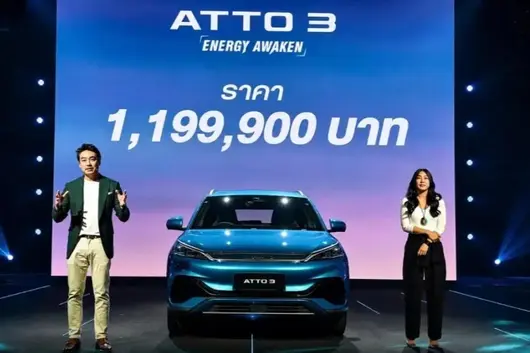
In Malaysia's SUV market, many buyers compare the Honda CR-V and Toyota Corolla Cross when choosing a car.
The OTR selling price of Honda CR-V in Malaysia is RM 178,200 - 195,900, with a total of 4 versions, including 2026 e:HEV 2.0L 2WD RS (RM 195,900), 2026 1.5T 4WD V (RM 181,900), 2026 e:HEV 2.0L 2WD E (RM 178,200), etc.
The OTR selling price of Toyota Corolla Cross in Malaysia is RM 133,800 - 148,800, with a total of 3 versions, including 2026 HEV 1.8L GR Sport (RM 148,800), 2026 HEV 1.8L Standard (RM 140,800), 2026 1.8L Standard (RM 133,800), etc.
From a price perspective, the starting price of Toyota Corolla Cross is RM 44,400 cheaper than Honda CR-V. To be honest, in this price range, a difference of a few thousand is not really significant; the key is looking at the overall value for money and long-term usage costs.
Honda CR-V body length 4500 mm, trunk 450 L.
Toyota Corolla Cross body length 4400 mm, trunk 400 L.
In terms of space, the Honda CR-V body is 100 mm longer than the Toyota Corolla Cross, and the interior seating space is slightly more spacious, especially rear legroom. If you often carry family members or need to fit a stroller, a slightly larger body is indeed more practical.
Honda CR-V warranty 5 years/unlimited mileage, service interval every 10,000km or 6 months.
Toyota Corolla Cross warranty 5 years/unlimited mileage, service interval every 10,000km or 6 months.
The warranty conditions for both cars are the same, so there's no need to fret about this. Actual maintenance costs also depend on the brand's service network and parts prices, it is recommended to ask real car owners' experiences in car owner groups.
Honda CR-V and Toyota Corolla Cross are both mainstream choices in the Malaysian market, suitable for family use and daily commuting. If you value brand reputation and resale value more, you can prioritize the one with better reputation; if you care more about price-performance ratio and features, then choose the one with richer configurations. Ultimately, it is suggested to test drive both models; personal experience is the most important.
Overall, Honda CR-V and Toyota Corolla Cross are both very good car models in the Malaysian market. Which one to choose ultimately depends on your personal needs and budget. It is recommended that everyone do their homework, compare quotes from several car dealerships, and then test drive to make the final decision. Buying a car is a major matter; spending some time on research will definitely not go wrong.

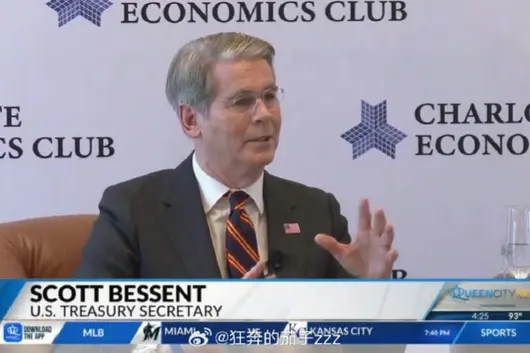
近日,美國財長貝森特喺夏洛特經濟俱樂部演說中談到比亞迪,直言「花費 3.5 萬美元就能買到價值 7 萬美元級別嘅最好汽車」,呢絕對係以產品力贏得世界認可!究竟一位西方財長為一個中國汽車品牌「帶貨」,呢個本身就係對比亞迪產品力最真切嘅背書。
事實上,認可比亞迪嘅又點止係貝森特。加州州長紐森盛讚仰望 U8「跨越時代」,烏茲別克斯坦總統為佢頒發國家級「友誼勳章」,巴西、泰國、智利等多國政要紛紛點讚。多國高層嘅正向評價,印證住比亞迪嘅全球公信力。
而市場嘅投票更加直接:今年 1 至 8 月,比亞迪海外銷量已經達 115.8 萬輛,超過去年全年,喺泰國、新加坡、巴西、沙特、阿聯酋等多個國家登頂新能源銷量榜首。網民仲係直言:「貝森特就係比亞迪最好嘅售貨員。」
由核心技術到用戶口碑,由權威背書到銷量爆發,比亞迪而家正改寫全球汽車嘅價值邏輯——汽車嘅品質,唔再係由品牌歷史定義,而係由真實體驗同核心實力說話。呢台嚟自中國嘅國民座駕,正風靡全世界。



End of August, Xpeng released its Q2 earnings report, 19.74 billion yuan in revenue, 20.7% gross margin, the numbers are indeed impressive. But after reviewing the full financial report, what truly makes people sit up and take notice are the overseas figures: quarterly sales surpassed 20,000 units for the first time, up 81% year-on-year, overseas business revenue contribution exceeded 25%, average price per vehicle over 40,000 Euros.

Putting several numbers together, they spell out a clear signal: Xpeng's globalization is no longer a concept on a presentation PPT, but is starting to contribute real profits to the financial statements.
Chinese car companies have been shouting about going overseas for so many years, most are still stuck in the 'having arrived' stage, entered a market, issued a press release, and then nothing happened. Xpeng this time is different, they are now starting to make money overseas, and making quite a bit.
Why Europeans Are Willing to Pay 40,000 Euros
Let's look at this price first. The overseas average price per vehicle exceeds 40,000 Euros, which converts to a little over 300,000 RMB.
What does this price point mean in the European market? Facing off head-on with Volkswagen ID. series and the base model of Tesla Model 3, behind are also a lot of mid-to-high-end models from European local brands. Maintaining sales growth at this price point shows European consumers are not paying for 'cheap', but for 'value'.

The shortcut Chinese car companies go overseas for is most easily low price for market share, using cost-effectiveness to tear a hole. Xpeng didn't take this path. Their logic is another way, making intelligent capabilities strong enough so Europeans feel spending this price to buy a set of good intelligent experience is worth it.
From the current results, this logic has proved viable.
More critically, this average price raises the overall single-vehicle revenue structure of the entire Xpeng Group. Everyone knows what the domestic new energy market situation is like, price wars have been fought for over a year, no one wants to be left behind. But the overseas market provided another script, high pricing power, relatively rational competitive environment, and a group of users willing to pay for technology. Putting this script together, overseas business is no longer just a concept of 'increment', but a substantial booster to improve gross margin.

So back to that question: Why are Europeans willing to pay 40,000 Euros? Not because they don't know cars, quite the contrary, precisely because they do, they know this intelligent experience is worth this price.
Can this high average price continue to hold? The answer is affirmative.
The competitive logic of the European market is fundamentally different from the domestic one. The domestic new energy market has rolled into the vicious cycle of 'losing money to grab share', price has become the only variable. But the European market's sensitivity to price is far lower than domestic, consumers value the product power itself more. As long as Xpeng's intelligent experience continues to maintain a technical generational gap against European local brands, the 40,000 Euro average price is not a fleeting marketing gimmick, but the market's pricing of its true value.

Of course, as more Chinese brands pour into Europe, price pressure will eventually come, but the head start window period Xpeng snatched is enough for it to take root brand awareness and user reputation first.
How Chinese Intelligent Driving 'Translates' to Europe
If the high average price is the result, then technical capability is the base supporting this result.
Xpeng's 2nd Gen VLA recently completed localized acceptance testing in Germany. This sentence in the financial report is worth repeated pondering: this model trained on Chinese data has an actual experience on European urban roads highly close to domestic, almost no extra training data added.

The information behind this is significant.
In the past, when Chinese car companies went overseas, intelligent driving functions almost always had to be re-done for local adaptation. Road conditions were different, traffic rules were different, driving habits were different. A set of autonomous driving models that ran smoothly in China, pulled to Europe often had to be fed a large amount of local data again before barely working. This is not a problem for one company, it is a common challenge faced by the entire industry.
But Xpeng's 2nd Gen VLA performance broke this convention, showing Xpeng's autonomous driving architecture at the underlying logic is already close to the true laws of the physical world, switching geographical location will not cause a cliff-style drop in capability. Chinese traffic lights and European traffic lights look different, but 'red light stop, green light go' this physical rule is consistent. Xpeng's model is grasping this underlying logic, and not just memorizing the surface features of Chinese road conditions.
This is the core value of technology 'low-friction' overseas expansion. When your model does not need to learn from scratch in every new market, the speed and cost of overseas deployment will be fundamentally improved. Xpeng's overseas sales leaping from 20,000 units to 40,000 units, the confidence at the technical level is here, they have the ability to quickly cover more markets, without needing a massive localized algorithm team for every market.
Of course, strong technical capability is one thing, whether to use is another thing. Whether regulatory permission can be obtained smoothly is the key to determining whether this intelligent driving system can truly land in Europe. But this question can also give an affirmative judgment: Xpeng's goal is to be first in Europe to obtain 2nd Gen VLA regulatory permission in the first half of next year, this schedule is based on the premise that German localized acceptance testing has been completed, not an empty slogan.

More importantly, Xpeng has made full preparations on data compliance and localized deployment, the existence of the German R&D center itself bears this mission.
From the perspective of technical preparation and policy prediction, the landing of this permission is just a matter of time, not a matter of direction. Once obtained, Xpeng's advantage over competitors in Europe's intelligent driving experience will be further widened.
Where Does the Confidence for Monthly Sales of 40,000 Units Come From
He Xiaopeng said one sentence at the performance meeting: After MONA L03 overseas delivery, overseas quarterly sales are to break 40,000 units.
What concept is 40,000 units? Xpeng currently the entire group single month sales highest is just over 50,000 units. If overseas in one quarter can achieve 40,000 units, equivalent to every month stable contribution of around 13,000 units of plate, and these cars are all high average price, high gross margin quality orders. This volume is enough to change the entire group's revenue structure.

But this goal cannot be smashed out by relying on one or two good cars. 40,000 units require system-based support, can R&D keep up, can supply chain cover, can service guarantee.
Xpeng's R&D center in Germany, manufacturing layout in Indonesia and Austria, and subsequent extended-range vehicle overseas planning, these actions put together spell out a clear path: it treats globalization as a systematic project being promoted, rather than scattered trade activities.
The difference between these two is huge. Trade-style overseas expansion is just making good cars, shipping them over, selling them, and done. System-based overseas expansion requires establishing R&D capabilities at the front-end market, laying out supply chain and manufacturing nodes in the middle, and building a closed loop of service and user experience at the back end.

The former model is light, fast, but has a low ceiling; once sales go up, after-sales and user experience will have problems. The latter model is heavy, slow, but once it runs through, it becomes a barrier that is very hard to replicate.
Xpeng chose the latter. Once this system is built, its value is not limited to selling cars. Subsequently, Robotaxi needs to land overseas, robots need to go global, all requiring localized operation networks and data pipelines. Now that the system is built, the overseas expansion of subsequent physical AI businesses follows naturally, no need to start from scratch.
Then can the path for this system going overseas run through? The answer is almost also affirmative. Although each European country's regulations, tax, and labor policies are different, and the cost and complexity of building the system is indeed not low, Xpeng is not starting from zero. They have already experienced complete supply chain ramp-up and manufacturing system building domestically, and the experience of automotive industry system construction is transferable.

More importantly, system overseas expansion itself is a moat. Wait until Xpeng's R&D, manufacturing, and service networks in Europe are all in place, latercomers wanting to replicate this will face much higher time and financial costs. Xpeng's investments made now are not for short-term sales looking good, but to lay the foundation for a long-term growth chassis.
Summary
Looking at the three subheadings together, it actually spells out a complete logic chain.
The 40,000 Euro average price proves Europeans are willing to pay for Xpeng's technology. This is not a short-term dividend won by cost-effectiveness, but product power has obtained fair pricing in the international market.
The 2nd Gen VLA running through in Germany proves this technical capability is not China-specific. A set of models trained on domestic data works after switching continents, showing Xpeng's autonomous driving architecture has already touched the bottom logic of the physical world.
The systematic overseas expansion layout gives all this a continuous operating base. German R&D center, Indonesian and Austrian manufacturing nodes, subsequent extended-range vehicle planning, these actions stacked together, Xpeng's globalization trend shifting from 'opportunity driven' to 'system driven' is already very clear.

Stacking three judgments together, the answer is obvious: Xpeng's globalization has passed the 'telling stories' stage, starting to genuinely contribute profits to the financial statements. Against the background of the new energy industry price war which still shows no sign of ending, Xpeng has found a position overseas where it can continuously earn and earn decent profits. The significance of this matter is far beyond single-quarter delivery numbers.
Chinese car companies have been shouting about going overseas for so many years, most are still stuck at the level of 'I came, I saw'. Xpeng this time used a financial report to clarify another thing: I not only came, but I also stood firm, and next am ready to stand even steadier.

In the Malaysian SUV market, many buyers compare the Honda HR-V and Chery Tiggo 9 when choosing a car. These two models are quite close in price and positioning, so today we will make a detailed comparison from multiple aspects to help you save time on research.
The Honda HR-V OTR price in Malaysia is RM 115,900 - 143,900, with a total of 4 versions, including 2026 e:HEV 1.5L RS (RM 143,900), 2026 1.5T V (RM 137,900), 2026 1.5T E (RM 130,900), etc.
The Chery Tiggo 9 OTR price in Malaysia is RM 166,800 - 179,800, with a total of 1 version, including 2026 2.0T Standard (RM 179,750), etc.
From a price perspective, the starting price of the Honda HR-V is indeed RM 50,900 cheaper than the Chery Tiggo 9. If your budget is limited, Honda's entry-level version is already sufficient for daily needs. But keep in mind, the few thousand ringgit saved might involve compromises in features; it depends on your specific needs.

Honda HR-V's safety rating is 5★ (ASEAN NCAP), active safety systems include Honda SENSING (ACC, CMBS, LKAS, RDM).
Chery Tiggo 9's safety rating is TBD, active safety systems include Basic.
In terms of safety features, both cars have received good ratings. However, there are some functional differences between the Honda HR-V's Honda SENSING (ACC, CMBS, LKAS, RDM) and the Chery Tiggo 9's Basic. If you value active safety, you can compare their feature lists carefully.

Honda HR-V uses FWD drive configuration.
Chery Tiggo 9 uses FWD drive configuration.
Both cars use the same drive configuration, which is FWD, so there won't be much difference in daily driving experience.
Both Honda HR-V and Chery Tiggo 9 are mainstream choices in the Malaysian market, suitable for family use and daily commuting. If you value brand reputation and resale value more, you can prioritize the one with better reputation; if you care more about cost-performance ratio and features, choose the one with richer configuration. Ultimately, it is recommended to test drive both models; personal experience is the most important.

Overall, both Honda HR-V and Chery Tiggo 9 are very good car models in the Malaysian market. Which one to choose depends mainly on your personal needs and budget. It is recommended to do your homework, compare quotes from several car dealerships, and then test drive to make a final decision. Buying a car is a major event; spending time doing homework will never be wrong.


Dalam pasaran SUV di Malaysia, ramai pembeli apabila memilih kereta akan membandingkan Honda HR-V dan MG HS. Kedua-dua kereta ini sangat hampir dari segi harga dan segmen, hari ini kita akan buat perbandingan terperinci dari pelbagai aspek, untuk membantu anda menjimatkan masa mencari data.
Honda HR-V di Malaysia mempunyai harga OTR adalah RM 115,900 - 143,900, secara keseluruhan terdapat 4 varian, termasuk 2026 e:HEV 1.5L RS (RM 143,900), 2026 1.5T V (RM 137,900), 2026 1.5T E (RM 130,900) dan lain-lain.
MG HS di Malaysia mempunyai harga OTR adalah RM 130,450 - 146,450, secara keseluruhan terdapat 2 varian, termasuk 1.5L Standard (RM 105,000), 1.5L Executive (RM 115,000) dan lain-lain.
Dari segi harga, harga permulaan Honda HR-V memang lebih murah RM 14,550 berbanding MG HS. Jika anggaran anda terhad, varian pemula Honda sudah boleh memenuhkan keperluan harian. Tetapi perlu diingat, perbezaan harga beberapa ribu ini mungkin melibatkan kompromi pada kelengkapan, bergantung pada keperluan anda.
Honda HR-V dilengkapi enjin Turbo 1.5L, kuasa 140 hp. Konsumsi bahan api rasmi 7.0 L/100km.
MG HS dilengkapi enjin Turbo 1.5L, kuasa 140 hp. Konsumsi bahan api rasmi 7.0 L/100km.
Kedua-dua kereta menggunakan set sistem pemacu yang sama, rasa memandu sehari-hari hampir tiada perbezaan. Dari segi kecekapan bahan api juga hampir sama, tidak perlu terlalu bimbang tentang hal ini.
Penilaian keselamatan Honda HR-V ialah 5★ (ASEAN NCAP), sistem keselamatan aktif termasuk Honda SENSING (ACC, CMBS, LKAS, RDM).
Penilaian keselamatan MG HS ialah TBD, sistem keselamatan aktif termasuk Basic.
Dari segi kelengkapan keselamatan, kedua-dua kereta mendapat penilaian yang baik. Walau bagaimanapun, terdapat beberapa perbezaan dari segi fungsi antara Honda SENSING (ACC, CMBS, LKAS, RDM) pada Honda HR-V dan Basic pada MG HS. Jika anda lebih memprioritaskan keselamatan aktif, anda boleh membandingkan senarai fungsi kedua-duanya dengan teliti.
Panjang badan Honda HR-V 4500 mm, ruang bagasi 450 L.
Panjang badan MG HS 4400 mm, ruang bagasi 400 L.
Dari segi ruang, badan Honda HR-V adalah 100 mm lebih panjang berbanding MG HS, ruang penumpang dalam kenderaan akan sedikit lebih luas, terutamanya ruang kaki di baris belakang. Jika anda sering mengangkut keluarga atau perlu meletakkan kereta bayi, badan kenderaan yang lebih besar memang lebih praktikal.
Waranti Honda HR-V 5 tahun/jarak tanpa had, selang penyelenggaraan setiap 10,000km atau 6 bulan.
Waranti MG HS 7 tahun/150,000km, selang penyelenggaraan setiap 10,000km atau 6 bulan.
Secara keseluruhan, Honda HR-V dan MG HS adalah model yang sangat bagus dalam pasaran Malaysia. Memilih mana satu, yang penting bergantung pada keperluan dan bajet peribadi anda. Kami sarankan anda membuat penyelidikan, bandingkan beberapa tawaran dari diler kereta berbeza, kemudian buat keputusan akhir selepas uji jalan. Membeli kereta adalah perkara besar, mengambil sedikit masa untuk mencari data tidak akan salah.
In the Malaysian SUV market, many buyers compare the Honda HR-V and Chery Tiggo 7 PHEV when choosing a car. These two models are quite close in price and positioning. Today we will do a detailed comparison from multiple aspects to help you save time doing research.
The OTR price of the Honda HR-V in Malaysia is RM 115,900 - 143,900, with a total of 4 versions, including the 2026 e:HEV 1.5L RS (RM 143,900), 2026 1.5T V (RM 137,900), 2026 1.5T E (RM 130,900), etc.
The OTR price of the Chery Tiggo 7 PHEV in Malaysia is RM 129,750 - 129,750, with a total of 2 versions, including the 2025 1.5T 90km CSH (RM 129,750), What charging methods does the Tiggo 7 PHEV support? Can it be charged using a home power socket? (RM 117,478), etc.
From a price perspective, the Honda HR-V entry price is indeed RM 13,850 cheaper than the Chery Tiggo 7 PHEV. If your budget is limited, Honda's entry-level version can already meet daily needs. But you should also note that the few thousand cheaper may involve trade-offs in equipment, it depends on your specific needs.
Honda HR-V body length 4500 mm, trunk 450 L.
Chery Tiggo 7 PHEV body length 4400 mm, trunk 400 L.
Regarding space, the Honda HR-V body is 100 mm longer than the Chery Tiggo 7 PHEV, making the interior seating space slightly more spacious, especially the rear legroom. If you frequently carry family members or need to fit a stroller, a larger body is indeed more practical.
Honda HR-V adopts FWD drive mode.
Chery Tiggo 7 PHEV adopts FWD drive mode.
Both cars have the same drive mode, both are FWD, daily driving experience will not have much difference.
Honda HR-V and Chery Tiggo 7 PHEV are both mainstream choices in the Malaysian market, suitable for family use and daily commuting. If you value brand reputation and resale price more, you can prioritize the one with better reputation; if you care more about cost-performance ratio and equipment, then choose the one with richer configuration. Ultimately it is recommended to test drive both models, personal experience is the most important.

Overall, Honda HR-V and Chery Tiggo 7 PHEV are both very good models in the Malaysian market. Which one to choose depends on your personal needs and budget. It is recommended to do your homework, compare quotes from several car dealerships, and then test drive to make the final decision. Buying a car is a big matter, spending time doing research will never go wrong.

In the Malaysia SUV market, many buyers compare the Honda HR-V and Chery Tiggo 8 PHEV when choosing a car. These two cars are quite close in price and positioning. Today, we will make a detailed comparison from multiple aspects to help you save time on research.
The OTR price of the Honda HR-V in Malaysia is RM 115,900 - 143,900, with a total of 4 versions, including 2026 e:HEV 1.5L RS (RM 143,900), 2026 1.5T V (RM 137,900), 2026 1.5T E (RM 130,900), etc.
The OTR price of the Chery Tiggo 8 PHEV in Malaysia is RM 159,750 - 159,750, with a total of 2 versions, including 1.6L Turbo Standard (RM 130,000), 1.6L Turbo Premium (RM 145,000), etc.
Looking at the price, the starting price of the Honda HR-V is indeed RM 43,850 cheaper than the Chery Tiggo 8 PHEV. If your budget is limited, Honda's entry-level version can already meet daily needs. However, also note that the few thousand dollars cheaper might have trade-offs in features, depending on your specific requirements.
The safety rating of the Honda HR-V is 5★ (ASEAN NCAP), with active safety systems including Honda SENSING (ACC, CMBS, LKAS, RDM).
The safety rating of the Chery Tiggo 8 PHEV is TBD, with active safety systems including Basic.
In terms of safety features, both cars received good ratings. However, there are some differences in functionality between the Honda HR-V's Honda SENSING (ACC, CMBS, LKAS, RDM) and the Chery Tiggo 8 PHEV's Basic. If you value active safety, you can compare the feature lists of both carefully.
Honda HR-V warranty 5 years/unlimited mileage, maintenance interval every 10,000km or 6 months.
Chery Tiggo 8 PHEV warranty 3 years/100,000km, maintenance interval every 10,000km or 6 months.
Both the Honda HR-V and Chery Tiggo 8 PHEV are mainstream choices in the Malaysia market, suitable for family use and daily commuting. If you value brand reputation and resale value more, you can prioritize the one with the better reputation; if you care more about cost-effectiveness and features, then choose the one with richer configurations. Ultimately, it is recommended to test drive both, as personal experience is the most important.
In general, both the Honda HR-V and Chery Tiggo 8 PHEV are very good models in the Malaysia market. Which one to choose depends mainly on your personal needs and budget. It is suggested that you do your research, compare quotes from several car dealers, and then test drive to make the final decision. Buying a car is a major matter, spending time doing your research will definitely not be wrong.

在馬來西亞嘅 SUV 市場,好多買家在揀車嘅時候都會拿本田 HR-V 同奇瑞 Tiggo 7 PHEV 做比較。這兩款車喺價位同定位上都幾接近,今日我哋就從多個方面做一個詳細嘅比較,幫你節省做功課嘅時間。
本田 HR-V 喺馬來西亞嘅 OTR 售價係 RM 115,900 - 143,900,總共有 4 個版本,包括 2026 e:HEV 1.5L RS(RM 143,900)、2026 1.5T V(RM 137,900)、2026 1.5T E(RM 130,900)等。
奇瑞 Tiggo 7 PHEV 喺馬來西亞嘅 OTR 售價係 RM 129,750 - 129,750,總共有 2 個版本,包括 2025 1.5T 90km CSH(RM 129,750)、Tiggo 7 PHEV 支援咩充電方法?可唔可以用家用電源插座充電?(RM 117,478)等。
從價錢睇,本田 HR-V 嘅起價確實比奇瑞 Tiggo 7 PHEV 平咗 RM 13,850。如果你預算有限,本田嘅入門版已經可以滿足日常需要。但但要記住,平嗰幾千蚊,可能喺配備上有取舍,具體要睇你嘅需求。
本田 HR-V 嘅安全評級係 5★ (ASEAN NCAP),主動安全系統包括本田 SENSING (ACC, CMBS, LKAS, RDM)。
奇瑞 Tiggo 7 PHEV 嘅安全評級係 TBD,主動安全系統包括 Basic。
安全配備方面,兩款車都拿到唔錯嘅評級。不過本田 HR-V 嘅本田 SENSING (ACC, CMBS, LKAS, RDM) 同奇瑞 Tiggo 7 PHEV 嘅 Basic 喺功能上有啲分別,如果你比較睇重主動安全嘅話,可以仔細比較下兩者嘅功能列表。
本田 HR-V 採用 FWD 驅動方式。
奇瑞 Tiggo 7 PHEV 採用 FWD 驅動方式。
兩款車嘅驅動方式一樣,都係 FWD,日常駕駛感受唔會有太大分別。
本田 HR-V 保修 5 年/無限里程,保養間隔 每 10,000km 或 6 個月。
奇瑞 Tiggo 7 PHEV 保修 3 年/100,000km,保養間隔 每 10,000km 或 6 個月。
總體嚟講,本田 HR-V 同奇瑞 Tiggo 7 PHEV 都係馬來西亞市場幾唔錯嘅車型。揀邊一部,關鍵都要睇你嘅個人需求同預算。我哋建議大家做好功課,多比較幾間車行嘅報價,再去試駕做最終決定。買車係件大事,花少少時間做功課絕對唔會錯。
© 2024 Bitauto.com. All Rights Reserved.
Bitauto (www.yiche.com and www.bitauto.com) is one of the most visited automotive websites in China. We provide detailed info on Chinese car brands available in your area. Please note that the information provided on this website is based on publicly available data and is for reference only. It may not be fully updated or accurate at all times.

Help us improve our website


