

Homeguide

Search History
Popular Searches
Dealer Login / Sign Up

Recently, SAIC Motor Group announced October production and sales bulletin, SAIC General Motors sold only 25,865 cars, while the same period last year was 53,182 cars, a drop of 51.37% year-on-year, a genuine halving of sales volume.
It is worth noting that the overall market of the entire SAIC Motor Group October was only a slight decline, independent brands were still rising, only SAIC General Motors fell hard.
More lamentably, the Buick Zhijing Series, originally regarded as a lifeline, fell steadily after a high opening and hovered at a low level for a long time.

In fact, this halving was not a sudden crash, but a concentrated outbreak after long-term bleeding. Reviewing this year's data reveals that SAIC General Motors' sales have been sliding all along.
Extending the timeline to the first 10 months, cumulative production was 3.5284 million units, down 6.13% year-on-year; cumulative sales were 3.5771 million units, down 1.92% year-on-year. The overall market is still contracting slightly.
But there is another side hidden in the structure. New Energy Vehicle sales in October were 258,600 units, up 25.12% year-on-year; cumulative from January to October were 1.6469 million units, up 27.72% year-on-year. Export and overseas base October sales were 162,500 units, up 67.28% year-on-year; cumulative 1.3281 million units, up 54.04% year-on-year.
What really stands out is the differentiation among brands. Same as October, some are rising, some are collapsing:
SAIC Motor Passenger Vehicle 123,879 units, up 32.68% year-on-year
SAIC Maxus 32,343 units, up 62.47% year-on-year
SAIC-GM-Wuling 157,184 units, down 6.41% year-on-year
SAIC Volkswagen 67,500 units, down 27.94% year-on-year
SAIC General Motors 25,865 units, down 51.37% year-on-year
IM Motors 7,837 units, down 40.32% year-on-year
Overseas subsidiaries are another curve: SAIC Zhengda 2,694 units, up 1.89% year-on-year; SAIC-GM-Wuling Indonesia 2,281 units, up 33.24% year-on-year; Jetstar MG India 7,964 units, up 25.85% year-on-year.
On one side, New Energy and exports saw double-digit growth, while the joint venture sector fell significantly. Behind the total sales of 430,000 units, SAIC's ledger is being reallocated.

Hua Che Quan has something to say,
This 51.37% plunge is more like a warning bell. The market will never stay in the past, if you cannot keep up with changes, you can only be left behind.
If joint venture brands still update slowly like squeezing toothpaste, smart technology cannot keep up, and prices lack enough sincerity, the decline will only continue.
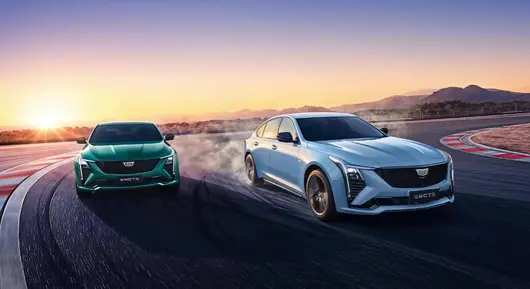

在馬來西亞嘅 SUV 市場,好多買家喺揀車嘅時候都會拿 Mazda CX-3 同 Hyundai Tucson 嚟做比較。這兩款車喺價位同定位上都幾接近,今日我哋就從多個方面做一個詳細嘅比較,幫你省下做功課嘅時間。
Mazda CX-3 喺馬來西亞嘅 OTR 售價係 RM 126,159 - 139,159,一共有 2 個版本,包括 2023 2.0L High(RM 139,159)、2023 2.0L Plus(RM 126,159)等。
Hyundai Tucson 喺馬來西亞嘅 OTR 售價係 RM 143,888 - 197,888,一共有 5 個版本,包括 2025 HEV 1.6T AT 2WD Prestige(RM 197,888)、2025 1.6T DCT 4WD Prestige(RM 186,888)、2025 1.6T DCT 2WD Prime(RM 164,888)等。
由價錢睇,Mazda CX-3 嘅起步價確實比 Hyundai Tucson 平咗 RM 17,729。如果你預算有限,Mazda 嘅入門版已經可以滿足日常需要。但都要留意,平嘅那幾千蚊,可能喺配備上會有取舍,具體要看你嘅需要。

Mazda CX-3 車身長 4500 mm,行李廂 450 L。
Hyundai Tucson 車身長 4400 mm,行李廂 400 L。
空間方面,Mazda CX-3 嘅車身比 Hyundai Tucson 長咗 100 mm,車內乘坐空間會稍微闊啲,尤其係後座腿部空間。如果你經常載家人或者需要放嬰兒車,大一點嘅車身確實更實用。

Mazda CX-3 保養期 5 年/150,000km,保養間隔 每 10,000km 或 6 個月。
Hyundai Tucson 保養期 5 年/300,000km,保養間隔 每 10,000km 或 6 個月。

Mazda CX-3 同 Hyundai Tucson 都係馬來西亞市場嘅主流選擇,適合家庭使用、日常通勤。如果你更看重品牌口碑同二手價,可以優先考慮口碑更好嗰一款;如果你更在意性價比同配備,那就揀配置更豐富嗰款。最後都係建議兩款都去試駕,親自體驗先係最重要。

總體嚟講,Mazda CX-3 同 Hyundai Tucson 都係馬來西亞市場幾唔錯嘅車型。揀邊一輛,關鍵都要睇你嘅個人需要同預算。建議大家做好功課,多比較幾間車行嘅報價,再去試駕先做最終決定。買車係件大事,花少少時間做功課絕對唔會錯。


In Malaysia's SUV market, many buyers often compare the Mazda CX-3 and GWM Haval H6 when choosing a car. The prices and positioning of these two models are quite similar. Today, we will make a detailed comparison from multiple aspects to help you save time on research.
The OTR price of the Mazda CX-3 in Malaysia is RM 126,159 - 139,159, with a total of 2 versions, including 2023 2.0L High (RM 139,159), 2023 2.0L Plus (RM 126,159), etc.
The OTR price of the GWM Haval H6 in Malaysia is RM 139,750 - 139,750, with a total of 2 versions, including 1.5L Turbo Standard (RM 140,000), 1.5L Turbo Premium (RM 155,000), etc.
From a pricing perspective, the Mazda CX-3's starting price is indeed RM 13,591 cheaper than the GWM Haval H6. If your budget is limited, Mazda's entry-level version can already meet daily needs. However, be aware that the few thousand less in price might involve compromises in features, which depends specifically on your requirements.
The Mazda CX-3 safety rating is 5★ (ASEAN NCAP), and its active safety system includes i-Activsense.
The GWM Haval H6 safety rating is TBD, and its active safety system includes Basic.
Regarding safety features, both models have received good ratings. However, there are some differences in functionality between the Mazda CX-3's i-Activsense and the GWM Haval H6's Basic. If you value active safety highly, you can carefully compare the feature lists of both.
The Mazda CX-3 body length is 4500 mm, trunk 450 L.
The GWM Haval H6 body length is 4400 mm, trunk 400 L.
In terms of space, the Mazda CX-3 body is 100 mm longer than the GWM Haval H6, so the interior passenger space is slightly more spacious, especially the rear legroom. If you often carry family members or need to fit a stroller, a larger body is indeed more practical.
Mazda CX-3 warranty 5 years/150,000km, maintenance interval every 10,000km or 6 months.
GWM Haval H6 warranty 7 years/150,000km, maintenance interval every 10,000km or 6 months.
Both Mazda CX-3 and GWM Haval H6 are mainstream choices in the Malaysian market, suitable for family use and daily commuting. If you value brand reputation and resale value more, you can prioritize the one with better reputation; if you value value for money and features more, then choose the one with richer specifications. Ultimately, it is recommended to test drive both, as personal experience is what matters most.
In general, both Mazda CX-3 and GWM Haval H6 are very solid models in the Malaysian market. Which one to choose ultimately depends on your personal needs and budget. We suggest doing your research, comparing quotes from several dealerships, then going for a test drive to make the final decision. Buying a car is a big deal, spending some time on research will definitely not be a mistake.

喺馬來西亞嘅 SUV 市場,好多買家喺揀車嘅時候都會拿 Mazda CX-3 同 GWM Haval H6 嚟做比較。呢兩部車喺價位同定位上都好相近,今日我哋就由多個方面做一個詳細比較,幫你節省咗做功課嘅時間。
Mazda CX-3 喺馬來西亞嘅 OTR 售價係 RM 126,159 - 139,159,總共計有 2 個版本,包括 2023 2.0L High(RM 139,159)、2023 2.0L Plus(RM 126,159) 等。
GWM Haval H6 喺馬來西亞嘅 OTR 售價係 RM 139,750 - 139,750,總共計有 2 個版本,包括 1.5L Turbo Standard(RM 140,000)、1.5L Turbo Premium(RM 155,000) 等。
從價錢嚟睇,Mazda CX-3 嘅起步價真係比 GWM Haval H6 平咗 RM 13,591。如果你預算有限,Mazda 嘅入門版已經可以滿足日常需要。不過都要留意,平嗰幾千塊,可能喺配備上會有取捨,具體要看你嘅需要。
Mazda CX-3 裝載 1.5L Turbo,馬力 140 hp。官方油耗 7.0 L/100km。
GWM Haval H6 裝載 Hybrid,馬力 170 hp。官方油耗 4.5 L/100km。
動力方面,GWM Haval H6 嘅 Hybrid 比 Mazda CX-3 嘅 1.5L Turbo 多咗 30 匹馬力。不過日常喺市區開,呢兩部車嘅動力都夠用,唔會覺得唔夠力。
Mazda CX-3 車身長 4500 mm,後尾箱 450 L。
GWM Haval H6 車身長 4400 mm,後尾箱 400 L。
空間方面,Mazda CX-3 嘅車身比 GWM Haval H6 長咗 100 mm,車內乘坐空間會稍微闊少少,尤其係後座腿部空間。如果你經常載家人或者需要放嬰兒車,大啲嘅車身真係更實用。
Mazda CX-3 保修 5 年/150,000km,保養間隔 每 10,000km 或 6 個月。
GWM Haval H6 保修 7 年/150,000km,保養間隔 每 10,000km 或 6 個月。
總體嚟講,Mazda CX-3 同 GWM Haval H6 都係馬來西亞市場好唔錯嘅車型。揀邊一部,關鍵都要睇你嘅個人需要同預算。建議大家做足功課,多比較幾間車行嘅報價,先至去試駕做最終決定。買車係件大事,花少少時間做功課肯定無錯。

喺馬來西亞嘅 SUV 市場,好多買家喺揀車嗰陣都會拿 Mazda CX-3 同 Chery Tiggo 9 做比較。呢兩款車喺價位同定位上都幾接近,今日我哋就由多個方面做個詳細比較,幫你省返做功課嘅時間。
Mazda CX-3 喺馬來西亞嘅 OTR 售價係 RM 126,159 - 139,159,一共有 2 個版本,包括 2023 2.0L High(RM 139,159)、2023 2.0L Plus(RM 126,159) 等。
Chery Tiggo 9 喺馬來西亞嘅 OTR 售價係 RM 166,800 - 179,800,一共有 1 個版本,包括 2026 2.0T Standard(RM 179,750) 等。
由價錢睇,Mazda CX-3 嘅起步價確實比 Chery Tiggo 9 平咗 RM 40,641。如果你預算有限,Mazda 嘅入門版已經可以滿足日常需要。但都要注意下,平嗰幾千蚊,可能喺配備上有取捨,具體要看你嘅需要。
Mazda CX-3 採用 FWD 驅動方式。
Chery Tiggo 9 採用 FWD 驅動方式。
兩款車嘅驅動方式一樣,都係 FWD,日常駕駛感覺唔會有太大分別。
Mazda CX-3 保修 5 年/150,000km,保養間隔 每 10,000km 或 6 個月。
Chery Tiggo 9 保修 3 年/100,000km,保養間隔 每 10,000km 或 6 個月。
Mazda CX-3 同 Chery Tiggo 9 都係馬來西亞市場嘅主流選擇,適合家庭使用、日常通勤。如果你更看重品牌口碑同二手價,可以優先考慮口碑更好嗰款;如果你更在意性價比同配備,那就揀配置更豐富嗰款。最終都係建議兩款都去試駕,親身體驗先係最重要。

總括嚟講,Mazda CX-3 同 Chery Tiggo 9 都係馬來西亞市場好唔錯嘅車款。揀邊一輛,關鍵都要睇你嘅個人需求同預算。建議大家做好功課,多比較幾間車行嘅報價,再去試駕做最終決定。買車係件大事,花啲時間做功課絕對唔會錯。


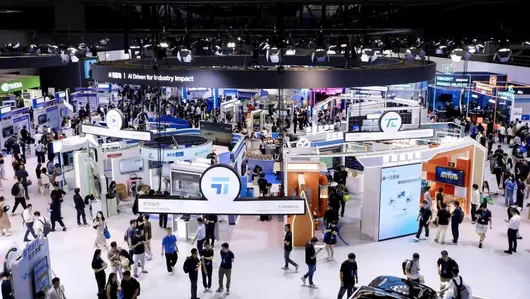
When in-vehicle Agents become industry buzzwords, most attention focuses on human-machine dialogue inside the cockpit, easily overlooking the deep transformation AI is stirring within the automaker system itself. Recently, the 2026 Tencent Global Digital Ecosystem Conference was held in Shenzhen, where a batch of heavy-hitting results such as TAI Cockpit Agent, the Overseas Version of Smart Driving Maps, and the Automaker AI Organizational Efficiency Solutions solution were showcased to the public.
During the simultaneous closed-door exchanges, Tencent Cloud Vice President and Head of Smart Mobility Zhong Xuedan, Tencent Cloud Vice President Li Bo, and Tencent Cloud Vice President Sun Yan conducted in-depth sharing on industry reality propositions, clarifying the two evolutionary mainlines of AI in the current automotive industry: Oriented towards the C-end, AI on board vehicles, moving from 'being able to chat' to 'being able to get things done', reconstructing the full-cycle travel experience; Oriented towards the B-side, AI 'joins' automakers, condensing individual employee capabilities into reusable organizational assets, realizing bidirectional mutual feeding of product iteration and organizational evolution.
 Zhong Xiangping proposes 'Product Evolution Drives Organizational Change' at the Smart Mobility session
Dialogue Is Just the Starting Point; Closed-loop Capabilities Are the True Test
In-vehicle Agents have now become a hot track in the industry, and many products treat conversational interaction capabilities as their biggest selling point. But amidst the noise, what truly widens the experience gap is the complete chain from understanding speech to implementing tasks, maintaining the right balance on safety boundaries, and more about how to serve different automakers to create unique texture belonging to the brand itself.
In Zhong Xuedan's view, the watershed moment for cockpit AI has arrived: 'Being able to chat is the first step, more importantly, it really helps users get things done.'
Many agents on the market stay at the Q&A level, giving a response, and interaction stops there. The upgraded TAI Cockpit Agent is committed to walking through the full process from intent recognition, service invocation to business fulfillment. It integrates Yuanbao full-duplex voice, Yuanbao Search, and Hunyuan Large Models, connecting 157 authoritative sources from 13 vertical industries. With a solid source foundation, it counteracts hallucination risks prone to large models, ensuring the reliability of output information in driving scenarios. Relying on the ecological accumulation of Tencent Maps, WeChat Mini Programs, and WeChat Pay, user voice commands for table reservations, ticket purchasing, route adjustment, parking fee payments, etc., the whole service can be done seamlessly, without jumping between multiple apps for manual operation.
 TAI Agent Connects Cockpit Service Closed Loop
This system adopts a cloud-edge synergy hybrid architecture, balancing safety, privacy, and practicality. Perception information collected in the vehicle is retained locally, not leaking to the cloud; the edge side handles simple intent parsing, while the cloud side is responsible for complex task coordination and reasoning. 'When the network environment is poor, cloud capabilities will be limited, but basic edge capabilities can still guarantee user basic interaction.' In the real driving environment with signal fluctuations, this division of labor model balances the needs of response speed, data privacy, and complex task processing.
Vehicle control permissions have always been a sensitive proposition that cockpit Agents cannot avoid. Zhong Xuedan's attitude was very clear: Tencent will not cross the boundary to take over the whole vehicle's underlying control logic. 'The key to vehicle control permissions is held by the automaker, we only do intent recognition and invocation protocols. Which instructions are allowed to be executed and in what scenarios can be executed, all safety boundaries are defined by the automaker.'
Li Bo also added that the technical conditions for Agent orchestration are already mature, but the degree of openness of vehicle domain interfaces, whole vehicle safety assessment, and compliance testing, the initiative is always in the hands of the OEM.
When the whole industry shares the large model base, how to shape differentiated experiences for different vehicle models? Zhong Xuedan believes that characteristics are not hidden inside general large models, but come from three real elements: the perception hardware capabilities of the vehicle itself, the user habit memory condensed by the automaker over the years, and the brand's own understanding and aesthetics of cockpit experience. Large models are just general tools; the unique warmth of a car ultimately needs the automaker to polish it in combination with its user group.
On the safety front, the entire system sets up multiple protection nets, adhering to the data compliance standards of the automotive industry, intercepting malicious input; vehicle control instructions are paired with context verification and permission tiering mechanisms, while relying on a continuously iterated evaluation system to keep risks and hazards in vehicle scenarios out of the door.
TAI also connects the cross-terminal capabilities of Yuanbao and XiaoWei, extending the travel experience beyond the vehicle infotainment system, building service continuity before, during, and after trips. Users can plan routes on the WeChat side and stream to the vehicle infotainment system with one click; after arriving at the destination, local consumption services flow back to the phone. Phones and vehicle infotainment systems do not replace each other, but more scenario complementarity. The core mission of cockpit AI is to serve the complete travel full cycle, rather than persisting in pursuing endless conversation duration inside the vehicle.
Break Out of the Individual Efficiency Improvement Dilemma; Let AI Sediment into Corporate Organizational Assets
 Sun Yan Analyzes Automaker Organizational Efficiency and AI Implementation Pain Points
Now almost all automakers are introducing various AI office tools, but a common practical dilemma emerges in industrial practice: Employees significantly improve work efficiency with the help of AI, but when magnified to the department or even the entire enterprise level, the returns are not obvious. Practical experience accumulated by core employees over days and years often dissipates along with personnel turnover. Individual efficiency gains are difficult to convert into long-term organizational capabilities, which is also the practical soil for this conference to propose the concept of 'New Organization'.
Sun Yan has a clear judgment on this: 'Employee efficiency improvement is the foundation of organizational efficiency improvement, but employee effectiveness improvement does not equal organizational effectiveness improvement.'
WorkBuddy and CodeBuddy can certainly liberate individual productivity, but if excellent ideas and judgment logic cannot be solidified into reusable assets within the enterprise, the enterprise will fall into a cycle of repeatedly making wheels and stepping on old pits. Tencent's solution is to condense individual practical experience into reusable Skill intelligent capabilities, penetrating into R&D, production, sales, supply, and service business links of the automaker.
A domestic OEM applied WorkBuddy to the product definition and validation links, with business overall efficiency achieving a 90% leap. Previously, engineers had to write a large number of scripts to complete data cleaning, labeling, verification, processes were cumbersome, results were saved separately in personal equipment, and traceability was difficult. With the help of DataBuddy, engineers can initiate tasks using natural language, the system automatically matches operators, generates a complete runnable processing process, schedules elastic computing power to complete operations, processing results are automatically stored in the library, and every step of the operation can be traced and verified.
 AI Productivity Platform Sediments Automaker Organizational Capabilities
'Not simply giving employees an AI chat tool, we hope to solidify the thinking logic and judgment standards of excellent employees, new hires don't need to start everything from scratch.' Tencent created the FDE 'Rocket Class' co-creation model, forming an agile squad composed of Tencent technical experts and automaker business experts, prioritizing high value and high implementation feasibility business scenarios for in-depth polishing, delivering tools while condensing methodologies to the automaker itself. Changan Automotive is a typical case. The two sides jointly created eight major business agents, covering product planning, production-sales coordination, quality operations, AI Coding, and other scenarios, all put into actual operation, bringing several-fold business efficiency improvements.
Production-sales coordination has always been a tough problem for traditional automakers. Sales, production, supply chain, and inventory belong to different departments, information is isolated. In the past, it took weeks of meeting seminars to complete a round of business decisions. After introducing Agents, the system automatically summarizes cross-departmental business data, outputs multiple alternative plans, such as prioritizing profit protection or prioritizing market sales volume, submitted to business personnel for confirmation and execution. The original decision cycle of several weeks is compressed to one to two days.
Sun Yan also observed an interesting industry phenomenon: Compared with new EV automakers, traditional large automakers are actually more desperate for this organizational efficiency improvement solution. Huge business volume and long industrial chains have spawned a large number of information silos, and AI Agents can just connect the fragmented data to build an enterprise global business observation perspective.
This solution does not force automakers to completely replace existing tools. WorkBuddy has good compatibility and can connect with multiple large models. Its core demand is to truly embed AI into existing enterprise business processes, not to build a castles-in-the-air Demo for demonstration purposes only.
Solve Complex Practical Issues; Going Global Becomes the Second Growth Curve
 Li Bo Interprets Outbound Intelligence and Tencent's 'Smart Co-pilot' Positioning
The domestic market stock game is becoming increasingly fierce, and going global has become a growth proposition that Chinese automakers cannot avoid. But intelligent globalization is certainly not simply copying domestic software directly. Cross-border data compliance, overseas cloud service infrastructure, and vastly different ecological environments in various places are hurdles in front.
Li Bo sorted out three major practical obstacles on the road of going global. First is fragmented data compliance. European GDPR and Vietnam's data localization storage requirements, different countries and regions have their own sets of rules; secondly, overseas cloud service costs remain high, the traditional ticket-based response rhythm is difficult to match the severe requirements for real-time in intelligent driving R&D; thirdly, the overseas Internet ecosystem is highly fragmented, not as highly aggregated as in the domestic market. Basic services like maps, music, and payment all need to complete adaptation docking again.
Tencent continues to expand global cloud infrastructure. Data centers in Frankfurt, Malaysia, Mexico, Osaka, Thailand, and other places have completed new construction and expansion, helping automakers build cloud-native cross-border compliance gateways to resolve the tough problems of cross-border data flow during intelligent driving R&D. The cloud base, data loop, and compliance system behind BYD Europe's self-developed intelligent driving project were supported by Tencent.
Outside the technical base, AI tools are also going global. WorkBuddy Overseas Version has landed. The Agent capabilities that have been run through domestically can be efficiently reused in overseas teams, bridging the gap in overseas collaboration. The Smart Driving Map Overseas Version, which has attracted industry attention, will be officially launched at the end of this year, creating 'One Map for the World'. Cockpit maps and intelligent driving maps share the same underlying engine, unified interfaces, reducing the cost for automakers to maintain two independent systems. On the landing rhythm, it prioritizes deep cultivation in the Southeast Asia market, then gradually expands to Europe and South America.
 Smart Driving Map Overseas Version Helps Automakers Go Global
Li Bo talked about, Tencent going global is not just outputting underlying cloud capabilities, but also playing the role of ecosystem connector. Overseas local content service providers have complex access thresholds. Tencent will assist automakers in docking local resources, prioritizing solving the business 'availability' issue, then polishing experience advanced optimization.
Looking towards Robotaxi and Embodied Intelligence these frontier tracks, Li Bo analyzed that autonomous driving and Embodied Intelligence are highly similar in technical origins. Both are built on Physical AI and World Models. Tencent does not go down to build the Robotaxi whole vehicle, but outputs cloud base, simulation environment, data loop kit; at the same time, relying on Tencent Mobility's C-end traffic entry, the Robotaxi service is accessed into the travel Mini Program, connecting the B-end fleet operation and ordinary user ride-hailing link. Pony.ai, WeRide, Apollo Go and other enterprises have completed access.
Willing to be the Car Maker's Intelligent 'Co-pilot', Not Seizing the C-end Frontend
Currently, many tech companies are enthusiastic about creating independent C-end brands for consumers for in-vehicle large models, while TAI always maintains a B-end positioning. This is also a topic repeatedly discussed in exchanges.
Li Bo reiterated Tencent Smart Mobility's usual stance: Be the automaker's 'Smart Co-pilot', the main driver is always the automaker itself. 'Consumers buying cars recognize the automaker brand, ownership of all whole vehicle experiences should belong to the OEM. Tencent outputs underlying platforms, ecosystems, and Agent capabilities, not rushing to the front to replace the automaker in establishing brand perception for C-end users.'
Such a positioning also determines the diversity of commercialization paths. Cockpit Agents can adopt License authorization, Token, cloud services, and other billing methods, flexibly adjusted with the automaker's cooperation model. Speaking of the industry hotly discussed Token payment model, Li Bo has a pragmatic judgment: The domestic market is unlikely to sell Tokens directly to ordinary car owners by count. Domestic users have long been accustomed to Internet inclusiveness experience, accepting direct charging by interaction count is very low. The more feasible path in the future is to bind closely with membership benefits and after-sales service, relying on business revenue sharing to realize business loops, rather than simply selling Tokens.
Speaking of long-term competitive barriers, Zhong Xuedan believes Tencent's advantage lies not in a single-point model, but in the comprehensive ability of 'Base + Ecosystem + Business Co-creation' integrated. There is Hunyuan Large Model and AI Infra computing power base as the cornerstone, sitting on the complete ecosystem of WeChat, Pay, Mini Programs, Maps, and Content, and relying on FDE Co-creation model to dive into automaker real business, letting AI capabilities land in real business scenarios, not stopping at PPT and Demo.
Zhong Xiangping's opening argument ran through the whole exchange: Product evolution drives organizational change, organizational change supports product evolution. Judging the value of AI high and low, it is never to see how many Agents are piled up, but to see if it can really solve business pain points and create real value for enterprises and ordinary users.
The AI wave sweeps the automotive industry, changing far more than just a smarter voice assistant in the cockpit, but reshaping the travel experience users have in cars on one side, and deeply entering the automaker operational texture, transforming the whole operation logic from R&D to service. Tencent's train of thought is clear and firm: On one hand, promote AI on board, upgrading simple dialogue to a complete service closed loop; on the other hand, promote AI 'joining' automakers, condensing scattered personal experience into enterprise reusable organizational assets, providing a complete digital support for the Chinese automotive industry facing stock competition and the global wave.

In Malaysia's SUV market, many buyers compare the Mazda CX-3 and Chery Tiggo 7 Pro when choosing a car. These two cars are quite close in price and positioning. Today, we will make a detailed comparison from multiple aspects to help you save time on research.
The Mazda CX-3 OTR price in Malaysia is RM 126,159 - 139,159, with a total of 2 versions, including 2023 2.0L High (RM 139,159), 2023 2.0L Plus (RM 126,159), etc.
The Chery Tiggo 7 Pro OTR price in Malaysia is RM 123,750 - 123,750, with a total of 2 versions, including 1.6L Turbo Standard (RM 125,000), 1.6L Turbo Premium (RM 140,000), etc.
Looking at the price, the starting price of the Chery Tiggo 7 Pro is RM 2,409 cheaper than the Mazda CX-3. Honestly, in this price segment, a difference of a few thousand is not really that big. The key is to look at the overall value for money and long-term usage costs.
The Mazda CX-3 is equipped with a 1.5L Turbo engine, 140 hp. Official fuel consumption 7.0 L/100km.
The Chery Tiggo 7 Pro is equipped with a 1.5L Turbo engine, 140 hp. Official fuel consumption 7.0 L/100km.
Both cars use the same powertrain system, and the driving feel is basically the same in daily use. Fuel consumption is also similar, no need to worry too much about this point.
The safety rating of the Mazda CX-3 is 5★ (ASEAN NCAP), active safety systems include i-Activsense.
The safety rating of the Chery Tiggo 7 Pro is TBD, active safety systems include Basic.
In terms of safety equipment, both cars have received good ratings. However, the i-Activsense of the Mazda CX-3 and the Basic of the Chery Tiggo 7 Pro have some differences in function. If you value active safety, you can compare the function lists of the two carefully.
Mazda CX-3 warranty 5 years/150,000 km, maintenance interval every 10,000 km or 6 months.
Chery Tiggo 7 Pro warranty 3 years/100,000 km, maintenance interval every 10,000 km or 6 months.
Overall, both the Mazda CX-3 and Chery Tiggo 7 Pro are very good models in the Malaysian market. Choosing which one mainly depends on your personal needs and budget. It is recommended to do research, compare quotes from several dealers, and then test drive before making a final decision. Buying a car is a big matter, spending some time researching will never be wrong.

喺馬來西亞嘅 SUV 市場,好多買家喺揀車嘅時候都會拿 馬自達 CX-3 同 奇瑞 Tiggo 8 Pro 黎比較。兩部車喺價位同定位上都好接近,今日我哋就從多個方面做個詳細對比,幫你攞省咗做功課嘅時間。
馬自達 CX-3 喺馬來西亞嘅 OTR 售價係 RM 126,159 - 139,159,合共 2 個版本,包括 2023 2.0L High(RM 139,159)、2023 2.0L Plus(RM 126,159) 等。
奇瑞 Tiggo 8 Pro 喺馬來西亞嘅 OTR 售價係 RM 159,750 - 159,750,合共 2 個版本,包括 1.6L Turbo Standard(RM 130,000)、1.6L Turbo Premium(RM 145,000) 等。
由價錢睇落嚟,馬自達 CX-3 嘅起步價確實比 奇瑞 Tiggo 8 Pro 平咗 RM 33,591。如果你預算有限,馬自達嘅入門版已經可以滿足日常需要。但都要留意,平嘅幾千蚊,可能喺配備上會有取捨,具體要睇你嘅需要。
馬自達 CX-3 配備 1.5L Turbo,馬力 140 hp。官方油耗 7.0 L/100km。
奇瑞 Tiggo 8 Pro 配備 2.0L 4-cyl,馬力 170 hp。官方油耗 8.0 L/100km。
動力方面,奇瑞 Tiggo 8 Pro 嘅 2.0L 4-cyl 比 馬自達 CX-3 嘅 1.5L Turbo 多咗 30 匹馬力。不過日常喺市區行,兩部車嘅動力都夠用,唔會覺得唔夠力。
馬自達 CX-3 嘅安全評級係 5★ (ASEAN NCAP),主動安全系統包括 i-Activsense。
奇瑞 Tiggo 8 Pro 嘅安全評級係 TBD,主動安全系統包括 Basic。
安全配備方面,兩部車都拿到唔錯嘅評級。不過 馬自達 CX-3 嘅 i-Activsense 同 奇瑞 Tiggo 8 Pro 嘅 Basic 喺功能上有啲分別,如果你比較重視主動安全嘅話,可以仔細對比下兩者嘅功能清單。
馬自達 CX-3 車身長 4500 mm,行李廂 450 L。
奇瑞 Tiggo 8 Pro 車身長 4400 mm,行李廂 400 L。
空間方面,馬自達 CX-3 嘅車身比 奇瑞 Tiggo 8 Pro 長咗 100 mm,車內乘坐空間會稍微寬裕啲,尤其係後座腳部空間。如果你經常載家人或者需要放嬰兒車,大啲嘅車身確實更實用。
馬自達 CX-3 採用 FWD 驅動方式。
奇瑞 Tiggo 8 Pro 採用 FWD 驅動方式。
兩部車嘅驅動方式一樣,都係 FWD,日常駕駛感受唔會有太大分別。
總體嚟講,馬自達 CX-3 同 奇瑞 Tiggo 8 Pro 都係馬來西亞市場好唔錯嘅車型。揀邊一部,關鍵仲係睇你個人需要同埋預算。建議大家做好功課,多比較幾間車行之報價,再去做試駕先做最後決定。買車係件大事,花少少時間做功課絕對無錯。

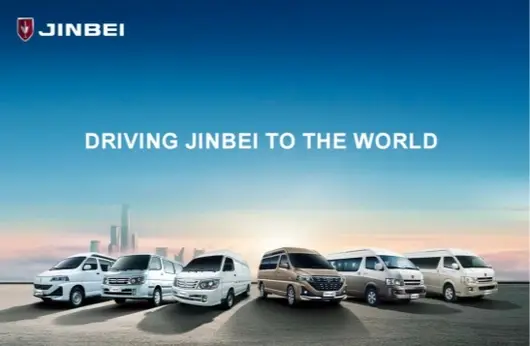
China's automotive exports are entering the deep water zone. From early whole-vehicle trade to building factories overseas and exporting technology and supply chains today, the globalization path of Chinese automakers is undergoing profound reconstruction. For commercial vehicles that directly serve local logistics and passenger transport, simply selling cars abroad is just the first step. Whether they can truly bridge the gap in culture, regulations, and usage habits to achieve localized production and service synergy is the core proposition that determines how far the brand can go. In this wave of going global, Jinbei, with over 30 years of commercial vehicle manufacturing heritage, is relying on strong R&D and flexible manufacturing capabilities to complete the strategic advancement from "going out and going in" to "taking root".

Jinbei's export start was quite early. As early as 2006, Jinbei was recognized as a national-level whole-vehicle export base. As of now, its products have been exported to over 80 countries and regions, with a cumulative export of nearly 90,000 units. However, facing the changing dynamics of the global market, traditional trade models can no longer support the brand's long-term upward development. In recent years, Jinbei's overseas map has gradually expanded to Southeast Asia, Central Asia, Africa, Latin America, etc., establishing deep cooperation with customers in countries along the "Belt and Road" such as Vietnam, Egypt, Tanzania, and Turkmenistan. The model has comprehensively leaped to KD knock-down assembly, CKD completely knocked-down assembly, and deep technical cooperation, beginning to reshape its own export value chain.

In Southeast Asia, Jinbei reached a deep strategic cooperation with Vietnam Fangzhuang Group, covering whole-vehicle trade and new energy innovation. With the smooth rollout of Jinbei Great Sea Lion at the Vietnam KD factory, relying on the mature sales network of local partners, Jinbei quickly penetrated key nodes of this market. In Africa, Egypt has become a benchmark for Jinbei's localized deep cultivation. With the opening of the first standalone brand store in Cairo, the Jinbei Egypt CKD project is accelerating implementation. The three major production lines of welding, painting, and final assembly have entered the finishing stage. After mass production is achieved by the end of the year, Jinbei will truly achieve localized manufacturing and service closed-loop in the African market. From "shipping cars abroad" to "building factories to make cars", Jinbei is exporting mature production processes and supply chain systems overseas, deeply binding with local industries.

The confidence for going global stems from precise insights and rapid responses to global market demands. The globalization of commercial vehicles is essentially customized based on "local conditions". In right-hand drive markets like Malaysia, Jinbei customized the right-hand drive Great Sea Lion and Sea Lion King EV; in Central Asia, Jinbei Sea Lion King successfully won the bid for the Turkmenistan light bus procurement project and delivered smoothly. These precise adaptations rely on the support of Jinbei's "4.0 Quality Smart Factory" and the full-chain R&D system.
On the manufacturing side, the new commercial 4.0 Quality Smart Factory is equipped with over 150 industrial robots, 100% automation of key processes in the painting workshop, and the body workshop has flexible production capability for three major platforms and 28 vehicle models. It can quickly adjust capacity according to order requirements from different global markets. On the R&D side, the R&D center built and put into use in 2025 covers over 7,000 square meters, covering the full-process verification of traditional fuel and new energy, equipped with over 260 advanced devices. It has the testing capability to meet national standards, European standards, and other international standards, breaking through technical bottlenecks for the development and regulatory access of globally customized vehicle models.

Chinese commercial vehicles going global is not only an extension of product sales outward but also a global resonance of China's manufacturing standards and systems. Jinbei is using Chinese R&D as the cornerstone and global demands as the guide, cultivating deeply and working meticulously in broader overseas markets. In the future, Jinbei will continue to rely on the profound heritage of Chinese smart manufacturing, provide more efficient and reliable travel and transportation solutions for global users, make the "Chinese Commercial Vehicles" golden brand shine brighter overseas, and help "Shenyang Manufacturing" deeply integrate into the global industrial system.

In the Malaysian SUV market, many buyers compare Toyota Harrier and Audi Q7 when choosing a car. These two cars are quite close in price and positioning. Today we will make a detailed comparison from multiple aspects to help you save time on research.
Toyota Harrier's OTR price in Malaysia is RM 289,000 - 289,000, with a total of 1 version, including 2026 HEV 2.5L Standard (RM 289,000) etc.
Audi Q7's OTR price in Malaysia is RM 462,222 - 462,222, with a total of 1 version, including Standard (RM 462,222) etc.
From the price perspective, Toyota Harrier's starting price is indeed RM 173,222 cheaper than Audi Q7. If your budget is limited, Toyota's entry-level version can already meet daily needs. However, be aware that the cheaper few thousand ringgit might involve trade-offs in features, depending on your specific needs.

Toyota Harrier is equipped with 2.0L Turbo, 220 horsepower. Official fuel consumption 9.5 L/100km.
Audi Q7 is equipped with 3.0L Turbo, 350 horsepower. Official fuel consumption 12.0 L/100km.
Regarding power, the 3.0L Turbo of Audi Q7 has 130 more horsepower than the 2.0L Turbo of Toyota Harrier. However, for daily city driving, both cars have sufficient power, you won't feel it lacks power.

Toyota Harrier's safety rating is 5★ (ASEAN NCAP), active safety system includes Brand ADAS.
Audi Q7's safety rating is 5★ (Euro NCAP), active safety system includes Premium ADAS.
In terms of safety features, both cars have achieved good ratings. However, there are some differences in functionality between Toyota Harrier's Brand ADAS and Audi Q7's Premium ADAS. If you value active safety, you can carefully compare the feature lists of both.

Toyota Harrier warranty 5 years/unlimited mileage, maintenance interval every 10,000km or 6 months.
Audi Q7 warranty 5 years/150,000km, maintenance interval every 10,000km or 6 months.

Both Toyota Harrier and Audi Q7 are mainstream choices in the Malaysian market, suitable for family use and daily commuting. If you value brand reputation and resale value more, you can prioritize the one with better reputation; if you care more about value for money and features, then choose the one with richer configurations. In the end, it is recommended to test drive both, personal experience is the most important.

Overall, Toyota Harrier and Audi Q7 are both quite good car models in the Malaysian market. Which one to choose depends on your personal needs and budget. We suggest doing your homework, compare quotes from several car dealerships, and then test drive to make the final decision. Buying a car is a major matter, spending time researching will never go wrong.


Dalam pasaran SUV di Malaysia, ramai pembeli membandingkan Toyota Harrier dan Porsche Macan semasa memilih kereta. Kedua-dua kereta ini agak hampir dari segi harga dan kedudukan, hari ini kita akan membuat perbandingan terperinci dari pelbagai aspek, membantu anda menjimatkan masa kerja penyelidikan.
Toyota Harrier di Malaysia mempunyai harga OTR RM 289,000 - 289,000, terdapat 1 variasi, termasuk 2026 HEV 2.5L Standard (RM 289,000) dan lain-lain.
Porsche Macan di Malaysia mempunyai harga OTR RM 469,000 - 469,000, terdapat 4 variasi, termasuk 2025 55 quattro S line (RM 467,285), 2025 50 quattro Advanced (RM 361,135), PMT 1874, Lorong IKS BukitTengah 14000 Bukit Mertajam (RM 296,610) dan lain-lain.
Dari segi harga, Toyota Harrier memang lebih murah RM 180,000 berbanding Porsche Macan. Jika bajet anda terhad, versi masuk Toyota sudah mencukupi untuk keperluan harian. Namun, ribuan ringgit yang lebih murah mungkin melibatkan kompromi dari segi kelengkapan, bergantung pada keperluan anda.
Toyota Harrier ditenagakan oleh enjin 2.0L Turbo, kuasa 220 hp. Jimat bahan api rasmi 9.5 L/100km.
Porsche Macan ditenagakan oleh enjin 3.0L Turbo, kuasa 350 hp. Jimat bahan api rasmi 12.0 L/100km.
Dari segi kuasa, 3.0L Turbo Porsche Macan mempunyai 130 hp lebih berbanding 2.0L Turbo Toyota Harrier. Namun untuk harian di bandar, kuasa kedua-dua kereta mencukupi, tidak terasa kurang tenaga.
Penilaian keselamatan Toyota Harrier ialah 5★ (ASEAN NCAP), sistem keselamatan aktif merangkumi Brand ADAS.
Penilaian keselamatan Porsche Macan ialah 5★ (Euro NCAP), sistem keselamatan aktif merangkumi InnoDrive.
Dari segi kelengkapan keselamatan, kedua-dua kereta mendapat penilaian yang baik. Namun Brand ADAS Toyota Harrier dan InnoDrive Porsche Macan mempunyai perbezaan dari segi fungsi. Jika anda lebih mementingkan keselamatan aktif, bandingkan senarai fungsi keduanya.
Toyota Harrier panjang badan 4400 mm, bagasi 400 L.
Porsche Macan panjang badan 4400 mm, bagasi 400 L.
Dimensi kedua-dua kereta hampir sama, ruang dalam perbezaan sedikit. Kereta pada tahap ini sudah mencukupi untuk penggunaan harian.

Toyota Harrier menggunakan kaedah pemacu FWD.
Porsche Macan menggunakan kaedah pemacu FWD.
Kaedah pemacu kedua-dua kereta sama, semuanya FWD, pengalaman memandu harian tidak terlalu berbeza.
Kesimpulannya, Toyota Harrier dan Porsche Macan kedua-duanya model yang sangat baik di pasaran Malaysia. Memilih yang mana, bergantung pada keperluan dan bajet peribadi anda. Kami cadangkan anda buat kerja penyelidikan, bandingkan harga di lebih banyak dealer, lalu uji jalan buat keputusan akhir. Membeli kereta adalah perkara besar, meluangkan masa buat penyelidikan tidak akan salah.

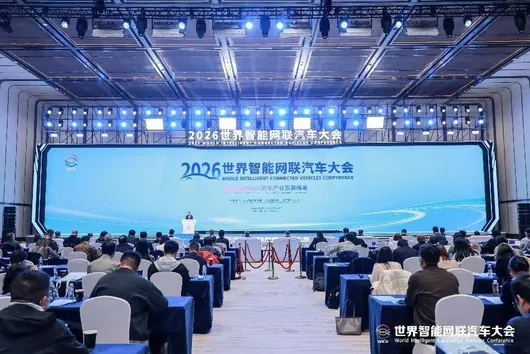
Majlis Kenderaan Pintar Terhubung Sedunia (WICV) ialah mesyuarat profesional kenderaan pintar berhubung peringkat kebangsaan pertama di negara ini yang diluluskan oleh Dewan Negara, telah berjaya diadakan selama lapan kali berturut-turut sejak tahun 2018. Majlis Kenderaan Pintar Terhubung Sedunia 2026 diketuai secara bersama oleh Kementerian Perindustrian dan Teknologi Maklumat, Kementerian Pengangkutan dan Kerajaan Bandar Raya Beijing. Tema majlis kali ini ialah "Mengumpul Kecerdasan dan Tenaga, Penghubung Tanpa Batas – Berjaya Memasuki Era Baharu Memandu Autonomi". Ia bertujuan untuk menjadi platform penting yang memacu inovasi teknologi industri automotif global, mempromosikan pertukaran antarabangsa, dan menyatukan persetujuan hasil.
Pada 22 Oktober, "Forum Dasar dan Perundangan Majlis Kenderaan Pintar Terhubung Sedunia 2026: Membina Teras Kukuh Pembangunan Industri" berjaya diadakan di Beijing. Forum ini dipengerusikan oleh Pengarah Biro Ekonomi dan Teknologi Informasi Bandar Raya Beijing, Jiang Guangzhi.

Gambar Keseluruhan Mesyuarat

Jiang Guangzhi, Pengarah Biro Ekonomi dan Teknologi Informasi Bandar Raya Beijing
Dmitry Mariyasin, Timbalan Setiausaha Eksekutif Komisen Ekonomi Eropah Pertubuhan Bangsa-Bangsa Bersatu, menyampaikan ucapan dalam forum tersebut. Beliau menegaskan bahawa inovasi dan pembangunan kenderaan pintar berhubung tidak dapat berpisah daripada persekitaran dasar dan perundangan selaras global. Komisen Ekonomi Eropah Pertubuhan Bangsa-Bangsa Bersatu akan terus memainkan peranan platform peraturan antarabangsa seperti WP.29, menyokong pihak-pihak memperdalam koordinasi standard dan perundangan serta kerjasama inovasi teknologi, dan bersama-sama memacu pembangunan kenderaan pintar berhubung.

Dmitry Mariyasin (Dmitry Mariyasin), Timbalan Setiausaha Eksekutif Komisen Ekonomi Eropah Pertubuhan Bangsa-Bangsa Bersatu
Guo Shougang, Pengarah Bahagian Satu Industri Peralatan Kementerian Perindustrian dan Teknologi Maklumat, menghadiri forum tersebut dan memberi laporan panduan dengan tajuk "Membina Sistem Pengurusan Dasar Pembangunan Berkualiti Tinggi Kenderaan Pintar Berhubung". Beliau menekankan bahawa sistem undang-undang dan peraturan kenderaan pintar berhubung di seluruh dunia sedang diperkukuh dengan pantas. Menghadapi keadaan baharu pembangunan industri, diharapkan kerjasama global diperkukuh dan dilaksanakan secara selaras untuk memacu inovasi dan pembangunan industri kenderaan pintar berhubung bersama-sama.

Guo Shougang, Pengarah Bahagian Satu Industri Peralatan Kementerian Perindustrian dan Teknologi Maklumat
Dalam sesi ucapan utama, pelbagai tetamu tempatan dan antarabangsa telah menjalankan perbincangan mendalam mengenai strategi perancangan industri kenderaan pintar berhubung, standard dan perundangan, kawal selia industri, ekosistem industri, dan lain-lain.
Pertubuhan Semakselara Peraturan Kenderaan Sedunia Bangsa-Bangsa Bersatu (WP.29) Pengerusi Kumpulan Kerja Kenderaan Autonomi dan Terhubung (GRVA), Richard Damm, Pengarah Agensi Pengangkutan Kenderaan Persekutuan Jerman (KBA), berkongsi "Satukan Persepakatan, Berdayakan Masa Depan: Membina Ekosistem Perbaharuan Peraturan dan Standard Kenderaan Pintar Berhubung Global", memperkenalkan perkembangan terkini peraturan kenderaan berhubung automatik di bawah kerangka WP.29 Pertubuhan Bangsa-Bangsa Bersatu.

Richard Damm (Richard Damm), Pengerusi Kumpulan Kerja Kenderaan Autonomi dan Terhubung (GRVA) Pertubuhan Semakselara Peraturan Kenderaan Sedunia Bangsa-Bangsa Bersatu (WP.29), Pengarah Agensi Pengangkutan Kenderaan Persekutuan Jerman (KBA)
Li Changqing, Pengawas Tahap Kedua Biro Pembangunan Kualiti Agensi Penguatkuasaan Pasaran Negara, menyampaikan ucapan dengan tajuk "Membina Asas Kualiti Pembangunan Industri, Wujudkan Masa Depan Cemerlang Kenderaan Pintar Berhubung Bersama", memperkenalkan langkah-langkah kerja Jabatan Pengawasan Pasaran dalam melindungi garis dasar keselamatan dan kualiti produk untuk inovasi dan pembangunan industri kenderaan pintar berhubung.

Li Changqing, Pengawas Tahap Kedua Biro Pembangunan Kualiti Agensi Penguatkuasaan Pasaran Negara
Patoo Tongjul, Ketua Unit Dasar Industri Pejabat Ekonomi Industri Kementerian Perindustrian Thailand, menyampaikan ucapan dengan tajuk "Arah Haluan Dasar Kenderaan Pintar Berhubung Thailand", berkongsi pelan dan langkah-langkah Thailand dalam memacu pembangunan industri kenderaan pintar terhubung tenaga baharu.

Patoo Tongjul (Patoo Tongjul), Ketua Unit Dasar Industri Pejabat Ekonomi Industri Kementerian Perindustrian Thailand
Lu Sen, Ketua Biro Piawaian Peraturan Jabatan Kerjasama Pentadbiran Data Antarabangsa Agensi Data Negara, mempersembahkan amalan dan pertimbangan berkaitan Agensi Data Negara yang berfokus pada sistem kerja "531", melalui memperdalam kerjasama antarabangsa dalam bidang data, mengambil bahagian dalam pembuatan peraturan pentadbiran data antarabangsa, dan meneroka model baharu aliran data merentas sempadan, untuk membantu aliran data merentas sempadan yang cekap, mudah dan selamat industri automotif, serta mempercepatkan pembebasan nilai elemen data.

Lu Sen, Ketua Biro Piawaian Peraturan Jabatan Kerjasama Pentadbiran Data Antarabangsa Agensi Data Negara
Tian Haipeng, Timbalan Pengarah Biro Perindustrian dan Teknologi Informasi Bandar Raya Tianjin, menyampaikan ucapan dengan tajuk "Kerjasama Integrasi, Pemacu Inovasi, Membina Titik Tinggi Baharu Pembangunan Industri Kenderaan Pintar Berhubung Tianjin", memperkenalkan amalan dan terokaan Tianjin dalam pembuatan sistem dasar kenderaan pintar berhubung dan pembiakan kelompok industri, berkongsi pengalaman tempatan dalam memacu pembangunan inovasi dan integrasi kenderaan pintar berhubung.

Tian Haipeng, Timbalan Pengarah Biro Perindustrian dan Teknologi Informasi Bandar Raya Tianjin
Lim Jit Lee, Penolong Kanan Ketua Pentadbiran Pelaburan, Perdagangan dan Industri Malaysia, menyampaikan ucapan dengan tajuk "Pembangunan Industri Kenderaan Autonomi Malaysia dan Terokaan Kerjasama Serantau", memperkenalkan strategi dan langkah transformasi dan penambahbaikan industri automotif Malaysia.

Lim Jit Lee (Lim Jit Lee), Penolong Kanan Ketua Pentadbiran Pelaburan, Perdagangan dan Industri Malaysia
Zhan Jiaxiang, Timbalan Pengarah Biro Ekonomi dan Teknologi Informasi Wilayah Zhejiang, menyampaikan ucapan dengan tajuk "Terokaan Pembangunan Inovasi dan Integrasi Kenderaan Pintar Berhubung Wilayah Zhejiang", memperkenalkan langkah-langkah dan pengalaman Wilayah Zhejiang dalam pembangunan industri kenderaan pintar berhubung, menunjukkan tindakan aktif wilayah dalam membina ekosistem industri bersama dan memacu tenaga baharu pembangunan.

Zhan Jiaxiang, Timbalan Pengarah Biro Ekonomi dan Teknologi Informasi Wilayah Zhejiang
Forum ini menumpukan kepada asas sistem dan jaminan dasar pembangunan industri kenderaan pintar berhubung. Tetamu dalam dan luar negeri melalui penjelasan dasar, perkongsian pengalaman dan perlanggaran pemikiran, telah menyatukan persetujuan meluas "Dasar sebagai asas, Standard sebagai jambatan, Integrasi sebagai laluan, Keselamatan sebagai dasar, Pembukaan sebagai kepentingan utama", dan menyumbang kecerdasan dan tenaga untuk memacu pembangunan berkualiti tinggi industri kenderaan pintar berhubung global.


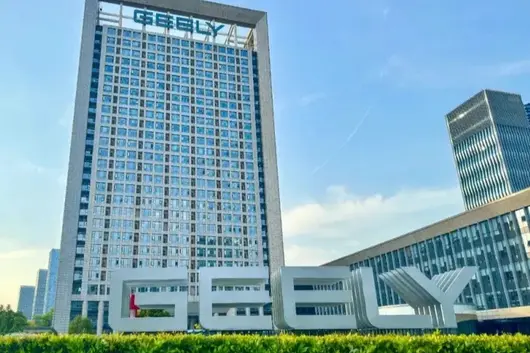
10 月 29 日,吉利汽車(0175.HK)公佈 2026 年第三季度財報。財報顯示,公司收入、核心歸母淨利潤均創下歷史新高,經營質量持續向好。
2026 年第三季度,吉利實現收入 990 億元,同比增長 10%;核心歸母淨利潤 52.1 億元,同比增長 32%。1-9 月累計收入 2726 億元,同比增長 13%;核心歸母淨利潤 149 億元,同比大增 41%。
銷量端,1-9 月吉利累計銷量 223.5 萬輛,同比增長 3%,同樣刷新歷史紀錄,國內市佔率達到 11.1%,燃油車、新能源車市佔率同步提升。出海業務提速明顯,1-9 月出口 79.8 萬輛,同比暴漲 169%;其中新能源出口 48.4 萬輛,同比增長 531%,在瑞典、馬來西亞、墨西哥等多國位居自主品牌出口首位。
多品牌矩陣協同發力。極氪 1-9 月銷量 28.8 萬輛,同比翻倍增長,多款高端車型拿下細分市場銷冠;領克瞄準中高端市場,新能源佔比提升至 71%;吉利銀河站穩主流新能源第一梯隊,1-9 月銷量 87.7 萬輛;吉利中國星燃油車連續十年位居自主品牌燃油及油混車型銷量第一。

技術層面,吉利依托全域 AI 持續迭代,吉利智充新一代 AI 補能技術、星睿 PowerMind 能源大腦落地,千里浩瀚 G-ASD 智駕系統搭載量突破百萬,城市 NOA 正式出海巴黎。
據了解,四季度吉利還將持續投放多款新車,星越 L PLUS、銀河 M8、領克 900L 等車型陸續登場,極氪將落地全棧 900V 高壓架構,為全年銷量目標衝刺蓄力。

喺馬來西亞嘅 SUV 市場,好多買家喺揀車嘅時候都會拿 Toyota Harrier 同 BMW X5 做比較。這兩款車喺價位同定位上都幾接近,今日我哋就由多個方面做個詳細嘅比較,幫你省咗做功課嘅時間。
Toyota Harrier 喺馬來西亞嘅 OTR 售價係 RM 289,000 - 289,000,合共有 1 個版本,包括 2026 HEV 2.5L Standard(RM 289,000) 等。
BMW X5 喺馬來西亞嘅 OTR 售價係 RM 470,800 - 470,800,合共有 3 個版本,包括 1.5L Standard(RM 86,300)、1.5L Executive(RM 95,300)、1.5L Premium(RM 103,300) 等。
由價錢睇落,Toyota Harrier 嘅起步價確實比 BMW X5 平咗 RM 181,800。如果你預算有限,Toyota 嘅入門版已經可以滿足日常需要。但都係要注意,平嗰幾千塊,可能喺配備上有取捨,具體要睇你嘅需求。
Toyota Harrier 搭載 2.0L Turbo,馬力 220 hp。官方油耗 9.5 L/100km。
BMW X5 搭載 3.0L Turbo,馬力 350 hp。官方油耗 12.0 L/100km。
動力方面,BMW X5 嘅 3.0L Turbo 比 Toyota Harrier 嘅 2.0L Turbo 多咗 130 匹馬力。不過日常喺市區開,兩款車嘅動力都夠用,唔會覺得唔夠力。
Toyota Harrier 車身長 4400 mm,後尾箱 400 L。
BMW X5 車身長 4400 mm,後尾箱 400 L。
兩款車嘅尺寸幾乎一樣,車內空間分別唔大。呢個級別嘅車,日常使用完全夠用。
Toyota Harrier 採用 FWD 驅動方式。
BMW X5 採用 4WD 驅動方式。
Toyota 嘅 FWD 同 BMW 嘅 4WD 喺操控上會有唔同感受,建議試駕比較。

Toyota Harrier 保用 5 年/無限里程,保養間隔 每 10,000km 或 6 個月。
BMW X5 保用 5 年/無限里程,保養間隔 每 10,000km 或 6 個月。

總體嚟講,Toyota Harrier 同 BMW X5 都係馬來西亞市場幾靚嘅車型。揀邊一輛,關鍵主要係睇你個人需要同預算。建議大家做好功課,多比較幾間車行之報價,先去試駕先做最終決定。買車係一件大事,花少少時間做功課絕對唔會錯。

喺馬來西亞嘅 SUV 市場,好買家喺揀車嘅時候都會拿 Toyota Harrier 同 BMW X5 嚟做比較。呢兩款車喺價位同定位上都幾接近,今日我哋就從多個方面做一個詳細嘅對比,幫你省返做功課嘅時間。
Toyota Harrier 喺馬來西亞嘅 OTR 售價係 RM 289,000 - 289,000,合共 1 個版本,包括 2026 HEV 2.5L Standard(RM 289,000) 等。
BMW X5 喺馬來西亞嘅 OTR 售價係 RM 470,800 - 470,800,合共 3 個版本,包括 1.5L Standard(RM 86,300)、1.5L Executive(RM 95,300)、1.5L Premium(RM 103,300) 等。
由價錢嚟睇,Toyota Harrier 嘅起步價確實比 BMW X5 平咗 RM 181,800。如果你預算有限,Toyota 嘅入門版已經可以滿足日常需要。但都要留意,平嗰幾千塊,可能喺配備上有取捨,具體要看你嘅需要。
Toyota Harrier 車身長 4400 mm,車尾箱 400 L。
BMW X5 車身長 4400 mm,車尾箱 400 L。
兩款車嘅尺寸幾乎一樣,車內空間差別唔大。呢個級別嘅車,日常使用完全夠用。
Toyota Harrier 保修 5 年/無限制里程,保養間隔 每 10,000km 或 6 個月。
BMW X5 保修 5 年/無限里程,保養間隔 每 10,000km 或 6 個月。
Toyota Harrier 同 BMW X5 都係馬來西亞市場嘅主流選擇,適合家庭使用、日常通勤。如果你更睇重品牌口碑同二手價,可以優先考慮口碑更好嗰款;如果你更在意性價比同配備,嗰就揀配置更豐富嗰款。最終都係建議兩款都去試駕,親身體驗先係最緊要嘅。
總體嚟講,Toyota Harrier 同 BMW X5 都係馬來西亞市場幾唔錯嘅車型。揀邊輛,關鍵都係睇你嘅個人需要同預算。建議大家做足功課,多比較幾間車行嘅報價,再去試駕做最終決定。買車係件大事情,花少少時間做功課絕對無錯。

In the Malaysian SUV market, many buyers compare Toyota Harrier and BMW X1 when choosing a car. Both cars are quite close in price and positioning, so today we will make a detailed comparison from multiple aspects to help you save time on research.
Toyota Harrier's OTR price in Malaysia is RM 289,000 - 289,000, with a total of 1 version, including 2026 HEV 2.5L Standard (RM 289,000), etc.
BMW X1's OTR price in Malaysia is RM 252,800 - 252,800, with a total of 2 versions, including sDrive18i (RM 220,000), sDrive20i (RM 250,000), etc.
In terms of price, BMW X1's starting price is RM 36,200 cheaper than Toyota Harrier. Honestly, in this price range, a difference of a few thousand is actually not significant; the key is still to look at overall value for money and long-term usage costs.
Toyota Harrier's safety rating is 5★ (ASEAN NCAP), active safety systems include Brand ADAS.
BMW X1's safety rating is 5★ (Euro NCAP), active safety systems include Premium ADAS.
Regarding safety features, both cars have received good ratings. However, Toyota Harrier's Brand ADAS and BMW X1's Premium ADAS differ in functions. If you value active safety more, you can compare the function lists of both carefully.
Toyota Harrier body length 4400 mm, trunk 400 L.
BMW X1 body length 4400 mm, trunk 400 L.
The dimensions of both cars are almost the same, and the difference in interior space is not significant. For this class of cars, it is completely sufficient for daily use.
Toyota Harrier warranty 5 years/unlimited mileage, maintenance interval every 10,000km or 6 months.
BMW X1 warranty 5 years/unlimited mileage, maintenance interval every 10,000km or 6 months.

Overall, Toyota Harrier and BMW X1 are both very good models in the Malaysian market. Choosing which one depends on your personal needs and budget. We suggest doing your research, comparing quotes from several car dealers, and then going for a test drive to make the final decision. Buying a car is a big matter, and spending some time doing research will definitely not be wrong.

文 | 沪上聪少 编辑 | 小丸子
引言:24个月下线百万辆,不仅是速度的体现,更是品质的承诺;既是吉利银河速度的突破,也是吉利全球体系力与全球标准制造实力的一次集中检验与兑现。
24个月,100万辆,持续霸榜全品类销冠……
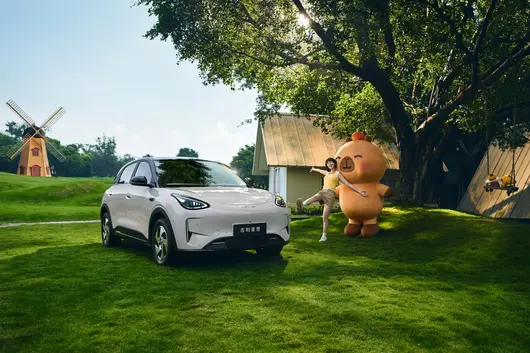
坦率地讲,当我看到吉利星愿第100万辆量产整车于10月20日在吉利汽车湘潭制造基地正式下线的消息时,震惊之余难掩兴奋。
我的天,时间过的飞快,吉利星愿也是真的“逆天”!
要知道,从第1辆到第100万辆,同行友商的明星爆款产品,普遍需要三到五年乃至更长时间,但吉利星愿居然仅仅用时24个月,平均每55秒下线1辆整车,以超乎寻常的“现象级爆款”之势,刷新全球汽车市场百万辆下线速度纪录。
24个月30多个国家,吉利星愿造就全球“国民神车”众所周知,在过去较长一段时期里,吉利汽车是自主品牌中绝对的佼佼者,燃油车时代吉利造就了帝豪、博越等诸多经典爆款车产品。
到了新能源电动智能化时代,城头变幻大王旗,以特斯拉、比亚迪为代表的车企友商抢占了新能源赛道的先发优势,坐上了新能源时代新的“王者宝座”。
有人一度担忧,燃油车时代当上自主品牌“一哥”的吉利,在错失了新能源先发优势之后还能再次雄起吗?尤其在新能源领域,能否加速迎头赶上甚至后来居上?
过去,这个问题或许是个问题,但放到当下来看,吉利已然用行动和实力在为自己正名——新能源时代的吉利,依旧是不容置疑的王者级自主品牌领军车企代表。

仍以星愿这款现象级纯电“国民神车”为例,新车于2024年10月上市,满打满算迄今也才两年时间,但从上市之初星愿就围绕用户真实痛点,以空间、智能、续航、操控、安全“五大颠覆式创新”重塑A0级纯电小车标准,争当新能源时代的“新国货”标杆。
实战证明,吉利星愿不负众望,凭借扎实的产品力和持续积累的用户口碑,一经上市便一炮而红、快速跃升为名副其实的全品类无任何定语的销量冠军,成为中国车市的“现象级”爆款产品。
公开数据显示,吉利星愿2025年全年销量超40万辆、荣登全品类车型销量冠军,2026年上半年累计销量突破24.9万辆,同比增长21%,继续稳居上半年全市场车型销量榜首。
进入下半年,爆发力更是惊人,8月、9月连续两月销量破6万,成为当前市场上唯一一款连续两个月销量破6万的车型。
尤为值得一提的是,在国内新能源市场一骑绝尘的同时,吉利星愿的全球化版图也在加速扩张。
目前已相继登陆全球超30个国家,并先后斩获泰国电动车销冠、约旦纯电第一、墨西哥纯电第二的好成绩。今年8月,吉利星愿开拓了澳大利亚、英国、法国等欧洲、大洋洲市场,成为2026年上半年中国新能源两厢车型出口TOP2。

毫不夸张,吉利星愿不仅在A0级纯电赛道实现断层领先,更是持续登顶中国车市全品类销量榜首,还在远销海外及驰骋全球街头的征途中,实力诠释“中国智造”新名片。
伴随着百万辆整车的下线,吉利星愿已然凭借“高质优价”的产品体验成为百万用户的信赖之选,全球“国民神车”当之无愧。
吉利全球化体系赋能,好品质需经得起时间和用户检验值得警惕的是,尽管在新能源电动化智能化领域,中国汽车全产业链优势明显,但部分急功近利和车企友商和跨界造车新势力,为了抢占市场一味求快,产品开发及测试验证不够严苛,搞出了一些“速成车”。
所以我们看到,这两年马路上时常爆出有新能源汽车出现“断桥”、“崴脚”、“自燃起火”等情况,甚至前不久某网红新能源车因为刹车踏板被踩断闹得沸沸扬扬,极大的伤害了消费者对国产车的品质信赖与期待。
作为全品类车型销量之王,星愿持续霸榜、畅销全球的底气从来不靠营销噱头和纸面参数,而是扎扎实实的依托吉利遍布全球的研产销体系+实打实的产品体验。

据悉,为验证用户最关切的耐久性、可靠性等问题,吉利星愿联合中汽研,用一台行驶里程达22万公里的用户车辆,围绕续航和操控进行严苛实测。
实测数据证明,这台310km梦想版的初代星愿,在全系标配的宁德时代电芯、液冷温控系统全链路能量管理的加持下,行驶60%城区、40%高速高架路段后,实测续航里程达309km,续航达成率99.7%,表现与新车几乎无差别。
与此同时,该车的麋鹿成绩达到了78.1km/h,与新车阶段80.7km/h的成绩相差甚微!
实测表明,即便累计行驶里程22万公里后,星愿的续航依旧扎实,操控依旧稳健,车辆的产品品质并未因里程增长而明显滑坡,长期使用中的稳定性清晰可见。
对用户来说,选择吉利星愿,无疑选择一份经得起长期使用的品质确定性。
事实上,依托吉利集团40年的底层技术积淀与全球化体系能力,星愿所属的吉利银河品牌已赢得全球超270万用户的青睐。
从研发端的全球化新能源原生架构,到制造端的多基地协同与产能快速爬坡;从供应链端的核心部件稳定保障,到市场端的国内服务网络与海外30余国本地化布局,吉利星愿百万辆级别的规模化交付,本质上是吉利银河一整套体系能力的厚积薄发。
而作为这一体系力的核心载体,本次星愿百万辆下线所处的吉利汽车湘潭制造基地,已先后孕育多款百万辆级车型,目前已升级为新能源车与出口车并重的全球制造基地。智能制造体系与全流程质量管控,为吉利星愿百万辆的品质一致性提供了坚实保障。

业界常说,无论是燃油车还是电动车,造车不是百米冲刺,而是马拉松式的长跑,新车产品可以“速成”,品质体验和用户口碑不可持续!
真正坚守长期主义的车企,不会为了一时之快而降低乃至放弃造车的底线,因为好的品质和口碑需要经得起时间和用户双重检验。
乐逗观察:24个月下线百万辆,不仅是速度的体现,更是品质的承诺;既是吉利银河速度的突破,也是吉利全球体系力与全球标准制造实力的一次集中检验与兑现。
作为A0级精品纯电市场的引领者,吉利星愿自上市以来,持续以颠覆性的用户洞察和产品定义、以及堪称绝对“越级”的综合产品价值体验,强势带动和倒逼整个细分市场不断向上跃升,让小车不再仅仅止步于“够用就好”。
从这个角度来看,吉利星愿的百万辆下线,看似吉利新能源加速转型升级的一小步,实则是中国新能源整体产业换挡跃升的一大步,新时代新能源国民神车名副其实!

In the SUV market in Malaysia, many buyers compare Toyota Harrier and Volvo XC90 when choosing a car. These two cars are quite close in price and positioning. Today we will make a detailed comparison from multiple aspects to save you time doing research.
The OTR price of Toyota Harrier in Malaysia is RM 289,000 - 289,000, with a total of 1 version, including 2026 HEV 2.5L Standard (RM 289,000) and so on.
The OTR price of Volvo XC90 in Malaysia is RM 418,888 - 418,888, with a total of 1 version, including 2025 2.0T Ultra (RM 418,888) and so on.
In terms of price, the starting price of Toyota Harrier is indeed RM 129,888 cheaper than Volvo XC90. If your budget is limited, Toyota's entry-level model can already meet daily needs. But keep in mind, the few thousand dollars cheaper might mean trade-offs in features, depending on your specific needs.
Toyota Harrier is equipped with 2.0L Turbo, horsepower 220 hp. Official fuel consumption 9.5 L/100km.
Volvo XC90 is equipped with 3.0L Turbo, horsepower 350 hp. Official fuel consumption 12.0 L/100km.
In terms of power, Volvo XC90's 3.0L Turbo has 130 more horsepower than Toyota Harrier's 2.0L Turbo. However, for daily city driving, the power of both cars is sufficient, you won't feel underpowered.
Toyota Harrier's safety rating is 5★ (ASEAN NCAP), active safety system includes Brand ADAS.
Volvo XC90's safety rating is 5★ (Euro NCAP), active safety system includes Premium ADAS.
Regarding safety features, both cars have received good ratings. However, Toyota Harrier's Brand ADAS and Volvo XC90's Premium ADAS have some differences in functionality. If you value active safety highly, you can compare their feature lists carefully.
Toyota Harrier body length 4400 mm, trunk 400 L.
Volvo XC90 body length 4400 mm, trunk 400 L.
The dimensions of both cars are almost identical, and the interior space difference is not significant. For cars in this class, they are fully sufficient for daily use.

Toyota Harrier adopts FWD drive mode.
Volvo XC90 adopts FWD drive mode.
The drive mode of both cars is the same, both are FWD, there won't be much difference in daily driving experience.
Overall, Toyota Harrier and Volvo XC90 are both very good models in the Malaysian market. Which one to choose depends on your personal needs and budget. It is recommended to do your homework, compare quotes from a few car dealers, and test drive before making a final decision. Buying a car is a big matter, spending time doing homework will definitely not go wrong.

In Malaysia's SUV market, many buyers compare Toyota Harrier and Volvo XC60 when choosing a car. These two cars are quite close in price and positioning. Today we will do a detailed comparison from multiple aspects to help you save time on research.
Toyota Harrier's OTR price in Malaysia is RM 289,000 - 289,000, with a total of 1 version, including 2026 HEV 2.5L Standard (RM 289,000) etc.
Volvo XC60's OTR price in Malaysia is RM 328,888 - 328,888, with a total of 1 version, including 2025 2.0T Core (RM 328,888) etc.
In terms of price, Toyota Harrier's starting price is indeed RM 39,888 cheaper than Volvo XC60. If your budget is limited, Toyota's entry-level version can already meet daily needs. But also note that the few thousand cheaper might involve trade-offs in features, depending on your specific needs.
Toyota Harrier is equipped with a 2.0L Turbo, 220 hp. Official fuel consumption is 9.5 L/100km.
Volvo XC60 is equipped with a 2.0L Turbo, 220 hp. Official fuel consumption is 9.5 L/100km.
Both cars use the same powertrain system, and the daily driving feel is basically the same. Fuel consumption is also similar, no need to worry too much about this point.
Toyota Harrier body length is 4400 mm, trunk 400 L.
Volvo XC60 body length is 4400 mm, trunk 400 L.
The dimensions of both cars are almost identical, with little difference in interior space. Cars of this class are more than enough for daily use.
Toyota Harrier adopts FWD drive type.
Volvo XC60 adopts FWD drive type.
The drive type for both cars is the same, both are FWD, and daily driving feel will not differ much.

Toyota Harrier and Volvo XC60 are both popular choices in the Malaysian market, suitable for family use and daily commuting. If you value brand reputation and resale price more, you can prioritize the one with better reputation; if you care more about value for money and features, choose the one with richer configurations. Ultimately, it is recommended to test drive both, as personal experience is the most important.

Overall, Toyota Harrier and Volvo XC60 are both very good models in the Malaysian market. Which one to choose depends on your personal needs and budget. We recommend everyone do thorough research, compare quotes from multiple dealerships, and then test drive to make the final decision. Buying a car is a major decision, spending some time doing research will never be wrong.

喺馬來西亞嘅 SUV 市場,好多買家喺揀車嗰陣都會拿 Toyota Harrier 同 Volvo XC90 PHEV 嚟做比較。這兩款車喺價位同定位上都幾接近嘅,今日我哋就由多個角度做個詳細比較,幫你節省做功課嘅時間。
豐田 Harrier 喺馬來西亞嘅 OTR 售價係 RM 289,000 - 289,000,一共有一個版本,包括 2026 HEV 2.5L Standard(RM 289,000) 等。
富豪 XC90 PHEV 喺馬來西亞嘅 OTR 售價係 RM 434,888 - 434,888,一共有 2 個版本,包括 2025 2.0T 77km Ultra(RM 434,888)、Volvo XC90 PHEV 嘅安全配備有咩款?(RM 362,888) 等。
由價錢睇,豐田 Harrier 嘅入門價確實比富豪 XC90 PHEV 平咗 RM 145,888。如果你預算有限,豐田嘅入門版已經可以滿足日常需要。但都要注意,平嗰幾千塊,可能喺配備上有取舍,具體睇你嘅需要。
豐田 Harrier 車身長 4400 mm,尾箱 400 L。
富豪 XC90 PHEV 車身長 4400 mm,尾箱 400 L。
兩款車嘅尺寸差唔多一樣,車內空間分別唔大。呢個級別嘅車,日常使用完全夠用。
豐田 Harrier 保養保修 5 年/無限里程,保養間隔 每 10,000km 或 6 個月。
富豪 XC90 PHEV 保養保修 5 年/無限里程,保養間隔 每 10,000km 或 6 個月。
豐田 Harrier 同富豪 XC90 PHEV 都係馬來西亞市場嘅主流選擇,適合家庭用、日常通勤。如果你更睇重品牌口碑同二手價,可以優先考慮口碑更好嗰一款;如果你更在意性價比同配備,就揀配置更豐富嗰款。始終都建議兩款都去試駕,親身試過先係最重要。

總而言之,豐田 Harrier 同富豪 XC90 PHEV 都係馬來西亞市場都幾唔錯嘅車款。揀邊一輛,關鍵始終係睇你嘅個人需要同預算。建議大家做好功課,多比較幾間車行嘅報價,再去試駕做最終決定。買車係件大事,費點時間做功課絕對唔會錯。
© 2024 Bitauto.com. All Rights Reserved.
Bitauto (www.yiche.com and www.bitauto.com) is one of the most visited automotive websites in China. We provide detailed info on Chinese car brands available in your area. Please note that the information provided on this website is based on publicly available data and is for reference only. It may not be fully updated or accurate at all times.

Help us improve our website


