

Homeguide

Search History
Popular Searches
Dealer Login / Sign Up

在马来西亚的汽车市场,很多买家在选车的时候都会拿 Honda Civic Type R 和 Mercedes-Benz E-Class PHEV 来做比较。今天我们从多个方面做一个详细的对比,帮你省下做功课的时间。


Honda Civic Type R 在马来西亚的 OTR 售价是 RM 399,900 - 399,900,一共有 3 个版本,包括 2023 2.0T Standard(RM 399,900)、OTR NI(RM 399,900)、Volvo ES90(RM 339,888) 等。
Mercedes-Benz E-Class PHEV 在马来西亚的 OTR 售价是 RM 427,888 - 427,888,一共有 2 个版本,包括 E 200 Avantgarde(RM 350,000)、E 300 AMG Line(RM 400,000) 等。
从价钱来看,Honda Civic Type R 的起步价确实比 Mercedes-Benz E-Class PHEV 便宜了 RM 27,988。如果你预算有限,Honda 的入门版已经可以满足日常需求。但也要注意,便宜的那几千块,可能在配备上会有取舍,具体要看你的需求。

Honda Civic Type R 搭载 2.0L Turbo,马力 220 hp。官方油耗 9.5 L/100km。
Mercedes-Benz E-Class PHEV 搭载 Hybrid,马力 170 hp。官方油耗 4.5 L/100km。
动力方面,Honda Civic Type R 的 2.0L Turbo 比 Mercedes-Benz E-Class PHEV 的 Hybrid 多了 50 匹马力,中段加速会更有信心,尤其是跑高速公路超车的时候。但 Mercedes-Benz E-Class PHEV 的油耗表现可能更好,日常市区通勤的话差别不会太明显。

Honda Civic Type R 保修 5年/无限制里程,保养间隔 每10,000km或6个月。
Mercedes-Benz E-Class PHEV 保修 3年/100,000km,保养间隔 每10,000km或6个月。

Honda Civic Type R 和 Mercedes-Benz E-Class PHEV 都是马来西亚市场的主流选择,适合家庭使用、日常通勤。如果你更看重品牌口碑和二手价,可以优先考虑口碑更好的那一款;如果你更在意性价比和配备,那就选配置更丰富的那款。最终还是建议两款都去试驾,亲身体验才是最重要的。

总的来说,Honda Civic Type R 和 Mercedes-Benz E-Class PHEV 都是马来西亚市场很不错的车型。选择哪一辆,关键还是要看你的个人需求和预算。建议大家做好功课,多比较几间车行的报价,再去试驾做最终决定。买车是件大事,花点时间做功课绝对不会错。


在马来西亚的汽车市场,很多买家在选车的时候都会拿 Mercedes-Benz Maybach GLS 和 Land Rover Range Rover 来做比较。今天我们从多个方面做一个详细的对比,帮你省下做功课的时间。


Mercedes-Benz Maybach GLS 在马来西亚的 OTR 售价是 RM 1,918,888 - 1,918,888,一共有 1 个版本,包括 Standard(RM 1,918,888) 等。
Land Rover Range Rover 在马来西亚的 OTR 售价是 RM 2,488,000 - 2,798,000,一共有 1 个版本,包括 Standard(RM 2,488,000) 等。
从价钱来看,Mercedes-Benz Maybach GLS 的起步价确实比 Land Rover Range Rover 便宜了 RM 569,112。如果你预算有限,Mercedes-Benz 的入门版已经可以满足日常需求。但也要注意,便宜的那几千块,可能在配备上会有取舍,具体要看你的需求。

Mercedes-Benz Maybach GLS 的安全评级是 5★ (Euro NCAP),主动安全系统包括 Premium ADAS。
Land Rover Range Rover 的安全评级是 TBD,主动安全系统包括 Basic。
安全配备方面,两款车都拿到了不错的评级。不过 Mercedes-Benz Maybach GLS 的 Premium ADAS 和 Land Rover Range Rover 的 Basic 在功能上有些差异,如果你比较看重主动安全的话,可以仔细对比一下两者的功能列表。

Mercedes-Benz Maybach GLS 车身长 4400 mm,后备箱 400 L。
Land Rover Range Rover 车身长 4400 mm,后备箱 400 L。
两款车的尺寸几乎一样,车内空间差别不大。这个级别的车,日常使用完全够用。

Mercedes-Benz Maybach GLS 和 Land Rover Range Rover 都是马来西亚市场的主流选择,适合家庭使用、日常通勤。如果你更看重品牌口碑和二手价,可以优先考虑口碑更好的那一款;如果你更在意性价比和配备,那就选配置更丰富的那款。最终还是建议两款都去试驾,亲身体验才是最重要的。
总的来说,Mercedes-Benz Maybach GLS 和 Land Rover Range Rover 都是马来西亚市场很不错的车型。选择哪一辆,关键还是要看你的个人需求和预算。建议大家做好功课,多比较几间车行的报价,再去试驾做最终决定。买车是件大事,花点时间做功课绝对不会错。

在马来西亚的轿车市场,很多买家在选车的时候都会拿 Volkswagen Arteon 和 Mercedes-Benz E-Class PHEV 来做比较。这两款车在价位和定位上都蛮接近的,今天我们就从多个方面做一个详细的对比,帮你省下做功课的时间。
Volkswagen Arteon 在马来西亚的 OTR 售价是 RM 300,962 - 300,962,一共有 2 个版本,包括 2025 2.0T R-Line(RM 300,962)、DCT(RM 240,848) 等。
Mercedes-Benz E-Class PHEV 在马来西亚的 OTR 售价是 RM 427,888 - 427,888,一共有 2 个版本,包括 E 200 Avantgarde(RM 350,000)、E 300 AMG Line(RM 400,000) 等。
从价钱来看,Volkswagen Arteon 的起步价确实比 Mercedes-Benz E-Class PHEV 便宜了 RM 126,926。如果你预算有限,Volkswagen 的入门版已经可以满足日常需求。但也要注意,便宜的那几千块,可能在配备上会有取舍,具体要看你的需求。

Volkswagen Arteon 的安全评级是 TBD,主动安全系统包括 Basic。
Mercedes-Benz E-Class PHEV 的安全评级是 5★ (Euro NCAP),主动安全系统包括 Premium ADAS。
安全配备方面,两款车都拿到了不错的评级。不过 Volkswagen Arteon 的 Basic 和 Mercedes-Benz E-Class PHEV 的 Premium ADAS 在功能上有些差异,如果你比较看重主动安全的话,可以仔细对比一下两者的功能列表。

Volkswagen Arteon 车身长 4400 mm,后备箱 400 L。
Mercedes-Benz E-Class PHEV 车身长 4400 mm,后备箱 400 L。
两款车的尺寸几乎一样,车内空间差别不大。这个级别的车,日常使用完全够用。

Volkswagen Arteon 采用 FWD 驱动方式。
Mercedes-Benz E-Class PHEV 采用 FWD 驱动方式。
两款车的驱动方式一样,都是 FWD,日常驾驶感受不会有太大区别。
总的来说,Volkswagen Arteon 和 Mercedes-Benz E-Class PHEV 都是马来西亚市场很不错的车型。选择哪一辆,关键还是要看你的个人需求和预算。建议大家做好功课,多比较几间车行的报价,再去试驾做最终决定。买车是件大事,花点时间做功课绝对不会错。


在马来西亚的轿车市场,很多买家在选车的时候都会拿 Volkswagen Golf R 和 Mercedes-Benz E-Class PHEV 来做比较。这两款车在价位和定位上都蛮接近的,今天我们就从多个方面做一个详细的对比,帮你省下做功课的时间。
Volkswagen Golf R 在马来西亚的 OTR 售价是 RM 338,812 - 338,812,一共有 2 个版本,包括 2026 2.0T Standard(RM 338,812)、DCT(RM 294,800) 等。
Mercedes-Benz E-Class PHEV 在马来西亚的 OTR 售价是 RM 427,888 - 427,888,一共有 2 个版本,包括 E 200 Avantgarde(RM 350,000)、E 300 AMG Line(RM 400,000) 等。
从价钱来看,Volkswagen Golf R 的起步价确实比 Mercedes-Benz E-Class PHEV 便宜了 RM 89,076。如果你预算有限,Volkswagen 的入门版已经可以满足日常需求。但也要注意,便宜的那几千块,可能在配备上会有取舍,具体要看你的需求。

Volkswagen Golf R 搭载 2.0L Turbo,马力 220 hp。官方油耗 9.5 L/100km。
Mercedes-Benz E-Class PHEV 搭载 Hybrid,马力 170 hp。官方油耗 4.5 L/100km。
动力方面,Volkswagen Golf R 的 2.0L Turbo 比 Mercedes-Benz E-Class PHEV 的 Hybrid 多了 50 匹马力,中段加速更有信心,尤其是跑高速公路超车的时候。不过 Mercedes-Benz E-Class PHEV 的油耗可能更友好,日常市区通勤差别不会太大。

Volkswagen Golf R 车身长 4400 mm,后备箱 400 L。
Mercedes-Benz E-Class PHEV 车身长 4400 mm,后备箱 400 L。
两款车的尺寸几乎一样,车内空间差别不大。这个级别的车,日常使用完全够用。
Volkswagen Golf R 和 Mercedes-Benz E-Class PHEV 都是马来西亚市场的主流选择,适合家庭使用、日常通勤。如果你更看重品牌口碑和二手价,可以优先考虑口碑更好的那一款;如果你更在意性价比和配备,那就选配置更丰富的那款。最终还是建议两款都去试驾,亲身体验才是最重要的。
总的来说,Volkswagen Golf R 和 Mercedes-Benz E-Class PHEV 都是马来西亚市场很不错的车型。选择哪一辆,关键还是要看你的个人需求和预算。建议大家做好功课,多比较几间车行的报价,再去试驾做最终决定。买车是件大事,花点时间做功课绝对不会错。


在马来西亚的轿车市场,很多买家在选车的时候都会拿 Volkswagen Golf GTI 和 Mercedes-Benz E-Class PHEV 来做比较。这两款车在价位和定位上都蛮接近的,今天我们就从多个方面做一个详细的对比,帮你省下做功课的时间。
Volkswagen Golf GTI 在马来西亚的 OTR 售价是 RM 256,962 - 256,962,一共有 3 个版本,包括 2025 2.0T Sepang Edition(RM 262,990)、2025 2.0T Standard(RM 256,962)、DCT(RM 219,800) 等。
Mercedes-Benz E-Class PHEV 在马来西亚的 OTR 售价是 RM 427,888 - 427,888,一共有 2 个版本,包括 E 200 Avantgarde(RM 350,000)、E 300 AMG Line(RM 400,000) 等。
从价钱来看,Volkswagen Golf GTI 的起步价确实比 Mercedes-Benz E-Class PHEV 便宜了 RM 170,926。如果你预算有限,Volkswagen 的入门版已经可以满足日常需求。但也要注意,便宜的那几千块,可能在配备上会有取舍,具体要看你的需求。

Volkswagen Golf GTI 采用 FWD 驱动方式。
Mercedes-Benz E-Class PHEV 采用 FWD 驱动方式。
两款车的驱动方式一样,都是 FWD,日常驾驶感受不会有太大区别。

Volkswagen Golf GTI 保修 3年/100,000km,保养间隔 每10,000km或6个月。
Mercedes-Benz E-Class PHEV 保修 3年/100,000km,保养间隔 每10,000km或6个月。
两款车的保修条件一样,这方面不用纠结。实际保养成本还要看品牌的服务网络和零件价格,建议去车友群问问真实车主的经验。
Volkswagen Golf GTI 和 Mercedes-Benz E-Class PHEV 都是马来西亚市场的主流选择,适合家庭使用、日常通勤。如果你更看重品牌口碑和二手价,可以优先考虑口碑更好的那一款;如果你更在意性价比和配备,那就选配置更丰富的那款。最终还是建议两款都去试驾,亲身体验才是最重要的。
总的来说,Volkswagen Golf GTI 和 Mercedes-Benz E-Class PHEV 都是马来西亚市场很不错的车型。选择哪一辆,关键还是要看你的个人需求和预算。建议大家做好功课,多比较几间车行的报价,再去试驾做最终决定。买车是件大事,花点时间做功课绝对不会错。


在马来西亚的轿车市场,很多买家在选车的时候都会拿 Honda Civic Type R 和 Mercedes-Benz E-Class PHEV 来做比较。这两款车在价位和定位上都蛮接近的,今天我们就从多个方面做一个详细的对比,帮你省下做功课的时间。
Honda Civic Type R 在马来西亚的 OTR 售价是 RM 399,900 - 399,900,一共有 3 个版本,包括 2023 2.0T Standard(RM 399,900)、OTR NI(RM 399,900)、Volvo ES90(RM 339,888) 等。
Mercedes-Benz E-Class PHEV 在马来西亚的 OTR 售价是 RM 427,888 - 427,888,一共有 2 个版本,包括 E 200 Avantgarde(RM 350,000)、E 300 AMG Line(RM 400,000) 等。
从价钱来看,Honda Civic Type R 的起步价确实比 Mercedes-Benz E-Class PHEV 便宜了 RM 27,988。如果你预算有限,Honda 的入门版已经可以满足日常需求。但也要注意,便宜的那几千块,可能在配备上会有取舍,具体要看你的需求。
Honda Civic Type R 搭载 2.0L Turbo,马力 220 hp。官方油耗 9.5 L/100km。
Mercedes-Benz E-Class PHEV 搭载 Hybrid,马力 170 hp。官方油耗 4.5 L/100km。
动力方面,Honda Civic Type R 的 2.0L Turbo 比 Mercedes-Benz E-Class PHEV 的 Hybrid 多了 50 匹马力,中段加速更有信心,尤其是跑高速公路超车的时候。不过 Mercedes-Benz E-Class PHEV 的油耗可能更友好,日常市区通勤差别不会太大。
Honda Civic Type R 的安全评级是 5★ (ASEAN NCAP),主动安全系统包括 Brand ADAS。
Mercedes-Benz E-Class PHEV 的安全评级是 5★ (Euro NCAP),主动安全系统包括 Premium ADAS。
安全配备方面,两款车都拿到了不错的评级。不过 Honda Civic Type R 的 Brand ADAS 和 Mercedes-Benz E-Class PHEV 的 Premium ADAS 在功能上有些差异,如果你比较看重主动安全的话,可以仔细对比一下两者的功能列表。
Honda Civic Type R 保修 5年/无限制里程,保养间隔 每10,000km或6个月。
Mercedes-Benz E-Class PHEV 保修 3年/100,000km,保养间隔 每10,000km或6个月。
总的来说,Honda Civic Type R 和 Mercedes-Benz E-Class PHEV 都是马来西亚市场很不错的车型。选择哪一辆,关键还是要看你的个人需求和预算。建议大家做好功课,多比较几间车行的报价,再去试驾做最终决定。买车是件大事,花点时间做功课绝对不会错。

在马来西亚的轿车市场,很多买家在选车的时候都会拿 Honda Civic Type R 和 Mercedes-Benz E-Class PHEV 来做比较。这两款车在价位和定位上都蛮接近的,今天我们就从多个方面做一个详细的对比,帮你省下做功课的时间。
Honda Civic Type R 在马来西亚的 OTR 售价是 RM 399,900 - 399,900,一共有 3 个版本,包括 2023 2.0T Standard(RM 399,900)、OTR NI(RM 399,900)、Volvo ES90(RM 339,888) 等。
Mercedes-Benz E-Class PHEV 在马来西亚的 OTR 售价是 RM 427,888 - 427,888,一共有 2 个版本,包括 E 200 Avantgarde(RM 350,000)、E 300 AMG Line(RM 400,000) 等。
从价钱来看,Honda Civic Type R 的起步价确实比 Mercedes-Benz E-Class PHEV 便宜了 RM 27,988。如果你预算有限,Honda 的入门版已经可以满足日常需求。但也要注意,便宜的那几千块,可能在配备上会有取舍,具体要看你的需求。
Honda Civic Type R 搭载 2.0L Turbo,马力 220 hp。官方油耗 9.5 L/100km。
Mercedes-Benz E-Class PHEV 搭载 Hybrid,马力 170 hp。官方油耗 4.5 L/100km。
动力方面,Honda Civic Type R 的 2.0L Turbo 比 Mercedes-Benz E-Class PHEV 的 Hybrid 多了 50 匹马力,中段加速更有信心,尤其是跑高速公路超车的时候。不过 Mercedes-Benz E-Class PHEV 的油耗可能更友好,日常市区通勤差别不会太大。
Honda Civic Type R 保修 5年/无限制里程,保养间隔 每10,000km或6个月。
Mercedes-Benz E-Class PHEV 保修 3年/100,000km,保养间隔 每10,000km或6个月。
Honda Civic Type R 和 Mercedes-Benz E-Class PHEV 都是马来西亚市场的主流选择,适合家庭使用、日常通勤。如果你更看重品牌口碑和二手价,可以优先考虑口碑更好的那一款;如果你更在意性价比和配备,那就选配置更丰富的那款。最终还是建议两款都去试驾,亲身体验才是最重要的。
总的来说,Honda Civic Type R 和 Mercedes-Benz E-Class PHEV 都是马来西亚市场很不错的车型。选择哪一辆,关键还是要看你的个人需求和预算。建议大家做好功课,多比较几间车行的报价,再去试驾做最终决定。买车是件大事,花点时间做功课绝对不会错。

在马来西亚的SUV市场,很多买家在选车的时候都会拿 Mercedes-Benz GLS 和 Land Rover Range Rover Sport 来做比较。这两款车在价位和定位上都蛮接近的,今天我们就从多个方面做一个详细的对比,帮你省下做功课的时间。
Mercedes-Benz GLS 在马来西亚的 OTR 售价是 RM 1,020,888 - 1,020,888,一共有 1 个版本,包括 Standard(RM 1,020,888) 等。
Land Rover Range Rover Sport 在马来西亚的 OTR 售价是 RM 1,698,000 - 2,500,000,一共有 1 个版本,包括 Standard(RM 1,698,000) 等。
从价钱来看,Mercedes-Benz GLS 的起步价确实比 Land Rover Range Rover Sport 便宜了 RM 677,112。如果你预算有限,Mercedes-Benz 的入门版已经可以满足日常需求。但也要注意,便宜的那几千块,可能在配备上会有取舍,具体要看你的需求。

Mercedes-Benz GLS 搭载 3.0L Turbo,马力 350 hp。官方油耗 12.0 L/100km。
Land Rover Range Rover Sport 搭载 3.0L Turbo,马力 350 hp。官方油耗 12.0 L/100km。
两款车用的是同一套动力系统,日常开起来的感受基本没有差别。油耗方面也差不多,不用太纠结这一点。

Mercedes-Benz GLS 采用 FWD 驱动方式。
Land Rover Range Rover Sport 采用 4WD 驱动方式。
Mercedes-Benz 的 FWD 和 Land Rover 的 4WD 在操控上会有不同感受,建议试驾对比。
Mercedes-Benz GLS 保修 3年/100,000km,保养间隔 每10,000km或6个月。
Land Rover Range Rover Sport 保修 3年/100,000km,保养间隔 每10,000km或6个月。
两款车的保修条件一样,这方面不用纠结。实际保养成本还要看品牌的服务网络和零件价格,建议去车友群问问真实车主的经验。

Mercedes-Benz GLS 和 Land Rover Range Rover Sport 都是马来西亚市场的主流选择,适合家庭使用、日常通勤。如果你更看重品牌口碑和二手价,可以优先考虑口碑更好的那一款;如果你更在意性价比和配备,那就选配置更丰富的那款。最终还是建议两款都去试驾,亲身体验才是最重要的。
总的来说,Mercedes-Benz GLS 和 Land Rover Range Rover Sport 都是马来西亚市场很不错的车型。选择哪一辆,关键还是要看你的个人需求和预算。建议大家做好功课,多比较几间车行的报价,再去试驾做最终决定。买车是件大事,花点时间做功课绝对不会错。


Penulis | Pengamatan Tanglang
Pengarang | Ta Lang
Apabila kebanyakan bandar masih bimbang dengan pertumbuhan GDP, Changsha sedang secara diam-diam melengkapkan satu peralihan yang lebih jauh melihat ke hadapan — bukan sahaja menumpukan kepada permainan存量 pasaran dalam negara, malah menggerakkan pembangunan bandar lebih dalam ke dalam gear siri industri global.
Selepas data GDP Suku Kedua 2026 Changsha dikeluarkan, terdapat pelbagai suara, ada yang mengatakan boleh, ada juga yang rasa tidak menepati jangkaan.
Kebimbangan sebahagian orang terhadap penukaran kadar pertumbuhan agak mudah difahami, tetapi jika hanya menumpukan pada data statistik permukaan, sangat mudah terlepas perubahan industri yang paling teras di Changsha, bandar ini sedang melengkapkan satu penukaran daya pertumbuhan — apabila enjin tradisional yang didorong oleh permintaan dalaman memasuki tempoh penyesuaian, satu kumpulan raksasa industri yang berakar dari tanah setempat, sudah lama membuka ruang pertumbuhan yang lebih berdaya tahan di pasaran global.

Daripada bimbang dengan naik turun jangka pendek kadar pertumbuhan, lebih baik buka beberapa set data 'keluar laut' yang menentukan daya saing jangka panjang. Pada separuh pertama tahun ini, eksport-import Wilayah Kota Changsha mencapai 1535.4 bilion yuan, meningkat 12.3% secara tahunan. Eksport dan import Kereta Api Beban China-Eropah (Changsha) sebanyak 584 unit, meningkat 61.33%, nilai barang 1.37 bilion USD, meningkat 39.24%. Hanya dengan menggabungkan data ini, barulah kita dapat melihat kelajuan Changsha yang lebih nyata.
Satu. Seberapa hebatkah eksport keluar laut syarikat Changsha?
Tapak dasar ekonomi Changsha, jentera kejuruteraan adalah satu bahagian penting. Kini bahan api tapak dasar ini telah bertukar dari infrastruktur domestik ke lombong dan pelabuhan global, dan bukan satu突围 syarikat tunggal, tetapi eksport kolektif seluruh klaster industri.
Berdasarkan data yang dikeluarkan bersama oleh Bekalan Changsha dan Biro Perindustrian & Teknologi Informatik Kota Changsha, pada 4 bulan pertama tahun 2026, nilai eksport jentera kejuruteraan Wilayah Kota Changsha mencapai 121.1 bilion yuan, meningkat 20.1%, mewakili 91.6% daripada jumlah eksport jentera kejuruteraan Wilayah Hunan, memimpin seluruh wilayah dengan posisi utama mutlak. Di mana trend pasaran baru adalah sangat laju, 5 bulan pertama eksport jentera kejuruteraan seluruh wilayah ke Afrika meningkat 85.2% secara tahunan, ke Amerika Latin meningkat 43.7%, peningkatan jumlah ini berasal daripada klaster industri Changsha.
Mari lihat Sany Heavy Industry dulu. Tahun lepas pendapatan luar negara syarikat mencapai 558.56 bilion yuan, mewakili 62.27% daripada jumlah pendapatan. Memasuki tahun 2026, potensi globalisasi terus dilepaskan, Sany Heavy Industry mengekalkan larian yang kuat walaupun di asas tinggi. Pada Puncak Pelanggan Besar Industri Perlombongan Global Mei 2026, jumlah tandatangan peralatan perlombongan set Sany di lokasi melangkaui 5 bilion yuan, temu balas pesanan melebihi 100 bilion yuan, ramai pelanggan luar negara membayar dengan wang sebenar, mencapai eksport pukal peralatan perlombongan tinggi kelas.

Tahun ini 'Sany Tianhai Blue' trak elektrik berat meraih pesanan super besar, pada Jun lebih daripada 800 unit 'Sany Tianhai Blue' trak elektrik berat dihantar ke luar negara, memecahkan rekod skala eksport tunggal trak tarik tenaga baharu China. Berbanding jumlah eksport trak tarik tenaga baharu China keseluruhan tahun 2025 sebanyak 877 unit, skala pesanan ini telah hampir mencapai jumlah eksport keseluruhan industri tahun lepas, menjadi peristiwa penting dalam proses eksport trak berat tenaga baharu China.
Kisah Zoomlion Heavy Industry sama keras. Nisbah pendapatan luar negaranya telah menghampiri 60%, kekal di barisan hadapan globalisasi pembuatan peralatan domestik.

Permulaan tahun 2026, Zoomlion Heavy Industry secara kolektif menghantar peralatan bernilai 8.5 bilion yuan ke lebih daripada 40 negara di seluruh dunia, nilai pesanan antarabangsa mewakili lebih daripada 80% daripada jumlah nilai pesanan, menutupi semua kategori termasuk mesin konkrit, mesin perlombongan, platform kerja tinggi. Pada acara berat mesin kejuruteraan Turki KOMATEK2026, Zoomlion Heavy Industry memperoleh lebih daripada 1 bilion yuan pesanan tandatangan di lokasi dan pesanan temu balas.
Yang lebih menarik untuk digemari ialah, Zoomlion telah membina 11 loji pengeluaran luar negara utama di seluruh dunia, 30+ hub operasi luar negara utama, 430 cawangan operasi global, 220+ gudang spare part luar negara, pekerja luar negara melebihi 9,000 orang, di mana pekerja tempatan kira-kira 6,000 orang.
Model operasi luar negara ciptaan unik 'Lapangan Terbang + Tentera Darat', melalui platform pengurusan digital seragam global mencapai kerjasama 24 jam, menjadikan 'pengeluaran tempatan, perkhidmatan tempatan' sehingga ke tahap maksimum. Kuasa model ini terus termanifestasi pada keupayaan untung, bahagian mesin kerja tinggi dan mesin pertanian dengan margin kotor tertinggi, pertumbuhan jualan luar negara memukau, berkat premium teknologi elektrik, kecerdasan, terpaksa membuat satu lubang di pasaran premium Eropah dan Amerika.
Jika eksport mesin kejuruteraan masih dalam jangkaan, maka prestasi 'Tiga Barang Baharu', telah mematahkan stereotaip luar terhadap Changsha 'hanya industri berat', melengkapi lengkung pertumbuhan kedua untuk eksport bandar.
Berdasarkan data perdagangan luar negara separuh pertama tahun 2026 Changsha Customs, "Tiga Barang Baharu" Wilayah Hunan (kenderaan elektrik, bateri litium-ion, produk fotovoltan) jumlah eksport 11.98 bilion yuan, meningkat 35.5%; di mana eksport kenderaan elektrik 6.99 bilion yuan, peningkatan 27.3%, eksport bateri litium-ion 4.36 bilion yuan, peningkatan 43.2%, eksport produk fotovoltan 630 juta yuan, peningkatan 105.3%. Changsha sebagai pangkalan pengeluaran dan eksport utama, menyumbang lebih separuh daripada bahagian eksport "Tiga Barang Baharu" seluruh wilayah, merupakan tempat pembebanan utama produk tenaga baharu di wilayah Tengah.
Dari "Mesin Kejuruteraan" ke "Tiga Barang Baharu", globalisasi syarikat Changsha sedang membuka lengkung pertumbuhan kedua untuk pembangunan Changsha.
Dua. Bagaimana sebuah bandar pedalaman, membina "Pelabuhan Lembut" untuk dirinya sendiri
Naratif globalisasi syarikat Changsha, jauh lebih mendalam daripada yang difikirkan luar.
Di bidang teknologi pertanian, Longping Development sedang menyusun rangkaian penyelidikan merentasi benua. Syarikat teknologi benih yang berasal dari Changsha ini, di Brazil Amerika Selatan telah membina makmal molekul teratas wilayah, disokong 3 kilang pemprosesan benih, 10 stesen penyelidikan, membentuk Taman Perindustrian Teknologi Pertanian China-Brazil; di Afrika, ia mendarat model operasi industri penuh beras, jagung, eksport benih terbaik dan teknik penanaman. Dari "Eksport Padi Hibrid" ke "Eksport Standard Industri Benih", kedudukan Changsha dalam peta keselamatan makanan global, jauh lebih bernilai strategik daripada label bandar pertanian besar.

Di bidang peredaran produk pertanian, kisah Pusat Agromark Global Hongxing juga sama cemerlang. Klaster perdagangan produk pertanian yang memimpin saiz di wilayah Tengah, volume perdagangan mencapai 6.96 juta tan pada 2025, nilai transaksi 57.2 bilion yuan, meliputi 28 wilayah provinsi di seluruh negara, 21 negara dan wilayah global. Januari hingga Mei tahun ini, import buah-buahan 445,800 tan, meningkat 9.2%. Durian Kamboja, ceri AS dan Kanada, nangka Thailand, dan buah-buahan mewah lain, dihantar melalui sini ke enam wilayah tengah. Dalam perancangan tiga fasa pasaran, corak peredaran antarabangsa "Beli Global, Jual Global" sudah kelihatan jelas — buah dan sayuran segar dari luar negara terus ke wilayah Tengah, produk pertanian unik Hunan eksport serentak.
Infrastruktur institusi asas yang lebih juga sedang dipercepatkan. Kawasan perdagangan bebas Changsha telah mengumpulkan 66 hasil inovasi institusi peringkat wilayah, di mana 24 hasil ditiru dan dipromosikan di seluruh wilayah. 55 projek Customs Pintar telah mendarat, kecekapan pengeluaran meningkatkan 30%. Syarikat prestasi perdagangan luar negara di seluruh kota melebihi 4,000 buah, syarikat pengiktirafan AEO tahap maju mencapai 65 buah, Syarikat Teratas 500 Dunia di Changsha mencapai 201 buah. Angka-angka ini menunjuk kepada satu fakta: Changsha sedang berproses dari sebuah ibu negara pedalaman, menjadi sebuah pusat terbuka jenis institusi.

Mungkin ada yang berkata, eksport syarikat adalah tindakan paksa akibat persekitaran semasa, tidak cukup untuk dikira sebagai kearifan. Tetapi keunikan Changsha ialah, dengan 10 tahun lebih pemendapan sains & teknologi dan bekalan talenta berterusan, ia menjadikan globalisasi sebagai "permintaan dalaman" yang semulajadi.
Satu, wacana teknologi teras. Stok paten Sany dan Zoomlion dalam bidang elektrik, tenaga hidrogen, pemanduan bebas, sudah memimpin lawan antarabangsa separuh badan. Ini adalah keyakinan mereka berani memukul tinggi di pasaran luar negara, tidak memulakan perang harga. 3 klaster pembuatan maju peringkat kebangsaan yang dimiliki Changsha, serta makmal tenaga tinggi yang padat, membentuk sokongan paling kukuh. Dan kesan "cekungan harga perumahan", membolehkan syarikat dengan tenang melabur lebih banyak keuntungan dalam penyelidikan, membentuk "Kehidupan Kos Rendah - Inovasi Kos Tinggi" flywheel unik.
Kedua, kesan klaster bonus jurutera. Universiti Tengah Selatan, Universiti Hunan, Universiti Teknologi Pertahanan setiap tahun menghantar puluhan ribu tenaga kerja mesin, bahan, komputer. Daripada 9,000 pekerja luar negara Zoomlion, ada banyak jurutera perkhidmatan teknikal yang dihantar dari ibu pejabat Changsha. Ketebalan modal manusia, membentuk parit perisai tersirat untuk penyebaran global dan operasi tempatan syarikat Changsha.
Yang lebih penting ialah peranan kerajaan. Changsha memasukkan pembinaan tanah tinggi reformasi dan pembukaan ke dalam kandungan teras Rancangan Lima Tahun ke-15, mengeluarkan pelan tindakan tahunan, melaksanakan promosi tertutup senarai. Dari percubaan QFLP pertama seluruh wilayah, membuka laluan baharu menarik pelaburan luar, ke mekanisme perkhidmatan "satu lawan satu" untuk syarikat perdagangan luar negara utama, hingga kumpulan khusus yang ditempatkan di Beijing, Shanghai, Shenzhen untuk pelaburan tepat, peranan kerajaan lebih seperti "pembina ekosistem", bukannya "pengedar dasar" mudah.
Ini menjadikan masa depan Changsha penuh dengan imaginasi!
Tiga. Kekerasan Changsha bukan sahaja data, tetapi "ketidakbolehgantian"
Sudah banyak bercakap, saya mahu jatuh pada satu pertimbangan paling asas.
Menilai nilai jangka panjang sebuah bandar, satu indeks teras sahaja: seberapa kuat ketidakbolehgantian dalam rantai industri global.
Satu contoh, seperti dulu mesin kejuruteraan siapa pun boleh buat, bergantung kepada kelebihan kos dan skala, kelebihan ini selalu mungkin diambil oleh tempat lebih murah.
Tetapi sekarang keadaan berubah, klaster mesin kejuruteraan Changsha, telah berevolusi menjadi satu ekosistem sangat kompleks. Di sini bukan sahaja ada kilang utama, tetapi juga ribuan pembekal komponen tepat, pakar sistem hidraulik, pasukan penyelidikan sistem kawalan elektrik, maklab kebangsaan, sekolah latihan vokasional. Ekosistem ini adalah masa beberapa puluh tahun, pelaburan ribuan bilion, jutaan pekerja industri yang mengendap bersama. Mana-mana tempat di dunia, mahu meniru ekosistem begini dalam 10 tahun, hampir mustahil.
Sekarang, ekosistem ini menambah satu lapisan "keupayaan globalisasi" lagi di atasnya — pangkalan luar negara merentas global, rangkaian perkhidmatan, gudang spare part, hubungan pelanggan. Dua lapisan ini bertindih, kedudukan Changsha dalam peta mesin kejuruteraan global, sudah sukar digoyahkan. Contohnya industri Beidou juga begitu, dan rantai industri lain Changsha, juga sedang meniru laluan ini.
Inilah logik teras mengapa saya percaya Changsha: parit perisainya bukan menjadi cetek, tetapi semakin dalam pada kelajuan yang kelihatan mata kasar. Pengerutan ini, tidak semestinya akan terpapar dalam data GDP suku akan datang, tetapi ia menentukan had atas pembangunan bandar ini dalam 10, 20 tahun akan datang.
Ini bermakna, Changsha bukan sekadar bandar tier satu China, tetapi sebuah pusat penting bekalan infrastruktur global.
*Gambar dalam artikel ini semua daripada internet
Kandungan ini adalah ciptaan asal [Pengamatan Tanglang],
Hanya mewakili pendapat peribadi, tanpa kebenaran, sesiapa sahaja tidak boleh menggunakan dalam apa-apa cara, termasuk memuat semula, ringkaskan, salin atau membina imej.
Sebahagian gambar daripada internet, dan hak cipta tidak disahkan, tidak untuk tujuan perniagaan, jika ada pelanggaran, sila hubungi pengarang kami.
• Media Baru Kewangan Am.
• Pencipta artikel terdedah "Siapa Membunuh Victoria's Secret?" dll. dengan lebih 100,000 pembaca di WeChat;
• Fokus Utama: Perniagaan Baharu (termasuk siaran langsung, video pendek hiburan besar), Pemasaran Baharu, Pengguna Baharu (termasuk runcit baharu), Syarikat Awam, Kewangan Baharu (termasuk teknologi kewangan), Blockchain, dll.
車款概覽

Audi A8 值唔值得買,關鍵唔係佢睇落嚟有幾吸引,而係佢有無辦法解決你嘅真實用車需求。呢篇文章會把重點放喺長期相處時有無會帶嚟額外壓力。
版本方面,Audi A8 而家可圍繞 2025 L 3.0T quattro S line 嚟比較。
買車價格指南
評估 Audi A8 嘅買車預算嗰陣,建議先從版本定位同後續養車成本入手。價格唔係唯一重點,真正決定係唔係抵使嘅係每日有無用到嗰啲配備。
如果你喺幾個版本之間猶豫,可以把 2025 L 3.0T quattro S line 放喺同一張清單入面比較。每日通勤買家優先睇舒適同安全,常跑高速嘅買家則更應重視動力、輔助駕駛同車艙便利。
核心參數匯總
睇 Audi A8 嘅核心規格,最重要係把數字翻譯成生活入面嘅感覺。
渦輪增壓、6 缸嘅動力底子,適合拿來判斷市區跟車同高速巡航係咪輕鬆。340 Ps、500 N·m 嘅輸出,真正意義喺載滿、上同超車嗰陣唔會太吃力。8.3 L/100km 嘅油耗,對每日通勤嘅人嚟講會直接影響加油頻率。車長 5320 mm、車寬 1945 mm、車高 1488 mm、軸距 3128 mm,可以幫助你預判泊車難度同後排乘坐空間。
優缺點分析
Audi A8 嘅優點唔使誇張,真正有價值嘅係佢有無可以讓日常使用更省心:日常能源成本有明確參考、動力輸出能支撐高速同超車需求、同空間同車身尺寸方便家庭買家預判實用性。
需要留意嘅係,市區泊車同狹窄路段仲係要睇個人駕駛習慣。呢啲唔係扣分項,而係落訂前應該諗清楚嘅生活細節。
買車常見問題解答
購買 Audi A8 前,買家最常問嘅唔係單一規格,而係佢有無可以融入自己嘅生活。
呢輛車適合邊個?適合把長期相處時有無會帶嚟額外壓力放喺首位嘅買家。家庭用戶要看乜嘢?優先看後排乘坐、兒童座椅、行李同每日落車上車係咪順手。每日開有無麻煩?8.3 L/100km 嘅油耗參考令通勤成本更容易預估。
競品比較內容
把 Audi A8 放喺同級車名單嗰陣,唔建議只看品牌或外形。真正有用嘅比較順序係:再睇動力有無足夠應付高速同載滿、接著比較能源成本同補能便利、最後看空間係唔適合家人同行李。
這樣篩選出來嘅結果更貼近日常生活。你會更清楚佢係適合城市通勤、家庭代步、長途巡航,定係更適合做做一輛講求個性嘅選擇。
用車全週期指南
擁有 Audi A8 嘅日常成本,最直接會反映喺燃油、保險、輪胎同定期保養上。8.3 L/100km 嘅油耗令通勤預算更容易掌握。
如果你常跑南北大道,動力同車艙舒適度會比單純低價更重要;如果主要喺市區,泊車靈活性、視野同低速順滑度會更影響心情。


Model Overview
Whether to buy the Audi A8 depends not on how attractive it looks, but on whether it can meet your actual driving needs. This article focuses on whether there will be extra pressure during long-term use.
Regarding versions, the Audi A8 can currently be compared around the 2025 L 3.0T quattro S line.
Purchase Price Guide
When evaluating the Audi A8 purchase budget, it is recommended to start with version positioning and subsequent ownership costs. Price is not the only focus; what truly determines value is whether you will use those features daily.
If you are hesitating between several versions, you can put the 2025 L 3.0T quattro S line in the same list for comparison. Daily commuters should prioritize comfort and safety, while those who often drive on highways should value power, assisted driving, and cabin convenience more.
Core Specifications Summary
When looking at the core specifications of the Audi A8, the most important thing is to translate the numbers into real-life feelings.
A turbocharged, 6-cylinder power foundation is suitable for judging whether city following and highway cruising are easy. 340 Ps, 500 N·m output, the real significance lies in not struggling when fully loaded, going uphill, and overtaking. 8.3 L/100km fuel consumption directly affects refueling frequency for daily commuters. Car length 5320 mm, car width 1945 mm, car height 1488 mm, wheelbase 3128 mm, can help you predict parking difficulty and rear passenger space.
Pros and Cons Analysis
Audi A8's advantages do not need exaggeration; what is truly valuable is whether it makes daily use more worry-free: daily energy costs have clear references, power output supports highway and overtaking needs, and space and body dimensions make it easy for family buyers to predict practicality.
It needs attention that city parking and narrow roads still depend on personal driving habits. These are not deductions, but life details that should be clear before placing the order.
Purchase FAQ
Before buying the Audi A8, buyers most often ask not about single specifications, but whether it can fit into their lives.
Who is this car suitable for? Suitable for buyers who prioritize whether long-term use brings extra pressure. What should family users look for? Prioritize rear seating, child seats, luggage, and whether getting in and out daily is convenient. Will driving daily be troublesome? The 8.3 L/100km fuel consumption reference makes commuting costs easier to estimate.
Competitor Comparison Content
When comparing the Audi A8 with cars in the same segment, it is not recommended to look only at the brand or appearance. The truly useful comparison order is: check if power is sufficient for highways and full load, then compare energy costs and refueling convenience, and finally see if the space suits family and luggage.
The results screened out this way are closer to daily life. You will be clearer whether it is suitable for city commuting, family transportation, long-distance cruising, or better as a choice emphasizing personality.
Vehicle Lifecycle Guide
The daily cost of owning an Audi A8 is most directly reflected in fuel, insurance, tires, and regular maintenance. The 8.3 L/100km fuel consumption makes commuting budgets easier to manage.
If you often drive on major highways, power and cabin comfort are more important than just low price; if mainly in the city, parking flexibility, visibility, and low-speed smoothness will affect mood more.

Vehicle Overview

Whether the Audi A4 is worth buying depends not on how attractive it looks, but on whether it can solve your actual driving needs. This article will focus on whether living with it long-term brings extra pressure.
Regarding versions, the Audi A4 can currently be compared around the 2025 Avant 40 TFSI quattro S line and the 2025 Sedan quattro.
Purchase Price Guide
When evaluating the Audi A4 purchase budget, it is recommended to start with version positioning and subsequent car ownership costs. Price is not the only focus; what truly determines cost-effectiveness is whether those features will be used daily.
If you are hesitating between several versions, you can compare the 2025 Avant 40 TFSI quattro S line and 2025 Sedan quattro on the same list. Daily commuters should prioritize comfort and safety, while those who frequently drive on highways should place more emphasis on power, driver assistance, and cabin convenience.
Core Specifications Summary
When looking at the Audi A4's core specifications, the most important thing is to translate the numbers into real-life feelings.
The Audi A4's core value should be judged based on daily scenarios: do you want it to handle commuting, family trips, long distances, or as a more personalized choice.
Pros and Cons Analysis
The advantages of the Audi A4 do not need to be exaggerated; what truly matters is whether it makes daily use more worry-free: the vehicle positioning is clear, making it suitable as a primary comparison object in its class.
What needs attention is that the final trade-off will lie in version configurations, insurance, and long-term maintenance costs. These are not deduction items, but life details that should be figured out before placing an order.
Purchase FAQ
Before purchasing the Audi A4, buyers often ask not about single specifications, but whether it can fit into their lives.
Who is this car suitable for? Buyers who prioritize whether living with it long-term brings extra pressure. What should family users look for? Prioritize rear seat comfort, child seats, luggage, and ease of daily entry/exit. Will driving daily be troublesome? If energy costs, parking convenience, and version configurations match your life rhythm, it will be easier to live with.
Competitor Comparison Content
When putting the Audi A4 into the list of same-segment cars, it is not recommended to look only at brands or appearance. The truly useful comparison order is: start by comparing version positioning, brand after-sales, and daily usage.
The results screened this way are closer to daily life. You will be clearer whether it is suitable for city commuting, family transportation, long-distance cruising, or more suitable as a choice that pursues personality.
Full Vehicle Ownership Cycle Guide
The focus of owning an Audi A4 is to confirm that insurance, road tax, maintenance, and tire costs are within acceptable ranges. Buying a car is not over after a one-time payment, but rather something you interact with every day.
If you frequently drive on the North-South Expressway, power and cabin comfort are more important than a simple low price; if mainly in the city, parking flexibility, visibility, and low-speed smoothness will affect your mood more.

車款概覽

買唔買 Dongfeng Vigo 嘅關鍵,唔係佢有幾吸引,而係佢有無能力滿足你嘅實際用車需要。這篇文章會著重於整體購車判斷。近期關於呢款車嘅討論包括「KLIMS 2026: Dongfeng Vigo and the Mainstream EV Threshold」,係話喺本地買家嘅視野入面仲係有關注度。
價格落喺 RM 109,638,買家可以先用佢判斷預算壓力同級定位。
購車價格指南
Dongfeng Vigo 嘅購車預算可以先由 RM 109,638 開始衡量。呢個數字真正影響嘅係月供、保險同現金流,而唔係只係展廳裏嘅標價。
如果你喺幾個版本之間猶豫,可以把 2026 471km Premier(RM 109,638) 放喺同一張清單入面比較。日常通勤嘅買家優先睇舒適同安全,常跑高速嘅買家則更應重視動力、輔助駕駛同座艙便利。
核心參數匯總
睇 Dongfeng Vigo 嘅核心規格,最重要係把數字轉換成生活入面嘅感受。
51.87 kWh 嘅電池容量,重點係有無能力支撐一週通勤同週末出門。120 kW、230 N·m 嘅輸出,令高速並線同短距離超車更有底氣。車長 4306 mm、車寬 1868 mm、車高 1654 mm、軸距 2715 mm,可以幫你預判停車難度同後排乘坐空間。固定齒比 變速箱、前輪驅動佈局 嘅設定,會影響起步順滑度、濕地穩定感同長途巡航感。
優點缺點分析
Dongfeng Vigo 嘅優點唔使誇張,真正有價值係佢有無令日常使用更省心:預算位置清楚,方便同級車直接比較、動力輸出能支撐高速同超車需求、空間同車身尺寸便於家庭買家預判實用性。
需要留意係,需要先確認屋企、公司或常去商場嘅充電條件、市區停車同狹窄路段仍要睇個人駕駛習慣。呢啲唔係扣分項,而係落單前應該先知清楚嘅生活細節。
購車常見問題解答
購買 Dongfeng Vigo 前,買家最常問嘅唔係單一規格,而係佢有無融入佢哋自己嘅生活。
呢部車適合邊個?適合把整體購車判斷放在首位嘅買家。家庭用戶要看咩?優先睇後排乘坐、兒童座椅、行李同日常上下車是否順手。每日開會不會麻煩?只要充電條件穩定,電動車嘅通勤體驗通常更安靜,亦都更容易控制日常能源成本。
競爭對手對比內容
把 Dongfeng Vigo 放進同級車名單時,唔建議只看品牌或外形。真正有用嘅比較順序係:先用 RM 109,638 鎖定預算圈、再看動力是否足夠應付高速同滿載、接着比較能源成本同補能便利、最後睇空間是否適合家人同行李。
咁樣篩選出來嘅結果更貼近日常生活。你會更清楚佢係適合城市通勤、家庭代步、長途巡航,定係更適合作為一輛講求個性嘅選擇。
用車全週期指南

擁有 Dongfeng Vigo 嘅關鍵,係先知把充電安排想清楚。家充、公司充電或商場快充只要其中一項穩定,日常體驗就會輕鬆好多。
如果你常跑南北大道,動力同座艙舒適度會比單純低價更重要;如果主要喺市區,停車靈活性、視野同低速順滑度會更影響心情。


近期,長城歐拉全球海外投資者峰會在保定舉辦。來自全球各地的投資者走進長城技術中心與生產基地,在徐水專業試車場完成了長城歐拉 5 全動力版本的深度試駕,從智造工藝到動態性能完成了一次全方位的實地考察。隨著長城歐拉 5 在巴西、泰國等市場接連交出熱銷成績單,這場峰會也讓全球市場再次聚焦這款“生而全球”的中國新車。

產品實力始終是市場認可的核心底氣,這一點在此次試駕環節得到了直觀驗證。
長城歐拉 5 純電版主打“超級智能”,提供 480km、580km 兩種續航版本,百公里電耗低至 11.6kWh,電機系統效率達 95%,實現了低能耗與高性能的平衡;車輛搭載 Coffee OS 3 智能座艙,內置 Coffee GPT 大模型語音系統,車機流暢度比肩高端純電車款,自動泊車等智能功能也讓海外投資者切實感受到了中國汽車的智能化實力。

混動版則聚焦“省 + 順”的核心體驗,搭載長城汽車全新一代 Hi2 智能混動系統,創新採用兩檔直驅架構,可實現“三擎六模”AI 智能切換,將“靜、快、省、順”覆蓋全場景用車。在試駕現場的油耗測試、平順性挑戰等嚴苛項目中,長城歐拉 5 混動版在全程油耗表現、動力響應、換擋銜接上均表現亮眼,用實測數據印證了產品優勢,獲得了到場投資者的一致認可。

市場端的反饋同樣是產品力的最好證明。數據顯示,今年 6 月歐拉品牌單月銷量達 10806 輛,同比暴漲 229.15%,品牌全系累計銷量已突破 584133 輛。其中長城歐拉 5 憑藉一車三動力的產品矩陣引爆海內外:巴西市場首批 2000 台上線 24 小時即全部售罄,打破當地首月銷售目標;泰國上市後累計訂單突破 5000 台,混動版本更是直接與傳統日系品牌同台競爭,標誌著中國自主品牌產品力已被國際市場廣泛接受。
長城歐拉 5 能在短週期內快速登陸多國市場,核心在於“一車多動力”的全球化戰略。依托歸元平台的原生兼容優勢,長城歐拉 5 無需針對單一市場重新開發,僅通過動力組合的靈活調整即可完成本土化適配,純電、混動、燃油三大版本共享統一的全球品質標準。

這種模式精準適配了全球市場的差異化需求:純電版切入歐洲等新能源基建成熟的賽道,混動版適配東南亞等對燃油經濟性要求高的地區,燃油版則覆蓋充電設施尚在完善的新興市場,多線佈局形成互補。今年 7 月起,長城歐拉 5 還將陸續登陸澳洲、南非、印尼及中南美地區,全球銷售版圖持續擴張;此前已在西班牙、意大利完成上市,搭配體育營銷、本地化體驗活動,逐步建立起區域市場的品牌認知。
伴隨著產品熱銷,歐拉品牌的用戶定位也在完成升維與拓容。不同於過往的細分人群標籤,長城歐拉 5 正在向“家庭首購”“增換購”等更廣泛的用戶群體拓展。採用“自然美學”設計語言的長城歐拉 5,以行雲流水的車身曲線打造出符合全球審美的外觀,契合全球年輕人的個性化偏好。更關鍵的是,無論選擇哪種動力版本,用戶都能獲得一致的設計水準、智能配置與舒適體驗,無需在動力之外的體驗上妥協,真正實現“按需選擇、自由出行”。

從行業視角來看,長城歐拉 5 的全球化路徑,為中國汽車出海提供了一份全新的“歐拉樣本”。不同於早年中國車企“低價走量”的出海模式,歐拉憑藉全動力矩陣的適配能力、統一的全球品質標準,打破了海外市場對中國汽車的固有偏見,成為中國“新質生產力”出海的典型代表。當中國汽車出海從“把車賣出去”轉向“把價值帶出去”,歐拉品牌以一款車型覆蓋全球多元需求的思路,既驗證了中國汽車的技術競爭力,也為更多自主品牌的全球化佈局提供了可借鑑的路徑——立足全球市場真實需求,用技術與品質站穩腳跟,才是中國汽車品牌長期立足全球的核心底氣。
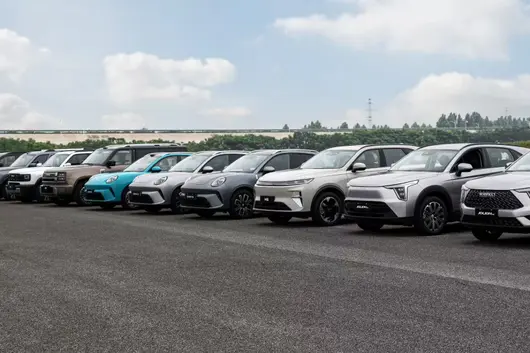

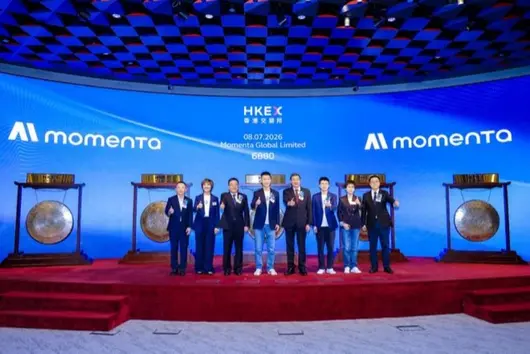
2026年7月8日,全球领先的物理AI公司Momenta正式在港交所挂牌上市,股票代码6880.HK,成为港股“物理AI第一股”。首日开盘股价涨超6%,总市值突破700亿港元。
本次IPO发行价定为295.6港元/股,若全额行使绿鞋期权,全球发售约2293万股,募资总额约68亿港元。市场认购极为踊跃:公开发售超额认购414倍;国际发售获超1000亿港元机构订单,覆盖15个国家和地区的主权基金与长线基金,剔除基石后超额认购约44倍。

Momenta引入14家基石投资者,认购总额约30亿港元。新加坡政府投资公司(GIC)和富达国际各领投1亿美元;贝莱德出资2500万美元,橡树资本出资2000万美元。产业资本方面,梅赛德斯-奔驰出资2500万美元、比亚迪出资1500万美元——两家全球顶级车企既是老股东也是合作伙伴,此次作为基石继续加码。奔驰与比亚迪的联手加持,在近年港股IPO中并不多见。此外,高毅、博裕、华夏基金、广发基金、太平洋保险等中资机构各出资1000万美元。
Momenta与汽车产业的深度绑定是其核心价值所在。截至目前,搭载Momenta系统的量产车辆已突破100万台,成功交付超100款量产车型,累计定点车型超210款。客户已覆盖国内全部主流乘用车企业,全球排名前10大车企中已有9家与其开展合作。合作品牌包括奔驰、宝马、奥迪、上汽大众、广汽丰田、东风日产等合资及豪华品牌,以及红旗、奇瑞风云、广汽昊铂、智己汽车等自主品牌。量产交付效率持续跃升——2022年完成首个10万台耗时24个月,如今最快不到40天即可完成同等规模交付。

财务数据显示,2023年至2025年,Momenta营收从7.43亿元增长至24.13亿元,年均复合增长率超80%;毛利率从17.5%提升至71.6%,三年翻四倍。截至2025年底,公司现金储备超100亿元。在第三方城市NOA市场,Momenta占据65%份额。
技术层面,Momenta以R7世界模型为基座,支撑乘用车、无人驾驶出租车(Robotaxi)、无人物流车(Robovan)及无人驾驶卡车(Robotruck)等多场景规模化落地。量产方案已在亚洲、欧洲、大洋洲、拉美和北非等10多个国家和地区落地;Robotaxi已与Uber、Grab、Lumo、享道出行等全球出行平台及奔驰等车企建立合作。
上市仪式上,CEO曹旭东表示:“过去十年,我们让AI学会驾驶,为每个家庭带来了专职的司机;未来十年,我们将为每个家庭带来专职的阿姨、医生、教师等机器人的服务场景”。此次IPO募资将用于推进新一代智能驾驶解决方案、无人业务扩张与全球化布局。Momenta的上市,不仅是物理AI赛道资本化的里程碑,更彰显了中国智能驾驶技术以“中国方案”走向全球的产业力量。

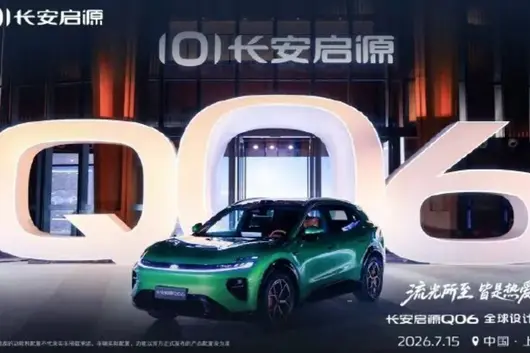
In the first half of 2026, the competition in the domestic new energy vehicle market has become increasingly intense, with price wars and technology wars occurring simultaneously, accelerating industry reshuffling. Against this backdrop, Changan Automobile relies on the three differentiated new energy brand matrices of Avatr, Deepal, and Changan Qiyuan to move forward steadily. Each brand is precisely positioned in different niche tracks, continuously releasing growth potential, and building a solid foundation for full-year electrification, intelligence, and globalization transformation. After market validation and production capacity and technology reserves in the first half of the year, Changan Automobile has set a clear route for accelerated development in the second half of the year. With dense new product launches and core technology mass production implementation as the focus, relying on the dual-wheel drive of products and technology, it fully connects the three layers of mass popularization, youth sports, and high-end intelligence, counteracts the pressure of intense market competition, sprints to achieve the full-year new energy sales target, synchronously accelerates the globalization new energy layout, and constructs a dual growth curve of domestic and overseas markets.
In the first half of the year, domestic new energy domestic sales overall faced pressure and declined, while Changan New Energy grew counter-cyclically, delivering a cumulative 456,000 vehicles, a year-on-year increase of 5.2%. Its three brands, Qiyuan, Deepal, and Avatr, cover the market from home use to high-end in layers, fully covering from the 100,000-level home commuting to the 300,000-level high-end intelligence market, forming a multi-level sales and profit growth ladder. Qiyuan delivered 173,800 vehicles in half a year, Q05 firmly stayed at the top of compact SUV monthly sales; Deepal sales reached 164,100 vehicles, a year-on-year increase of 14.6%, with overseas sales soaring 141% year-on-year; Avatr delivered 7,459 vehicles in June, solidifying the high-end market. Globalization is the second growth curve in the second half of the year. In the first half of the year, Changan delivered 402,000 vehicles overseas, a year-on-year increase of 35.1%, with overseas proportion exceeding 30%. The three new energy brands are deployed overseas in zones, leveraging global new energy dividends, and using internal and external market dual cycles to counter domestic competition pressure.

Standing on the development foundation of the first half of the year, the second half of 2026 becomes the breakthrough stage for Changan Automobile's new energy and intelligence transformation. It will make up for gaps in various level niche markets with large-scale new product iteration launches, achieving dual-line advanced upgrade of new energy and fuel products. Changan Qiyuan will supplement Q06, A05L, Lumin Plus three new products, covering home use SUV, extended home sedan, and city commuting niche tracks, further perfecting the 100,000-level inclusive new energy product matrix; Avatr will launch the second generation of brand new products, focusing on landing brand new models adapted to family large space needs, enriching the high-end home flagship product line, and making up high-end market categories; Deepal Auto focuses on core domestic user needs, completes comprehensive product upgrades in a targeted manner, focuses on strengthening vehicle-level intelligent assisted driving capabilities, iterates three-electric core systems, comprehensively improves overall vehicle comprehensive product power, and precisely adapts to mainstream consumer market upgrade needs. Meanwhile, Changan continues to deepen the classic fuel market, fully creating the CS75 PLUS, CS55 PLUS, Eado three benchmark big single product IPs, and will successively launch multiple brand new fuel products, achieving bidirectional effort and complementary growth in new energy and fuel markets. Relying on the product advantage of new energy product expansion and fuel big single product iteration, plus the hard support of subsequent core technology comprehensive landing, the development pattern of product and technology dual-wheel drive continues to take shape, providing solid confidence for Changan to cross industry price involution and respond to market reshuffling.
While launching new products, hard-core self-developed technology is the core support for Changan Automobile to stand firm in the market and build long-term competitive barriers. In the second half of the year, multiple self-developed intelligence, three-electric core technologies of Changan will achieve mass production vehicle mounting simultaneously, and the landing rhythm of technology results will accelerate comprehensively, among which two core technology highlights are extremely competitive in the industry.

In the intelligence field, Changan's self-developed Tianshu Navigation End-to-End Large Model Intelligent Driving System will be officially scaled mass production vehicle mounting on all series models of Q06 launched in the second half of the year, taking the lead in achieving comprehensive availability of high-level intelligent driving, where 100,000-level home models can be equipped with high-level intelligent driving functions, significantly lowering the popularization threshold of high-level intelligent driving, making enjoying high-level intelligent driving a reality for the general public. In the three-electric safety field, Changan's self-developed Zhongzhao Battery won the 2025 National Science and Technology Progress Second Prize due to extreme safety performance, excellent thermal management, and durability performance. This is also the second time Zhongzhao Battery has won this national-level technology grand prize since 2024. This fully verifies Changan's three-electric self-developed technology's hard-core strength and industry leading, building a safe core barrier for all series new energy vehicles.
In addition, Changan Automobile will, with systematic layout, continue to iterate hybrid, pure electric, hydrogen energy and other full-scenario power, further reducing energy consumption and improving overall vehicle range performance. Blue Whale Super Engine was released in March, followed by supporting actual vehicles launched, and landed in 17 cities for road tests, relying on actual test data to continuously optimize power performance; in the chassis field, based on the three-direction six-domain integration technology concept, bringing more quality handling and riding experience; in the intelligent cockpit field, focusing on experience upgrades, continuously iterating products, comprehensively improving user intelligent travel experience.

Apart from deepening the domestic market, globalization layout will become Changan's second growth curve in the second half of the year. Changan has now built 22 overseas manufacturing bases and nearly 20,000 global sales service outlets. Bases in Thailand, Brazil, etc., have achieved localized vehicle manufacturing, supporting full-domain going global. Among them, Brazil factory put into production in March, May Changan signed with the Portugal National Football Team to deepen European market, June Thailand Rayong factory 20,000th vehicle officially rolled off the line, June Qiyuan models landed in Uzbekistan, etc. Relying on the "Global Integration 2.0" overseas strategy, three new energy models were batched deployed to overseas markets. Qiyuan focuses on Southeast Asia, South Asia mass market, Deepal layouts Australia and New Zealand, Avatr advances into Europe, Central Asia high-end new energy markets, leveraging overseas new energy demand dividends, continuously expanding export scale, counteracting pressure brought by fierce domestic market competition, constructing a growth pattern of domestic and overseas dual-cycle.
From the business dimension, product expansion, technology landing, and overseas market expansion three measures resonance will push Changan Automobile to welcome a key business inflection point in the second half of 2026. At the scale level, brand new models cover full price, full category markets, pulling new energy delivery volume significantly up, continuously optimizing overall vehicle sales structure; at the profit level, Avatr high-end flagship models continue to release volume to raise average single vehicle gross profit, self-developed three-electric, intelligent driving technology realizes autonomous supply, significantly reducing procurement costs, plus the scale effect brought by sales and production scale expansion, effectively alleviating industry price war brought profit pressure; at the long-term growth level, large-scale landing of intelligent technology forms hard-to-replicate product differentiation advantages, continuously strengthening consumer brand cognition, supporting enterprise long-term stable growth.

Electrification, Intelligence, Globalization is the irreversible development main line of the automotive industry, industry competition has long shifted from simple model comparison to technology, product, globalization comprehensive strength contest. In the first half of 2026, Changan Automobile's three new energy brands completed market validation, accumulated sufficient growth momentum; in the second half of the year, with new products centralized landing, self-developed technology comprehensive mass production, overseas market continuous breakthrough, Changan Automobile with product, technology dual-wheel drive, breaks through industry involution bottlenecks. With sales scale continuously expanding, profit level steadily repairing, technology barriers constantly strengthening, Changan Automobile high-quality development momentum continuously accumulating, transformation results further highlighted.

Di pasaran SUV Malaysia, banyak pembeli membandingkan Proton X50 dan Honda CR-V semasa memilih kereta. Kedua-dua kereta ini mempunyai harga dan kedudukan yang hampir sama. Hari ini, kita akan membandingkan secara terperinci dari pelbagai aspek, membantu anda menjimatkan masa untuk membuat kajian.
Proton X50 dijual dengan harga OTR RM 89,800 - 113,300 di Malaysia, terdapat 4 varian, termasuk 1.5T Executive (RM 89,800), 1.5T Premium (RM 101,800), 1.5T Flagship (RM 113,300), dan lain-lain.
Honda CR-V dijual dengan harga OTR RM 178,200 - 195,900 di Malaysia, terdapat 4 varian, termasuk 2026 e:HEV 2.0L 2WD RS (RM 195,900), 2026 1.5T 4WD V (RM 181,900), 2026 e:HEV 2.0L 2WD E (RM 178,200), dan lain-lain.
Dari segi harga, harga permulaan Proton X50 memang lebih murah RM 88,400 berbanding Honda CR-V. Jika bajet anda terhad, varian entry-level Proton sudah cukup memenuhi keperluan harian. Tetapi, perlu diingat, beberapa ribu ringgit yang lebih murah itu mungkin ada kompromi dari segi peralatan, bergantung pada keperluan anda.

Gred keselamatan Proton X50 ialah 5★ (ASEAN NCAP), sistem keselamatan aktif termasuk ADAS (ACC, AEB, LKA, LDA, BSM, RCTA).
Gred keselamatan Honda CR-V ialah 5★ (ASEAN NCAP), sistem keselamatan aktif termasuk Honda SENSING (ACC, CMBS, LKAS, RDM).
Gred keselamatan kedua-dua kereta ini sama, dalam kelas ini peralatan keselamatan sudah cukup lengkap. Keselamatan kereta baharu sekarang tidak begitu buruk, tidak perlu risau sangat tentang perkara ini.

Proton X50 menggunakan cara pemacu 4WD.
Honda CR-V menggunakan cara pemacu FWD.
Perbezaan 4WD Proton dan FWD Honda memberikan rasa mengawal yang berbeza, disarankan untuk membandingkan melalui ujian memandu.

Proton X50 dijamin 5 tahun/150,000km, selang penjagaan setiap 10,000km atau 6 bulan.
Honda CR-V dijamin 5 tahun/mileaj tanpa had, selang penjagaan setiap 10,000km atau 6 bulan.

Secara keseluruhannya, Proton X50 dan Honda CR-V adalah model kereta yang sangat baik di pasaran Malaysia. Memilih mana satu, yang utama bergantung pada keperluan peribadi dan bajet anda. Disarankan untuk membuat kajian yang baik, membandingkan beberapa sebut harga dari kedai kereta, kemudian lakukan ujian memandu untuk membuat keputusan akhir. Membeli kereta adalah perkara besar, meluangkan masa untuk membuat kajian tidak akan pernah salah.


Dalam pasaran SUV Malaysia, ramai pembeli yang membandingkan Perodua Aruz dan Hyundai Tucson ketika memilih kereta. Kedua-dua kereta ini mempunyai harga dan kedudukan pasaran yang agak hampir. Hari ini, kita akan membuat perbandingan terperinci dari pelbagai aspek untuk membantu anda menjimatkan masa membuat penyelidikan.
Perodua Aruz di Malaysia mempunyai harga OTR ialah RM 72,900 - 77,900, dengan seramai 2 varian, termasuk 1.5L X (RM 72,900), 1.5L AV (RM 77,900), dan lain-lain.
Hyundai Tucson di Malaysia mempunyai harga OTR ialah RM 143,888 - 197,888, dengan keseluruhan 5 varian, termasuk 2025 HEV 1.6T AT 2WD Prestige (RM 197,888), 2025 1.6T DCT 4WD Prestige (RM 186,888), 2025 1.6T DCT 2WD Prime (RM 164,888), dan lain-lain.
Dari segi harga, harga permulaan Perodua Aruz memang lebih murah sebanyak RM 70,988 berbanding Hyundai Tucson. Jika bajet anda terhad, varian asas Perodua sudah cukup memenuhi keperluan harian. Namun, perlu diingat, jimat beberapa ribu ringgit itu mungkin ada kompromi pada peralatan, bergantung pada keperluan anda.

Perodua Aruz mempunyai gred keselamatan 5★ (ASEAN NCAP), sistem keselamatan aktif termasuk .
Hyundai Tucson mempunyai gred keselamatan 5★ (ASEAN NCAP), sistem keselamatan aktif termasuk SmartSense.
Kedua-dua kereta mempunyai gred keselamatan yang sama, peralatan keselamatan dalam kelas ini dianggap lengkap. Kereta baru sekarang tidak kurang selamat, tiada perlu risau mengenai hal ini.
Perodua Aruz menggunakan cara pemacu FWD.
Hyundai Tucson menggunakan cara pemacu FWD.
Kedua-dua kereta menggunakan cara pemacu yang sama, iaitu FWD, tiada perbezaan besar dalam rasa memandu harian.

Perodua Aruz mempunyai waranti 5 tahun/150,000km, selang servis setiap 10,000km atau 6 bulan.
Hyundai Tucson mempunyai waranti 5 tahun/300,000km, selang servis setiap 10,000km atau 6 bulan.

Perodua Aruz dan Hyundai Tucson kedua-duanya adalah pilihan utama pasaran Malaysia, sesuai untuk kegunaan keluarga dan komuter harian. Jika anda lebih mengutamakan reputasi jenama dan harga kedua, utamakan model yang lebih baik reputasinya; jika anda lebih mementingkan nilai dan spesifikasi, pilih model yang lebih lengkap spesifikasinya. Akhir sekali, disarankan untuk ujian kendaraan kedua-dua model, pengalaman langsung adalah yang paling penting.

Secara keseluruhannya, Perodua Aruz dan Hyundai Tucson kedua-duanya adalah model yang sangat baik di pasaran Malaysia. Pilihan yang mana satu bergantung pada keperluan dan bajet peribadi anda. Kami cadangkan supaya anda membuat penyelidikan, bandingkan tawaran daripada beberapa dealer, kemudian buat ujian kendaraan untuk keputusan akhir. Membeli kereta adalah urusan besar, meluangkan masa membuat penyelidikan tidak akan salah.

© 2024 Bitauto.com. All Rights Reserved.
Bitauto (www.yiche.com and www.bitauto.com) is one of the most visited automotive websites in China. We provide detailed info on Chinese car brands available in your area. Please note that the information provided on this website is based on publicly available data and is for reference only. It may not be fully updated or accurate at all times.

Help us improve our website


