

Homehawker

Search History
Popular Searches
Dealer Login / Sign Up

近兩年,關於車企喺智能輔助駕駛方案選擇,引發咗業界大量關於「靈魂論」嘅討論——但呢個並未有阻止多數車企為咗搶佔市場先機,仍然選擇採用主流供應商嘅智駕系統同智慧座艙,嚟提高自家產品嘅競爭力。顯然,智駕體系建立要由「意識流」到「實踐派」進化,唔可能一蹴而就,畢竟呢背後動輒就係成百億級嘅研發投入。而而家,終於有一間新央企邁咗出一實嘅一步,佢就係長安汽車。
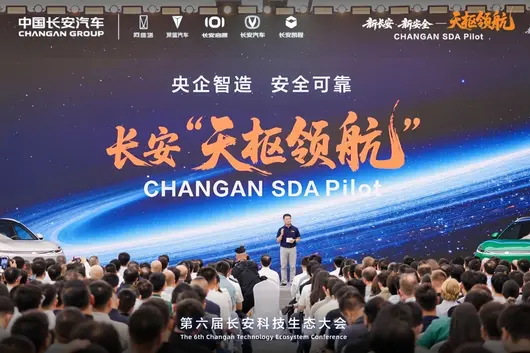
喺 9 月 4 日嘅第六屆長安科技生態大會上,長安天樞領航技術發布暨長安啟源 Q06 預售發布會正式舉辦,算係對當年「靈魂論」嘅一次閉環回應。喺後續嘅媒體溝通會上,長安汽車執行副總裁楊大勇更加係直接點明咗長安智駕自研嘅核心所在:「由一開始做長安品牌、啟源品牌開始到而家,我等嘅就係天樞領航。長安啟源車型今後會搭載、且僅搭載長安自研嘅天樞領航智能駕駛輔助系統,核心原因就兩個字:品牌。」

客觀嚟講,喺呢個幾乎每家車企都係講「端到端」嘅時代入面,真正實現全棧自研一段式端到端並量產落地嘅車企並唔多。唔過,長安係其中嘅特例。累計銷量突破 3000 萬輛、堅持咗十幾年智能化研發、超 600 億投入到智能賽道,長安堅定選擇嘅全棧自研呢條路,喺當下嘅含金量都仲算係比較高嘅。
當然,如果只係將呢條路線打上「算力比拼」「場景覆蓋」嘅標籤,其實都係將長安嘅決策睇得太簡單咗。堅定選擇咗咁一條重資產路線,拿出咗咁一款智駕水平優越、卻冇有設定高門檻嘅產品,長安自研智駕呢件事背後嘅戰略意義,值得我哋深度探討。
長安智駕自研,佢係懂「科斯邊界」嘅
即便智駕係主流車企必須面對嘅課題,但「是否自研」呢件事始終係各有各嘅理解。面對激烈嘅市場競爭,提前諗好自己嘅「科斯邊界」,或許先係呢個問題更合理嘅答案。科斯理論認為,當市場交易成本高過內部組織成本時,企業就會選擇「自己攞」而唔係「向人買」,換句話講,企業自己做幾多嘢,取決於自建同外包之間嘅成本比較。
按道理嚟講,而家嘅中國智駕市場,供應商生態已經係好成熟咗。華為、Momenta、地平線等等任何一个拎出嚟,都讓長安喺智駕方面走捷徑,長安喺呢個領域有「拿來即用」嘅條件。而將研發成本轉嫁俾供應鏈,自己專心做整車製造同品牌營銷,都係好多車企嘅選擇。

令人意外嘅係,長安並冇咁做。佢嘅選擇係咩呢?由 2009 年組建智能化研發團隊開始,長安一直喺堅持自研路線,組建咗超過 7500 人嘅智能化研發隊伍,建成咗全國唯一專注智能汽車安全技術嘅全國重點實驗室。看得出嚟,長安喺呢方面嘅投入係巨大嘅。
「為乜一定要堅持自研?如果冇自研能力,品牌好難向消費者講清楚:用戶為乜要揀我哋?我哋能點樣提供咩差异化嘅體驗?消費者購入嘅唔只係一台車,更係對品牌嘅認同,呢個都係我哋品牌新質生產力嘅重要組成部分。」楊大勇表示。

咁,為乜放住「捷徑」唔行,反而要親力親為?喺我哋嘅專訪入面,長安汽車副總裁賀剛畀出咗解釋。佢主要講咗四點:第一,只有自研先至能深度理解用戶需求,從真實數據中打磨產品;第二,只有自研先至有完整嘅系統解析能力,車輛出現異常時能從整車層面定位問題,如果只做智駕單一模塊,睇唔到整車全貌;第三,只有自研先至能實現快速迭代優化,發現問題後能迅速采集數據、訓練模型、仿真驗證;第四,只有自研先至能為安全同責任兜底,作為主機廠,必須對整車最終結果負責。

從呢幾個角度嚟睇,長安嘅決策邏輯就係好清晰咗。當智駕技術成為汽車產品嘅「核心差異化要素」時,市場交易成本將會超過內部組織成本。外採智駕方案,表面睇嚟係「捷徑」,但隱性成本好高。拋開談判成本、協調成本、迭代成本唔講,核心嘅嘢係人哋嘅,好難形成真正嘅技術壁壘。對長安呢種體量嘅車企嚟講,「借道」唔係長久之計。
除咗戰略層面嘅底層考量,自研路線嘅長期價值更體現喺技術架構嘅核心優勢上。長安汽車首席智能駕駛技術官陶吉,將天樞領航嘅「一段式端到端」拆成咗三層:一係世界模型,駕駛係動態博弈任務,要讓車真正「讀懂」其他交通參與者嘅意圖同佢博弈;二係本體模型,將車輛動力學、底盤能力納入大模型,摸清「肌肉能力嘅邊界」;三係多模態大模型,讓系統聽得明「跟上前面嗰輛灰色轎車」呢類自然語言指令,並把它精準對應到三維物理空間入面嘅具體車輛。三者最終喺雲端共享一個基礎大模型嘅骨干,這亦係天樞領航同「外採方案」最本質嘅區別。

長安選擇自研咗天樞領航,呢套系統同 SDA 天樞中央環網架構、天樞底盤、天樞座艙 2.0 形成咗深度耦合嘅系統級協同。呢種協同,係任何外採方案都無法實現嘅。楊大勇喺溝通會入面表示:「按照長安嘅規劃,無論係長安汽車定係長安啟源品牌,長安品牌車型會搭載、且僅搭載長安自研嘅天樞領航智能駕駛輔助系統。到而家為止,我哋冇打算再引入其他供應商,嚟為長安品牌提供智能駕駛輔助整體方案。核心原因就兩個字:品牌。」長安想透過呢種方式可以同消費者講清楚「為乜要揀我哋」,亦都能進一步塑造品牌辨識度,從長線上嚟講,呢步棋係提升品牌競爭力非常有遠見。

長安嘅野心唔止於自研自用,賀剛透露:「天樞領航本來一開始規劃嘅時候,就係打造全球智能化平台,希望能夠俾到所有車廠,以及所跟智能機器人類相關嘅產業,譬如說機器人、飛行汽車等等。而家我哋產品品牌以外,都有外部嘅車廠同我哋交流,近期會發布一啲戰略協議,並且喺明年就會有啲車型,喺長安系以外嘅車型上面進行搭載。」呢種意思係長安喺智駕領域嘅角色定位,正係由「甲方」向「方案商」定位延伸。
啟源 Q06 定價背後,係邊際成本曲線向下
第六屆長安科技生態大會上,啟源 Q06 開始咗預售。14.79 萬元起嘅預售價好令人意外,畢竟呢係一台全係標配激光雷達、搭載天樞領航智駕系統嘅座駕。如果叠加 800V 碳化矽高壓平台、6C 閃充、前雙叉臂後五連桿全鋁懸掛等等配置嚟睇,呢個顯係超出行業常規嘅一個定價。

而家業界內卷嚴重,想喺提升價值體驗嘅同時,打破既有嘅價格錨點並唔容易。而而家長安已經用呢款新車做到咗,為乜呢?講到底,都係佢邊際成本曲線喺向下行。外採方案嘅成本結構係「線性」嘅,睇落前期投入可以接受。但實際上,每賣一台車,車企需要向 Tier 1 支付一筆固定嘅授權費或硬件溢價。
講白咗,車企再想降本,都有供應商嘅利潤底線喺把控住。而自研方案唔一樣,自研方案嘅成本結構係「先陡後平」嘅,即係前期投入巨大,但邊際成本係一直喺下降緊。譬如長安,前期嘅研發投入係固定成本,一旦完成量產,每增加一台車嘅「智駕邊際成本」,就只剩低芯片、傳感器等硬件物料費。

自研之外,長安都有進一步降本嘅底氣。禾賽官網有提到,佢獲長安多個品牌獨家量產定點、規劃訂單超 150 萬台。呢種規模嘅集中採購,意味著,長安喺硬件端擁有更多嘅議價空間。所以話,楊大勇話「呢車必須賺錢」背後,係早就算好嘅一道題。一方面用自研攤薄固定成本,另一方面又有集采壓低硬件成本,雙輪驅動之下,長安先敢用啟源 Q06 嚟打破常規,重新標定呢一級別車型價值。而啟源品牌嘅實際銷量,亦都證明長安呢幾年策略嘅正確性。
「8 月份啟源嘅全球銷量突破 4.5 萬。Q06 出嚟之後,我信數字仲會進一步增加,而且呢個數字背後仲係我哋而家背後 Q05 保供比較艱難嘅情況下達到嘅,而家仲有幾萬個 Q05 訂單冇交,加上 Q06 個人覺得啟源嘅月均銷量大概有唔錯機會達到 6 萬台左右,今年總銷量應該係喺 40 萬輛左右。」對於長安啟源而家嘅成績同接下來嘅目標,楊大勇認為有天樞領航嘅加持後更有底氣同信心。
喺採訪中長安啟源總經哩李睿透露,昨天晚上 Q06 預售兩個鐘達到咗 1.1 萬。其中兩種大嘅配置梯度,一個係天樞領航 Pro,一個係天樞領航 Ultra。選擇天樞領航 Ultra 嘅客戶占比達到咗 53%,大多數嘅客戶均選擇 700 公里嘅客戶,對於智能輔助駕駛關注度比較高。尤其係長安汽車首發嘅雙電機後驅嘅數據,選擇嘅用戶大概佔 33%。呢種意思係首轮用戶對智駕嘅付費意願並唔低,亦都說明,車企自研雖然有巨額投入,但市場需求嘅爆發會讓車企好快迎來回報期。

獲得用戶信任,央企身份係張「明牌」
想喺智駕賽道立足,「安全」係必須讲好嘅故仔。唔過,過往業界發生嘅種種智駕安全事故,並冇畀大家留低好嘅印象,消費者對智駕嘅信任赤字,係各家車企都要面對嘅問題。長安嘅優勢點喺度,佢具備讲好故事嘅能力,亦具備把故事落地嘅實力。當然,入面有一張「明牌」,也就是央企身份。
喺經濟學入面,有㗎個概念係「可信承諾」。當一方能夠做出不可撤銷嘅承諾時,就可以降低交易成本,提升信任效率。長安作為央企,佢背棄承諾嘅代價極高,呢種「唔敢亂嚟」嘅約束,反而更容易讓人產生信任感。發布會上,長安反復強調「輔助駕駛唔係自動駕駛」「唔夸大、唔誤導」,佢喺智駕安全問題上嘅表態,就帶有「可信承諾」嘅特徵。

呢種「唔敢亂嚟」嘅約束,喺長安嘅研發體系入面體現得都幾具體。賀剛喺溝通會入面透露,長安已經將智駕嘅「泛化測試」正式納入開發測試體系。500 名工程師覆蓋全國 45 座城市開展路測,每個版本迭代後,工程師領取差異化地圖任務進行實地測試,後台實時統計接管次數等關鍵數據。呢套機制可以確保天樞領航唔會只停留喺「重慶開得好」,而係真正具備「全國都能開」嘅泛化能力。
另外,仲有幾個可以側面反映長安智駕可信嘅關鍵點。長安係全國首个獲得 L3 級自動駕駛專用正式號牌嘅車企,亦係首批獲得 L4 級 Robotaxi 測試牌照嘅央企。呢兩張牌照背後,係工信部、公安部等部委嘅嚴格審核,本身就帶有「官方認證」嘅意味。長安仲深度參與咗 ADS GTR 國際法規——全球首个自動駕駛統一技術法規嘅制定,並牽頭制定咗《汽車駕駛自動化分級》等多項國家標準。而家,長安已經深度參與制定國際、國家、行業標準共 270 餘項,其中智能化領域 60 餘項。可見,長安喺智駕方面嘅實力真係好硬核。

除咗呢啲,啟源品牌亦都冇只係盯住國內市場,而係反復強調「國內海外全球一盤棋」。2026 年 8 月長安汽車海外交付達 9.24 萬輛,同比增長 78.6%,已连续 7 個月實現同比大漲;伴隨巴西工廠竣工投產、泰國羅勇工廠第 2 萬台整車下线,長安本地化生產網絡持續深耕,海外市場正成為佢增長嘅核心支柱之一。賀剛對海外智駕落地嘅判斷係,高速 NCA 會好快鋪開,但城區冇咁容易。佢親身考察咗多個國家後認為,阿聯酋路況清晰、車道線規整、駕駛行為好,可能係布局城區 NCA 嘅最佳海外市場。高層唔激進,態度謹慎且有節奏,呢啲喺業界係好難得嘅。
多形態消費市場嘅試探,已然成為長安汽車喺核心技術加持後嘅重要思路,因為對一家老牌車企嚟講,「危機感」始終存在。
楊大勇分析認為:「中國而家存在嘅汽車品牌大約有 120 多個,其中有一定銷量規模、能進入上行榜單嘅大概有幾十個。喺呢幾十個品牌入面,真正活躍嘅,亦即係貢獻咗中國車市 80% 銷量嘅,大約有 25 個左右,佢哋隸屬咗 10 到 15 間整車廠。按照「二八原則」推演,到 2030 年或未來嘅某一個時間點,最終能存活嘅可能也就是呢 20 多個品牌。從 120 多個減少到 20 多個,意味著未來幾年中國市場將淘汰掉約 100 個品牌,伴隨而來嘅必然係極其激烈甚至慘烈嘅競爭。」據佢判斷,喺 2030 年之前,中國車市嘅競爭仍將處於白熱化階段。長安汽車有信心成為嗰 20 多個品牌中嘅一員,並能長久堅持落去行,而呢就需要企業喺品牌力、產品力、營銷力等各個方面構建獨特嘅競爭優勢。
結語
天樞領航發布,以全棧自研同規模效應重新定義咗智駕嘅邊際成本曲線;啟源 Q06 以 14.79 萬元起嘅預售價,重塑咗智駕車型嘅價值錨點;再加上央企身份嘅信任背書、管理層對行業節奏嘅把控,構建咗差異化嘅品牌認知,長安正係構建一套差異化嘅品牌認知體系,每一步都走得扎實且清晰。
業界競爭只會越嚟越激烈,而長安關於「靈魂論」嘅答卷,已經寫得足夠明確。呢唔只係一家車企透過技術自研獲取市場認可嘅商業選擇,更係一家新央企喺汽車智能化浪潮中,扛起核心技術自主可控大旗嘅戰略性佈局。從自研自用走向開放賦能,從國內市場邁向全球舞台,長安嘅戰略佈局,最終指向嘅係中國汽車產業喺全球智能化競爭中嘅核心話語權。
喺馬來西亞嘅 SUV 市場,好多買家喺揀車嘅時候都會用 Honda HR-V 同 Volkswagen Tiguan 嚟做比較。這兩款車喺價位同定位上都嚟嚟近,今日我就喺多個方面嚟一個詳細嘅比較,幫你省下做功課嘅時間。
Honda HR-V 喺馬來西亞嘅 OTR 售價係 RM 115,900 - 143,900,合共有 4 個版本,包括 2026 e:HEV 1.5L RS(RM 143,900)、2026 1.5T V(RM 137,900)、2026 1.5T E(RM 130,900) 等。
Volkswagen Tiguan 喺馬來西亞嘅 OTR 售價係 RM 206,540 - 260,024,合共有 2 個版本,包括 2025 Allspace 2.0T R-Line(RM 260,024)、2025 Allspace 1.4T Elegance(RM 206,540) 等。
由價錢睇,Honda HR-V 嘅起步價真係比 Volkswagen Tiguan 平咗 RM 90,640。如果你預算有限,Honda 嘅入門版已經可以滿足日常需求。但都要留意,平嗰幾千蚊,可能喺配備上會有取舍,具體就要睇你嘅需求啦。

Honda HR-V 車身長 4500 mm,行李廂 450 L。
Volkswagen Tiguan 車身長 4400 mm,行李廂 400 L。
空間方面,Honda HR-V 嘅車身比 Volkswagen Tiguan 長咗 100 mm,車內乘坐空間會多啲,尤其係後座腿部空間。如果你經常載家人定係需要放嬰兒車,大少少嘅車身真係更實用。

Honda HR-V 保用 5 年/無限里程,保養間隔 每 10,000km 或 6 個月。
Volkswagen Tiguan 保用 3 年/100,000km,保養間隔 每 10,000km 或 6 個月。

Honda HR-V 同 Volkswagen Tiguan 都係馬來西亞市場嘅主流選擇,適合家庭使用、日常通勤。如果你更加重視品牌口碑同二手價,可以優先考慮口碑好嗰款;如果你更加重視性價比同配備,就揀配置多嗰款。最終都建議兩款都去試駕,親身體驗先係最重要嘅。

總體嚟講,Honda HR-V 同 Volkswagen Tiguan 都係馬來西亞市場幾唔錯嘅車型。揀邊部,關鍵始終都要睇你嘅個人需求同預算。建議大家做好功課,多比較幾間車行嘅報價,再去試駕做最終決定。買車係件大事,花少少時間做功課絕對唔會錯。


喺馬來西亞嘅 SUV 市場,好多買家喺揀車嘅時候都會拎 本田 HR-V 同 現代 Santa Fe 黎做比較。呢兩款車喺價位同定位上都幾接近,今日我哋就從多個方面做一個詳細嘅比較,幫你省返做功課嘅時間。
本田 HR-V 喺馬來西亞嘅 OTR 售價係 RM 115,900 - 143,900,一共有 4 個版本,包括 2026 e:HEV 1.5L RS(RM 143,900)、2026 1.5T V(RM 137,900)、2026 1.5T E(RM 130,900) 等。
現代 Santa Fe 喺馬來西亞嘅 OTR 售價係 RM 225,000 - 270,000,一共有 3 個版本,包括 2025 2.5T DCT 4WD Calligraphy 6 Seats(RM 270,000)、2025 HEV 1.6T AT 2WD Prestige 7 Seats(RM 245,000)、2025 HEV 1.6T AT 2WD Prime 7 Seats(RM 225,000) 等。
由價錢睇,本田 HR-V 嘅入手價真係比 現代 Santa Fe 平咗 RM 109,100。如果你預算有限,本田嘅入門版已經可以滿足日常需求。但要留意,平嘅嗰幾千蚊,可能喺配備上會有取舍,具體要睇你嘅需求。
本田 HR-V 嘅安全評級係 5★ (ASEAN NCAP),主動安全系統包括 本田 SENSING (ACC, CMBS, LKAS, RDM)。
現代 Santa Fe 嘅安全評級係 TBD,主動安全系統包括 Basic。
安全配備方面,兩款車都拿到唔錯嘅評級。不過 本田 HR-V 嘅 本田 SENSING (ACC, CMBS, LKAS, RDM) 同 現代 Santa Fe 嘅 Basic 喺功能上有啲差異,如果你比較重視主動安全嘅話,可以仔細睇吓對比下兩者嘅功能列表。
本田 HR-V 採用 FWD 驅動方式。
現代 Santa Fe 採用 FWD 驅動方式。
兩款車嘅驅動方式一樣,都係 FWD,日常駕駛感受唔會有太大分別。
本田 HR-V 保修 5 年/無限制里程,保養間隔 每 10,000km 或 6 個月。
現代 Santa Fe 保修 5 年/300,000km,保養間隔 每 10,000km 或 6 個月。

總體嚟講,本田 HR-V 同 現代 Santa Fe 都係馬來西亞市場好幾好嘅車型。揀邊架車,關鍵都要睇你個人需求同預算。建議大家做好功課,多比較幾間車行嘅報價,然後再去試車做最終決定。買車係件大事,花少少時間做功課絕對唔會錯。

Dalam pasaran SUV di Malaysia, ramai pembeli yang memilih kereta sering membandingkan Honda HR-V dan Chery Tiggo 9. Kedua-dua kereta ini berada dalam julat harga dan segmentasi yang agak berdekatan, hari ini kita akan buat perbandingan terperinci dari pelbagai aspek untuk membantu anda menjimatkan masa kajian.
Harga OTR Honda HR-V di Malaysia ialah RM 115,900 - 143,900, terdapat 4 varian, termasuk 2026 e:HEV 1.5L RS (RM 143,900), 2026 1.5T V (RM 137,900), 2026 1.5T E (RM 130,900) dan lain-lain.
Harga OTR Chery Tiggo 9 di Malaysia ialah RM 166,800 - 179,800, terdapat 1 varian, termasuk 2026 2.0T Standard (RM 179,750) dan lain-lain.
Dari segi harga, harga permulaan Honda HR-V memang RM 50,900 lebih murah berbanding Chery Tiggo 9. Jika bajet anda terhad, varian asas Honda sudah dapat memenuhi keperluan harian. Tetapi perlu diingat, perbezaan ribuan ringgit itu mungkin melibatkan kompromi pada peralatan, ia bergantung pada keperluan anda.
Honda HR-V dilengkapi enjin Turbo 1.5L, kuasa 140 hp. Penggunaan minyak rasmi 7.0 L/100km.
Chery Tiggo 9 dilengkapi enjin 2.0L 4-silinder, kuasa 170 hp. Penggunaan minyak rasmi 8.0 L/100km.
Dari segi kuasa, enjin 2.0L 4-silinder Chery Tiggo 9 mempunyai 30 kuasa kuda lebih daripada Turbo 1.5L Honda HR-V. Namun untuk penggunaan harian di bandar, kuasa kedua-dua kereta sudah mencukupi, tidak terasa kurang bertenaga.
Honda HR-V jaminan 5 tahun / tanpa had jarak, selang servis setiap 10,000km atau 6 bulan.
Chery Tiggo 9 jaminan 3 tahun / 100,000km, selang servis setiap 10,000km atau 6 bulan.
Honda HR-V dan Chery Tiggo 9 kedua-duanya pilihan utama pasaran Malaysia, sesuai untuk kegunaan keluarga dan perjalanan harian. Jika anda lebih mengutamakan reputasi jenama dan harga jualan semula, anda boleh mempertimbangkan terlebih dahulu yang mana satu mempunyai reputasi lebih baik; jika anda lebih peduli tentang nilai harga dan peralatan, maka pilih yang mempunyai pelengkapan lebih banyak. Pada akhirnya disyorkan untuk kedua-dua model dicuba uji memandu, pengalaman sendiri adalah yang paling penting.

Secara keseluruhannya, Honda HR-V dan Chery Tiggo 9 adalah model kereta yang sangat bagus di pasaran Malaysia. Memilih mana satu, kunci utamanya tetap bergantung pada keperluan peribadi dan bajet anda. Disarankan supaya anda membuat kajian, bandingkan beberapa harga dari pelbagai dealer, kemudian uji memandu untuk membuat keputusan akhir. Membeli kereta adalah perkara besar, mengambil sedikit masa untuk membuat kajian pasti tidak salah.

喺馬來西亞嘅 SUV 市場,好多買家揀車嗰陣都會拿 Honda HR-V 同 GWM Haval H6 嚟比較。呢兩款車嘅價位同定位都幾接近,而家我哋就由多個角度做詳細比較,幫你節省做功課嘅時間。
Honda HR-V 喺馬來西亞嘅 OTR 售價係 RM 115,900 - 143,900,合共 4 個版本,包括 2026 e:HEV 1.5L RS(RM 143,900)、2026 1.5T V(RM 137,900)、2026 1.5T E(RM 130,900)等等。
GWM Haval H6 喺馬來西亞嘅 OTR 售價係 RM 139,750 - 139,750,合共 2 個版本,包括 1.5L Turbo Standard(RM 140,000)、1.5L Turbo Premium(RM 155,000)等等。
由價錢睇落,Honda HR-V 嘅起步價確實比 GWM Haval H6 平咗 RM 23,850。如果你預算有限,Honda 嘅入門版已經夠滿足日常需要。但都要注意,平嘅嗰幾千蚊,配備上可能有取捨,具體就要睇你嘅需要。
Honda HR-V 搭載 1.5L Turbo,馬力 140 hp。官方油耗 7.0 L/100km。
GWM Haval H6 搭載 Hybrid,馬力 170 hp。官方油耗 4.5 L/100km。
動力方面,GWM Haval H6 嘅 Hybrid 比 Honda HR-V 嘅 1.5L Turbo 多咗 30 匹馬力。不過日常喺市區行,兩款車嘅動力都夠用,唔會覺得唔夠力。
Honda HR-V 嘅安全評級係 5★ (ASEAN NCAP),主動安全系統包括 Honda SENSING (ACC, CMBS, LKAS, RDM)。
GWM Haval H6 嘅安全評級係 TBD,主動安全系統包括 Basic。
安全配備方面,兩款車都拿到唔錯嘅評級。不過 Honda HR-V 嘅 Honda SENSING (ACC, CMBS, LKAS, RDM) 同 GWM Haval H6 嘅 Basic 喺功能上有些分別,如果你比較重視主動安全嘅話,可以仔細比較下兩者嘅功能列表。
Honda HR-V 車身長 4500 mm,尾箱 450 L。
GWM Haval H6 車身長 4400 mm,尾箱 400 L。
空間方面,Honda HR-V 嘅車身比 GWM Haval H6 長咗 100 mm,車內乘坐空間會稍為寬鬆啲,尤其係後座腿部空間。如果你經常載家人或者需要放嬰兒車,大啲嘅車身確實更實用。
Honda HR-V 採用 FWD 驅動方式。
GWM Haval H6 採用 FWD 驅動方式。
兩款車嘅驅動方式一樣,都係 FWD,日常駕駛感受唔會有太大分別。
總括嚟講,Honda HR-V 同 GWM Haval H6 都係馬來西亞市場幾唔錯嘅車款。揀邊輛,關鍵都係要睇你嘅個人需要同預算。建議大家做足功課,多比較幾間車行嘅報價,再去試車先做最後決定。買車係件大事,花少少時間做功課絕對唔會錯。

喺馬來西亞嘅 SUV 市場,好多買家喺揀車嘅時候都會拿本田 HR-V 同名爵 MG HS 做比較。呢兩款車喺價位同定位上都好接近,今日我哋就由多個方面做一個詳細嘅比較,幫你省返做功課嘅時間。
本田 HR-V 喺馬來西亞嘅 OTR 售價係 RM 115,900 - 143,900,一共有 4 個版本,包括 2026 e:HEV 1.5L RS(RM 143,900)、2026 1.5T V(RM 137,900)、2026 1.5T E(RM 130,900) 等。
名爵 MG HS 喺馬來西亞嘅 OTR 售價係 RM 130,450 - 146,450,一共有 2 個版本,包括 1.5L Standard(RM 105,000)、1.5L Executive(RM 115,000) 等。
由價錢睇,本田 HR-V 嘅起步價確實比名爵 MG HS 平咗 RM 14,550。如果你預算有限,本田嘅入門版已經可以滿足日常需求。但亦都要留意,平嗰幾千蚊,可能喺配備上會有取捨,具體就要睇你嘅需求。
本田 HR-V 搭載 1.5L Turbo,馬力 140 hp。官方油耗 7.0 L/100km。
名爵 MG HS 搭載 1.5L Turbo,馬力 140 hp。官方油耗 7.0 L/100km。
兩款車用嘅係同一套動力系統,日常開起嚟嘅感覺基本冇咩分別。油耗方面都差不多,唔使太糾結呢一點。
本田 HR-V 車身長 4500 mm,尾箱 450 L。
名爵 MG HS 車身長 4400 mm,尾箱 400 L。
空間方面,本田 HR-V 嘅車身比名爵 MG HS 長咗 100 mm,車內乘坐空間會稍微寬裕啲,尤其係後座腿部空間。如果你經常載家人或者需要放嬰兒車,大少少嘅車身確實更實用。
本田 HR-V 採用 FWD 驅動方式。
名爵 MG HS 採用 FWD 驅動方式。
兩款車嘅驅動方式一樣,都係 FWD,日常駕駛感覺唔會有太大分別。
本田 HR-V 保養 5 年/無限制里程,保養間隔 每 10,000km 或者 6 個月。
名爵 MG HS 保養 7 年/150,000km,保養間隔 每 10,000km 或者 6 個月。
總括嚟講,本田 HR-V 同名爵 MG HS 都係馬來西亞市場幾唔錯嘅車型。揀邊一部,關鍵始終係睇你嘅個人需求同預算。建議大家做足功課,多比較幾間車行嘅報價,再去做試駕做最終決定。買車係件大事,花少少時間做功課絕對唔會錯。

In the Malaysian SUV market, many buyers compare the Honda HR-V and Chery Tiggo 7 PHEV when choosing a car. These two cars are quite close in price and positioning, so today we will make a detailed comparison from multiple aspects to help you save time doing research.
The Honda HR-V OTR price in Malaysia is RM 115,900 - 143,900, with a total of 4 versions, including 2026 e:HEV 1.5L RS (RM 143,900), 2026 1.5T V (RM 137,900), 2026 1.5T E (RM 130,900), etc.
The Chery Tiggo 7 PHEV OTR price in Malaysia is RM 129,750 - 129,750, with a total of 2 versions, including 2025 1.5T 90km CSH (RM 129,750), What charging methods does the Tiggo 7 PHEV support? Can it be charged using a home power socket? (RM 117,478), etc.
In terms of price, the Honda HR-V starting price is indeed RM 13,850 cheaper than the Chery Tiggo 7 PHEV. If your budget is limited, the Honda entry model can already meet daily needs. However, be aware that the cheaper few thousand RM might involve compromises in features, it specifically depends on your requirements.
The Honda HR-V safety rating is 5 Stars (ASEAN NCAP), active safety systems include Honda SENSING (ACC, CMBS, LKAS, RDM).
The Chery Tiggo 7 PHEV safety rating is TBD, active safety systems include Basic.
Regarding safety equipment, both cars received decent ratings. However, the Honda SENSING (ACC, CMBS, LKAS, RDM) of the Honda HR-V and the Basic of the Chery Tiggo 7 PHEV have some differences in functions. If you value active safety more, you can compare the function lists of both carefully.
The Honda HR-V uses FWD drive mode.
The Chery Tiggo 7 PHEV uses FWD drive mode.
The drive mode of both cars is the same, both are FWD, so there won't be a huge difference in daily driving feel.
Honda HR-V Warranty 5 years/unlimited mileage, maintenance interval every 10,000 km or 6 months.
Chery Tiggo 7 PHEV Warranty 3 years/100,000 km, maintenance interval every 10,000 km or 6 months.

In general, both the Honda HR-V and Chery Tiggo 7 PHEV are very good models in the Malaysian market. Which one to choose mainly depends on your personal needs and budget. We recommend doing your homework, compare the quotes of several car dealerships, and then take a test drive to make the final decision. Buying a car is a major matter, spending some time on research will definitely not be wrong.

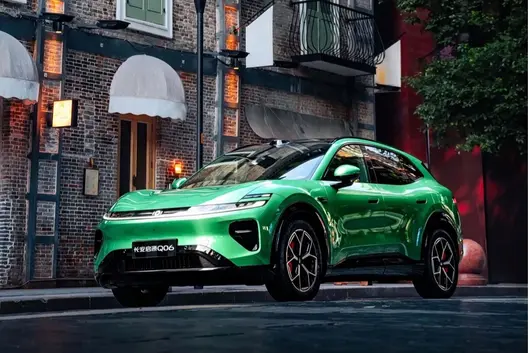
September 4, at the Changan Technology Ecosystem Conference, Changan Tianshu Pilot Technology was launched alongside the Origin Q06 presale. Booking prices range from 147,900 to 189,900 yuan, with two powertrains (pure electric and range-extended) totaling nine models.

The Origin Q06 comes standard with Changan's in-house Tianshu Pilot Intelligent Driving, 256-line LiDAR, 560 TOPS computing power directly downgraded to the 150k level. 800V high-voltage platform plus 6C ultra-fast charging, charging power from 30% to 80% takes as little as 9 minutes.
Over the past three years, Origin relied on the Q05 to carry sales. Behind the August sales volume of nearly 46,000 units lies a product structure where a single car supports half the business. What Q06 aims to do is pack Changan Group's best-kept technology into the mainstream price range, allowing Origin to upgrade from a sales supporter to a technology supporter, and serve as the market verifier and technology popularization pioneer for Changan's systematic technology downgrading.
Perhaps the path of Changan's technology equality can be summarized in eight words: Origin Verification, Matrix Charge.
Put the best technology into the 150k level
First look at the most counter-intuitive move of this presale: the selection point for technology first fitment.

Tianshu Pilot is Changan's in-house end-to-end assisted driving solution, divided into Pro, Max, Ultra three tiers, computing power ranges from 100+ TOPS all the way to 500+ TOPS. The Ultra version is equipped with VLM Vision Language Large Model, capable of interactive assisted driving. This system did not choose to launch first on other brands within the group, but was first fitted to the Origin Q06 starting at 147,900 yuan, achieving standard equipment across the entire series.
The intensity of hardware downgrading at this price point is rare. 256-line LiDAR, 27 sensing hardware, 560 TOPS computing power. This configuration last year was for models in the 300k price range.
Technical depth is also backed: relying on over 20 million lines of human driving data training, identifying obstacles 2 seconds earlier than human eyes in low light scenarios; Tianshu Center's simulation capability covers 400,000 scenarios.
Functionally, end-to-end pilot assistance covers highways and urban areas, supporting 3km long-distance memory parking and 100m track backward driving, AEB daylight maximum support 135km/h stationary braking.
Changan lacks no technology in the laboratory, but lacks the decisiveness to deliver technology to mass-production vehicles on time. Tianshu Pilot choosing Origin instead of higher-end brands for first fitment is itself a statement: what Changan wants is not a technology showcase, but a technology harvesting machine.
Three-electric systems also follow flagship standards. Pure electric version based on 800V silicon carbide high-voltage platform, 6C ultra-fast charging, CLTC range 602km and 700km two tiers, battery 66.02kWh and 80.02kWh, single motor 225kW and 245kW two power levels, dual motor four-wheel drive integrated 330kW. Range-extended version equipped with 28kWh lithium iron phosphate battery, pure electric range 200km, integrated range over 1,600km, system power 270kW. Pure electric and range-extended dual power displayed side by side, offsetting the two ends of anxiety for 150k level users at once.
Chassis and cabin also have no weak points. Front double wishbone rear five-link full aluminum suspension, 4837/1970/1670mm body, 2940mm wheelbase, official claims space yield rate 91.7%. Rear row 145-degree zero-pressure stepless adjustment plus 28-point massage, 196L front trunk, 236 LED bulbs' smile headlights and 274 bulb star ring taillights. Configuration density is built according to 200k level standards.
Rich Roles, From Sales Support to Technology Support
The significance of Q06 to Origin must be seen from the reverse of this sales report card.
August, Changan Origin delivered 45,885 units, year-on-year growth 103.1%. Same door brother Deep Blue cars 28,659 units, Avatr 8,082 units. Origin one brand's delivery volume, more than the sum of Deep Blue plus Avatr, sits firmly first in Changan system.
But behind the prosperity lies a structural problem. Origin's sales heavily rely on one car, the Q05. July Q05 delivered 18,871 units, consecutive 4 months reigned champion of compact SUV, supporting half of Origin's business. Sales supported by one car is essentially betting brand fate on a single hit. The more successful Q05 is, the greater Origin's product structure risk. Once demand fluctuates in this price range, or Q05 enters the end of product cycle, Origin's growth curve will lose speed, this situation is not lacking cases among top brands.

Q06's task is to dispel such potential risks, find another growth curve for Origin or Changan.
147.9k to 189.9k price range, exactly fills Origin's gap in 150k-200k level. Existing product line supports 100k level home sedan, connects down to 200k level SUV, Q06 fills the most mainstream, highest volume golden price range in the middle.
Greater significance for Changan. Among Origin, Deep Blue, Avatr three passenger car brands, Origin is the most reliable base. Deep Blue monthly sales 28k, Avatr 8k vehicles, high-end story sounds good, but obviously didn't support scale. Changan New Energy August delivery 105,000 units, year-on-year growth 22.7%, penetration rate near 50%, every sold two Changan vehicles one is new energy. Half the pressure of this big market is on Origin's shoulders.
Origin Product Promotion Director Qiu Bei's statement is: Origin is striving to converge towards Million Origin, this year has continuously for many months firmly ranked in China New Energy Brand Sales Top Ten. Q06 is the decisive move on this million road.
150k Price Range, The Most Ruthless Meat Grinder
But must pour a basin of cold water. The 150k level mid-size SUV market Q06 enters, is the segment with highest industry supply density, most brutal price war, most picky consumers.
Supply density first look at a set of background. August narrow-sense passenger car retail expected 1.58 million units, month-on-month growth 8.1%, big market slightly warm, but warmth didn't fall to 150k level. This price range squeezes all camps' main forces: domestic brands volume models, joint venture brands counter-attack forces, new forces' low-price product lines, all in same track close combat, mid-size SUV segment monthly new car supply long-term oversupply.
Consumer pickiness degree is also highest in industry. 150k level buyers spoiled by years of configuration arms race out of picking and choosing habit: range not standing on 600km step out, fast charging power low out, no LiDAR out, seat function not enough complete out. Any item absence, configuration party directly vote with feet.
Specific to Q06, pressure comes from three dimensions.
Range and recharging arms race. Same level mainstream models range already generally stood on 600km, flash charging technology is rapidly probing down from flagship models. Q06's 700km and 6C fast charging only squeezed into first echelon, yet to constitute generation difference advantage. 9 minute recharging experience indeed leads, but when industry overall recharging level all climbing, this lead window won't be too wide.
Intelligent driving equality race accelerating. Many car companies all pushing LiDAR and end-to-end solutions to 150k level, Tianshu Pilot's first fit dividend window, optimistic estimate only few months. Qiu Bei said Q06 urban smooth degree especially good, already possessed first-class driving intelligence ability, this words established, but first-class not equal unique, few months later same level intelligent driving configuration will rapidly level out.
Range-extended and pure electric civil war. Q06 itself provides range-extended and pure electric two sets of power, this is both demand coverage, also shows 150k level users to pure electric recharging still have anxiety. Range-extended version integrated range over 1,600km, obviously prepared for anxious crowd Plan B.
So in 150k level, no technology moat, only technology time difference. Changan's real exam question is, Tianshu Pilot's iteration speed can it beat competitor's follow speed, here need to put a question mark. Changan's R&D system once turned to agile iteration, scale effect will appear, otherwise Q06 is another pile material car, piled even thicker, only configuration table victory.
Origin Verification, Matrix Charge
Pull perspective to Changan Group level, Q06's true value fully emerges: it is Tianshu Pilot's scale verification field, after verification passes, technology will along Changan's brand matrix downwards compatible, upwards harvest.

Logic chain is like this. New technology mass production cost curve, needs scale to flatten. Origin is Changan system inside volume capability strongest brand, Q06 monthly sales once站稳,256 line LiDAR and computing platform procurement cost will be quickly diluted, then downcast Deep Blue and Avatr marginal cost tends to zero. First use sales largest brand run technology mature, bring cost down, then use high-end brand collect brand premium, this is a complete system arithmetic.
Traditional car company technology path usually flagship brand first, mainstream brand follow, Changan reverse walk, let volume brand first verify. Seemingly technology courtesy, actually cost calculation. On Avatr first fit, technology premium will be diluted by high-end pricing, consumers only say this car originally should have; on Origin first fit, same technology becomes dimension reduction surprise, scale effect directly converted to supply chain bargaining power.
Matrix charge imagination space can be unfolded. Deep Blue focus on young tech sports, weak point exactly in intelligent driving narrative, Tianshu Pilot downcast after, intelligent driving ability and sports positioning form complement, Deep Blue product story immediately complete. Avatr already positioning high-end smart, wait technology mature after mount Ultra version, VLM vision language large model interactive ability can support higher pricing. Further out, Changan main brand huge fuel car base, also can undertake mature version scheme do stock upgrade, give old car owner a replace car technology reason. One fish multiple eat, one technology base feed full four brands.
But opposing perspective also worth attention. Multiple brands share technology exists dilution risk. Tianshu Pilot if simultaneously appears on 140k Origin and 300k Avatr, high-end brand technology exclusivity narrative is dismantled by self, recent certain new force brand co-creation partner brand and technology effect diluted sales halved is case. Industry technology downcast do well companies, commonality is technology layering and brand layering bite very tight, same base, different gradient, consumer perceived differentiation still clear. Changan's test is downcast rhythm and gradient design, cannot urge success.
Also one inescapable transmission risk: Origin Q06 if verification fails, matrix charge becomes matrix chain reaction. One brand's reputation accident, will along shared technology base transmit to whole system. This means Q06 only allow success, Changan bets system reputation also on.
Looking deeper, Origin verification, Matrix Charge's true significance, is to transform Changan's R&D system from cost center to profit center. Past enterprise technology R&D was budget driven, invest how much money produce how much results, results then slowly find spot, R&D expense in financial report is pure expenditure item. Changan now doing attempt, is to let market capacity largest brand act as technology first spot, use sales raise technology, then use technology feed back whole system. If this flywheel can turn up, is truly Changan car making logic reconstruction.
Three Year Promise, Origin's Coming of Age Ceremony
From August 2023 launch count, Origin just full three years. Three years from 0 to monthly sales 45,000 units, Jan to July global cumulative delivery breakthrough 210,000 units, in central enterprise new energy sequence live into number one player. Q06 is its coming of age ceremony, also Changan Shangri-La plan one last exam.
In front of Million target, Q06 is decisive variable. Monthly sales 45,000 units base, Q06 needs monthly average contribute 8,000 to 10,000 units, to support Million target required slope. This number in 150k level not impossible, but requires product reputation, delivery rhythm cannot appear flaw.
Overseas is second battlefield. Q05 already entered Thailand, Uzbekistan, about to land Europe multiple markets. Changan August overseas delivery 92,400 units, year-on-year growth 78.6%, continuous 7 months large growth. Qiu Bei summarizes this play as No Overseas No Changan. Q06's 800V and 6C fast charging in global market are hard currency, overseas pricing space than domestic wider, matrix overseas is this system next chapter.
Back to initial question. Origin Q06 surface is a new car presale, actually is Changan's central enterprise car making logic one time self reconstruction. Central enterprise lacks no technology, lacks always is send technology to mass production vehicle, let market test courage. This step walk correctly, Origin only then qualification talk Million target, Changan only then qualification talk system victory.
And Changan Origin Q06 presale release 2 hours, cumulative orders breakthrough 11,079 units, obviously first step is eye-catching.

商务部、工信部和市场监管总局近日联合印发《汽车行业境外竞争行为与合规建设指引》,其系国内首个针对特定行业的境外合规指导文件;旨在引导汽车行业企业规范境外竞争行为,加强合规建设,提高跨国经营能力和国际影响力。
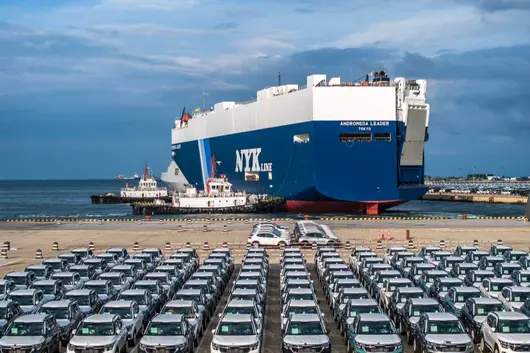
2026年1~7月的出口销量达到614万辆,同比增幅高达66.8%;但是国内汽车市场销量下滑幅度较大,于是越来越多的车企将海外市场视为增长核心驱动力。

可是价格战能在国内市场打,难道不能在海外市场打吗?
随着出口规模的不断增长,中国车企在海外市场有竞争失序的风险,这是业内普遍观点;核心是价格竞争可能失序,以泰国市场为参考,部分中国车企在泰国搞价格竞争,其不仅引起已购车用户的不满,同时让泰国公共机构就此行为展开调查。这就是前车之鉴,大多数海外市场是不会允许其搞无度价格战的,究其原因有三点。
持续的搞产品价格竞争会造成市场观望情绪,今天能够降一万,明年就有可能降两万;消费者是等得起的,于是则会造成价格竞争持续走向深渊。而当汽车产品已经到降无可降的时候,市场却不会这样认为,结果则很有可能造成销量不可预期的下滑,进而造成市场普遍消极预期,把汽车市场拖入一个长期的下行期。

无序的价格竞争会埋下诸多隐患,首当其冲的是售后和服务水平的缩水,其次是产品品质的持续下降。当企业营收持续降低的时候,售后服务水平也必然会同步下降;因为企业营收降低却需要合理的利润去维持企业运转,于是则不得压缩成本,第一步压缩的就会是人力成本。第二步压缩的会是车辆原材料和零部件成本,到这一程度的时候,任何一个车系的车辆都会出现系统性造假;其带来的将会是一系列的难题,如果这些车企未来拍拍屁股走了,最终还得当地为这些车的后续问题买单。
其消耗的显然不仅是一家或几家车企的信誉,更是消耗这些国家和政府的公信力。

更重要的因素是要保护本土汽车产业,避免劣币驱逐良币。
不论其依托于什么基础去打价格战,如果同级产品的售价明显低于其出口市场本土车企打造的产品,市场也只会去选择那些售价低廉的车。而诸多汽车工业发达国家是没有过多的人力成本和物料成本可压缩的,过度压缩只会带来第一节所讲的问题,而这些问题如果出现在本土品牌的产品之上,那么对其本土汽车产业则几乎是灭顶之灾。
于是诸多国家和地区的汽车是打不起价格战的。
此时如果面对敢于打价格战的某些进口车,结果也只能等待被淘汰。

反之,任何一个国家都不会允许本土汽车产业被倾销击垮,所以如果某些本土汽车厂商在海外打价格战的话;可预见的结果是这些企业被真实的驱逐也只是时间的问题而已,当然这只是最坏的结果,达不到这个程度的话,要面对的无非是提升进口车关税,除非在其本土建厂并以合资的模式运营,受地方监管机构的约束才有可能真正的在对应海外市场扎根。
竞争是讲规则的,一些本土企业在本土市场就像是不讲规则的螃蟹,确实需要一定的约束了。否则其损害的不仅是一家企业的形象,更是中国汽车品牌集体的形象,也难免会堵死出海的航道。


中埃產業合作再結碩果。二零二六年係中埃建交七十周年,喺中國國家主席習近平對埃及進行國事訪問、兩國發表聯合聲明明確深化共建「一帶一路」同埃及「二零三零願景」戰略對接後,訪問期間達成嘅合作共識正加速轉化为企业層面嘅務實行動。其中,玲瓏集團與埃及工業部簽署諒解備忘錄,共建綜合性輪胎產業基地,成為本輪合作嘅標誌性項目之一。

總理見證,20 億美元輪胎產業園簽約
埃及總理穆斯塔法·馬德布利博士見證咗簽約儀式。根據諒解備忘錄,埃及工業部與山東玲瓏集團將共建綜合性輪胎產業基地,項目總投資約 20 億美元,主營乘用車、客車、工程裝備輪胎及輸送帶系列產品,並同步配套建設炭黑、鋼簾線等上下游產業。
項目建成後,可創造五千多個就業崗位,產品立足埃及本土市場,重點輻射歐洲、美國等海外市場,助力埃及打造區域性輪胎產業製造出口中心。

全球化佈局再落關鍵一子
對玲瓏而言,埃及項目係佢全球化戰略嘅重要延伸。此前,玲瓏已喺泰國建成年產能超 1720 萬條嘅海外工廠,塞爾維亞工廠作為中國輪胎企業喺歐洲嘅首個生產基地,已通過大眾、奧迪、寶馬等全球知名主機廠審核。埃及基地建成後,將進一步強化玲瓏「在地生產、在地交付」嘅全球供應體系。
埃及地處「一帶一路」要衝,毗鄰歐洲市場,且喺關稅、勞動力成本等方面具備區位優勢。喺歐盟對中國輪胎加徵反傾銷措施嘅背景下,埃及產能佈局亦為中國輪胎企業繞開貿易壁壘、輻射歐美市場提供咗新嘅支點。

中埃製造業合作全方位升級
玲瓏集團項目係本輪中埃產業合作嘅縮影。除輪胎產業外,埃及工業部、埃及主權基金同江蘇長虹智能裝備、意大利 FIDIA 簽署諒解備忘錄,推進埃及汽車生產基地建設;金達控股則喺薩達特工業區投資建設亞麻紗線生產基地。合作領域覆蓋汽車製造、智能裝備、輪胎加工、電池儲能、亞麻製造等。

從合作模式睇,中埃產業合作正從單一項目投資轉向全產業鏈配套佈局,從基礎產品製造轉向裝備研發、技術輸出、工程服務一體化发展,呈現本土化、鏈條化、高端化嘅新趨勢。
隨著「一帶一路」同埃及「二零三零願景」嘅深度對接,以玲瓏輪胎為代表嘅中國製造企業,正為兩國全面戰略伙伴關係注入源源不斷嘅產業動能。


Di pasaran SUV Malaysia, ramai pembeli semasa memilih kereta sering membandingkan Honda HR-V dan Chery Tiggo 7 Pro. Kedua-dua kereta ini mempunyai kisaran harga dan penempatan pasaran yang hampir sama, hari ini kita akan buat perbandingan terperinci dari pelbagai aspek, membantu anda menjimatkan masa membuat kajian.
Honda HR-V di Malaysia harga OTR ialah RM 115,900 - 143,900, ada 4 varian, termasuk 2026 e:HEV 1.5L RS (RM 143,900), 2026 1.5T V (RM 137,900), 2026 1.5T E (RM 130,900) dan lain-lain.
Chery Tiggo 7 Pro di Malaysia harga OTR ialah RM 123,750 - 123,750, ada 2 varian, termasuk 1.6L Turbo Standard (RM 125,000), 1.6L Turbo Premium (RM 140,000) dan lain-lain.
Dari segi harga, harga permulaan Honda HR-V memang RM 7,850 lebih murah berbanding Chery Tiggo 7 Pro. Jika anggaran anda terhad, varian dasar Honda sudah memadai untuk keperluan harian. Tetapi berhati-hati, beberapa ribu ringgit yang lebih murah itu, mungkin ada pertimbangan dalam kelengkapan, bergantung pada keperluan anda.
Taraf keselamatan Honda HR-V ialah 5★ (ASEAN NCAP), sistem keselamatan aktif termasuk Honda SENSING (ACC, CMBS, LKAS, RDM).
Taraf keselamatan Chery Tiggo 7 Pro ialah TBD, sistem keselamatan aktif termasuk Basic.
Dari segi kelengkapan keselamatan, kedua-dua kereta mendapat penilaian yang baik. Tetapi Honda SENSING (ACC, CMBS, LKAS, RDM) pada Honda HR-V dan Basic pada Chery Tiggo 7 Pro mempunyai perbezaan dalam fungsi, jika anda mengutamakan keselamatan aktif, boleh bandingkan senarai fungsi kedua-duanya.
Honda HR-V menggunakan cara drivaan FWD.
Chery Tiggo 7 Pro menggunakan cara drivaan FWD.
Kedua-dua kereta sama-sama FWD, pengalaman memandu harian tidak akan berbeza banyak.
Honda HR-V jaminan 5 tahun/jarak tanpa had, selang penyelenggaraan setiap 10,000km atau 6 bulan.
Chery Tiggo 7 Pro jaminan 3 tahun/100,000km, selang penyelenggaraan setiap 10,000km atau 6 bulan.
Honda HR-V dan Chery Tiggo 7 Pro adalah pilihan utama pasaran Malaysia, sesuai untuk kegunaan keluarga, perjalanan harian. Jika anda lebih mengutamakan reputasi jenama dan harga jualan semula, boleh utamakan yang mempunyai reputasi lebih baik; jika anda lebih peka dengan nilai dan kelengkapan, pilih yang mempunyai kelengkapan lebih banyak. Akhir sekali cadangkan kedua-dua kereta perlu diuji, pengalaman langsung adalah paling penting.
Secara keseluruhannya, Honda HR-V dan Chery Tiggo 7 Pro adalah model yang sangat baik di pasaran Malaysia. Memilih mana satu, perkara penting bergantung pada keperluan peribadi dan anggaran anda. Kami cadangkan buat kajian, bandingkan beberapa tawaran pengedar kereta, kemudian buat ujian memandu untuk keputusan akhir. Membeli kereta adalah perkara besar, meluangkan masa membuat kajian pasti tidak salah.


When the growth dividend of the industry fades, the 2026 semi-annual reports reveal the underlying colors of automakers, with differentiation further intensifying.
Author | Zhang Heng
The semi-annual reports of listed automakers for 2026 have all been released.
Among the 23 A-share and H-share listed complete vehicle companies, 14 realized profits, accounting for just over 60%; however, only 6 saw year-on-year positive growth in net profit, less than 30%. Revenue increasing but profit not increasing has become the most common industry characteristic.
In the intense competition cycle of the industry, automakers with different backgrounds have walked completely different development paths.
State-owned Automakers: Independence Has Not Yet Achieved Self-Sustaining
Changan, SAIC, and GAC's revenue size firmly ranks in the first tier of the industry, but the model of relying on joint venture business for profits and feeding back to the independent brand sector has exposed obvious shortcomings in this semi-annual report.

Changan's first-half revenue was 65.63 billion yuan, down 9.71% year-on-year; net profit attributable to the parent was 817 million yuan, down significantly by 64.32% year-on-year. The reduction in exchange gains dragged down profits significantly. After deducting exchange influences, net profit attributable to the parent grew by about 12% year-on-year. The product structure continued to optimize in the first half, but the industry's common problems still existed: the market share of the joint venture sector continued to shrink, and profit contribution declined year by year; independent brand sales increased, but single-vehicle profitability was weak, unable to fill the profit gap left by joint venture business. Independent brand sales accounted for more than 80% of the group's total sales, but profit contribution was far from reaching the same proportion, and the problem of increasing volume but not profit was prominent.
SAIC and GAC transformation contradictions are also prominent.

SAIC Group's first-half revenue was 298.65 billion yuan, down slightly by 0.31% year-on-year; net profit attributable to the parent was 5.15 billion yuan, down 14.38% year-on-year. The decline in profit was mainly dragged by the joint venture sector. Joint venture enterprise revenue and profit contracted double. The traditional fuel car base shrank, new energy products lacked competitiveness, terminals kept lowering prices, continuously squeezing joint venture business profit space. The independent sector sales rose steadily, new energy sales increased year-on-year, but it was in a high investment cycle of platform iteration, channel expansion, and smart driving R&D. The profit created currently was not enough to cover the huge gap brought by the contraction of joint venture business.

GAC Group's first-half revenue was 46.12 billion yuan, up 9.38% year-on-year; net loss attributable to the parent was 4.47 billion yuan, turning from profit to loss compared to the same period last year. Independent sector sales and new energy penetration rate rose synchronously, but profitability was weak. GAC AION sales continued to surge, but to cope with the price war, terminal concessions were increased continuously, and the sector still failed to achieve obvious scale profitability. The joint venture sector encountered the problem of fuel car shrinkage and insufficient competitiveness of new energy products. Joint venture enterprise profits retreated significantly, causing overall profit to continue to be under pressure.
It can be seen from the semi-annual reports of state-owned automakers that getting rid of the profit dependence on joint venture business and promoting independent brands to truly self-sustain, the transformation task is urgent.
Private Automakers: Going Global Becomes the Watershed
BYD, Geely, Great Wall, Chery, and Seres are representative samples among private automakers. Enterprise revenue and profit sizes still show differentiation, and the core variable that widens the gap between them comes from overseas business.
Geely, Chery, and Great Wall relied on overseas market volume to offset profit compression caused by domestic price wars.

Geely's first-half revenue was 173.6 billion yuan, up 15% year-on-year; net profit attributable to the parent was 9.09 billion yuan, down slightly by 1.8% year-on-year, with profitability basically stable. Exports were the biggest highlight — first-half overseas sales were 474,000 vehicles, up 158% year-on-year. In Southeast Asia, Middle East, and European markets, the proportion of high-margin models continued to rise. The revenue earned from overseas business basically compensated for the single-vehicle profit ceded from domestic price cuts. Geely's multi-brand matrix has taken effect after two years of structural adjustments. The proportion of high-end model sales increased, solidifying the overall profit base.

Chery's first-half revenue was 143.28 billion yuan, up 1.2% year-on-year; net profit attributable to the parent was 8.57 billion yuan, down 11.7% year-on-year. Although revenue growth was flat, the overall gross margin increased from 13% to 16.1%, and the profit quality was outstanding. Overseas markets were the core growth engine, reaching revenue of 98.97 billion yuan, up 51% year-on-year, accounting for nearly 70% of total revenue. Domestic market was squeezed by price wars, single-vehicle profit was under pressure. Chery relied on high-margin overseas business to hedge the profit pressure of the local market.

Great Wall's first-half revenue was 102.1 billion yuan, up 10.6% year-on-year; net profit attributable to the parent was 2.47 billion yuan, down 61.1% year-on-year. Profit fell significantly, mainly due to the impact of large one-time gains last year pulling up the base. Overseas, Thailand, Brazil, and Russia three major production bases' capacity continued to climb, exports rose 45% year-on-year, and overseas revenue ratio further increased. Domestically, relying on Haval, Tank, Oric, and Weimo multi-category layout to disperse operating risks brought by single-model sales fluctuations.
These three automakers did not cut R&D investment. The profit buffer provided by overseas business made their anti-cycle ability significantly better than peers.
BYD and Seres, however, faced greater profit pressure.

BYD's first-half revenue was 344.82 billion yuan, down 7.13% year-on-year; net profit attributable to the parent was 12.33 billion yuan, down 20.54% year-on-year. Although BYD is still the only automaker in the entire industry with net profit breaking 10 billion yuan, the decline in profit cannot be overlooked. Domestic hybrid and pure electric terminal discounts continued to be released, single-vehicle profit space was continuously compressed.

Seres's first-half revenue was 57.49 billion yuan, down 7.87% year-on-year; net loss was 1.72 billion yuan, turning from profit to loss compared to the same period last year (profit was 2.94 billion yuan last year), operating pressure further amplified. AITO's main models were at the new-old iteration node, old model concessions cleared inventory lowering overall gross margin, new model capacity and delivery were still climbing. Added to inventory impairment provisions and various expenses from channel optimization, multiple pressures were concentrated in this financial report.
By comparing several financial reports of the private camp, it can be seen that the dividend period of the domestic new energy industry has ended. Overseas revenue ratio, high-end model penetration rate, product iteration rhythm, these three indicators determine enterprise profit performance.
New EV Players: Profitability Remains a Difficulty
Li Auto, XPeng, NIO, and Leapmotor all had to bear three rigid expenditures in the first half: product replacement, smart driving R&D, and channel operation and maintenance. There was already obvious differentiation within the camp.

Leapmotor's first-half revenue was 38.11 billion yuan, up 57.14% year-on-year; net profit attributable to the parent was 210 million yuan, up 531% year-on-year, achieving profitability for three consecutive semi-annual periods, operating relatively stably among new forces. Relying on supply chain vertical integration, focusing on mainstream home market, in the general environment of price cuts in the whole industry, Leapmotor's vehicle gross margin was maintained in a healthy range (first-half gross margin 11.7%, second quarter rose to 12.6%). Sales growth smoothly converted into operational resilience. New forces that can maintain the profit window belong to the minority.
Li Auto, XPeng, and NIO, on the other hand, are bearing operational pressure brought by the industry cycle.

Li Auto's first-half revenue was 48.65 billion yuan, down 13.4% year-on-year; net loss attributable to the parent was 3.99 billion yuan, turning from profit to loss (profit was 1.74 billion yuan last year). Existing main range-extended models entered the end of the product life cycle, terminals lowered prices significantly for promotion, all-new product series had not yet formed enough sales contribution, product gaps directly lowered vehicle gross margin. Smart driving business continued to invest money, profit end was squeezed from both sides.

XPeng's first-half revenue was 32.78 billion yuan, down 3.8% year-on-year; net loss attributable to the parent was 3.12 billion yuan, loss expanded significantly year-on-year. Vehicle platform iteration, all-domain smart driving large-scale upgrade, channel system adjustment synchronously, R&D expenditure remained high. Technical investment has not yet fully converted to sales. Product terminal prices adjusted frequently, continuously impacting profit levels.

NIO's first-half revenue was 57.67 billion yuan, up 85.8% year-on-year; net loss attributable to the parent was 1.22 billion yuan, loss significantly narrowed year-on-year. First-half cumulative delivery was 191,100 vehicles, up 67.4% year-on-year. Three product matrices brought significant sales increase, scale effects were gradually released. But high-end market growth slowed, charging swap station construction and operation, high-end service system brought continuous fixed cost expenditure, book balance overall has not yet achieved net profit attributable to parent turn positive, operating pressure hard to resolve in short term.
Looking back at the new forces sector, the past logic that "scale could exchange for development space" has become invalid. Vehicle gross margin, cost control ability, cash reserves, became the core elements for enterprise survival.
2026 first-half automaker financial reports reflect the difficult industry situation, but not the entire industry collective decline.
State-owned automakers test transformation landing effectiveness; private large factories compete on overseas expansion speed and product iteration rhythm; new forces need to guard gross margin, control costs, and ensure cash safety. With the centralization of a large number of all-new products in the second half, the gap inside major camps will further widen. [Copyright Notice] This article is original to "AutoMan", all rights reserved by the publisher. No reprint or partial copying without authorization, violators will be investigated.
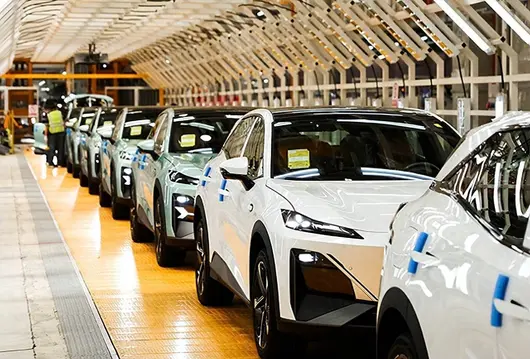

喺馬來西亞嘅 SUV 市場,好多買家喺揀車嘅時候都會拿 本田 HR-V 同 奇瑞 Tiggo 8 Pro 來做比較。呢兩款車喺價碼同定位上都幾接近,今日我哋就從多個方面做一個詳細嘅比較,幫你省下做功課嘅時間。
本田 HR-V 喺馬來西亞嘅 OTR 售價係 RM 115,900 - 143,900,總共有 4 個版本,包括 2026 e:HEV 1.5L RS(RM 143,900)、2026 1.5T V(RM 137,900)、2026 1.5T E(RM 130,900)等。
奇瑞 Tiggo 8 Pro 喺馬來西亞嘅 OTR 售價係 RM 159,750 - 159,750,總共有 2 個版本,包括 1.6L Turbo Standard(RM 130,000)、1.6L Turbo Premium(RM 145,000)等。
從價錢睇落嚟,本田 HR-V 嘅起價確實比 奇瑞 Tiggo 8 Pro 平咗 RM 43,850。如果你預算有限,本田嘅入門版已經可以滿足日常需要。但都要留意,平嗰幾千蚊,可能在配備上會有取捨,具體要看你嘅需要。
本田 HR-V 配備 1.5L Turbo,馬力 140 hp。官方油耗 7.0 L/100km。
奇瑞 Tiggo 8 Pro 配備 2.0L 4-cyl,馬力 170 hp。官方油耗 8.0 L/100km。
動力方面,奇瑞 Tiggo 8 Pro 嘅 2.0L 4-cyl 比 本田 HR-V 嘅 1.5L Turbo 多咗 30 匹馬力。不過日常喺市區開,兩款車嘅動力都夠用,唔會覺得唔夠力。
本田 HR-V 嘅安全評級係 5★ (ASEAN NCAP),主動安全系統包括本田 SENSING (ACC, CMBS, LKAS, RDM)。
奇瑞 Tiggo 8 Pro 嘅安全評級係 TBD,主動安全系統包括 Basic。
安全配備方面,兩款車都拿到唔錯嘅評級。不過 本田 HR-V 嘅本田 SENSING (ACC, CMBS, LKAS, RDM) 同 奇瑞 Tiggo 8 Pro 嘅 Basic 喺功能上有啲差異,如果你比較看重主動安全嘅話,可以仔細比較吓兩者嘅功能列表。
本田 HR-V 採用 FWD 驅動方式。
奇瑞 Tiggo 8 Pro 採用 FWD 驅動方式。
兩款車嘅驅動方式一樣,都係 FWD,日常駕駛感受唔會有太大區別。
本田 HR-V 同 奇瑞 Tiggo 8 Pro 都係馬來西亞市場嘅主流選擇,適合家庭使用、日常通勤。如果你更加看重品牌口碑同二手價,可以優先考慮口碑好嗰一款;如果你更加在意性價比同配備,就揀配置更豐富嗰款。最終都係建議兩款都去試駕,親自體驗先係最重要嘅。
總計嚟講,本田 HR-V 同 奇瑞 Tiggo 8 Pro 都係馬來西亞市場好好嘅車款。揀邊一部,關鍵仲是要睇你嘅個人需要同預算。建議大家做好功課,多比較幾間車行嘅報價,再去試駕先做最終決定。買車係件大事,花少少時間做功課絕對唔會錯。

Reporter Qiao Xiaoling from China Industry Daily

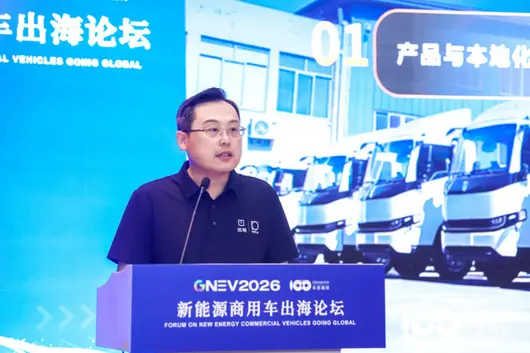
"The competition of future commercial vehicles is no longer a comparison of single vehicles, but a contest of integrated operation systems covering complete vehicles, spare parts, maintenance, energy, and finance." At the New Energy Vehicle Global Cooperation and Development Forum (GNEV2026) held on August 21, Dr. Song Zhaohuan, Vice President and Chief Brand Officer of Geely Farizon New Energy Commercial Vehicle Group, pinpointed the industry's key challenge. He pointed out that the current global new energy commercial vehicle market has huge growth potential, especially in regions where penetration rates are still low, such as Europe, Southeast Asia, the Middle East, and Latin America. Chinese brands are facing a rare window of opportunity. However, the industry's long-term high-quality development is constrained by two major systemic bottlenecks: First, insufficient capability in product and local compliance adaptation. Huge differences in laws, working conditions, and operation models across countries mean simply tweaking domestic models cannot meet long-term overseas demands. As commercial vehicles are means of production, customers value all-weather stable uptime and total cost of ownership more. Second, the lack of overseas supporting ecosystem construction. Weaknesses in segments such as spare parts supply, maintenance, energy networks, and financial products will seriously weaken competitiveness. Passenger car delivery completes the loop, but commercial vehicle delivery has just begun.
Relying on the Geely Holding Group's global system, Farizon explored a "hard first, easy later" breakthrough path — proactively taking Europe, with the strictest standards, as a pilot zone to hone system capabilities with high standards. On August 10, the Farizon Xinghan H European version heavy truck, specially designed for overseas, officially went off the line, meeting EU regulatory requirements and being praised as the "King of New Energy Mainlines", set to appear at the Hanover International Truck Show in September. At the manufacturing end, the first vehicle from the Indonesian KD factory has rolled off the line, marking a key step in Southeast Asian localization manufacturing. At the service end, the Ningbo International Spare Parts Global Distribution Center and the German Gaggenau Europe Spare Parts Warehouse achieved "dual warehouse linkage", fully empowering commercial vehicles with Geely's 40-year global passenger car service capabilities. These measures have translated into actual results: From January to July this year, Farizon's cumulative sales exceeded 107,000 units. Its overseas export volume ranked first in the industry in the first half of the year, with a year-on-year growth of 123%, ranking first in export volume in 28 countries including the UK, Australia, and the UAE. Farizon also won international awards such as What Van 2026 "Zero Emission Van of the Year", becoming the first Chinese brand to reach the finals of the International Van of the Year in 33 years.
Song Zhaohuan emphasized that a single enterprise finds it difficult to solve common challenges; high-quality global expansion of Chinese brands relies on collaboration across the entire industry chain. He proposed three initiatives: Co-research standards, jointly build a global quality standard system, and gradually master the discourse power; Share the ecosystem, partner with energy and financial institutions to layout cross-regional energy supply networks and exclusive financial products to solve pain points regarding charging and purchase thresholds; Guard value together, return to technology, service, and lifecycle value, jointly maintain the global reputation of Chinese brands with reliable quality and localized services. Farizon itself anchors the "30111" strategy: selling 1 million units (sets) annually by 2030, achieving the number one sales rank for both domestic commercial vehicles and global new energy commercial vehicles, with a commitment to 100% green electricity for operations by 2030 and carbon neutrality for the full lifecycle by 2045. Song Zhaohuan concluded that Farizon will shift from "product going global" to "brand, industry, and social responsibility taking deep root locally", continuously outputting mature and efficient Chinese intelligent green transport solutions to the world, and contributing Chinese strength to global transportation carbon neutrality.


Sejak permulaan tahun ini, pasaran kereta domestik telah memasuki keadaan tekanan jualan, yang merupakan perkara yang diketahui umum. Sebagai contoh, prestasi jualan kenderaan penumpang bagi separuh tahun ini menurun berbanding tahun sebelumnya malah melebihi 20%, yang mendorong banyak pengeluar kereta untuk mencari titik突破 jualan baru. Namun, apabila masalah berlaku dan cuba mencari penyelesaian, ia seolah-olah persiapan akhir yang tergesa-gesa. Bagi pengeluar kereta besar yang melangkah langkah demi langkah, jelas mereka tidak akan melakukan perkara sedemikian, sebaliknya mereka telah memilih untuk membuat pelan dari awal di bidang lain, seperti BYD yang ingin kita bincangkan hari ini.

Januari hingga Ogos Jualan Luar Negara Melebihi 1.5 Juta Unit
Benar, seiring dengan waktu memasuki bulan baru, prestasi jualan bulanan BYD juga telah diumumkan.
Berdasarkan data rasmi yang diumumkan, jualan BYD pada bulan Ogos mencapai 440,293 unit, terus memimpin pasaran. Dengan ini, jumlah kumulatif jualan BYD selama 8 bulan pertama tahun ini telah mencapai 2,668,015 unit, mendahului senarai ranking jualan pengeluar kereta domestik. Di bawah penambahan data jualan bulanan yang pesat, jumlah kumulatif jualan kenderaan tenaga baharu BYD telah mencapai lebih daripada 17.8 juta unit, dengan harapan untuk mencapai tonggak 20 juta unit yang bersejarah pada pertarungan penutup akhir tahun!

Berbanding dengan prestasi jualan yang dahsyat ini, terdapat satu set data yang lebih mengejutkan, iaitu prestasi jualan luar negara.
Seperti yang disebut di awal, walaupun pasaran kereta domestik memasuki keadaan tekanan jualan, ia tidak akan menjejaskan pengeluar kereta terkemuka seperti BYD. Namun, perusahaan besar mempunyai kesedaran untuk berwaspada dalam keadaan selamat, mencari titik突破 jualan baru. Arus terbaik semasa kini adalah pasaran luar negara. Namun, timbul masalah, kesukaran jualan pasaran luar negara adalah sangat tinggi, bukan sekadar menarik kenderaan keluar untuk dijual. Di antara ini, selain menghadapi peraturan yang lebih ketat, budaya daerah yang berbeza, malah tahap penerimaan pengguna asing terhadap kenderaan tenaga baharu. Oleh itu, untuk pengeluar kereta ingin mencapai突破 di pasaran luar negara, diperlukan penyelidikan pasaran yang lama dan pengumpulan reputasi.

Terkait ini, BYD yang telah siap melariskan pelan luar negara dari awal, telah mencapai突破 jualan luar negara 1 juta unit pada tahun 2025.
Seiring dengan waktu memasuki tahun 2026, BYD terus mengekalkan keadaan berprestasi tinggi dalam laluan eksport luar negara. Peratusan jualan luar negara beberapa bulan kebelakangan ini, secara asas hampir separuh daripada jumlah keseluruhan jualan. Khususnya apabila prestasi jualan luar negara bulan Osemg, sekali lagi mencapai rekod tertinggi dengan lebih daripada 180,000 unit, BYD hanya memerlukan masa 8 bulan untuk melampaui prestasi jualan eksport luar negara 1 juta unit sepanjang tahun lalu, dan menolak data ini ke突破 yang lebih tinggi 1.15 juta unit!

Mempercepat Masuk ke Fasa Baharu Pembangunan Global
Maka timbul masalah, BYD yang dijangka mencapai penggandaan jualan eksport luar negara tahun ini, bagaimana berjaya di laluan baru ini? Rahsianya apa?

Sebenarnya sama ada pasaran domestik, atau pasaran global luar negara, laluan kejayaan perusahaan juga serupa, iaitu sendiri boleh menguasai teknologi teras, dan boleh terus berinovasi. Tepatnya, ini semua adalah kekuatan BYD. Sebagai pengeluar kereta yang sentiasa memegang "Teknologi Raja, Inovasi Asas" sebagai falsafah pembangunan, BYD sangat menekankan inovasi teknologi. Pada suku pertama tahun ini sahaja, pelaburan penyelidikan dan pembangunan (R&D) telah mencecah 11.3 bilion Yuan, mendahului pengeluar kereta utama domestik. Dan pada tahun 2025 yang lalu, BYD凭借 pelaburan R&D yang tinggi 63.4 bilion Yuan, pertumbuhan tahun semasa 17%, berturut-turut dua tahun berada di tempat pertama syarikat tersenarai Saham A!

Hingga kini, di bahagian R&D yang telah kumulatif pelaburan突破 250 bilion Yuan, BYD juga terus memberikan lebih banyak kejayaan teknologi merubah kepada pasaran kereta global dan pengguna. Sebagai contoh, Bateri Pisau Generasi Kedua dan teknologi cas pantas yang diumumkan BYD pada awal tahun,凭借 kepadatan tinggi, keselamatan tinggi dan kecekapan pengisian semula yang sangat pantas, dan kelebihan teknologi lain, telah melengkapkan banyak kekurangan kenderaan tenaga baharu, secara efektif meningkatkan pengalaman penggunaan pengguna.

Bukan sekadar itu, dalam bidang pemanduan pintar di mana pengeluar kereta global dan perusahaan teknologi terus meningkatkan pelaburan, selepas sebelumnya membuka komitmen jaminan parkir pintar era pemanduan pintar untuk semua, BYD lebih-lebih lagi pada Mei yang lalu, juga secara rasmi menjanjikan jaminan keselamatan selama 1 tahun untuk pemanduan bandar. Dari sini, kita juga dapat meramal satu perkara, pemanduan bandar pada masa hadapan yang tidak lama lagi akan bertahap menjadi jaminan sepanjang hayat, dan BYD boleh凭借 penggunaan pengguna yang tinggi untuk mendapatkan data pemanduan yang besar. Kedua-duanya membentuk kitaran baik, juga akan membantu BYD mengekalkan keadaan memimpin di peringkat global dalam bidang pemanduan pintar.

Selain daripada aras inovasi teknologi, ambisi BYD di peringkat global juga bukan sekadar itu, strateginya keluar laut juga telah membentuk "Amerika Latin Memimpin, Eropah Menembus, Asia Pasifik Berkembang Di Pelbagai Tempat" struktur. Sebagai contoh, model BYD khusus luar negara pertama BYD Otter (BYD RACCO) telah dilaksanakan di Jepun, dan dengan pantas menjadi produk laris di negara kuasa kereta ini; sebagai kilang luar negara BYD, kilang Thailand, malah menyambut ulang tahun kedua pengeluaran; Rel Awan luar negara pertama BYD juga dibuka di Brazil, dan kilang Brazil juga mencapai 100,000 unit kenderaan tenaga baharu keluar dari talian pengeluaran.

Bincang Kereta Daxia:Tidak diragukan lagi, kenapa BYD berani menyatakan "Juara Dunia Kereta Tenaga Baharu", bukan kerana prestasi jualan kenderaan tenaga baharunya berada di peringkat memimpin global, tetapi telah mencapai布局 keseluruhan rantaian industri dari inovasi teknologi hingga pelaksanaan tempatan. Sama seperti dahulu syarikat gabungan masuk ke pasaran domestik, cuma sekarang BYD yang melaksanakan serangan semula ke pasaran luar negara, telah menjadi "Merek Asing" dalam pandangan orang asing. Peralihan identiti ini, bukan sahaja membuktikan BYD telah mempercepat masuk ke tahap baharu globalisasi pembangunan kualiti tinggi yang mendalam tempatan, tetapi juga bermakna Pengeluaran Cerdas China pada pasaran global telah mempunyai kekuatan memimpin!
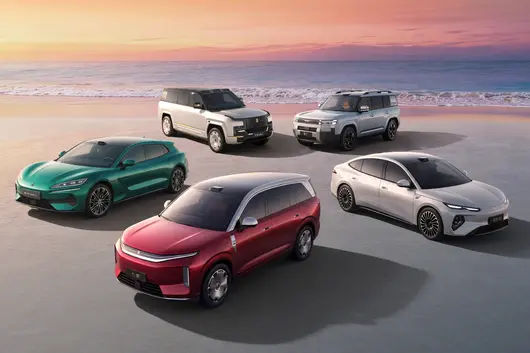

Di pasaran SUV Malaysia, ramai pembeli semasa memilih kereta akan membandingkan Honda HR-V dan Mazda CX-8. Kedua-dua kereta ini mempunyai harga dan sasaran pasaran yang hampir sama, hari ini kita akan membuat perbandingan terperinci dari pelbagai aspek, membantu anda menjimatkan masa untuk membuat kajian.
Honda HR-V di Malaysia berharga OTR RM 115,900 - 143,900, keseluruhan ada 4 varian, termasuk 2026 e:HEV 1.5L RS (RM 143,900), 2026 1.5T V (RM 137,900), 2026 1.5T E (RM 130,900) dan lain-lain.
Mazda CX-8 di Malaysia berharga OTR RM 165,360 - 201,360, keseluruhan ada 5 varian, termasuk 2025 2.5T 4WD High Plus Petrol (RM 201,360), 2025 2.2L 2WD High Plus Diesel (RM 193,123), 2025 2.5L 2WD High Plus Petrol (RM 186,360) dan lain-lain.
Dari segi harga, harga permulaan Honda HR-V memang RM 49,460 lebih murah berbanding Mazda CX-8. Jika anda bajet terhad, varian asas Honda sudah boleh memenuhi keperluan harian. Tetapi perlu diingat, ribuan ringgit yang lebih murah itu mungkin ada kompromi pada kelengkapan, bergantung pada keperluan anda.
Honda HR-V menggunakan enjin 1.5L Turbo, kuasa 140 hp. Penggunaan bahan api rasmi 7.0 L/100km.
Mazda CX-8 menggunakan enjin 2.0L 4-silinder, kuasa 170 hp. Penggunaan bahan api rasmi 8.0 L/100km.
Dari segi kuasa, enjin 2.0L 4-silinder Mazda CX-8 ada 30 kuasa kuda lebih tinggi berbanding enjin 1.5L Turbo Honda HR-V. Namun, untuk penggunaan harian di bandar, kuasa kedua-dua kereta sudah cukup, anda tidak akan rasa kurang bertenaga.
Honda HR-V panjang badan 4500 mm, kompartmen bagasi 450 L.
Mazda CX-8 panjang badan 4500 mm, kompartmen bagasi 450 L.
Saiz kedua-dua kereta hampir sama, perbezaan ruang dalaman tidak begitu ketara. Kereta dalam kelas ini, untuk penggunaan harian sudah mencukupi.
Honda HR-V dan Mazda CX-8 adalah pilihan utama di pasaran Malaysia, sesuai untuk kegunaan keluarga dan perjalanan harian. Jika anda lebih重视 reputasi jenama dan harga jualan kedua, anda boleh utamakan dahulu yang mana reputasinya lebih baik; jika anda lebih menitikberatkan nilai kos dan kelengkapan, maka pilih yang mana kelengkapannya lebih banyak. Akhir sekali, disarankan untuk mencuba memandu kedua-duanya, pengalaman peribadi adalah yang paling penting.

Secara keseluruhannya, Honda HR-V dan Mazda CX-8 adalah model yang sangat baik di pasaran Malaysia. Memilih yang mana satu, yang utama bergantung pada keperluan dan bajet peribadi anda. Disarankan anda melakukan kajian, bandingkan beberapa sebut harga daripada pengedar kereta, baru kemudian buat ujian memandu untuk buat keputusan akhir. Membeli kereta adalah keputusan besar, menghabiskan sedikit masa untuk kajian pasti tidak akan salah.

Dalam pasaran SUV di Malaysia, ramai pembeli akan membandingkan Honda HR-V dan Mazda CX-5 semasa memilih kereta. Kedua-dua kereta ini hampir sama dari segi harga dan posisi. Hari ini, kita akan membuat perbandingan terperinci dari pelbagai aspek untuk membantu anda menjimatkan masa membuat kajian.
Harga OTR Honda HR-V di Malaysia ialah RM 115,900 - 143,900, terdapat 4 versi, termasuk 2026 e:HEV 1.5L RS (RM 143,900), 2026 1.5T V (RM 137,900), 2026 1.5T E (RM 130,900) dan lain-lain.
Harga OTR Mazda CX-5 di Malaysia ialah RM 135,469 - 166,760, terdapat 3 versi, termasuk 2025 2.0L AT 35th Anniversary (RM 316,154), 2025 2.0L AT (RM 296,154), 2025 2.0L MT (RM 294,154) dan lain-lain.
Dari segi harga, harga permulaan Honda HR-V memang lebih murah RM 19,569 berbanding Mazda CX-5. Jika bajet anda terhad, versi permulaan Honda sudah boleh memenuhi keperluan harian. Namun perlu diingat, perbezaan harga beberapa ribu ini mungkin ada pengorbanan dari segi kelengkapan, bergantung pada keperluan anda.
Honda HR-V dilengkapi enjin Turbo 1.5L, kuasa 140 hp. Penggunaan bahan api rasmi 7.0 L/100km.
Mazda CX-5 dilengkapi enjin Turbo 1.5L, kuasa 140 hp. Penggunaan bahan api rasmi 7.0 L/100km.
Kedua-dua kereta menggunakan sistem kuasa yang sama, rasa mengemudi sehari-hari pada dasarnya tiada perbezaan. Dari segi penggunaan bahan api juga hampir sama, tidak perlu terlalu risau mengenai hal ini.
Penilaian keselamatan Honda HR-V adalah 5★ (ASEAN NCAP), sistem keselamatan aktif termasuk Honda SENSING (ACC, CMBS, LKAS, RDM).
Penilaian keselamatan Mazda CX-5 adalah 5★ (ASEAN NCAP), sistem keselamatan aktif termasuk.
Penilaian keselamatan kedua-dua kereta adalah sama, dalam kelas ini kelengkapan keselamatan agak lengkap. Keselamatan kereta baharu sekarang tidak buruk, tidak perlu terlalu risau mengenai hal ini.
Honda HR-V jaminan 5 tahun/jarak tanpa had, selang servis setiap 10,000km atau 6 bulan.
Mazda CX-5 jaminan 5 tahun/150,000km, selang servis setiap 10,000km atau 6 bulan.

Honda HR-V dan Mazda CX-5 adalah pilihan utama pasaran Malaysia, sesuai untuk kegunaan keluarga, perjalanan harian. Jika anda lebih mementingkan reputasi jenama dan harga jualan semula, boleh utamakan model yang lebih reput; jika anda lebih mementingkan nilai dan kelengkapan, pilih model yang lebih lengkap. Akhir sekali disarankan untuk memandu ujian kedua-dua model, pengalaman sendiri adalah yang paling penting.

Secara keseluruhan, Honda HR-V dan Mazda CX-5 adalah model kereta yang sangat baik di pasaran Malaysia. Pemilihan mana satu, penting untuk lihat keperluan dan bajet peribadi anda. Disarankan anda membuat kajian terlebih dahulu, bandingkan beberapa kutipan harga dari kedai kereta, kemudian buat ujian memandu untuk keputusan akhir. Membeli kereta adalah perkara besar, meluangkan masa membuat kajian tidak akan salah.

喺馬來西亞嘅 SUV 市場,好多買家喺揀車嘅時候都會拿 Honda HR-V 同 Mazda CX-5 嚟做比較。這兩款車喺價位同定位上都幾接近,今日我哋就從多個方面做一個詳細對比,幫你省咗做功課嘅時間。
Honda HR-V 喺馬來西亞嘅 OTR 售價係 RM 115,900 - 143,900,一共有 4 個版本,包括 2026 e:HEV 1.5L RS(RM 143,900)、2026 1.5T V(RM 137,900)、2026 1.5T E(RM 130,900) 等。
Mazda CX-5 喺馬來西亞嘅 OTR 售價係 RM 135,469 - 166,760,一共有 3 個版本,包括 2025 2.0L AT 35th Anniversary(RM 316,154)、2025 2.0L AT(RM 296,154)、2025 2.0L MT(RM 294,154) 等。
從價錢睇落,Honda HR-V 嘅起步價確實比 Mazda CX-5 平咗 RM 19,569。如果你預算有限,Honda 嘅入門版已經可以滿足日常需要。但都要注意,平嗰幾千蚊,可能喺配備上會有取舍,具體要看你嘅需要。
Honda HR-V 搭載 1.5L Turbo,馬力 140 hp。官方油耗 7.0 L/100km。
Mazda CX-5 搭載 1.5L Turbo,馬力 140 hp。官方油耗 7.0 L/100km。
兩款車用緊同一套動力系統,日常行車嘅感覺基本冇乜分別。油耗方面都幾接近,唔使太糾結這一點。
Honda HR-V 嘅安全評級係 5★ (ASEAN NCAP),主動安全系統包括 Honda SENSING (ACC, CMBS, LKAS, RDM)。
Mazda CX-5 嘅安全評級係 5★ (ASEAN NCAP),主動安全系統包括 。
兩款車嘅安全評級一樣,喺呢個級別入面安全配備都算畀得好齊全。而家嘅新車安全性都唔差,唔使太擔心這一點。
Honda HR-V 車身長 4500 mm,行李箱 450 L。
Mazda CX-5 車身長 4500 mm,行李箱 450 L。
兩款車嘅尺寸幾近一樣,車內空間差別唔大。呢個級別嘅車,日常使用完全夠用。
Honda HR-V 保養保修 5 年/無限制里程,保養間隔 每 10,000km 或 6 個月。
Mazda CX-5 保養保修 5 年/150,000km,保養間隔 每 10,000km 或 6 個月。
總嚟講,Honda HR-V 同 Mazda CX-5 都係馬來西亞市場幾唔錯嘅車型。揀邊一輛,關鍵始終係睇你嘅個人需要同預算。建議大家做好功課,多比較幾間車行嘅報價,再去試駕做最終決定。買車係件大事,花點時間做功課絕對唔會錯。
In the Malaysian SUV market, many buyers often compare Honda HR-V and Toyota Fortuner when choosing a car. These two cars are quite similar in price and positioning, so today we will do a detailed comparison from multiple aspects to help you save time on research.
The OTR price of Honda HR-V in Malaysia is RM 115,900 - 143,900, with a total of 4 versions, including 2026 e:HEV 1.5L RS (RM 143,900), 2026 1.5T V (RM 137,900), 2026 1.5T E (RM 130,900), etc.
The OTR price of Toyota Fortuner in Malaysia is RM 195,880 - 241,880, with a total of 3 versions, including 2024 2.8T VRZ Diesel (RM 241,880), 2024 2.7L SRZ Petrol (RM 202,880), 2024 2.4L Standard Diesel (RM 195,880), etc.
From the price perspective, the starting price of Honda HR-V is indeed RM 79,980 cheaper than Toyota Fortuner. If your budget is limited, Honda's entry-level version is already sufficient for daily needs. However, you should also note that the difference of a few thousand dollars may involve trade-offs in features, depending on your specific requirements.
Honda HR-V is powered by a 1.5L Turbo, with 140 horsepower.
Official fuel consumption is 7.0 L/100km.
Toyota Fortuner is powered by a 2.5L Diesel, with 187 horsepower.
Official fuel consumption is 8.5 L/100km.
In terms of power, the 2.5L Diesel in Toyota Fortuner has 47 more horsepower than the 1.5L Turbo in Honda HR-V. However, for daily driving in the city, the power of both cars is sufficient, and you will not feel a lack of power.
Honda HR-V warranty: 5 years/unlimited mileage. Maintenance intervals: Every 10,000km or 6 months.
Toyota Fortuner warranty: 5 years/unlimited mileage. Maintenance intervals: Every 10,000km or 6 months.
The warranty conditions for both cars are the same, so there is no need to worry about this. Actual maintenance costs also depend on the brand's service network and parts prices; it is recommended to ask actual owners in owner groups for their experience.
Both Honda HR-V and Toyota Fortuner are mainstream choices in the Malaysian market, suitable for family use and daily commuting. If you value brand reputation and resale value more, you can prioritize the one with a better reputation; if you care more about value for money and features, then choose the better-equipped model. Ultimately, it is recommended to test drive both models; hands-on experience is the most important.

Overall, both Honda HR-V and Toyota Fortuner are very good car models in the Malaysian market. Which one to choose depends mainly on your personal needs and budget. It is recommended to do your research well, compare quotes from several dealerships, and then test drive to make a final decision. Buying a car is a major decision, spending time doing research will never go wrong.

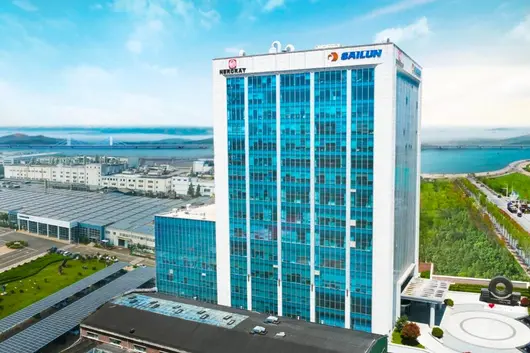
Pada petang 30 Ogos, Kumpulan Sailun mendedahkan Laporan Semester 2026, menyajikan laporan kewangan yang cemerlang di mana kuantiti dan keuntungan meningkat bersama: Pendapatan pada enam bulan pertama mencapai 20.027 bilion yuan, peningkatan setahunan sebanyak 13.88%; Keuntungan bersih yang boleh diperuntukkan kepada pemilik ekuiti syarikat 2.16 bilion yuan, peningkatan setahunan 17.97%——purata keuntungan harian melebihi 10 juta. Pada 30 Jun, jumlah aset syarikat 51.359 bilion yuan, bersih yang boleh diperuntukkan kepada pemilik ekuiti syarikat 22.662 bilion yuan.
Trend pertumbuhan Suku Kedua semakin dipercepatkan: Pendapatan tunggal suku 105.66 bilion yuan, peningkatan setahunan 15.16%, peningkatan berbanding suku sebelumnya 11.68%; Keuntungan bersih 11.03 bilion yuan, peningkatan ketara setahunan 39.26%. Kumpulan secara serentak memperkenalkan rancangan dividen semester, cadangan membayarkan tunai 0.15 yuan setiap saham (termasuk cukai), dijangka membayarkan 493 juta yuan, telah melaksanakan dividen pertengahan tahun selama tiga tahun berturut-turut.

Keluaran dan Penjualan Pecah Rekod, Keupayaan Global Dilepaskan Secara Dipercepat
Bersama dengan pelepasan keupayaan global secara beransur-ansur, keluaran dan penjualan Sailun pada setengah tahun pertama masing-masing memecahkan paras tempoh sejarah: Jumlah pengeluaran tayar 46.9749 juta helai, peningkatan setahunan 15.70%; Penjualan 45.0135 juta helai, peningkatan setahunan 14.99%, pasaran dalam dan luar negara meningkat secara serentak.
Sekarang, kilang Vietnam, Kemboja telah memasuki fasa penghasilan stabil tinggi, kilang Indonesia, Mexico keupayaan sentiasa meningkat, pembinaan tapak Mesir dipromosikan secara berperingkat. Rancangan tapak luar negara bersama-sama mempunyai keupayaan tahunan 12.75 juta helai tayar subang keluli penuh, 89 juta helai tayar subang keluli separuh dan 130,000 tan tayar bukan jalan raya. Tahun 2025 dan setengah tahun pertama 2026, jumlah penghantaran tayar subang eksport Kumpulan, keluaran dan penjualan kilang luar negara masing-masing menduduki tempat pertama industri tayar China. Dalam keadaan penghalang perdagangan kerap berlaku, pelaksanaan globalisasi berpandangan ke hadapan kini menjadi parit pertahanan utama Sailun untuk melalui kitaran.

Implementasi Iterasi Penyelidikan dan Pembangunan, Digitalisasi Memimpin Industri
Kumpulan menempatkan 4 pusat penyelidikan dan pembangunan di seluruh dunia, Pada Ogos usaha gabungan "Penyelidikan dan Penggunaan Peralatan Pembuatan Pintar Tanpa Manusia untuk Tayar Kelas Atas" menerima Anugerah Kemajuan Sains dan Teknologi Shandong Darjah Pertama. Di bahagian produk, tayar subang keluli penuh mengeluarkan produk baru khas tenaga baharu, beban berat, keadaan loji perlombongan; tayar subang keluli separuh produk UHP kelas tinggi US61 dimulakan pengeluaran, beberapa model tayar musim sejuk lulus pensijilan TÜV Eropah; pendapatan tayar bukan jalan raya menduduki tempat pertama dalam senarai syarikat tayar kejuruteraan dalam negara tahun 2026.
Dari aspek digitalisasi, Kumpulan melaksanakan sistem pemeriksaan kualiti penglihatan AI, logistik automatik AGV, perancangan pengeluaran pintar APS, dan membina model raksasa industri Rantai Getah Awan, Agen Lobster Sailun, Agen Perlumbaan Kuda Sailun dan matriks AI pembangunan sendiri, dinilai sebagai syarikat peringkat 5 kematangan transformasi digital pertama dalam industri, dipilih ke dalam senarai syarikat pemimpin digital Kementerian Perindustrian dan Informasi.

Peningkatan Nilai Jenama, ESG Menegakkan Piawaian Industri
Tahun 2026, Sailun dalam senarai Jenama Tayar Paling Berharga di Dunia Brand Finance menduduki tempat ke-10 di dunia, jenama tayar China dengan ranking tertinggi; dengan nilai jenama 125.189 bilion yuan pertama kali masuk 100 besar "500 Jenama Paling Berharga China", muncul dalam senarai 500 Kuasa China "Fortune" selama dua tahun berturut-turut.
Dari aspek ESG, Kumpulan adalah syarikat tayar pertama dalam negara yang lulus pengesahan Sasaran Karbon Saintifik SBTi, penilaian MSCI ESG mencapai tahap AA, tahap tertinggi industri tayar China. Tayar Emas Cecair keberkesanan pengurangan karbon menonjol, Trak dan Bas, Tayar Kereta Penumpang setiap seribu kilometer pelepasan karbon sepanjang kitaran hayat berbanding tayar biasa masing-masing menurun 39%, 27%.
Dalam kesulitan umum industri tayar global "pendapatan meningkat tetapi keuntungan tidak", laporan setengah tahun ini "pendapatan dan keuntungan meningkat" Sailun amat bernilai. Masa depan, Kumpulan akan berterusan dengan "membuat satu tayar yang baik" sebagai misi, melalui pelaksanaan globalisasi dan penyelidikan teknologi mengukuhkan daya saing teras, menyerahkan jawapan yang lebih baik kepada pengguna global.
© 2024 Bitauto.com. All Rights Reserved.
Bitauto (www.yiche.com and www.bitauto.com) is one of the most visited automotive websites in China. We provide detailed info on Chinese car brands available in your area. Please note that the information provided on this website is based on publicly available data and is for reference only. It may not be fully updated or accurate at all times.

Help us improve our website


