

Homeproudly

Search History
Popular Searches
Dealer Login / Sign Up

In Malaysia's SUV market, many buyers compare the Toyota Yaris Cross and Chery Tiggo 7 PHEV when choosing a car.
Toyota Yaris Cross OTR price in Malaysia is RM 99,900 - 109,900, with a total of 2 versions, including 2026 1.5L Standard (RM 99,900), 2026 HEV 1.5L Standard (RM 109,900), etc.
Chery Tiggo 7 PHEV OTR price in Malaysia is RM 129,750 - 129,750, with a total of 2 versions, including 2025 1.5T 90km CSH (RM 129,750), What charging methods does the Tiggo 7 PHEV support? Can it be charged using a home power socket? (RM 117,478), etc.
From a price perspective, the starting price of the Toyota Yaris Cross is indeed RM 29,850 cheaper than the Chery Tiggo 7 PHEV. If your budget is limited, Toyota's entry-level version can already meet daily needs. However, be aware that the savings of a few thousand might involve trade-offs in features, depending on your specific needs.

Toyota Yaris Cross safety rating is 5★ (ASEAN NCAP), active safety system includes TSS.
Chery Tiggo 7 PHEV safety rating is TBD, active safety system includes Basic.
Regarding safety features, both cars have received good ratings. However, there are some differences in function between Toyota Yaris Cross's TSS and Chery Tiggo 7 PHEV's Basic. If you value active safety, you can compare the feature lists of both in detail.

Toyota Yaris Cross adopts FWD drive mode.
Chery Tiggo 7 PHEV adopts FWD drive mode.
Both cars have the same drive mode, both are FWD, daily driving experience will not be much different.

Toyota Yaris Cross warranty 5 years / unlimited mileage, maintenance interval every 10,000km or 6 months.
Chery Tiggo 7 PHEV warranty 3 years / 100,000km, maintenance interval every 10,000km or 6 months.

Toyota Yaris Cross and Chery Tiggo 7 PHEV are both mainstream choices in the Malaysian market, suitable for family use and daily commuting. If you value brand reputation and resale value more, you can prioritize the one with better reputation; if you care more about cost-performance ratio and features, then choose the one with richer configuration. Ultimately, it is recommended to test drive both, personal experience is the most important.

Overall, both Toyota Yaris Cross and Chery Tiggo 7 PHEV are very good models in the Malaysian market. Which one to choose depends mainly on your personal needs and budget. We recommend doing your research, comparing quotes from several car dealers, and then test driving to make the final decision. Buying a car is a big matter, spending some time researching will never be wrong.


喺馬來西亞嘅 SUV 市場,好多家車客喺揀車嗰陣都會拿豐田 Yaris Cross 同奇瑞 Tiggo 8 PHEV 做比較。呢兩款車喺價錢同定位上都幾接近,今日我哋就從多個角度做一個詳細嘅比較,幫各位省去做功課嘅時間。
豐田 Yaris Cross 喺馬來西亞嘅 OTR 售價係 RM 99,900 - 109,900,一共有 2 個版本,包括 2026 1.5L Standard(RM 99,900)、2026 HEV 1.5L Standard(RM 109,900) 等。
奇瑞 Tiggo 8 PHEV 喺馬來西亞嘅 OTR 售價係 RM 159,750 - 159,750,一共有 2 個版本,包括 1.6L Turbo Standard(RM 130,000)、1.6L Turbo Premium(RM 145,000) 等。
從價錢嚟睇,豐田 Yaris Cross 嘅起價確實比奇瑞 Tiggo 8 PHEV 平咗 RM 59,850。如果你預算有限,豐田嘅入門版已經可以滿足日常需要。但都要注意,平咗嘅呢幾千蚊,可能喺配備上會有取捨,具體就要睇你嘅需要。
豐田 Yaris Cross 配備 1.5L 4-cyl,馬力 105 hp。官方油耗 6.0 L/100km。
奇瑞 Tiggo 8 PHEV 配備 Hybrid,馬力 170 hp。官方油耗 4.5 L/100km。
動力方面,奇瑞 Tiggo 8 PHEV 嘅 Hybrid 比豐田 Yaris Cross 嘅 1.5L 4-cyl 多咗 65 匹馬力。不過日常喺市區開,兩款車嘅動力都夠用,唔會覺得唔夠力。
豐田 Yaris Cross 嘅安全評級係 5★ (ASEAN NCAP),主動安全系統包括 TSS。
奇瑞 Tiggo 8 PHEV 嘅安全評級係 TBD,主動安全系統包括 Basic。
安全配備方面,兩款車都拿到唔錯嘅評級。不過豐田 Yaris Cross 嘅 TSS 同奇瑞 Tiggo 8 PHEV 嘅 Basic 喺功能上有少少分別,如果你比較睇重主動安全嘅話,可以仔細比較下兩者嘅功能列表。
豐田 Yaris Cross 保養 5 年/無限制里程,保養間隔 每 10,000km 或 6 個月。
奇瑞 Tiggo 8 PHEV 保養 3 年/100,000km,保養間隔 每 10,000km 或 6 個月。
豐田 Yaris Cross 同奇瑞 Tiggo 8 PHEV 都係馬來西亞市場嘅主流選擇,適合家庭使用、日常通勤。如果你更睇重品牌口碑同二手價,可以優先考慮口碑更好嗰一款;如果你更在意性價比同配備,那就揀配備更豐富嗰款。最终都係建議兩款都去試駕,親身體驗先係最重要嘅。
總嚟講,豐田 Yaris Cross 同奇瑞 Tiggo 8 PHEV 都係馬來西亞市場幾唔錯嘅車款。揀邊一輛,關鍵都要睇你嘅個人需要同預算。建議大家做足功課,多比較間車行嘅報價,先去試駕做最終決定。買車係件大事,花點時間做功課絕對無錯。

喺馬來西亞嘅 SUV 市場,好唔少買家喺揀車嗰陣都會拎 Toyota Yaris Cross 同 Chery Tiggo 8 嚟做比較。呢兩款車喺價位同定位上都幾接近,而家我哋就從多個方面做一個詳細嘅比較,幫你省下做功課嘅時間。
Toyota Yaris Cross 喺馬來西亞嘅 OTR 售價係 RM 99,900 - 109,900,一共有 2 個版本,包括 2026 1.5L Standard(RM 99,900)、2026 HEV 1.5L Standard(RM 109,900) 等。
Chery Tiggo 8 喺馬來西亞嘅 OTR 售價係 RM 129,750 - 129,750,一共有 1 個版本,包括 2026 1.6T Standard(RM 129,750) 等。
由價錢嚟睇,Toyota Yaris Cross 嘅起步價確實比 Chery Tiggo 8 平咗 RM 29,850。如果你預算有限,Toyota 嘅入門版已經可以滿足日常需求。但亦都要注意,平嗰啲錢,喺配備上可能会有取舍,具體要睇你嘅需求。
Toyota Yaris Cross 搭載 1.5L 4-cyl,馬力 105 hp。官方油耗 6.0 L/100km。
Chery Tiggo 8 搭載 1.5L Turbo,馬力 140 hp。官方油耗 7.0 L/100km。
動力方面,Chery Tiggo 8 嘅 1.5L Turbo 比 Toyota Yaris Cross 嘅 1.5L 4-cyl 多咗 35 匹馬力。不過日常喺市區開,兩款車嘅動力都夠用,唔會覺得唔夠力。
Toyota Yaris Cross 保修 5 年/無限制里程,保養間隔 每 10,000km 或 6 個月。
Chery Tiggo 8 保修 3 年/100,000km,保養間隔 每 10,000km 或 6 個月。
Toyota Yaris Cross 同 Chery Tiggo 8 都係馬來西亞市場嘅主流選擇,適合家庭使用、日常通勤。如果你更睇重品牌口碑同二手價,可以優先考慮口碑更好嗰款;如果你更在意性價比同配備,那就揀配置更豐富嗰款。最終都建議兩款都去試駕,親身體驗先係最重要嘅。

總體嚟講,Toyota Yaris Cross 同 Chery Tiggo 8 都係馬來西亞市場好唔錯嘅車款。揀邊一部,關鍵仲要睇你嘅個人需求同預算。建議大家做好功課,多比較幾間車行嘅報價,再去試駕先做最終決定。買車係件大事,花啲時間做功課絕對唔會錯。

In Malaysia's SUV market, many buyers compare the Toyota Yaris Cross and Mazda CX-8 when choosing a car. These two models are quite close in price and positioning. Today, we will make a detailed comparison from multiple aspects to help you save time on research.
The OTR price of the Toyota Yaris Cross in Malaysia is RM 99,900 - 109,900, with a total of 2 versions, including 2026 1.5L Standard (RM 99,900), 2026 HEV 1.5L Standard (RM 109,900), etc.
The OTR price of the Mazda CX-8 in Malaysia is RM 165,360 - 201,360, with a total of 5 versions, including 2025 2.5T 4WD High Plus Petrol (RM 201,360), 2025 2.2L 2WD High Plus Diesel (RM 193,123), 2025 2.5L 2WD High Plus Petrol (RM 186,360), etc.
In terms of price, the Toyota Yaris Cross starting price is indeed RM 65,460 cheaper than the Mazda CX-8. If your budget is limited, Toyota's entry-level version can already meet daily needs. However, also note that the savings of a few thousand might involve compromises in features, depending on your needs.
The Toyota Yaris Cross body length is 4400 mm, trunk 400 L.
The Mazda CX-8 body length is 4500 mm, trunk 450 L.
In terms of space, the Mazda CX-8 body is 100 mm longer than the Toyota Yaris Cross, with an advantage in passenger space. However, the Toyota Yaris Cross is a bit more flexible for parking in the city, each has its trade-offs.
Toyota Yaris Cross warranty 5 years/unlimited mileage, maintenance interval every 10,000km or 6 months.
Mazda CX-8 warranty 5 years/150,000km, maintenance interval every 10,000km or 6 months.
Both the Toyota Yaris Cross and Mazda CX-8 are mainstream choices in the Malaysian market, suitable for family use and daily commuting. If you value brand reputation and resale value more, you can prioritize the one with better reputation; if you care more about cost-performance ratio and features, choose the one with richer configurations. Ultimately, it is recommended to test drive both, experiencing it personally is the most important.

Overall, both the Toyota Yaris Cross and Mazda CX-8 are very good models in the Malaysian market. Which one to choose depends on your personal needs and budget. It is recommended to do your research, compare quotes from several car dealerships, and then test drive to make a final decision. Buying a car is a major event, spending time researching will never go wrong.

喺馬來西亞嘅 SUV 市場,好多買家喺揀車嘅時候都會拿豐田雅力士 Cross 同奇瑞瑞虎 Cross 來做比較。這兩款車喺價錢同定位上都幾接近,今日我就從多個方面做一個詳細嘅比較,幫你省下做功課嘅時間。
豐田雅力士 Cross 喺馬來西亞嘅 OTR 售價係令吉 99,900 - 109,900,一共有 2 個版本,包括 2026 1.5 公升標準(令吉 99,900)、2026 混合動力 1.5 公升標準(令吉 109,900) 等。
奇瑞瑞虎 Cross 喺馬來西亞嘅 OTR 售價係令吉 88,750 - 99,750,一共有 2 個版本,包括 2025 混合動力 1.5T CSH(令吉 99,750)、2025 1.5T 標準(令吉 88,750) 等。
從價錢來看,奇瑞瑞虎 Cross 嘅起步價比豐田雅力士 Cross 平咗令吉 11,150。老實講,喺呢個價位段,幾千塊嘅差距其實唔算大,關鍵仲係睇整體嘅性價比同長遠使用成本。
豐田雅力士 Cross 嘅安全評級係 5★ (東協 NCAP),主動安全系統包括 TSS。
奇瑞瑞虎 Cross 嘅安全評級係 TBD,主動安全系統包括 Basic。
安全配備方面,兩款車都拿到唔錯嘅評級。不過豐田雅力士 Cross 嘅 TSS 同奇瑞瑞虎 Cross 嘅 Basic 喺功能上有啲差異,如果你比較睇重主動安全嘅話,可以仔細比較下兩者嘅功能列表。
豐田雅力士 Cross 保養 5 年/無限制路程,保養間隔 每 10,000km 或 6 個月。
奇瑞瑞虎 Cross 保養 3 年/100,000km,保養間隔 每 10,000km 或 6 個月。
豐田雅力士 Cross 同奇瑞瑞虎 Cross 都係馬來西亞市場嘅主流選擇,適合家庭使用、日常上班。如果你更睇重品牌聲譽同二手價,可以優先考慮聲譽更好嗰一款;如果你更在意性價比同配備,那就選配備更豐富嗰款。最終都係建議兩款都去試駕,親身體驗先係最重要。

總嘅來說,豐田雅力士 Cross 同奇瑞瑞虎 Cross 都係馬來西亞市場幾唔錯嘅車型。揀邊一輛,關鍵仲係要睇你嘅個人需求同預算。建議大家做好功課,多比較間車行嘅報價,再去試駕做最終決定。買車係件大事,花啲時間做功課絕對唔會錯。


Auto-First | Wutong
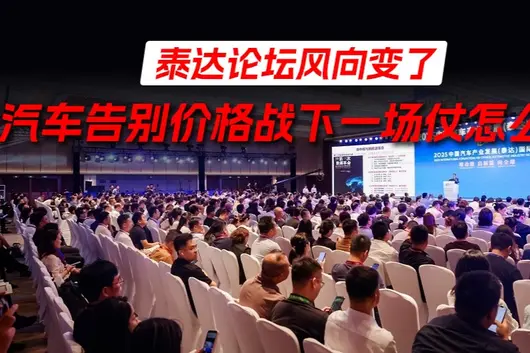
Every September TEDA Forum is a window to observe the trend of China's auto industry. This year, the trend has clearly changed.
In the past few years, the keywords of this forum have always been "New Energy Penetration Rate", "Smart Driving Equity", "Going Global". But this year, you will find a subtle change — from the Chief Engineer of the Ministry of Industry and Information Technology, the Secretary-General of the Industry Association to executives of top car companies, everyone is saying the same thing: curb irrational competition, and can no longer get trapped in unscrupulous price wars.
This is not just empty talk. When industry profit margins fall below the alert line, when overcapacity becomes a consensus, when "losing money on every car sold" changes from rumor to reality, stopping irrational competition is essentially declaring the end of an era of extensive growth.
The question is: No longer relying solely on low prices to exchange for volume, how to fight the next battle?
What Happened at the Forum: Signals of Collective Shift from Ministries to Car Companies
First, let's clarify the most critical pieces of information from the forum.

Wang Weiming, Chief Engineer of the Ministry of Industry and Information Technology stated at the opening ceremony on September 19, which can be regarded as the policy orientation of this industrial shift. He openly stated that the current industry faces challenges such as "irrational competition, declining manufacturing profit margins", and announced that it will implement a special action to improve automotive standards and implement a digital ID system for power batteries.
The weight of this sentence lies in: previously the regulatory layer was more focused on industry guidance, now upgraded to normalized regulation of competition order, rectifying irrational competition chaos. A difference of one word conveys a stronger industrial governance orientation.
He Yi, Executive Deputy Secretary-General of China Association of Automobile Manufacturers stated that the domestic market is facing phased pressure, the whole industry should consolidate consensus and respond collaboratively, jointly maintain a fair market environment, and continuously improve global compliance management capabilities and risk resistance capabilities.
Meanwhile, Wang Weiming pointed out industry shortcomings — high-end chips, basic operating systems still have gaps, overseas trade barriers are intensifying, and competition has shifted from product level to rule level. The breakthrough direction is also clear: automotive chips, all-solid-state batteries, operating systems, autonomous driving large models.

Gong Jinfeng, Deputy Secretary of the Party Committee and General Manager of China Automotive Technology and Research Center's statement is more direct: the industry must shift from price competition to quality upgrade, implement product safety main responsibility, and strictly control production consistency. At the same time, support L3 and above autonomous driving scale commercial operation, promote deep integration of automobiles with AI, low-altitude economy, and embodied intelligence.

Statements at the enterprise level are also noteworthy. Liu Zongcheng, President of Seres Group Technology Company said something very heavy: "The biggest risk in the automotive industry is not slowness, but speed of achievement." He opposes compressing verification cycles and lowering safety standards to rush speed, emphasizes that Chinese automobiles must move from scale leadership to quality leadership, and adhere to the "Five Highs" standard of high safety, high reliability, high performance, high quality, and high value.

Chen Xiaofeng, Vice President and Chief Scientist of Great Wall Motor Technology Center then directed the topic towards going global: Intelligence is the most distinct label for Chinese cars going global. Going global has already bid farewell to simple cost-performance ratio, it must upgrade from hardware export to systematic AI ecosystem going global. Overseas competition is not selling cars, it is the cross-regional landing of a whole set of intelligent capabilities.
Looking at these speeches together, you will find a clear main line: the benchmark for industry competition is shifting from "low price high volume" to "quality + system + rules".
Fact Layering: What is Confirmed, What is Still Changing
Before discussing the industry shift, let's clarify the boundaries of facts first.
Confirmed Facts:
First, the "15th Five-Year Plan for the Development of Intelligent Connected New Energy Vehicle Industry" issued by nine departments was implemented on September 11, explicitly clarifying the goals of 70% penetration rate for new energy passenger cars and 40% for commercial vehicles by 2030, with large-scale implementation of highly autonomous driving. This is not an impromptu speech at the forum, but a formal policy document.
Second, the collective statements of top car companies are consistent — opposing irrational competition, emphasizing quality and safety. Executives from companies like Seres, Great Wall, and Changan conveyed similar signals on different occasions.
Third, the direction of capacity control and merger and restructuring is clear. The 15th Five-Year Plan document mentions strengthening capacity early warning control and encouraging merger and restructuring. This means that clearing backward capacity will no longer rely solely on spontaneous market adjustment, but will also be supported by policy guidance.

Variables Still Need Observation:
First, how is "rectifying irrational competition" specifically implemented? Is it interviews, industry self-discipline, or other regulatory measures? The execution intensity directly affects the pace of industry shift.
Second, the coverage and implementation time of the power battery digital ID system. Currently only the direction of system construction is clear, and specific details have not been released to the public.
Third, FAW's intention to invest in GAC. Both parties have only signed an intent agreement, and are in the planning stage of major asset restructuring, still with major uncertainty. If this cooperation is implemented, it is a new paradigm of central enterprise restructuring after the shelving of Changan Dongfeng integration: capital union first, then business synergy, not pursuing full merger. Whether it can be implemented in the future also depends on the compilation of the plan and regulatory approval results.
Distinguish these clearly, and you will not misread "direction set" as "reform implemented".
The Real Disagreement Behind This Shift: If Not Low Price War, Then What?
On the surface, all parties at the forum are calling for curbing irrational competition. But looking deeper, the understanding of "what war to fight next" by all parties is actually not fully consistent.

The perspective of the Ministry of Industry and Information Technology is a struggle for rules. Wang Weiming mentioned that global industry competition has become a struggle for standards and rules. China's new energy vehicle production and sales have been first in the world for 11 consecutive years, but high-end chips and basic operating systems still have shortcomings. So the breakthrough direction is automotive chips, all-solid-state batteries, operating systems, autonomous driving large models — these are "bottleneck" areas, and also where the discourse power for the next round of rule-making lies.
Seres' perspective is a struggle for safety and quality. Liu Zongcheng said "the biggest risk is speed of achievement", behind which is industry concerns: in the process of rapid expansion, some enterprises have the impulse to compress verification cycles and lower safety standards. The "Five Highs" standard he emphasizes is essentially saying: scale growth cannot be at the expense of safety.
Great Wall's perspective is a struggle for ecosystem going global. What Chen Xiaofeng said about "systematic AI ecosystem going global" does not mean simply selling cars overseas, but moving a whole set of capabilities such as intelligent driving, cockpit systems, charging networks, and user services overseas. This is a higher dimension competition — from selling products to selling systems.
You will find that these three perspectives are not contradictory, but focus differently. The regulatory layer worries about industrial security and rule discourse power, car companies need to solve business models and find differentiated competitive paths, while the industry forms a unique consensus: relying solely on low prices for volume is no longer viable.
Why Now: The Industry Turning Point Has Arrived
Why specifically the 2026 TEDA Forum collectively calling to curb irrational competition? This is not accidental, but a combination of several variables reaching a critical point.
First Variable: The domestic market has shifted from incremental to stock-based.
New energy penetration rate stabilizes at 60%, fuel vehicles accelerate decline. When penetration exceeds 50%, the industry changes from "grabbing new users" to "grabbing stock replacement users". In this stage, the marginal effect of low-price competition will decrease rapidly — the number of users that can be grabbed by lowering prices becomes less, but the profit loss becomes larger.
Second Variable: Overcapacity has changed from a hidden worry to reality.
The 15th Five-Year Plan specifically mentions capacity early warning control, indicating that this problem has become serious enough to require policy intervention. A large number of car companies are in a loss-making state, market share continues to concentrate on top companies like BYD, Geely, Chery, Leapmotor; losing money on selling cars becomes normal, dealer profits continue to bear pressure. This state continuing long-term will be transmitted to the entire industry chain.

Third Variable: Overseas profit has become a new lifeline.
Domestic single-car profit is extremely thin, overseas single-car net profit is significantly higher than domestic. BYD's overseas revenue share exceeded half for the first time in the first half of the year, indicating that going global has changed from "icing on the cake" to an important profit pillar. However, direct export of complete vehicles faces tariff barriers in various countries, car companies fully turn to overseas factory building + local supply chain model — competition dimension upgrades, no longer a cost-performance battle of single cars, but a comprehensive competition of supply chain, system, and compliance.
Fourth Variable: Global traditional car companies collectively shrink and slim down.
Volkswagen continues to promote local capacity optimization, layoff plans, shrink fuel vehicle business, streamline product lines; BMW and Mercedes-Benz simultaneously compress R&D and personnel, shrink inefficient businesses. Traditional car company strategy: cut fuel vehicle R&D, reduce redundant capacity, focus on high-end electric vehicles.
This leaves a window period for Chinese car companies, but the window will not remain open forever. Whoever can build system capabilities within the window period can occupy a position in the future global landscape.
These four variables combined explain why it is now — not because enterprises actively give up low-price strategies, but the cost of continuous irrational competition has become so large that the entire industry finds it difficult to bear.
What to Watch Next: Three Observation Dimensions
The forum ended on September 20, but the industry shift has just begun. Next, there are three dimensions worth continuous observation.
Observation 1: Will the power battery digital ID become a straitjacket for irrational competition?
The core of the battery digital ID system is to achieve traceability and regulatory oversight of the full lifecycle of power batteries. This means the grey space of low-price competition will be compressed — the path of relying on low-cost inferior batteries to lower prices will be subject to stronger constraints in the future. The implementation details and enforcement intensity of this system directly determine whether "quality upgrade" is a slogan or reality.

Observation 2: Will central SOE capital join hands, triggering a new round of industry integration?
FAW intends to invest in GAC, belonging to the planning stage, and still has major uncertainty. If this model runs smoothly, more car companies may collaborate in procurement, R&D, and going global through equity binding methods in the future. This will directly change the industry competition landscape.
Observation 3: Localization going global, is it real profit or a new burden?
BYD Hungary Factory, Leapmotor with Stellantis Spain Shared Line, Chery Vietnam Factory, Changan Indonesia Base — the overseas factory building wave has risen. But building a factory is just the first step. Whether able to achieve local profitability overseas, build a complete supply chain system, and cope with local compliance and labor issues are the real tests.
Auto-First View: Industry Track Switch, New Stage of Hard Power Competition Begins
Every year after the TEDA Forum ends, a bunch of "golden quotes" are spread. But golden quotes themselves do not change the industry. What truly changes the industry is the realistic pressure and policy push behind the golden quotes.
This year's signal is clear: China's automobile industry is bidding farewell to the extensive stage of "exchanging price for volume", and entering a new stage of "winning by quality, going global by system, deciding victory by rules".
This process will not be smooth. Irrational competition will not disappear immediately because of appeals on the forum, quality upgrade will not be completed automatically because of a few documents. But the direction is set — the next five years, whoever can build barriers in core technology, system capabilities, and global compliance will truly survive.
For ordinary consumers, this may mean: ultra-low price models will become fewer, but models with better product quality and safety guarantees will become more and more. For car enterprises, this means: the days of relying solely on price cuts to boost volume are over, the era of competing on comprehensive strength has begun. (Some images from the internet)

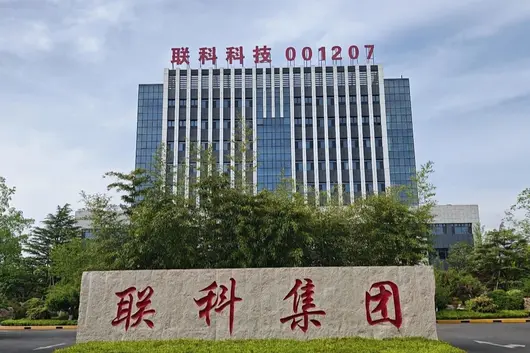
14 September malam, Lianke Technology (001207) mengeluarkan dua pengumuman berturut-turut: syarikat berancang melabur kira-kira 1 bilion yuan di Wilayah Ekonomi Terusan Suez, Mesir, untuk membina "Projek Integrasi Kitar Semula Silika-Karbon Hitam"; pada masa yang sama, dana pengumpulan projek asalnya yang belum digunakan sebanyak kira-kira 236 juta yuan akan diubah arahannya ke projek asing baharu ini, satu dalam satu luar menggambarkan lanskap strategik untuk mempercepatkan globalisasi dan menuju ke peringkat tinggi.

Ikut Pelanggan Tayar, rebut peluang di Afrika Utara
Menurut pengumuman, Lianke Technology akan menubuhkan syarikat platform di Singapura melalui anak syarikat milik penuh dan kemudiannya melabur bersama untuk mendaftarkan entiti pelaksanaan projek di Mesir. Tapak basis baharu dipilih di Kawasan Perindustrian Sukhna, selepas siap akan membentuk kapasiti Silika 100,000 tan/tahun, Karbon Hitam 100,000 tan/tahun, tempoh pembinaan dijangka 18 bulan.
Langkah ini tepat pada masanya. Pemimpin tayar China sedang mempercepatkan pelaburan di Afrika Utara: Tyre Sailun melabur lebih 1.1 bilion dolar di Mesir, Kumpulan Linglong berancang melabur kira-kira 2 bilion dolar, Getah Zhongce, Langma, Aeolus masing-masing melabur di Mesir, Tyre Guizhou, Sentinel dan lain-lain merancang di Maroko, hulu Zhongtian Steel juga membina projek tali keluli di tempat itu. Produk Lianke Technology telahpun melalui pengesahan Linglong, Tyre Sailun, Goodyear, Triangle dan lain-lain — pengembangan kapasiti pelanggan akan terus ditukar kepada permintaan sokongan yang kuat. Menubuhkan kilang berhampiran bukan sahaja memendekkan tempoh penghantaran, menurunkan kos logistik dan cukai, malah boleh memanfaatkan kelebihan Mesir yang bersebelahan Eropah dan mempunyai perjanjian perdagangan bebas dengan Kesatuan Eropah, merangkumi pasaran Eropah, Asia dan Afrika.
Dijangka hasil pendapatan tahunan melebihi 1.272 bilion yuan selepas projek mencapai kapasiti penuh, keuntungan bersih melebihi 188 juta yuan, kadar pulangan dalaman 22%. Pendapatan luar negara syarikat dalam Setengah tahun pertama 2026 meningkat 45.03% secara tahunan, menyediakan rizab pesanan yang mencukupi untuk pelancaran projek.

Perubahan Dana Pengumpulan, Sasaran ke Peringkat Lebih Tinggi
Projek pengumpulan asal "Projek Bahan Karbon Nano (Fasa Dua)" berjalan lancar, Garis 7 telah beroperasi pada Mei 2026, kali ini hanya mengubah arahan 236 juta yuan yang belum dihabiskan, masih memerlukan persetujuan mesyuarat agung pemegang saham. Sebab utama perubahan adalah laluan teknologi naik taraf ke peringkat lebih tinggi: industri kabel laut hilir terhadap prestasi bahan perisai terus meningkat, laluan peringkat lebih tinggi memerlukan pengesahan teknikal yang lebih mencukupi dan penyesuaian proses, jadual masa asal sukar untuk padan. Syarikat akan mengarahkan dana yang belum digunakan ke projek Mesir yang tempoh pulangan lebih singkat, keuntungan lebih jelas, mengelakkan pendam dana.

Projek Mesir akan membentuk "Dalam Negeri + Luar Negeri" pendorong dua roda dengan basis Shandong, memenuhi bekalan tempatan pelanggan luar negara dan menyebar risiko wilayah tunggal. Dengan kadar penetrasi tayar hijau terus meningkat, Lianke Technology beralih dari eksport produk tunggal kepada pengeluaran dan bekalan tempatan, Mesir berpotensi menjadi tapak pembuatan penting untuk penyelarasan hulu-hilir industri tayar China, ke pasaran Eropah dan Afrika, laluan eksport kumpulan "bina kilang hilir, sokongan hulu" ini perlu diperhatikan.

Dalam pasaran SUV di Malaysia, ramai pembeli ketika memilih kenderaan akan membandingkan Honda CR-V dan Mazda CX-5. Kedua-dua kereta ini agak hampir dalam harga dan kedudukan pasaran. Hari ini kita akan membuat perbandingan terperinci dari pelbagai aspek untuk membantu anda menjimatkan masa membuat kajian.
Honda CR-V di Malaysia mempunyai harga OTR RM 178,200 - 195,900, terdapat 4 versi, termasuk 2026 e:HEV 2.0L 2WD RS (RM 195,900), 2026 1.5T 4WD V (RM 181,900), 2026 e:HEV 2.0L 2WD E (RM 178,200) dan lain-lain.
Mazda CX-5 di Malaysia mempunyai harga OTR RM 135,469 - 166,760, terdapat 3 versi, termasuk 2025 2.0L AT 35th Anniversary (RM 316,154), 2025 2.0L AT (RM 296,154), 2025 2.0L MT (RM 294,154) dan lain-lain.
Dari segi harga, harga permulaan Mazda CX-5 lebih murah RM 42,731 berbanding Honda CR-V. Jujur dikatakan, dalam julat harga ini, perbezaan beberapa ribu tidak besar, yang utama masih melihat kepada nisbah harga dan prestasi keseluruhan serta kos penggunaan jangka panjang.

Honda CR-V dilengkapi enjin 2.0L 4-silinder, kuasa 170 hp. Penggunaan bahan api rasmi 8.0 L/100km.
Mazda CX-5 dilengkapi enjin 1.5L Turbo, kuasa 140 hp. Penggunaan bahan api rasmi 7.0 L/100km.
Dari segi kuasa, enjin 2.0L 4-silinder Honda CR-V mempunyai 30 kuasa kuda lebih berbanding enjin 1.5L Turbo Mazda CX-5, pecutan bahagian tengah lebih yakin, terutamanya ketika memotong di lebuh raya. Namun, penggunaan bahan api Mazda CX-5 mungkin lebih jimat, perbezaannya untuk perjalanan harian di bandar tidak akan terlalu besar.

Honda CR-V waranti 5 tahun/jarak tidak terhad, jarak penyelenggaraan setiap 10,000 km atau 6 bulan.
Mazda CX-5 waranti 5 tahun/150,000 km, jarak penyelenggaraan setiap 10,000 km atau 6 bulan.

Honda CR-V dan Mazda CX-5 adalah pilihan utama dalam pasaran Malaysia, sesuai untuk kegunaan keluarga dan perjalanan harian. Jika anda lebih mengutamakan reputasi jenama dan harga kedua, anda boleh prioriti model yang lebih popular; jika anda lebih mengutamakan nisbah harga dan prestasi serta kelengkapan, pilih model yang kelengkapannya lebih kaya. Akhir sekali, disarankan untuk membandingkan kedua-duanya dengan uji jalan, pengalaman sendiri adalah yang paling penting.

Secara keseluruhannya, Honda CR-V dan Mazda CX-5 adalah model yang sangat bagus dalam pasaran Malaysia. Memilih mana satu, kuncinya masih melihat kepada keperluan dan bajet peribadi anda. Disarankan untuk membuat kajian terlebih dahulu, bandingkan penawaran harga beberapa kedai kereta, baru uji jalan untuk membuat keputusan akhir. Membeli kereta adalah perkara besar, meluangkan masa untuk membuat kajian pasti tidak akan salah.


Dalam pasaran SUV di Malaysia, ramai pembeli yang apabila memilih kenderaan akan menggunakan Honda HR-V dan MG MG HS untuk dibandingkan. Kedua-dua kereta ini sangat hampir dari segi harga dan penentuan pasaran. Hari ini kita akan membuat perbandingan terperinci dari pelbagai aspek untuk membantu anda menjimatkan masa membuat penyelidikan.
Honda HR-V di Malaysia mempunyai harga OTR sebanyak RM 115,900 - 143,900, terdapat 4 varian, antaranya termasuk 2026 e:HEV 1.5L RS (RM 143,900), 2026 1.5T V (RM 137,900), 2026 1.5T E (RM 130,900) dan lain-lain.
MG MG HS di Malaysia mempunyai harga OTR sebanyak RM 130,450 - 146,450, terdapat 2 varian, antaranya termasuk 1.5L Standard (RM 105,000), 1.5L Executive (RM 115,000) dan lain-lain.
Dari segi harga, harga permulaan Honda HR-V memang lebih murah RM 14,550 berbanding MG MG HS. Jika bajet anda terhad, varian permulaan Honda sudah boleh memenuhi keperluan harian. Namun perlu diingat, beberapa ribu ringgit yang lebih murah itu mungkin melibatkan pertimbangan dalam kelengkapan, bergantung sepenuhnya pada keperluan anda.

Honda HR-V dilengkapi dengan 1.5L Turbo, kuasa 140 hp. Penggunaan bahan api rasmi 7.0 L/100km.
MG MG HS dilengkapi dengan 1.5L Turbo, kuasa 140 hp. Penggunaan bahan api rasmi 7.0 L/100km.
Kedua-dua kereta menggunakan sistem pemacu yang sama, rasa memandu harian secara dasarnya tiada perbezaan. Dari segi penggunaan bahan api juga sama, tidak perlu terlalu bimbang mengenai hal ini.
Penilaian keselamatan Honda HR-V adalah 5★ (ASEAN NCAP), sistem keselamatan aktif termasuk Honda SENSING (ACC, CMBS, LKAS, RDM).
Penilaian keselamatan MG MG HS adalah TBD, sistem keselamatan aktif termasuk Asas.
Dari segi kelengkapan keselamatan, kedua-dua kereta telah menerima penilaian yang baik. Walau bagaimanapun, Honda SENSING (ACC, CMBS, LKAS, RDM) pada Honda HR-V dan Asas pada MG MG HS mempunyai beberapa perbezaan dari segi fungsi. Jika anda lebih mengutamakan keselamatan aktif, anda boleh membandingkan dengan teliti senarai fungsi kedua-duanya.

Honda HR-V menggunakan cara pemacu FWD.
MG MG HS menggunakan cara pemacu FWD.
Cara pemacu kedua-dua kereta adalah sama, kedua-duanya FWD, rasa memandu harian tidak akan berbeza banyak.
Honda HR-V dan MG MG HS adalah pilihan utama dalam pasaran Malaysia, sesuai untuk kegunaan keluarga dan komuter harian. Jika anda lebih mengutamakan reputasi jenama dan harga jualan semula, anda boleh mengutamakan yang mempunyai reputasi lebih baik. Jika anda lebih mengutamakan nilai dan kelengkapan, pilih yang mempunyai kelengkapan lebih lengkap. Akhir sekali, disaran kedua-dua model dicuba uji memandu, pengalaman langsung adalah yang paling penting.
Secara umumnya, Honda HR-V dan MG MG HS adalah model yang sangat bagus dalam pasaran Malaysia. Memilih yang mana satu, kuncinya adalah melihat keperluan dan bajet peribadi anda. Kami sarankan anda membuat penyelidikan yang baik, membandingkan banyak tawaran daripada beberapa agen kereta, kemudian buat uji memandu untuk membuat keputusan akhir. Membeli kenderaan adalah perkara besar, meluangkan masa untuk penyelidikan tidak akan salah.


Di pasaran SUV Malaysia, ramai pembeli ketika memilih kereta akan membandingkan Honda HR-V dan Chery Tiggo 7 Pro. Kedua-dua kereta ini mempunyai harga dan kedudukan pasaran yang agak hampir, hari ini kita akan membuat perbandingan terperinci dari pelbagai aspek untuk membantu anda menjimatkan masa membuat kajian.
Harga OTR Honda HR-V di Malaysia ialah RM 115,900 - 143,900, terdapat 4 varian, termasuk 2026 e:HEV 1.5L RS (RM 143,900), 2026 1.5T V (RM 137,900), 2026 1.5T E (RM 130,900) dan lain-lain.
Harga OTR Chery Tiggo 7 Pro di Malaysia ialah RM 123,750 - 123,750, terdapat 2 varian, termasuk 1.6L Turbo Standard (RM 125,000), 1.6L Turbo Premium (RM 140,000) dan lain-lain.
Dari segi harga, harga permulaan Honda HR-V memang lebih murah RM 7,850 berbanding Chery Tiggo 7 Pro. Jika bajet anda terhad, varian asas Honda sudah cukup untuk keperluan harian. Namun perlu diingat, beberapa ribu ringgit yang lebih murah itu, mungkin ada kompromi pada kelengkapan, bergantung kepada keperluan anda.
Honda HR-V dilengkapi dengan 1.5L Turbo, 140 hp. Jimat bahan api rasmi 7.0 L/100km.
Chery Tiggo 7 Pro dilengkapi dengan 1.5L Turbo, 140 hp. Jimat bahan api rasmi 7.0 L/100km.
Kedua-dua kereta menggunakan enjin yang sama, perbezaan dalam pengalaman memandu sehari-hari adalah sedikit. Jimat bahan api juga hampir sama, tidak perlu terlalu bimbang mengenai hal ini.
Penilaian keselamatan Honda HR-V ialah 5★ (ASEAN NCAP), sistem keselamatan aktif termasuk Honda SENSING (ACC, CMBS, LKAS, RDM).
Penilaian keselamatan Chery Tiggo 7 Pro ialah TBD, sistem keselamatan aktif termasuk Basic.
Dari segi kelengkapan keselamatan, kedua-dua kereta telah menerima penilaian yang baik. Walau bagaimanapun, Honda SENSING (ACC, CMBS, LKAS, RDM) pada Honda HR-V dan Basic pada Chery Tiggo 7 Pro mempunyai perbezaan dalam fungsi. Jika anda memberi perhatian kepada keselamatan aktif, anda boleh membandingkan senarai fungsi kedua-duanya dengan teliti.
Jaminan Honda HR-V 5 tahun / tanpa had jarak, selang penyelenggaraan setiap 10,000km atau 6 bulan.
Jaminan Chery Tiggo 7 Pro 3 tahun / 100,000km, selang penyelenggaraan setiap 10,000km atau 6 bulan.
Secara keseluruhan, Honda HR-V dan Chery Tiggo 7 Pro adalah model kereta yang sangat baik di pasaran Malaysia. Memilih mana satu, bergantung kepada keperluan dan bajet peribadi anda. Kami cadangkan anda membuat kajian, membandingkan beberapa harga daripada kedai kereta, kemudian buat ujian jalan untuk membuat keputusan akhir. Membeli kereta adalah perkara besar, meluangkan masa untuk kajian pasti tidak akan rugi.

In the Malaysian SUV market, many buyers compare the Honda HR-V and Chery Tiggo Cross when choosing a car. These two models are quite close in terms of price and positioning. Today, we will make a detailed comparison from multiple aspects to help you save time on research.
The OTR price of the Honda HR-V in Malaysia is RM 115,900 - 143,900, with a total of 4 versions, including 2026 e:HEV 1.5L RS (RM 143,900), 2026 1.5T V (RM 137,900), 2026 1.5T E (RM 130,900), etc.
The OTR price of the Chery Tiggo Cross in Malaysia is RM 88,750 - 99,750, with a total of 2 versions, including 2025 HEV 1.5L CSH (RM 99,750), 2025 1.5T Standard (RM 88,750), etc.
In terms of price, the starting price of the Chery Tiggo Cross is RM 27,150 cheaper than the Honda HR-V. Honestly, in this price range, a difference of a few thousand is not really significant; the key is to look at overall value for money and long-term usage costs.
The Honda HR-V safety rating is 5★ (ASEAN NCAP), active safety systems include Honda SENSING (ACC, CMBS, LKAS, RDM).
The Chery Tiggo Cross safety rating is TBD, active safety systems include Basic.
In terms of safety features, both cars have received good ratings. However, there are some functional differences between the Honda HR-V's Honda SENSING (ACC, CMBS, LKAS, RDM) and the Chery Tiggo Cross's Basic. If you value active safety, you can compare their feature lists carefully.
The Honda HR-V body length is 4500 mm, trunk capacity 450 L.
The Chery Tiggo Cross body length is 4400 mm, trunk capacity 400 L.
Regarding space, the Honda HR-V body is 100 mm longer than the Chery Tiggo Cross, offering slightly more interior passenger space, especially rear legroom. If you often carry family or need to place a stroller, a larger body is indeed more practical.
The Honda HR-V uses FWD drive type.
The Chery Tiggo Cross uses FWD drive type.
Both cars have the same drive type, both are FWD, there won't be much difference in daily driving feel.
Overall, both the Honda HR-V and Chery Tiggo Cross are excellent models in the Malaysian market. Which one to choose mainly depends on your personal needs and budget. It is recommended to do your research, compare quotes from multiple dealerships, and then test drive before making a final decision. Buying a car is a big matter, spending time on research will never be wrong.

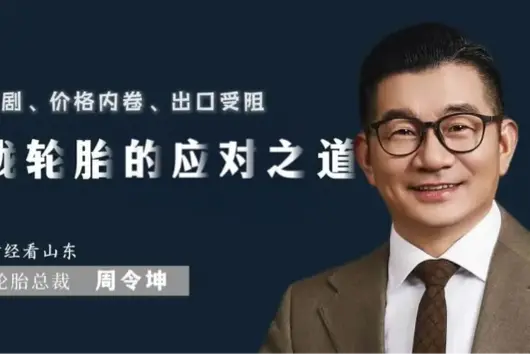
Pada masa ini, industri tayar China sedang berada di titik peralihan sejarah: struktur ekonomi dan perdagangan global mengalami penyesuaian mendalam, kadar penetrasi kereta elektrik baharu melebihi 60%, persaingan beralih daripada harga rendah kepada kepimpinan teknologi. Bagaimana syarikat teratas mengatasi halangan? Baru-baru ini, Pengurus Agung Linglong Tayar Zhou Lingkun menyatakan dalam temuramah khas dengan Xinhua Kewangan bahawa penyusunan semula industri menyediakan tetingkap penting untuk peningkatan kualiti dan kemajuan syarikat teratas. Linglong akan menggunakan strategi pertumbuhan terpadu 'ke atas jenama, ke atas produk, ke atas saluran' untuk membina keyakinan teras yang mampu melalui kitaran.

Tiga Gelombang Bertindih, Titik Peralihan Melahirkan Tetingkap Kemajuan
Zhou Lingkun meringkaskan keadaan industri semasa dengan 'tiga gelombang bertindih': Pertama, penyesuaian struktur ekonomi dan perdagangan global membawa 'Tanpa Meluas, Tersingkir'; Kedua, peningkatan kadar penetrasi tenaga baharu membawa 'menukar lorong untuk melangkau', pada Julai 2026, kadar penetrasi jualan eceran kenderaan penumpang tenaga baharu China telah melebihi 60%, keperluan tayar sedang beralih daripada tahan haus jimat minyak kepada senyap, pintar, selamat; Ketiga, peningkatan dimensi jenama daripada persaingan harga rendah kepada kepimpinan teknologi.
Berdasarkan trend, Linglong telah membuat susun atur menyeluruh. Dari segi eksport, kilang Thailand berkapasiti tahunan melebihi 17.2 juta tayar; Kilang Serbia sebagai pangkalan pengeluaran pertama syarikat tayar China di Eropah telah lulus semakan Volkswagen, Audi, BMW, jualan tahun 2025 meningkat 159.74% secara tahunan. Di landasan tenaga baharu, Linglong adalah penunggang terdepan bukan penangkap, sejak 2020 telah menerima pengiktirafan Sullivan berturut-turut lima tahun sebagai pengilang tayar OE kereta elektrik terkemuka di dunia, perkakasan merangkumi jenama utama seperti FAW Hongqi, BYD, Seres, Leapmotor. Dari segi jenama, Linglong telah memasuki sistem perkakasan jenama kenderaan global lebih daripada 70, lapan daripada 10 syarikat kereta terbesar dunia adalah rakan kongsi mereka, nilai jenama tahun 2026 mencapai 121.236 bilion yuan.
'Tiga Ke Arah Atas' Gelung Pertumbuhan Terpadu, Penerobosan Sistematik Halangan Premium
"“Tiga dimensi tidak ditangani secara terpencil, tetapi membentuk gelung pertumbuhan terpadu.” Zhou Lingkun menerangkan: Jenama ke atas, teras adalah daripada 'Mainstream China' menuju 'Mainstream Global', Linglong menakuki halangan konsesi Audi, BMW, Volkswagen, perkakasan terkumpul global melebihi 300 juta tayar, dan berkerjasama dengan IP sukan kelas atas seperti Real Madrid, Chelsea untuk mengembangkan pengaruh antarabangsa; Produk ke atas, teras adalah daripada 'menangkap' ke 'setara', Master Kedua Linglong yang baru dikeluarkan untuk pertama kalinya mencapai kestabilan prestasi sepanjang hayat kitaran, di belakangnya disokong oleh sistem penyelidikan dan pembangunan 'tiga generasi serentak'; Saluran ke atas, teras adalah daripada 'terminal jualan' ditingkatkan ke 'tapak servis', hampir 30,000 kedai kerjasama di seluruh negara akan bergantung pada sistem penghantaran peringkat empat untuk mencapai 'ketibaan hari ini'.
Ketegasan Penyelidikan Membina Jurang, Bertujuan Lima Teratas Dunia 2030
"““Tiga Ke Arah Atas”adalah teknologi penyelidikan sebagai tapak teras。”Zhou Lingkun menyatakan, pada 2025 pelaburan penyelidikan Linglong 978 juta yuan, empat tahun terakhir pengeluaran terkumpul melebihi 3.461 bilion yuan, nisbah pendapatan mengekalkan kira-kira 4% kedudukan tinggi industri selama empat tahun berturut-turut. Sejak 2026, 144 lesen paten baru diperoleh, meningkat 87.01% secara tahunan. Penyelidikan fokus pada tiga bidang teknologi perkakasan tinggi, bahan baharu dan digitalisasi, di mana 85% tayar bahan lestari telah mencapai piawaian label A Uni Eropah.
Melihat ke hadapan, Zhou Lingkun memberikan matlamat yang jelas: berusaha mencapai pengeluaran dan jualan melebihi 160 juta tayar menjelang 2030, pendapatan jualan melebihi 80 bilion yuan, skala kapasiti memasuki lima teratas dunia. Bagi ini, Linglong akan memegang penempatan global 'di mana kilang kenderaan pergi, di situ kilang dibina', mengukuhkan kedudukan pertama perkakasan tenaga baharu, dan memperdalam transformasi digital-pintar, memasang 'tayar baru AI' untuk operasi global.
"“Perusahaan berkualiti, teknologi inovatif masih boleh melalui kitaran。”Zhou Lingkun menyatakan, peningkatan pengaruh jenama tayar China adalah trend tidak boleh disongsang, Linglong akan memajukan peningkatan nilai jenama tayar China secara global secara berterusan.

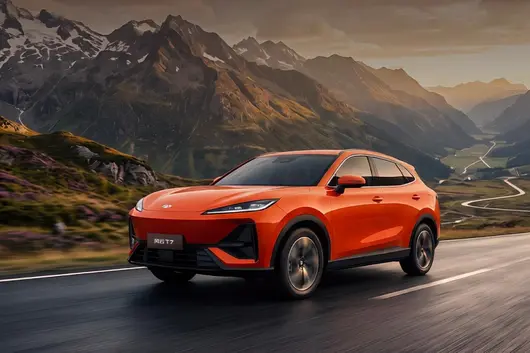
August 26, 2026, Chery Fengyun T7 officially launched. Three versions were released, with a launch guide price of 97,900 yuan to 118,900 yuan, and an advance trade-in price as low as 94,900 yuan to 115,900 yuan. Today, with new energy vehicle penetration rate standing at 60%, the 100,000-level pure electric SUV market has long been a highly contested territory — but products that truly implement the four words "Global Quality" are rare. The arrival of Fengyun T7 may be rewriting this landscape.

In the current industry context of "Speed is Everything", Fengyun T7 chose a different path — slow craftsmanship makes good cars. This car's R&D cycle lasted 3 years, honed based on Chery's global "1+7+N" R&D system. Slow in standards: designed according to 2026 version E-NCAP 5-star safety standards; Slow in verification: 81 durability test vehicles road testing simultaneously, total vehicle cumulative test mileage over 6 million kilometers, durability special practical test 1.45 million kilometers.

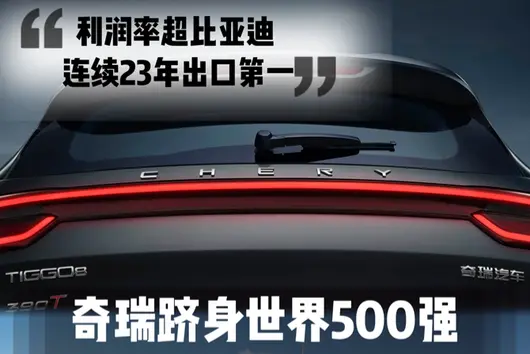
Behind this "slowness" is Chery's deep understanding of the global market. Chery has ranked first among Chinese brand passenger car exports for 23 consecutive years, with over 20 million global users, and products sold in over 130 overseas markets. Fengyun T7 is not simply a domestic model modified for export, but adaptively meets the driving needs of 210 countries and regions globally. Homologous models have launched in South Africa, Thailand, and markets such as Indonesia, EU, Australia/New Zealand are also progressing continuously.
This is a path that accepts global market testing first, then returns to domestic. The delivery upon launch also makes the four words "Global Quality" more than just a slogan.

In the 100,000-level pure electric market, a common phenomenon is that entry-level range shrinks, while long-range is only left for high-spec versions. Fengyun T7's approach is to standardize 65.05kWh Rhino Battery across the whole system, CLTC range starts at 600km, actual test reaches 681.6km, achieving "reverse false labeling" — this is not only sincerity in numbers, but also means that regardless of which version users choose, they will not compromise on range, the most basic experience. Coupled with 30%-80% fast charging takes only 20 minutes efficiency, and battery cycle life over 2,500 times, battery replacement is not needed throughout the vehicle use cycle, completely eliminating users' worries about battery degradation.

More importantly, winter range performance. Fengyun T7 standardizes dual-source wide-temperature range heat pump air conditioning and high-voltage PTC across the whole series, can operate stably within -30°C to 55°C ultra-wide temperature range, range improves 15%-20% in low temperature environment. This means northern users don't dare to turn on AC for warmth in winter to save power, southern users don't worry about range drop due to high temperature in scorching heat. The matched 12-in-1 Kunpeng Super Energy Electric Drive, comprehensive efficiency up to 90.8%, 178kW peak power, 275N·m maximum torque, 180km/h maximum speed, runs farther with equal electricity — not sacrificing performance to exchange range, is truly the meaning of "Super Energy Run".

Good design not only needs to be stunning at first glance, but must withstand time testing, withstand scrutiny from different cultural backgrounds. Fengyun T7 relied on Chery's 10 major design centers, over 100 designers collaboration, and gathered over 5,000 global users' deep co-creation — this "Global Aesthetics + Oriental Elegance" fusion, makes homologous models when appearing at Milan Design Week received wide acclaim.

Among 6 Oriental Elegance car colors, Burning Orange used luxury car level Tri-coat three-layer spraying process, anti-UV, scratch-resistant; Body 0.286Cd ultra-low wind resistance is not only a performance indicator, but also reflects the unification of styling and aerodynamics. Cockpit interior, Cloud Wing Wrap-around design matched with 15.6-inch 2.5K floating large screen, diamond-quilted stitching and river stone floating speaker and other details, in addition to premium feel also take into account daily use durability — long-term use not easy to show old, is exactly what family users care most about "implicit needs".

Safety configuration fears "Exam-Oriented Thinking" — only meet minimum standards, in extreme cases then become inadequate. Fengyun T7's idea is to do enough structural safety redundancy: High-strength steel proportion 80%, hot-formed steel proportion 18.84%, far exceeding same-level average; Nine horizontal five vertical cage body matching same-level unique Shotgun structure and double-frame sub-chassis + Pack anti-collision beam, front collision 6 paths, side collision 9 paths transmission force paths, decompose collision energy layer by layer. 9 airbag configuration is also the most in same level, among which 48L dual-chamber far-end airbag and 1778mm one-piece side air curtain, in side collision and rollover scenarios can provide more sufficient passenger protection.

Battery safety aspect, 6D Lock-plate Armor 31-layer protection structure, IP68 waterproof (national standard 96 times), side anti-squeeze 200kN (national standard 2 times), 1,008 hours salt spray test, 1.5 times national standard fire test duration — every indicator is using "Exceeding Expectations" to define safety standards. Behind these numbers is a simple promise: Whether it is a family daily commute, or long-distance self-driving, Fengyun T7 can provide unexpected sense of security.

Intelligence experience foundation lies in computing power. Fengyun T7 same-level premiere 8775 Cockpit-Driving Integrated Chip, adopts 4nm process, 72 TOPS NPU computing power, 1.3 TFLOPS GPU computing power, 230K CPU computing power, compared to same-level mainstream 5-7nm chips computing power improvement is obvious, system response latency low to 80ms — this means boot faster, operation smoother, interaction more responsive. Under the support of this chip, 15.6-inch 2.5K HD large screen carries Lingxi Smart Cockpit 2.0 x Doubao Large Model, supports full-scenario fuzzy voice interaction, and built-in Xiaoqi Companion, Spoken Language Teacher, Story Master and other six real-person feel companion roles, make driving life no longer boring.

Intelligent driving aspect, 22 high-precision sensors (3R7V12U) matching end-to-end algorithm, realized 300+ full-scenario automated parking, support remote parking, out-of-vehicle parking, cross-floor smart parking and 100-meter trajectory reverse, and highway leadership assist — 500 meters early predict lane change, ramp merge, long-distance driving fatigue is significantly reduced. Series standard AGS Intelligent Front Grille then is an easy to ignore but extremely practical value configuration: High-speed close reduce wind resistance, low-speed open guarantee heat dissipation, in improve range while take into account system reliability.

Fengyun T7 launch time point, exactly stepped on the eve of pure electric SUV market explosion.
July 2026, new energy vehicle monthly sales proportion first time over 60%. In Large 5-Seat SUV market, pure electric models July sales first time surpass plug-in hybrid, three consecutive months surpass fuel. May Large 5-Seat pure electric SUV sales month-on-month growth 213%. NIO's William Li said frankly: "Now technology route is obvious converging towards pure electric".
Compared to competitors like BYD Yuan PLUS (guide price 115,800-149,900 yuan), Geely Galaxy E5 (guide price 109,800-145,800 yuan), Fengyun T7 in motor power (178kW vs 150kW/160kW), series range unity (series 600km vs divided range versions), cockpit chip (8775 vs basic L2 level) three dimensions have parameter advantage. And 97,900 yuan starting price, is even more further amplified this "Value for Money" advantage.

On the press conference, famous musician Henry Wu appeared as "Happiness Experience Officer" identity. He and Chery Automobile Executive Vice President Li Xueyong on "Steady Happiness" expand chat, both sides agree slow craftsmanship makes good cars concept. This "Steady Happiness", both is on product positioning interpretation — series 600km range, Rock Body, 9 airbags, 8775 chip, every item is solid hard power; Both is on brand attitude expression — not play tricks, not do shrink, not treat users as guinea pigs.
In new energy penetration rate break 60% today, consumers have passed "as long as it is electric car buy" stage. They start to be picky, start to compare, start to ask "does this car really worth it". Fengyun T7 gives the answer: Global Quality, 100,000-level price, 200,000-level value. Whether this car can become 100,000-level pure electric SUV new benchmark, market will give answer. At least, it makes this crowded track, has one more option worth serious treatment.


26 Ogos, di bawah Chery Fengyun, SUV Murni Elektrik Kompak Baharu—Fengyun T7 Dilancarkan Secara Rasmi. Kereta baharu ini menawarkan 3 varian, Harga Panduan Rasmi RM 97,900 hingga RM 118,900, Harga Tukar Tambah Prioriti RM 94,900 hingga RM 115,900, Siri penuh julat CLTC 600km, serahan serta-merta selepas pelancaran.

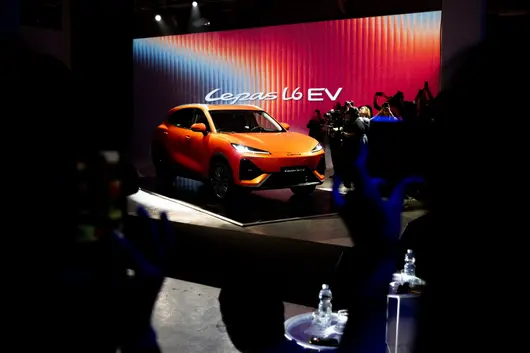
Dalam pasaran kenderaan baharu tempatan "ubah suai setiap setengah tahun, ganti model setiap satu tahun" irama persaingan ganas, Fengyun T7 berjalan ke jalan yang bertentangan: Ia bukan model yang dijual bagus dulu di dalam negara kemudian melekat label untuk dieksport, tetapi dari awal projek sudah dibangunkan untuk pasaran global, model sekelas Lepas L6 sudah terdahulu mendarat Afrika Selatan, Thailand, seterusnya akan masuk Kesatuan Eropah, Australia dan New Zealand, United Kingdom, Israel, dll. Mengikut kata Chery sendiri, ini adalah "Kereta Global Asli".
Tiga tahun mengasah satu pedang, "lambat" di mana
Fengyun T7 tempoh kajian pembangunan 3 tahun, di pasaran kereta China hari ini dikira "lambat". Tetapi "lambat" ini bukan kecekapan rendah, tetapi logik pembangunan berlainan.

Majoriti jenama cara buat: Selepas model dalam negara tetap,针对出口市场做法规适配和局部修改,周期短、成本低,但本质上是"将就"。Jalan Fengyun T7 adalah sebaliknya—pra kajian peraturan global 2 tahun lebih awal, ikut standard E-NCAP versi 2026 reka bentuk badan kereta, 15 negara tipikal situasi penggunaan, lebih 5000 penyelidikan pengguna global semua diletakkan di hadapan fasa definisi produk.
Fasa pengesahan juga sama. 81 unit kereta ujian ketahanan, jumlah jarak pengesahan 1.45 juta kilometer, meliputi -40℃ hingga 55℃ suhu melampau, lebih 100 jenis keadaan jalan dan persekitaran melampau—musim hujan Asia Tenggara 500mm merendam air, panas terik Timur Tengah, suhu rendah salji dan hujan Siberia, jalan berbatu pasir Brazil, jalan berbatu bulat Mexico, semua ujian jalan global kereta sebenar, bukan data bangku makmal.
Di situs pelancaran, jurutera chasis luar negara, jurutera reka bentuk, jurutera R&D berdiri bersama, bukan bercakap parameter di atas PPT, tetapi masalah sebenar dan penyelesaian yang setiap orang temui di jalan ujian negara berlainan. Cara "pengesahan jurutera global" ini, dalam model peringkat seratus ribu tidak biasa.
Lari Super: Julat 600km adalah piawai, bukan konfigurasi tinggi
Tenaga dan julat adalah Fengyun T7 bahagian paling tidak perlu ragu-ragu—ketiga-tiga konfigurasi semuanya piawai 65.05kWh Baterai Rhinoceros, CLTC julat 600km, rasmi panggil julat ujian sebenar boleh capai lebih 667km, adalah kaedah penandaan palsu songsang.
Dari segi pengecasan, cas 30%-80% SOC 20 minit, kecekapan mengisi tenaga dalam harga ini adalah tahap arus perdana. Kitaran hayat bateri lebih 2500 kali, ikut kadar penggunaan rumah kira, dalam kitaran penggunaan keseluruhan kereta tidak perlu tukar bateri.
Sistem pemacu elektrik adalah 12 dalam 1 terintegrasi Kuasa Elektrik Kunpeng Super, kuasa puncak 178kW, tork maksimum 275N·m, kelajuan maksimum 180km/h, kecekapan gabungan 90.8%. Parameter dalam kelas SUV Murni Elektrik yang sama tidak dikira terbaik, tetapi cukup untuk digunakan—pecutan 0 hingga 100km/h tidak didedahkan, dari keluar tenaga nampaknya kira-kira 8 saat, untuk rumah tangga sudah cukup melimpah.
Julat musim sejuk adalah masalah utama pengguna utara. Fengyun T7 semua siri piawai pemanas pam haba suhu luas dua sumber + tekanan tinggi PTC, data rasmi -10℃ julat meningkat 30%, -30℃ hingga 55℃ suhu luas operasi stabil. Tambahan 14 reka bentuk rintangan udara rendah tekan pekali rintangan udara ke 0.286Cd, teori julat musim sejuk kadar diskauaun akan lebih kurang model sama tingkat.
Lebih Selamat: Bahan badan dan pelindungan bateri adalah fokus utama
Dari segi keselamatan, struktur badan Fengyun T7 ada beberapa poin yang perlu disebut.
Keluli berkekuatan tinggi mengambil 80%, keluli bentuk panas mengambil 18.84%, nisbah ini dalam kelas SUV Murni Elektrik seratus ribu adalah tahap tinggi. Badan kereta pakai struktur sangkar 9 melintang 5 memanjang, perlanggaran hadapan 6 jalur, perlanggaran sisi 9 jalur pemindahan daya, struktur shotgun unik dalam kelas tambah laluan pemindahan daya perlanggaran depan.
Pelindungan bateri adalah struktur ketat 6D, 31 lapisan perlindungan, gred kalis air IP68 adalah 96 kali piawaian negara, ketahanan sisi terhadap mampatan 200kN adalah 2 kali piawaian negara, ujian semburan garam 1008 jam. Nombor ini terjemah bahasa mudah adalah: banjir musim hujan, genangan jalan, goresan mampatan sisi, persekitaran garam tinggi pantai, kelebihannya bateri beg dibandingkan peraturan lebih tinggi banyak.
Bilangan beg udara adalah 9, termasuk beg udara jauh kurang dalam kelas—antara pemandu dan penumpang hadapan beg udara itu, dalam perlanggaran sisi cegah penumpang hadapan kepala saling hantam. Konfigurasi ini biasanya muncul dalam model级别 lebih tinggi.
Dari segi chasis, oleh pakar penalaan chasis Maserati yang lalu kepimpinan pasukan antarabangsa bertanggungjawab,针对 160km/h 以上超高速段做了专项调校。Nisbah berat gandar depan dan belakang 50.8:49.2, ketinggian pusat graviti 560mm, ditambah 70mm saiz besar bush One-Box pengawalan brek elektrik (136ms bina tekanan), kualiti pemanduan sebenar seharusnya akan lebih kukuh daripada banyak SUV Murni Elektrik harga sama.
Ruang dan Selesa: Keperluan utama rumah penuh
Fengyun T7 saiz badan adalah 4570/1852/1694mm, jejak gandar 2700mm, SUV kompak standard tubuh. Tetapi nisbah ruang dalam做到 84%, ruang kaki belakang 911mm, lantai rata lurus, muat 3 orang penuh juga tidak terlalu sempit.
Baris belakang kerusi sokong 4/6 lipat, setelah lipat membentuk 1955mm×1310mm ruang rata lurus, iaitu rasmi sebut "mod katil rata lurus". Saiz ini dalam kelas adalah terbesar, perkhemahan luar, tenggelam jangka jauh, tidur tengah hari boleh guna.
Kerusi adalah 9 lapisan struktur komposit Kerusi Rasa Awan, ada 3 tahap pemanas dan pengudaraan, luas pemanasan 0.2㎡, dudukan dan sandaran pemanasan ganda, 5 minit dari -20℃ panas pantas ke 30℃. Pengudaraan pakai 3D-mesh pengudaraan lembut, bukan gaya kipas tiupan terus, bunyi bising rendah daripada 38dB.
Ruang simpanan juga fikir cukup teliti: bagasi biasa 450L, maksimum kembangkan 1550L, ada 19L lapisan rahsia dan 99L simpanan tenggelam; pemandu dan penumpang ada satu alur payung, payung basah tidak akan basah permaidani; 50W pengcasan wayarles, 3 soket Type-C+1 USB soket, ini semua keperluan kerap rumah tangga.
Kecerdasan Bagus: Cip 8775 + Falcon 500 Pandu Pintar
Intipati kokpit cerdas adalah cip kapal dan pandu terintegrasi 8775, proses 4nm, kuasa NPU 72 TOPS, perdana dalam kelas. Tahap integrasi lebih generasi terdahulu 60%, kelajuan pencetus meningkat 33%, laten respons sistem 80ms.
Kawalan tengah adalah 15.6 inci skrin 2.5K, 1000nit cahaya, ada anti silau, anti pantulan, pelapis anti jejak jari. Mesej kereta muat Cerdas Lingxi 2.0, akses Model Besar Doubao, sokong Xiaoqi Bercakap Bebas, ada Bonda Timur Laut, Pakar Perbalahan, Guru Percakapan enam watak suara perasaan manusia sebenar. Langsung sambung telefon semua jenama, CarPlay, HiCar, CarLink semua sokong, menutupi 99% lebih telefon.
Sistem pandu pintar nama Falcon 500, perkara sensitif perkakasan 3 radar gelombang milimeter+7 kamera+12 radar ultrasonik, sebanyak 22 biji pengesan. Sokong 300+ senario parking automatik, termasuk masuk jauh, parkir jauh dari kereta, parkir merentas tingkat, 100 meter mundur ikut laluan; bantuan navigasi jalan raya tinggi boleh ramal awal 500 meter tukar jalur dan masuk simpang.
Perlu jelaskan, Falcon 500 seharusnya konfigurasi tinggi Smart Enjoy versi konfigurasinya, konfigurasi sederhana dan rendah kemampuan pandu pintar ada perbezaan.
Komen Dao
Fengyun T7 kereta ini, tempat paling menarik bukan parameter, tetapi logik produknya.
Kelas seratus ribu SUV Murni Elektrik adalah sekarang pasaran kereta China persaingan paling ganas pasaran terbahagi satu, BYD Yuan PLUS, Aion Y Younger, Geely Geometry model kereta harga dan konfigurasi sudah persaingan melampau. Fengyun T7 tidak keras kepala pada "siapa lebih murah", tetapi cerita satu "Kereta Global Asli" cerita—saya kereta ini ikut global tertinggi piawaian dibangunkan, sudah di pasaran luar negara menerima ujian, sekarang dengan harga seratus ribu jual kepada pengguna domestik.
Cerita ini bolehkah gerakkan pengguna, akhirnya nampak kekuatan produk dan reputasi. Tetapi dari indikator keras nampaknya, Fengyun T7 ada beberapa model harga sama jarang benda: 9 beg udara keselamatan, cip kapal dan pandu 4nm, pasukan Maserati penalaan chasis, 1.45 juta kilometer ujian jalan global, siri penuh 600km julat. Tambahan 97,900 harga permulaan dan 94,900 harga tukar tambah, nilai harga cukup.
Data pra-jualan juga boleh huraikan beberapa masalah: 12 Ogos mula pra-jualan, 72 jam tempahan besar terkunci 10,937 unit, 9 hari lampaui 16,787 unit. Dalam satu tahap harga ini, prestasi pra-jualan ini sangat baik.
Chery berturut-turut 23 tahun berada model penumpang jenama Cina eksport pertama, pengguna global lampaui 20 juta, produk dijual ke 130 lebih pasaran luar negara. Fengyun T7 adalah Chery ambil pengalaman eksport terbalik import domestik satu cubaan—jika jalan ini jalan lancar, masa depan kemungkinan ada lebih banyak "eksport dahulu, kemudian kembali" model muncul.
Fengyun T7 sudah dilancarkan, serahan juga dimulakan serentak. Kereta "kerja perlahan keluar kerja halus" global asli ini, bolehkah dalam kelas seratus ribu SUV Murni Elektrik pasaran memotong jalan darah, beberapa bulan akan datang data jualan akan beri jawapan.

In Malaysia's SUV market, many buyers compare Honda WR-V and Chery Tiggo 9 when choosing a car. These two cars are quite close in price and positioning. Today, we will make a detailed comparison from multiple aspects to help you save time on research.
Honda WR-V's OTR price in Malaysia is RM 89,900 - 107,900, with a total of 4 versions, including 2023 1.5L V (RM 99,900), 2023 1.5L E (RM 95,900), 2023 1.5L S (RM 89,900), etc.
Chery Tiggo 9's OTR price in Malaysia is RM 166,800 - 179,800, with a total of 1 version, including 2026 2.0T Standard (RM 179,750), etc.
From a price perspective, Honda WR-V's starting price is indeed RM 76,900 cheaper than Chery Tiggo 9. If your budget is limited, Honda's entry-level version can already meet daily needs. But note, the price difference of a few thousand might involve trade-offs in features, depending on your specific requirements.

Honda WR-V body length is 4400 mm, trunk 400 L.
Chery Tiggo 9 body length is 4400 mm, trunk 400 L.
The dimensions of both cars are almost the same, with little difference in interior space. For a car in this class, it is fully sufficient for daily use.

Honda WR-V adopts FWD drive mode.
Chery Tiggo 9 adopts FWD drive mode.
The drive mode of both cars is the same, both are FWD, there won't be much difference in daily driving experience.

Honda WR-V and Chery Tiggo 9 are both mainstream choices in the Malaysian market, suitable for family use and daily commuting. If you value brand reputation and resale value more, prioritize the one with better reputation; if you care more about value for money and features, choose the one with richer configuration. Ultimately, it is recommended to test drive both, personal experience is the most important.

In general, Honda WR-V and Chery Tiggo 9 are both very good models in the Malaysian market. Which one to choose depends on your personal needs and budget. It is recommended to do your research, compare quotes from more dealerships, and then test drive to make the final decision. Buying a car is a major matter, spending time on research will never be wrong.


Di pasaran SUV Malaysia, ramai pembeli membandingkan Honda WR-V dan Toyota Yaris Cross semasa memilih kereta. Kedua-dua model ini hampir sama dari segi harga dan sasaran pasaran, hari ini kita akan buat perbandingan terperinci dari pelbagai aspek untuk membantu anda menjimatkan masa membuat kajian.
Harga OTR Honda WR-V di Malaysia adalah RM 89,900 - 107,900, terdapat 4 varian termasuk 2023 1.5L V (RM 99,900), 2023 1.5L E (RM 95,900), 2023 1.5L S (RM 89,900) dan lain-lain.
Harga OTR Toyota Yaris Cross di Malaysia adalah RM 99,900 - 109,900, terdapat 2 varian termasuk 2026 1.5L Standard (RM 99,900), 2026 HEV 1.5L Standard (RM 109,900) dan lain-lain.
Dari segi harga, Honda WR-V bermula RM 10,000 lebih murah daripada Toyota Yaris Cross. Jika bajet anda terhad, model dasar Honda sudah cukup untuk keperluan harian. Tetapi perlu diingat, perbezaan beberapa ribu ringgit ini mungkin melibatkan kompromi pada kelengkapan, bergantung pada keperluan anda.
Penilaian keselamatan Honda WR-V ialah 5★ (ASEAN NCAP), sistem keselamatan aktif termasuk Honda SENSING.
Penilaian keselamatan Toyota Yaris Cross ialah 5★ (ASEAN NCAP), sistem keselamatan aktif termasuk TSS.
Penilaian keselamatan kedua-dua model sama, dalam kelas ini kelengkapan keselamatan sudah cukup lengkap. Kereta baharu masa kini tidak kurang dari segi keselamatan, tidak perlu terlalu bimbang mengenai perkara ini.
Panjang kenderaan Honda WR-V 4400 mm, ruang bagasi 400 L.
Panjang kenderaan Toyota Yaris Cross 4400 mm, ruang bagasi 400 L.
Saiz kedua-dua kereta hampir sama, beza ruang dalaman tidak banyak. Untuk kelas ini, cukup untuk penggunaan harian.
Honda WR-V jaminan 5 tahun/ Tanpa Had Jarak, selang penyelenggaraan setiap 10,000km atau 6 bulan.
Toyota Yaris Cross jaminan 5 tahun/ Tanpa Had Jarak, selang penyelenggaraan setiap 10,000km atau 6 bulan.
Syarat jaminan kedua-dua model sama, tidak perlu bimbang mengenai ini. Kos penyelenggaraan sebenar bergantung pada rangkaian servis jenama dan harga komponen, cadangkan bertanya pemilik sebenar dalam komuniti pemilik kereta.
Secara keseluruhan, Honda WR-V dan Toyota Yaris Cross adalah model yang sangat bagus di pasaran Malaysia. Memilih yang mana, penting bergantung pada keperluan dan bajet peribadi anda. Kami sarankan anda membuat kajian, bandingkan beberapa tawaran kedai kereta, kemudian buat uji jalan untuk membuat keputusan akhir. Membeli kereta adalah perkara besar, meluangkan masa membuat kajian pasti tidak salah.

Ziliao Auto / Chen Yi
Baru-baru ini, Majalah Fortune mengeluarkan senarai Fortune Global 500 terkini, Kereta Chery berada di tempat ke-383 dengan pendapatan 417.78 bilion USD.

Sebenarnya tahun lalu Chery sudah berada dalam Fortune 500, pengelasan masa itu lebih tinggi, tempat ke-233, berlainan, tahun ini Chery dinilai secara bebas sebagai entiti syarikat tersenarai, kerana ia telah disenaraikan di Bursa Saham Hong Kong pada September tahun lalu.
Artinya, walaupun selama dua tahun berturut-turut berada dalam Fortune 500, tetapi nilainya berbeza, tahun ini Chery perlu menerima penilaian menyeluruh dari pasaran modal dan sistem industri.

Perlu diketahui, pada tahun ini syarikat automobil dan komponen di China yang memasuki Fortune 500, terdapat 10 syarikat, selain Chery, terdapat juga BYD, CATL, Geely, SAIC dan lain-lain, semuanya terkenal, di antaranya, BYD memiliki pengelasan tertinggi, pendapatan 1118.53 bilion USD, terletak di tempat ke-91.
Di dalam negara, BYD sekarang adalah "Bos Utama" yang sesuai dengan reputasi, kereta dijual dengan baik, wang diperoleh banyak, tahun lalu penjualan kereta elektrik baharu BYD 4.6 juta unit, merebut kembali juara penjualan kereta elektrik baharu global, pendapatan tahunan 804 bilion Yuan, keuntungan bersih 32.6 bilion Yuan.
Dan, ia juga perbelanjaan banyak untuk penyelidikan dan pembangunan, seperti tahun 2025, BYD melabur hingga 63.4 bilion Yuan untuk penyelidikan dan pembangunan, selama dua tahun berturut-turut di kalangan syarikat tersenarai Saham A menempati tempat pertama, sehingga kini, jumlah perbelanjaan penyelidikan dan pembangunan BYD telah melebihi 250 bilion Yuan.

Pokoknya apa, bateri BYD, cip, motor, kawalan elektrik dan lain-lain, semuanya buatan sendiri, dulu orang rasa, model "lakukan semua sendiri" ini terlalu berat aset dan terlalu perlahan, tetapi bukti membuktikan, selama anda bertahan, anda boleh menggunakan kesan skala untuk menekan kos lebih lanjut.
Apa benteng BYD? Kos dan skala, orang lain buat kereta habiskan 100 Yuan, BYD mungkin hanya perlu 80 Yuan; orang lain jual 100 unit kereta setahun, BYD boleh jual 200 unit.
Chery pula? Ia adalah model lain.

Mulai tahun 2001, Chery sudah menjual kereta ke luar negara, pada masa itu kebanyakan syarikat automobil China masih bersaing dalam negara, jadi secara tegas, Chery dianggap sebagai satu daripada syarikat automobil China "keluar negara" pertama.
Tentu saja, pada mulanya memang susah, tahun 2001 eksport Chery bahkan tidak melebihi 100 unit, tetapi ia kukuh dan stabil, terus mengembangkan wilayah luar negara, sehingga kini, perniagaan Chery telah meliputi lebih 130 negara dan wilayah di seluruh dunia, selama 23 tahun berturut-turut tetap pertama eksport kereta penumpang jenama China.
Eksport "keluar negara" Chery bukan jenis satu kali jualan, ia mempunyai 16 pusat pengeluaran di seluruh dunia, lebih 3,100 cawangan pengedar luar negara, Brazil, Indonesia, Thailand, Malaysia dan lain-lain mempunyai rangkaian pembuatan tempatan Chery.

Media asing meringkaskan model "keluar negara" Chery adalah "luar bandar mengelilingi bandar", berkata begitu juga tidak salah, kerana ia dahulu ke Timur Tengah, Amerika Latin, Asia Tenggara, pasaran ambang rendah ini untuk mengenali nama, jual Tiggo, Arrizo model kereta pembakaran yang matang, kemudian baru menembusi pasaran seperti Eropah dengan peraturan tinggi.
Tahun 2025, eksport kenderaan Chery 1.344 juta unit, sama dengan purata setiap 23 saat satu kenderaan Chery dijual ke luar negara, pendapatan tahunan keseluruhan 300.29 bilion Yuan, pertama kali melangkaui 300 bilion Yuan, keuntungan bersih 19.51 bilion Yuan, pendapatan luar negara 157.42 bilion Yuan.
Beritahu begitu saja, Chery sudah sepenuhnya menjadi syarikat automobil China yang "jual kereta separuh bergantung luar negara".

Lebih bernilai diperhatikan, purata harga satu kenderaan Chery keseluruhan kira-kira 103,500 Yuan, purata harga satu kenderaan luar negara 121,600 Yuan, satu unit kereta yang sama, dijual ke luar negara lebih mahal hampir 20,000 Yuan daripada dalam negara.
Maka anda lihat, logik kejayaan Chery sangat mudah, jika tidak boleh menang di dalam negara, maka keluar jual.
Berbanding dengan BYD, benteng Chery ditimbun berdasarkan masa, lebih 20 tahun pengumpulan, saluran Chery di luar negara, pengiktirafan jenama dan keupayaan operasi tempatan, bukan sesuatu yang mudah boleh disalin.

Berarti ini, laluan kejayaan bukan tunggal, "Model BYD" boleh berjaya, "Model Chery" juga boleh berjaya.
Tetapi, kedua-duanya mempunyai masalah masing-masing perlu dihadapi, contohnya, bagaimana BYD menyalin model domestik di pasaran global? Bagaimana Chery mengangkat jualan domestik? ...... Ini, semuanya perlu diselesaikan.
Artikel Asli Ziliao Auto, jika perlu terbitkan semula sila hubungi kami
*Gambar dari Internet, jika ada pelanggaran sila hubungi penulis untuk pemadaman*

Di pasaran SUV di Malaysia, ramai pembeli biasanya membandingkan Proton X90 dan GWM Haval H6 semasa memilih kereta. Kedua-dua model ini hampir sama dari segi harga dan kategori pasaran, jadi hari ini kita akan membuat perbandingan terperinci dari pelbagai aspek untuk membantu anda menjimatkan masa membuat kajian.
Harga OTR Proton X90 di Malaysia adalah RM 106,800 - 122,800, terdapat 4 versi termasuk 2026 1.5T Prime X (RM 122,800), 2026 1.5T Prime (RM 116,800), 2026 1.5T Lite (RM 106,800) dan lain-lain.
Harga OTR GWM Haval H6 di Malaysia adalah RM 139,750 - 139,750, terdapat 2 versi termasuk 1.5L Turbo Standard (RM 140,000), 1.5L Turbo Premium (RM 155,000) dan lain-lain.
Dari segi harga, harga permulaan Proton X90 memang RM 32,950 lebih murah daripada GWM Haval H6. Jika bajet anda terhad, versi permulaan Proton sudah mencukupi untuk keperluan harian. Namun perlu diingat, perbezaan harga beberapa ribu itu mungkin ada kompromi dari segi pelengkapan, bergantung kepada keperluan anda.

Proton X90 dilengkapi dengan enjin 1.5L Turbo, dengan kuasa 140 hp. Konsumsi bahan api rasmi 7.0 L/100km.
GWM Haval H6 dilengkapi dengan enjin Hybrid, dengan kuasa 170 hp. Konsumsi bahan api rasmi 4.5 L/100km.
Dari segi tenaga, enjin Hybrid pada GWM Haval H6 mempunyai 30 hp lebih tinggi berbanding 1.5L Turbo Proton X90. Namun untuk penggunaan harian di bandar, kuasa kedua-dua kereta sudah mencukupi, tiada rasa kurang kuat.
Penarafan keselamatan Proton X90 adalah 5★ (ASEAN NCAP), sistem keselamatan aktif termasuk ADAS (ACC, AEB, LKA, LDA, BSM, RCTA).
Penarafan keselamatan GWM Haval H6 adalah TBD, sistem keselamatan aktif termasuk Basic.
Dari segi pelengkapan keselamatan, kedua-dua kereta mendapat penarafan yang baik. Namun, ADAS (ACC, AEB, LKA, LDA, BSM, RCTA) pada Proton X90 dan Basic pada GWM Haval H6 mempunyai perbezaan dari segi fungsi. Jika anda mengutamakan keselamatan aktif, anda boleh membandingkan senarai fungsi keduanya dengan teliti.
Proton X90 panjang kenderaan 4400 mm, kapasiti bagasi 400 L.
GWM Haval H6 panjang kenderaan 4400 mm, kapasiti bagasi 400 L.
Saiz kedua-dua kereta hampir sama, ruang dalaman tidak banyak beza. Untuk kereta dalam kelas ini, penggunaan harian sudah mencukupi sepenuhnya.
Proton X90 jaminan 5 tahun/150,000km, selang penyelenggaraan setiap 10,000km atau 6 bulan.
GWM Haval H6 jaminan 7 tahun/150,000km, selang penyelenggaraan setiap 10,000km atau 6 bulan.
Secara keseluruhannya, Proton X90 dan GWM Haval H6 adalah model kereta yang bagus di pasaran Malaysia. Memilih yang mana bergantung kepada keperluan peribadi dan bajet anda. Kami mengesyorkan anda membuat kajian, membandingkan harga dari beberapa kedai kereta, kemudian buat uji jalan untuk membuat keputusan akhir. Membeli kereta adalah perkara besar, meluangkan masa untuk kajian tidak akan salah.


喺馬來西亞嘅 SUV 市場,好多買家喺揀車嗰陣都會將 Proton X90 同 Chery Tiggo 7 PHEV 嚟做比較。呢兩部車喺價位同定位上都幾接近嘅,今日我哋就由多個方面嚟做一个詳細嘅比較,幫你節省做功課嘅時間。
Proton X90 喺馬來西亞嘅 OTR 售價係 RM 106,800 - 122,800,一共有 4 個版本,包括 2026 1.5T Prime X(RM 122,800)、2026 1.5T Prime(RM 116,800)、2026 1.5T Lite(RM 106,800) 等。
Chery Tiggo 7 PHEV 喺馬來西亞嘅 OTR 售價係 RM 129,750 - 129,750,一共有 2 個版本,包括 2025 1.5T 90km CSH(RM 129,750)、Tiggo 7 PHEV 支援咗咩充電方法?可以用家用電源插座充電嗎?(RM 117,478) 等。
從價錢睇落,Proton X90 嘅起步價確實比 Chery Tiggo 7 PHEV 平咗 RM 22,950。如果你預算有限,Proton 嘅入門版已經可以滿足日常需求。但都要注意,平嗰幾千蚊,喺配備上會有取舍,具體要看你嘅需求。
Proton X90 嘅安全評級係 5★ (ASEAN NCAP),主動安全系統包括 ADAS (ACC, AEB, LKA, LDA, BSM, RCTA)。
Chery Tiggo 7 PHEV 嘅安全評級係 TBD,主動安全系統包括 Basic。
安全配備方面,兩部車都拿到唔錯嘅評級。不過 Proton X90 嘅 ADAS (ACC, AEB, LKA, LDA, BSM, RCTA) 同 Chery Tiggo 7 PHEV 嘅 Basic 喺功能上有啲差異,如果你比較看重主動安全嘅話,可以仔細對比下兩者嘅功能列表。
Proton X90 車身長 4400 mm,後尾箱 400 L。
Chery Tiggo 7 PHEV 車身長 4400 mm,後尾箱 400 L。
兩部車嘅尺寸幾乎一樣,車內空間差別唔大。呢個級別嘅車,日常使用完全夠用。
Proton X90 同 Chery Tiggo 7 PHEV 都係馬來西亞市場嘅主流選擇,適合家庭使用、日常通勤。如果你更加睇重品牌口碑同二手價,可以優先考慮口碑更好嗰一款;如果你更加在意性價比同配備,那就揀配置更豐富嗰款。最終都好建議兩款都去試駕,親身體驗先至係最重要嘅。
總體嚟講,Proton X90 同 Chery Tiggo 7 PHEV 都係馬來西亞市場幾唔錯嘅車型。揀邊一輛,關鍵都係睇你嘅個人需求同預算。建議大家做好功課,多比較幾間車行嘅報價,再去試駕做最終決定。買車係件大事,花少少時間做功課絕對唔會錯。

In recent years, "fast-track car making" has become a pain point that cannot be avoided in the automotive industry. Against the backdrop of universally chasing fast-paced new launches, on August 12, the global quality pure electric SUV Chery Fengyun T7 officially started pre-sales. With the theme ""Crafting good cars takes time, you've waited long enough"", it proposed the thought of ""Global cars can't be rushed at all".
Relying on Chery's 23 years of globalized technology accumulation and market endorsement from 20 million global users, Fengyun T7 abandons the fast-track model and persists in exquisite polishing. The new car underwent 2 years of preparation, 3 years of R&D, and 1.45 million kilometers of global road condition verification. Strictly benchmarking the 2026 Edition E-NCAP five-star safety standards, it creates high-spec quality pure electric SUVs through rigorous global car-making trials.

According to Feilu Auto, this pre-sale brings three configuration versions. Centered around six core new necessities for quality life, it integrates aesthetic needs, safety needs, travel needs, smart needs, comfort needs, and peace of mind needs to create a global quality pure electric SUV. It adapts to diverse scenarios such as commuting, long-distance, outdoor, and multi-person travel. The new car pre-sale guide price is 109,900 to 129,900 yuan.
"Slow" in Product Polishing
Completing the full process of 2 years of market planning and 3 years of whole-vehicle R&D, relying on Chery's global 1+7+N R&D system, synchronously adapting to regulations, road conditions, and user habits in 15 typical countries globally, thousands of cross-border adaptation details — this is not simply a stack of numbers, but a car-making philosophy where "slow" is "fast".
During the R&D process, to break free from limitations brought by traditional closed development models, Fengyun T7 connects Chery's top 10 design center resources distributed globally, while inviting over 5,000 ordinary domestic and overseas users to deeply participate in product co-creation. Real car usage difficulties from around the world such as severe Nordic winters, continuous rains in Southeast Asia, and persistent high temperatures in the Middle East were included in whole-vehicle design considerations from the beginning of vehicle development, adapting to the travel reality of different regions from the source.
Many details at the hardware level are directionally optimized for complex overseas working conditions. Dual-source wide heat pump air conditioning can achieve stable heating in minus 30 degrees Celsius environments; 500mm level wading capability can cope with urban waterlogging in tropical rainy seasons; chassis structures undergo reinforced protection processing to fully adapt to raised speed bumps in Brazil and muddy unpaved roads in South Africa. Every targeted adjustment relies on large-scale real car calibration and goes through multiple rounds of repeated tuning; there are no short cuts.

Rigorous test verification is precisely the most essential gap between fast-food new cars and truly high-quality models facing the global market. Fengyun T7's entire test system sets thresholds far higher than domestic current national standards. The entire project invested in 81 dedicated durability test vehicles and 963 various test vehicles cumulatively. The comprehensive test mileage of all vehicles broke through 6 million kilometers. Only the durability sector's real car test mileage reached 1.45 million kilometers. Test footprints covered seven major categories of global extreme environments, including hundreds of complex road conditions.
Test scenarios spanned Siberian extreme cold zones at minus 40°C, Middle East high-temperature sun exposure areas, as well as Indonesia's high-humidity acid rain, high-salt mist coastal areas, high-UV plateaus, and Mexican cobblestone bumpy roads, completing full-cycle extreme working condition assessments. The Rhino Battery in the three-electric system completed 1008 hours of salt spray corrosion tests. Fire test duration reached 1.5 times the national standard requirement. Body paint executes overseas peer weather resistance specifications; long-term sun exposure is not easy to cause fading or cracking phenomena. Whole vehicle sealing strips and interior leather materials undergo large amounts of hot-cold alternation cycle tests to reduce the risk of hardening and aging after long-term use.
The three core sectors of smart driving, chassis, and three-electric systems also carried out massive special verification work. The project completed over 10,000 brake durability tests, over 19,000 full-amplitude steering tests, and over 400 chassis impact simulations. All problems exposed during testing were fully rectified with closed loops. Many models on fast iteration routes mostly only complete simple tests on domestic city roads. Fengyun T7 verifies all harsh climates and complex road conditions consumers might encounter in the future in advance, avoiding ordinary users becoming actual testers of the new cars.
It is precisely such a high-standard development logic that makes this model difficult to cater to the industry's rhythm of pursuing rapid launches.
"Slow" in Product Experience
The long R&D and verification cycle eventually translates into Fengyun T7 covering the six core needs of family users: appearance, safety, travel, smart, comfort, and peace of mind, landing the product strength facing the global market to ordinary consumers' reach.

At the aesthetic needs level, the model balances international mainstream minimalist design trends and unique Eastern aesthetic expression. Wind-riding front face, full-streamlined satin body, and sky-sunset tailgate form a set of appearance language with high recognizability. The new car offers six body color schemes in total. Among them, the Blazing Orange paint uses the Tri‑coat eight-layer spray process commonly used in luxury models, showing more prominent UV resistance and scratch resistance.
The interior offers two cabin styles: Warm Black-Brown and Polar Night Black Obsidian. The Cloud Wing Hugging Cabin uses soft wrapping materials on a large area, paired with pebble-shaped floating speakers and diamond-quilted workmanship, with overall texture being delicate and refined. Whole vehicle interior selects raw materials conforming to EU environmental standards, balancing texture and in-car health.

Safety needs are the core footing of Fengyun T7 persisting in slow polishing products. The whole vehicle adopts a nine-transverse-five-longitudinal cage body structure. High-strength steel accounts for over 80%. Multiple force transmission paths are built, constructing solid body protection. Plus nine airbags, forming all-around protection for in-car passengers. The standard Rhino Battery across the series possesses 6D three-dimensional protection structure, can withstand multi-dimensional external force impact. IP68 level waterproof protection capability, protection upper limit reaches 96 times the national standard. Facing extreme working conditions like deep water wading, it also has reliable performance, building a solid whole vehicle safety foundation.

In terms of travel needs, Fengyun T7 jumps out of the industry's common range grading routine, achieving a unified 600 km range standard for all models. It features a standard 65.05kWh Rhino Battery, actual test range breaks through 667 km. Under fast charging conditions, charging from 30% to 80% takes only 20 minutes, largely alleviating user range concerns. The vehicle is equipped with an integrated all-domain thermal management system composed of dual-source wide heat pumps and high-voltage PTC. Paired with AGS intelligent intake grille and 14 detail optimizations for reducing wind resistance, it can work stably in an extremely wide temperature range from -30°C to 55°C.
In terms of smart needs, Fengyun T7 takes a 4nm process, 72 TOPS computing power 8775 cockpit-driving integrated chip as the core, achieving efficient collaboration between cockpit and smart driving domains. 15.6-inch 2.5K anti-glare HD central control screen, compatible with mainstream mobile brand wireless interconnection functions. Lingxi Smart Cabin 2.0 system supports six groups of humanized voice interaction, built-in multiple scenario modes, making the cockpit no longer just simple tools. Falcon 500 Assistive Driving System relies on 22 high-precision sensors to build a sensing network. It can handle over 300 complex real-world road conditions such as blind alley parking and cross-floor parking, bringing a more relaxed intelligent driving experience to daily travel.
In terms of comfort needs, relying on Fengyun T7's 2700mm wheelbase and high "space utilization rate" of 84%, it creates a rear pure flat floor and 911mm class-leading legroom. Cooperating with a pure flat big bed up to 1955mm after folding down and a maximum 1550L extended trunk, it fits family multi-person travel and outdoor camping needs. Inside the car, 9-layer cloud-feel seats not only have soft but non-collapsing touch but are also equipped with suction ventilation and 3-gear temperature control heating functions, ensuring suitability for winter and summer. With 38 storage spaces and high load-bearing anchor points throughout the car, storage and loading are organized in an orderly manner.

It is also worth mentioning that an international team led by a former Maserati chassis expert, combined with Chery's 26 years of chassis technology accumulation, tuned a golden axle load ratio of 50.8:49.2 for it. This effectively suppressed understeer and oversteer phenomena during cornering, endowing the whole vehicle with a more steady and calm driving quality.
Peace of mind needs directly hit multiple concerns of consumers. Chery sets two special fallback policies for Fengyun T7: Regarding power batteries, if battery body quality issues cause vehicle thermal runaway damage, the manufacturer directly compensates with the same model or higher configuration new car. Regarding intelligent assistive driving, in the first year of purchase, in parking and intelligent pilot scenarios, accidents caused by assist system failure can be compensated up to 5 million yuan for third-party liability and personal injury losses. In addition, for the first non-commercial owner, whole vehicle and three-electric system lifetime warranty rights are also provided. Users only need 666 yuan to purchase a lifetime basic maintenance package originally priced at 3999 yuan.

This confidence of Fengyun T7 not chasing speed but deeply cultivating quality comes from Chery's years of global market accumulation. It also reflects industry changes in the domestic new energy industry saying goodbye to extensive expansion and turning towards high-quality development. The market will not pay for fast-track products, but the strength polished out with honesty will eventually be recognized by consumers.
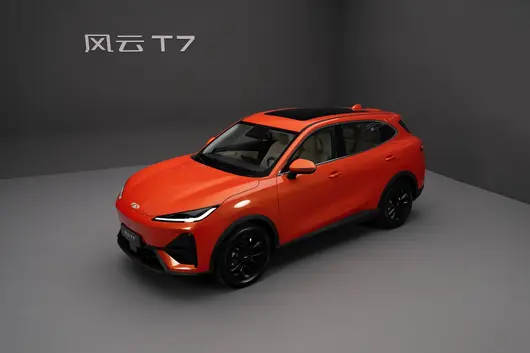
© 2024 Bitauto.com. All Rights Reserved.
Bitauto (www.yiche.com and www.bitauto.com) is one of the most visited automotive websites in China. We provide detailed info on Chinese car brands available in your area. Please note that the information provided on this website is based on publicly available data and is for reference only. It may not be fully updated or accurate at all times.

Help us improve our website


