

Homespots

Search History
Popular Searches
Dealer Login / Sign Up

喺馬來西亞嘅 SUV 市場,好多買家喺揀車嘅時候都會用 Honda CR-V 同 Mercedes-Benz GLC 嚟做比較。這兩款車喺價位同定位上都蠻接近嘅,今日我就喺多個方面做一個詳細嘅比較,幫你省下做功課嘅時間。
Honda CR-V 喺馬來西亞嘅 OTR 售價係 RM 178,200 - 195,900,一共有 4 個版本,包括 2026 e:HEV 2.0L 2WD RS(RM 195,900)、2026 1.5T 4WD V(RM 181,900)、2026 e:HEV 2.0L 2WD E(RM 178,200) 等。
Mercedes-Benz GLC 喺馬來西亞嘅 OTR 售價係 RM 336,888 - 336,888,一共有 2 個版本,包括 GLC 200(RM 290,000)、GLC 300(RM 340,000) 等。
從價錢嚟睇,Honda CR-V 嘅起步價確實比 Mercedes-Benz GLC 平咗 RM 158,688。如果你預算有限,Honda 嘅入門版已經可以滿足日常需求。但要留意,平嗰幾千蚊,可能喺配備上有取舍,具體要睇你嘅需求。

Honda CR-V 搭載 2.0L 4-cyl,馬力 170 hp。官方油耗 8.0 L/100km。
Mercedes-Benz GLC 搭載 2.0L Turbo,馬力 220 hp。官方油耗 9.5 L/100km。
動力方面,Mercedes-Benz GLC 嘅 2.0L Turbo 比 Honda CR-V 嘅 2.0L 4-cyl 多咗 50 匹馬力。不過日常喺市區開,兩款車嘅動力都夠用,唔會覺得唔夠力。

Honda CR-V 保修 5 年/無限里程,保養間隔 每 10,000km 或 6 個月。
Mercedes-Benz GLC 保修 3 年/100,000km,保養間隔 每 10,000km 或 6 個月。

Honda CR-V 同 Mercedes-Benz GLC 都係馬來西亞市場嘅主流選擇,適合家庭使用、日常通勤。如果你更睇重品牌口碑同二手價,可以優先考慮口碑更好嗰款;如果你更在意性價比同配備,就揀配備更豐富嗰款。最終都建議兩款都去試駕,親身體驗先係最重要。
總括嚟講,Honda CR-V 同 Mercedes-Benz GLC 都係馬來西亞市場幾唔錯嘅車型。揀邊部,關鍵係要睇你嘅個人需求同預算。建議大家做好功課,多比較幾間車行嘅報價,先去試駕先做最終決定。買車係件大事,花點時間做功課絕對無錯。


In the Malaysian SUV market, many buyers when choosing a car often compare Honda CR-V and Mercedes-Benz GLA. These two cars are quite close in price and positioning. Today we will make a detailed comparison from multiple aspects to help you save time on research.
Honda CR-V is priced at OTR RM 178,200 - 195,900 in Malaysia, with a total of 4 versions, including 2026 e:HEV 2.0L 2WD RS (RM 195,900), 2026 1.5T 4WD V (RM 181,900), 2026 e:HEV 2.0L 2WD E (RM 178,200), etc.
Mercedes-Benz GLA is priced at OTR RM 258,888 - 295,888 in Malaysia, with a total of 1 version, including Standard (RM 258,888), etc.
From a price perspective, the Honda CR-V's starting price is indeed RM 80,688 cheaper than the Mercedes-Benz GLA. If your budget is limited, Honda's entry-level version can already meet daily needs. However, note that the savings of a few thousand might involve trade-offs in features, depending on your specific needs.
Honda CR-V's safety rating is 5★ (ASEAN NCAP), active safety systems include Honda SENSING (ACC, CMBS, LKAS, RDM).
Mercedes-Benz GLA's safety rating is 5★ (Euro NCAP), active safety systems include Premium ADAS.
Regarding safety features, both cars have received good ratings. However, the Honda CR-V's Honda SENSING (ACC, CMBS, LKAS, RDM) and Mercedes-Benz GLA's Premium ADAS have some differences in functionality. If you value active safety, you can compare the feature lists of both carefully.
Honda CR-V body length 4500 mm, trunk 450 L.
Mercedes-Benz GLA body length 4400 mm, trunk 400 L.
In terms of space, the Honda CR-V's body is 100 mm longer than the Mercedes-Benz GLA, and the interior seating space is slightly more spacious, especially rear legroom. If you often carry family members or need to fit a stroller, a larger body is indeed more practical.
Honda CR-V adopts FWD drive method.
Mercedes-Benz GLA adopts FWD drive method.
The drive methods of both cars are the same, both are FWD, and there won't be a big difference in daily driving experience.

Overall, the Honda CR-V and Mercedes-Benz GLA are both excellent models in the Malaysian market. Choosing which one depends primarily on your personal needs and budget. It is recommended to do research, compare quotes from multiple dealerships, and then test drive to make the final decision. Buying a car is a major matter, spending time on research will never go wrong.

In the Malaysia SUV market, many buyers compare Honda CR-V and Mercedes-Benz GLA when choosing a car. These two cars are quite close in price and positioning. Today, we will make a detailed comparison from multiple aspects to help you save time doing research.
Honda CR-V's OTR selling price in Malaysia is RM 178,200 - 195,900, with a total of 4 versions, including 2026 e:HEV 2.0L 2WD RS (RM 195,900), 2026 1.5T 4WD V (RM 181,900), 2026 e:HEV 2.0L 2WD E (RM 178,200), etc.
Mercedes-Benz GLA's OTR selling price in Malaysia is RM 258,888 - 295,888, with a total of 1 version, including Standard (RM 258,888), etc.
From a price perspective, Honda CR-V's starting price is indeed RM 80,688 cheaper than Mercedes-Benz GLA. If your budget is limited, Honda's entry-level version can already meet daily needs. But you should also note that the few thousand dollars cheaper might involve trade-offs in features, it depends on your specific needs.
Honda CR-V is equipped with 2.0L 4-cyl, horsepower 170 hp. Official fuel consumption 8.0 L/100km.
Mercedes-Benz GLA is equipped with 2.0L Turbo, horsepower 220 hp. Official fuel consumption 9.5 L/100km.
In terms of power, Mercedes-Benz GLA's 2.0L Turbo has 50 more horsepower than Honda CR-V's 2.0L 4-cyl. However, for daily city driving, the power of both cars is sufficient, you won't feel underpowered.
Honda CR-V body length 4500 mm, trunk 450 L.
Mercedes-Benz GLA body length 4400 mm, trunk 400 L.
Regarding space, Honda CR-V's body is 100 mm longer than Mercedes-Benz GLA, the interior seating space will be slightly more spacious, especially the rear legroom. If you often carry family members or need to put in a stroller, a larger body is indeed more practical.
Honda CR-V warranty 5 years/unlimited mileage, maintenance interval every 10,000km or 6 months.
Mercedes-Benz GLA warranty 3 years/100,000km, maintenance interval every 10,000km or 6 months.
In summary, Honda CR-V and Mercedes-Benz GLA are both very good models in the Malaysian market. Which one to choose depends mainly on your personal needs and budget. It is recommended to do your research, compare quotes from several dealerships, and then test drive to make a final decision. Buying a car is a big matter, spending time on research will never be wrong.

In Malaysia's SUV market, many buyers compare Honda CR-V and BMW X1 when choosing a car. These two cars are quite close in price and positioning. Today, we will make a detailed comparison from multiple aspects to help you save time on research.
The OTR price of Honda CR-V in Malaysia is RM 178,200 - 195,900. There are 4 versions in total, including 2026 e:HEV 2.0L 2WD RS (RM 195,900), 2026 1.5T 4WD V (RM 181,900), 2026 e:HEV 2.0L 2WD E (RM 178,200), etc.
The OTR price of BMW X1 in Malaysia is RM 252,800 - 252,800. There are 2 versions in total, including sDrive18i (RM 220,000), sDrive20i (RM 250,000), etc.
From a price perspective, the starting price of Honda CR-V is indeed RM 74,600 cheaper than BMW X1. If your budget is limited, Honda's entry-level version can already meet daily needs. But also note that the few thousand cheaper might involve trade-offs in features, it depends on your specific needs.
Honda CR-V's safety rating is 5★ (ASEAN NCAP). Active safety systems include Honda SENSING (ACC, CMBS, LKAS, RDM).
BMW X1's safety rating is 5★ (Euro NCAP). Active safety systems include Premium ADAS.
Regarding safety features, both cars received good ratings. However, Honda CR-V's Honda SENSING (ACC, CMBS, LKAS, RDM) and BMW X1's Premium ADAS have some differences in functionality. If you value active safety, you can compare their feature lists in detail.
Honda CR-V body length 4500 mm, trunk 450 L.
BMW X1 body length 4400 mm, trunk 400 L.
In terms of space, the Honda CR-V's body is 100 mm longer than BMW X1, and the interior seating space will be slightly more spacious, especially the rear legroom. If you often carry family members or need to put in a stroller, the larger body is indeed more practical.
Honda CR-V warranty 5 years/unlimited mileage, service interval every 10,000km or 6 months.
BMW X1 warranty 5 years/unlimited mileage, service interval every 10,000km or 6 months.

Honda CR-V and BMW X1 are both mainstream choices in the Malaysian market, suitable for family use and daily commuting. If you value brand reputation and resale value more, prioritize the one with better reputation; if you care more about cost-performance ratio and features, choose the one with richer configuration. Ultimately, it is recommended to test drive both, as hands-on experience is the most important.

Overall, Honda CR-V and BMW X1 are both very good models in the Malaysian market. Which one to choose depends mainly on your personal needs and budget. It is recommended that everyone do their research, compare quotes from several dealers, and then test drive to make the final decision. Buying a car is a big matter, spending some time doing research will never go wrong.


Auto-First | Wutong
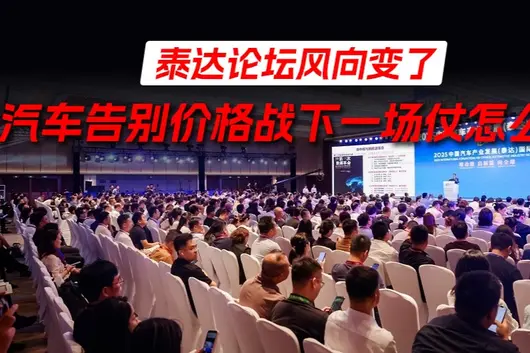
Every September TEDA Forum is a window to observe the trend of China's auto industry. This year, the trend has clearly changed.
In the past few years, the keywords of this forum have always been "New Energy Penetration Rate", "Smart Driving Equity", "Going Global". But this year, you will find a subtle change — from the Chief Engineer of the Ministry of Industry and Information Technology, the Secretary-General of the Industry Association to executives of top car companies, everyone is saying the same thing: curb irrational competition, and can no longer get trapped in unscrupulous price wars.
This is not just empty talk. When industry profit margins fall below the alert line, when overcapacity becomes a consensus, when "losing money on every car sold" changes from rumor to reality, stopping irrational competition is essentially declaring the end of an era of extensive growth.
The question is: No longer relying solely on low prices to exchange for volume, how to fight the next battle?
What Happened at the Forum: Signals of Collective Shift from Ministries to Car Companies
First, let's clarify the most critical pieces of information from the forum.

Wang Weiming, Chief Engineer of the Ministry of Industry and Information Technology stated at the opening ceremony on September 19, which can be regarded as the policy orientation of this industrial shift. He openly stated that the current industry faces challenges such as "irrational competition, declining manufacturing profit margins", and announced that it will implement a special action to improve automotive standards and implement a digital ID system for power batteries.
The weight of this sentence lies in: previously the regulatory layer was more focused on industry guidance, now upgraded to normalized regulation of competition order, rectifying irrational competition chaos. A difference of one word conveys a stronger industrial governance orientation.
He Yi, Executive Deputy Secretary-General of China Association of Automobile Manufacturers stated that the domestic market is facing phased pressure, the whole industry should consolidate consensus and respond collaboratively, jointly maintain a fair market environment, and continuously improve global compliance management capabilities and risk resistance capabilities.
Meanwhile, Wang Weiming pointed out industry shortcomings — high-end chips, basic operating systems still have gaps, overseas trade barriers are intensifying, and competition has shifted from product level to rule level. The breakthrough direction is also clear: automotive chips, all-solid-state batteries, operating systems, autonomous driving large models.

Gong Jinfeng, Deputy Secretary of the Party Committee and General Manager of China Automotive Technology and Research Center's statement is more direct: the industry must shift from price competition to quality upgrade, implement product safety main responsibility, and strictly control production consistency. At the same time, support L3 and above autonomous driving scale commercial operation, promote deep integration of automobiles with AI, low-altitude economy, and embodied intelligence.

Statements at the enterprise level are also noteworthy. Liu Zongcheng, President of Seres Group Technology Company said something very heavy: "The biggest risk in the automotive industry is not slowness, but speed of achievement." He opposes compressing verification cycles and lowering safety standards to rush speed, emphasizes that Chinese automobiles must move from scale leadership to quality leadership, and adhere to the "Five Highs" standard of high safety, high reliability, high performance, high quality, and high value.

Chen Xiaofeng, Vice President and Chief Scientist of Great Wall Motor Technology Center then directed the topic towards going global: Intelligence is the most distinct label for Chinese cars going global. Going global has already bid farewell to simple cost-performance ratio, it must upgrade from hardware export to systematic AI ecosystem going global. Overseas competition is not selling cars, it is the cross-regional landing of a whole set of intelligent capabilities.
Looking at these speeches together, you will find a clear main line: the benchmark for industry competition is shifting from "low price high volume" to "quality + system + rules".
Fact Layering: What is Confirmed, What is Still Changing
Before discussing the industry shift, let's clarify the boundaries of facts first.
Confirmed Facts:
First, the "15th Five-Year Plan for the Development of Intelligent Connected New Energy Vehicle Industry" issued by nine departments was implemented on September 11, explicitly clarifying the goals of 70% penetration rate for new energy passenger cars and 40% for commercial vehicles by 2030, with large-scale implementation of highly autonomous driving. This is not an impromptu speech at the forum, but a formal policy document.
Second, the collective statements of top car companies are consistent — opposing irrational competition, emphasizing quality and safety. Executives from companies like Seres, Great Wall, and Changan conveyed similar signals on different occasions.
Third, the direction of capacity control and merger and restructuring is clear. The 15th Five-Year Plan document mentions strengthening capacity early warning control and encouraging merger and restructuring. This means that clearing backward capacity will no longer rely solely on spontaneous market adjustment, but will also be supported by policy guidance.

Variables Still Need Observation:
First, how is "rectifying irrational competition" specifically implemented? Is it interviews, industry self-discipline, or other regulatory measures? The execution intensity directly affects the pace of industry shift.
Second, the coverage and implementation time of the power battery digital ID system. Currently only the direction of system construction is clear, and specific details have not been released to the public.
Third, FAW's intention to invest in GAC. Both parties have only signed an intent agreement, and are in the planning stage of major asset restructuring, still with major uncertainty. If this cooperation is implemented, it is a new paradigm of central enterprise restructuring after the shelving of Changan Dongfeng integration: capital union first, then business synergy, not pursuing full merger. Whether it can be implemented in the future also depends on the compilation of the plan and regulatory approval results.
Distinguish these clearly, and you will not misread "direction set" as "reform implemented".
The Real Disagreement Behind This Shift: If Not Low Price War, Then What?
On the surface, all parties at the forum are calling for curbing irrational competition. But looking deeper, the understanding of "what war to fight next" by all parties is actually not fully consistent.

The perspective of the Ministry of Industry and Information Technology is a struggle for rules. Wang Weiming mentioned that global industry competition has become a struggle for standards and rules. China's new energy vehicle production and sales have been first in the world for 11 consecutive years, but high-end chips and basic operating systems still have shortcomings. So the breakthrough direction is automotive chips, all-solid-state batteries, operating systems, autonomous driving large models — these are "bottleneck" areas, and also where the discourse power for the next round of rule-making lies.
Seres' perspective is a struggle for safety and quality. Liu Zongcheng said "the biggest risk is speed of achievement", behind which is industry concerns: in the process of rapid expansion, some enterprises have the impulse to compress verification cycles and lower safety standards. The "Five Highs" standard he emphasizes is essentially saying: scale growth cannot be at the expense of safety.
Great Wall's perspective is a struggle for ecosystem going global. What Chen Xiaofeng said about "systematic AI ecosystem going global" does not mean simply selling cars overseas, but moving a whole set of capabilities such as intelligent driving, cockpit systems, charging networks, and user services overseas. This is a higher dimension competition — from selling products to selling systems.
You will find that these three perspectives are not contradictory, but focus differently. The regulatory layer worries about industrial security and rule discourse power, car companies need to solve business models and find differentiated competitive paths, while the industry forms a unique consensus: relying solely on low prices for volume is no longer viable.
Why Now: The Industry Turning Point Has Arrived
Why specifically the 2026 TEDA Forum collectively calling to curb irrational competition? This is not accidental, but a combination of several variables reaching a critical point.
First Variable: The domestic market has shifted from incremental to stock-based.
New energy penetration rate stabilizes at 60%, fuel vehicles accelerate decline. When penetration exceeds 50%, the industry changes from "grabbing new users" to "grabbing stock replacement users". In this stage, the marginal effect of low-price competition will decrease rapidly — the number of users that can be grabbed by lowering prices becomes less, but the profit loss becomes larger.
Second Variable: Overcapacity has changed from a hidden worry to reality.
The 15th Five-Year Plan specifically mentions capacity early warning control, indicating that this problem has become serious enough to require policy intervention. A large number of car companies are in a loss-making state, market share continues to concentrate on top companies like BYD, Geely, Chery, Leapmotor; losing money on selling cars becomes normal, dealer profits continue to bear pressure. This state continuing long-term will be transmitted to the entire industry chain.

Third Variable: Overseas profit has become a new lifeline.
Domestic single-car profit is extremely thin, overseas single-car net profit is significantly higher than domestic. BYD's overseas revenue share exceeded half for the first time in the first half of the year, indicating that going global has changed from "icing on the cake" to an important profit pillar. However, direct export of complete vehicles faces tariff barriers in various countries, car companies fully turn to overseas factory building + local supply chain model — competition dimension upgrades, no longer a cost-performance battle of single cars, but a comprehensive competition of supply chain, system, and compliance.
Fourth Variable: Global traditional car companies collectively shrink and slim down.
Volkswagen continues to promote local capacity optimization, layoff plans, shrink fuel vehicle business, streamline product lines; BMW and Mercedes-Benz simultaneously compress R&D and personnel, shrink inefficient businesses. Traditional car company strategy: cut fuel vehicle R&D, reduce redundant capacity, focus on high-end electric vehicles.
This leaves a window period for Chinese car companies, but the window will not remain open forever. Whoever can build system capabilities within the window period can occupy a position in the future global landscape.
These four variables combined explain why it is now — not because enterprises actively give up low-price strategies, but the cost of continuous irrational competition has become so large that the entire industry finds it difficult to bear.
What to Watch Next: Three Observation Dimensions
The forum ended on September 20, but the industry shift has just begun. Next, there are three dimensions worth continuous observation.
Observation 1: Will the power battery digital ID become a straitjacket for irrational competition?
The core of the battery digital ID system is to achieve traceability and regulatory oversight of the full lifecycle of power batteries. This means the grey space of low-price competition will be compressed — the path of relying on low-cost inferior batteries to lower prices will be subject to stronger constraints in the future. The implementation details and enforcement intensity of this system directly determine whether "quality upgrade" is a slogan or reality.

Observation 2: Will central SOE capital join hands, triggering a new round of industry integration?
FAW intends to invest in GAC, belonging to the planning stage, and still has major uncertainty. If this model runs smoothly, more car companies may collaborate in procurement, R&D, and going global through equity binding methods in the future. This will directly change the industry competition landscape.
Observation 3: Localization going global, is it real profit or a new burden?
BYD Hungary Factory, Leapmotor with Stellantis Spain Shared Line, Chery Vietnam Factory, Changan Indonesia Base — the overseas factory building wave has risen. But building a factory is just the first step. Whether able to achieve local profitability overseas, build a complete supply chain system, and cope with local compliance and labor issues are the real tests.
Auto-First View: Industry Track Switch, New Stage of Hard Power Competition Begins
Every year after the TEDA Forum ends, a bunch of "golden quotes" are spread. But golden quotes themselves do not change the industry. What truly changes the industry is the realistic pressure and policy push behind the golden quotes.
This year's signal is clear: China's automobile industry is bidding farewell to the extensive stage of "exchanging price for volume", and entering a new stage of "winning by quality, going global by system, deciding victory by rules".
This process will not be smooth. Irrational competition will not disappear immediately because of appeals on the forum, quality upgrade will not be completed automatically because of a few documents. But the direction is set — the next five years, whoever can build barriers in core technology, system capabilities, and global compliance will truly survive.
For ordinary consumers, this may mean: ultra-low price models will become fewer, but models with better product quality and safety guarantees will become more and more. For car enterprises, this means: the days of relying solely on price cuts to boost volume are over, the era of competing on comprehensive strength has begun. (Some images from the internet)

喺馬來西亞嘅 SUV 市場,好多名買家喺揀車嘅時候都會拿本田 CR-V 同寶馬 X3 嚟做比較。呢兩款車喺價位同定位上都幾相近,而家我哋就由多個方面做一個詳細嘅對比,幫你節省做功課嘅時間。
本田 CR-V 喺馬來西亞嘅 OTR 售價係 RM 178,200 - 195,900,一共有 4 個版本,包括 2026 e:HEV 2.0L 2WD RS(RM 195,900)、2026 1.5T 4WD V(RM 181,900)、2026 e:HEV 2.0L 2WD E(RM 178,200) 等。
寶馬 X3 喺馬來西亞嘅 OTR 售價係 RM 325,800 - 358,800,一共有 2 個版本,包括 xDrive20i(RM 320,000)、xDrive30e(RM 360,000) 等。
由價錢睇,本田 CR-V 嘅起步價確實比寶馬 X3 平咗 RM 147,600。如果你預算有限,本田嘅入門版已經可以滿足日常需求。但都唔可以忘記,平嘅嗰幾千蚊,可能喺配備上會有取舍,具體睇你嘅需要。
本田 CR-V 嘅安全评分係 5★ (ASEAN NCAP),主動安全系統包括本田 SENSING (ACC, CMBS, LKAS, RDM)。
寶馬 X3 嘅安全评分係 5★ (Euro NCAP),主動安全系統包括 Premium ADAS。
安全配備方面,兩款車都拿到唔錯嘅評分。不過本田 CR-V 嘅本田 SENSING (ACC, CMBS, LKAS, RDM) 同寶馬 X3 嘅 Premium ADAS 喺功能上有些分別,如果你比較重視主動安全嘅話,可以仔細比下兩者嘅功能列表。
本田 CR-V 採用 FWD 驅動方式。
寶馬 X3 採用 FWD 驅動方式。
兩款車嘅驅動方式一樣,都係 FWD,日常駕駛感受唔會有太大分別。
本田 CR-V 保修 5 年/無限制里程,保養間隔 每 10,000km 或 6 個月。
寶馬 X3 保修 5 年/無限里程,保養間隔 每 10,000km 或 6 個月。

本田 CR-V 同寶馬 X3 都係馬來西亞市場嘅主流選擇,適合家庭使用、日常通勤。如果你更重視品牌口碑同二手價,可以優先考慮口碑更好嗰一款;如果你更在意性價比同配備,那就揀配備更豐富嗰款。最後都係建議兩款都去試駕,親自體驗先係最重要。

總括嚟講,本田 CR-V 同寶馬 X3 都係馬來西亞市場好唔錯嘅車型。揀邊一部,關鍵都要睇你嘅個人需要同預算。建議大家做好功課,多比較幾間車行嘅報價,再去試駕做最後決定。買車係件大事,花啲時間做功課絕對唔會錯。

喺馬來西亞嘅 SUV 市場,好多買家喺揀車嘅時候都會拿本田 CR-V 同 寶馬 X3 來做比較。呢兩部車喺價位同定位上都幾接近,今日我哋就從多個方面做一個詳細嘅比較,幫你省返做功課嘅時間。
本田 CR-V 喺馬來西亞嘅 OTR 售價係 RM 178,200 - 195,900,合共有 4 個版本,包括 2026 e:HEV 2.0L 2WD RS(RM 195,900)、2026 1.5T 4WD V(RM 181,900)、2026 e:HEV 2.0L 2WD E(RM 178,200) 呢啲。
寶馬 X3 喺馬來西亞嘅 OTR 售價係 RM 325,800 - 358,800,合共有 2 個版本,包括 xDrive20i(RM 320,000)、xDrive30e(RM 360,000) 呢啲。
單睇價錢,本田 CR-V 嘅起步價確實比 寶馬 X3 平咗 RM 147,600。如果你預算有限,本田嘅入門版已經可以滿足日常需要。不過都要留意,平嗰幾千蚊,可能喺配備上會有取舍,具體就要睇你嘅需要。
本田 CR-V 裝載 2.0L 4-cyl,馬力 170 hp。官方油耗 8.0 L/100km。
寶馬 X3 裝載 2.0L Turbo,馬力 220 hp。官方油耗 9.5 L/100km。
動力方面,寶馬 X3 嘅 2.0L Turbo 比 本田 CR-V 嘅 2.0L 4-cyl 多咗 50 匹馬力。不過日常喺市區開,兩部車嘅動力都夠用,唔會覺得唔夠力。
本田 CR-V 車身長 4500 mm,行李廂 450 L。
寶馬 X3 車身長 4400 mm,行李廂 400 L。
空間方面,本田 CR-V 嘅車身比 寶馬 X3 長咗 100 mm,車內乘坐空間會稍微寬鬆少少,尤其係後座腿部空間。如果你經常載家人或者需要放嬰兒車,大啲嘅車身確實更實用。
本田 CR-V 保養 5 年/無限里程,保養間隔 每 10,000km 或者 6 個月。
寶馬 X3 保養 5 年/無限里程,保養間隔 每 10,000km 或者 6 個月。
總括嚟講,本田 CR-V 同 寶馬 X3 都係馬來西亞市場幾唔錯嘅車款。揀邊一部,關鍵都係要睇你嘅個人需要同預算。建議大家做好功課,多比較幾間車行嘅報價,再去做試駕做最後決定。買車係件大事,花少少時間做功課絕對唔會錯。

Dalam pasaran SUV di Malaysia, ramai pembeli membandingkan Honda CR-V dan Subaru Outback semasa memilih kereta. Kedua-dua kereta ini agak hampir dari segi harga dan penjenamaan, hari ini kita akan buat perbandingan terperinci dari pelbagai aspek, membantu anda menjimatkan masa membuat kajian.
Honda CR-V mempunyai harga OTR di Malaysia sebanyak RM 178,200 - 195,900, terdapat keseluruhan 4 versi, termasuk 2026 e:HEV 2.0L 2WD RS (RM 195,900), 2026 1.5T 4WD V (RM 181,900), 2026 e:HEV 2.0L 2WD E (RM 178,200) dan lain-lain.
Subaru Outback mempunyai harga OTR di Malaysia sebanyak RM 260,000 - 280,000, terdapat keseluruhan 2 versi, termasuk 2025 2.4T R-Touring EyeSight (RM 310,340), 2025 2.5L Touring EyeSight (RM 280,340) dan lain-lain.
Dari segi harga, Honda CR-V memang RM 81,800 lebih murah daripada Subaru Outback. Jika bajet anda terhad, versi permulaan Honda sudah boleh memenuhi keperluan harian. Tetapi perlu diingat, perbezaan harga beribu-ribu ringgit ini mungkin ada pengorbanan pada kelengkapan, ia bergantung kepada keperluan anda.
Honda CR-V dilengkapi enjin 2.0L 4-cyl, kuasa 170 hp. Penggunaan bahan api rasmi 8.0 L/100km.
Subaru Outback dilengkapi enjin 2.0L Turbo, kuasa 220 hp. Penggunaan bahan api rasmi 9.5 L/100km.
Dari segi kuasa, 2.0L Turbo Subaru Outback mempunyai 50 kuasa kuda lebih daripada 2.0L 4-cyl Honda CR-V. Namun untuk memandu harian di bandar, kuasa kedua-dua kereta sudah mencukupi, tidak akan terasa kurang tenaga.
Honda CR-V panjang kenderaan 4500 mm, kapasiti bonet 450 L.
Subaru Outback panjang kenderaan 4400 mm, kapasiti bonet 400 L.
Dari segi ruang, badan Honda CR-V lebih panjang 100 mm berbanding Subaru Outback, ruang dalam kenderaan akan lebih lega, terutamanya ruang kaki penumpang belakang. Jika anda kerap membawa keluarga atau perlu muatkan kereta bayi, kenderaan yang lebih besar lebih praktikal.
Honda CR-V dan Subaru Outback adalah pilihan utama di pasaran Malaysia, sesuai untuk kegunaan keluarga dan komuter harian. Jika anda lebih mengutamakan reputasi jenama dan harga jual semula, boleh utamakan yang mempunyai reputasi lebih baik; jika anda lebih mengutamakan nilai dan kelengkapan, maka pilih yang lebih lengkap. Akhir sekali, disarankan kedua-dua model dicuba memandu, pengalaman langsung paling penting.

Secara keseluruhannya, Honda CR-V dan Subaru Outback adalah model yang sangat baik di pasaran Malaysia. Pilihan mana satu, utama bergantung pada keperluan dan bajet peribadi anda. Disarankan untuk membuat kajian terlebih dahulu, bandingkan tawaran daripada beberapa dealer kereta, kemudian uji memandu untuk keputusan akhir. Membeli kereta adalah perkara penting, menghabiskan masa untuk membuat kajian tidak akan salah.

Dalam pasaran SUV di Malaysia, ramai pembeli akan membandingkan Honda CR-V dan Subaru Crosstrek ketika memilih kereta. Kedua-dua kereta ini mempunyai harga dan kedudukan yang agak hampir, hari ini kita akan membuat perbandingan terperinci dari pelbagai aspek untuk membantu anda menjimatkan masa membuat kajian.
Honda CR-V di Malaysia mempunyai harga OTR iaitu RM 178,200 - 195,900, terdapat 4 versi, termasuk 2026 e:HEV 2.0L 2WD RS (RM 195,900), 2026 1.5T 4WD V (RM 181,900), 2026 e:HEV 2.0L 2WD E (RM 178,200) dan lain-lain.
Subaru Crosstrek di Malaysia mempunyai harga OTR iaitu RM 145,000 - 160,000, terdapat 1 versi, termasuk 2.0L e-Boxer (RM 150,000) dan lain-lain.
Dari segi harga, harga permulaan Subaru Crosstrek lebih murah RM 33,200 berbanding Honda CR-V. Jujur berkata, dalam segmen harga ini, perbezaan beberapa ribu ringgit tidak terlalu besar, yang penting adalah nilai keseluruhan dan kos penggunaan jangka panjang.
Honda CR-V dilengkapi dengan enjin 2.0L 4-cyl, kuasa 170 hp. Kos bahan api rasmi 8.0 L/100km.
Subaru Crosstrek dilengkapi dengan enjin 1.5L Turbo, kuasa 140 hp. Kos bahan api rasmi 7.0 L/100km.
Dari segi tenaga, enjin 2.0L 4-cyl Honda CR-V mempunyai 30 kuasa kuda lebih banyak berbanding 1.5L Turbo Subaru Crosstrek, akselerasi bahagian tengah lebih berkeyakinan, terutamanya semasa memotong di lebuh raya. Namun kos bahan api Subaru Crosstrek mungkin lebih jimat, perbezaan dalam perjalanan harian bandar tidak terlalu besar.
Penilaian keselamatan Honda CR-V ialah 5★ (ASEAN NCAP), sistem keselamatan aktif termasuk Honda SENSING (ACC, CMBS, LKAS, RDM).
Penilaian keselamatan Subaru Crosstrek ialah 5★ (Euro NCAP), sistem keselamatan aktif termasuk EyeSight.
Dari segi kelengkapan keselamatan, kedua-dua kereta mendapat penilaian yang baik. Namun Honda SENSING Honda CR-V (ACC, CMBS, LKAS, RDM) dan EyeSight Subaru Crosstrek mempunyai perbezaan fungsi, jika anda lebih menitikberatkan keselamatan aktif, boleh bandingkan senarai fungsi kedua-duanya dengan teliti.
Honda CR-V menggunakan cara pemacu FWD.
Subaru Crosstrek menggunakan cara pemacu FWD.
Kedua-dua kereta mempunyai cara pemacu yang sama, iaitu FWD, rasa memandu harian tidak akan berbeza banyak.

Secara keseluruhan, Honda CR-V dan Subaru Crosstrek adalah model yang sangat bagus di pasaran Malaysia. Memilih yang mana satu, yang penting adalah lihat keperluan dan bajet peribadi anda. Disarankan membuat kajian dengan baik, bandingkan banyak tawaran daripada beberapa dealer, kemudian buat ujian jalan untuk membuat keputusan akhir. Membeli kereta adalah perkara penting, meluangkan masa membuat kajian pasti tidak salah.

Dalam pasaran SUV di Malaysia, ramai pembeli semasa memilih kereta akan membandingkan Honda CR-V dengan Subaru Forester.
Harga OTR Honda CR-V di Malaysia ialah RM 178,200 - 195,900, terdapat 4 varian, termasuk 2026 e:HEV 2.0L 2WD RS (RM 195,900), 2026 1.5T 4WD V (RM 181,900), 2026 e:HEV 2.0L 2WD E (RM 178,200) dan lain-lain.
Harga OTR Subaru Forester di Malaysia ialah RM 174,000 - 197,000, terdapat 3 varian, termasuk 2024 2.0L S EyeSight GT Edition (RM 189,538), 2024 2.0L S EyeSight (RM 177,538), 2024 2.0L L EyeSight (RM 167,538) dan lain-lain.
Dari segi harga, harga permulaan Subaru Forester lebih murah RM 4,200 berbanding Honda CR-V. Jujur berkata, dalam julat harga ini, perbezaan beribu rupiah sebenarnya tidak terlalu besar, yang utama adalah melihat nisbah nilai keseluruhan dan kos penggunaan jangka panjang.
Pengkelasan keselamatan Honda CR-V ialah 5★ (ASEAN NCAP), sistem keselamatan aktif termasuk Honda SENSING (ACC, CMBS, LKAS, RDM).
Pengkelasan keselamatan Subaru Forester ialah 5★ (Euro NCAP), sistem keselamatan aktif termasuk EyeSight.
Dari segi peralatan keselamatan, kedua-dua kereta mendapat pengkelasan yang baik. Walau bagaimanapun, Honda SENSING (ACC, CMBS, LKAS, RDM) pada Honda CR-V dan EyeSight pada Subaru Forester mempunyai perbezaan dari segi fungsi, jika anda lebih mementingkan keselamatan aktif, anda boleh membandingkan senarai fungsi kedua-duanya dengan teliti.
Jaminan Honda CR-V 5 tahun/tanpa had jarak, selang servis setiap 10,000km atau 6 bulan.
Jaminan Subaru Forester 3 tahun/100,000km, selang servis setiap 10,000km atau 6 bulan.
Honda CR-V dan Subaru Forester adalah pilihan utama di pasaran Malaysia, sesuai untuk kegunaan keluarga, perjalanan harian. Jika anda lebih mementingkan reputasi jenama dan nilai jualan semula, anda boleh memperutamakan yang mempunyai reputasi lebih baik; jika anda lebih mementingkan nisbah nilai dan peralatan, pilih yang mempunyai ciri lebih banyak. Akhir sekali adalah mengesyorkan kedua-dua kereta diuji jalan, pengalaman sendiri adalah yang paling penting.

Secara keseluruhan, Honda CR-V dan Subaru Forester adalah model yang sangat bagus di pasaran Malaysia. Memilih yang mana, yang utama adalah melihat keperluan dan bajet peribadi anda. Kami mengesyorkan anda membuat penyelidikan, membandingkan beberapa tawaran dari dealer kereta, kemudian pergi uji jalan untuk membuat keputusan akhir. Membeli kereta adalah perkara besar, meluangkan masa membuat penyelidikan tidak akan salah.

Di pasaran SUV Malaysia, banyak pembeli membandingkan Honda CR-V dan Volvo XC60 apabila memilih kereta. Kedua-dua kereta ini hampir sama dari segi harga dan penjenamaan, hari ini kita akan membuat perbandingan terperinci dari pelbagai aspek untuk membantu anda menjimatkan masa membuat kajian.
Harga OTR Honda CR-V di Malaysia adalah RM 178,200 - 195,900, jumlah keseluruhan 4 varian, termasuk 2026 e:HEV 2.0L 2WD RS (RM 195,900), 2026 1.5T 4WD V (RM 181,900), 2026 e:HEV 2.0L 2WD E (RM 178,200) dan lain-lain.
Harga OTR Volvo XC60 di Malaysia adalah RM 328,888 - 328,888, jumlah keseluruhan 1 varian, termasuk 2025 2.0T Core (RM 328,888) dan lain-lain.
Dari segi harga, harga permulaan Honda CR-V memang lebih murah RM 150,688 berbanding Volvo XC60. Jika bajet anda terhad, versi permulaan Honda sudah boleh memenuhi keperluan harian. Namun, perlu diingat, ribuan ringgit yang lebih murah itu mungkin memerlukan pertukaran pada kelengkapan, bergantung pada keperluan anda.
Honda CR-V dilengkapi enjin 2.0L 4-silinder, kuasa 170 hp. Penggunaan bahan api rasmi 8.0 L/100km.
Volvo XC60 dilengkapi enjin 2.0L Turbo, kuasa 220 hp. Penggunaan bahan api rasmi 9.5 L/100km.
Dari segi kuasa, Volvo XC60 dengan 2.0L Turbo mempunyai 50 kuasa kuda lebih daripada Honda CR-V 2.0L 4-silinder. Namun, untuk penggunaan harian di bandar, kuasa kedua-dua kereta sudah mencukupi, tidak akan berasa kurang tenaga.
Honda CR-V mempunyai waranti 5 tahun/jarak tanpa had, selang penyelenggaraan setiap 10,000km atau 6 bulan.
Volvo XC60 mempunyai waranti 5 tahun/jarak tanpa had, selang penyelenggaraan setiap 10,000km atau 6 bulan.
Honda CR-V dan Volvo XC60 adalah pilihan utama di pasaran Malaysia, sesuai untuk kegunaan keluarga dan perjalanan harian. Jika anda lebih mengutamakan reputasi jenama dan harga jual semula, pilihlah yang mempunyai reputasi lebih baik; jika anda lebih mengutamakan nisbah harga-kualiti dan kelengkapan, pilihlah yang mempunyai konfigurasi lebih lengkap. Akhir sekali, disarankan untuk memandu ujian kedua-dua kereta, pengalaman sendiri adalah yang paling penting.

Secara keseluruhannya, Honda CR-V dan Volvo XC60 adalah model kereta yang sangat baik di pasaran Malaysia. Memilih mana satu, penentu utamanya adalah keperluan dan bajet peribadi anda. Kami cadangkan anda membuat kajian, bandingkan beberapa sebut harga dari dealer kereta, kemudian buat keputusan akhir setelah memandu ujian. Membeli kereta adalah urusan penting, mengambil sedikit masa untuk kajian tidak akan salah.

喺馬來西亞嘅 SUV 市場,好多買家喺揀車嘅時候都會拿 本田 CR-V 同 富豪 XC60 嚟做比較。呢兩款車喺價位同定位上都幾接近,而家我哋就從多個方面做個詳細嘅比較,幫你省返做功課嘅時間。
本田 CR-V 喺馬來西亞嘅 OTR 售價係 RM 178,200 - 195,900,一總共有 4 個版本,包括 2026 e:HEV 2.0L 2WD RS(RM 195,900)、2026 1.5T 4WD V(RM 181,900)、2026 e:HEV 2.0L 2WD E(RM 178,200) 等。
富豪 XC60 喺馬來西亞嘅 OTR 售價係 RM 328,888 - 328,888,一共有 1 個版本,包括 2025 2.0T Core(RM 328,888) 等。
由價錢睇嚟,本田 CR-V 嘅起步價確實比 富豪 XC60 平咗 RM 150,688。如果你預算有限,本田嘅入門版已經可以滿足日常需求。但都要留意,平嗰幾千蚊,可能喺配備上會有取舍,具體睇你嘅需求。
本田 CR-V 嘅安全評級係 5★ (ASEAN NCAP),主動安全系統包括 本田 SENSING (ACC, CMBS, LKAS, RDM)。
富豪 XC60 嘅安全評級係 5★ (Euro NCAP),主動安全系統包括 。
本田 CR-V 車身長 4500 mm,行李箱 450 L。
富豪 XC60 車身長 4400 mm,行李箱 400 L。
空間方面,本田 CR-V 嘅車身比 富豪 XC60 長咗 100 mm,車內乘坐空間會稍微寬啲,尤其係後座腿部空間。如果你經常載家人或者需要放嬰兒車,大少少嘅車身確實更實用。
本田 CR-V 採用 FWD 驅動方式。
富豪 XC60 採用 FWD 驅動方式。
兩款車嘅驅動方式一樣,都係 FWD,日常駕駛感受唔會有太大分別。
總而言之,本田 CR-V 同 富豪 XC60 都係馬來西亞市場幾唔錯嘅車型。揀邊一輛,關鍵係要看你嘅個人需求同預算。建議大家做好功課,多比較幾間車行嘅報價,再去試駕做最後決定。買車係件大事,費少少時間做功課絕對無錯。


一部車嘅換車週期普遍喺 5-8 年。這意味著車廂要陪你度過至少 5 年嘅時光。但好多車型嘅「耐用性」只喺規格單上好好睇——座椅海綿用兩年就塌、中控晶片算力唔頂到 OTA 升級、車廂材質喺日曬後褪色老化。
十萬級市場尤其如此。車廠把成本花喺「睇得到」嘅配備上,座椅耐用、晶片冗余、材質老化呢啲「睇唔到」嘅長期問題,常常被忽略。規格單好好睇,長期使用打折——係十萬級市場嘅普遍痛點。
車廂「耐用性」嘅三個重災區長期使用過程中,車廂最容易出問題嘅三個地方:
座椅塌陷:普通座椅用嘅海綿密度低,坐一兩年就失去支撐力,出現凹陷。塌陷嘅座椅唔單止坐落唔舒服,仲會影響駕駛姿態,導致腰背痠痛。
材質磨損:普通膠件同皮革喺紫外線同日常磨擦下,兩三年就開始褪色、開裂、起皮。儀表台喺陽光下暴曬會發白,方向盤同門板扶手長期觸摸會掉色。
系統當機:車載晶片算力不足,隨著 OTA 升級同應用程式增加,開機越來越慢、操作越來越卡。剛開始用嘅時候感覺唔到,兩三年後當機感越來越明顯。
同價位車型車廂耐用相關參數
車型
晶片製程
晶片算力
螢幕防護
座椅結構說明
零跑 B10
未公佈
未公佈
基礎
普通海綿
MG4X
未公佈
未公佈
基礎
普通海綿
啟源 Q05
未公佈
未公佈
基礎
普通海綿
比亞迪元 PLUS
7nm
未公佈
基礎
普通海綿
深藍 S05
7nm
未公佈
基礎
普通海綿
吉利銀河 E5
7nm
未公佈
基礎
普通海綿
晶片製程決定咗未來幾年系統升級嘅潛力,座椅結構決定咗長期使用嘅舒適度——呢兩項恰恰係規格表上最易被忽略嘅。
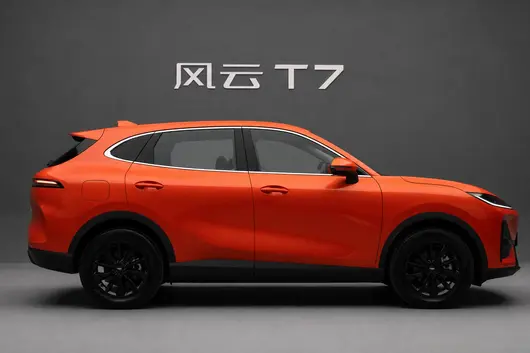
風雲 T7 嘅「長期主義」座艙邏輯風雲 T7 喺座艙耐用性上嘅設計思路係:從座椅、材質、晶片三個維度,保證長期使用嘅質感。
座椅耐用:9 層結構保證長期唔塌
風雲 T7 嘅 9 層雲感座椅唔只係「坐落舒服」,更係「長期坐唔塌」。關鍵喺結構設計:
機體發泡層加發泡無紡布強化層:提供長期支撐力,唔會好似普通海綿一樣兩年就塌
彈簧掛系統:帶彈性嘅支撐結構,分散壓力,延緩疲勞
消音強化層:減少長期使用中嘅異響
普通座椅嘅海綿用兩年就會失去彈性,出現凹陷。風雲 T7 嘅 9 層結構通過機體發泡層同強化層嘅組合,保證咗長期使用中的支撐力。彈簧掛系統則透過彈性結構分散咗人體壓力,令座椅唔容易出現局部凹陷。
呢啲耐用性唔係「理論值」,而係經過實打實嘅驗證。風雲 T7 投入咗 81 台專屬耐用試驗車同步路試,整車累計測試里程超 600 萬公里,耐用專項實測 145 萬公里。呢些驗證覆蓋咗全球 21 個國家嘅真實路況——從北歐極寒到中東高溫,從巴西減速帶到墨西哥鵝卵石路,從德國高速大曲率彎道到南非非鋪裝泥路。
材質耐用:抗紫外線、耐刮擦
車廂材質嘅老化,好大程度來自紫外線同日常磨損。風雲 T7 喺材質耐用上做咗幾件事:
熾焰橙專屬 2K 8 层高外觀油漆:抗紫外線、耐刮擦。普通車漆只有 4-6 層,8 層工藝提供更厚嘅漆面厚度同更好嘅防護性能
高品質車廂材料:長期使用唔易顯舊。儀表台、門板等部位嘅軟質材料經過抗老化處理,紫外線照射下唔易變色開裂
針對北歐極黑夜優化:車內照明同充電背光設計兼顧極端光照條件。喺北歐冬季極夜環境中,車內照明同背光嘅亮度、色溫經過專門優化,減少視覺疲勞
50+ 條高頻使用場景強化驗證進一步保證咗材質耐用——如雨刮耐用性強化驗證、玻璃升降器 2 萬次耐用設計、搶劫高風險市場嘅單車門解鎖功能等。呢些驗證覆蓋咗全球不同市場嘅特殊使用場景,確保材質喺各種條件下都能保持良好狀態。
系統耐用:8775 晶片保證長期流暢
中控屏用多咗當機,根本原因係晶片算力唔頂到軟件同數據嘅增長。風雲 T7 搭載嘅 8775 座艙一體晶片用 4 奈米製程同 72TOPS 算力,為未來幾年嘅 OTA 升級留足咗空間:
4 奈米製程:而家車載晶片領域領先嘅製程工藝,能效比高、發熱低,長期運行穩定
72TOPS 算力:遠超而家座艙需求,冗余算力為未來功能升級預留空間
系統響應 80 毫秒:長期使用依然流暢
架構躍升:集成度提升 60%,啟動速度提升 33%
同價位好多車型用緊 7 奈米甚至更老製程嘅晶片,剛開始用嘅時候流暢,兩三年後隨著系統同應用升級,當機就會顯現。8775 晶片嘅 4 奈米製程同 72TOPS 算力,令「長期唔卡」成為可能。
冗余算力嘅價值仲在於:未來嘅 OTA 升級可以解鎖更多功能而唔使擔心硬件唔頂到。靈犀智艙 2.0 系統集成嘅豆包大模型支持持續進化,哨兵模式、寵物模式、露營模式等功能也通過 OTA 持續更新。72TOPS 嘅算力冗余,確保咗呢啲功能升級後系統依然流暢運行。
風雲 T7 座艙耐用性核心參數項目
風雲 T7
晶片製程
4nm
晶片算力
72TOPS
系統響應
80ms
螢幕防護
3A 塗層(防眩光、抗反射、抗指紋)
座椅結構
9 層複合,含機體發泡 + 強化層 + 彈簧掛
車身結構
九橫五縱籠式,80% 高強鋼
全球驗證
21 國,600 萬 + 公里,145 萬公里耐用
耐用試驗車
81 台
極限溫度區間
-40℃~55℃
極限路況覆蓋
100+ 種
全球驗證,係耐用性嘅底氣風雲 T7 嘅耐用性唔係「實驗室數據」,而係喺真實道路上跑出來嘅。奇瑞嘅全球驗證體系從四個維度保證咗產品嘅長期可靠性:
標準定得高:提前 2 年預研全球法規,對標 2026 版 E-NCAP 五星安全標準設計。5000+ 全球用戶調研,15 個典型國家深度走訪,把不同市場需求提前納入產品定義。
場景見得多:覆蓋歐洲、澳新、墨西哥、土耳其、巴西、泰國、中東等重点區域。城市、高速、砂石、山路、紅土、颠簸、積水等典型使用場景全覆蓋。不同市場用戶嘅駕駛習慣、乘坐習慣、泊車習慣差異也纳入驗證體系。
驗證做得狠:81 台耐用試驗車專項驗證,145 萬公里耐用驗證里程。100+ 極限路況同環境覆蓋,-40℃到 55℃全球極端溫域,適應 95% 道路類型。10000+ 制動專項、19000+ 滿打轉向、400+ 底盤衝擊驗證,100% 問題閉環。
高頻場景強化:7 大類極限環境驗證——東南亞雨季 500mm 越野級涉水能力、中東高溫暴曬播放設備 40℃過熱保護、印尼高濕濾芯異味殘留控制、西伯利亞雨雪低溫雨刮壽命強化驗證、北歐極黑夜車內照明同充電背光優化、巴西砂石路電池插接件多重保護、墨西哥鵝卵石路耐用異響專項驗證。50+ 條高頻使用強化驗證——多雨高頻使用雨刮耐用性強化、停車場/市區/高速刷卡玻璃升降器 2 萬次耐用設計、搶劫高風險市場單車門解鎖提升安全感。80+ 項本地習慣適配——泰國右舵偏好重手感轉向力調校增加 1 級、印尼颠簸路段轉向手感加重並優化回正質感、東南亞/南非/澳新强光駕駛方向盤同中控台低反光材質、澳新/南非/東南亞常戴太陽鏡頂部中央便捷取放眼鏡盒、土耳其/以色列用戶偏好硬開關高頻功能保留實體按鈕、歐洲車頭入庫習慣 70cm 自動顯示前攝像頭畫面。
唔等用戶在使用中踩坑,風雲 T7 把全球嚴苛路況嘅驗證前置到研發階段——異響、故障、環境適配問題喺出廠前就已經閉環解決。
再加上整車終身質保(含三電),價值 10000 元——長期持有嘅後顧之憂,奇瑞已經替你考慮好咗。易損件同特殊件除外,核心部件享受終身保障。
FAQ1. 座椅坐久了會唔會塌陷變形?
9 層雲感座椅包含機體發泡層、發泡無紡布強化層同彈簧掛系統,經過 145 萬公里耐用驗證,長期使用唔易塌陷。9 層結構中嘅強化層提供咗長期支撐力,彈簧掛系統分散咗人體壓力,唔會好似普通海綿座椅一樣兩年就凹陷。
2. 中控屏用久了會唔會當機?
8775 座艙一體晶片采用 4 奈米製程,NPU 算力 72TOPS,系統響應 80 毫秒。4 奈米製程而家係車載晶片領域領先嘅工藝,算力冗余充足,為未來 OTA 升級留足空間,長期使用依然流暢。相比 7 奈米晶片,4 奈米喺能效比同發熱控制上都有明顯優勢。
3. 車廂材質耐唔耐磨損?
高品質車廂材料搭配抗紫外線工藝,長期使用唔易顯舊;熾焰橙車漆采用 2K 8 層工藝,抗紫外線耐刮擦。50+ 條高頻使用場景強化驗證覆蓋咗雨刮、玻璃升降器、門鎖等高頻操作部件嘅耐用性。
4. 座椅加熱功能耐用嗎?
加熱層集成喺 9 層結構中部,有軟發泡層同機體發泡層保護,經過整車耐用驗證,長期使用可靠性有保障。智能溫控系統喺 5 分鐘從零下 20℃速熱至 30℃,加熱效率高且穩定。
5. 車機系統能 OTA 升級多久?
8775 晶片 4 奈米製程加 72TOPS 算力,硬件冗余充足,支持長期 OTA 升級。靈犀智艙 2.0 系統集成豆包大模型,哨兵模式、寵物模式、露營模式等功能持續通過 OTA 更新。
6. 整車終身質保包含邊啲項目?
包含整車(含三電)終身質保,價值 10000 元。易損件同特殊件除外,具體範圍可諮詢當地授權經銷商。呢項質保覆蓋咗核心部件嘅長期使用保障,係風雲 T7 長期持有價值嘅重要組成部分。
7. 車廂顏色長時間使用會褪色嗎?
車廂材料經過全球驗證,覆蓋中東高溫暴曬等極限環境,長期使用唔易褪色。針對北歐極黑夜等極端光照條件,車內照明同充電背光也經過專門優化,保證不同光照條件下嘅視覺體驗。
8. 螢幕防指紋效果能維持多久?
3A 防護塗層(防眩光、抗反射、抗指紋)為永久性塗層,非消耗品,長期有效。日常清潔時使用柔軟乾布擦拭即可保持螢幕清潔,唔需要額外嘅保護膜。

Di pasaran SUV Malaysia, ramai pembeli semasa memilih kereta akan membandingkan Honda CR-V dan Volkswagen Tiguan. Kedua-dua kereta ini mempunyai harga dan segmen yang hampir sama, hari ini kita akan membuat perbandingan terperinci daripada pelbagai aspek untuk membantu anda menjimatkan masa membuat kajian.
Honda CR-V mempunyai harga OTR di Malaysia sebanyak RM 178,200 - 195,900, terdapat 4 versi, termasuk 2026 e:HEV 2.0L 2WD RS (RM 195,900), 2026 1.5T 4WD V (RM 181,900), 2026 e:HEV 2.0L 2WD E (RM 178,200) dan lain-lain.
Volkswagen Tiguan mempunyai harga OTR di Malaysia sebanyak RM 206,540 - 260,024, terdapat 2 versi, termasuk 2025 Allspace 2.0T R-Line (RM 260,024), 2025 Allspace 1.4T Elegance (RM 206,540) dan lain-lain.
Dari segi harga, harga permulaan Honda CR-V memang lebih murah RM 28,340 berbanding Volkswagen Tiguan. Jika anda mempunyai bajet terhad, model asas Honda sudah memadai untuk keperluan harian. Tetapi perlu diingat, perbezaan beberapa ribu itu mungkin melibatkan penyesuaian pada kelengkapan, bergantung pada keperluan anda.
Honda CR-V dilengkapi enjin 2.0L 4-cyl, kuasa 170 hp. Penggunaan bahan api rasmi 8.0 L/100km.
Volkswagen Tiguan dilengkapi enjin 2.0L 4-cyl, kuasa 170 hp. Penggunaan bahan api rasmi 8.0 L/100km.
Kedua-dua kereta menggunakan sistem pemacu yang sama, perasaan pemanduan harian pada dasarnya tidak berbeza. Dari segi penggunaan bahan api juga hampir sama, tidak perlu bimbang tentang perkara ini.
Penilaian keselamatan Honda CR-V adalah 5★ (ASEAN NCAP), sistem keselamatan aktif termasuk Honda SENSING (ACC, CMBS, LKAS, RDM).
Penilaian keselamatan Volkswagen Tiguan adalah 5★ (Euro NCAP), sistem keselamatan aktif termasuk IQ.Drive.
Dari segi kelengkapan keselamatan, kedua-dua kereta mendapat gred yang baik. Namun, Honda SENSING (ACC, CMBS, LKAS, RDM) pada Honda CR-V dan IQ.Drive pada Volkswagen Tiguan mempunyai beberapa perbezaan dari segi fungsi. Jika anda memberi perhatian kepada keselamatan aktif, boleh bandingkan senarai fungsi kedua-duanya.
Honda CR-V menggunakan sistem pemacu FWD.
Volkswagen Tiguan menggunakan sistem pemacu FWD.
Kedua-dua kereta mempunyai sistem pemacu yang sama, iaitu FWD, perasaan pemanduan harian tidak akan mempunyai perbezaan besar.

Secara keseluruhan, Honda CR-V dan Volkswagen Tiguan adalah model kereta yang sangat bagus di pasaran Malaysia. Memilih yang mana, yang penting bergantung pada keperluan dan bajet peribadi anda. Kami menyarankan anda membuat kajian dengan teliti, membandingkan beberapa tawaran daripada kedai kereta, lalu uji kenderaan untuk membuat keputusan akhir. Membeli kereta adalah perkara penting, menghabiskan masa untuk membuat kajian pasti tidak akan salah.

Dalam pasaran SUV di Malaysia, ramai pembeli semasa memilih kereta akan membandingkan Honda CR-V dan Volkswagen Tiguan. Kedua-dua kereta ini mempunyai harga dan kedudukan pasaran yang agak hampir, hari ini kita akan membuat perbandingan terperinci dari pelbagai aspek untuk membantu anda menjimatkan masa membuat kajian.
Honda CR-V mempunyai harga OTR di Malaysia sebanyak RM 178,200 - 195,900, terdapat sebanyak 4 varian, termasuk 2026 e:HEV 2.0L 2WD RS (RM 195,900), 2026 1.5T 4WD V (RM 181,900), 2026 e:HEV 2.0L 2WD E (RM 178,200) dan sebagainya.
Volkswagen Tiguan mempunyai harga OTR di Malaysia sebanyak RM 206,540 - 260,024, terdapat sebanyak 2 varian, termasuk 2025 Allspace 2.0T R-Line (RM 260,024), 2025 Allspace 1.4T Elegance (RM 206,540) dan sebagainya.
Dari segi harga, harga permulaan Honda CR-V memang lebih murah sebanyak RM 28,340 berbanding Volkswagen Tiguan. Jika bajet anda terhad, varian asas Honda sudah cukup untuk memenuhi keperluan harian. Namun, perhatikan juga, perbezaan harga beberapa ribu ringgit itu mungkin ada kompromi pada kelengkapan, ia bergantung sepenuhnya pada keperluan anda.
Skor penilaian keselamatan Honda CR-V ialah 5★ (ASEAN NCAP), sistem keselamatan aktif termasuk Honda SENSING (ACC, CMBS, LKAS, RDM).
Skor penilaian keselamatan Volkswagen Tiguan ialah 5★ (Euro NCAP), sistem keselamatan aktif termasuk IQ.Drive.
Dari segi kelengkapan keselamatan, kedua-dua kereta telah mendapat penilaian yang baik. Walau bagaimanapun, Honda SENSING (ACC, CMBS, LKAS, RDM) pada Honda CR-V dan IQ.Drive pada Volkswagen Tiguan mempunyai perbezaan dalam fungsi. Jika anda lebih mengutamakan keselamatan aktif, anda boleh membandingkan senarai fungsi kedua-duanya dengan teliti.
Honda CR-V menggunakan cara pemacu FWD.
Volkswagen Tiguan menggunakan cara pemacu FWD.
Cara pemacu kedua-dua kereta adalah sama, iaitu FWD, pengalaman memandu harian tidak akan mempunyai perbezaan yang besar.
Honda CR-V dan Volkswagen Tiguan kedua-duanya merupakan pilihan utama dalam pasaran Malaysia, sesuai untuk kegunaan keluarga dan perjalanan harian. Jika anda lebih mengutamakan reputasi jenama dan harga semasa jual semula, anda boleh memilih yang mempunyai reputasi lebih baik terlebih dahulu; jika anda lebih menitikberatkan nilai dan kelengkapan, maka pilih yang mempunyai konfigurasi lebih lengkap. Pada akhirnya, disyorkan untuk memandu ujian kedua-dua kereta, pengalaman peribadi adalah yang paling penting.
Secara keseluruhan, Honda CR-V dan Volkswagen Tiguan kedua-duanya adalah model yang sangat baik dalam pasaran Malaysia. Memilih mana satu, yang penting adalah keperluan peribadi dan bajet anda. Kami menyarankan anda membuat kajian yang menyeluruh, bandingkan beberapa sebut harga dari dealer kereta, kemudian buat ujian memandu untuk membuat keputusan akhir. Membeli kereta adalah perkara besar, mengambil masa membuat kajian pasti tidak akan salah.

Dalam pasaran SUV di Malaysia, ramai pembeli ketika memilih kereta membandingkan Honda CR-V dengan Kia Sportage. Kedua-dua kereta ini sangat hampir sama dari segi harga dan kedudukan, hari ini kita akan membuat perbandingan terperinci dari pelbagai aspek untuk membantu anda menjimatkan masa membuat kajian.
Honda CR-V mempunyai harga OTR di Malaysia sebanyak RM 178,200 - 195,900, sebanyak 4 varian, termasuk 2026 e:HEV 2.0L 2WD RS (RM 195,900), 2026 1.5T 4WD V (RM 181,900), 2026 e:HEV 2.0L 2WD E (RM 178,200) dan lain-lain.
Kia Sportage mempunyai harga OTR di Malaysia sebanyak RM 129,639 - 179,320, sebanyak 4 varian, termasuk 2025 1.6T DCT 4WD High (RM 179,320), 2025 1.6T DCT 2WD High (RM 159,320), 2025 2.0L AT 2WD High (RM 139,639) dan lain-lain.
Dari segi harga, harga permulaan Kia Sportage lebih murah RM 48,561 berbanding Honda CR-V. Sejujurnya, dalam kategori harga ini, perbezaan beberapa ribu sebenarnya tidak besar, yang paling penting ialah nilai untuk wang dan kos penggunaan jangka panjang.
Honda CR-V mempunyai panjang kenderaan 4500 mm, ruang bagasi 450 L.
Kia Sportage mempunyai panjang kenderaan 4400 mm, ruang bagasi 400 L.
Dari segi ruang, badan Honda CR-V lebih panjang 100 mm daripada Kia Sportage, ruang penumpang dalam kenderaan akan sedikit lebih lapang, terutamanya ruang kaki tempat duduk belakang. Jika anda sering mengangkut keluarga atau perlu membawa kereta dorong bayi, badan kereta yang lebih besar memang lebih praktikal.
Honda CR-V menggunakan sistem pemacu FWD.
Kia Sportage menggunakan sistem pemacu FWD.
Sistem pemacu kedua-dua kereta adalah sama, iaitu FWD, pengalaman memandu harian tidak akan mempunyai perbezaan yang besar.
Honda CR-V dan Kia Sportage adalah pilihan utama pasaran Malaysia, sesuai untuk kegunaan kekeluargaan dan perjalanan harian. Jika anda lebih mengutamakan reputasi jenama dan harga jualan semula, anda boleh mengutamakan model yang mempunyai reputasi lebih baik; jika anda lebih mementingkan nilai untuk wang dan kelengkapan, maka pilihlah model yang mempunyai kelengkapan lebih kaya. Akhirnya disyorkan untuk uji memandu kedua-dua model, merasakan sendiri adalah yang paling penting.

Secara keseluruhannya, Honda CR-V dan Kia Sportage adalah model yang sangat bagus di pasaran Malaysia. Memilih yang mana satu, yang paling penting ialah melihat keperluan dan bajet peribadi anda. Kami menyarankan anda melakukan kajian dengan baik, bandingkan sebut harga daripada beberapa dealer, kemudian buat keputusan akhir selepas uji memandu. Membeli kereta adalah perkara besar, meluangkan sedikit masa untuk kajian pasti tidak salah.

喺馬來西亞嘅 SUV 市場,好多買家喺揀車嗰陣都會拎 Honda CR-V 同 Volkswagen Tiguan 嚟比較。呢兩款車喺價位同定位上都幾接近,今日我哋就從多個方面做個詳細對比,幫你節省做功課嘅時間。
Honda CR-V 喺馬來西亞嘅 OTR 售價係 RM 178,200 - 195,900,合共有 4 個版本,包括 2026 e:HEV 2.0L 2WD RS(RM 195,900)、2026 1.5T 4WD V(RM 181,900)、2026 e:HEV 2.0L 2WD E(RM 178,200) 等。
Volkswagen Tiguan 喺馬來西亞嘅 OTR 售價係 RM 206,540 - 260,024,合共有 2 個版本,包括 2025 Allspace 2.0T R-Line(RM 260,024)、2025 Allspace 1.4T Elegance(RM 206,540) 等。
由價錢睇,Honda CR-V 嘅起步價確實比 Volkswagen Tiguan 平咗 RM 28,340。如果你預算有限,Honda 嘅入門版已經可以滿足日常需求。不過都要注意,平嘅幾千蚊,喺配備上或會有取捨,具體睇你嘅需求。
Honda CR-V 嘅安全評級係 5★ (ASEAN NCAP),主動安全系統包括 Honda SENSING (ACC, CMBS, LKAS, RDM)。
Volkswagen Tiguan 嘅安全評級係 5★ (Euro NCAP),主動安全系統包括 IQ.Drive。
安全配備方面,兩款車都拿到唔錯嘅評級。不過 Honda CR-V 嘅 Honda SENSING (ACC, CMBS, LKAS, RDM) 同 Volkswagen Tiguan 嘅 IQ.Drive 喺功能上有些差異,如果你比較睇重主動安全嘅話,可以仔細對比下兩者嘅功能列表。
Honda CR-V 車身長 4500 mm,行李廂 450 L。
Volkswagen Tiguan 車身長 4400 mm,行李廂 400 L。
空間方面,Honda CR-V 嘅車身比 Volkswagen Tiguan 長咗 100 mm,車內乘客人空間會稍微寬裕啲,尤其係後座腿部空間。如果你經常載家人或者需要放嬰兒車,大一點嘅車身確實更實用。
Honda CR-V 保修 5 年/無限制里程,保養間隔 每 10,000km 或 6 個月。
Volkswagen Tiguan 保修 3 年/100,000km,保養間隔 每 10,000km 或 6 個月。
總括嚟講,Honda CR-V 同 Volkswagen Tiguan 都係馬來西亞市場幾唔錯嘅車型。揀邊一輛,關鍵係睇你嘅個人需求同預算。建議大家做足功課,多比較幾間車行嘅報價,再而去試駕先做最終決定。買車係件大事,花啲時間做功課絕對唔會錯。

喺馬來西亞嘅 SUV 市場,好多買家喺揀車嗰陣都會拿 Honda CR-V 同 Kia Sportage 嚟做比較。這兩款車喺價位同定位上都好接近,今日我哋就從多個方面做一個詳細比較,幫你省返做功課嘅時間。
Honda CR-V 喺馬來西亞嘅 OTR 售價係 RM 178,200 - 195,900,一共有 4 個版本,包括 2026 e:HEV 2.0L 2WD RS(RM 195,900)、2026 1.5T 4WD V(RM 181,900)、2026 e:HEV 2.0L 2WD E(RM 178,200)等。
Kia Sportage 喺馬來西亞嘅 OTR 售價係 RM 129,639 - 179,320,一共有 4 個版本,包括 2025 1.6T DCT 4WD High(RM 179,320)、2025 1.6T DCT 2WD High(RM 159,320)、2025 2.0L AT 2WD High(RM 139,639)等。
從價錢睇落去,Kia Sportage 嘅起步價比 Honda CR-V 平咗 RM 48,561。老實講,喺呢個價位段,幾千蚊嘅差距其實唔算大,重點依然係睇整體嘅性價比同長期使用成本。
Honda CR-V 嘅安全評級係 5★ (ASEAN NCAP),主動安全系統包括 Honda SENSING (ACC, CMBS, LKAS, RDM)。
Kia Sportage 嘅安全評級係 5★ (ASEAN NCAP),主動安全系統包括 Drive Wise。
兩款車嘅安全評級一樣,喺呢個級別入面安全配備都算好齊全。而家嘅新車安全性都唔差,唔使太擔心這一點。
Honda CR-V 保養 5 年/無限里程,保養間隔 每 10,000km 或 6 個月。
Kia Sportage 保養 5 年/300,000km,保養間隔 每 10,000km 或 6 個月。
Honda CR-V 同 Kia Sportage 都係馬來西亞市場嘅主流選擇,適合家庭使用、日常通勤。如果你更睇重品牌口碑同二手價,可以優先考慮口碑更好嗰一款;如果你更在意性價比同配備,那就揀配備更豐富嗰款。最終都係建議兩款都去試駕,親自體驗先係最重要嘅。
總嘅嚟講,Honda CR-V 同 Kia Sportage 都係馬來西亞市場幾唔錯嘅車型。揀邊一輛,關鍵都係要睇你嘅個人需求同預算。建議大家做足功課,多比較幾間車行嘅報價,再去試駕做最終決定。買車係件大事,花少少時間做功課絕對唔會錯。
In the Malaysian SUV market, many buyers compare Honda CR-V and Hyundai Santa Fe when choosing a car. These two models are quite close in price and positioning. Today we will conduct a detailed comparison from multiple aspects to help you save time on research.
The OTR price of Honda CR-V in Malaysia is RM 178,200 - 195,900, totaling 4 versions, including 2026 e:HEV 2.0L 2WD RS (RM 195,900), 2026 1.5T 4WD V (RM 181,900), 2026 e:HEV 2.0L 2WD E (RM 178,200), etc.
The OTR price of Hyundai Santa Fe in Malaysia is RM 225,000 - 270,000, totaling 3 versions, including 2025 2.5T DCT 4WD Calligraphy 6 Seats (RM 270,000), 2025 HEV 1.6T AT 2WD Prestige 7 Seats (RM 245,000), 2025 HEV 1.6T AT 2WD Prime 7 Seats (RM 225,000), etc.
From a price perspective, the starting price of Honda CR-V is indeed RM 46,800 cheaper than Hyundai Santa Fe. If your budget is limited, Honda's entry-level version can already meet daily needs. But note that the few thousand saved might involve trade-offs in equipment, depending on your specific needs.
Honda CR-V features a 2.0L 4-cyl, 170 hp. Official fuel consumption 8.0 L/100km.
Hyundai Santa Fe features a 2.0L 4-cyl, 170 hp. Official fuel consumption 8.0 L/100km.
Both cars use the same powertrain system, the driving experience in daily use is basically no difference. Fuel economy is also about the same, no need to worry too much about this.
Honda CR-V body length 4500 mm, trunk 450 L.
Hyundai Santa Fe body length 4400 mm, trunk 400 L.
In terms of space, Honda CR-V's body is 100 mm longer than Hyundai Santa Fe, the interior seating space is slightly more spacious, especially the rear legroom. If you often carry family or need to fit a stroller, the larger body is indeed more practical.
Honda CR-V warranty 5 years/unlimited mileage, service interval every 10,000km or 6 months.
Hyundai Santa Fe warranty 5 years/300,000km, service interval every 10,000km or 6 months.

Overall, both Honda CR-V and Hyundai Santa Fe are very good models in the Malaysian market. Which one to choose depends mainly on your personal needs and budget. We recommend doing your homework, comparing quotes from several dealerships, and then test driving to make the final decision. Buying a car is a big deal, spending some time researching will never go wrong.

在7万—12万元A级燃油SUV这个最卷、也最考验“真功夫”的细分市场,用户买车最怕两件事:一是看着配置表很满,开两年小毛病不断;二是国内一个价、出海一个标准,所谓“全球车”只是宣传词。瑞虎7系列过去几年的市场反馈,恰好在回应这两个痛点。自2016年上市以来,瑞虎7已进入全球100多个国家和地区,系列累计用户突破百万,近期官方传播口径进一步提到全球193万用户规模,并长期位居中国品牌A级SUV出口前列。更关键的是,它的口碑不是靠单点爆款堆出来,而是国内通勤家庭、海外多气候用户共同“开”出来的。

全球品质:不是出口才做标准,而是按全球标准做家用
瑞虎7的“全球车”属性,首先体现在标准而非口号。奇瑞公开资料称,瑞虎7系列研发阶段覆盖中国、东盟、澳洲、欧洲等多区域法规与使用场景,并在巴西复杂路况、印尼高温高湿、中东高温沙尘等环境下做针对性验证;瑞虎7 PLUS相关传播也强调高强度车身、关键部位6块本特勒热成型钢、环抱式6安全气囊等被动安全配置。安全认证方面,系列传播中多次提到中国、东盟、澳洲、欧洲等多项五星安全评价,其中瑞虎7 PLUS官网及早期全球车资料均涉及澳大利亚A-NCAP五星等国际背书;设计端则拿过德国红点奖,避免“便宜=粗陋”的固有印象。

第三方可靠性数据给它加了第二层信用。J.D. Power《2026中国车辆可靠性研究(VDS)》中,瑞虎7/瑞虎7 PLUS进入中型经济型SUV细分市场第一;该研究基于购车13—48个月真实车主反馈,看的是长期使用而不是试驾第一天。对编辑成稿来说,这句话比“终身质保”更硬:终身质保是厂家敢承诺,VDS是车主肯打分。

用户口碑:19万公里和一年2.5万公里,都在说“省心”
国内一位瑞虎7车主晒出19万公里里程,总结就一句“没掉链子”,用于通勤、长途、满载家庭出行;陕西、甘肃等地经销商收集的车主反馈里,1.5T版本常被提到“市区轻快、接送孩子够用、表显7个多油”,全家五口后排不挤,婴儿车、露营装备、超市采购一车装下。有首购用户提1.5T畅享类版本,落地八万多,强调“不加装潢、保险上牌透明”,这类评价对7万-9万级用户最有代入感。

海外口碑更直白。南美一位车主开瑞虎7 Sport九个月留言“只有快乐”;另一位海外用户一年跑2.5万公里,评价“保养不肉疼、保险便宜、必须满分”;巴西有50年驾龄老司机试完后用“舒适、动力强、性价比远超预期”形容;欧洲车主则更关注整车质保政策,认为厂家敢给长期兜底,才敢买中国品牌燃油SUV。从国内19万公里到海外一年几万公里,跨市场样本拼起来的关键词高度一致:可靠、便宜养、空间大。


A级本体:2670轴距、475—1500升、7万级自动挡
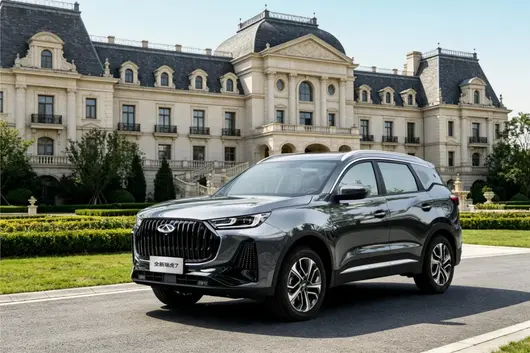
回到产品本身,瑞虎7把“A级价值”做得很实。以在售全新瑞虎7及瑞虎7 PLUS为基准:车身约4530×1862×1695mm,轴距2670mm,定位紧凑型/A级;后排腿部对175cm体验者约两拳,地台接近纯平,五口之家长途不顶膝;后备厢常规475L,放倒扩展至1500L,婴儿车、折叠自行车、露营箱都能塞,PLUS高阶版还提供24.6英寸曲面环绕屏、Lion车联网、8155芯片、CarPlay/HiCar、360°或540°影像。

全新瑞虎7的低配不是“够用就好”,而是以扎实硬件定义入门舒适新标准——多连杆底盘、零重力座椅、远程控温、纯平后排四大支柱,让8万元左右预算也能享受越级驾乘质感。若你重视日常通勤与家庭出行的体感舒适,它确实做到了“低配不将就”。

动力与用车成本:1.5T通勤、1.6T顾长途
瑞虎7动力按场景分两条线。全家满员出发时,1.5T高效涡轮增压发动机与9速CVT变速箱的黄金组合足够好用,最大功率115kW、最大扭矩230N·m,起步轻快、高速巡航稳健,换挡平顺无顿挫。同时,全球五星安全标准打造的磐石车身守护家人安全。

而为了让用户彻底消除后顾之忧,瑞虎7推出首任非营运车主即可享受整车终身质保。这意味着,相比于市面上普遍的3年或10万公里质保,瑞虎7将这份保障延伸到了车辆的整个生命周期。购车时的优惠是看得见的实惠,而终身质保则是未来十年甚至更久用车生活中省下的真金白银。

为什么它配叫A级价值标杆
A级SUV的标杆不在于堆多少屏幕,而在于“价格、空间、可靠、安全、保有量”五件事同时不偏科。瑞虎7通过“低价高配”策略和全球化技术背书,精准满足家庭用户对舒适、安全、智能的需求。其连续三年蝉联中国品牌A级SUV出口冠军的销量成绩,进一步印证了其作为“价值标杆”的市场认可,它不一定在每一个单项都最激进,但把家用SUV最在意的“别坏、别贵、别挤、别简配”全做了。

对年轻家庭而言,第一台车往往决定未来十年对品牌的信任。A级价值标杆不该由合资品牌定义,也不该由单项参数定义,而该由长期真实用车口碑定义。

结语
A级家用SUV用户要的从来不是最炫,而是最稳;全球品质加上本地口碑,才是这个价位真正难以替代的标杆。一句话定性:瑞虎7的口碑不是某一项参数爆表,而是把“配置越级+全球验证+终身质保”做成家庭用车的长期账。
© 2024 Bitauto.com. All Rights Reserved.
Bitauto (www.yiche.com and www.bitauto.com) is one of the most visited automotive websites in China. We provide detailed info on Chinese car brands available in your area. Please note that the information provided on this website is based on publicly available data and is for reference only. It may not be fully updated or accurate at all times.

Help us improve our website


